hot-dip vs pre-galvanized is the first checkpoint buyers should lock before they approve a supplier, budget, or production slot. The choice between...
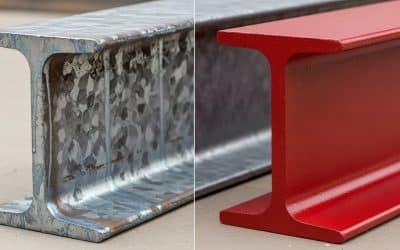



hot-dip vs pre-galvanized is the first checkpoint buyers should lock before they approve a supplier, budget, or production slot. The choice between...
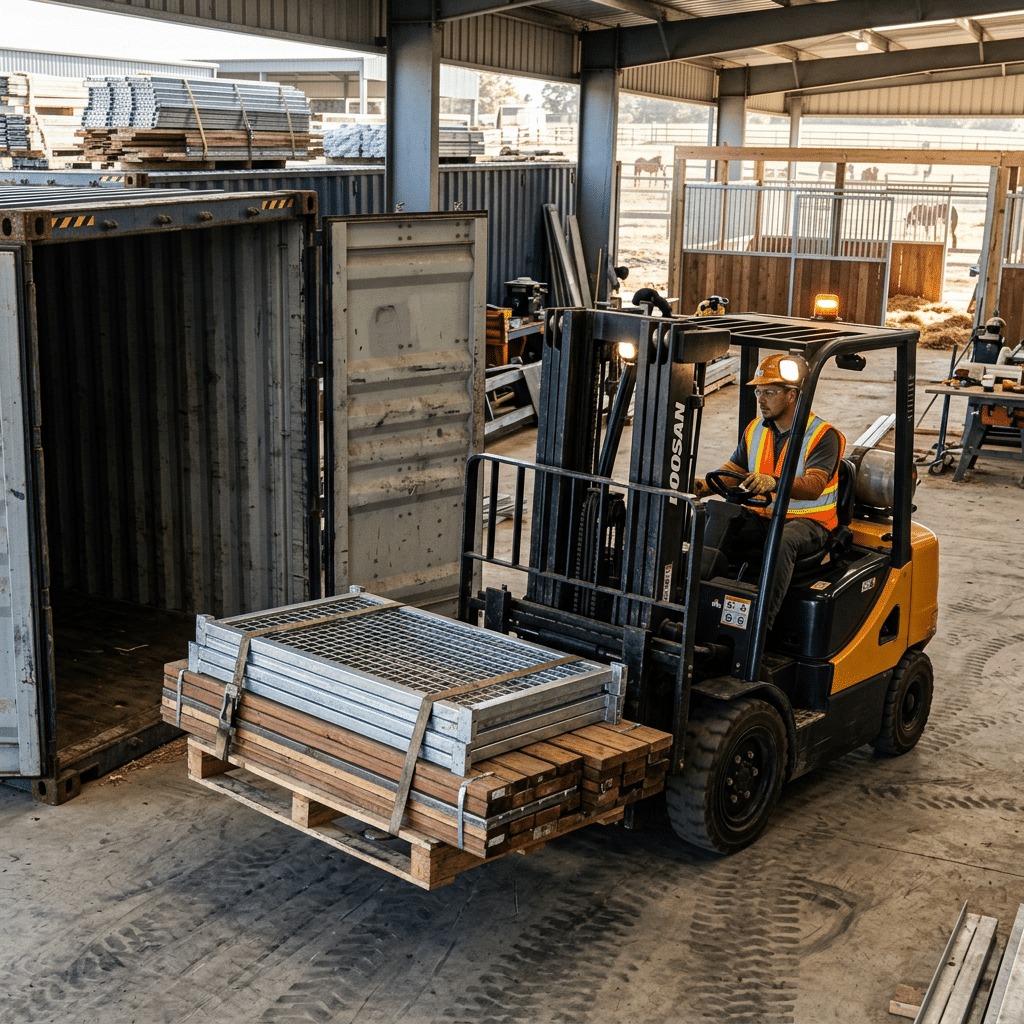
Installation labor cost is the most volatile expense in stable construction, often consuming 40% of the budget with on-site fabrication. Hiring...
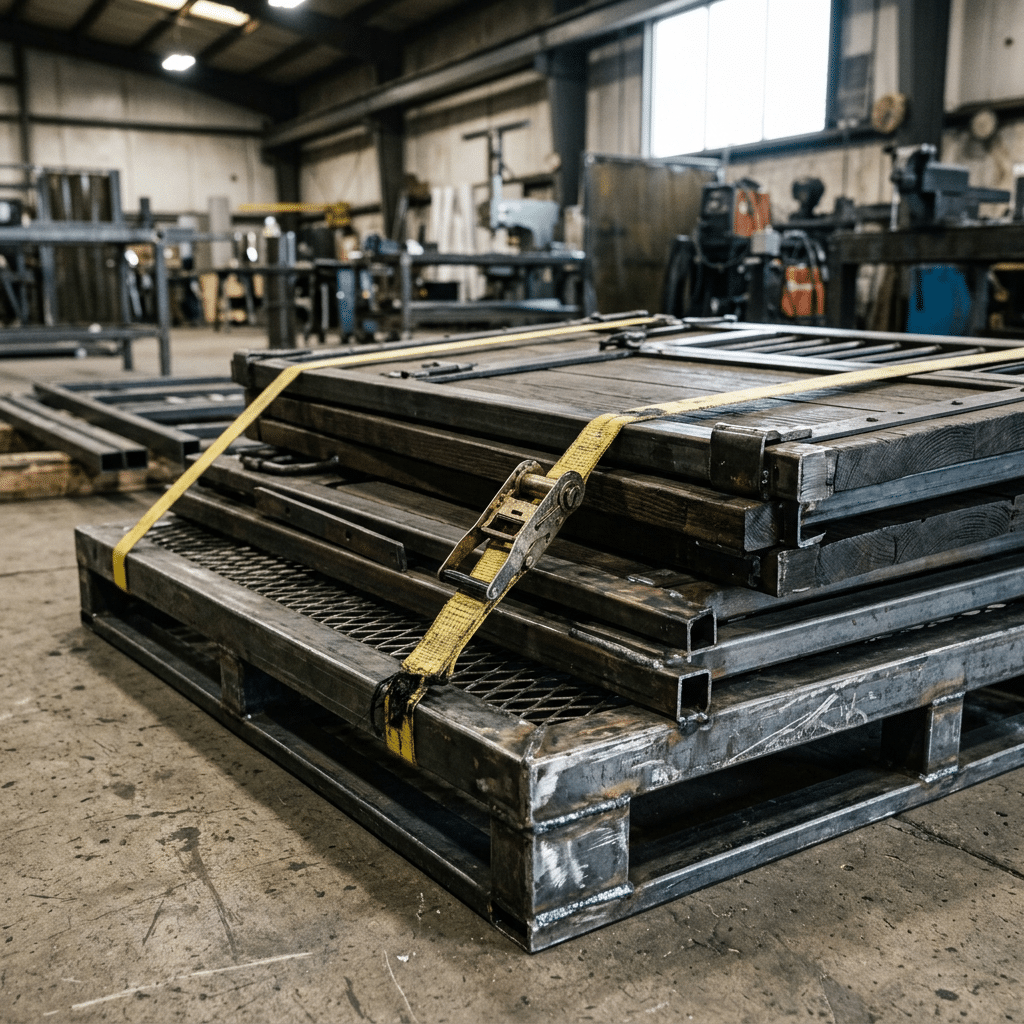
Mismanaged Import Tariffs & Duties on steel products create significant financial risk. Classifying structural components as...
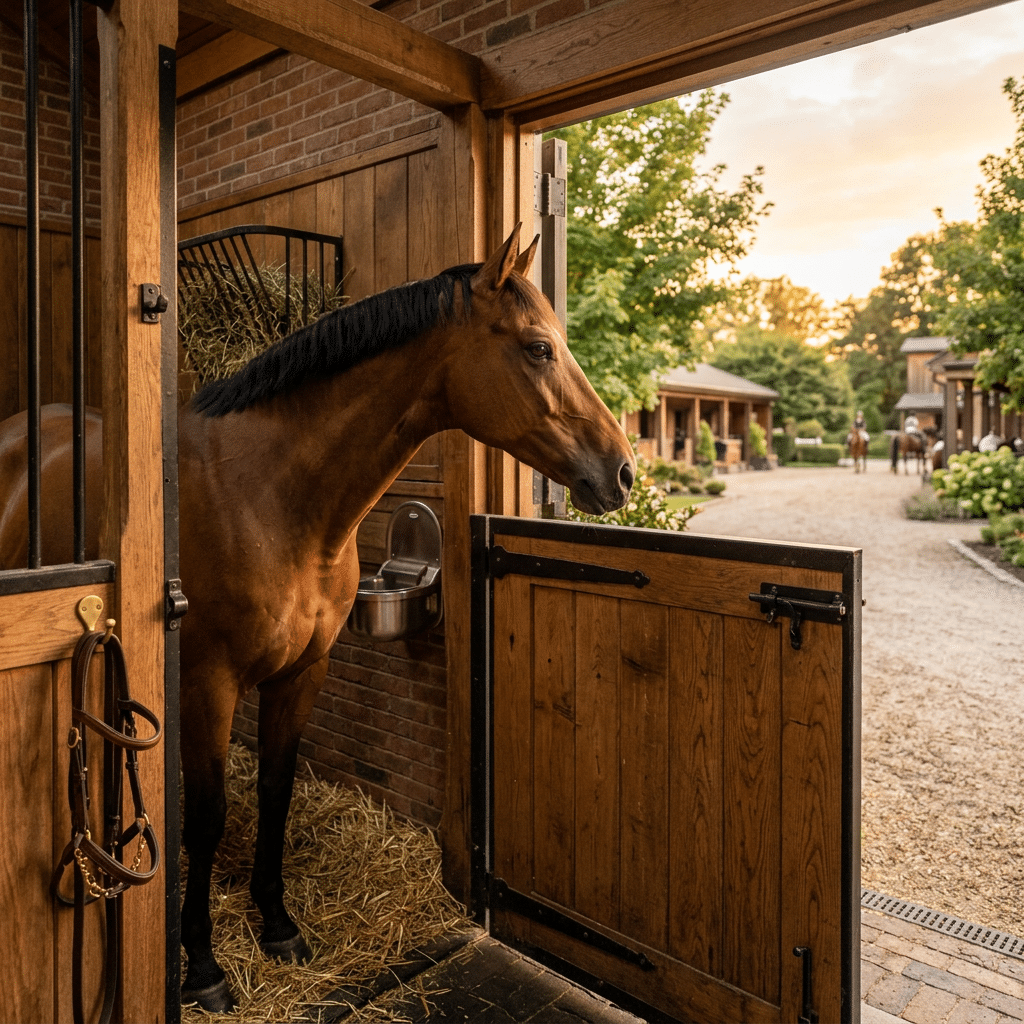
Stable maintenance cost is more than just replacing chewed pine boards; it’s an operational liability. The predictable cycle of lumber...
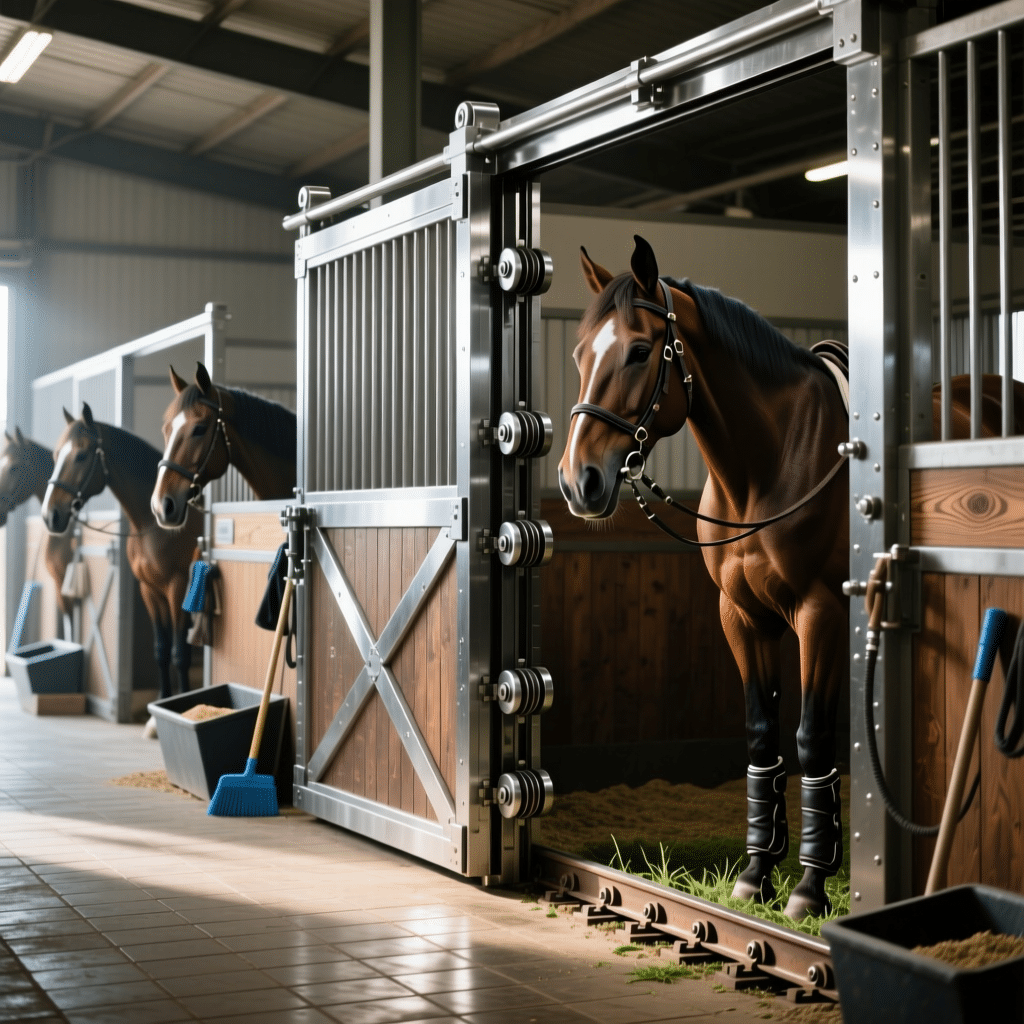
sliding stall door derailment fix is the first checkpoint buyers should lock before they approve a supplier, budget, or production slot. Every...
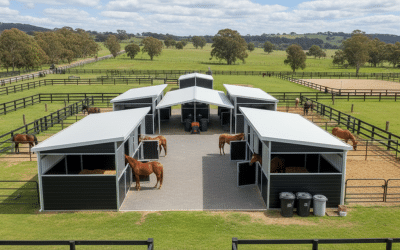
diy horse stable kits australia is the first checkpoint buyers should lock before they approve a supplier, budget, or production slot. You’ve just...
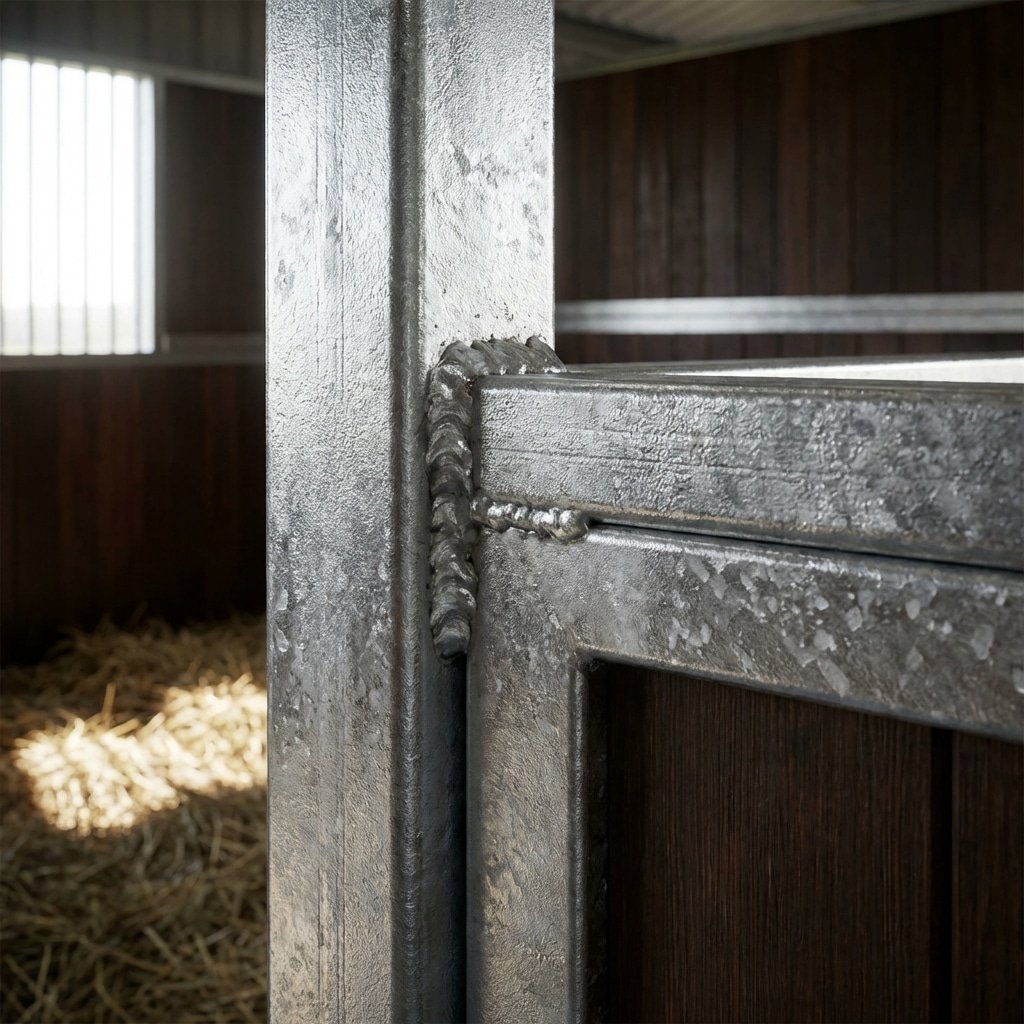
The choice between hot-dip galvanized vs pre-galvanized horse fencing isn't a materials science debate—it's a maintenance budget decision that shows...
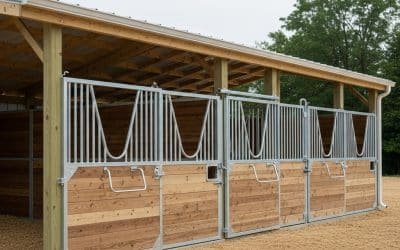
A 20x20 pole barn structural fail isn't a freak accident. It's the predictable outcome of designing a horse shelter with the same steel specs used...
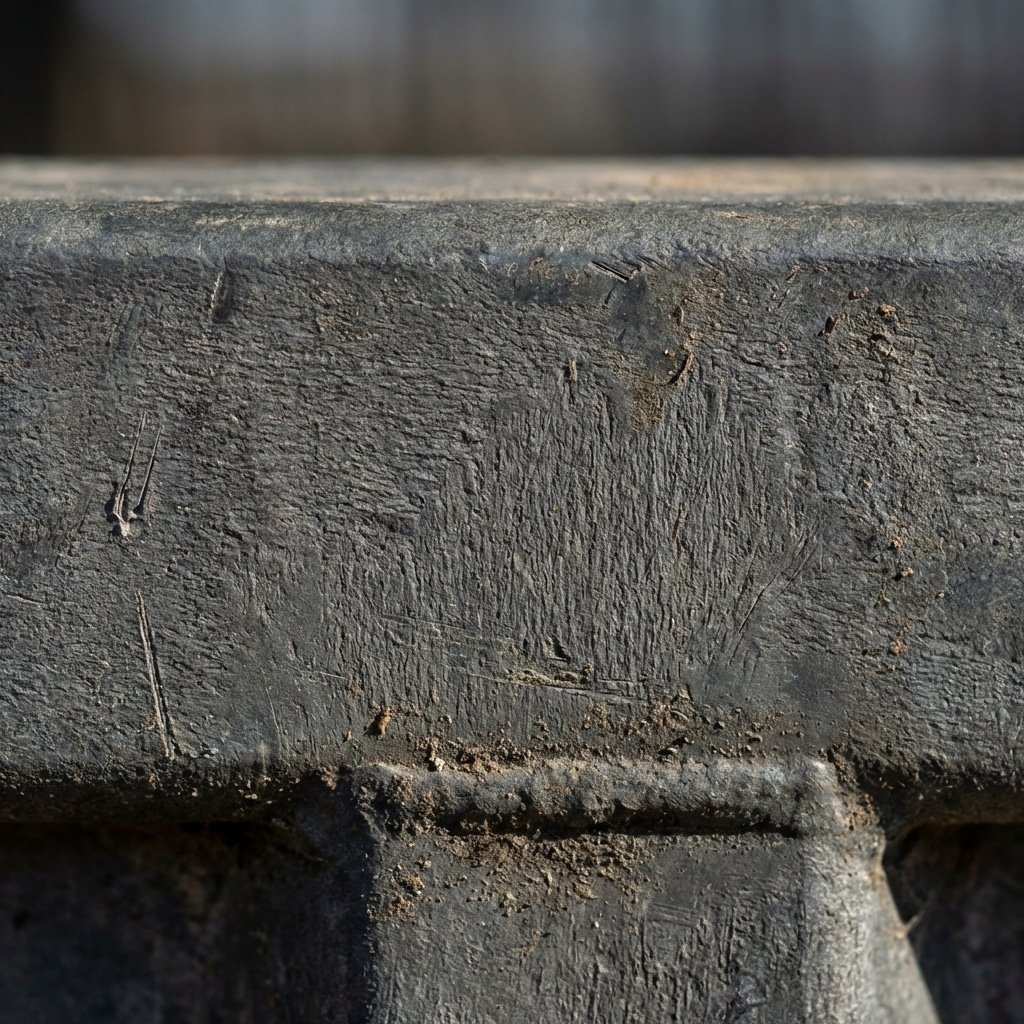
Specifying the right draft horse stall steel gauge is the single most important decision in a heavy-use facility. A Clydesdale or Shire generates...
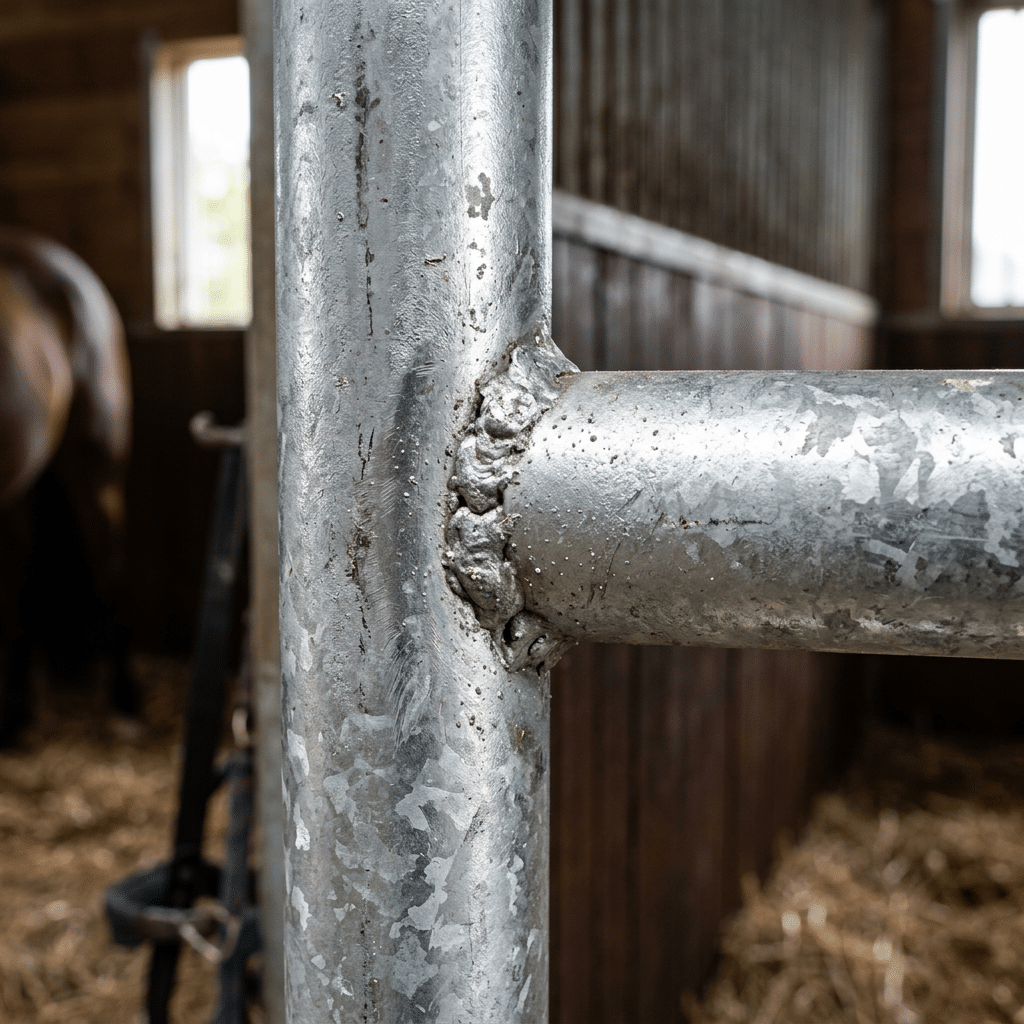
Maximizing B2B Distributor ROI is impossible when your supplier competes with you for sales. This channel conflict, combined with high freight costs...
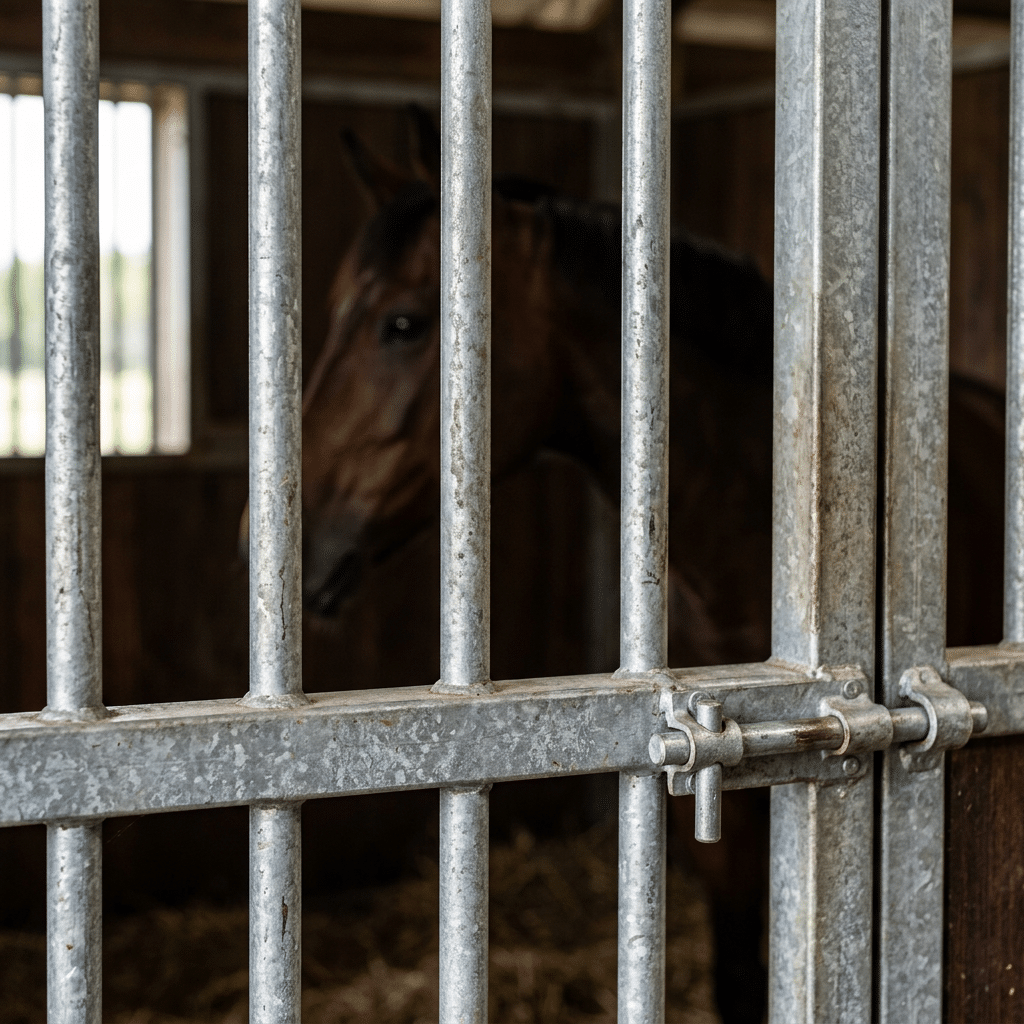
Invest in Horse Stables Built to Last Our precision-engineered stables offer a 20-year lifespan with hot-dipped galvanized steel and...
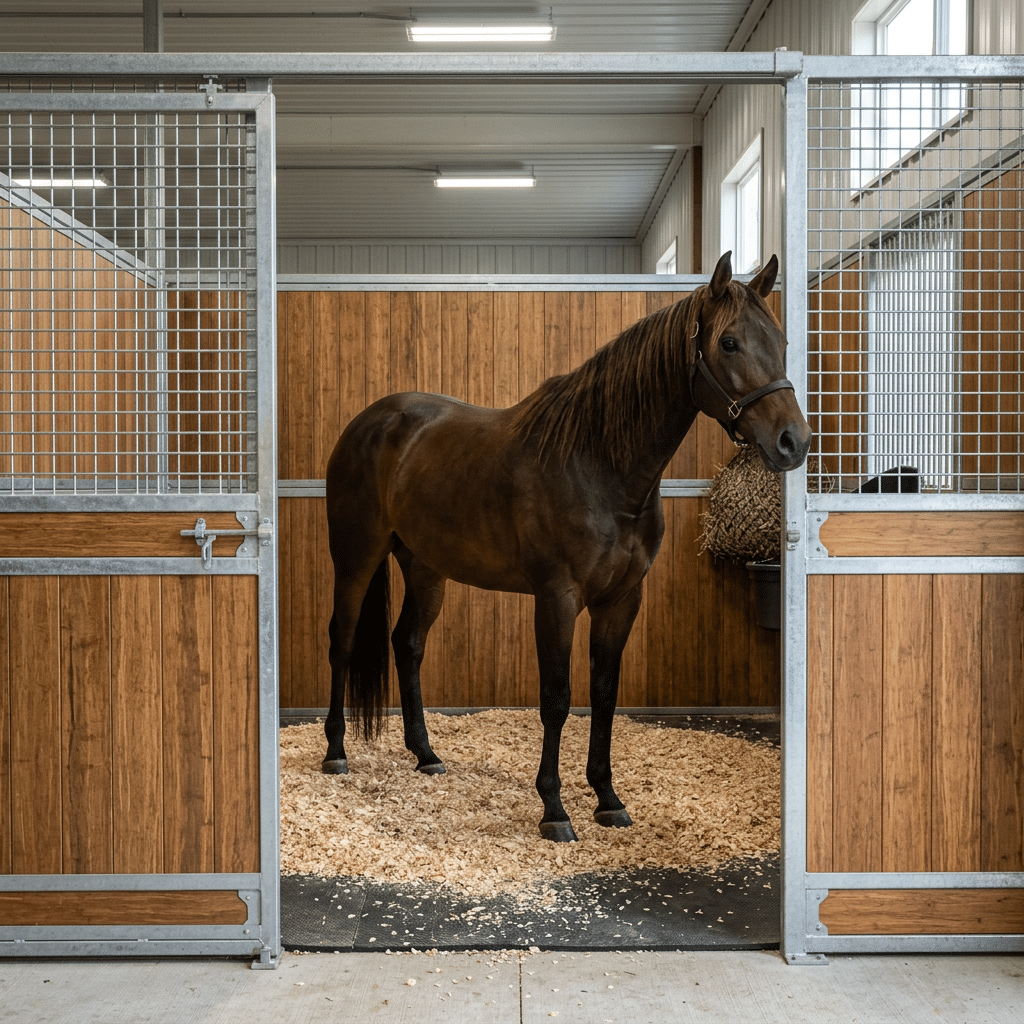
Calculating the Economy vs Luxury ROI is the central decision for a boarding facility’s business model. The wrong stall system wastes capital,...
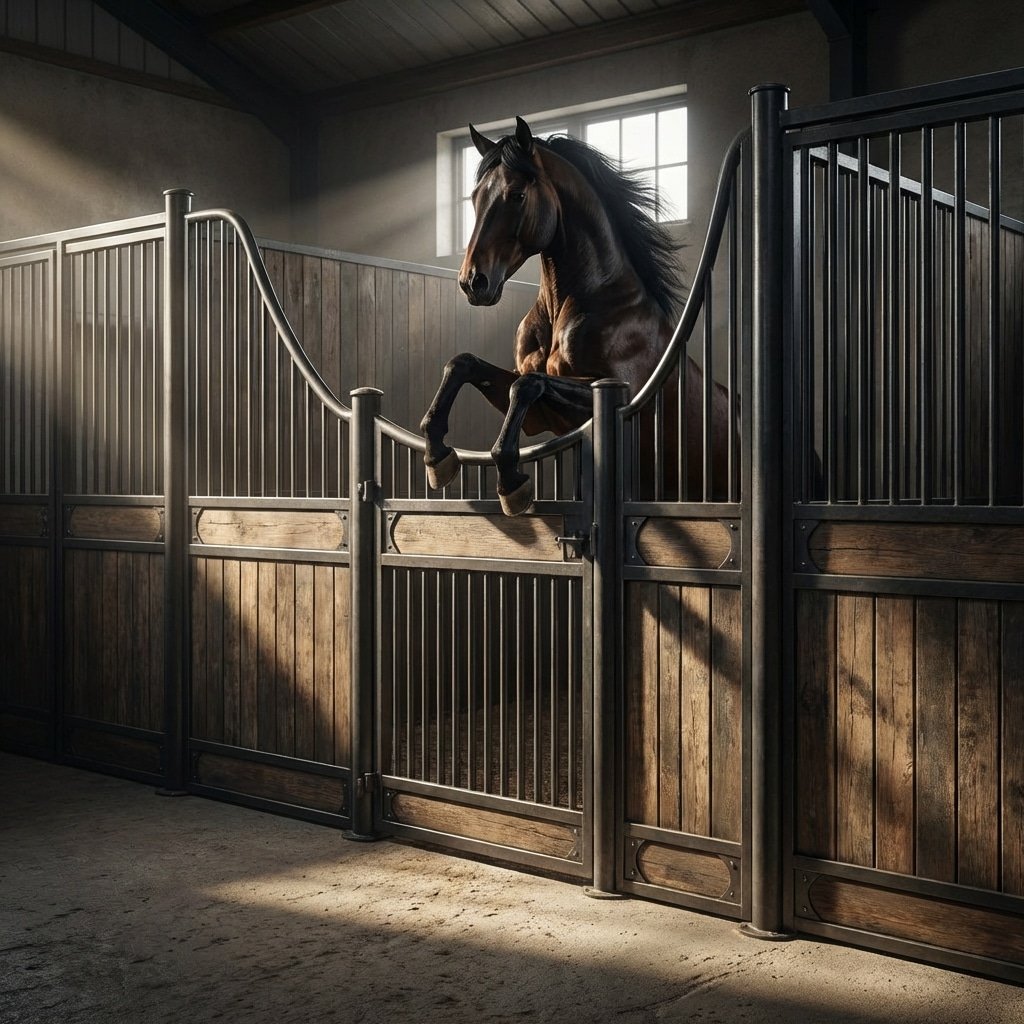
Validating FEI jump cups safety for a 5* event venue means you are checking more than just a release mechanism. You are confirming that the...
aluminum show jump poles is the first checkpoint buyers should lock before they approve a supplier, budget, or production slot. Every facility...
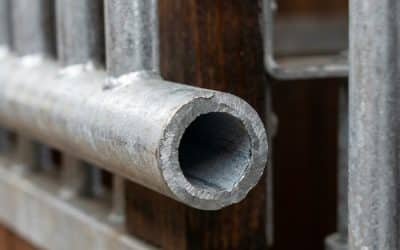
Commercial equestrian developers often fall into the steel gauge scam jumps trap by trusting generic gauge numbers rather than verifying actual wall...
Managing rust repair costs starts with rejecting the core cause: pre-galvanized steel. This common manufacturing shortcut guarantees corrosion at...
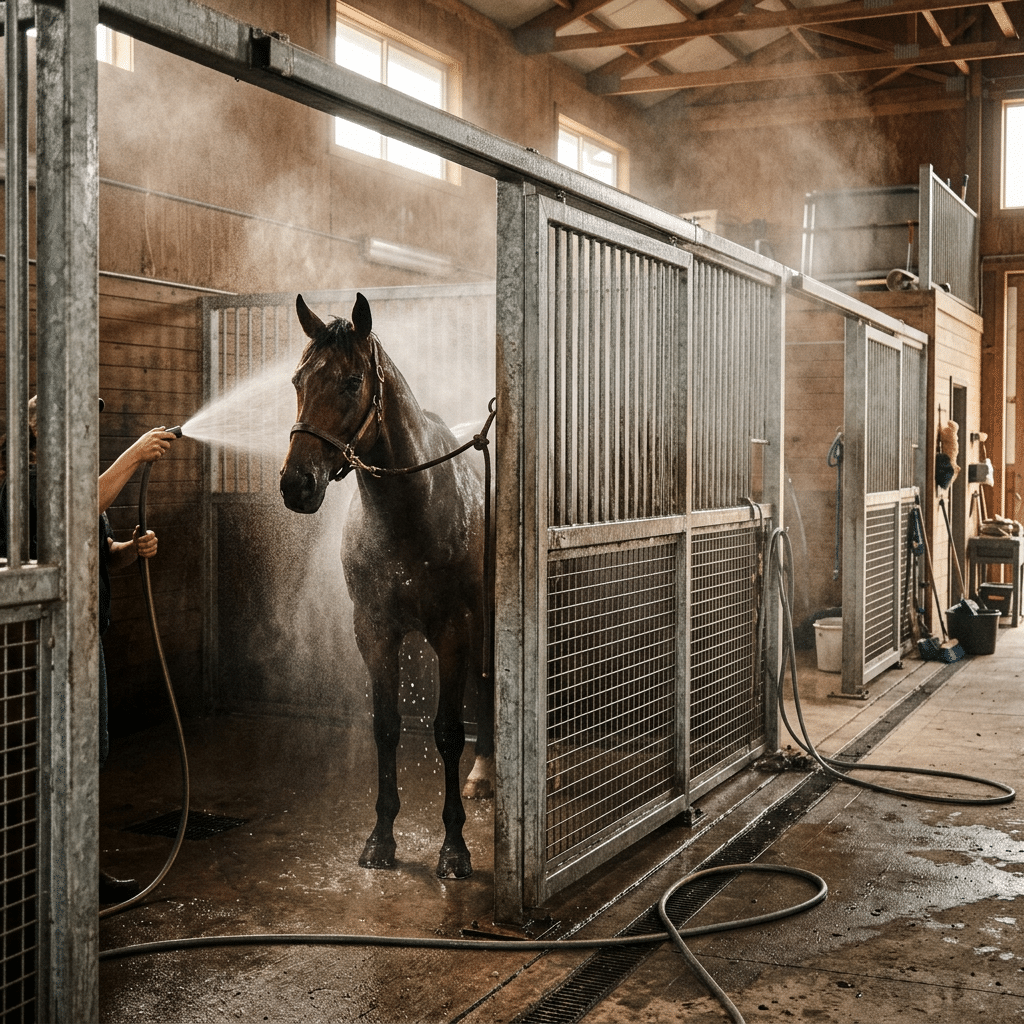
The true Customization Value of OEM stable manufacturing is measured by the structural renovation costs it prevents. Forcing standard panels into...
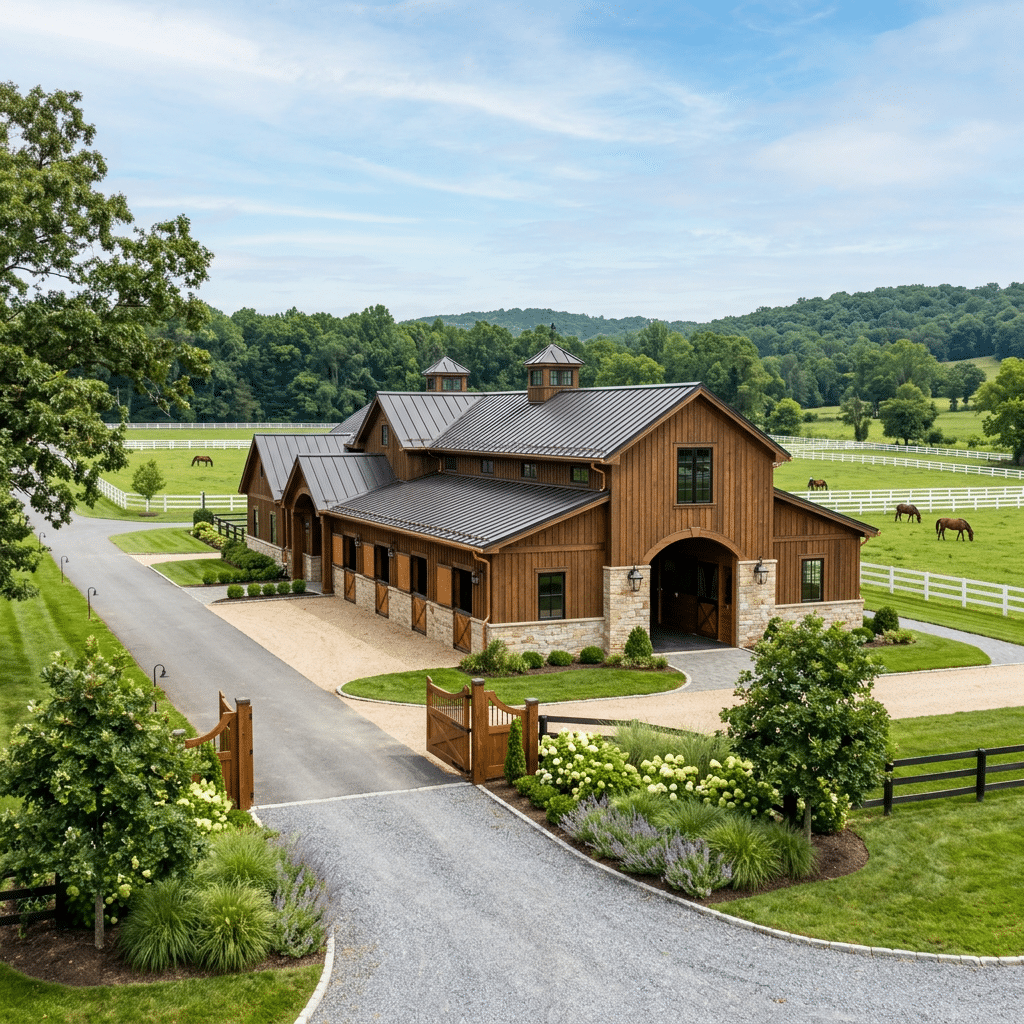
Analyzing the Trading Co vs Factory dynamic is the first step to protecting your profit. Sourcing through an intermediary means paying for hidden...
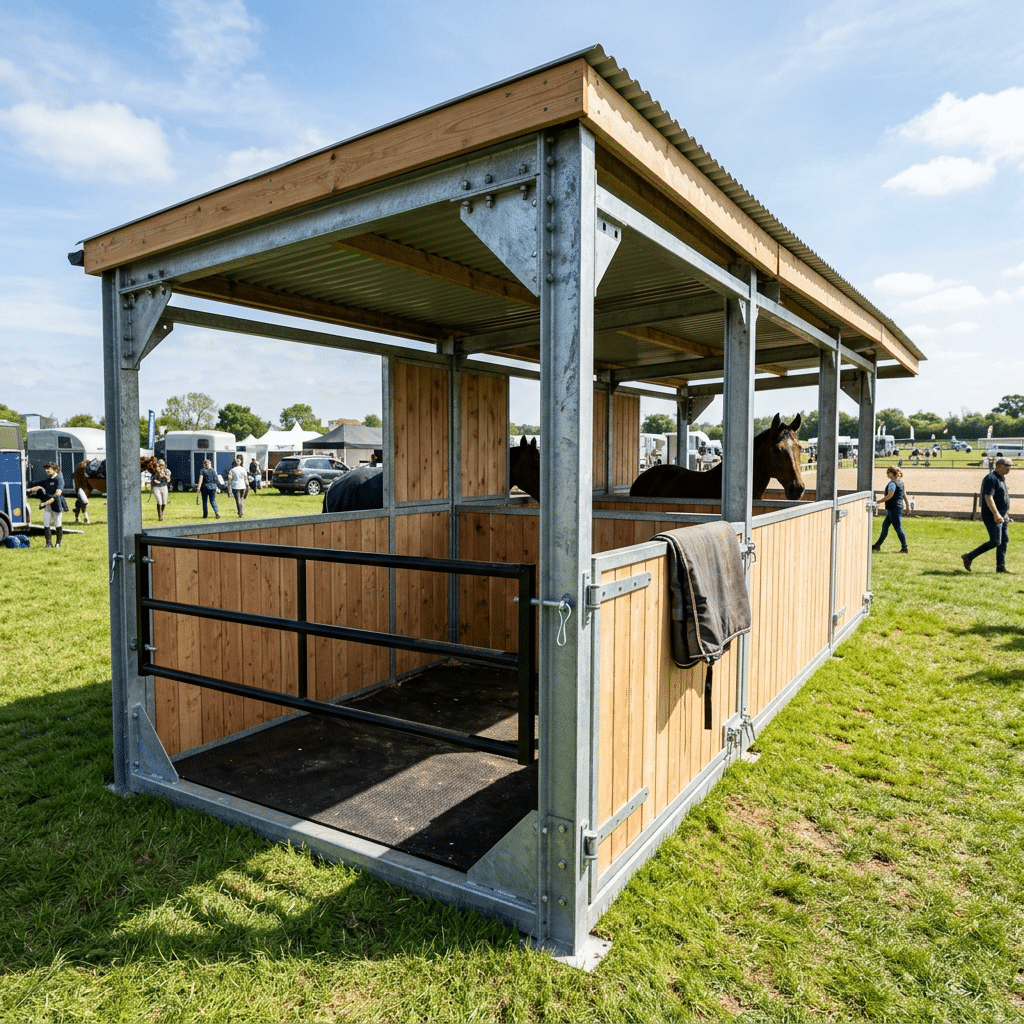
Steel gauge deception is a costly trap where paying for 14-gauge (2.0mm) steel but receiving thinner 16-gauge material creates hidden structural...
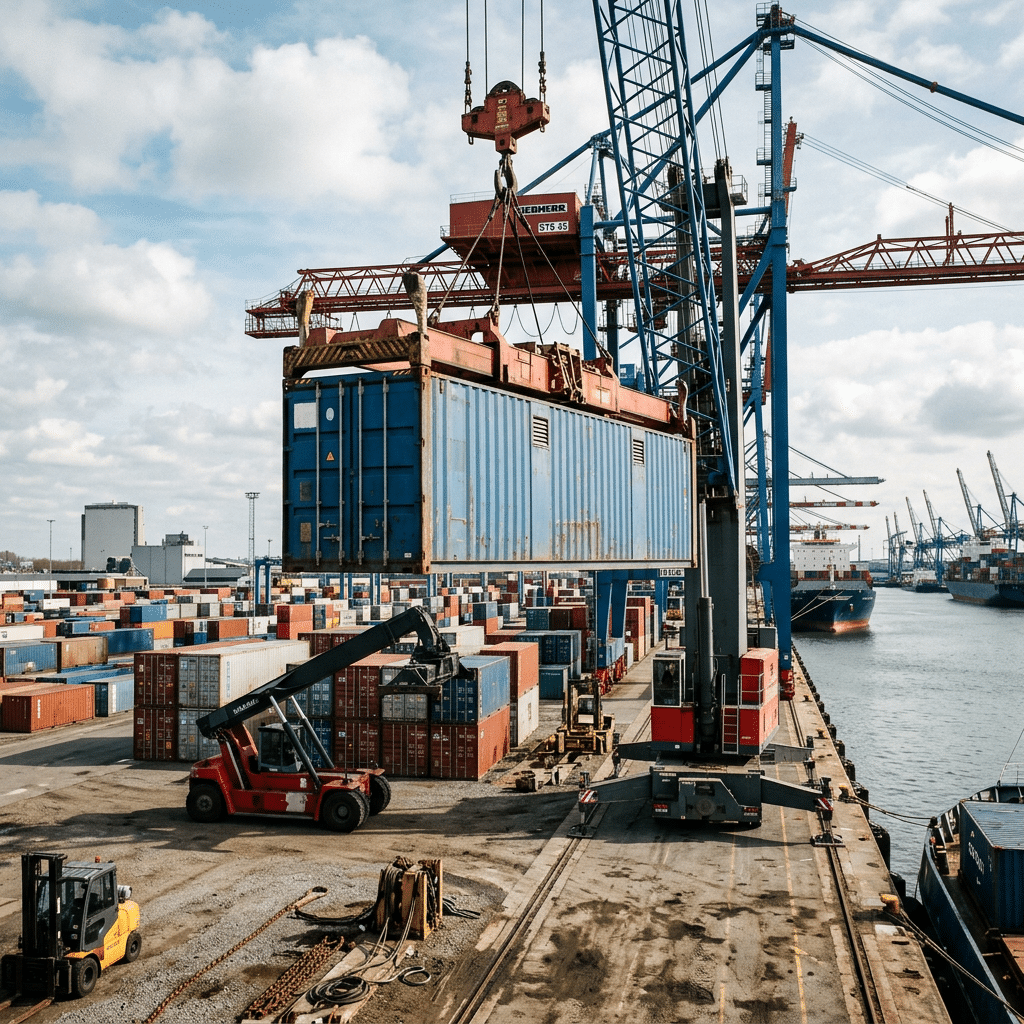
Recognizing fake galvanizing is critical to prevent warranty claims tied to premature rust. The common shortcut—welding pre-galvanized steel—burns...
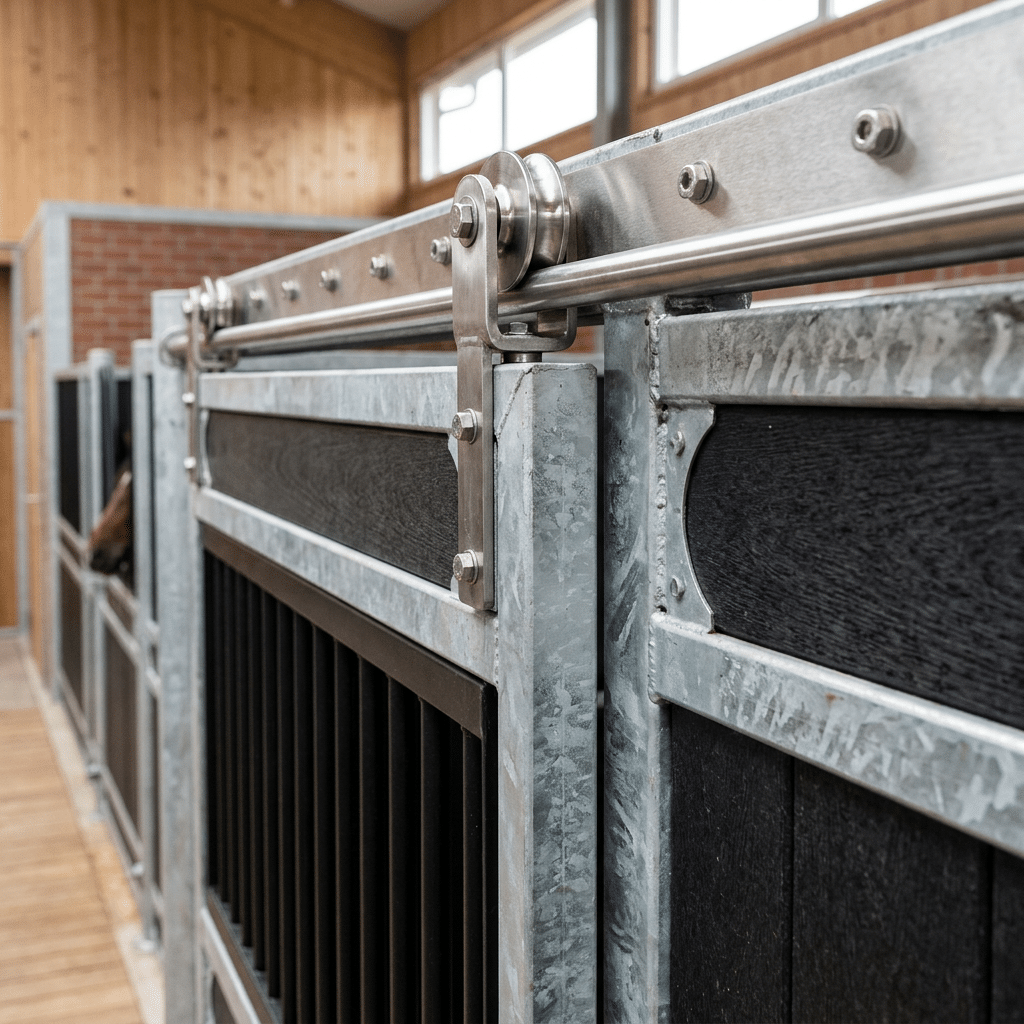
Bamboo density fraud is a critical sourcing error that directly impacts project budgets and animal safety. Suppliers substitute cheap, laminated...
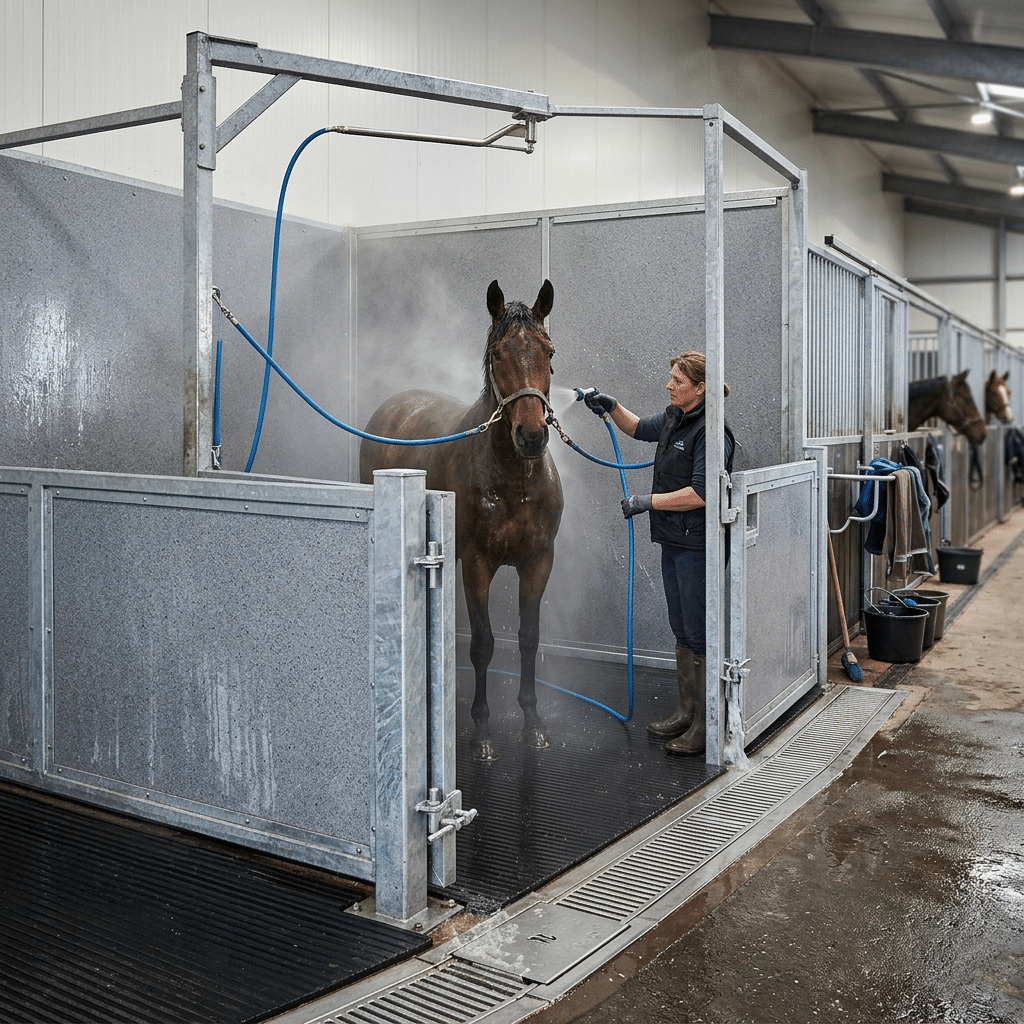
The hardware bait & switch is a quiet margin killer in the equestrian equipment industry. Vague specs like ‘rust-resistant’ allow manufacturers...
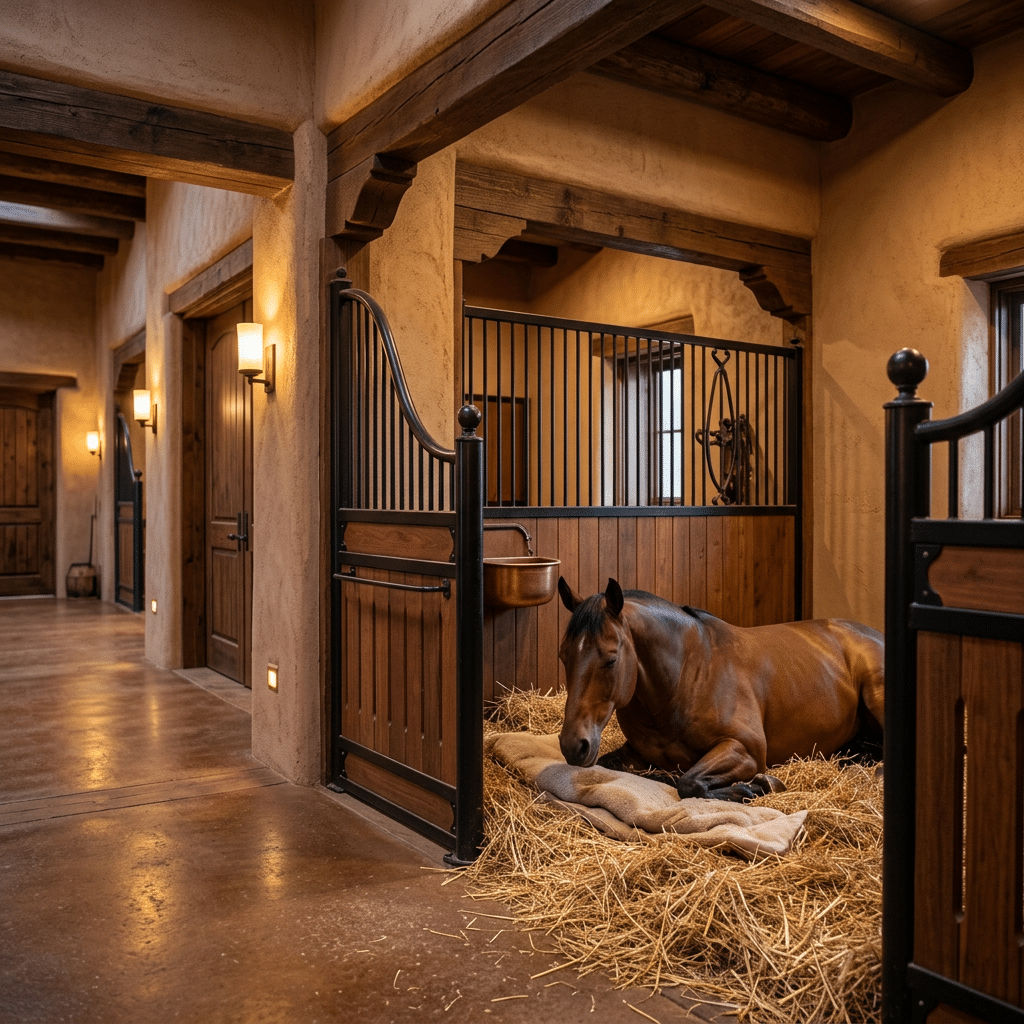
The Shipping Volume Trick is a common B2B trap where a low FOB price on fully-welded stables hides an expensive reality. Distributors pay full...
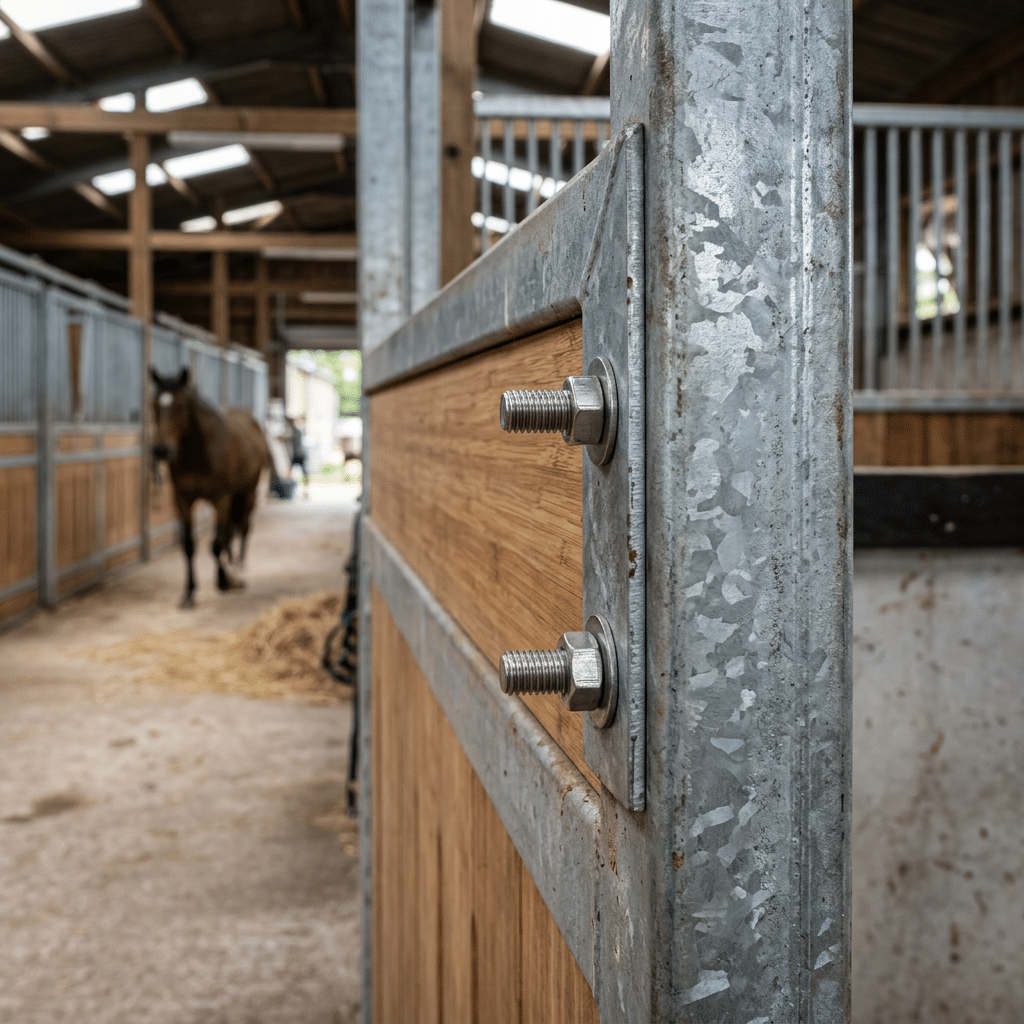
Hidden custom fees are the primary source of budget overruns in equestrian facility projects. Trading companies and mass-production factories...
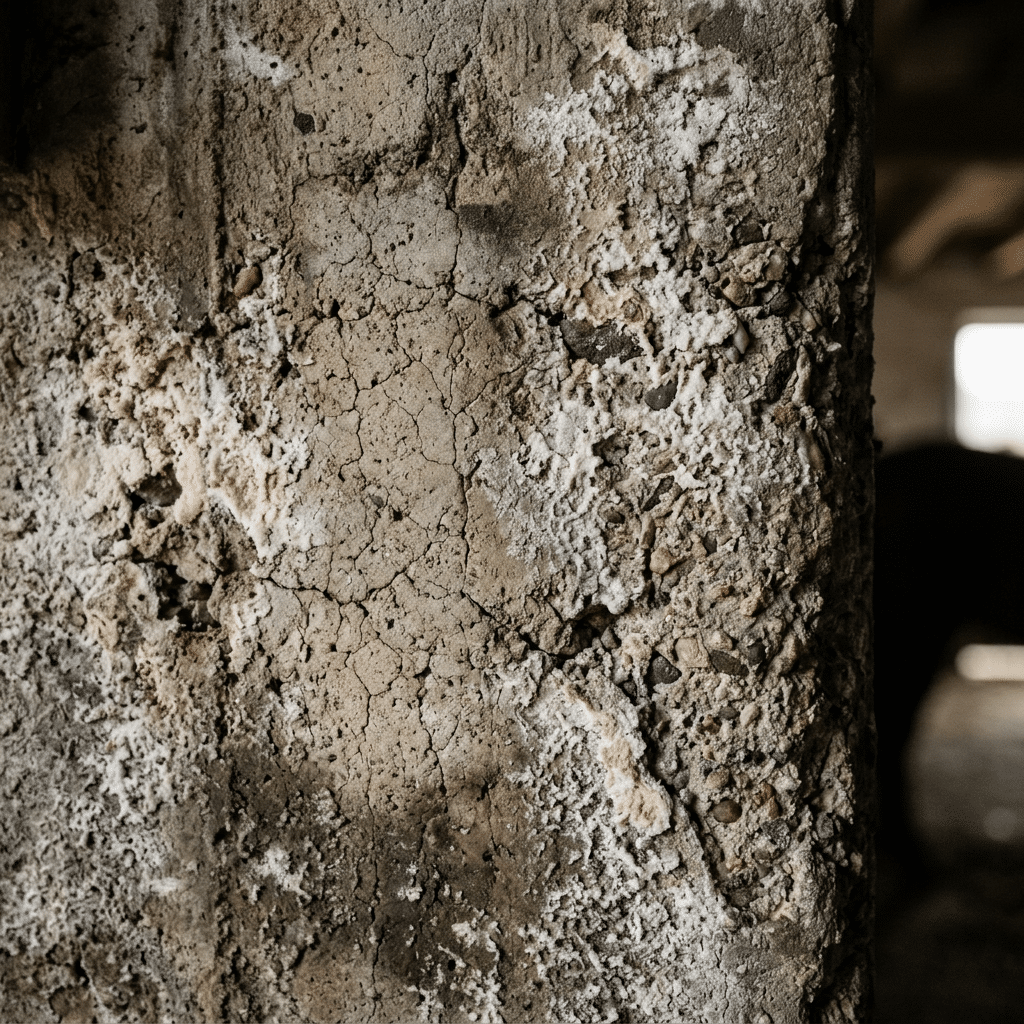
Exposing fake warranties is a critical defense for stable distributors. The popular “10-year rust proof” claim is often a marketing tool...
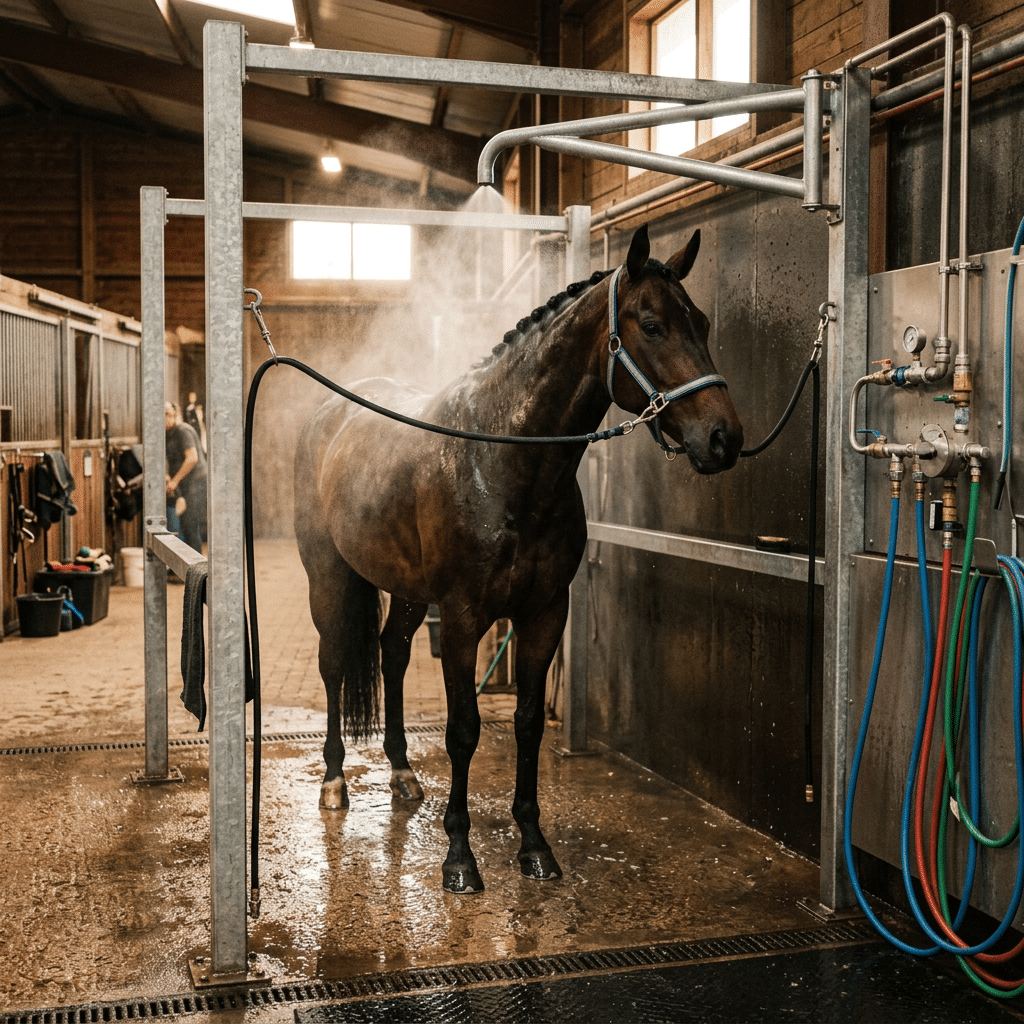
Assembly nightmares with cheap stable kits are a direct threat to project profitability. What starts as a simple installation quickly becomes costly...
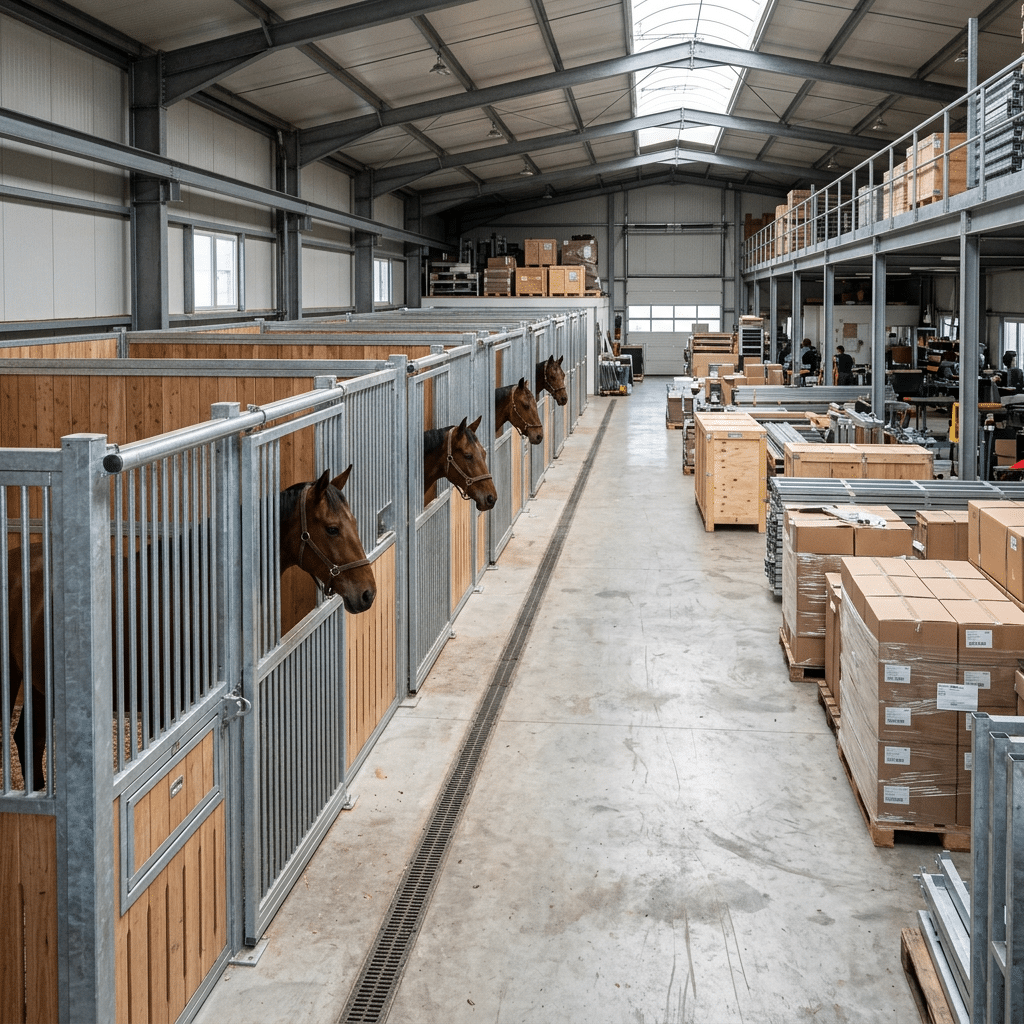
Payment & QC safety is the primary defense against losing your deposit to supplier fraud or receiving non-compliant goods. The financial risk...
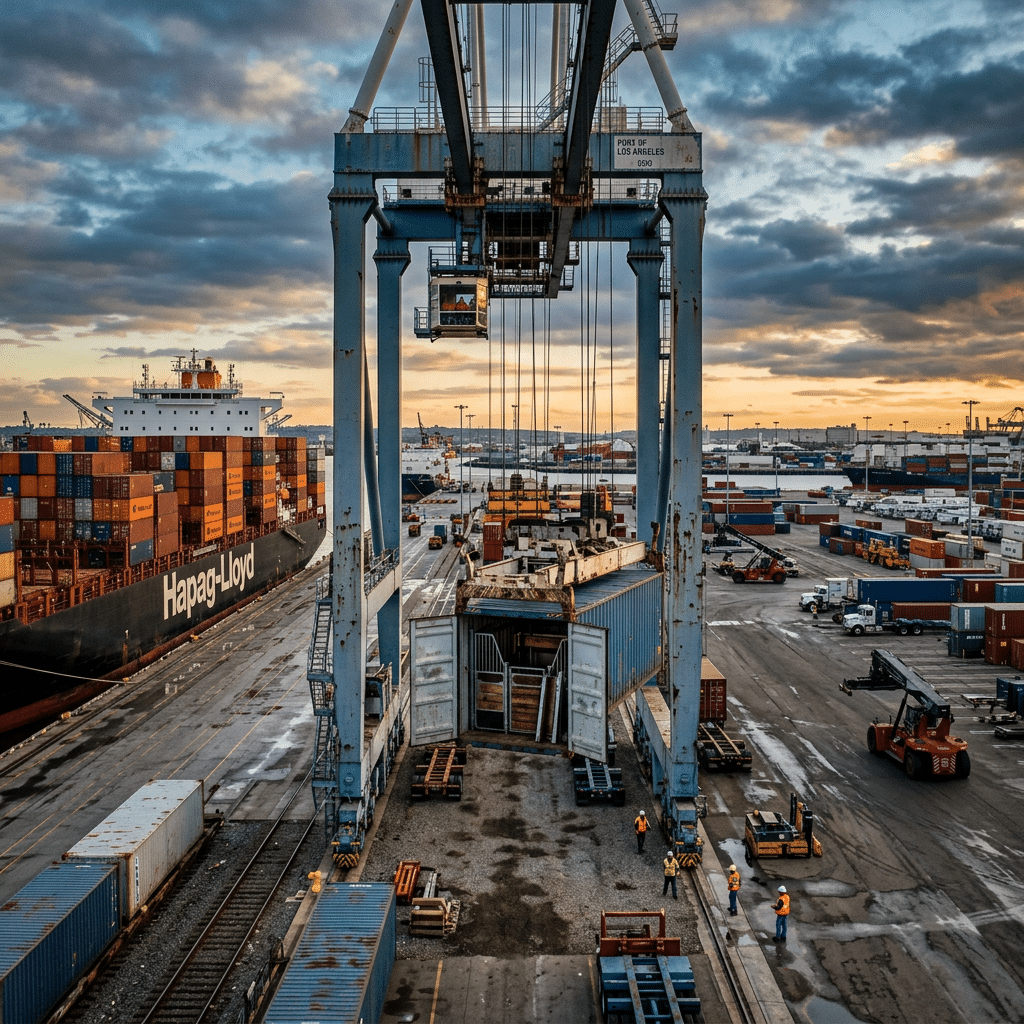
Barn condensation is often misdiagnosed as a simple roof leak, but the real damage is the toxic air quality it creates. Trapped moisture...
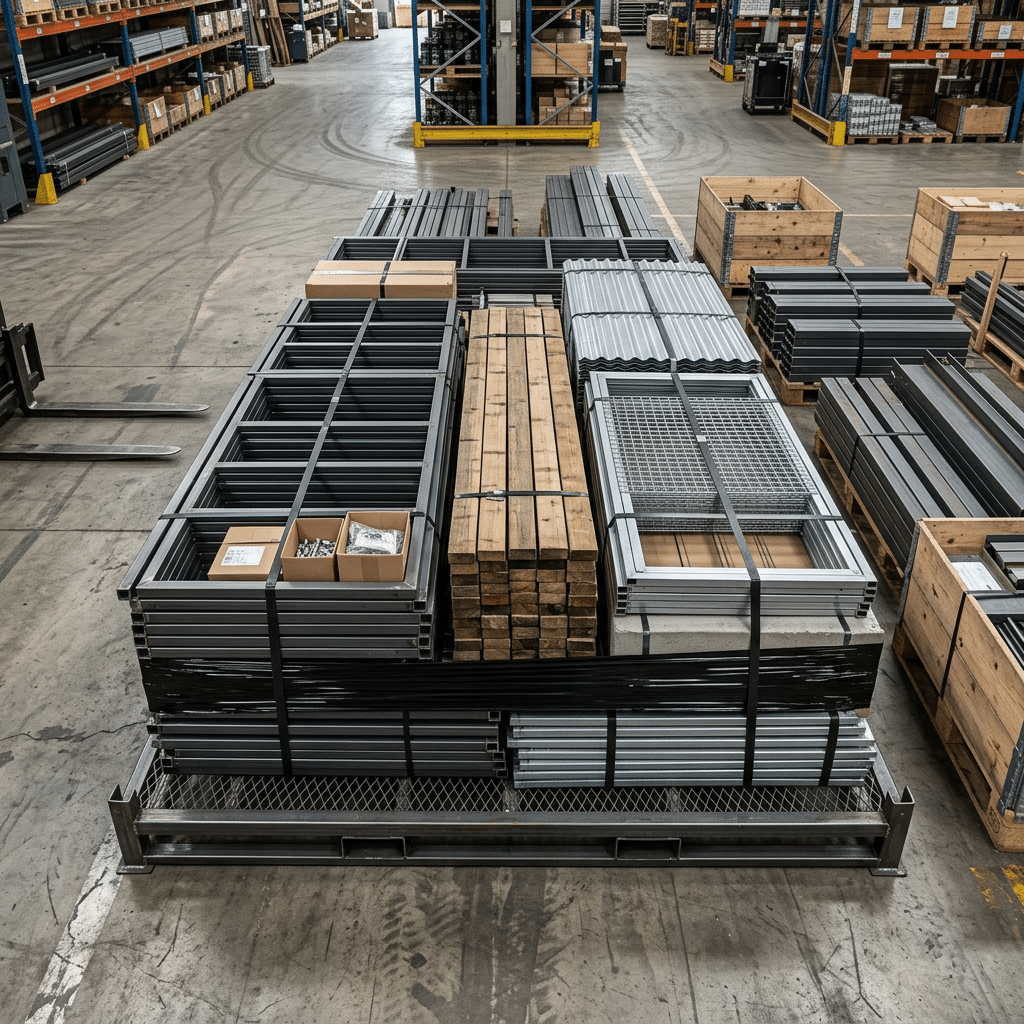
Effective winterizing stables goes beyond sealing drafts; it requires preventing catastrophic material failure. Standard Q235B steel becomes...
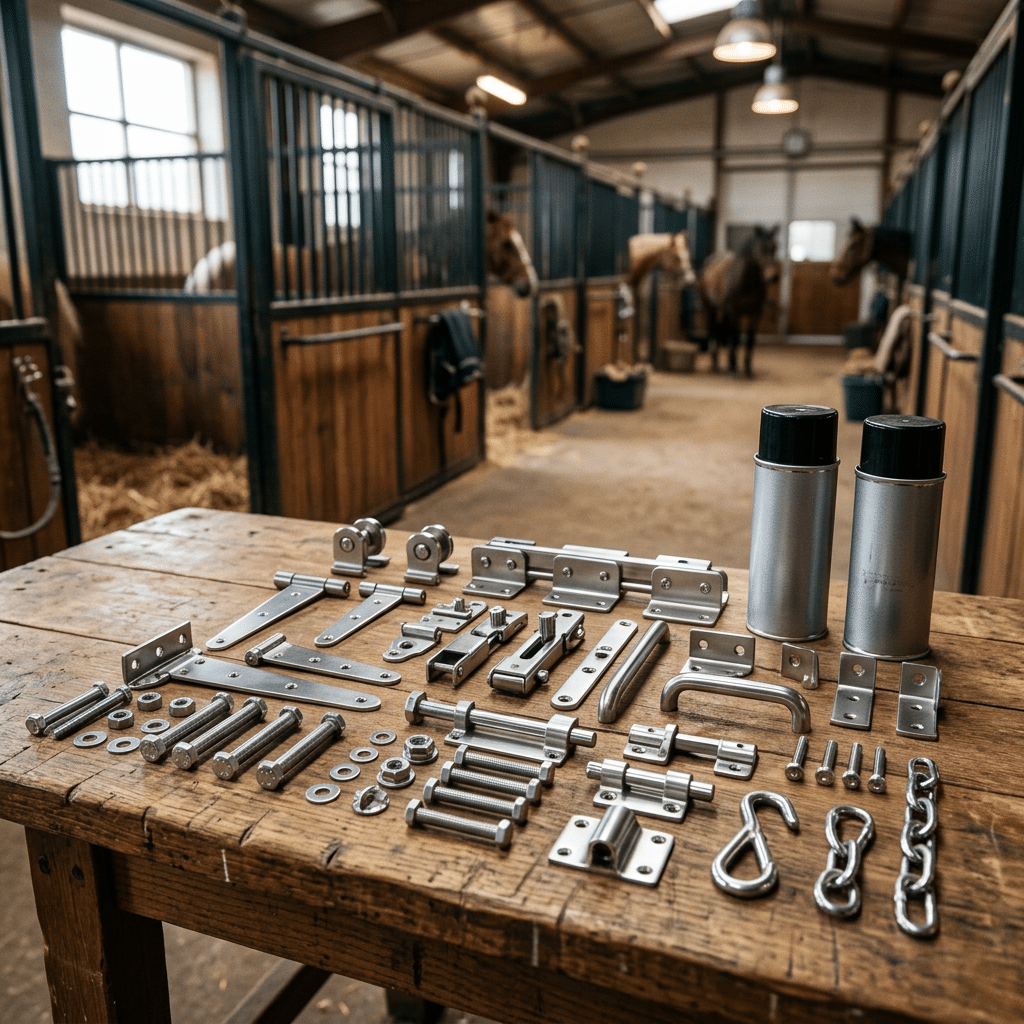
Effective barn pest control is a materials science issue, not a recurring maintenance problem. Choosing traditional wood construction guarantees a...
Effective disinfecting protocols depend on stall materials, a detail that can lead to six-figure losses. A single EHV-1 outbreak cost one facility...
Mucking efficiency is a direct multiplier for payroll costs, with stall cleaning times ranging from five to over twenty minutes. This operational...
Horse cast prevention is an engineering issue, not just a management one. Relying on temporary fixes like banked bedding ignores the primary cause:...
Stalls for aggressive horses must eliminate the risk of structural failure. Standard-issue hardware often leads to bent steel and splintered wood,...
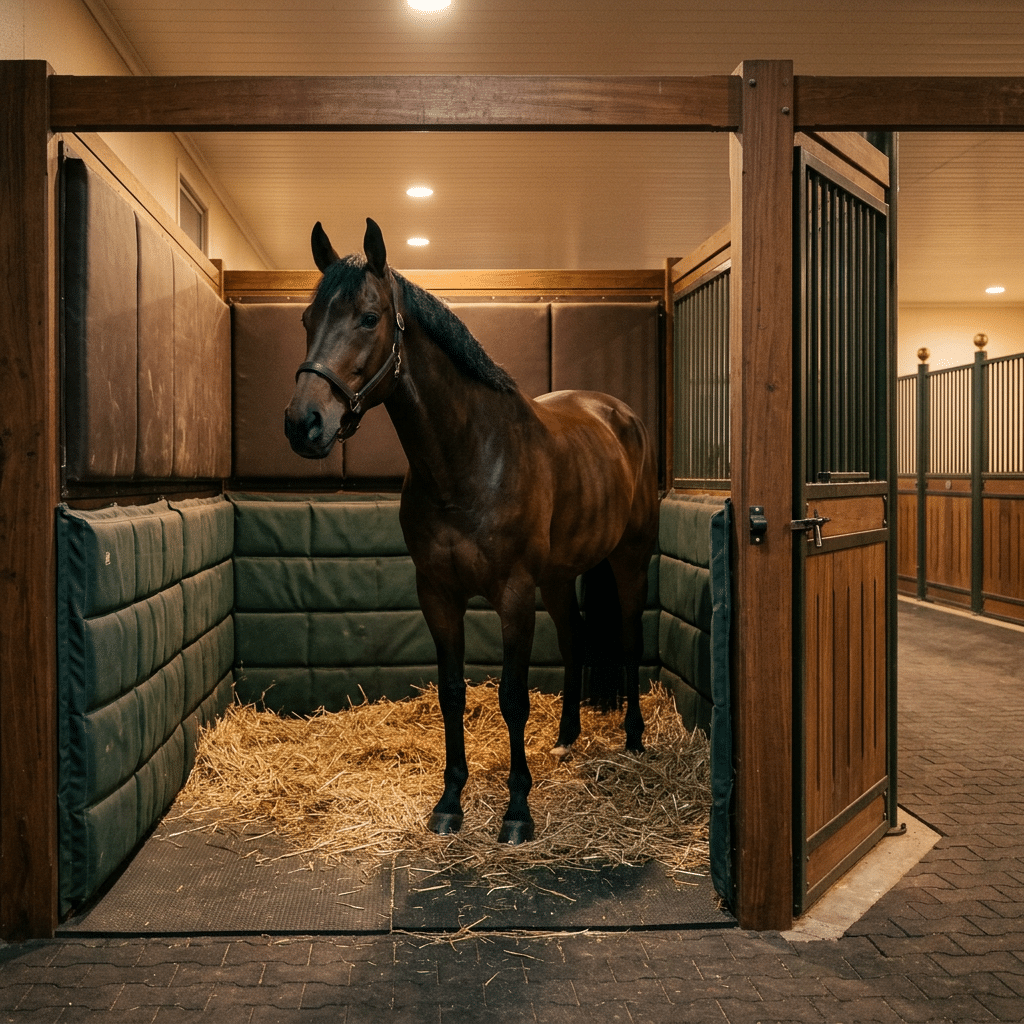
Tack room mold is not a simple cleaning issue; it’s a structural failure that actively destroys high-value leather assets. This failure turns...
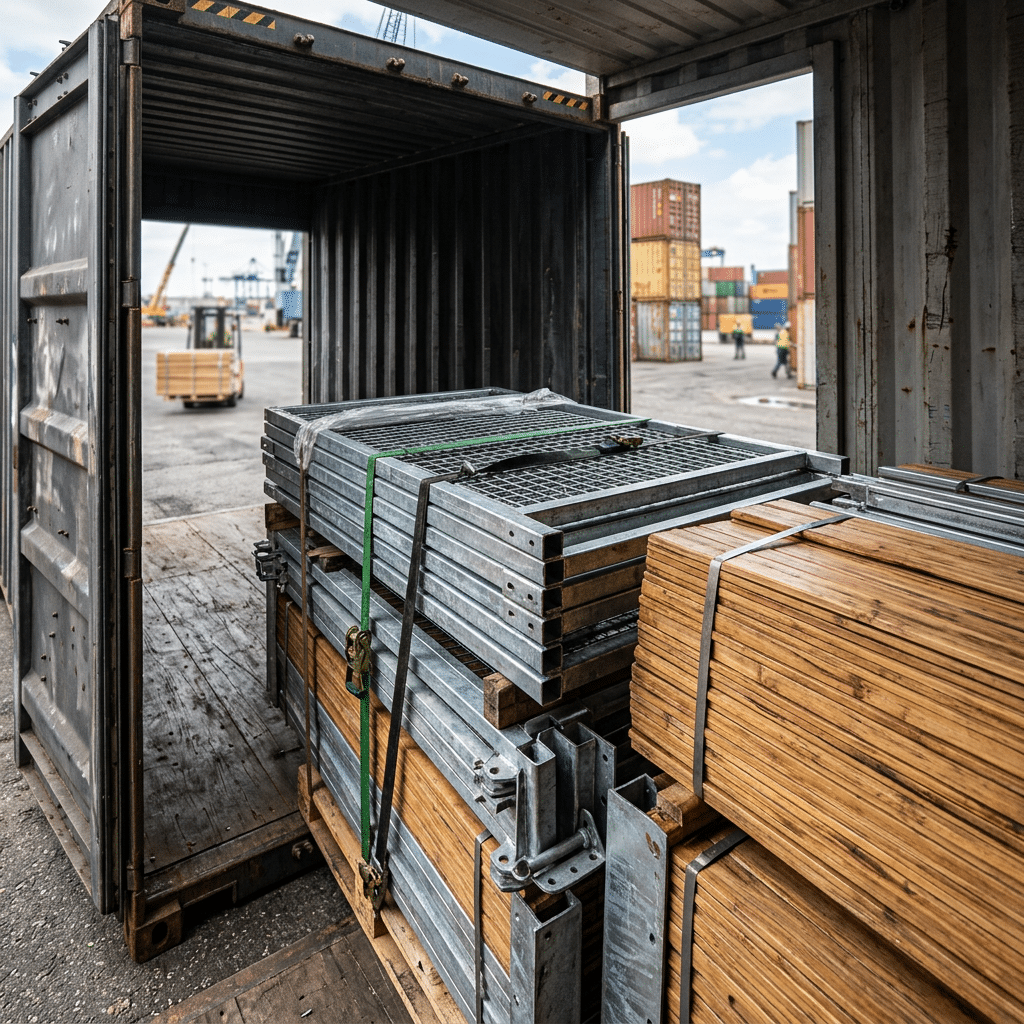
Calculating the Retrofit ROI clarifies the choice between funding endless repairs and making a single capital investment. Continuously patching...
Sourcing from premier horse stable Germany Manufacturers presents a critical business question: are you paying for superior engineering or a brand...
Sourcing from qualified Middle East suppliers is the primary defense against premature structural failure from extreme heat and salinity. Specifying...
Deciding between Poland vs Asia OEM sourcing for horse stables often focuses on unit price, ignoring the high financial risk of material failure....
Building horse stables for a Canadian cold climate is less about insulation and more about avoiding catastrophic material failure. At -30°C,...
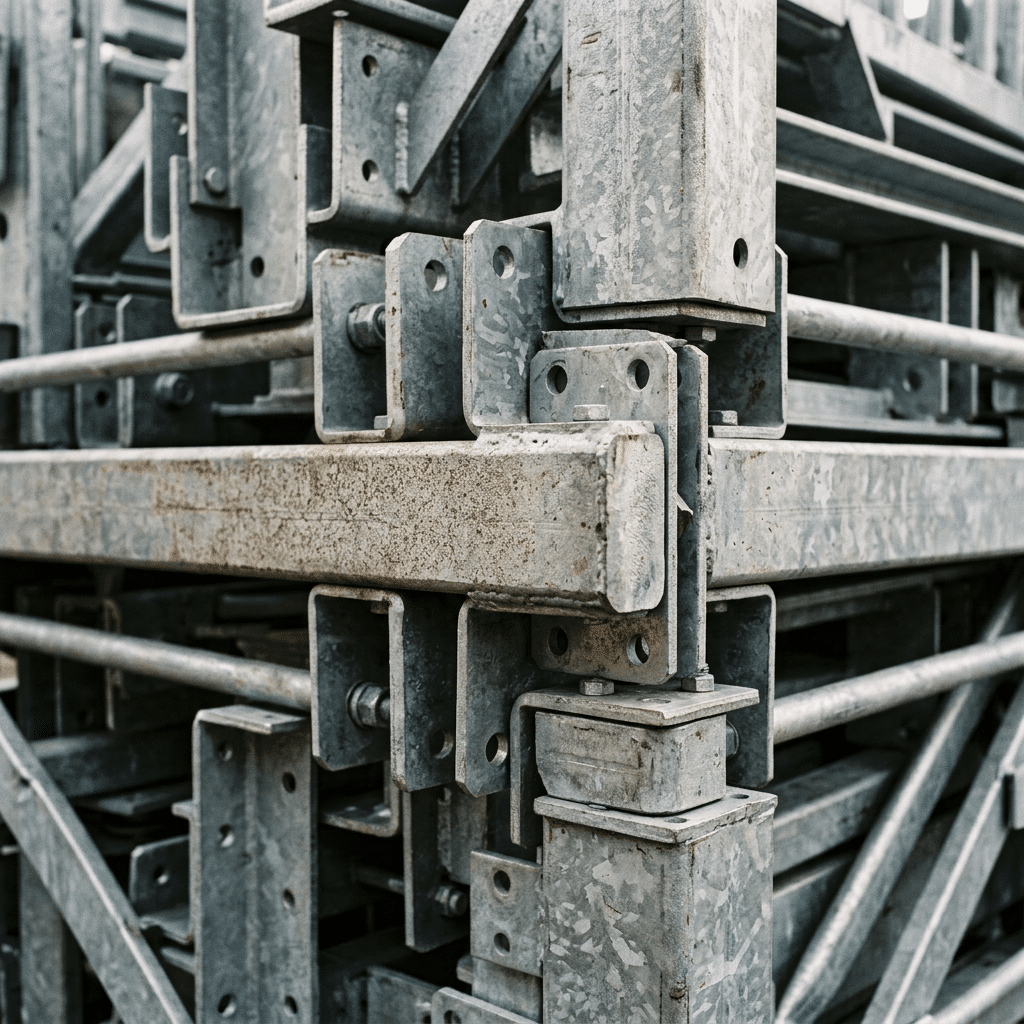
For Thoroughbred Racing syndicates, stable selection is a critical risk management decision. An incorrectly engineered stall—with a wide bottom gap...
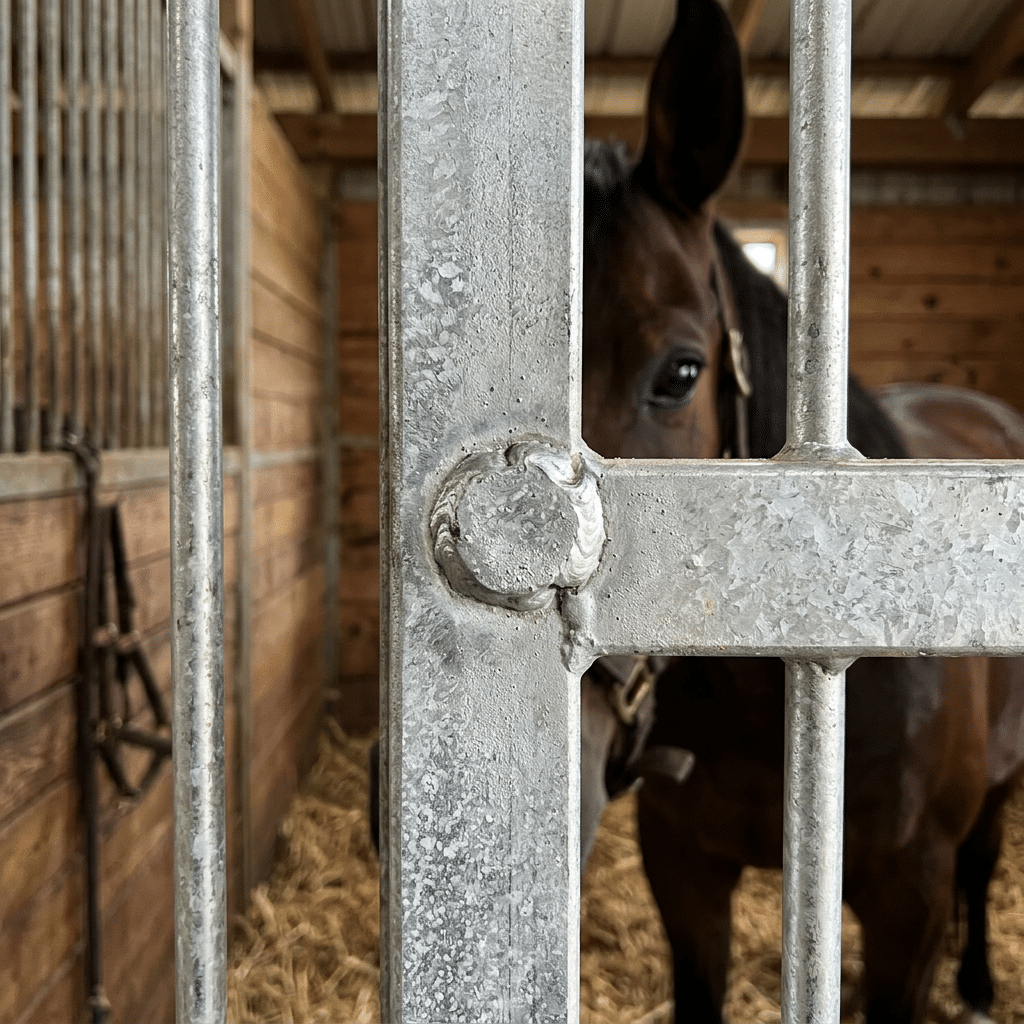
Finding true barn door specialists is critical to avoiding the high cost of product failure. Sourcing from residential suppliers or non-specialized...
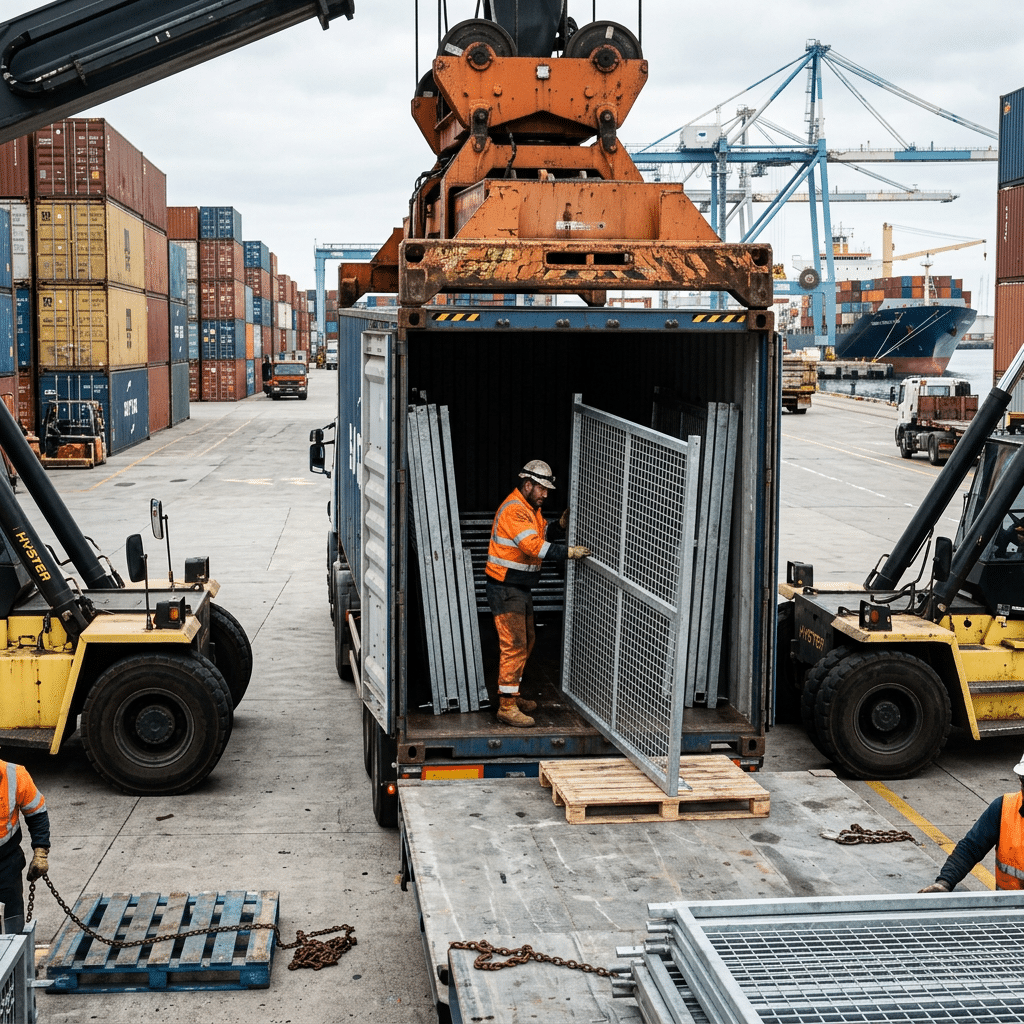
Sourcing for the New Zealand market demands stable systems engineered for constant damp and high winds. Choosing a supplier based on price alone...
Sourcing from multiple Eventing / Jump Brands creates logistical complexity that inflates freight costs. While specialized suppliers offer quality,...
Choosing the right equestrian fencing is a direct investment in animal safety and a defense against costly replacement cycles. Inferior systems that...
For wholesale and B2B brands, sourcing equestrian stables is a direct decision on profit margins. Partnering with factories that ship inefficient...
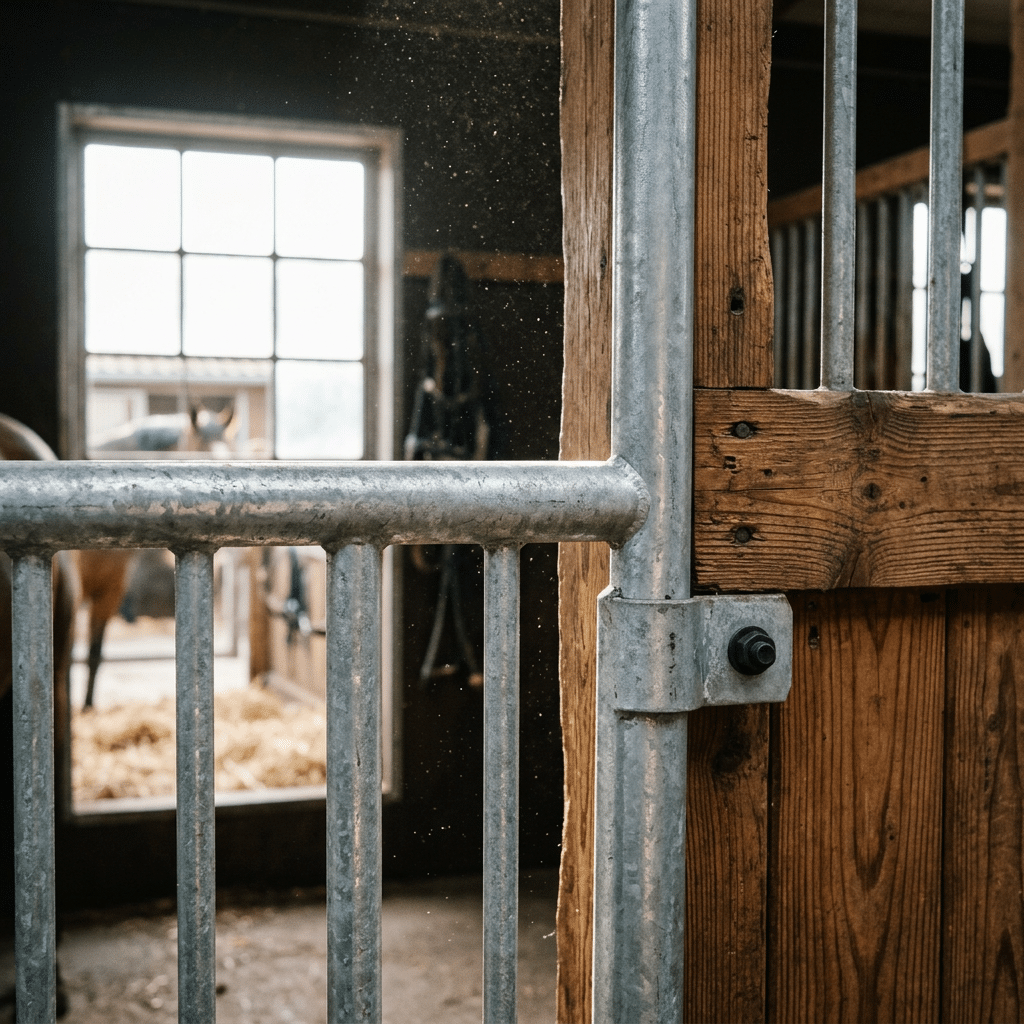
The Glass vs Polycarbonate decision for barn windows directly impacts project liability and long-term maintenance budgets. Tempered glass offers...
The PVC vs Steel Fencing decision often ignores a critical liability: shatter risk. While PVC offers a clean look, cold weather embrittlement means...
The Aluminum vs Wood Jumps decision defines your long-term maintenance budget. While wooden jumps have a lower entry price, they introduce recurring...
The Pavers vs Poured Rubber decision directly impacts long-term maintenance budgets and equine safety. While poured-in-place systems offer a...
The debate over 0.4mm vs 0.8mm roofs directly impacts structural integrity in extreme heat. For facilities facing 50°C, opting for thinner steel to...
The Auto Waterers vs Troughs decision is a direct calculation of labor costs against equipment reliability. While troughs are simple, automatic...
The Bamboo vs Oak Hardwood decision for luxury stable infill directly impacts project liability. Traditional oak is often specified, but its lower...
The Swivel vs Floor Feeders choice is a critical decision impacting daily labor costs and herd health. Floor troughs, while simple, consistently...
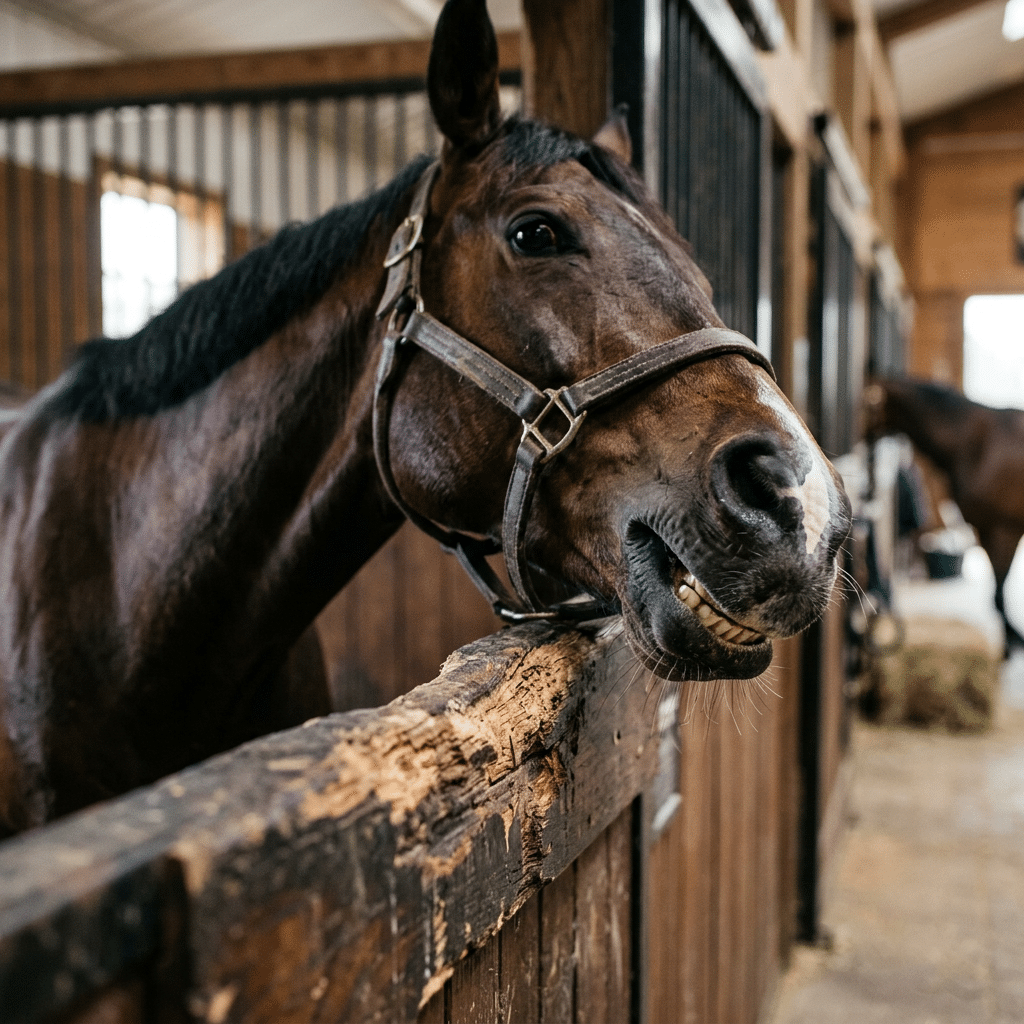
Choosing between Roller vs Track Doors for horse stables directly impacts operational costs and safety. Exposed rollers jam with bedding, demanding...
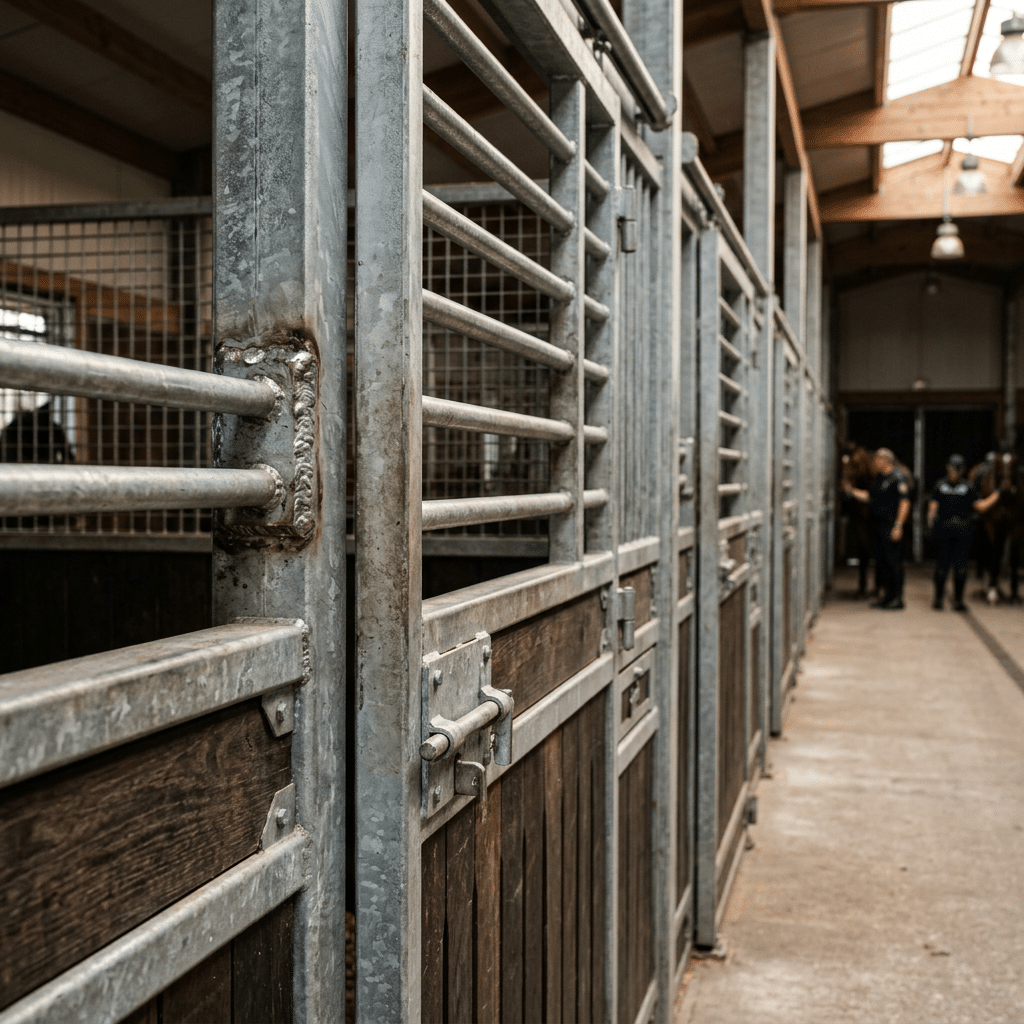
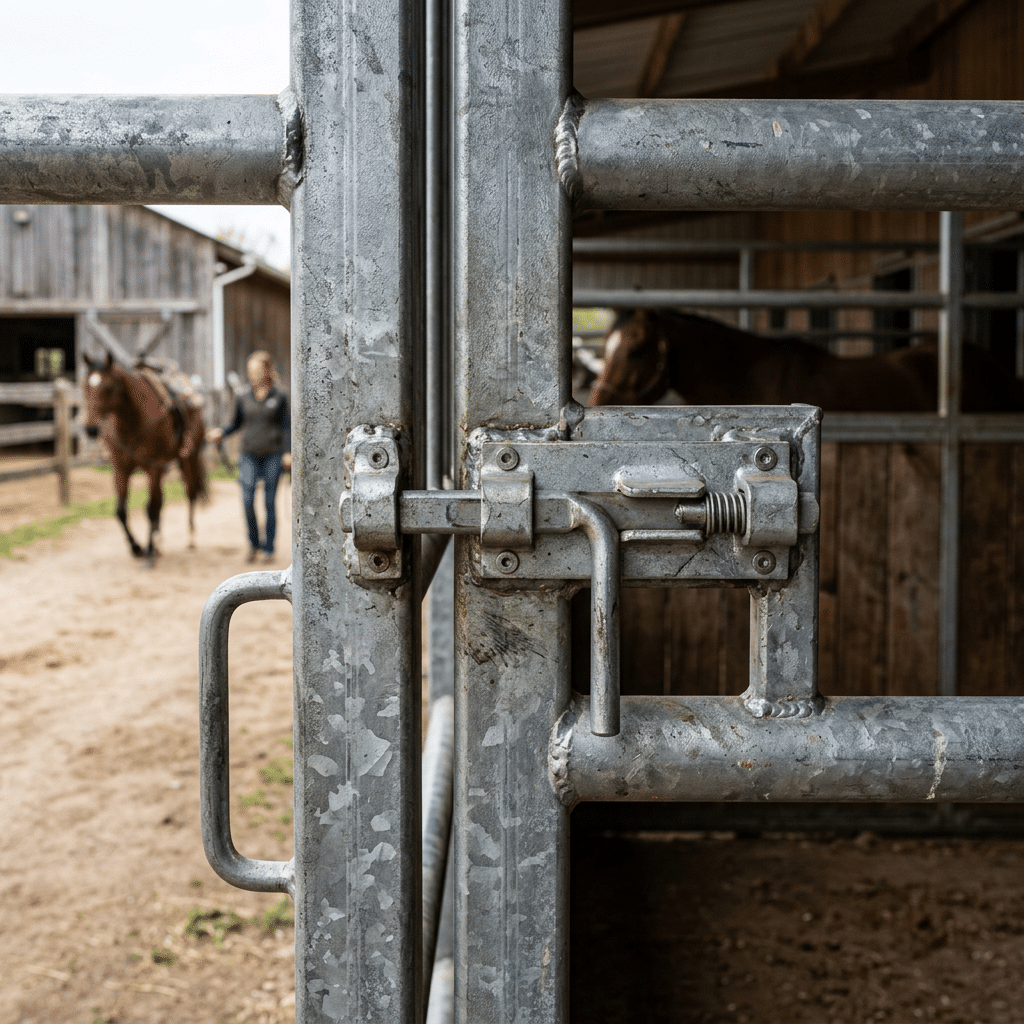
The welded vs bolted hinges decision directly impacts project costs and liability. Welded hinges offer zero post-installation adjustment. A settled...
Integrating Indoor Arena Stables is a direct investment in equine respiratory health. A layout that fails to engineer for proper airflow and dust...
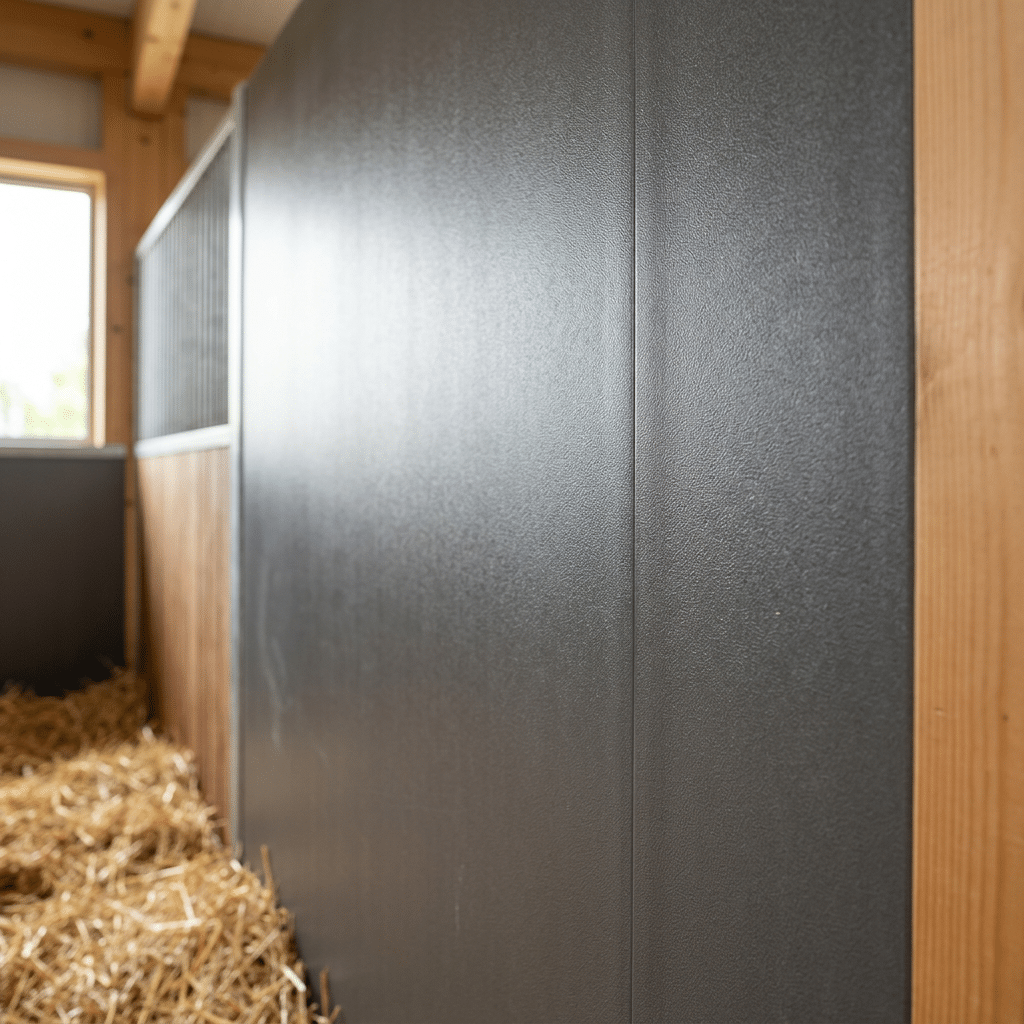
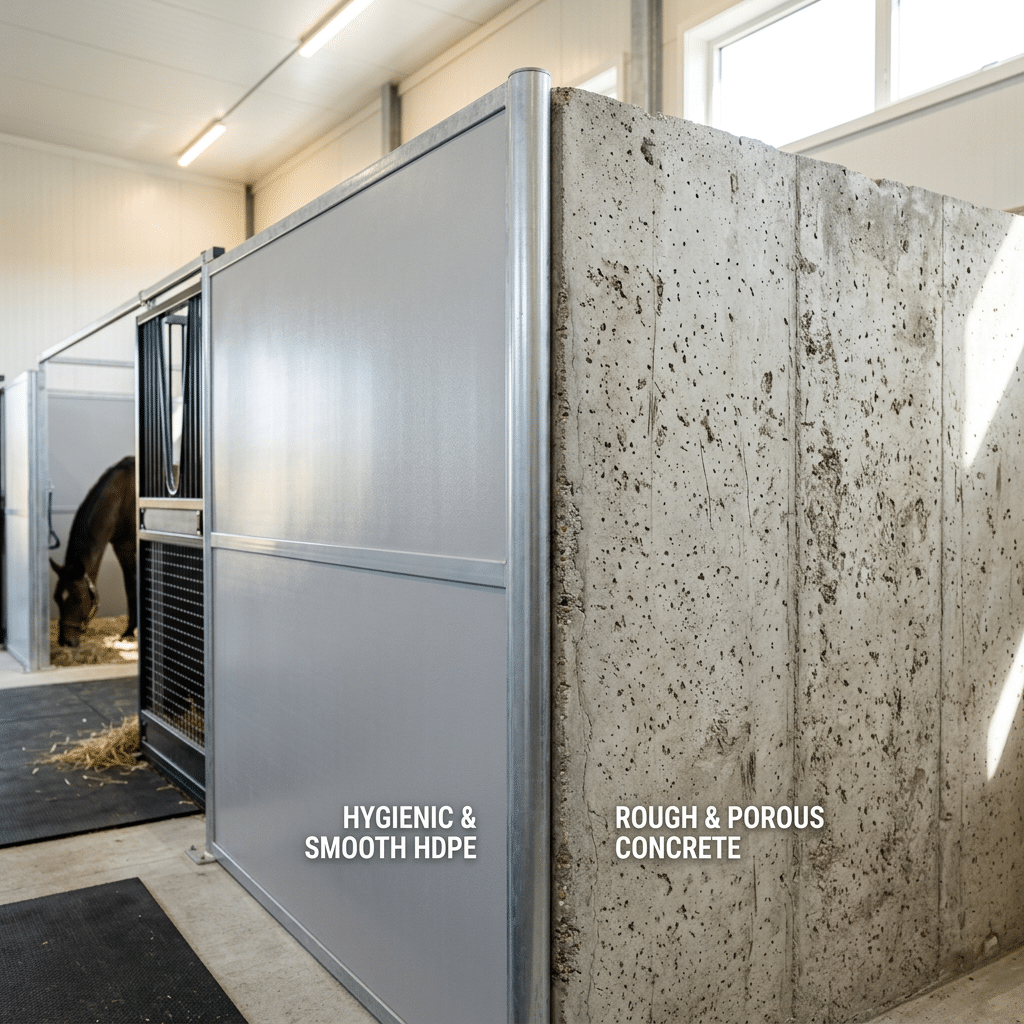
A successful Equine Clinic Layout directly addresses biosecurity and patient safety from the ground up. Specifying the wrong materials, like porous...
Specifying a Hurricane/High-Wind resistant stable is a direct defense against total structural failure and catastrophic liability. Standard barns...
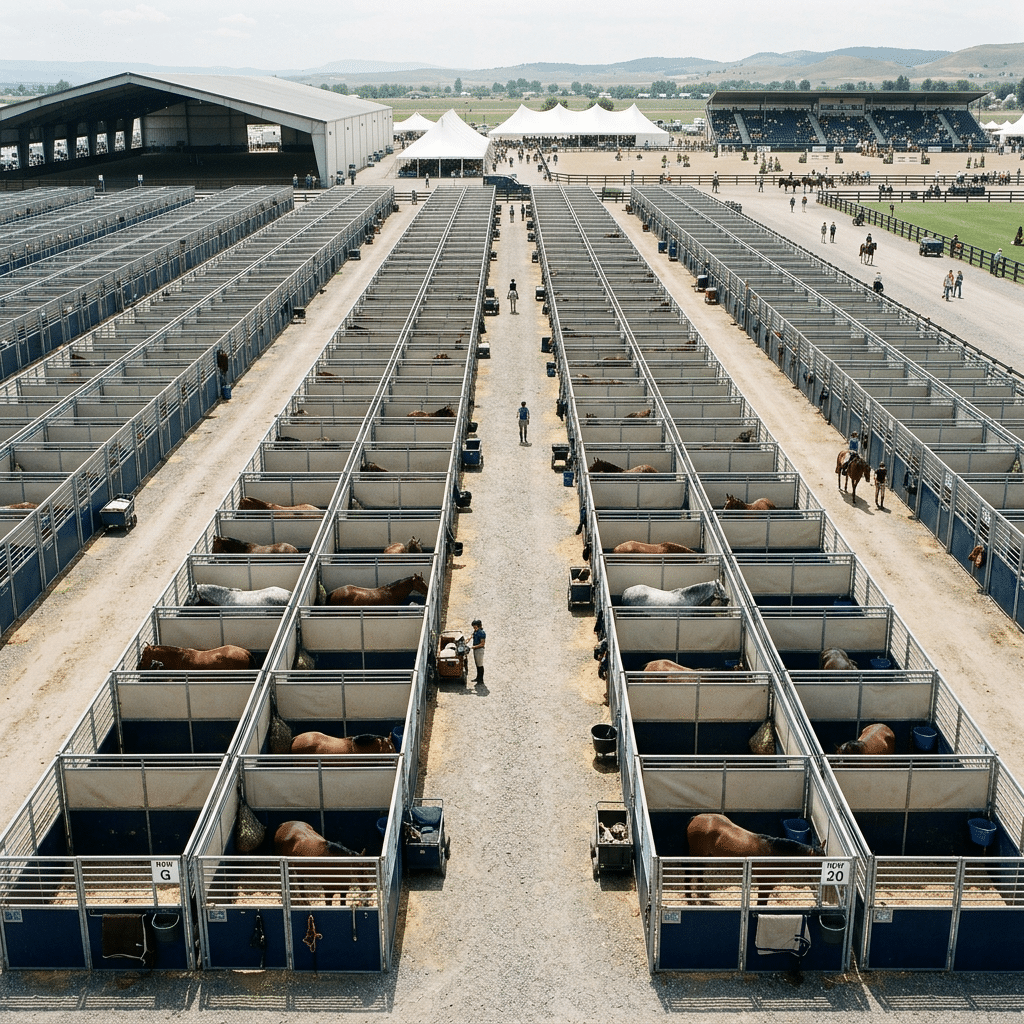
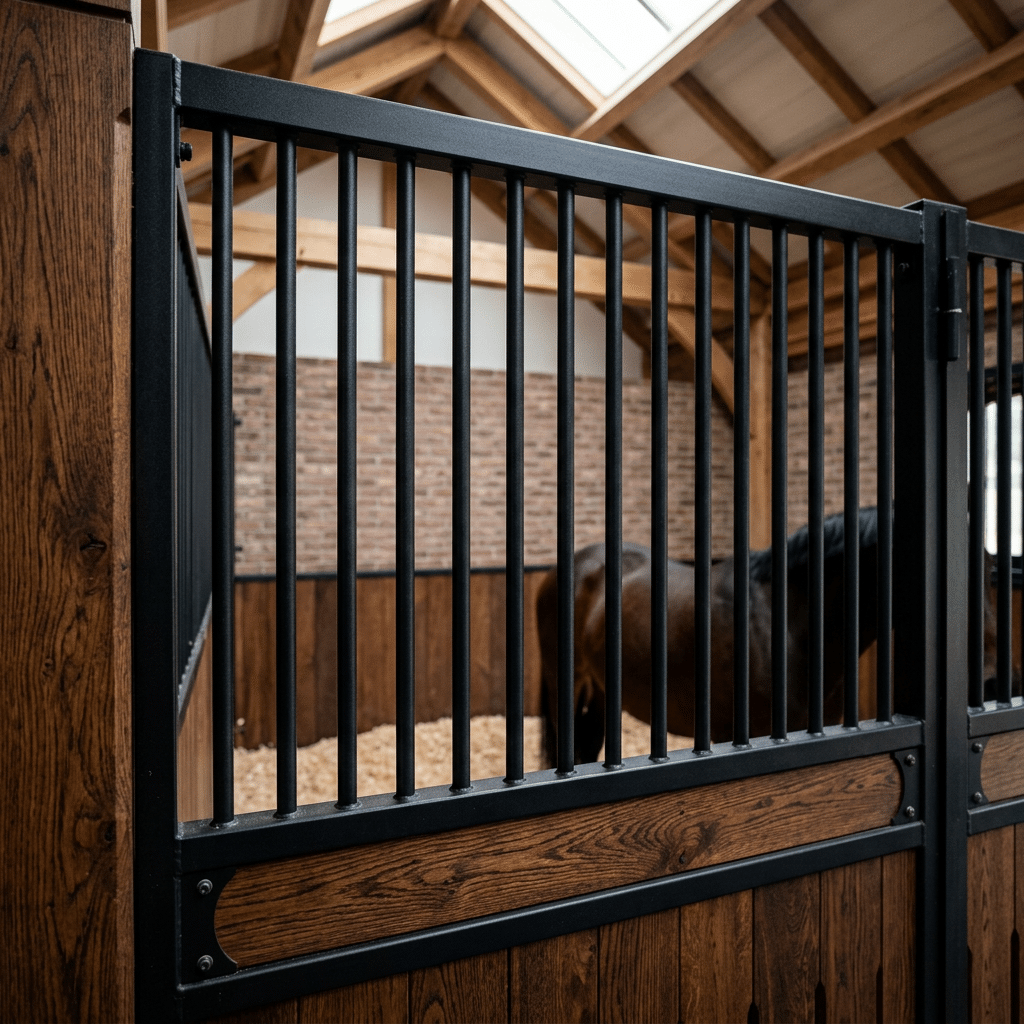
Luxury club aesthetics are the primary driver of premium boarding rates, yet sourcing based on appearance alone leads to premature finish failure....
An eco-friendly/green barn specification is a direct investment in lowering total cost of ownership and securing certifications. Conventional timber...
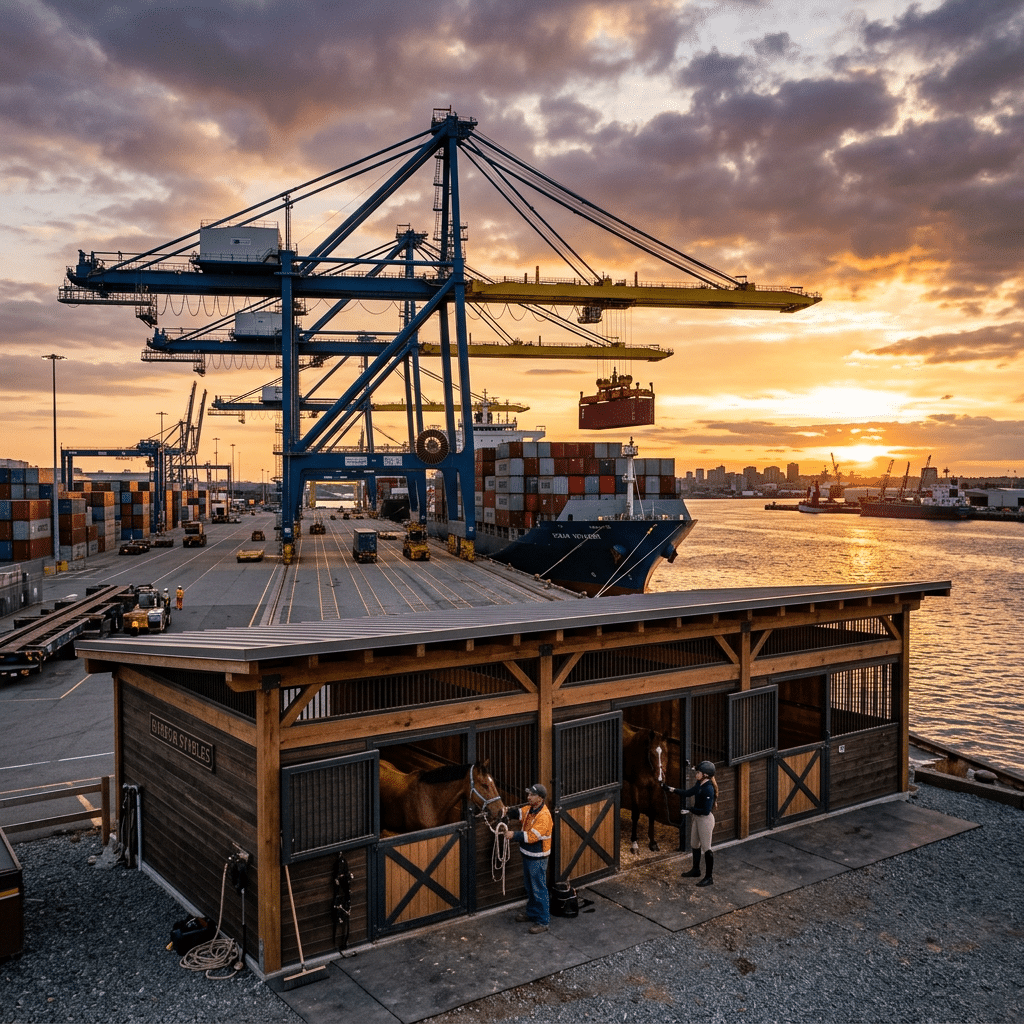
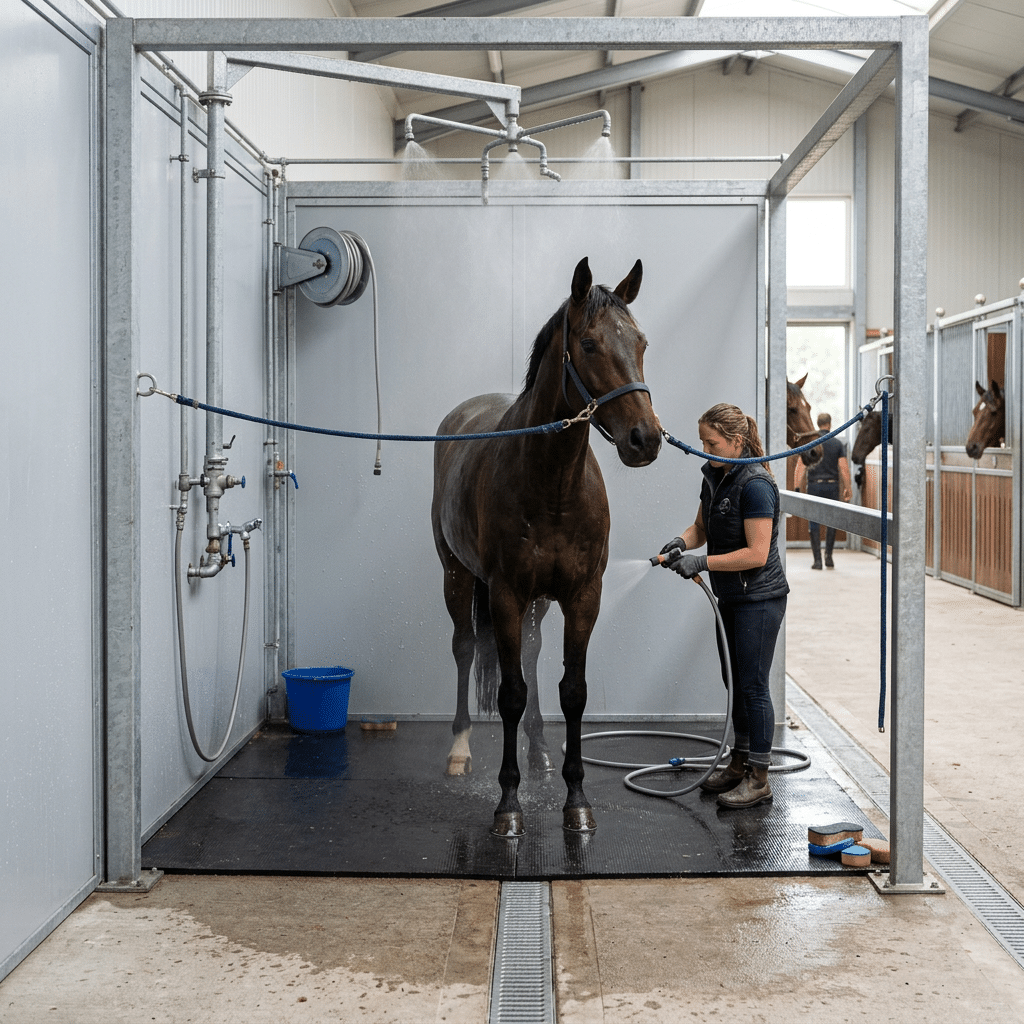
Proper Wash Rack Engineering is the primary defense against structural rot and safety liabilities. A miscalculation in drainage or materials...
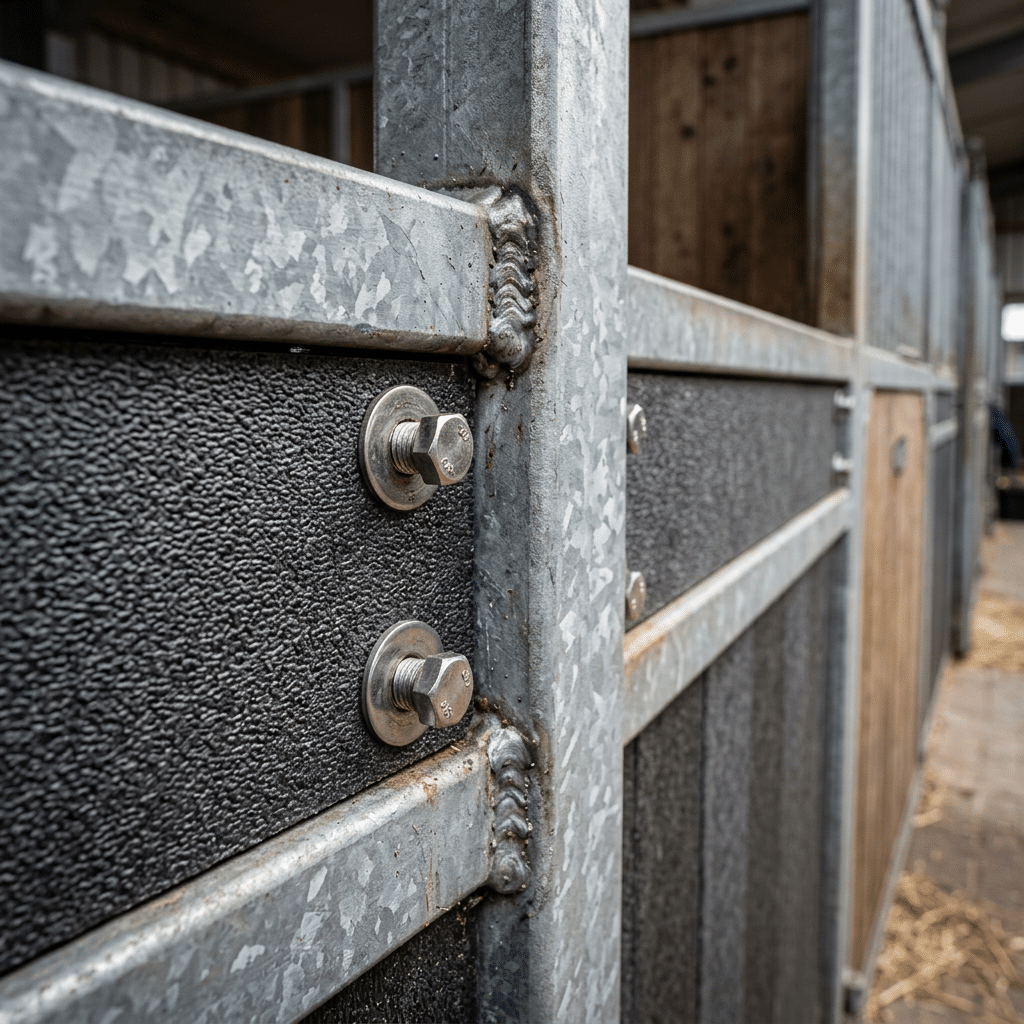
Commercial Boarding profitability is decided by design choices that either lock you into low-margin volume or unlock premium rates. The wrong...
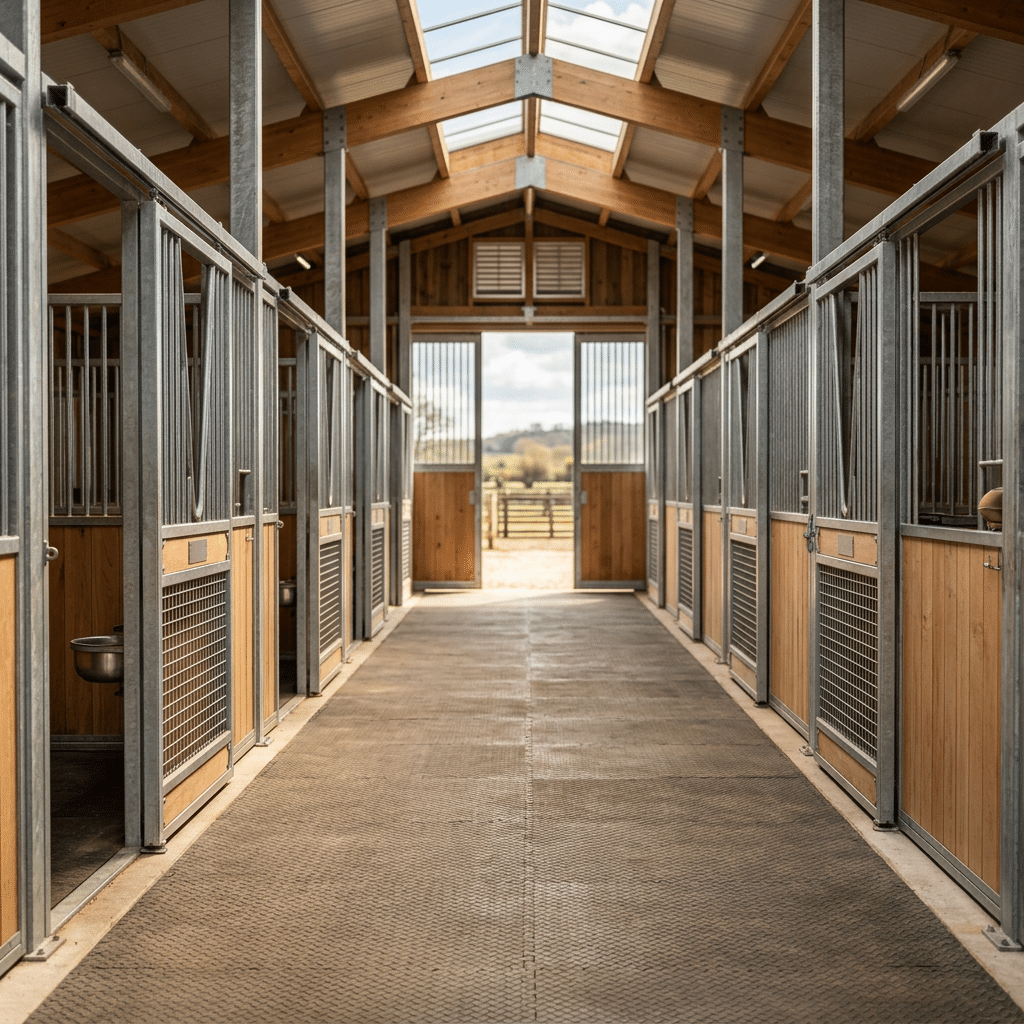
An effective Natural Light Strategy is an engineering decision that prevents costly structural failure, not just a way to brighten a dark barn. Poor...
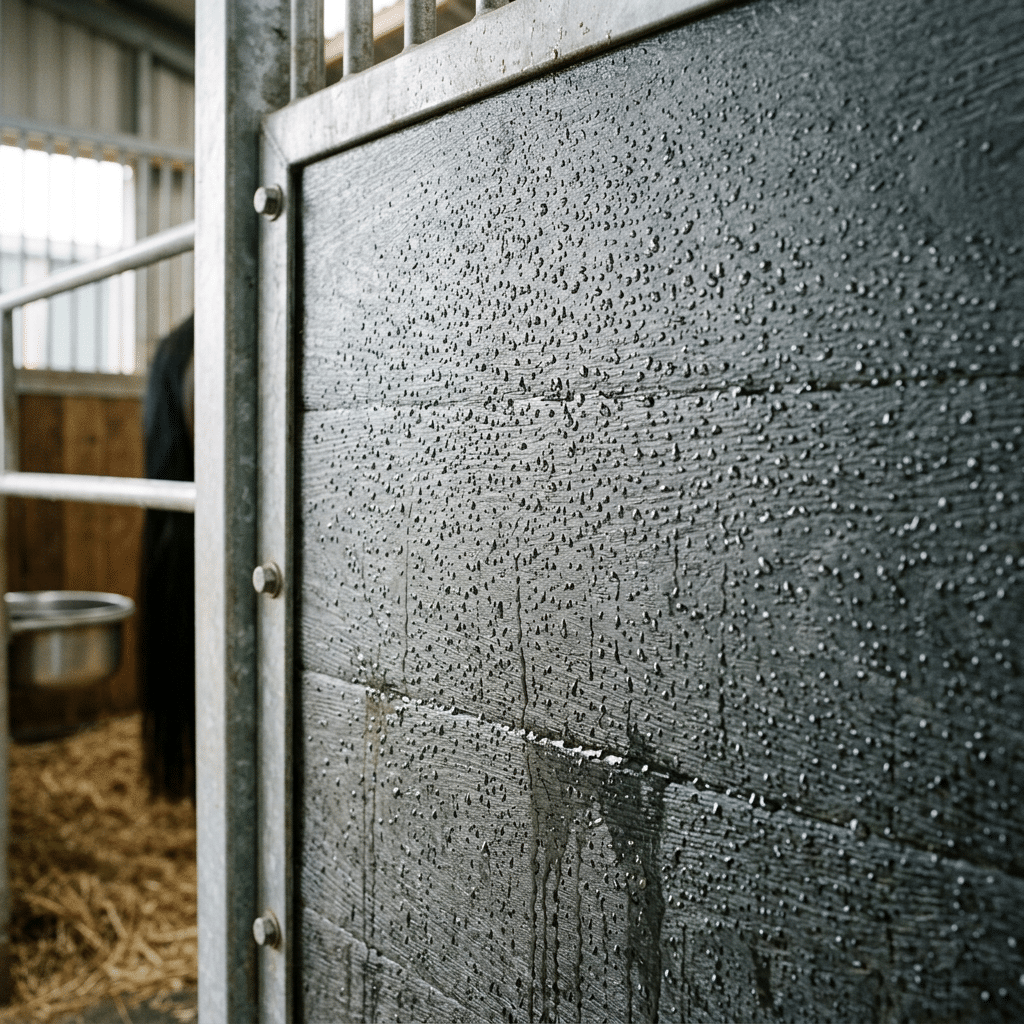
Specifying Draft Horse Stables without engineering for the dynamic loads of a 2000lb animal creates a direct financial liability. Standard stalls...
Outfitting multi-barn complexes introduces a logistical risk that can cripple a project budget from the start. Sourcing traditional welded stables...
Navigating UK Brexit tariffs is only the start; the real margin killers are importer markups and inefficient logistics. Sourcing fully welded...
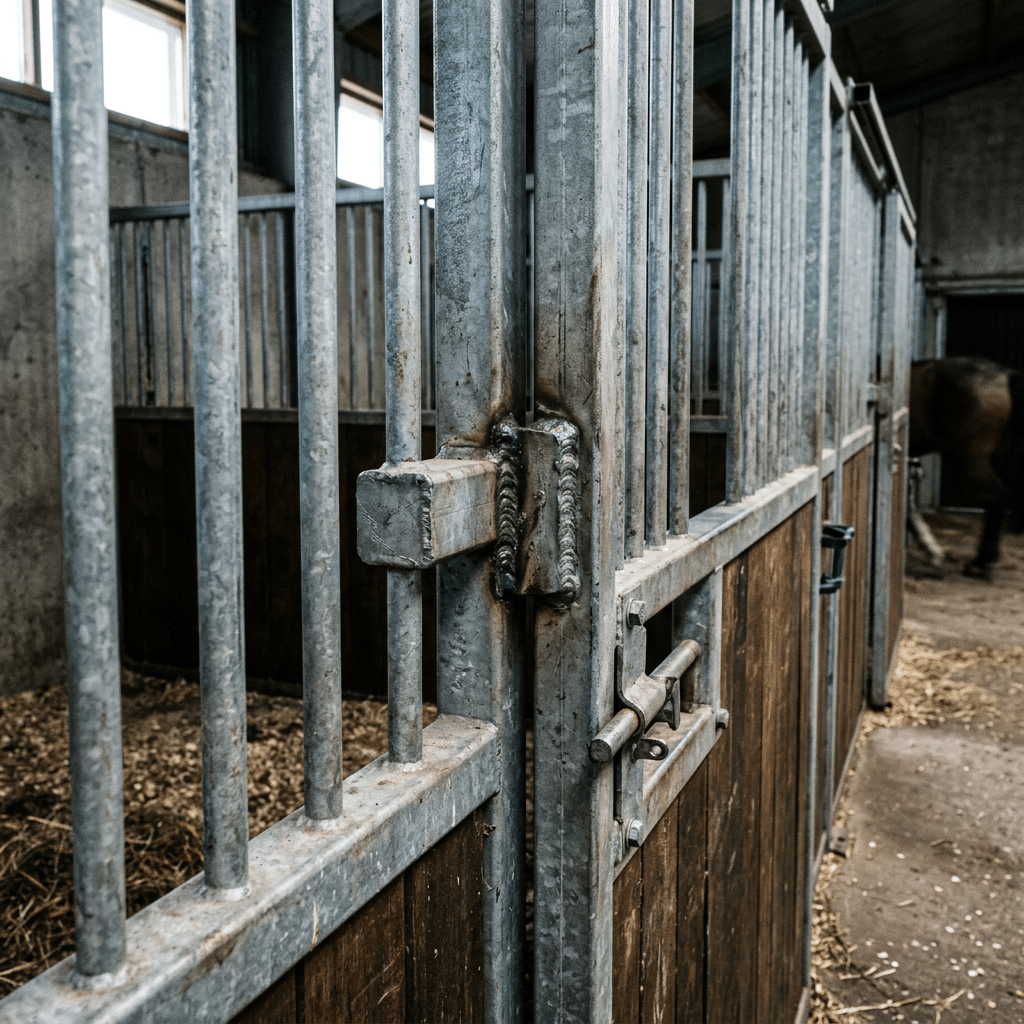
The AU ChAFTA Agreement is designed to eliminate the 5% tariff on horse stables, but a single documentation error can erase this financial...
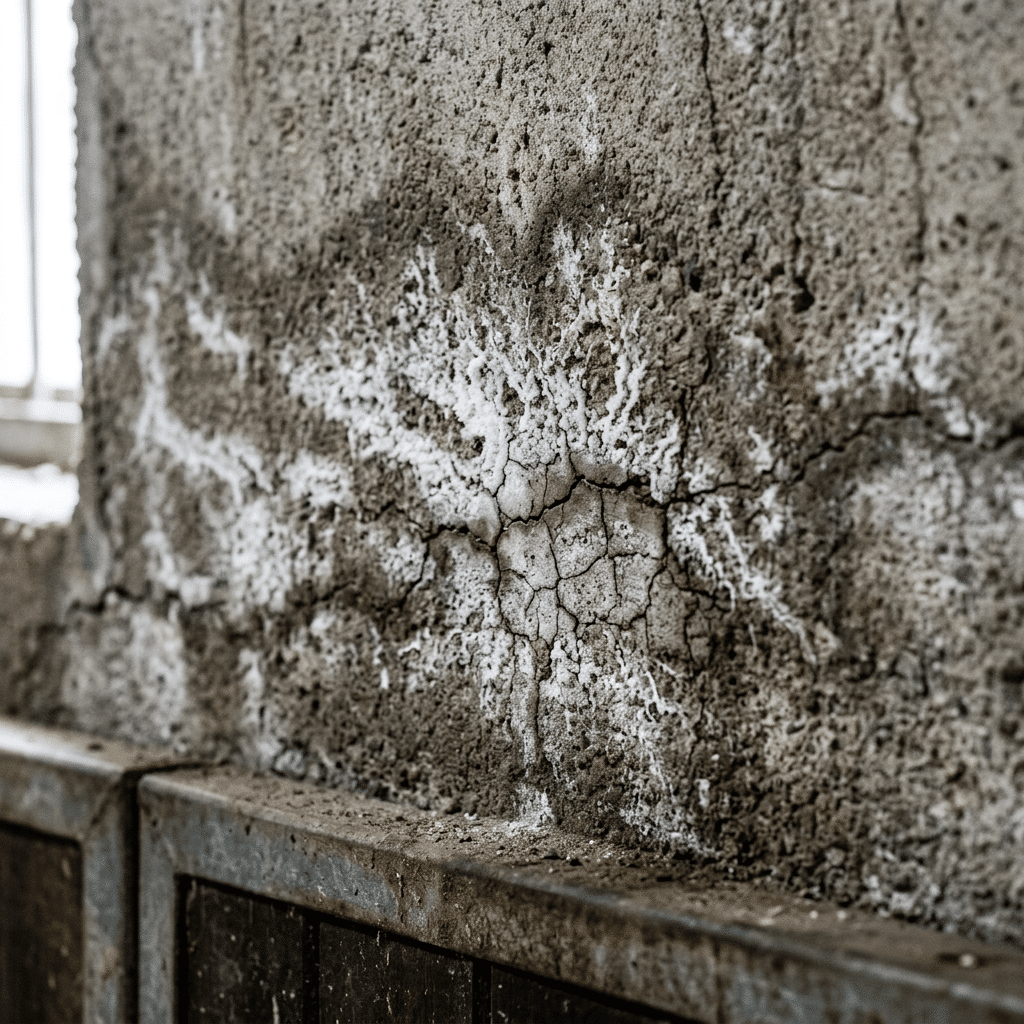
Choosing between LCL vs FCL Shipping for barn kits directly impacts your landed cost. The low per-CBM rate for an LCL trial order is deceptive;...
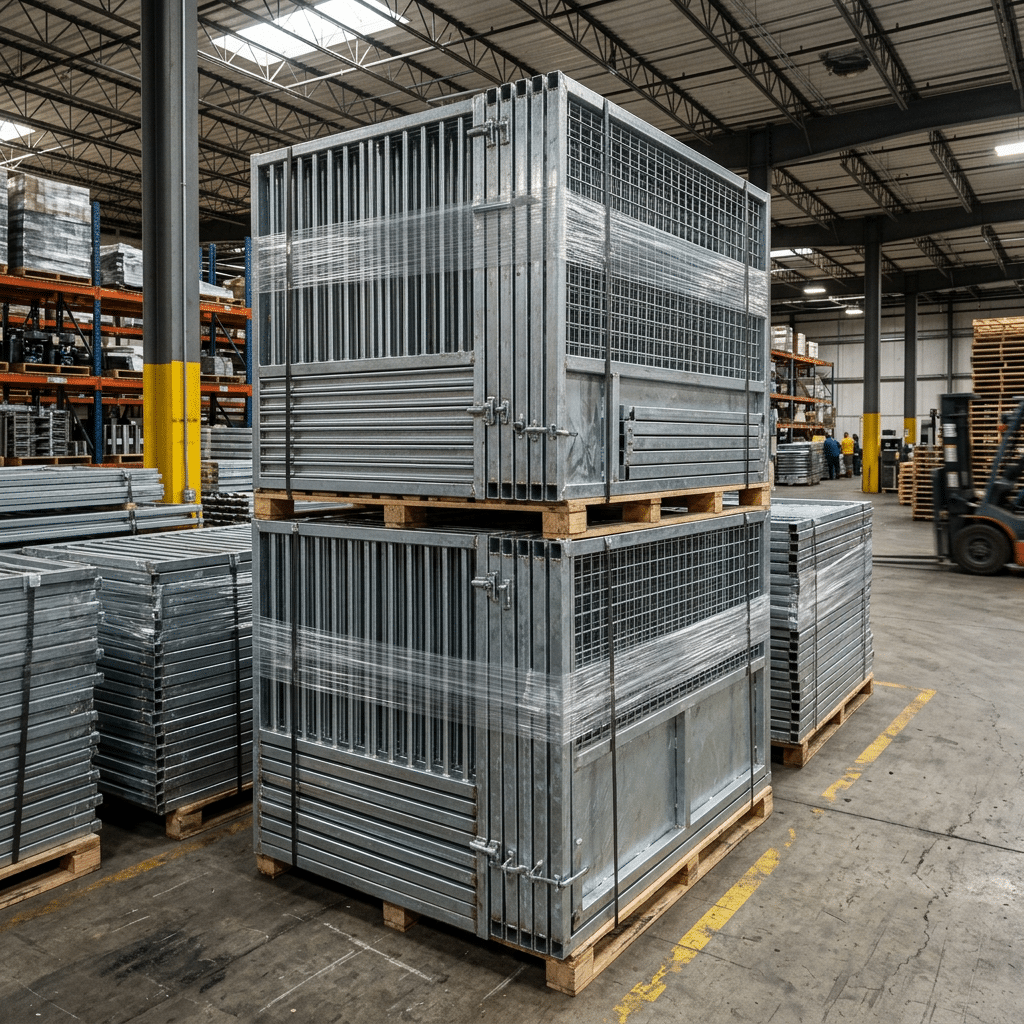
Poor steel market timing is the fastest way to destroy project margins on a 40HQ container. Ordering in January seems proactive, but the pre-CNY...
With freight scams exposed, a supplier’s cheap CIF quote is a direct threat to your margins. The trap is sprung at the destination port, where...
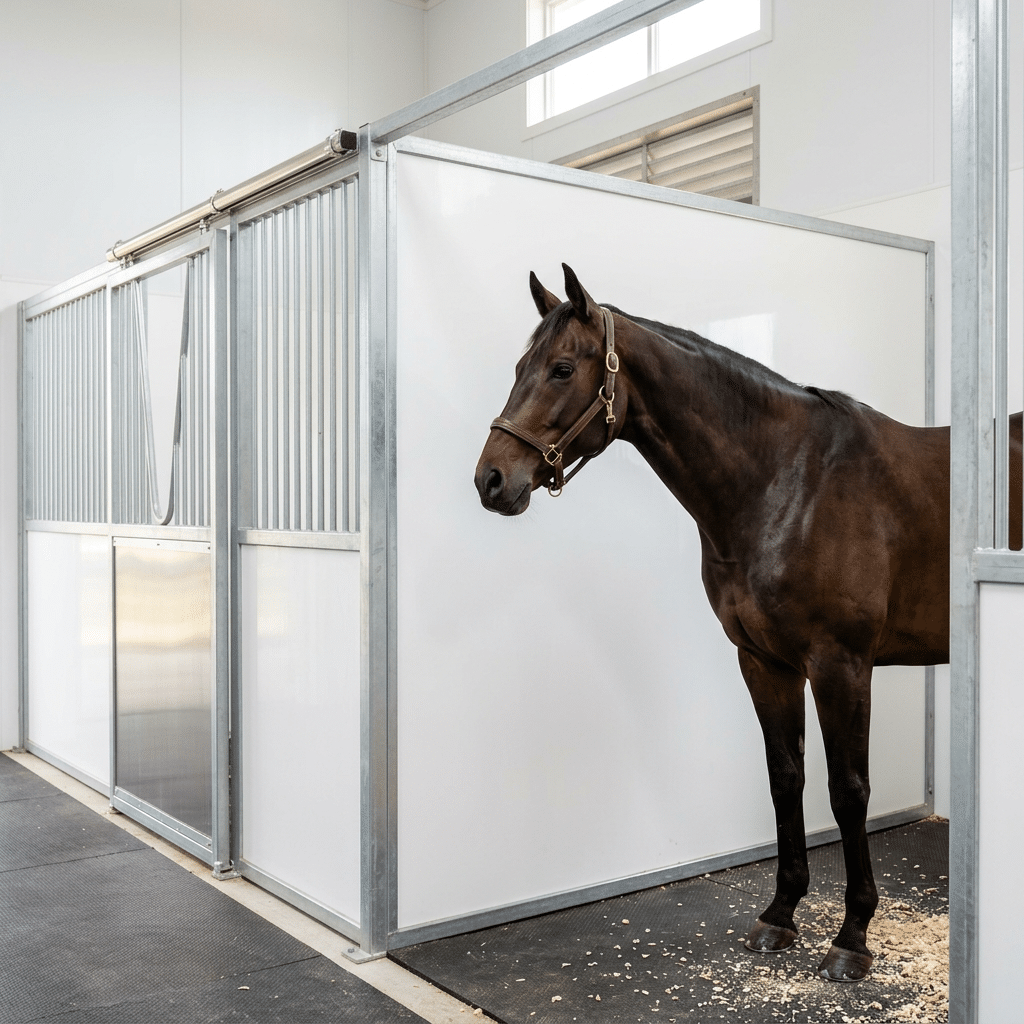
Value engineering in barn construction is a direct response to project budgets that spiral out of control. Without a systematic approach, architects...
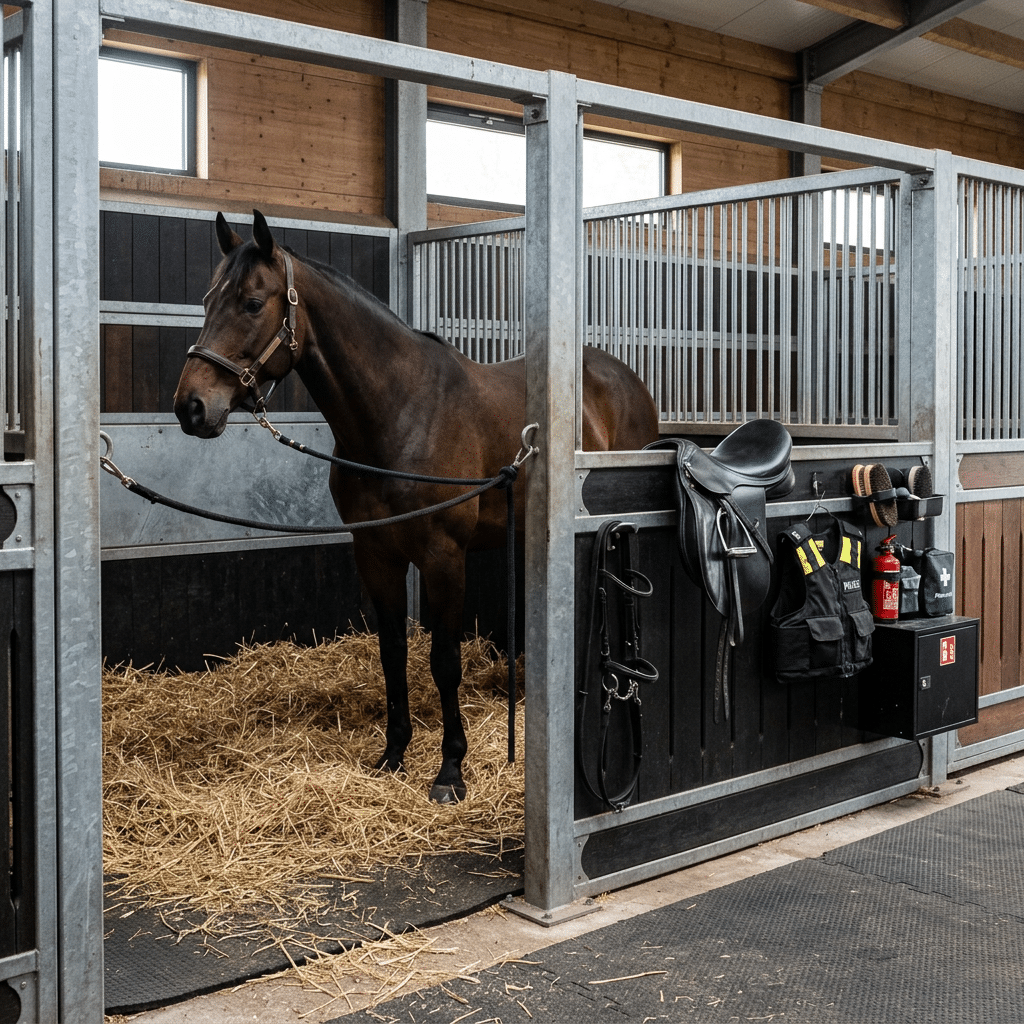
Understanding tax depreciation for an equestrian facility is a critical cash flow decision. Misclassifying modular stalls as permanent real estate...
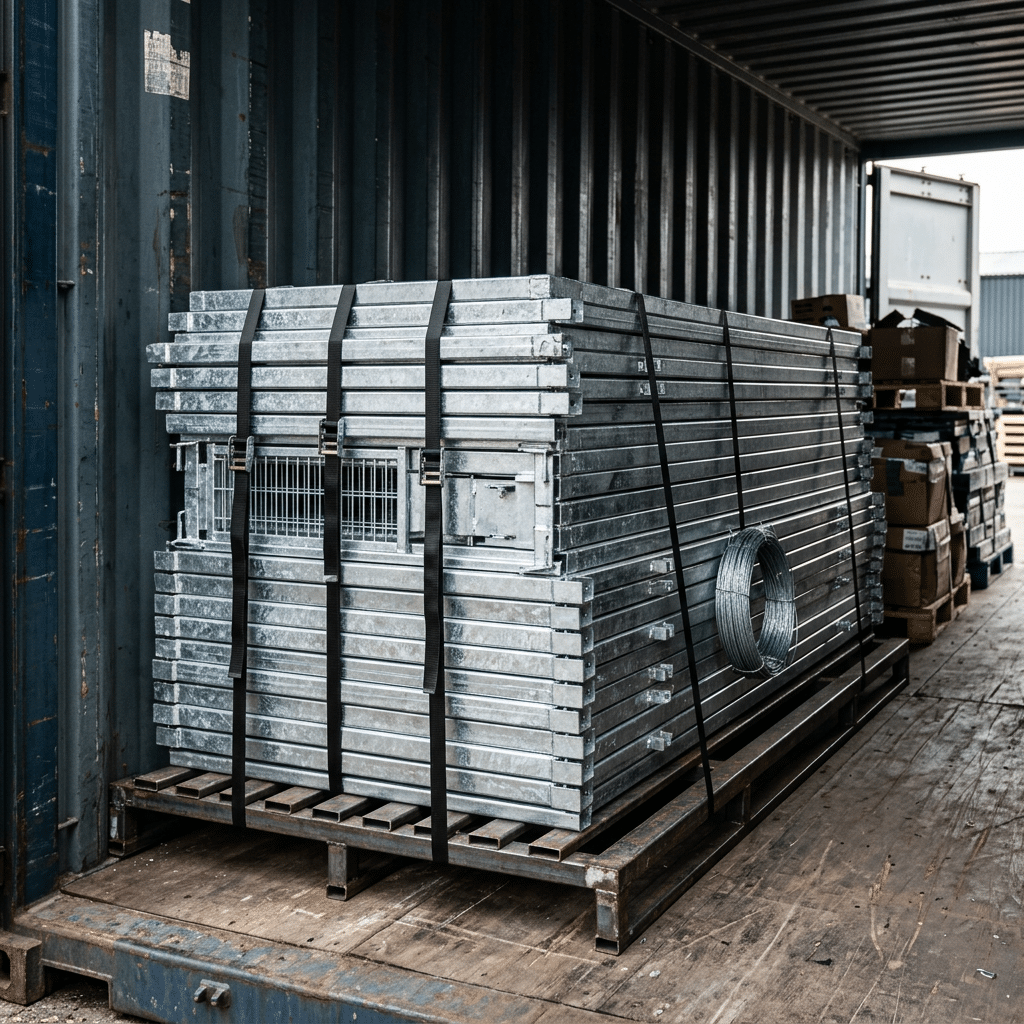
Distributor P&L Math for equestrian products often breaks down due to overlooked freight expenses. Sourcing traditionally welded stables seems...
Calculating Hardware Replacement ROI reveals that cheap zinc-plated bolts frequently seize in high-ammonia barn environments. This failure turns...
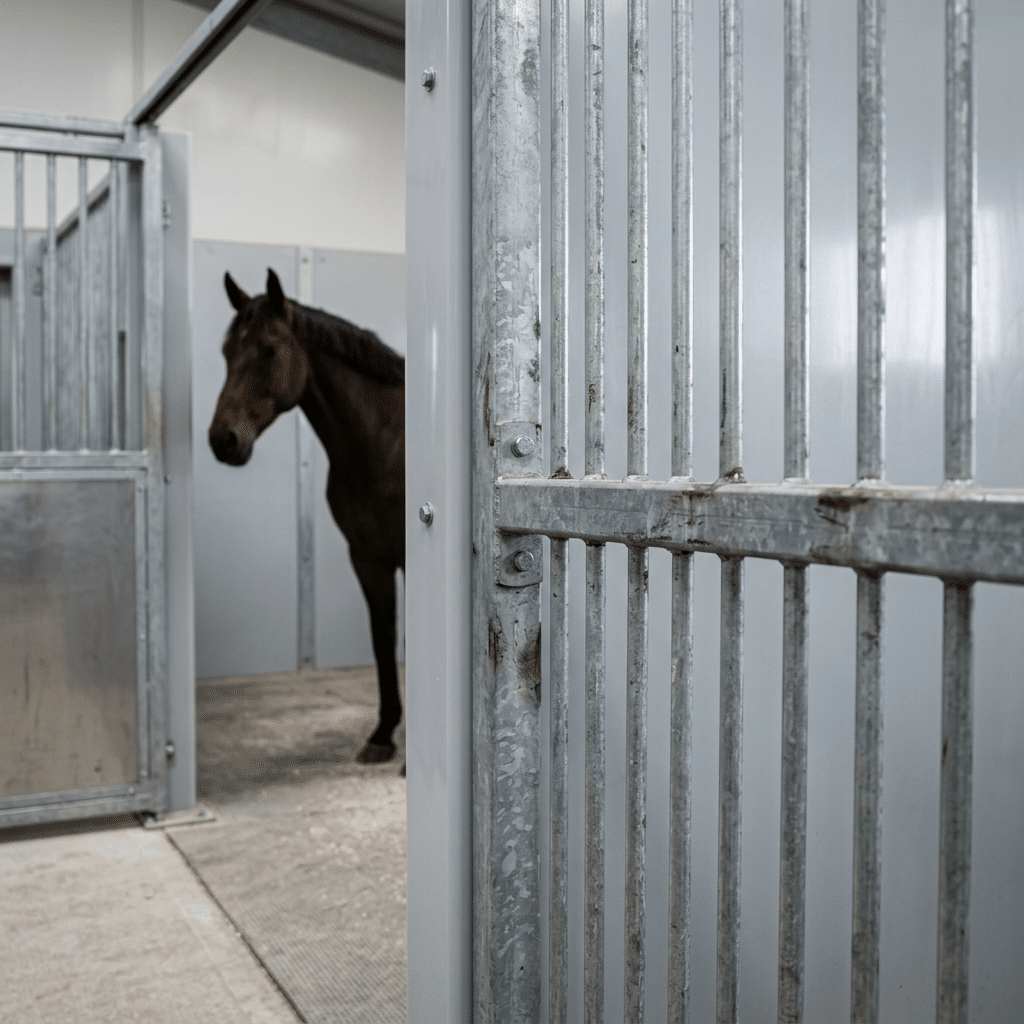
Maximizing a farm’s resale asset value hinges on distinguishing permanent improvements from future liabilities. A traditional wood stable...
Failed AU/NZ Biosecurity checks are a direct threat to importer profit margins. A single rejected timber pallet or incorrect document can trigger...
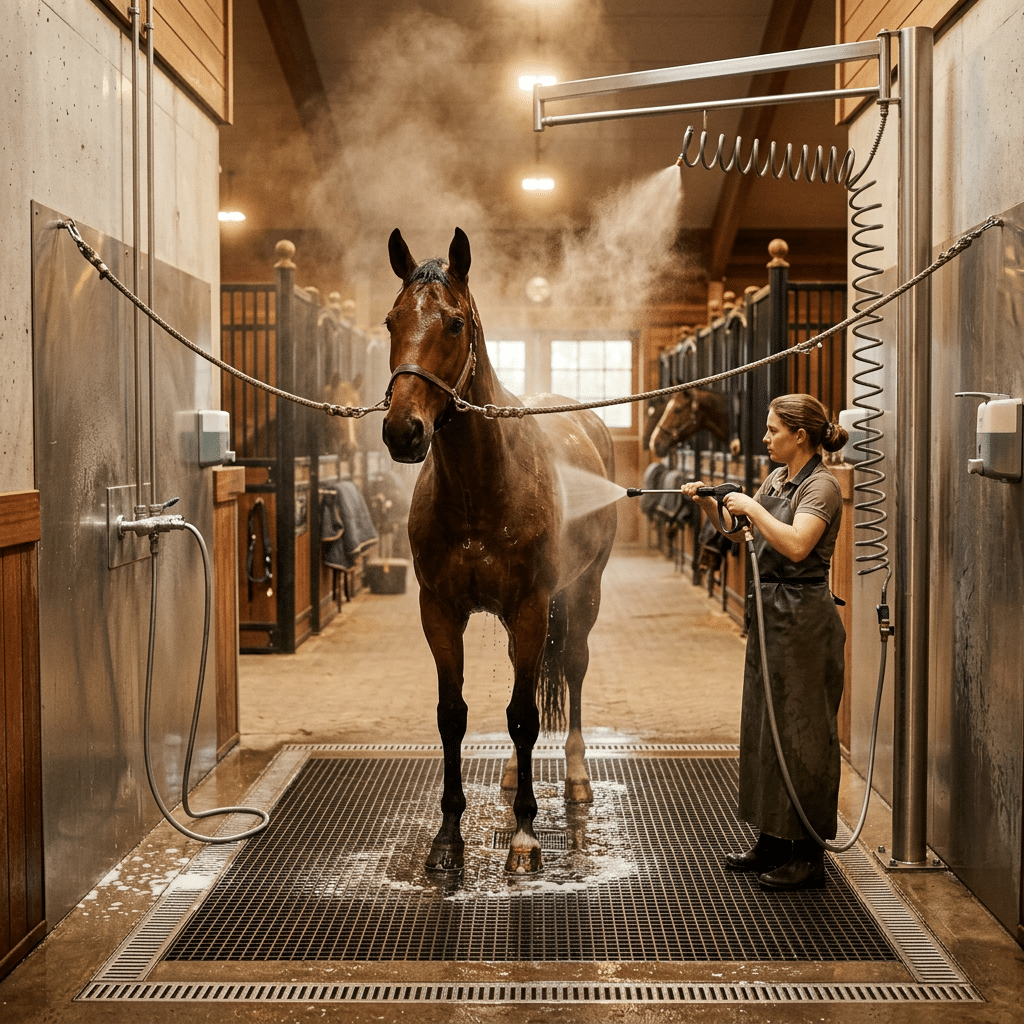
Meeting EU Animal Welfare standards is not optional; non-compliance with directives like 98/58/EC results in failed inspections. For builders and...
Fire Safety (NFPA) compliance for animal housing is defined by material specification, not just alarms. Specifying a combustible wood frame is a...
The complexity of Building Permits for agricultural structures creates a significant risk of project delays and budget overruns. Misclassifying a...
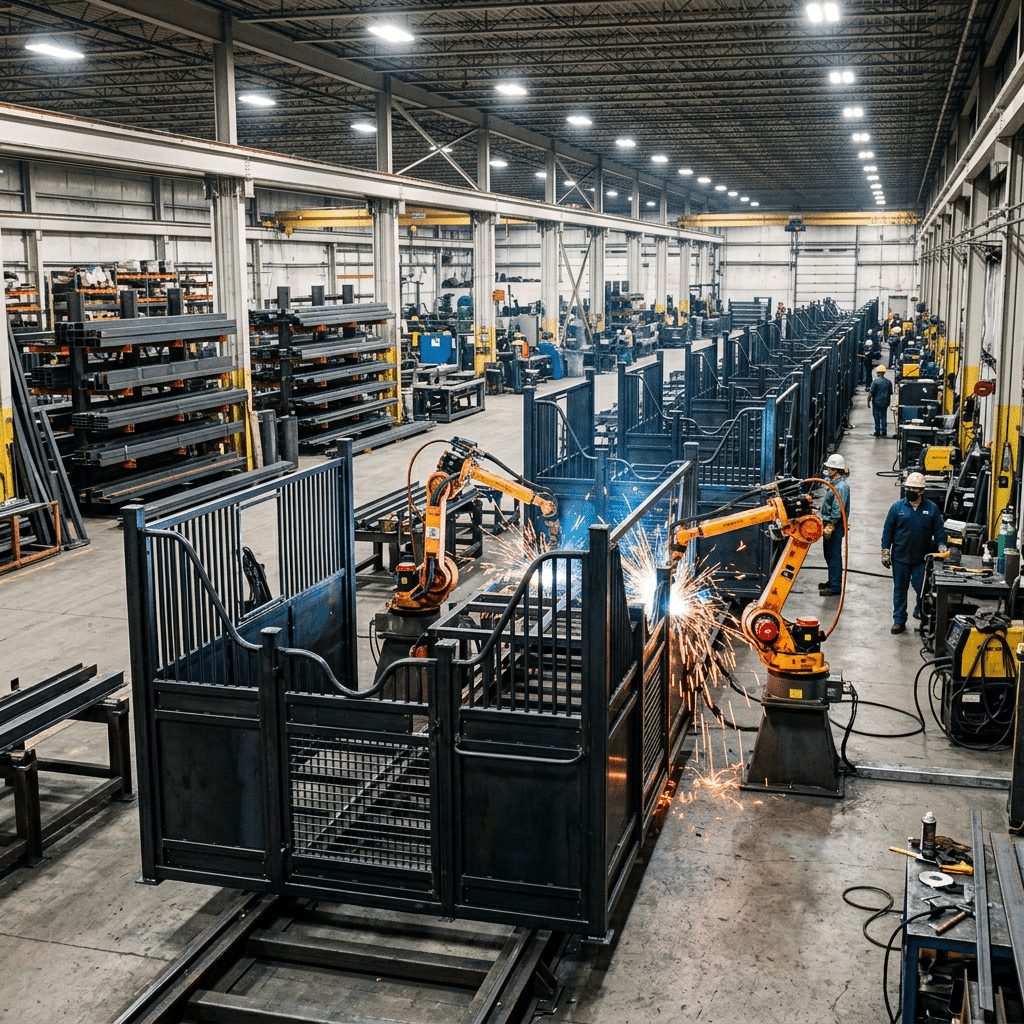
Failure to understand DIN/CE Steel Standards is a direct threat to any EU stable importer’s bottom line. Sourcing structural steelwork without...
Evaluating toxicity & chewing risks is a primary liability for any equestrian facility sourcing new stalls. Unverified powder coatings and...
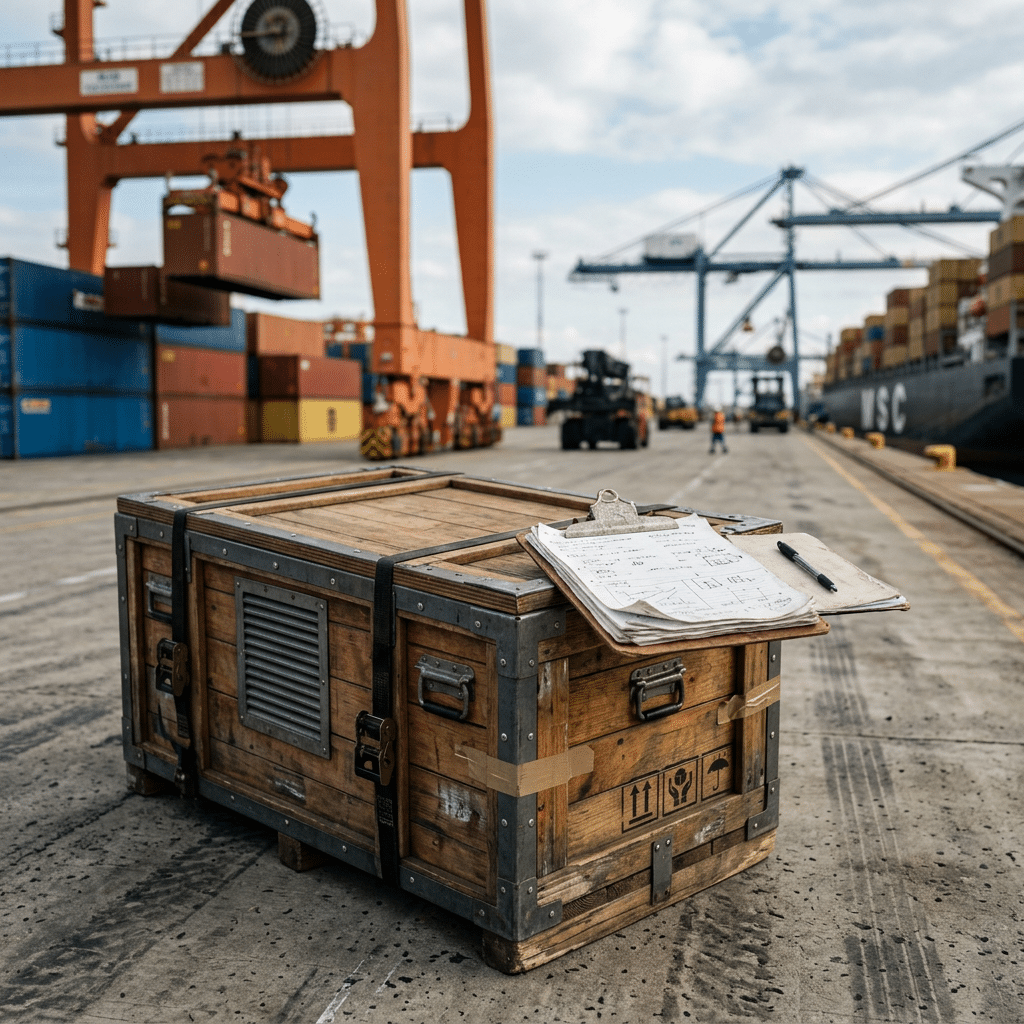
Effective IP & White Labeling is the only defense against unauthorized ‘ghost shifts,’ where a partner factory uses your tooling to...
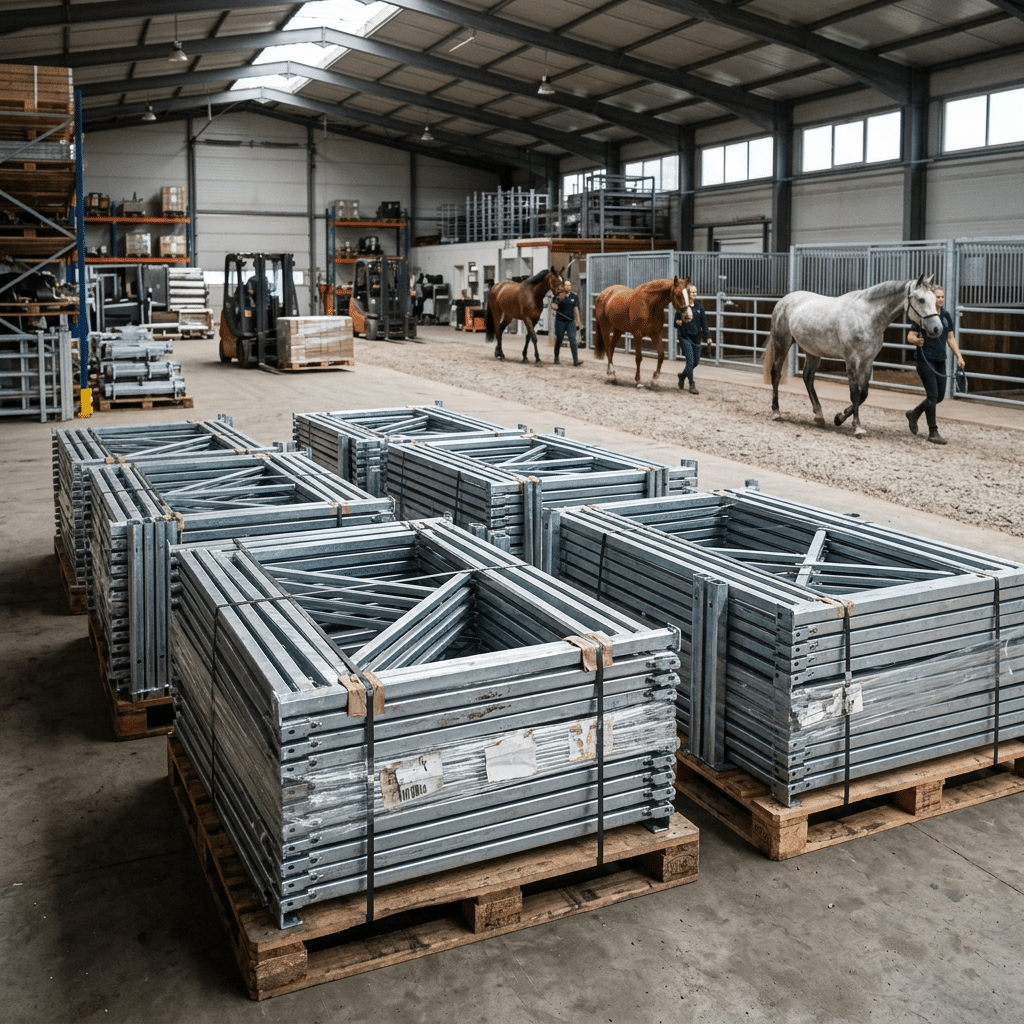
Managing anti-dumping duties remains the primary challenge when importing steel horse stables, where a simple customs error can destroy...
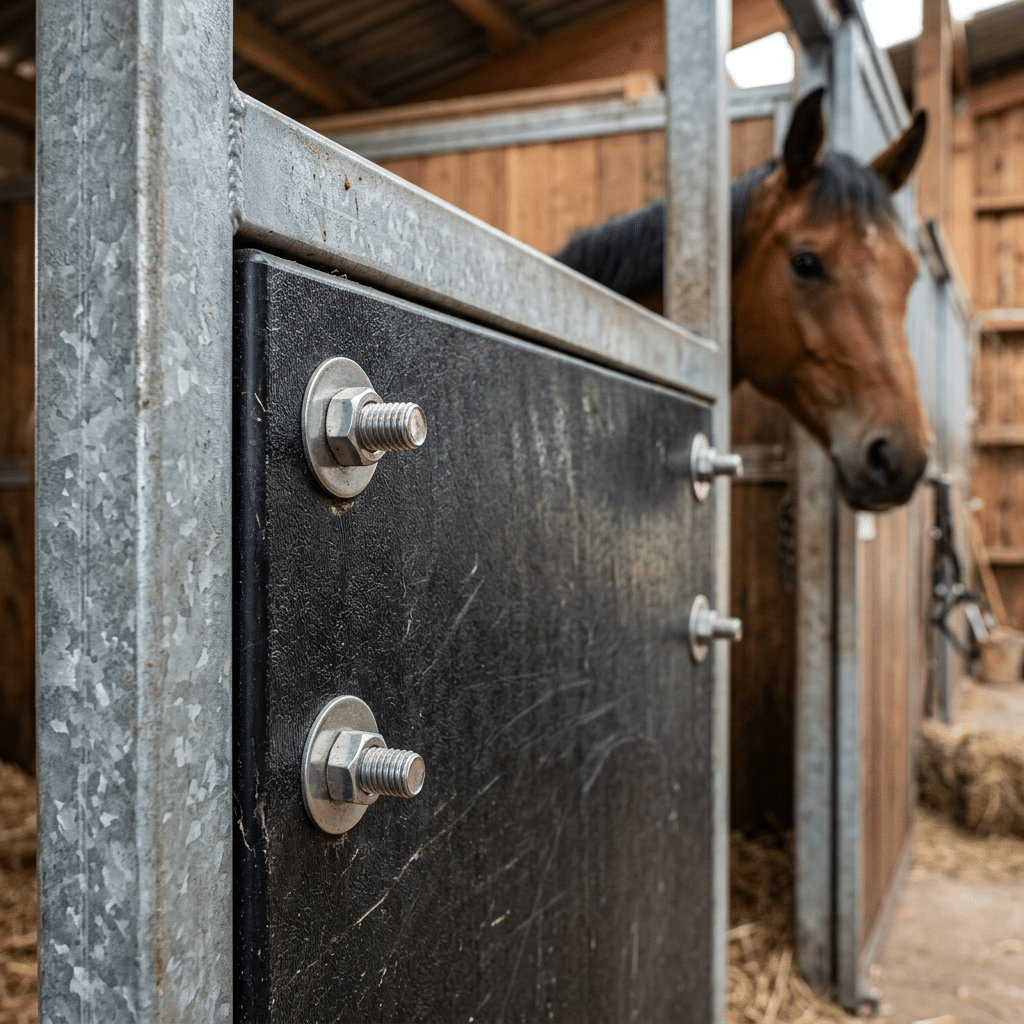
Your liability insurance premiums directly reflect your facility’s documented risk profile. A single horse injury resulting from a weak stall...
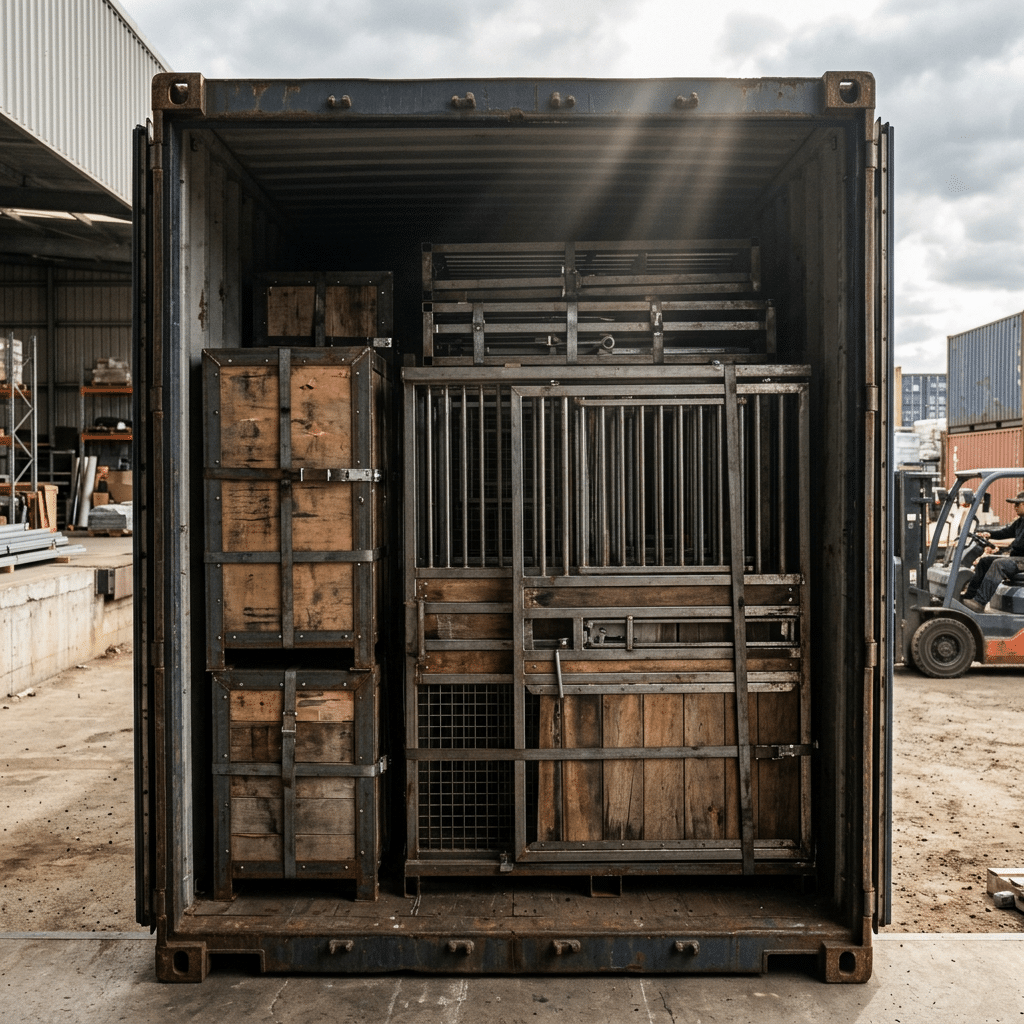
Non-compliant packaging remains a leading driver of expenses for steel product importers. When shippers rely on standard wood crates, they expose...
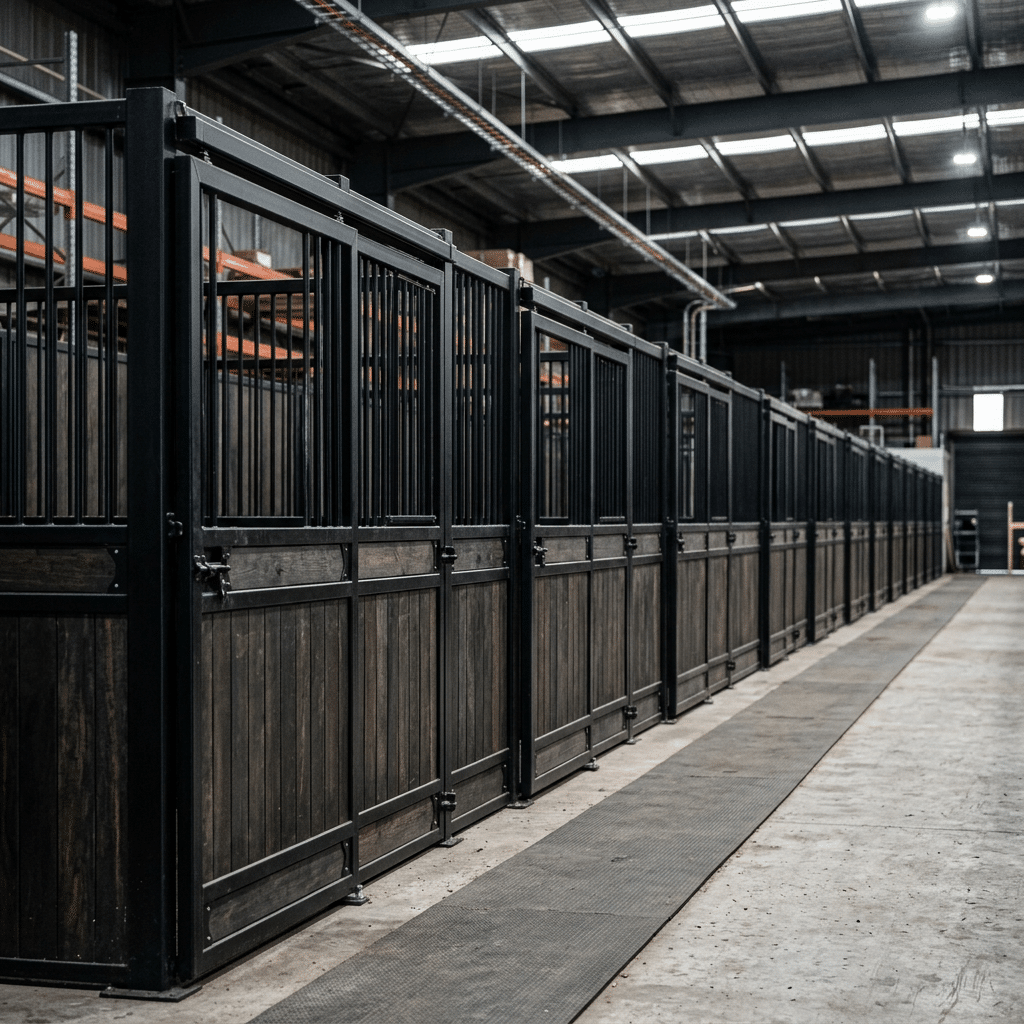
Commercial insurance premiums for equestrian facilities are driven by two primary risks: catastrophic fire spread and high-cost veterinary claims. A...
The persistent ammonia smell in horse stalls is a direct indicator of urine absorption into porous flooring and walls. This trapped moisture not...
Accurate asset valuation for equestrian properties depends on separating fixed liabilities from movable assets. A permanent timber barn is a sunk...
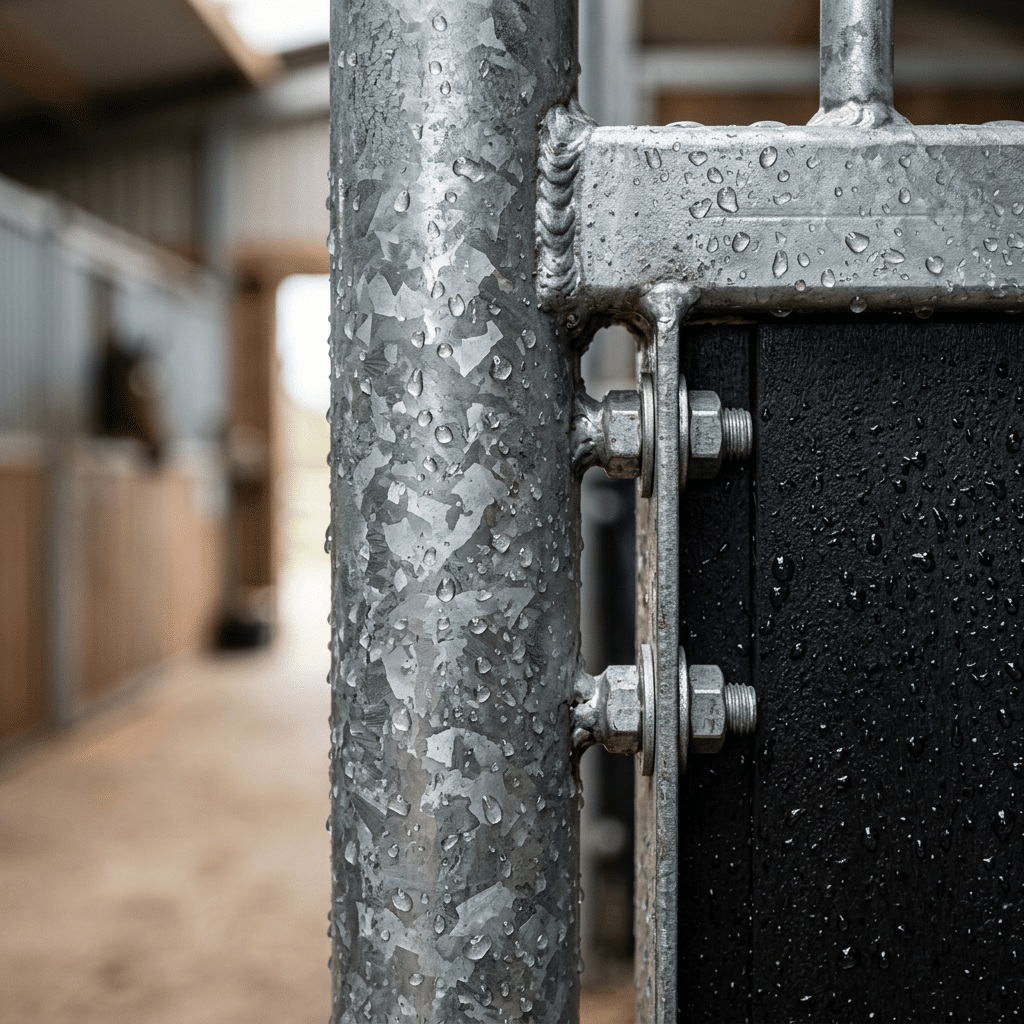
Confinement stress leads to destructive behaviors like pawing and weaving that cause cumulative damage to standard horse stalls. These repetitive...
Flood recovery success is determined by material choices made long before the storm. When saltwater or standing water hits, traditional wood stalls...
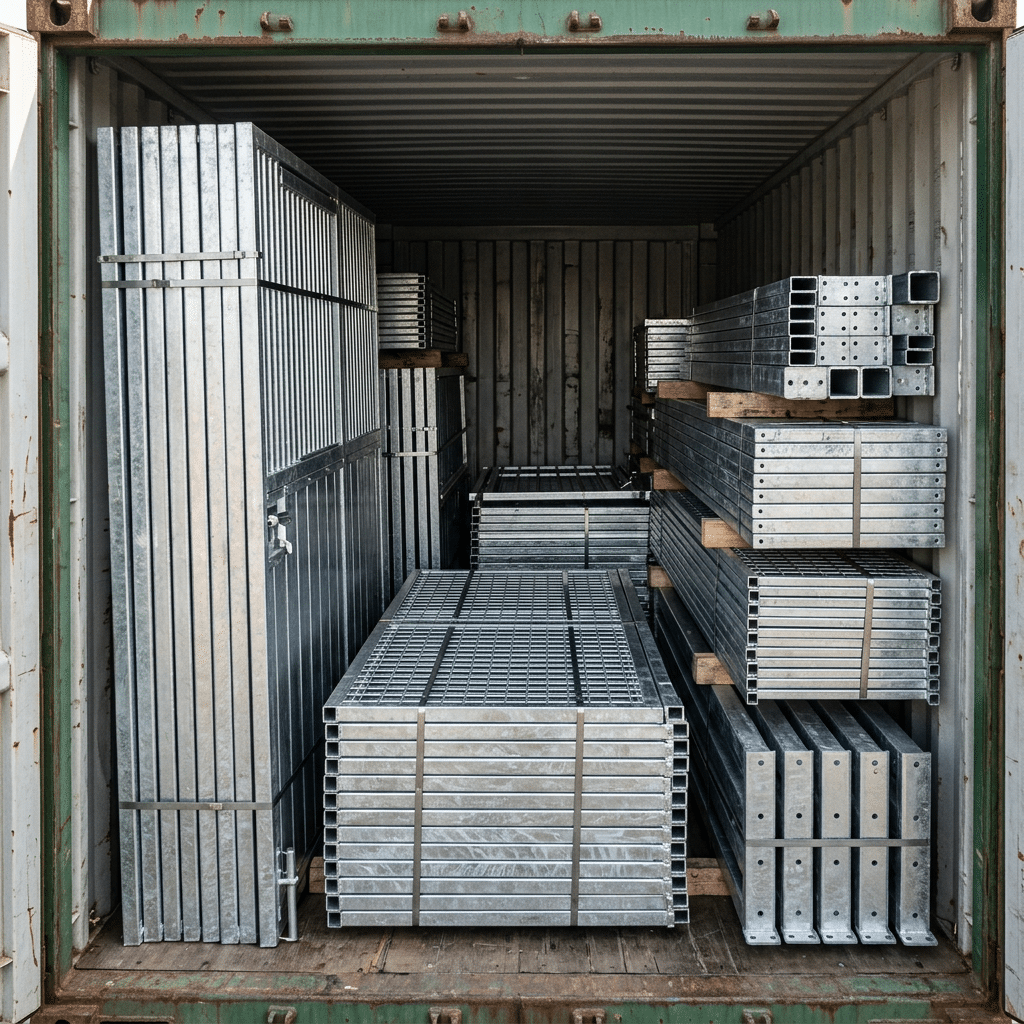
Jammed barn doors are a primary source of post-installation complaints and warranty claims for stable outfitters. Standard exposed track systems...
The annual pressure washing of stables shouldn’t trigger immediate rust, yet many operators see it bloom on welds. This defect isn’t a...
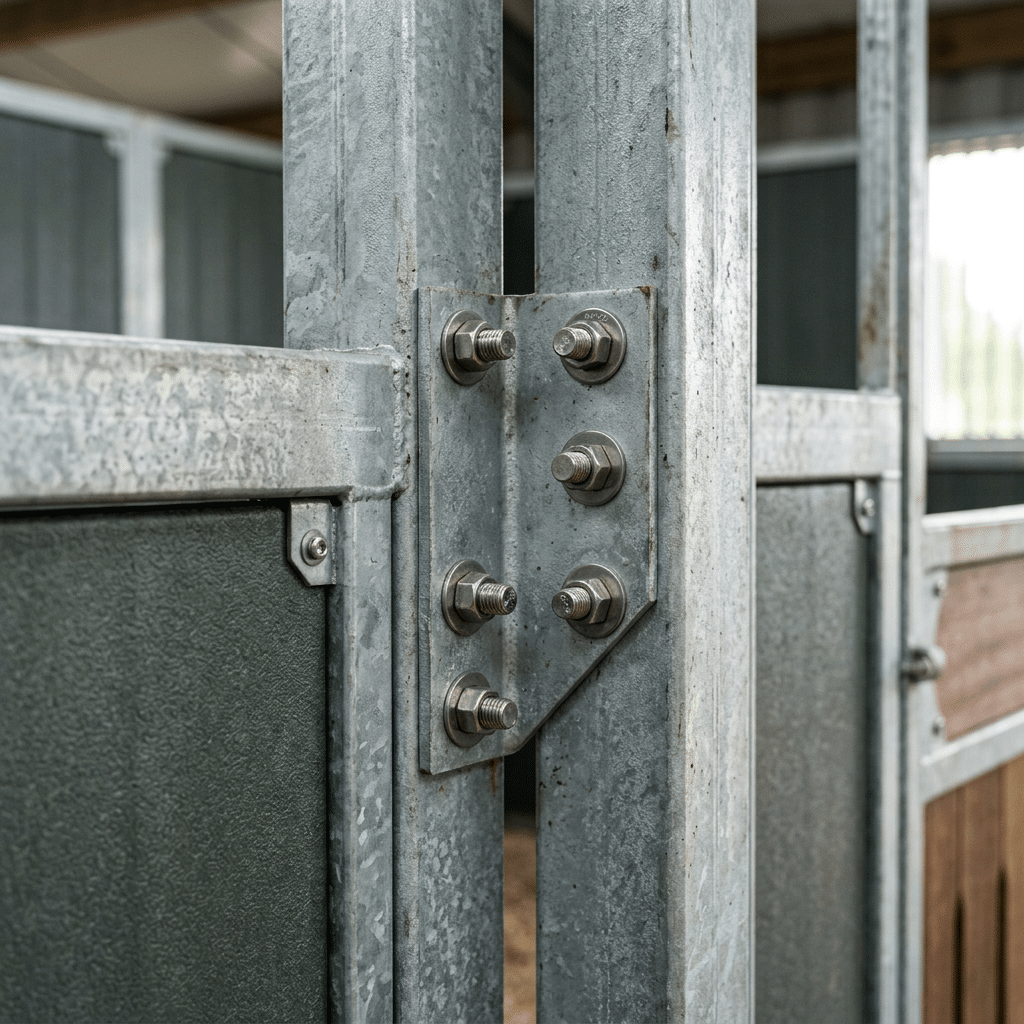
Splinter colic is a preventable emergency directly linked to cheap pine boards in horse stalls. This single material choice can escalate a simple...
The reliance on stall fans for airflow is a critical liability issue for barn builders and facility managers. Standard fans create a severe fire...
Real mucking efficiency isn’t about a better wheelbarrow; it’s about eliminating it entirely. Barn designs that fail to accommodate...
Preventing frozen auto waterers addresses only one part of winter risk; the greater danger is catastrophic structural failure when standard...
A Cast Horse Emergency is a direct result of failed stable engineering, not random chance. Stalls built with bottom gaps larger than 50mm create a...
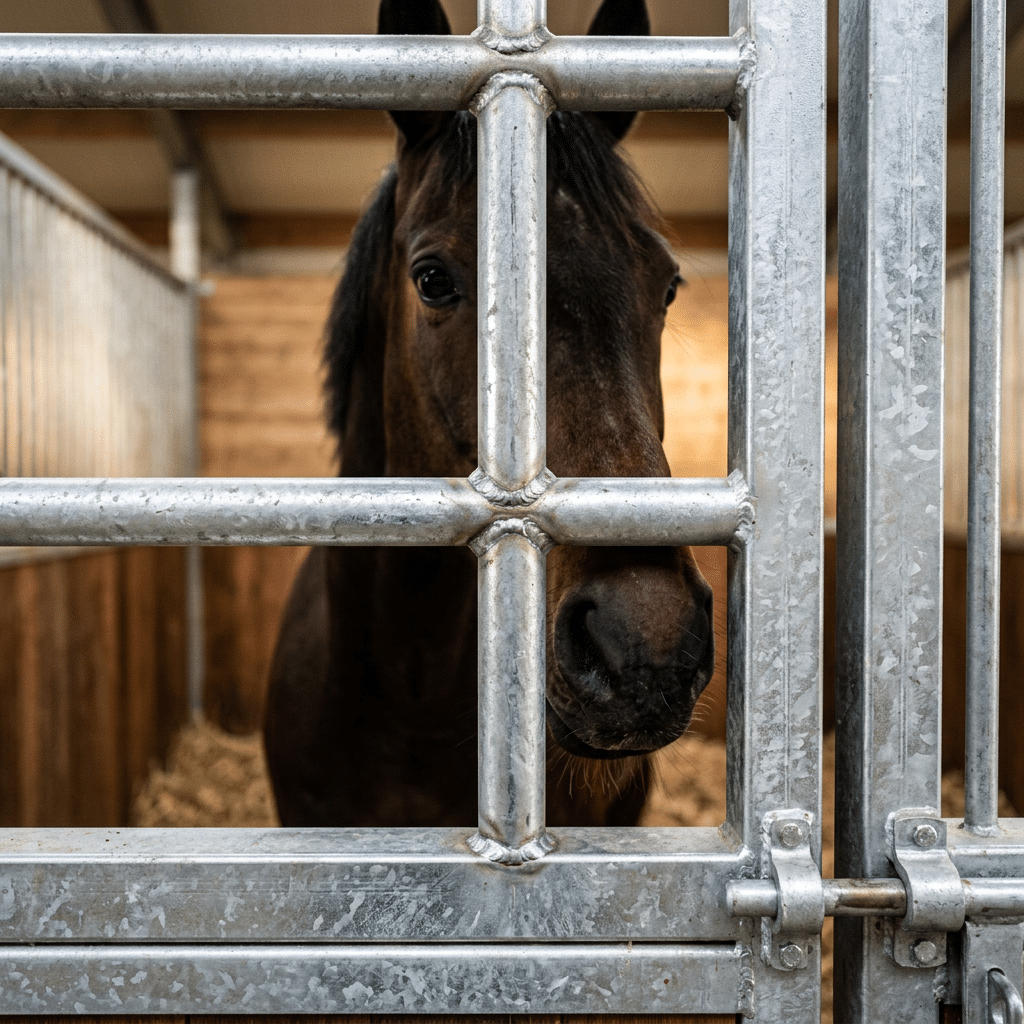
Rusted fasteners are the single most common point of failure in stable systems, turning a $2 hardware choice into a $100 emergency labor bill. The...
Sourcing custom stall fronts is the primary defense against installation failure in older barn renovations. Forcing a standard-sized front into a...
 English
  Spanish
  French
  Arabic
  German