


Blog
5 Stable Design Mistakes That Cause Code Violations
stable design mistakes code violations is the first checkpoint buyers should lock before they approve a supplier, budget, or production slot. The moment a permit gets rejected is usually quiet. No alarms, no structural failure — just a letter from the county planner...
Horse Stable Ventilation Design: Airflow Engineering Guide
horse stable ventilation design is the first checkpoint buyers should lock before they approve a supplier, budget, or production slot. The pre-construction checklist for a new stable block looks thorough on paper: stall dimensions, door hardware, drainage gradients,...
Extreme Weather Horse Barn Mistakes: Essential Guide
weather resistant barn design is the first checkpoint buyers should lock before they approve a supplier, budget, or production slot. You spec out a 40-stall barn for a client in coastal Queensland, sign off on the steel, and six months later the owner is calling about...
5 Critical Horse Stable Mistakes to Avoid (Industry Secrets)
horse stable buying mistakes is the first checkpoint buyers should lock before they approve a supplier, budget, or production slot. You ask the supplier: 'Why did the pre-production sample look perfect, but the full shipment of 20 stalls has door panels that are...
BHS-Compliant Stables for Wet Climates: Buyer’s Guide
bhs compliant stables is the first checkpoint buyers should lock before they approve a supplier, budget, or production slot. The first sign of trouble isn't the pre-production sample approval. It's the 18th month of UK rain when the steel starts showing rust spots on...
Wind-Resistant Barn Windows for Coastal Stables: 316 SS Hinges
wind resistant barn windows coastal is the first checkpoint buyers should lock before they approve a supplier, budget, or production slot. Two barn windows, same rough opening, same glazing spec. One costs 30% more. The difference isn't the glass or the frame — it's...
BHS Compliance Case Study: Waikato High-Drainage Stables
high drainage horse stables is the first checkpoint buyers should lock before they approve a supplier, budget, or production slot. "We need BHS compliance for the new block. Can you guarantee the stables won't hold water?" That question came from a facility developer...
Fire Safety Standards for Horse Barns: Design & Materials
horse barn fire safety design is the first checkpoint buyers should lock before they approve a supplier, budget, or production slot. You’ve got a 48-stall commercial barn going up in a county that just adopted the latest NFPA 150 amendments. The owner wants wood beams...
50-Stall Prefab Horse Stable Cuts Costs 20% in Australia
A 50-stall horse stable case study in Australia starts with a number: a training center in Queensland was staring at a $45,000 budget gap. That’s the difference between a $225,000 build they couldn’t afford and the $180,000 they actually paid. The project didn’t cut...
Cut Construction Costs 20%: 50-Stall Australia
cut construction costs 20 50-stall is the first checkpoint buyers should lock before they approve a supplier, budget, or production slot. Cut Construction Costs 20%: 50-Stall Australia is the first checkpoint buyers should lock before they approve a supplier, budget,...
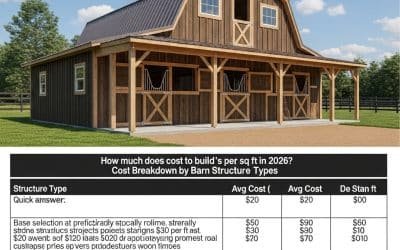
Cost to Build Horse Stable 2026: Avoid $150k Surprise
Cost to Build Horse Stable 2026: Avoid $150k Surprise is the first checkpoint buyers should lock before they approve a supplier, budget, or production slot. A 10-year total cost of ownership comparison between a $50-per-square-foot steel stable and a...
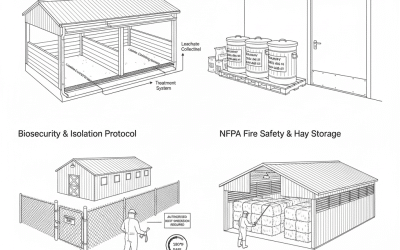
Hot-Dip Galvanizing: Exposing the Pre-Galvanized Lie
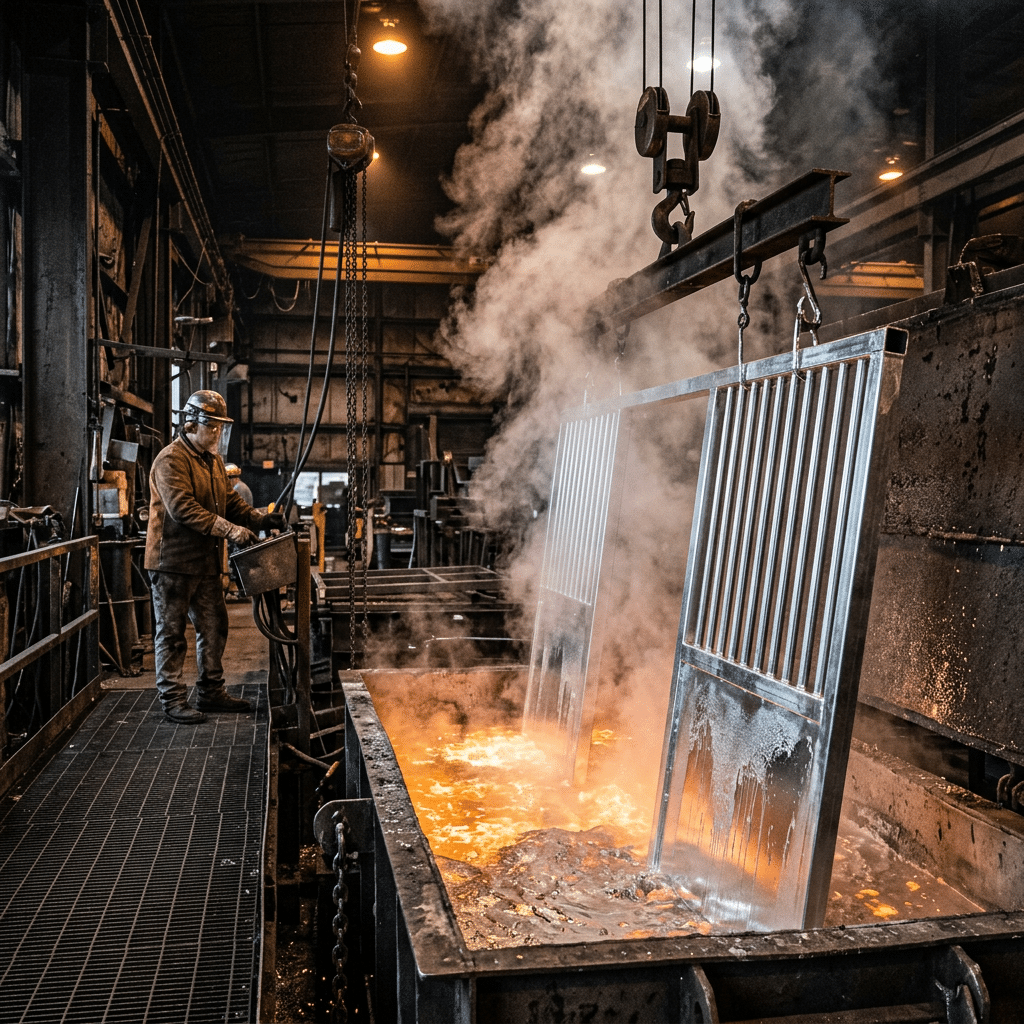
hot-dip galvanizing vs pre-galvanized is the first checkpoint buyers should lock before they approve a supplier, budget, or production slot. When a supplier shows you a shiny pre-production sample of a horse stable kit, do you assume the full container will match that...
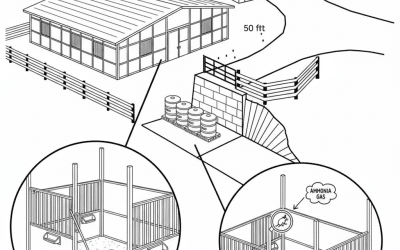
BHS Stable Compliance Case Study: 40-Stall Training Facility
BHS Stable Compliance Case Study: 40-Stall Training Facility is the first checkpoint buyers should lock before they approve a supplier, budget, or production slot. A BHS stable compliance case study is only as good as the gap between what the spec sheet promises and...
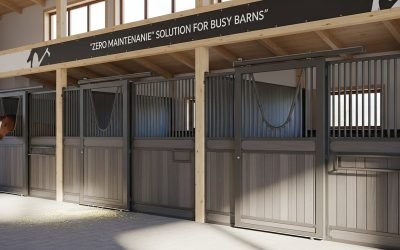
Custom Horse Barn Builders vs Prefab Kits: Save 50%
Custom Horse Barn Builders vs Prefab Kits: Save 50% is the first checkpoint buyers should lock before they approve a supplier, budget, or production slot. That $50K order your colleague lost? It wasn’t the sample approval that failed. It was the mass production run...
Snow Load Horse Barn Codes Poland & Northern Europe 2026
A contractor in Poland lost a $50,000 order on a 20-stable project because the pre-production sample didn't match the mass production run — and the failure was buried in the snow load horse barn codes Poland. The pre-production sample used a heavier gauge steel and...
Arena Footing: Climate First – Sand, Rubber, or Wax?
arena footing climate first - is the first checkpoint buyers should lock before they approve a supplier, budget, or production slot. Arena Footing: Climate First - Sand, Rubber, or Wax? is the first checkpoint buyers should lock before they approve a supplier, budget,...
Metal vs Wood Horse Barns: 20-Year Cost Analysis
Metal vs Wood Horse Barns: 20-Year Cost Analysis is the first checkpoint buyers should lock before they approve a supplier, budget, or production slot. Every sourcing guide tells you to compare upfront costs when choosing between metal vs wood horse barns. That advice...
Horse Tie Ring Height: Safe Mounting Guide
Getting horse tie ring height safety wrong by just six inches can turn a $50,000 barn investment into a lawsuit. I’ve seen a stable manager mount stall rings at 5.5 feet because that’s where the existing post holes were. The horse stepped over the slack, got a leg...
Bamboo vs HDPE Horse Stall Infill
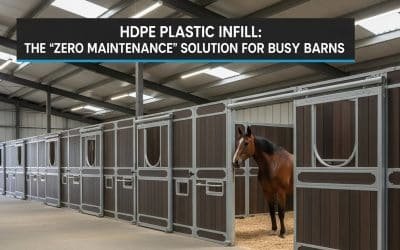
A $50,000 order of bamboo horse stall infill looked fine on the sample approval sheet. Sealed, kiln-dried, 30,000 psi tensile strength — all checked. Then the container arrived. The mass production run had inconsistent sealant coverage; the pre-production sample had...
Powder Coat vs Galvanized Portable Stalls
powder coated stall durability is the first checkpoint buyers should lock before they approve a supplier, budget, or production slot. The first thing every supplier tells you is to compare upfront price. That advice cost one buyer $50,000 when the pre-production...
Why Your Portable Horse Stall Sags in Winter
portable horse stall sagging winter is the first checkpoint buyers should lock before they approve a supplier, budget, or production slot. You walk into the barn on a January morning, and something feels off. The portable horse stall that was level in November now has...
Small Horse Stable Plans for Miniature Breeds
miniature horse stable plans is the first checkpoint buyers should lock before they approve a supplier, budget, or production slot. The difference between a safe miniature horse stable and a costly mistake is exactly 2 inches. That's the gap between the standard...
ISO 1461 Galvanized Rental Fleet Storage
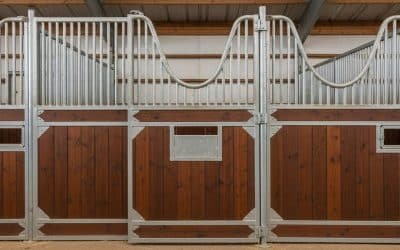
iso 1461 horse stall storage is the first checkpoint buyers should lock before they approve a supplier, budget, or production slot. You pull a fifty-stall batch of pre-galvanized panels out of the yard after two winters. The bolt holes are bleeding rust. That...
Top 5 Horse Stall Manufacturers of 2026: Global Sourcing Guide
Sourcing horse stall panels without a clear logistics and materials strategy directly impacts your landed cost. Inefficient, fully welded designs can inflate freight expenses by over 60%, while specifying pre-galvanized steel instead of hot-dip after fabrication leads...
How to Import Horse Stables from China in 2026: A Step-by-Step Guide
This import guide for horse stables for sale confronts the single biggest threat to distributor profitability: freight costs. Sourcing traditional, fully-welded stables is a critical error, as loading only 12-15 sets into a 40HQ container destroys margins before the...
Bamboo vs. HDPE Infill: Which Material is Best for Your Climate?
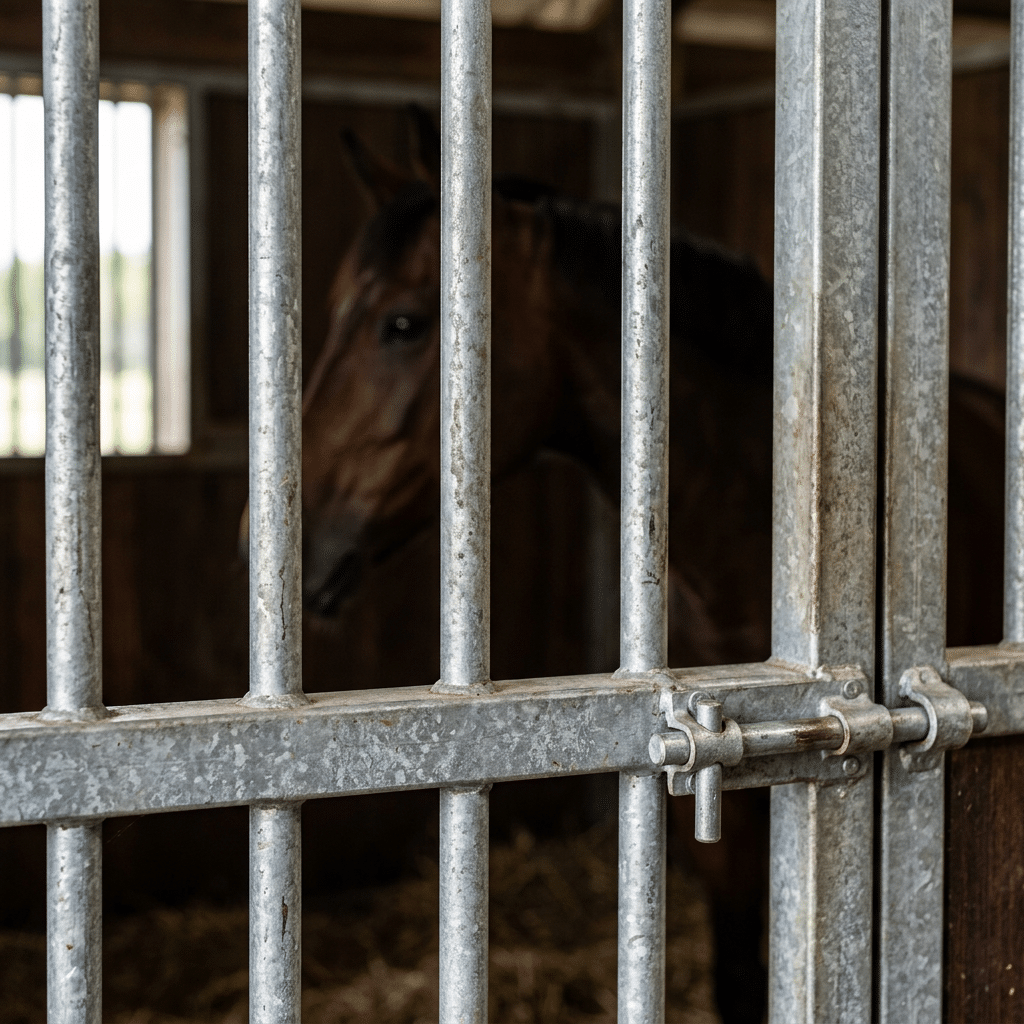
Choosing the right material for horse stall panels directly impacts long-term maintenance budgets. An infill like bamboo or HDPE that is mismatched to your climate’s humidity or UV exposure will warp, rot, or crack. This premature failure leads to expensive...
Standard 12×12 vs. Custom Stall Sizes: Which Fits Your Barn?
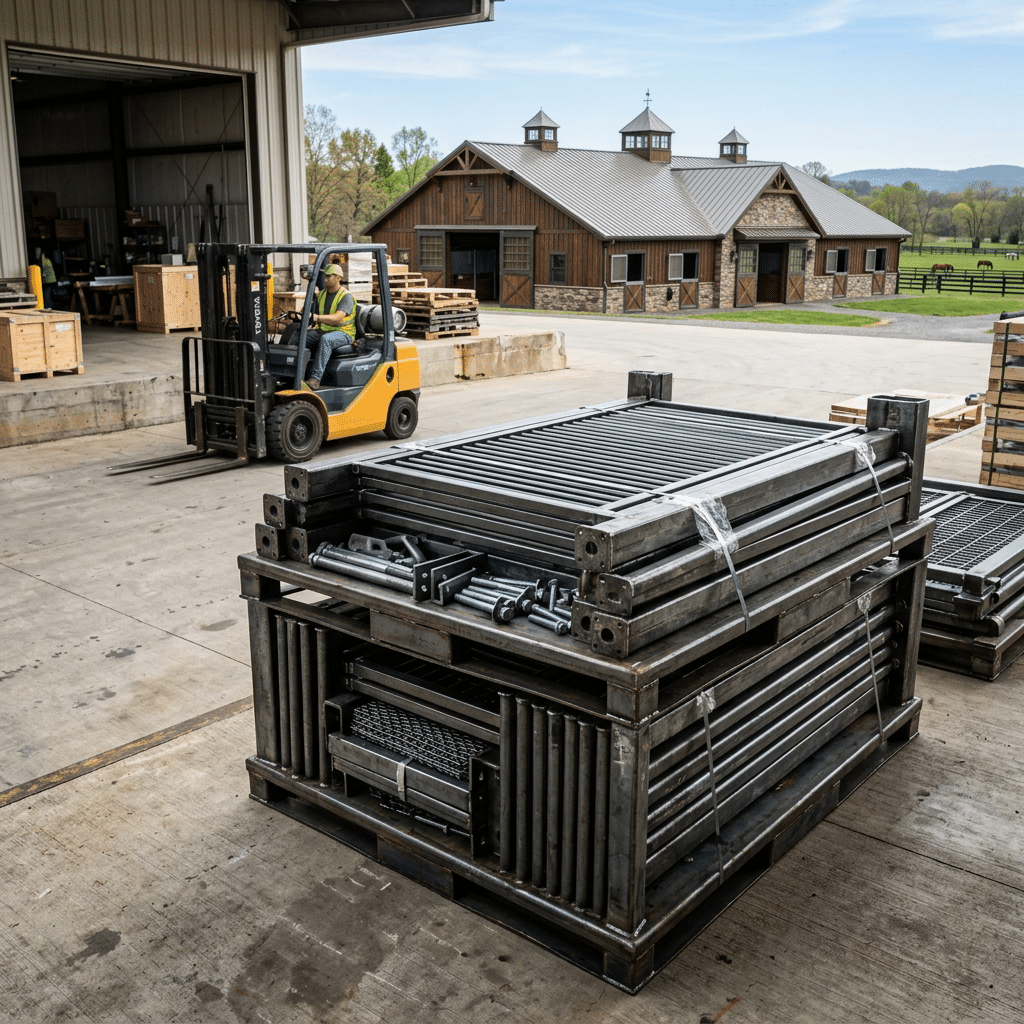
Deciding on a Custom Sizinghorse stall size is secondary to sourcing a product that won’t fail from rust. Many suppliers cut corners by welding pre-galvanized tubes, leaving joints exposed and creating a product destined for warranty claims that destroy...
Hot-Dip Galvanized vs. Powder Coated: Which Prevents Rust Best?
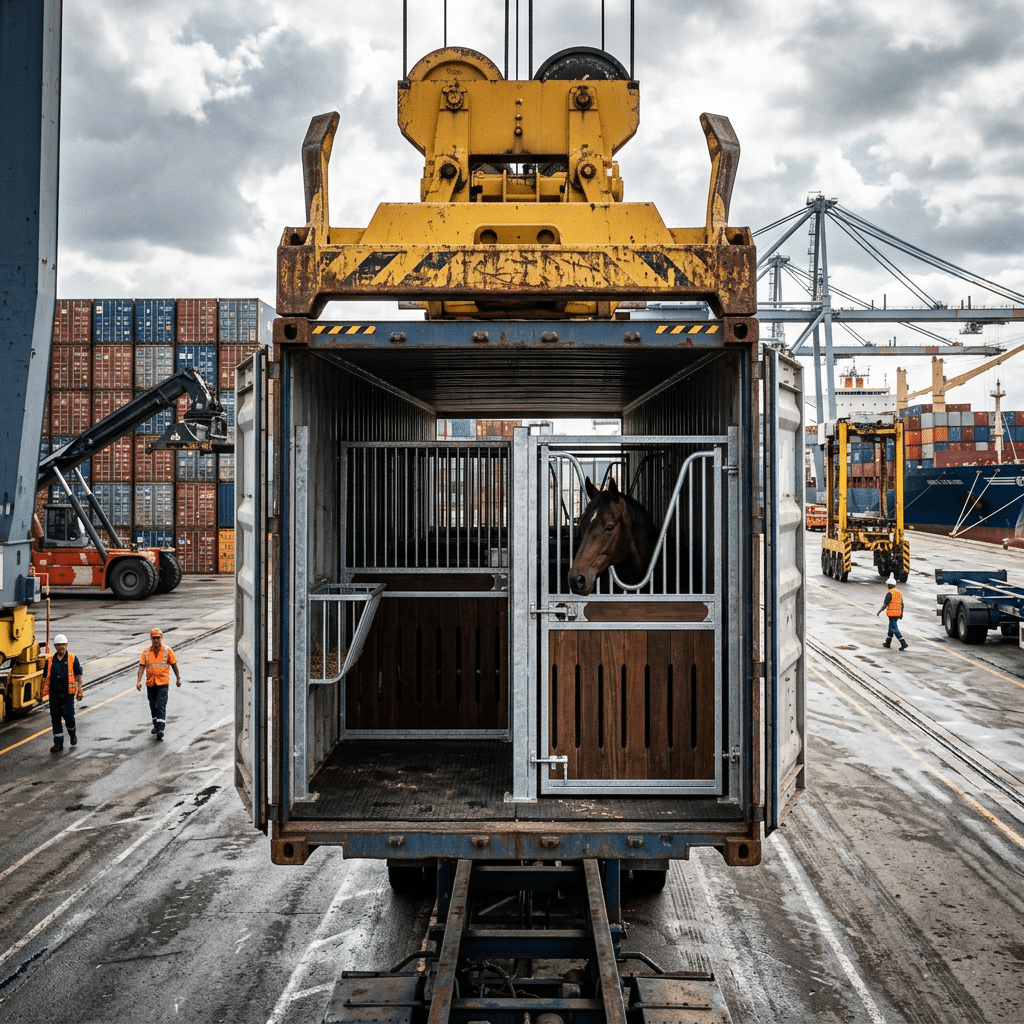
Decisions on rust/galvanizing for horse stall gates directly impact total cost of ownership and warranty claims. A coating that fails in high-salinity coastal air or at critical weld points forces expensive product replacements and erodes distributor margins. This...
How to Build a 4-Stall Barn: A Step-by-Step Installation Guide
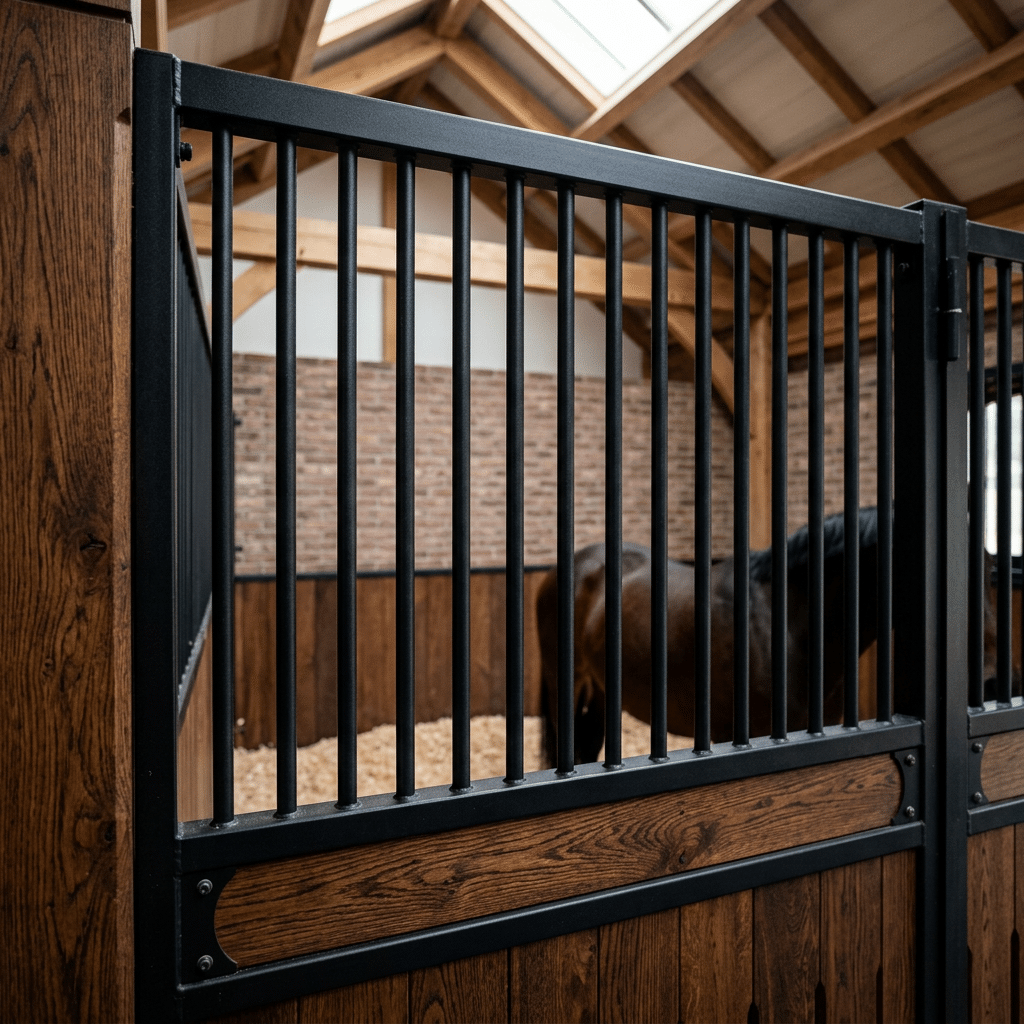
Successful installation for 4 stall horse barn plans hinges on the engineering of the components, not just the assembly process. Sourcing kits made with pre-galvanized tubes is a common mistake that leaves welds exposed, guaranteeing rust and leading to costly...
Top 10 Horse Stable Manufacturers in China (2026 Honest Review)
Using a generic China Manufacturers List for horse stables often leads to sourcing products made from pre-galvanized steel, where weld points are guaranteed to rust, creating expensive structural failures and distributor liability. This analysis benchmarks suppliers...
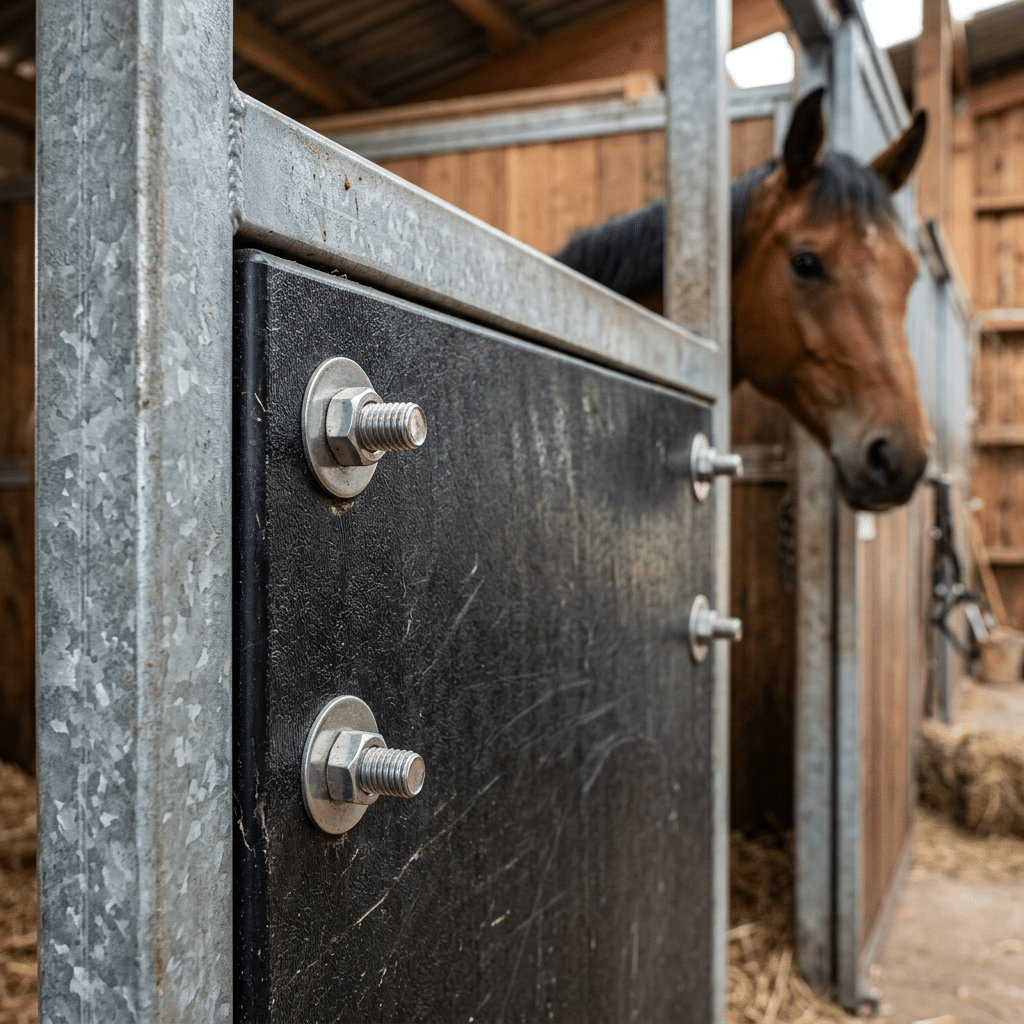
Top 5 Global Luxury Stable Brands vs. Factory-Direct Alternatives
Specifying Global Luxury Brands for equestrian stables often means paying a premium for brand heritage over measurable engineering. This inflates project costs and can put architects at a competitive disadvantage, forcing a choice between budget adherence and the...
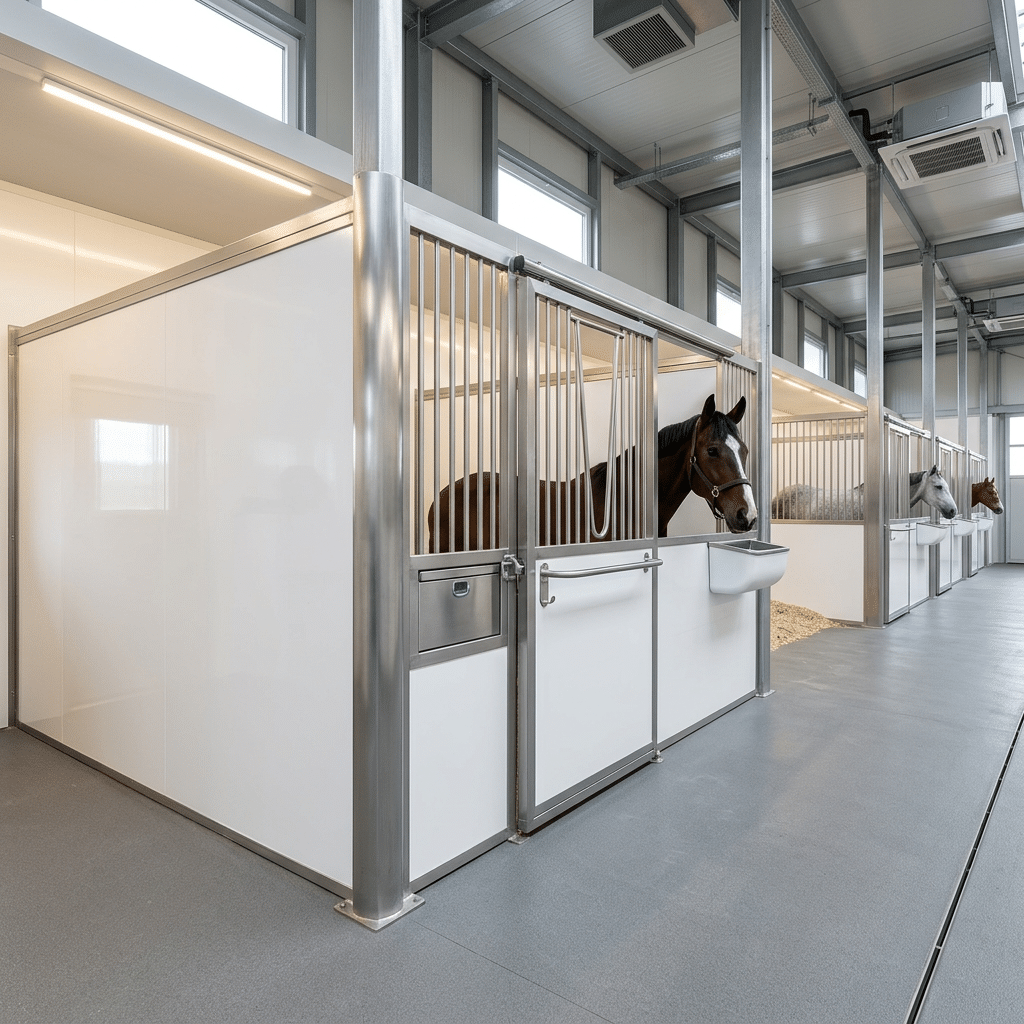
Top Horse Stable Suppliers in Australia: Buy Local vs. Import Direct
Evaluating horse stable Australia Suppliers requires a direct comparison between local fabrication and importing from a source factory. Choosing a supplier without verified corrosion protection can lead to premature rust and warranty claims, while an inefficient...
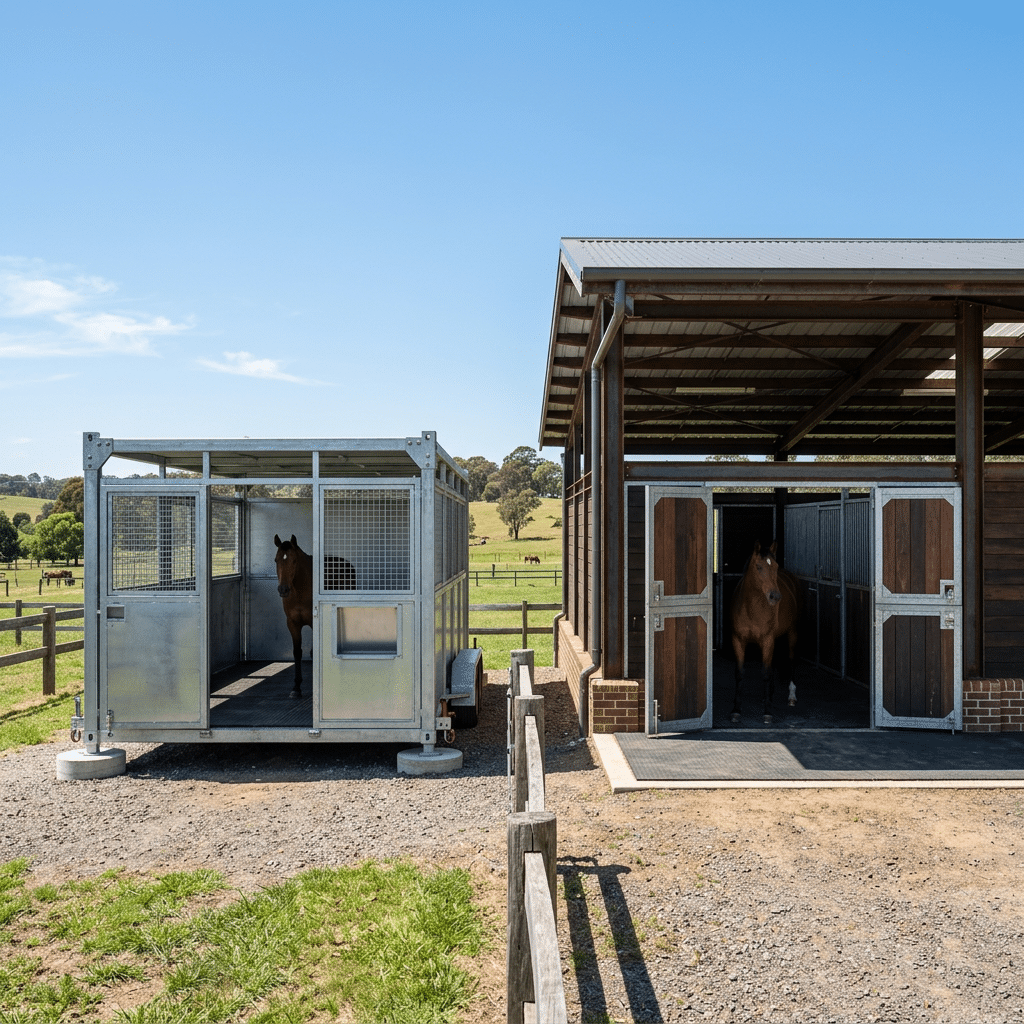
Top 7 Horse Stall Manufacturers in the USA (Powder Coat vs Galvanized)
Sourcing from top USA manufacturers requires looking beyond powder coating to avoid the hidden costs of rust. While a common domestic finish, a single scratch on powder coat exposes the underlying steel, leading to rapid corrosion and devaluing your entire facility...
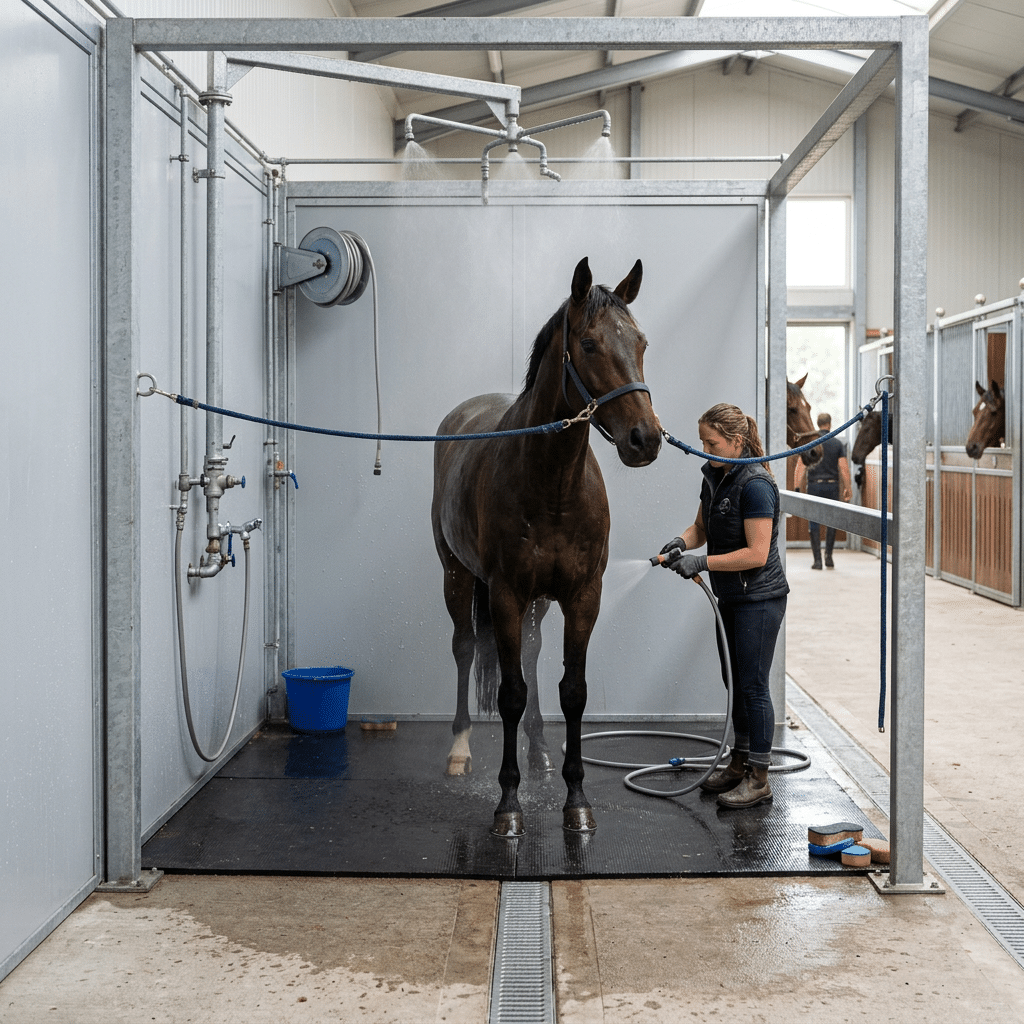
Top Internal Stable Manufacturers in the UK: Heritage vs. Import Value
Sourcing from reliable UK stable suppliers is the primary defense against premature corrosion in Britain’s damp climate. While some options appear cheaper upfront, specifying the wrong galvanization process leads to rust, warranty claims, and ultimately erodes...
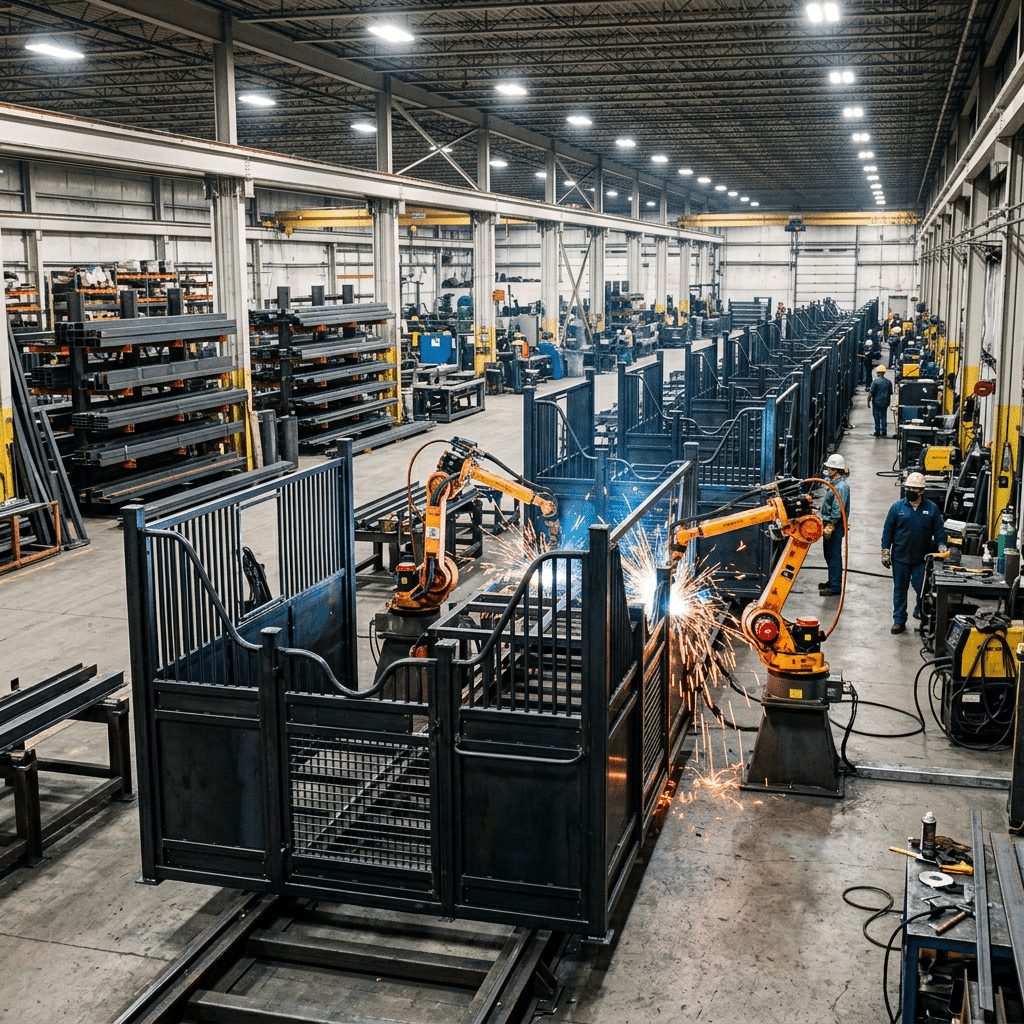
Stop Rust: Hot-Dip vs Pre-Galvanized Horse Stables
clean hot dip galvanized horse is the first checkpoint buyers should lock before they approve a supplier, budget, or production slot. A $50,000 order for horse stalls gets approved after sample inspection. Three months later, the buyer finds rust at every weld joint....
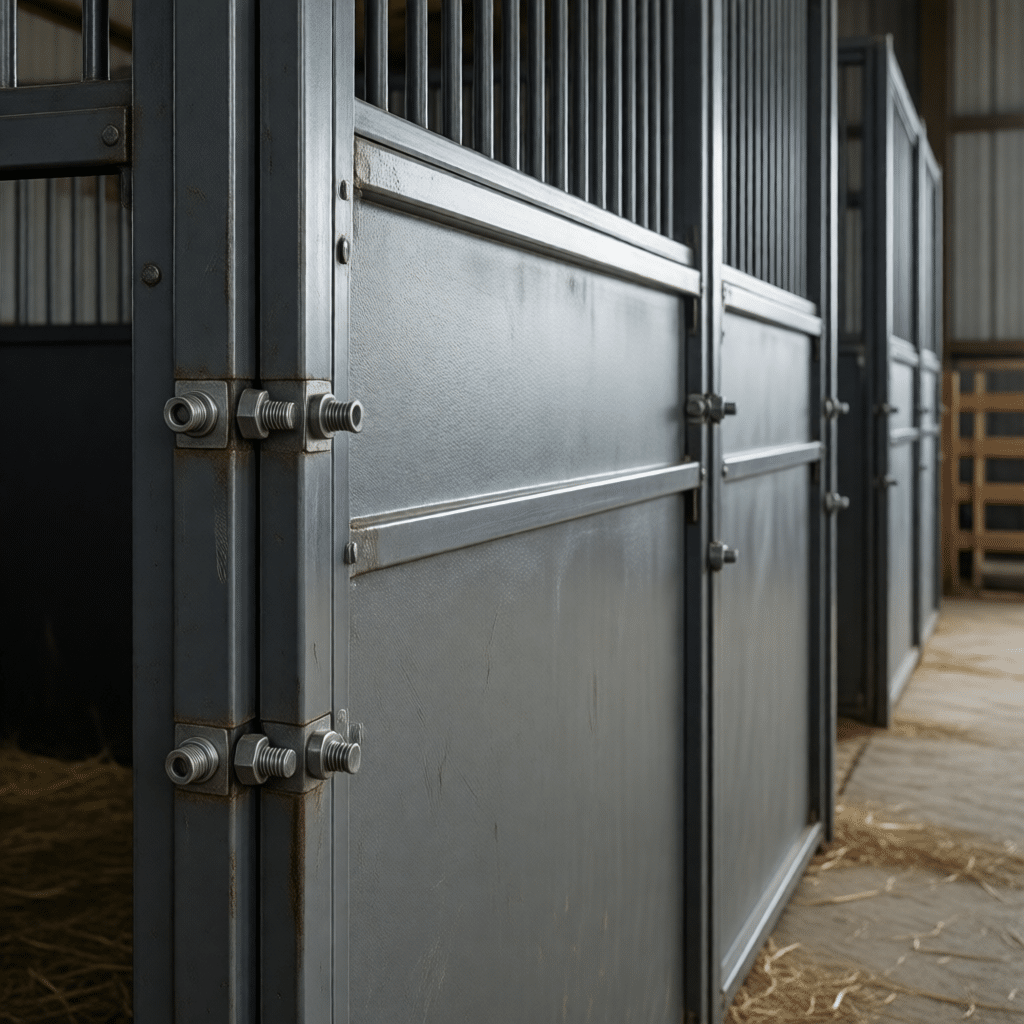
Avoid Horse Stall Front Breakage: Safety Webbing Fix
horse stall webbing safety is the first checkpoint buyers should lock before they approve a supplier, budget, or production slot. The gap between a solid steel stall front and a breakaway webbing system is often just a few hundred pounds of force, yet that difference...
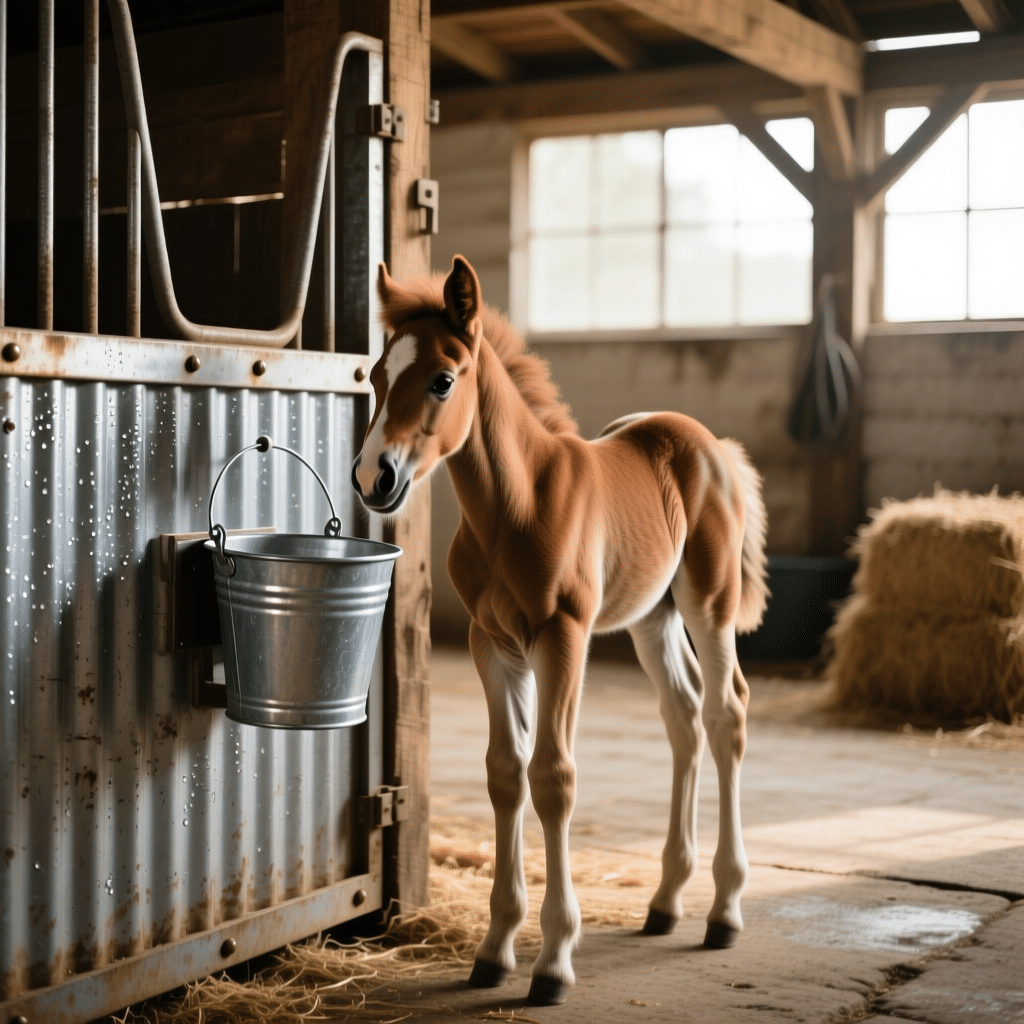
Fix Horse Stall Door Jamming: U-Channel Caps Guide
The difference between a smooth-running stall and a maintenance nightmare often comes down to a single measurement: the 3mm tolerance gap maintained by heavy-duty U-channel caps. Fix horse stall door jamming isn't about aggressive lubrication or forcing a warped door...
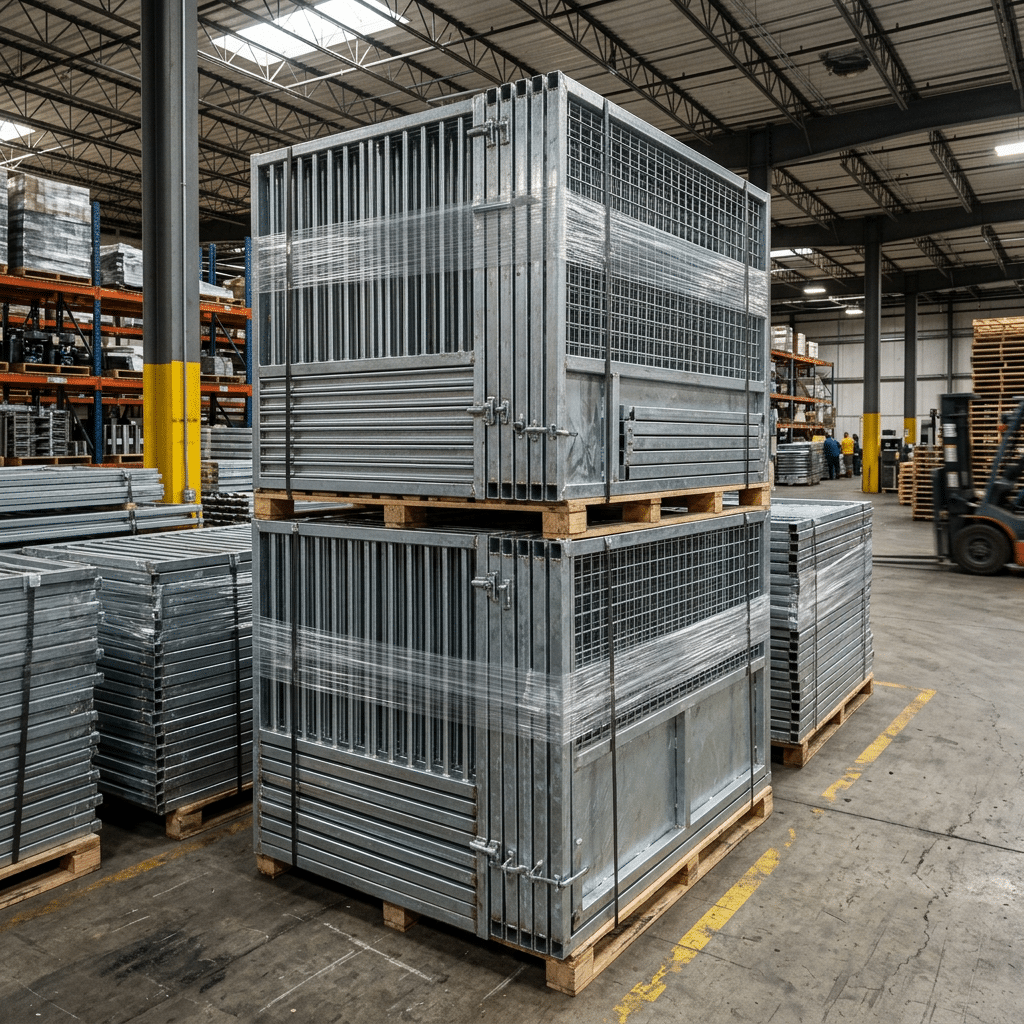
Best Portable Horse Stable Suppliers for Events and Temp Housing
Finding reliable portable stable makers is a direct defense against equipment failure and eroded rental margins. Many suppliers use pre-galvanized tubing that rusts at the welds within a few seasons, forcing event companies into costly replacement cycles and creating...
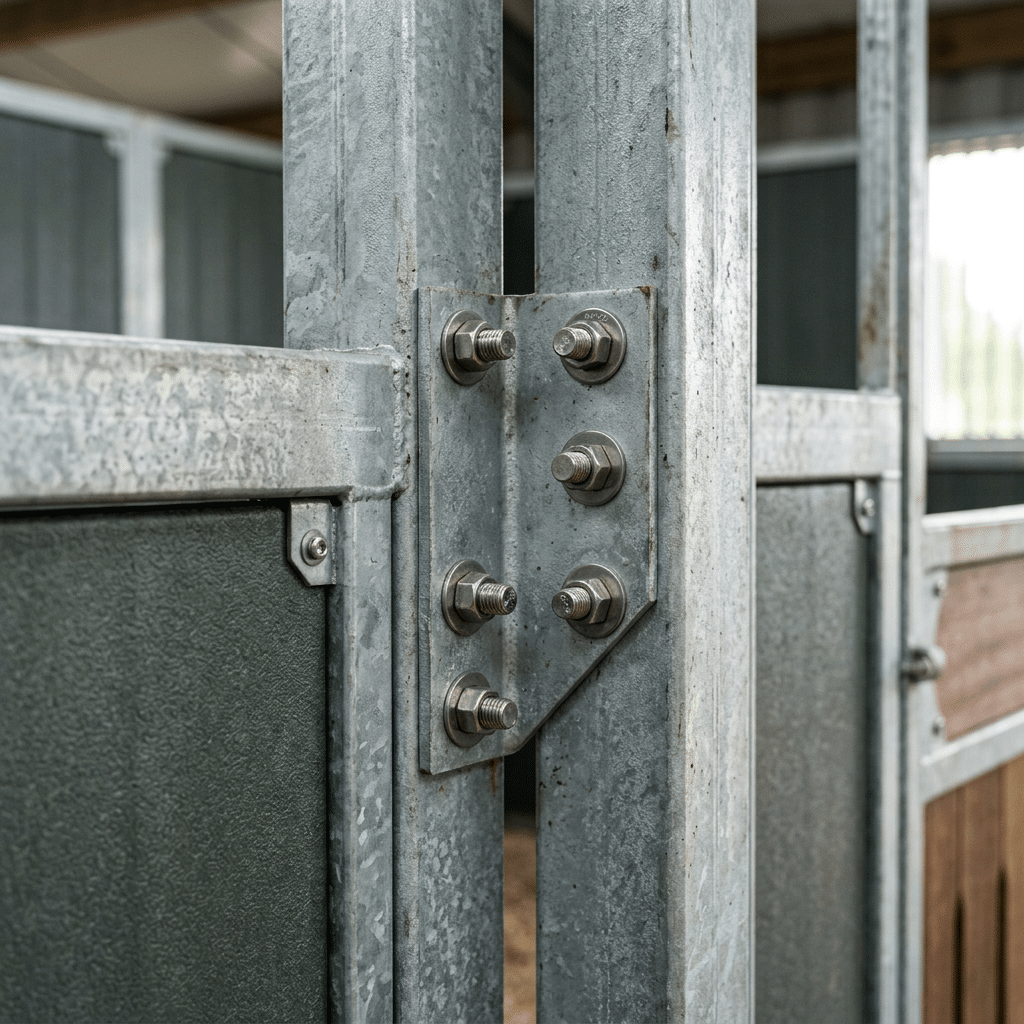
Top Suppliers for Bamboo Stable Planks: Why Material Source Matters
Sourcing from qualified Bamboo Board Suppliers is the primary defense against catastrophic infill failure. Partnering with vendors who ship low-density, laminated boards instead of structural-grade planks leads directly to splintering, rot, and costly replacement...
Top Horse Stall Mat Brands: Rubber, EVA, or Interlocking?
Selecting the right Rubber Flooring Brands is a critical logistics decision that impacts your container freight costs. Sourcing flooring separately from your primary stable order means paying for a second shipment, directly eroding the profit margin on every unit you...
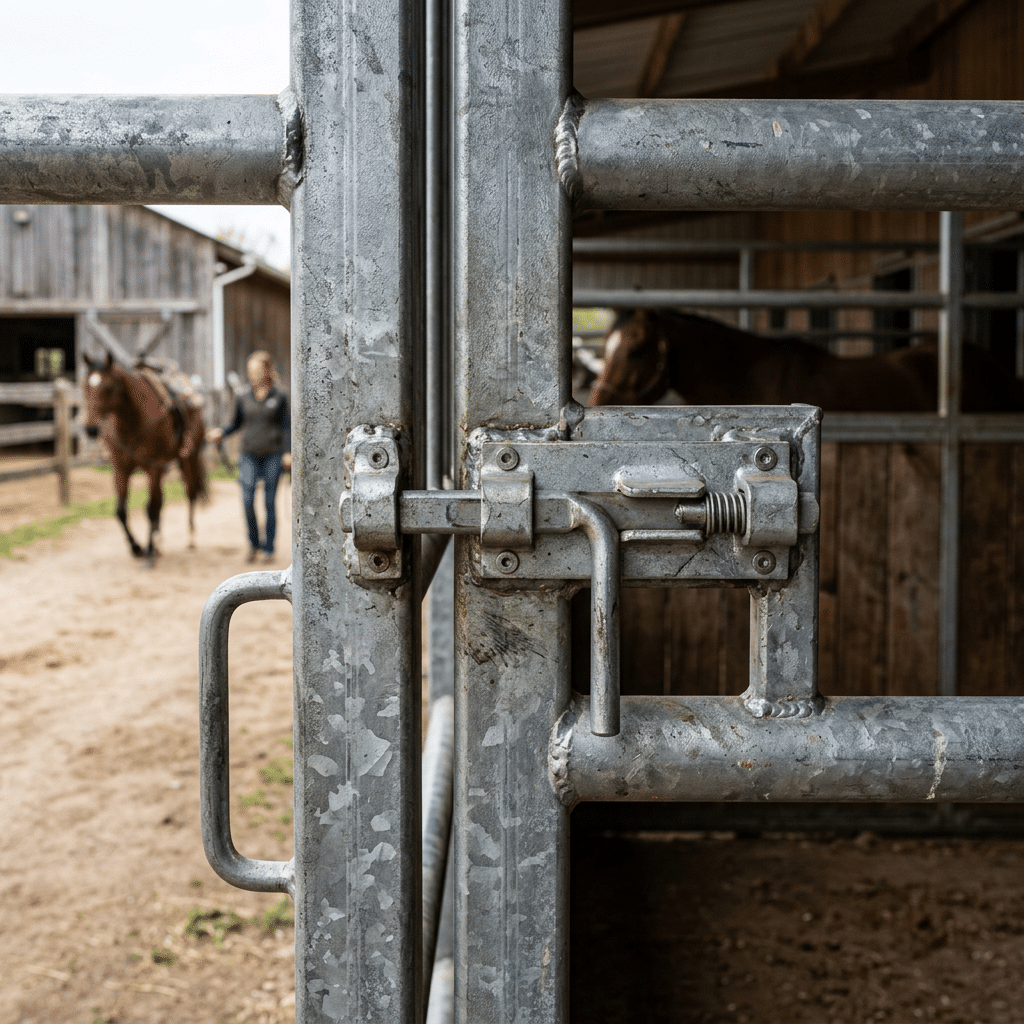
Top Custom Horse Barn Builders vs. Prefab Kit Suppliers
Vetting custom builders for an equestrian facility requires a focus on material engineering, not just project portfolios. A common and costly failure is accepting pre-galvanized steel, which corrodes at the welds, creating long-term structural risks and devaluing the...
5 Red Flags When Sourcing Horse Stables from China (Scam Guide)
Effective scam & fraud avoidance is the primary defense against the most common sourcing failure: receiving horse stables built from thin, pre-galvanized steel. This manufacturing shortcut creates unprotected welds that rust within months, leading directly to...
Bamboo vs. Pine Stables: Which Will Your Horse Chew Through First?
Choosing between bamboo vs pine wood for horse stables is a critical calculation of long-term liability, not just material cost. Standard pine fails predictably from chewing and moisture, creating recurring replacement budgets and the financial risk of...
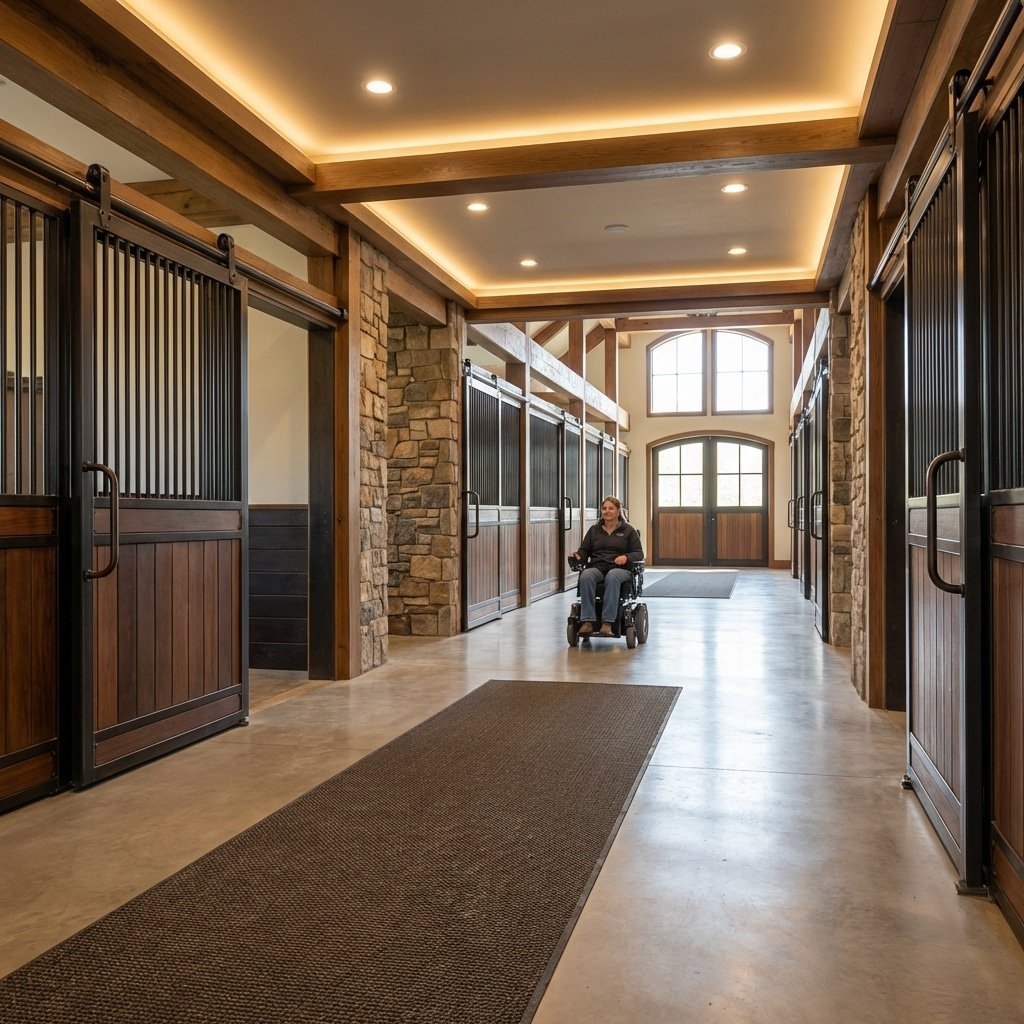
Fix Jammed Sliding Horse Stall Doors Without Tracks
Sliding horse stall doors without floor track are a deliberate move to avoid the most common failure point in barn door hardware. But the decision only pays off if the overhead roller system is specified correctly. I've seen facility managers approve pre-production...
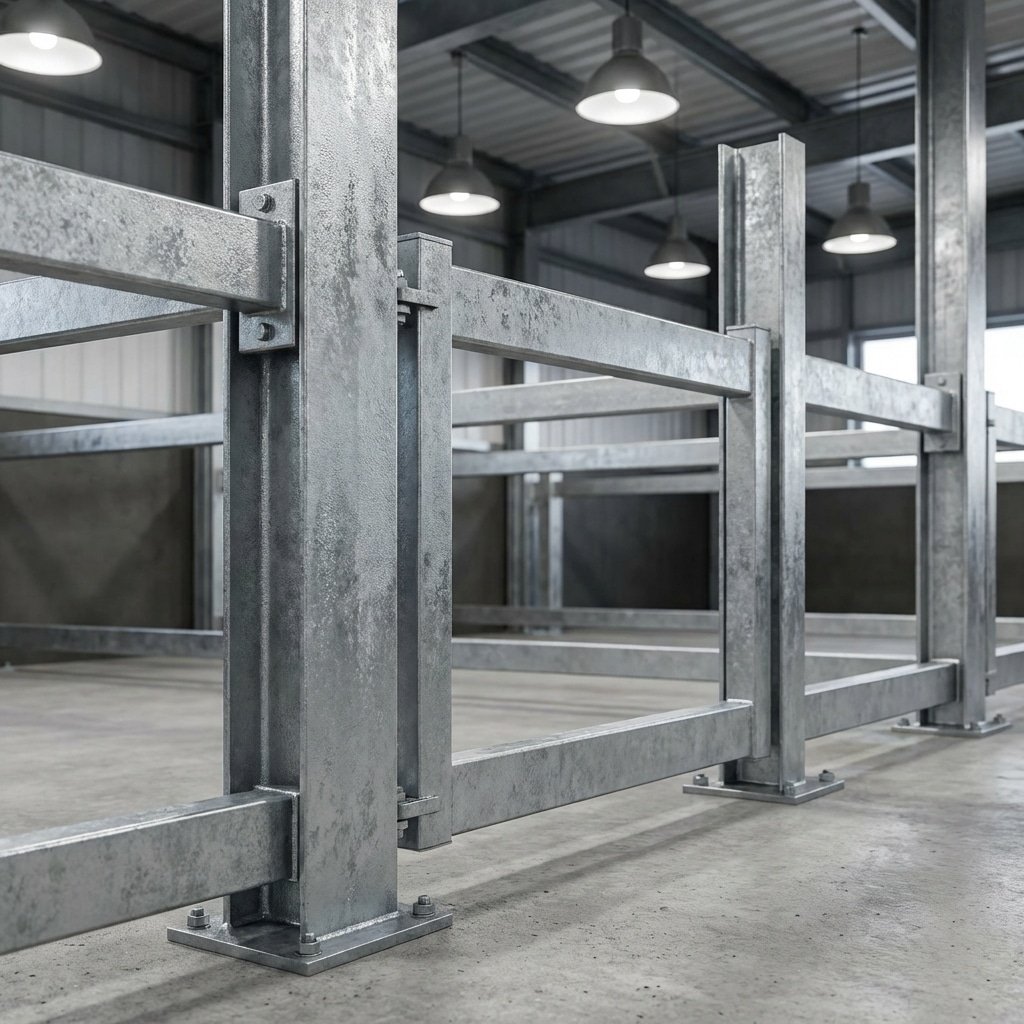
Fix DIY Horse Shelter Collapse: 20×20 Pole Barn Steel Specs
pole barn collapse fix is the first checkpoint buyers should lock before they approve a supplier, budget, or production slot. Most sourcing guides tell buyers to compare three suppliers based on FOB pricing. That advice falls apart when all three source from the same...
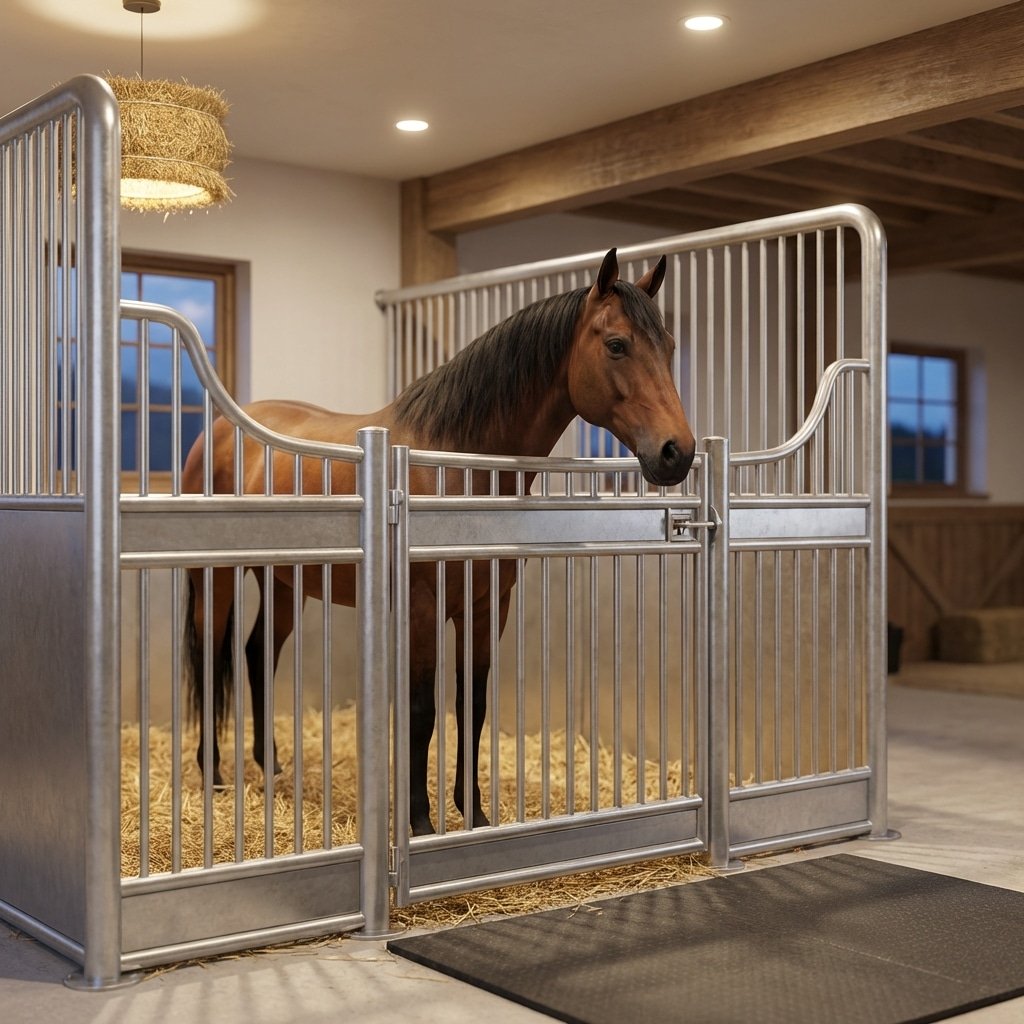
Fix Horse Stall Front Breakage: Safety Webbing Guide
horse stall webbing safety is the first checkpoint buyers should lock before they approve a supplier, budget, or production slot. A procurement manager managing a 120-stall equine facility realizes the danger during a routine inspection when a standard nylon strap...
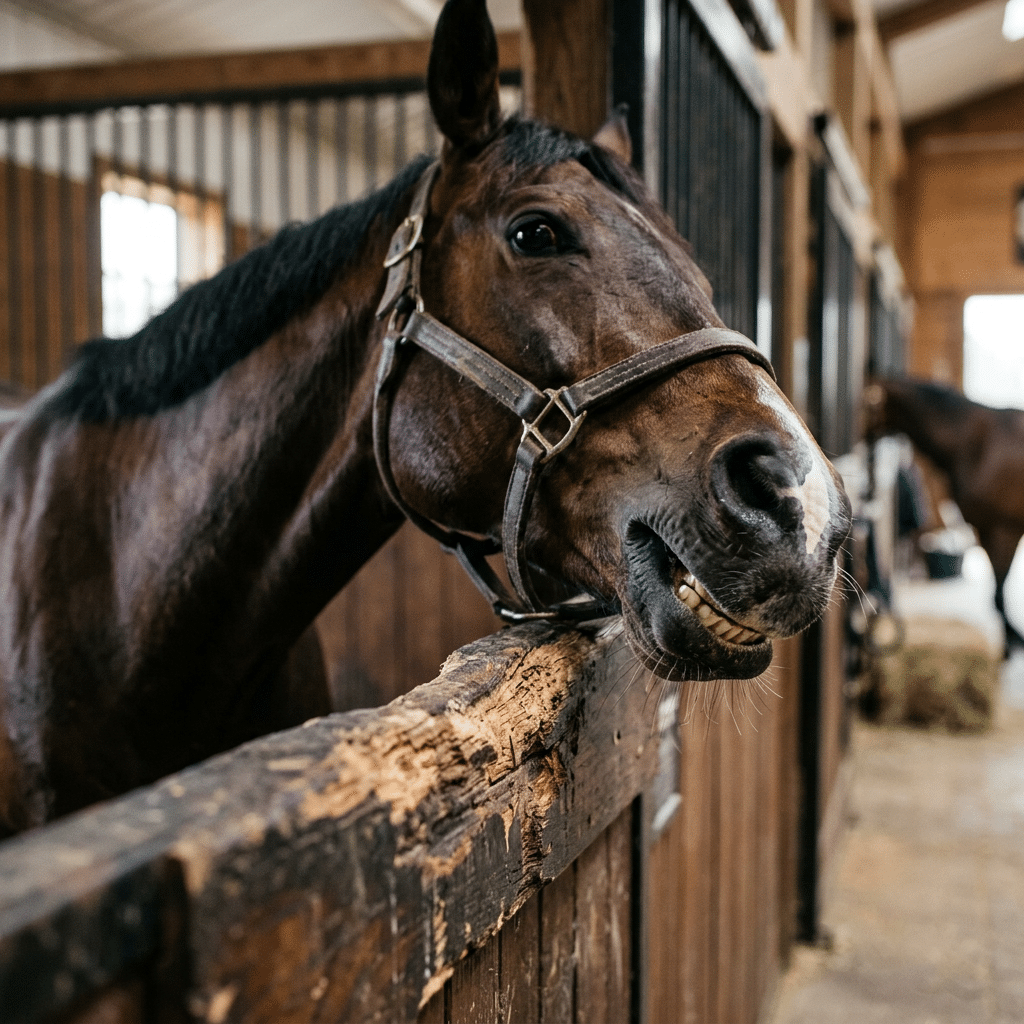
Hot-Dip Galvanized vs. Powder Coated Stables: The 10-Year Rust Test
The galvanized vs powder coated decision directly impacts your warranty claim rate and long-term profits. While powder coating initially satisfies aesthetic demands, its rapid failure in high-ammonia environments leads to rust complaints and costly product...
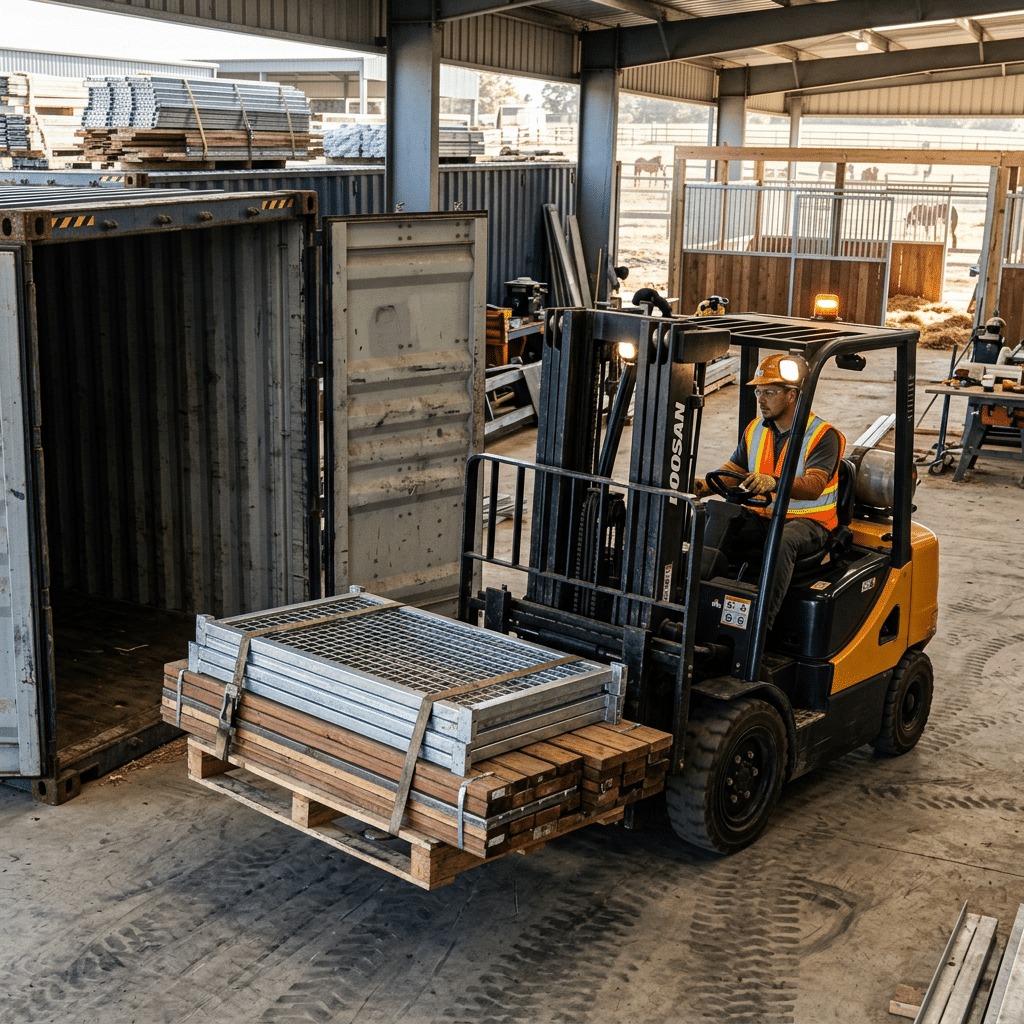
HDPE Plastic vs. Traditional Wood Stalls: The Ultimate Biosecurity Battle
The HDPE vs Wood Boards decision directly impacts your facility’s biosecurity and long-term operational costs. Traditional wood infills act as a porous sponge for pathogens and moisture, leading to rot and creating a constant health liability that inflates...
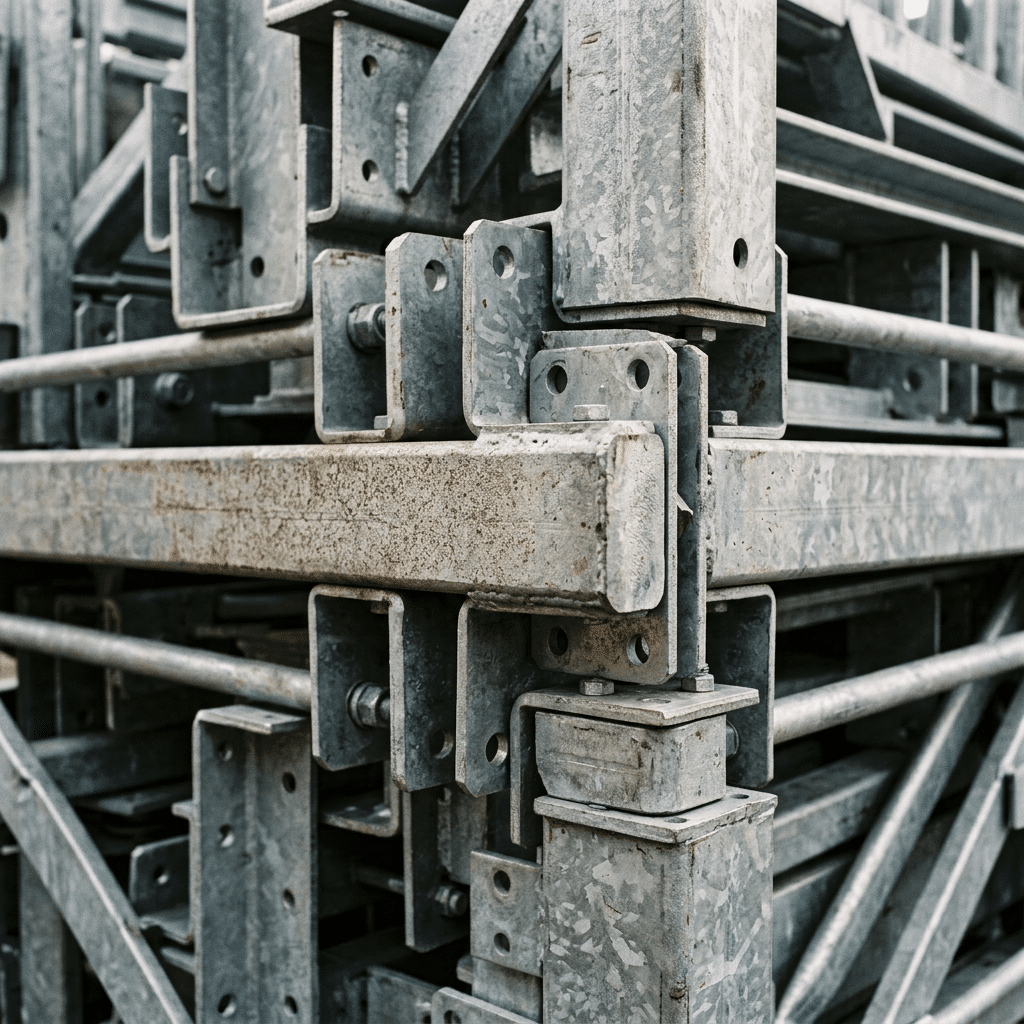
Steel vs. Aluminum Horse Stables: Why Lighter Isn’t Always Better
The steel vs aluminum debate for horse stables often centers on a dangerous misconception: that lighter, more expensive aluminum is a premium upgrade. This choice ignores the critical risk of brittle fracture in cold climates, where an impact from a kick can cause...
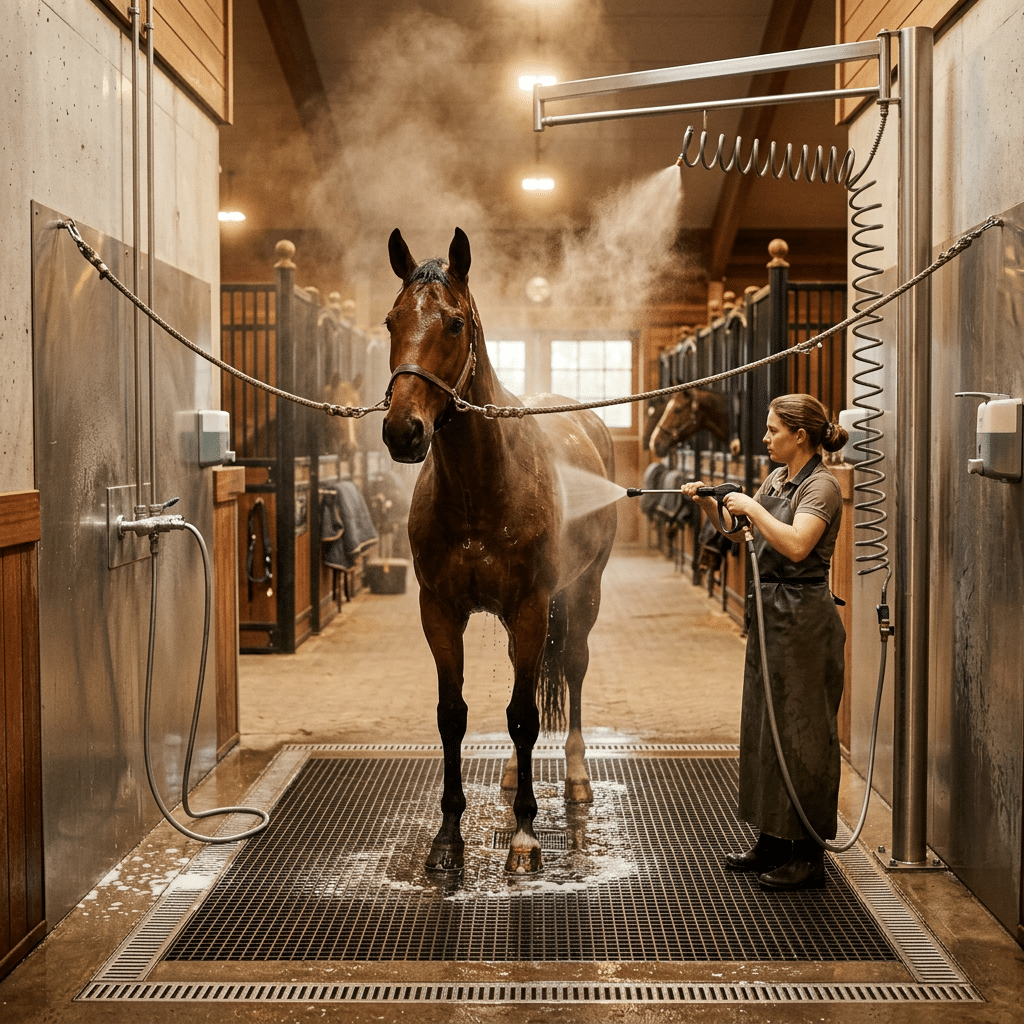
Prefab Stable Kits vs. On-Site Welding: The Rust Guarantee You Didn’t Know About
The Prefab Kits vs Custom Built debate often overlooks a critical defect: on-site welding of pre-galvanized steel burns off the zinc coating. This common shortcut creates a guaranteed rust point at every joint, leading to premature structural failure and exposing...
 English
  Spanish
  French
  Arabic
  German