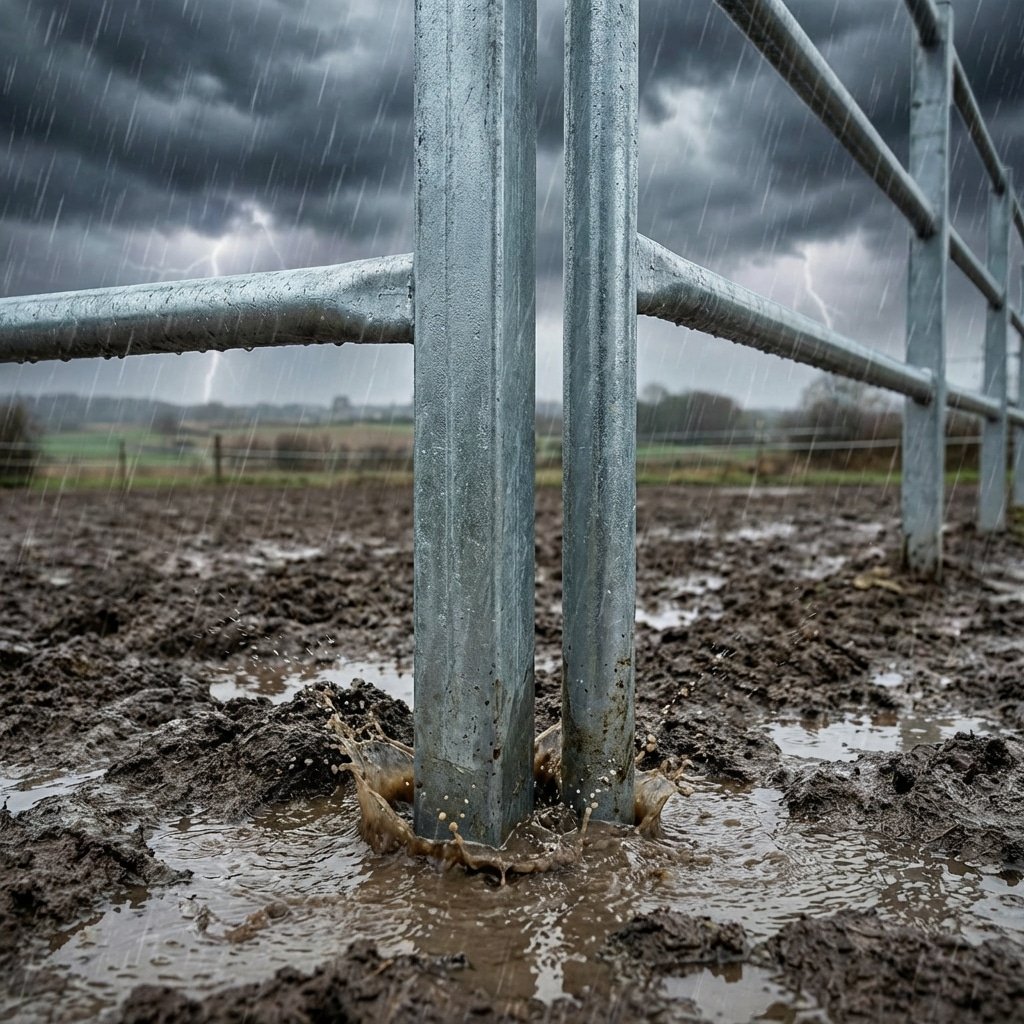
Horse fence panel connections are where a paddock either holds together or quietly comes apart. The rails and mesh get the product photos, but the pins, clamps and posts carry the loads: a horse leaning on a panel puts force into the joint, the joint transfers it to...
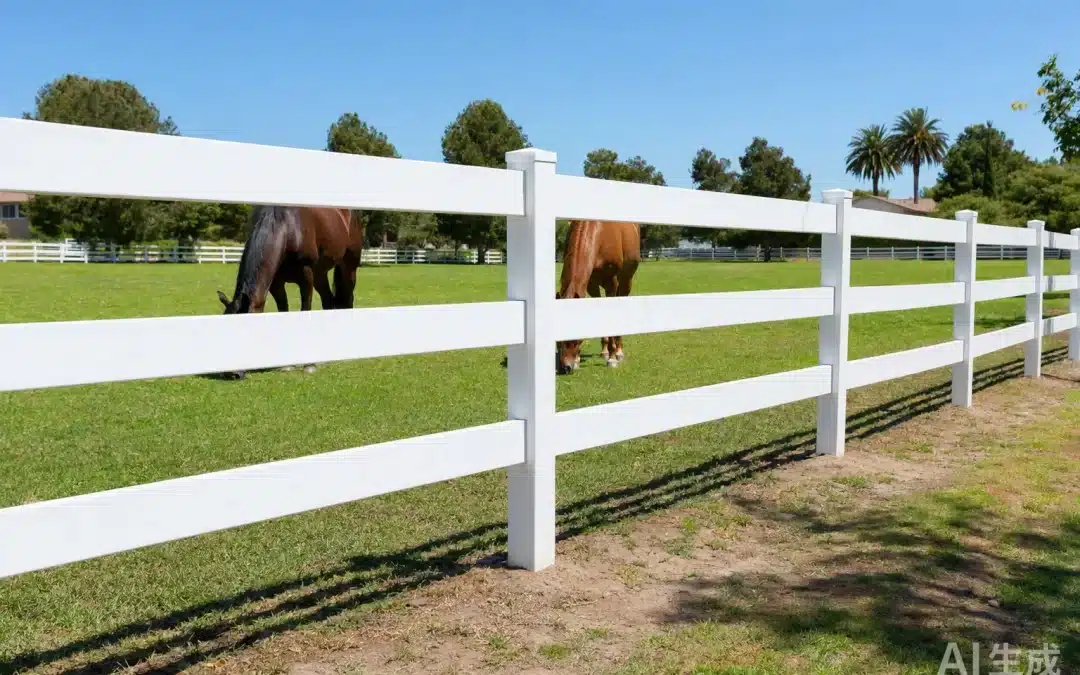
The argument for PVC vs wood horse fencing usually starts with looks and ends with maintenance, but the decision is really about impact behavior and climate. A horse that spooks into a fence meets the fence’s material physics: wood splits, PVC flexes or breaks...
Horse riding arena fencing height is one of those decisions that looks cosmetic until the day it isn’t. The boundary of a dressage arena is a visual frame the horse works within; the boundary of a jumping arena is an obstacle a fresh horse can genuinely decide...
Every arena fence is a wind machine. The same rail-and-post line that reads as a boundary on a still morning becomes, in a gale, a surface the wind pushes on with everything it has — and all of that push ends up at the posts. Arena fencing wind resistance is therefore...
UV resistant PVC horse fencing sold into Australia and Spain comes with two numbers attached: a 15-year lifespan claim and a 40°C heat tolerance rating. Both are supplier performance claims, not physical constants — and a fence that lasts a decade versus one that...
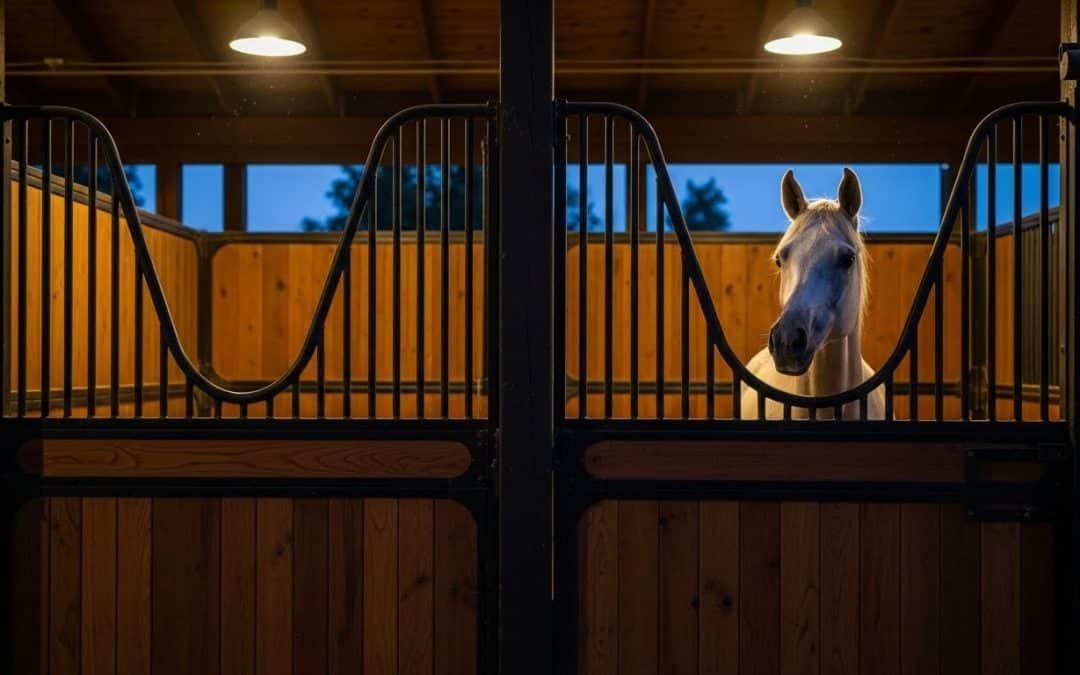
Half-mesh horse stall panels solve a specific operational problem: stopping kick-through injuries while keeping horses social. For a commercial developer planning a 20-stall build, the choice between a solid wall and a full mesh grill is not about preference — it is...




 English
 Spanish
 French
 Arabic
 German