by Frank | Apr 3, 2026 | Horse Fence Panels
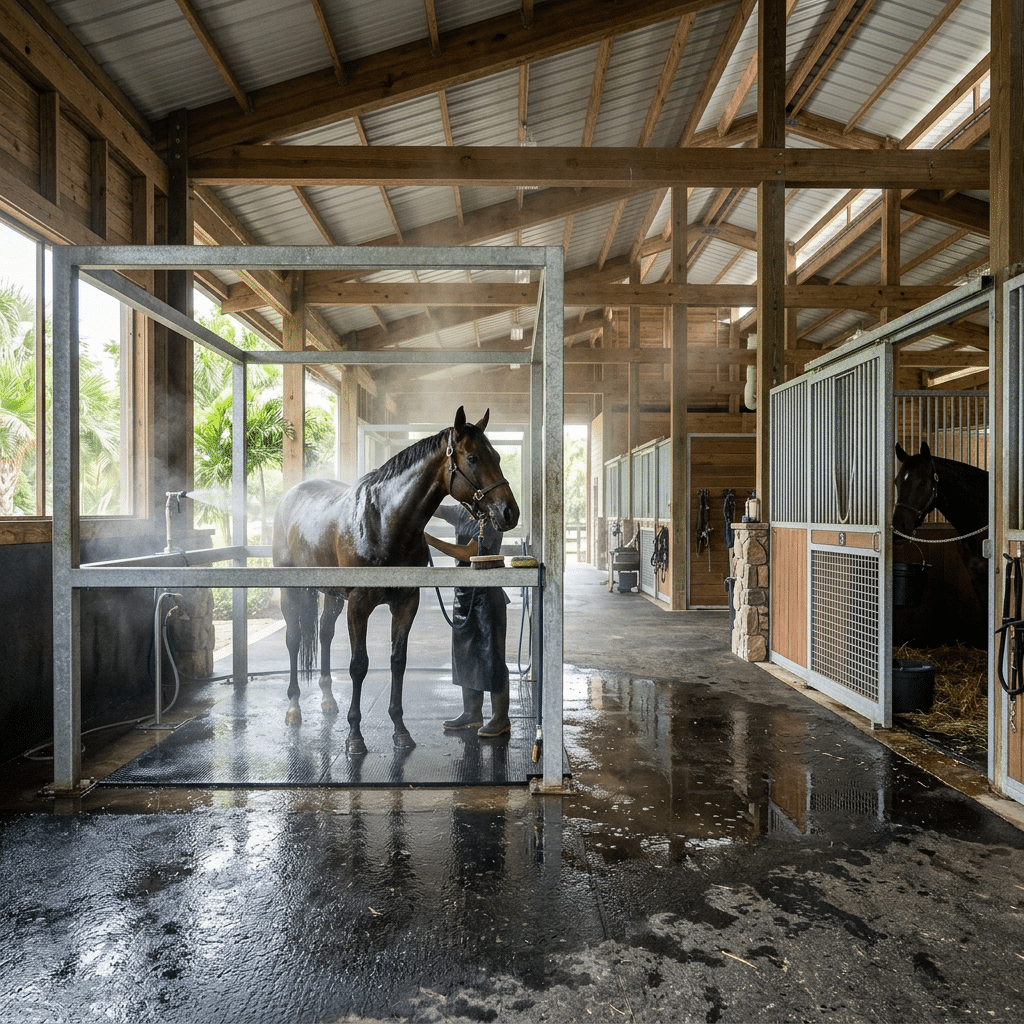
Factory-Direct Stables Built for 20-Year Durability Equip your facility with hot-dipped galvanized steel stables engineered to withstand rust and 120km/h winds. Our modular designs cut installation time by 30% while meeting strict BHS and ISO safety standards. View...
by Frank | Apr 2, 2026 | Horse Fence Panels
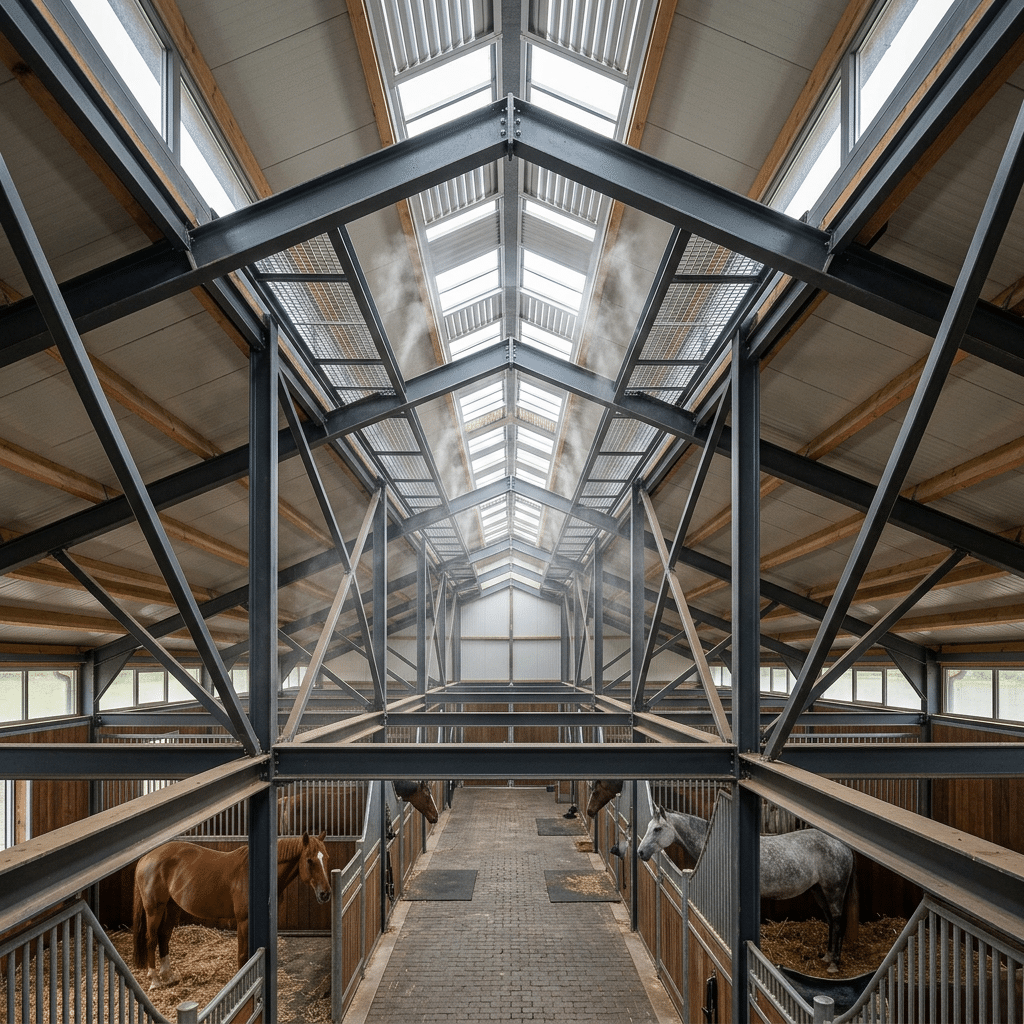
Sourcing horse stalls for New Zealand demands materials that survive 149% of normal rainfall without corroding. Standard pre-galvanized frames often fail the salt spray test within months, turning paddock infrastructure into a liability of rust and rot. This analysis...
by Frank | Mar 22, 2026 | Horse Fence Panels
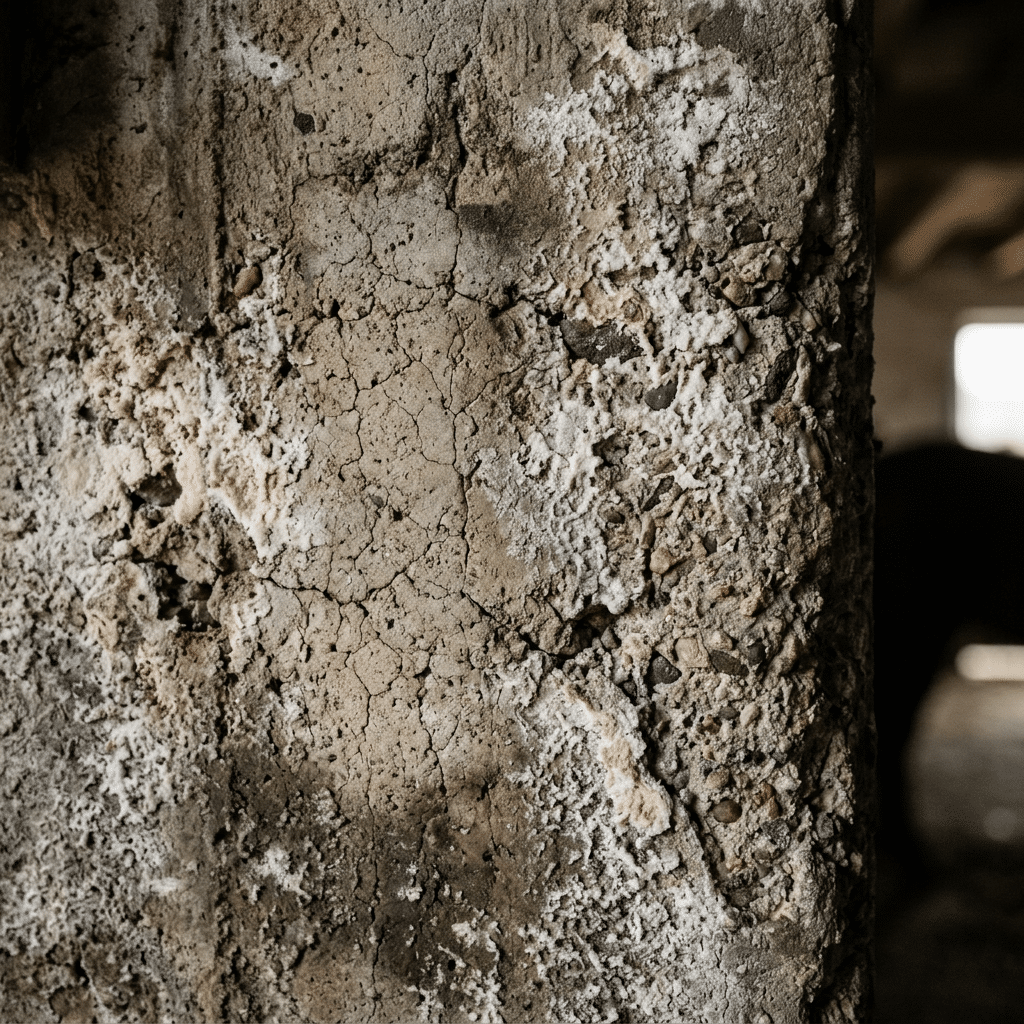
Deploying timber stables across Australia creates a massive maintenance liability for facility managers. In 40°C heat, standard softwood splits and invites termite infestation, turning a capital asset into a recurring expense. Neglecting material science here leads to...
by Frank | Mar 21, 2026 | Horse Fence Panels
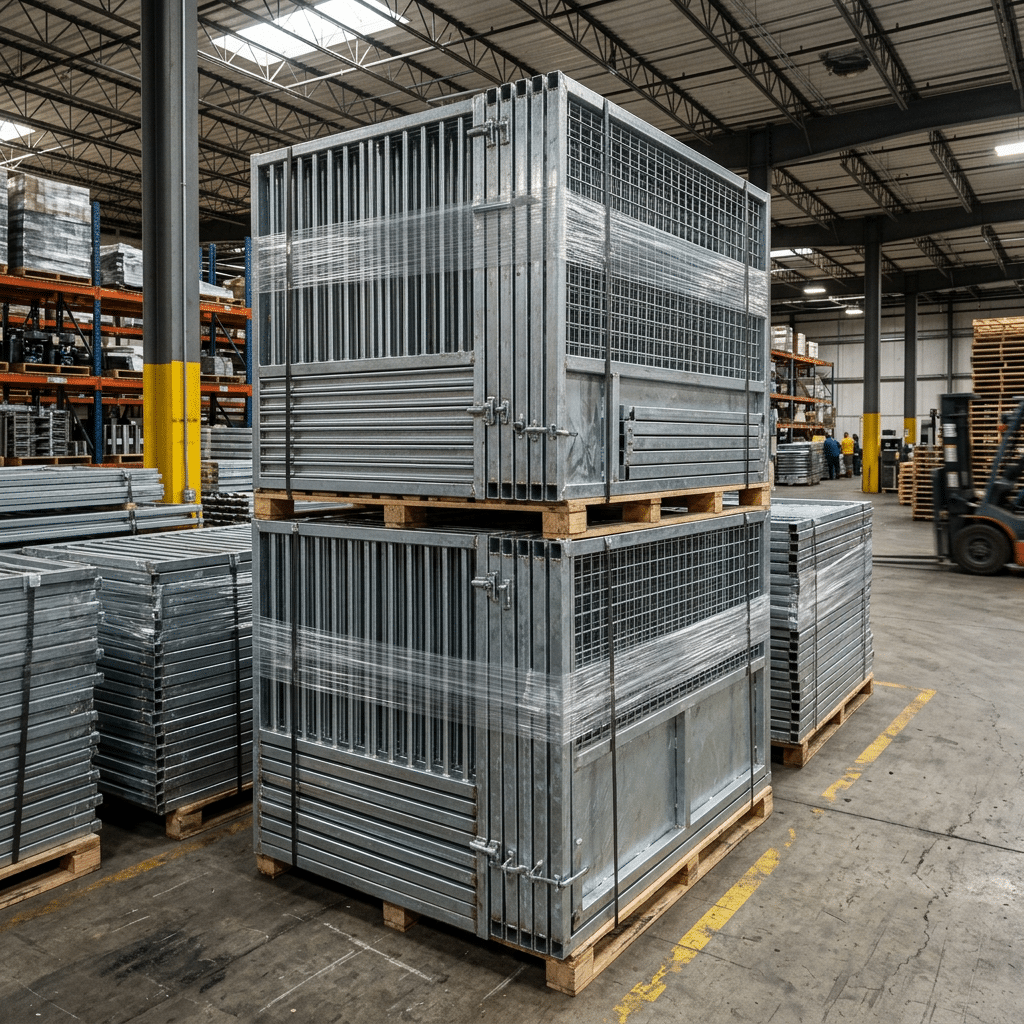
Sourcing horse stalls for New Zealand demands rigorous engineering to survive the country’s aggressive rainfall and humidity. Standard pine timber acts like a sponge in these wet climates, leading to rapid structural rot and costly annual maintenance cycles that...
by Frank | Mar 18, 2026 | Horse Fence Panels
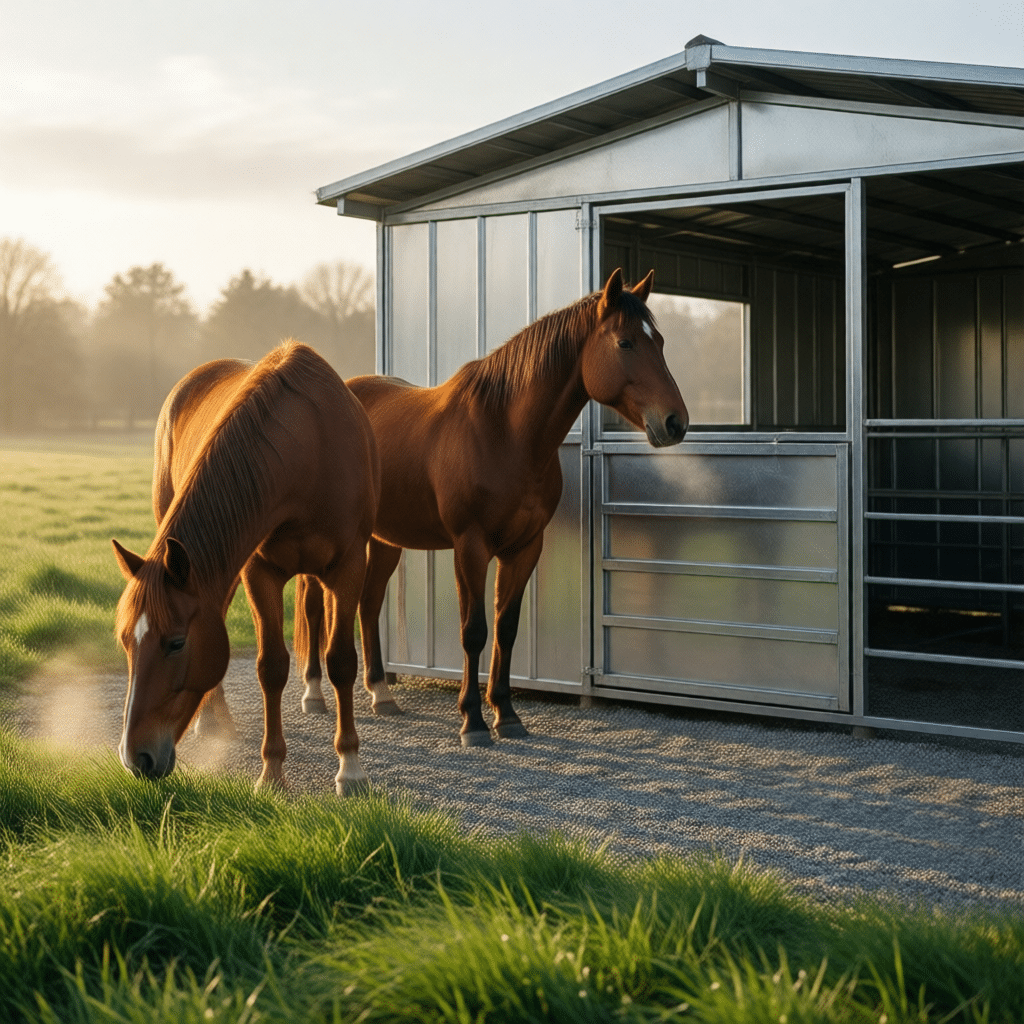
Paddock Footing selection determines whether your shelter investment lasts decades or fails within a single winter. Neglecting proper base layers accelerates soil structure collapse, turning high-traffic entrances into unstable sinkholes that compromise animal safety...
by Frank | Mar 9, 2026 | Horse Fence Panels
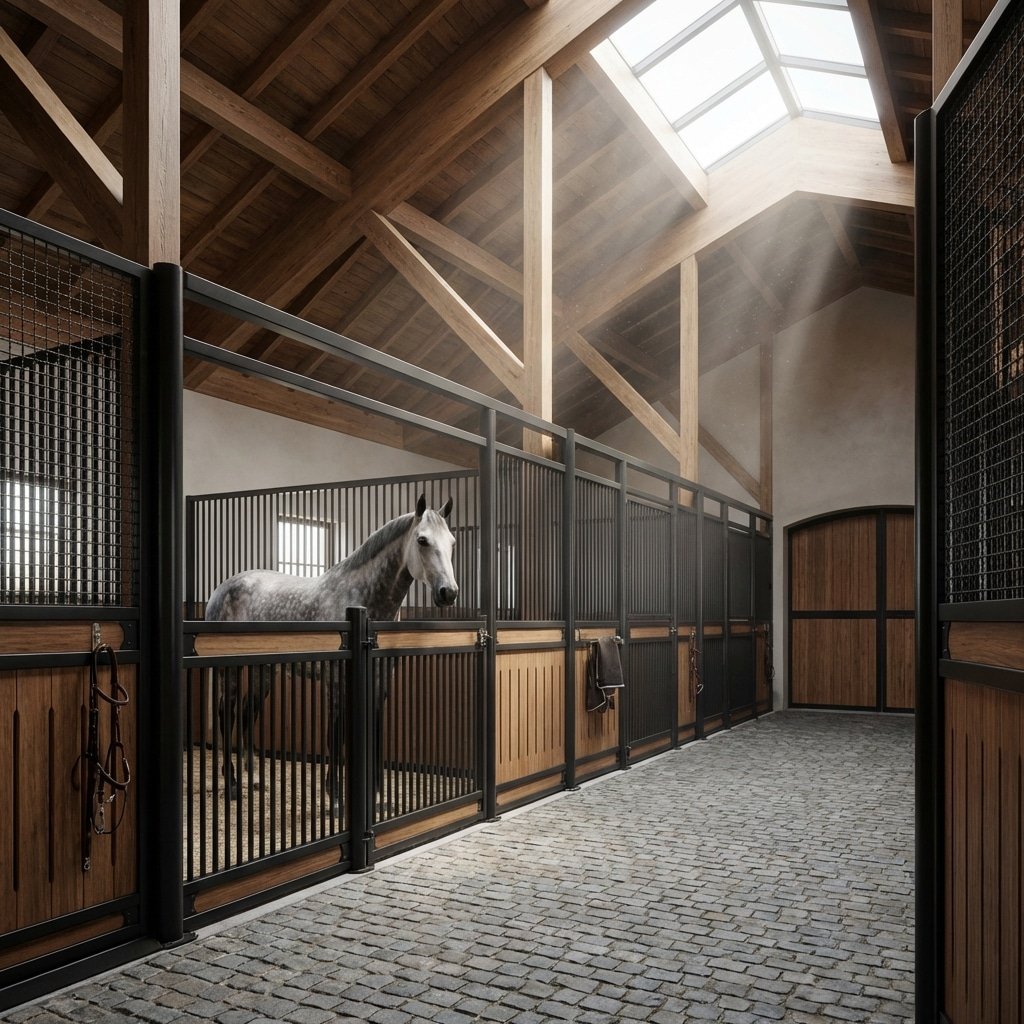
Ceiling jumping prevention is the primary safety metric for facilities housing high-energy warmbloods. When designers leave a 2-foot gap above a standard 2.2-meter panel, they create a mechanical trap that can sever tendons or crush vertebrae during a rear. This...


 English
  Spanish
  French
  Arabic
  German