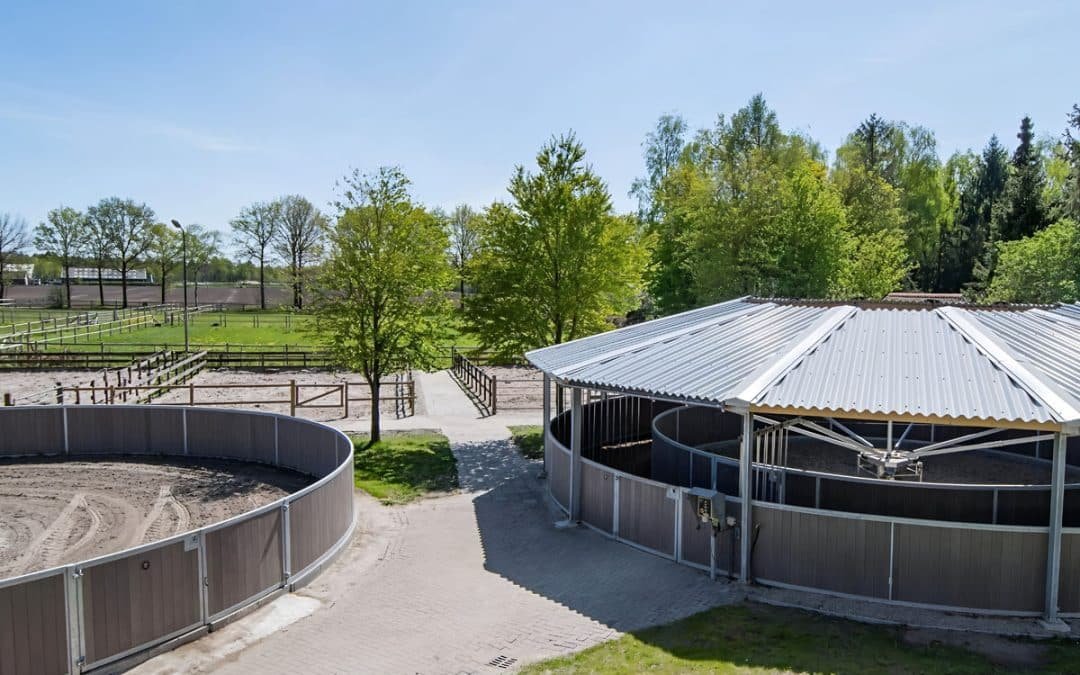
Buy a circular training enclosure and the catalog gives you two names for what looks like the same product: the lunging pen and the round pen. They are not the same tool. The difference sits in three decisions — the diameter of the circle, the height of the wall, and...
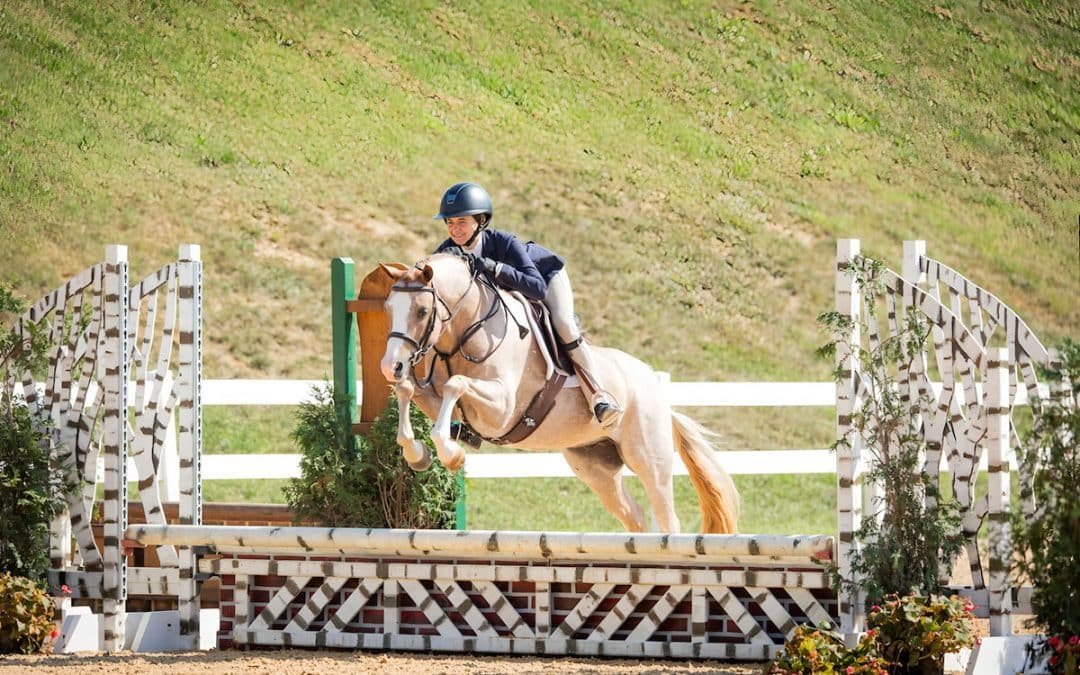
Every training facility that hosts competitors eventually faces the same equipment question: what does “FEI standard” actually require of a jump, and is the equipment in the catalog built to it? The label gets attached loosely — to any painted rail on two...
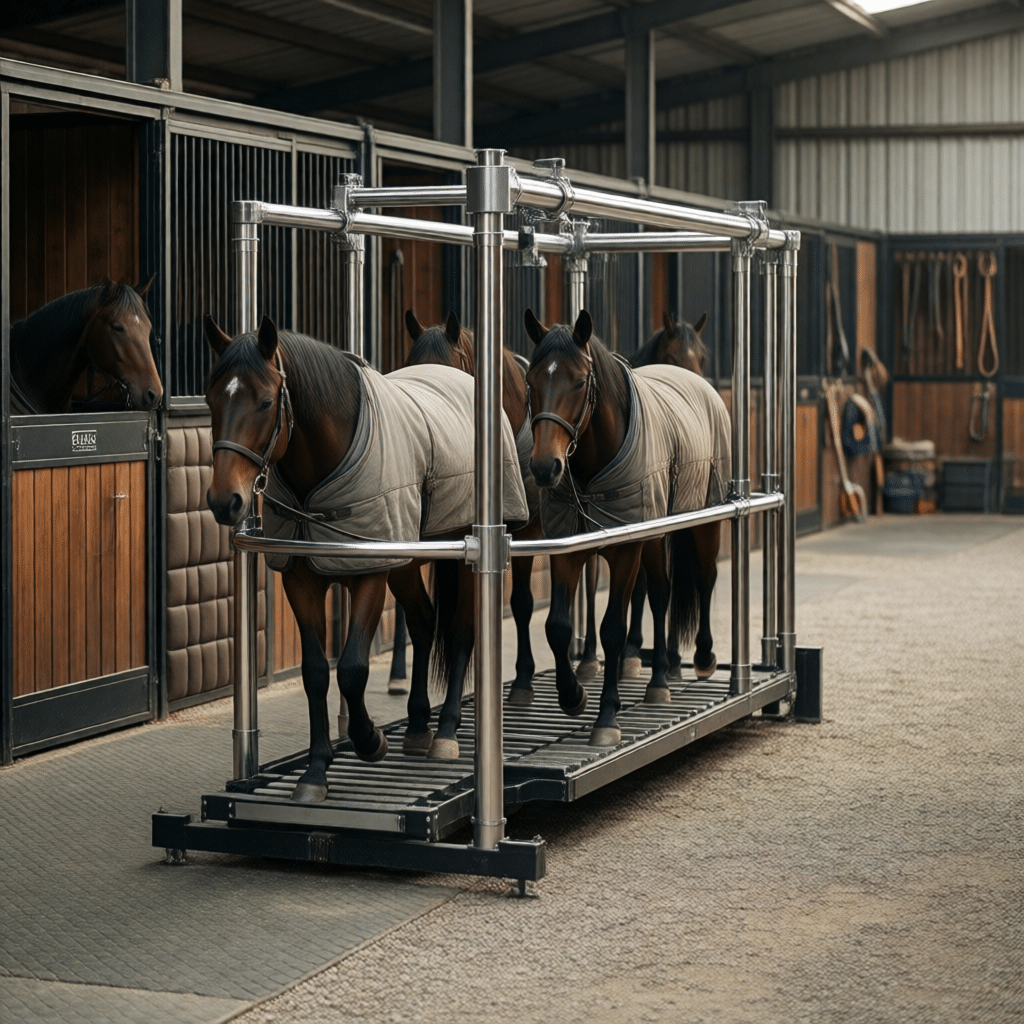
Horse walkers are the pieces of training infrastructure that quietly set the daily rhythm of a professional yard: warm-ups before work, conditioning on rest days, cooling down after schooling. But not all walkers are built to the same standard, and the differences...
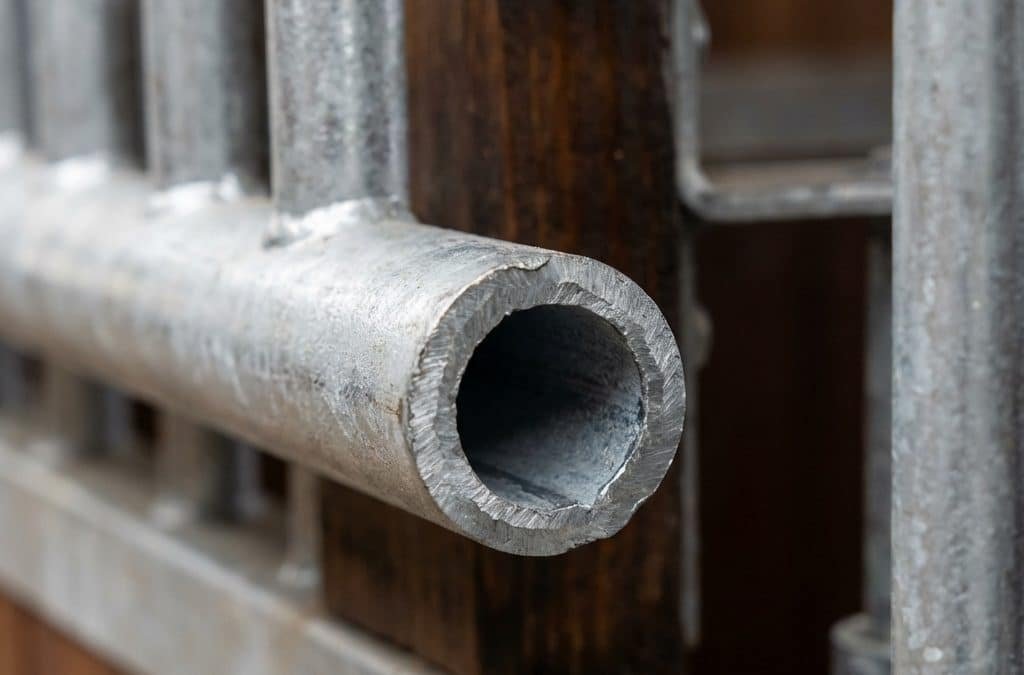
Commercial equestrian developers often fall into the steel gauge scam jumps trap by trusting generic gauge numbers rather than verifying actual wall thickness. As a manufacturer in Anping, China, it is observed that buyers request ‘heavy-duty’...
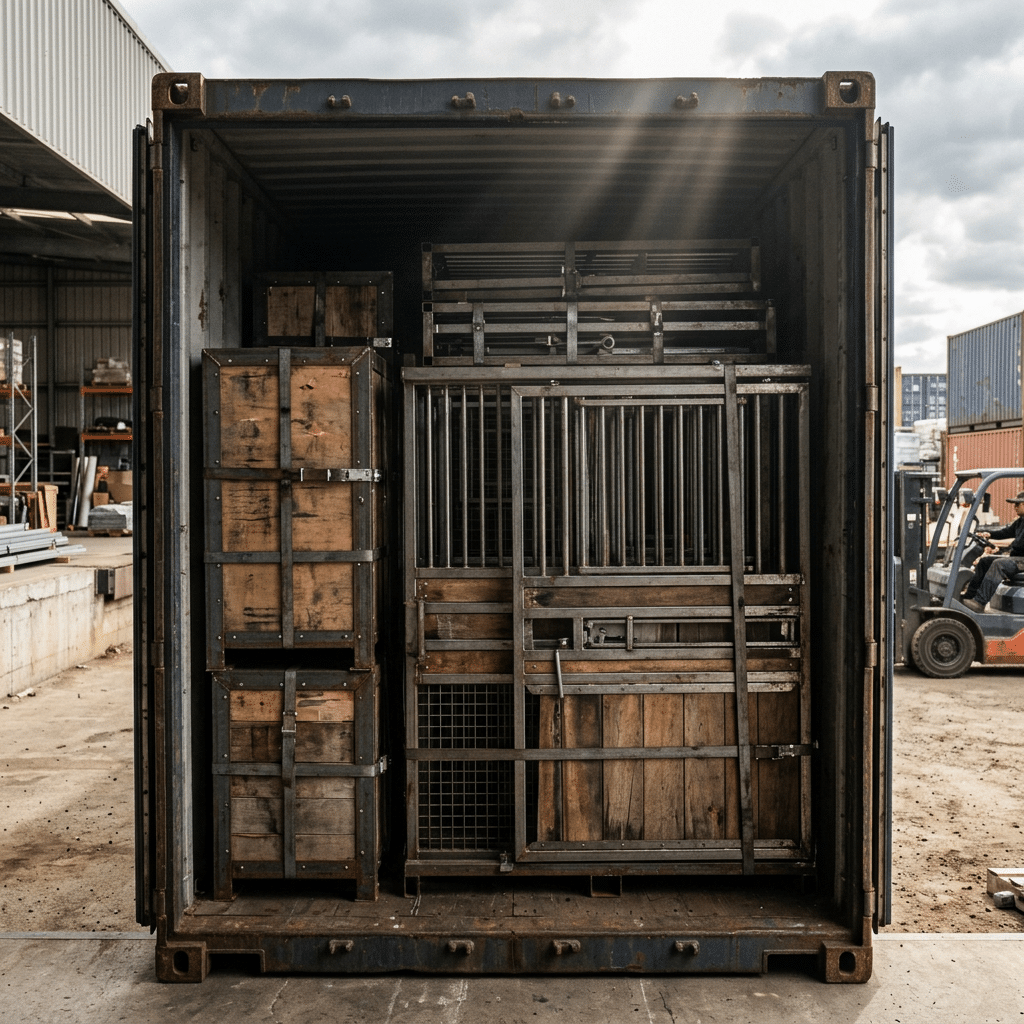
Sourcing from multiple Eventing / Jump Brands creates logistical complexity that inflates freight costs. While specialized suppliers offer quality, splitting shipments for stables and arena gear erodes profit margins for distributors and large-scale facility projects,...
The Aluminum vs Wood Jumps decision defines your long-term maintenance budget. While wooden jumps have a lower entry price, they introduce recurring costs from rot, warping, and mandatory repainting. This cycle of labor and material expenses directly impacts a show...

 English
 Spanish
 French
 Arabic
 German