


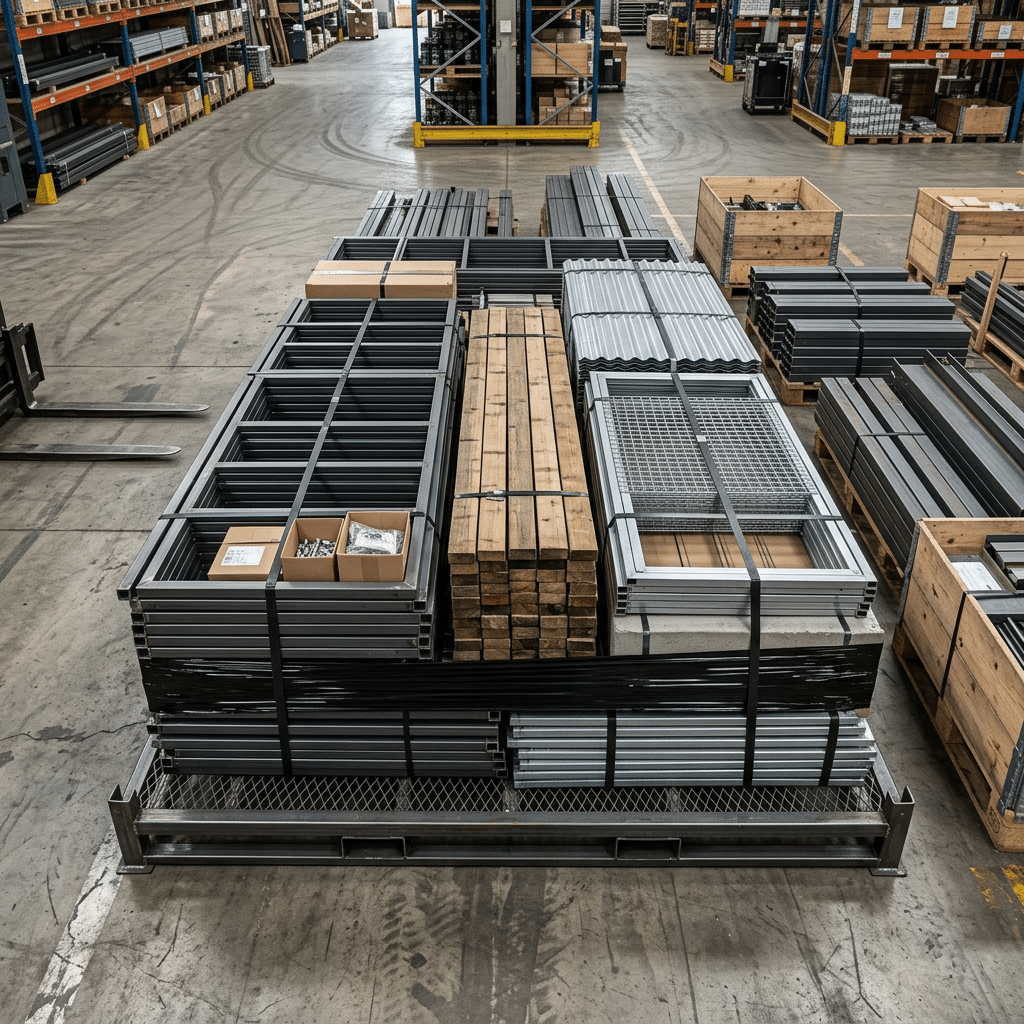
Effective winterizing stables goes beyond sealing drafts; it requires preventing catastrophic material failure. Standard Q235B steel becomes dangerously brittle in freezing temperatures, turning a routine horse kick into a structural fracture that risks animal safety and incurs expensive emergency repair costs.
This technical breakdown covers the critical engineering specs for a secure barn. We analyze the low-temperature impact toughness of Q345B steel, strategies for safe air exchange without drafts, and the R-value requirements for insulating automatic waterers to prevent costly pipe freezes.
The Pre–Winter Checklist for Facility Managers
A pre-winter checklist covers three areas: structural integrity, operational systems, and resource management. A critical part is evaluating how your building materials, especially steel, perform at low temperatures.
Core Inspection Points: Structure, Systems, and Supplies
Getting ahead of winter problems means a systematic walkthrough of your facility in the fall. Focus on the building envelope, the equipment that keeps things running, and the supplies you’ll need when the weather turns bad. Ignoring these now leads to expensive, emergency repairs in the middle of a snowstorm.
- Roofs and Gutters: Get on a ladder and inspect the roof for any damaged or missing shingles. Clear all gutters and downspouts of leaves and debris. A clogged gutter creates ice dams, which can force water under your roofing and cause serious damage to the structure.
- Doors and Walls: Check every door, window, and wall panel for gaps that let in cold air. Even small drafts add up, driving up heating costs and creating uncomfortable spots for animals. Apply or replace weather stripping to ensure a tight seal on all exterior openings.
- Systems Check: Don’t wait for the first freeze to find out something is broken. Test all water heaters, tank deicers, and ventilation fans to confirm they are in working order. This includes checking belts and cleaning blades on fans to ensure they can handle the increased moisture of a closed-up barn.
- Supply Stockpile: Winter weather can disrupt deliveries. Make sure you have at least a two-week stockpile of essential feed and bedding. This buffer prevents you from running out during a storm when roads might be impassable.
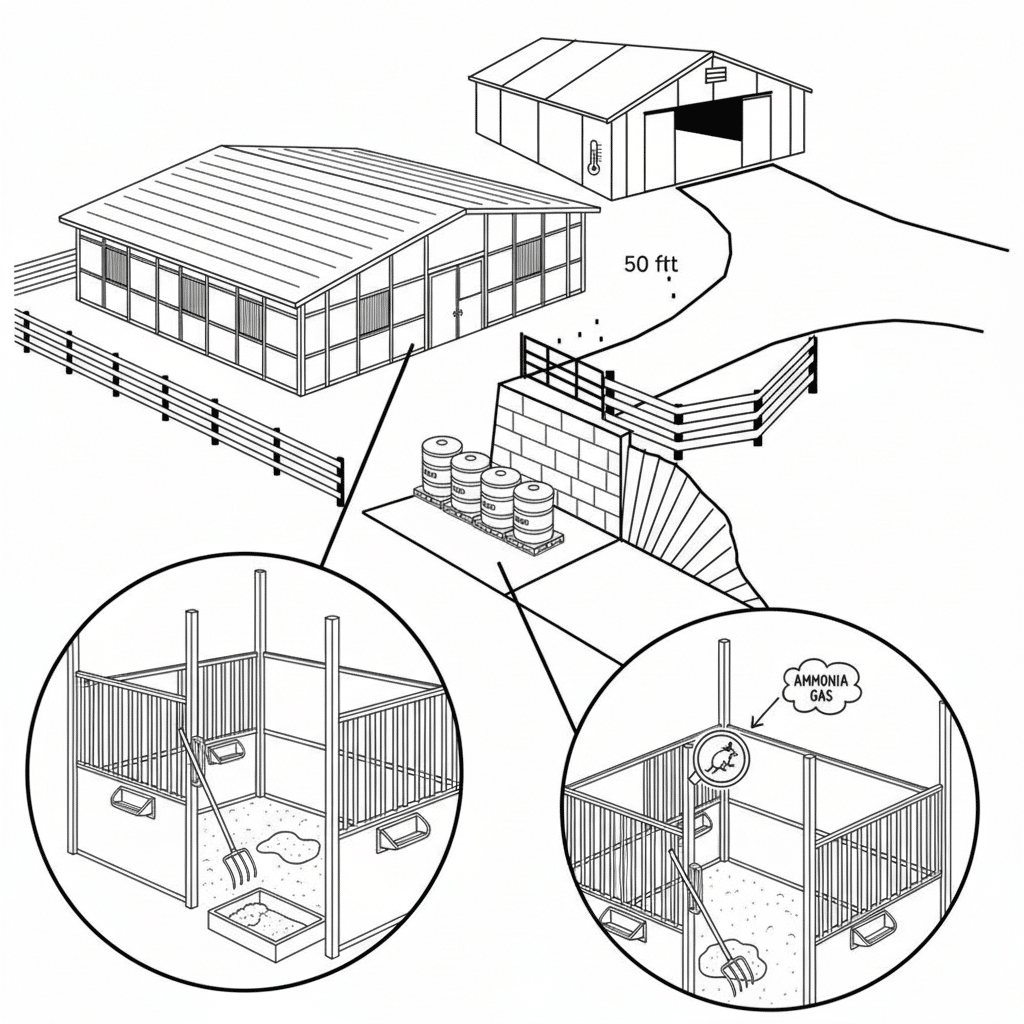
Material Assessment for Low-Temperature Safety
This is a step many managers overlook. The physical materials your stables are made of react differently to cold. A quick inspection can prevent a catastrophic failure when temperatures plummet and materials become brittle.
Steel is the biggest concern. Standard Q235B structural steel can become brittle in freezing weather. A horse kick that would normally just dent a stall front in the summer could cause a brittle fracture in the winter. For any new construction or replacement in cold climates, specify **Q345B steel**. It has superior low-temperature toughness and is engineered to resist this type of impact-related failure.
Next, check your corrosion protection. The hot-dip galvanized coating on your steel is its only defense against winter moisture from snow, condensation, and slush. Look for any deep scratches or areas where the coating is compromised and address them. Finally, inspect your infill boards. Materials like HDPE and high-density bamboo are excellent at absorbing impacts, but you need to check for any deep gouges or cracks before winter. Cold can make plastics less flexible, and a pre-existing weak spot is more likely to fail.
Insulating Automatic Waterers and Pipes
Prevent frozen water lines with either fully integrated, heated units or by retrofitting existing pipes. Both rely on high R-value foam and heat tape for reliable winter operation.
Core Strategies for Freeze Protection
Facility managers typically take one of two routes to keep water flowing in freezing weather. The first is to install fully integrated heated waterers. These are complete, pre-insulated units, often built with heavy-gauge steel, that come with internal heating elements already installed. They’re a robust, all-in-one solution for new builds or major upgrades.
The second approach is to retrofit existing water supply lines with modular insulation. This involves adding pipe insulation sleeves or pre-assembled thermal pipe packages to protect the existing infrastructure. These kits usually include both the insulation and the necessary heat tape, allowing for a targeted upgrade without replacing the entire watering system.
Key Components: High R-Value Foam and Heat Tape
Effective freeze protection comes down to two critical components. High R-value foam is the primary material used for passive insulation. The industry standard is polyurethane foam with an R-value around 7 per inch, which significantly reduces heat loss from the waterer and supply lines. This directly lowers electricity consumption by minimizing how often the active heating elements need to run.
Thermostatically-controlled heat tape provides the active heating. This tape is wrapped around riser pipes and other vulnerable supply lines. Its built-in thermostat activates the heating element only when the ambient temperature drops to a critical point, providing automated, energy-efficient protection right where it’s needed most.
Durable, Compliant Stables for Any Climate
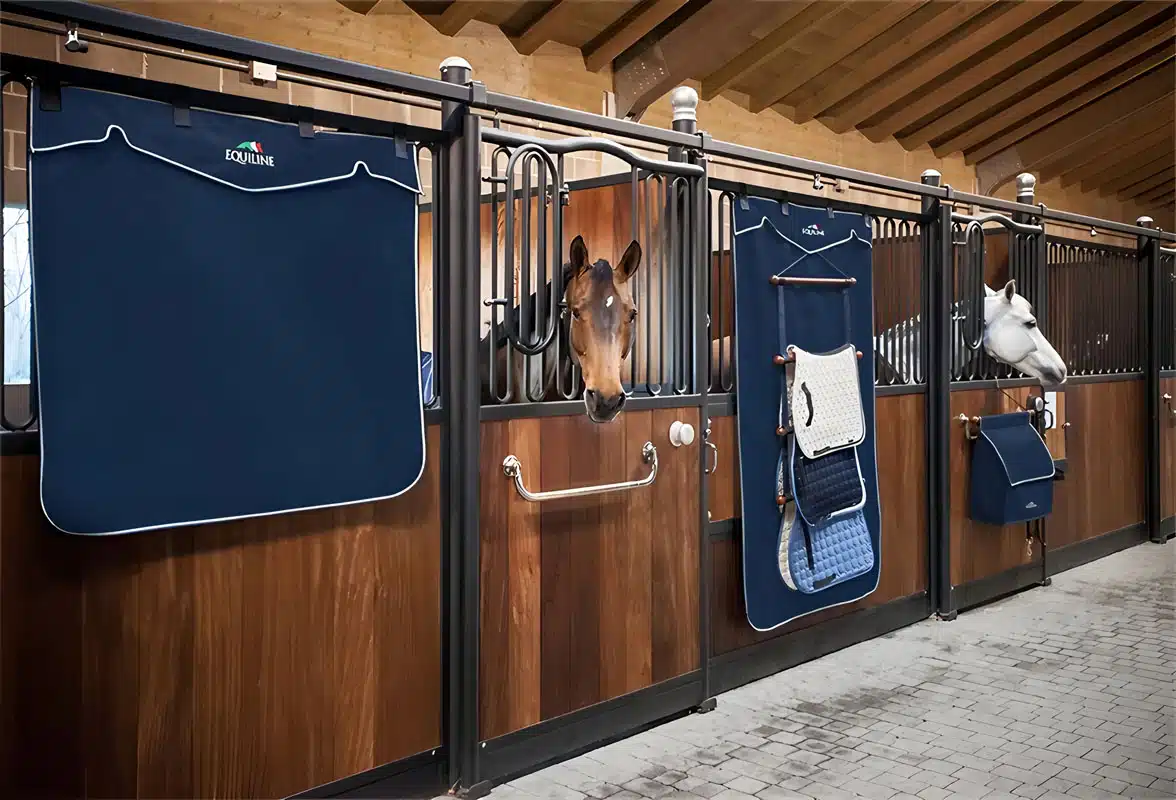
Steel Brittleness in the Cold: Q235B vs. Q345B
Q345B steel is the safer choice for cold climates. It resists becoming brittle in freezing temperatures, preventing dangerous fractures from horse kicks that could shatter standard Q235B frames.
Understanding the Ductile-to-Brittle Transition
All steel has a temperature point where it changes from being tough and flexible (ductile) to fragile and glass-like (brittle). This is the ductile-to-brittle transition temperature. The problem is that different steel grades hit this point at different temperatures.
The standard Q235B steel used in many stables becomes brittle at a relatively high temperature, making it vulnerable to sudden, catastrophic fractures in freezing conditions. A sharp impact, like a kick from a horse on a cold morning, might not just dent the frame—it could crack it wide open.
Q345B’s chemical makeup and refined grain structure allow it to stay ductile at much lower temperatures. This provides a critical safety margin for equestrian facilities located in regions with harsh winters.
| Property | Q235B (Standard Steel) | Q345B (Cold Climate Option) |
|---|---|---|
| Yield Strength | ~235 MPa | ~345 MPa |
| Low-Temp Impact Toughness | Limited / Poor | Superior |
| Cold Brittleness Risk | High risk of fracture in freezing weather | Maintains toughness at lower temperatures |
Why Q345B is the Cold Climate Standard
We specify Q345B as the ‘Cold Climate Option’ because its superior low-temperature toughness is non-negotiable for animal safety. The science directly impacts the real-world risk inside a barn. A brittle steel frame is a hidden danger waiting for the first deep freeze.
Using Q345B prevents these dangerous failures. It ensures the stable frame can absorb impacts from powerful animals even in sub-zero conditions, protecting both the horse and the structural integrity of the facility. This material choice is a fundamental part of engineering a stable that can actually withstand the physical demands of its environment and its occupants.
Safe Draft Blocking vs. Suffocating the Barn
Proper winter barn management ensures continuous air exchange to remove moisture and ammonia without exposing horses to direct drafts. Sealing a barn is dangerous; strategic airflow is the solution.
The Principle: Air Exchange, Not Air Sealing
The biggest mistake in winterizing a barn is trying to make it airtight. Completely sealing a stable traps everything you don’t want: moisture from breathing, ammonia from urine, and airborne dust. This creates a damp, toxic environment that directly contributes to respiratory infections and other health problems.
Effective ventilation is about managing airflow, not stopping it. The goal is to introduce fresh air high above the horses, near the eaves. This allows cold, fresh air to mix with the warmer, rising air inside the barn before it ever circulates down to the stall level. This creates gentle, continuous air movement that pulls stale air out and brings fresh air in, without creating a harmful draft.
How Open-Grill Stalls Support Stack Effect Ventilation
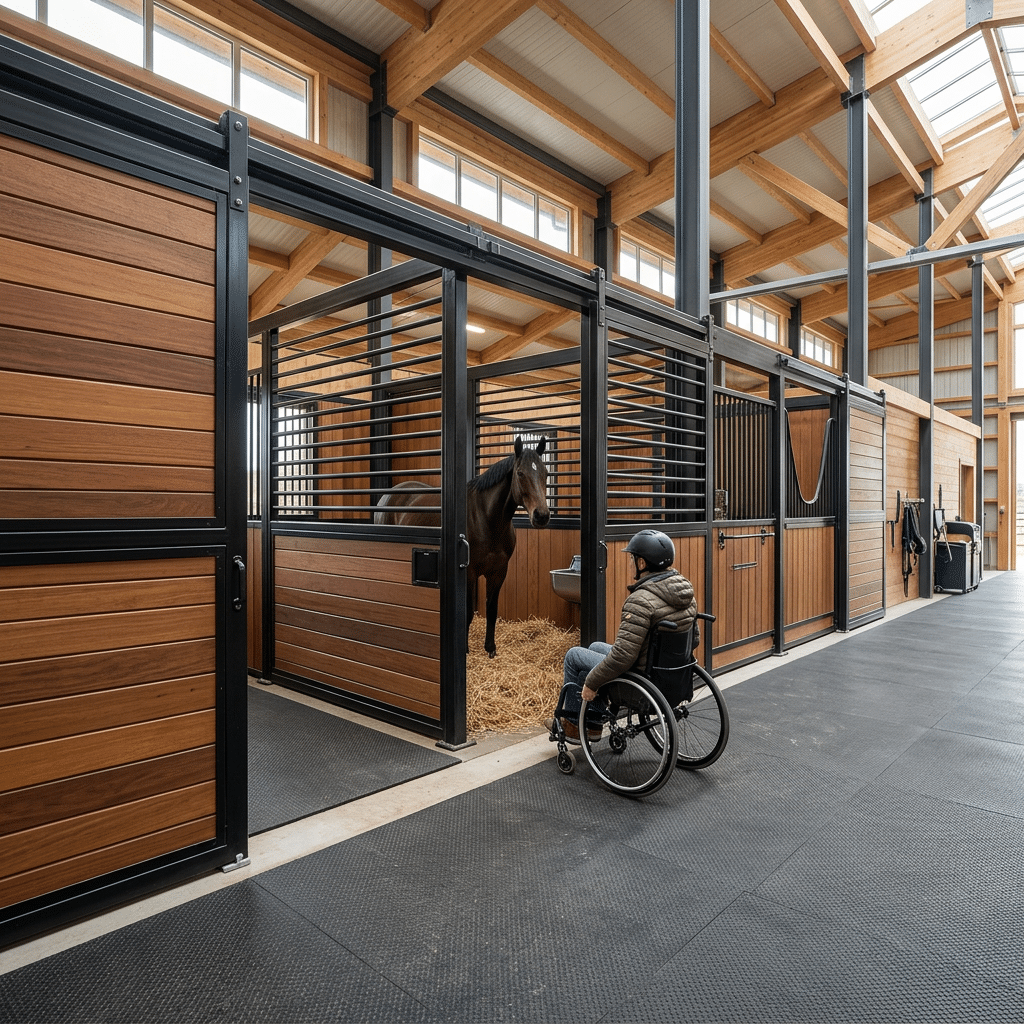
This principle of air exchange works at the barn level, but it also needs to work at the stall level. This is why an open-grill design on stable fronts is a critical safety feature, not just a design choice. It directly promotes a natural process called “Stack Effect Ventilation” within each horse’s personal space.
The horse’s body heat and warm breath create a column of rising air. The open top grill allows this warm, moist, ammonia-laden air to escape the immediate stall area and rise toward the barn’s ceiling vents. As this air moves up and out, it naturally pulls in fresher, cleaner air from the barn aisle. This design ensures constant, localized air exchange happens right where the horse lives, without subjecting it to a direct, cold wind.
Flooring Traction in Freezing Temperatures
In freezing temperatures, preventing horse slips is crucial. High-traction surfaces are the first defense, and a stable’s structure is the secondary safety system, with steel walls that resist impact.
Comparing High-Traction Flooring Solutions
The right flooring is your primary tool for preventing slips and falls in icy conditions. Rubber-based systems consistently outperform concrete for both grip and shock absorption during winter months.
- Poured-in-place rubber systems: These create a seamless, shock-absorbing surface. Their porous design helps drain moisture away, which stops ice from forming in the first place.
- Modular rubber mats: A flexible solution, these mats are effective for targeting high-risk areas like stable entrances, wash bays, and main aisleways where ice and snow accumulate.
- Textured or grooved concrete: This is a common and durable approach. It provides less grip and almost no shock absorption compared to rubber, making it a less safe option in freezing weather.
Why Wall Impact Resistance Matters
Even with the best flooring, slips can happen. When a horse loses footing on an icy patch, it can easily slam into a stall wall. In the cold, standard steel becomes brittle and can fracture under a sharp impact, creating a dangerous situation.
This is why DB Stable specifies Q345B Low Alloy Steel for structures in cold climates. This steel grade has superior low-temperature impact toughness. It’s engineered to absorb the force from a fall or a powerful kick without shattering, providing a critical layer of safety when it’s needed most.
Frequently Asked Questions
How can I stop my horse’s water from freezing in the winter?
To prevent water from freezing, use insulated rubber buckets or create a double-container system filled with straw for insulation. You can also add sealed saltwater bottles to the trough; their movement breaks up ice. For more active solutions, heated water buckets and tank de-icers are reliable options. Maintaining access to unfrozen water is essential to prevent winter colic.
Does steel really become brittle and break in the cold?
Yes, steel can become brittle and fracture suddenly in freezing temperatures. This is due to a material property known as the Ductile-to-Brittle Transition Temperature (DBTT). At this point, the steel loses its ability to bend under impact and is more likely to snap. This is why using steel grades like Q345B, which is designed for low-temperature toughness, is critical for stable components in cold climates.
What is the safest way to heat a horse barn?
The safest methods are systems that avoid open flames and maintain good air quality. Infrared radiant heaters are an excellent choice as they warm objects and horses directly without excessively heating the air. Professionally installed forced-air systems designed for agricultural use and geothermal heat pumps are also safe and effective. Avoid portable heaters that lack automatic safety shut-offs.
What is the best bedding for horses during winter?
Deep and absorbent bedding is key for winter. A thick layer of at least 8 inches helps provide insulation from the cold ground. Wood shavings and super-absorbent wood pellets are great for managing moisture. Many owners add a top layer of straw for extra warmth and comfort. Using rubber stall mats as a base can further improve insulation.
Should I close all the barn windows to keep my horse warm in winter?
No, horses require constant ventilation year-round to protect their respiratory health. Sealing a barn traps moisture and ammonia, which is more dangerous than the cold itself. The goal is to prevent drafts, not stop airflow. A well-managed barn should only be about 5 to 10°F warmer than the outside temperature to ensure fresh air circulates properly.
Final Thoughts
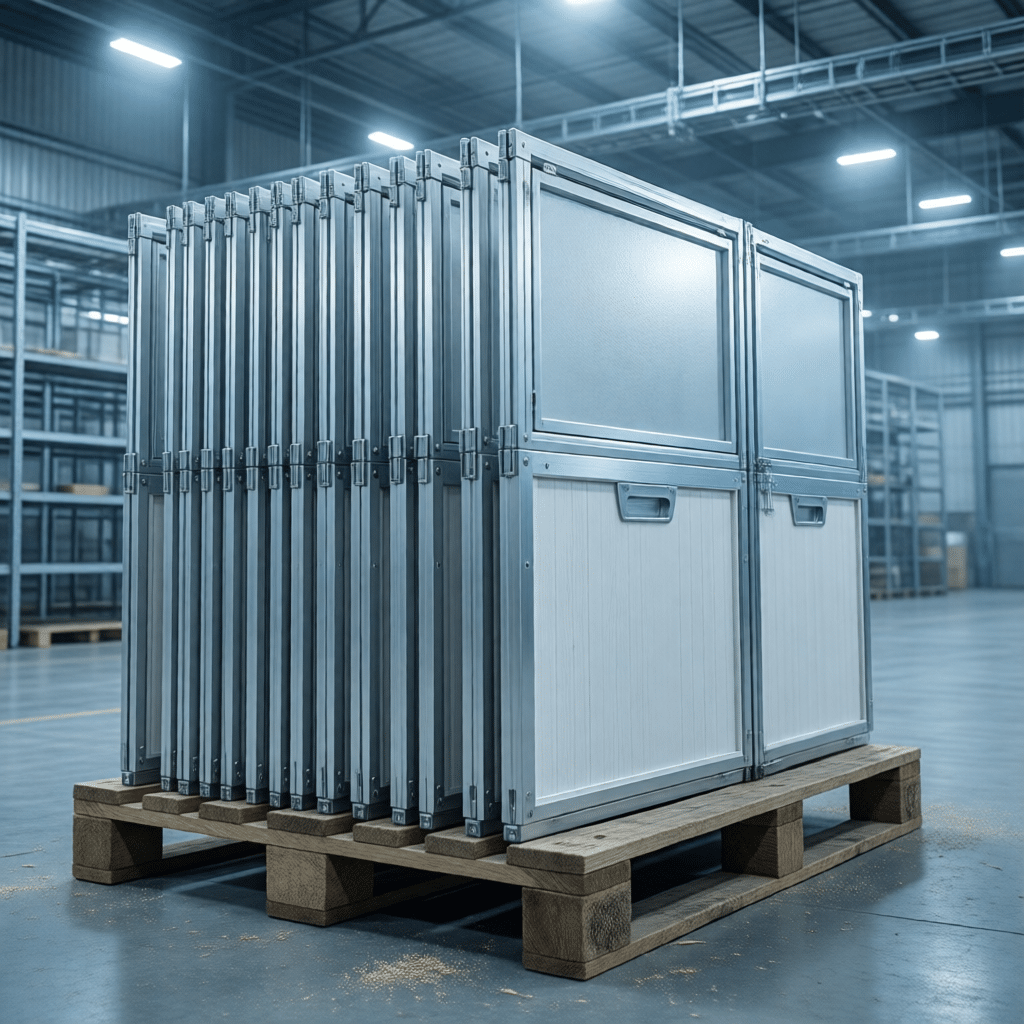
While standard Q235B steel offers a lower upfront cost, specifying the Q345B cold climate option is the only way to prevent catastrophic failures in freezing temperatures. This engineering choice safeguards your reputation against liability claims from brittle fractures. Reliable, climate-appropriate inventory is what builds long-term dealer trust in harsh winter markets.
Don’t guess on material toughness—verify our engineering standards. We recommend a small trial order to assess our Q345B frames and hot-dip galvanized finish in person. Contact our team to get the technical specifications for your next container order.

 English
  Spanish
  French
  Arabic
  German
0 Comments