


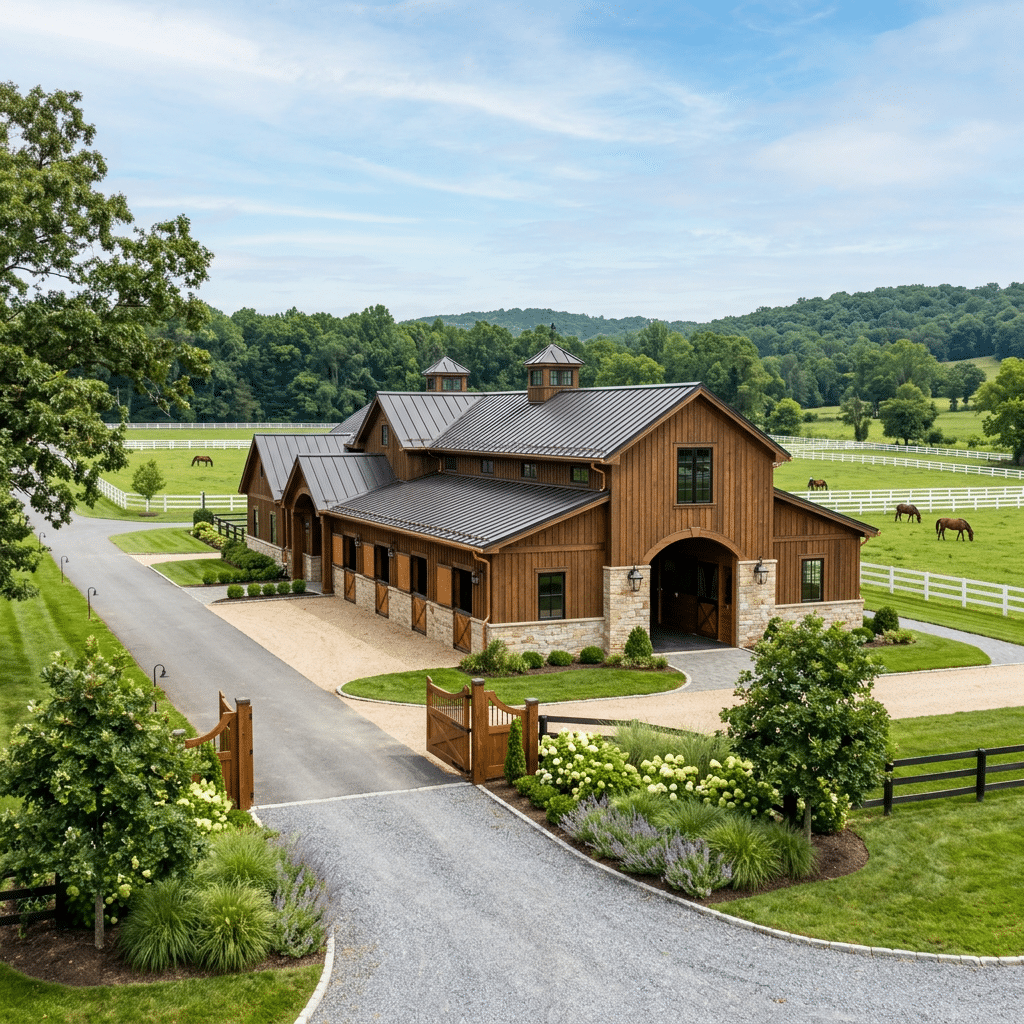
The Swivel vs Floor Feeders choice is a critical decision impacting daily labor costs and herd health. Floor troughs, while simple, consistently lead to higher feed contamination and waste. This operational drag erodes profitability through increased staff hours for cleaning and replacing spoiled feed, turning a seemingly small choice into a significant recurring expense.
This audit provides a direct comparison based on empirical data. We benchmark feeder performance on labor time per stall, measured feed waste by weight, and overall hygiene efficiency. The data offers a clear financial model to help managers calculate the true cost of their feeding system and optimize payroll.
The Secret Supply Chain of Equestrian Catalogs
Many equestrian brands don’t make their own products. They use specialized factories that rely on smart engineering and flat-pack shipping to ensure profitability for catalog distributors.
Behind the Glossy Pages: The Role of OEM/ODM Factories
The stalls and equipment you see in major equestrian catalogs often come from a handful of specialized manufacturers. These are not the brands themselves, but B2B source factories operating on an OEM/ODM (Original Equipment/Design Manufacturer) model. Our entire business focuses on serving distributors and handling large-scale projects. This means the same engineered product can appear in different catalogs under various brand names, while the core quality and manufacturing origin remain consistent.
How Flat-Pack Engineering Protects Distributor Profits
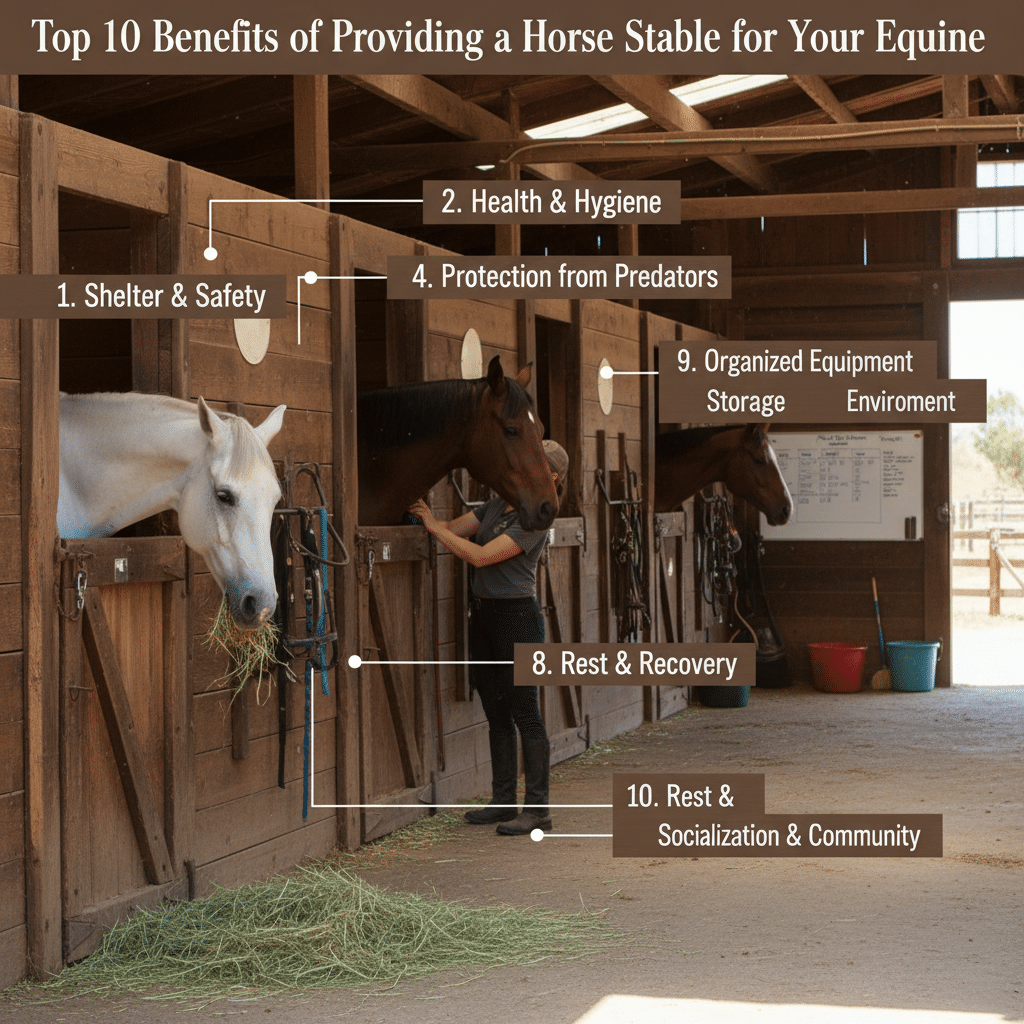
Shipping fully welded horse stalls across an ocean is a financial disaster. The bulk and wasted space can destroy a distributor’s profit margin before the product even lands. We solved this with an engineering-first approach to logistics. This isn’t just about packaging; it’s about designing the product from the start for efficient transport.
- Container Capacity: The DB Flat-Pack system fits 30-45 stable sets into a standard 40HQ container. A container of fully welded panels holds only 12-15 sets.
- Freight Savings: This density saves our clients over 60% on sea freight costs, a direct boost to their bottom line.
- Damage Prevention: All components are secured onto custom steel pallets. This prevents shifting and damage during transit, ensuring the product arrives in perfect condition.
What Makes a Good OEM Partner? (Scalability & QC)
A good OEM partner scales production with ISO 9001 quality and engineers flat-pack systems to maximize container space, cutting freight costs to protect distributor margins.
Production Capacity and Quality Management
Your factory partner must prove they can handle your business as it grows. That means having the capacity to manage everything from small trial orders of 3-5 stables up to full distributor-level 40HQ containers of 30-40+ sets. Without this flexibility, you risk outgrowing your supplier.
Look for non-negotiable quality systems. An ISO 9001 Quality Management System certification isn’t just a piece of paper; it’s evidence of a structured process that ensures product consistency from the first batch to the hundredth. It’s the baseline for any serious manufacturing partnership.
Logistical Scalability: The Flat-Pack Advantage
Logistics aren’t an afterthought; they’re an engineering challenge. A partner focused on your profitability designs products for efficient shipping. Our steel pallet flat-pack system is a clear example of this principle in action. It’s designed to maximize every cubic meter of a shipping container.
The numbers speak for themselves. This system allows us to load 30 to 45 stable sets into a single 40HQ container. Competitors selling traditional, fully-welded stables can only fit 12 to 15 sets in the same space. This difference directly saves our distributors over 60% on freight costs, protecting their margins from volatile shipping rates.
Global Horse Stables Engineered for Durability
Top 5 Factories Offering White-Label Services
Leading white-label factories specialize by region and product, from high-volume serum production in China to comprehensive R&D for natural cosmetics in Europe and North America.
Finding the right white-label partner depends on your product niche, target market, and production scale. The manufacturers below represent a cross-section of the market, each with distinct strengths in formulation, certification, and regional focus.
| Manufacturer | Location | Specialization | Key Strength |
|---|---|---|---|
| Metro Private Label | Guangzhou, China | Serums, skincare formulations | Operates in a major cosmetics manufacturing hub with an established supply chain for volume production. |
| COSMECO | Italy | Skincare, haircare, makeup | Offers full-service solutions with COSMOS and ECOCERT certifications, targeting premium European markets. |
| Made By Nature Labs | Sofia, Bulgaria | Natural and organic products | Maintains a large catalog of over 400 exclusive formulations with a focus on eco-friendly practices. |
| Vitelle Labs | Vancouver, Canada | Plant-derived cosmetics, spa-grade | Specializes in plant-based formulations for medical spas and eco-conscious consumer brands. |
| Nutrix | Salt Lake City, USA | Serums, skincare | Provides US-based manufacturing with an established reputation, simplifying domestic logistics and QC. |
These manufacturers collectively offer flexibility in customization, MOQ options, and sustainability commitments suited to various B2B brand requirements.
Intellectual Property (IP) Protection in China
Protecting IP in China is an active process. It means legally securing your brand name and the unique manufacturing techniques that give you a real competitive advantage.
Understanding Trademarks and Trade Secrets
Trademarks protect your brand identity. This covers your official name, like ‘DB Stable,’ and your slogan, ‘Engineering Safety, Defining Standards.’ Securing these legally stops competitors from using your reputation to sell their own products.
Trade secrets cover confidential processes that provide a competitive edge. Unlike trademarks, you don’t register them. You protect them by maintaining confidentiality because they are the “how” behind your product’s quality.
The ‘Hot-Dip After Fabrication’ Process as a Core Asset
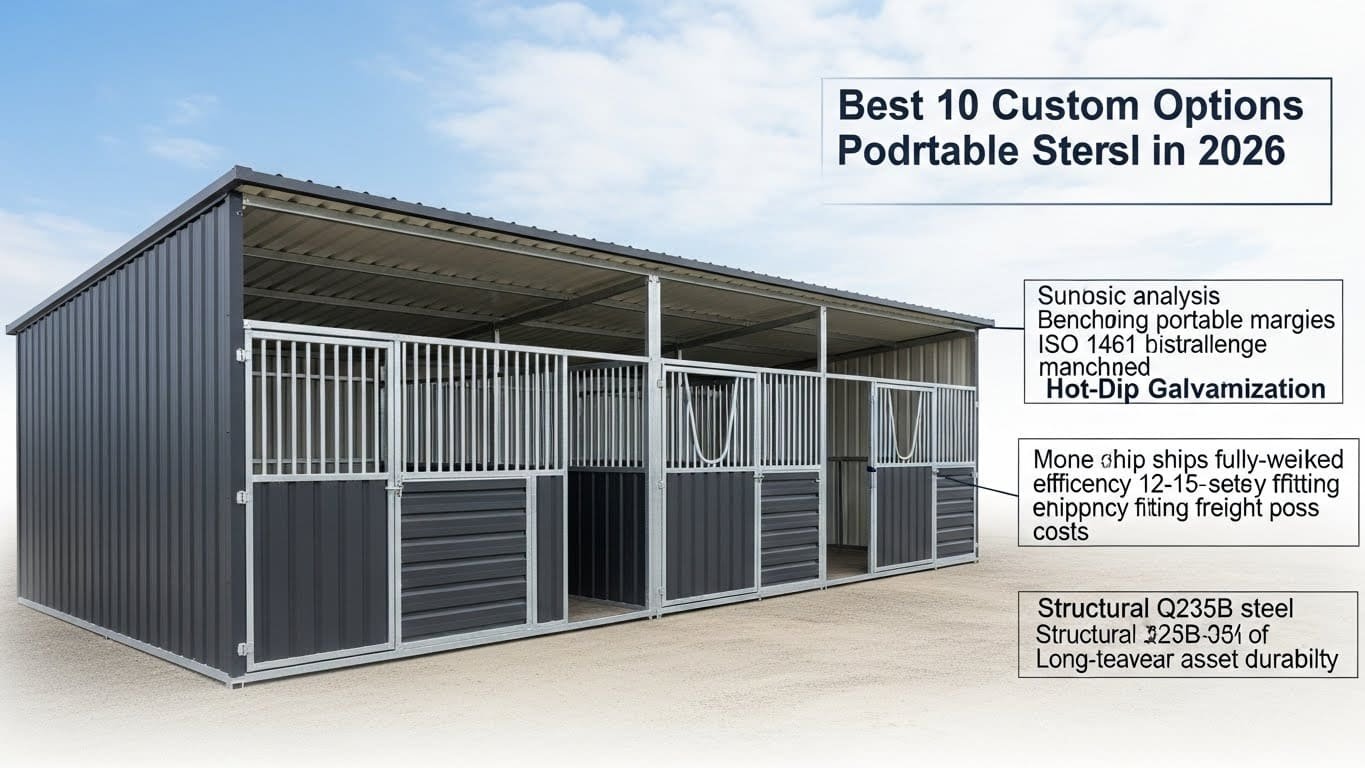
DB Stable’s method of hot-dip galvanizing the entire structure *after* all welding is finished is a key proprietary process. This technique is a valuable piece of intellectual property that directly translates to product superiority.
This process ensures a complete zinc coating of over 70 microns, fully conforming to the BS EN ISO 1461 standard. Competitors using pre-galvanized materials simply cannot match this level of corrosion protection, as their weld seams remain vulnerable points of failure.
The DB Advantage: Your Brand, Our Engineering
As a dedicated B2B source factory, our engineering becomes your product without market competition. Our flat-pack system loads up to 45 stables per container, cutting freight costs.
Your Brand, Powered by a Silent Factory Partner
We operate exclusively as a B2B OEM/ODM source factory. This means our engineering and manufacturing become your product, sold under your brand. Our business model is designed to support distributors and large-scale projects. We don’t sell to individual horse owners, so we never compete with our own partners in the retail market.
Engineering Profit Protection with Flat-Pack Logistics
Shipping bulky, fully-
welded stables is a major drain on profit. A standard container often fits only 12-15 sets. We engineered a flat-pack system that changes the math completely. By packing components on steel pallets, we can load 30 to 45 complete stable sets into a single 40HQ container. This efficiency cuts your ocean freight costs by over 60%, directly protecting your margins.
Frequently Asked Questions
What is the difference between your OEM and ODM services?
As a factory, we offer both. OEM (Original Equipment Manufacturer) is for clients with a unique, custom stable design they want us to produce exclusively. ODM (Original Design Manufacturer) is when a client selects a proven design from our catalog, like the Professional Series, and applies their own branding. ODM allows for a much faster market entry with a quality-tested product.
What is a Minimum Order Quantity (MOQ) and why is it necessary?
An MOQ is the smallest order required to make a production run viable. Setting up machinery for a specific design has initial costs. The MOQ spreads this cost over enough units to keep your price-per-stable competitive. We offer flexible options, from trial orders of 3-5 stables up to full 40HQ container loads for established distributors.
Is your steel suitable for very cold climates?
Yes. While our standard Q235B steel is robust for most regions, we offer a Q345B steel option specifically for cold climates. This grade features superior low-temperature impact toughness, preventing the steel from becoming brittle and fracturing from horse kicks during harsh winters.
How does the flat-pack system reduce shipping costs?
Our flat-pack design is engineered to protect our distributors’ profit margins. A standard shipping container fits only 12-15 fully welded stable sets. Our system allows that same 40HQ container to hold 30-45 sets. This efficiency can save you over 60% on per-unit freight costs, providing a significant competitive advantage.
What does ‘Hot-Dip Galvanization After Fabrication’ mean?
This is our core rust-proofing standard. It means we build the entire stable panel from raw steel first, and then we dip the completed structure into molten zinc. This process coats every weld, corner, and edge, conforming to the BS EN ISO 1461 standard for longevity. The alternative—welding pre-galvanized tubes—leaves the critical weld points exposed and prone to rapid rusting.
Final Thoughts
Competitors selling pre-galvanized stables are selling a future rust problem. Our ‘Hot-Dip After Fabrication’ standard is your commercial insurance against warranty claims and reputational damage. This engineering, combined with our flat-pack system, protects both your brand and your profit margin.
The next step isn’t a full container; it’s verification. A small trial order of 3-5 stables lets you see the engineering and finish quality firsthand. Contact our team to configure your trial shipment and discuss private label specifications.

 English
  Spanish
  French
  Arabic
  German
0 Comments