

Blog
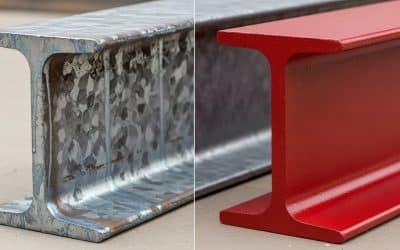
Hot-Dip vs Pre-Galvanized Horse Fence: Stop Rust for 20 Years
hot-dip vs pre-galvanized is the first checkpoint buyers should lock before they approve a supplier, budget, or production slot. The choice between pre-galvanized and hot-dip galvanized steel for horse fence panels isn't a minor specification detail. It determines...
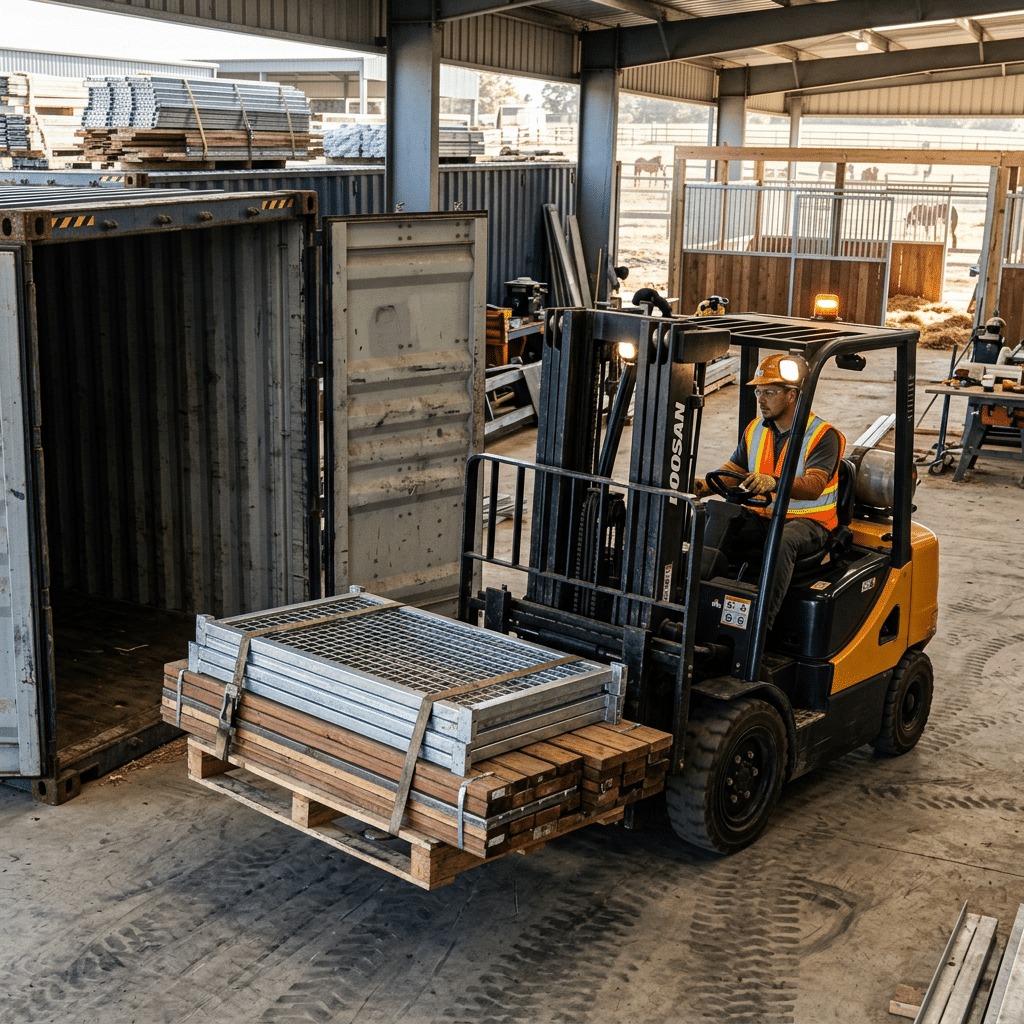
Contractor vs. Kit: Slashing Installation Labor Costs by 40%
Installation labor cost is the most volatile expense in stable construction, often consuming 40% of the budget with on-site fabrication. Hiring local contractors introduces hidden expenses from overtime, fire-watch safety requirements, and the long-term liability of...
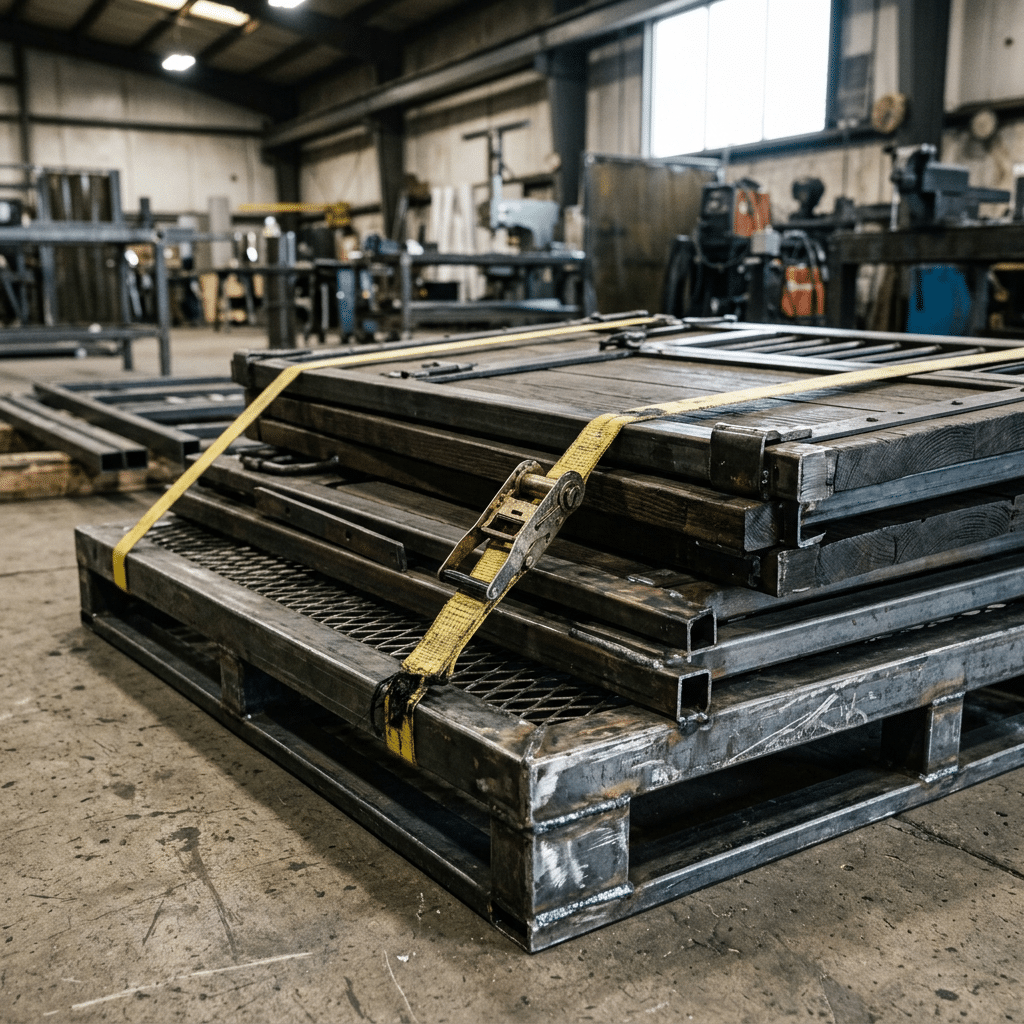
Navigating Customs: Using HS Code 7308.90 to Avoid “Prefab” Tariffs
Mismanaged Import Tariffs & Duties on steel products create significant financial risk. Classifying structural components as ‘prefabricated buildings’ is a common trap, triggering volatile tariffs that can erase an entire container’s profit...
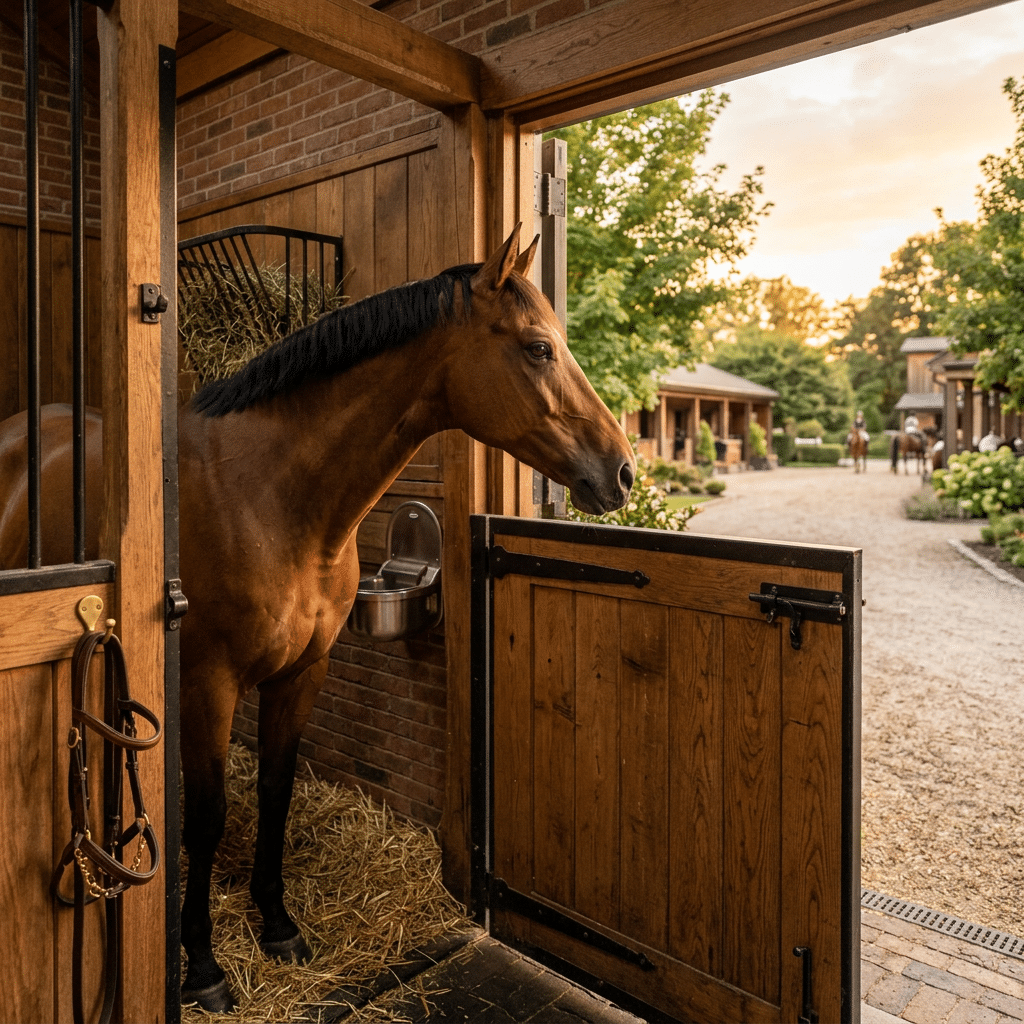
The Hidden Cost of Cribbing: Replacing Pine vs. Investing in Bamboo
Stable maintenance cost is more than just replacing chewed pine boards; it’s an operational liability. The predictable cycle of lumber replacement and labor fees erodes profit margins, but the true financial risk is a single vet bill for splinter colic—an...
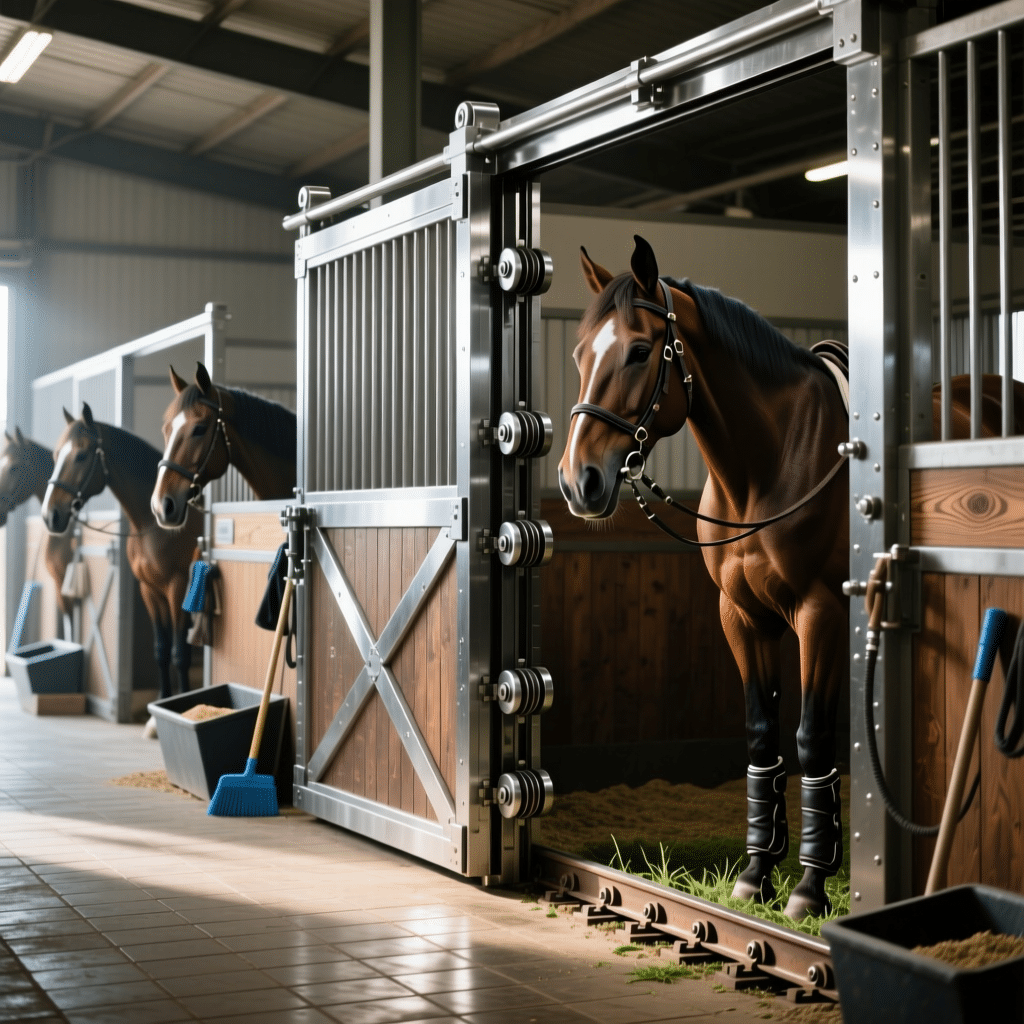
Fix Jammed Sliding Stall Doors: Replace the U-Channel Cap
sliding stall door derailment fix is the first checkpoint buyers should lock before they approve a supplier, budget, or production slot. Every facility manager knows the sinking feeling when a 300kg stall door grinds to a halt mid-track, blocking a feeding or turnout....
DIY Horse Stable Kits Australia: Hot-Dip vs Pre-Galvanized
diy horse stable kits australia is the first checkpoint buyers should lock before they approve a supplier, budget, or production slot. You’ve just unloaded a flat‑pack DIY horse stable kit onto your Australian property. The instructions look simple enough, but in...
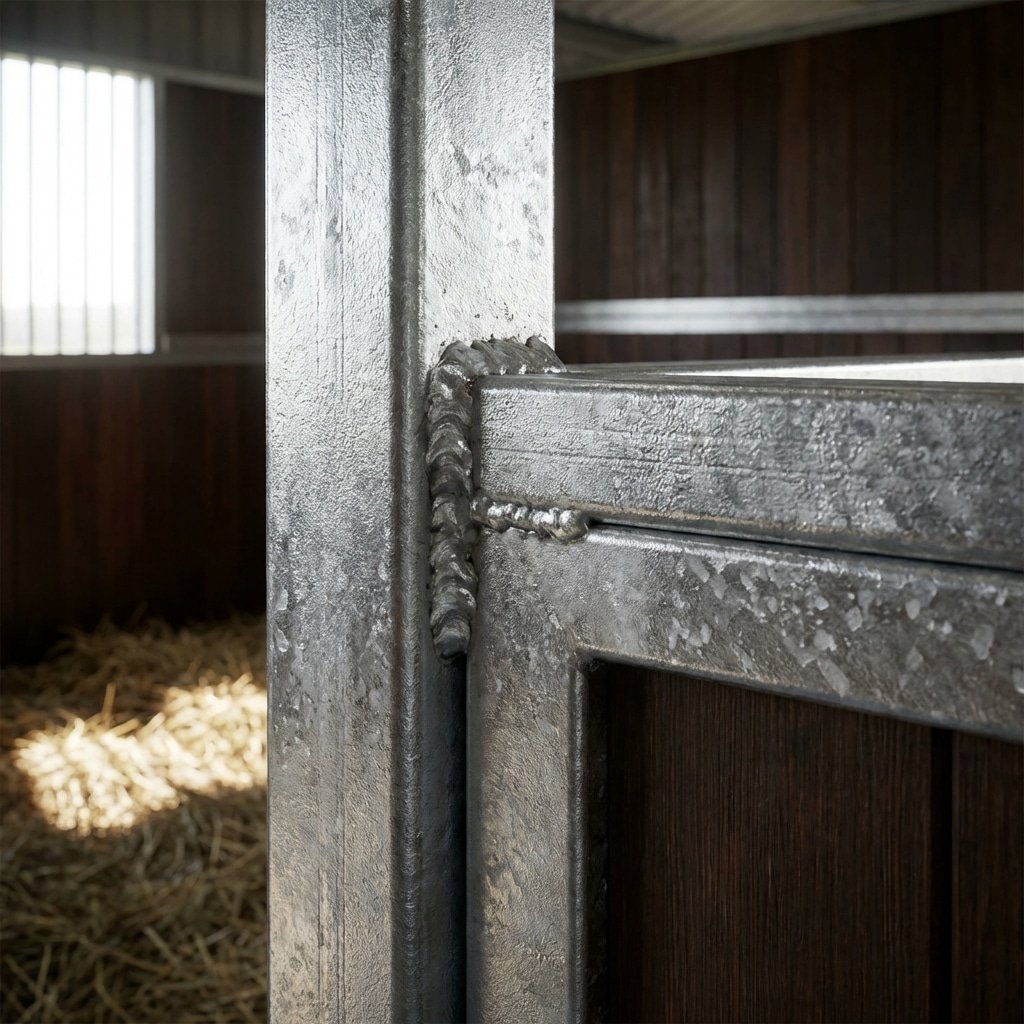
Hot-Dip vs Pre-Galvanized Horse Fence: Stop Rust at Welds
The choice between hot-dip galvanized vs pre-galvanized horse fencing isn't a materials science debate—it's a maintenance budget decision that shows up three years into a facility's operations. For barn operators in coastal or humid climates, that timeline often gets...
Fix 20×20 Pole Barn Collapse: Q345B Steel Specs
A 20x20 pole barn structural fail isn't a freak accident. It's the predictable outcome of designing a horse shelter with the same steel specs used for a garden shed. The problem starts before the first post goes in the ground. Most DIY kits ship with 18 to 20-gauge...
14-Gauge Q345B Steel Draft Horse Stalls: Why It Matters
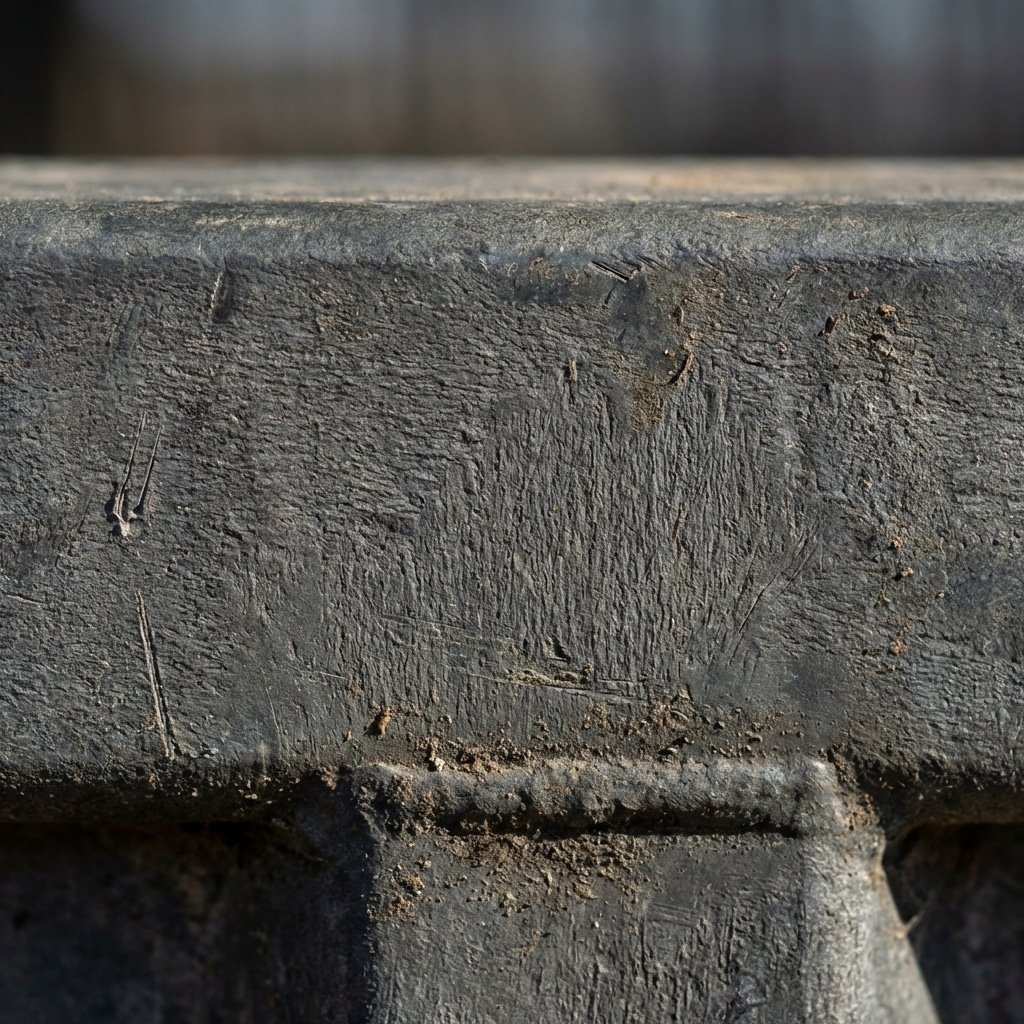
Specifying the right draft horse stall steel gauge is the single most important decision in a heavy-use facility. A Clydesdale or Shire generates over 4,000 Newtons of kick force — nearly three times what a light horse produces. Standard 16-gauge panels, which many...
Profit Protection: Why Wholesale Distributors Partner with DB Stable
Maximizing B2B Distributor ROI is impossible when your supplier competes with you for sales. This channel conflict, combined with high freight costs on bulky welded products, creates unwinnable price wars that systematically erode your margins and make inventory...
How Steel Barns Lower Your Insurance Premiums and Depreciation
Invest in Horse Stables Built to Last Our precision-engineered stables offer a 20-year lifespan with hot-dipped galvanized steel and climate-specific materials. Maximize your ROI with globally compliant, low-maintenance solutions that are built to endure. Get A...
Economy vs. Royal Series: Which Maximizes ROI for Boarding Facilities?
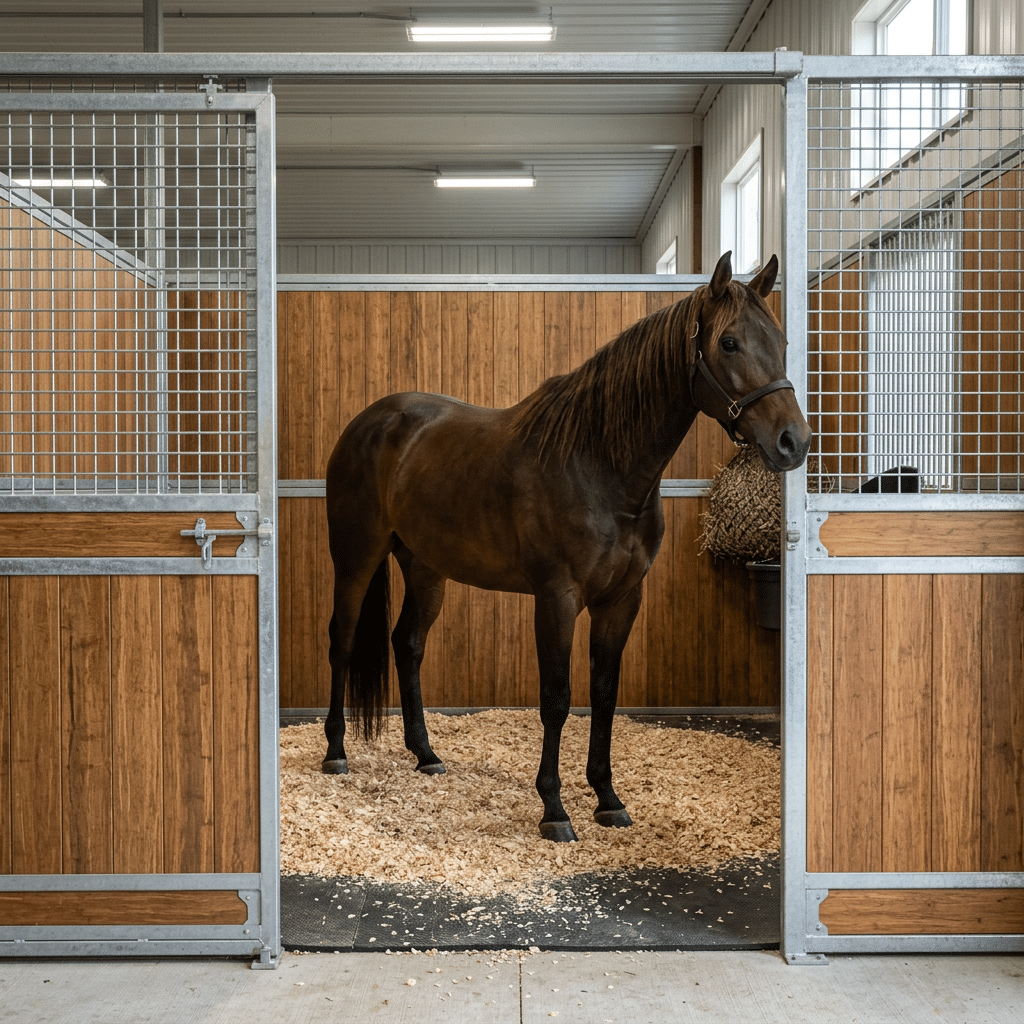
Calculating the Economy vs Luxury ROI is the central decision for a boarding facility’s business model. The wrong stall system wastes capital, creating high-maintenance overhead for a volume-based operation or failing to justify the premium fees of a high-end...
FEI Compliant Jump Cups: Safety for 5* Event Venues
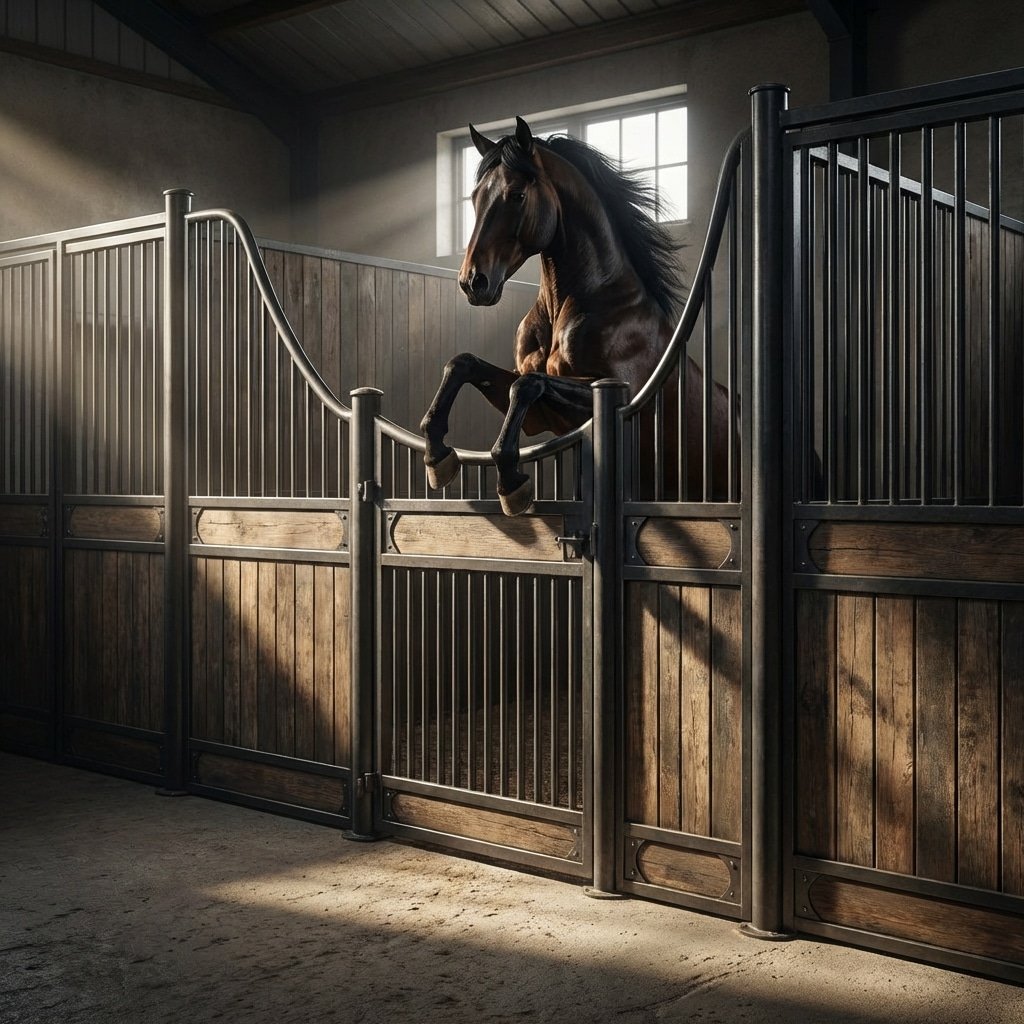
Validating FEI jump cups safety for a 5* event venue means you are checking more than just a release mechanism. You are confirming that the hardware, from the cup body to the pin tolerance, matches the documented release thresholds in FEI Article 259. That is the...
Aluminum vs. Wood Show Jump Poles: Which Lasts Longer
aluminum show jump poles is the first checkpoint buyers should lock before they approve a supplier, budget, or production slot. Every facility manager has a stack ofwood polesthat are more trouble than they are worth. They warp, they splinter, and they rot. The real...
Steel Gauge Scam: Verify Horse Jump Wall Thickness
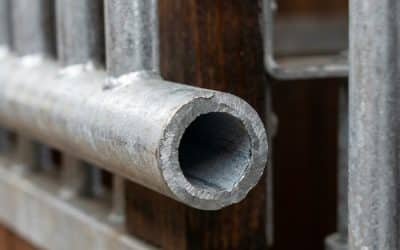
Commercial equestrian developers often fall into the steel gauge scam jumps trap by trusting generic gauge numbers rather than verifying actual wall thickness. As a manufacturer in Anping, China, it is observed that buyers request 'heavy-duty' FEI-compliant jumps and...
The Cost of Rust: Why “Pre-Galvanized” Welds Bleed Your Budget
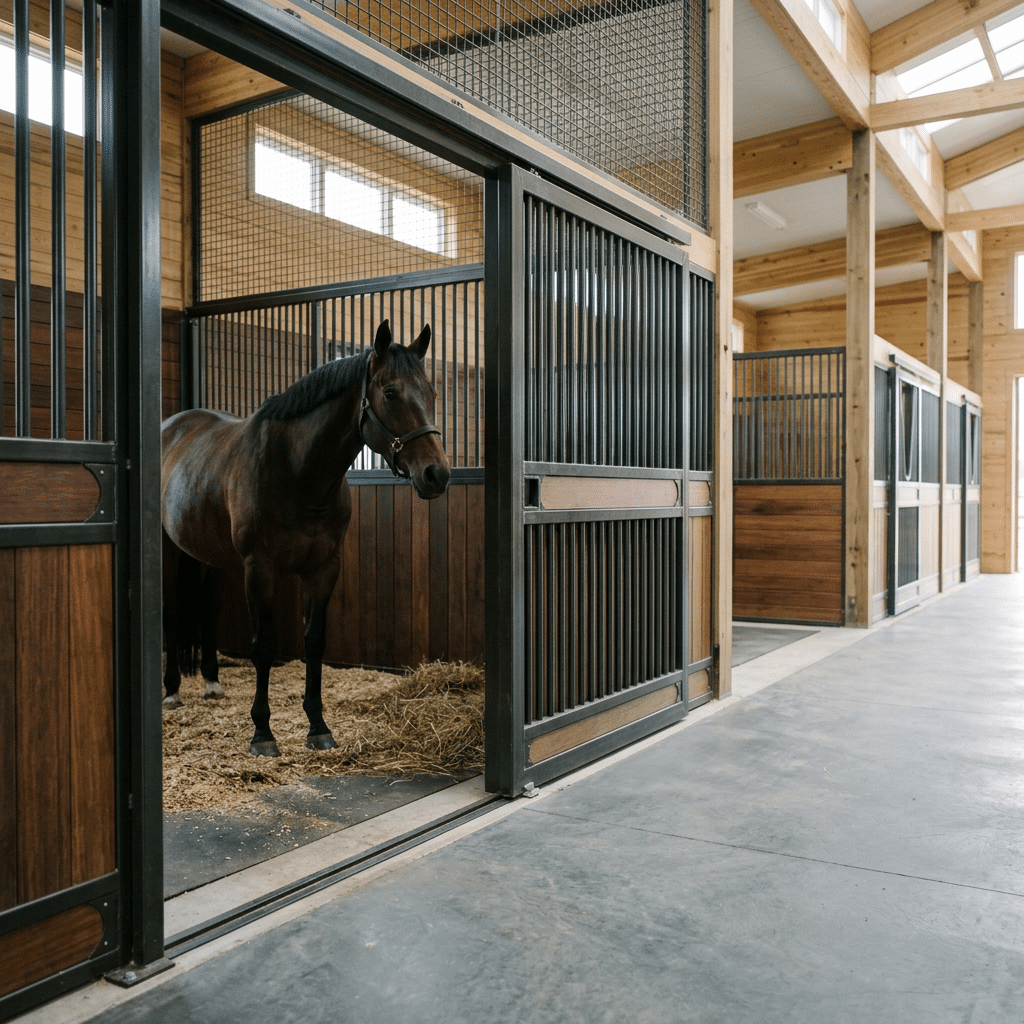
Managing rust repair costs starts with rejecting the core cause: pre-galvanized steel. This common manufacturing shortcut guarantees corrosion at every weld seam, locking facilities into an annual budget for grinding and repainting. This isn’t a one-time issue;...
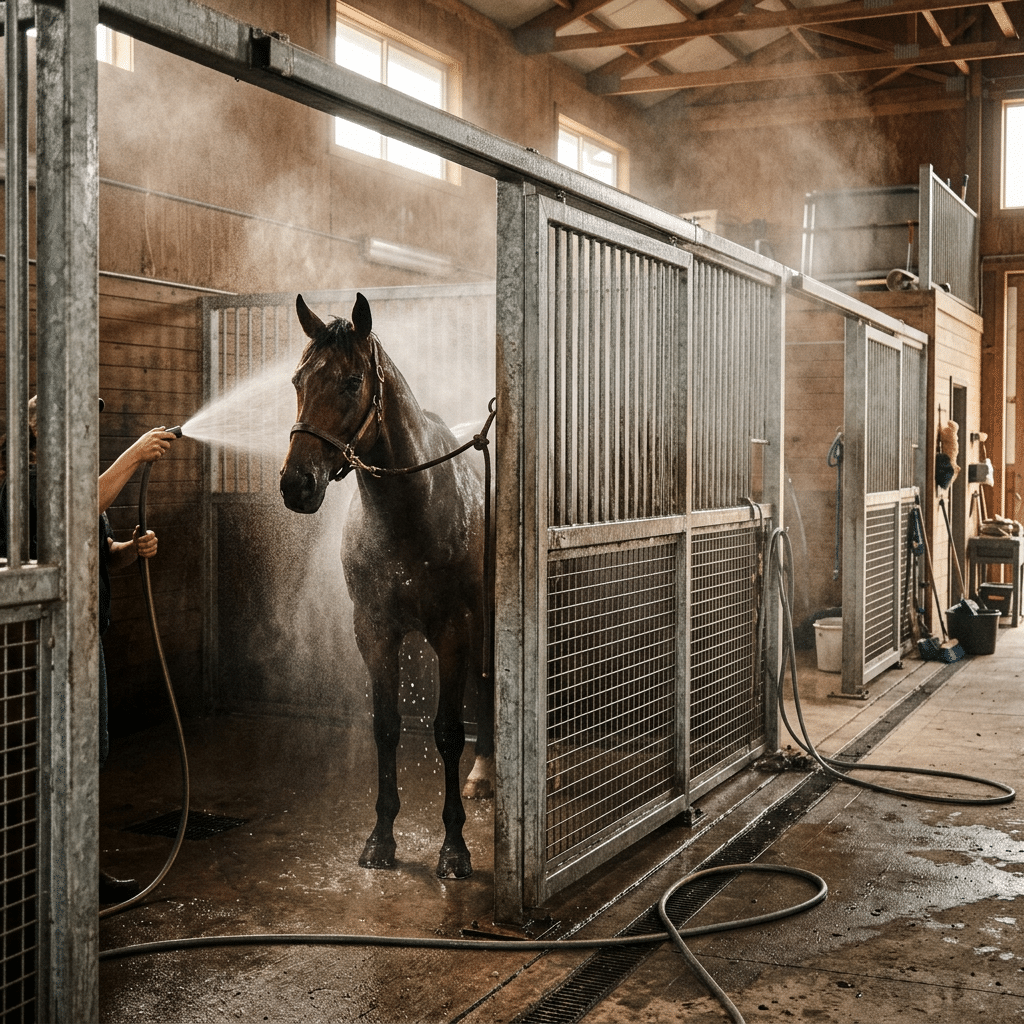
Is Custom Sizing Worth It? The ROI of Millimeter-Precision OEM
The true Customization Value of OEM stable manufacturing is measured by the structural renovation costs it prevents. Forcing standard panels into non-standard barn bays creates a direct risk of budget overruns, with on-site modifications easily exceeding $200 per...
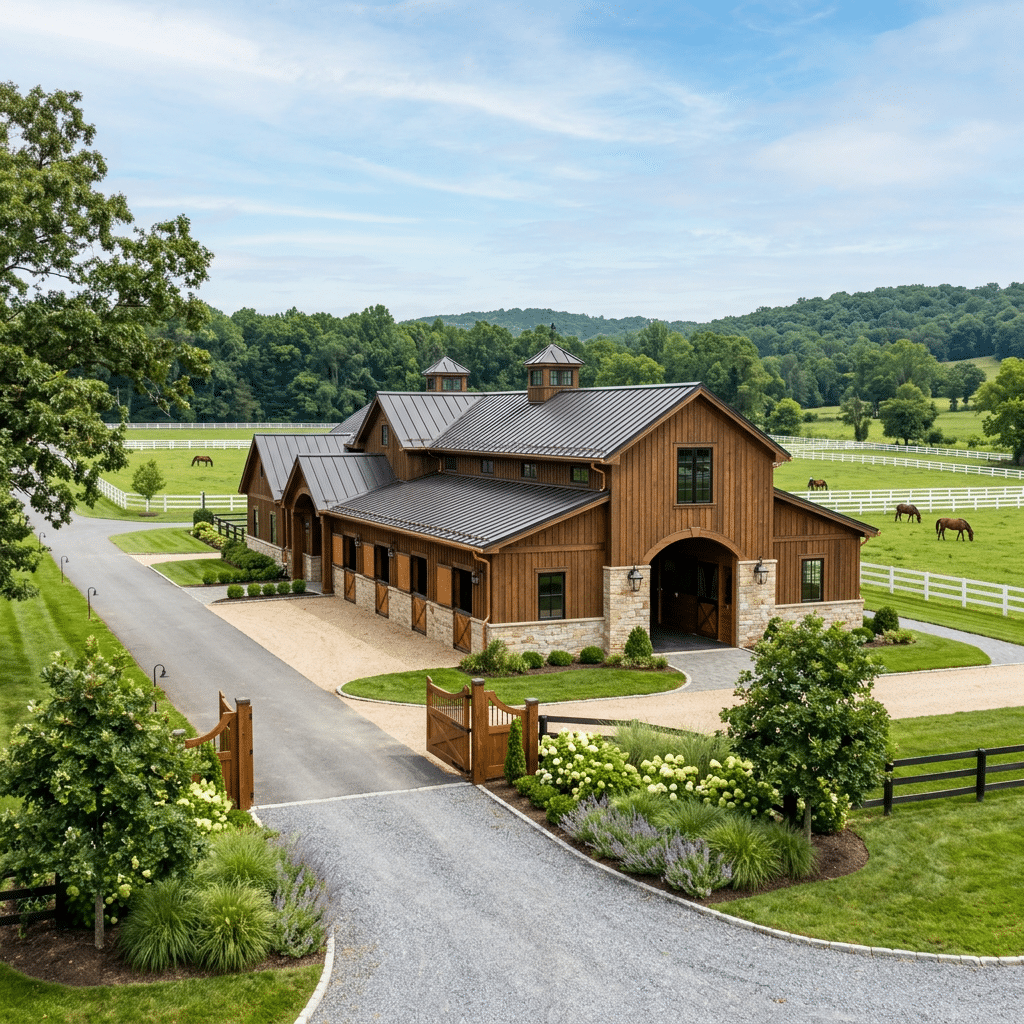
Factory vs. Trading Company: How to Spot Fake Stable Suppliers in China
Analyzing the Trading Co vs Factory dynamic is the first step to protecting your profit. Sourcing through an intermediary means paying for hidden markups and inefficient logistics, as bulky, fully-welded shipments erode your margins before the product even lands. This...
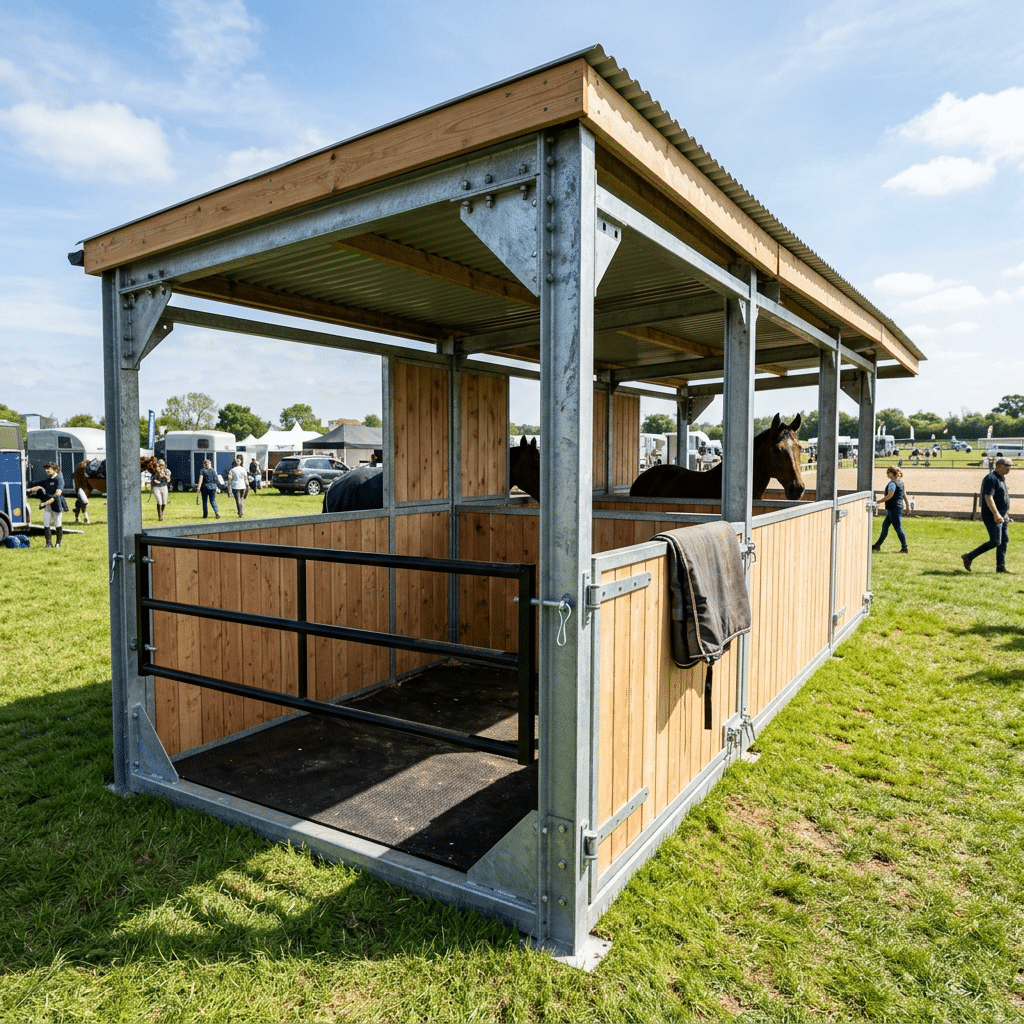
The Steel Gauge Scam: Why Your “Heavy Duty” Stalls Are Actually Flimsy
Steel gauge deception is a costly trap where paying for 14-gauge (2.0mm) steel but receiving thinner 16-gauge material creates hidden structural liabilities. This fraud directly leads to dangerous product failures, expensive warranty claims, and financial loss when...
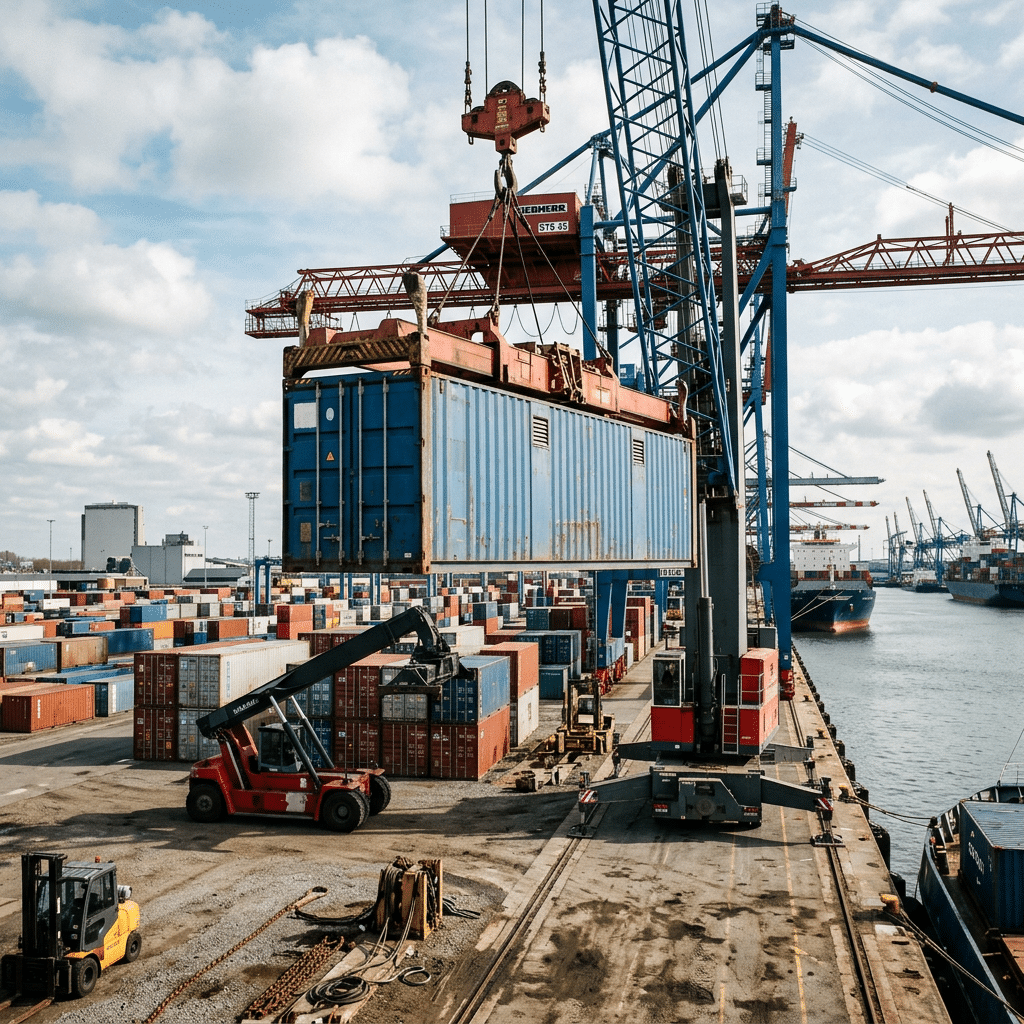
The “Pre-Galvanized” Lie: Why Your New Stable Will Rust in 6 Months
Recognizing fake galvanizing is critical to prevent warranty claims tied to premature rust. The common shortcut—welding pre-galvanized steel—burns the zinc coating from every joint, creating an immediate failure point that destroys a distributor’s reputation and an...
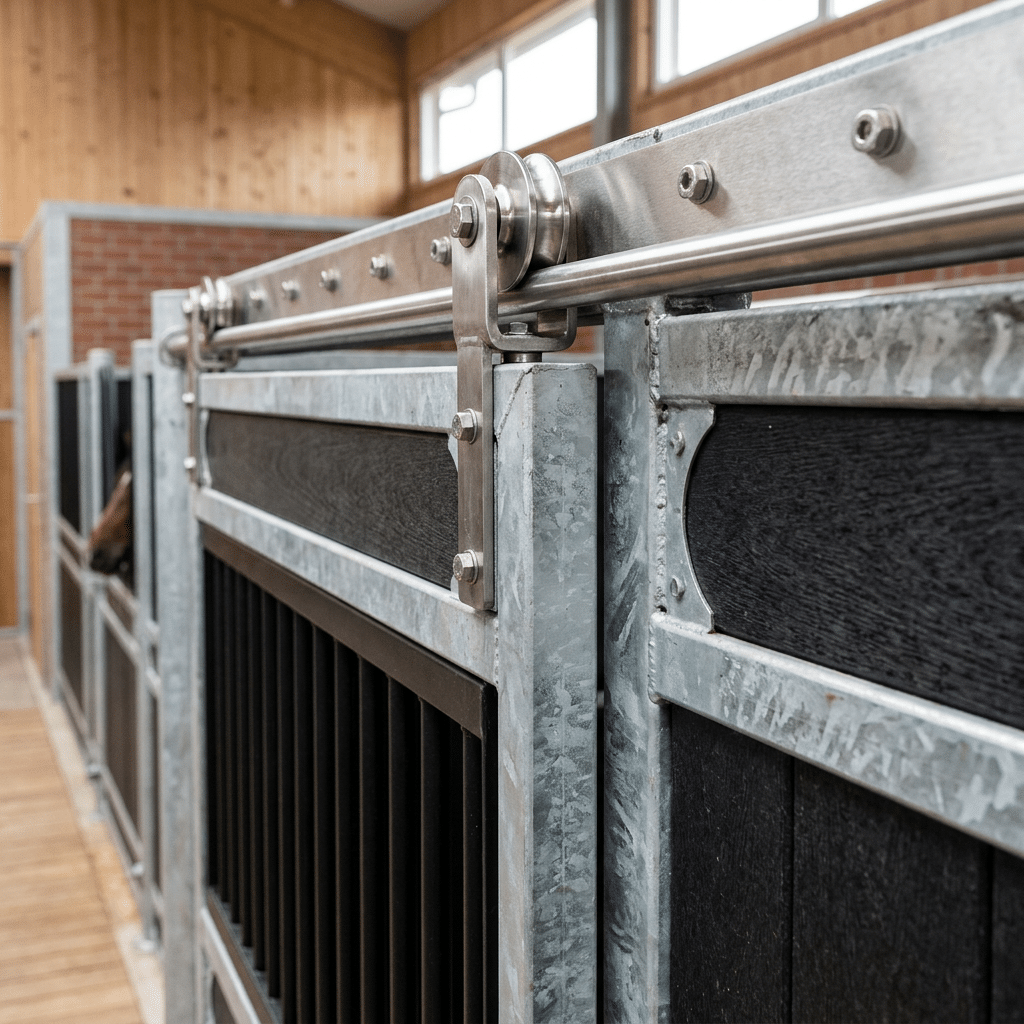
Low-Density Bamboo vs. Heavy-Duty: Don’t Fall for the “Eco” Trap
Bamboo density fraud is a critical sourcing error that directly impacts project budgets and animal safety. Suppliers substitute cheap, laminated furniture panels for structural infill, leading to catastrophic failure from kicks or moisture. This material mismatch...
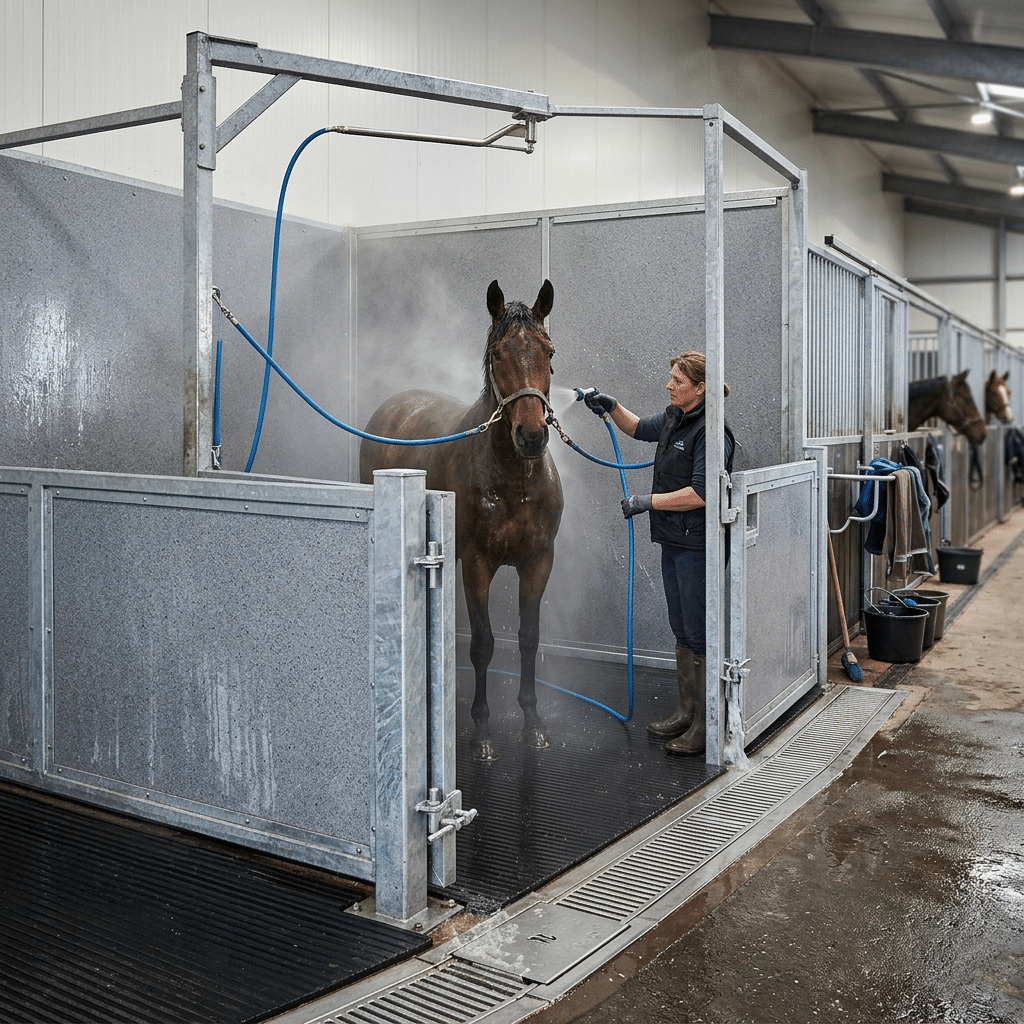
The Hardware Bait & Switch: Zinc-Plated vs. 304 Stainless Steel
The hardware bait & switch is a quiet margin killer in the equestrian equipment industry. Vague specs like ‘rust-resistant’ allow manufacturers to substitute cheap zinc-plated fasteners, leading to premature failures and costly warranty claims that erode...
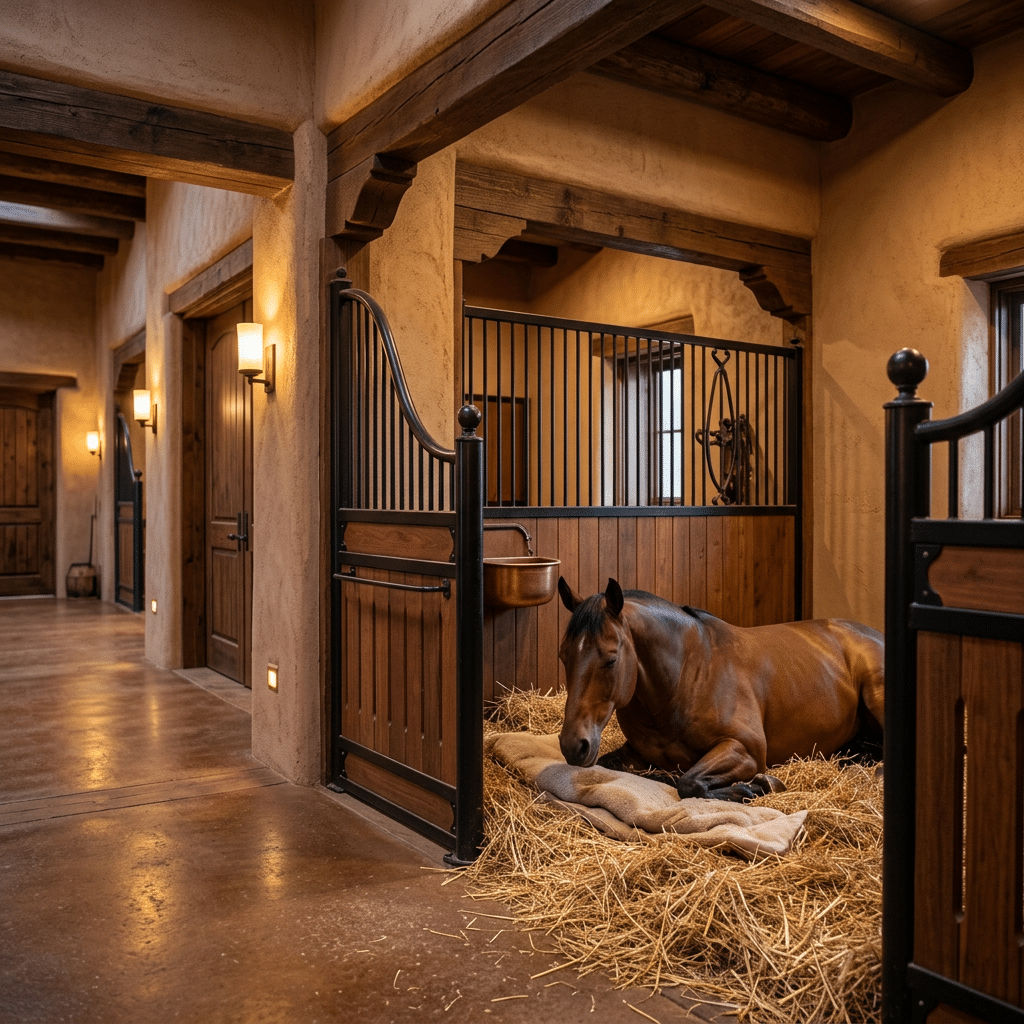
The Shipping Volume Trap: How “Cheap” Stables Cost Double in Freight
The Shipping Volume Trick is a common B2B trap where a low FOB price on fully-welded stables hides an expensive reality. Distributors pay full container rates to ship mostly empty air, a miscalculation that doubles the per-unit landed cost and destroys profit margins...
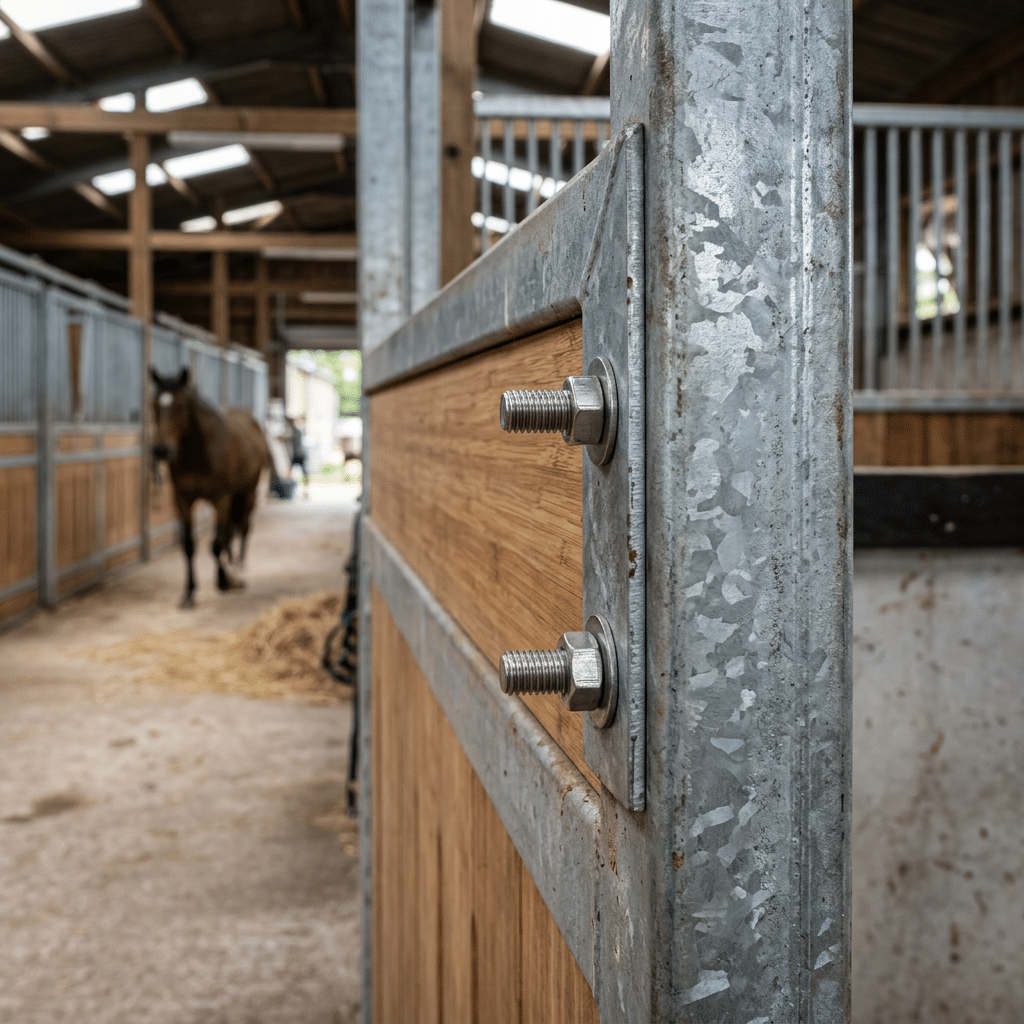
The “Custom Design” Upcharge: Avoiding Millimeter Penalties
Hidden custom fees are the primary source of budget overruns in equestrian facility projects. Trading companies and mass-production factories penalize non-standard dimensions, transforming necessary millimeter adjustments for retrofits into costly upcharges that...
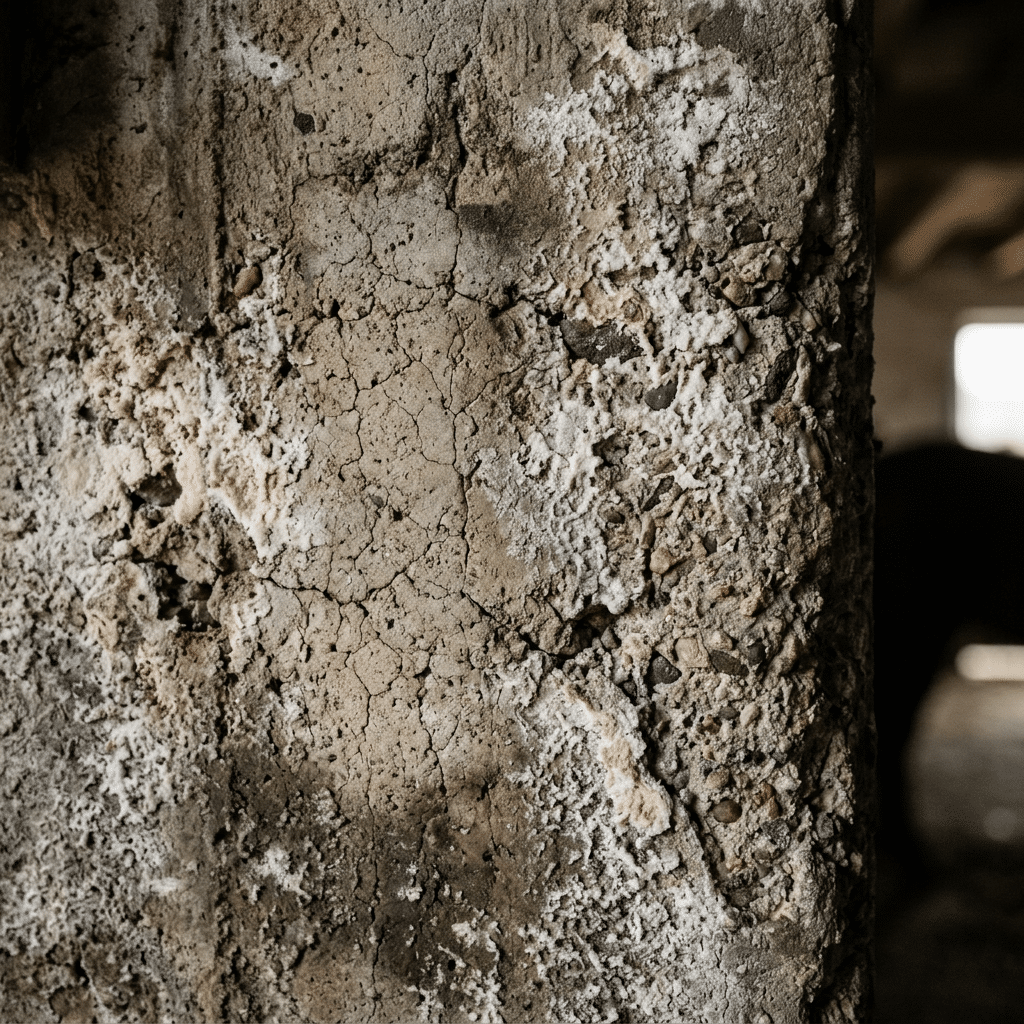
Exposing Fake Stable Warranties: What Does “10-Year Rust Proof” Mean?
Exposing fake warranties is a critical defense for stable distributors. The popular “10-year rust proof” claim is often a marketing tool full of exclusions for ammonia damage, leaving your business to cover the costs of premature corrosion and absorb the...
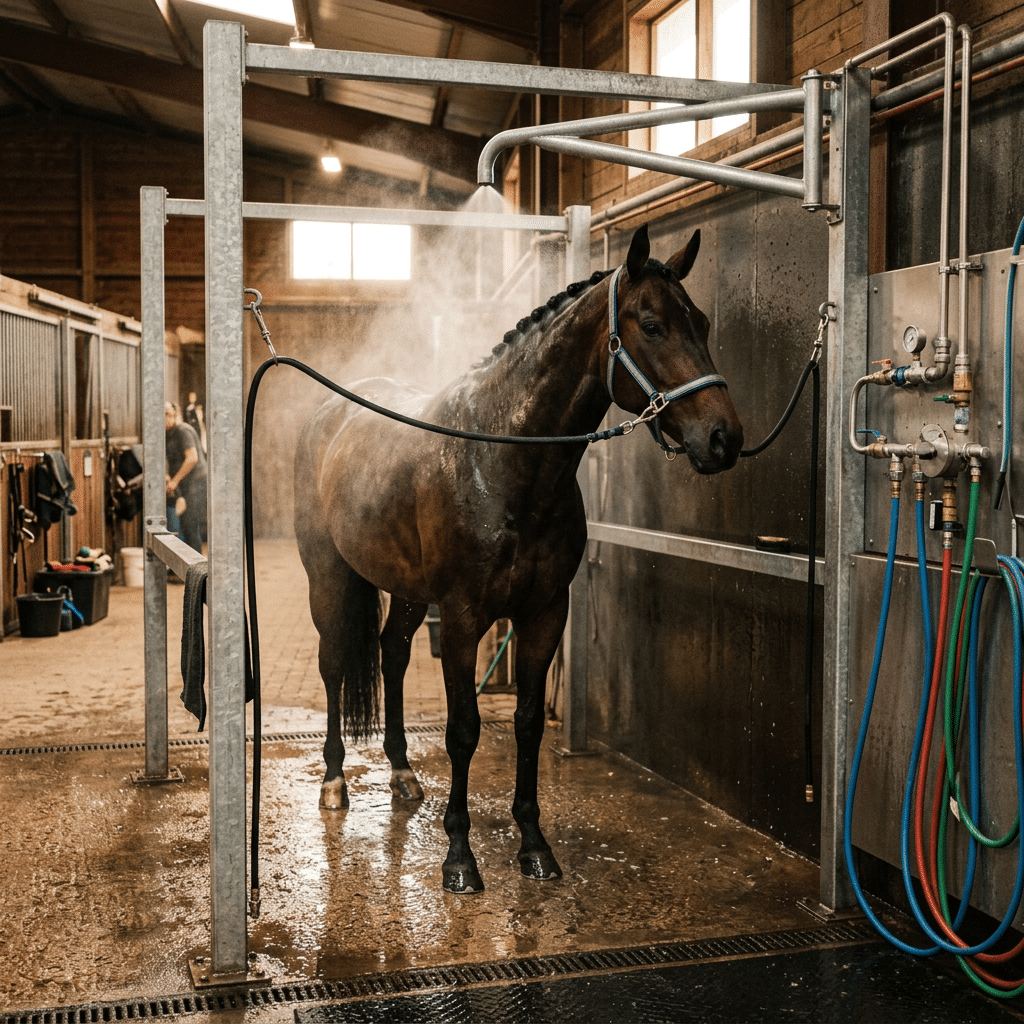
The “No Instructions” Nightmare: Hidden Costs of Cheap Stable Kits
Assembly nightmares with cheap stable kits are a direct threat to project profitability. What starts as a simple installation quickly becomes costly on-site fabrication when panels don’t align, forcing your crew to drill new holes and source missing hardware....
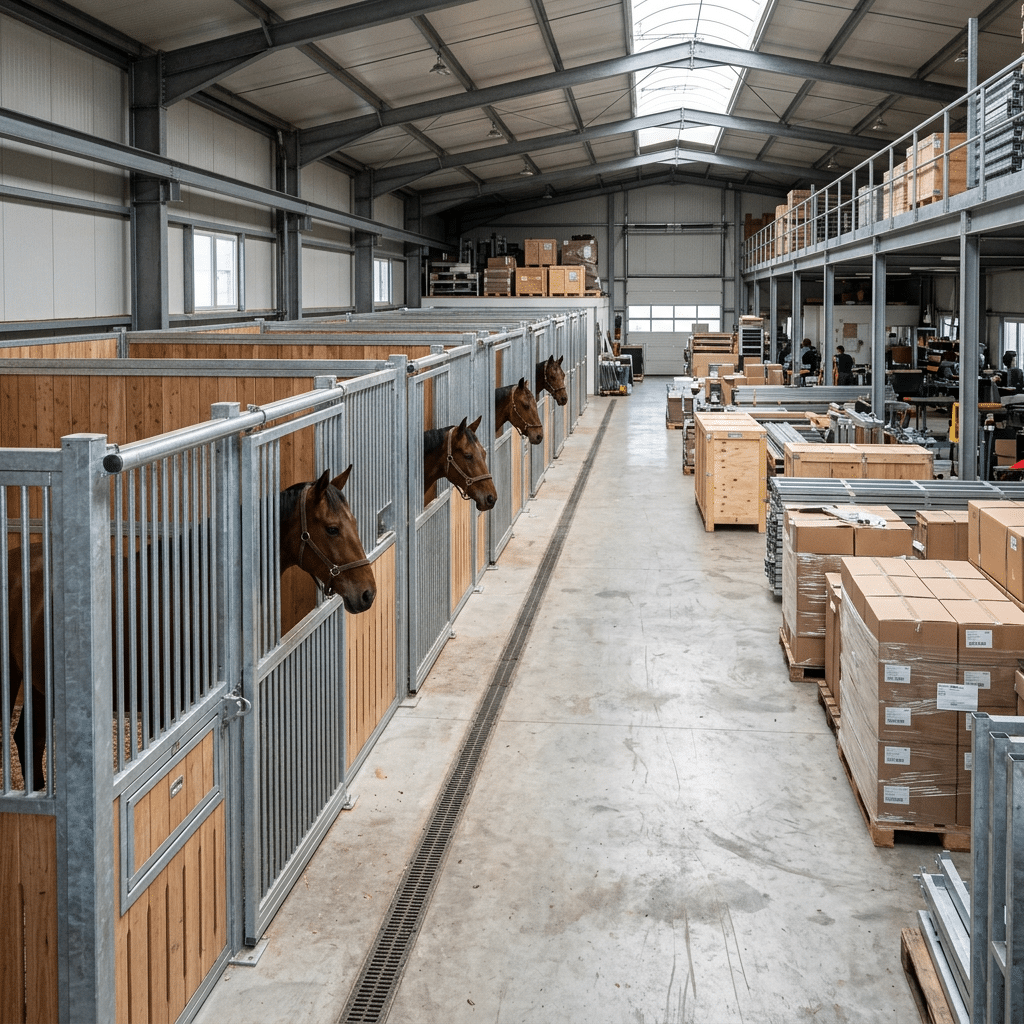
How to Import Safely: Contracts, QC Protocols, and Protecting Deposits
Payment & QC safety is the primary defense against losing your deposit to supplier fraud or receiving non-compliant goods. The financial risk is twofold: a lost wire transfer is an immediate write-off, while a container of defective product quietly destroys your...
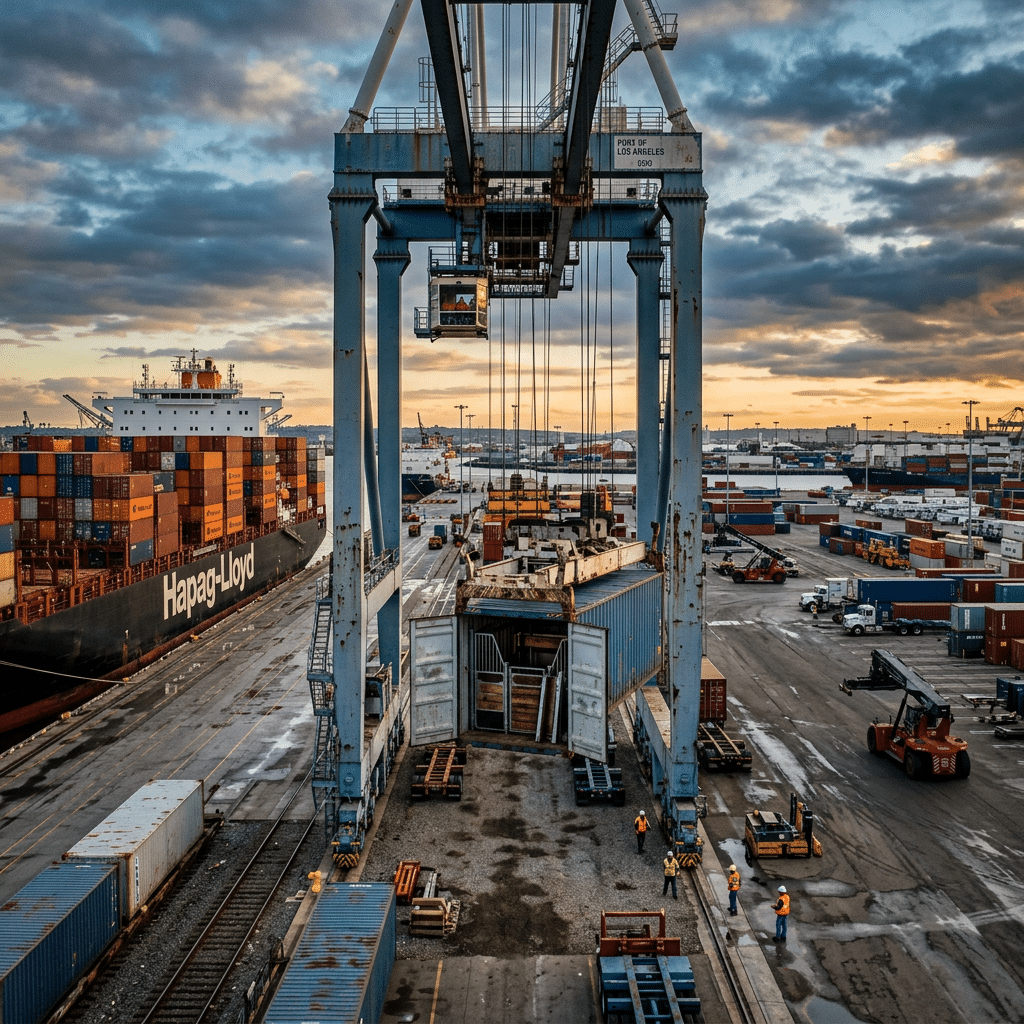
Curing the “Raining Barn”: How to Stop Condensation and Ammonia
Barn condensation is often misdiagnosed as a simple roof leak, but the real damage is the toxic air quality it creates. Trapped moisture super-concentrates ammonia gas from urine-soaked bedding, directly leading to equine asthma, lung damage, and recurring veterinary...
Winterizing Your Horse Barn: Cold Weather Specs You Need to Know
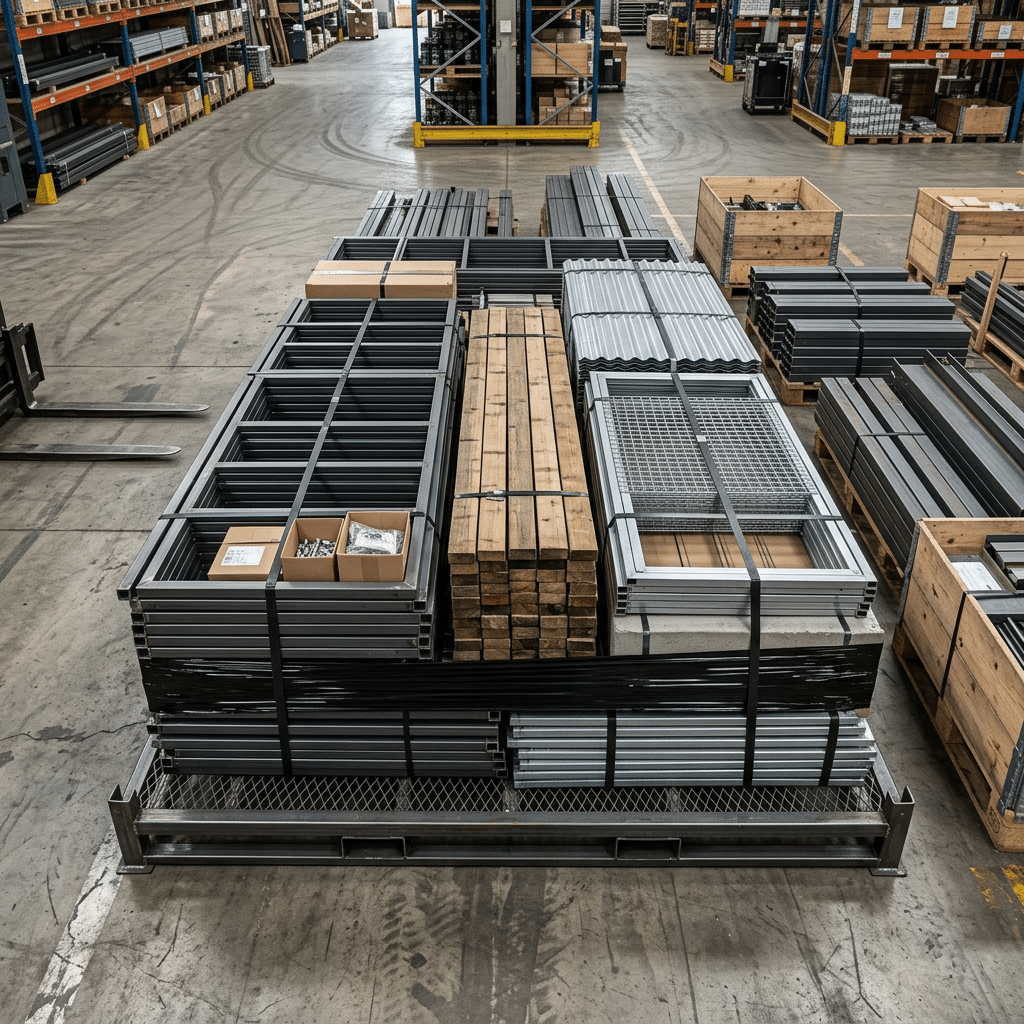
Effective winterizing stables goes beyond sealing drafts; it requires preventing catastrophic material failure. Standard Q235B steel becomes dangerously brittle in freezing temperatures, turning a routine horse kick into a structural fracture that risks animal safety...
Termites, Rats, and Rot: Why Traditional Barns Attract Pests (And How to Stop Them)
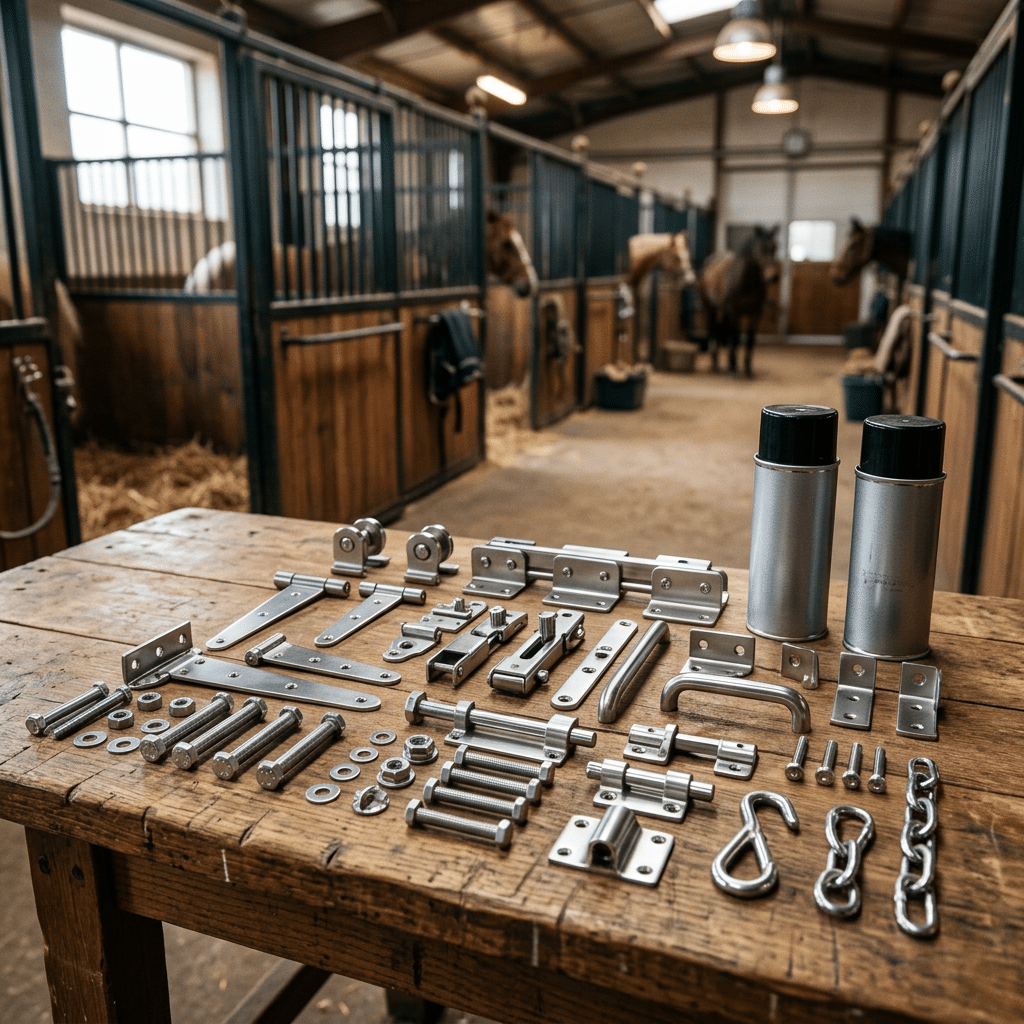
Effective barn pest control is a materials science issue, not a recurring maintenance problem. Choosing traditional wood construction guarantees a cycle of expensive repairs, from replacing termite-hollowed posts to managing rodent infestations that contaminate feed,...
The Quarantine Stall: How to Disinfect After Strangles or EHV-1
Effective disinfecting protocols depend on stall materials, a detail that can lead to six-figure losses. A single EHV-1 outbreak cost one facility €151,000, mostly from business closure, not medication. Porous wood absorbs pathogens, making complete sterilization...
Shaving Minutes Off Mucking: Designing Stalls for Labor Efficiency
Mucking efficiency is a direct multiplier for payroll costs, with stall cleaning times ranging from five to over twenty minutes. This operational drag isn’t about staff effort; it’s a result of poor stable design—from aisle-blocking hinged doors to...
What to Do When a Horse Gets Cast (And How to Prevent It)
Horse cast prevention is an engineering issue, not just a management one. Relying on temporary fixes like banked bedding ignores the primary cause: flawed stall dimensions and hardware protrusions. A single incident from poor structural design leads to catastrophic...
Managing the “Stall Kicker”: Hardware and Material Upgrades
Stalls for aggressive horses must eliminate the risk of structural failure. Standard-issue hardware often leads to bent steel and splintered wood, creating a cycle of expensive replacement orders and significant safety liability for facility operators and...
Stop Moldy Tack: Moisture Control Solutions for Stable Blocks
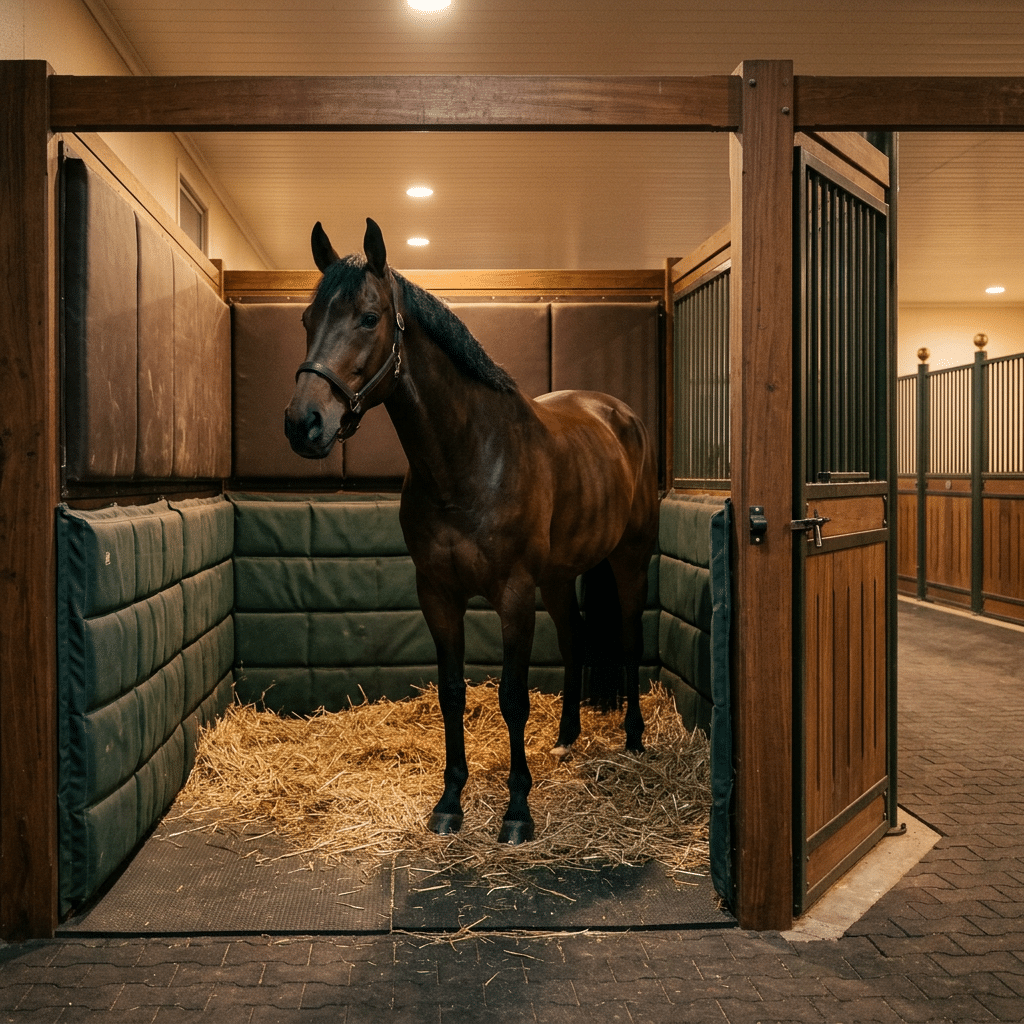
Tack room mold is not a simple cleaning issue; it’s a structural failure that actively destroys high-value leather assets. This failure turns a $20,000+ collection into a depreciating liability. Relying on temporary fixes ignores the root cause: porous building...
The ROI of Upgrading: Knowing When to Repair vs. Replace Stalls
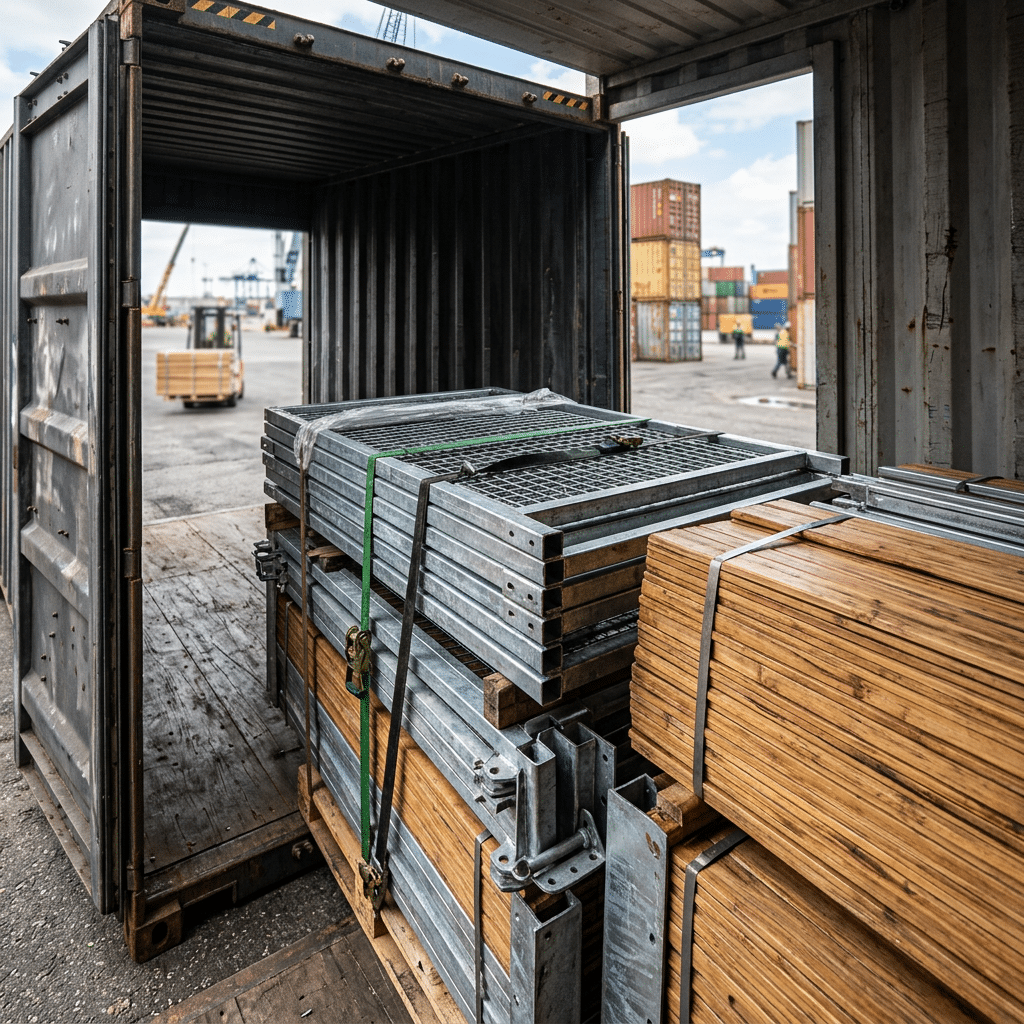
Calculating the Retrofit ROI clarifies the choice between funding endless repairs and making a single capital investment. Continuously patching rusted welds and rotted wood guarantees a perpetual drain on your maintenance budget while compounding safety risks from...
Top 5 German Horse Stable Manufacturers: Is the “Made in Germany” Premium Worth It?
Sourcing from premier horse stable Germany Manufacturers presents a critical business question: are you paying for superior engineering or a brand premium? The high cost is often amplified by exorbitant freight charges for fully welded units, directly impacting the...
Top Equestrian Facility Suppliers in the Middle East (UAE, Qatar, Saudi Arabia)
Sourcing from qualified Middle East suppliers is the primary defense against premature structural failure from extreme heat and salinity. Specifying incorrect materials, such as pre-galvanized steel, leads directly to corrosion at weld points, triggering expensive...
Sourcing Stables: Poland Fabricators vs. Asian Direct Factories
Deciding between Poland vs Asia OEM sourcing for horse stables often focuses on unit price, ignoring the high financial risk of material failure. Specifying the wrong steel or infill for harsh climates leads to rapid rust and warping, generating expensive warranty...
Top Stable Builders for Canadian Winters: Surviving -30°C
Building horse stables for a Canadian cold climate is less about insulation and more about avoiding catastrophic material failure. At -30°C, standard structural steel becomes brittle, turning a routine horse kick into a liability event that can shatter a stall panel,...
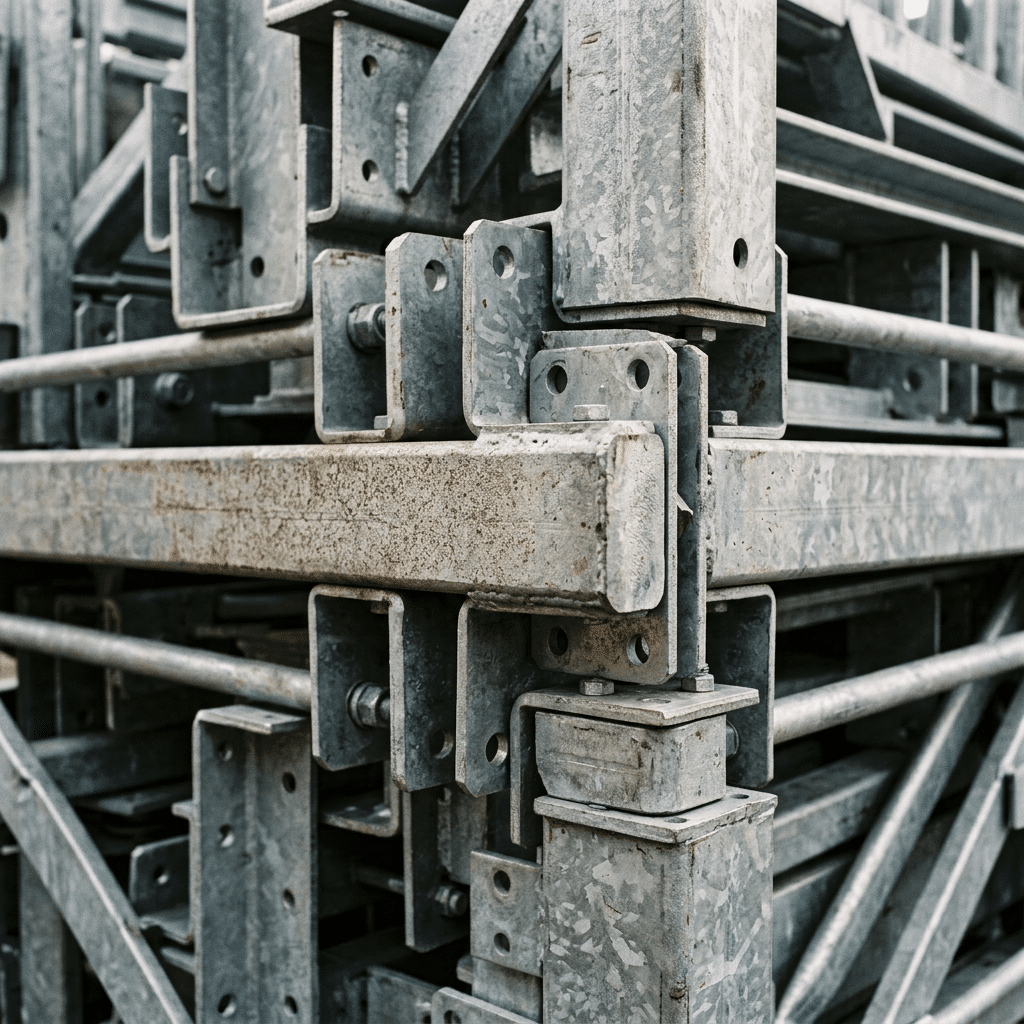
Top 5 Stable Manufacturers Trusted by Thoroughbred Racing Syndicates
For Thoroughbred Racing syndicates, stable selection is a critical risk management decision. An incorrectly engineered stall—with a wide bottom gap or a sharp weld—can cause a career-ending injury, turning a high-value asset into a significant financial liability....
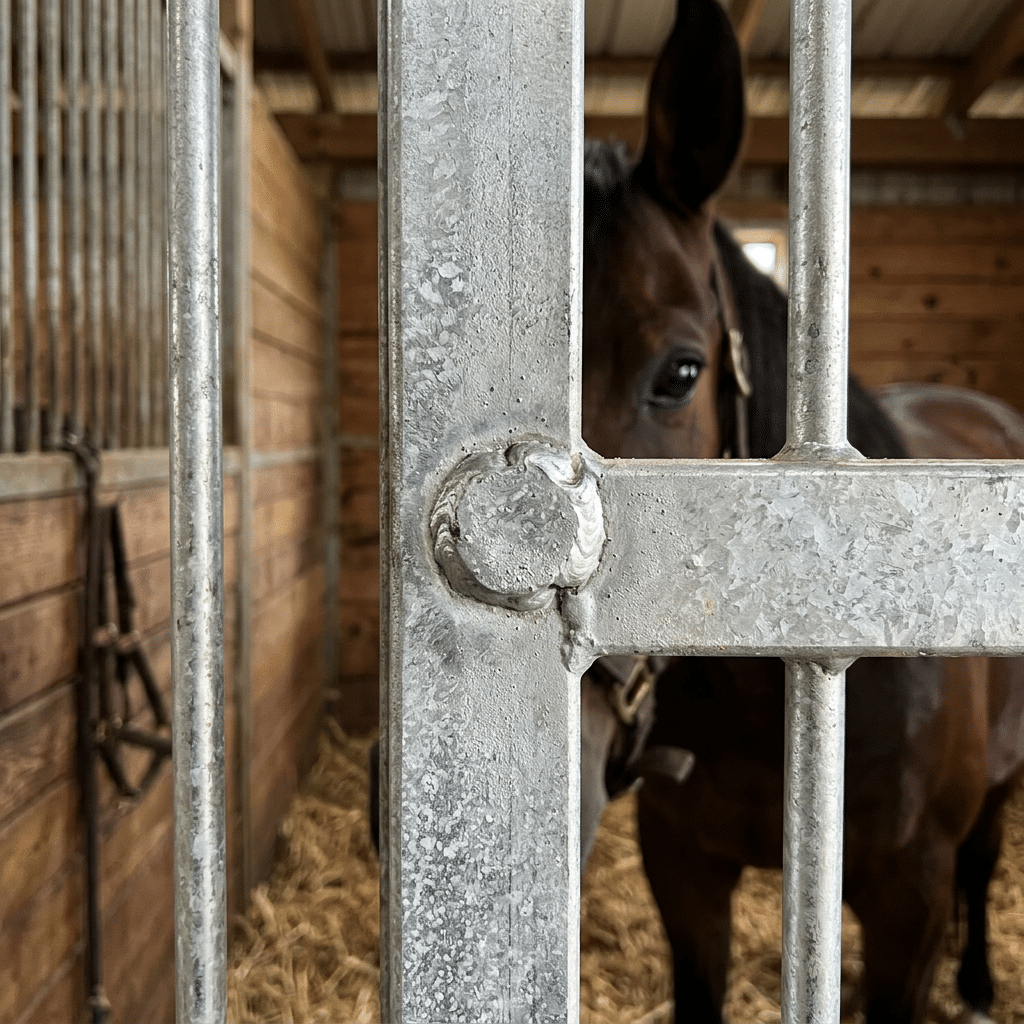
Best Barn Door & Window Suppliers: Upgrading Your Facility’s Face
Finding true barn door specialists is critical to avoiding the high cost of product failure. Sourcing from residential suppliers or non-specialized factories often leads to rust and hardware issues, resulting in costly warranty claims that erode distributor profits....
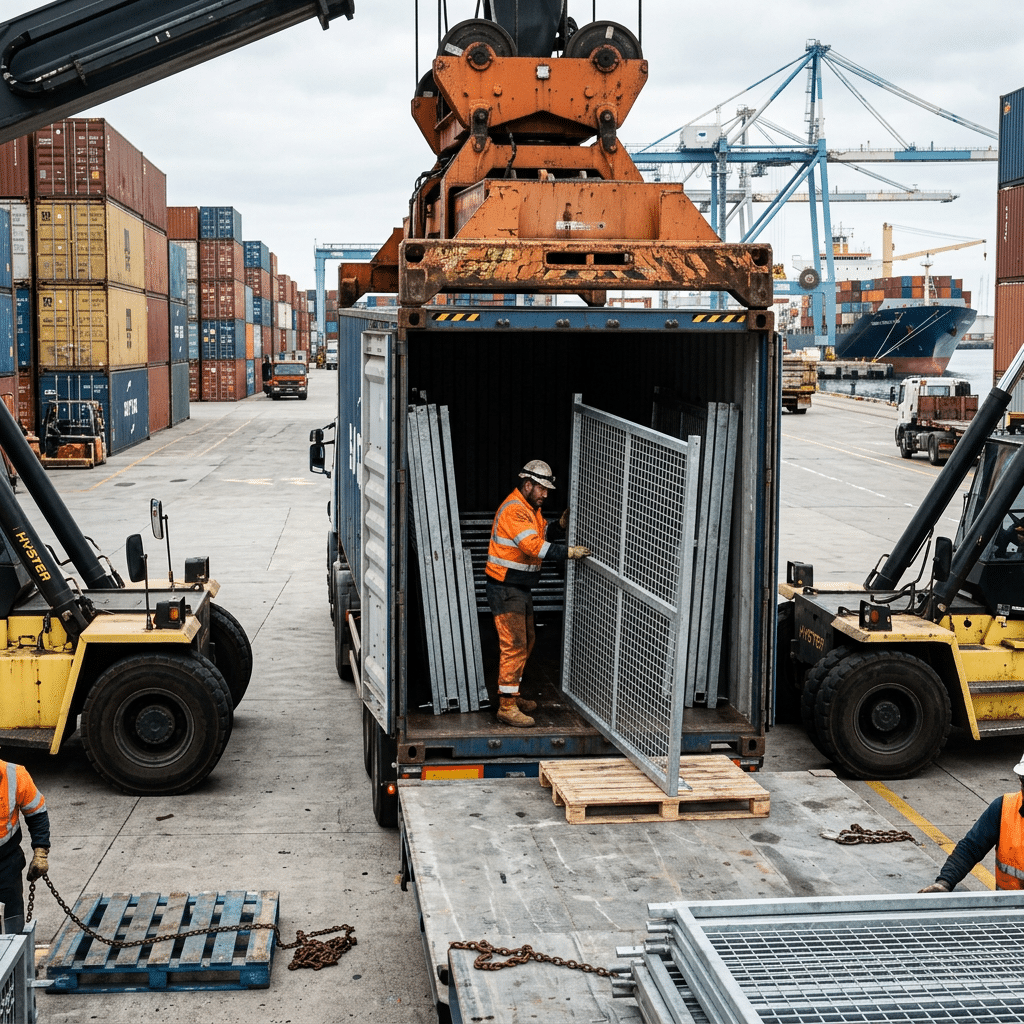
Top Horse Stable Builders in New Zealand: Surviving the Wet & Windy
Sourcing for the New Zealand market demands stable systems engineered for constant damp and high winds. Choosing a supplier based on price alone often results in premature rust and structural failure, leading to costly warranty claims and significant damage to a...
Top Global Manufacturers of Show Jumps & Arena Equipment
Sourcing from multiple Eventing / Jump Brands creates logistical complexity that inflates freight costs. While specialized suppliers offer quality, splitting shipments for stables and arena gear erodes profit margins for distributors and large-scale facility projects,...
Top Horse Fencing Manufacturers: Safety, Visibility, and Cost
Choosing the right equestrian fencing is a direct investment in animal safety and a defense against costly replacement cycles. Inferior systems that lack proper hot-dip galvanization after fabrication often fail prematurely, leading to structural risks and high...
Top 5 White-Label (OEM) Stable Manufacturers for Equestrian Brands
For wholesale and B2B brands, sourcing equestrian stables is a direct decision on profit margins. Partnering with factories that ship inefficient welded units can inflate freight costs by over 60%, while improper rust-proofing leads to warranty claims that permanently...
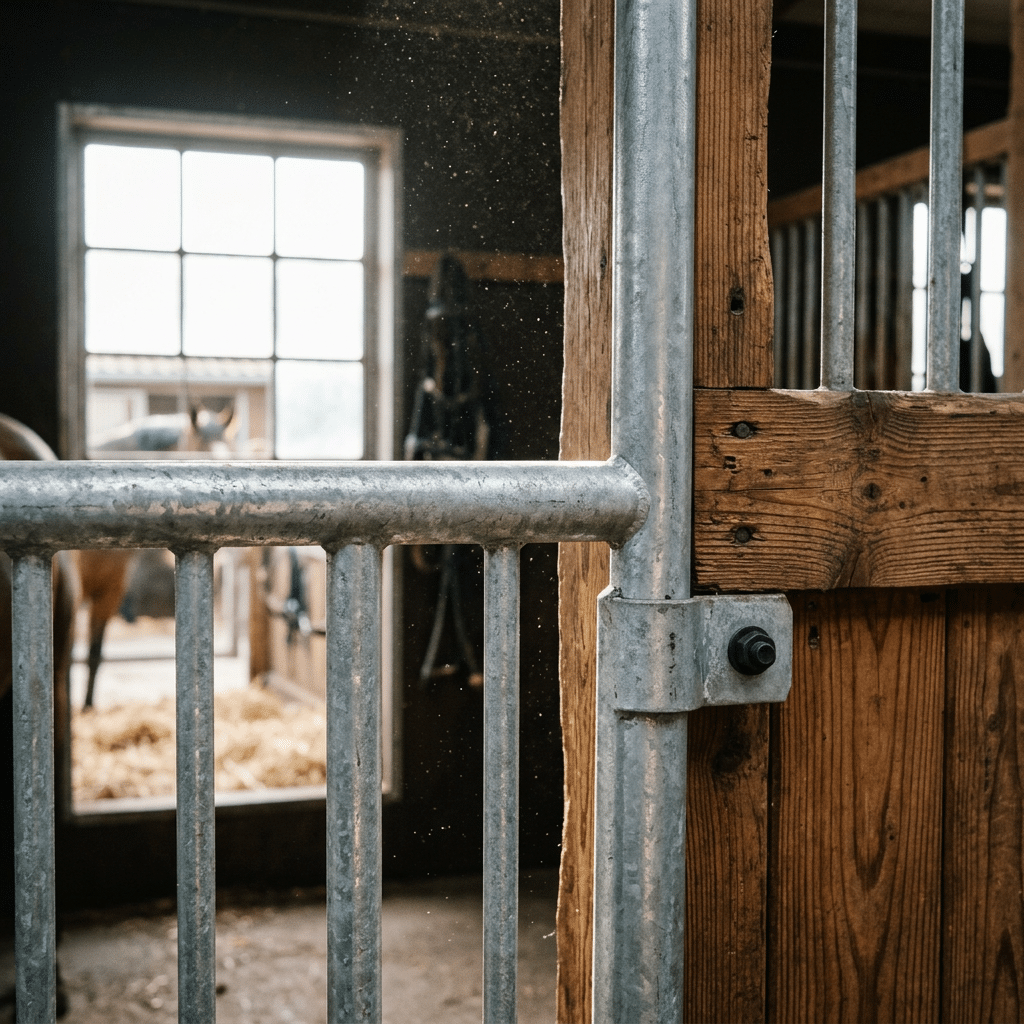
Barn Windows: Tempered Glass vs. Polycarbonate (Perspex)
The Glass vs Polycarbonate decision for barn windows directly impacts project liability and long-term maintenance budgets. Tempered glass offers superior scratch resistance but carries a risk of shattering, while polycarbonate resists impact but degrades from UV...
PVC vs. Galvanized Steel Fencing: The Shatter Risk Exposed
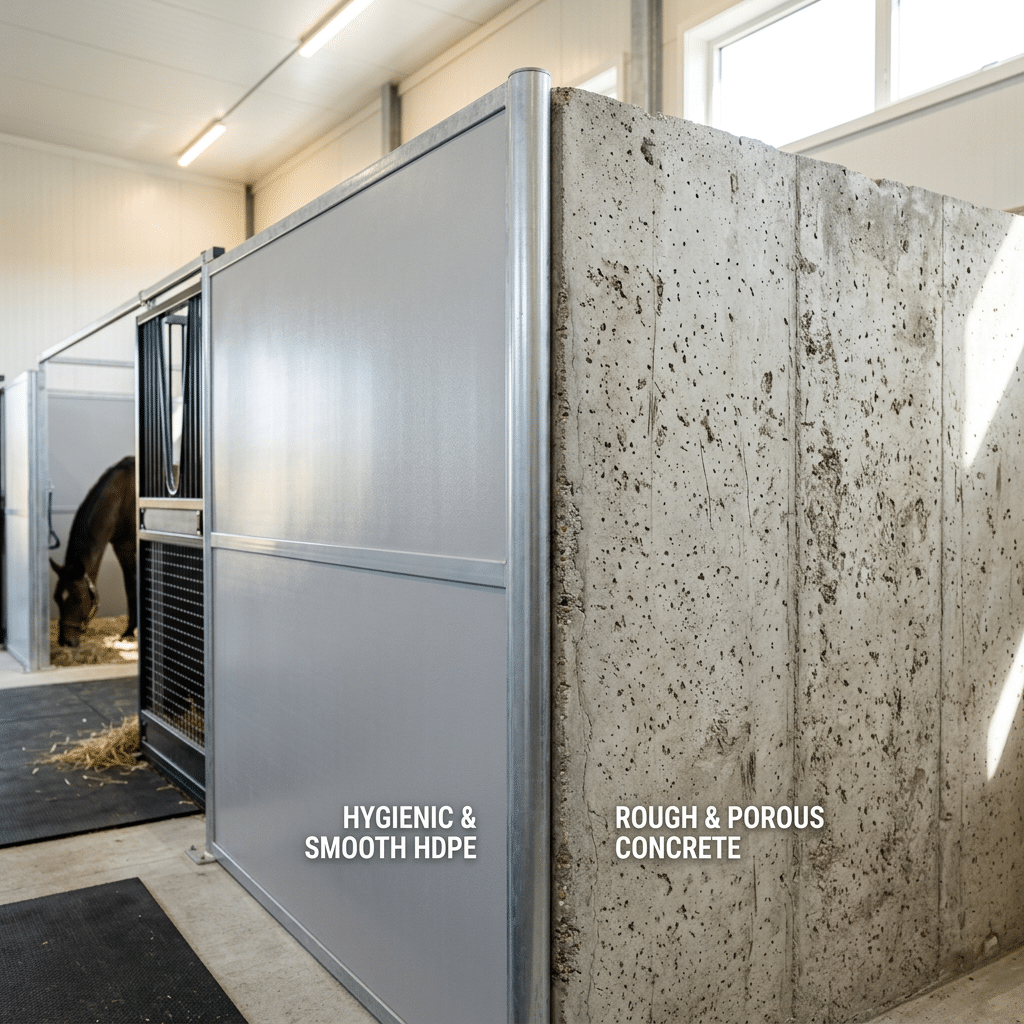
The PVC vs Steel Fencing decision often ignores a critical liability: shatter risk. While PVC offers a clean look, cold weather embrittlement means a single kick can create sharp plastic splinters and an immediate containment breach. This failure directly exposes farm...
Aluminum vs. Wooden Show Jumps: Weight, Rot, and Maintenance
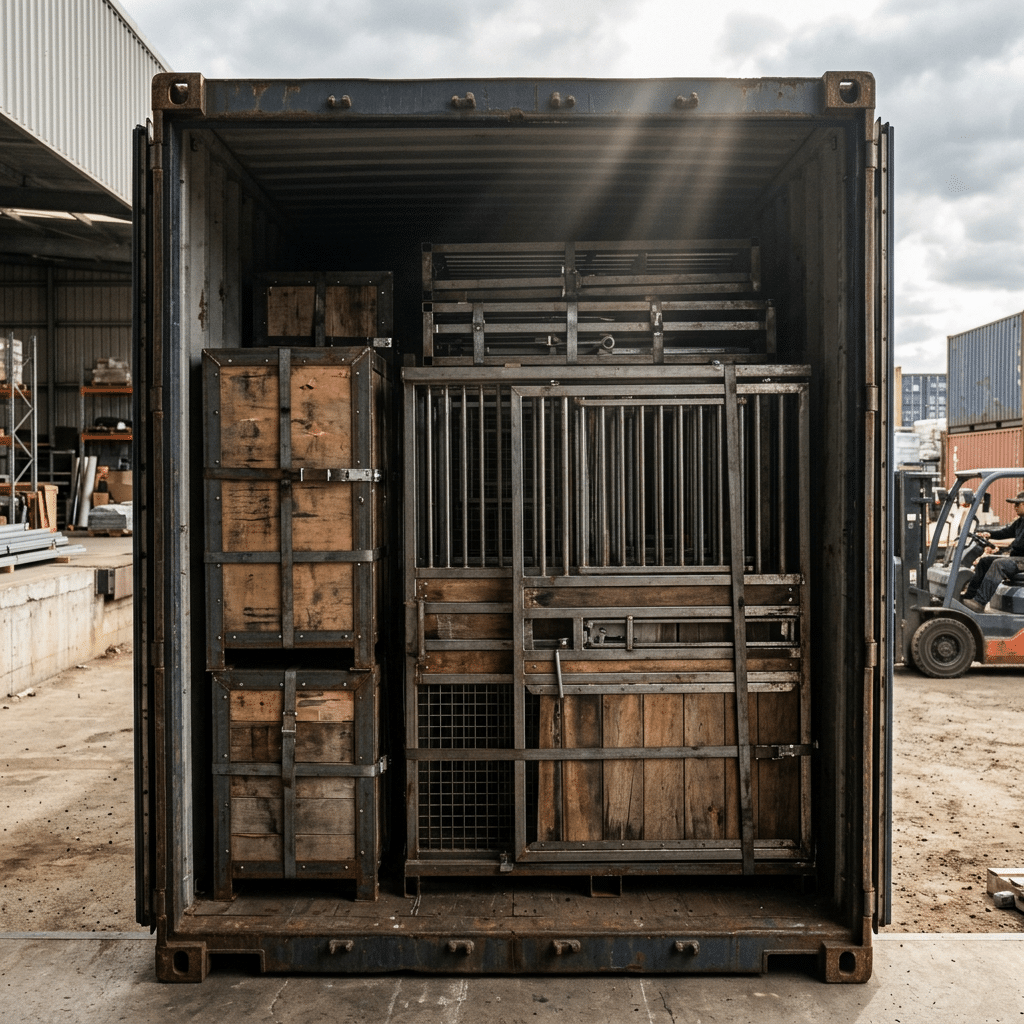
The Aluminum vs Wood Jumps decision defines your long-term maintenance budget. While wooden jumps have a lower entry price, they introduce recurring costs from rot, warping, and mandatory repainting. This cycle of labor and material expenses directly impacts a show...
Rubber Pavers vs. Seamless Poured Rubber: The Ultimate Aisle Flooring
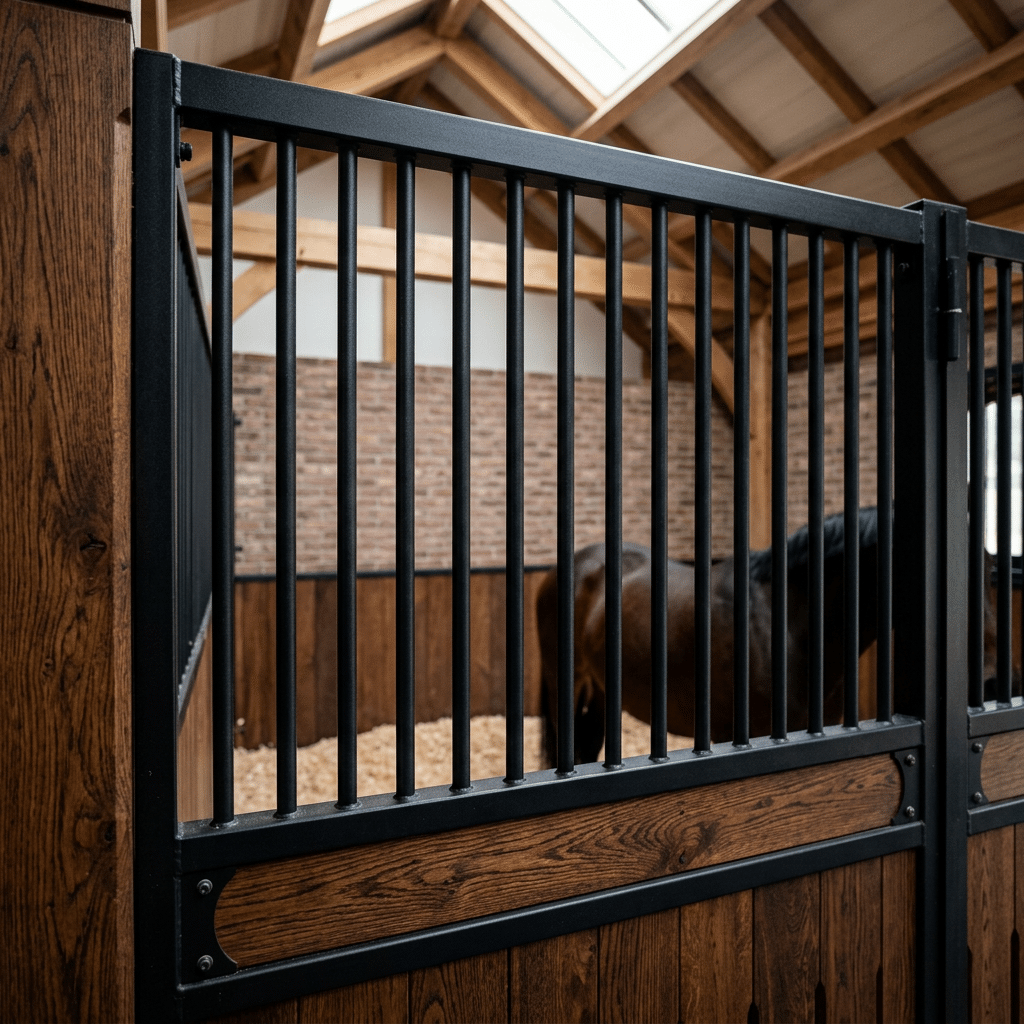
The Pavers vs Poured Rubber decision directly impacts long-term maintenance budgets and equine safety. While poured-in-place systems offer a seamless look, their tendency to crack from thermal expansion leads to expensive, specialized repairs. These failures introduce...
 English
  Spanish
  French
  Arabic
  German