


المدونة
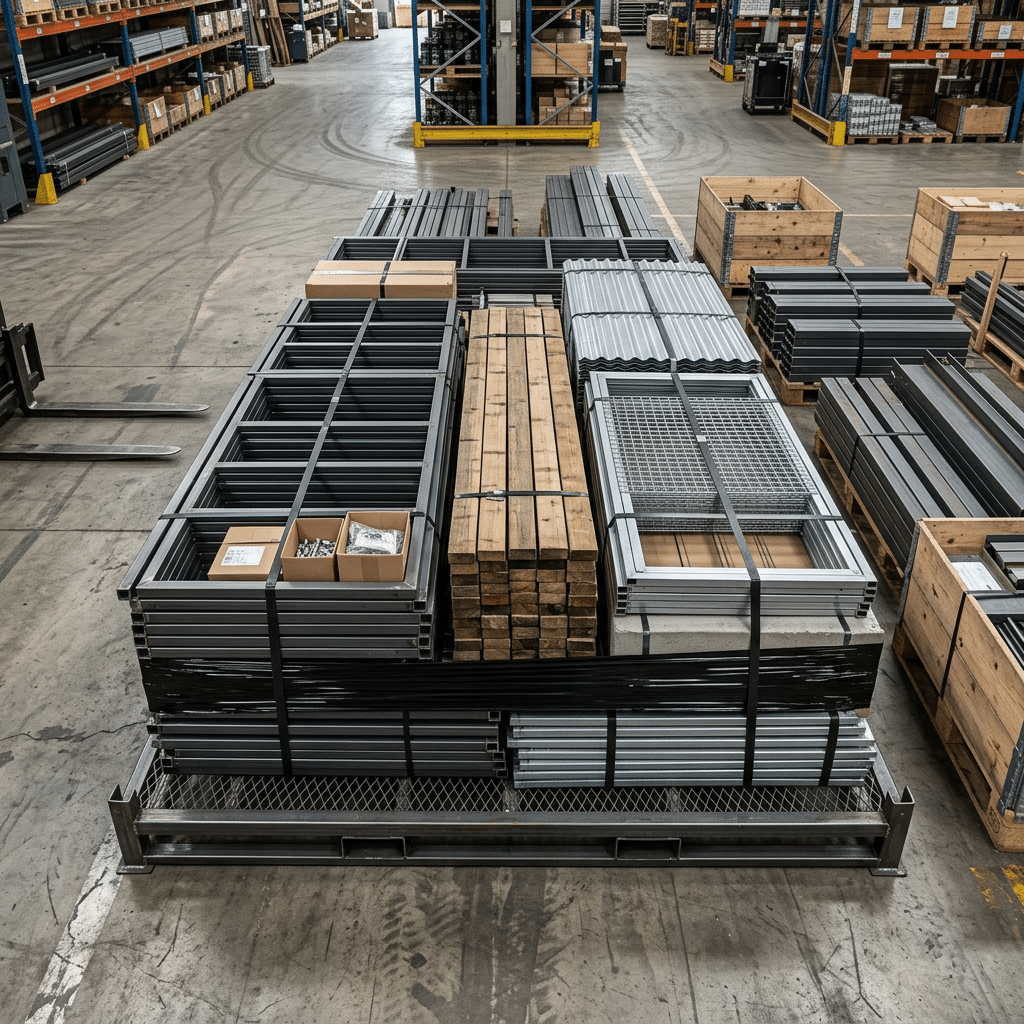
تجهيز إسطبل الخيول لفصل الشتاء: المواصفات الخاصة بالطقس البارد التي يجب أن تعرفها
Effective winterizing stables goes beyond sealing drafts; it requires preventing catastrophic material failure. Standard Q235B steel becomes dangerously brittle in freezing temperatures, turning a routine horse kick into a structural fracture that risks animal safety...
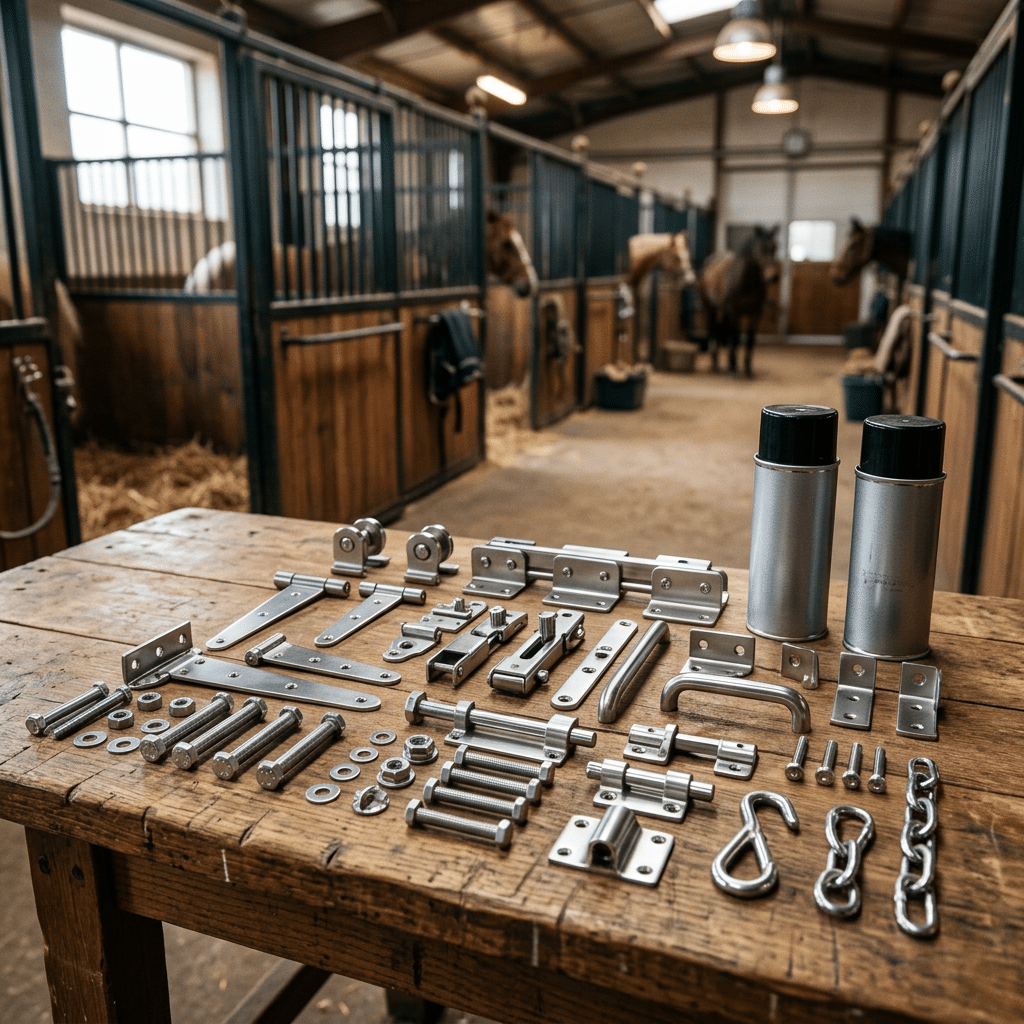
النمل الأبيض والجرذان والتعفن: لماذا تجذب الحظائر التقليدية الآفات (وكيفية التصدي لها)
Effective barn pest control is a materials science issue, not a recurring maintenance problem. Choosing traditional wood construction guarantees a cycle of expensive repairs, from replacing termite-hollowed posts to managing rodent infestations that contaminate feed,...
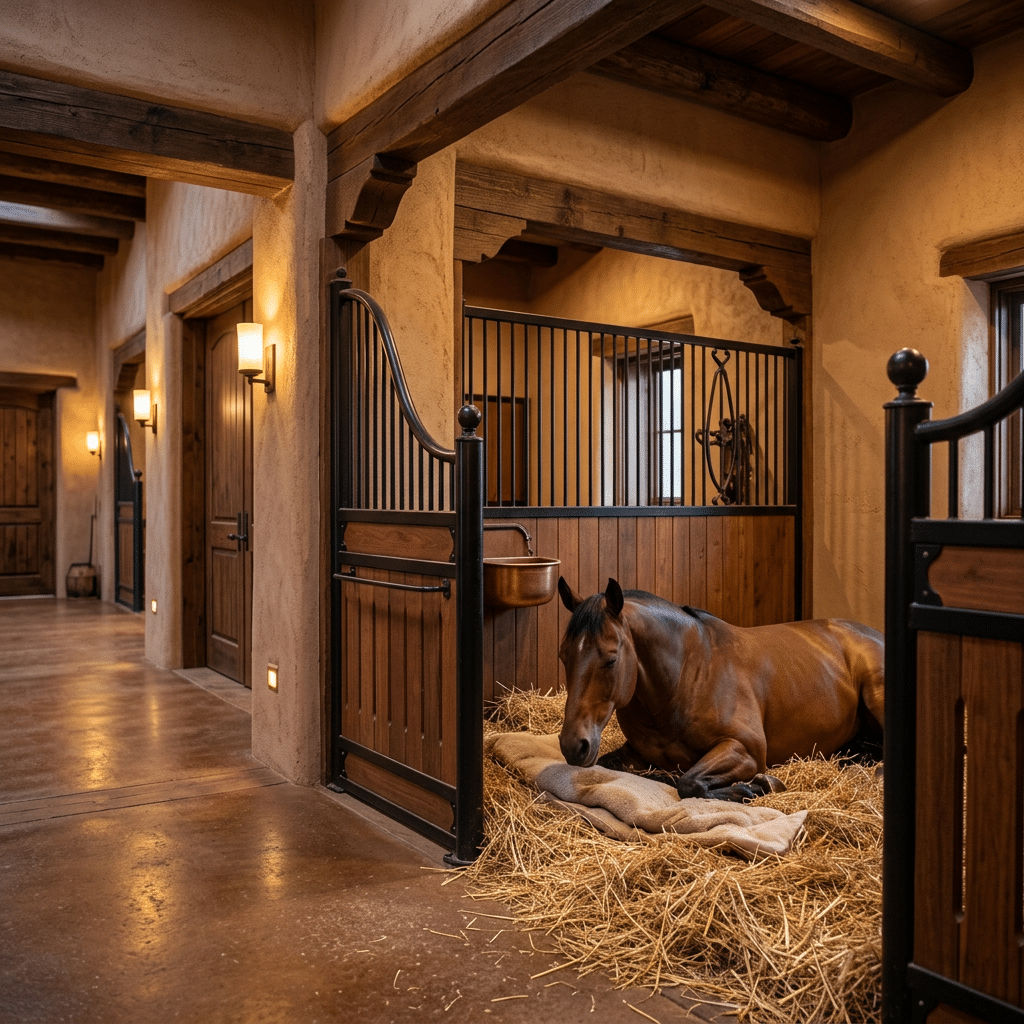
حظيرة الحجر الصحي: كيفية التطهير بعد الإصابة بمرض الخناق أو فيروس EHV-1
Effective disinfecting protocols depend on stall materials, a detail that can lead to six-figure losses. A single EHV-1 outbreak cost one facility €151,000, mostly from business closure, not medication. Porous wood absorbs pathogens, making complete sterilization...
توفير الوقت في أعمال التنظيف: تصميم حظائر لتعزيز كفاءة العمل
Mucking efficiency is a direct multiplier for payroll costs, with stall cleaning times ranging from five to over twenty minutes. This operational drag isn’t about staff effort; it’s a result of poor stable design—from aisle-blocking hinged doors to...
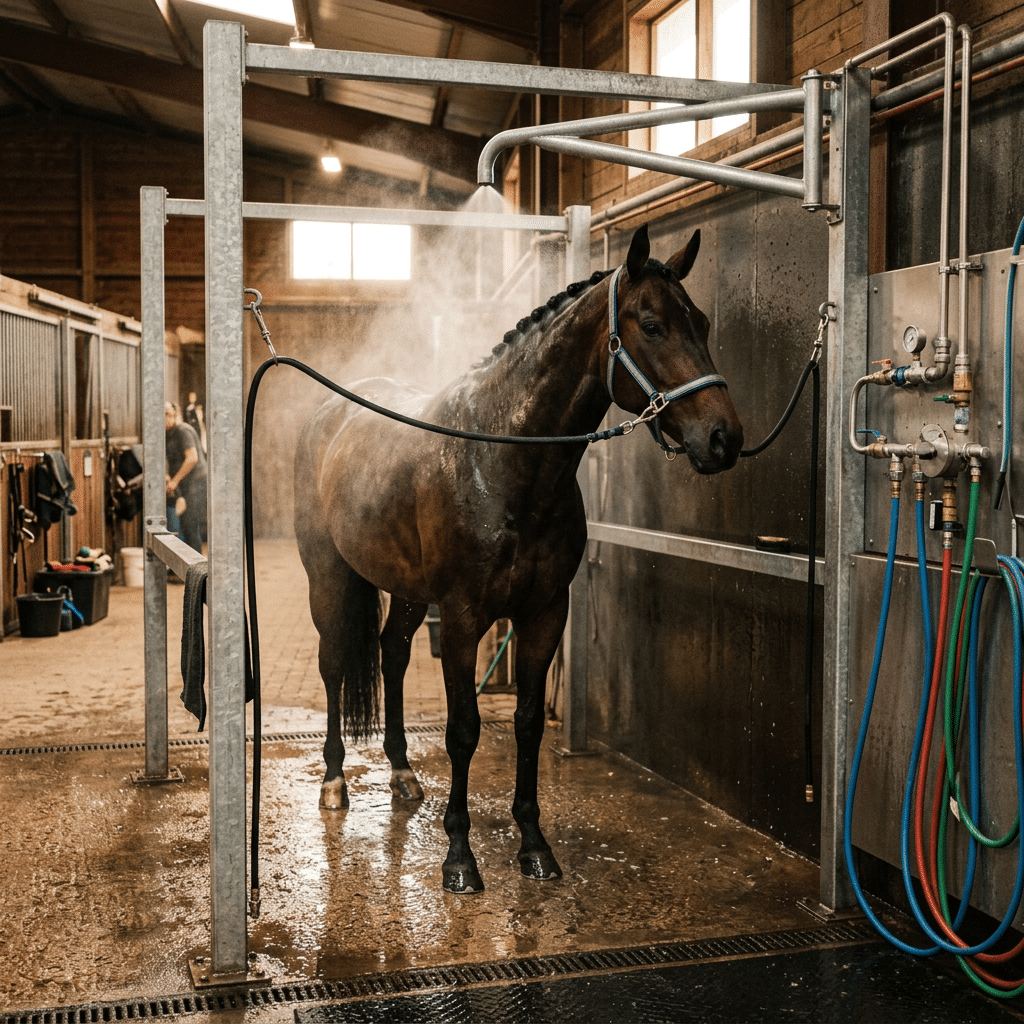
What to Do When a Horse Gets Cast (And How to Prevent It)
Horse cast prevention is an engineering issue, not just a management one. Relying on temporary fixes like banked bedding ignores the primary cause: flawed stall dimensions and hardware protrusions. A single incident from poor structural design leads to catastrophic...
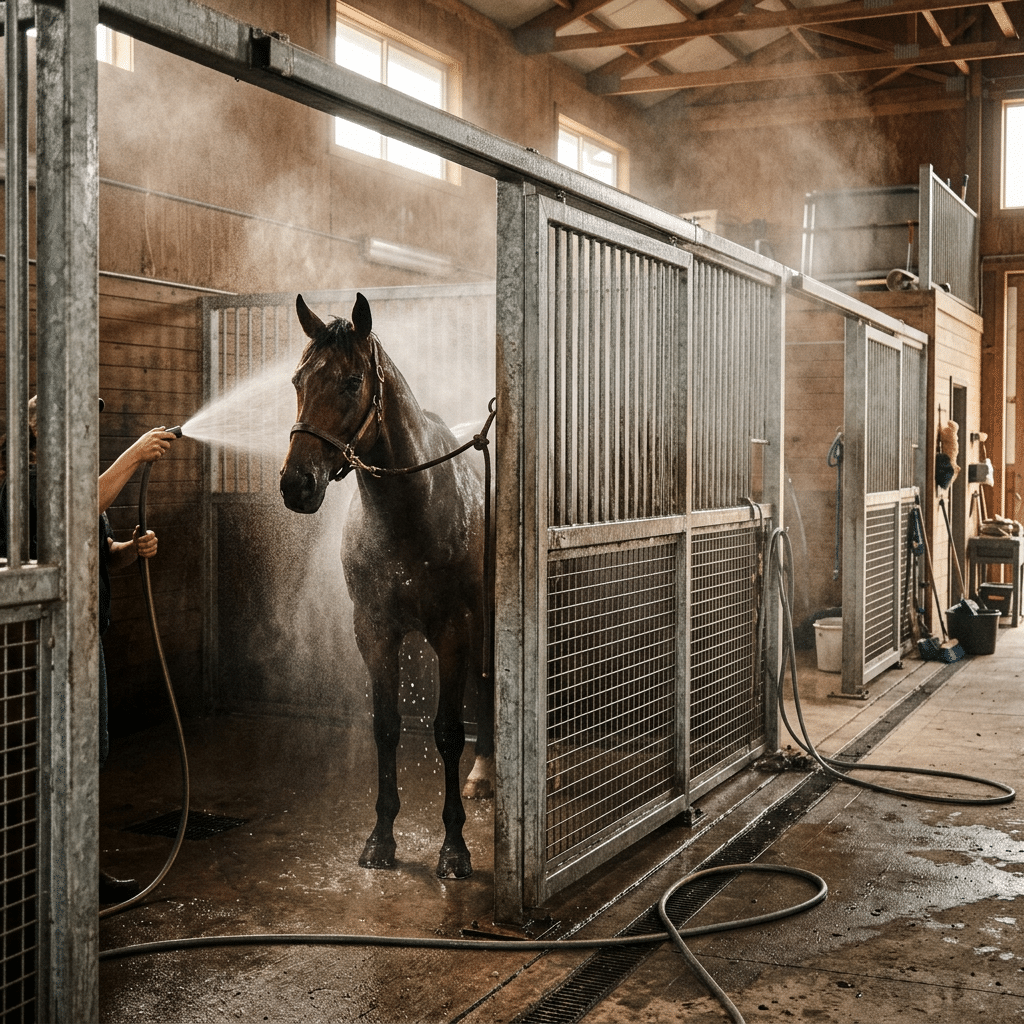
Managing the “Stall Kicker”: Hardware and Material Upgrades
Stalls for aggressive horses must eliminate the risk of structural failure. Standard-issue hardware often leads to bent steel and splintered wood, creating a cycle of expensive replacement orders and significant safety liability for facility operators and...
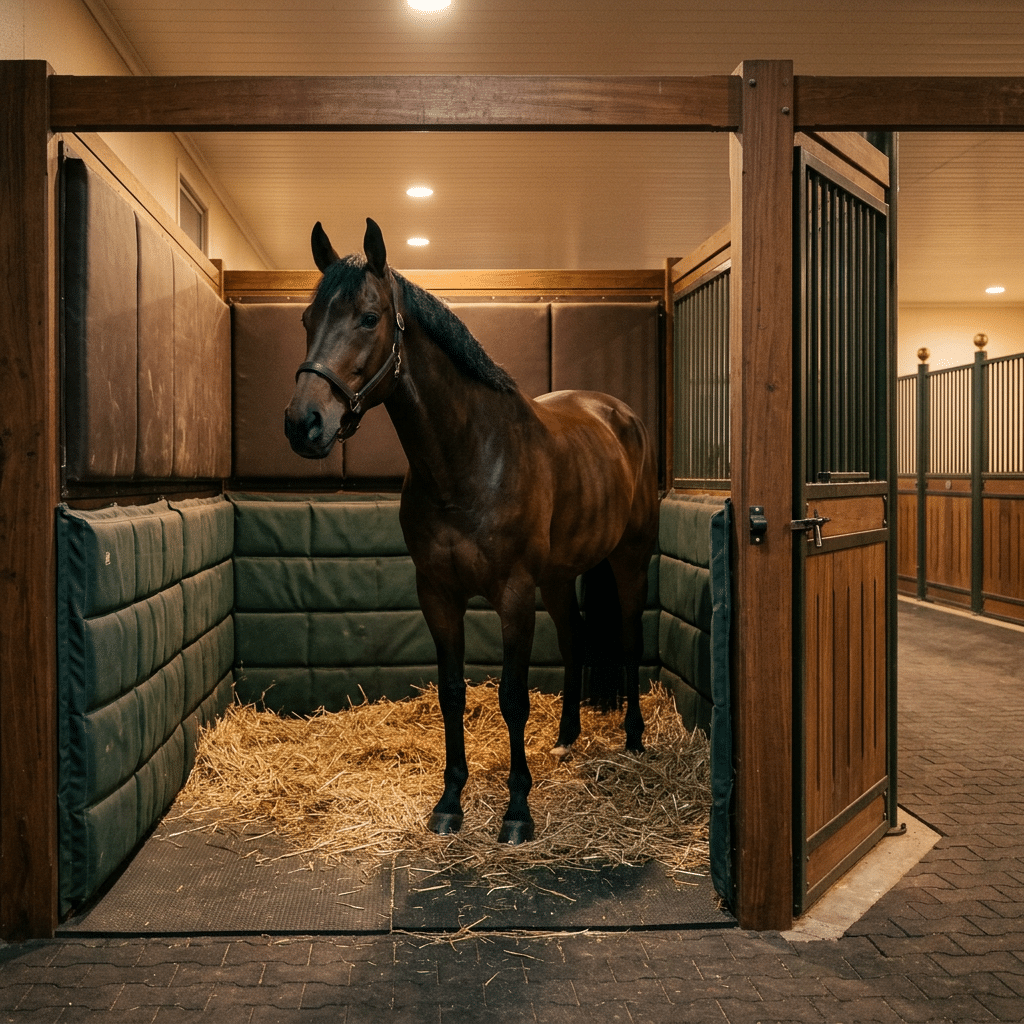
Stop Moldy Tack: Moisture Control Solutions for Stable Blocks
Tack room mold is not a simple cleaning issue; it’s a structural failure that actively destroys high-value leather assets. This failure turns a $20,000+ collection into a depreciating liability. Relying on temporary fixes ignores the root cause: porous building...
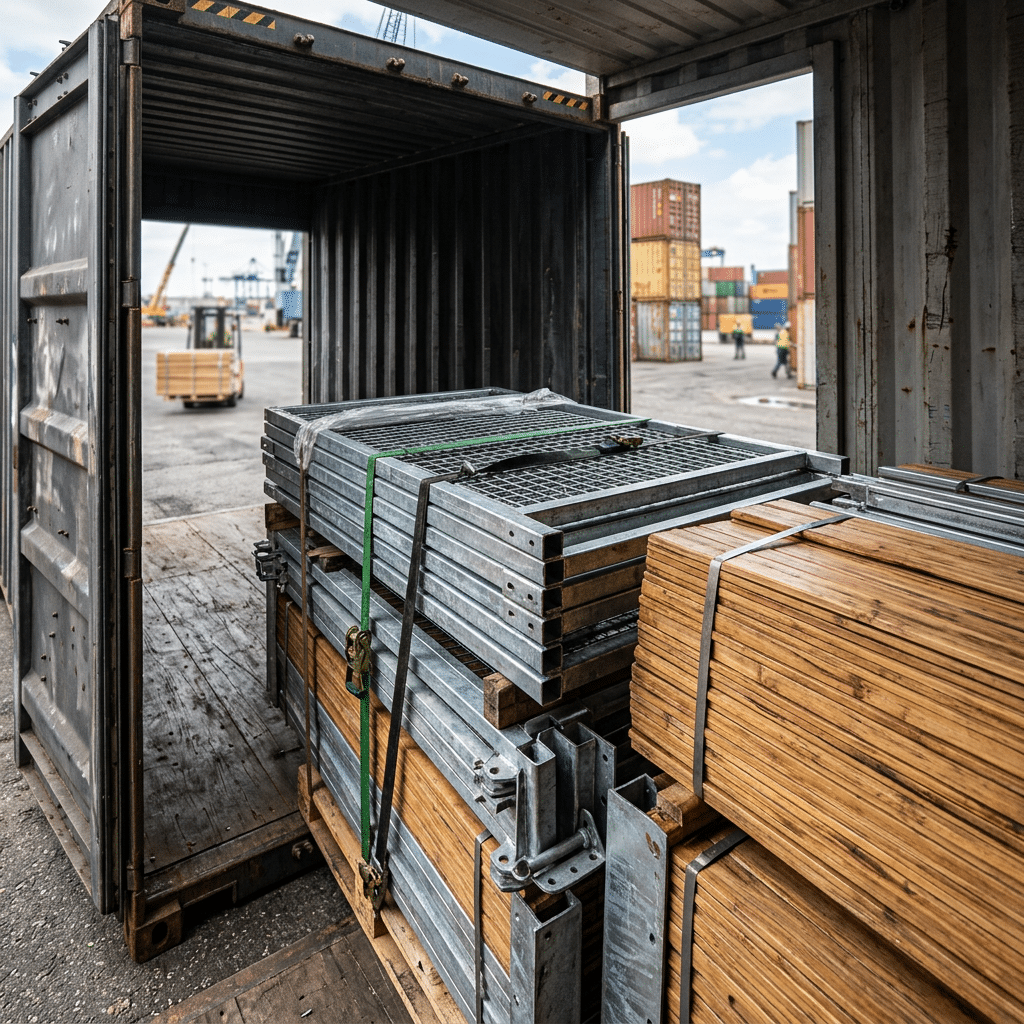
The ROI of Upgrading: Knowing When to Repair vs. Replace Stalls
Calculating the Retrofit ROI clarifies the choice between funding endless repairs and making a single capital investment. Continuously patching rusted welds and rotted wood guarantees a perpetual drain on your maintenance budget while compounding safety risks from...
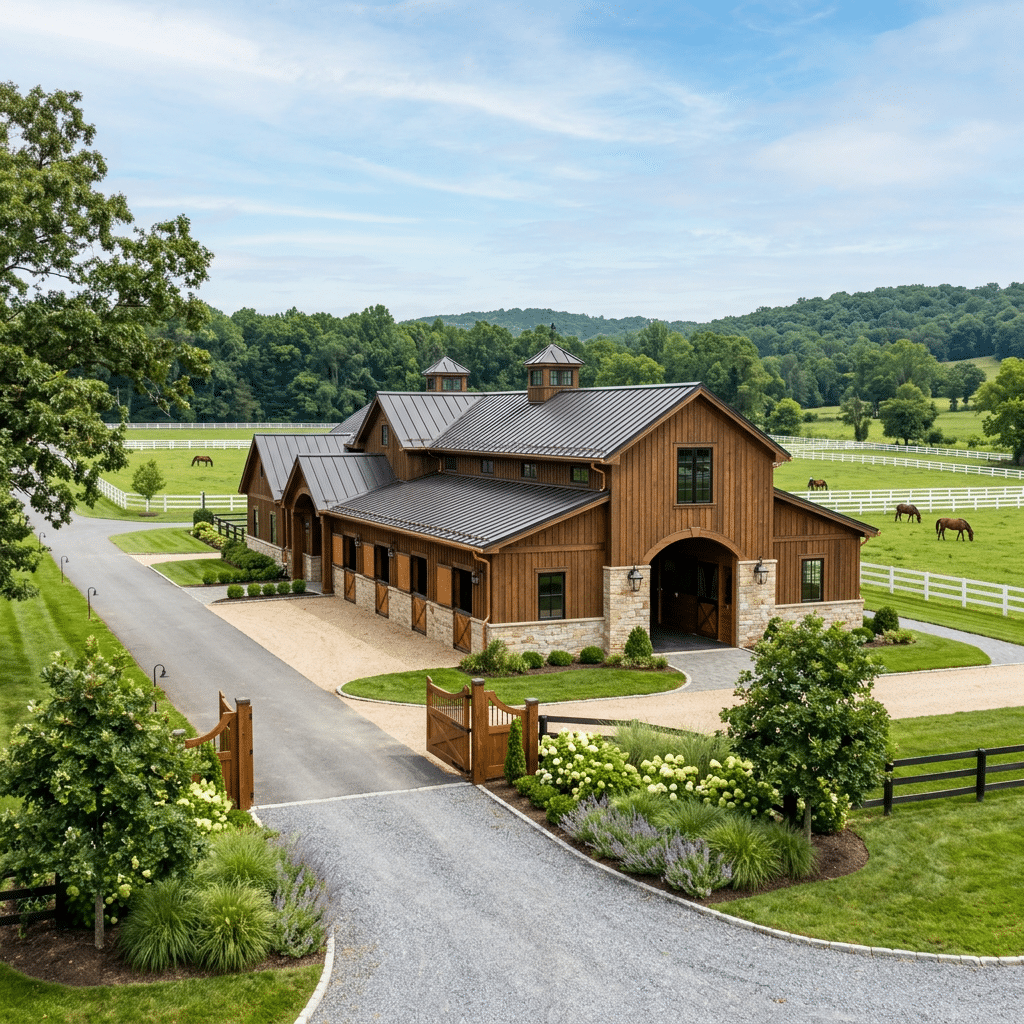
Top 5 German Horse Stable Manufacturers: Is the “Made in Germany” Premium Worth It?
Sourcing from premier horse stable Germany Manufacturers presents a critical business question: are you paying for superior engineering or a brand premium? The high cost is often amplified by exorbitant freight charges for fully welded units, directly impacting the...
Top Equestrian Facility Suppliers in the Middle East (UAE, Qatar, Saudi Arabia)
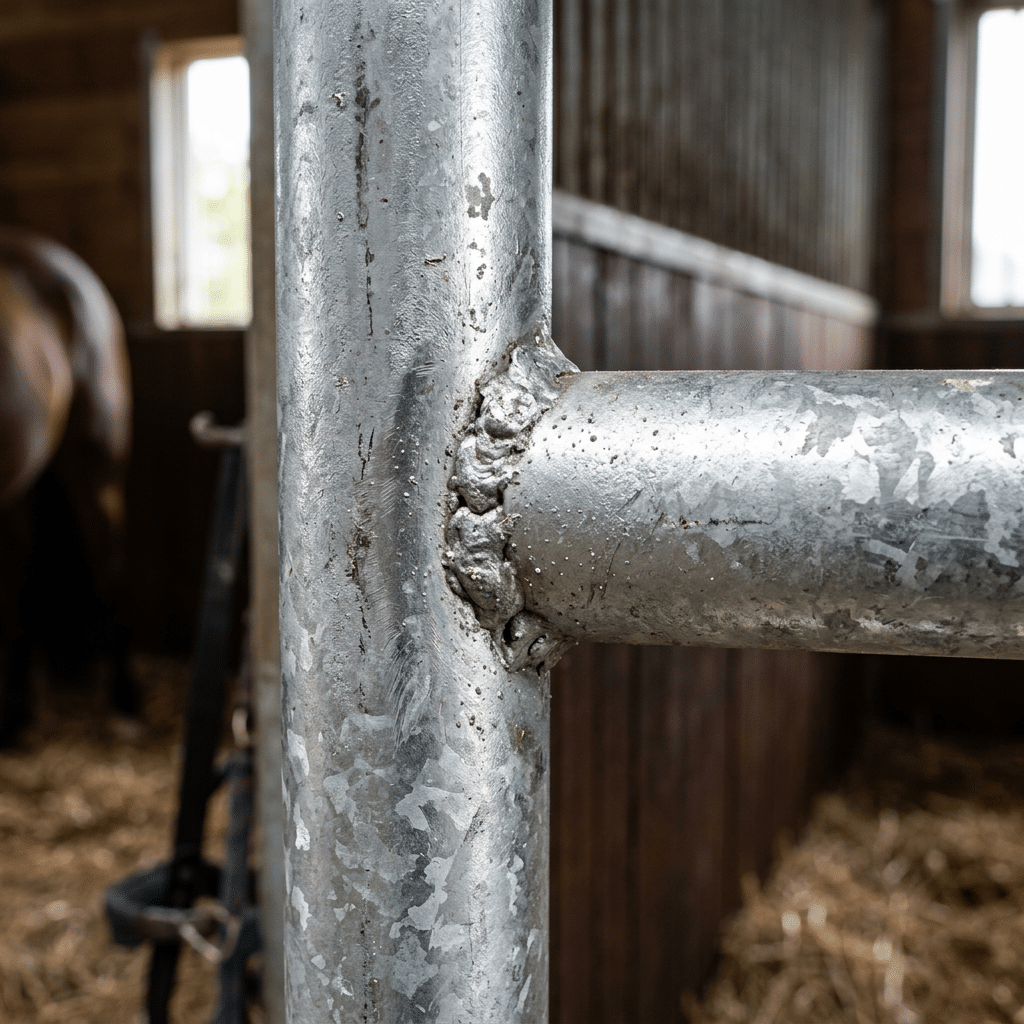
Sourcing from qualified Middle East suppliers is the primary defense against premature structural failure from extreme heat and salinity. Specifying incorrect materials, such as pre-galvanized steel, leads directly to corrosion at weld points, triggering expensive...
Sourcing Stables: Poland Fabricators vs. Asian Direct Factories
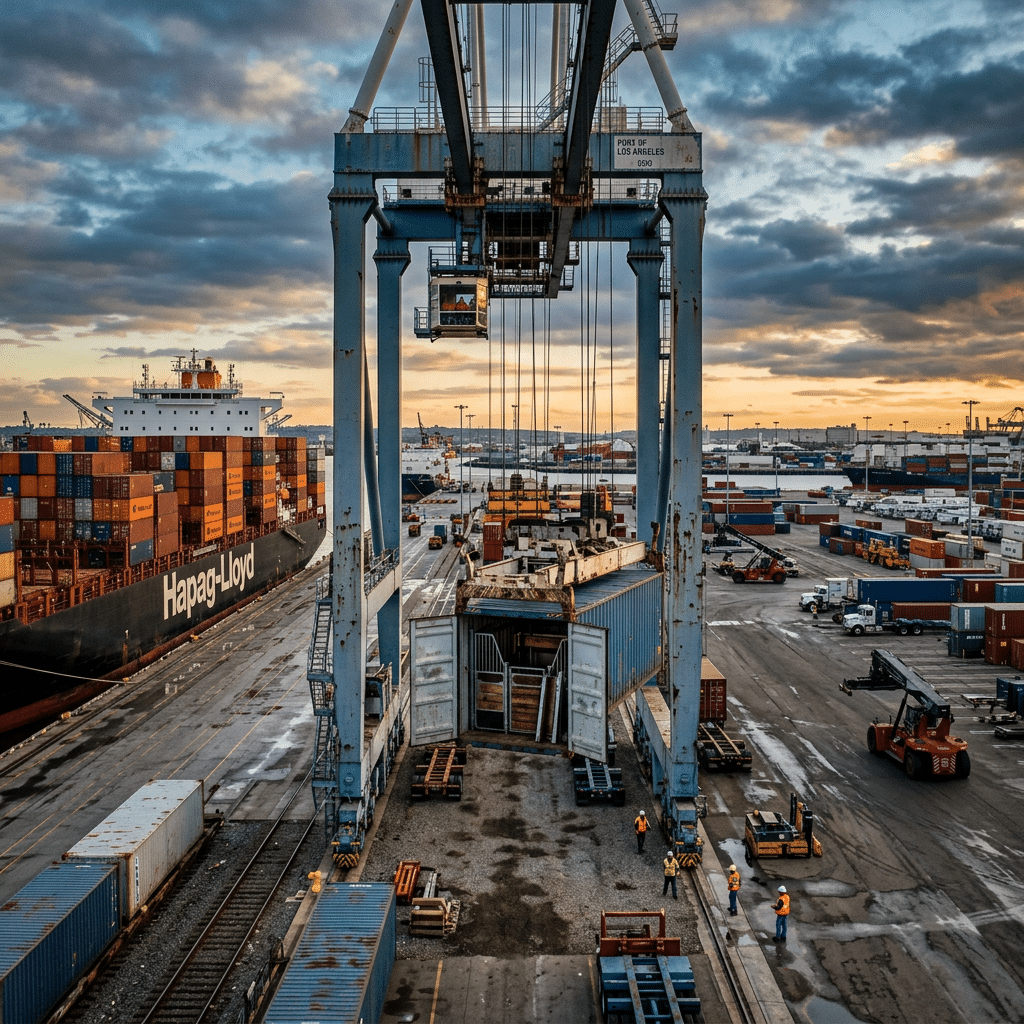
Deciding between Poland vs Asia OEM sourcing for horse stables often focuses on unit price, ignoring the high financial risk of material failure. Specifying the wrong steel or infill for harsh climates leads to rapid rust and warping, generating expensive warranty...
Top Stable Builders for Canadian Winters: Surviving -30°C
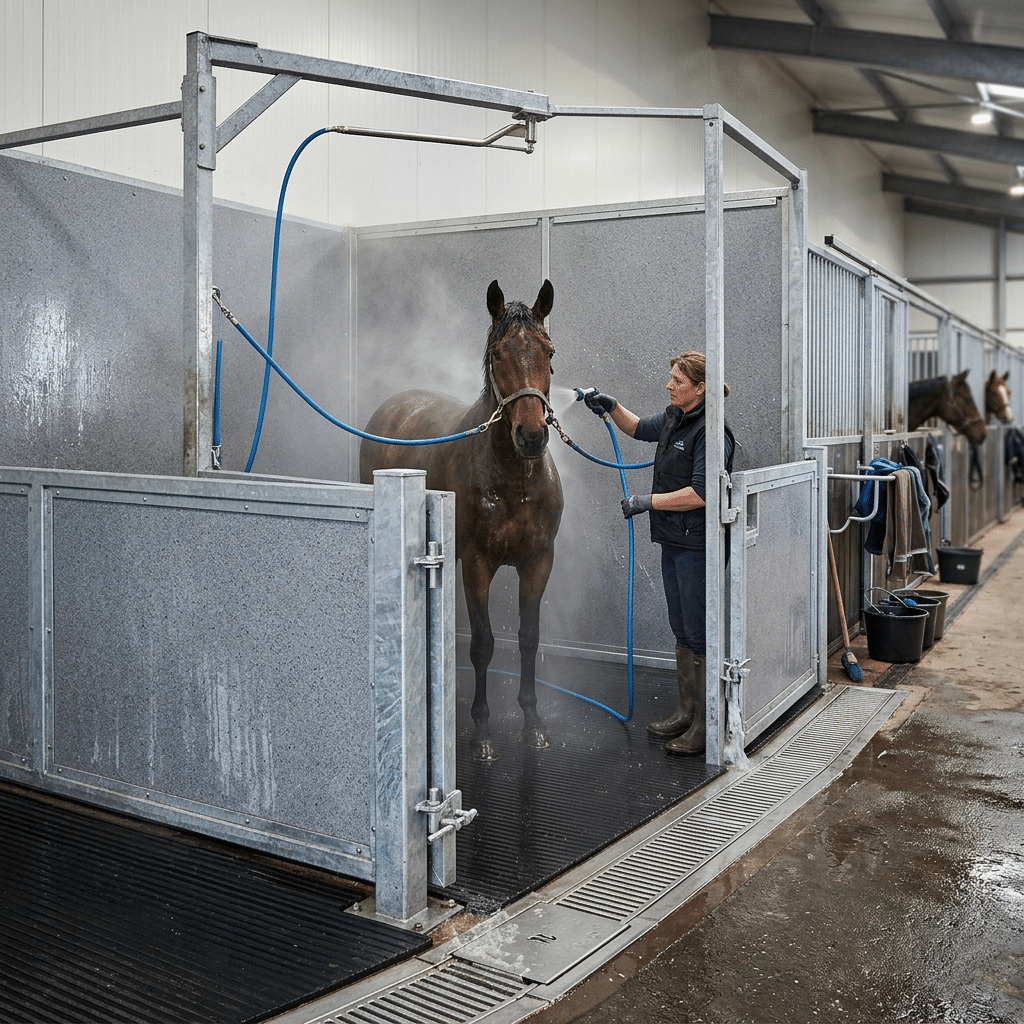
Building horse stables for a Canadian cold climate is less about insulation and more about avoiding catastrophic material failure. At -30°C, standard structural steel becomes brittle, turning a routine horse kick into a liability event that can shatter a stall panel,...
أفضل 5 شركات تصنيع إسطبلات تحظى بثقة اتحادات سباقات الخيول الأصيلة
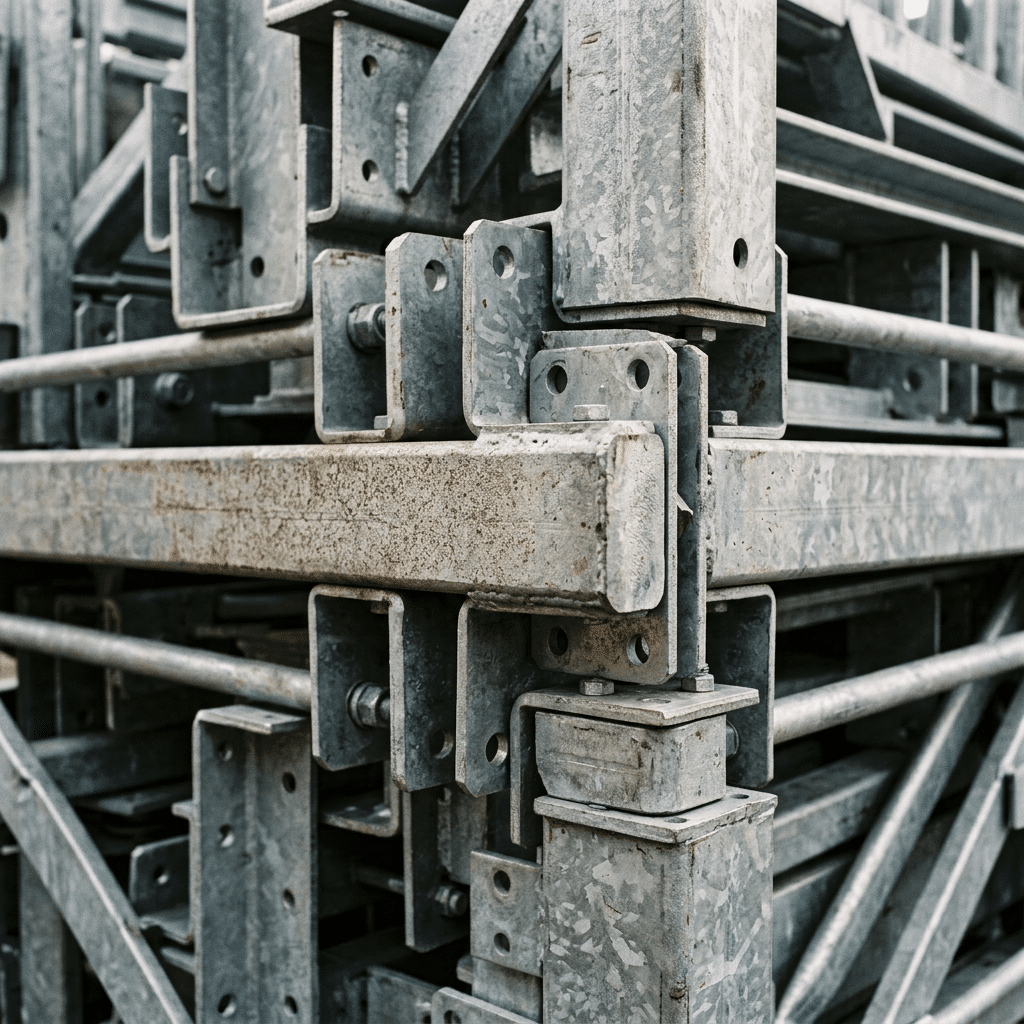
For Thoroughbred Racing syndicates, stable selection is a critical risk management decision. An incorrectly engineered stall—with a wide bottom gap or a sharp weld—can cause a career-ending injury, turning a high-value asset into a significant financial liability....
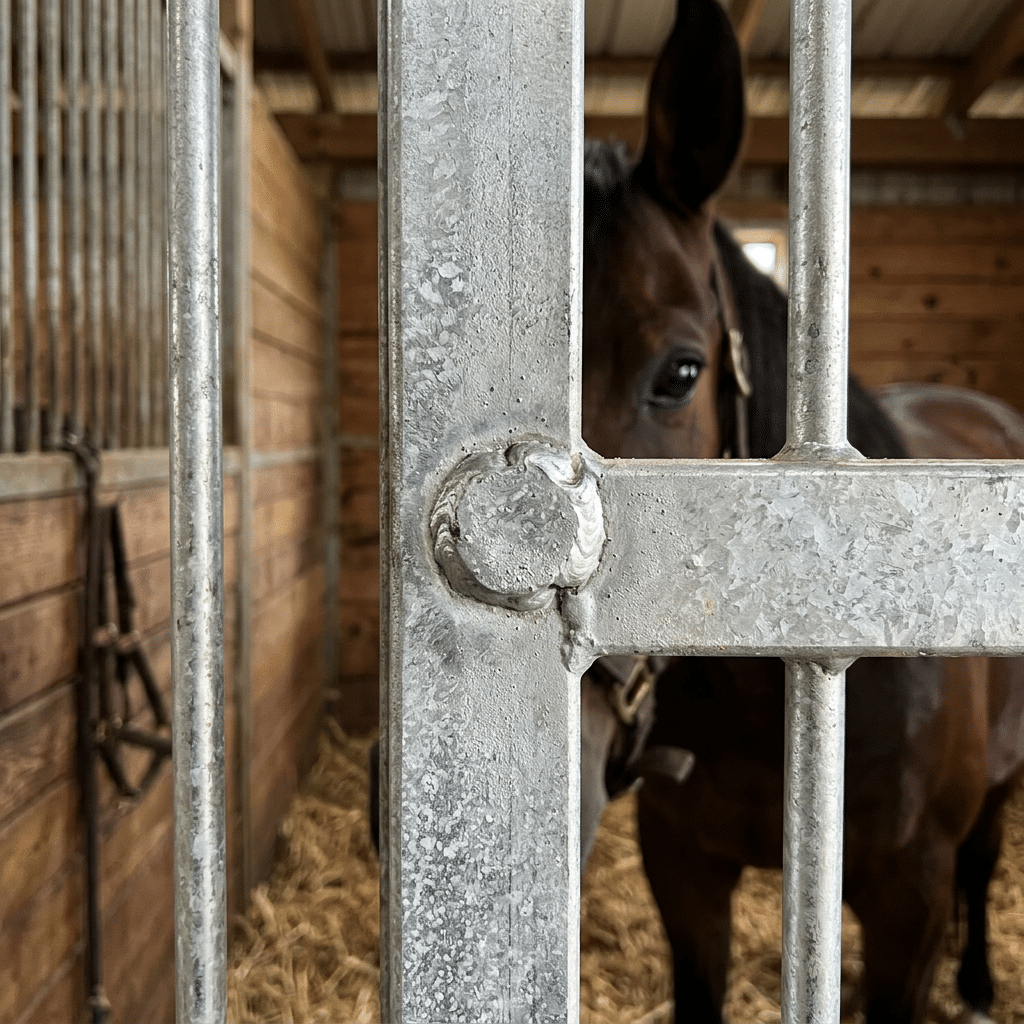
Best Barn Door & Window Suppliers: Upgrading Your Facility’s Face
Finding true barn door specialists is critical to avoiding the high cost of product failure. Sourcing from residential suppliers or non-specialized factories often leads to rust and hardware issues, resulting in costly warranty claims that erode distributor profits....
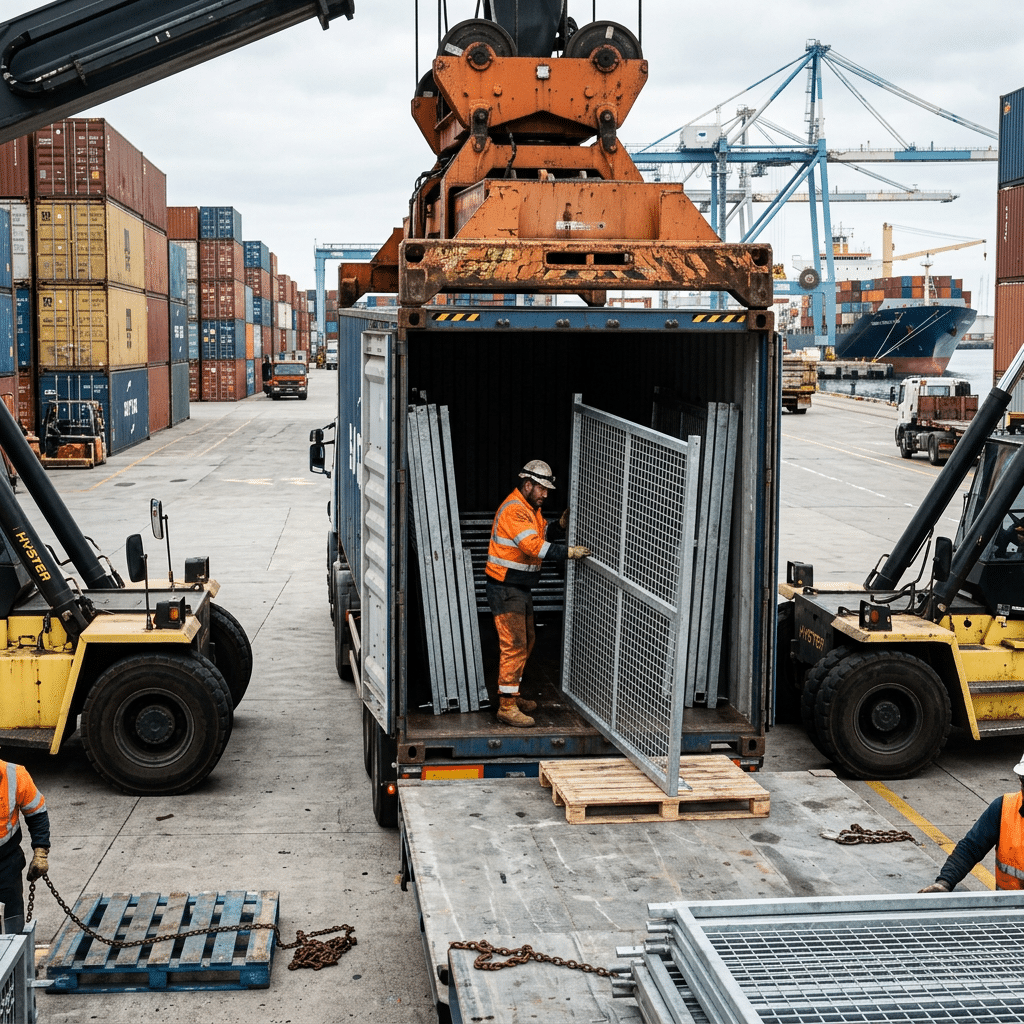
Top Horse Stable Builders in New Zealand: Surviving the Wet & Windy
Sourcing for the New Zealand market demands stable systems engineered for constant damp and high winds. Choosing a supplier based on price alone often results in premature rust and structural failure, leading to costly warranty claims and significant damage to a...
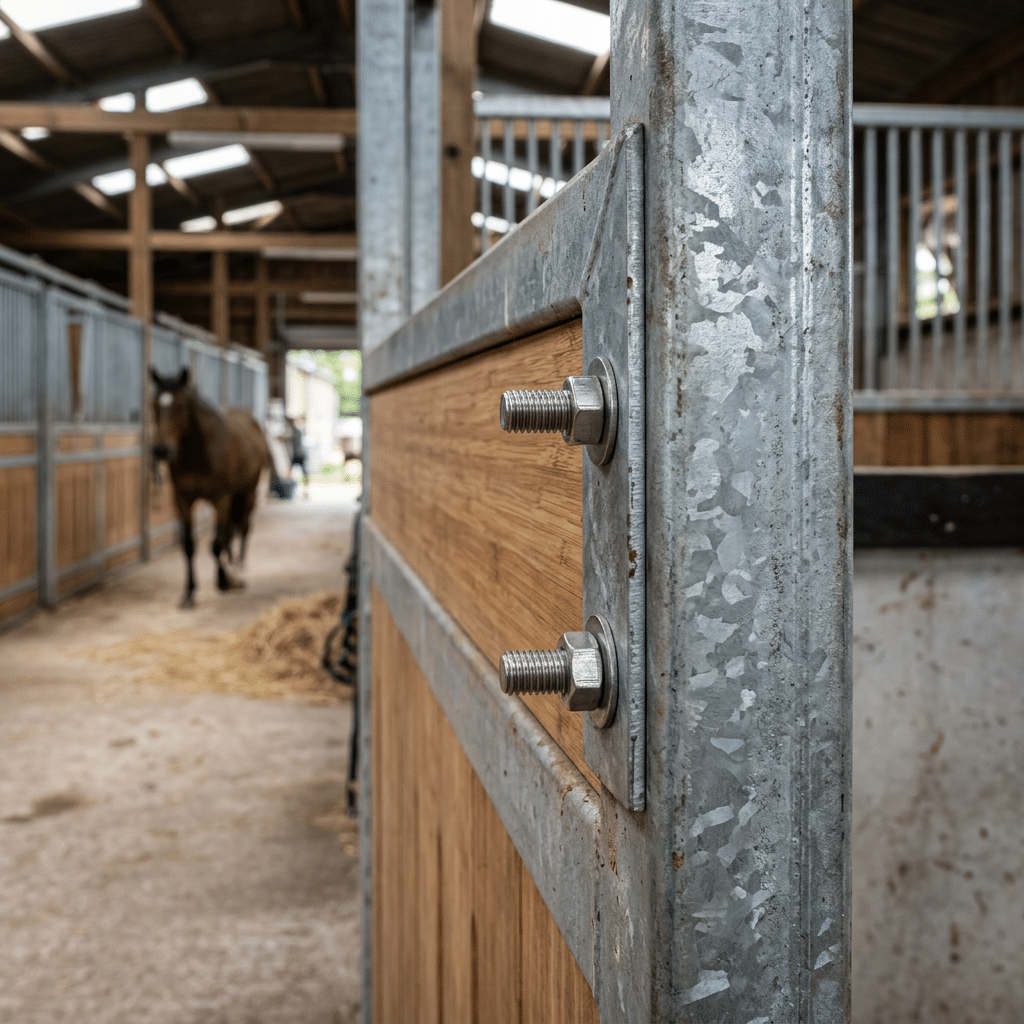
Top Global Manufacturers of Show Jumps & Arena Equipment
Sourcing from multiple Eventing / Jump Brands creates logistical complexity that inflates freight costs. While specialized suppliers offer quality, splitting shipments for stables and arena gear erodes profit margins for distributors and large-scale facility projects,...
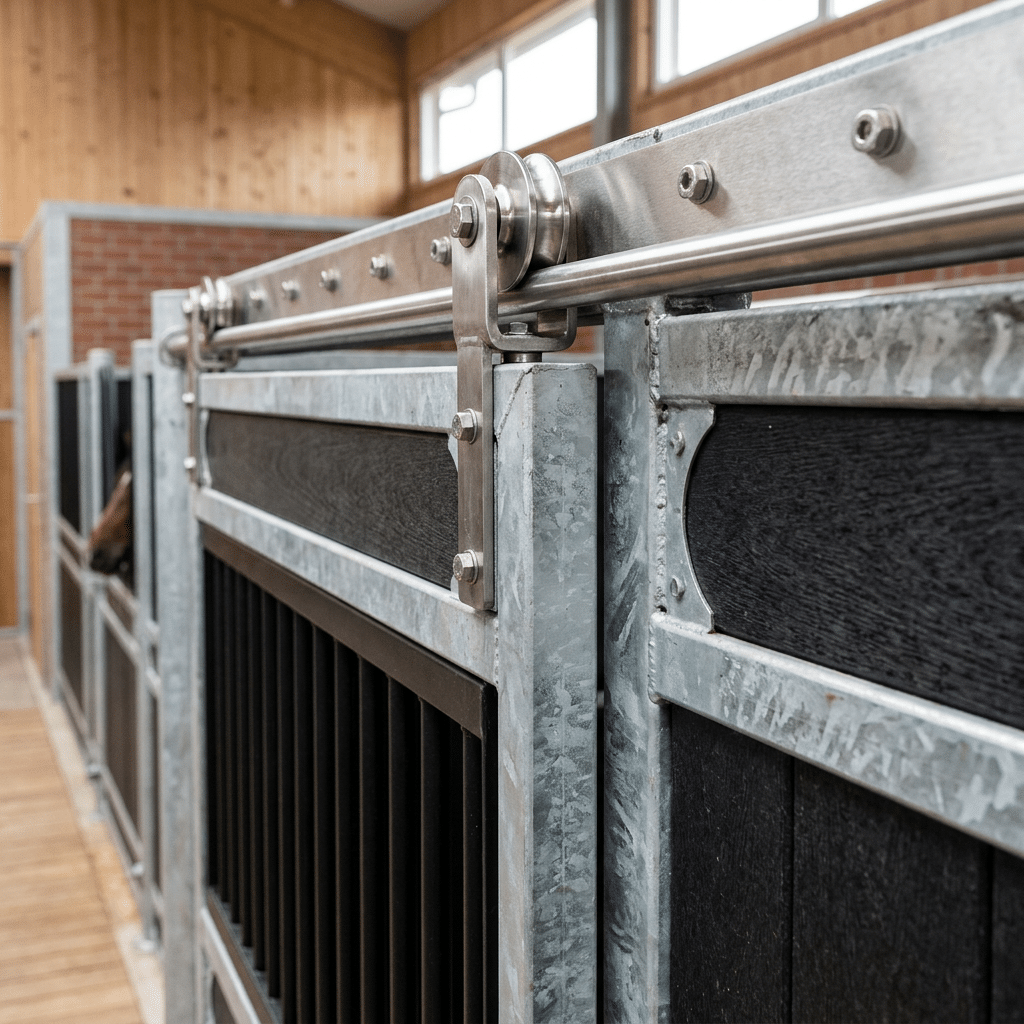
Top Horse Fencing Manufacturers: Safety, Visibility, and Cost
Choosing the right equestrian fencing is a direct investment in animal safety and a defense against costly replacement cycles. Inferior systems that lack proper hot-dip galvanization after fabrication often fail prematurely, leading to structural risks and high...
أفضل 5 شركات مصنعة مستقرة للمنتجات ذات العلامة البيضاء (OEM) لعلامات الفروسية
For wholesale and B2B brands, sourcing equestrian stables is a direct decision on profit margins. Partnering with factories that ship inefficient welded units can inflate freight costs by over 60%, while improper rust-proofing leads to warranty claims that permanently...
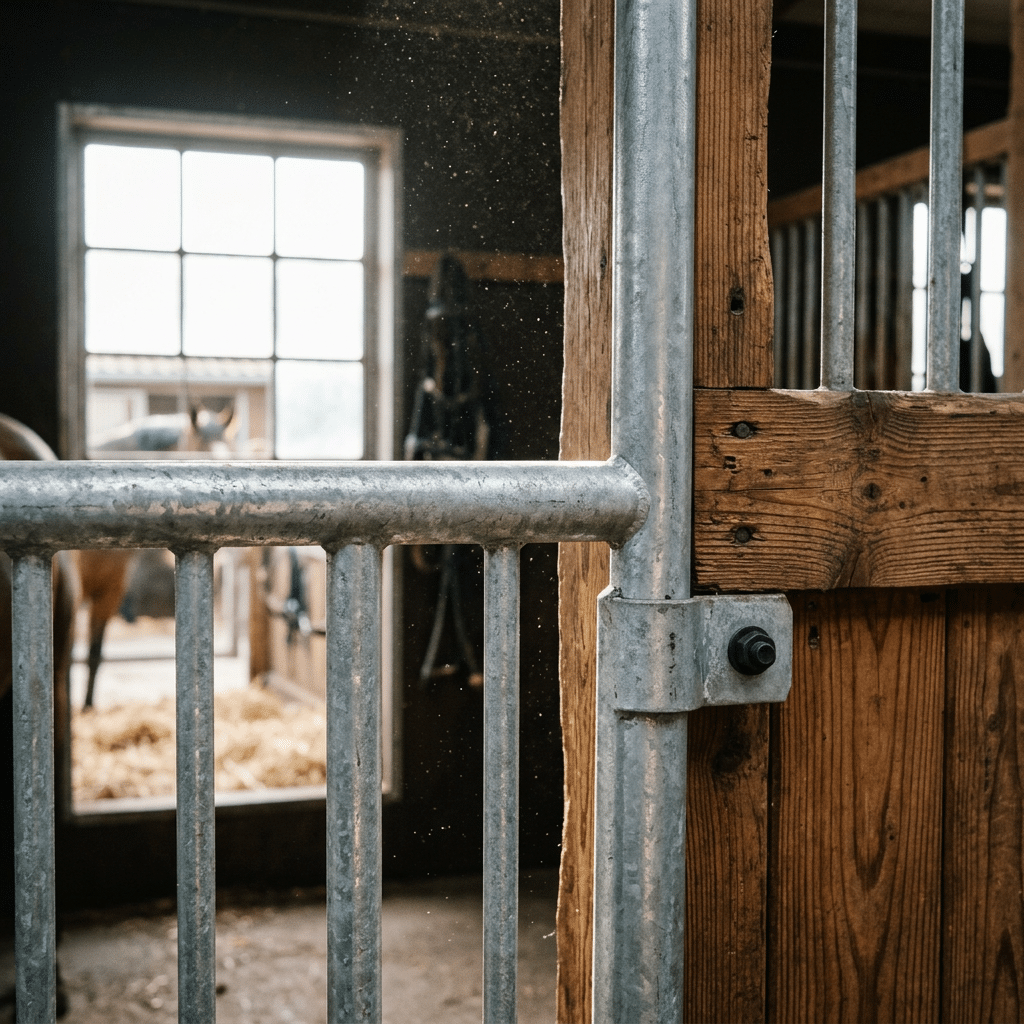
Barn Windows: Tempered Glass vs. Polycarbonate (Perspex)
The Glass vs Polycarbonate decision for barn windows directly impacts project liability and long-term maintenance budgets. Tempered glass offers superior scratch resistance but carries a risk of shattering, while polycarbonate resists impact but degrades from UV...
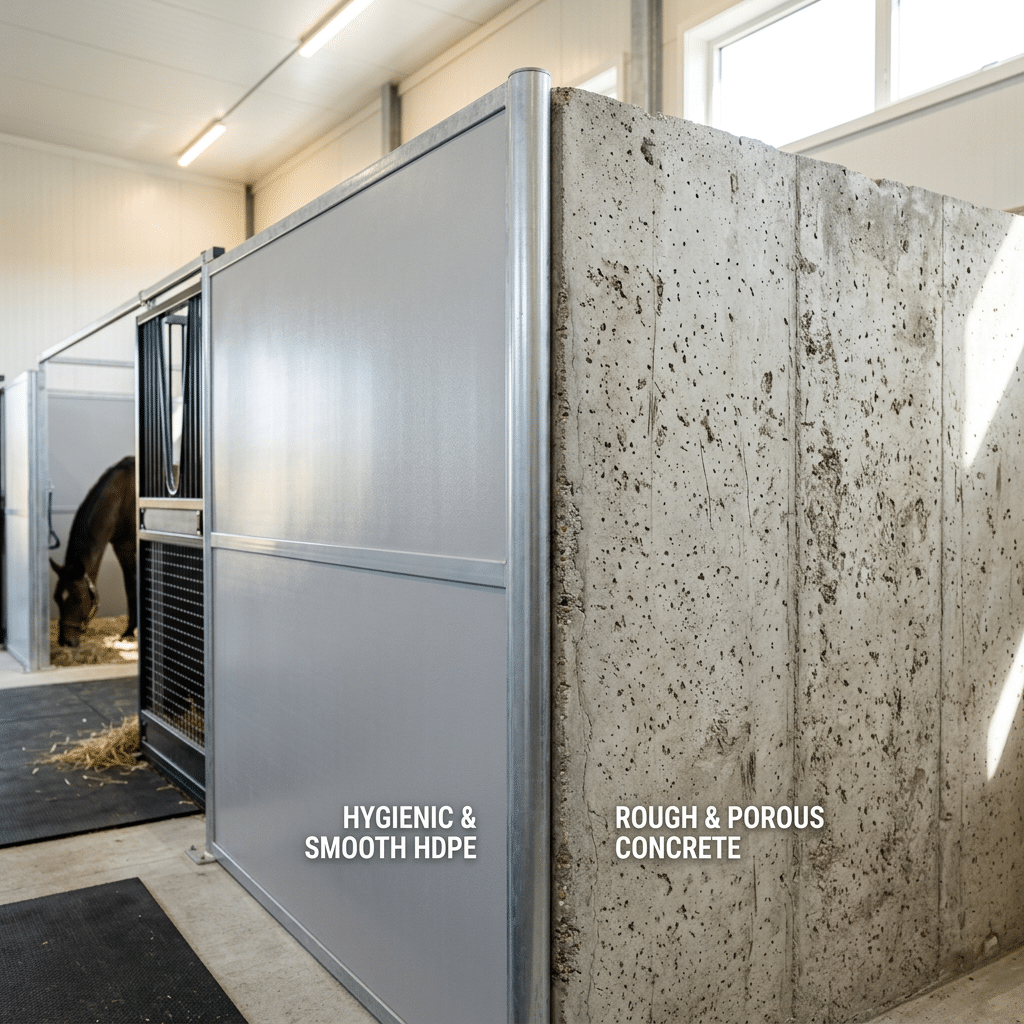
PVC vs. Galvanized Steel Fencing: The Shatter Risk Exposed
The PVC vs Steel Fencing decision often ignores a critical liability: shatter risk. While PVC offers a clean look, cold weather embrittlement means a single kick can create sharp plastic splinters and an immediate containment breach. This failure directly exposes farm...
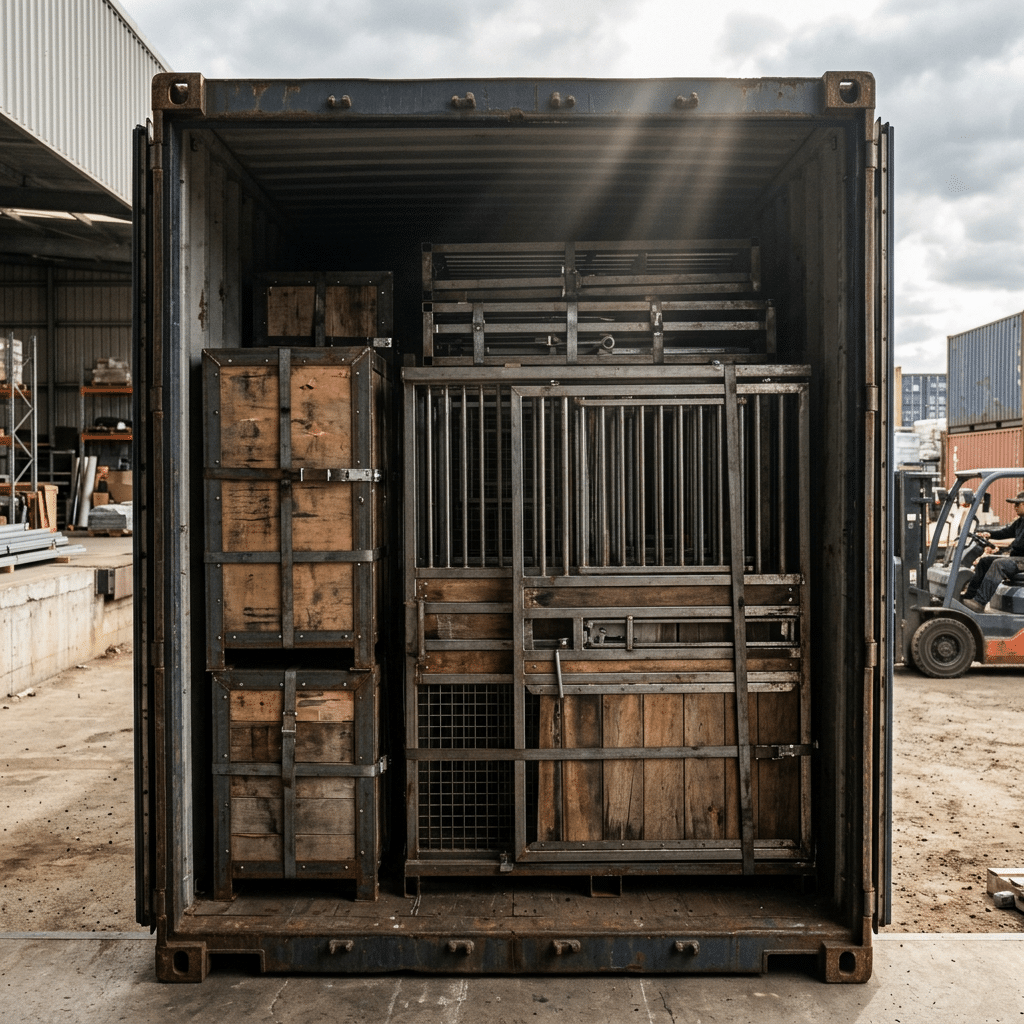
Aluminum vs. Wooden Show Jumps: Weight, Rot, and Maintenance
The Aluminum vs Wood Jumps decision defines your long-term maintenance budget. While wooden jumps have a lower entry price, they introduce recurring costs from rot, warping, and mandatory repainting. This cycle of labor and material expenses directly impacts a show...
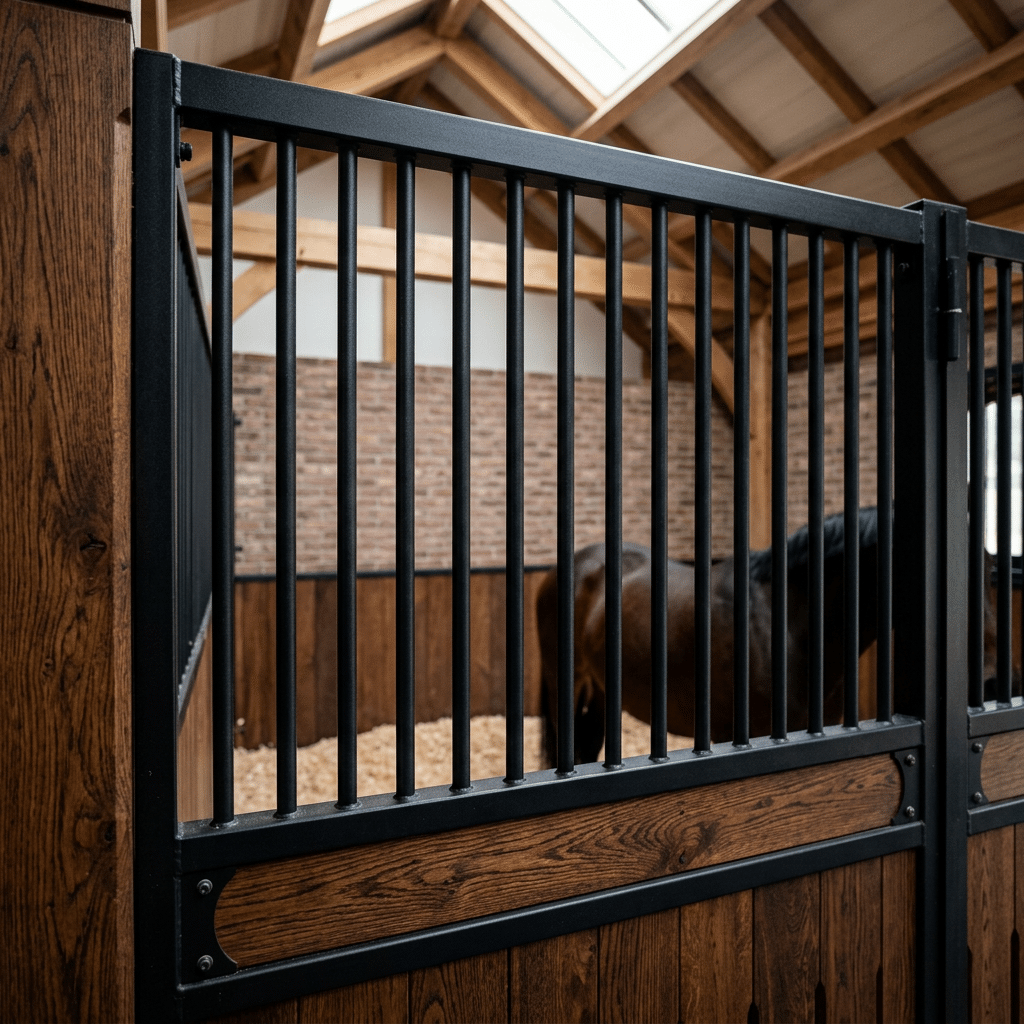
Rubber Pavers vs. Seamless Poured Rubber: The Ultimate Aisle Flooring
The Pavers vs Poured Rubber decision directly impacts long-term maintenance budgets and equine safety. While poured-in-place systems offer a seamless look, their tendency to crack from thermal expansion leads to expensive, specialized repairs. These failures introduce...
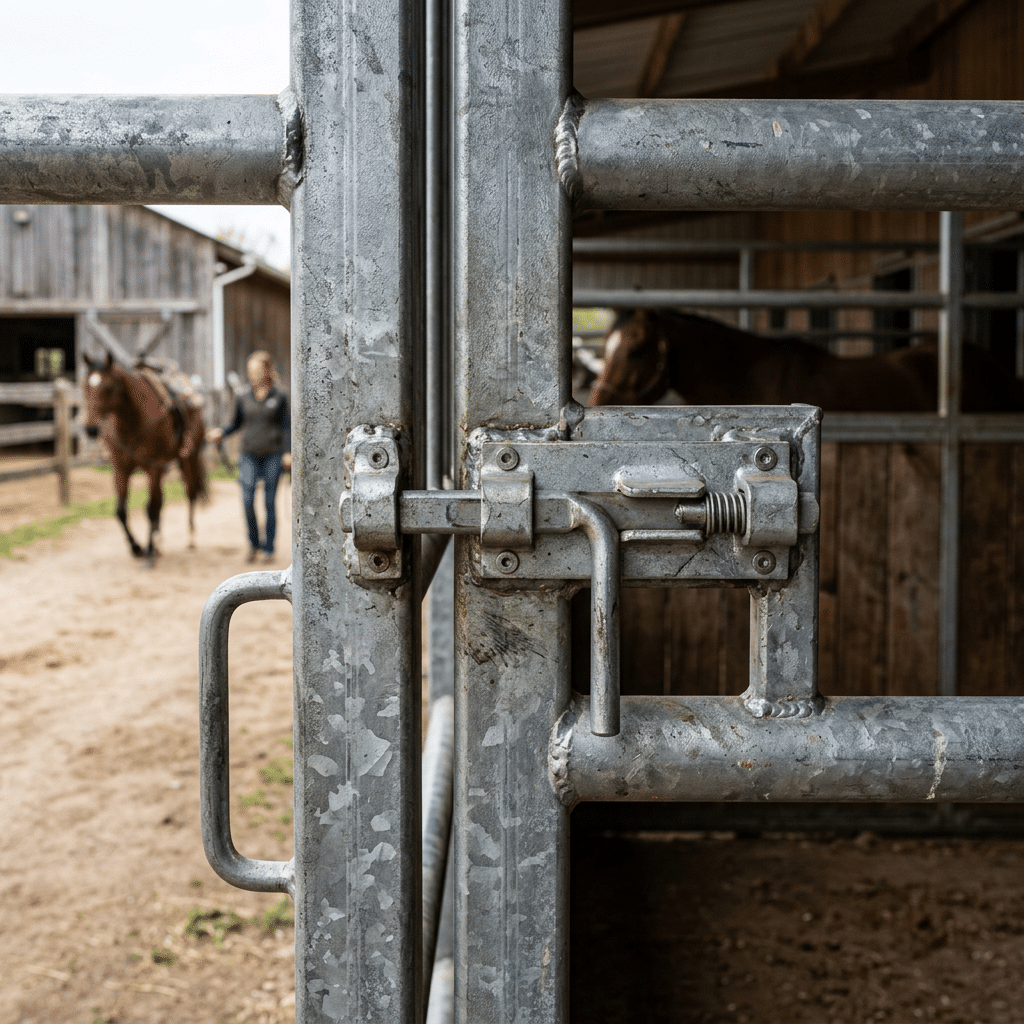
Barn Roofing: 0.4mm vs. 0.8mm Colorbond Steel in Extreme Heat
The debate over 0.4mm vs 0.8mm roofs directly impacts structural integrity in extreme heat. For facilities facing 50°C, opting for thinner steel to lower initial costs is a false economy. It invites thermal buckling, which voids material warranties and forces...
Automatic Waterers vs. Buckets: Hygiene and Winter Freezing
The Auto Waterers vs Troughs decision is a direct calculation of labor costs against equipment reliability. While troughs are simple, automatic systems that fail during a hard freeze result in emergency service calls and damage an installer’s reputation. The...
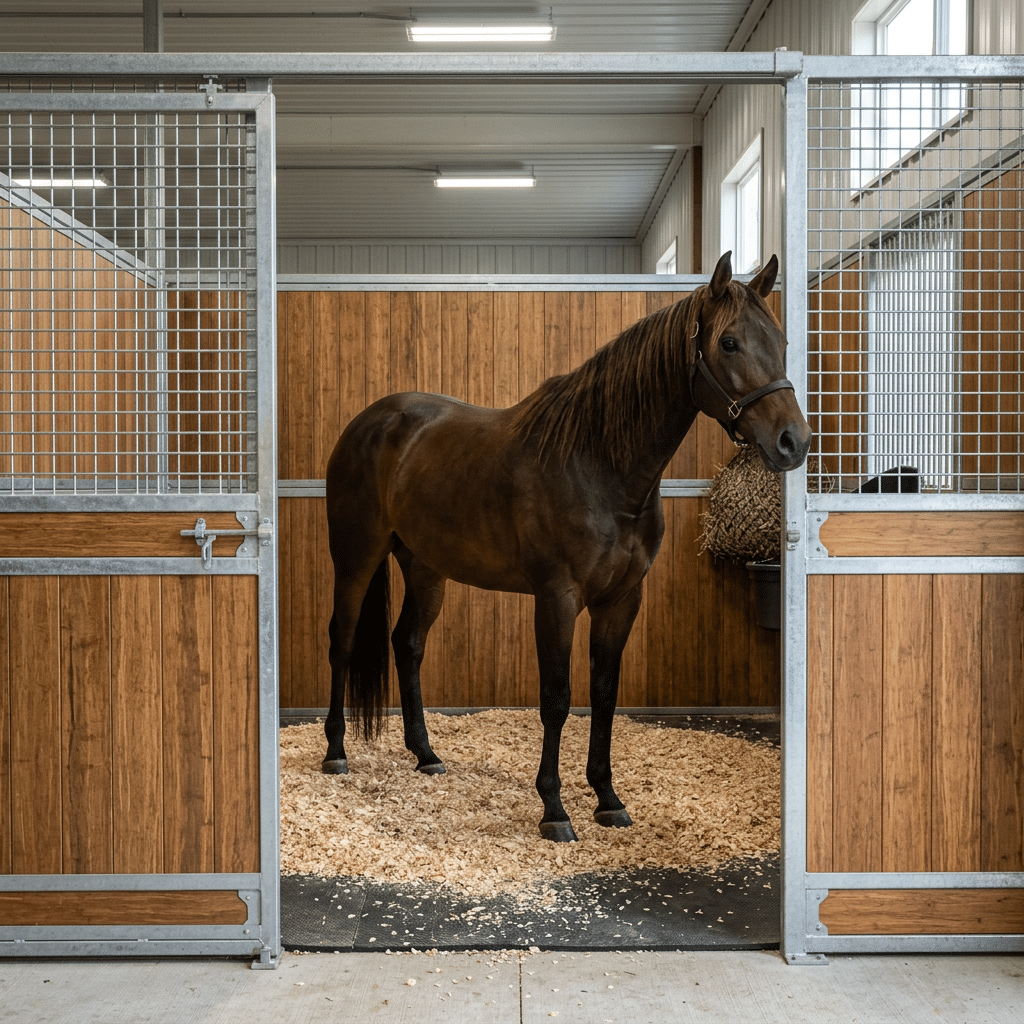
Strand-Woven Bamboo vs. European Oak: The Ultimate Luxury Infill
The Bamboo vs Oak Hardwood decision for luxury stable infill directly impacts project liability. Traditional oak is often specified, but its lower hardness makes it susceptible to impact and moisture damage. This vulnerability leads to costly replacements and warranty...
Aluminum Swivel Feeders vs. Floor Troughs: A Hygiene and Labor Audit
The Swivel vs Floor Feeders choice is a critical decision impacting daily labor costs and herd health. Floor troughs, while simple, consistently lead to higher feed contamination and waste. This operational drag erodes profitability through increased staff hours for...
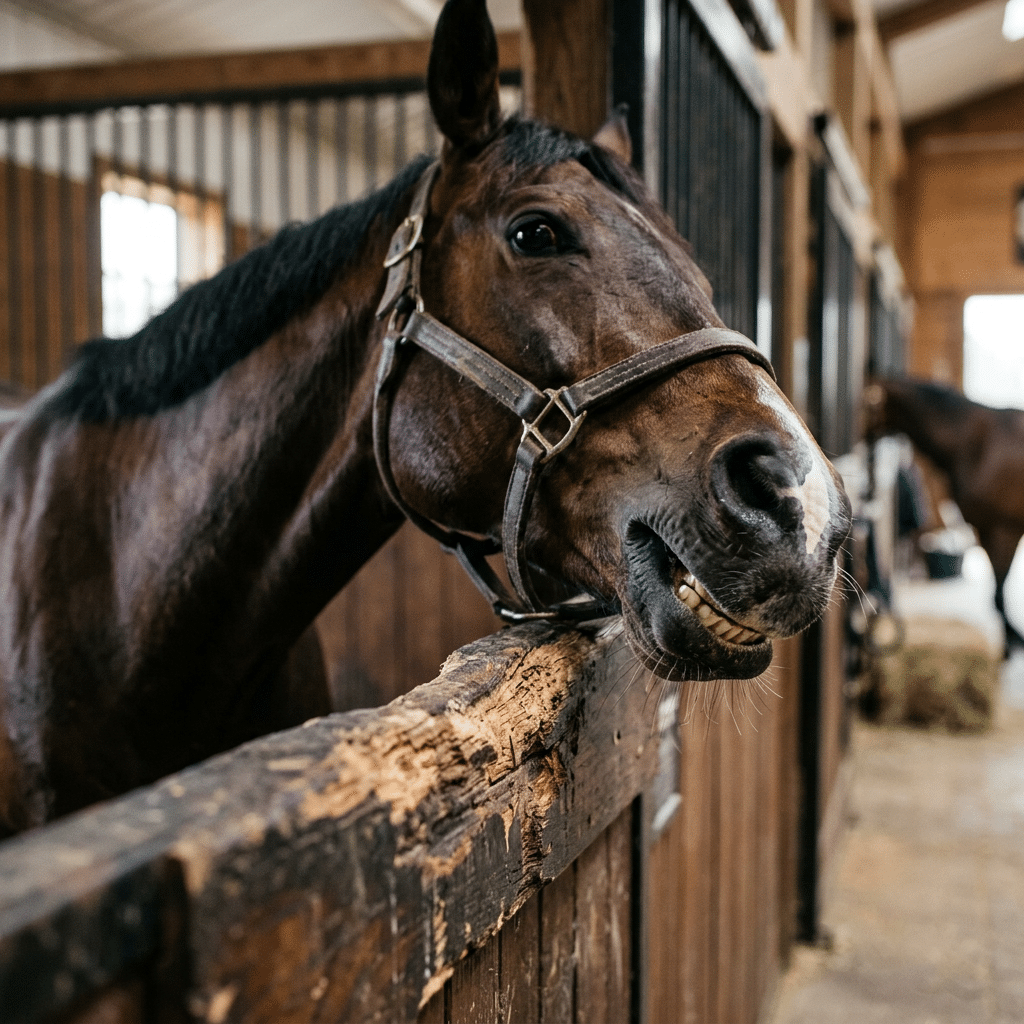
Sliding Door Hardware: Exposed Rollers vs. Hidden Track Systems
Choosing between Roller vs Track Doors for horse stables directly impacts operational costs and safety. Exposed rollers jam with bedding, demanding constant greasing and increasing labor overhead. A single door failure isn’t just an inconvenience; it’s a...
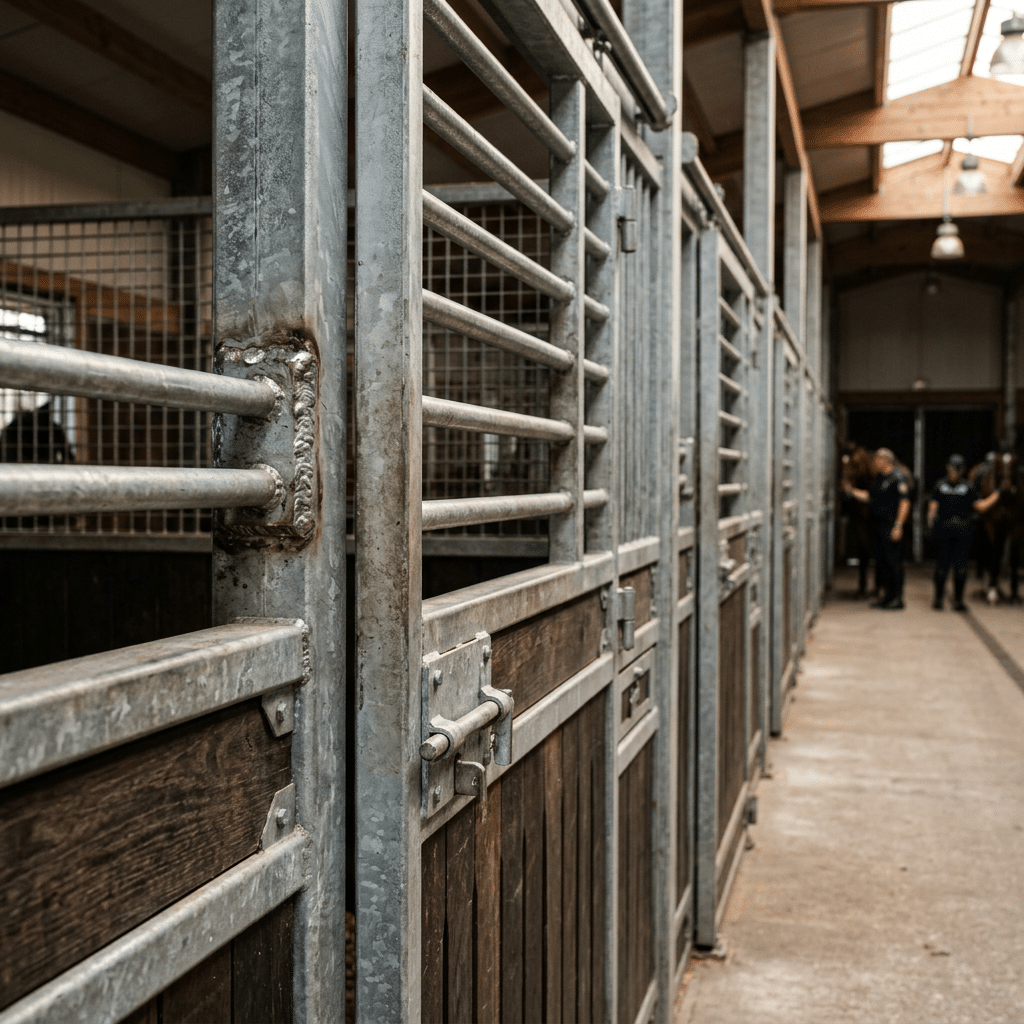
Door Hinges: Welded-On vs. Heavy-Duty Bolt-On (Adjustability Matters)
The welded vs bolted hinges decision directly impacts project costs and liability. Welded hinges offer zero post-installation adjustment. A settled post or minor frame misalignment creates a dragging door, forcing expensive on-site cutting and welding. This generates...
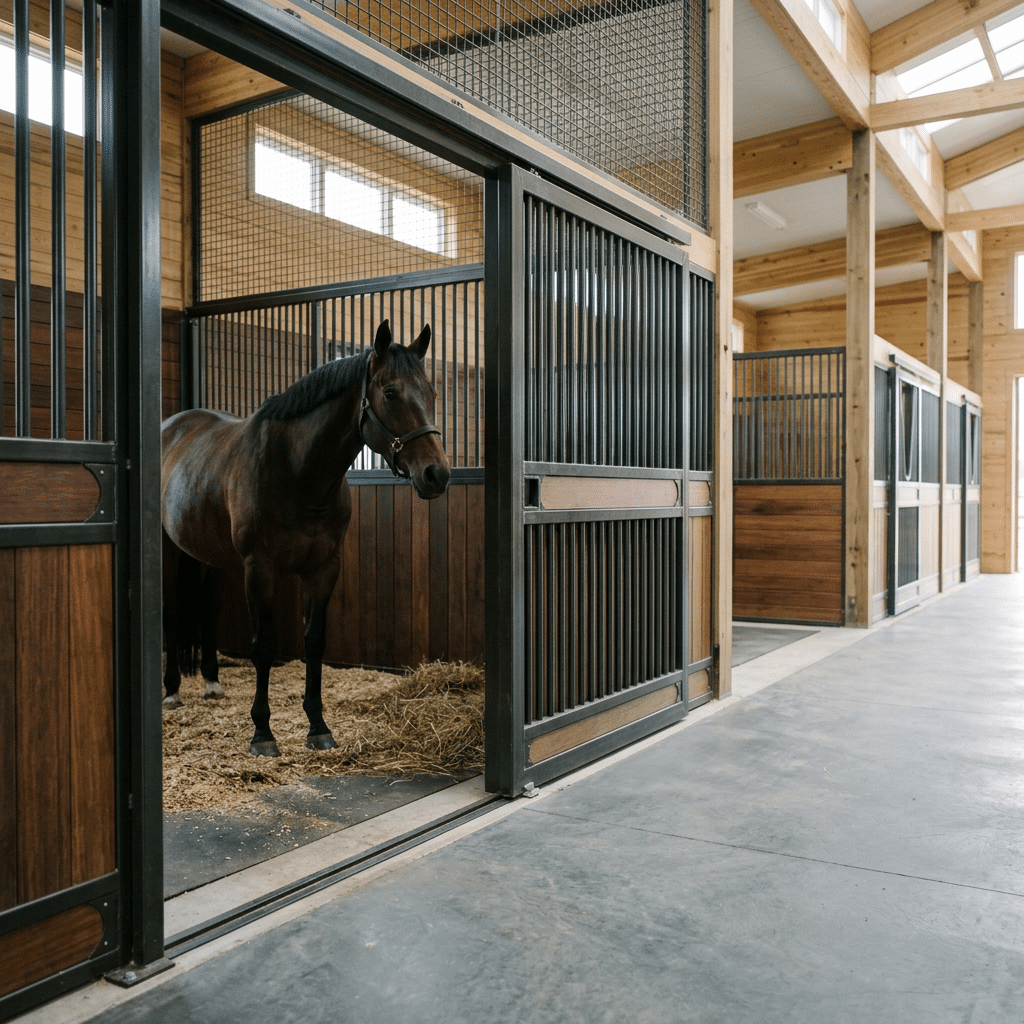
دمج الإسطبلات مع الصالات المغلقة: التحكم في الغبار وتدفق الهواء
Integrating Indoor Arena Stables is a direct investment in equine respiratory health. A layout that fails to engineer for proper airflow and dust control leads to increased veterinary costs and operational liabilities, eroding the long-term profitability of the...
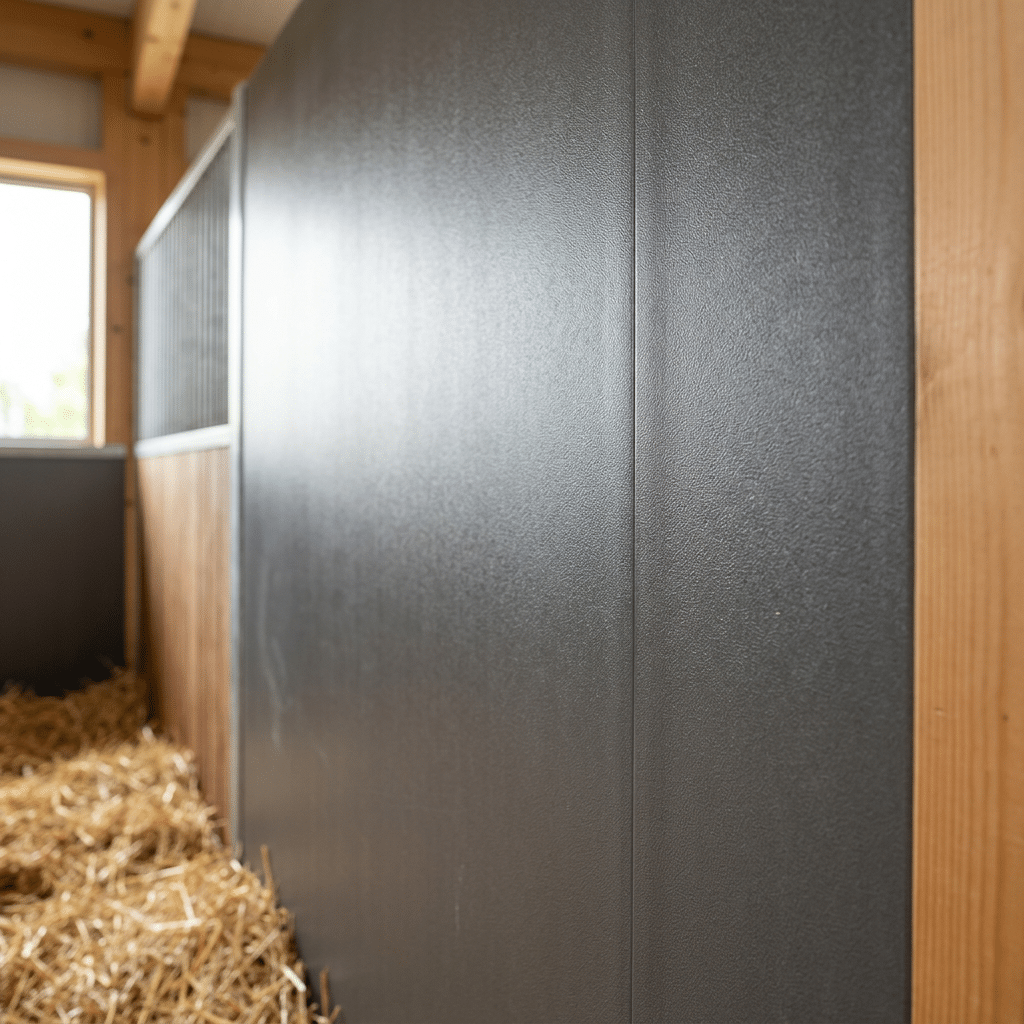
Designing the Equine Hospital: ICU Stalls & Biosecurity Zoning
A successful Equine Clinic Layout directly addresses biosecurity and patient safety from the ground up. Specifying the wrong materials, like porous wood or standard painted steel, creates permanent pathogen reservoirs and risks structural failure from harsh...
Hurricane-Proof Barns: Engineering Stables for Coastal & High-Wind Zones
Specifying a Hurricane/High-Wind resistant stable is a direct defense against total structural failure and catastrophic liability. Standard barns are not engineered for the uplift forces of a Category 4 storm; roof separation and wall collapse are predictable...
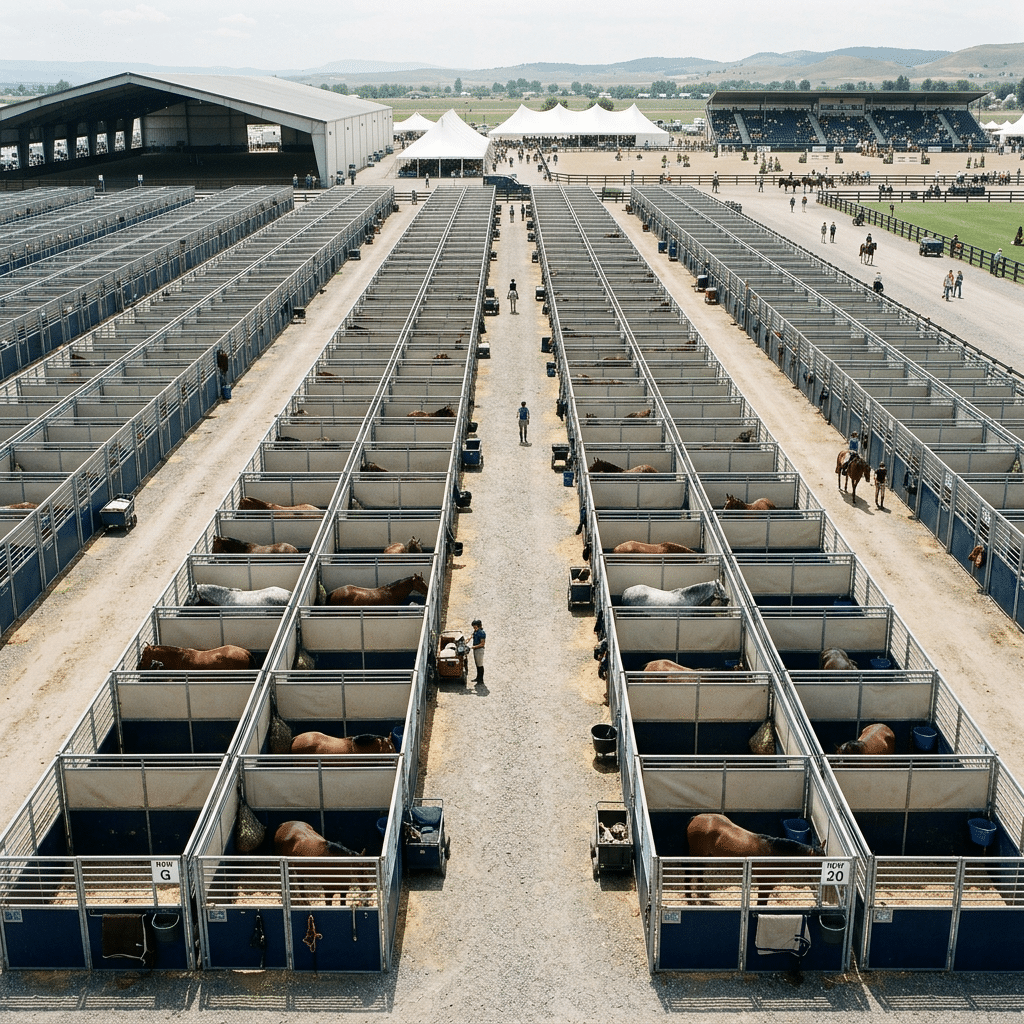
The VIP Experience: Designing Equestrian Clubs for High-Net-Worth Clients
Luxury club aesthetics are the primary driver of premium boarding rates, yet sourcing based on appearance alone leads to premature finish failure. When a powder coat peels or steel shows rust, it not only forces costly repairs but also undermines the perception of...
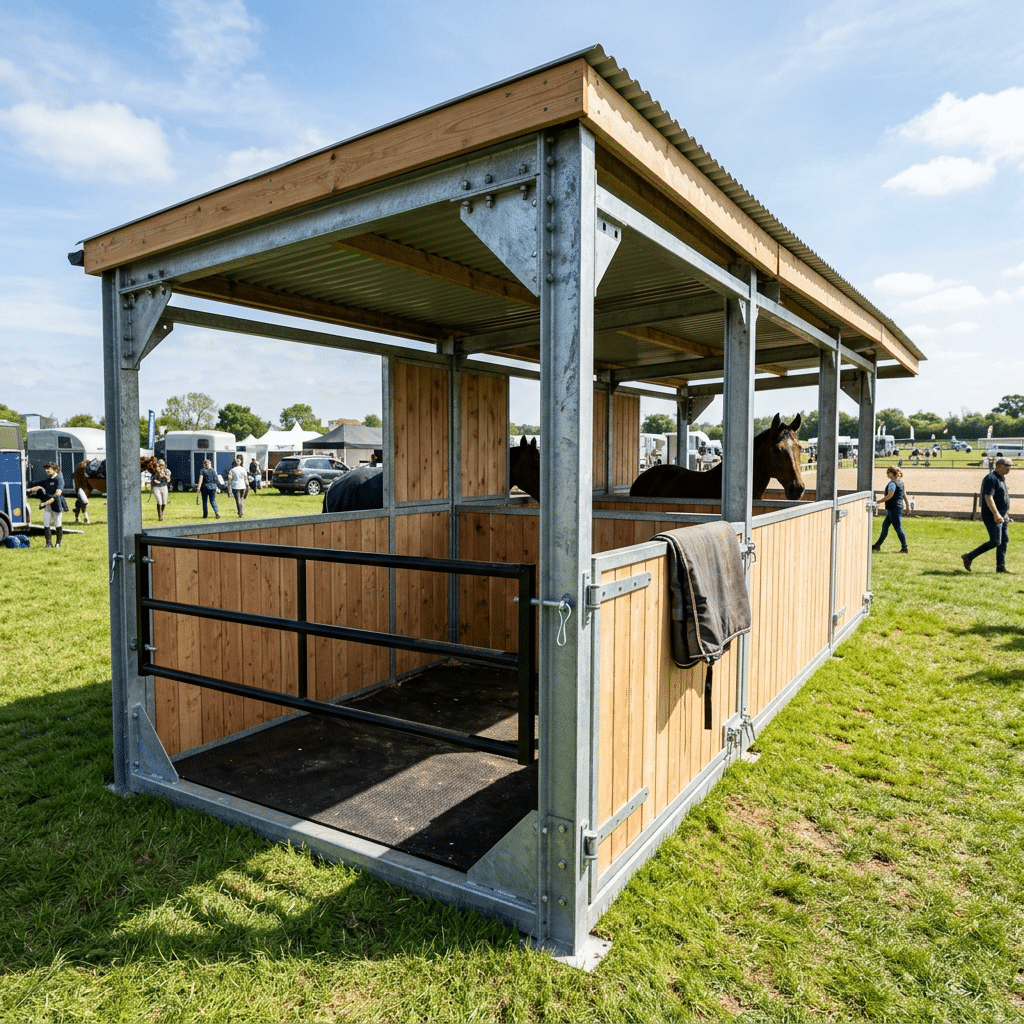
Sustainable Stable Design: Building a Green Barn in 2026
An eco-friendly/green barn specification is a direct investment in lowering total cost of ownership and securing certifications. Conventional timber designs lock owners into a cycle of costly maintenance and chemical treatments, while architects risk projects failing...
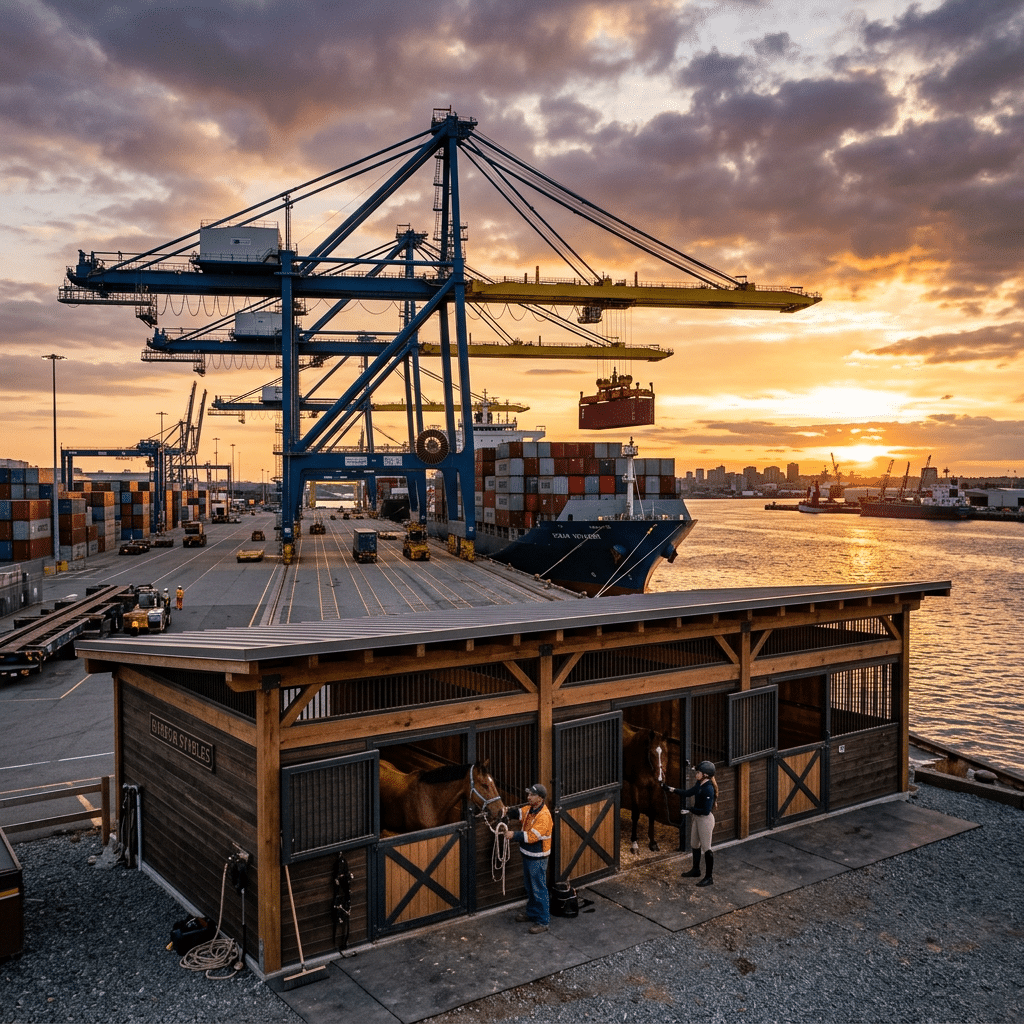
The Ultimate Wash Bay: Drainage, Slip Resistance, and Waterproofing
Proper Wash Rack Engineering is the primary defense against structural rot and safety liabilities. A miscalculation in drainage or materials isn’t a minor shortcut; it is a direct cause of flooded aisles, premature corrosion, and expensive repairs that...
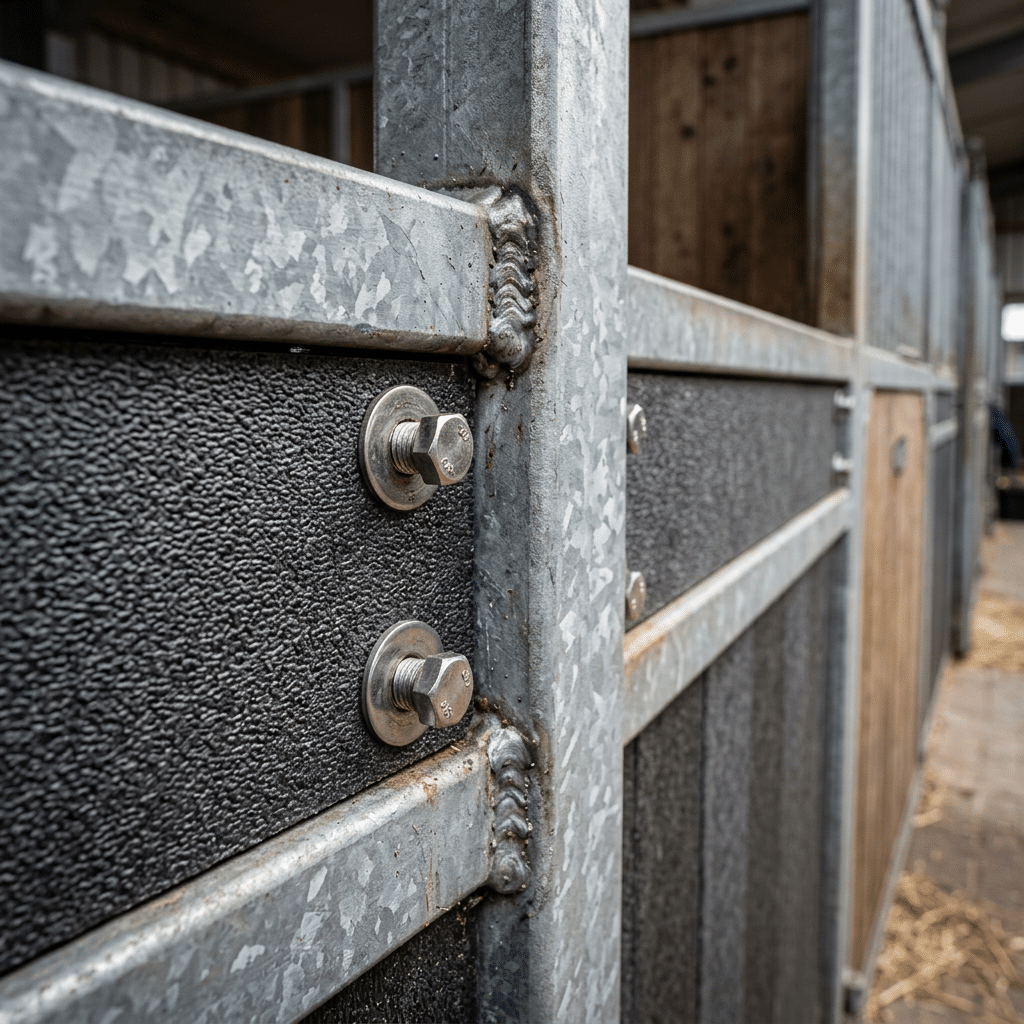
Scaling Up: Designing High-Density Boarding Facilities for Profit
Commercial Boarding profitability is decided by design choices that either lock you into low-margin volume or unlock premium rates. The wrong structural decisions, from inefficient layouts to high-maintenance materials, directly erode your operational budget and limit...
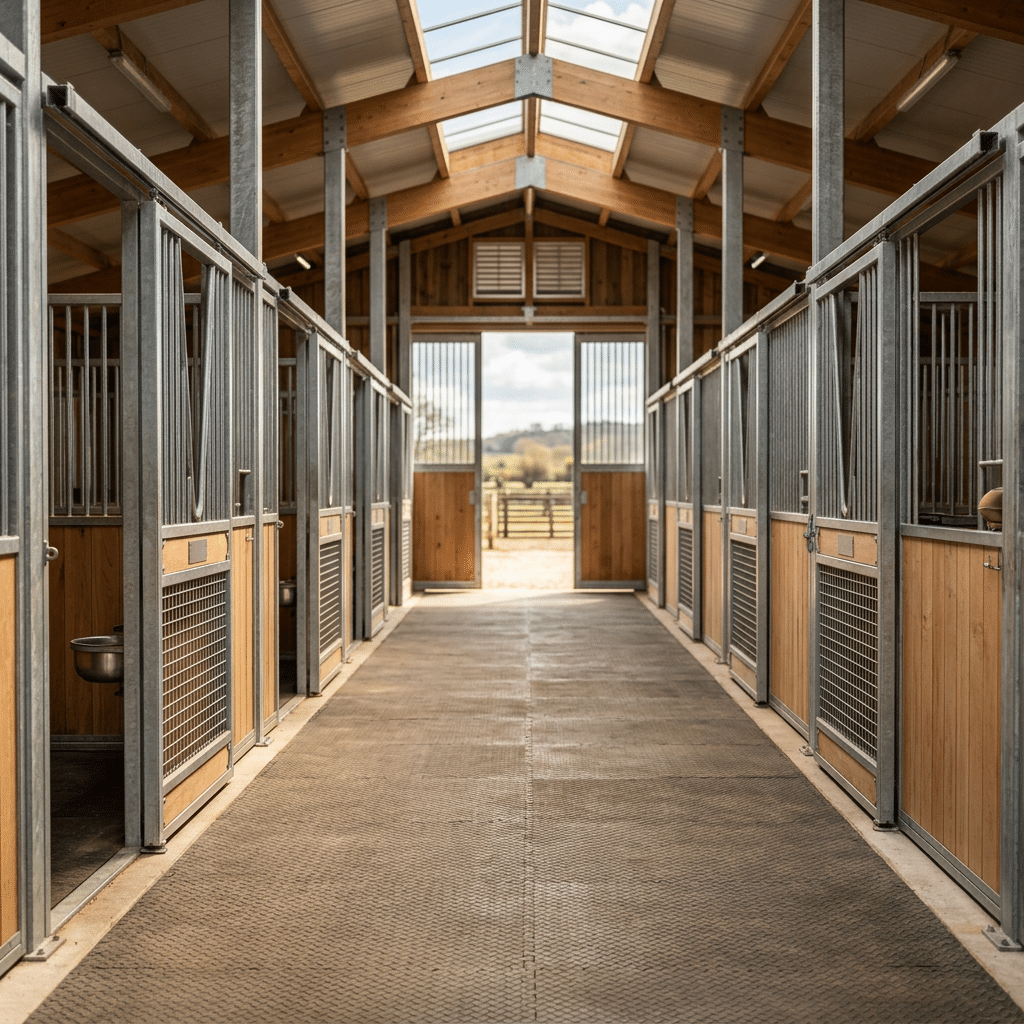
Shedding Light on Stables: Skylights, Windows, and Barn Orientation
An effective Natural Light Strategy is an engineering decision that prevents costly structural failure, not just a way to brighten a dark barn. Poor planning leads to UV degradation of materials, causing brittleness and cracking that results in expensive repairs and...
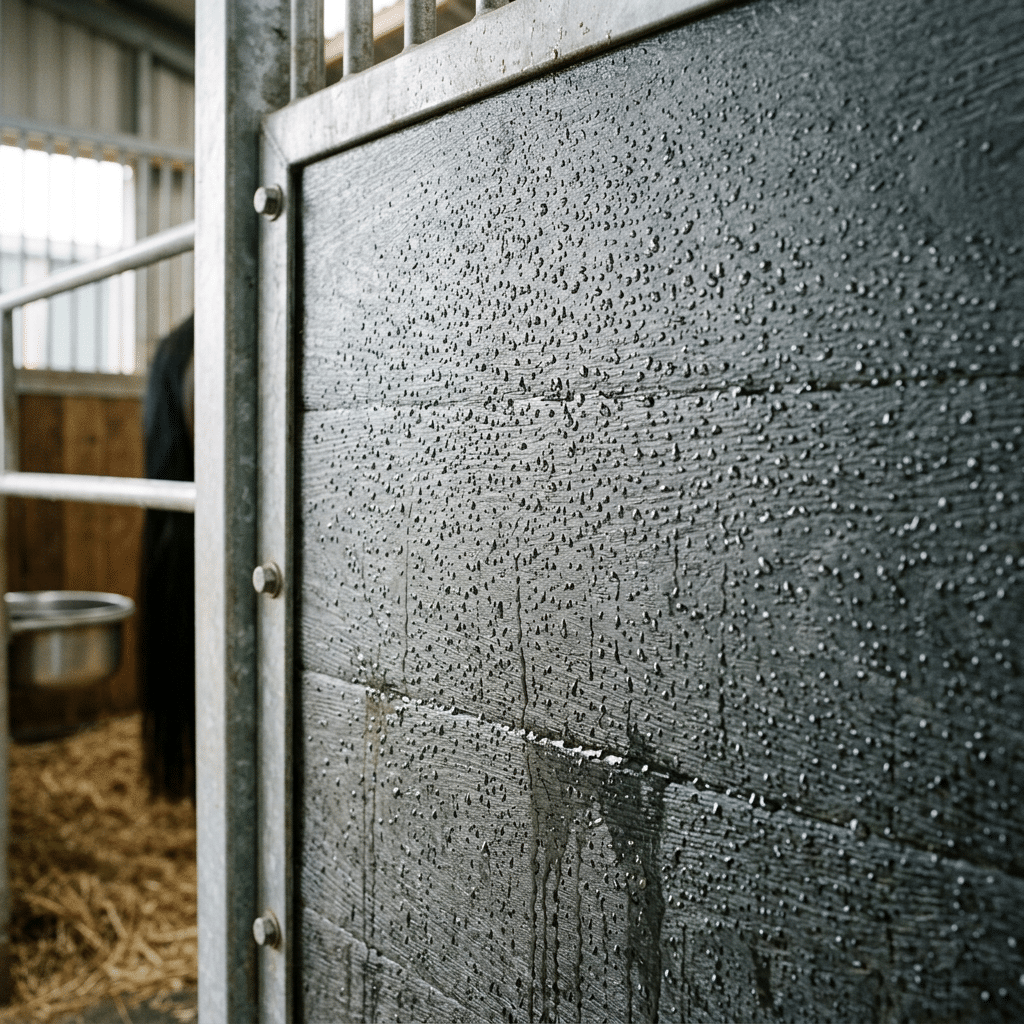
Heavy Hitters: Architectural Specs for Draft Horses & Warmbloods
Specifying Draft Horse Stables without engineering for the dynamic loads of a 2000lb animal creates a direct financial liability. Standard stalls often fail under the impact of a powerful kick, resulting in costly structural repairs and the even greater expense of a...
Master Planning the Equestrian Estate: Traffic Flow and Bio-Zoning
Outfitting multi-barn complexes introduces a logistical risk that can cripple a project budget from the start. Sourcing traditional welded stables is inefficient; their bulk means freight costs consume a disproportionate share of capital, directly eroding developer...
UK Stable Sourcing Post-Brexit: Calculating VAT, Duty, and Landed Cost
Navigating UK Brexit tariffs is only the start; the real margin killers are importer markups and inefficient logistics. Sourcing fully welded stables through European middlemen adds layers of cost, inflating your landed cost and eroding profit before a container even...
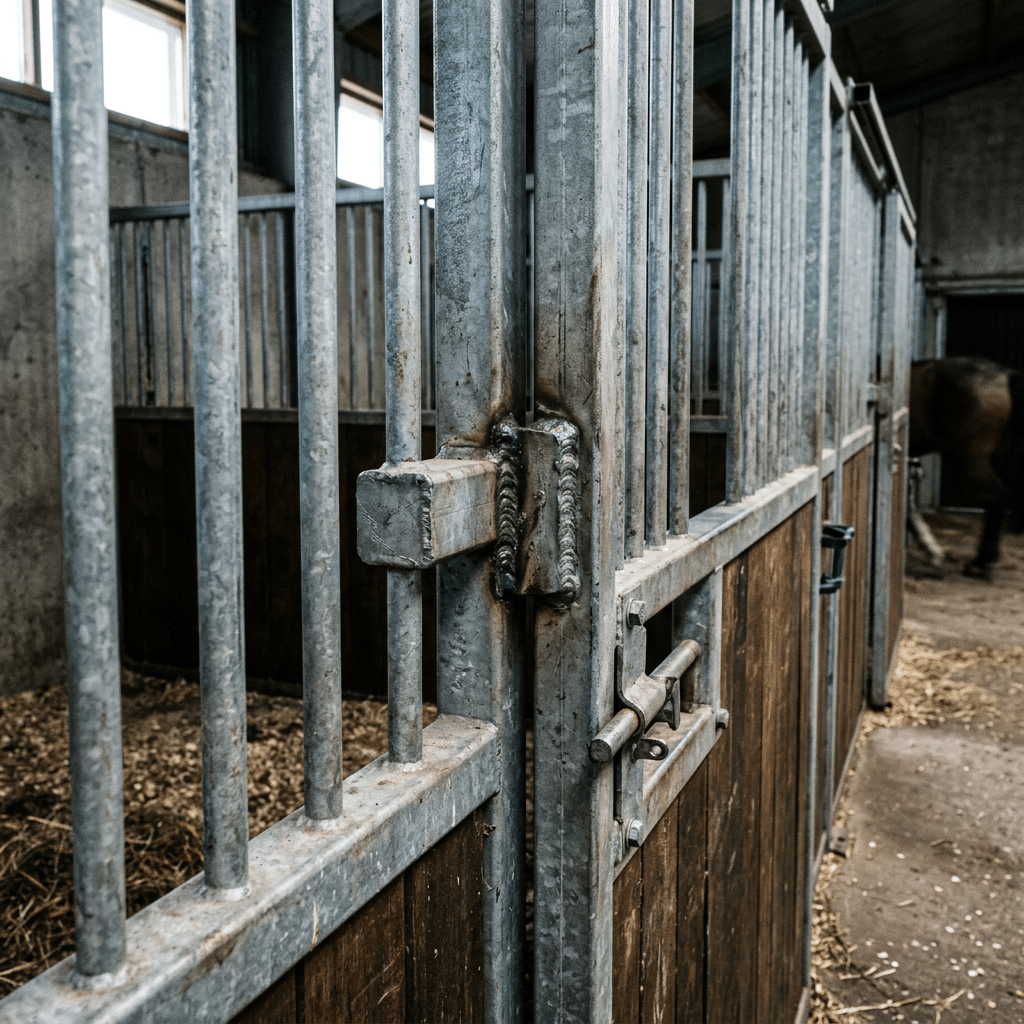
Australian Import Guide: How to Get Zero Tariffs on Horse Stables
The AU ChAFTA Agreement is designed to eliminate the 5% tariff on horse stables, but a single documentation error can erase this financial advantage. An oversight on the correct HS code or Certificate of Origin directly inflates your landed cost, reducing profit...
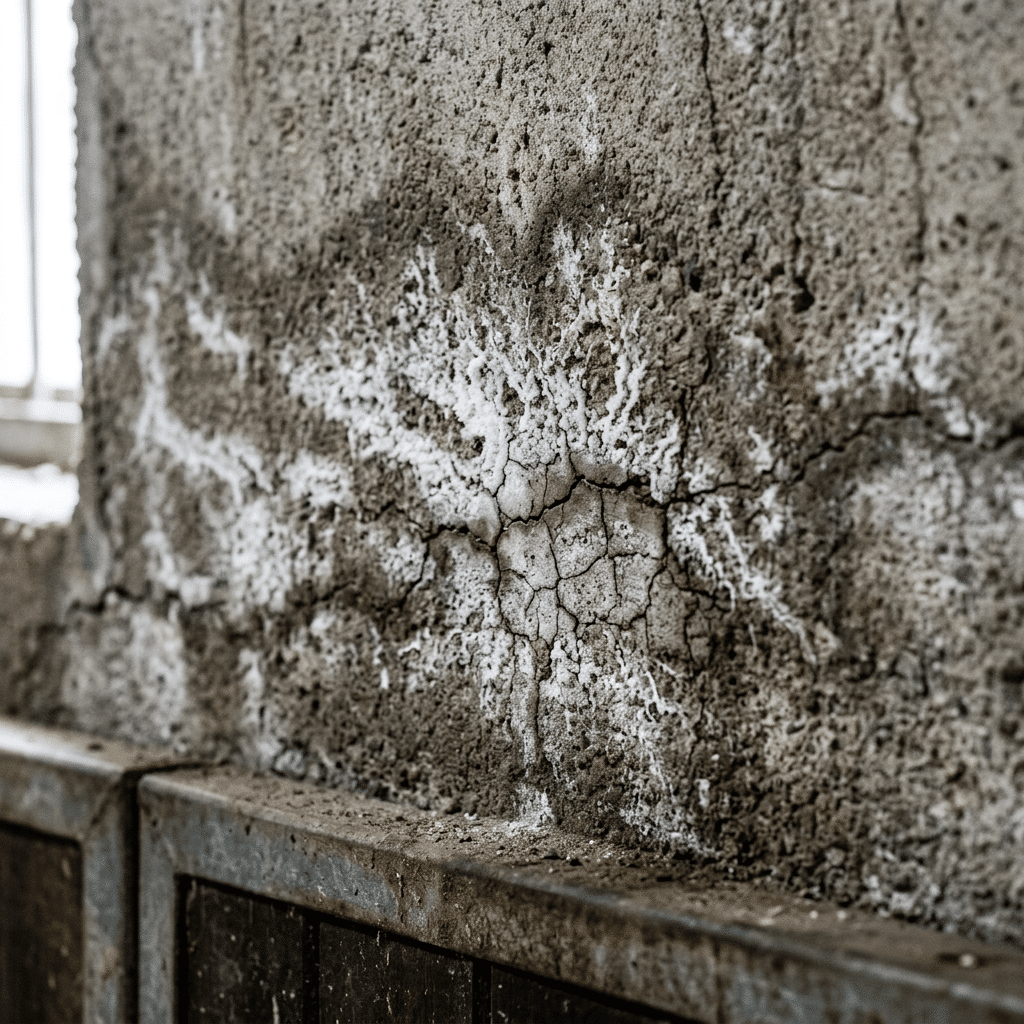
The Importer’s Break-Even: LCL vs. FCL Shipping for Barn Kits
Choosing between LCL vs FCL Shipping for barn kits directly impacts your landed cost. The low per-CBM rate for an LCL trial order is deceptive; hidden port and consolidation fees routinely inflate the final bill by 18-34%, eroding the profitability of your first...
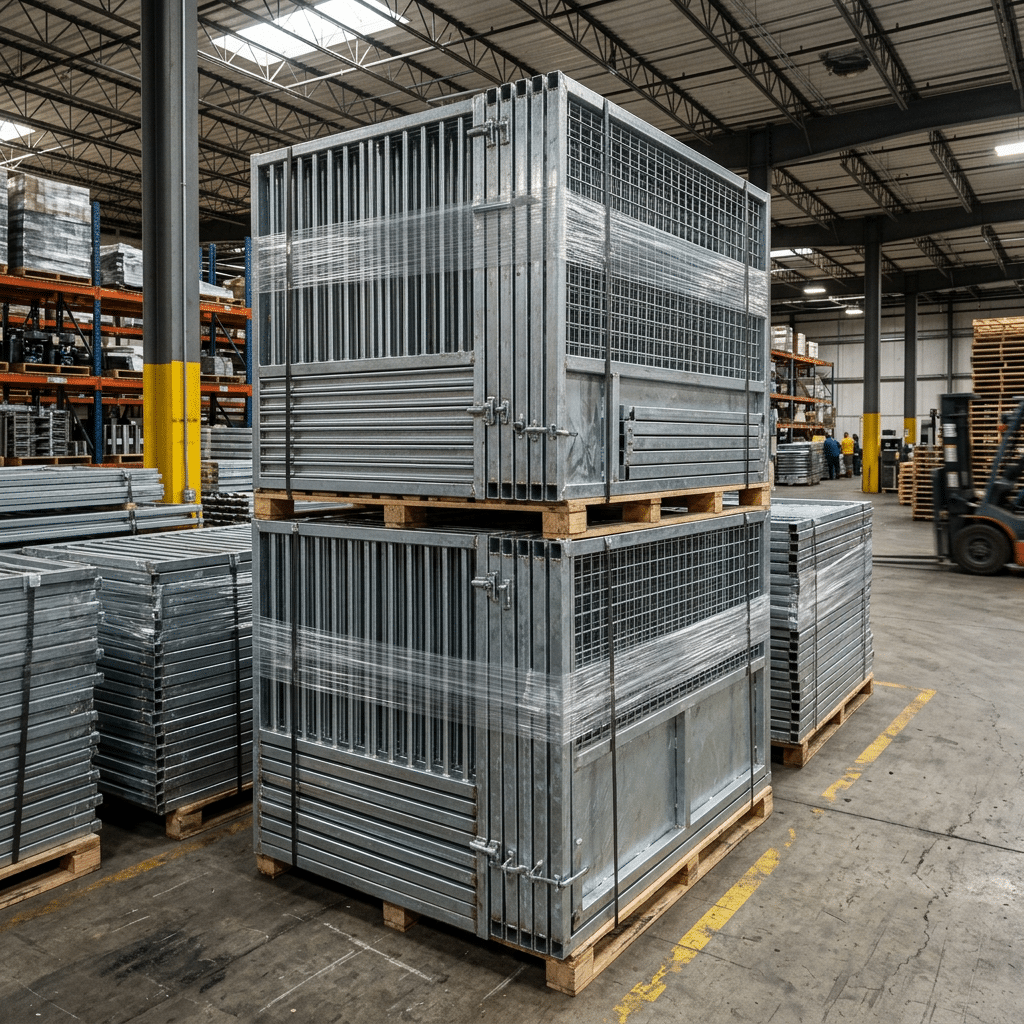
Steel Price Seasonality: The Cheapest Month to Order a 40HQ Container
Poor steel market timing is the fastest way to destroy project margins on a 40HQ container. Ordering in January seems proactive, but the pre-CNY supply chain collapse guarantees price spikes, production delays, and rushed work that compromises the final product...
Freight Forwarding Scams: Beware of Hidden Destination Charges (DTHC)
With freight scams exposed, a supplier’s cheap CIF quote is a direct threat to your margins. The trap is sprung at the destination port, where inflated Destination Terminal Handling Charges (DTHC) hold your cargo hostage and erase any perceived savings. This...
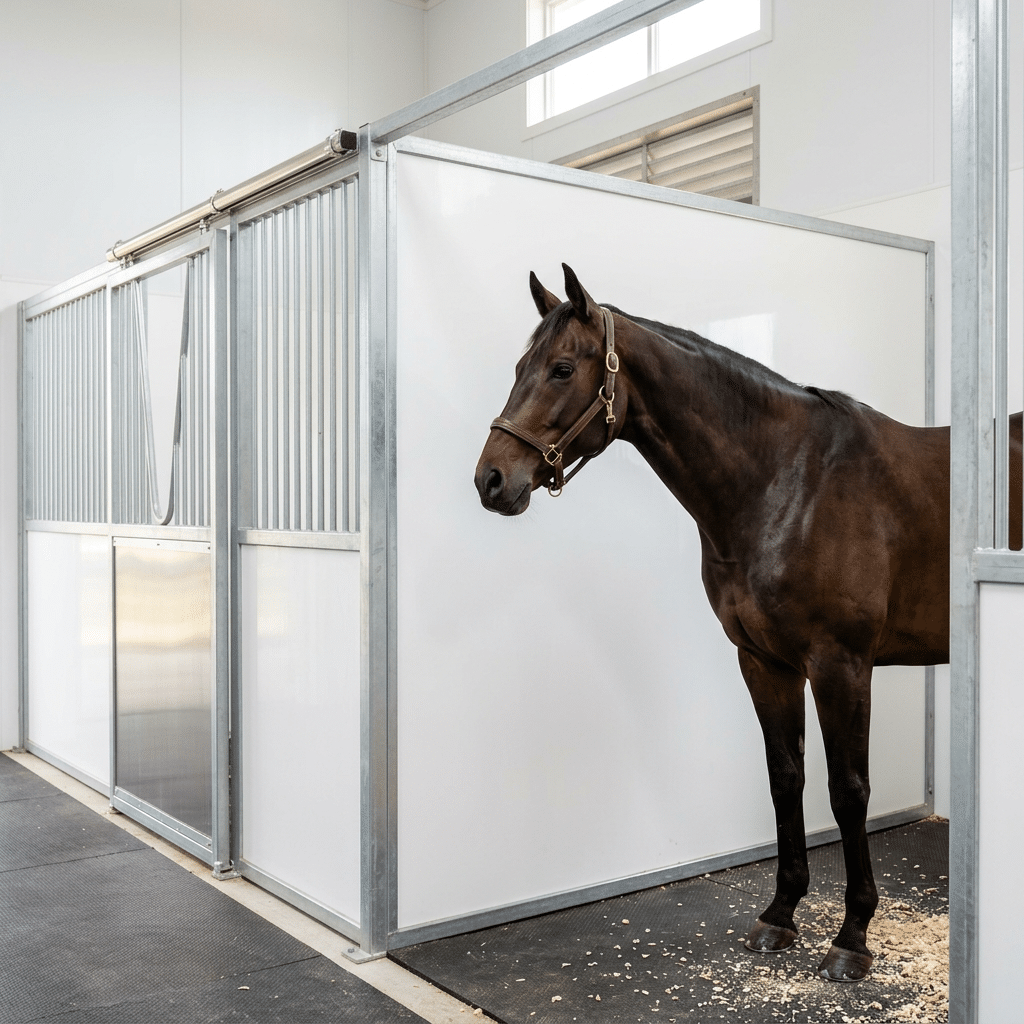
Value Engineering Your Barn: Cutting 20% Cost Without Sacrificing Safety
Value engineering in barn construction is a direct response to project budgets that spiral out of control. Without a systematic approach, architects lose bids and owners are forced to make unsafe compromises, eroding both profit and long-term asset value. This...
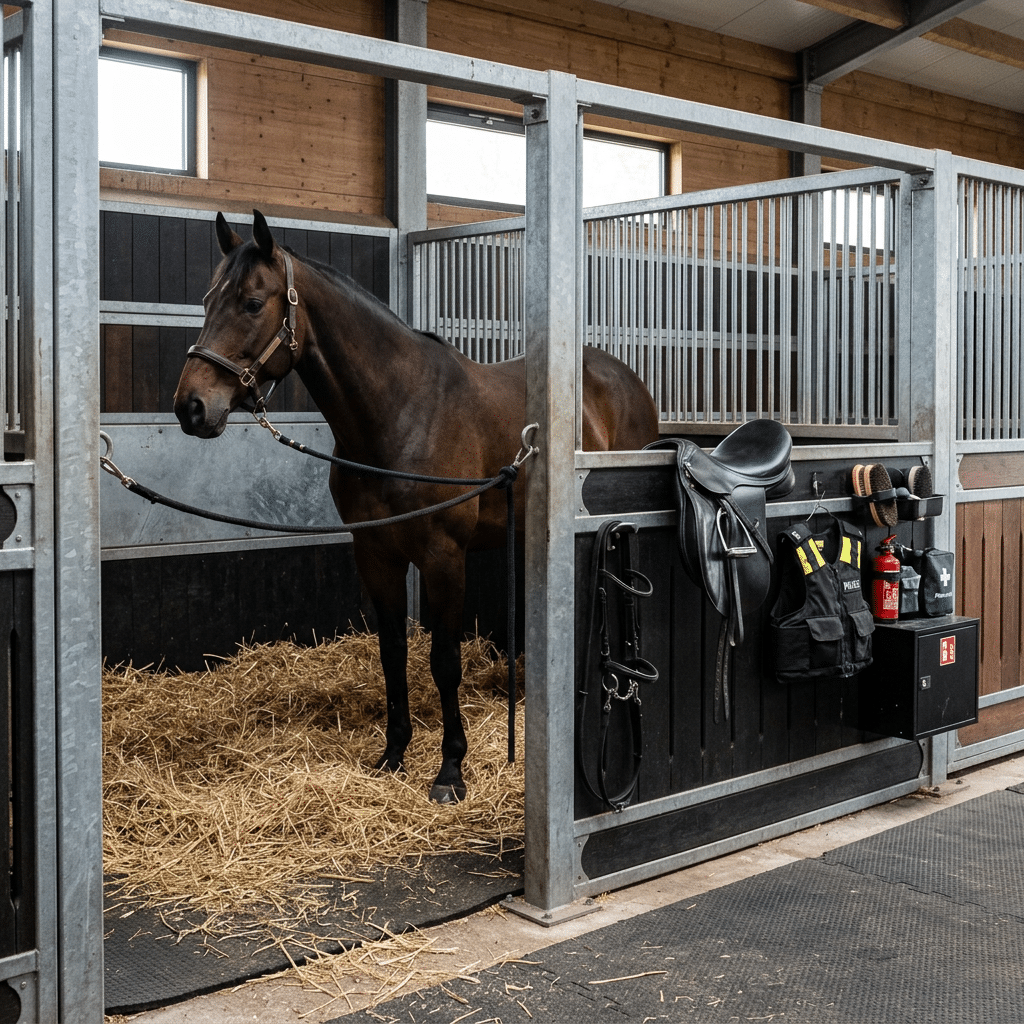
Tax Depreciation for Commercial Barns: Equipment vs. Real Estate
Understanding tax depreciation for an equestrian facility is a critical cash flow decision. Misclassifying modular stalls as permanent real estate locks your capital into a slow 39-year recovery schedule. This common error forfeits substantial, early-year tax...
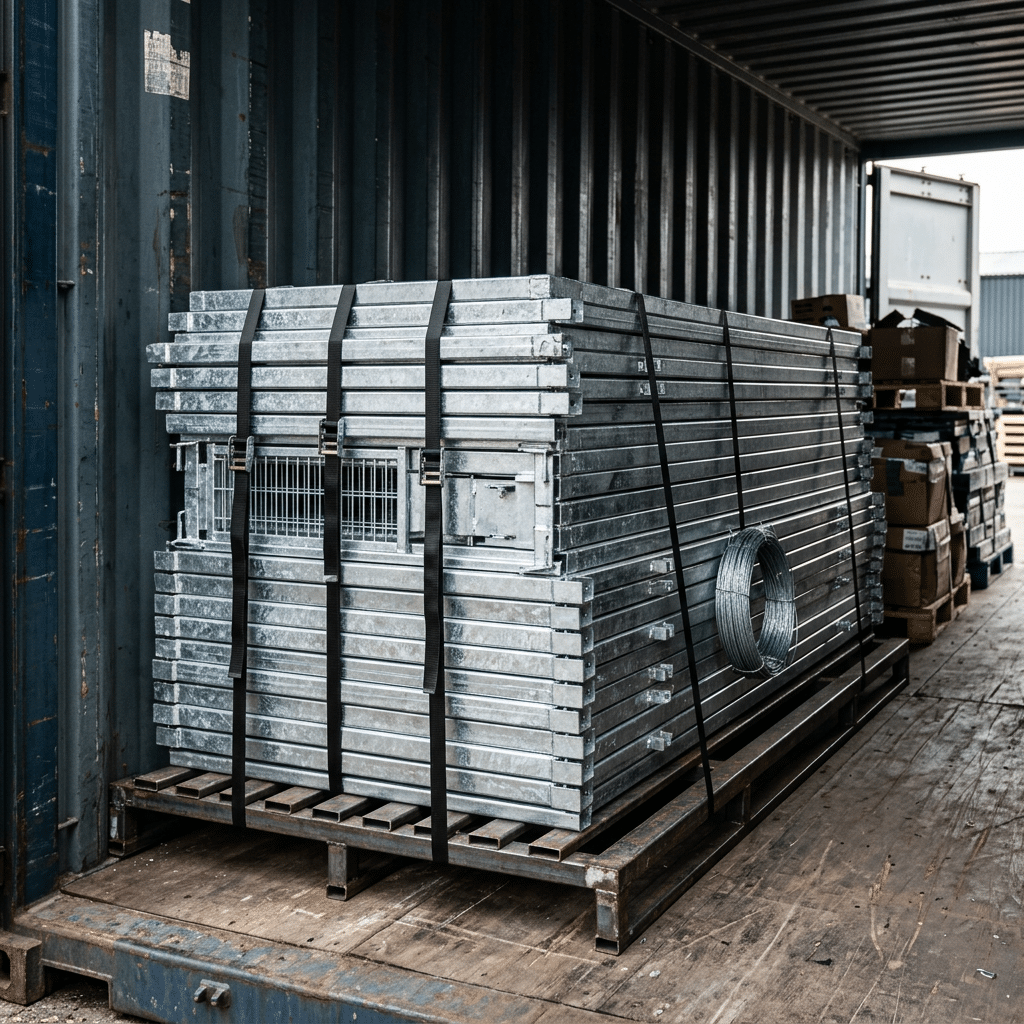
The Distributor’s P&L: Unlocking 40% Gross Margins with Direct OEM
Distributor P&L Math for equestrian products often breaks down due to overlooked freight expenses. Sourcing traditionally welded stables seems straightforward, but fitting only 12-15 sets per container inflates landed costs, erasing your gross margins before the...
The 5-Year Hardware Audit: Zinc-Plated vs. 304 Stainless Upfront Costs
Calculating Hardware Replacement ROI reveals that cheap zinc-plated bolts frequently seize in high-ammonia barn environments. This failure turns initial material savings into significant long-term costs from maintenance labor and operational downtime. This cost...
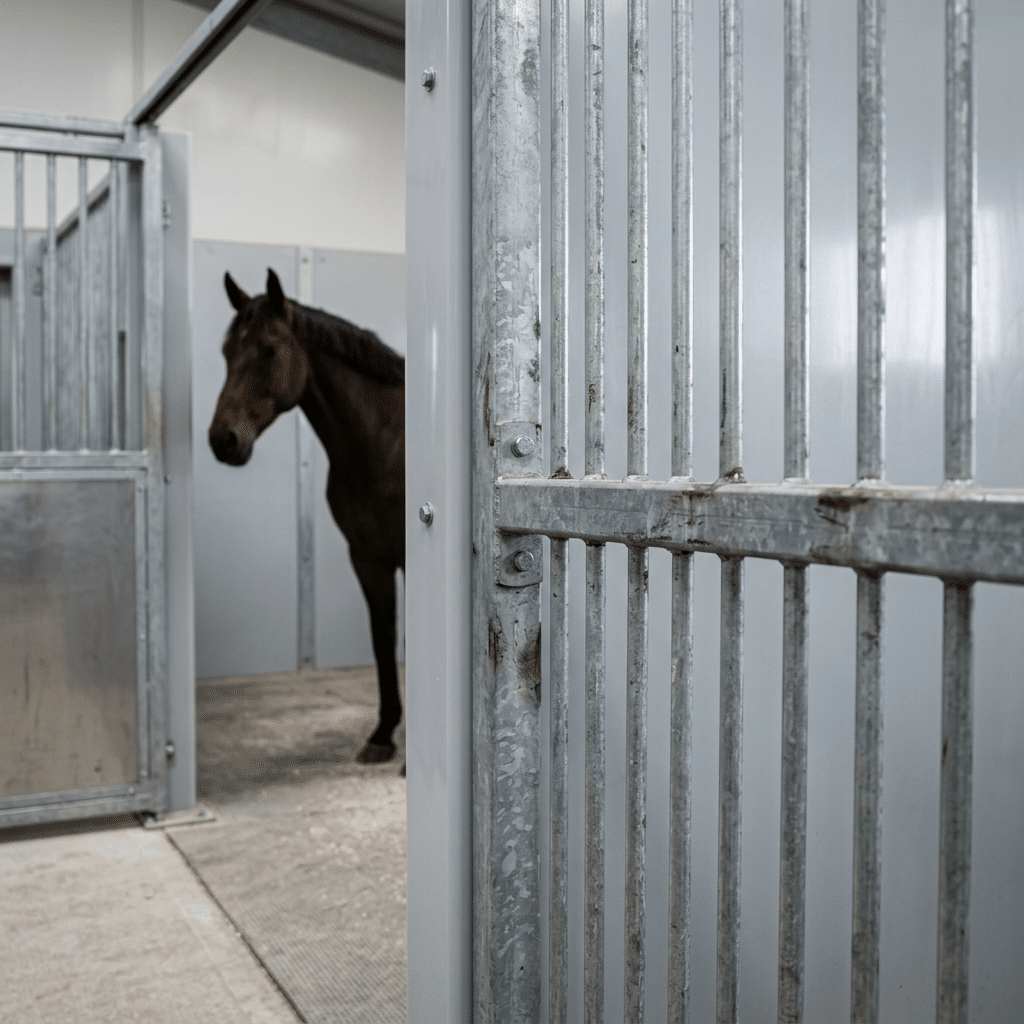
Selling the Farm: How Steel Modular Stables Boost Property Resale Value
Maximizing a farm’s resale asset value hinges on distinguishing permanent improvements from future liabilities. A traditional wood stable often becomes a financial drain, subject to appraisal penalties from rot and deferred maintenance costs that erode a...
Surviving AQIS & MPI: How to Import Stables to Australia/NZ Without Delays
Failed AU/NZ Biosecurity checks are a direct threat to importer profit margins. A single rejected timber pallet or incorrect document can trigger quarantine holds by AQIS or MPI, leading to costly fumigation, re-export fees, or total cargo destruction. These...
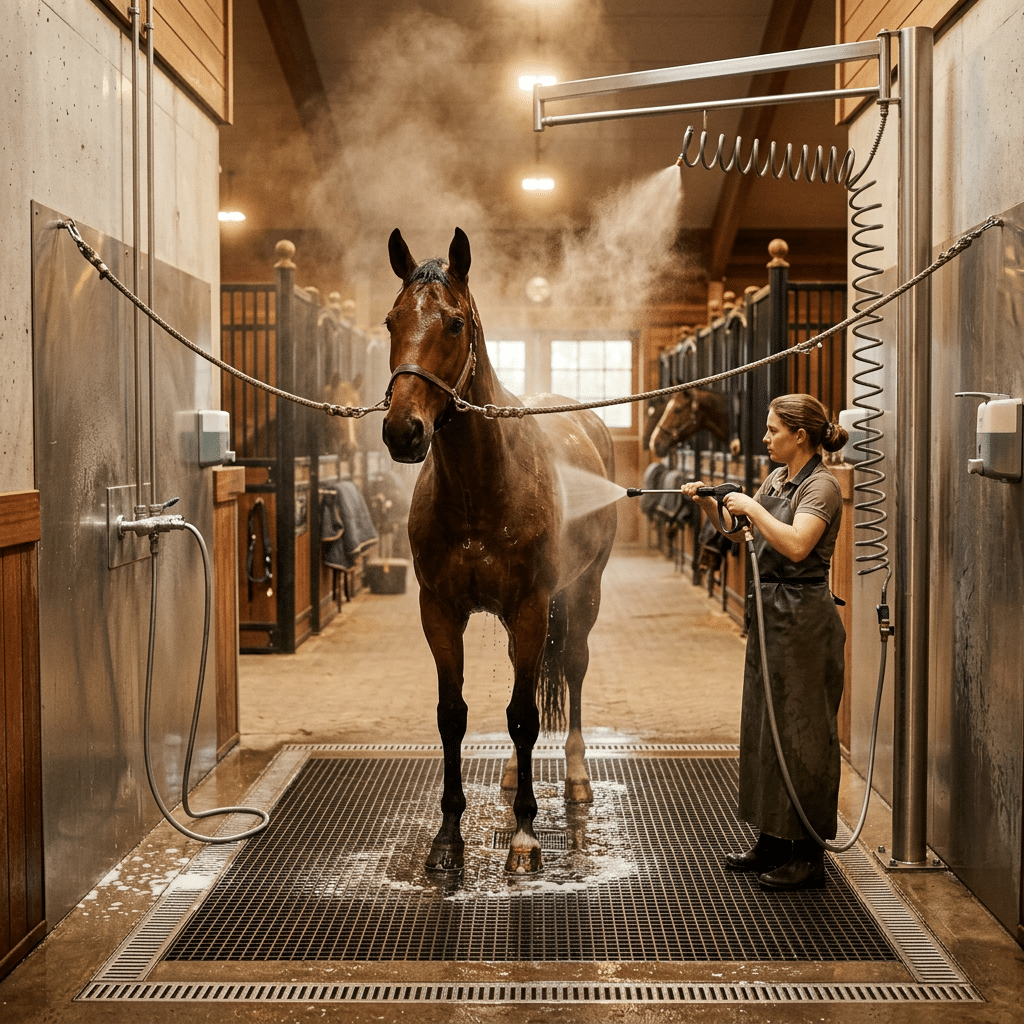
Meeting EU Directive 98/58/EC: Stable Dimensions & Animal Welfare Laws
Meeting EU Animal Welfare standards is not optional; non-compliance with directives like 98/58/EC results in failed inspections. For builders and yard managers, this risk translates into costly retrofits, project delays, and potential operational shutdowns. This...
 Arabic
  English
  Spanish
  French
  German