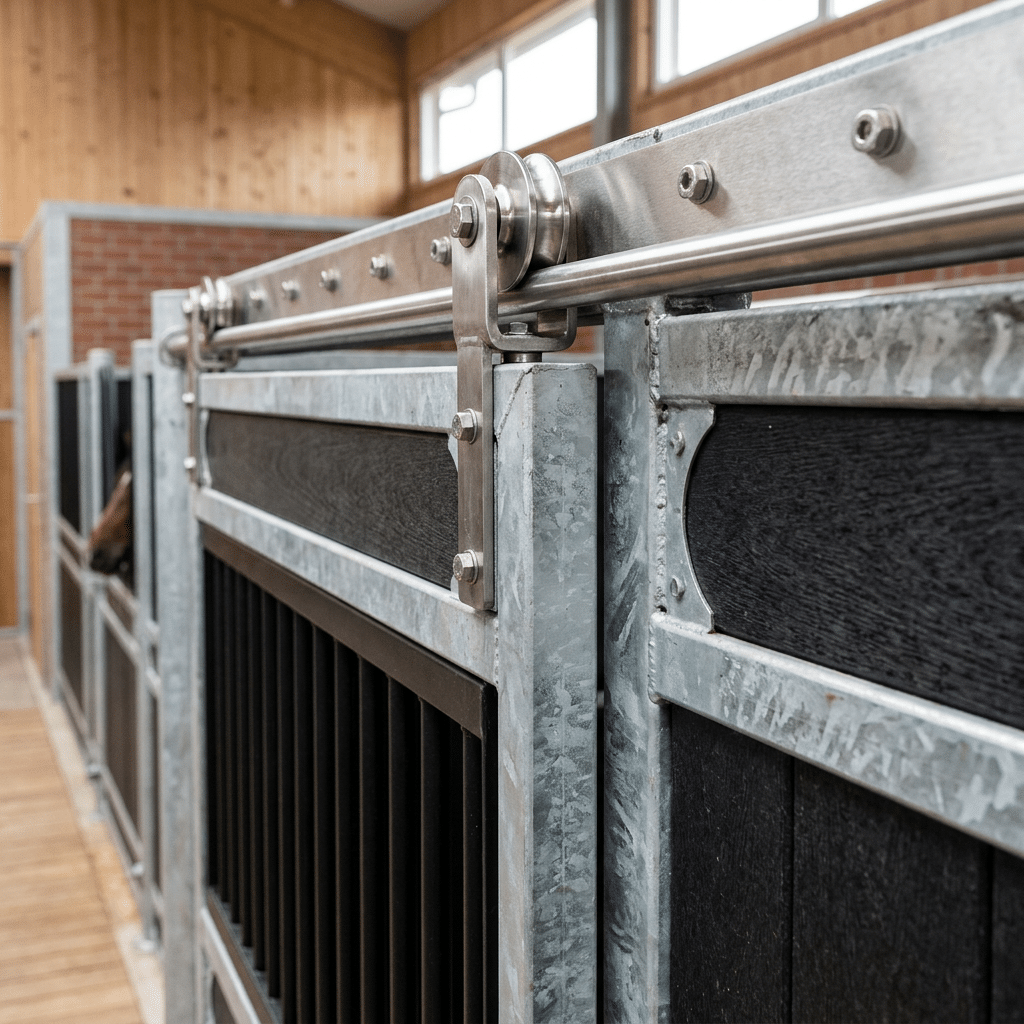
Choosing the right equestrian fencing is a direct investment in animal safety and a defense against costly replacement cycles. Inferior systems that lack proper hot-dip galvanization after fabrication often fail prematurely, leading to structural risks and high maintenance costs that erode operational profits.
This analysis compares top manufacturers against critical engineering standards. We evaluate the impact resistance of Q235B steel, the foal-safe design of V-mesh, and the long-term cost of ownership to identify the most reliable fencing solution for your facility.
إسطبلات خيول مصممة هندسيًا لتدوم طويلاً.
The Evolution of Horse Fencing: From Barbed Wire to Safe Mesh
Horse fencing has moved from hazardous, high-maintenance materials like barbed wire to engineered systems focused on animal safety and long-term durability. Modern solutions now use specialized no-climb mesh to prevent hoof entanglement and robust, hot-dip galvanized steel frames to provide reliable, kick-proof strength and protection from corrosion.
The High Risks of Early Fencing Materials
Early fencing options, particularly barbed wire, were designed for cattle and posed a serious threat to horses. The sharp barbs could cause deep cuts, severe entanglement injuries, and permanent scars, leading to high veterinary bills and devalued animals.
These older materials also lacked the structural integrity to contain a panicked or leaning horse. This resulted in frequent escapes, property damage, and constant, costly repairs for facility owners, eating into their operational profits.
The Modern Shift to Engineered Safety
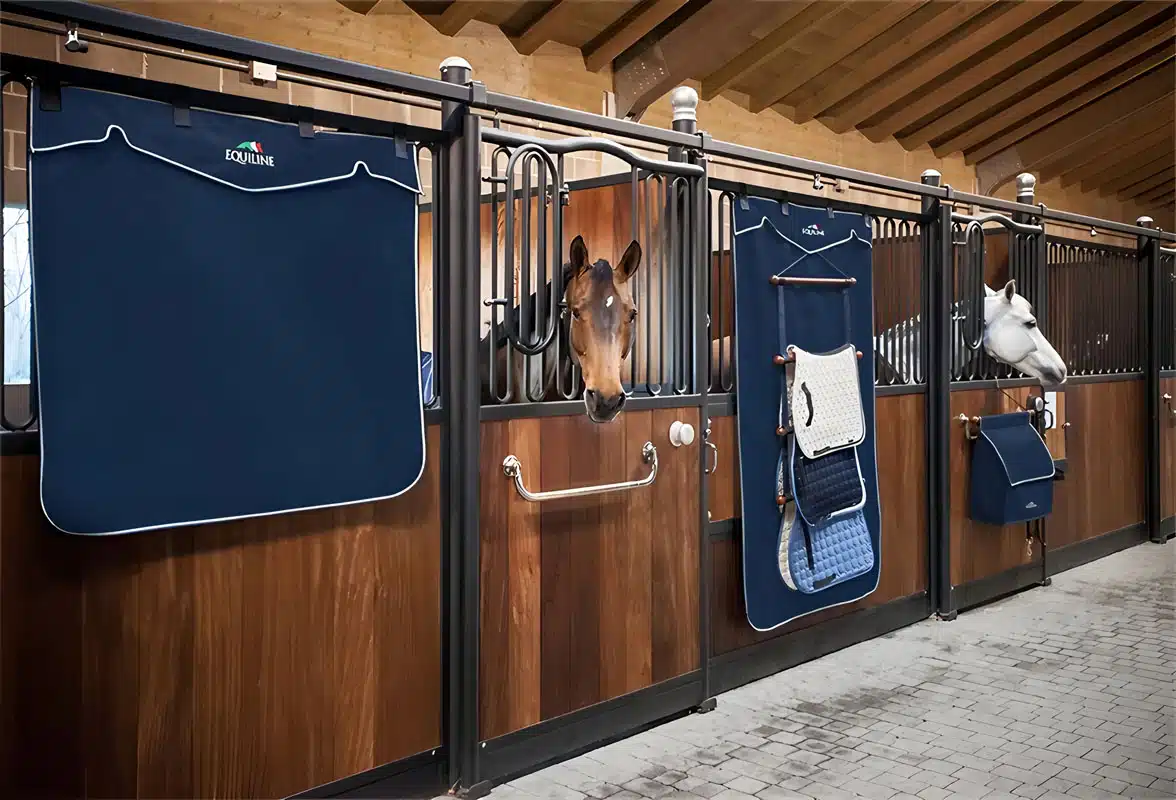
The industry’s focus shifted towards preventing injuries before they happen. The development of no-climb wire mesh and V-mesh became the new standard, featuring tight wire patterns that prevent a horse’s hooves from getting caught. This design principle is similar to the ‘cast-proof’ engineering we apply to our stable panels to eliminate dangerous gaps.
Today’s premium fencing relies on the same principles we use for our stable systems: heavy-gauge structural steel for strength and a full hot-dip galvanized coating for lifetime protection. This combination delivers a ‘kick-proof guarantee’ against impact and ensures the structure withstands decades of exposure to harsh weather without rusting, protecting both the animals and the owner’s investment.
PVC vs. Hot-Dip Galvanized Steel Panels
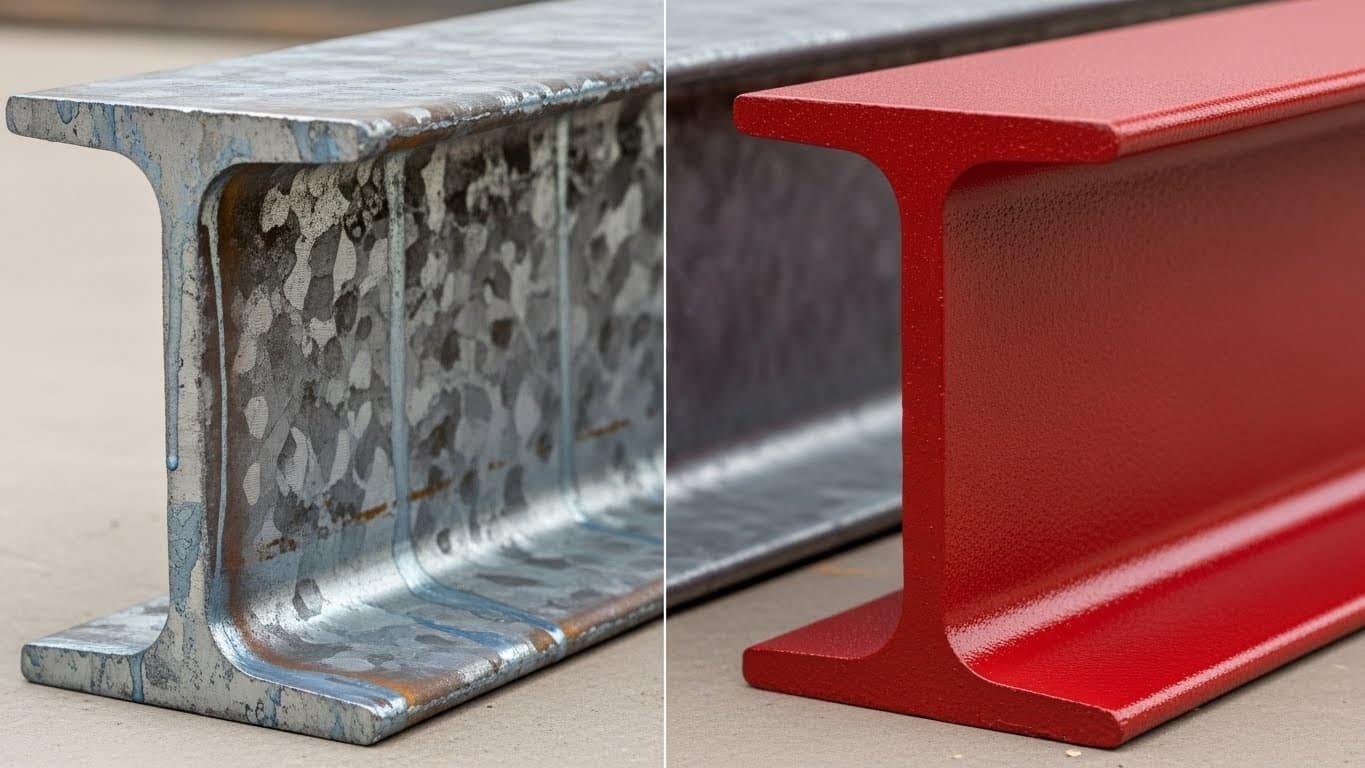
For professional equestrian facilities, hot-dip galvanized steel provides superior structural strength and impact resistance essential for horse safety and long-term durability. While PVC is immune to rust, it can become brittle and lacks the containment strength of steel. Our Hot-Dip Galvanized systems, built with Q235B or Q345B steel, offer a more reliable and cost-effective solution over the product’s entire service life.
Comparing Durability and Corrosion Resistance
Our hot-dip galvanized steel panels deliver exceptional structural strength using Q235B steel. We perform the galvanization process after all fabrication is complete, which adheres to ISO 1461 standards. This method creates a thick zinc coating, averaging over 70 microns, that metallurgically bonds to the steel and protects it from rust for decades.
PVC panels are completely immune to rust and corrosion, which makes them a consideration for extremely humid or coastal environments. Their primary advantage is the ability to withstand constant moisture and salt spray without any material degradation.
But steel offers unmatched impact resistance against kicks and pressure. For facilities in colder regions, we recommend our Q345B steel option. This material maintains its toughness at low temperatures, preventing the brittle fractures that can occur from kicks in winter—a significant advantage over PVC, which can become fragile in the cold.
Safety, Maintenance, and Cost Analysis
While PVC offers a smooth surface, our manufacturing process ensures all welds on our steel panels are fully coated and smooth, eliminating sharp burrs and prioritizing animal safety. The real safety benefit of steel lies in its containment strength. It reliably prevents horses from pushing through or damaging the barrier, protecting both the animal and the owner’s investment.
PVC typically has a higher upfront cost and requires virtually no maintenance against corrosion. Our galvanized steel systems are more affordable initially. Thanks to our rigorous “Hot-Dip After Fabrication” process, the need for maintenance is minimal, making it a more practical and durable long-term investment. The risk of PVC shattering under impact can also lead to unexpected replacement costs that don’t apply to our robust steel structures.
The “V-Mesh” Standard for Foal Safety
V-mesh fencing is widely recognized as the industry standard for safely containing foals. Its specialized design features a tight 2″ × 4″ weave that prevents a foal’s small, delicate hooves from getting trapped. The flexible, knot-free construction absorbs impact without breaking or creating sharp edges, safeguarding valuable young stock from injury while also providing a reliable barrier against predators.

Core Design Features for Foal Protection
Protecting foals requires a fencing system engineered to prevent specific, common injuries. The tight V-pattern of the mesh is its most critical feature, creating openings too small for a young horse’s hoof to pass through. This directly reduces the risk of serious leg injuries. Its continuous, smooth construction has no sharp wire ends, which prevents the cuts and scrapes that can occur with other wire fencing. The mesh is also designed to flex when a foal runs into it and then spring back to its original shape. This absorbs dangerous impact energy, protecting both the animal and the fence itself. Finally, the dense pattern acts as an effective screen, keeping predators and other unwanted animals out of the paddock.
Material Specifications for Lasting Safety
The long-term reliability of V-mesh fencing comes from its material quality. It uses high-tensile, 12.5 to 14-gauge steel wire that resists sagging and damage over many years. To ensure a long service life, the steel receives a heavy Class 3 hot-dip galvanized coating for superior rust protection. This level of galvanization meets top industry benchmarks, including the same BS EN ISO 1461 standard we apply to our own stable systems. With standard heights ranging from four to six feet, this fencing provides a secure and durable enclosure that safely contains foals as they grow, protecting our clients’ valuable assets.
DB’s Heavy-Duty Paddock Panels
We engineer heavy-duty paddock and corral panels using Q235B structural steel, ensuring they can handle high-traffic equestrian environments. Every panel is protected by our signature Hot-Dip Galvanization After Fabrication process, which coats every weld and edge for complete rust-proofing and maximum animal safety. This commitment to quality delivers a long-lasting, low-maintenance fencing solution that protects your investment.
Specifications of Equestrian Horse Panels
Our horse panels are constr
ucted from high-tensile Q235B structural steel for superior strength. The defining feature is our rust protection: every panel is fully welded first and then submerged in molten zinc, a process known as Hot-Dip Galvanization After Fabrication. This meets the strict BS EN ISO 1461 standard and guarantees no weak points or exposed welds where rust can start. For clients in demanding climates or those seeking a premium aesthetic, we offer a dual-protection finish with powder coating over the galvanized steel. We manufacture panels in common heights of 4, 5, or 6 feet and lengths of 10, 12, or 16 feet to fit various paddock and field layouts.
Corral Panels Adapted for Paddock Fencing
While originally engineered for the demands of livestock handling, the robust construction of our corral panels makes them an excellent choice for horse paddocks. The frame is built with heavy-gauge 50mm x 50mm RHS posts, providing a rigid structure that won’t bend or warp under pressure. A configuration of 5 to 7 rails creates a secure visual and physical barrier, preventing horses from attempting to push through. Because the entire completed panel is hot-dip galvanized, it is fully equipped for permanent outdoor use, standing up to mud, rain, and snow without degradation. This heavy-duty build offers facility managers a reliable, safe, and long-term fencing solution for high-traffic areas.
الأفكار النهائية
Sourcing cheaper, pre-galvanized panels exposes your dealership to rust claims and reputational damage. Our Hot-Dip After Fabrication process, which meets the ISO 1461 standard, is the only way to guarantee a kick-proof, rust-proof product. This level of engineering protects your brand and secures long-term customer loyalty.
Don’t leave quality to chance—verify it yourself. We recommend a trial order of 3-5 sets to personally inspect our build quality and finish. Contact our team to get a quote and discuss how our OEM capabilities can work for your business.
الأسئلة المتداولة
What is the safest fencing for horses?
Safe horse enclosures prioritize high visibility, impact strength, and smooth, snag-free surfaces. We engineer our stable panels using heavy-gauge Q235B structural steel and ensure every component is hot-dip galvanized *after* fabrication. This process completely seals all welds, eliminating the sharp, rusty points that can cause serious injury and creating a secure and smooth barrier for the horse.
Are steel fence panels good for horses?
Yes, steel panels are an excellent choice for durability and safety when constructed correctly. We use a minimum of 14-gauge (2.0mm) structural steel to ensure our panels can withstand powerful kicks. The most critical safety feature is our “hot-dip after fabrication” process, conforming to ISO 1461 standards. This guarantees all welds and edges are completely sealed in a thick zinc coating, preventing rust and sharp hazards from developing. This provides a long-lasting, safe environment for animals and peace of mind for the facility owner.
PVC vs steel horse fencing?
For high-traffic areas like stables and yards, steel provides unmatched strength and longevity. Our hot-dip galvanized steel systems are engineered to handle extreme weather and repeated impacts without failure. While PVC might seem low-maintenance, it can become brittle and crack in cold climates or under constant UV exposure, creating dangerous sharp edges. For facilities in colder regions, we offer an upgrade to Q345B steel, which has superior low-temperature toughness to prevent fractures and ensure year-round safety.
How tall should a horse fence be?
The industry standard for horse fencing and stable partitions is a height of 4.5 to 5 feet (approx. 1.4 to 1.5 meters), which places the top rail at or above the horse’s withers to discourage leaning or jumping. As an OEM/ODM manufacturer, we engineer our stable systems to meet specific project requirements, including custom heights for larger breeds or specific disciplines, ensuring safety and compliance with regional animal welfare standards.
Best fencing for foals?
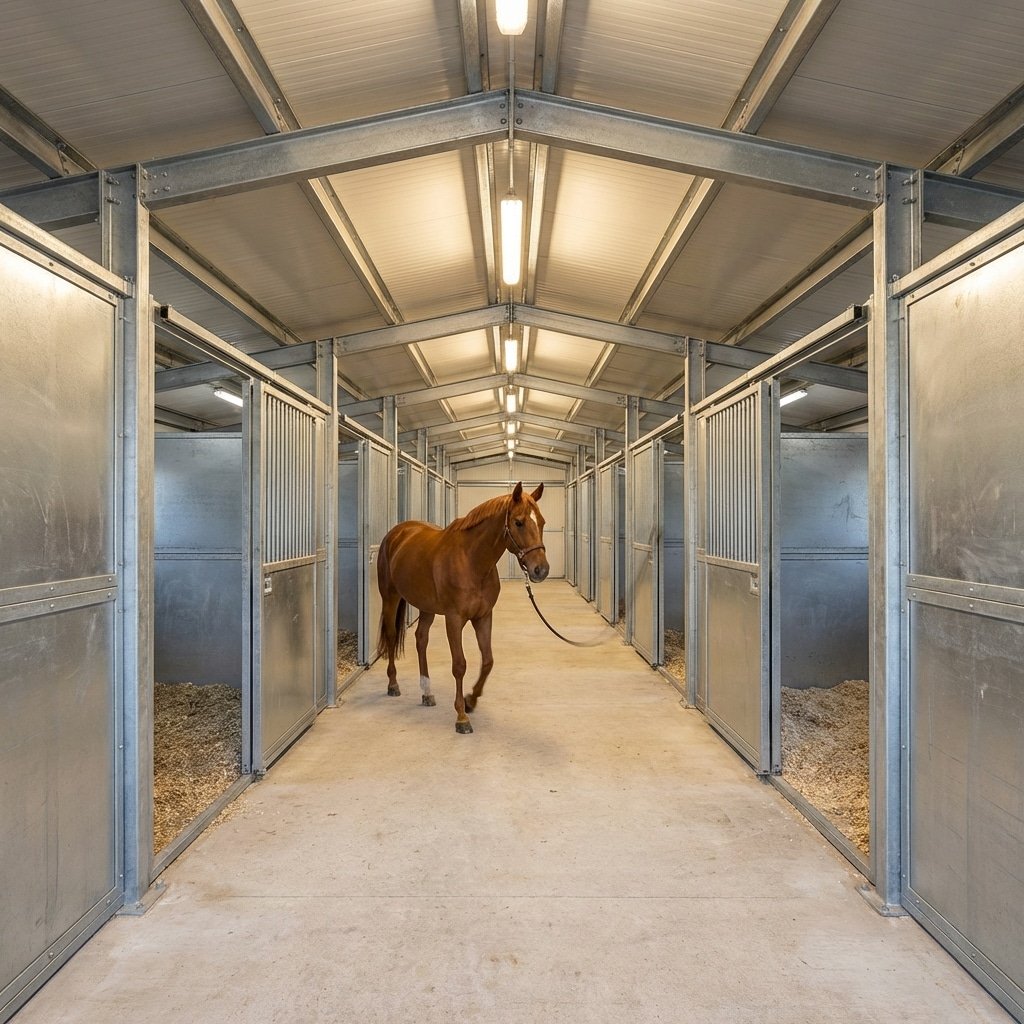
The primary safety concern for foals is preventing their small hooves from getting trapped. While V-mesh is excellent for pastures, we apply the same safety principle to our stable designs. Our stable fronts and partitions feature a “cast-proof design” with a minimal gap at the bottom (approx. 50mm). This detail prevents a foal—or any horse—from getting a leg stuck while rolling, significantly reducing the risk of serious injury within the stable.

 Arabic
  English
  Spanish
  French
  German
0 تعليق