

Blog
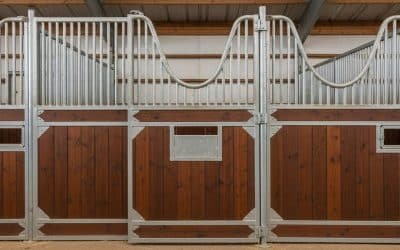
ISO 1461 Galvanized Rental Fleet Storage
iso 1461 horse stall storage is the first checkpoint buyers should lock before they approve a supplier, budget, or production slot. You pull a fifty-stall batch of pre-galvanized panels out of the yard after two winters. The bolt holes are bleeding rust. That...
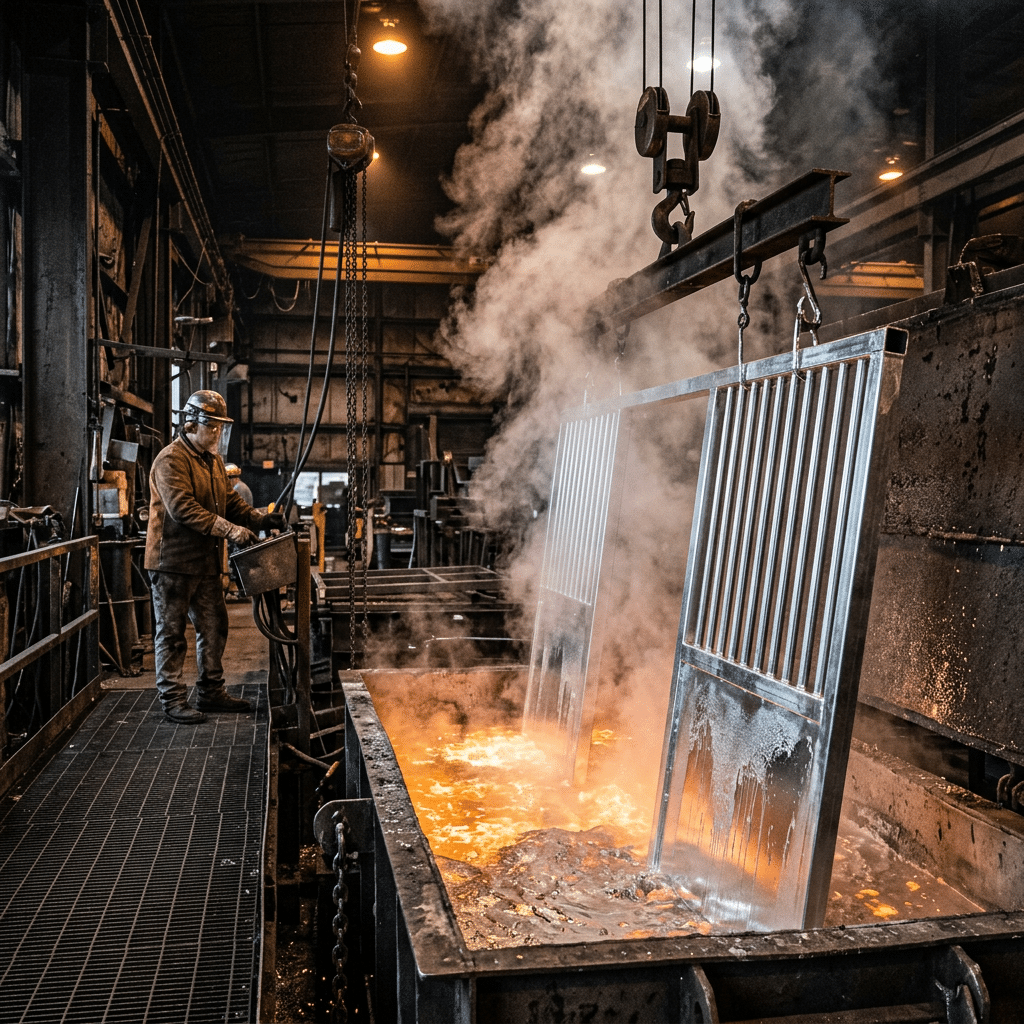
Top 5 Horse Stall Manufacturers of 2026: Global Sourcing Guide
Sourcing horse stall panels without a clear logistics and materials strategy directly impacts your landed cost. Inefficient, fully welded designs can inflate freight expenses by over 60%, while specifying pre-galvanized steel instead of hot-dip after fabrication leads...
How to Import Horse Stables from China in 2026: A Step-by-Step Guide
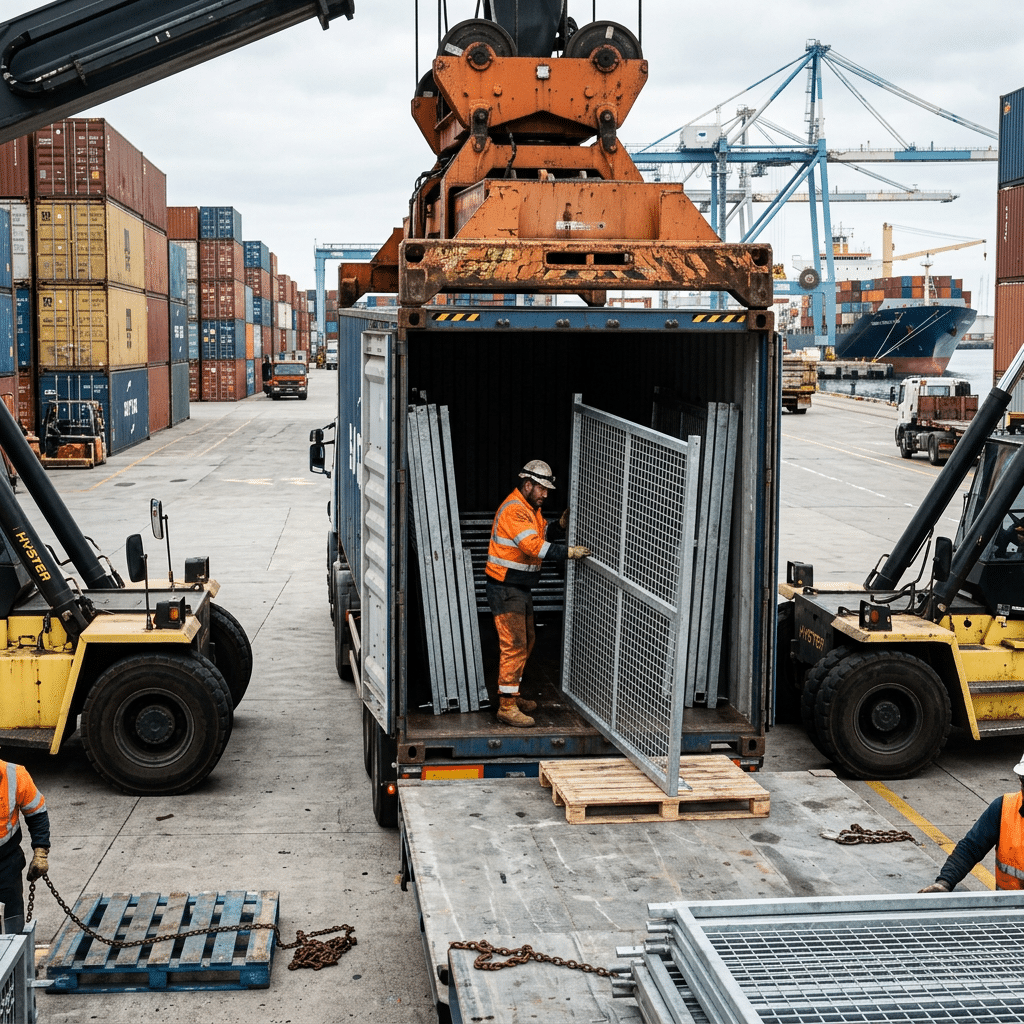
This import guide for horse stables for sale confronts the single biggest threat to distributor profitability: freight costs. Sourcing traditional, fully-welded stables is a critical error, as loading only 12-15 sets into a 40HQ container destroys margins before the...
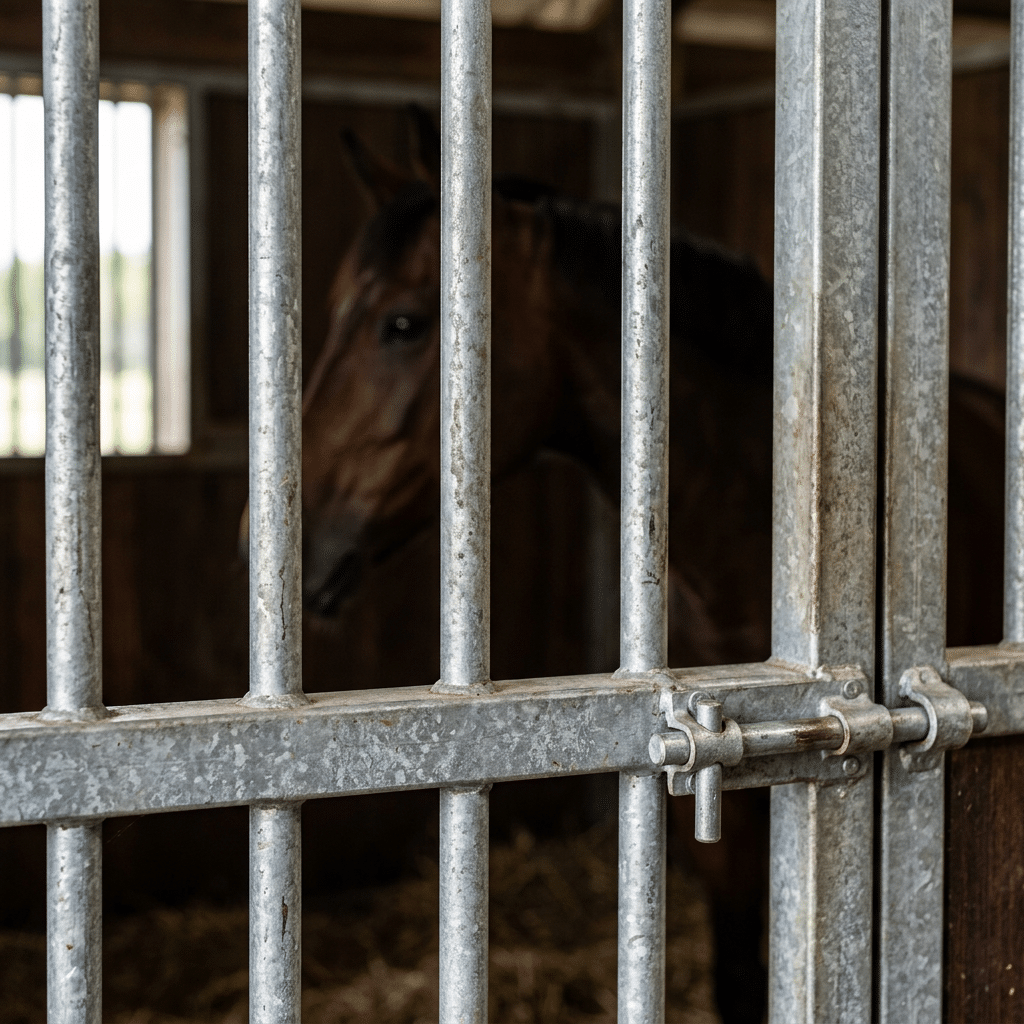
Bamboo vs. HDPE Infill: Which Material is Best for Your Climate?
Choosing the right material for horse stall panels directly impacts long-term maintenance budgets. An infill like bamboo or HDPE that is mismatched to your climate’s humidity or UV exposure will warp, rot, or crack. This premature failure leads to expensive...
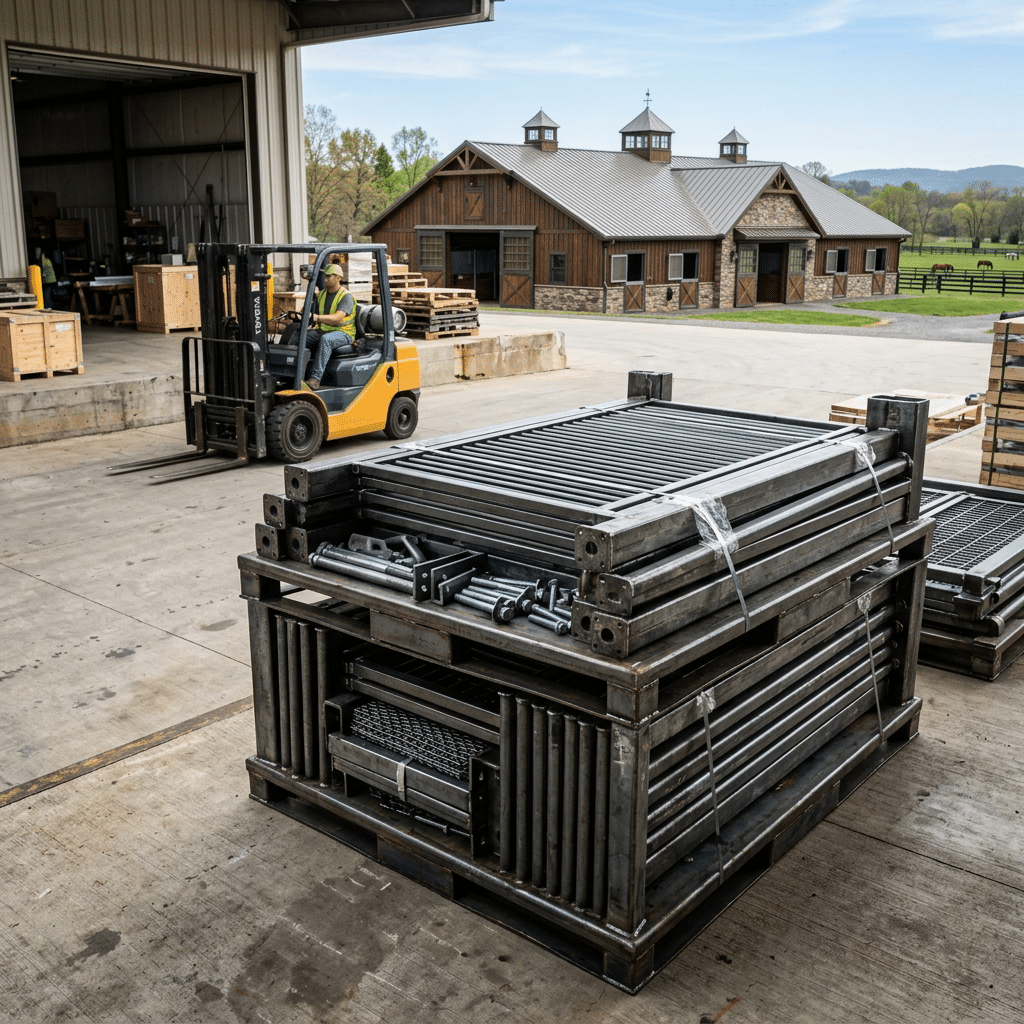
Standard 12×12 vs. Custom Stall Sizes: Which Fits Your Barn?
Deciding on a Custom Sizinghorse stall size is secondary to sourcing a product that won’t fail from rust. Many suppliers cut corners by welding pre-galvanized tubes, leaving joints exposed and creating a product destined for warranty claims that destroy distributor...
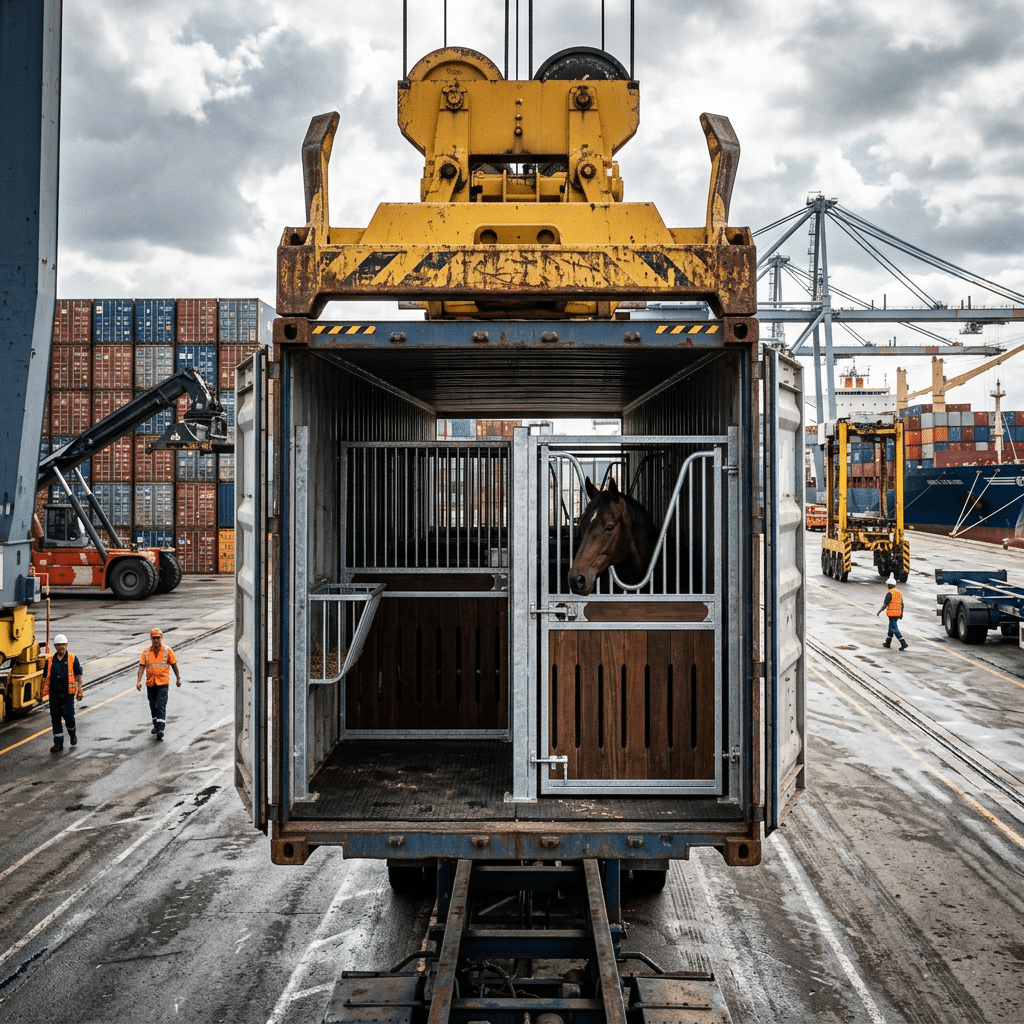
Hot-Dip Galvanized vs. Powder Coated: Which Prevents Rust Best?
Decisions on rust/galvanizing for horse stall gates directly impact total cost of ownership and warranty claims. A coating that fails in high-salinity coastal air or at critical weld points forces expensive product replacements and erodes distributor margins. This...
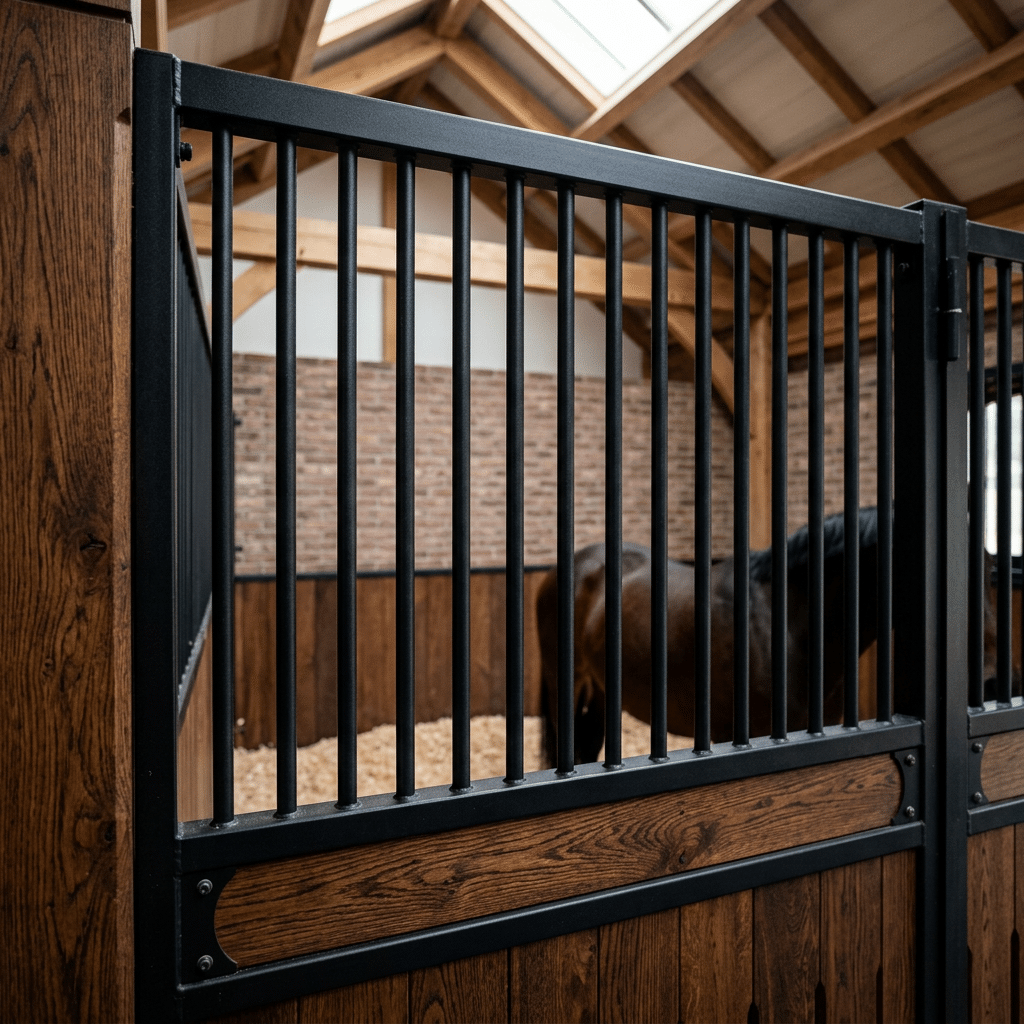
How to Build a 4-Stall Barn: A Step-by-Step Installation Guide
Successful installation for 4 stall horse barn plans hinges on the engineering of the components, not just the assembly process. Sourcing kits made with pre-galvanized tubes is a common mistake that leaves welds exposed, guaranteeing rust and leading to costly...
Top 10 Horse Stable Manufacturers in China (2026 Honest Review)
Using a generic China Manufacturers List for horse stables often leads to sourcing products made from pre-galvanized steel, where weld points are guaranteed to rust, creating expensive structural failures and distributor liability. This analysis benchmarks suppliers...
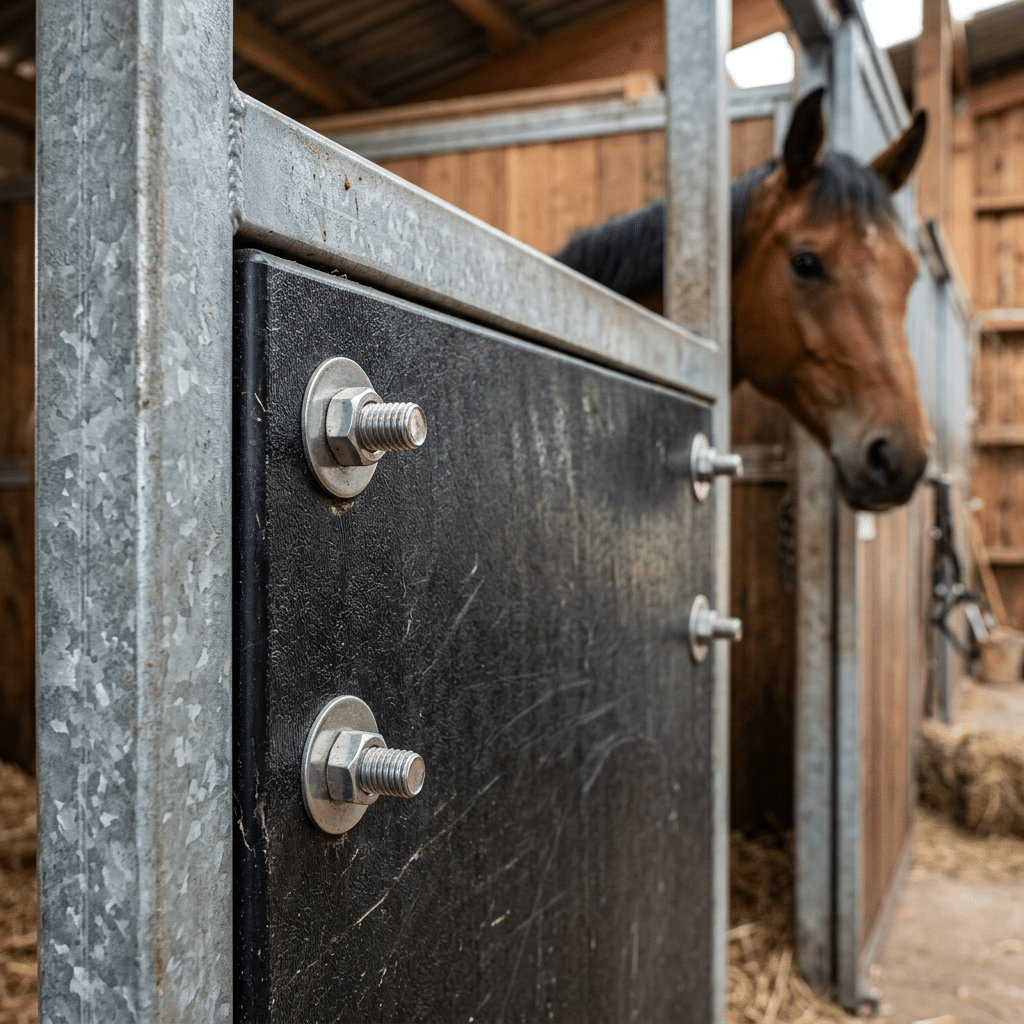
Top 5 Global Luxury Stable Brands vs. Factory-Direct Alternatives
Specifying Global Luxury Brands for equestrian stables often means paying a premium for brand heritage over measurable engineering. This inflates project costs and can put architects at a competitive disadvantage, forcing a choice between budget adherence and the...
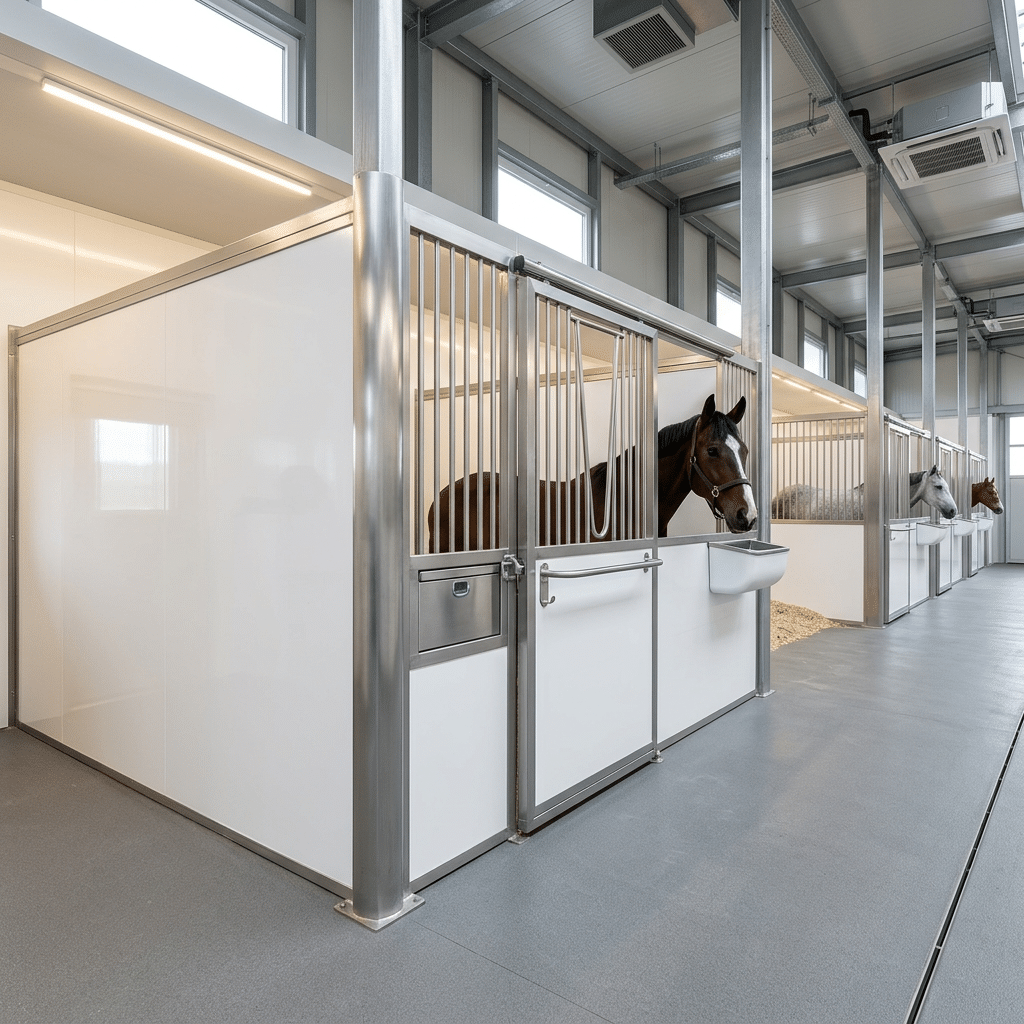
Top Horse Stable Suppliers in Australia: Buy Local vs. Import Direct
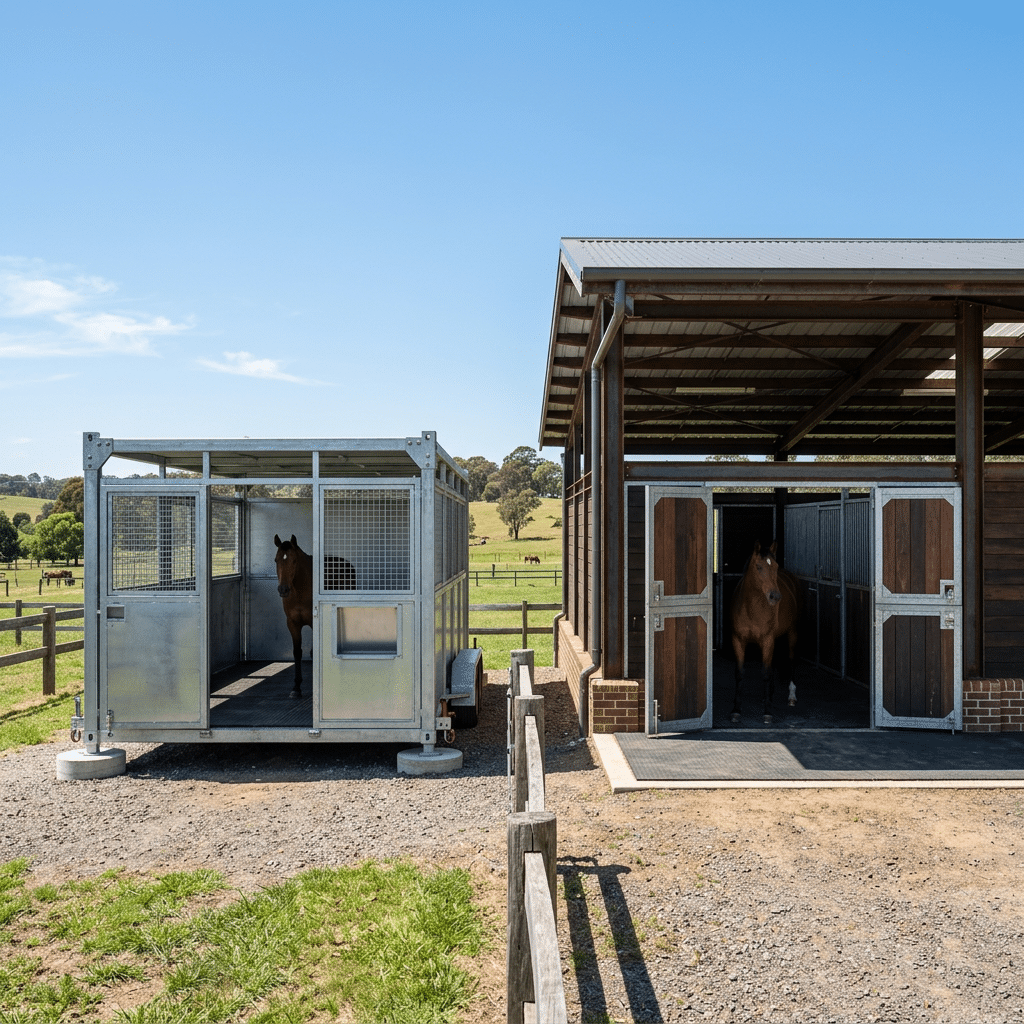
Evaluating horse stable Australia Suppliers requires a direct comparison between local fabrication and importing from a source factory. Choosing a supplier without verified corrosion protection can lead to premature rust and warranty claims, while an inefficient...
Top 7 Horse Stall Manufacturers in the USA (Powder Coat vs Galvanized)
Sourcing from top USA manufacturers requires looking beyond powder coating to avoid the hidden costs of rust. While a common domestic finish, a single scratch on powder coat exposes the underlying steel, leading to rapid corrosion and devaluing your entire facility...
Top Internal Stable Manufacturers in the UK: Heritage vs. Import Value
Sourcing from reliable UK stable suppliers is the primary defense against premature corrosion in Britain’s damp climate. While some options appear cheaper upfront, specifying the wrong galvanization process leads to rust, warranty claims, and ultimately erodes...
Stop Rust: Hot-Dip vs Pre-Galvanized Horse Stables
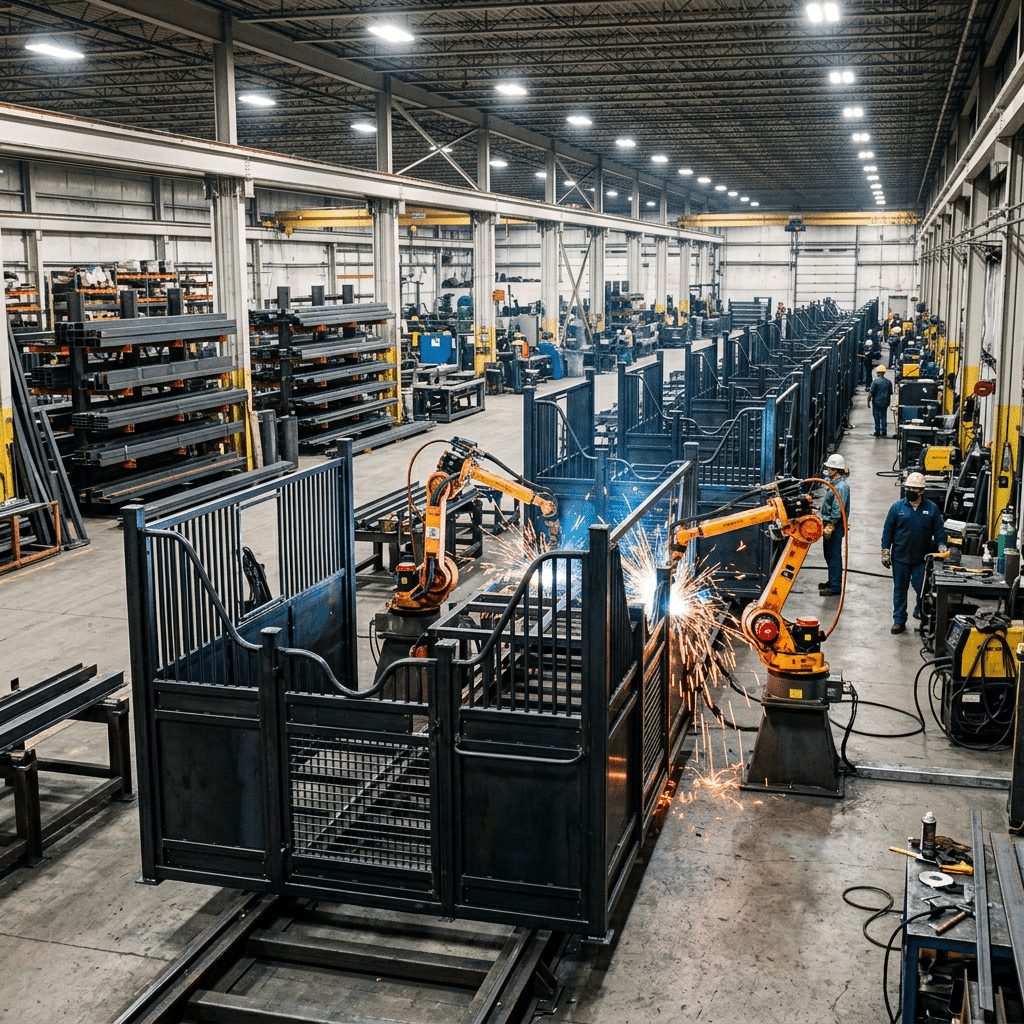
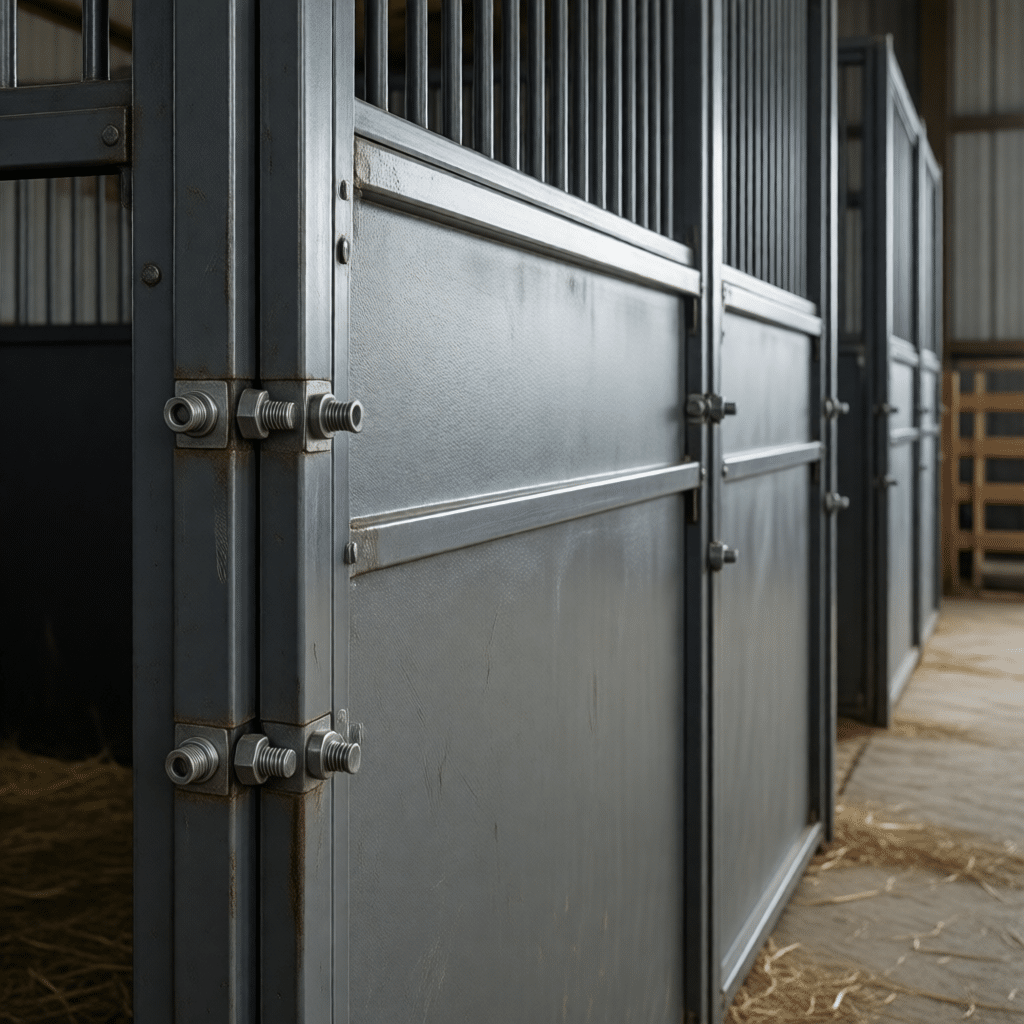
clean hot dip galvanized horse is the first checkpoint buyers should lock before they approve a supplier, budget, or production slot. A $50,000 order for horse stalls gets approved after sample inspection. Three months later, the buyer finds rust at every weld joint....
Avoid Horse Stall Front Breakage: Safety Webbing Fix
horse stall webbing safety is the first checkpoint buyers should lock before they approve a supplier, budget, or production slot. The gap between a solid steel stall front and a breakaway webbing system is often just a few hundred pounds of force, yet that difference...
Fix Horse Stall Door Jamming: U-Channel Caps Guide
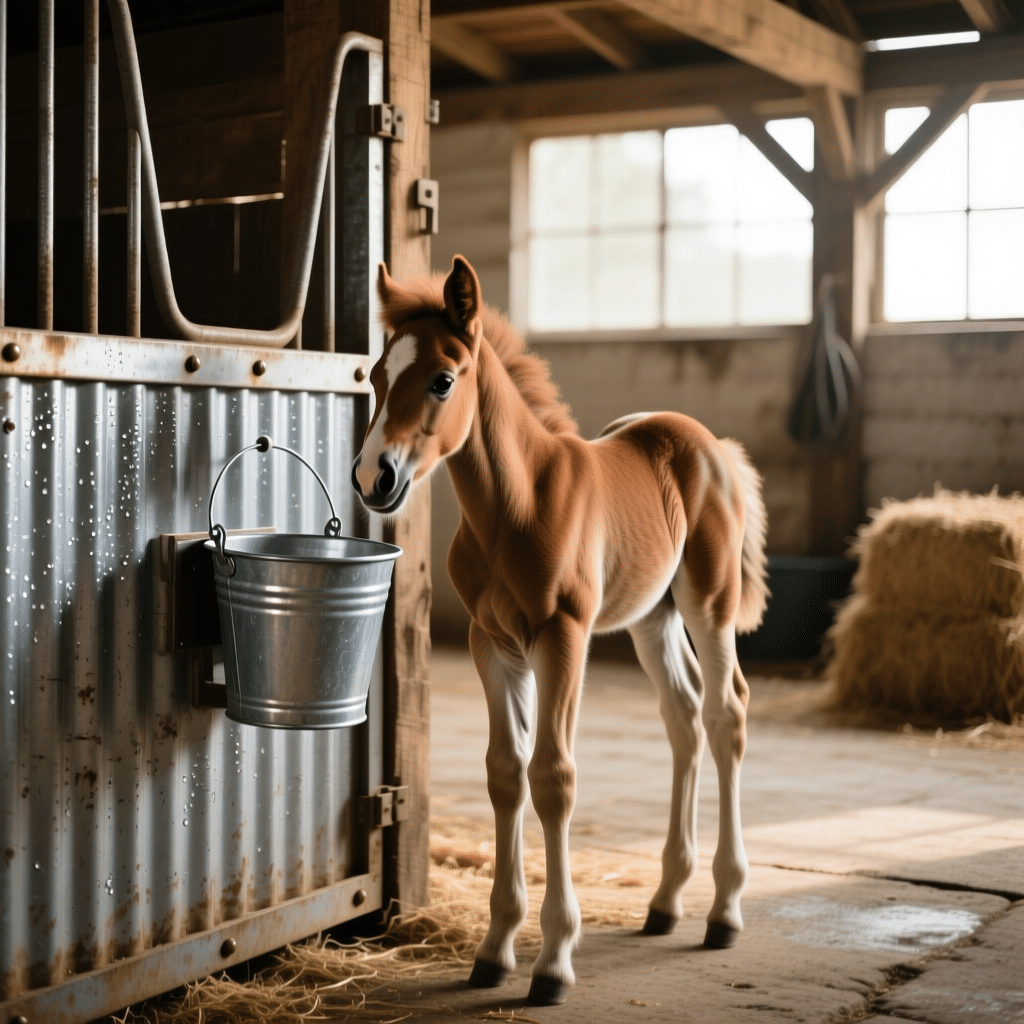
The difference between a smooth-running stall and a maintenance nightmare often comes down to a single measurement: the 3mm tolerance gap maintained by heavy-duty U-channel caps. Fix horse stall door jamming isn't about aggressive lubrication or forcing a warped door...
Best Portable Horse Stable Suppliers for Events and Temp Housing
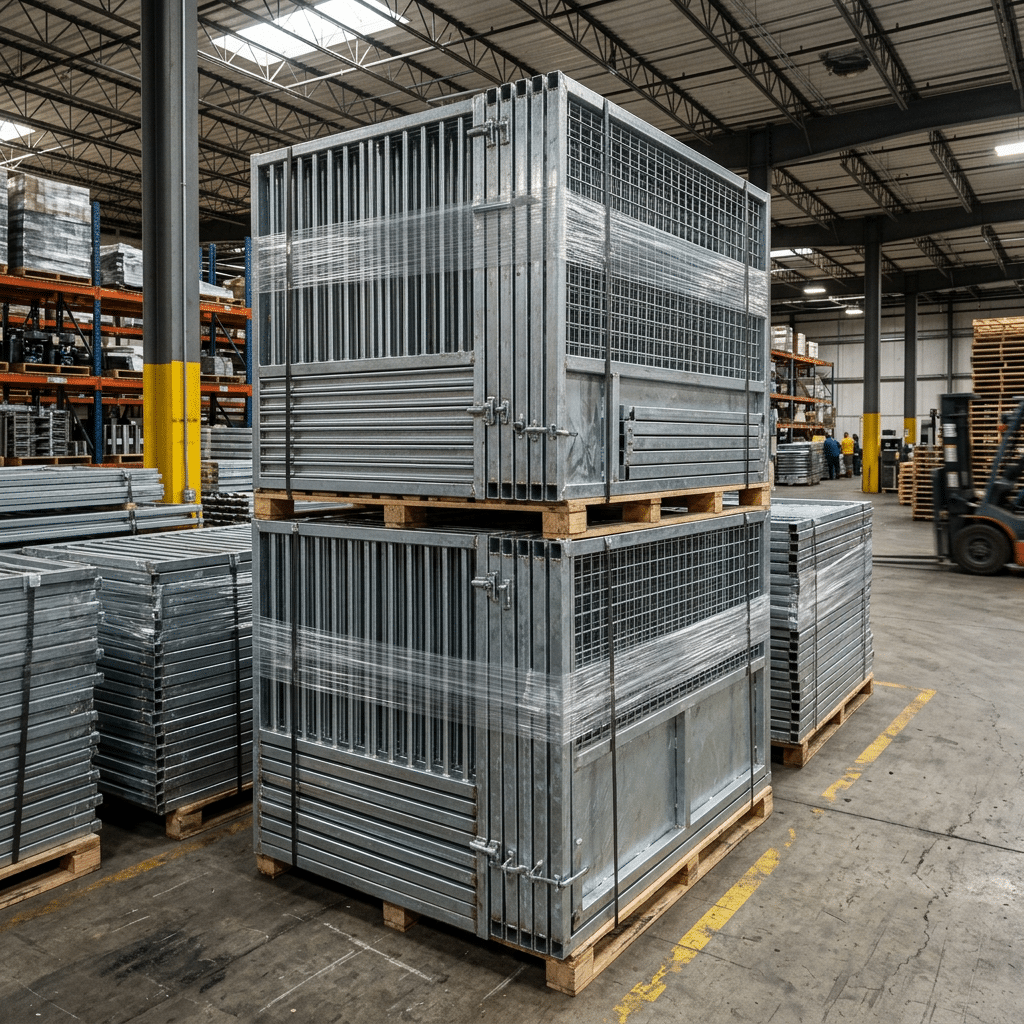
Finding reliable portable stable makers is a direct defense against equipment failure and eroded rental margins. Many suppliers use pre-galvanized tubing that rusts at the welds within a few seasons, forcing event companies into costly replacement cycles and creating...
Top Suppliers for Bamboo Stable Planks: Why Material Source Matters
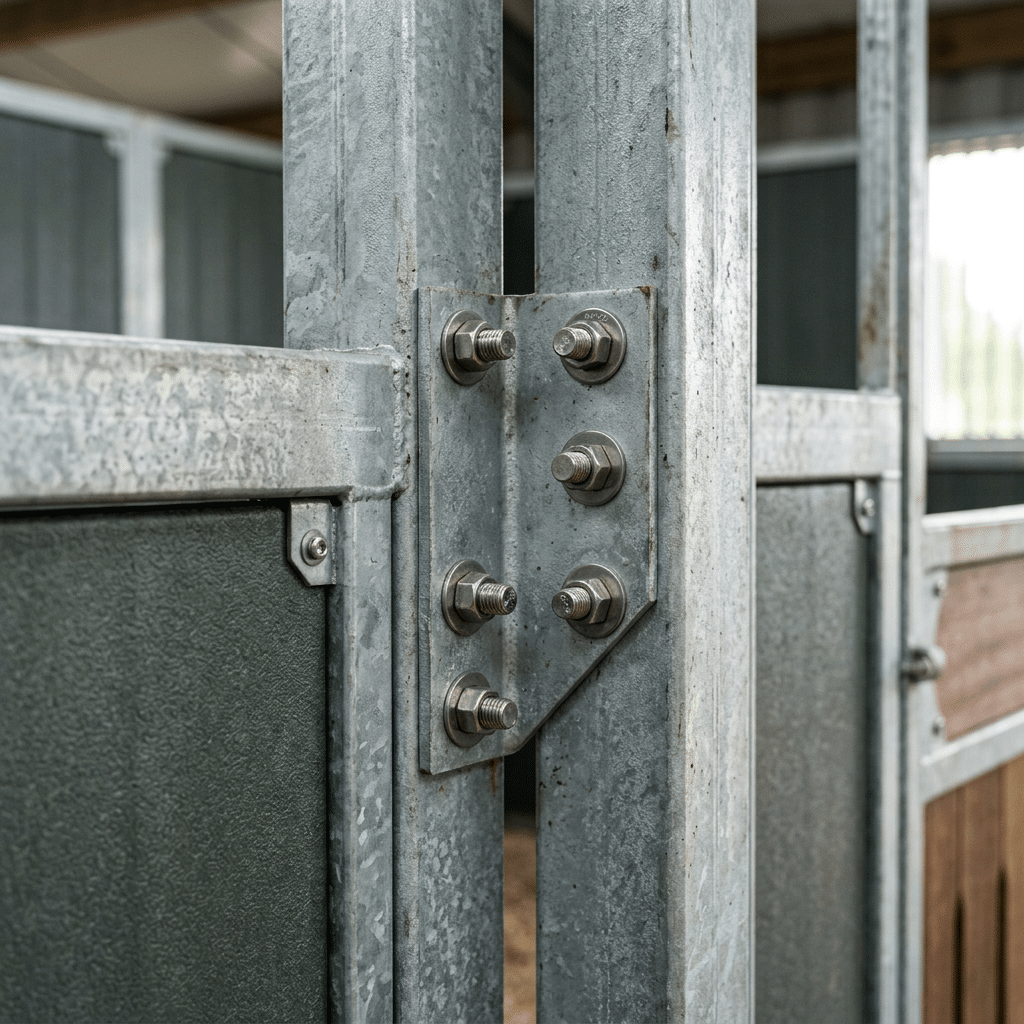
Sourcing from qualified Bamboo Board Suppliers is the primary defense against catastrophic infill failure. Partnering with vendors who ship low-density, laminated boards instead of structural-grade planks leads directly to splintering, rot, and costly replacement...
Top Horse Stall Mat Brands: Rubber, EVA, or Interlocking?
Selecting the right Rubber Flooring Brands is a critical logistics decision that impacts your container freight costs. Sourcing flooring separately from your primary stable order means paying for a second shipment, directly eroding the profit margin on every unit you...
Top Custom Horse Barn Builders vs. Prefab Kit Suppliers
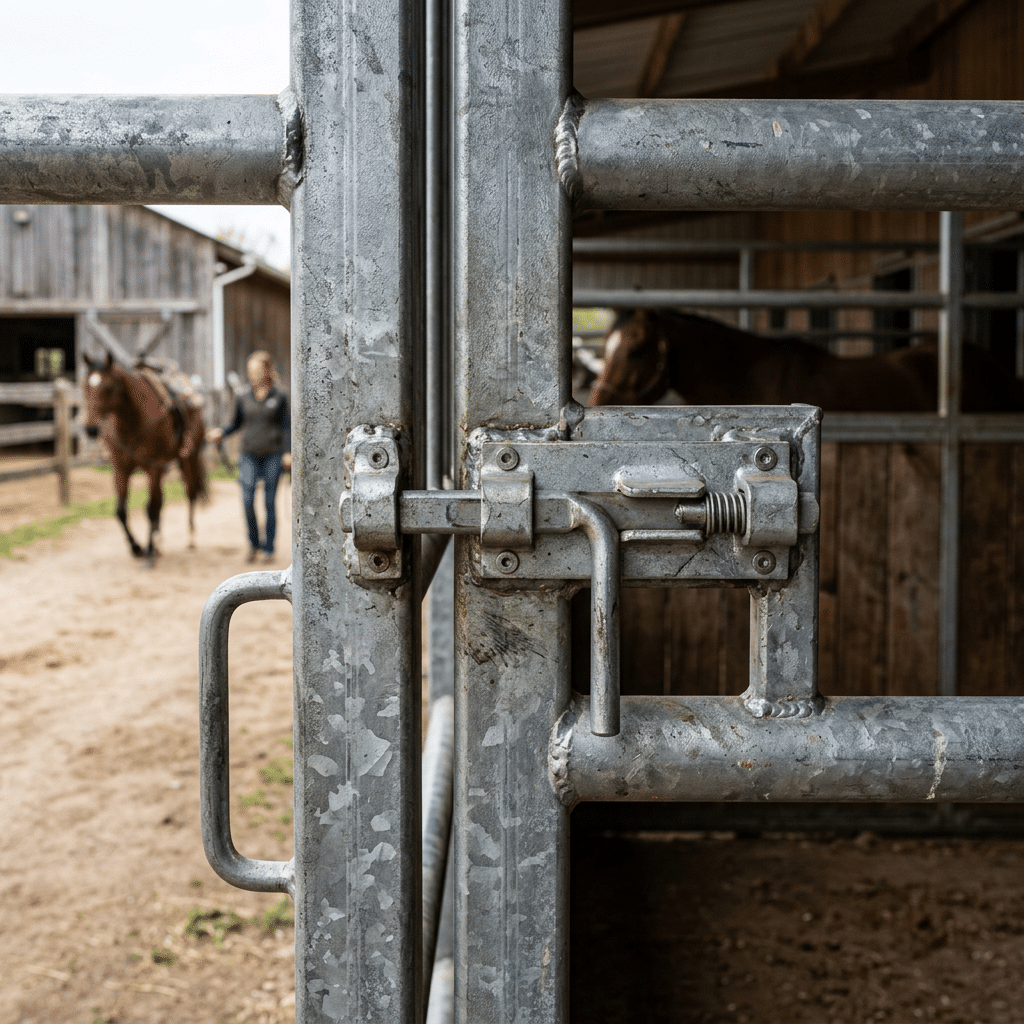
Vetting custom builders for an equestrian facility requires a focus on material engineering, not just project portfolios. A common and costly failure is accepting pre-galvanized steel, which corrodes at the welds, creating long-term structural risks and devaluing the...
5 Red Flags When Sourcing Horse Stables from China (Scam Guide)
Effective scam & fraud avoidance is the primary defense against the most common sourcing failure: receiving horse stables built from thin, pre-galvanized steel. This manufacturing shortcut creates unprotected welds that rust within months, leading directly to...
Bamboo vs. Pine Stables: Which Will Your Horse Chew Through First?
Choosing between bamboo vs pine wood for horse stables is a critical calculation of long-term liability, not just material cost. Standard pine fails predictably from chewing and moisture, creating recurring replacement budgets and the financial risk of...
Fix Jammed Sliding Horse Stall Doors Without Tracks
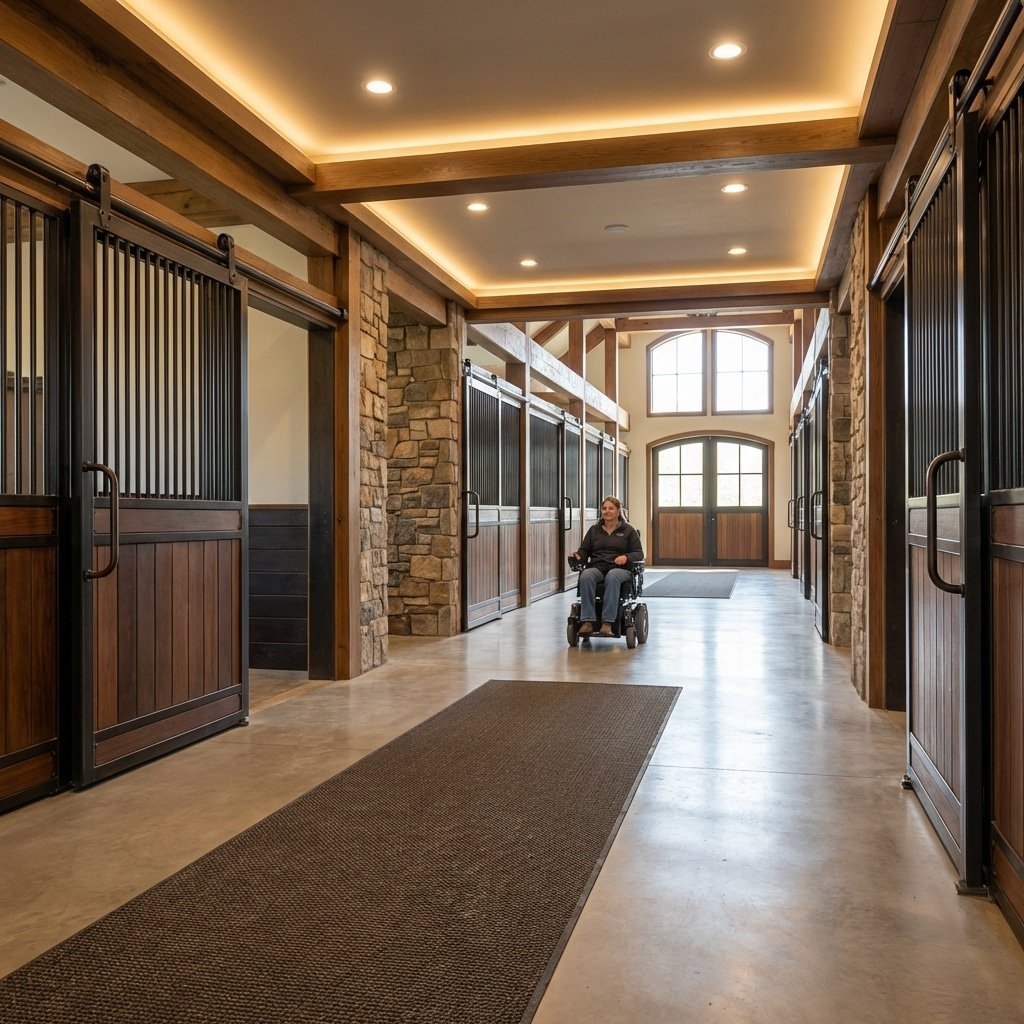
Sliding horse stall doors without floor track are a deliberate move to avoid the most common failure point in barn door hardware. But the decision only pays off if the overhead roller system is specified correctly. I've seen facility managers approve pre-production...
Fix DIY Horse Shelter Collapse: 20×20 Pole Barn Steel Specs
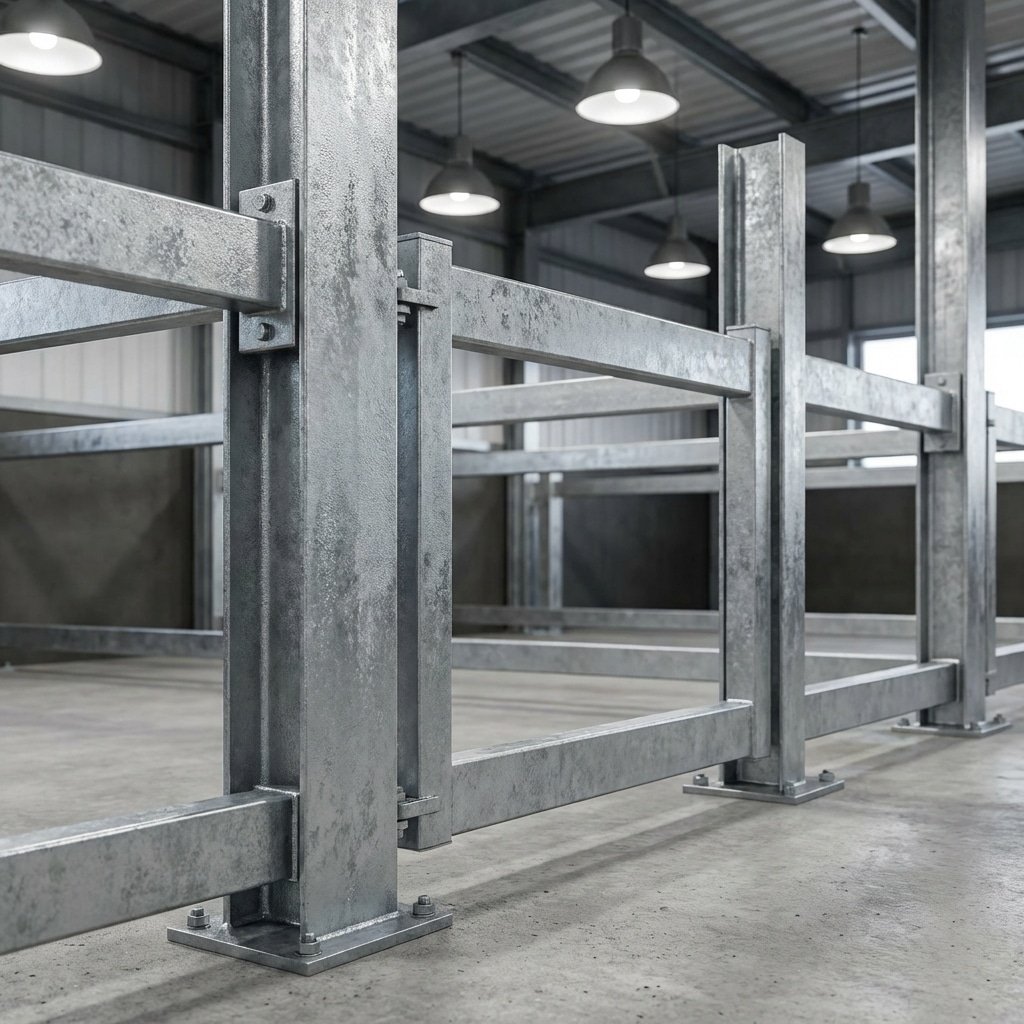
pole barn collapse fix is the first checkpoint buyers should lock before they approve a supplier, budget, or production slot. Most sourcing guides tell buyers to compare three suppliers based on FOB pricing. That advice falls apart when all three source from the same...
Fix Horse Stall Front Breakage: Safety Webbing Guide
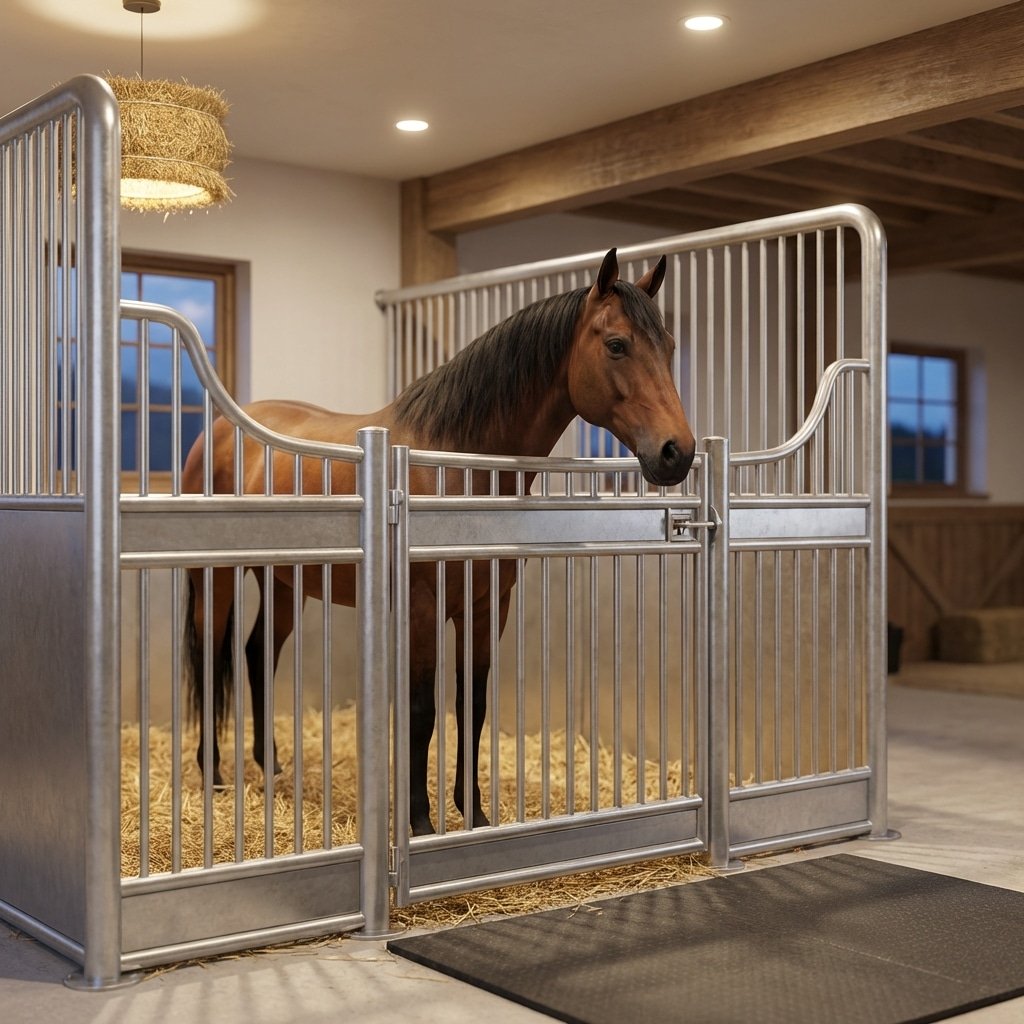
horse stall webbing safety is the first checkpoint buyers should lock before they approve a supplier, budget, or production slot. A procurement manager managing a 120-stall equine facility realizes the danger during a routine inspection when a standard nylon strap...
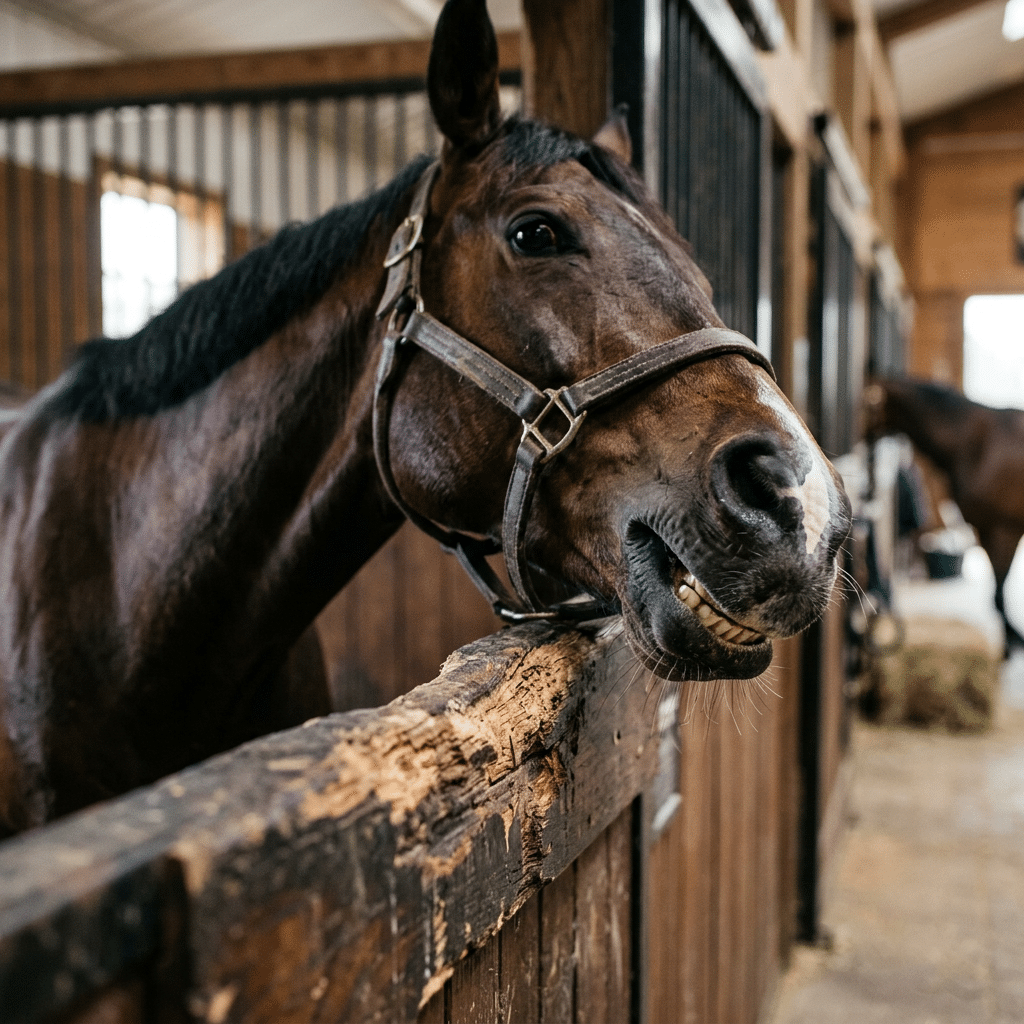
Hot-Dip Galvanized vs. Powder Coated Stables: The 10-Year Rust Test
The galvanized vs powder coated decision directly impacts your warranty claim rate and long-term profits. While powder coating initially satisfies aesthetic demands, its rapid failure in high-ammonia environments leads to rust complaints and costly product...
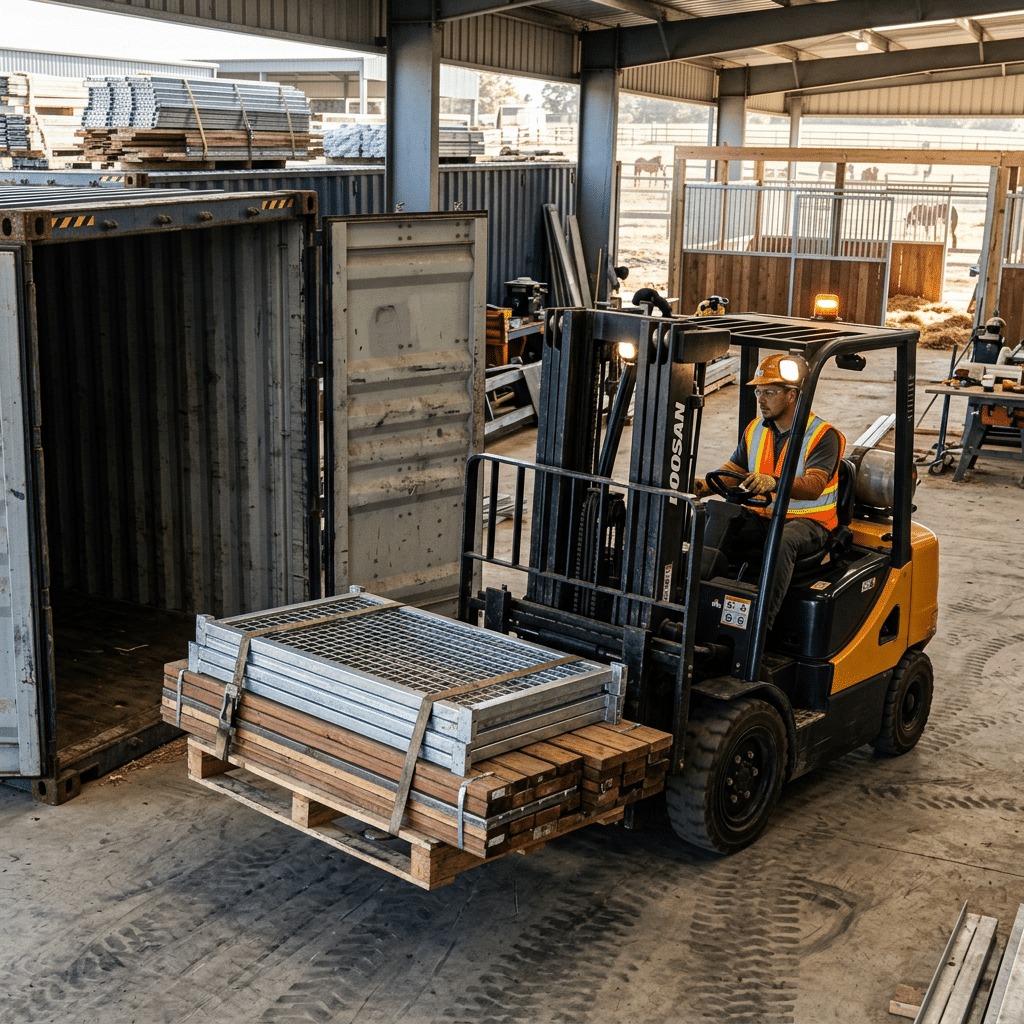
HDPE Plastic vs. Traditional Wood Stalls: The Ultimate Biosecurity Battle
The HDPE vs Wood Boards decision directly impacts your facility’s biosecurity and long-term operational costs. Traditional wood infills act as a porous sponge for pathogens and moisture, leading to rot and creating a constant health liability that inflates...
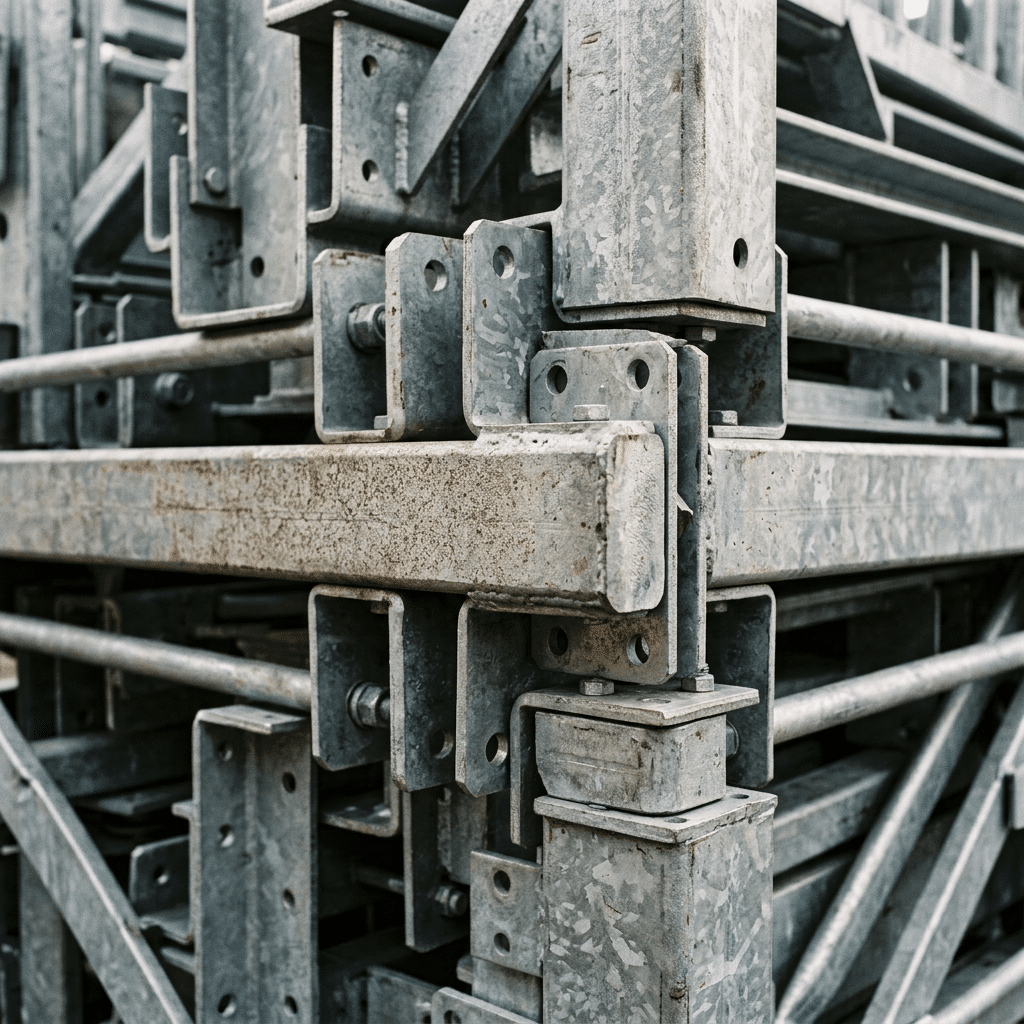
Steel vs. Aluminum Horse Stables: Why Lighter Isn’t Always Better
The steel vs aluminum debate for horse stables often centers on a dangerous misconception: that lighter, more expensive aluminum is a premium upgrade. This choice ignores the critical risk of brittle fracture in cold climates, where an impact from a kick can cause...
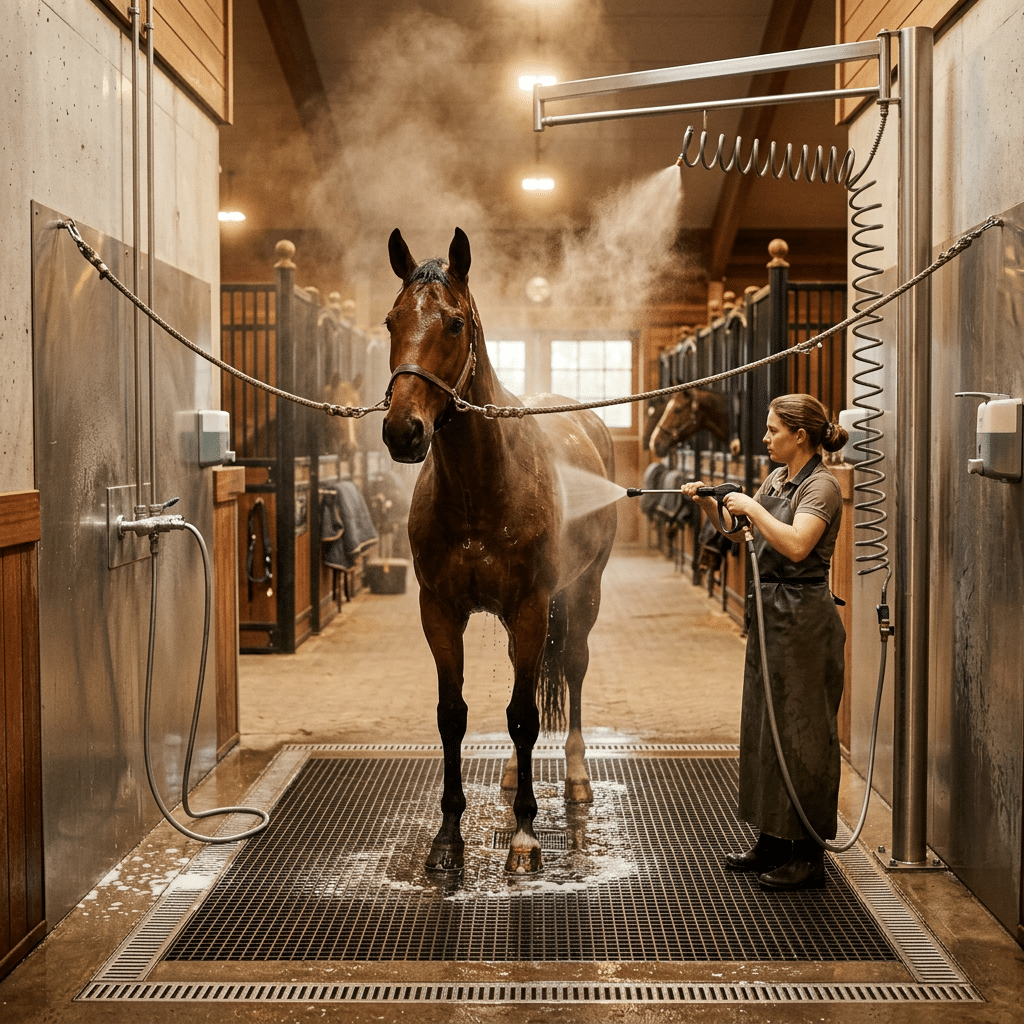
Prefab Stable Kits vs. On-Site Welding: The Rust Guarantee You Didn’t Know About
The Prefab Kits vs Custom Built debate often overlooks a critical defect: on-site welding of pre-galvanized steel burns off the zinc coating. This common shortcut creates a guaranteed rust point at every joint, leading to premature structural failure and exposing...
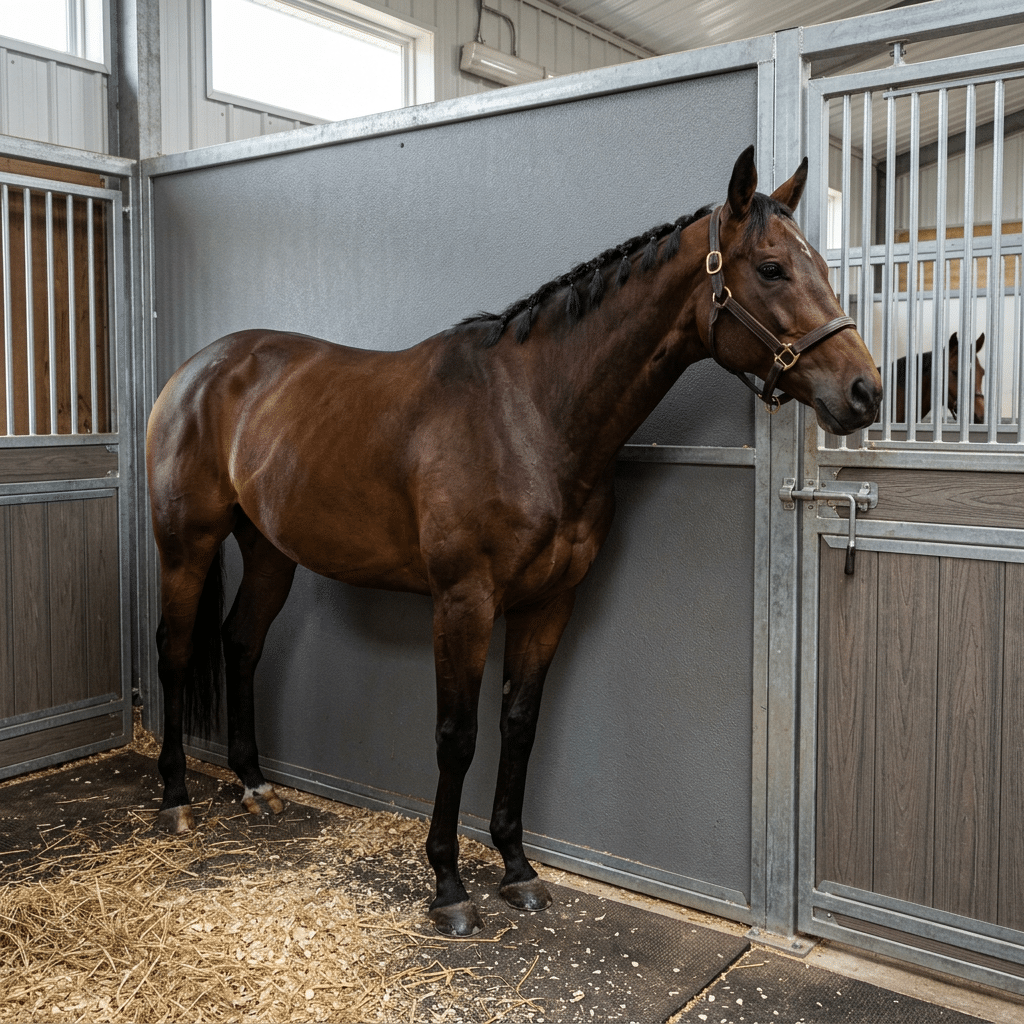
Sliding vs. Hinged Stable Doors: Aisle Space and Escape Artists
The debate over sliding vs hinged doors is a critical decision that directly impacts barn safety and long-term maintenance costs. A hinged door in a narrow aisle creates a predictable liability risk from obstructions. A poorly engineered sliding door introduces...
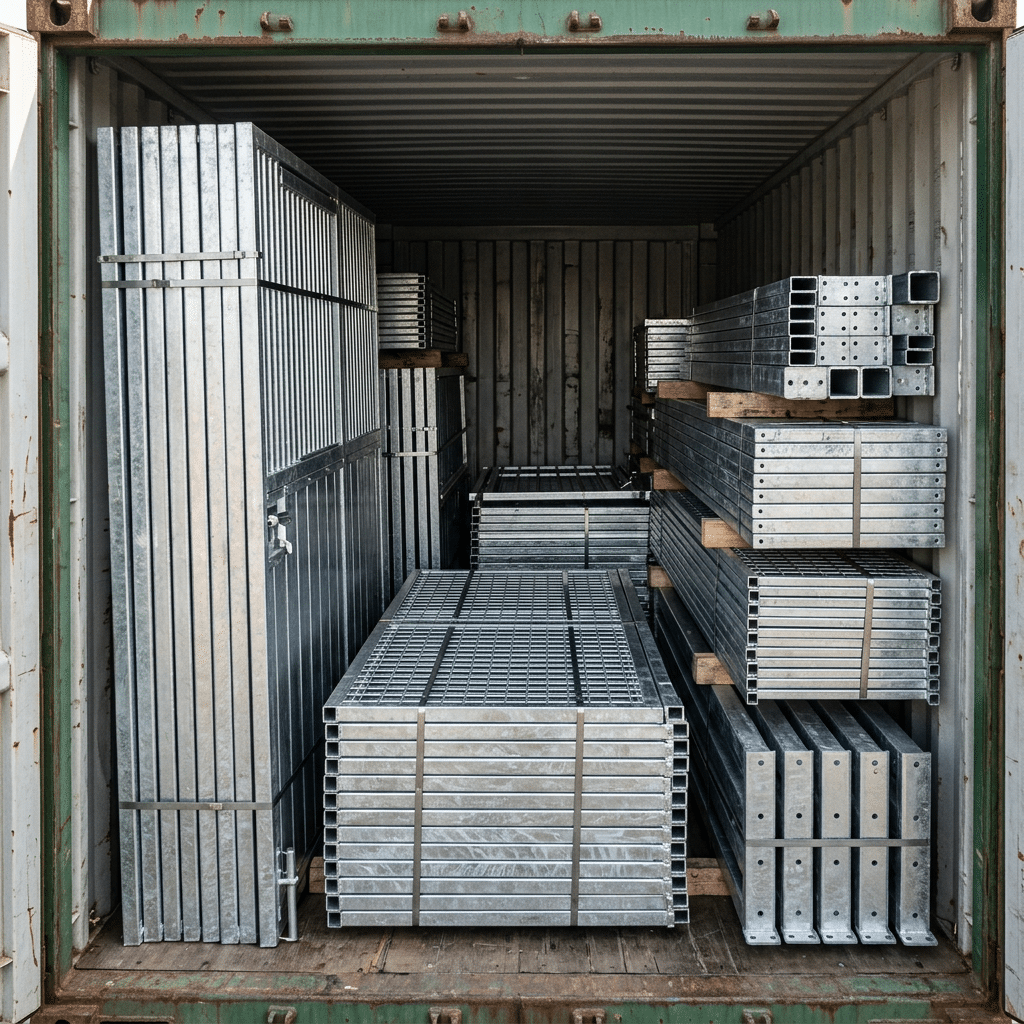
Yoke Windows vs. Fully Grilled Fronts: The Psychology of Stall Socialization
The Yoke vs Fully Grilled stable front decision is less about aesthetics and more about managing liability. Choosing a supplier based on a low price often means receiving fronts built with thin-gauge steel and inadequate galvanization. This leads to weld failures and...
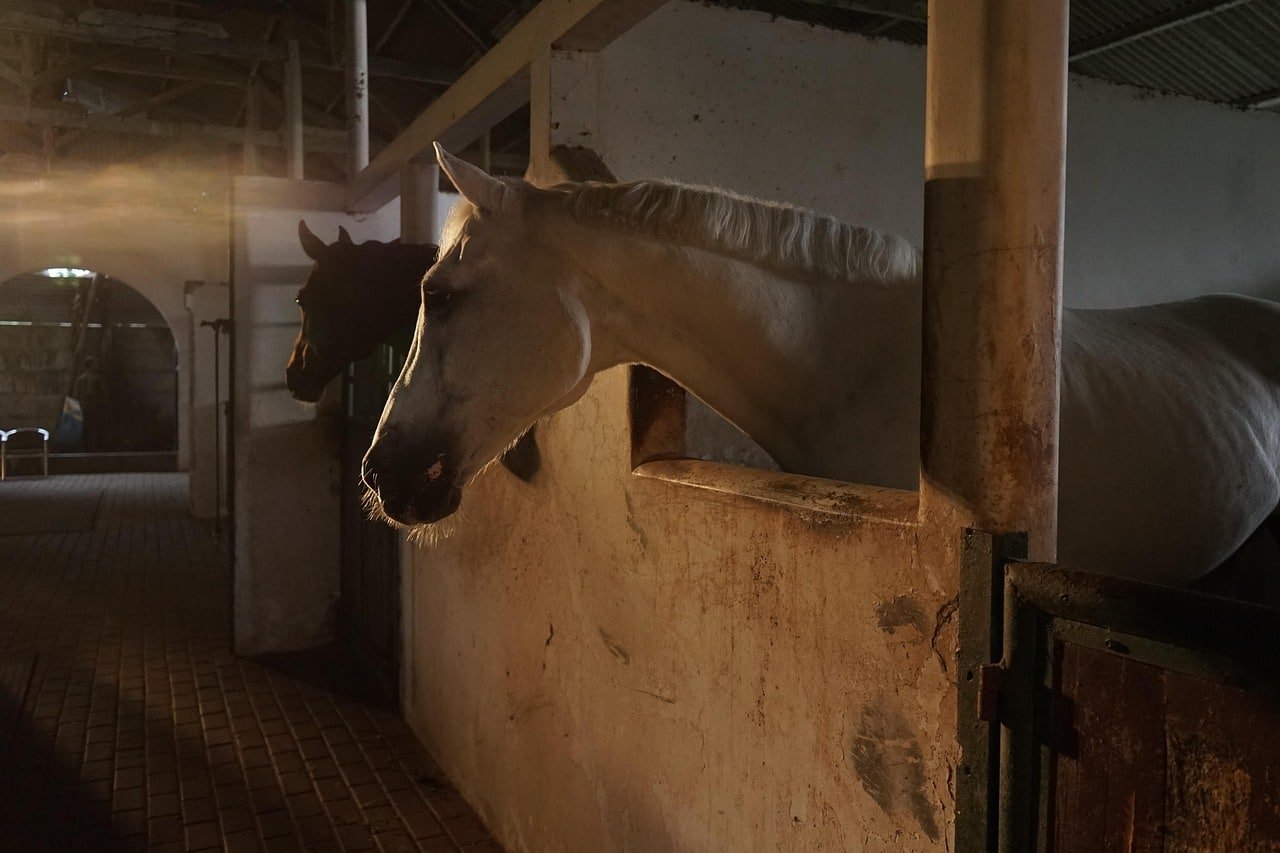
Portable Stables vs. Permanent Concrete Builds: The ROI of Flexibility
The Temporary vs Permanent stable debate often overlooks a critical financial risk. Opting for a low-cost portable system frequently leads to structural failures from thin steel and premature rust, creating costly liabilities that erode any initial savings and...
Half-Mesh vs. Solid Stall Dividers: Balancing Ventilation and Safety
The choice between mesh vs solid partitions is a critical engineering decision that directly impacts animal health and operational safety. Using open grills in feeding zones invites resource guarding and injuries, while solid walls in main stalls trap ammonia gas,...
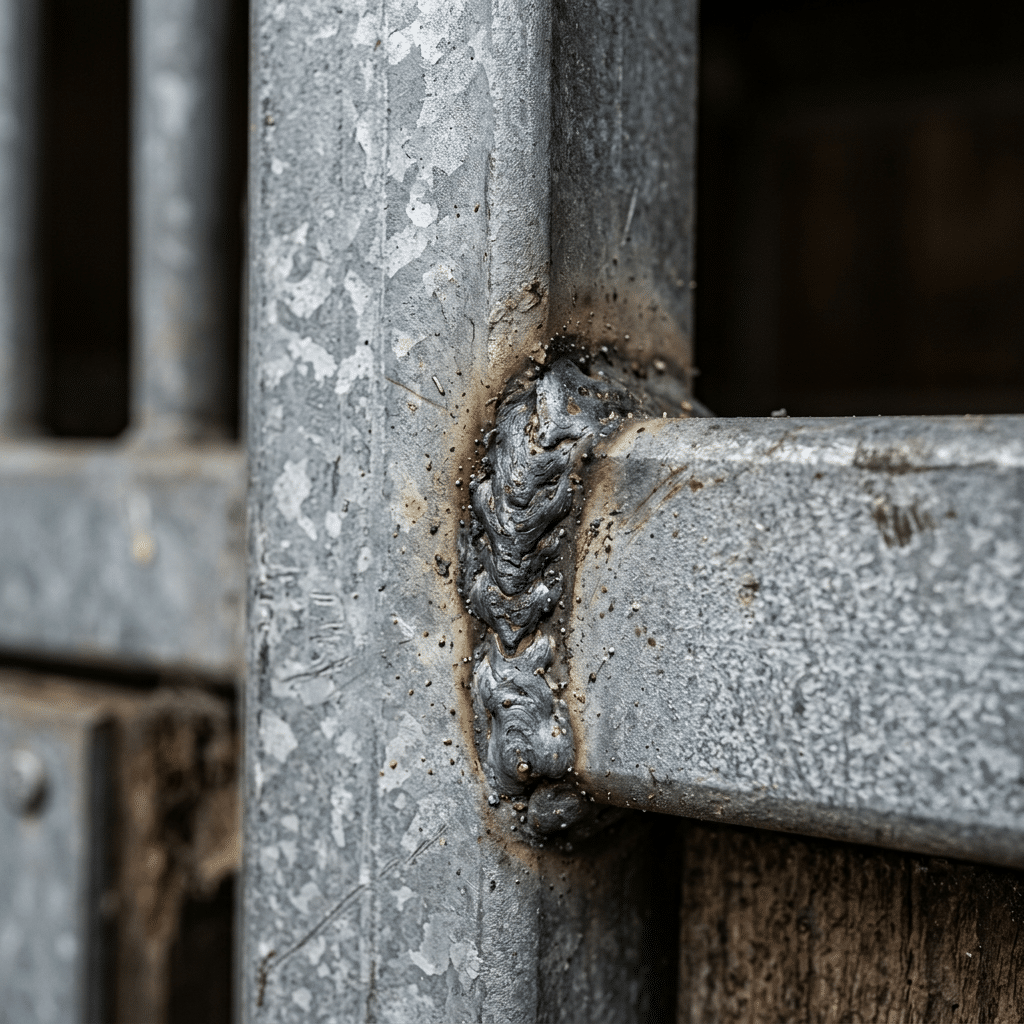
Rubber Mats vs. Interlocking Pavers: The Container-Fill Strategy
The Rubber Mats vs Pavers decision for your inventory often ignores the most critical factor: freight cost. Shipping these high-volume, low-density products as a standalone order is a common mistake that allows volumetric charges to completely eliminate your profit...
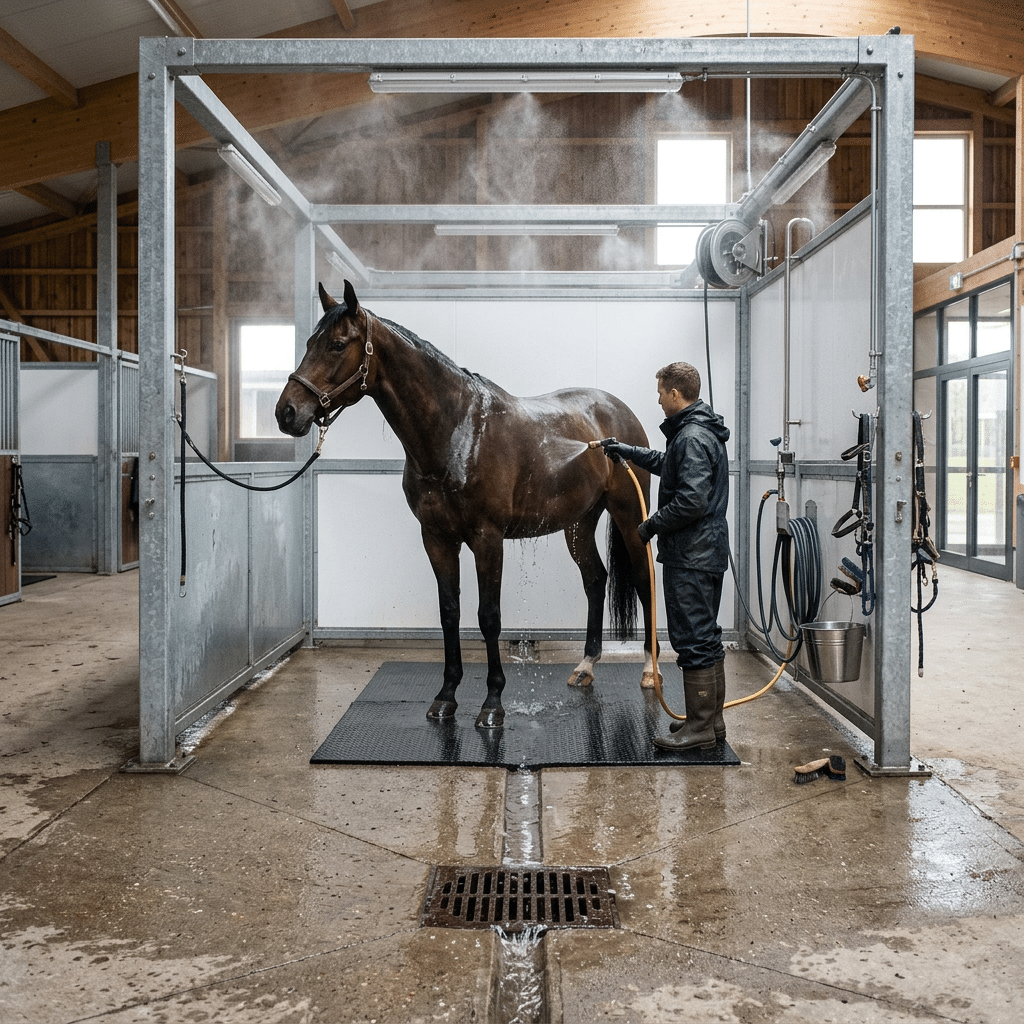
U-Shape vs. Center Aisle Barns: Which Layout Maximizes Airflow?
Effective Barn Layout Design is the primary defense against the chronic respiratory issues that plague poorly ventilated facilities. Ammonia buildup from waste, a direct result of flawed airflow, not only damages lung tissue but also leads to escalating vet claims and...
Designing the Perfect Foaling Stall: Dimensions, Safety, and Monitoring
Foaling stall design is a critical control for mitigating respiratory damage and protecting the value of a newborn. Stalls that fail to manage floor-level ammonia concentrations directly contribute to chronic airway inflammation, leading to recurring veterinary...
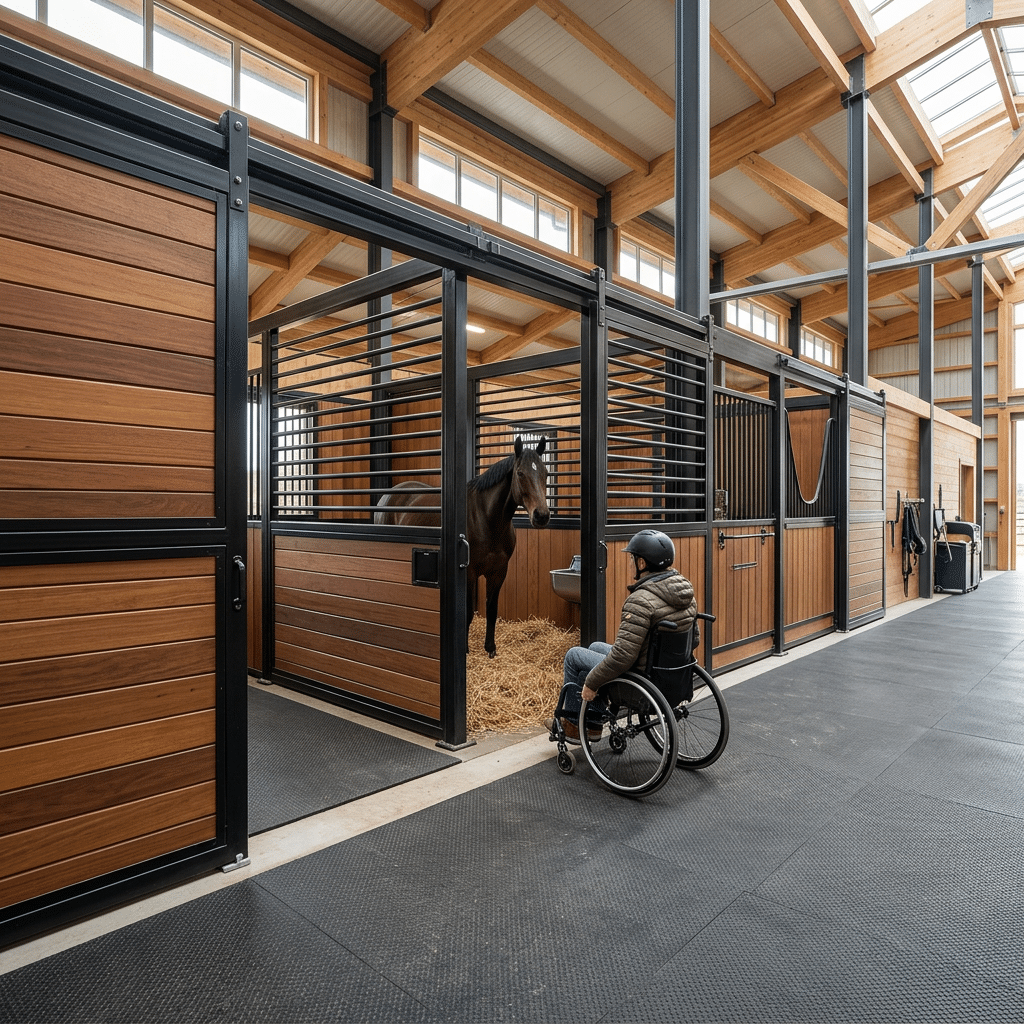
How to Build a European Luxury Barn Without the “German Markup”
Sourcing European Luxury Barns without the associated “German markup” requires a focus on engineering over branding. For developers, paying a premium for an imported name directly erodes project margins. This cost is often tied to logistics and marketing,...
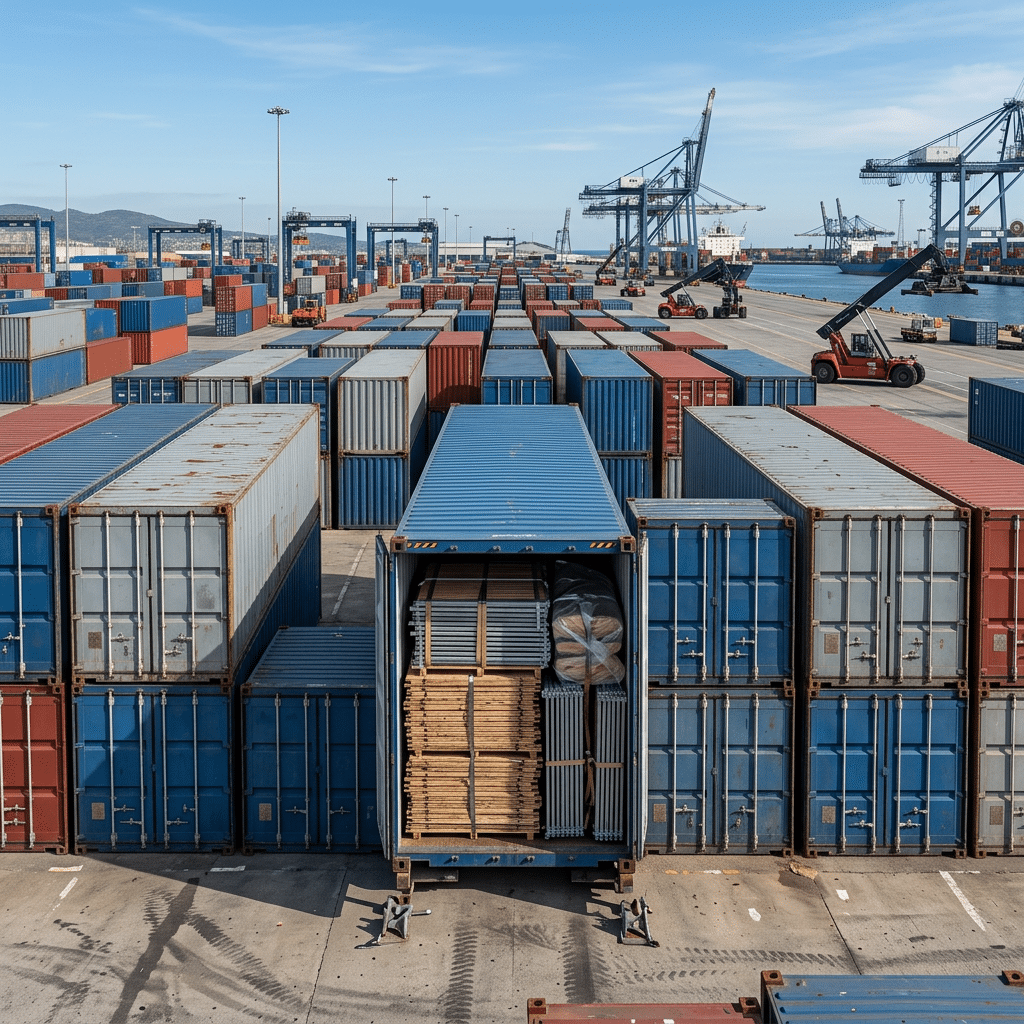
Retrofitting a Pole Barn: How to Install Modular Stables Inside an Existing Shell
A Pole Barn Conversion project’s budget is often broken by ill-fitting, off-the-shelf stall panels. The mismatch between generic sizing and real-world construction tolerances leads to costly on-site modifications and wasted labor, directly impacting project...
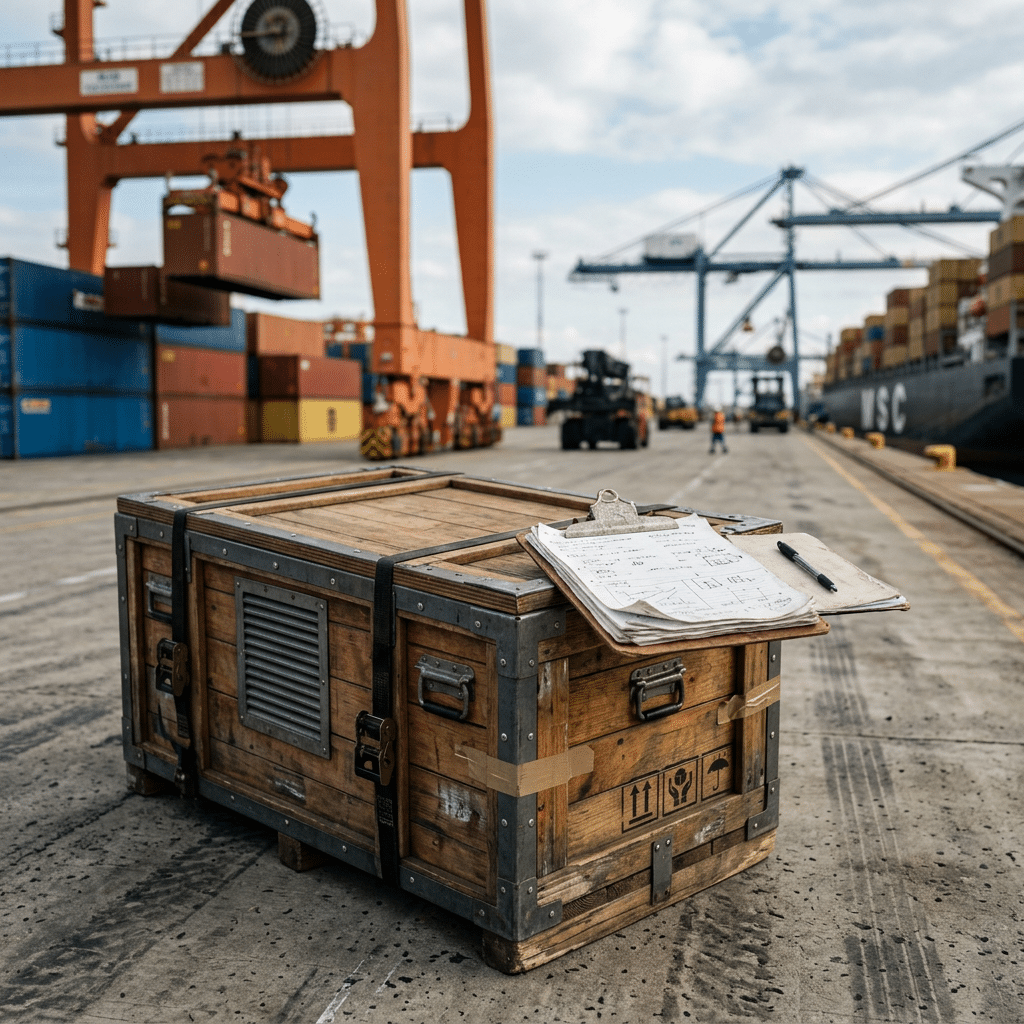
Stallion Barn Safety: Engineering Stalls for High-Testosterone Environments
An effective Stallion Barn Design must prevent structural failure, not just contain the animal. Using standard Q235B steel in cold climates exposes a critical weakness: brittle fracture. A powerful kick on a frozen winter morning can shatter a steel tube, leading to...
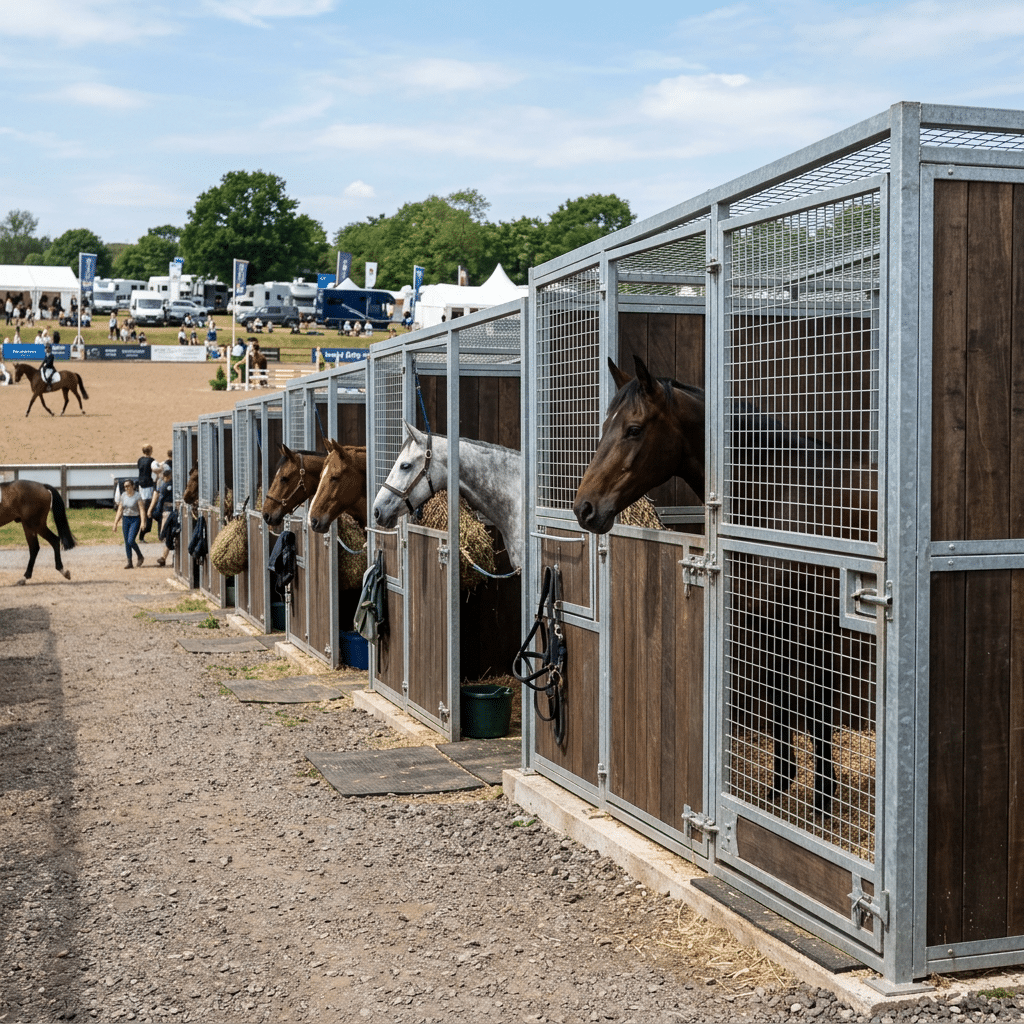
The 14-Foot Rule: Designing Safe Barn Aisles and Flooring Systems
Aisle Width & Flooring decisions directly impact operational safety and labor costs. A miscalculation of just two feet can block machinery access, create high-risk zones for horse kicks, and lead to slip-related injuries—expensive mistakes permanently set in the...
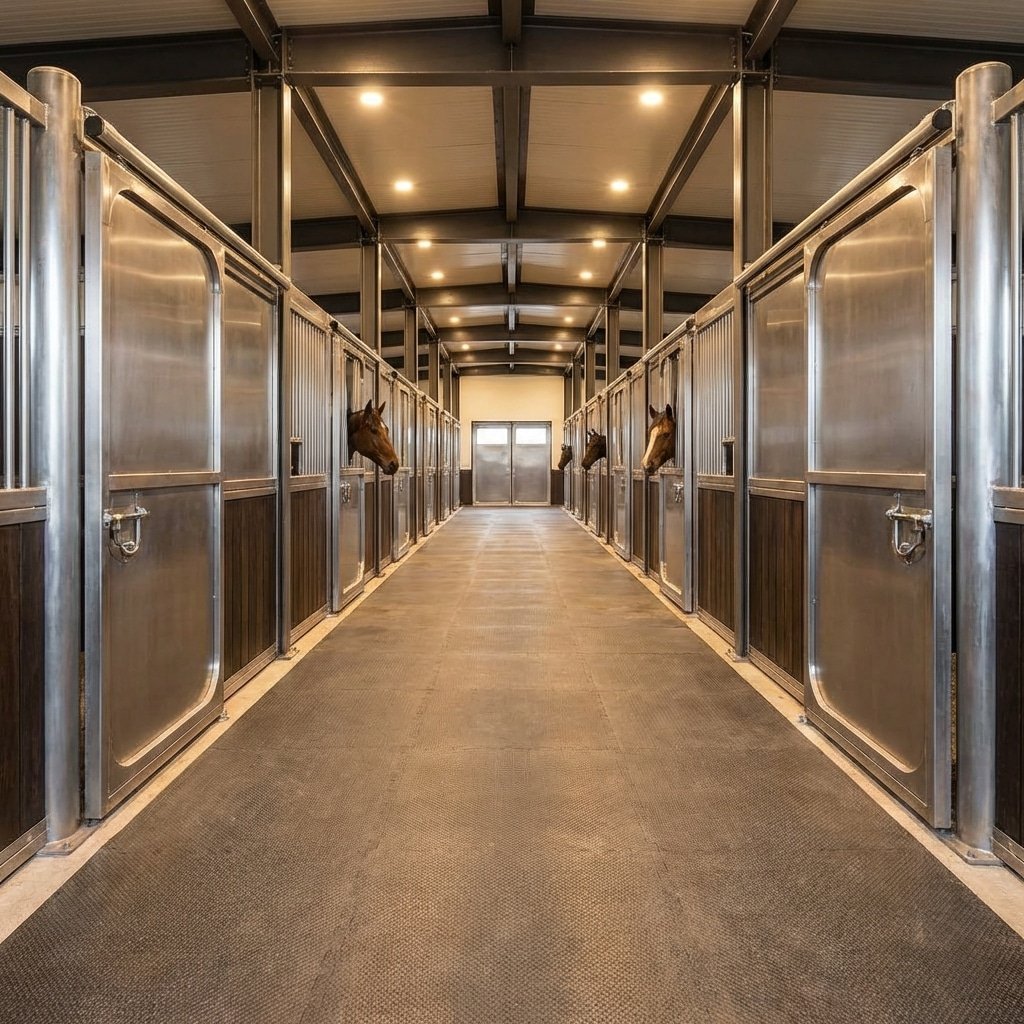
German Horse Stalls: Fix Cold-Weather Jamming Issues
Managing a commercial equestrian facility in Central Europe demands hardware that survives the season, not just the initial inspection. When sourcing german horse stalls for operations facing -18°C temperatures, the difference between a smooth morning routine and a...
Half-Mesh Horse Stall Panels Stop Kick-Through Injuries
Half-mesh horse stall panels solve a specific operational problem: stopping kick-through injuries while keeping horses social. For a commercial developer planning a 20-stall build, the choice between a solid wall and a full mesh grill is not about preference — it is...
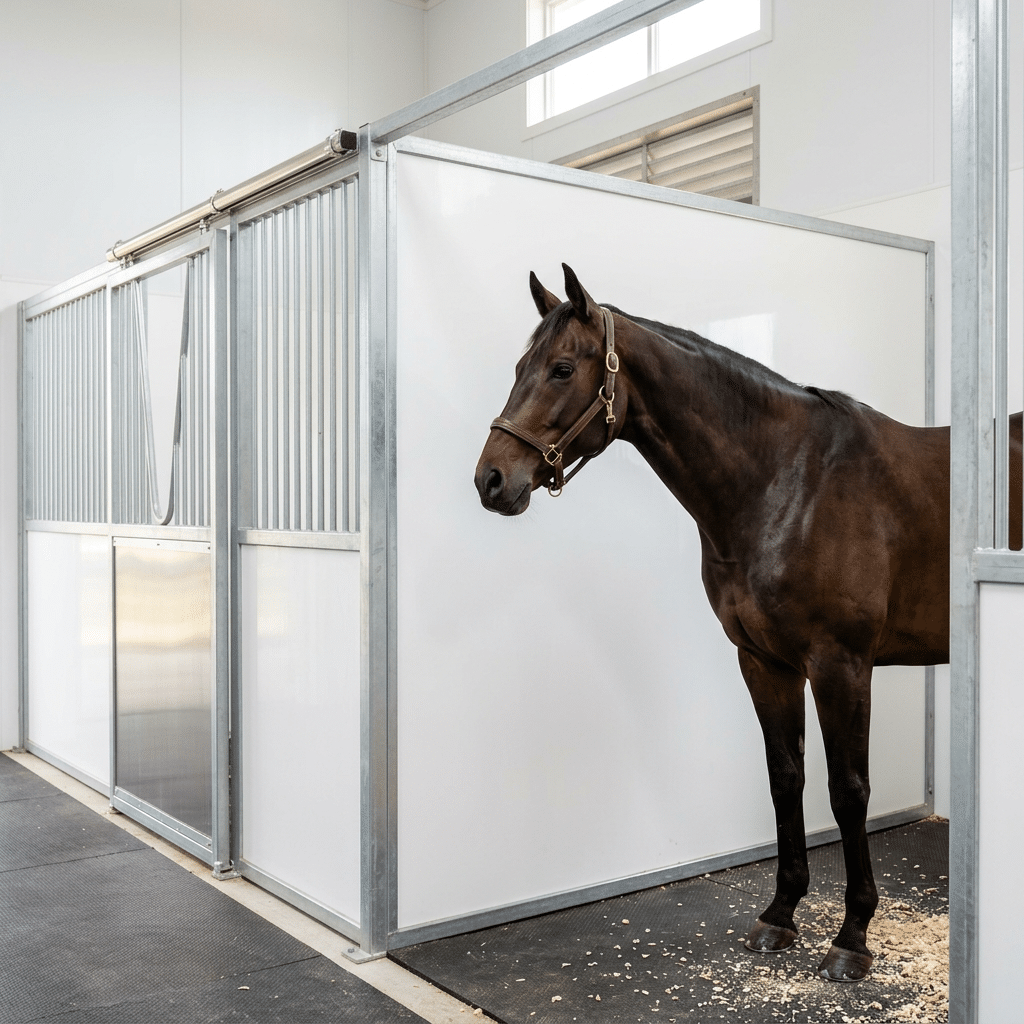
2-Stall & 4-Stall Barn Designs: Maximizing Efficiency on Small Acreage
A small barn doesn't fail because of the layout. It fails because of permit delays and contractor markups. Go with a conventional build instead of a modular system, and complex foundations plus red tape can double your project cost. What should have been an affordable...
Integrating Wash Bays & Tack Rooms: Moisture Control and Hardware
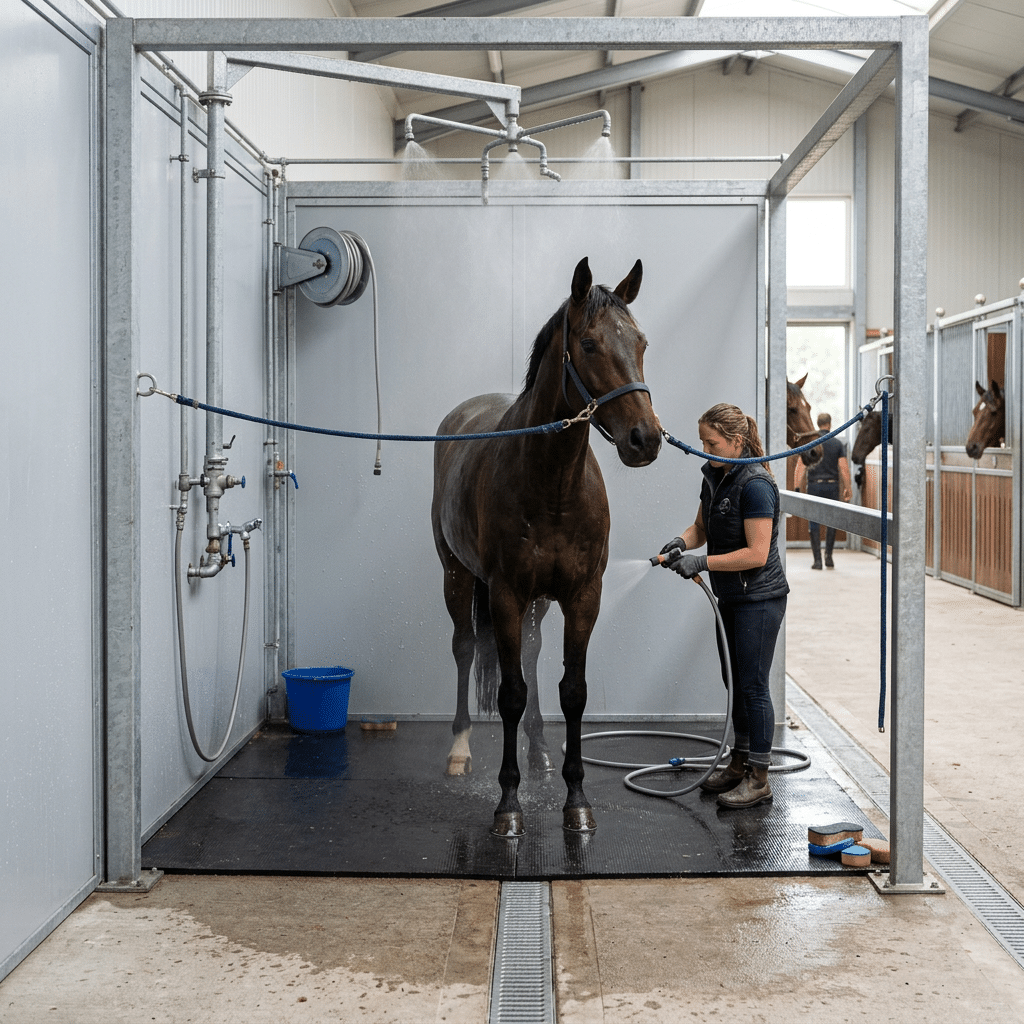
Build a tack room without strict moisture control, and you’re just paying for early replacement. Constant humidity turns leather into a mold buffet. Rust eats through cheap hardware. These aren’t “maintenance quirks.” They are total failures from poor material specs....
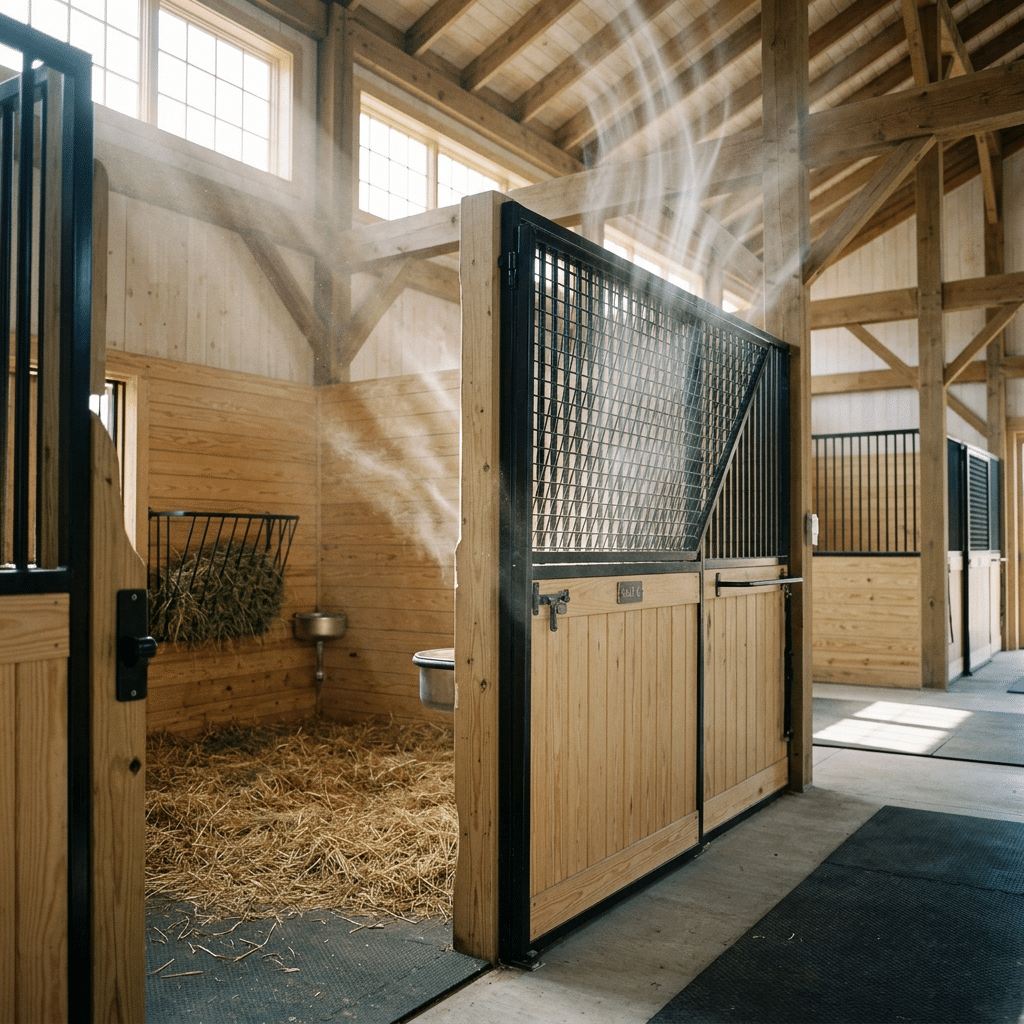
Fire Safety in Barn Design: Materials That Buy You Critical Minutes
Insurance companies don't mess around with fire safety compliance. A barn fire goes from a spark to a total inferno in under 60 seconds. Build with a combustible timber frame, and you're basically feeding the fire—accelerating structural collapse and guaranteeing a...
Fix Sliding Stall Door Jamming: U-Channel Cap
A sliding horse stall door jamming fix often starts with a simple inspection of the bottom guide, yet most maintenance teams waste hours adjusting trolleys that aren't the problem. At DB Stable, this error is seen repeatedly across large-scale training centers and...
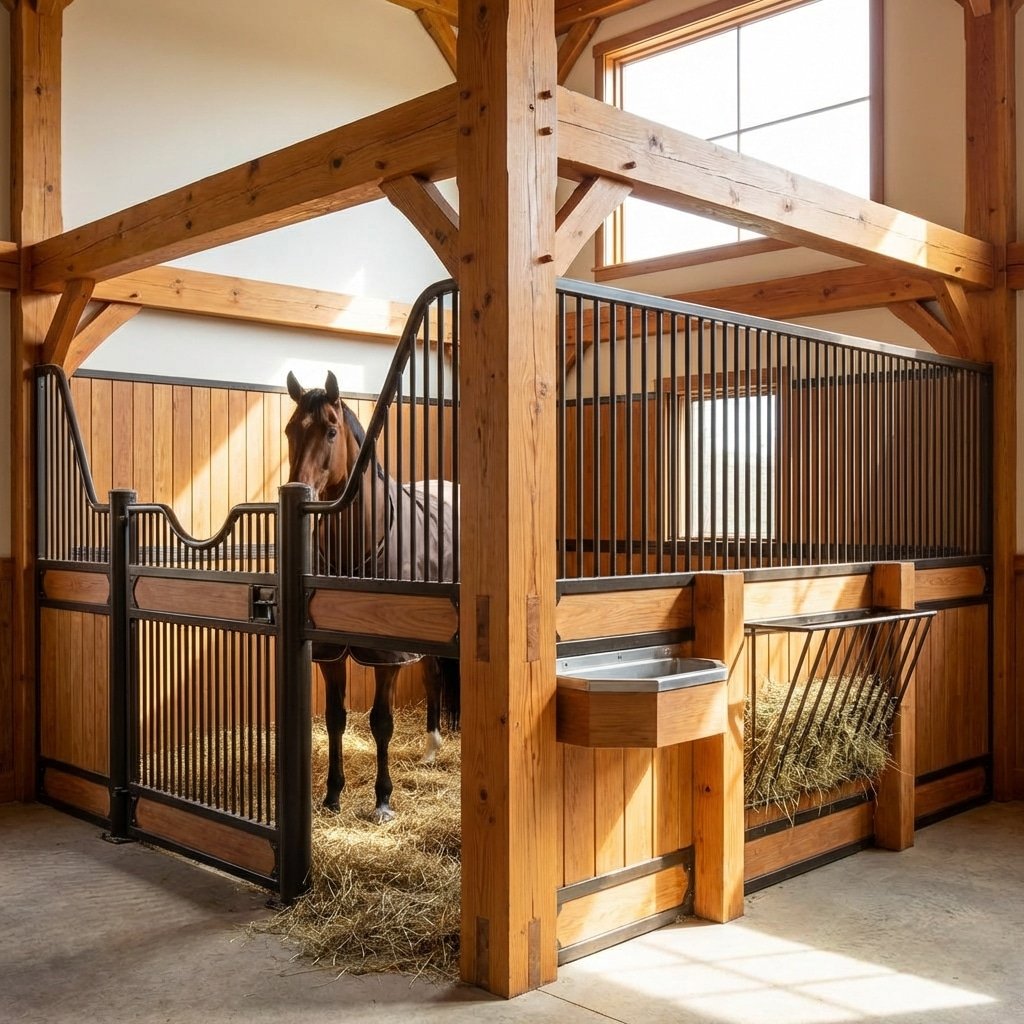
Buy Hot-Dip Horse Stall Corner Feeders Wholesale
Flat wall feeders look efficient on paper, but they quietly bleed profit through wasted hay and damaged walls. A horse stall corner feeder solves this by using geometry to restrict jaw movement, keeping forage contained and reducing daily waste by up to 30%. This...
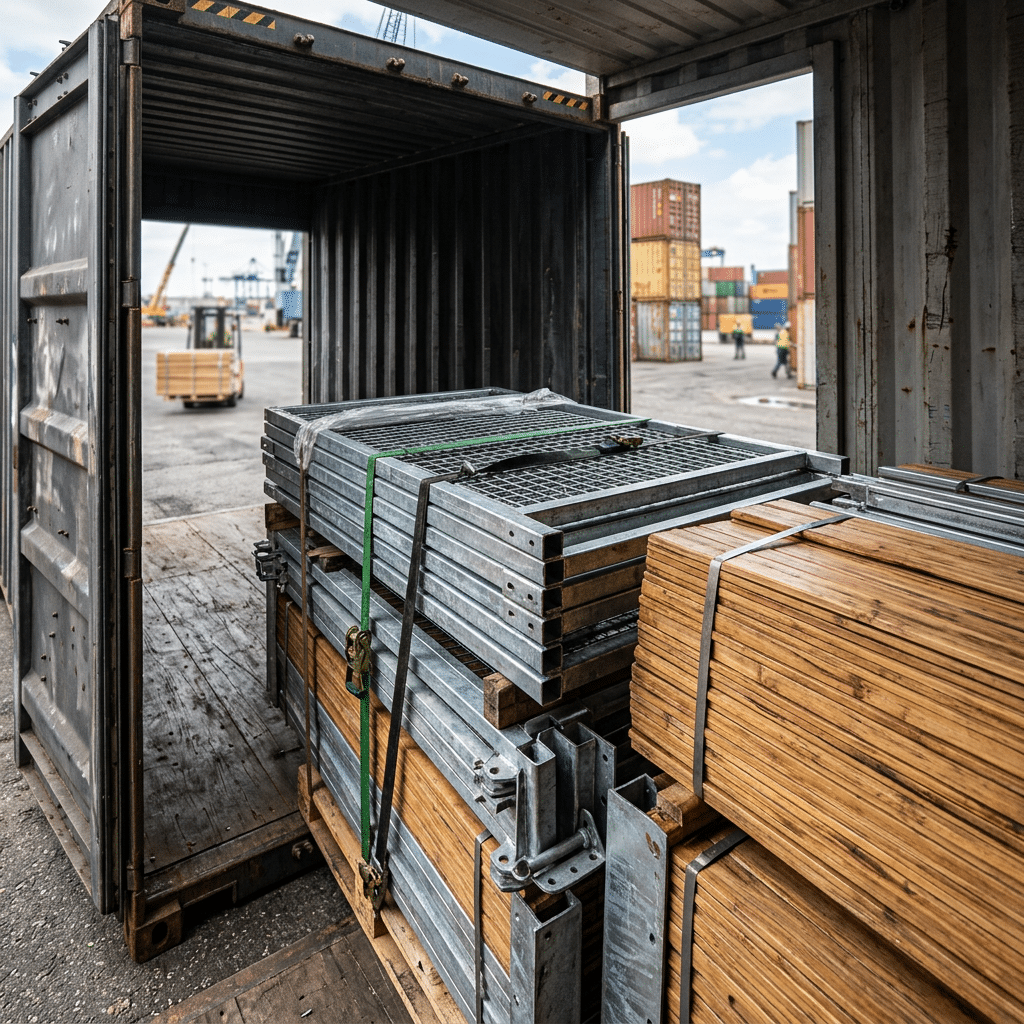
The Ultimate Guide to Barn Ventilation: Windows, Grills, and Roof Pitches
Good ventilation isn't just a comfort feature—it's your shield against the chronic vet bills caused by equine asthma. Poorly designed barns trap dust and ammonia right at the horse's nose level. That stagnant air triggers respiratory inflammation and kills...
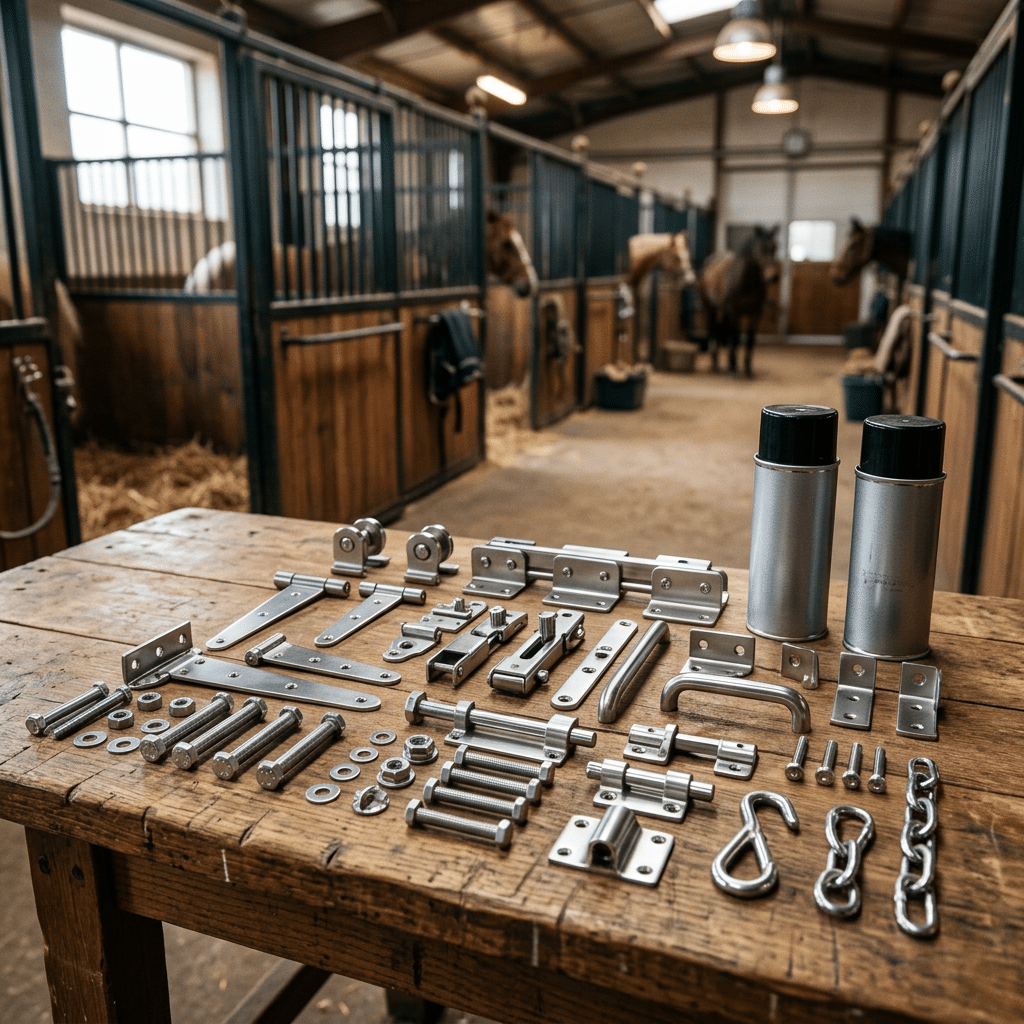
The Container Math: How Flat-Pack Stables Save 60% on Freight
Flat-pack shipping math is what separates distributors who actually make money from those who don’t. Weld stalls together and you max out at 15 sets per container. That empty space you’re paying freight for? It eats your gross margin on every single unit. Let's run...
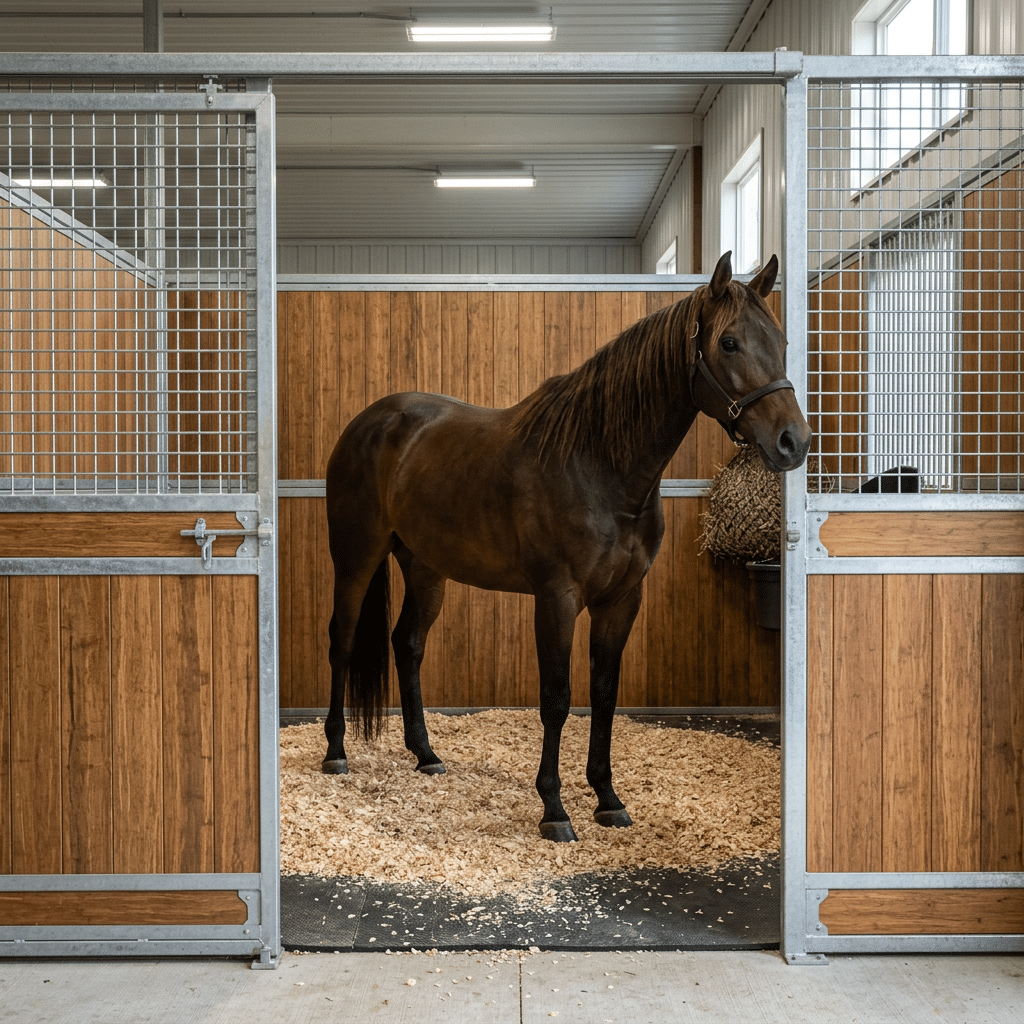
The 20-Year TCO: Why “Cheap” Pine Barns Cost More Than Steel
A complete Stable TCO Analysis exposes how low-cost pine barns bleed operational budgets dry. That initial “cheap” quote ignores the recurring costs of replacing chewed boards and repainting rusted welds, turning a capital asset into a permanent...
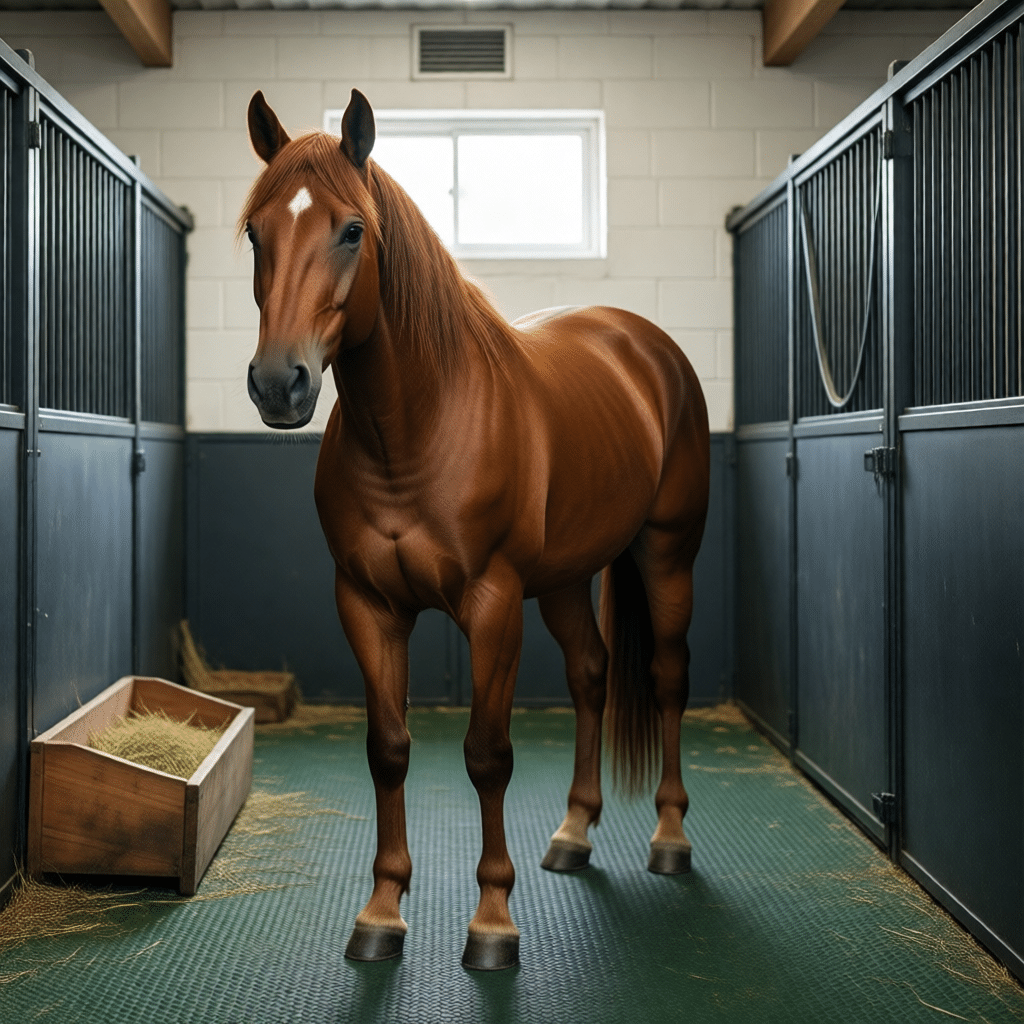
Horse Stall Height Safety: Prevent Head Trauma in Barns
horse stall height safety is the first checkpoint buyers should lock before they approve a supplier, budget, or production slot. The manufacturing facility in Anping, China, has built equestrian infrastructure since 2013, shipping to nine countries including the UK,...
 English
  Spanish
  French
  Arabic
  German