


A Pole Barn Conversion project’s budget is often broken by ill-fitting, off-the-shelf stall panels. The mismatch between generic sizing and real-world construction tolerances leads to costly on-site modifications and wasted labor, directly impacting project profitability.
This analysis covers the technical requirements for a successful retrofit, from specifying custom OEM-sized stables to fit as-built openings to proper flooring prep. We detail the installation process using hot-dip galvanized components (to ISO 1461) and a complete 304 Stainless Steel hardware kit.
The Cost-Saving Strategy: Local Shell, Imported Internals
Retrofit an existing barn shell to slash construction costs. Import superior, factory-direct stall systems using flat-pack logistics to beat the price of local custom fabrication.
Barn owners planning projects for 2026 are looking for ways to maximize their budget without compromising on quality or safety. The most effective approach separates the project into two distinct parts: the structural shell and the internal fit-out. By using a local, existing structure and sourcing high-grade internals directly from a manufacturer, you can allocate funds where they matter most—the components your horses interact with every day.
Defining the ‘Local Shell’ Concept
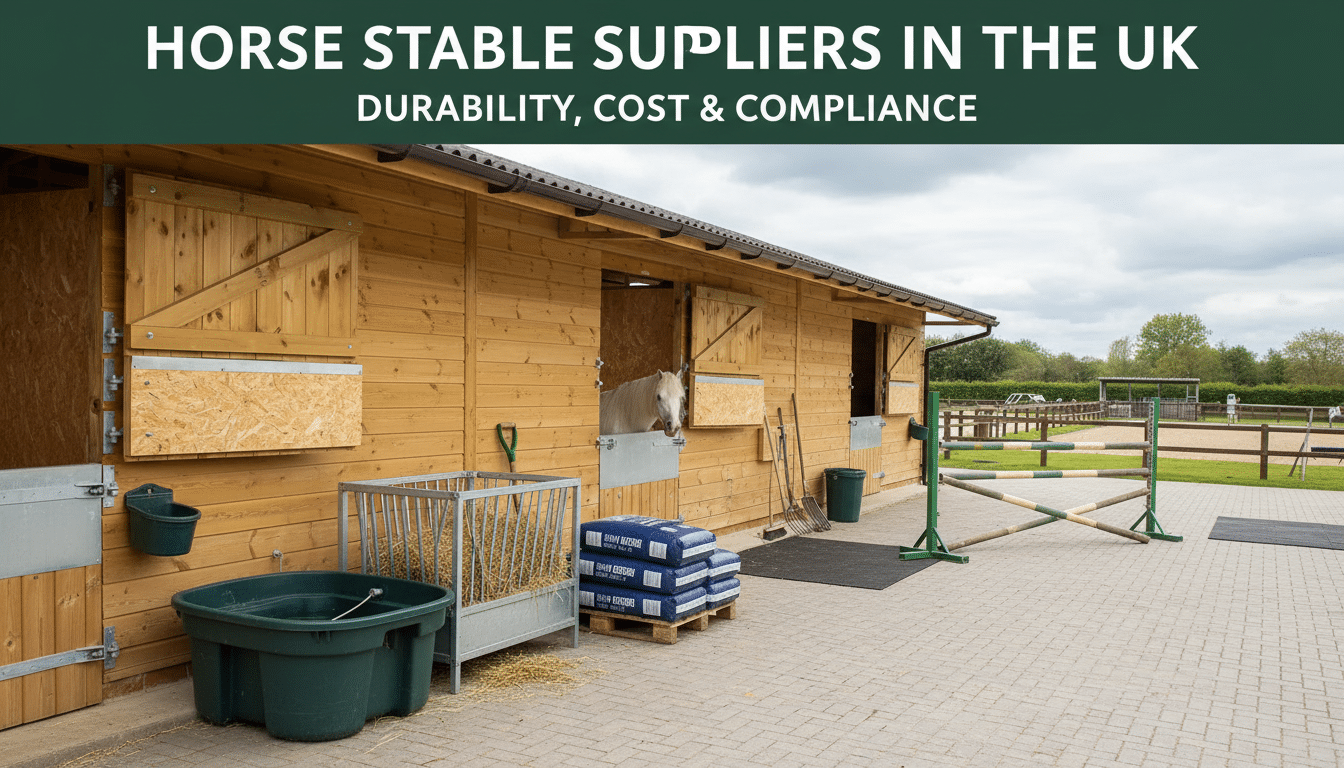
The “local shell” is simply the existing pole barn or structure you already have. Instead of demolishing it or starting from scratch, you leverage its core components. This isn’t just about recycling; it’s a direct financial strategy.
- It utilizes the existing structural frame, roof, and foundation, which are often the most expensive parts of a new build.
- This eliminates the significant cost and time tied to ground-up construction, permits, and foundational work.
- Your budget is then freed up and can be re-allocated toward the quality and safety of the internal, horse-facing components like stall fronts and partitions.
Enabling the Strategy with Flat-Pack Logistics
The “imported internals” part of this strategy only works if the logistics are efficient. Shipping fully assembled, welded stalls from overseas is financially impractical. The cost of freight would negate any savings. This is where the product’s design for shipping becomes critical.
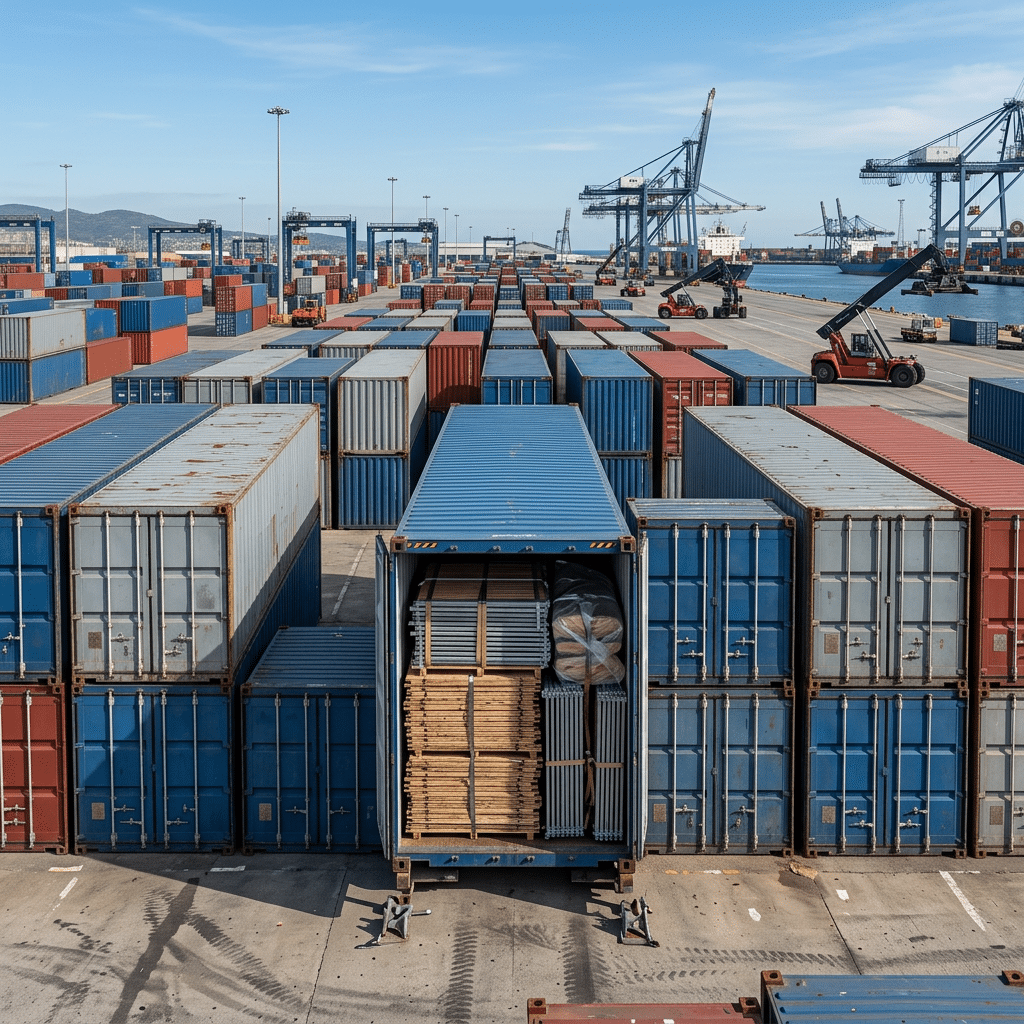
- DB Stable systems are engineered for a **Steel Pallet Flat-Pack** method. This allows 30-45 complete stall sets to be loaded into a single 40HQ container.
- This is a direct 60%+ freight saving compared to shipping 12-15 traditional fully-welded stalls, which directly protects the project’s budget and your margins.
- This logistical efficiency makes acquiring stalls with proper hot-dip galvanization (to ISO 1461 standards) more cost-effective than many lower-quality, locally fabricated alternatives.
Dealing with Wood Posts: To Cover or Not to Cover?
Covering wood posts is non-negotiable for barn longevity. Exposed posts rot from soil contact. Protective sleeves create a physical barrier, preventing decay and securing the foundation.
Why Bare Wood Posts Eventually Fail
Putting wood directly in the ground is an open invitation for rot. Direct soil-to-wood contact lets moisture, fungi, and microbes attack the wood fibers, breaking them down over time. It’s a simple equation: wood + soil = eventual failure.
Don’t assume pressure-treated
lumber is immune. While the treatment helps, it’s not a permanent shield. Without a physical barrier, even treated posts will eventually succumb to decay. The area where the post meets the ground—the grade-level transition—is the weak spot where rot accelerates.
The Standard Solution: Post Protector Sleeves
The industry standard for a reason is using protective sleeves. Their only job is to eliminate direct soil-to-wood contact, which is the root of the problem. They create a physical, impassable barrier that stops moisture and microbes cold.
Think of it as cheap insurance for your entire structure. Dealing with this upfront is a small, proactive cost. It ensures the barn’s foundation is solid for decades, long before you even think about installing expensive internal stable systems.
Durable, Compliant Horse Stables Built to Last
Measuring Tolerances: Why Custom OEM Sizing is Critical
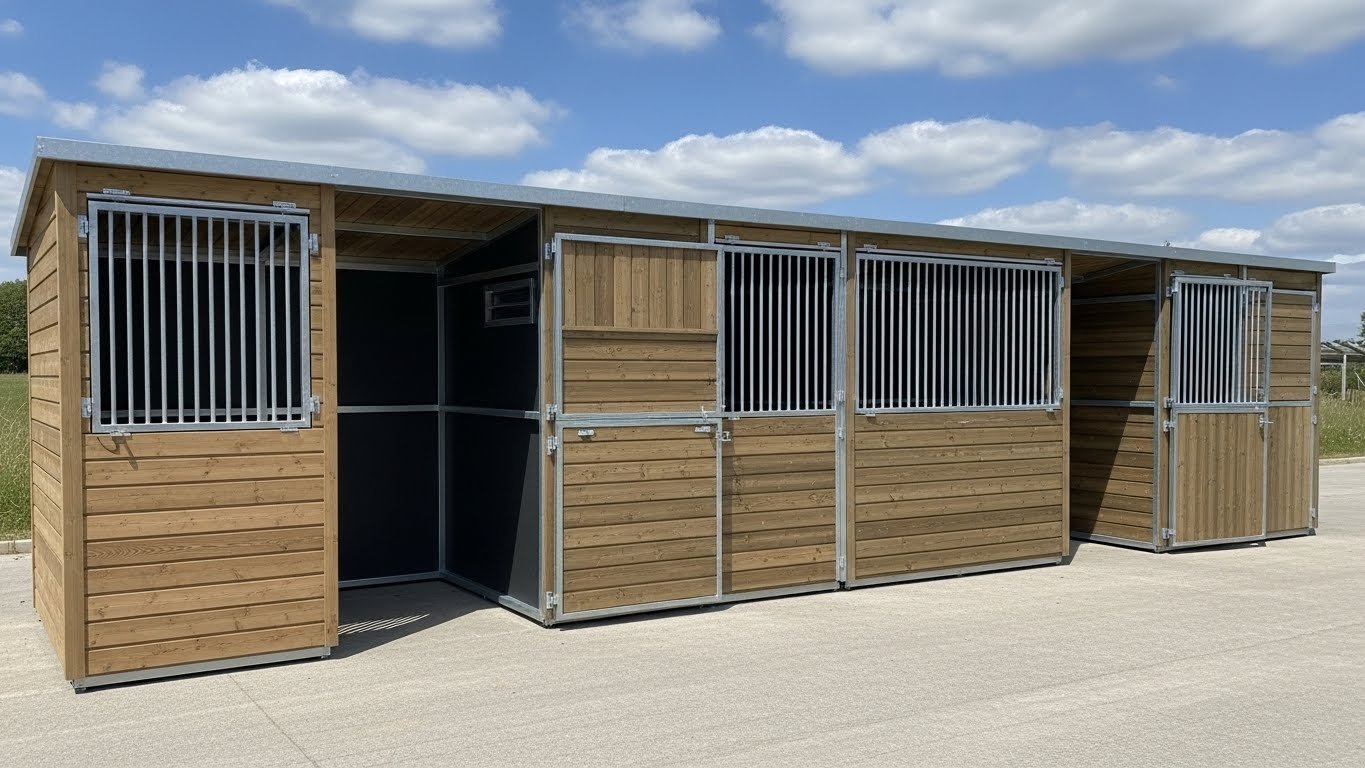
Pole barns have acceptable deviations in squareness and plumb. Custom OEM-sized stables are engineered to fit these real-world openings, ensuring a secure installation without costly on-site modifications.
Understanding Standard Construction Tolerances
No building is perfectly dimensioned, especially large-scale post-frame structures. Construction practices account for small, acceptable variations from the blueprints. These aren’t defects; they are the real-world results of material properties and assembly. Trying to force a “one-size-fits-all” panel into these slightly varied openings is a recipe for failure.
| Structural Component | Accepted Industry Tolerance |
|---|---|
| Post Plumbness | Vertical posts can deviate up to 1% of their height. |
| Building Squareness | Diagonal measurements can differ by as much as 0.5%. |
| Girder Placement | Load-bearing girder heights can vary by up to ½ inch from the plan. |
How OEM Panels Provide the Solution
As a B2B OEM/ODM manufacturer, we don’t build for generic openings. We engineer stable fronts and partitions to the precise, as-built dimensions provided for a specific project. This approach directly solves the tolerance problem by conforming to the structure, not fighting it.
Our steel pallet flat-pack system ensures every panel arrives dimensionally stable and factory-squared. Because the panels are built to fit the verified opening dimensions, the installation is straightforward. This process completely eliminates the need for risky on-site cutting or trying to force a panel into place, which preserves the integrity of the crucial hot-dip galvanized coating and ensures a professional, secure fit.
The Track System: Hanging Sliding Doors on Wood Headers
A wood header, also called a ledger board, is a structural plank mounted securely to wall studs. It provides a solid foundation for a heavy sliding door track.
Why a Wood Header is the Foundation for a Safe Installation
A heavy-duty stable door exerts a significant downward and outward pull on its track. A header board distributes this load across multiple wall studs, which form the building’s actual frame. This prevents the track from pulling away from the wall, a common failure point when hardware is attached only to drywall or surface panels.
The board also creates a perfectly level surface for the track. If the track isn’t level, the door will slide open or shut on its own due to gravity. Installing a solid wood header first ensures the door remains stationary wherever you leave it, which is cri
tical for daily safety and function.
Ultimately, it allows for a secure mechanical connection. The system is mounted with heavy-duty lag bolts driven directly into solid wood. This is a far safer and more reliable method than using drywall anchors, which are not designed to handle the weight and dynamic forces of a large sliding door.
Ensuring Durability with a 304 Stainless Steel Hardware Kit
The DB Stable installation system includes a complete hardware kit where all anchor bolts, connectors, and screws are made from 304 Stainless Steel. This specific grade provides excellent resistance to rust and corrosion, which is essential for longevity in the humid, ammonia-rich environment of a stable.
Each kit also contains a cold galvanizing touch-up spray. If any of the galvanized steel components are scratched during installation, you can use this spray to repair the protective coating. This small step maintains the integrity of the rust protection and prevents weak spots from developing over time.
Flooring Prep for Retrofits
Proper flooring prep involves grading for drainage and compacting a stable base. A concrete slab provides the best dry, level surface to securely anchor permanent steel stall posts.
Grading and Compaction for a Stable Base
Before you can install any stall system, you have to create a solid foundation. This starts with getting the ground level and stable to prevent future problems with drainage or settling. The goal is to create a predictable, dry base that won’t shift.
- Use a laser level to establish the finished floor height and mark your elevations clearly.
- Grade the entire site so water naturally flows away from the barn’s foundation, not toward it.
- Install and compact a structural fill, like crushed limestone or gravel, in layers (lifts) to build a solid base that won’t sink over time.
Preparing a Concrete Slab for Post Anchoring
While you can use gravel, a concrete slab is the professional standard for a reason. It gives you a clean, durable, and perfectly level surface for installing heavy steel stall systems. A solid slab eliminates any concerns about posts shifting or sinking into the ground.
Before pouring, lay down a vapor barrier. This simple step blocks ground moisture from wicking up through the slab, keeping the bedding drier and reducing ammonia buildup. The solid concrete provides the ideal foundation for setting the 304 Stainless Steel anchor bolts included in our installation kits, ensuring a secure and permanent fit.
Frequently Asked Questions
Are pole barns a good choice for installing horse stalls?
Yes, pole barns are an excellent choice for horse stalls. They offer great versatility, durability, and are more cost-effective than traditional barn construction. You can customize the layout for any number of horses, and the simpler design allows for quicker installation.
How do I measure for new stable fronts in my existing barn?
Start with standard dimensions as a guide. Stall doors are typically at least 4 feet wide and 8 feet high, and stall walls are usually 7 or 8 feet high. A common stall size is 12×12 feet, which sets the required length for your stable front panel.
What’s the most affordable way to build horse stalls?
The most affordable approach is to combine DIY labor with modular stall kits. Choosing cost-effective materials like pine lumber and using a compacted dirt or gravel base for flooring will lower expenses. Sourcing used components like stall grills or doors can also lead to significant savings.
Can I get stable panels in custom sizes to fit my barn?
Absolutely. As an OEM/ODM manufacturer, we can create custom-sized stable panels to fit any unique barn layout. While standard sizes are available, we build fronts and partitions to your exact measurements, ensuring a perfect fit for retrofits or non-standard constructions.
Final Thoughts
Off-the-shelf panels fail against real-world construction tolerances and will eventually rust. Our factory-direct system solves this with OEM sizing and true hot-dip galvanization after fabrication to ISO 1461 standards. This strategy eliminates on-site rework and protects your margins from future warranty claims.
The next step is to verify our fit and finish for your projects. Contact our team to get the technical catalog and discuss a trial order. We are prepared to engineer a system that matches your exact requirements.

 English
  Spanish
  French
  Arabic
  German
0 Comments