


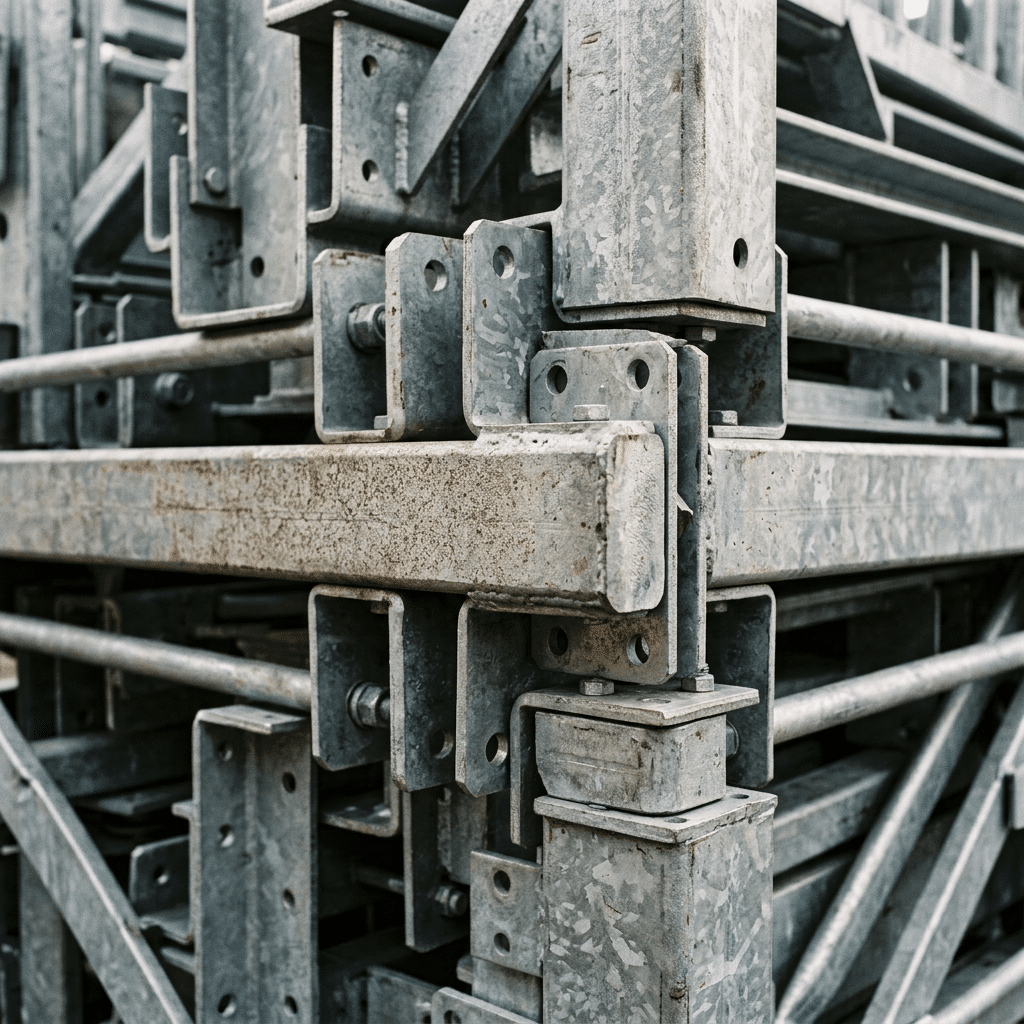
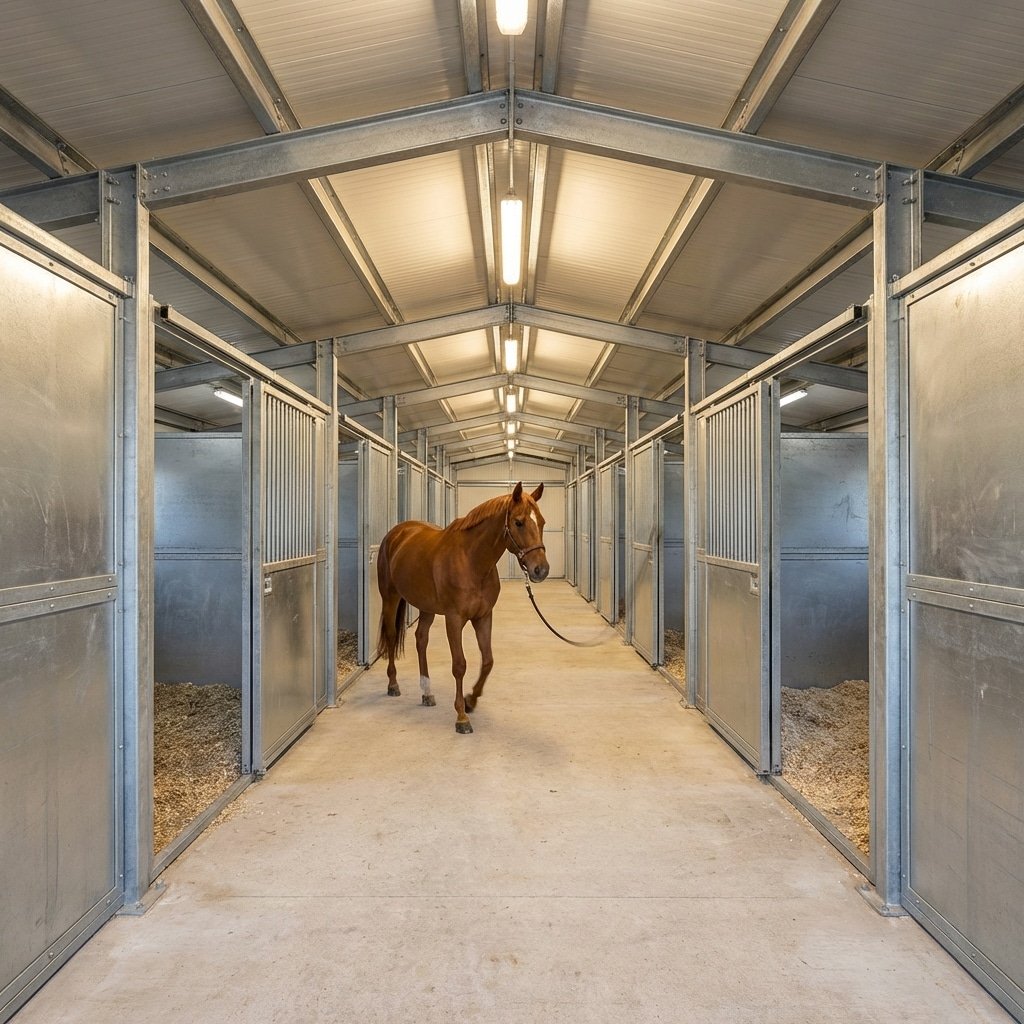
The choice between mesh vs solid partitions is a critical engineering decision that directly impacts animal health and operational safety. Using open grills in feeding zones invites resource guarding and injuries, while solid walls in main stalls trap ammonia gas, leading to chronic respiratory damage. Selecting the wrong design creates preventable, long-term operational costs.
This analysis evaluates partition design based on function, not preference. We examine how open-grill partitions facilitate ‘Stack Effect Ventilation’ to purge airborne toxins and contrast that with solid HDPE or bamboo infills engineered to manage high-contact stress in feeding areas. The goal is to specify the right partition for the right application.
5 Critical Red Flags to Watch For
Key red flags for stables include pre-galvanized steel, tubing under 2.0mm, loose container loading, generic infill materials, and a lack of verifiable quality certifications like ISO 9001.
When sourcing horse stables, a low price often hides serious compromises in safety and durability. Many suppliers cut corners on materials and processes that are not immediately obvious to the buyer. These shortcuts lead to premature rust, structural failure, and potential harm to animals. The table below outlines the most common red flags to watch for and contrasts them with professional engineering standards.
| Red Flag | Why It’s a Problem | The Professional Standard |
|---|---|---|
| Use of Pre-Galvanized Steel | Welds are left exposed and rust quickly. The corrosion starts at the joints and compromises the entire structure. | Hot-dip galvanization *after* fabrication, fully coating all welds and surfaces according to ISO 1461. |
| Steel Tubing Thinner Than 2.0mm | Thin steel (e.g., 1.5mm or 16-gauge) dents easily and can fail under a horse’s kick, creating a serious safety hazard. | Minimum 14-Gauge (2.0mm – 2.5mm) wall thickness on all structural tubing. |
| Loose Container Loading | Unsecured panels shift during transit, causing scratches, dents, and bent frames. It is also a major safety risk during unloading. | All components secured to steel pallet flat-packs, preventing movement and ensuring safe, efficient unloading. |
| Non-Specialized Infill (e.g., Pine) | Softwoods are easily chewed, absorb moisture, rot, and can splinter, posing a health risk to the horse. | High-density, non-toxic materials like UV-stabilized HDPE (zero maintenance) or strand-woven bamboo (3x harder than oak). |
| No Verifiable Certifications | Indicates a lack of a formal quality management system, making material traceability and process consistency unreliable. | A verifiable ISO 9001 certification, demonstrating a commitment to consistent quality control. |
Checking these five points separates professional-grade equipment from low-cost alternatives that fail prematurely. It’s about verifying the engineering behind the product, not just the price tag.
Frequently Asked Questions
Is it safe to wire money to a manufacturer in China?
Yes, wire transfers (T/T) are a standard and secure method for B2B transactions, but you have to follow strict procedures. Always wire funds to a registered company bank account, never a personal one. Make sure the account name on your invoice exactly matches the company name on your contract to prevent any payment disput
es.
What is the difference between hot-dip galvanizing and pre-galvanizing?
The key difference is when the zinc coating is applied. We use ‘hot-dip galvanization after fabrication,’ which means the entire steel panel is welded together first and then submerged in molten zinc. This process coats everything, including the critical weld points. Pre-galvanized material
is coated before it’s welded, leaving the welded joints exposed and vulnerable to rust.
How can I verify the steel thickness of my stables?
For a finished product, the most reliable method is an ultrasonic thickness gauge. This tool sends a sound wave through the steel to measure its thickness without damaging the coating. We guarantee our frame tubing is a minimum of 14-gauge (2.0mm) and can provide quality control reports that verify these measurements for your order.
Do our contracts need to be in Chinese?
A contract written in English is legally valid under Chinese law. But for clarity and to avoid any misunderstandings, a dual-language (English and Chinese) contract is the industry best practice. This ensures both you and the manufacturer fully understand all terms before production begins.
Global-Compliant Horse Stables Built to Last
Final Thoughts
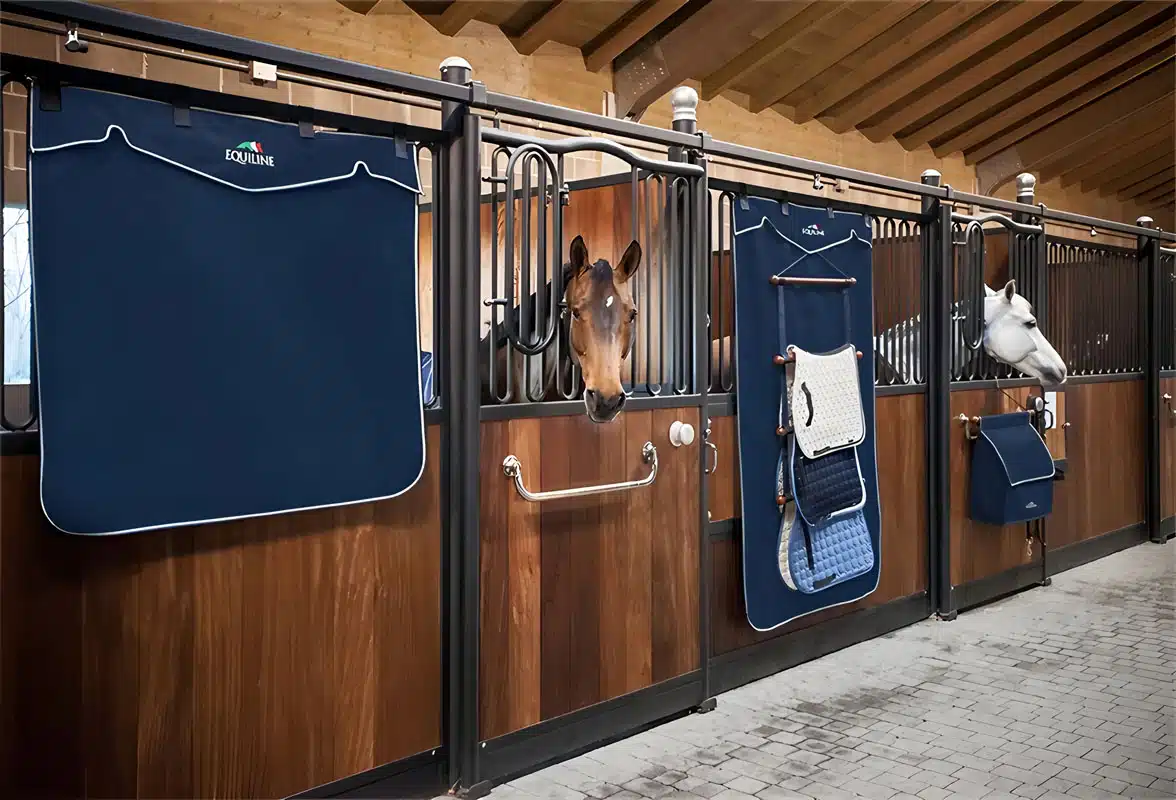
Choosing stall dividers comes down to managing risk. While cheaper, pre-galvanized options exist, our ISO 1461 hot-dip galvanizing standard protects your reputation against premature rust and structural failure claims. Investing in engineered equipment eliminates warranty issues and builds long-term customer trust.
Don’t guess on quality—verify it yourself. We recommend a trial order to test our material thickness, weld integrity, and finish firsthand. Contact our team to get a quote and discuss your OEM requirements.

 English
  Spanish
  French
  Arabic
  German
0 Comments