


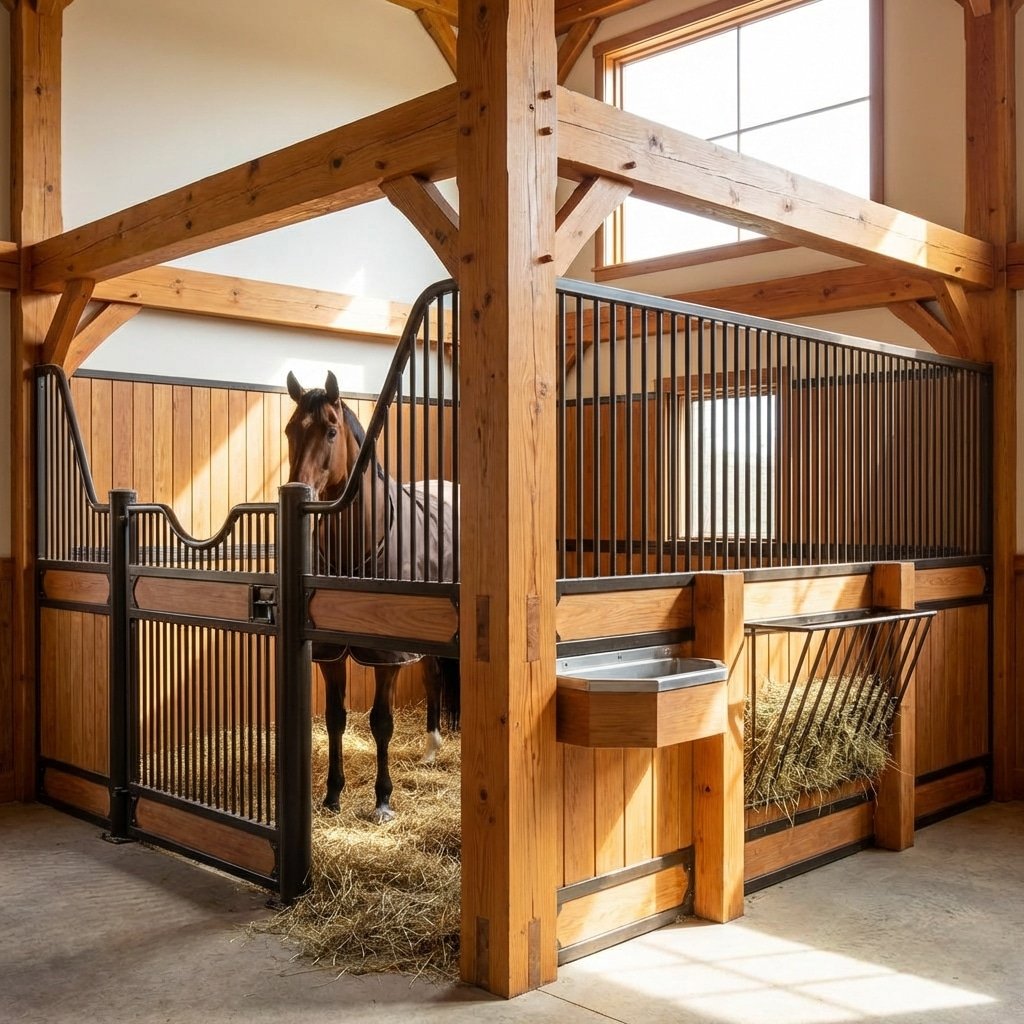
Flat wall feeders look efficient on paper, but they quietly bleed profit through wasted hay and damaged walls. A horse stall corner feeder solves this by using geometry to restrict jaw movement, keeping forage contained and reducing daily waste by up to 30%. This shift from commodity buying to value engineering is essential for commercial barns aiming to lower operational overhead.
DB Stable manufactures heavy duty horse stall corner feeder specs that prioritize long-term durability over cheap initial costs. While many suppliers use thin pre-galvanized steel that rusts within two years, our 1.6mm hot-dip galvanized steel provides twenty-year rust resistance. The smooth rolled lip protects animal gums, and the pre-drilled mounting template ensures secure installation that prevents the feeder slamming responsible for costly wall repairs.
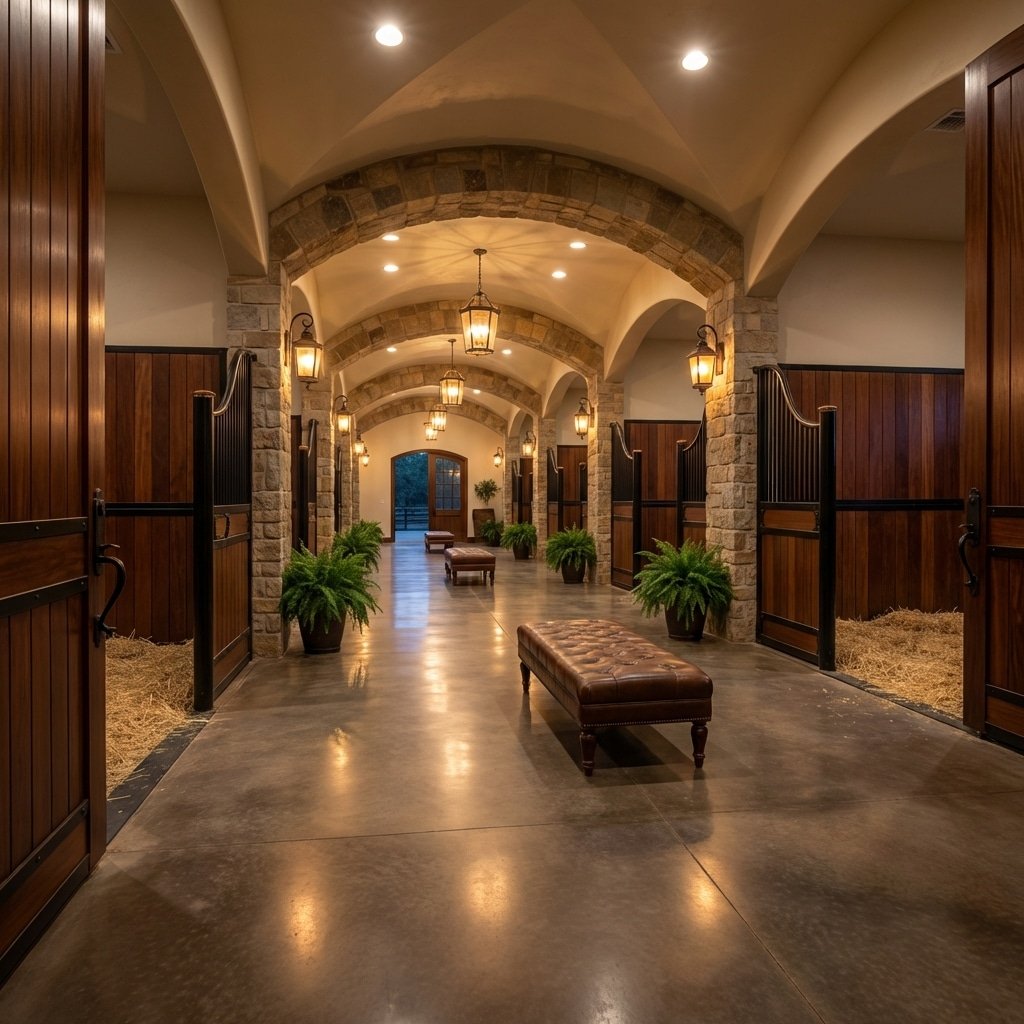
Corner Feeders vs Flat Wall: The Waste Gap
Corner feeders utilize geometric confinement to reduce hay wastage by up to 30% compared to flat wall feeders.
Flat wall feeders fail to restrict jaw mechanics. Horses hook their incisors and pull hay out, leading to trampling and soiling. This creates a direct financial bleed for commercial facilities managing high-volume operations.
- The Jaw Hooking Failure: Flat feeders allow horses to pull hay out, causing 20-30% waste. Corner feeders restrict jaw angles, forcing natural consumption.
- Trampling and Soiling: Spilled hay becomes bedding waste. Flat feeders create ‘dead zones’ behind them where mold grows, increasing biohazard risks.
- Structural Warping Risk: Many competitors use <1.0mm steel that warps. DB Stable uses 1.6mm hot-dip galvanized steel to prevent structural failure.
The geometry of a corner feeder provides a mechanical advantage that gravity cannot replicate. By anchoring into the structural stud block, you eliminate wall damage from slamming. This reduces maintenance tickets and extends the lifespan of your stall infrastructure.
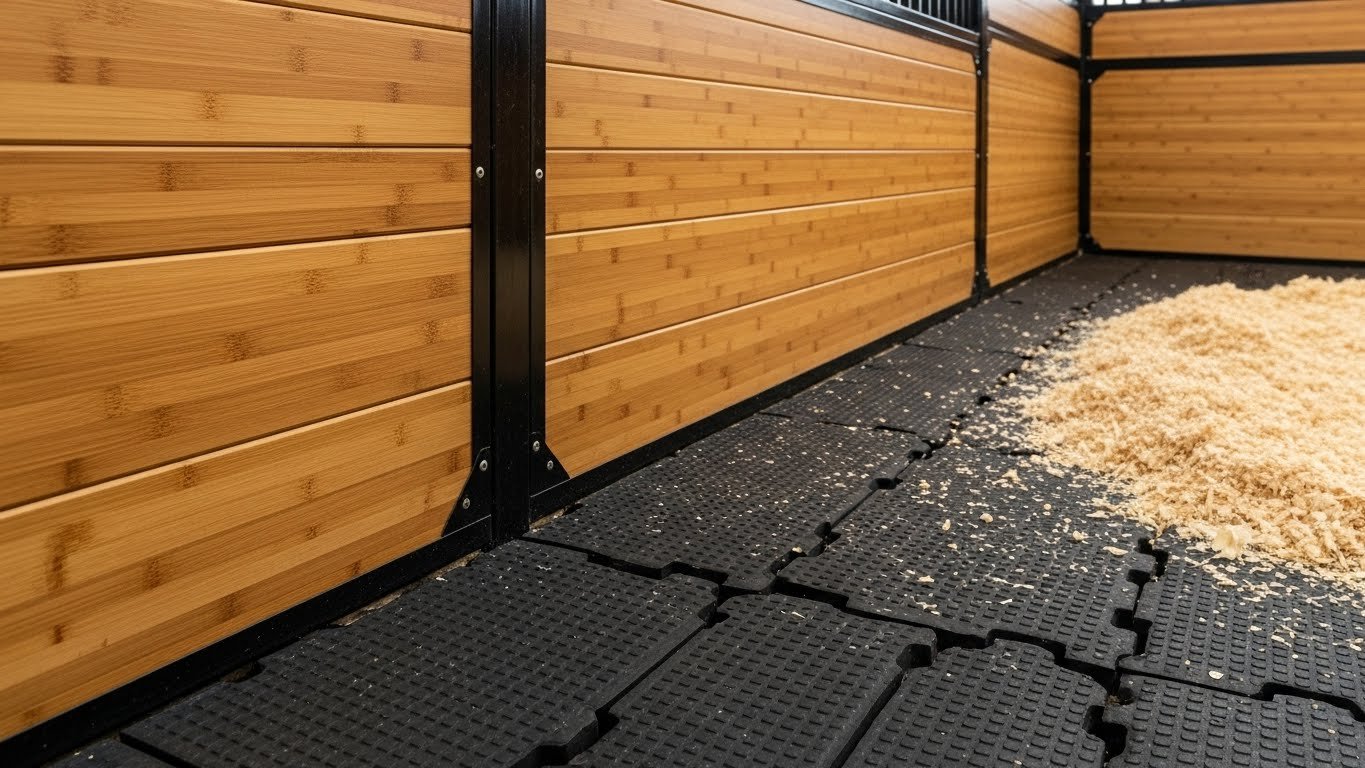
Real Cost Breakdown of Stall Feeders
Flat wall feeders leak $360 annually per stall; 1.6mm hot-dip galvanized corner feeders pay for themselves in 1.5 months.
Most facility managers treat hay waste as an unavoidable overhead. It is not. Flat wall feeders allow horses to hook their jaws and drag out 20-30% of the forage. This hay ends up on the floor, gets trampled, and mixes with manure to ruin the bedding.
The financial bleed is massive. If a horse wastes $25 a month in hay and soiled bedding, that is $300 in lost capital per stall, per year. When you factor in the $100+ average cost for repairing drywall or plaster damaged by feeder slamming, the total cost of ownership for cheap flat feeders becomes catastrophic.
- CAPEX Reality: Investing in a heavy duty horse stall corner feeder specs is a one-time capital expense. Using 1.6mm hot-dip galvanized steel ensures the unit survives decades of chewing and structural stress without warping.
- OPEX Bleeding: Flat wall feeders cause recurring operational expenses. The geometry allows horses to spill hay continuously, requiring daily cleanup and constant replenishment of inventory that never actually reaches the animal’s mouth.
- The Breakeven Point: With hay averaging $10-$15 per bale, the savings from a corner feeder offset the purchase price in approximately 1.6 months. After that, every dollar saved is pure profit margin for your facility.
- Maintenance Liability: Corner feeders anchor into structural studs, preventing the violent slamming associated with flat mounts. This eliminates the cycle of wall repairs and reduces the labor tax required to clean dead zones behind flat feeders where mold thrives.
Do not let suppliers hide behind ‘pre-galvanized’ pricing. That thin coating rusts out in two years, leading to sharp edges that injure gums and structural failure. The math is undeniable: buy once, buy hot-dip galvanized steel horse stall corner feeder, and stop funding your hay waste.
| Feature | Specification | Advantage |
|---|---|---|
| Initial Investment | $80-$120 per unit | One-time CAPEX with 20-year lifespan |
| Monthly Hay Waste | $20-$30 per horse (Flat) | Reduced by 30% with Corner Design |
| Wall Repair Costs | $100+ per incident | Eliminated via stud-block anchoring |
| Breakeven Period | ~1.6 Months | Rapid ROI for commercial facilities |
| Material Durability | 1.6mm Hot-Dip Galvanized | No rust/warping vs. <1.0mm pre-galv |
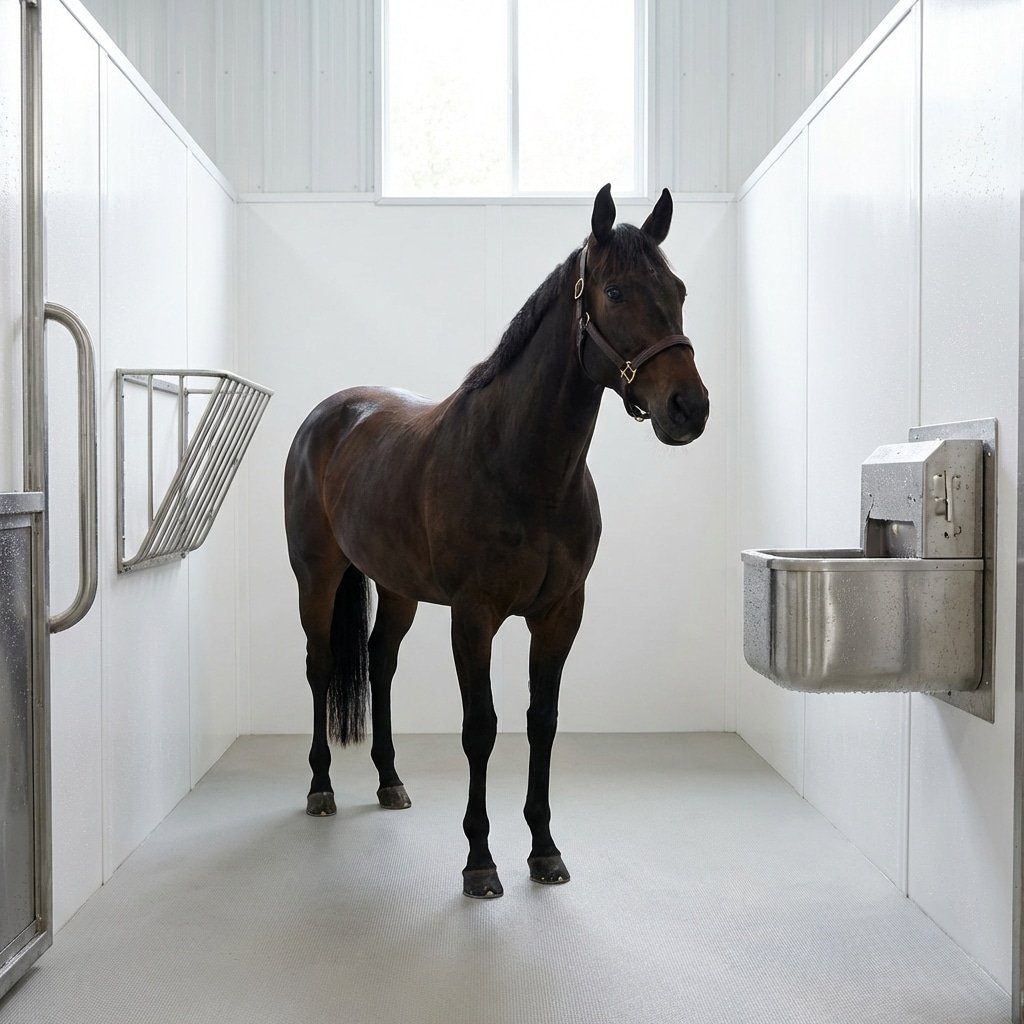
Preventing Wall Damage and Feeder Flips
Anchor into structural studs to eliminate drywall repairs and feeder flipping liabilities.
Flat wall feeders operate on gravity and friction, creating a dangerous leverage point. When a horse pulls back or shifts weight, the feeder acts as a lever against the wall. This constant slamming damages drywall and plaster, triggering maintenance costs that average over $100 per incident. For commercial facilities, these recurring repair tickets destroy profit margins faster than hay waste.
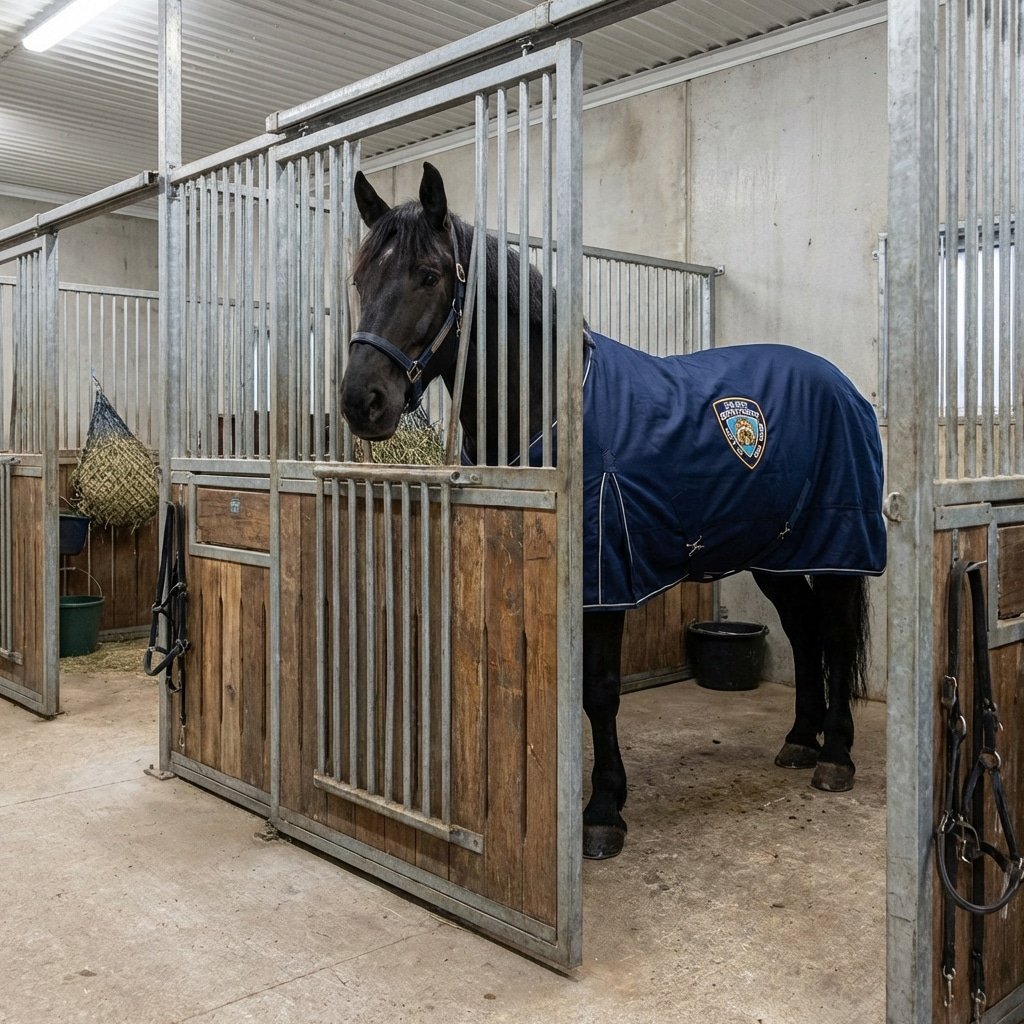
The engineering solution lies in structural anchoring. A proper horse stall corner feeder utilizes pre-drilled mounting holes to bolt directly into the stud block behind the wall. This distributes the equine force across the building’s framework rather than the finish surface. By securing the unit rigidly, you eliminate the ‘flipping’ hazard that injures horses and damages facility infrastructure.
- Structural Anchoring: Bolts directly into stud blocks using the included corner feeder installation template, bypassing drywall entirely.
- Damage Prevention: Eliminates wall slamming, preventing costly plaster repairs and maintaining facility asset value.
- Maintenance Efficiency: Reduces labor hours spent on patching walls and replacing loose hardware, lowering overall operational costs.
Sourcing Durable Galvanized Steel Feeders
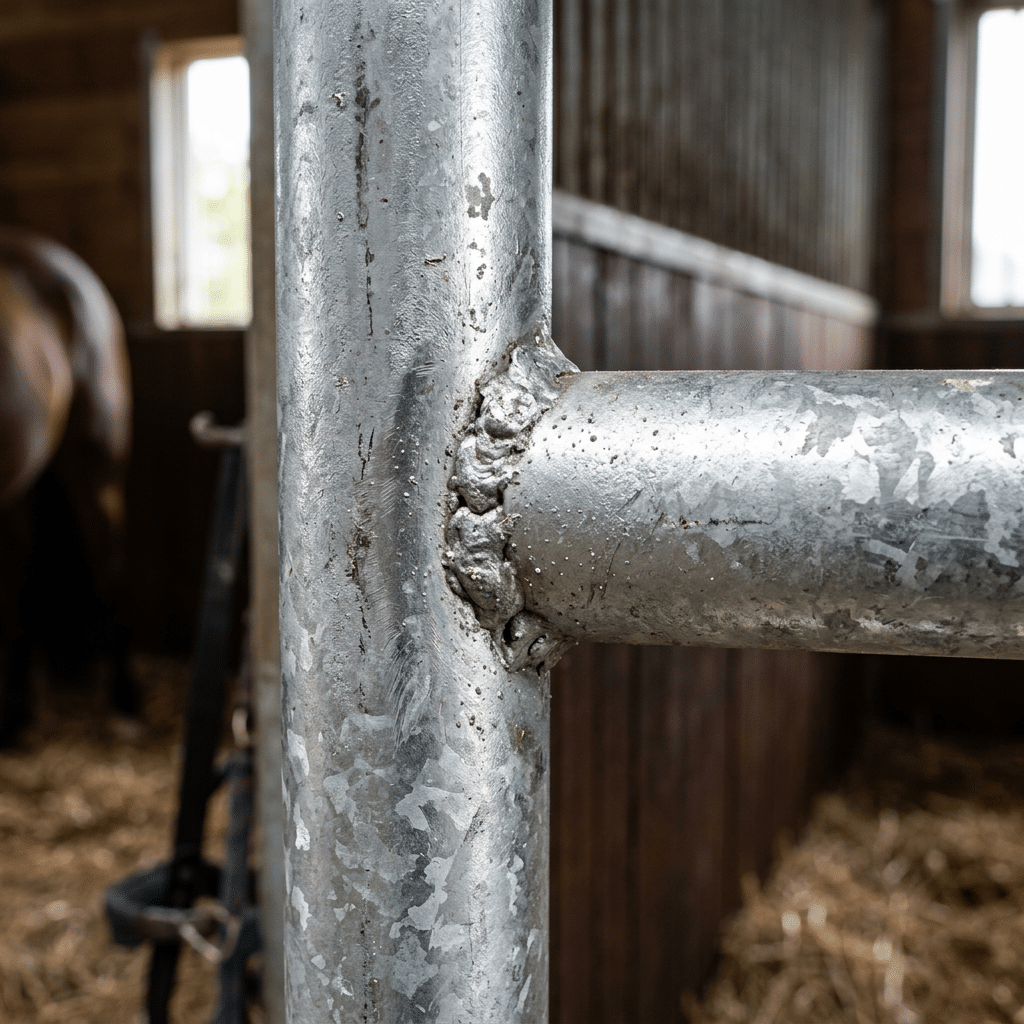
Pre-galvanized coatings fail within two years in humid climates; hot-dip galvanization delivers a 20-year service life.
The ‘pre-galvanized lie’ is the most common pitfall in sourcing horse stall corner feeders. Many suppliers advertise heavy-duty construction while using thin, electroplated steel that offers negligible rust protection. Once the microscopic coating is scratched during installation or impact, rapid oxidation destroys the structural integrity of the feeder.
- Material Integrity: DB Stable utilizes 1.6mm hot-dip galvanized steel, which chemically bonds zinc to the base metal. This provides a 20-year rust resistance threshold, preventing the structural warping common in cheaper, thinner stamped alternatives.
- Safety Engineering: Every galvanized steel horse stall corner feeder features a smooth, rolled lip design. This prevents gum injuries and bridle damage, addressing the primary liability concerns for commercial equestrian developers.
- Compliance Standards: Our manufacturing adheres to BS EN ISO 1461 standards for hot-dip galvanizing, ensuring consistent coating thickness across all bulk order portable horse stables and components exported globally.
Investing in premium materials eliminates the recurring costs associated with replacing corroded feeders. By specifying hot-dip galvanized steel, you secure a heavy duty horse stall corner feeder specs profile that withstands aggressive cleaning chemicals and harsh weather conditions without compromising safety.
Conclusion
Switching to a horse stall corner feeder eliminates the geometric loopholes that allow horses to waste up to 30% of their hay. By anchoring into structural studs with 1.6mm hot-dip galvanized steel, you stop the cycle of wall repairs and daily feed loss, securing a breakeven point in just 1.6 months.
Review the full range of galvanized steel stable components to compare bulk pricing tiers and customization options for your facility.
Frequently Asked Questions
What is a stall grazer 3 in 1 corner feeder for horses?
It is a corner-mounted hay rack that combines feeding, slow-feed, and grazing functions to minimize waste. The design typically includes a front yoke for easy access while containing hay within the. Verify yoke dimensions to ensure compatibility with your specific stall layout.
Do horses get bored in their stalls?
Yes, prolonged confinement without stimulation can lead to stereotypic behaviors like weaving or cribbing. Providing natural foraging opportunities through corner feeders helps mimic grazing and reduces boredom. Implement enrichment strategies alongside proper feeding routines to maintain mental health.
Will deer eat out of a trough?
Deer are opportunistic and may consume feed from open troughs if accessible. However, standard horse stall feeders are designed to restrict access primarily to equines. Install secure locking mechanisms if wildlife intrusion is a regional concern.
Which color can horses not see?
Horses are dichromatic and cannot perceive red wavelengths, seeing them as dark gray or black. They distinguish colors primarily in the blue and yellow spectrum. Use high-contrast colors for safety markers rather than relying on red.
How do horses say goodbye?
Horses communicate separation through vocalizations like whinnies or nickers and body language such as ear positioning. These signals indicate social bonding or anticipation of reunion. Observe consistent behavioral cues to understand individual horse temperament.

 English
  Spanish
  French
  Arabic
  German
0 Comments