Blog
Barn Roofing: 0.4mm vs. 0.8mm Colorbond Steel in Extreme Heat
The debate over 0.4mm vs 0.8mm roofs directly impacts structural integrity in extreme heat. For facilities facing 50°C, opting for thinner steel to lower initial costs is a false economy. It invites thermal buckling, which voids material warranties and forces...
Automatic Waterers vs. Buckets: Hygiene and Winter Freezing
The Auto Waterers vs Troughs decision is a direct calculation of labor costs against equipment reliability. While troughs are simple, automatic systems that fail during a hard freeze result in emergency service calls and damage an installer’s reputation. The...
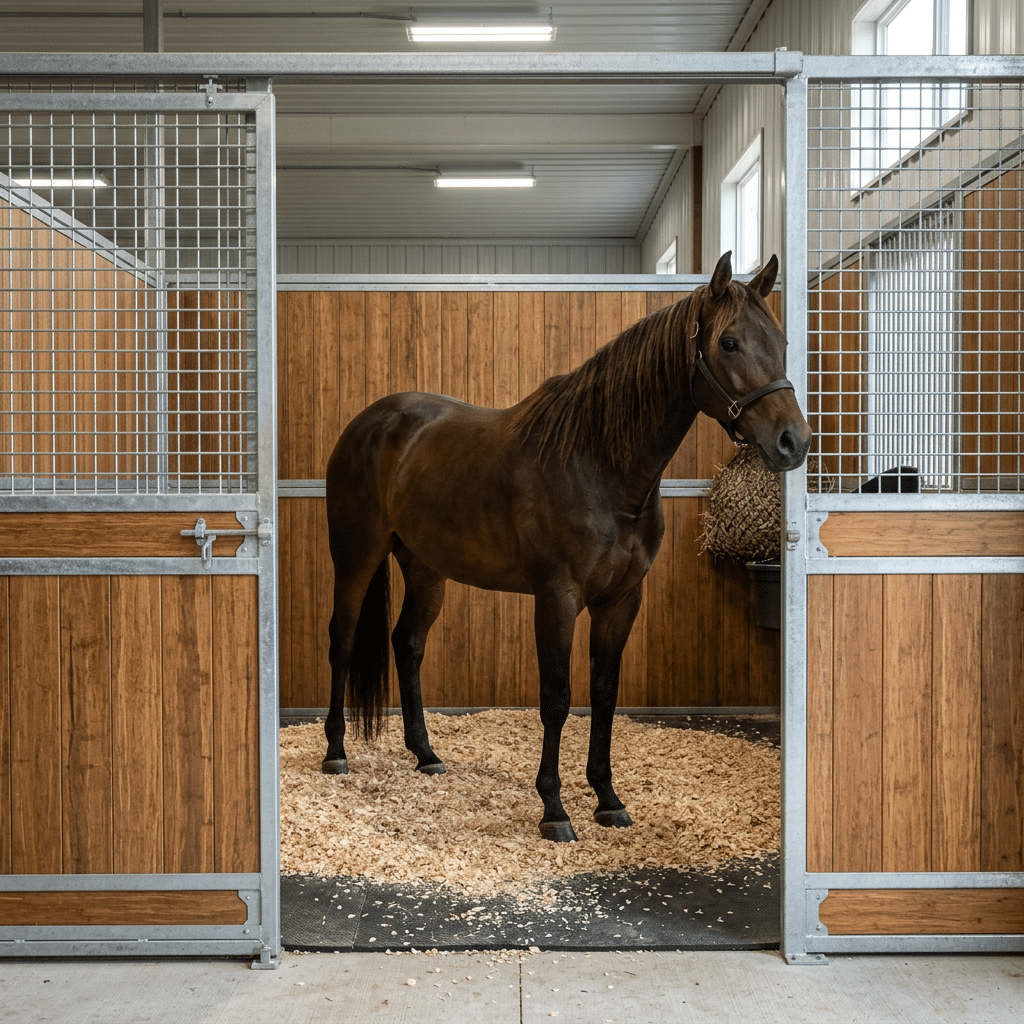
Strand-Woven Bamboo vs. European Oak: The Ultimate Luxury Infill
The Bamboo vs Oak Hardwood decision for luxury stable infill directly impacts project liability. Traditional oak is often specified, but its lower hardness makes it susceptible to impact and moisture damage. This vulnerability leads to costly replacements and warranty...
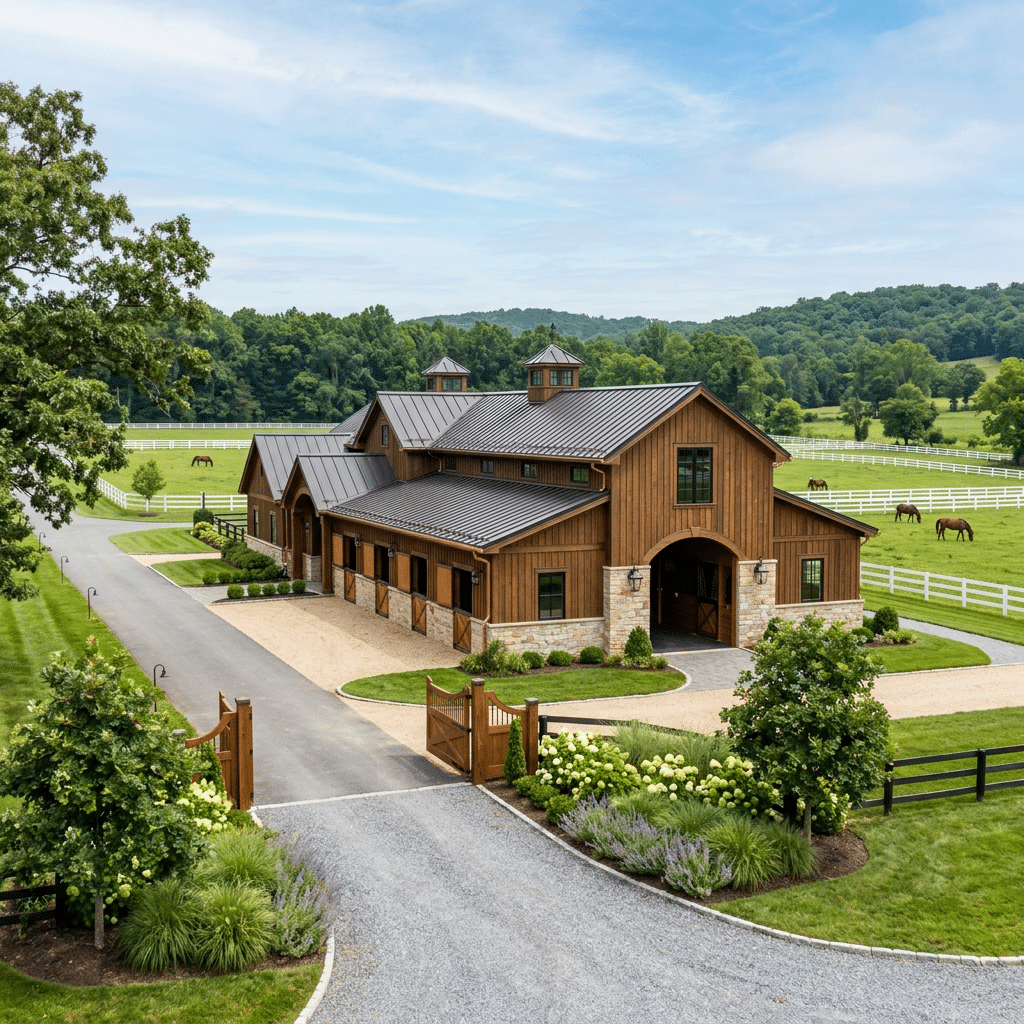
Aluminum Swivel Feeders vs. Floor Troughs: A Hygiene and Labor Audit
The Swivel vs Floor Feeders choice is a critical decision impacting daily labor costs and herd health. Floor troughs, while simple, consistently lead to higher feed contamination and waste. This operational drag erodes profitability through increased staff hours for...
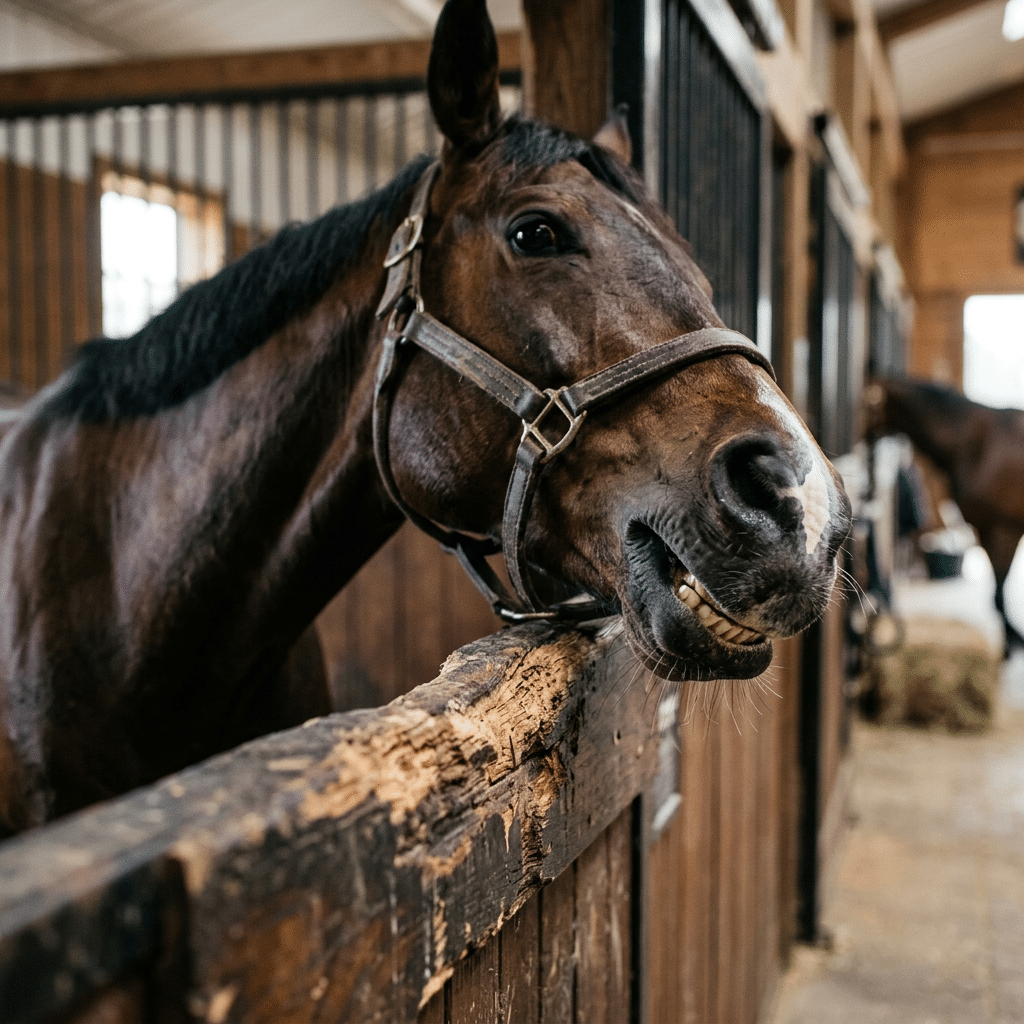
Sliding Door Hardware: Exposed Rollers vs. Hidden Track Systems
Choosing between Roller vs Track Doors for horse stables directly impacts operational costs and safety. Exposed rollers jam with bedding, demanding constant greasing and increasing labor overhead. A single door failure isn’t just an inconvenience; it’s a...
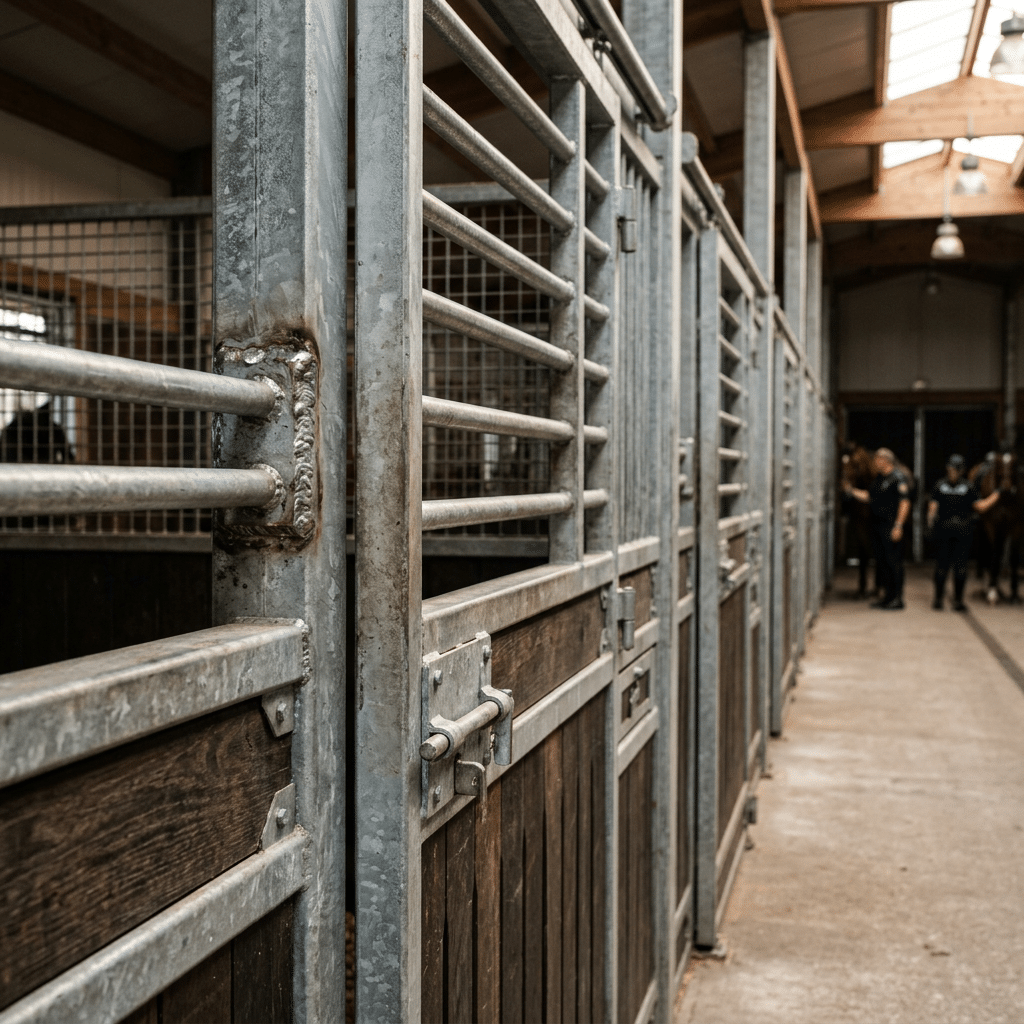
Door Hinges: Welded-On vs. Heavy-Duty Bolt-On (Adjustability Matters)
The welded vs bolted hinges decision directly impacts project costs and liability. Welded hinges offer zero post-installation adjustment. A settled post or minor frame misalignment creates a dragging door, forcing expensive on-site cutting and welding. This generates...
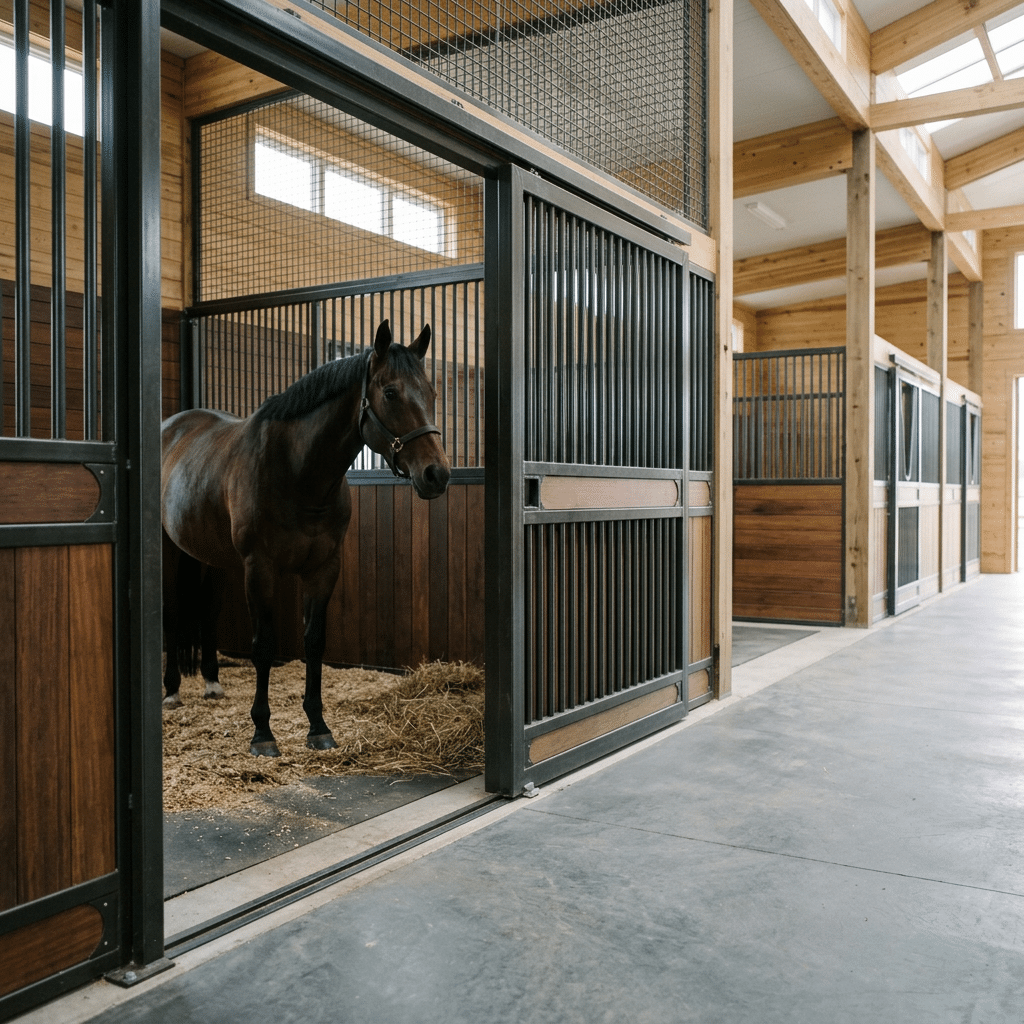
Integrating Stables with Indoor Arenas: Dust Control & Airflow
Integrating Indoor Arena Stables is a direct investment in equine respiratory health. A layout that fails to engineer for proper airflow and dust control leads to increased veterinary costs and operational liabilities, eroding the long-term profitability of the...
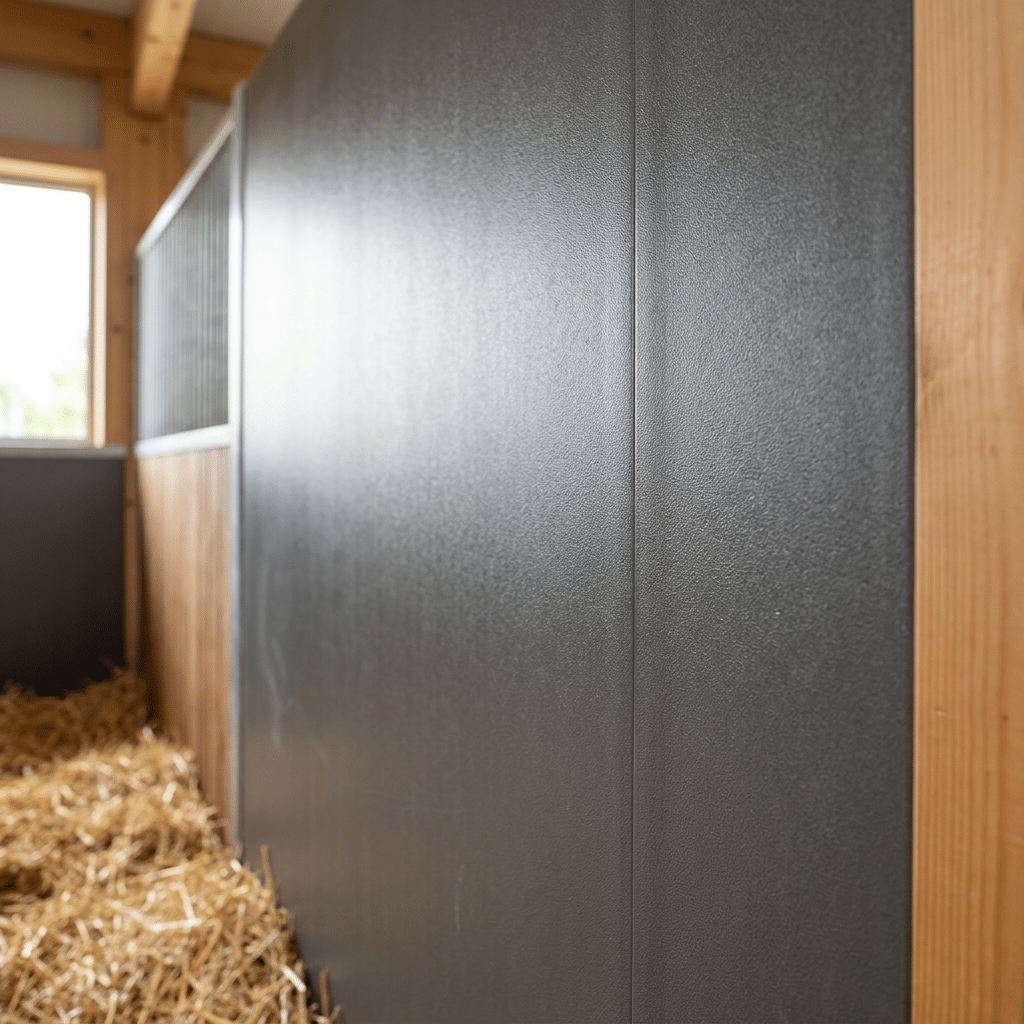
Designing the Equine Hospital: ICU Stalls & Biosecurity Zoning
A successful Equine Clinic Layout directly addresses biosecurity and patient safety from the ground up. Specifying the wrong materials, like porous wood or standard painted steel, creates permanent pathogen reservoirs and risks structural failure from harsh...
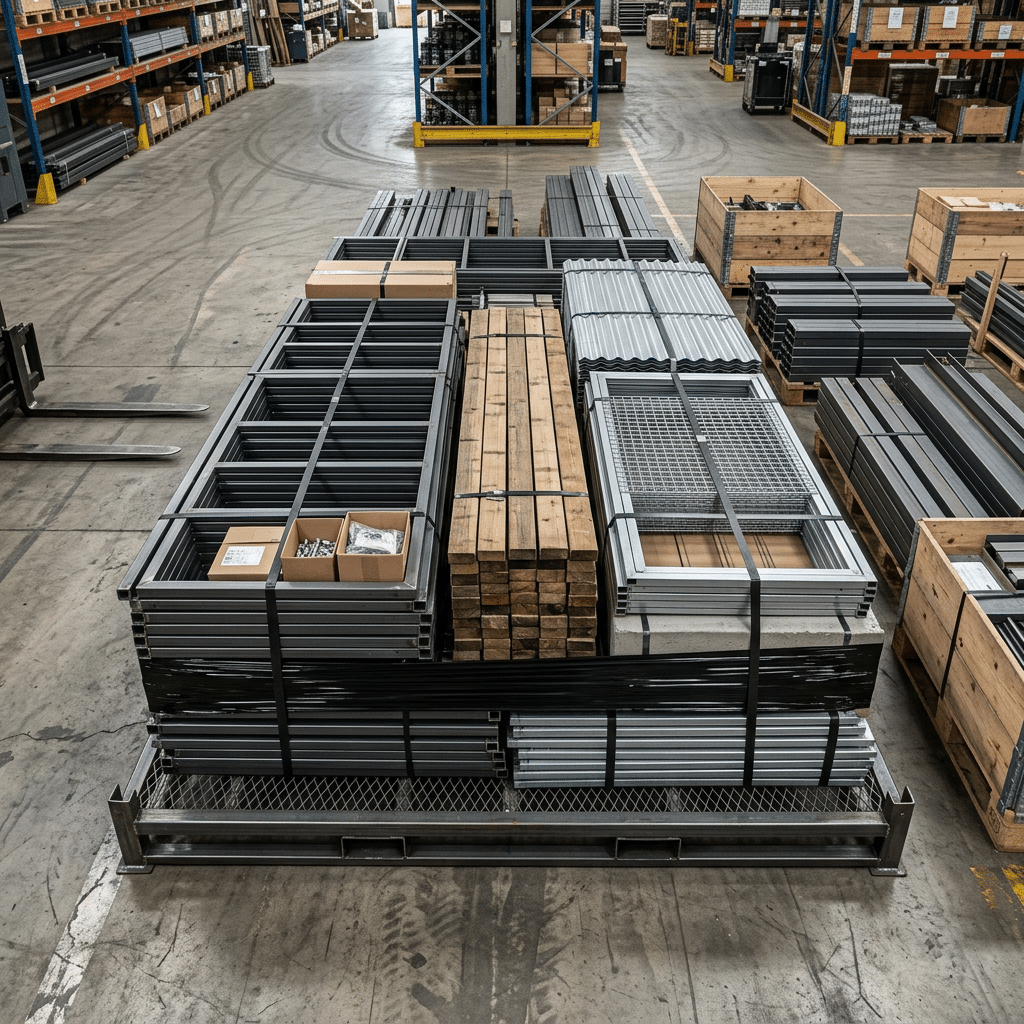
Hurricane-Proof Barns: Engineering Stables for Coastal & High-Wind Zones
Specifying a Hurricane/High-Wind resistant stable is a direct defense against total structural failure and catastrophic liability. Standard barns are not engineered for the uplift forces of a Category 4 storm; roof separation and wall collapse are predictable...
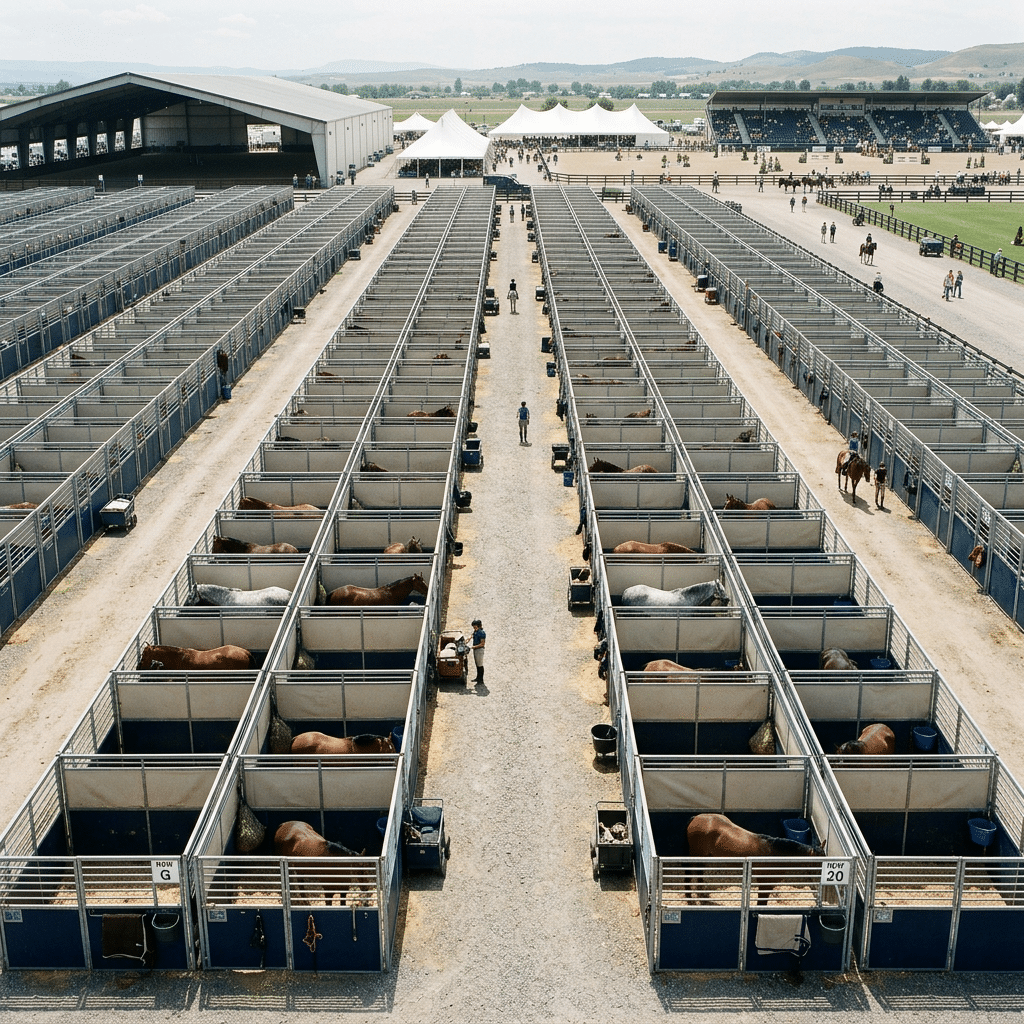
L'expérience VIP : concevoir des clubs équestres pour une clientèle fortunée
Luxury club aesthetics are the primary driver of premium boarding rates, yet sourcing based on appearance alone leads to premature finish failure. When a powder coat peels or steel shows rust, it not only forces costly repairs but also undermines the perception of...
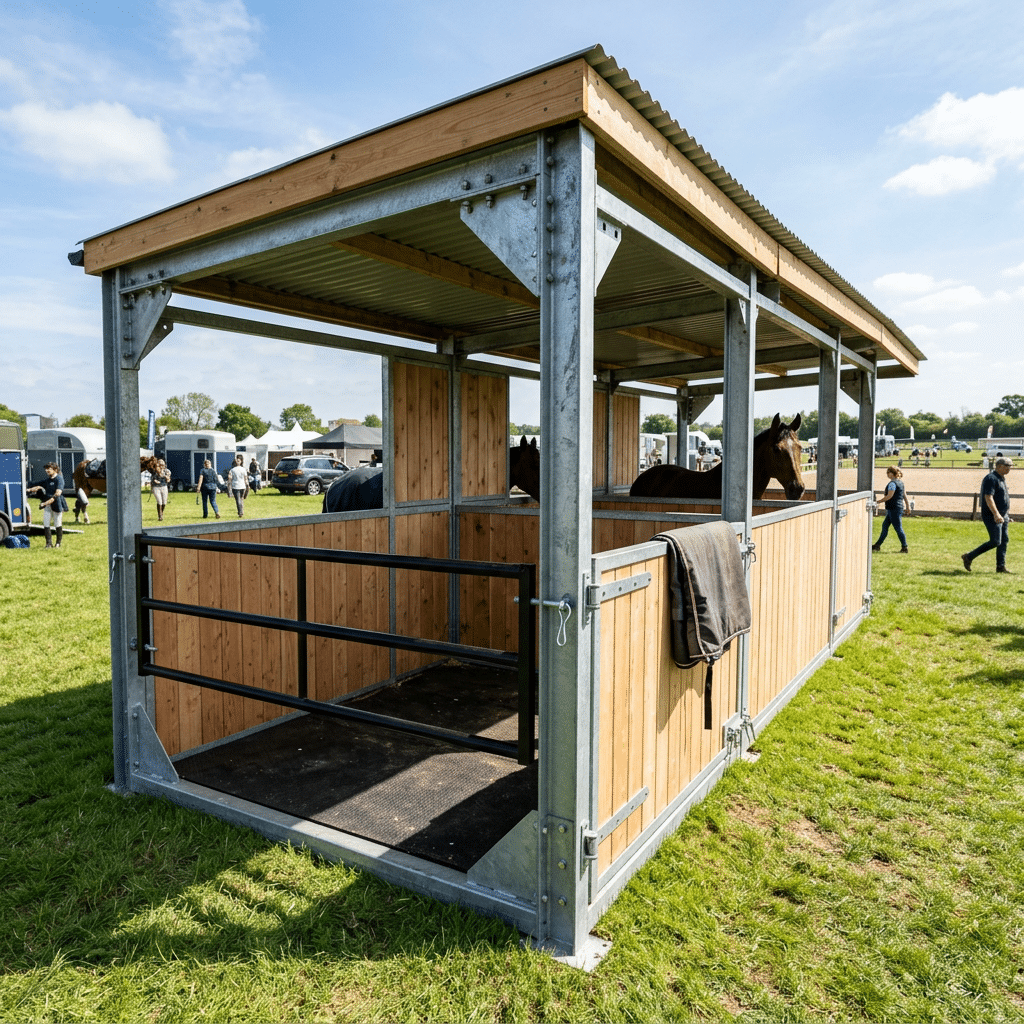
Sustainable Stable Design: Building a Green Barn in 2026
An eco-friendly/green barn specification is a direct investment in lowering total cost of ownership and securing certifications. Conventional timber designs lock owners into a cycle of costly maintenance and chemical treatments, while architects risk projects failing...
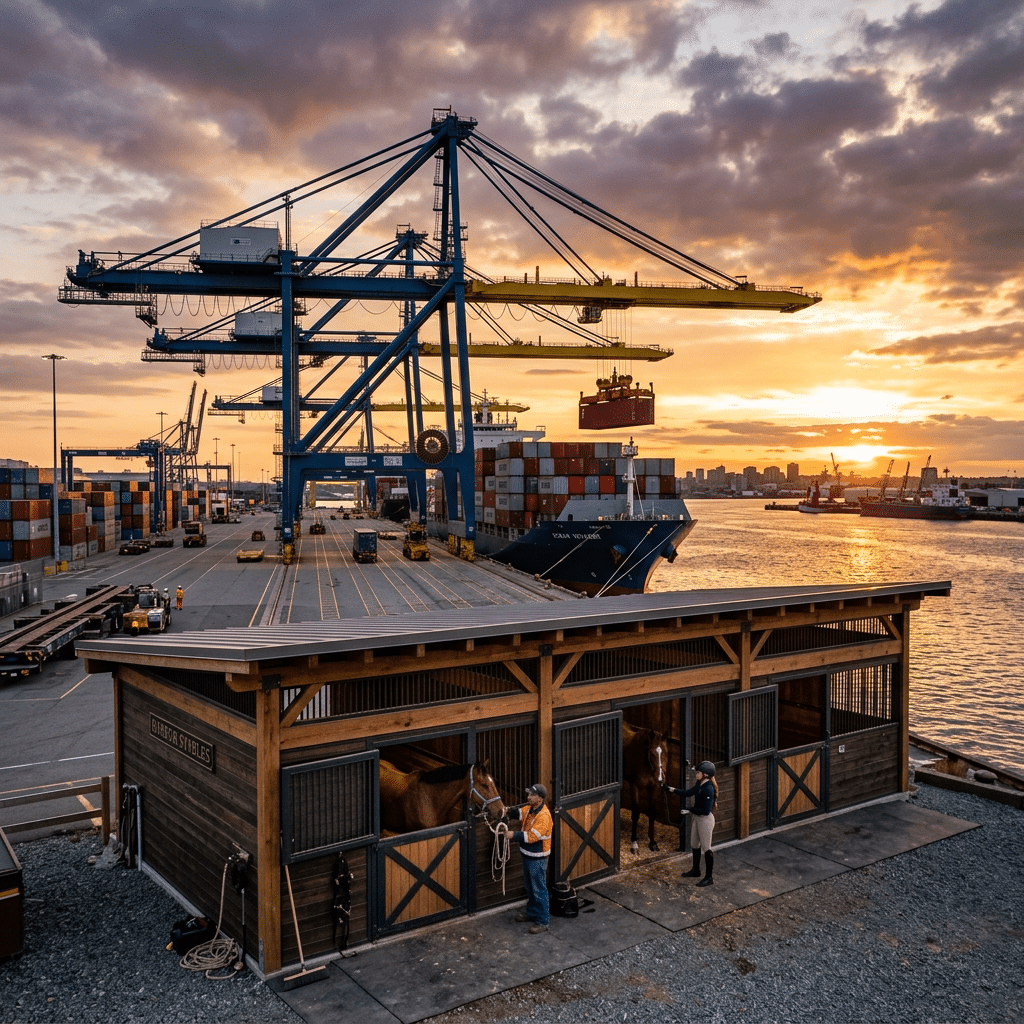
The Ultimate Wash Bay: Drainage, Slip Resistance, and Waterproofing
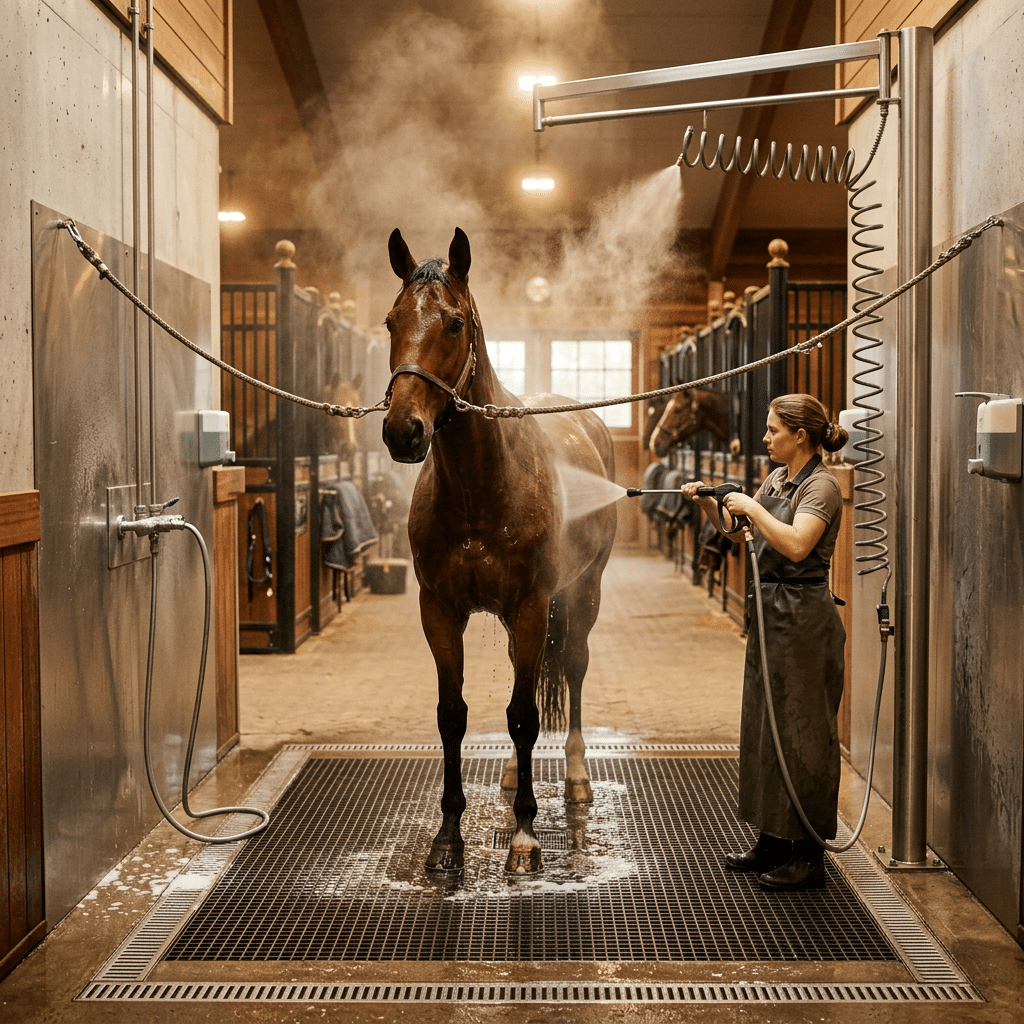
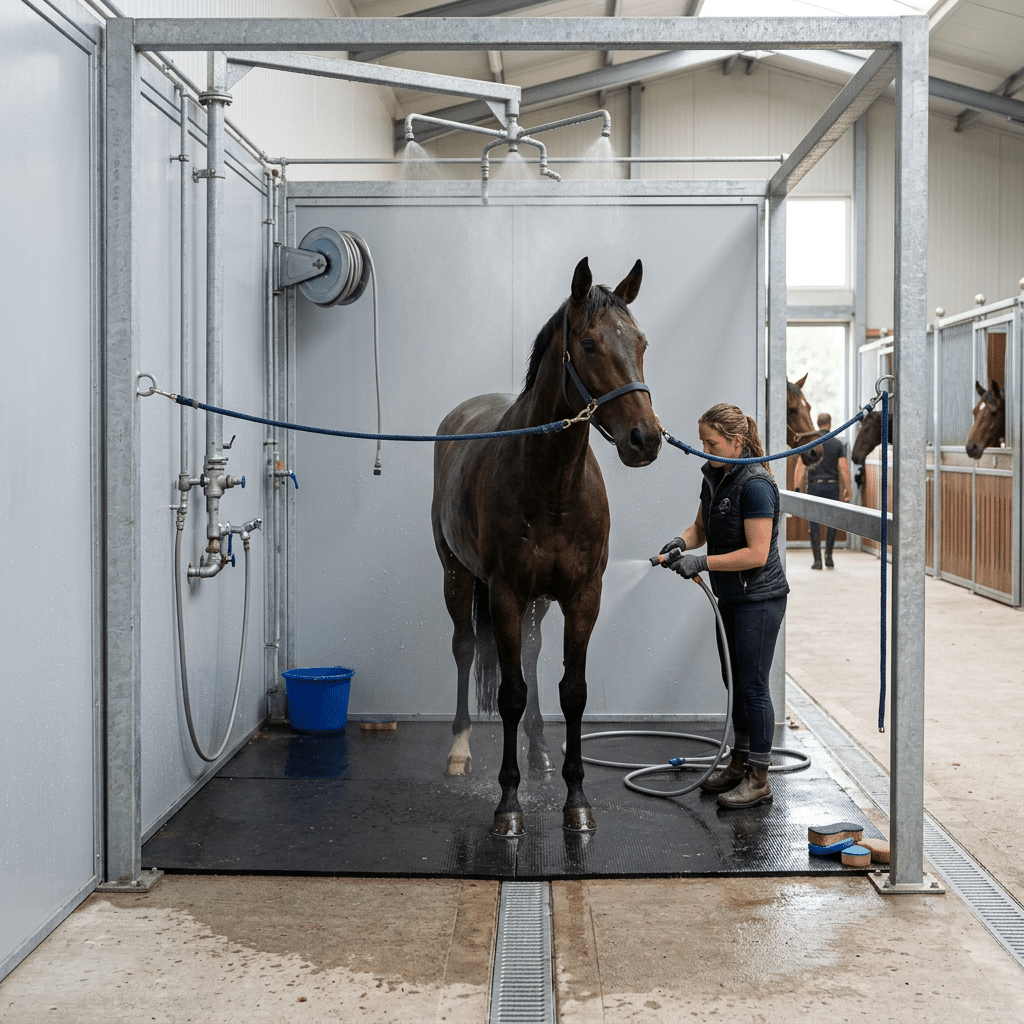
Proper Wash Rack Engineering is the primary defense against structural rot and safety liabilities. A miscalculation in drainage or materials isn’t a minor shortcut; it is a direct cause of flooded aisles, premature corrosion, and expensive repairs that...
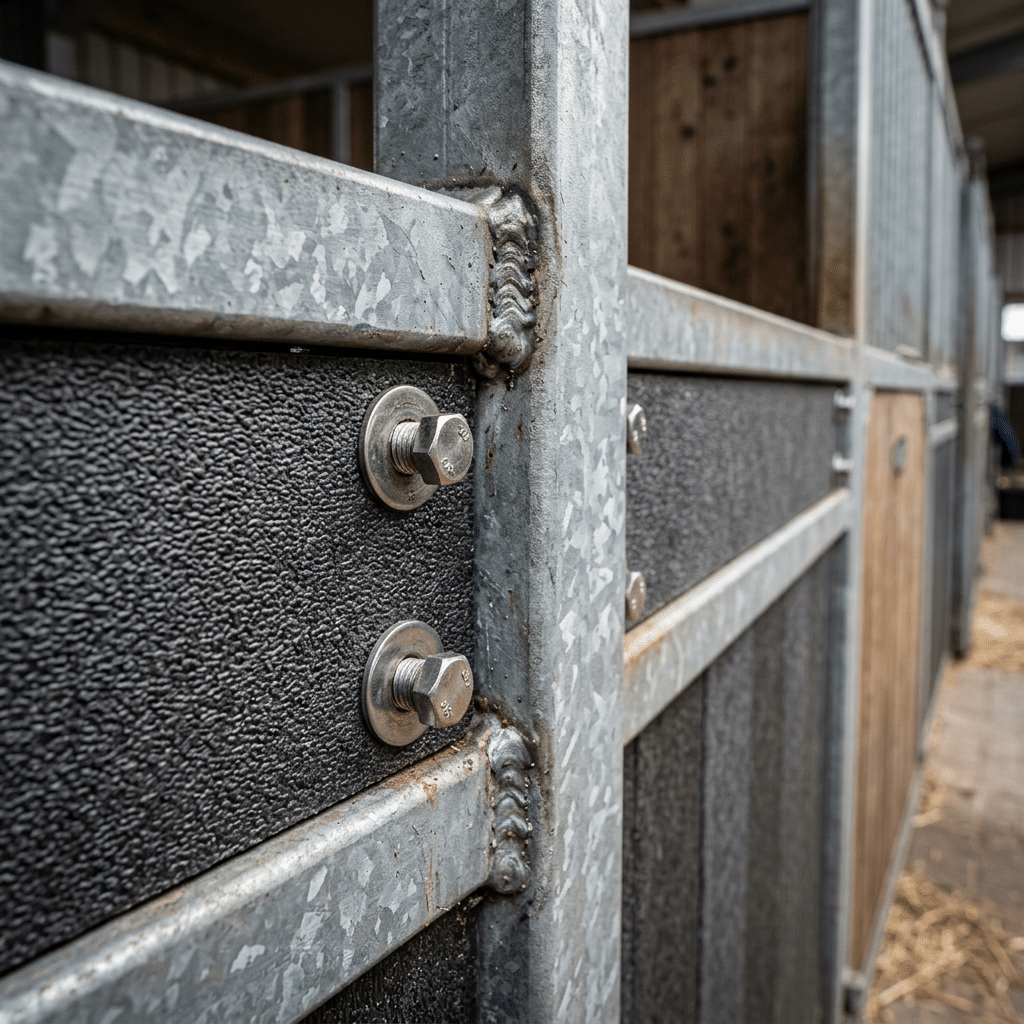
Développement : concevoir des structures d'hébergement à haute densité à but lucratif
Commercial Boarding profitability is decided by design choices that either lock you into low-margin volume or unlock premium rates. The wrong structural decisions, from inefficient layouts to high-maintenance materials, directly erode your operational budget and limit...
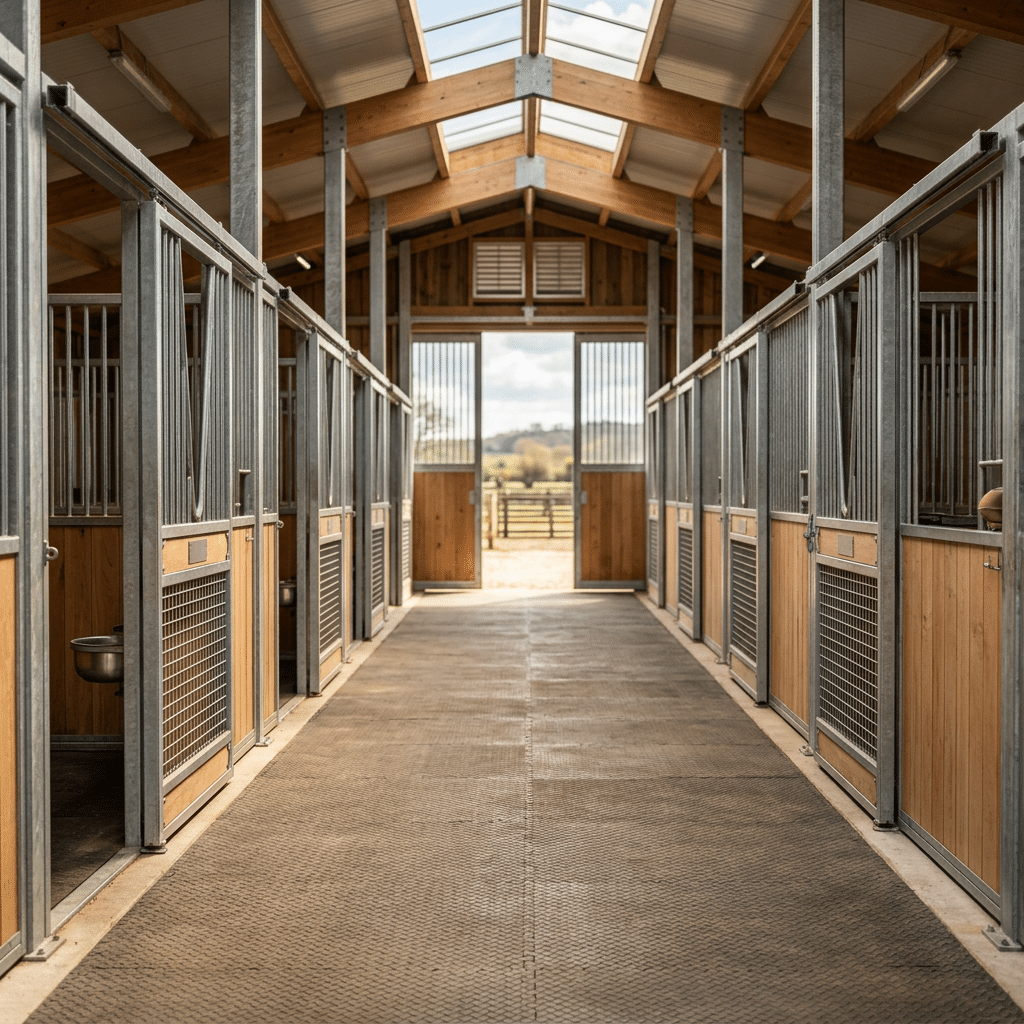
Shedding Light on Stables: Skylights, Windows, and Barn Orientation
An effective Natural Light Strategy is an engineering decision that prevents costly structural failure, not just a way to brighten a dark barn. Poor planning leads to UV degradation of materials, causing brittleness and cracking that results in expensive repairs and...
Heavy Hitters: Architectural Specs for Draft Horses & Warmbloods
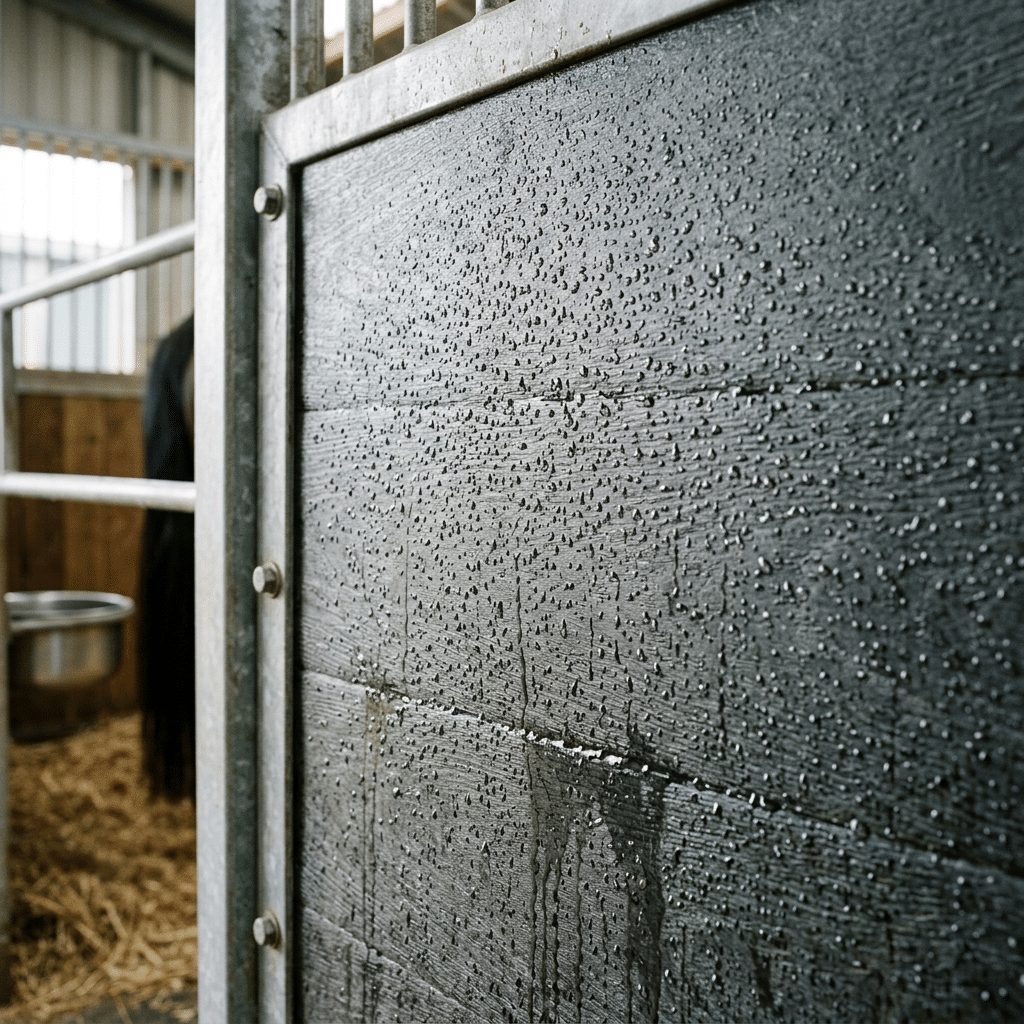
Specifying Draft Horse Stables without engineering for the dynamic loads of a 2000lb animal creates a direct financial liability. Standard stalls often fail under the impact of a powerful kick, resulting in costly structural repairs and the even greater expense of a...
Master Planning the Equestrian Estate: Traffic Flow and Bio-Zoning
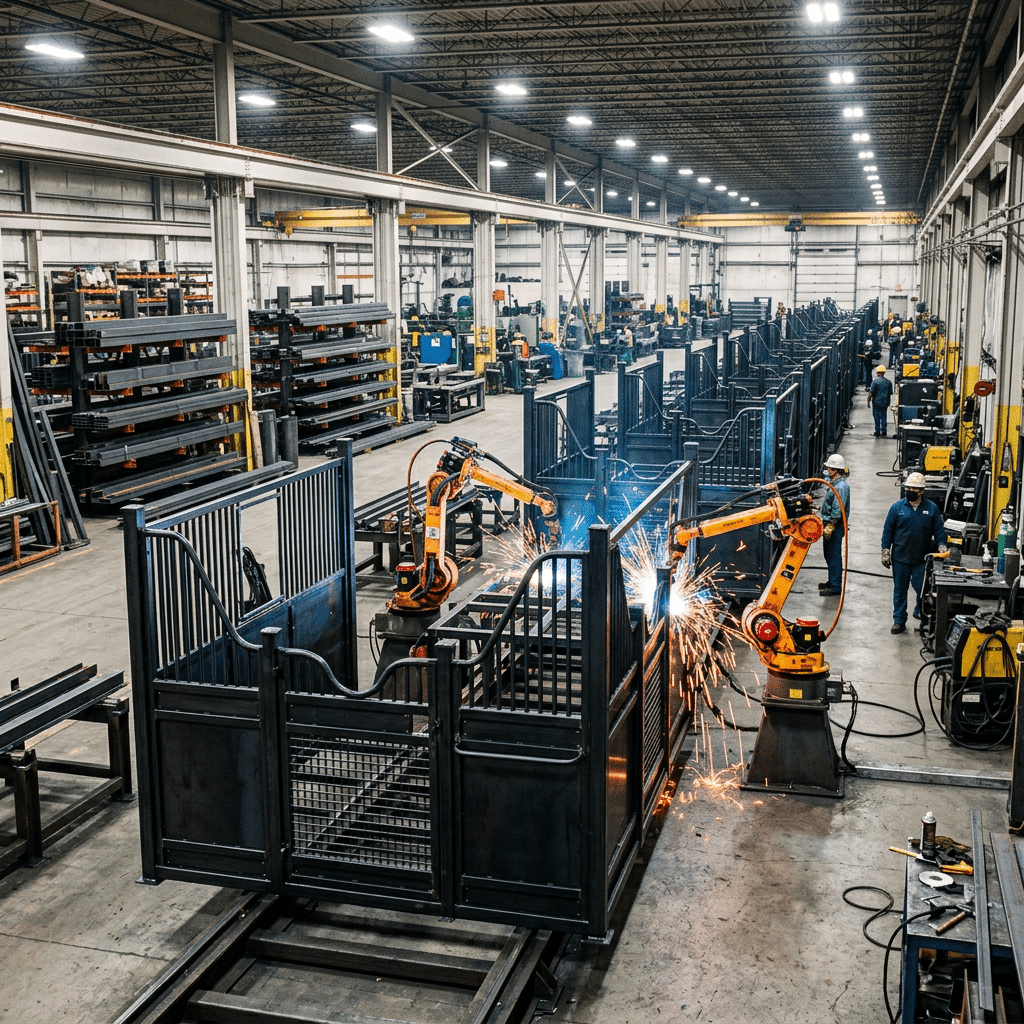
Outfitting multi-barn complexes introduces a logistical risk that can cripple a project budget from the start. Sourcing traditional welded stables is inefficient; their bulk means freight costs consume a disproportionate share of capital, directly eroding developer...
UK Stable Sourcing Post-Brexit: Calculating VAT, Duty, and Landed Cost
Navigating UK Brexit tariffs is only the start; the real margin killers are importer markups and inefficient logistics. Sourcing fully welded stables through European middlemen adds layers of cost, inflating your landed cost and eroding profit before a container even...
Australian Import Guide: How to Get Zero Tariffs on Horse Stables
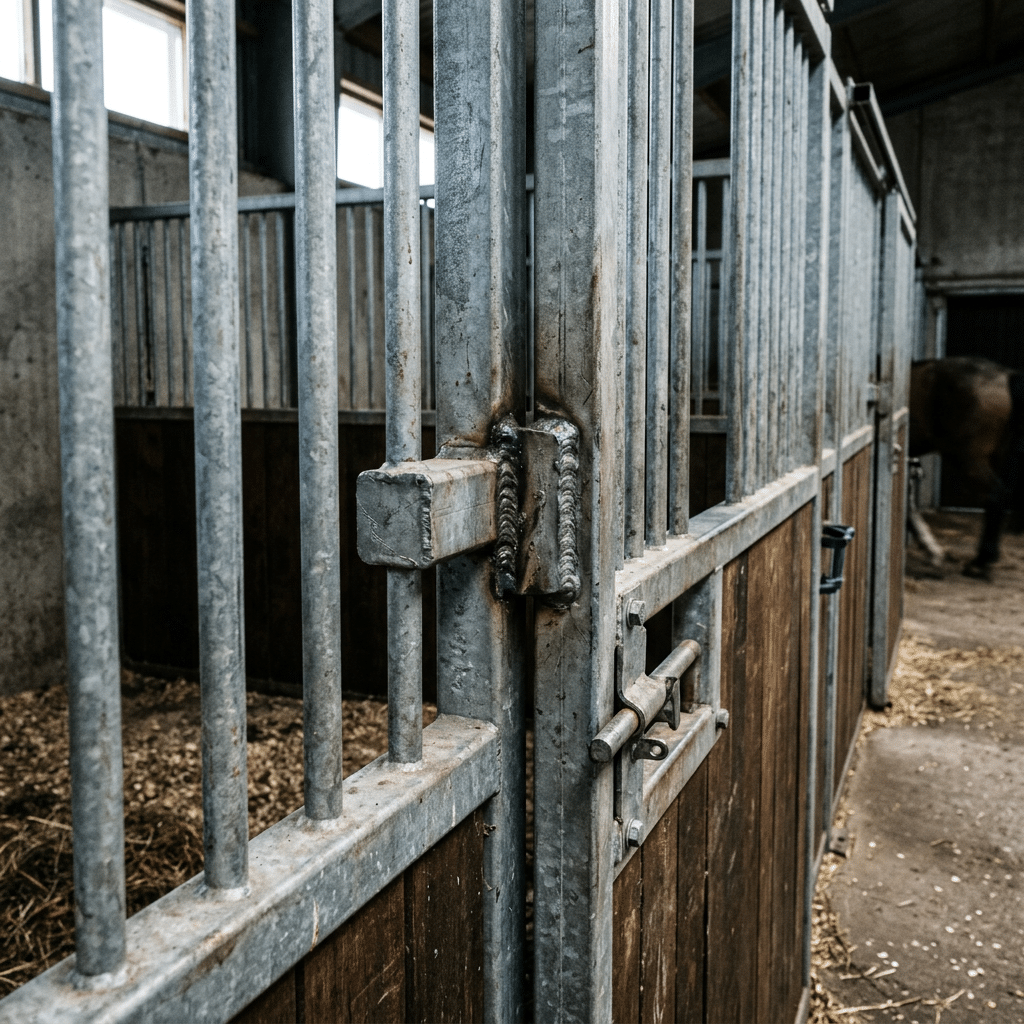
The AU ChAFTA Agreement is designed to eliminate the 5% tariff on horse stables, but a single documentation error can erase this financial advantage. An oversight on the correct HS code or Certificate of Origin directly inflates your landed cost, reducing profit...
The Importer’s Break-Even: LCL vs. FCL Shipping for Barn Kits
Choosing between LCL vs FCL Shipping for barn kits directly impacts your landed cost. The low per-CBM rate for an LCL trial order is deceptive; hidden port and consolidation fees routinely inflate the final bill by 18-34%, eroding the profitability of your first...
Évolution saisonnière des prix de l'acier : le mois le plus avantageux pour commander un conteneur 40 pieds
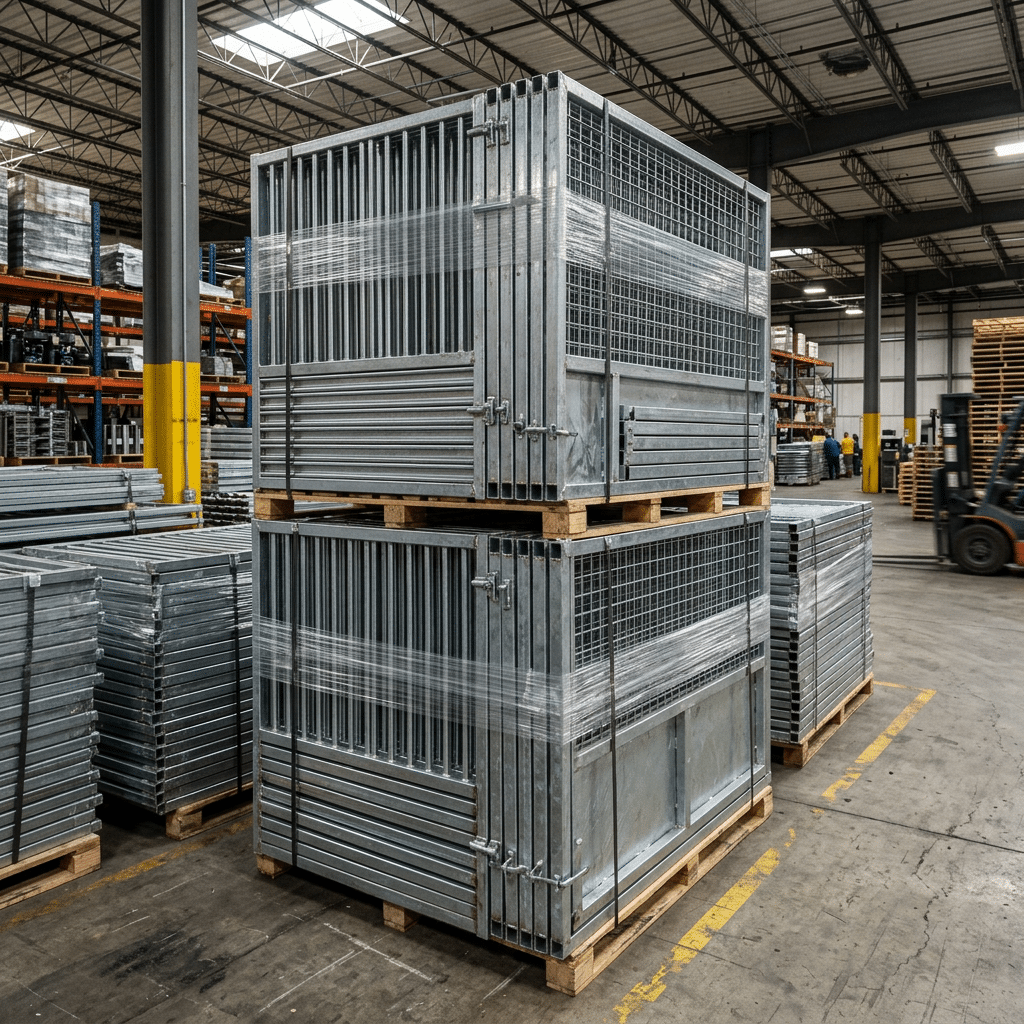
Poor steel market timing is the fastest way to destroy project margins on a 40HQ container. Ordering in January seems proactive, but the pre-CNY supply chain collapse guarantees price spikes, production delays, and rushed work that compromises the final product...
Freight Forwarding Scams: Beware of Hidden Destination Charges (DTHC)
With freight scams exposed, a supplier’s cheap CIF quote is a direct threat to your margins. The trap is sprung at the destination port, where inflated Destination Terminal Handling Charges (DTHC) hold your cargo hostage and erase any perceived savings. This...
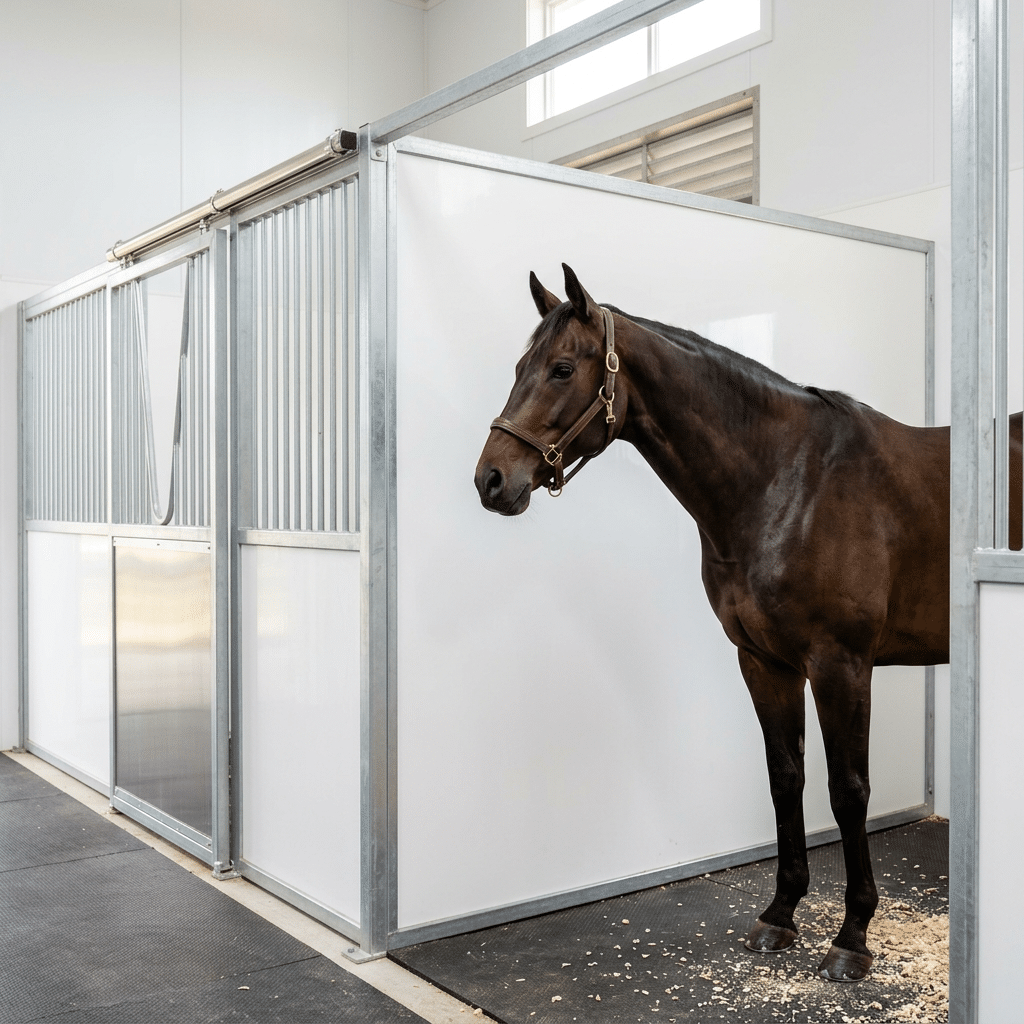
Value Engineering Your Barn: Cutting 20% Cost Without Sacrificing Safety
Value engineering in barn construction is a direct response to project budgets that spiral out of control. Without a systematic approach, architects lose bids and owners are forced to make unsafe compromises, eroding both profit and long-term asset value. This...
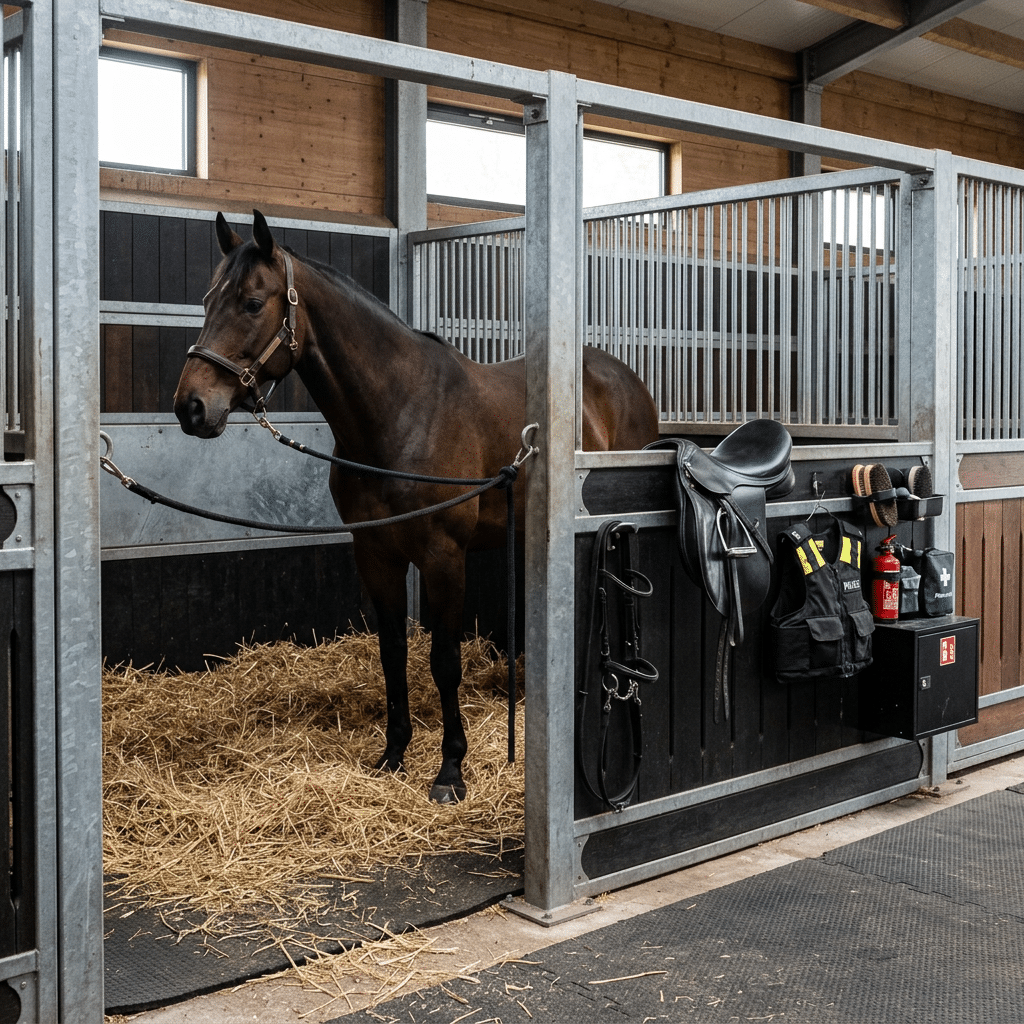
Tax Depreciation for Commercial Barns: Equipment vs. Real Estate
Understanding tax depreciation for an equestrian facility is a critical cash flow decision. Misclassifying modular stalls as permanent real estate locks your capital into a slow 39-year recovery schedule. This common error forfeits substantial, early-year tax...
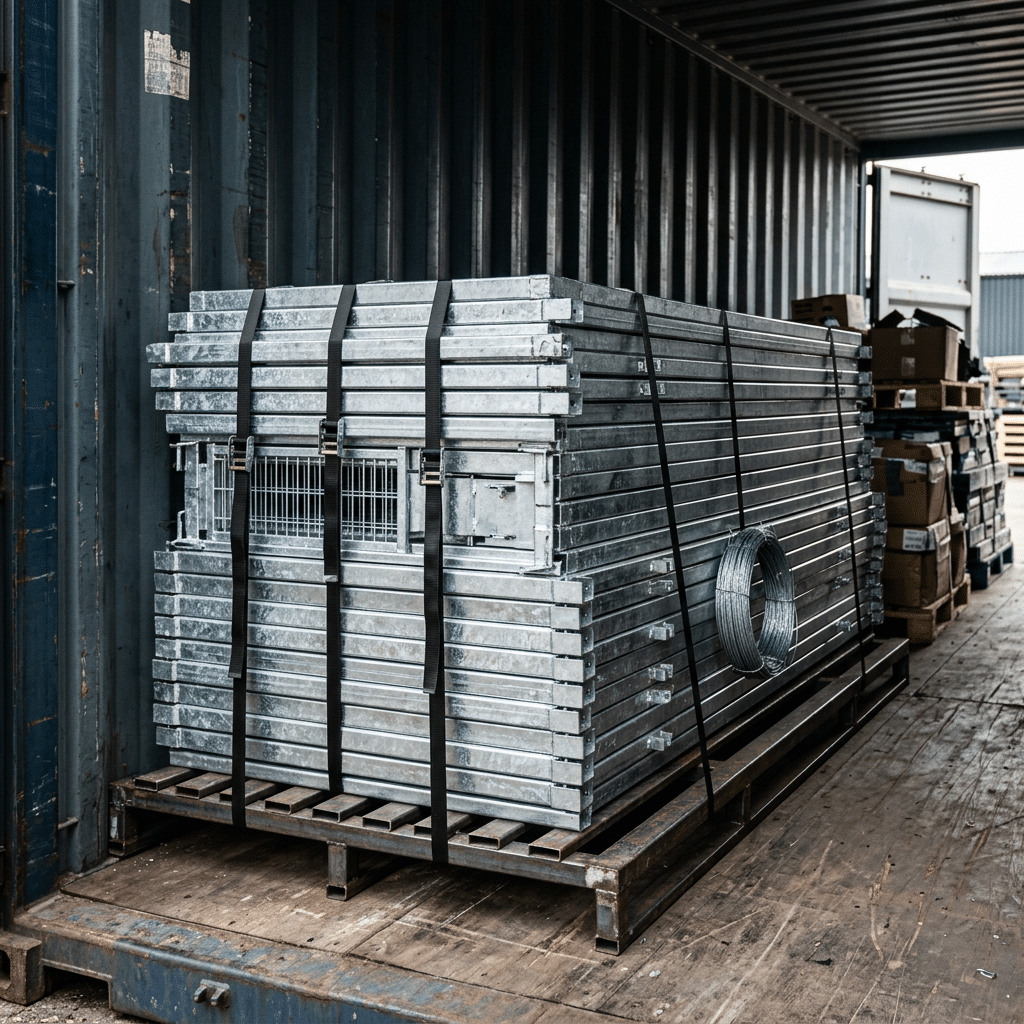
The Distributor’s P&L: Unlocking 40% Gross Margins with Direct OEM
Distributor P&L Math for equestrian products often breaks down due to overlooked freight expenses. Sourcing traditionally welded stables seems straightforward, but fitting only 12-15 sets per container inflates landed costs, erasing your gross margins before the...
The 5-Year Hardware Audit: Zinc-Plated vs. 304 Stainless Upfront Costs
Calculating Hardware Replacement ROI reveals that cheap zinc-plated bolts frequently seize in high-ammonia barn environments. This failure turns initial material savings into significant long-term costs from maintenance labor and operational downtime. This cost...
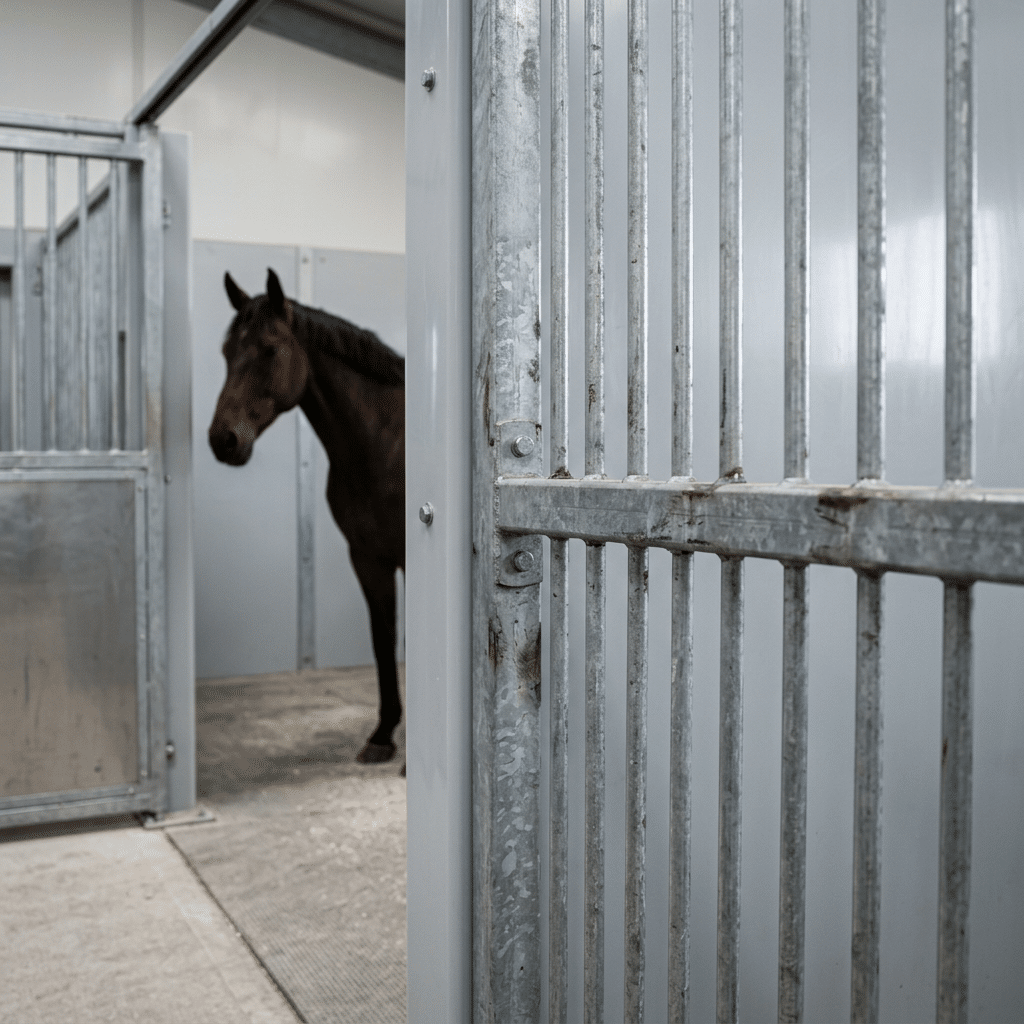
Selling the Farm: How Steel Modular Stables Boost Property Resale Value
Maximizing a farm’s resale asset value hinges on distinguishing permanent improvements from future liabilities. A traditional wood stable often becomes a financial drain, subject to appraisal penalties from rot and deferred maintenance costs that erode a...
Surviving AQIS & MPI: How to Import Stables to Australia/NZ Without Delays
Failed AU/NZ Biosecurity checks are a direct threat to importer profit margins. A single rejected timber pallet or incorrect document can trigger quarantine holds by AQIS or MPI, leading to costly fumigation, re-export fees, or total cargo destruction. These...
Conformité à la directive européenne 98/58/CE : dimensions stables et législation relative au bien-être animal
Le respect des normes européennes en matière de bien-être animal n'est pas facultatif ; le non-respect de directives telles que la directive 98/58/CE entraîne l'échec des inspections. Pour les constructeurs et les responsables de parcs d'élevage, ce risque se traduit par des travaux de mise en conformité coûteux, des retards dans les projets et d'éventuels arrêts d'activité. Cela...
Normes de sécurité incendie pour les granges (NFPA 150) : conception technique pour l'évacuation et la survie
La conformité aux normes de sécurité incendie (NFPA) pour les locaux destinés à l'hébergement des animaux est définie par les spécifications des matériaux utilisés, et pas uniquement par la présence d'alarmes. Le choix d'une ossature en bois combustible constitue une grave négligence technique qui augmente considérablement la charge combustible d'un bâtiment. Ce choix accroît le risque de...
Exemption agricole ou constructions permanentes : comment éviter les cauchemars liés aux permis de construire
La complexité des procédures d'obtention de permis de construire pour les structures agricoles entraîne un risque important de retards dans les projets et de dépassements budgétaires. Le fait de classer à tort un système modulaire comme un bâtiment permanent peut entraîner des exigences coûteuses, telles que la présentation de plans certifiés par un ingénieur, ce qui réduit directement...
Tout savoir sur les certifications de l'acier : le marquage CE et les normes DIN pour les écuries
Le manque de compréhension des normes DIN/CE relatives à l'acier constitue une menace directe pour la rentabilité de tout importateur stable de l'Union européenne. L'approvisionnement en structures métalliques ne disposant pas de la certification EN 1090 obligatoire entraîne le rejet des livraisons, des retards susceptibles de compromettre la réalisation des projets, ainsi que d'importantes pertes financières...
Des granges toxiques : les dangers cachés des peintures et des plastiques bon marché
L'évaluation de la toxicité et des risques liés à la mastication constitue une responsabilité majeure pour tout centre équestre qui s'approvisionne en nouveaux boxes. Les revêtements en poudre et les plastiques non certifiés peuvent exposer les chevaux au plomb, au cadmium ou aux phtalates, ce qui entraîne un risque financier important lié aux frais vétérinaires et à une...
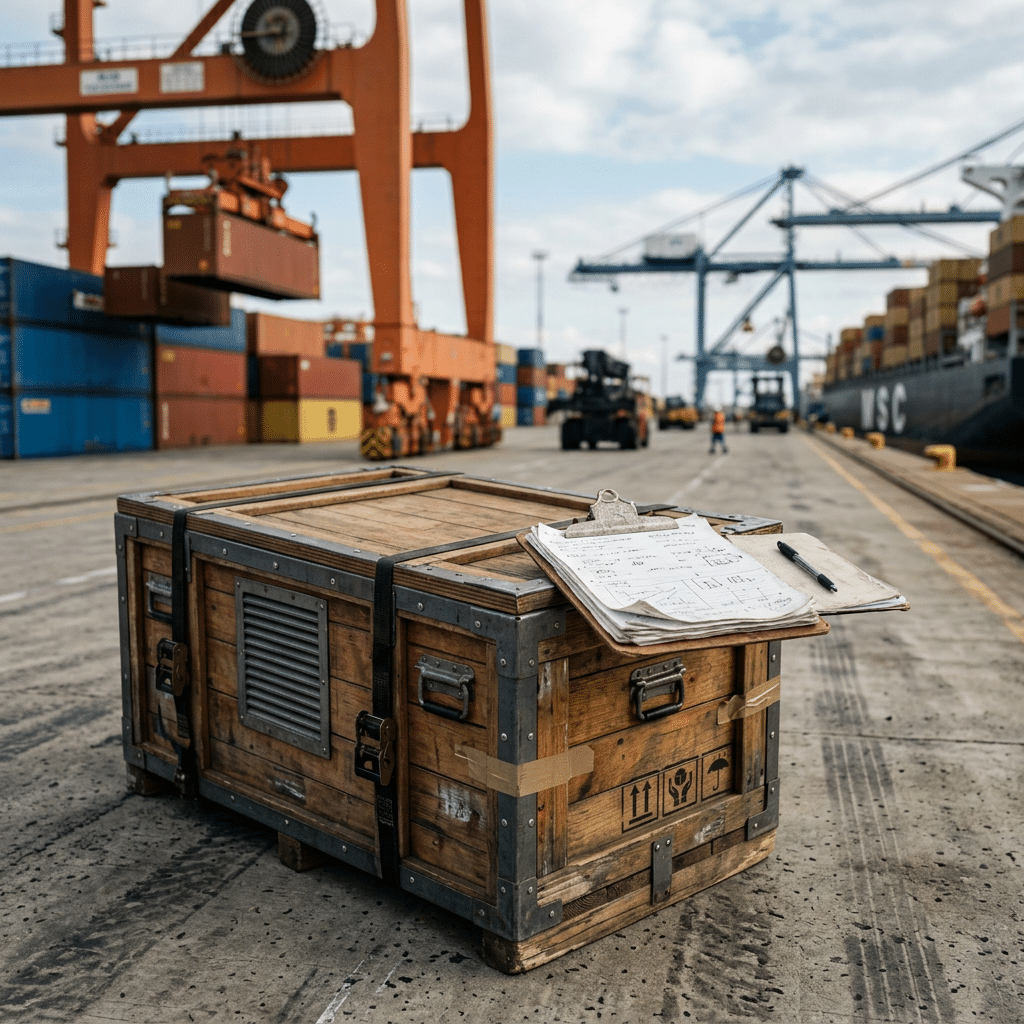
Protéger vos conceptions de produits : accords de confidentialité (NDA) et fabrication OEM en Chine
Une stratégie efficace en matière de propriété intellectuelle et de marque blanche constitue la seule protection contre les ‘ quarts de travail fantômes ’ non autorisés, c'est-à-dire lorsque l'une de vos usines partenaires utilise votre outillage pour fabriquer des produits concurrents. Ce point de défaillance unique peut anéantir votre position sur le marché et réduire considérablement vos marges bénéficiaires avant même que….
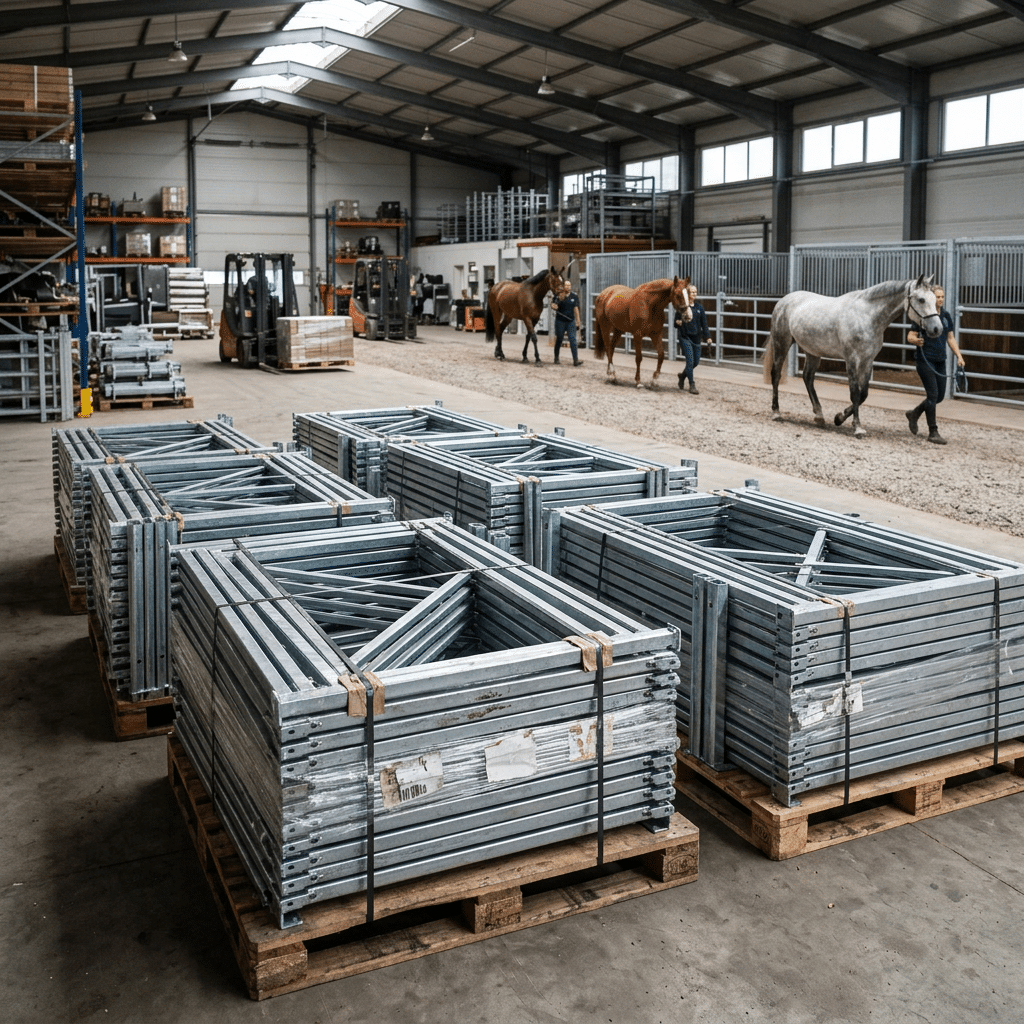
Navigating Steel Anti-Dumping Tariffs: Sourcing Stables Smartly
Managing anti-dumping duties remains the primary challenge when importing steel horse stables, where a simple customs error can destroy profitability. A misclassification can subject a shipment to punitive tariffs under Section 232, instantly erasing margins and...
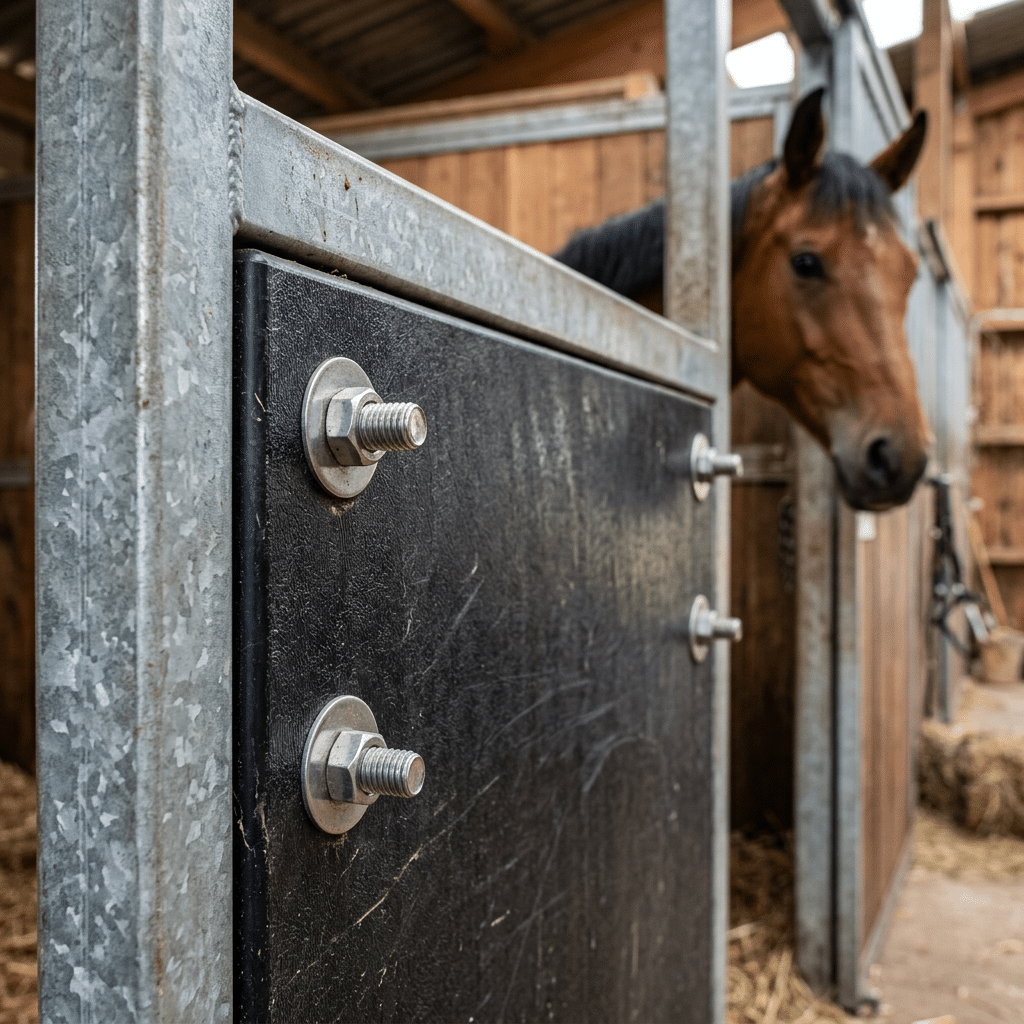
Commercial Liability: How Stall Engineering Prevents Farm Lawsuits
Your liability insurance premiums directly reflect your facility’s documented risk profile. A single horse injury resulting from a weak stall partition can trigger a negligence lawsuit with six-figure penalties, making proof of reasonable care your only...
The Wooden Crate Trap: Why We Only Ship on Steel Pallets
Non-compliant packaging remains a leading driver of expenses for steel product importers. When shippers rely on standard wood crates, they expose themselves to quarantine delays and fumigation fees alongside the significant risk of structural failure under weight....
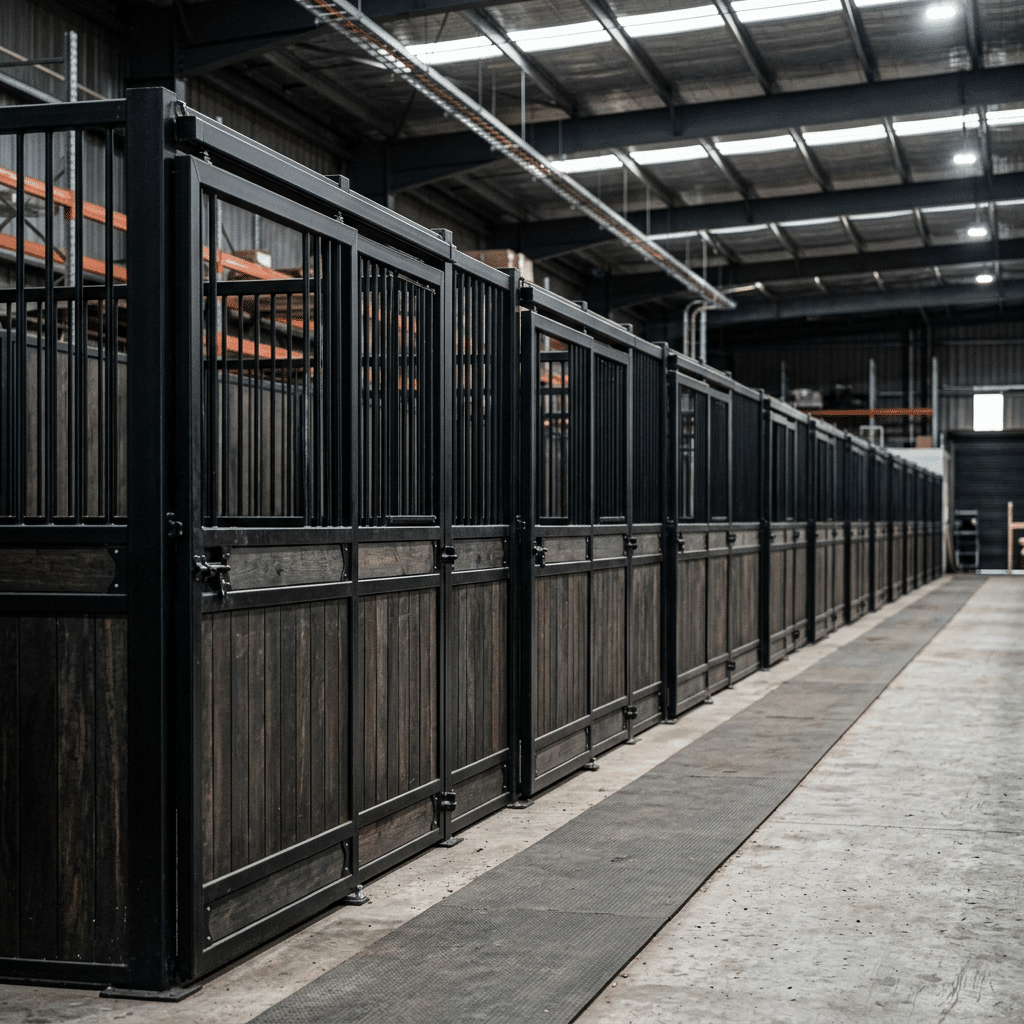
Lowering Commercial Barn Insurance: How Steel Stalls Cut Your Premiums
Commercial insurance premiums for equestrian facilities are driven by two primary risks: catastrophic fire spread and high-cost veterinary claims. A barn built with traditional combustible materials is automatically classified as a high-risk asset, leading to...
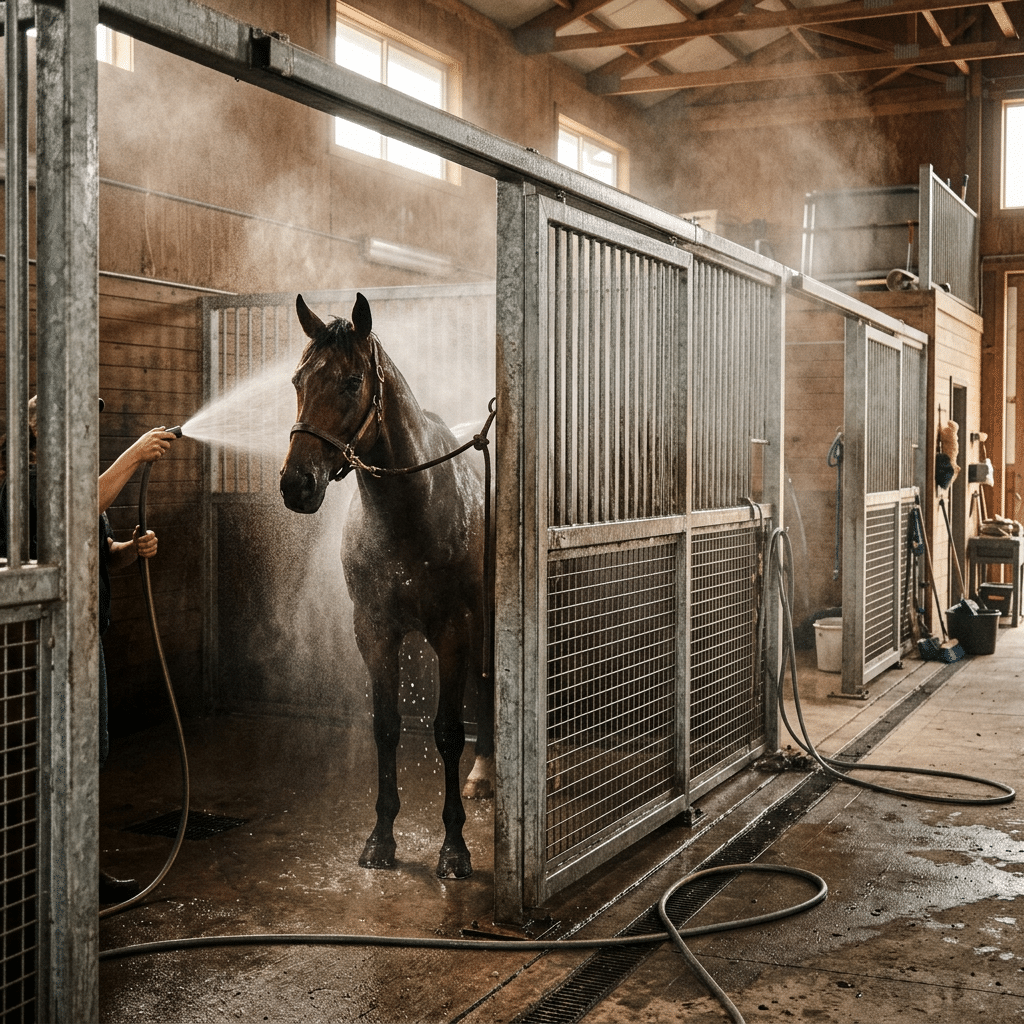
How to Fix the “Never-Ending” Ammonia Smell in Horse Stalls
The persistent ammonia smell in horse stalls is a direct indicator of urine absorption into porous flooring and walls. This trapped moisture not only fuels bacteria but also causes structural rot and corrosion, leading to costly repairs and compromising the long-term...
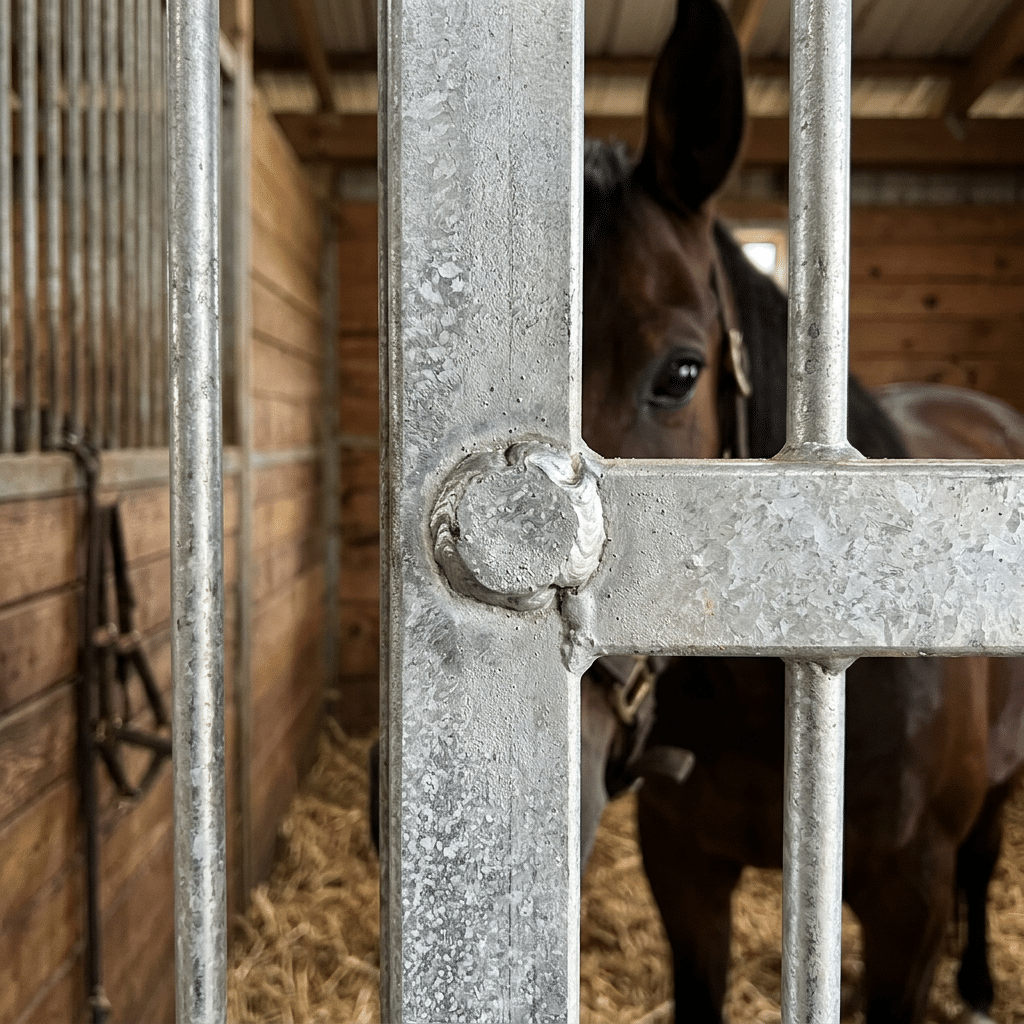
Property Appraisal: How Modular Stables Increase Equestrian Real Estate Value
Accurate asset valuation for equestrian properties depends on separating fixed liabilities from movable assets. A permanent timber barn is a sunk cost, with appraisers consistently devaluing structures due to wood rot—a risk that directly lowers a farm’s market...
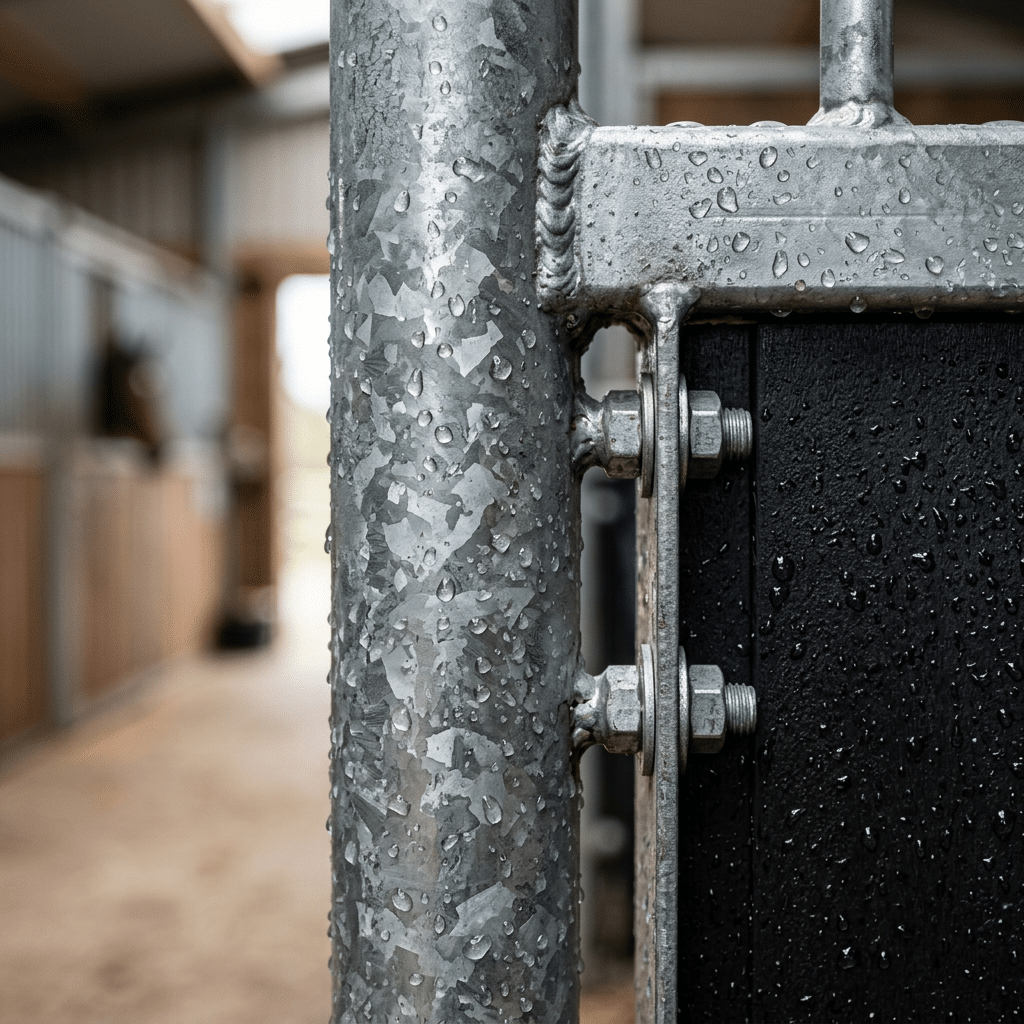
Stall Weaving & Pawing: Hardware Solutions for Anxious Horses
Confinement stress leads to destructive behaviors like pawing and weaving that cause cumulative damage to standard horse stalls. These repetitive impacts create material fatigue, resulting in bent bars and broken welds that become a recurring maintenance cost and a...
Disaster Recovery: Surviving Barn Flooding with HDPE and Hot-Dip Zinc
Flood recovery success is determined by material choices made long before the storm. When saltwater or standing water hits, traditional wood stalls swell and rot, while common steel corrodes at the welds. This material failure turns a recoverable event into a...
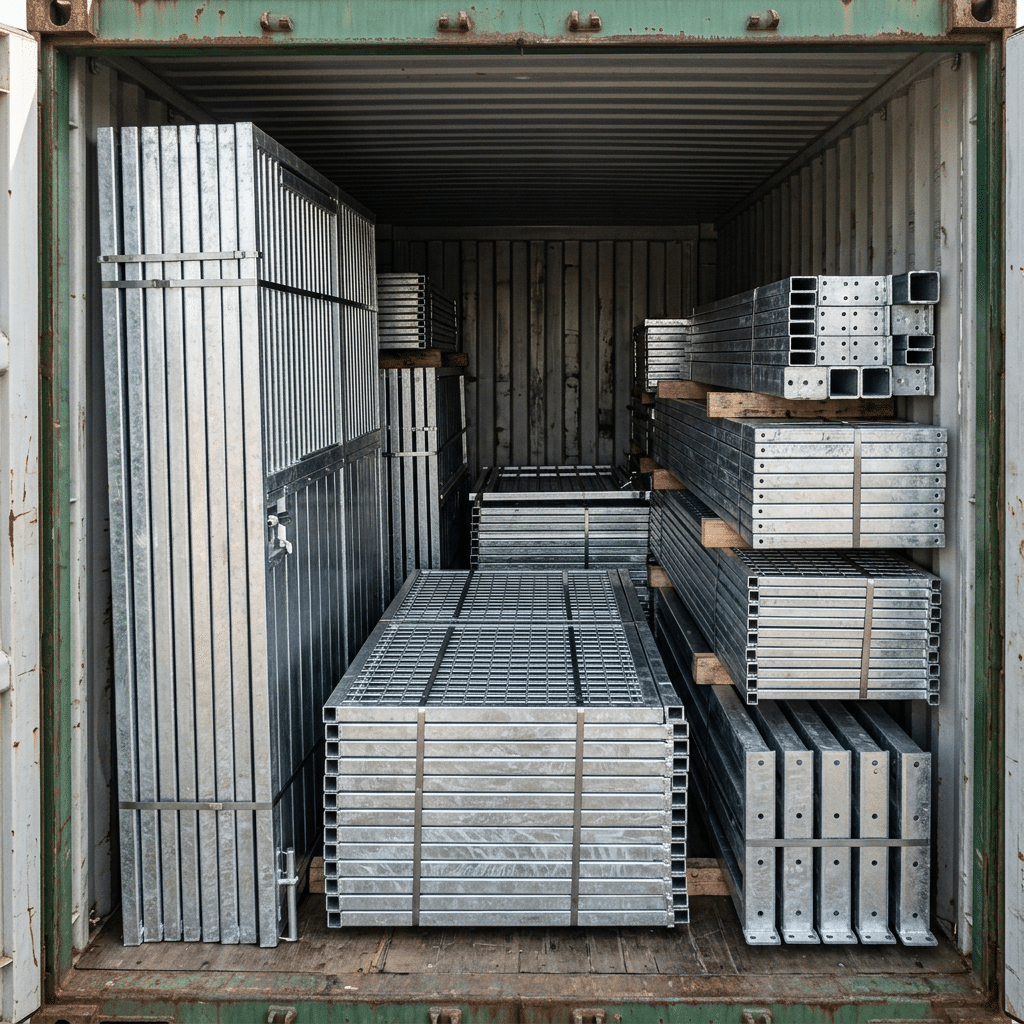
Fixing Jammed Sliding Barn Doors: Exposed Wheels vs. Hidden Tracks
Jammed barn doors are a primary source of post-installation complaints and warranty claims for stable outfitters. Standard exposed track systems inevitably clog with hay and dust, causing operational failures that damage a distributor’s reputation for supplying...
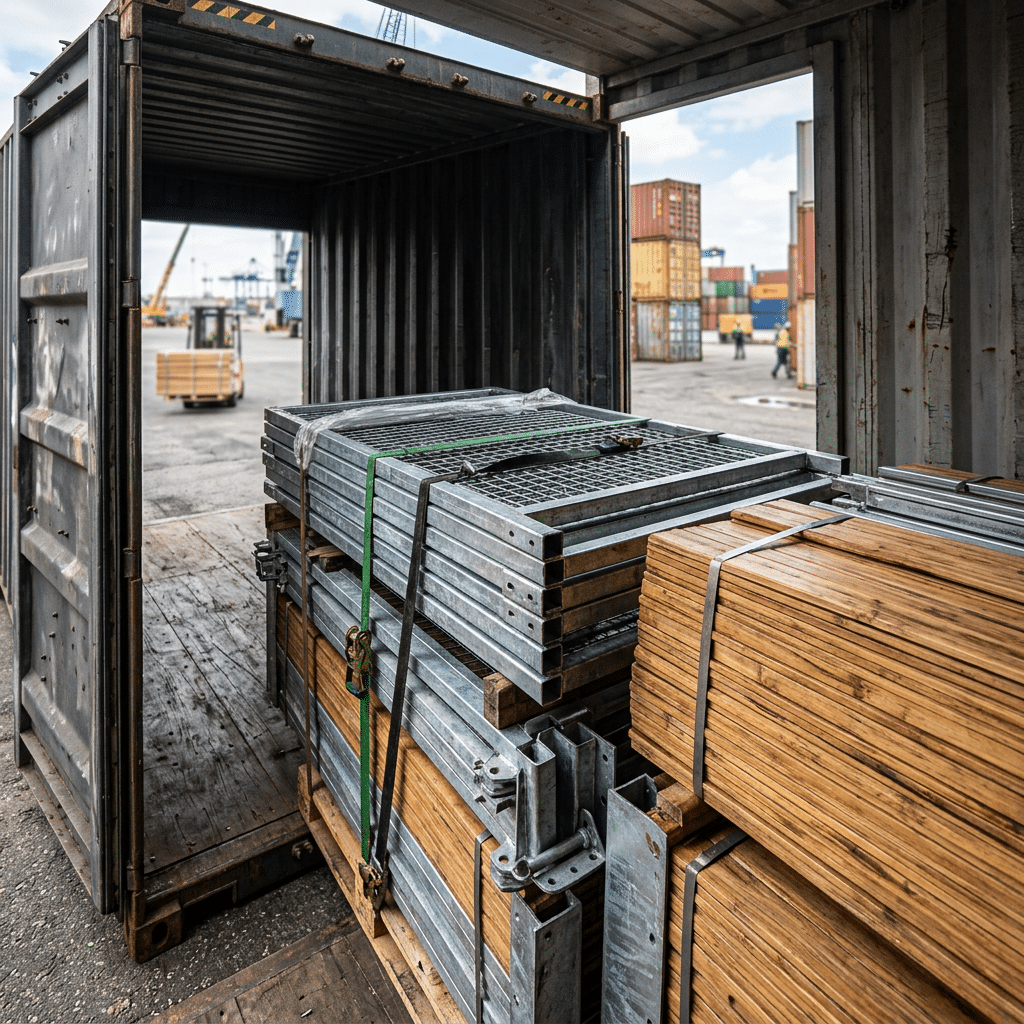
The Annual Pressure Wash: How to Sanitize Stables Without Causing Rust
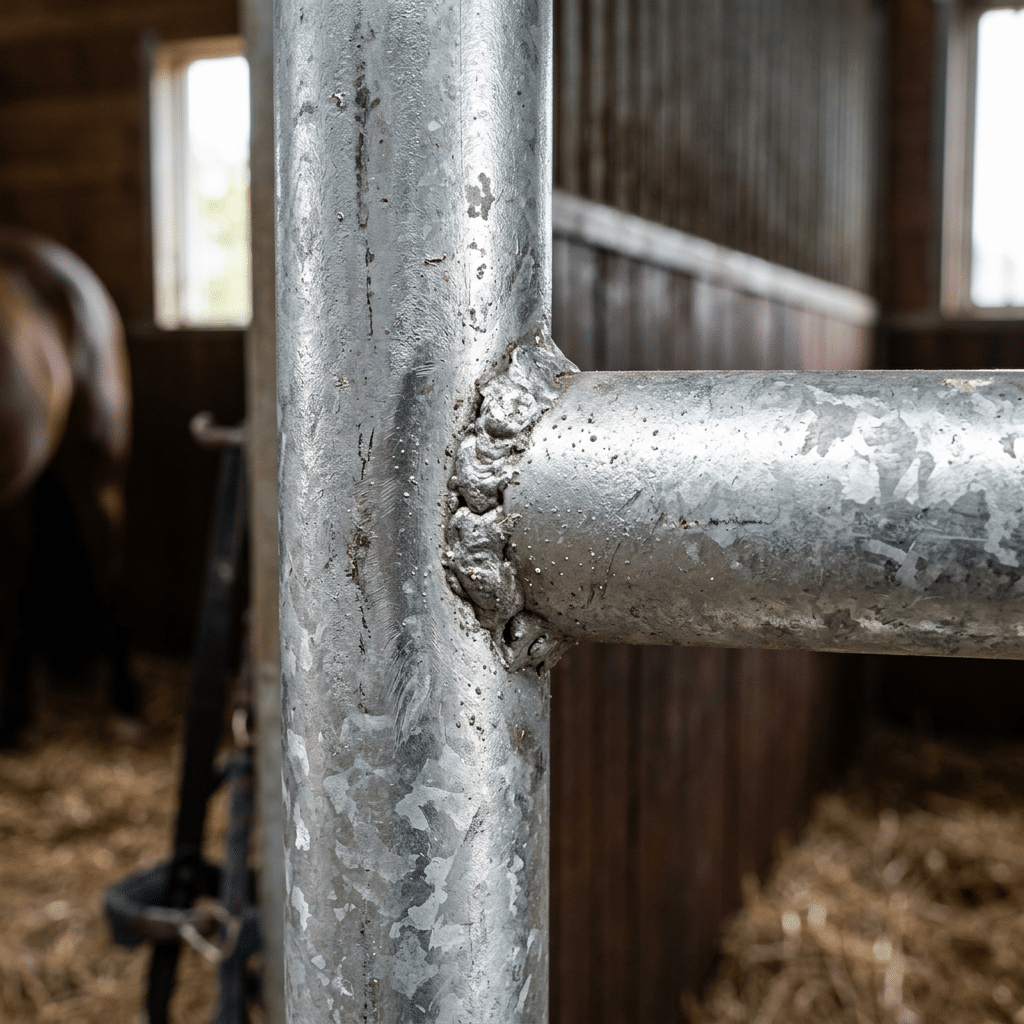
The annual pressure washing of stables shouldn’t trigger immediate rust, yet many operators see it bloom on welds. This defect isn’t a maintenance issue; it’s a manufacturing shortcut using pre-galvanized steel that directly leads to warranty claims...
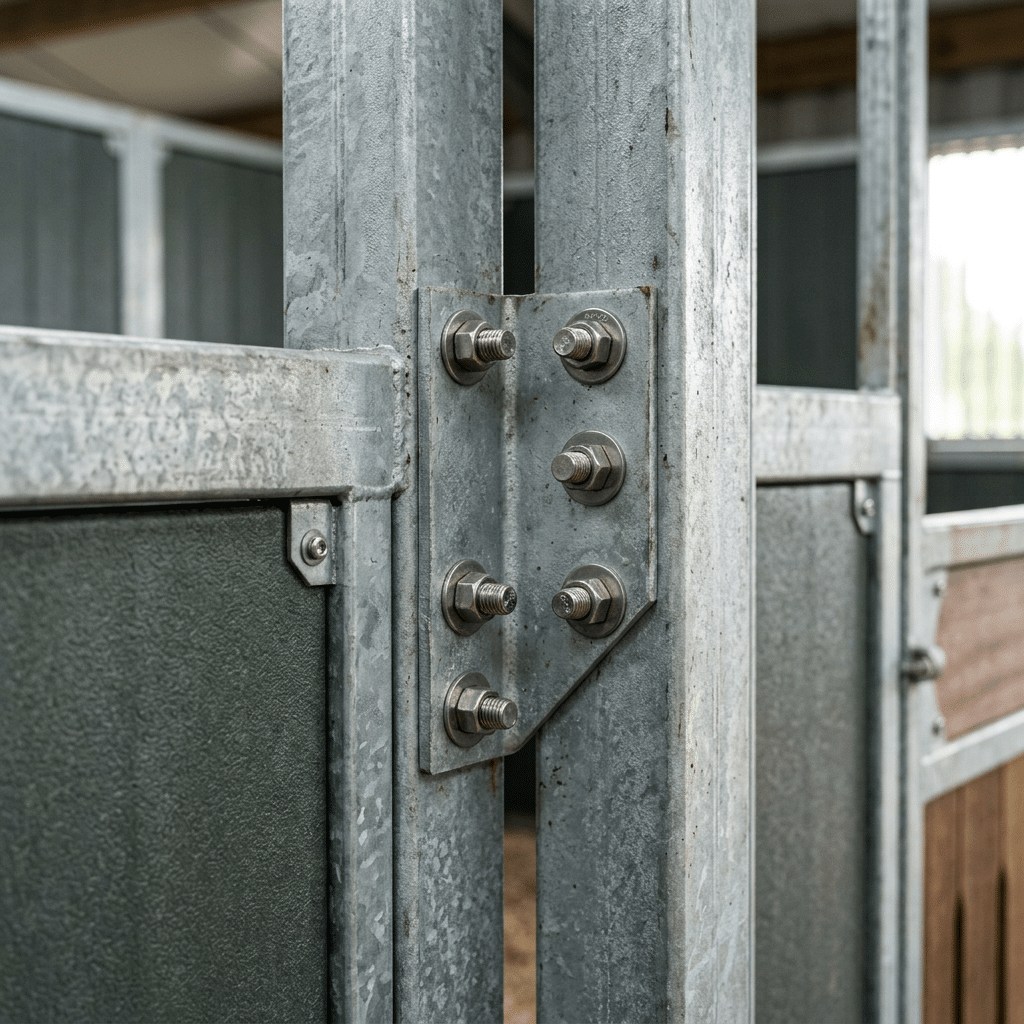
Eliminating Splinter Colic: The Hidden Danger of Chewed Pine Boards
Splinter colic is a preventable emergency directly linked to cheap pine boards in horse stalls. This single material choice can escalate a simple chewing habit into a $10,000 surgical procedure, a catastrophic cost that often exceeds standard insurance limits and...
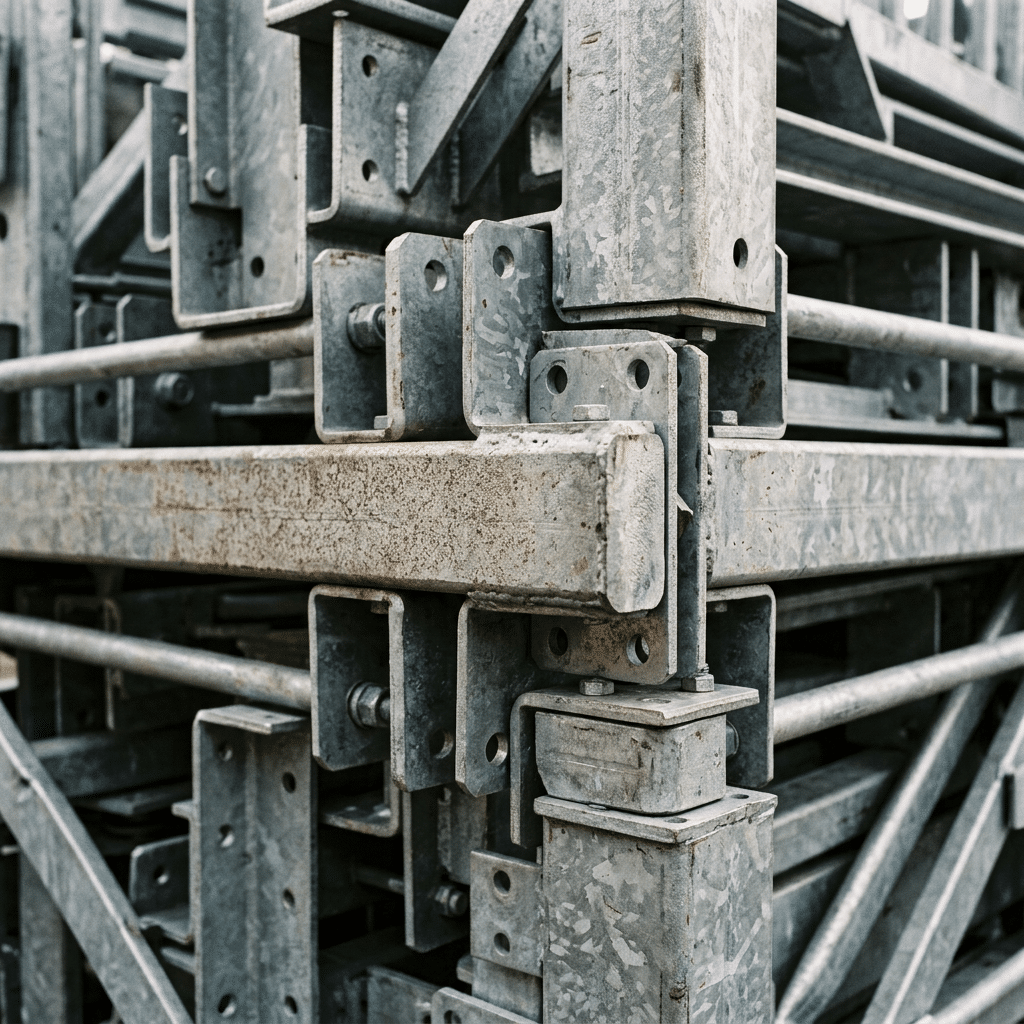
Horse Stall Fans: Do You Really Need Them Running 24/7?
The reliance on stall fans for airflow is a critical liability issue for barn builders and facility managers. Standard fans create a severe fire hazard from dust-clogged motors and circulate airborne particles that damage equine respiratory health. This approach turns...
Gagner 30 minutes sur le nettoyage des allées : dégagement des allées et optimisation du flux de travail du tracteur
Real mucking efficiency isn’t about a better wheelbarrow; it’s about eliminating it entirely. Barn designs that fail to accommodate tractor workflow lock in decades of high labor costs and staff turnover, directly reducing a facility’s long-term...
Winter Nightmare: Preventing Frozen Automatic Waterers in -20°C
Preventing frozen auto waterers addresses only one part of winter risk; the greater danger is catastrophic structural failure when standard materials turn brittle at -20°C. A single kick against a frozen Q235B steel post can cause a brittle fracture, creating a direct...
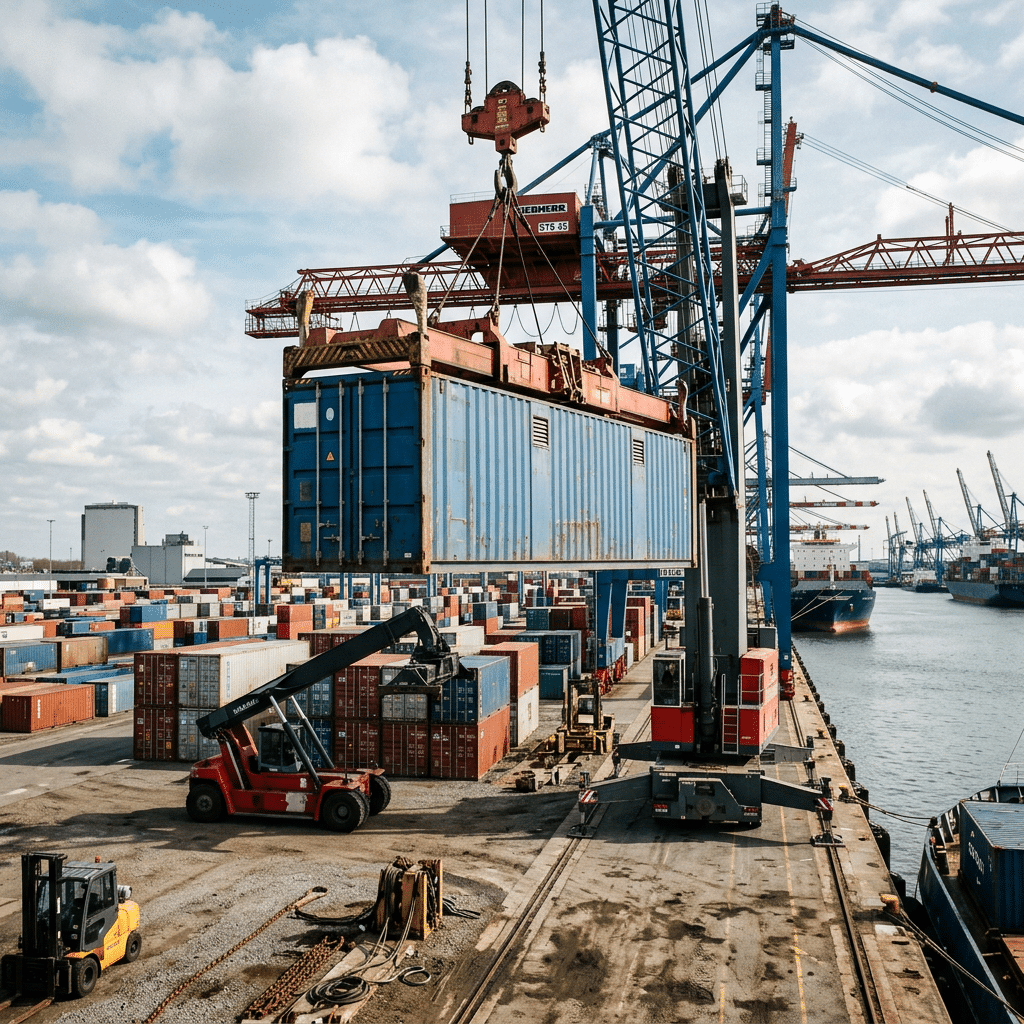
The Cast Horse Emergency: Why 50mm Bottom Gaps Save Lives
A Cast Horse Emergency is a direct result of failed stable engineering, not random chance. Stalls built with bottom gaps larger than 50mm create a documented lethal trap, exposing facility owners and equipment distributors to significant liability. When a...
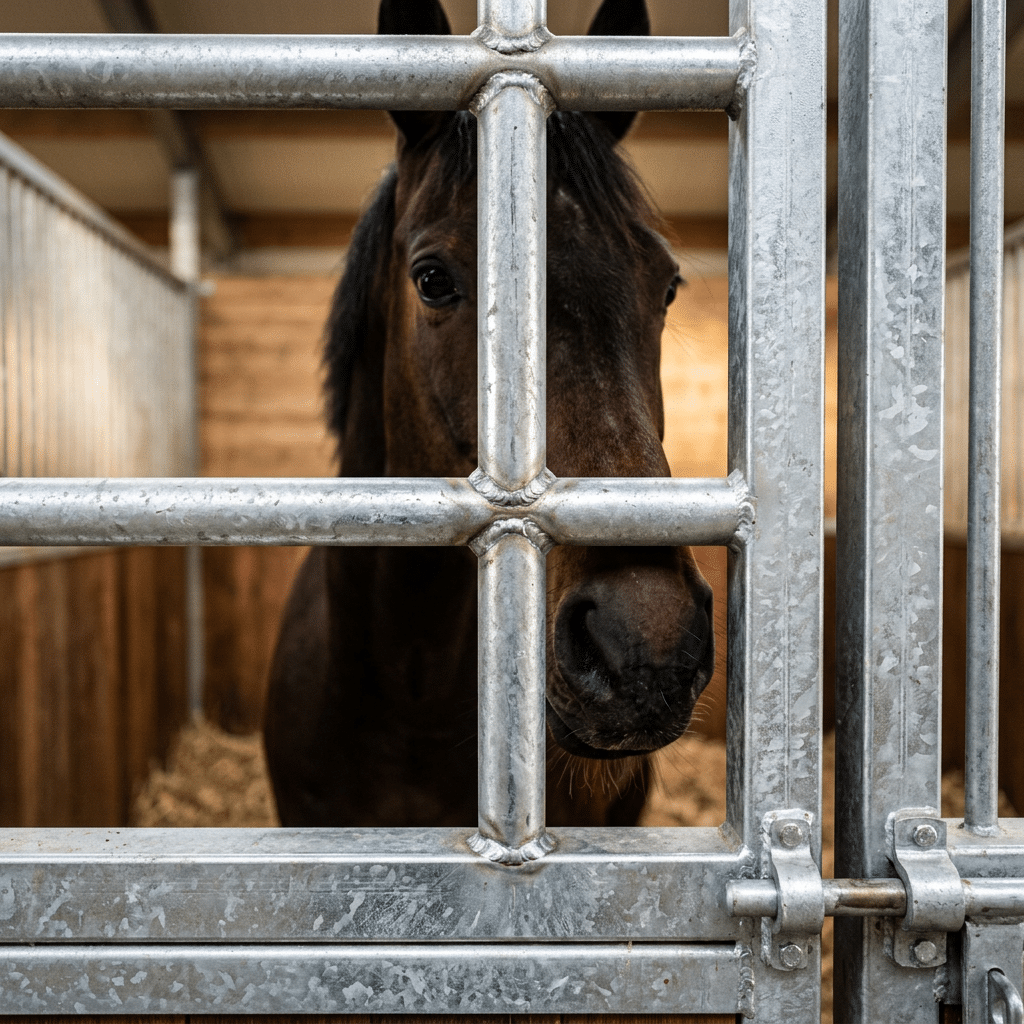
“I Can’t Open the Door”: The Labor Cost of Rusted Barn Hardware
Rusted fasteners are the single most common point of failure in stable systems, turning a $2 hardware choice into a $100 emergency labor bill. The corrosive mix of ammonia and moisture guarantees standard zinc-plated bolts will seize, leading to predictable and costly...
Top 5 Custom Stall Front Manufacturers for Barn Renovations (2026)
Sourcing custom stall fronts is the primary defense against installation failure in older barn renovations. Forcing a standard-sized front into a settled timber structure requires on-site welding, a step that destroys the factory rust protection, guarantees premature...
 French
 English
 Spanish
 Arabic
 German