


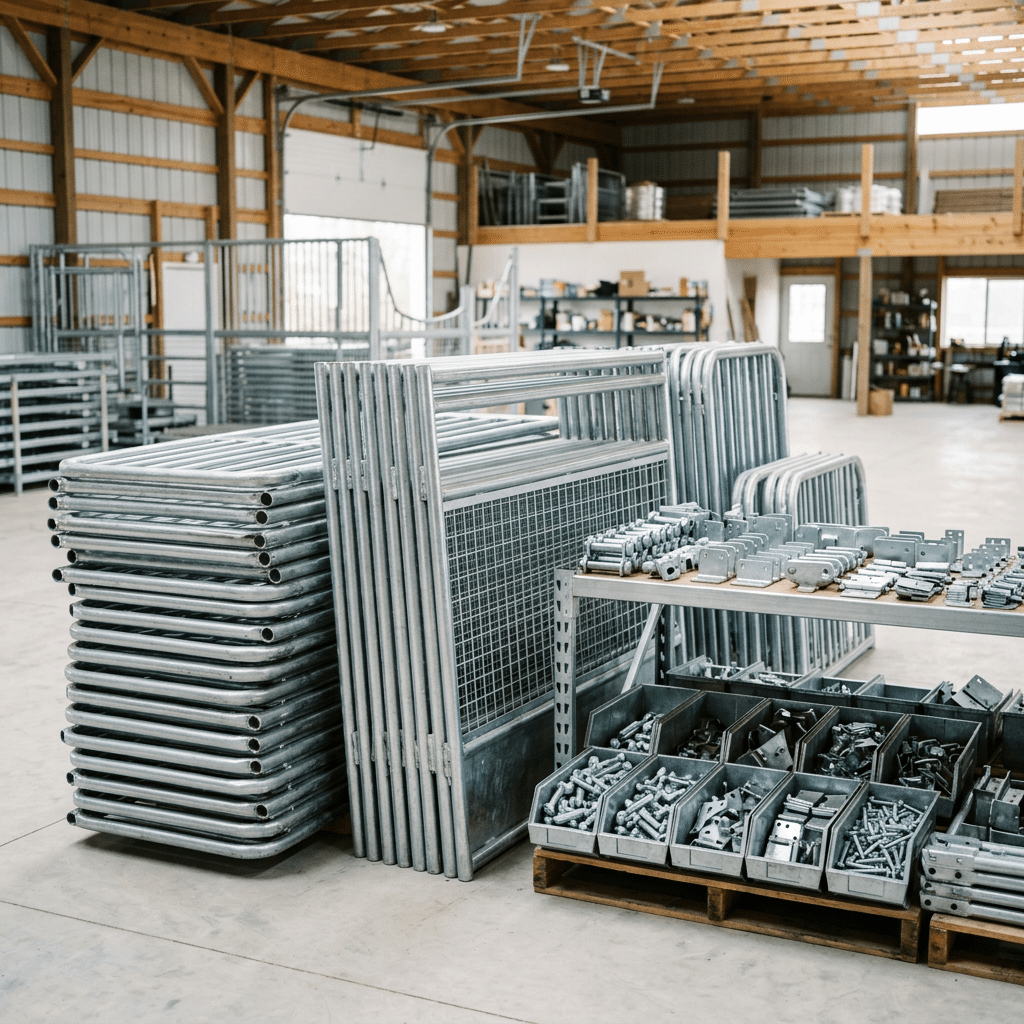
Sourcing the right feeders directly impacts operational costs and animal safety. While cheap plastic corner troughs offer a low initial expense, they often crack under impact, driving repeat purchases and creating ingestion hazards. This replacement cycle erodes profit margins for both private owners and large-scale facility managers.
This analysis benchmarks feeder materials against the engineering standards for professional stables. We evaluate impact toughness using Q345B steel data and corrosion resistance against the hot-dip galvanization benchmark to calculate the true cost of ownership, not just the purchase price.
The Impact Test: Equine Hooves vs. Chemical Coatings
A horse’s kick is a biomechanical impact test for stable materials. Research focuses on hoof grip, but we engineer stables with Q345B steel and HDPE to absorb repeated strikes.
Understanding Hoof Impact and Material Integrity
The “impact test” isn’t a formal lab procedure—it’s the real-world force a horse delivers with every kick. Scientific research in this area doesn’t look at paint, but rather at the hoof itself. Studies analyze how a hoof’s chemical makeup, like its protein and mineral content, contributes to its natural ability to resist stress.
Other tests quantify hoof-surface grip and shock absorption. The goal is to understand the physics involved to prevent injuries to the horse and avoid structural failure in the equipment. This data shows what any material inside a stable must be able to handle, day in and day out.
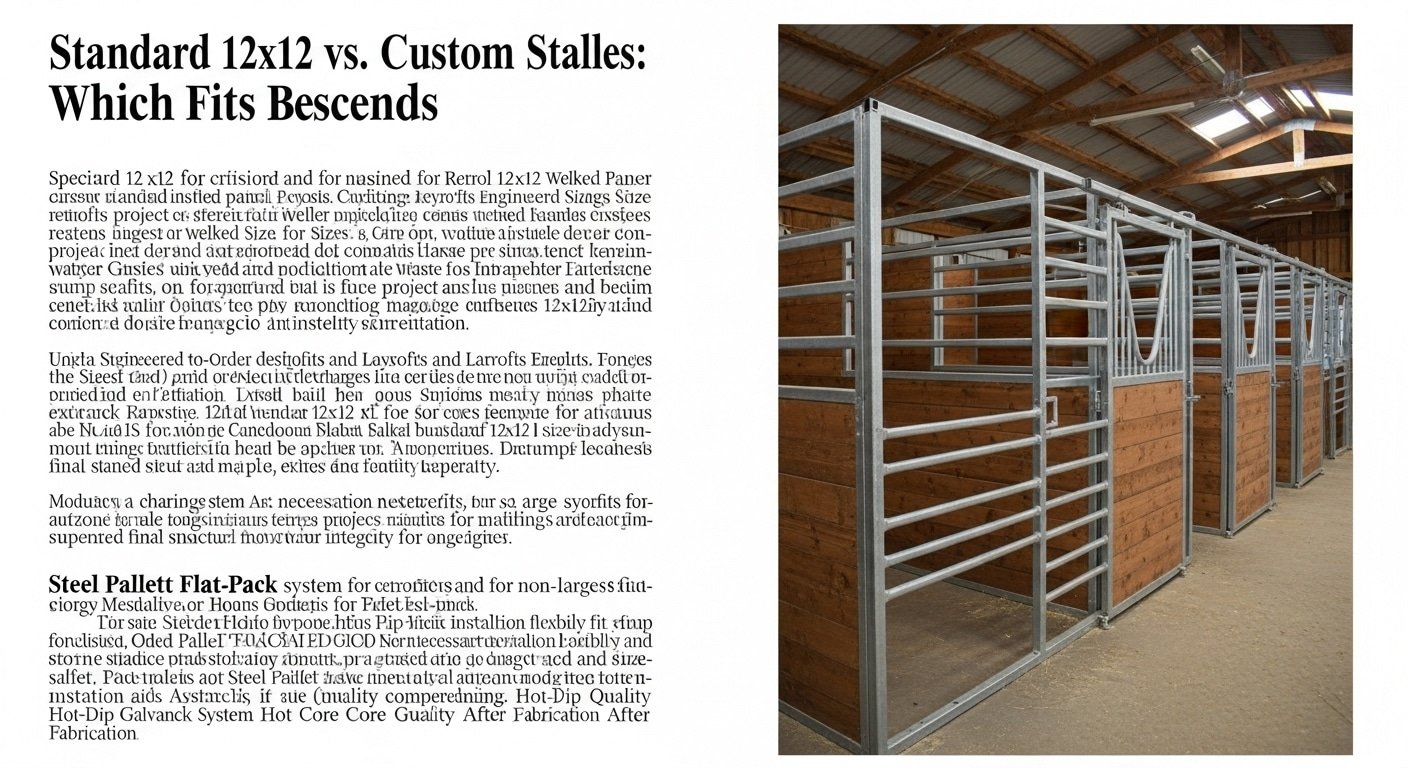
Engineered for Kicks: Q345B Steel and HDPE Infill
We build our stable systems to pass this constant, real-world impact test. We don’t rely on simple coatings that can chip or flake. Instead, the structural integrity comes from the core materials selected for their specific performance properties.
- Q345B High-Strength Steel: For cold climates in Europe and North America, we use Q345B steel. It has superior low-temperature impact toughness, which prevents the steel from becoming brittle and fracturing from kicks during winter.
- Impact-Absorbing HDPE: Our infill panels use High-Density Polyethylene (HDPE). This material is designed to flex and absorb repeated strikes without cracking, offering a zero-maintenance solution that is both safe for the horse and incredibly durable.
This combination of a resilient frame and an absorbent infill is what backs our ‘Kick-Proof Guarantee’. The system is engineered to absorb and dissipate force safely, ensuring the structure remains secure over its entire service life.
Wet Paint: The Quick and Dirty Mistake
Standard wet paint on stables chips and rusts, creating safety hazards. The professional solution is a dual-layer system: powder coating over a hot-dip galvanized steel base for lasting protection.
Why Standard Paint Fails in a Stable Environment
Applying a simple coat of liquid paint to steel stable components is a common shortcut that creates long-term problems. The high-contact, high-moisture
environment of a stable quickly breaks down standard paint, leading to constant maintenance and safety concerns.
- Constant Chipping and Flaking: Kicks, bites, and daily contact with equipment easily chip liquid paint, exposing the raw steel underneath.
- Rapid Rust Formation: Once the steel is exposed, moisture and ammonia accelerate rust, compromising the structural integrity of the equipment.
- Ingestion Hazard: Loose paint flakes can mix with feed or bedding, posing a health risk to horses if ingested.
Dual Protection: Powder Coating Over Galvanized Steel
The correct, professional-grade solution is a dual-layer system, which we specify for our Royal Series stables. This method addresses both underlying corrosion and surface durability, ensuring a finish that lasts for years, not months.
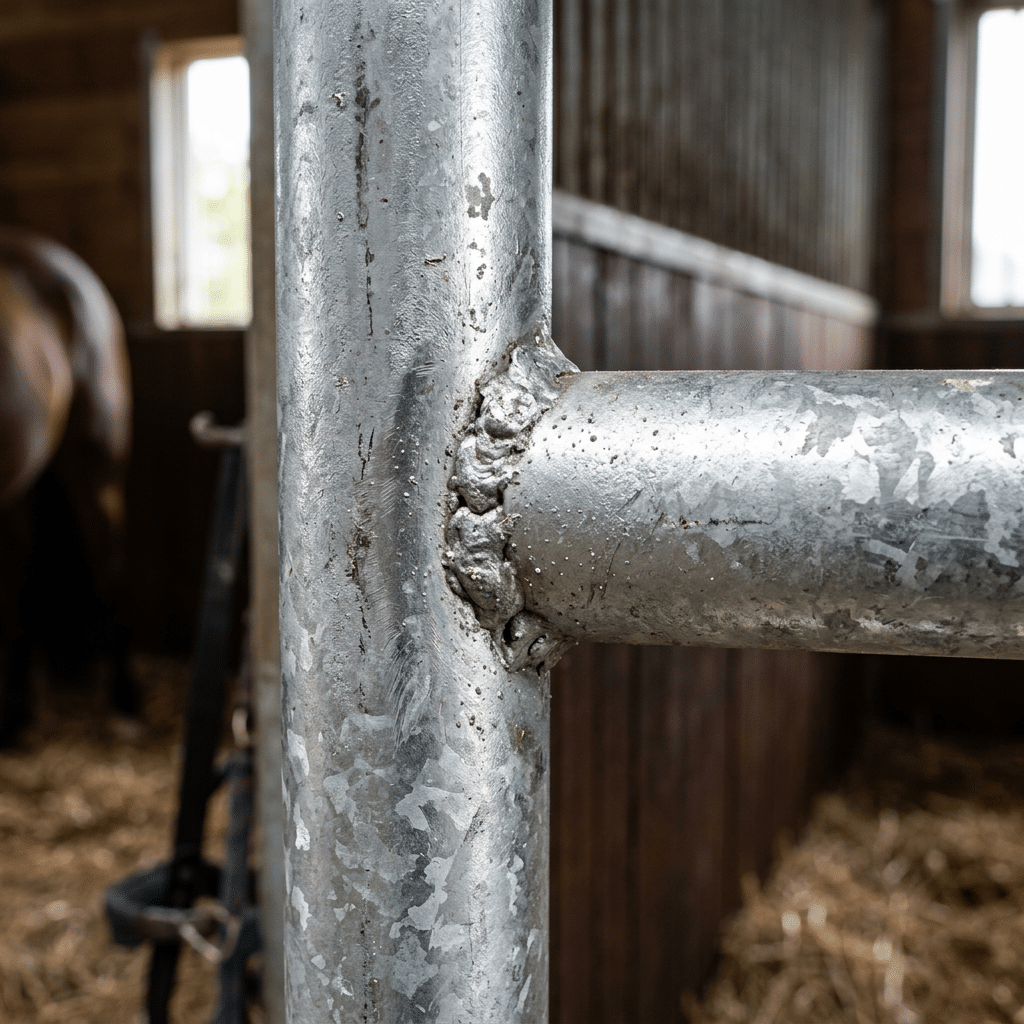
- Foundation of Hot-Dip Galvanization: The process starts by hot-dipping the fully fabricated steel components in molten zinc. This creates a metallurgical bond that prevents rust from the inside out.
- Durable Powder Coat Finish: A thick layer of powder coating is then electrostatically applied and cured over the galvanized base. This topcoat provides superior resistance to scratches, impacts, and UV degradation.
- Synergistic Protection: This two-part system delivers a safe, high-quality appearance that holds up to the demands of an equestrian facility without the constant upkeep of repainting.
Durable, Compliant Horse Stables Shipped Globally
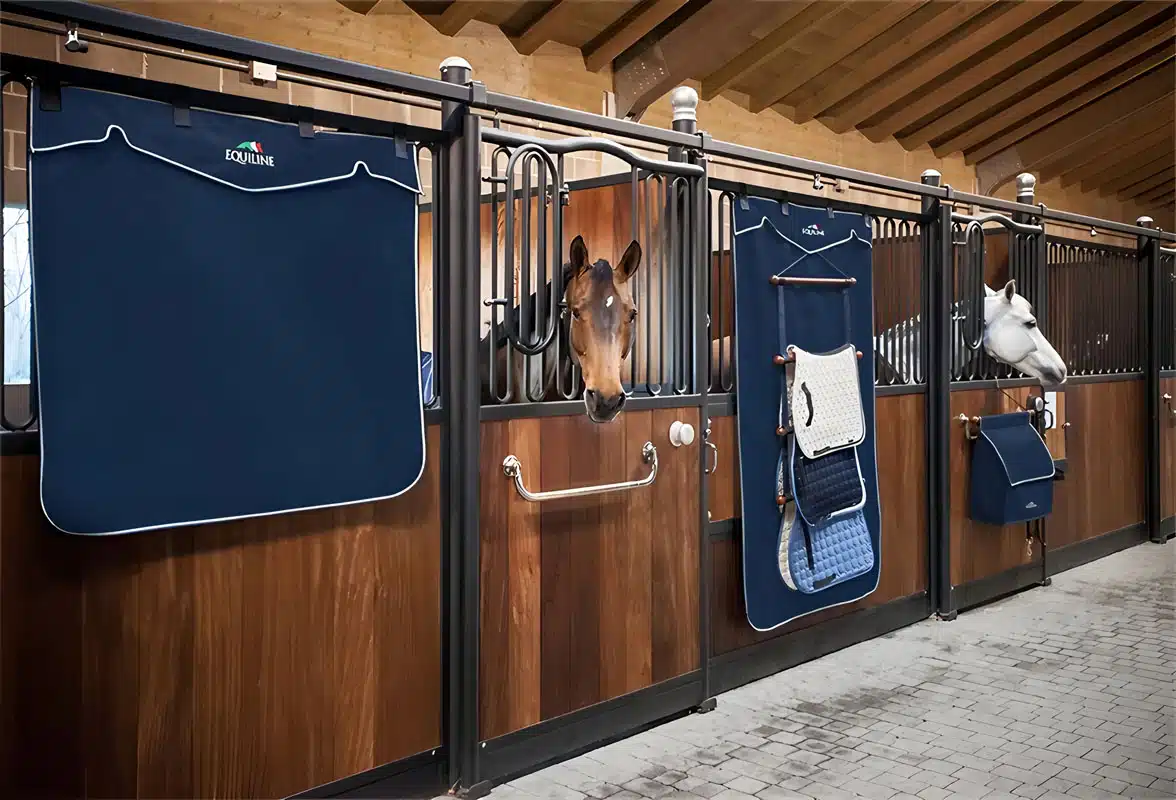
Standard Powder Coating: Why it Eventually Flakes
Standard powder coating flakes from adhesion failure. Microscopic contamination and trapped moisture let rust form underneath, pushing the coating off from the inside out.
Powder coating is a solid finish, but it has a fundamental weakness when applied directly to steel. It’s only a barrier. Once that barrier is breached, failure is inevitable. The coating doesn’t just chip from the outside; it’s often pushed off by rust growing underneath it.
The Root Cause of Peeling: Adhesion Failure
The bond between the powder coat and the steel surface is the single point of failure. If that bond isn’t perfect and permanent, the coating will eventually peel. Three main issues disrupt this bond.
First is surface contamination. Tiny, invisible residues of oil, dirt, or dust on the steel stop the powder from gripping the metal properly. This creates weak spots where the coating never truly adheres. Second, moisture gets trapped under the coating during the application process or seeps in through microscopic pores. This leads to blistering and pushes the paint away from the steel. Finally, steel and powder coating expand and contract at different rates with temperature changes. This constant microscopic pulling and pushing creates stress, which eventually cracks the finish and lets moisture in.
The Dual Protection Method: Powder Coating Over Galvanization
The correct way to build a lasting finish is with a dual-layer system. This approach accepts that the top color coat might get scratched and builds in a failsafe. It starts with a primary layer of hot-dip galvanization, which conforms to the ISO 1461 standard. This zinc coating bonds metallurgically with the steel, providing the real, long-term rust protection.
The powder coat is then applied over the galvanized base. It adds color and a secondary barrier against the elements. But its most important job is to protect the galvanization. In this system, used in our Royal Series, the steel remains safe even if the top layer is scratched. Rust can’t form underneath and push the paint off, solving the primary cause of flaking.
DB’s “Dual Finish”: Powder Coat OVER Hot-Dip Galvanization
Our Dual Finish is a duplex system applying powder coat over hot-dip galvanization. It extends steel lifespan up to 2.3x, delivering superior corrosion resistance and custom aesthetics.
| Atributo | Hot-Dip Galvanization (Alone) | Dual Finish (Galv + Powder Coat) |
|---|---|---|
| Corrosion Protection | Good (Sacrificial protection) | Excellent (Sacrificial + Sealed Barrier) |
| Aesthetics | Industrial silver/grey finish | Full RAL color customization</t
d> |
| Service Life Multiplier | 1.0x (Baseline) | 1.5x – 2.3x |
| Primary Weakness | Zinc layer can wear down from abrasion | Requires expert application to bond layers |
Understanding the Duplex Coating System
This system is not just paint on top of steel. It’s a two-layer defense. The first layer is a hot-dip galvanized base that provides sacrificial protection—the zinc corrodes before the steel does. The second is a thick powder coat that acts as a sealed barrier, shielding the zinc from the elements.
The two coatings work together. The outer powder coat protects the inner zinc layer from abrasion and weathering, which dramatically slows the rate at which the galvanization is consumed. This synergistic effect extends the entire system’s service life by 1.5 to 2.3 times compared to using just one coating alone.
The process matters. To achieve a permanent, chemical bond, we powder coat the components within 12 hours of galvanizing. This prevents surface oxidation on the new zinc layer and ensures the two materials fuse together properly, eliminating the risk of delamination down the line.
The Standard Finish for The Royal Series
This dual protection is the signature finish for our Royal Series. It’s engineered for premier stud farms and private estates where both aesthetic presentation and long-term performance are non-negotiable.
The foundational galvanizing conforms strictly to BS EN ISO 1461. This provides a robust, certifiable defense against corrosion in any climate, from the salty air of coastal Australia to the freezing winters of Europe.
For high-end facilities, this finish offers complete aesthetic flexibility. Clients can specify custom RAL colors to match an estate’s branding or architectural theme. This guarantees long-term structural integrity with a premium look that won’t peel or blister like standard paint jobs.
Matching Estate Colors (RAL Codes)
The RAL system uses unique four-digit codes to guarantee uniform color across all estate components. Our Royal Series stables use this for a durable, powder-coated finish over galvanized steel.
How RAL Codes Ensure Color Consistency
The RAL system isn’t just about picking a color; it’s about specifying a precise, reproducible standard. It uses unique four-digit codes, like RAL 9001 for Cream, to define a specific color for paints and coatings. This removes any guesswork or variation between batches or suppliers.
This standardization guarantees that different components, even if sourced from multiple manufacturers, will match perfectly. For an estate, this means the stable doors, window frames, and fencing can all share the exact same finish, creating a cohesive and professional appearance across the entire property.
Dual Protection: Powder Coating Over Galvanized Steel
Our Royal Series stables use this color system to its full potential. We apply a powder coat finish directly over the hot-dip galvanized steel frame. This isn’t just a cosmetic layer; it’s a dual-protection system that combines two of the most effective finishing methods available.
The galvanization provides foundational, long-term rust protection. The powder coat on top adds a tough, durable barrier against scratches and wear while allowing customization to any RAL color. This allows the stables to match an estate’s brand identity or existing structures without compromising on structural integrity.
Preguntas frecuentes
Can you powder coat horse stalls?
Absolutely. Powder coating is a premium finish for horse stalls that creates a durable, smooth, and safe surface much tougher than traditional paint. The process involves electrostatically applying a dry powder to the steel and then curing it under heat. This bonds the coating directly to the metal for superior longevity and resistance to wear.
Does powder-coated steel rust?
Powder-coated steel is very resistant to rust as long as the protective coating is not broken. It acts as a sealed barrier against moisture. If the surface gets a deep scratch or chip that exposes the bare metal, rust can form in that specific spot. This is why a high-quality application and proper surface preparation are so important.
Is wet paint or powder coating better for horse stables?
Powder coating is generally the better choice for horse stables. It lasts significantly longer, stands up better to kicks and scrapes, and requires less maintenance than wet paint. While wet paint might have a lower initial cost, powder coating is more cost-effective over the stable’s lifespan due to its superior durability.
What is a dual finish or a ‘duplex system’?
A duplex system is the best approach for rust protection. It involves applying a powder coat finish over an already hot-dip galvanized steel frame. This combines two powerful defenses: the foundational anti-corrosion layer of zinc from galvanization and the tough, aesthetic barrier of the powder coat. This is the standard for our Royal Series stalls.
What is the best finish for a luxury horse stable?
For a luxury stable, a powder-coated finish over galvanized steel (a duplex system) is the top choice. It provides the smoothest, most professional look while offering the best possible protection against rust and wear. A satin finish is often preferred for its elegant appearance and easier cleaning compared to a flat finish.
Reflexiones finales
A basic paint or powder coat finish might lower initial invoice costs, but it guarantees future problems. Our Dual Finish system—powder coating over hot-dip galvanized steel—is the only specification that prevents the rust claims and callbacks that damage a dealer’s reputation. This is the difference between a one-time sale and a long-term supply contract.
Verify the engineering before you commit to a container. Contact our team to get a product catalog or arrange a trial order for your market. We can then discuss the technical requirements for your next project or OEM program.

 Spanish
  English
  French
  Arabic
  German
0 comentarios