


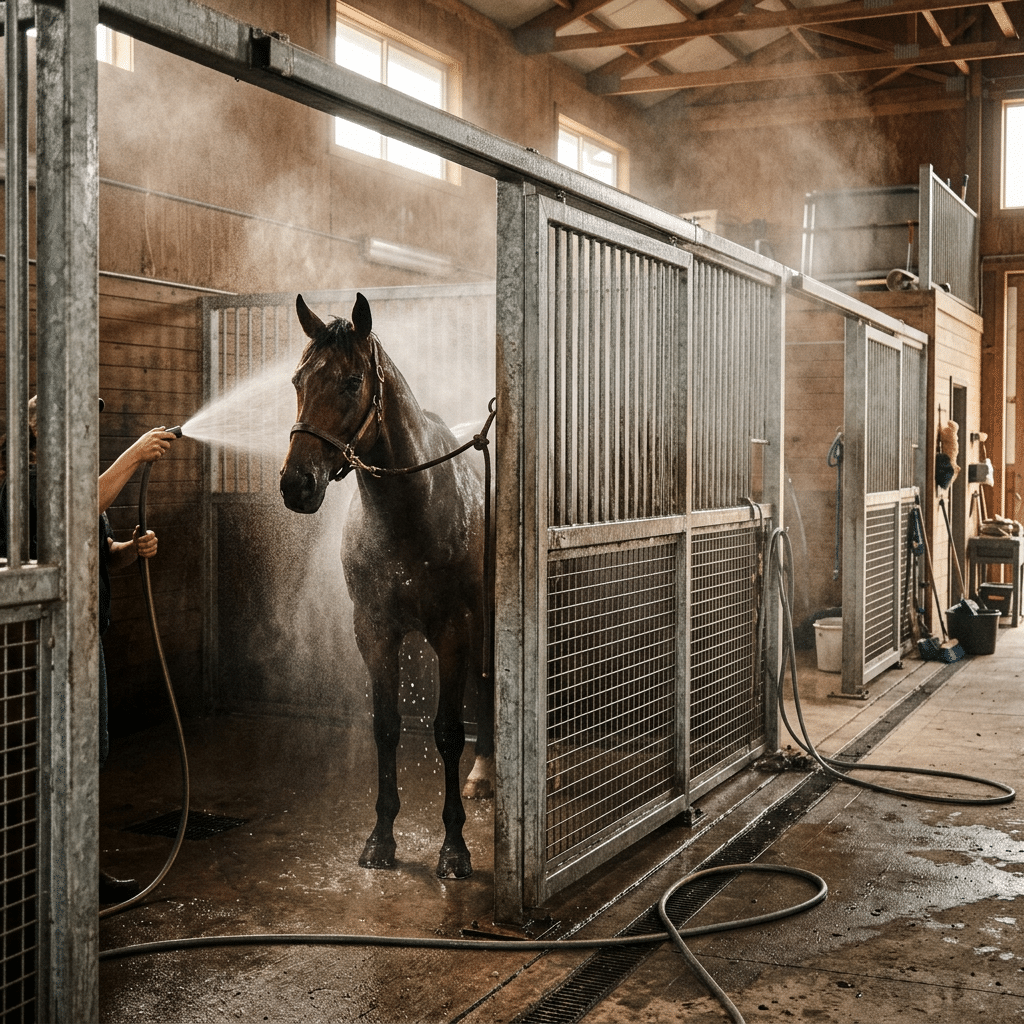
The true Customization Value of OEM stable manufacturing is measured by the structural renovation costs it prevents. Forcing standard panels into non-standard barn bays creates a direct risk of budget overruns, with on-site modifications easily exceeding $200 per square foot and derailing project timelines.
This analysis evaluates the factory-direct OEM process against off-the-shelf supply. We measure how manufacturing to precise, millimeter-specific measurements engineers out the risk of expensive structural changes, protecting your project budget from unforeseen labor and material costs.
The “Standard Size” Myth in Barn Renovation
The idea of ‘standard size’ stalls is a myth in renovations. Old barns demand custom stalls built to exact measurements to ensure safety and avoid expensive structural changes.
The Reality of Non-Standard Barn Bays
Many older barns simply weren’t built with modern stalls in mind. Historic timber frames and early pole structures often have irregular column spacing that doesn’t align with today’s typical 10-foot or 12-foot stall fronts.
Trying to force a standard, off-the-shelf panel into these unique spaces is a recipe for trouble. You either end up with unsafe gaps that can trap a horse, or you’re forced into costly modifications to the building itself just to make a pre-fabricated product fit.
The OEM Advantage: Manufacturing to Your Building’s Specs
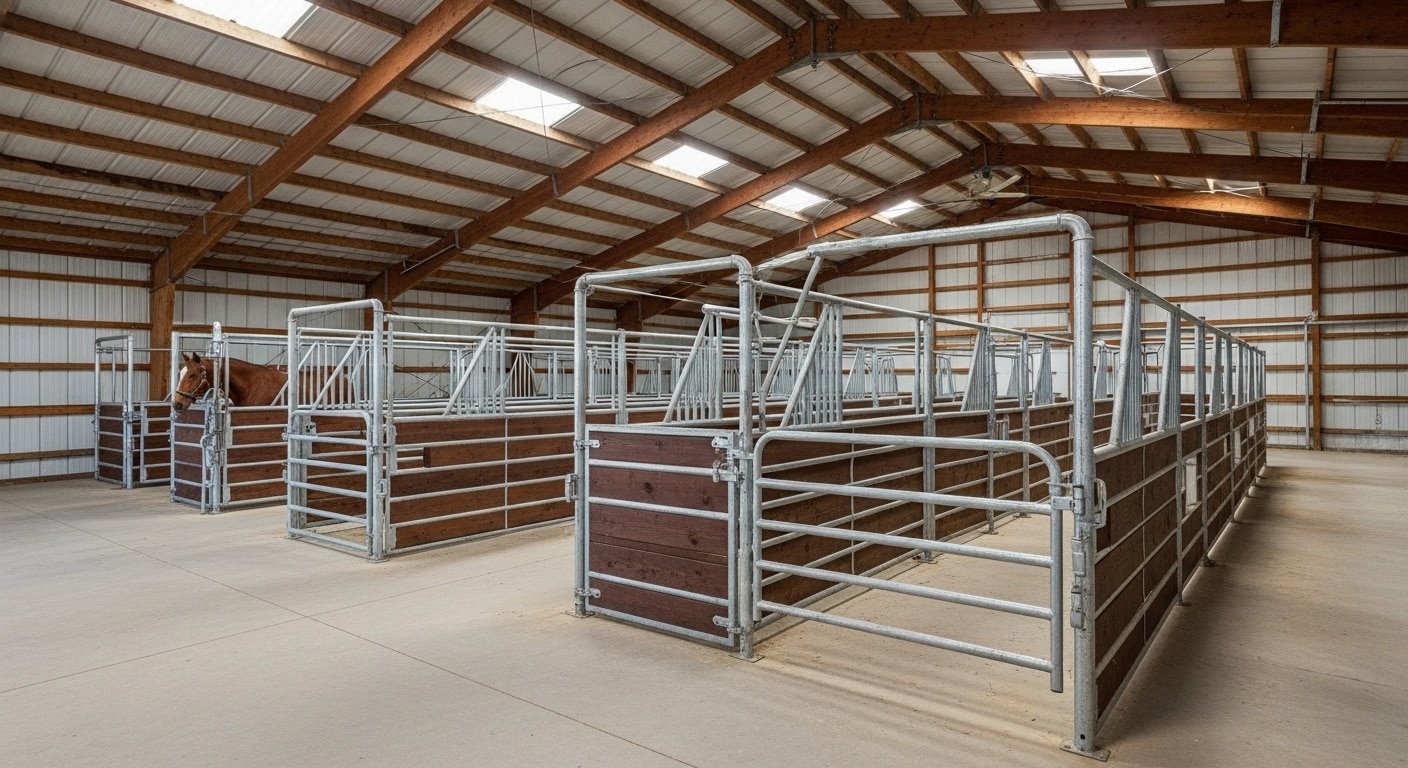
This is where working directly with a B2B OEM/ODM source factory is non-negotiable. We don’t pull from a limited stock of pre-made panels. We build entire stable systems based on the precise, millimeter-specific measurements of your project.
This factory-direct process ensures a perfect fit for any renovation. The stalls adapt to your building, not the other way around. It’s safer, more professional, and protects your project’s budget from the unexpected costs of structural rework.
The Cost of Modifying Your Building to Fit the Stalls
Forcing standard stalls into a barn means expensive renovations. We build stalls to your exact dimensions, eliminating surprise construction costs from your 2026 project budget.
Understanding the Scope of Renovation Costs
Trying to fit off-the-shelf stalls into a building not designed for them is a fast way to blow your budget. The stall price is just the beginning. The real expense comes from altering the structure itself. Even light cosmetic updates can run $50 to $100 per square foot. If you need to move walls or beams, a gut renovation can easily exceed $200 per square foot.
These projects often require you to move critical infrastructure just to accommodate preset stall dimensions. Common modifications include:
- Relocating structural framing and support columns.
- Rerouting electrical wiring and conduits.
- Adjusting plumbing and drainage systems.
How OEM Sizing Eliminates Modification Expenses
This is a problem we engineer out of existence. As a B2B OEM/ODM manufacturer, we don’t force you to change your barn; we build stalls that fit it. You provide the exact measurements for your facility’s column spacing and ceiling heights, and we fabricate the stalls to those specs.
This approach completely bypasses the need for on-site structural changes. It saves you the cost of extra labor, materials, and project delays. Your building’s integrity is preserved, and your budget remains intact. You give us the numbers, and we deliver a system that fits perfectly.
Establos que cumplen las normas internacionales, construidos para durar.

DB’s OEM Service: Adjusting Fronts to the Millimeter
Our OEM service builds stable fronts to your exact millimeter specs. This factory-direct, flat-pack system ensures perfect fits for non-standard openings, eliminating costly building modifications.
| Característica | Standard Off-the-Shelf Stalls | DB Stable OEM Solution |
|---|---|---|
| Fit & Gaps | Creates unsafe gaps or forces on-site cutting. | Millimeter-perfect fit to existing openings. |
| Building Impact | Requires expensive building modifications. | No modifications needed; fits the structure as-is. |
| Fabricación | Mass-produced, one-size-fits-all. | Custom-built per order using a flat-pack system. |
The Challenge of Non-Standard Barn Openings
Many barn renovation projects involve older structures with inconsistent post spacing. Standard, mass-produced stall panels simply don’t work in these situations because they weren’t designed for your building’s unique dimensions.
Forcing an off-the-shelf stall into a non-standard opening is a recipe for problems. You either end up with unsafe gaps that pose a risk to horses or you pay for expensive on-site labor to cut and re-weld the panels. Both outcomes add unnecessary cost and compromise the final result.
How Flat-Pack Engineering Enables Precise Fits
Our entire process is designed to solve this exact issue. As a B2B OEM/ODM manufacturer, we don’t stock a warehouse full of one-size-fits-all products. Our production is built around custom specifications provided by our clients for their specific projects.
We use a Steel Pallet Flat-Pack system that allows us to manufacture each stable front and partition to your exact measurements. The components arrive on-site engineered for a millimeter-perfect fit. This eliminates guesswork and ensures a clean, professional installation without the need for costly modifications.
Material Upgrades: Why Q345B Steel is Worth the Premium
Q345B steel’s higher strength and superior low-temperature toughness prevent brittle fractures from horse kicks in cold weather, a critical safety investment for professional facilities.
The Risk of Brittle Fracture in Standard Steel
Standard structural steel, like the Q235B we use for most applications, performs well under normal conditions. But in freezing temperatures, it can lose ductility and become brittle. This creates a significant safety risk in equestrian facilities. A sudden, powerful impact—like a horse kick during a cold winter morning—can cause this brittle steel to crack or even shatter. A material failure like that compromises the stall’s integrity and poses a direct threat to the animal.
Q345B Steel: The Cold Climate and High-Strength Solution
This is exactly why DB Stable offers Q345B steel as our ‘Cold Climate Option’. Its key advantage is superior low-temperature impact toughness, engineered to withstand sharp blows in sub-zero environments without failing. With a yield strength of 345 MPa, it’s significantly stronger than Q235B’s 235 MPa. This upgrade provides what we call a ‘Kick-Proof Guarantee’ against material fracture, ensuring animal safety and the long-term structural integrity of your facility.
How Long Does Custom Manufacturing Take? (35-45 Days)
A custom stable order takes 35-45 days. This covers material sourcing, steel fabrication, and the scheduled hot-dip galvanization required for long-term rust protection.
Standard Stages in the Production Timeline
A custom order isn’t just pulling items off a shelf. The timeline is dictated by a methodical fabrication process that starts with procuring the correct structural steel, like Q235B or high-strength Q345B. From there, every component moves through precision cutting, welding, and assembly, with quality checks at each stage before the final finishing process.
The Galvanizing Schedule: A Critical Step for Durability
The primary factor governing the 35-4
5 day timeline is our commitment to “Hot-Dip Galvanization After Fabrication.” We weld the entire stable panel first, then submerge the completed structure in molten zinc. This is the only way to ensure total rust-proof coverage, especially on the welds themselves.
This process requires booking time at specialized galvanizing plants, and their schedules dictate our production flow. Rushing this step isn’t an option. The result is a thick zinc coating that exceeds 70 microns and conforms to ISO 1461 standards, providing true, long-term corrosion protection.
Preguntas frecuentes
Can I get stalls in custom sizes to fit my existing barn?
Yes. While 12×12 feet is a common standard, we specialize in OEM manufacturing and can build stalls to your exact dimensions. This ensures a perfect fit for unique barn layouts, specific breeds, or needs like larger stalls for foaling mares.
What is the lead time for a custom order?
The typical manufacturing lead time is between 35 and 45 days. This schedule is necessary to accommodate the critical ‘hot-dip galvanization after fabrication’ process, which ensures maximum rust protection and durability for your investment.
Why do you offer Q345B steel as an upgrade?
Q345B is a high-strength steel with superior low-temperature toughness. We recommend it for stables in cold climates as it prevents the steel from becoming brittle in winter, providing a ‘Kick-Proof Guarantee’ against fractures from horse kicks.
How are the stalls shipped to prevent damage and save costs?
All our stable systems are shipped flat-packed on steel pallets. This method protects components during transit and significantly reduces freight costs. It allows up to 45 sets to fit in a single 40HQ container, maximizing value for our distributors.
What is included in a standard stall kit?
Each kit is a complete system that includes one stable front panel with a door, one side partition panel, all pre-cut infill planks (HDPE or Bamboo), and a full hardware kit with 304 stainless steel bolts and connectors for assembly.
Reflexiones finales
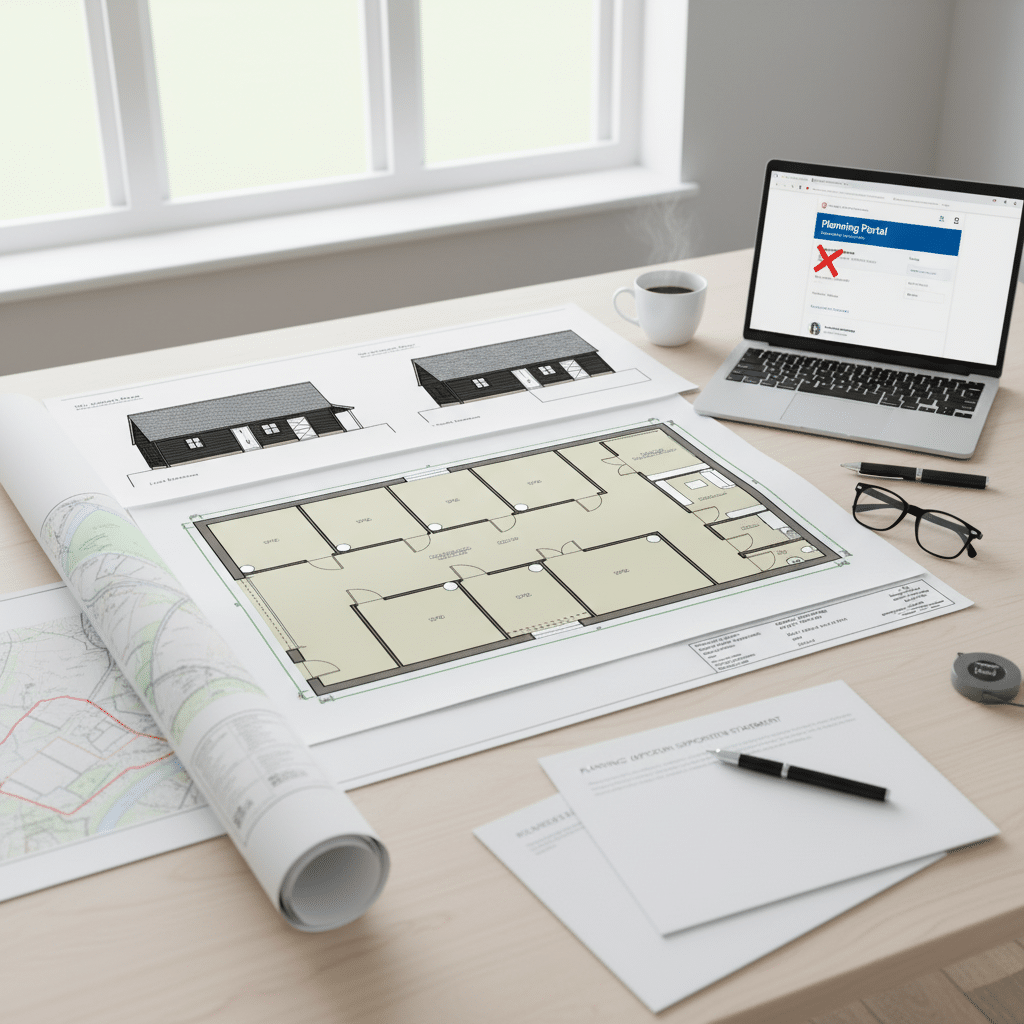
Off-the-shelf stalls gamble with your project’s budget, inviting expensive structural rework. Millimeter-precision OEM is not an upgrade; it’s a financial control that protects your margin from unexpected construction costs. A perfect fit is the foundation of a profitable, professional installation.
Stop forcing your building to fit the product. Send our engineering team your barn’s measurements for a factory-direct quote. We build stalls that adapt to your reality, eliminating risk from your project plan.

 Spanish
  English
  French
  Arabic
  German
0 comentarios