


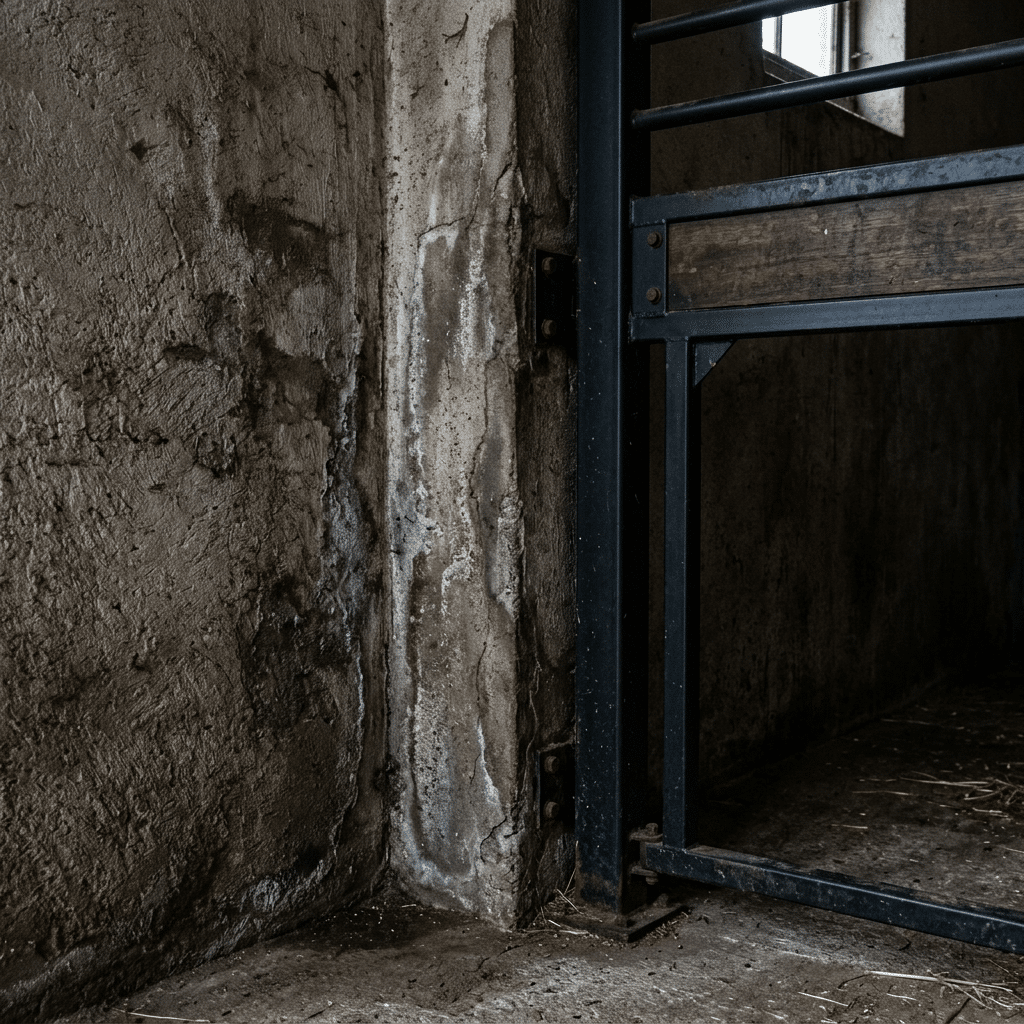
El debate entre el desmantelamiento y la reutilización de una estructura determina su coste real a lo largo de su vida útil y su calificación ESG. Un granero tradicional de madera suele convertirse en un lastre a la hora de su demolición, ya que supone un gasto de miles y genera riesgos relacionados con los residuos peligrosos derivados de la madera tratada. Esto convierte un coste irrecuperable en una importante carga financiera y medioambiental.
Este análisis compara el coste de demolición con la recuperación de activos de un sistema modular. Evaluamos estructuras construidas con acero Q235B reciclable 100% y paneles de relleno de HDPE reutilizables. Los datos muestran cómo el diseño para el desmontaje, conforme a las normas de galvanizado de la norma ISO 1461, genera un activo comercializable en lugar de residuos destinados al vertedero.
El coste de demolición de un granero tradicional de madera
La demolición de un granero de madera cuesta entre $1.500 y $10.000, pero desmontarlo para recuperar la valiosa madera antigua a menudo puede compensar el coste total.
Derribar un viejo granero de madera no es un simple trabajo de demolición. La factura final suele oscilar entre $5 y $10 por pie cuadrado, pero eso es solo un punto de partida. El coste real depende directamente de las circunstancias sobre el terreno, que pueden hacer que el presupuesto se dispare rápidamente si no estás preparado.

Factores principales que influyen en los gastos de demolición
El precio presupuestado por un contratista se basa en un conjunto claro de variables. Los factores que más influyen en el coste son predecibles y pueden evaluarse antes de que comiencen las obras. Ignorar cualquiera de ellos puede dar lugar a gastos inesperados.
- Tamaño del granero: Una mayor superficie implica más horas de trabajo, maquinaria más pesada y tasas de eliminación más elevadas debido al mayor volumen de material.
- Accesibilidad del sitio web: Un granero situado a cierta distancia de la carretera y con accesos estrechos dificulta la entrada de maquinaria pesada, lo que aumenta el tiempo y la complejidad de la tarea.
- Materiales peligrosos: El descubrimiento de amianto o pintura con plomo hace necesario recurrir a equipos especializados en su eliminación, lo que puede suponer un coste adicional de entre $5.000 y $30.000, o incluso más, para el proyecto.
- Cimientos y limpieza: Una demolición sencilla puede dejar la losa de cimentación. La retirada completa y la nivelación del terreno para prepararlo para un nuevo uso suponen un coste adicional independiente.
Desmantelamiento: cómo recuperar el valor de la madera vieja
En la demolición convencional, un granero antiguo se considera un residuo que hay que llevar a un vertedero. La deconstrucción, en cambio, lo considera una fuente de materiales valiosos. Este enfoque metódico consiste en desmontar cuidadosamente la estructura para conservar las vigas de madera antigua, muy demandadas para la fabricación de muebles, suelos y elementos decorativos arquitectónicos.
Aunque el trabajo inicial que supone el desmontaje puede duplicar el de la demolición, el resultado económico suele ser mucho mejor. La venta de la madera recuperada del granero permite recuperar una parte importante de los gastos de desmontaje y, en muchos casos, puede cubrir el coste total. Este proceso convierte, de hecho, un pasivo financiero en un activo potencial, lo que supone un marcado contraste con el hecho de enviar los materiales al vertedero.
Madera tratada en los vertederos: un peligro para el medio ambiente
La madera tratada químicamente libera sustancias tóxicas, como el arsénico y el cromo, al suelo y a las aguas subterráneas cuando se deposita en vertederos. Esta contaminación genera graves riesgos a largo plazo, lo que obliga a aplicar normativas más estrictas que la clasifican como residuo peligroso.
Cómo se filtran las sustancias químicas tóxicas de la madera tratada
Para evitar la putrefacción y los daños causados por los insectos, la madera utilizada en los edificios antiguos...
La madera solía tratarse a presión con conservantes. El más habitual era el arseniato de cobre y cromo (CCA), una potente mezcla de arsénico, cromo y cobre. Aunque son eficaces para la conservación, estas sustancias químicas no permanecen en la madera para siempre.
Cuando esta madera acaba en un vertedero, el agua de lluvia y la humedad del suelo extraen poco a poco estas sustancias químicas tóxicas. Este proceso se denomina lixiviación. Con el paso de los años, estas sustancias se filtran en el suelo circundante y, con el tiempo, pueden contaminar las fuentes de agua subterráneas locales, lo que supone un riesgo medioambiental a largo plazo cuya limpieza resulta difícil y costosa.
Debido a este riesgo, las autoridades reguladoras están adoptando una postura más estricta. En la actualidad, muchas regiones clasifican la madera tratada como residuo peligroso. Este cambio implica que ya no se puede simplemente verterla en un vertedero convencional. Su eliminación requiere ahora su transporte a instalaciones especializadas, lo que añade un coste y una complejidad significativos a cualquier proyecto de demolición o renovación.
Materiales de relleno que evitan la contaminación
La solución consiste en utilizar materiales que sean intrínsecamente estables y cuya durabilidad no dependa de tratamientos químicos. Los rellenos estables modernos están diseñados para evitar por completo el problema de la lixiviación. Proporcionan un entorno seguro para los caballos durante su vida útil y eliminan los problemas de eliminación al final de la misma.
Nuestras placas de relleno de polietileno de alta densidad (HDPE) son un ejemplo perfecto. Este material es químicamente inerte, lo que significa que no se degrada ni libera sustancias al medio ambiente. No requiere ningún tipo de mantenimiento y es totalmente impermeable. Al final de su vida útil, puede reciclarse sin que ello suponga ningún riesgo relacionado con residuos peligrosos.
Como alternativa natural, utilizamos bambú tejido en hebras de alta densidad. A diferencia de las maderas tradicionales, nuestras tablas de bambú alcanzan una resistencia superior al moho y la putrefacción gracias a un proceso de fabricación a alta presión, sin aditivos químicos. Esto da como resultado una tabla tres veces más dura que el roble, lo que proporciona una excelente durabilidad sin los residuos tóxicos propios de la madera tratada.
Cuadras resistentes y a medida para cualquier clima

100%: Reciclabilidad del acero galvanizado Q235B
El acero galvanizado Q235B es reciclable según la norma 100%. Tanto el acero como su recubrimiento de zinc se recuperan para fabricar nuevos productos, lo que minimiza los residuos en un sistema de ciclo cerrado.
El acero estructural Q235B utilizado en DB Stables es un material totalmente circular. Cuando un establo llega al final de su larga vida útil, nada acaba en un vertedero. Tanto el acero del núcleo como su recubrimiento protector de zinc vuelven a incorporarse a la cadena de suministro, listos para ser transformados en nuevos productos de alto valor. Este proceso de ciclo cerrado es fundamental para una infraestructura sostenible.
| Componente material | Proceso de recuperación | Aplicaciones de uso final |
|---|---|---|
| Sustrato de acero Q235B | Se fundió en un horno de arco eléctrico y se purificó. | Nuevos productos de acero estructural. |
| Recubrimiento de zinc | Se separa del acero durante el proceso de fundición. | Nuevos baños de galvanizado, pinturas y baterías. |
| Subproductos de la producción (cenizas/escorias) | Recogido directamente del baño de galvanización. | Se ha reciclado para obtener zinc metálico. |
El proceso de reciclaje del acero galvanizado
Cuando los componentes de acero galvanizado se envían a una planta de reciclaje, se someten a un proceso de recuperación sencillo y eficiente. En primer lugar, el material se funde en un horno. Durante esta fase a alta temperatura, el recubrimiento de zinc se separa de forma natural del acero base Q235B. A continuación, el acero recuperado se purifica y se transforma en material nuevo para su fabricación. Al mismo tiempo, el zinc recuperado se recoge y se reutiliza para futuras aplicaciones industriales, como nuevos baños de galvanización, baterías o aditivos para pinturas.
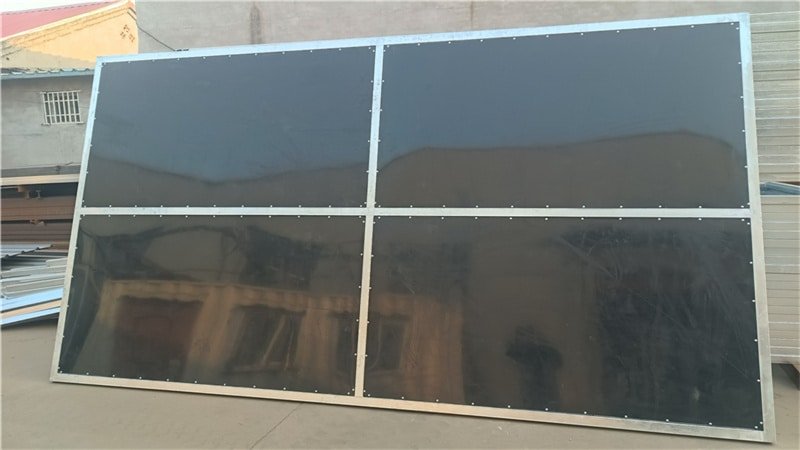
ISO 1461. Galvanización por inmersión en caliente: una norma de cero residuos
Nuestro compromiso con la sostenibilidad comienza en la fábrica. El proceso de fabricación de DB Stable utiliza un método de ‘galvanizado en caliente tras la fabricación’ que cumple con la norma BS EN ISO 1461. Esta norma garantiza que los residuos se eliminen desde el diseño del sistema. Cualquier subproducto generado durante la galvanización, como las cenizas de zinc y las escorias, se recoge y se reprocesa, en lugar de desecharse. Este enfoque no solo evita la generación de residuos, sino que también produce un recubrimiento de zinc resistente que supera las 70 micras. Esta capa gruesa prolonga la vida útil del establo durante décadas, preservando el valor del material de cara a su eventual reciclaje.
El mercado secundario: venta de cabinas modulares de segunda mano
Los puestos modulares de acero son activos que se pueden vender, no un lastre que haya que demoler. Un diseño ingenioso garantiza que se puedan desmontar y trasladar, lo que permite a los propietarios recuperar gran parte de su inversión.
Por qué existe un mercado de segunda mano de puestos
Un granero de madera permanente es un coste irrecuperable. Cuando ya no se necesita, hay que pagar miles de dólares por su demolición. Un sistema modular de acero es diferente. Está diseñado para desmontarse, apilarse en un palé y transportarse. En lugar de pagar por su retirada, se vende. Esto transforma un pasivo futuro en un activo recuperable.
La demanda de equipamiento ecuestre de segunda mano de alta calidad se mantiene constante. Los propietarios de cuadras, los entrenadores y los centros de alojamiento para caballos siempre buscan formas asequibles de ampliar o mejorar sus instalaciones. La venta de un sistema modular de segunda mano permite al propietario original recuperar una parte significativa de su inversión, lo que convierte la compra inicial en una decisión financiera mucho más acertada.
Una ingeniería que protege el valor de reventa
El valor de reventa de un sistema de puestos depende totalmente de su
estado tras años de uso y el proceso de desmontaje. Fabricamos nuestros productos para que duren a lo largo de varios propietarios. Todo el bastidor de acero se somete a un **galvanizado por inmersión en caliente tras su fabricación**. Esto significa que cada soldadura, corte y esquina queda totalmente recubierta de zinc, lo que proporciona una protección total contra la oxidación que no se verá comprometida durante el desmontaje y el transporte.
Los herrajes son igual de importantes. Los kits incluidos utilizan pernos y conectores de **acero inoxidable 304**. Este material evita que las roscas se atasquen o se oxiden con el paso del tiempo. Cuando llegue el momento de venderla, todos los componentes se pueden desmontar fácilmente sin necesidad de cortar ni esmerilar, lo que permite conservar la integridad de los paneles para el próximo propietario.
Las tablas de relleno son las que más sufren. Nuestro relleno de HDPE «sin mantenimiento» es no poroso y está estabilizado contra los rayos UV. No se pudre, no se deforma ni se agrieta como la madera. Años después, las tablas siguen rectas, resistentes y fáciles de limpiar, y lucen tan bien para un segundo propietario como lo hicieron para el primero.
Reutilización de tableros de HDPE para uso agrícola
Las planchas de HDPE usadas procedentes de los boxes de caballos son ideales para su reutilización en explotaciones agrícolas. Su durabilidad, resistencia al agua y estabilización frente a los rayos UV las convierten en la opción perfecta para revestimientos, suelos y otras aplicaciones de larga duración.
Cuando el ciclo de vida de un box para caballos llega a su fin, no es necesario que los materiales acaben en un vertedero. Las placas de polietileno de alta densidad (HDPE), en particular, son increíblemente versátiles. Su dureza inherente y su resistencia a la humedad las convierten en un recurso valioso para otros proyectos en la granja, lo que prolonga su vida útil y permite ahorrar dinero en materiales nuevos.
Aplicaciones habituales de «Second Life» en la granja
Una vez retiradas del establo, estas tablas se pueden cortar e instalar fácilmente para una gran variedad de usos prácticos. Su superficie no porosa es fácil de limpiar y no alberga bacterias, lo que supone una gran ventaja en cualquier entorno agrícola.
- Gestión ganadera: Estas tablas son un revestimiento duradero e higiénico ideal para salas de ordeño, corrales de cerdos u otros recintos para animales. Resisten los lavados a presión frecuentes y no se pudren por la exposición a los residuos de los animales.
- Gestión del agua: Úsalos como revestimiento para pequeños estanques, zanjas de drenaje o canales de riego. El material impermeable evita las filtraciones y ayuda a conservar los recursos hídricos.
- Almacenamiento e infraestructura: Pueden utilizarse como revestimientos protectores de paredes en zonas de almacenamiento de piensos, protegiendo contra roedores y humedad. Además, constituyen un excelente suelo resistente a los impactos para talleres o cobertizos para maquinaria.
Diseñado para durar: las ventajas del HDPE estabilizado frente a los rayos UV
No todos los HDPE son iguales. La idoneidad del material para una segunda vida útil prolongada depende totalmente de su calidad original. Por ejemplo, el HDPE utilizado en los sistemas DB Stable está diseñado desde el primer momento para condiciones extremas, lo que lo convierte en un candidato ideal para su reutilización.
- Estabilización frente a los rayos UV: Nuestras placas están estabilizadas frente a los rayos UV. Esto significa que no se volverán quebradizas ni se agrietarán, incluso tras años de exposición directa al sol, una característica fundamental para cualquier aplicación agrícola al aire libre.
- Resistencia química y a los impactos: El material absorbe los impactos de los animales y la maquinaria sin romperse. Además, es resistente a los productos químicos que suelen encontrarse en entornos agrícolas, desde fertilizantes hasta productos de limpieza.
- Sin mantenimiento: El HDPE es un material que, realmente, “una vez instalado, ya no hay que preocuparse por él”. No se pudre, no se enmohece ni requiere pintura. Esta característica de cero mantenimiento se traslada directamente a cualquier proyecto secundario, lo que supone un ahorro de tiempo y costes de mano de obra durante muchos años.
Preguntas frecuentes
¿Cuál es el impacto medioambiental de los boxes para caballos de acero en comparación con los de madera?
Aunque la madera tiene una huella de carbono menor durante su producción inicial, el acero ofrece una sostenibilidad superior a largo plazo. El acero es 100% reciclable y puede reutilizarse indefinidamente sin perder su resistencia. Por el contrario, la madera tratada requiere una eliminación especializada y un mayor mantenimiento, lo que convierte al acero galvanizado en una mejor opción en cuanto a durabilidad a lo largo de todo el ciclo de vida y a la reducción del impacto medioambiental.
¿Cuánto tiempo dura un establo galvanizado por inmersión en caliente?
Un establo para caballos galvanizado y con un mantenimiento adecuado puede durar 50 años o más. El recubrimiento protector de zinc está diseñado para ofrecer una longevidad extrema, y las estructuras situadas en entornos rurales pueden llegar a durar más de 100 años antes de necesitar su primer mantenimiento. Esta durabilidad lo convierte en una inversión fiable a largo plazo.
¿Se pueden reciclar los boxes de acero para caballos al final de su vida útil?
Sí, el acero es uno de los materiales más reciclados del mundo. Al final de su vida útil, los puestos de acero pueden reciclarse por completo sin ninguna pérdida de calidad. Este proceso permite ahorrar una cantidad significativa de recursos naturales y energía en comparación con la producción de acero nuevo a partir de materias primas.
¿Se pueden revender los boxes modulares de DB Stable?
Sí, los boxes modulares cuentan con un sólido mercado de segunda mano. A diferencia de las estructuras fijas de los establos, su diseño basado en paneles permite desmontarlos, transportarlos y revenderlos fácilmente. Los sistemas de alta calidad conservan bien su valor, lo que los convierte en un activo flexible para los propietarios de caballos y los gestores de instalaciones.
¿Qué significa ‘galvanizado en caliente tras la fabricación’?
Esto significa que primero fabricamos todo el panel de acero, incluidas todas las soldaduras, y después sumergimos la estructura terminada en zinc fundido. Este proceso recubre cada superficie, esquina y soldadura, lo que garantiza que no haya puntos expuestos en los que pueda aparecer óxido. Las alternativas más baratas suelen utilizar tubos pregalanizados, en los que el proceso de soldadura quema el recubrimiento en las juntas, creando puntos débiles.
Reflexiones finales
Un granero tradicional de madera se convierte en un lastre a la hora de su eliminación, mientras que un granero modular de acero se diseña como un activo recuperable. Nuestra norma de ‘galvanizado en caliente tras la fabricación’ garantiza la integridad de la estructura, protegiendo tu inversión frente a los costes al final de su vida útil y a futuras reclamaciones por óxido. Esto convierte un riesgo potencial en materia de ESG en un activo documentado y sostenible.
El diseño técnico garantiza el valor a largo plazo, pero el acabado es lo que demuestra la calidad. Recomendamos realizar un pedido de prueba para comprobar que los materiales y los estándares de fabricación se ajustan a su mercado. Póngase en contacto con nuestro equipo para analizar las especificaciones del proyecto o las opciones de personalización de marca para fabricantes de equipos originales (OEM).

 Spanish
  English
  French
  Arabic
  German
0 comentarios