

Blog
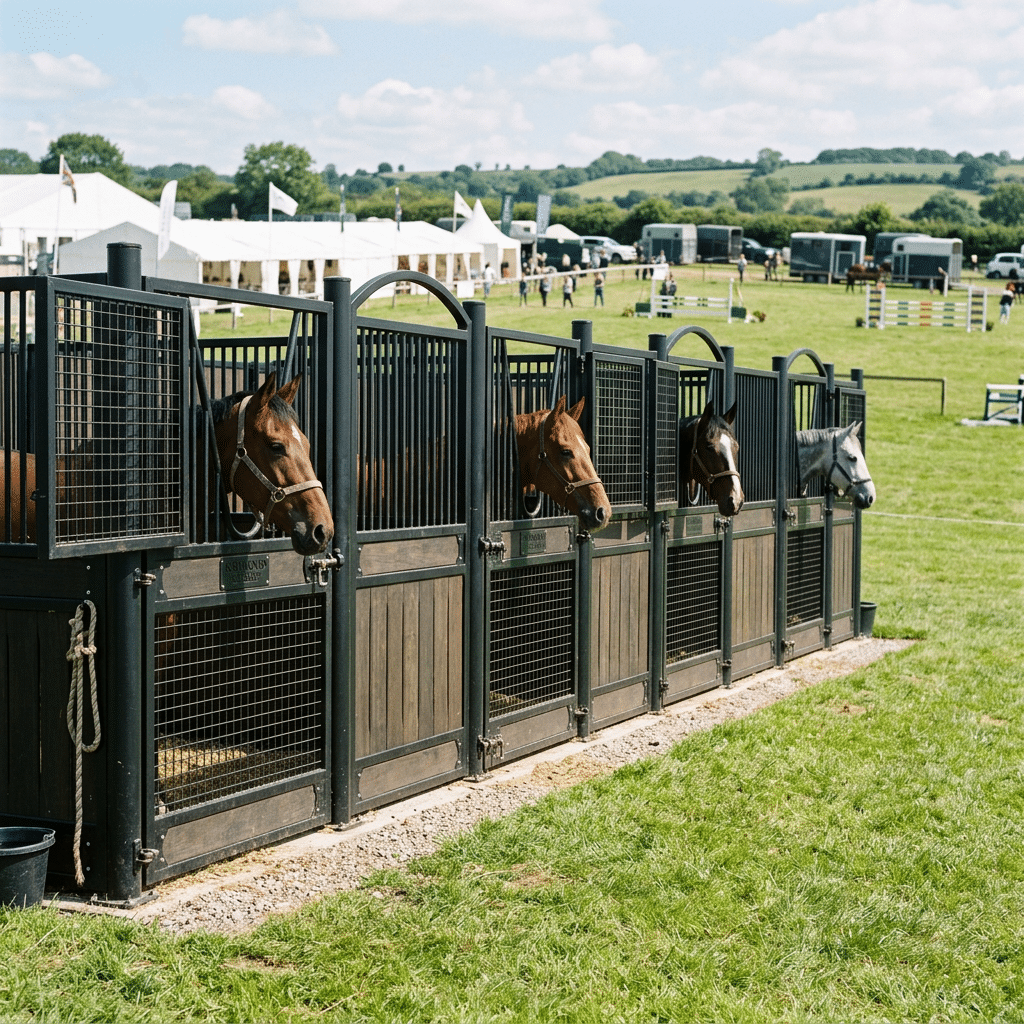
Principaux fabricants de stalles biosécurisées pour les centres d'importation de produits équins
For border quarantine facilities, material specification is the critical point where a project succeeds or incurs catastrophic costs from biosecurity failures. Using porous materials like wood not only risks pathogen transmission but also triggers complex ISPM-15...
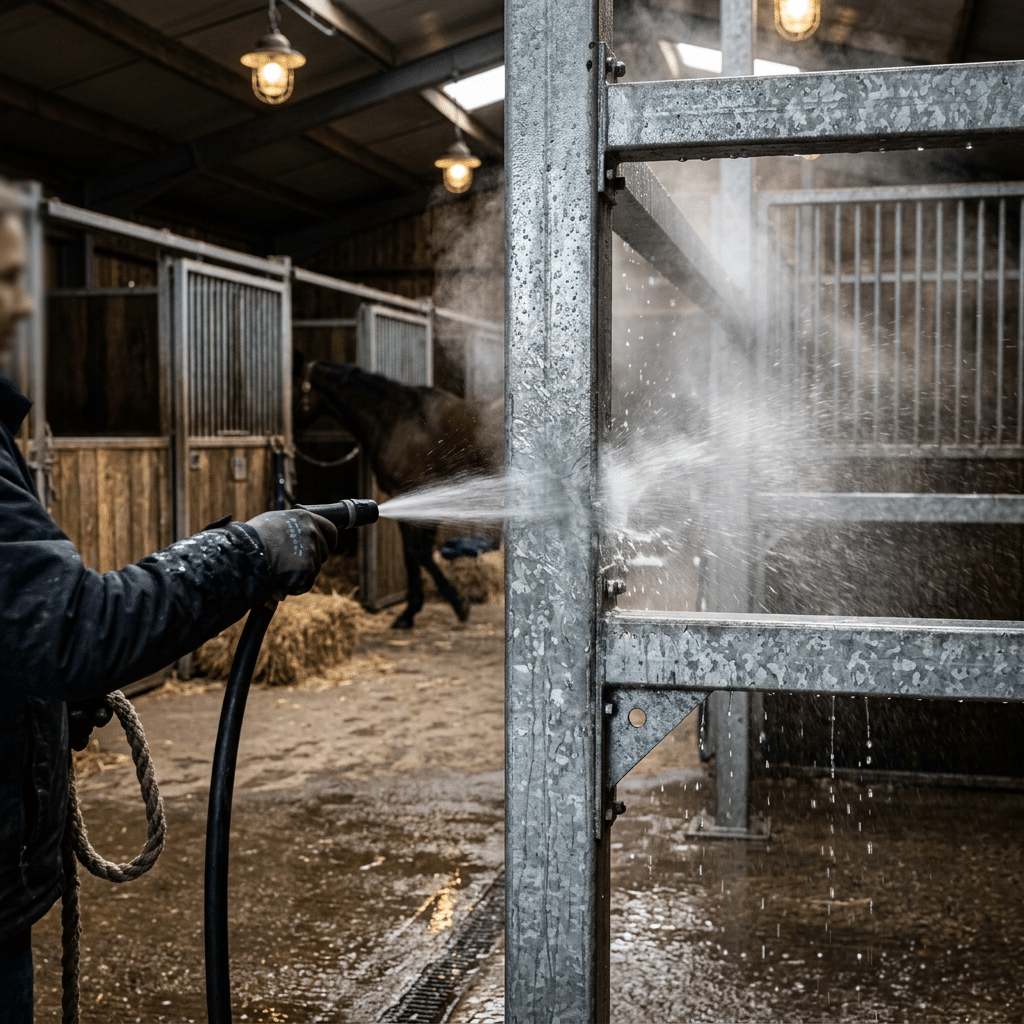
Top Luxury Stable Builders for 5-Star Equestrian Resorts & Spas
Luxury Resort Stables demand an engineered system where aesthetic longevity is non-negotiable. Standard finishes often fail under high-use conditions, leading to premature corrosion that degrades the five-star guest experience. This single specification error creates...
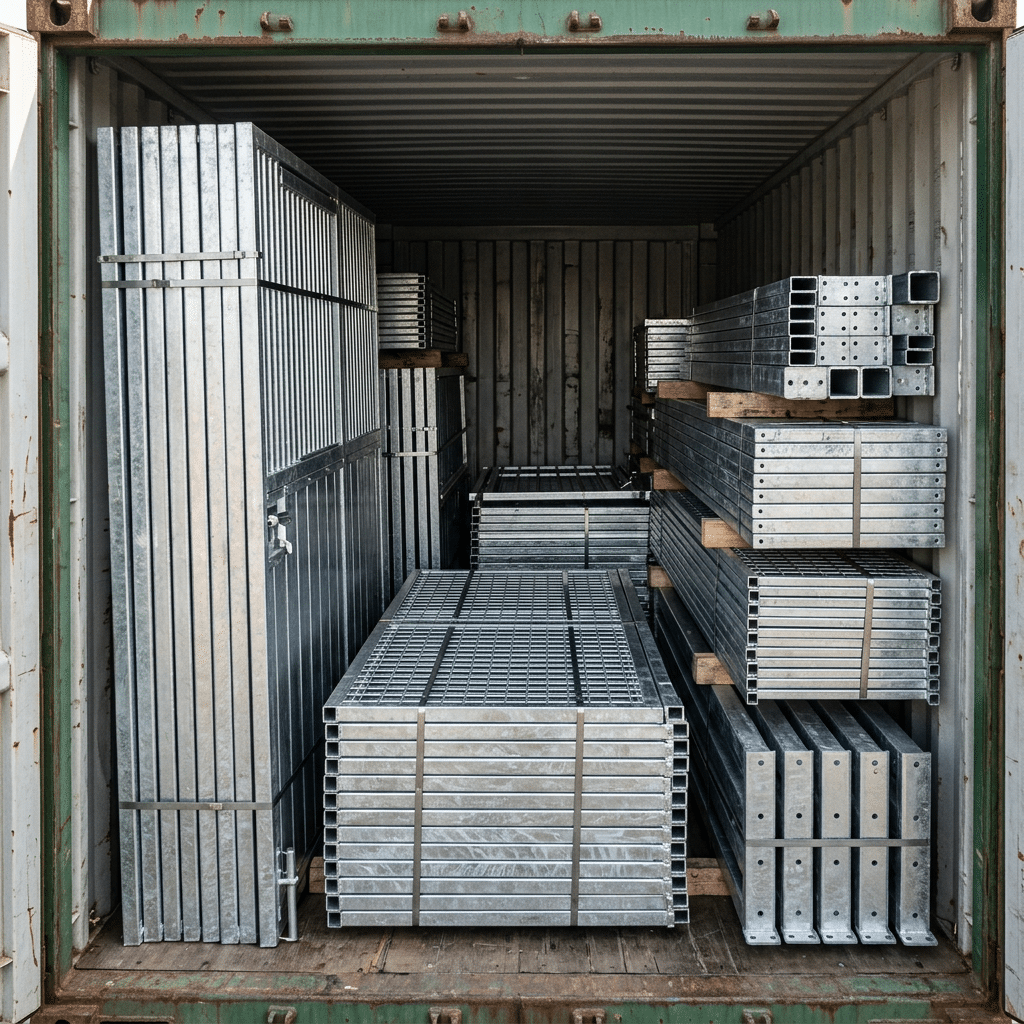
Best Modular Stall Suppliers for Multi-Species Farms (Horses to Alpacas)
Sourcing the correct Multi-Species Modular stabling is a critical defense against client liability claims from animal injury. Standard 3-inch grill spacing creates a well-documented entrapment hazard for smaller livestock like alpacas and goats, exposing facility...
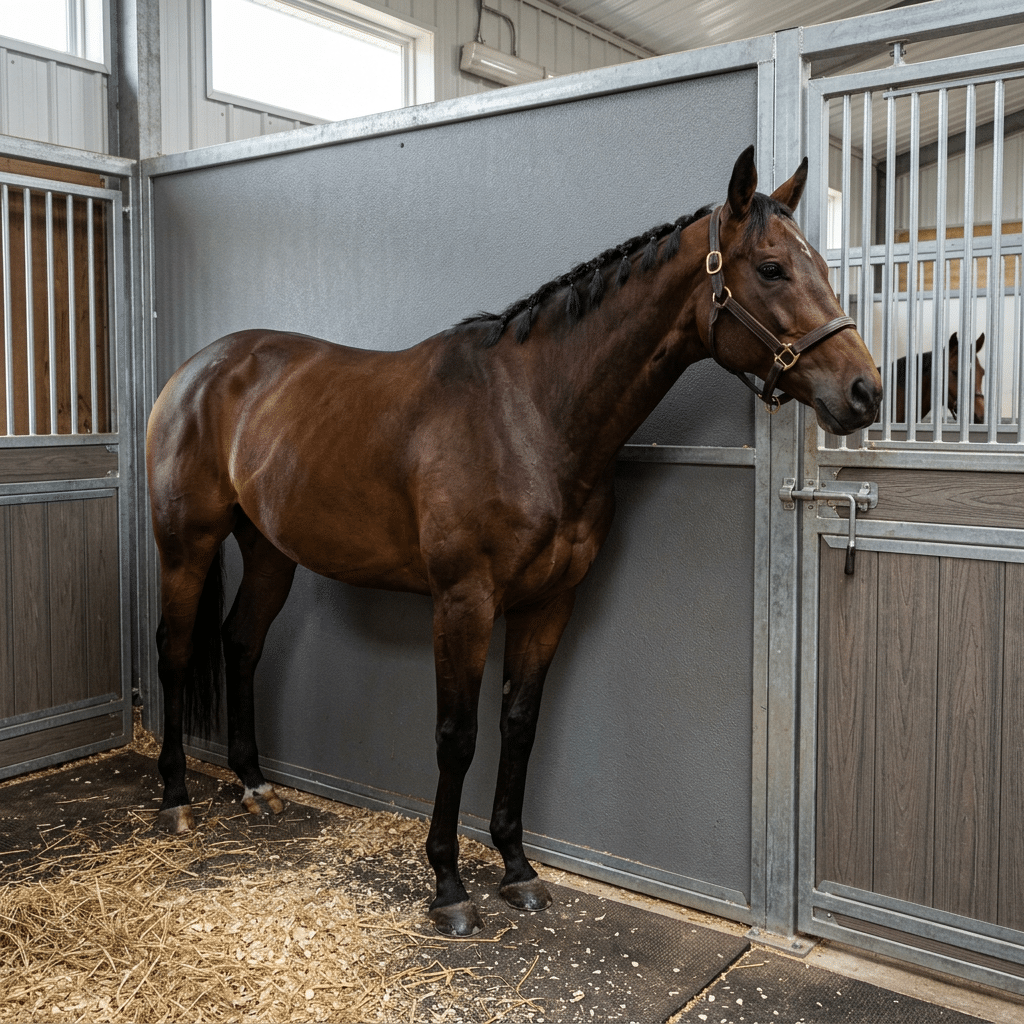
Top Global Manufacturers of Horse Walkers and Lunging Pens
Choosing the right Horse Walker Suppliers is the primary defense against equipment failure and operational liability. Specifying equipment built with thin-gauge steel or improper galvanization leads to premature rust and structural weakness, posing a direct risk to...
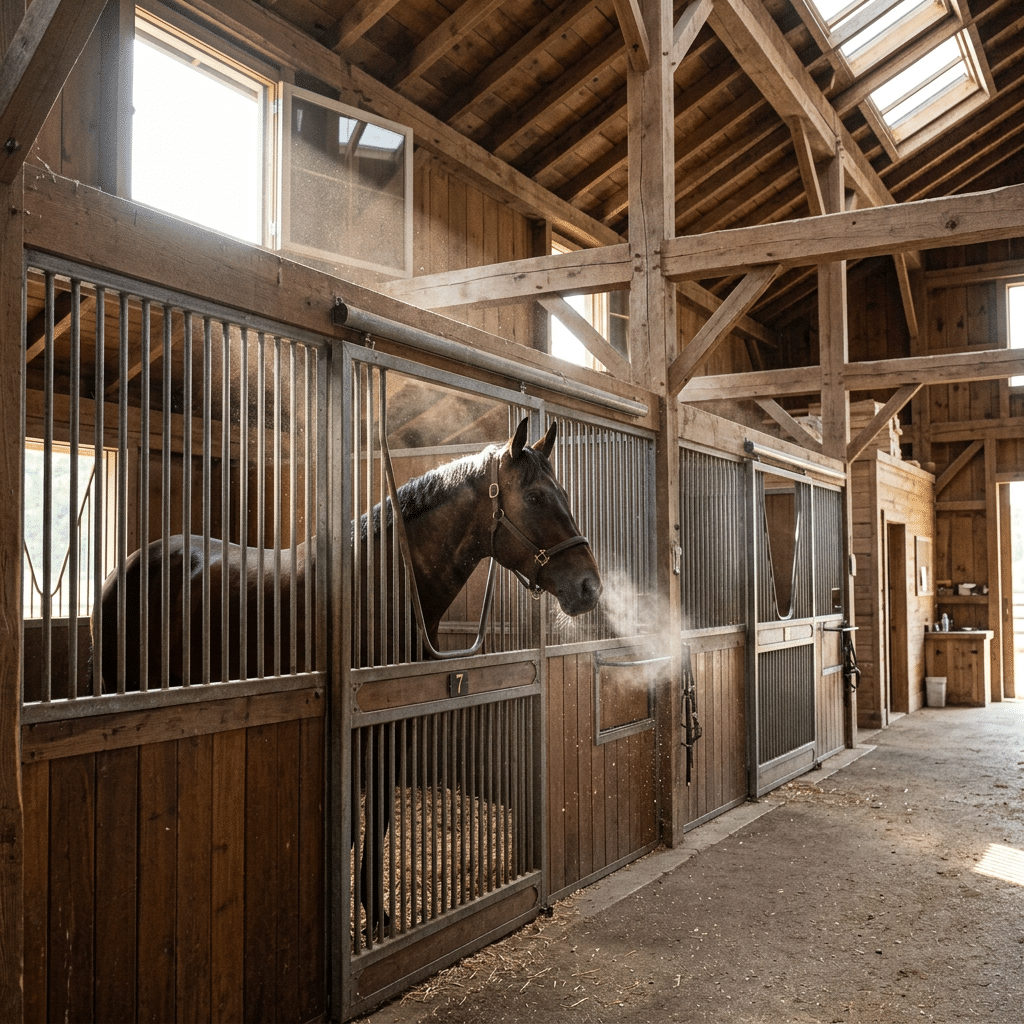
Les meilleures usines durables et stables pour la conformité ESG des entreprises
Sourcing from truly ESG compliant green factories is a critical defense against project disqualification and investor scrutiny. Relying on suppliers with unverified material chains introduces significant risk, potentially jeopardizing financing and market access for...
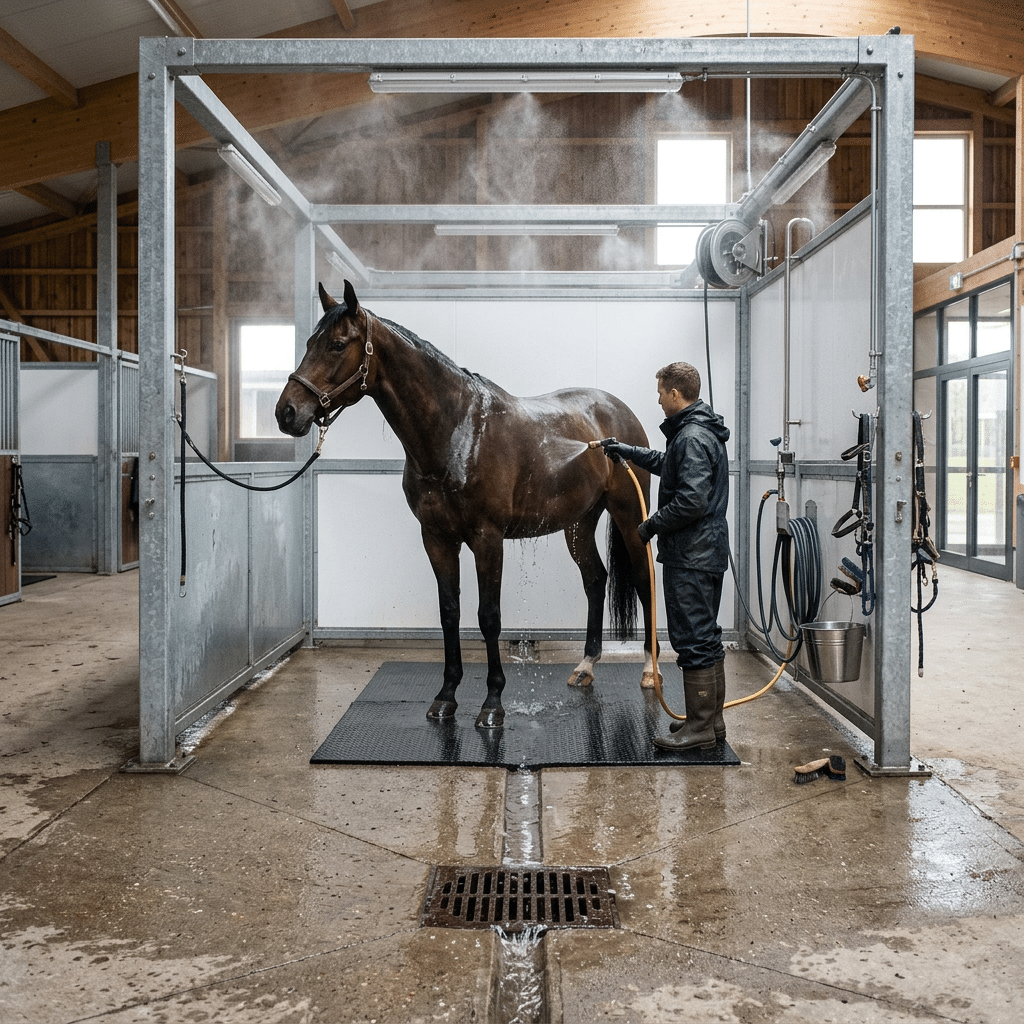
Coastal Barns: Marine-Grade Paint vs. ISO 1461 Hot-Dip Galvanizing
Coastal salt fog accelerates corrosion, turning expensive steel barns into structural liabilities. Coatings marketed as “marine-grade” often fail prematurely, forcing property owners into unplanned, high-cost replacements that erase an asset’s...
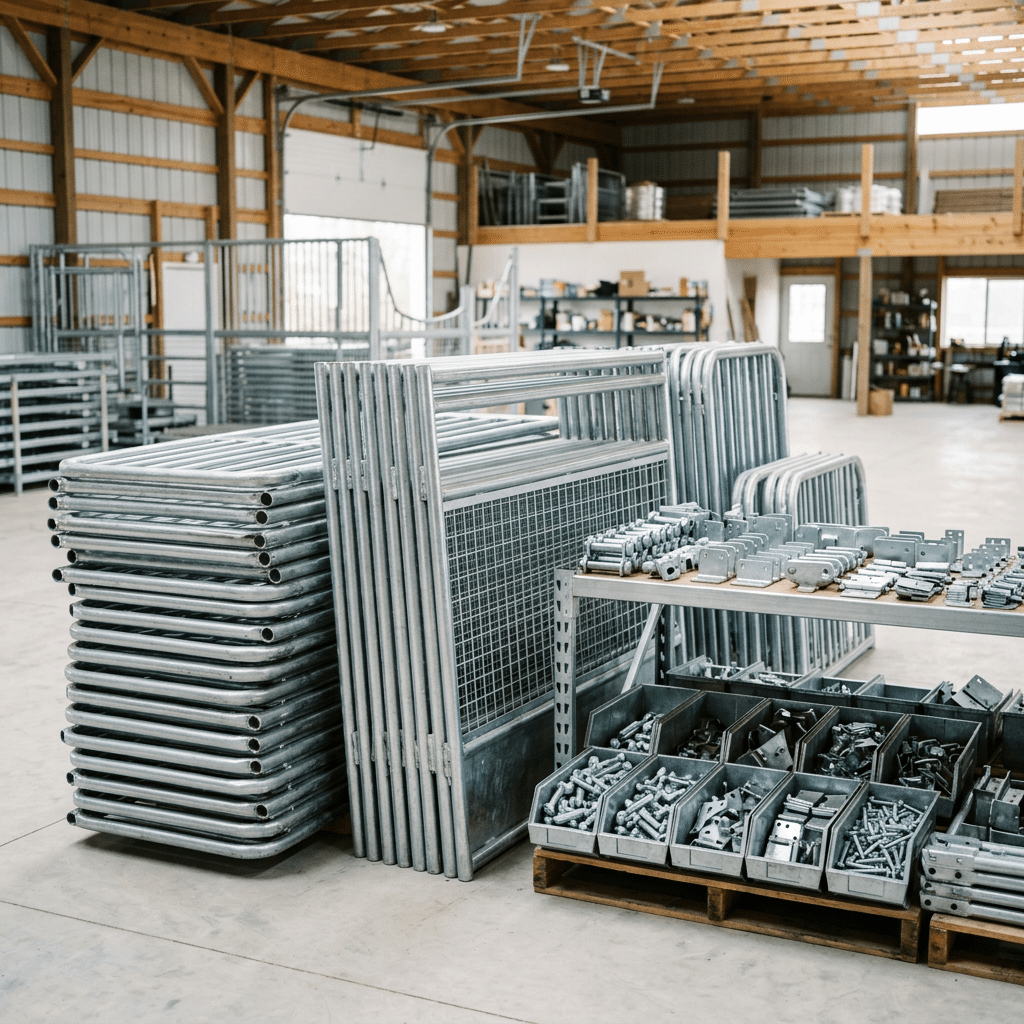
Earthquake Preparedness: Bolted Modular vs. Fully Welded Stables
For structures in seismic zones, the choice between bolted modular and fully welded construction is a critical engineering decision with direct financial consequences. A rigid, fully welded frame risks catastrophic shear failure during a tremor, leading to total asset...
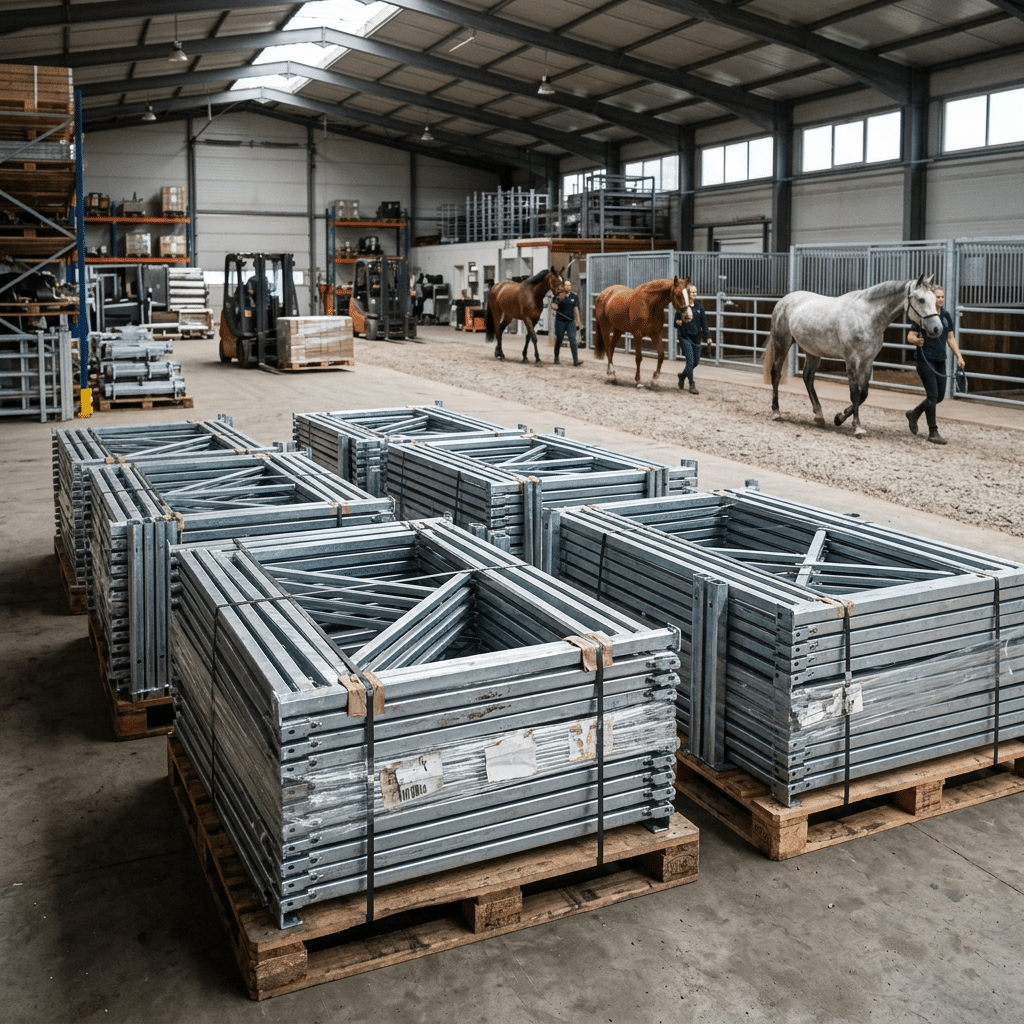
Wildfire Zones: Treated Timber vs. Q235B Steel Stables
Building in wildfire areas makes material choice a critical safety decision, not a design preference. Chemically treated timber, a common choice, still presents a significant risk of ignition under extreme heat. This can lead to total structural failure and complicate...
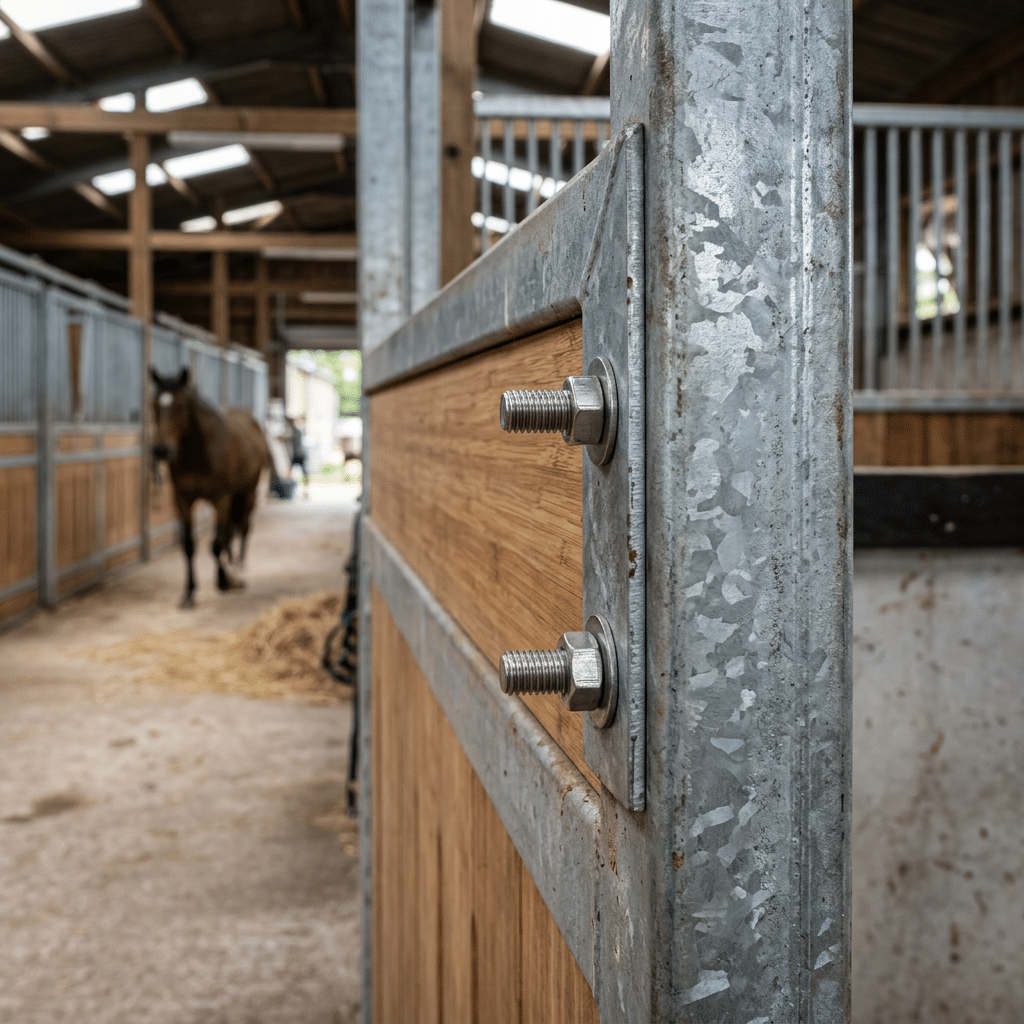
Desert Stabling: Half-Mesh vs. Solid HDPE Partitions in Sandstorms
In regions prone to desert sandstorms, the choice of stable partition directly impacts both airflow and material longevity. An incorrect specification leads to poor ventilation, accelerated abrasion on components, and increased facility maintenance costs, ultimately...
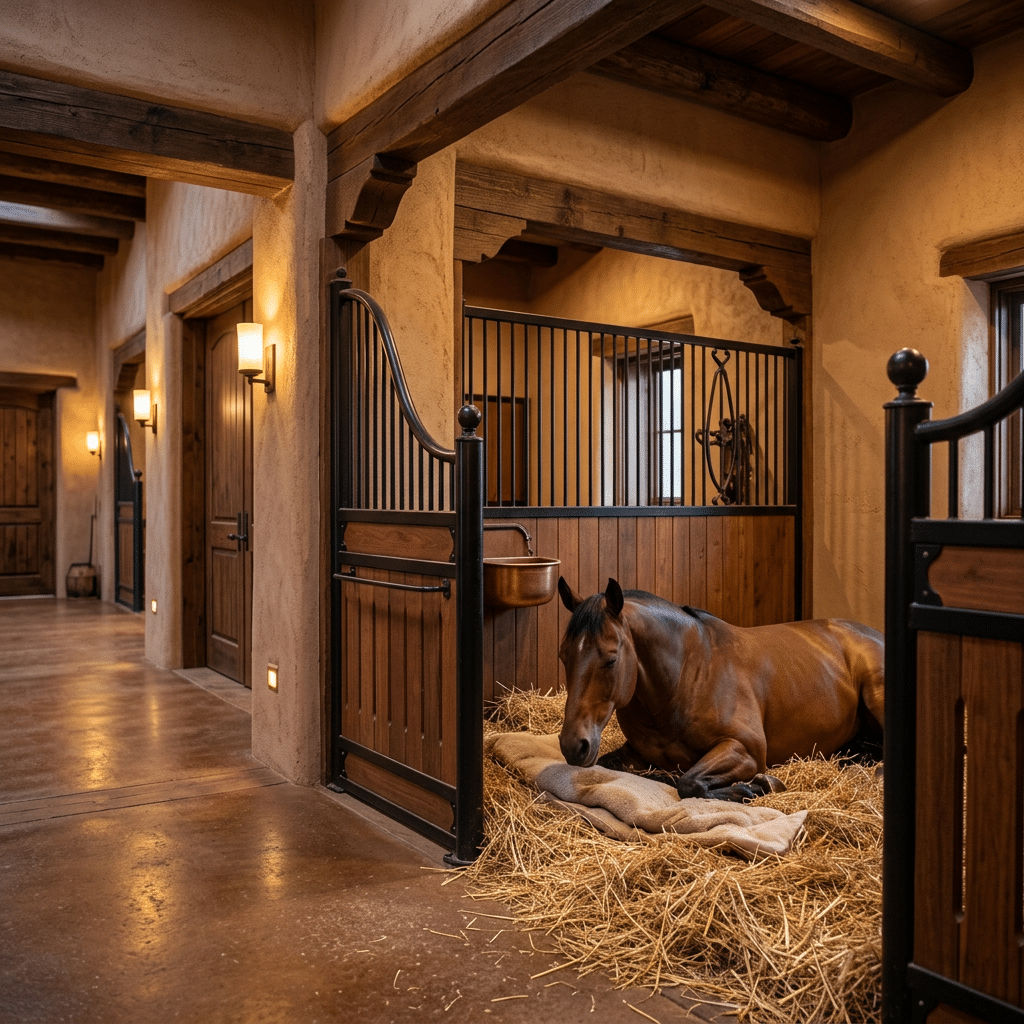
The Arctic Kick Test: Standard Q235 Steel vs. Q345B High-Alloy
Sub-Zero Brittleness is a critical risk for stable operators in arctic climates. A horse kick can cause standard Q235 steel frames to fracture without warning, leading to catastrophic failure and severe animal injury. This failure isn’t a simple repair cost;...
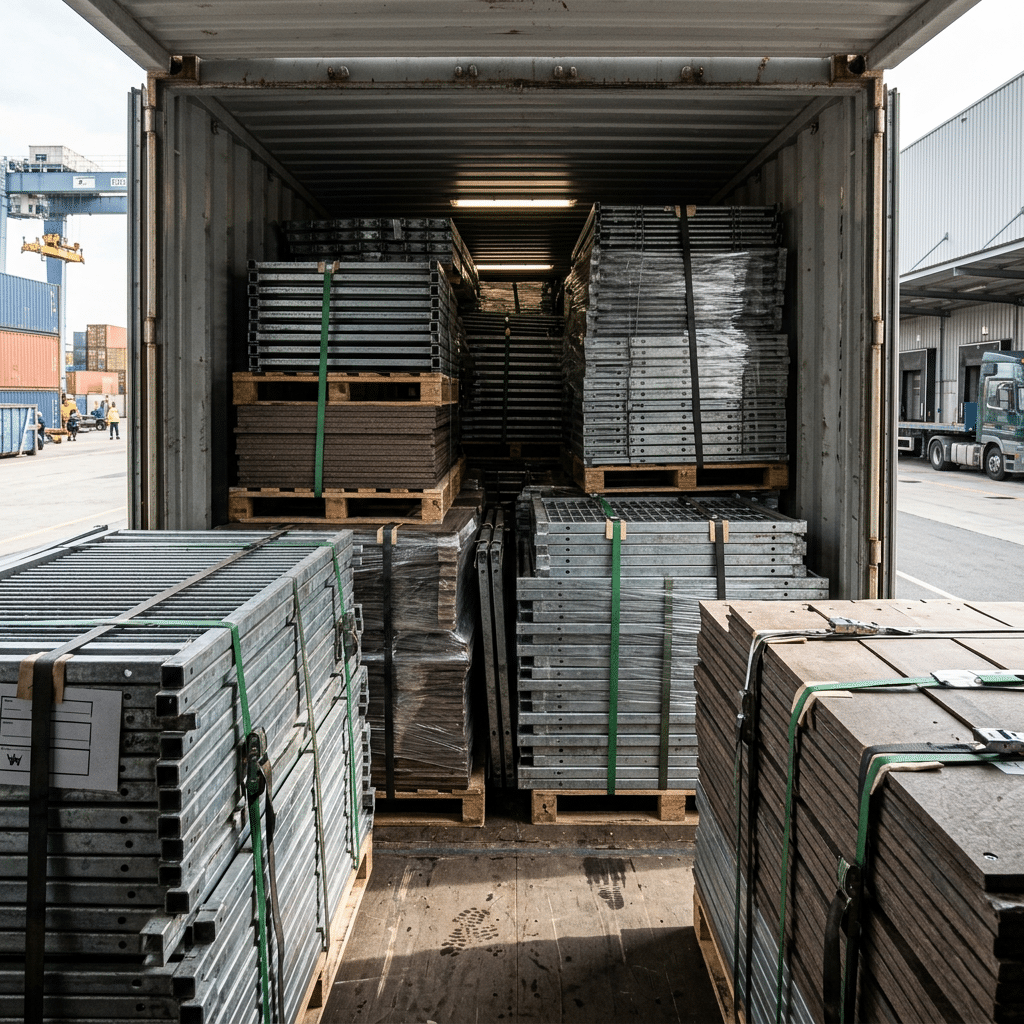
The Jungle Climate: Strand-Woven Bamboo vs. HDPE in 99% Humidity
Tropical mold in stable walls is a direct result of specifying porous infill materials. This choice initiates a costly cycle of rot, replacement, and structural failure, creating a significant financial liability for large-scale equestrian facilities. This analysis...
Post-Flood Recovery: Concrete Block vs. Steel/HDPE Modular Stalls
Flood washouts reveal a costly flaw in traditional barn construction. Porous materials like concrete and wood absorb contaminated water, trapping bacteria and fueling irreversible mold growth. This failure doesn’t just complicate cleanup; it often leads to...
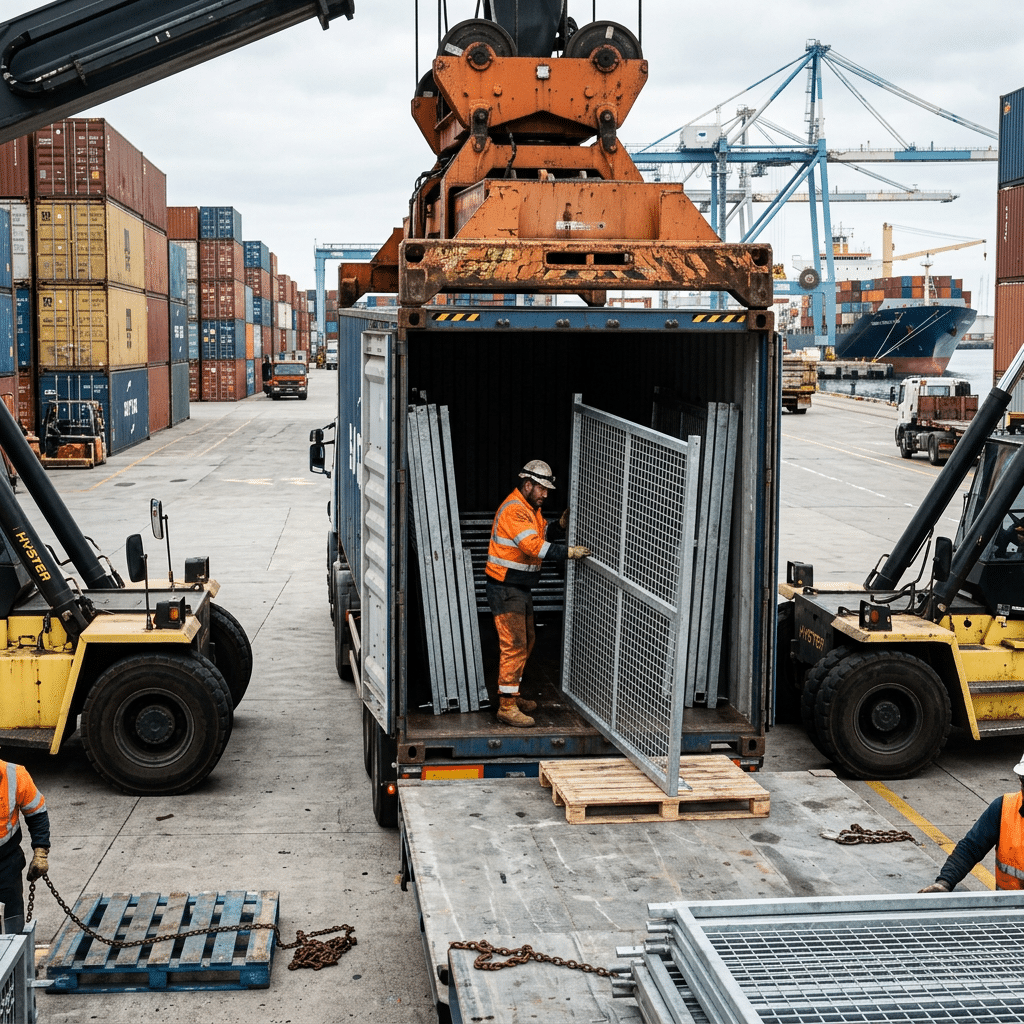
Crushing Weight: Standard Roofs vs. 14-Gauge Reinforced Trusses
Meeting local codes for heavy snow loads is the difference between a secure structure and a catastrophic failure. Standard, lightweight roof trusses might lower initial costs, but they expose distributors and architects to significant liability when the structure...
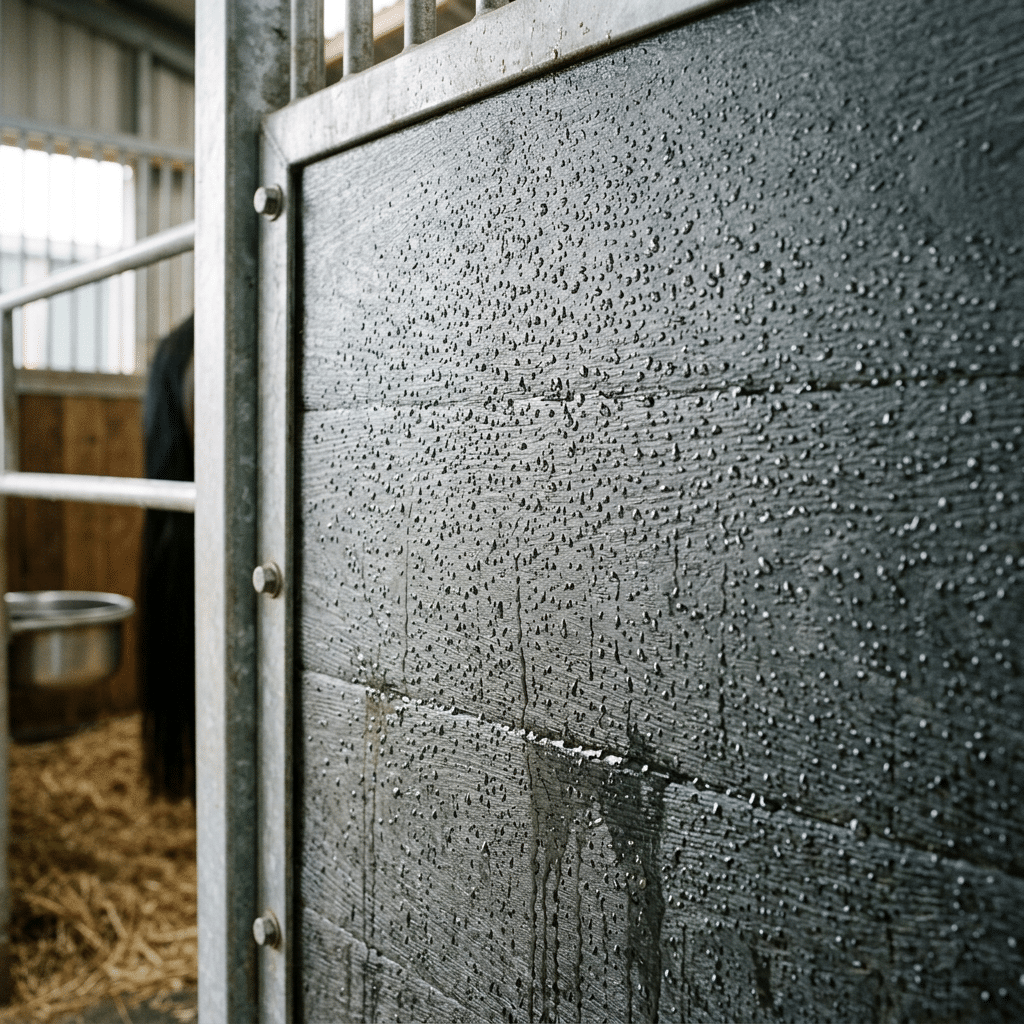
Acidic Ground: Powder-Coated Base Plates vs. Deep HDG Anchors
In high urine soils, the catastrophic failure point for any stable system is the ground-level steel. Standard powder-coated or thinly galvanized base plates corrode rapidly from ammonia exposure, leading to costly structural replacements and destroying dealer margins...
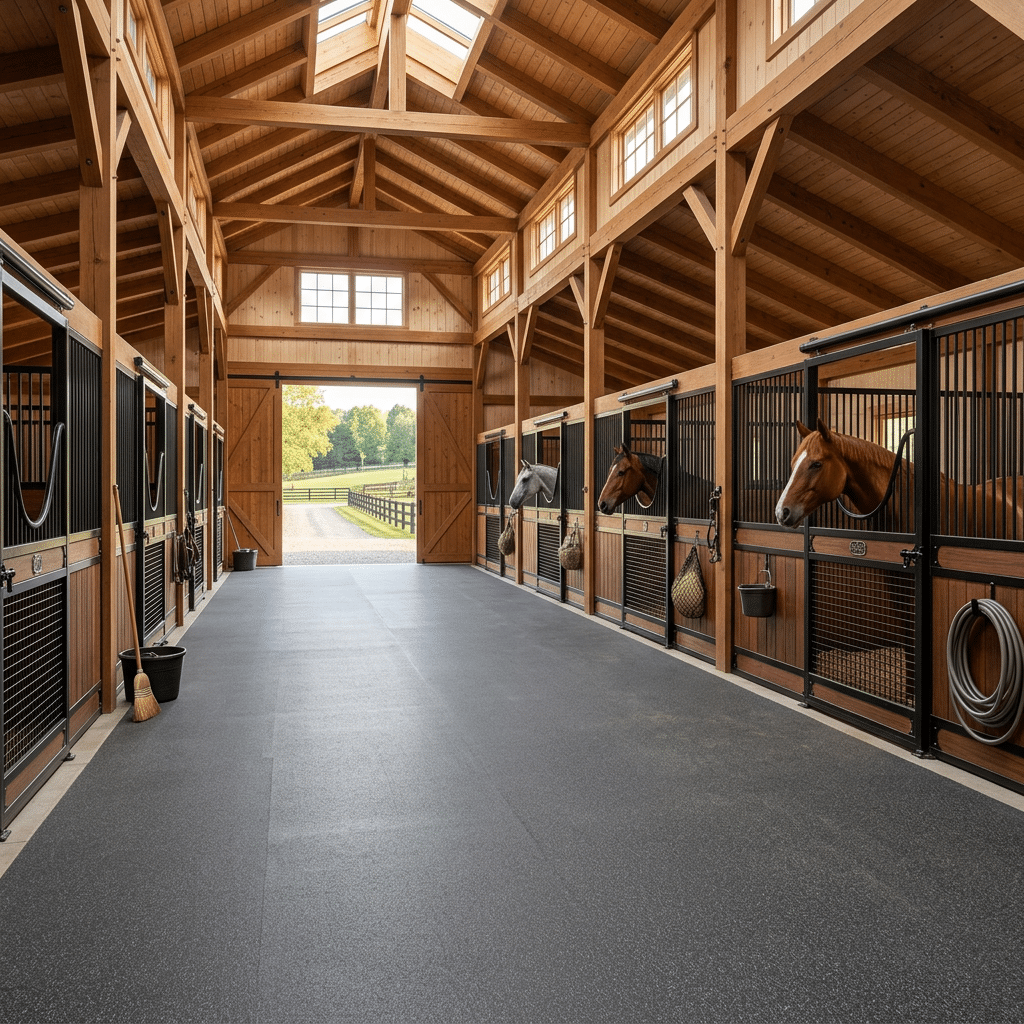
The Locust Test: Chemical Treated Wood vs. Inedible Steel/HDPE
Termites & swarms make chemically treated wood a high-risk material, especially in humid climates where moisture compromises the treatment. This failure cycle leads to costly structural repairs and diminishes the long-term asset value of agricultural buildings....
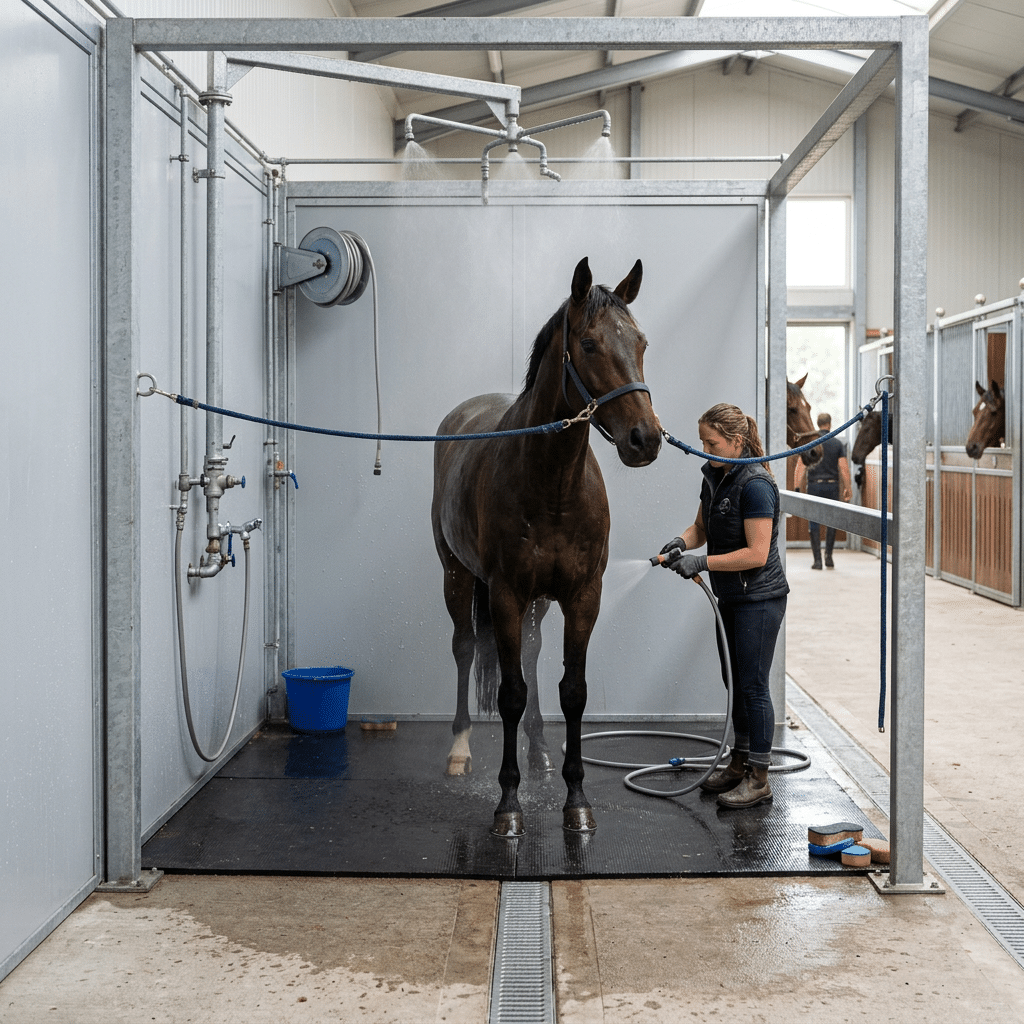
Designing Equine Rehabilitation Centers: Stalls for Hydrotherapy & Recovery
Designing effective Equine Rehab Centers requires specifying materials to mitigate the primary failure points: rot and contamination. Standard timber stalls in high-humidity hydrotherapy zones inevitably fail, leading to costly structural repairs, compromised...
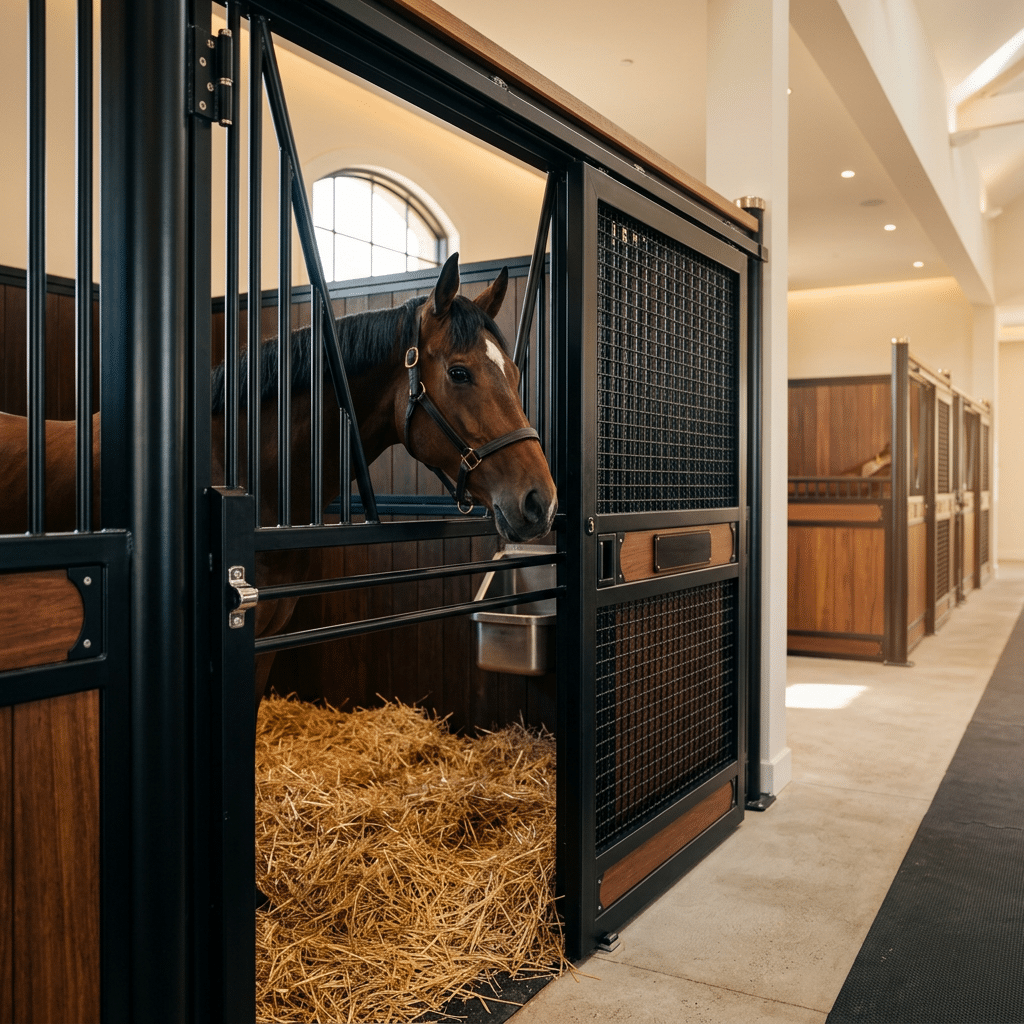
Top 5 Horse Stable Suppliers on Alibaba in 2026 (And Who to Avoid)
Strategic Alibaba Sourcing for horse stables is the only defense against the widespread broker trap that inflates costs by 40% while delivering inferior product. Many buyers are lured by low quotes for pre-galvanized tubing, unaware that these welded joints will rust...
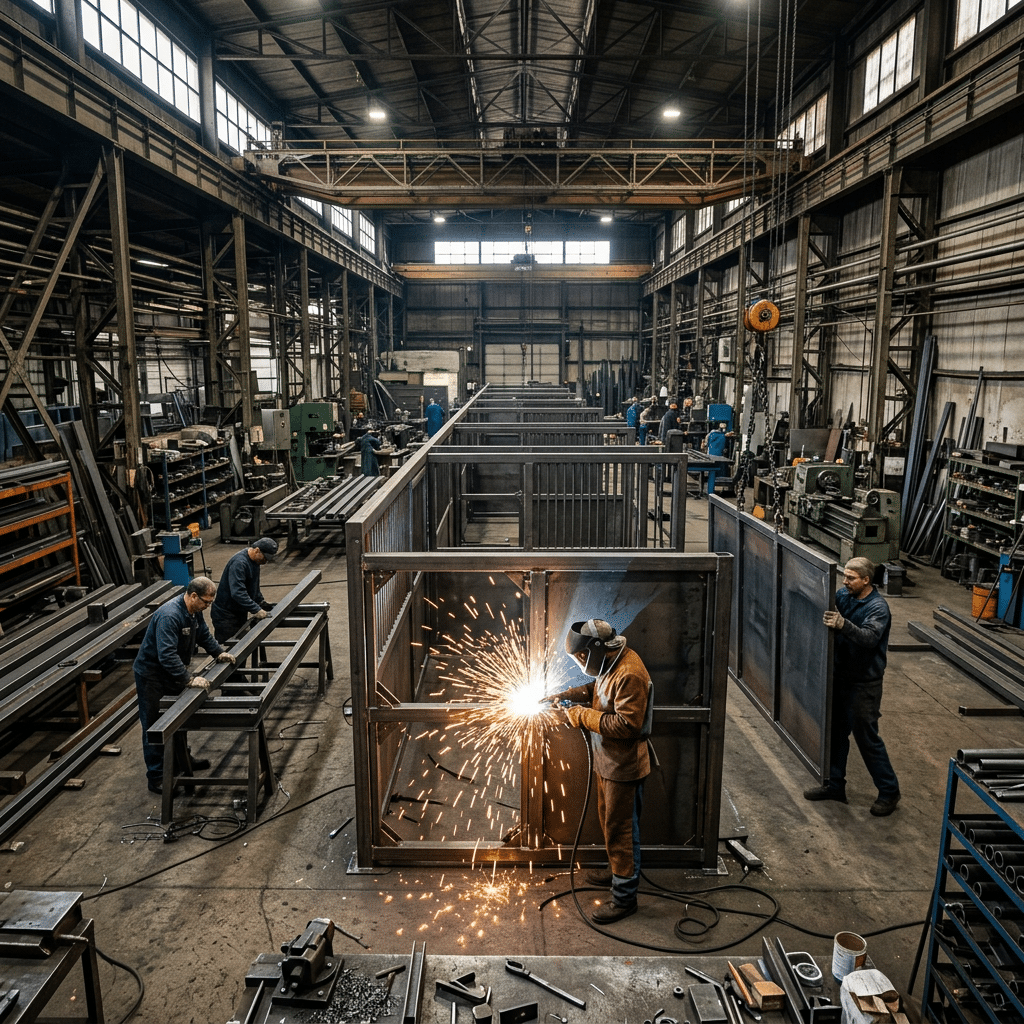
Polo Club Barn Layouts: Managing High-Volume “String” Turnarounds
Sourcing the right Polo Club Stabling is critical for managing the high maintenance costs driven by humidity and high-volume horse traffic. Traditional timber infills quickly degrade in these conditions, leading to expensive replacement cycles and compromising the...
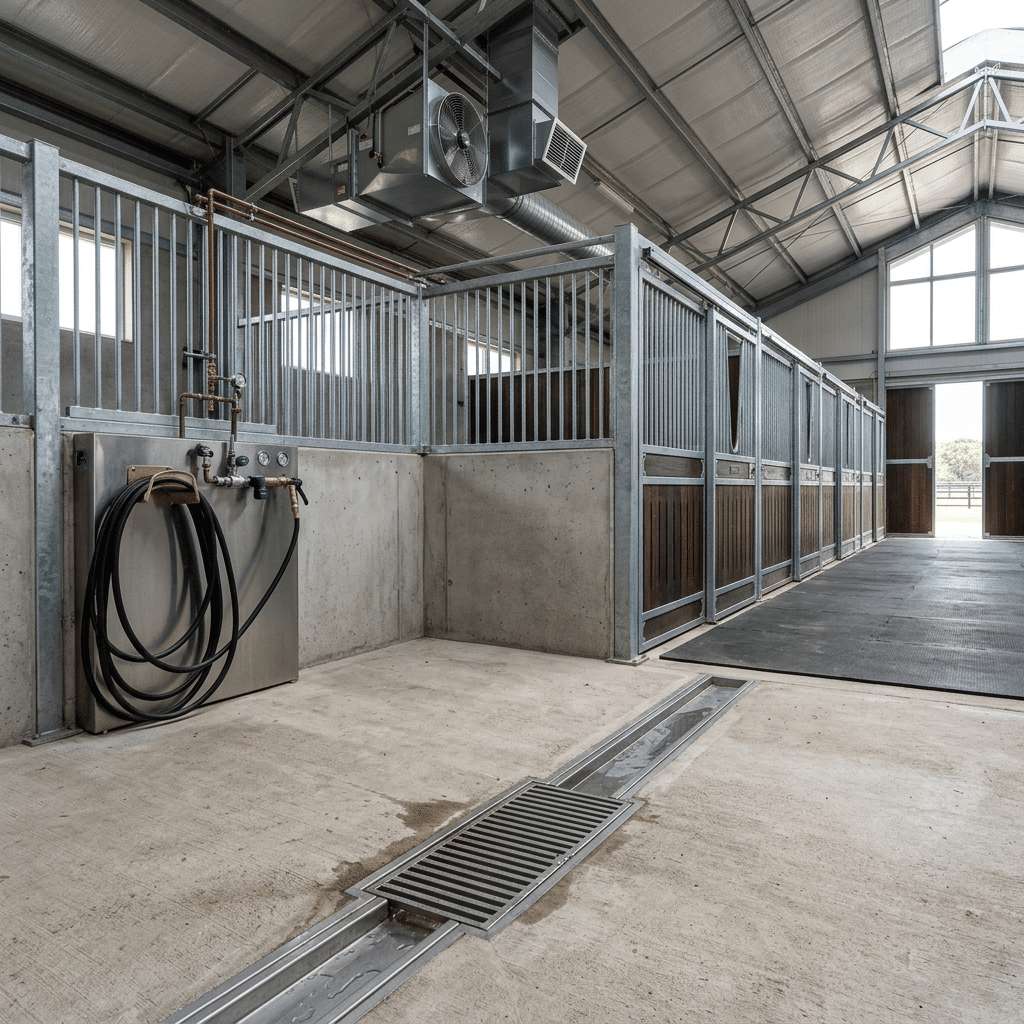
The Commercial Breeding Farm: Teasing Stalls and Foaling Suites
The structural integrity of Commercial Stud Farms directly impacts asset value and operational safety. Standard equestrian equipment fails quickly under the constant pressure of high humidity and ammonia, leading to rapid depreciation and creating unacceptable risks...
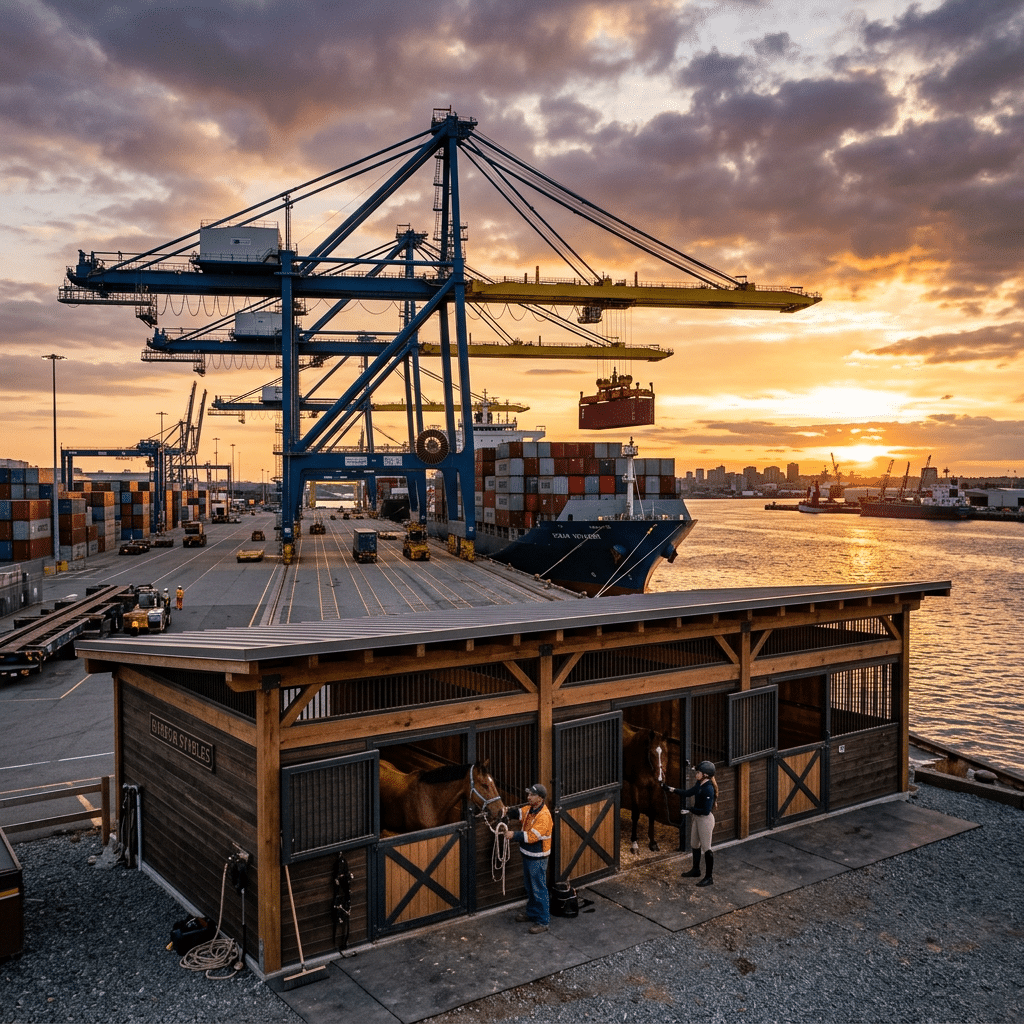
Les 5 meilleurs fabricants d'écuries robustes pour les unités de police montée
Sourcing infrastructure for Mounted Police Units demands engineering that far exceeds standard equestrian specifications. Generic stable systems frequently fail under the massive impact of 700kg draft-cross breeds, creating liability risks and expensive veterinary...
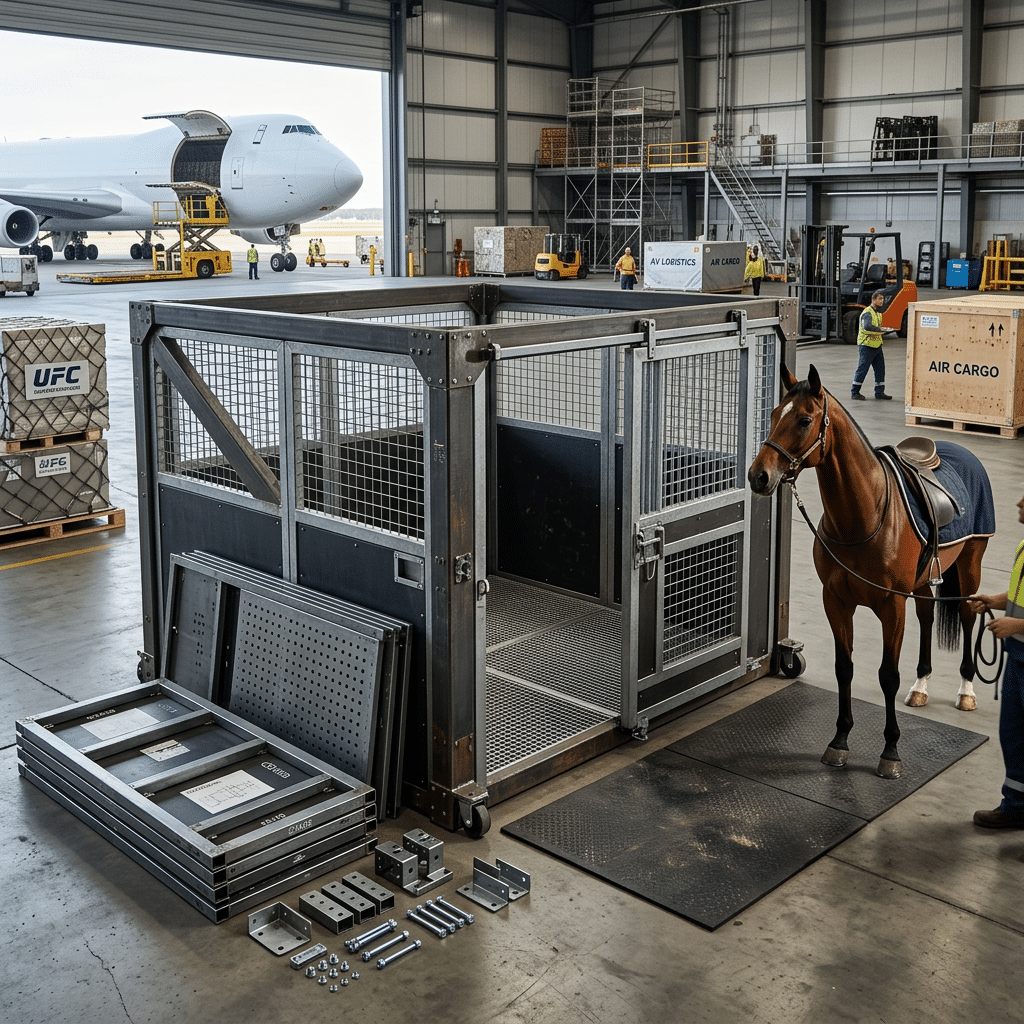
Top 5 Horse Stable Suppliers on Alibaba in 2026 (And Who to Avoid)
Strategic Alibaba Sourcing for horse stables determines whether your inventory lasts decades or rusts within months. Many verified listings are actually brokers selling pre-galvanized tubing that fails ASTM salt spray tests, ultimately destroying distributor margins...
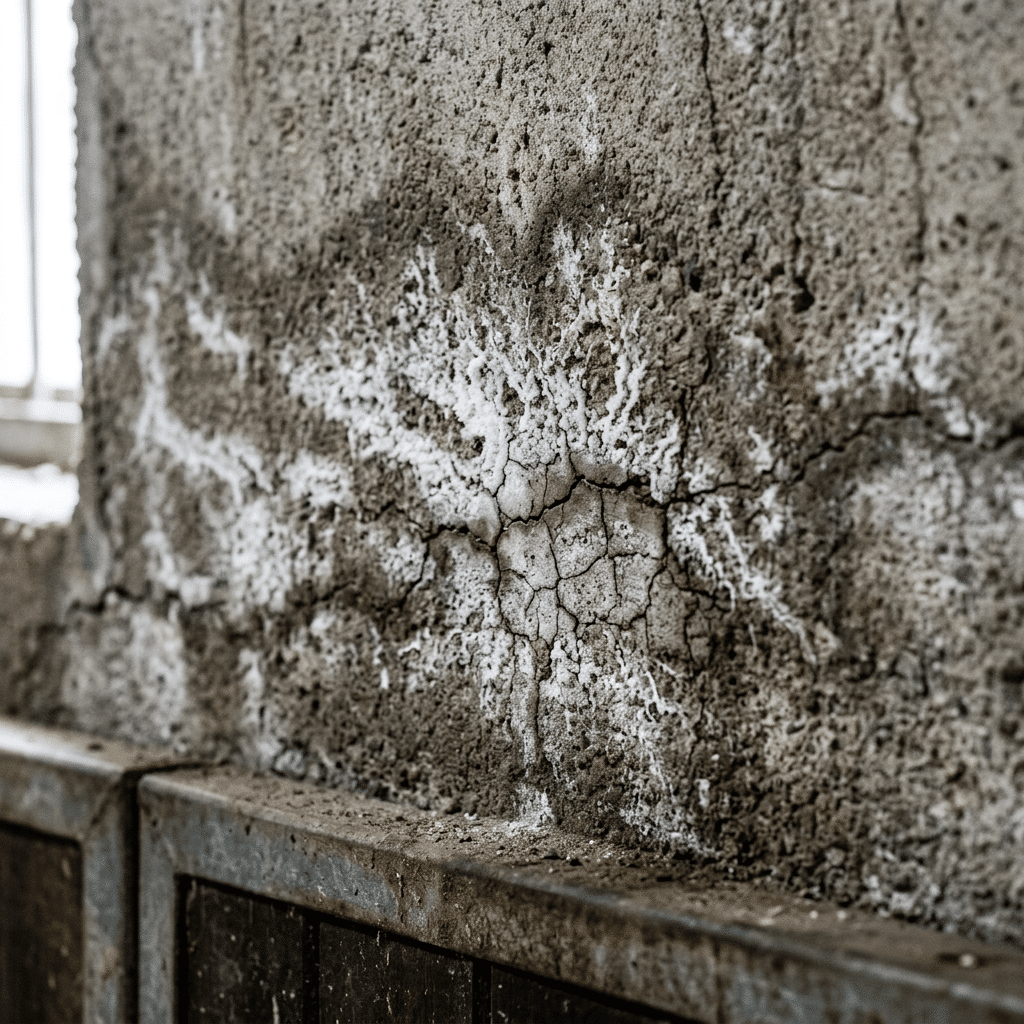
Equestrian Auction Houses: Temporary Stabling for High-Volume Turnover
For equestrian auction houses, temporary stabling specifications directly control biosecurity and turnover speed. Traditional stalls built from wood or standard steel absorb contaminants, making rapid sterilization impossible and leading to structural rot. This...
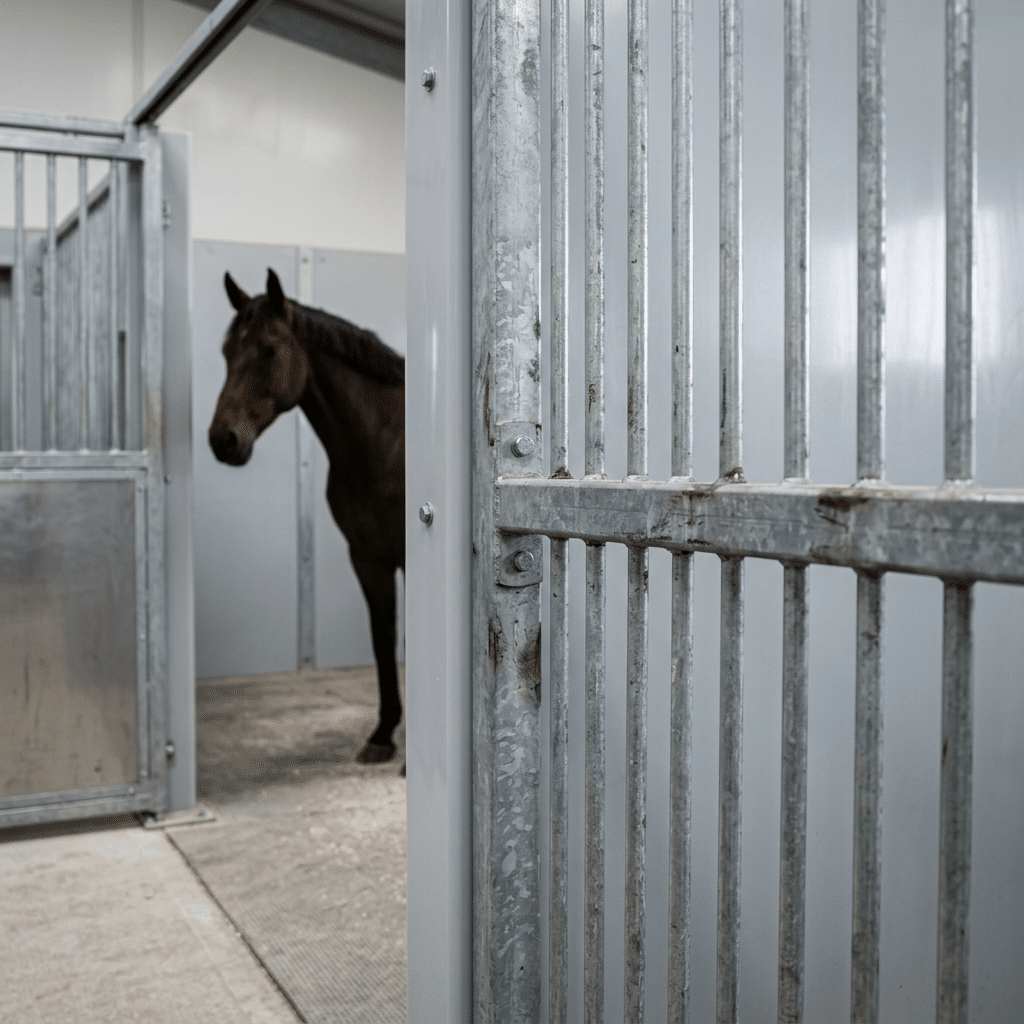
Les meilleurs fournisseurs d'équipements pour centres d'équitation thérapeutique et centres conformes à l'ADA
Therapeutic Riding centers face unique liability challenges where standard agricultural building codes fail to meet public access standards. Installing generic stable fronts instead of ADA-compliant designs invites costly retrofitting and potential lawsuits from...
Les 5 meilleurs fabricants d'écuries robustes pour les unités de police montée
Mounted Police Units operate under high-tempo conditions where equipment failure poses immediate liability risks. Standard equestrian facilities often buckle under the dynamic impact of heavy draft cross breeds, leading to expensive veterinary claims and structural...
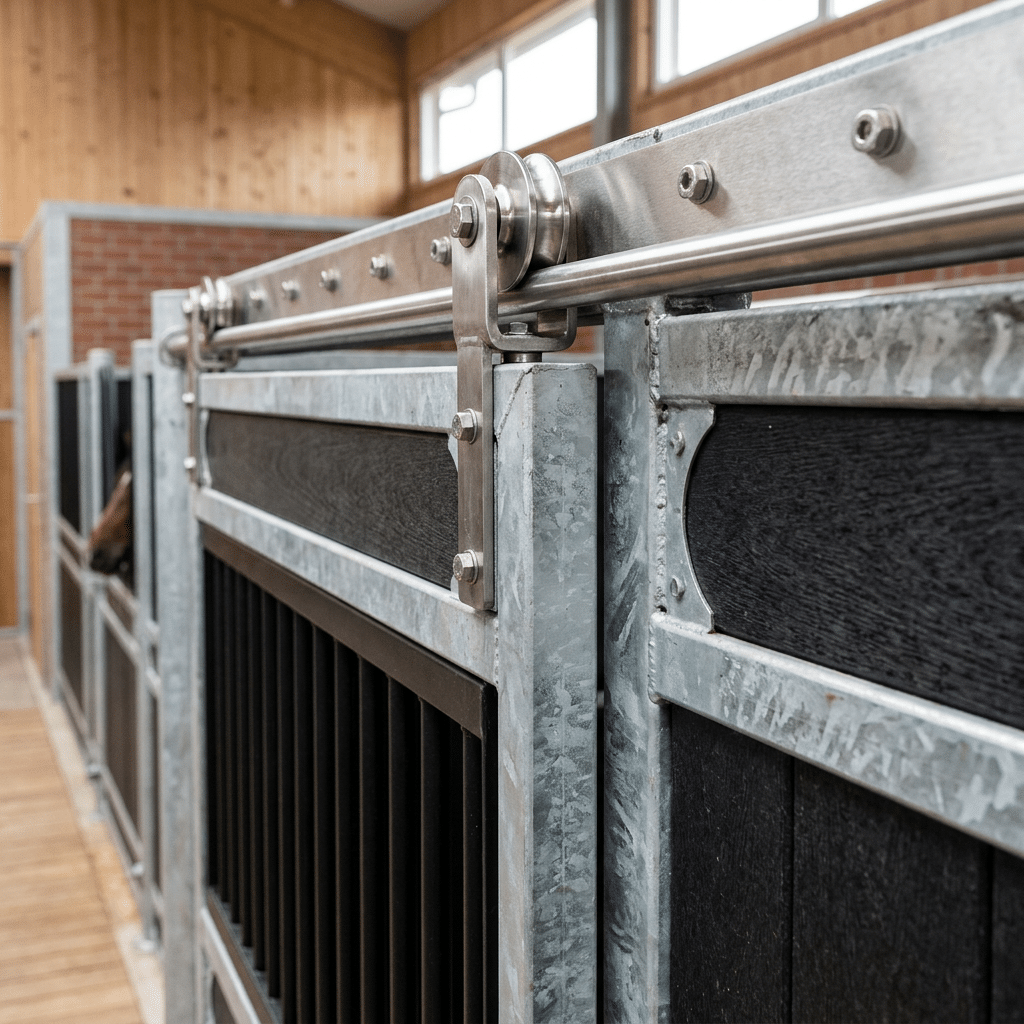
University Equine Hospitals: Hoist-Compatible Frameworks & Observation Grills
Specifying equipment for a Vet University Hosp. project directly impacts long-term liability and operational costs. The use of standard materials like treated pine in high-humidity stalls or underspecified steel for ceiling hoists creates vectors for disease and...
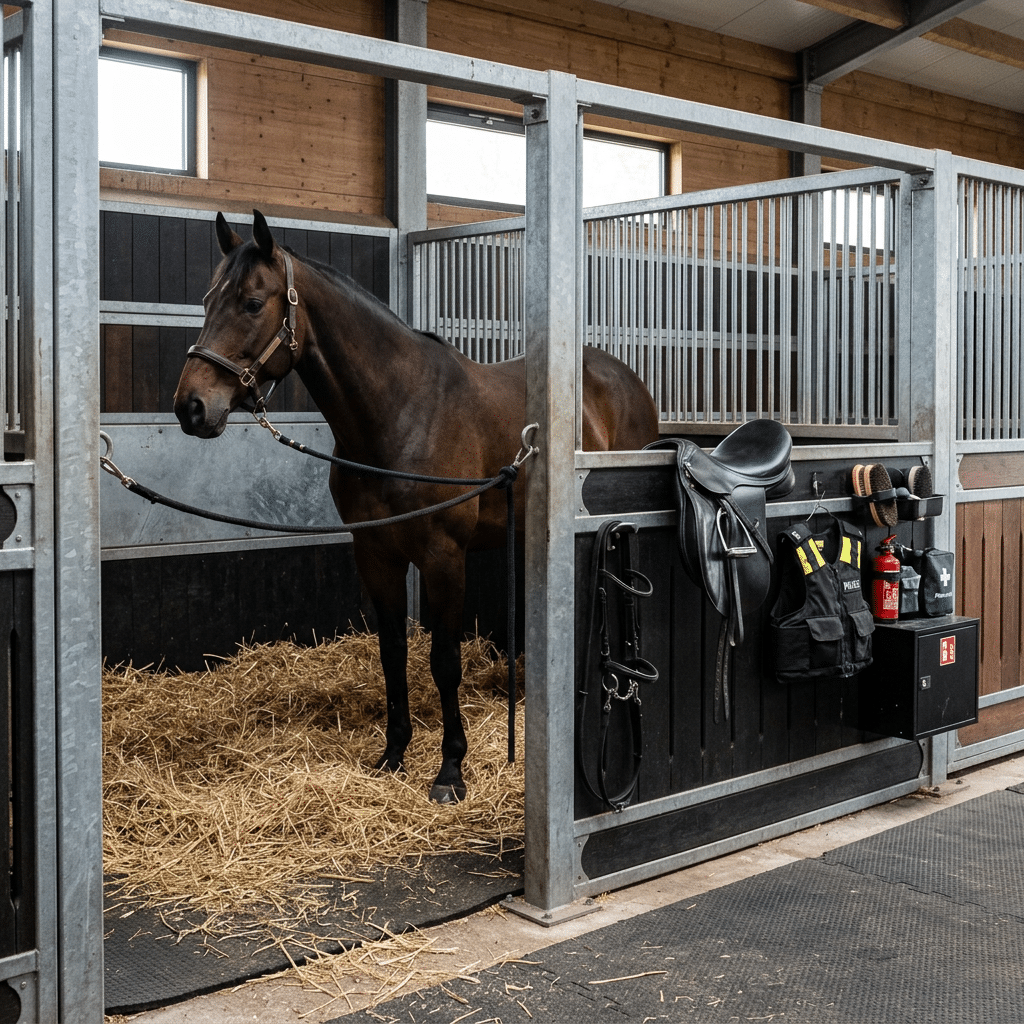
Spoga Horse contre la Foire de Canton : à la recherche de fournisseurs lors des salons professionnels internationaux
Strategic Trade Show Sourcing is the primary defense against the hidden financial risks of importing sub-par equestrian infrastructure. While Spoga Horse and the Canton Fair offer vast opportunities, failing to distinguish between surface-level aesthetics and true...
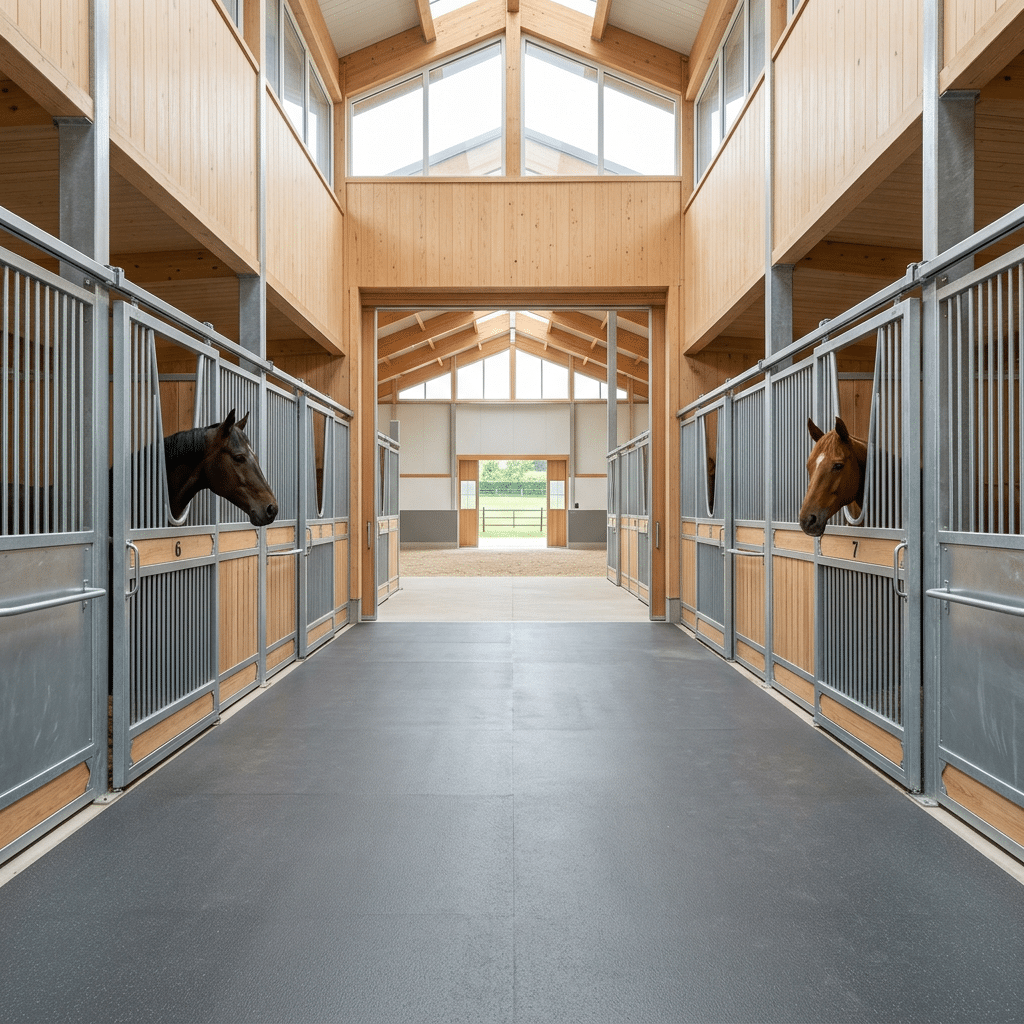
Global Equine Transport Hubs: Designing Layover Stables for Airports
Designing equine transport hubs demands materials that prevent systemic failure in high-humidity environments. Standard stable components used in airport quarantine facilities often lead to rapid rot and biosecurity breaches, creating immense maintenance liabilities...
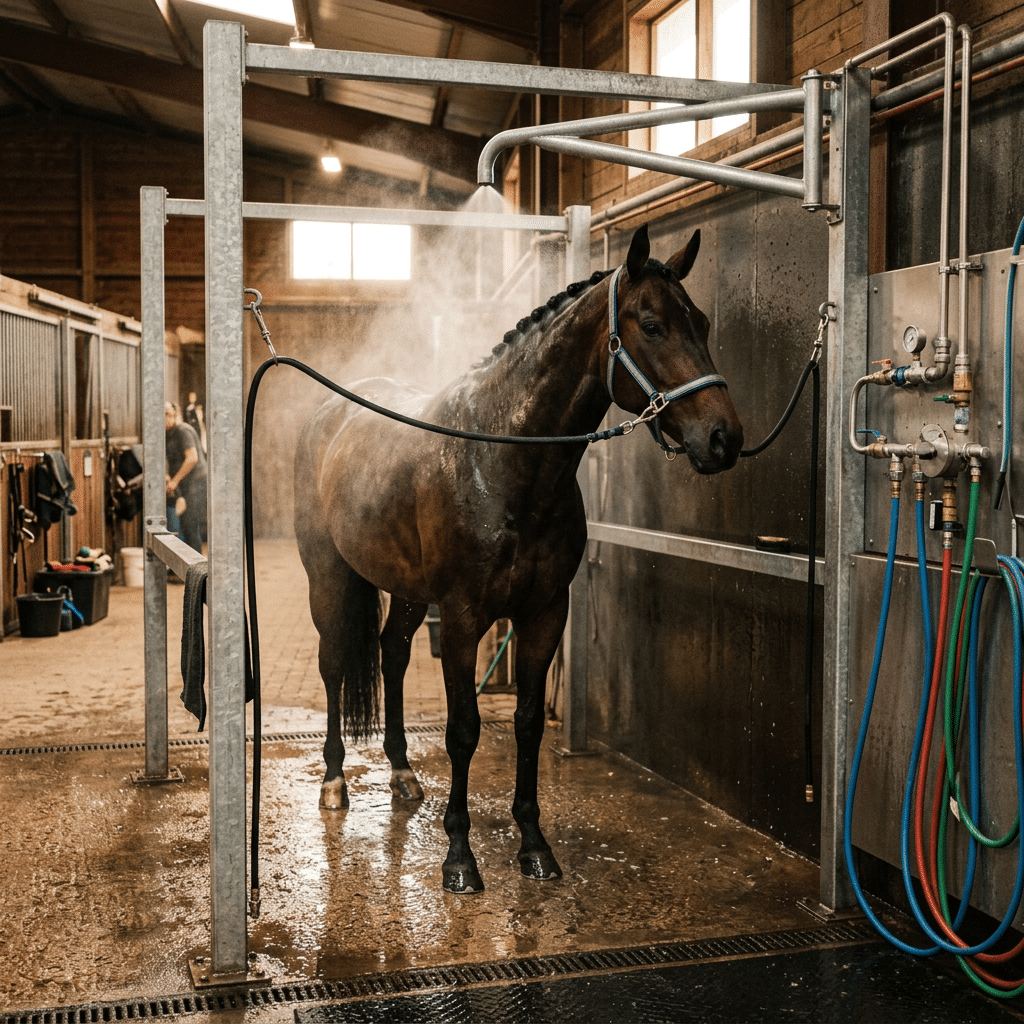
Les meilleurs fournisseurs d'équipements pour centres d'équitation thérapeutique et centres conformes à l'ADA
Therapeutic Riding facility design requires more than aesthetic appeal; it demands rigorous adherence to ADA safety protocols to prevent costly liability claims. Standard stable systems often fail to accommodate the necessary 60-inch turning circles and zero-threshold...
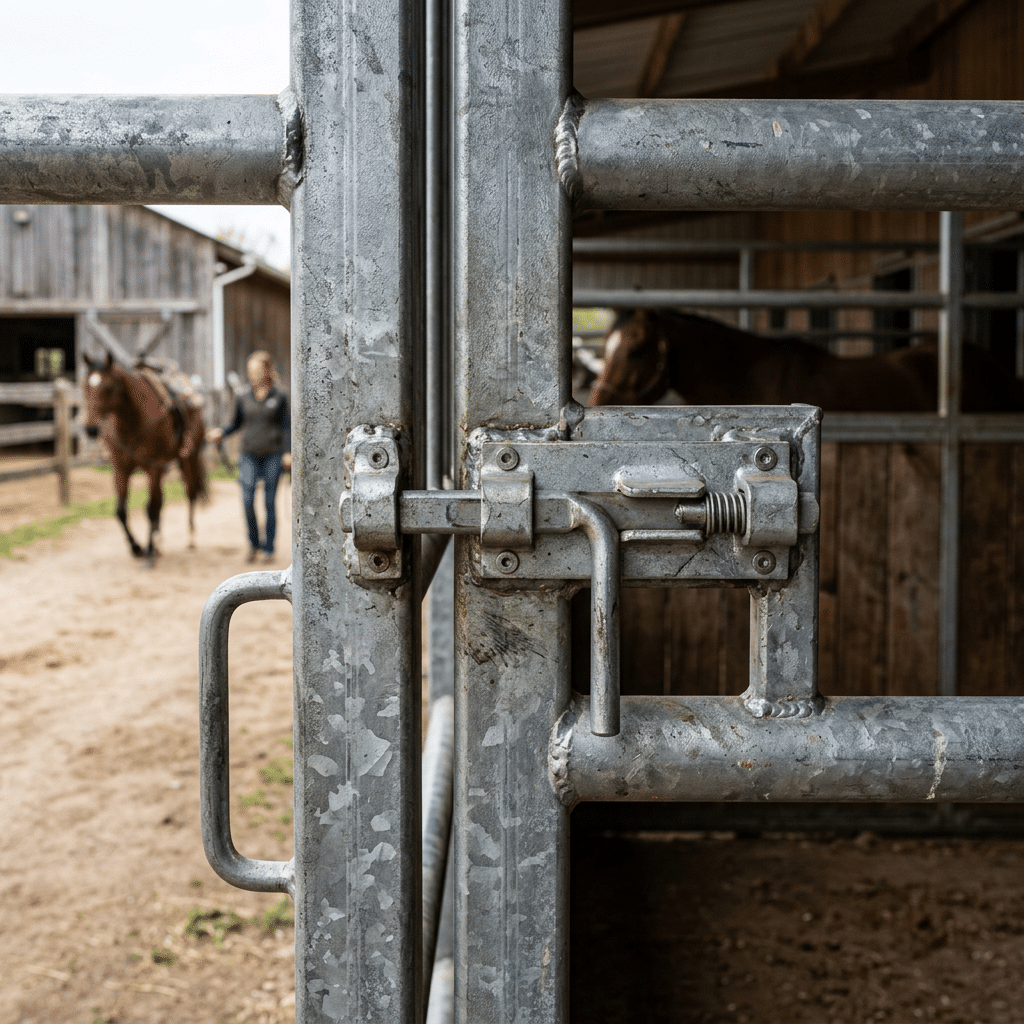
High-Performance Base Camps: Stabling for Olympic Dressage & Showjumping
An Olympic training program’s success depends on infrastructure that prevents catastrophic material failure. Standard timber and steel stables rot and corrode in high-use, humid environments, directly risking equine health and devaluing the capital investment in the...
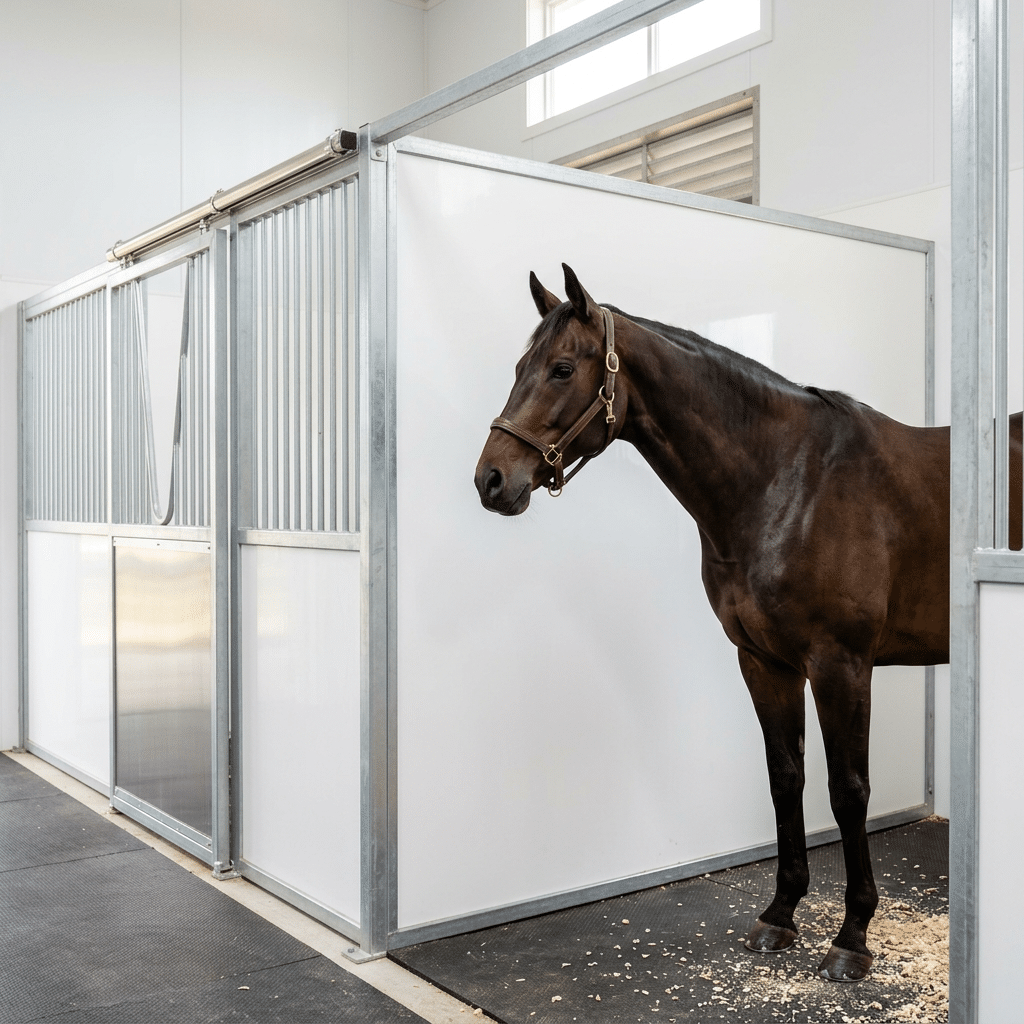
Spoga Horse contre la Foire de Canton : à la recherche de fournisseurs lors des salons professionnels internationaux
Effective Trade Show Sourcing determines if your facility ROI survives the first winter or collapses under preventable maintenance costs. Relying solely on the visual polish of European expo prototypes often leads to expensive structural failures once the equipment...
Principaux fabricants de stabulation en vrac pour les foires d'État et les centres d'exposition
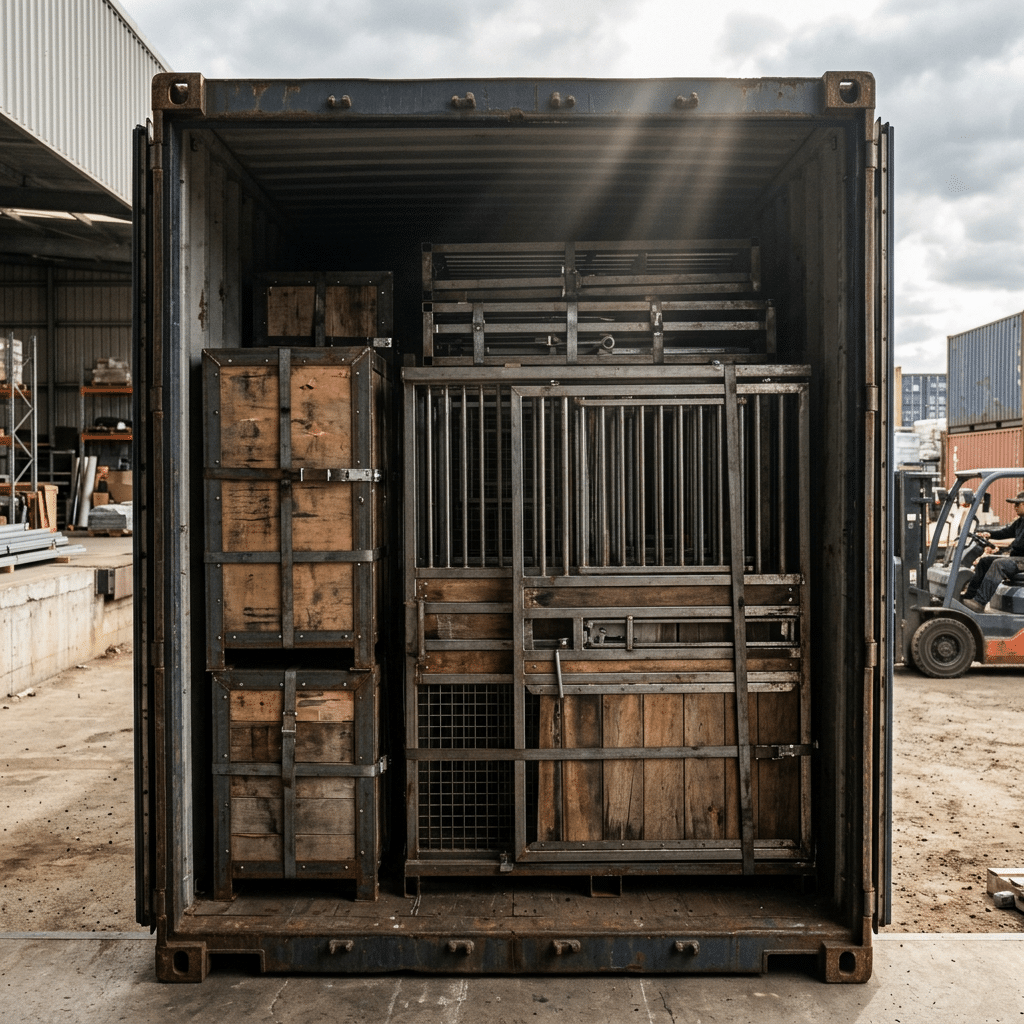
Optimizing stabling infrastructure for State Fairgrounds is a direct pivot from recurring rental expenses to asset-based profitability. Relying on disposable rental fleets drains potential revenue, whereas owning a modular system captures 100% of exhibitor fees while...
Conception d'étables pour l'hippothérapie : Conformité à l'ADA et sécurité des cavaliers
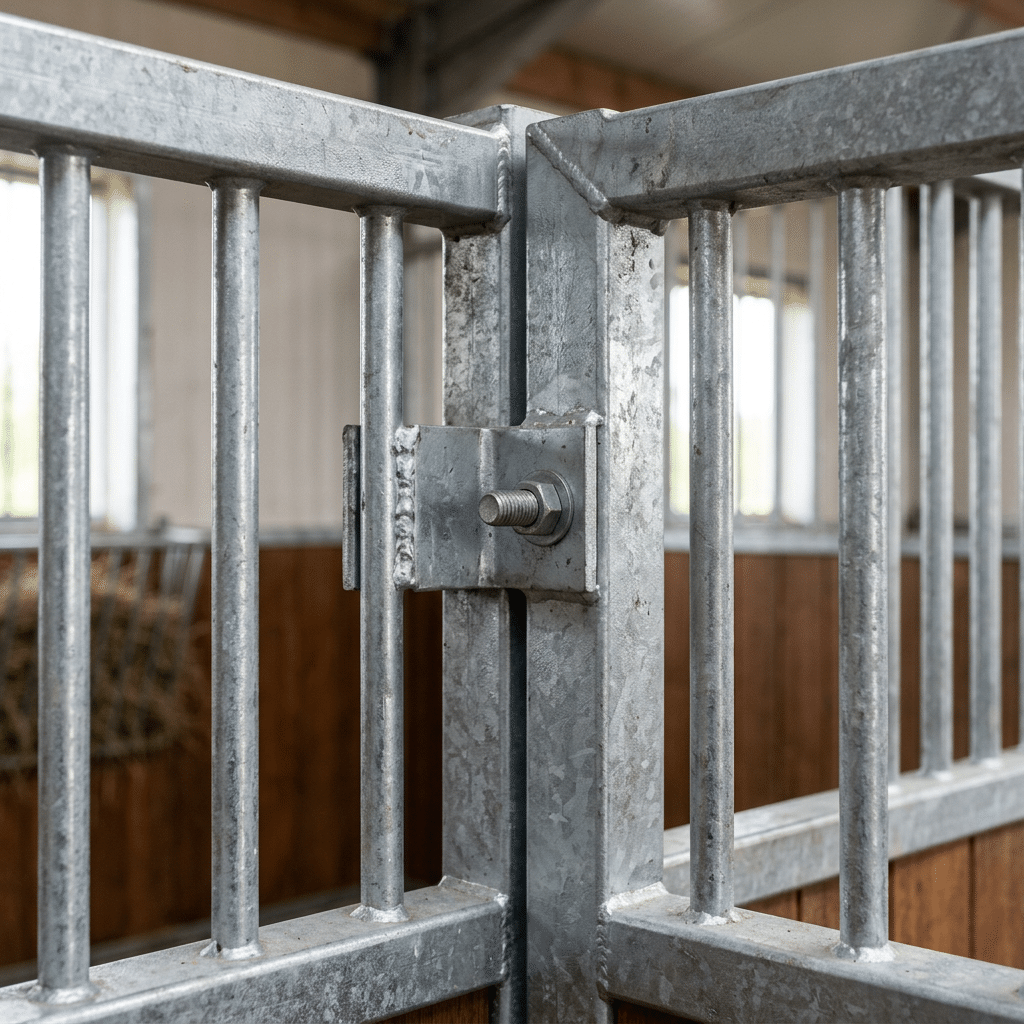
For Hippotherapy Centers, barn design directly translates to rider safety and operational liability. Choosing the wrong structural materials for ADA equipment or high-humidity environments leads to expensive retrofits and safety failures that can compromise the entire...
Principaux fabricants de stabulation en vrac pour les foires d'État et les centres d'exposition
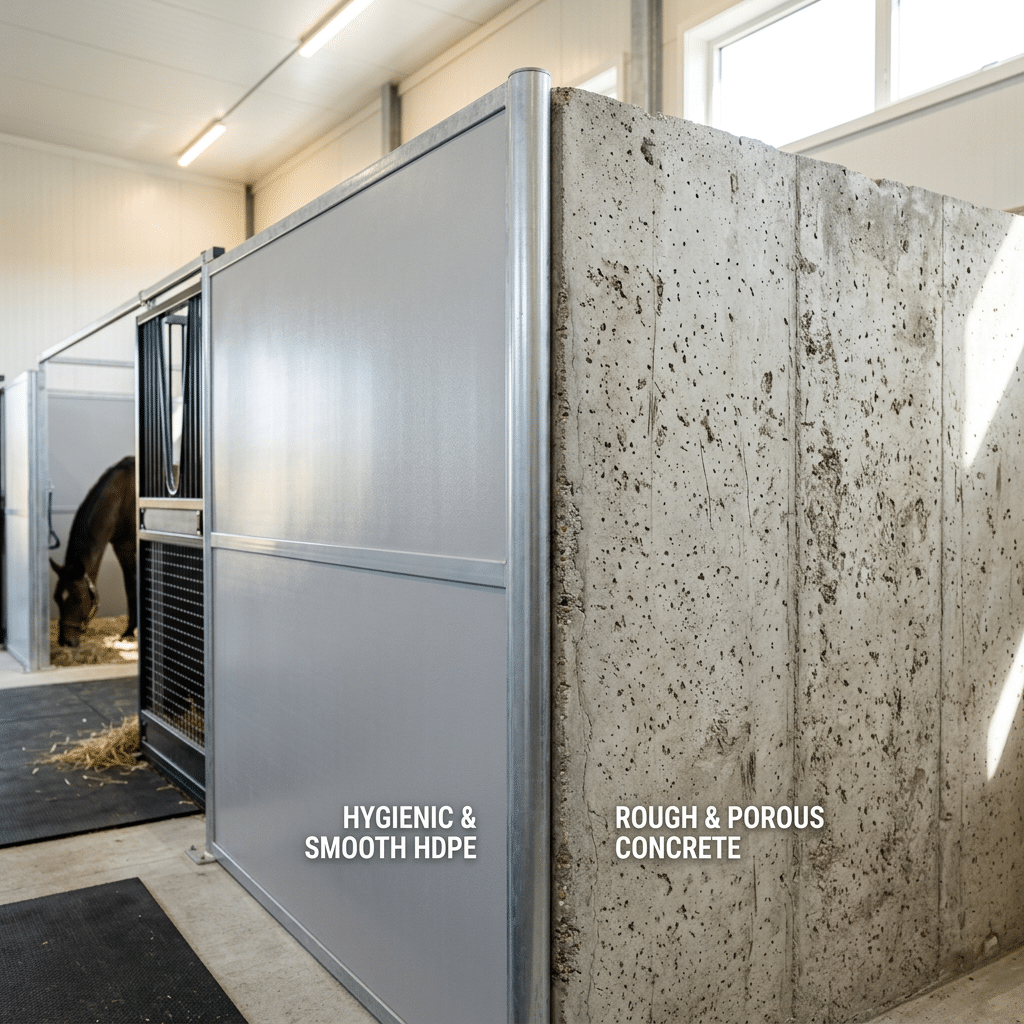
Securing durable temporary stabling for State Fairgrounds dictates the difference between a recurring operational expense and a revenue-generating asset. Relying on external rentals bleeds potential margins, while purchasing substandard fleet inventory invites rapid...
Principaux fabricants de stalles biosécurisées pour les centres d'importation de produits équins
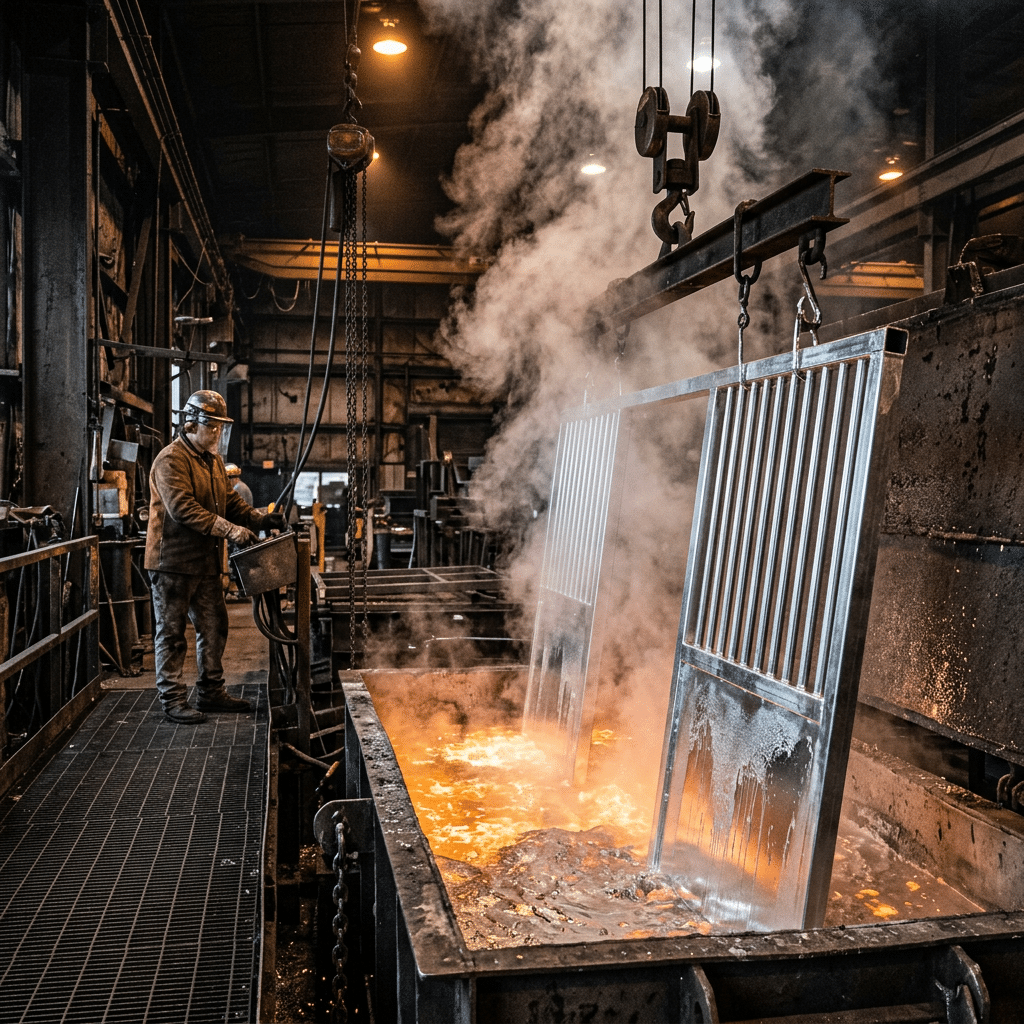
Border Quarantine efficiency relies entirely on infrastructure that eliminates pathogen retention and prevents costly transit delays. Facilities utilizing porous wood or standard powder-coated steel risk harboring diseases like Glanders, leading to immediate...
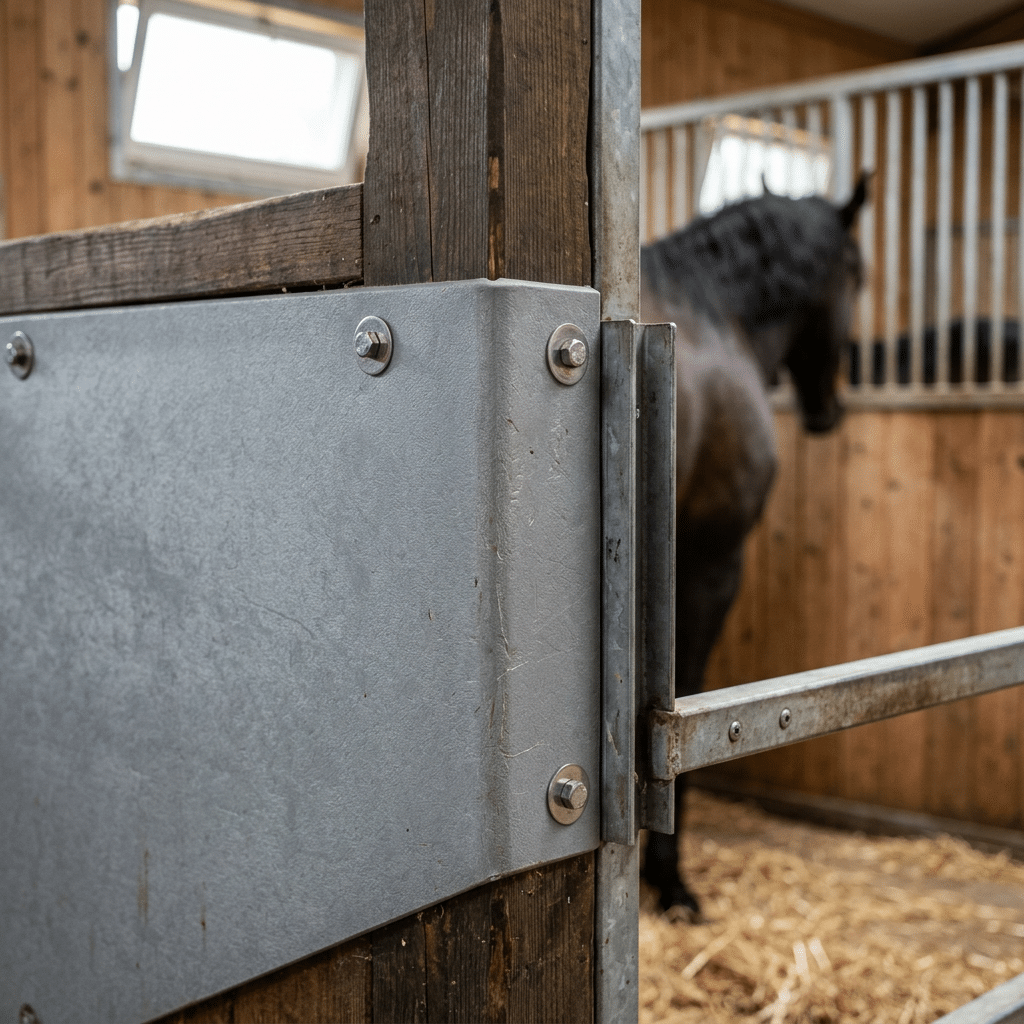
Architecture du sanctuaire : Des stabulations de grande capacité pour un budget non lucratif
For any Draft Horse Rescue, specifying the right stabling architecture is a critical financial decision. Traditional wood construction seems affordable upfront but creates a recurring maintenance trap, diverting donor funds away from animal care and into a constant...
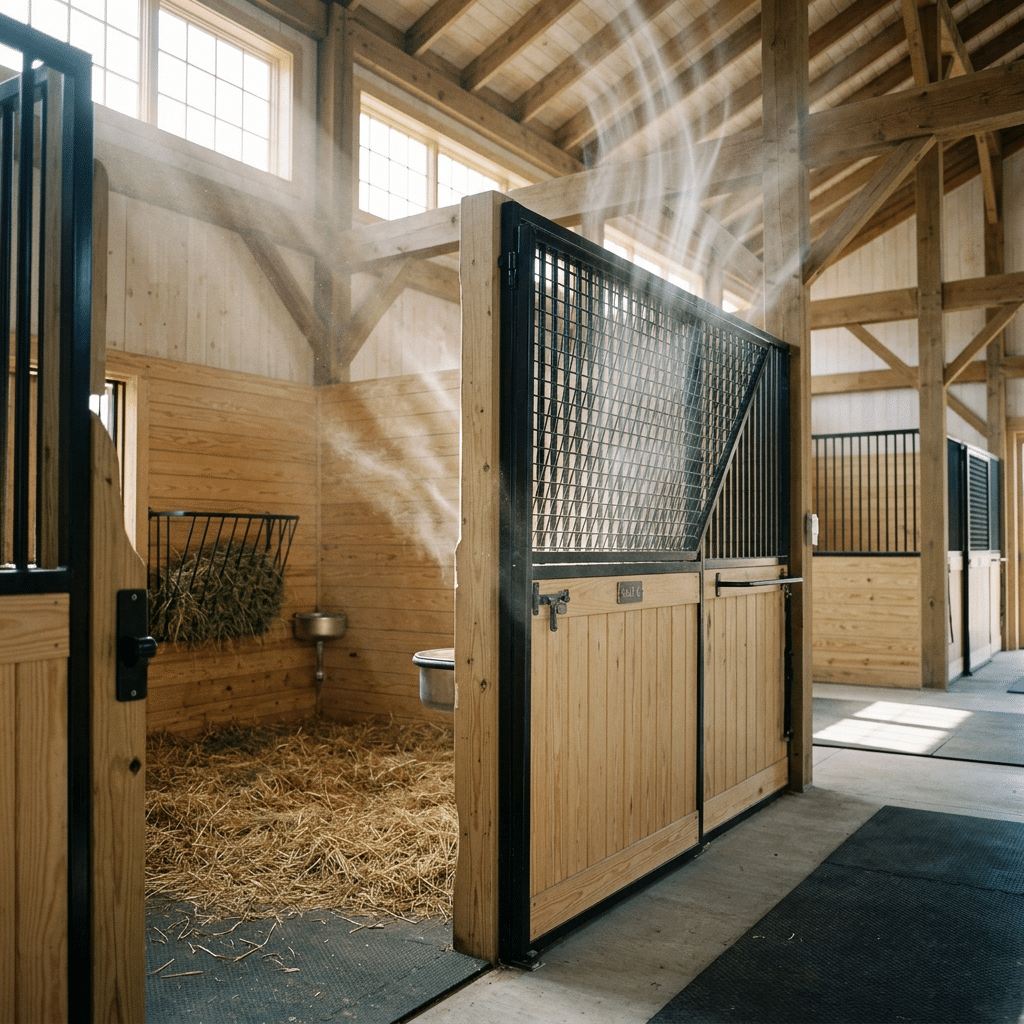
Stabulation institutionnelle : Spécifications blindées pour les équidés de la police et de l'armée
Police/Military HQ stabling procurement must prioritize structural resilience over agricultural standards to mitigate operational risk. Standard equipment often fails in humid or freezing climates, resulting in rapid material degradation, costly maintenance cycles,...
Top Luxury Stable Builders for 5-Star Equestrian Resorts & Spas
Sourcing Luxury Resort Stables demands infrastructure that withstands high-traffic abuse without compromising the premium aesthetic. While standard painted steel offers lower upfront costs, it often fails corrosion tests within months, forcing developers into...
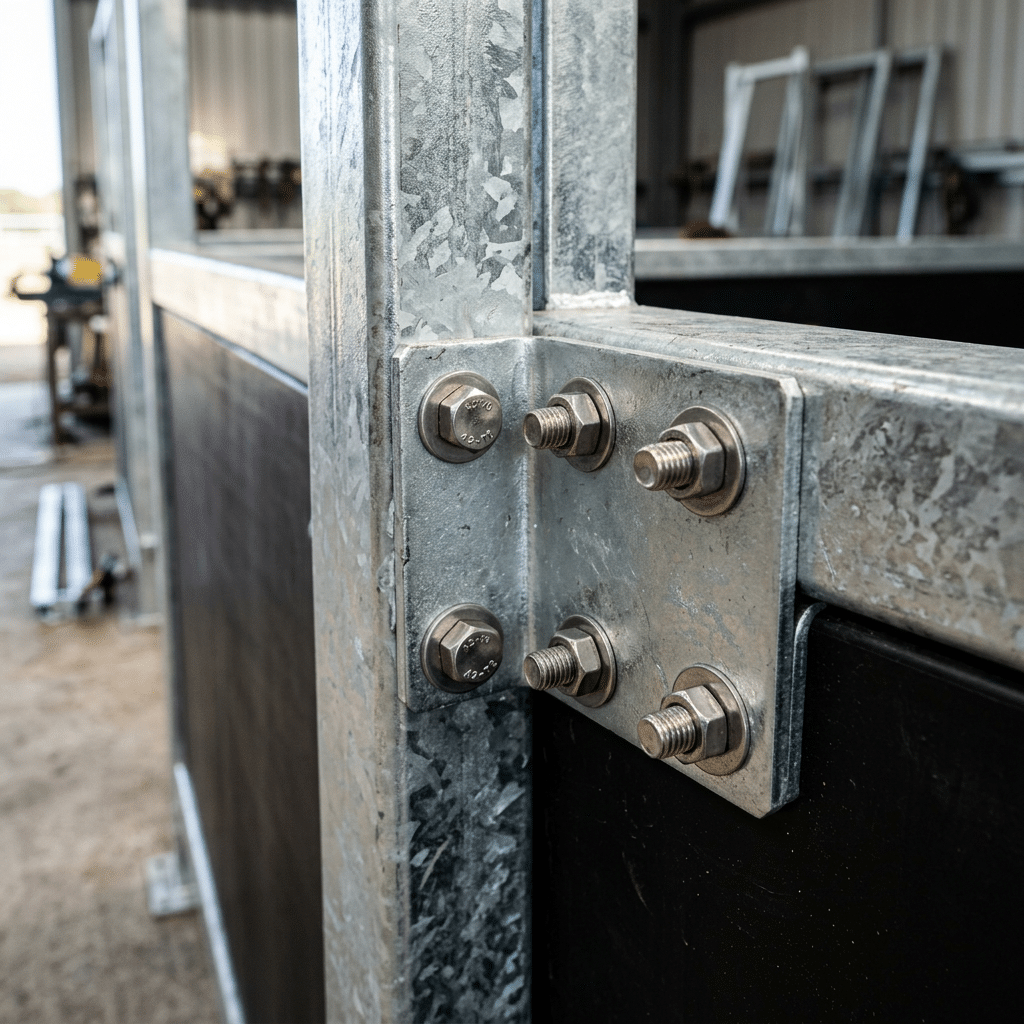
Principaux fabricants de stalles biosécurisées pour les centres d'importation de produits équins
Securing effective Border Quarantine infrastructure is the only barrier against costly facility shutdowns and catastrophic biosecurity breaches. Relying on standard pre-galvanized steel or porous wood in these high-pressure environments inevitably leads to corrosion...
Le retour sur investissement de la possession d'un parc d'écuries portables par rapport à la location pour des événements
Calculating true rental fleet ROI depends on mitigating two primary costs: asset degradation and logistics. Fleets using treated wood or pre-galvanized steel face constant maintenance burdens and high freight expenses, which systematically erode profit margins and...
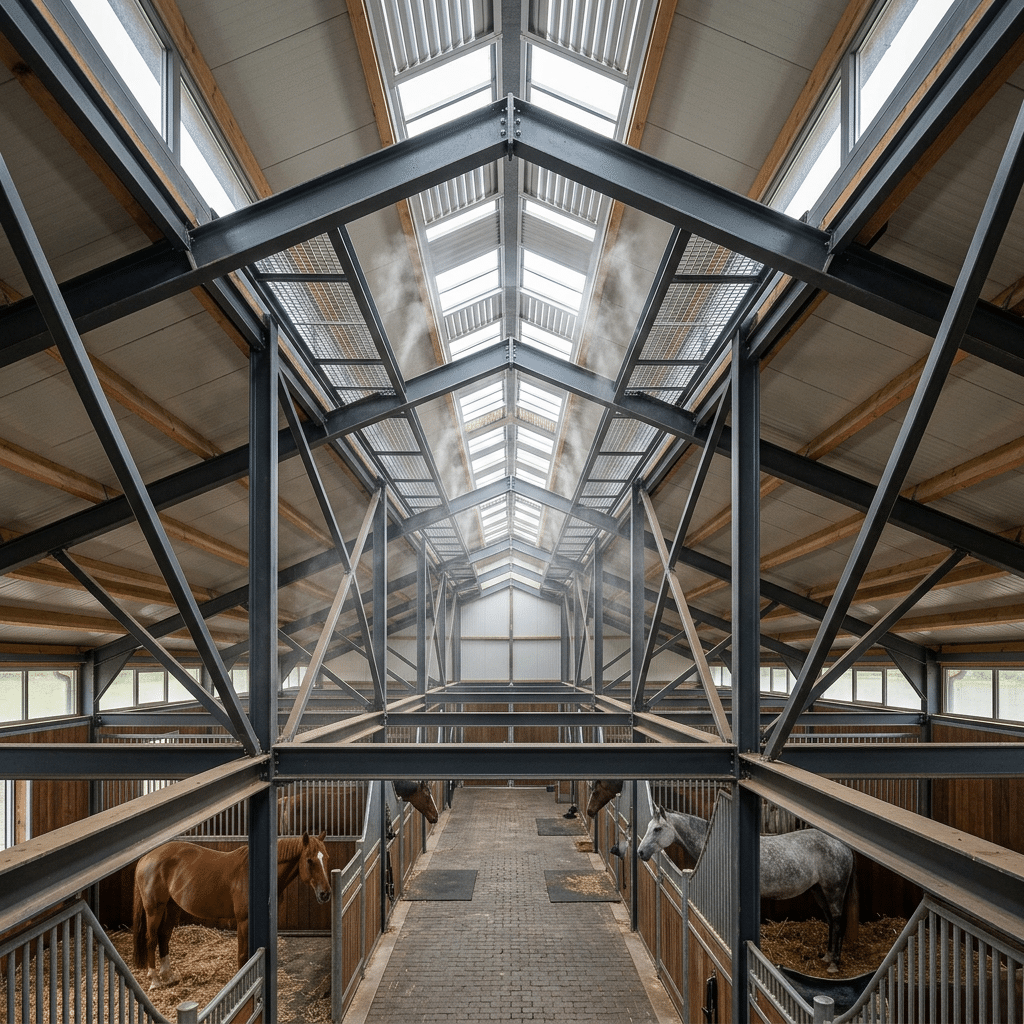
Top Luxury Stable Builders for 5-Star Equestrian Resorts & Spas
Sourcing Luxury Resort Stables is a capital-intensive decision where aesthetic failure directly impacts guest satisfaction and facility ROI. While standard barns suffice for agriculture, premier hospitality projects demand structures that withstand daily wash-downs...
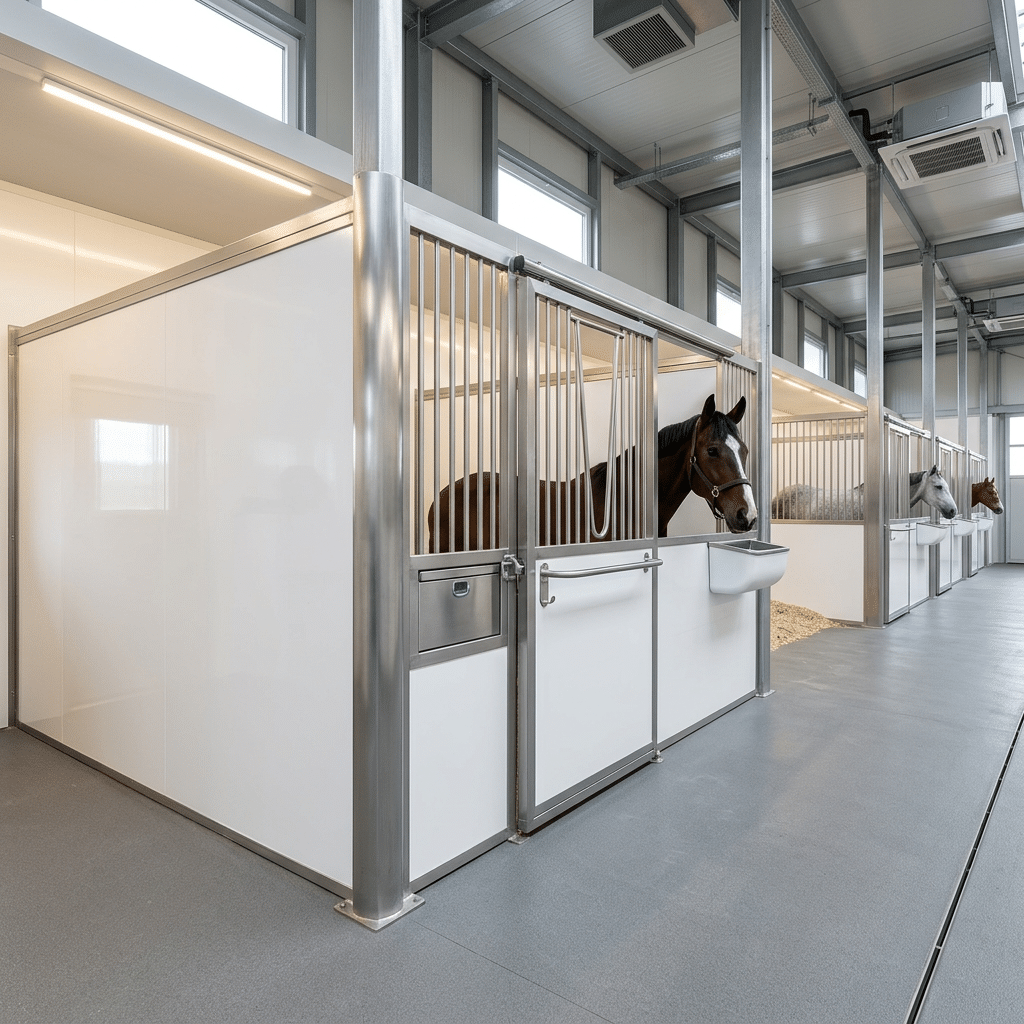
Best Modular Stall Suppliers for Multi-Species Farms (Horses to Alpacas)
Deploying Multi-Species Modular stabling is the only effective strategy to mitigate the liability of cross-species injury in mixed-use barns. While standard equestrian fronts usually prioritize equine dimensions, they create fatal entrapment zones for smaller...
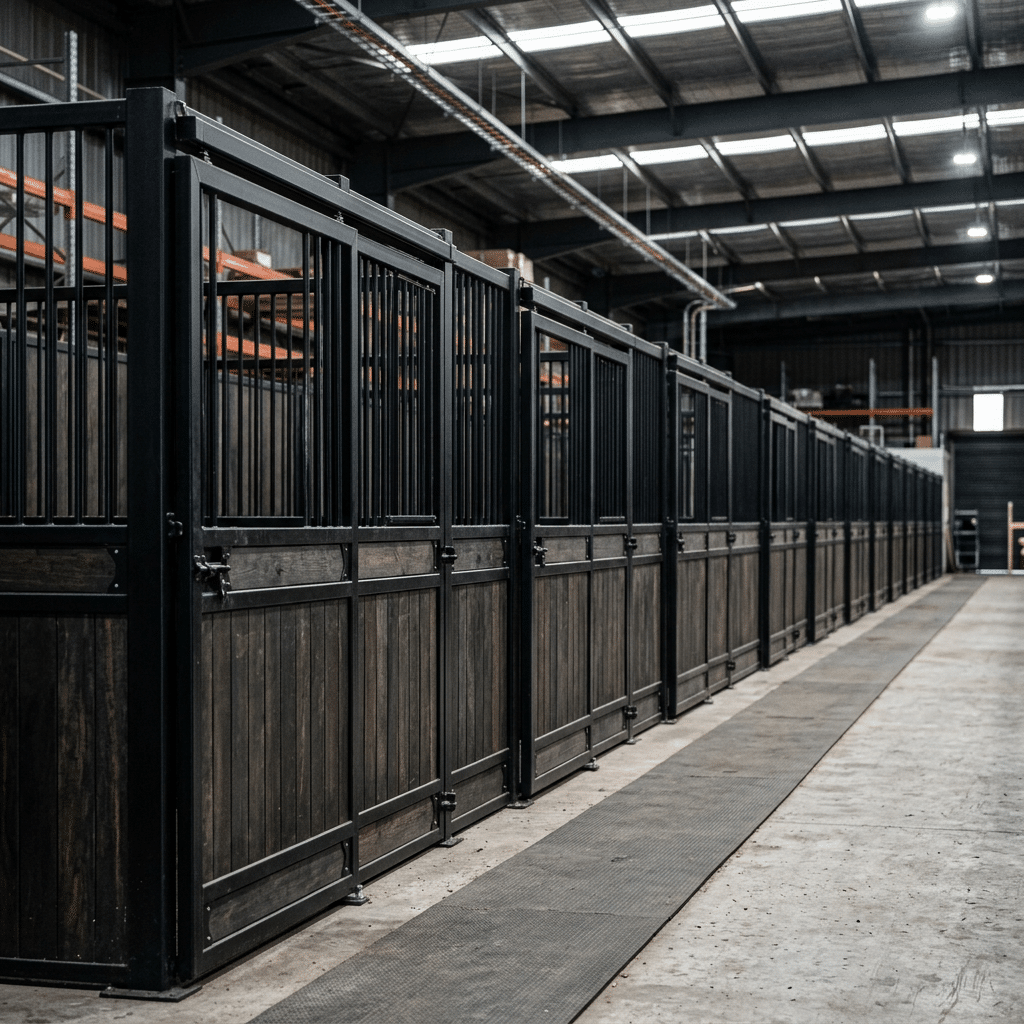
Drop-Pin vs. Bolted Portable Stalls: Shaving Days Off Assembly Time
Rapid Assembly (Pin-System) technology directly addresses the primary driver of event setup cost: labor hours. Bolted systems, with their reliance on tools and vulnerability to lost or corroded hardware, can turn a one-day job into a three-day project, inflating...
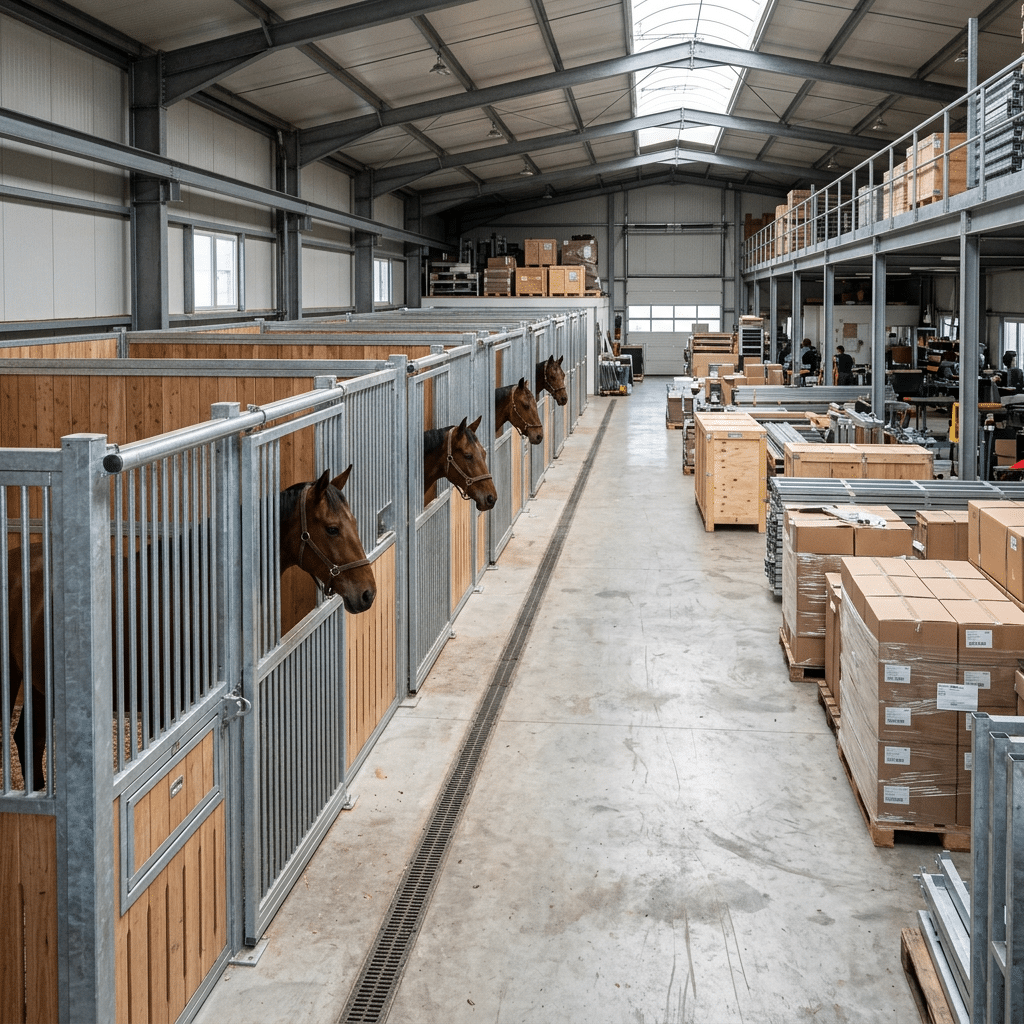
Touring Shows: The Flat-Pack Advantage for Transporting 200 Stalls
Efficient Touring Show Logistics for 200+ stalls is a direct function of freight density. Traditional welded stalls are a significant cost liability, cubing out a 40HQ container with just 12-15 sets. Tour managers pay full freight to ship mostly empty air, eroding...
Top Global Manufacturers of Horse Walkers and Lunging Pens
Selecting competent Horse Walker Suppliers is the primary defense against catastrophic infrastructure failure in high-volume training yards. While economy panels may reduce initial capital expenditure, they often buckle under impact, creating liability risks that...
Best Modular Stall Suppliers for Multi-Species Farms (Horses to Alpacas)
Multi-Species Modular sourcing strategy directly impacts facility safety records and operational flexibility. Standard equine stalls with 76mm gaps create lethal entrapment risks for alpacas and foals, exposing operators to significant liability and veterinary costs....
Biosecurity at Mega-Events: Rapid Sterilization of Temporary Stalls
Show biosecurity protocols often fail at the material level, exposing managers to significant liability. Common wood stalls absorb pathogens, making complete sterilization between uses impossible. This hidden risk can turn one sick animal into an outbreak, threatening...
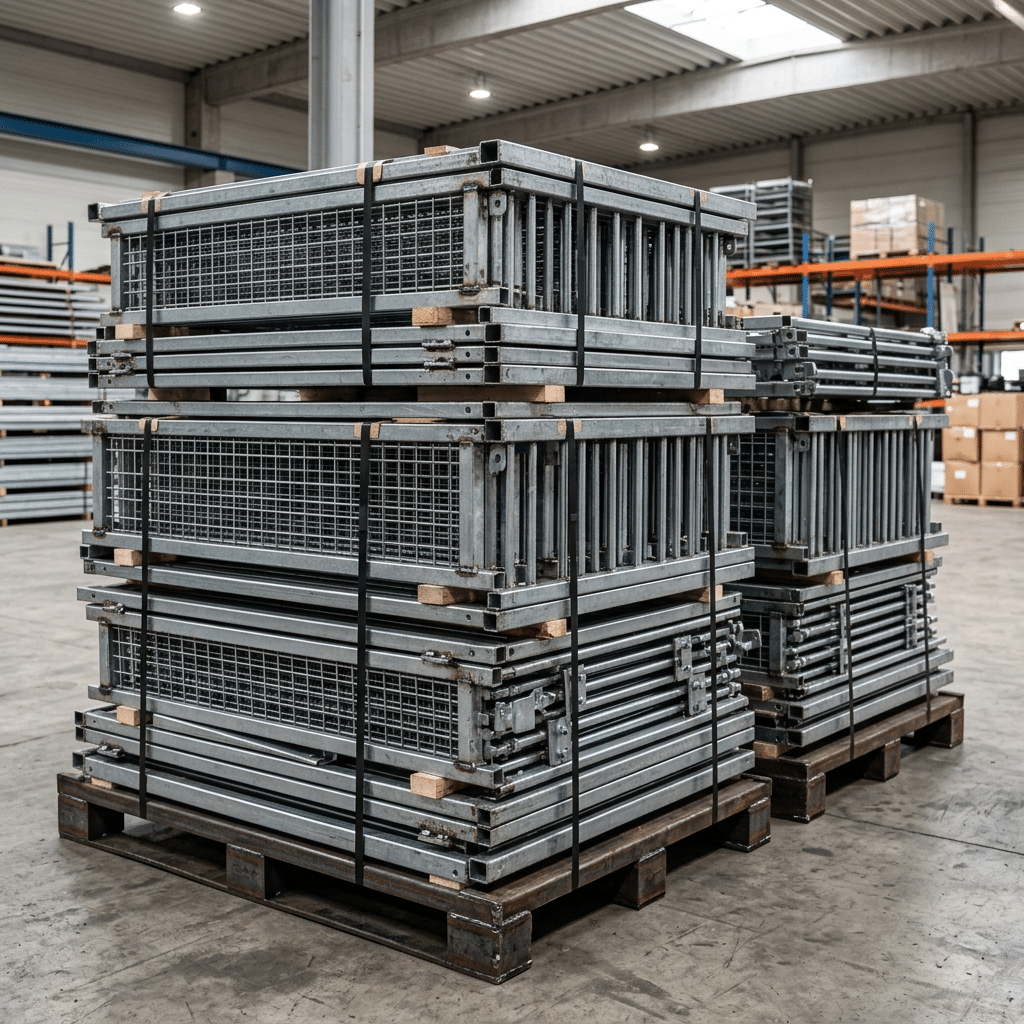
Les meilleures usines durables et stables pour la conformité ESG des entreprises
Validating ESG / Green Factories is the only safeguard against the rising financial risk of carbon compliance litigation. While traditional welded timber options appear cheap, they fail to meet modern Scope 3 emission standards, creating significant liabilities for...
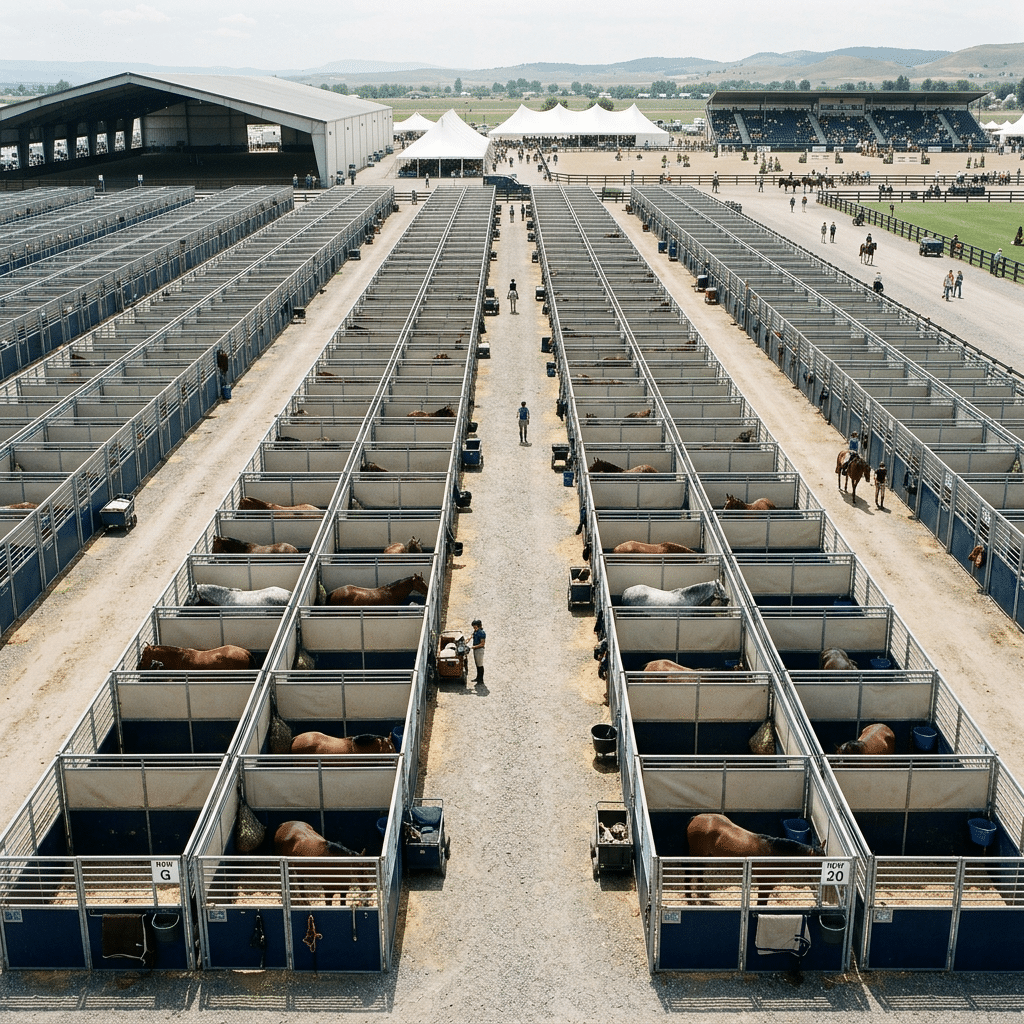
Top Global Manufacturers of Horse Walkers and Lunging Pens
Selecting reliable Horse Walker Suppliers is the primary defense against liability claims and spiraling maintenance overhead. Generic manufacturers often utilize thin, pre-galvanized tubing to lower upfront prices, but these units inevitably corrode at weld points and...
Containing the Panicked Horse: Why Event Stalls Need 14-Gauge Steel
Stressed horse safety at events depends on a specification most suppliers fail to mention: steel wall thickness. Sourcing stalls with under-gauged tubing is a direct route to equipment failure. A single panic kick can fracture thin-walled steel, creating a liability...
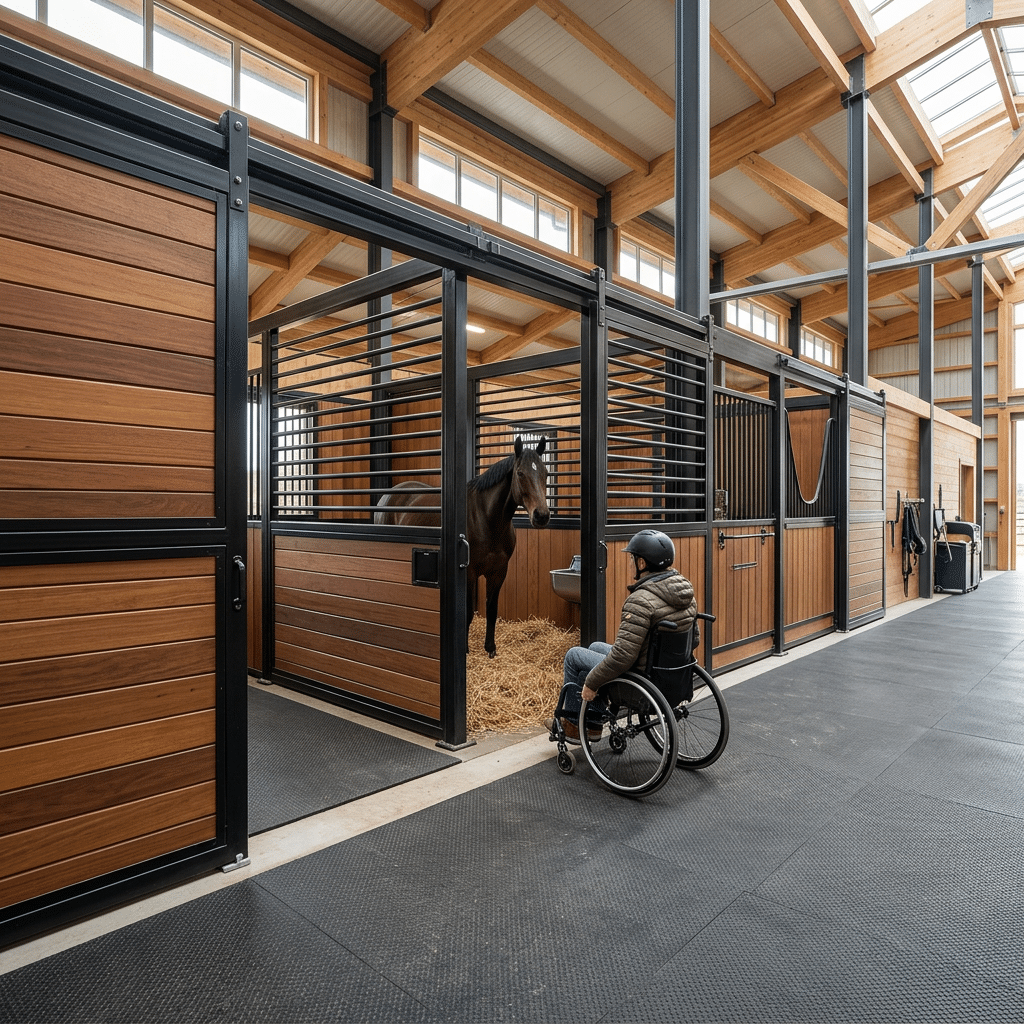
Designing Equine Rehabilitation Centers: Stalls for Hydrotherapy & Recovery
Equine Rehab Centers fail financially when material selection ignores the aggressive reality of hydrotherapy environments. Specifying standard timber for wash bays creates a bacterial sponge that compromises biosecurity and forces expensive retrofits within thirty...
 French
  English
  Spanish
  Arabic
  German