


Blog
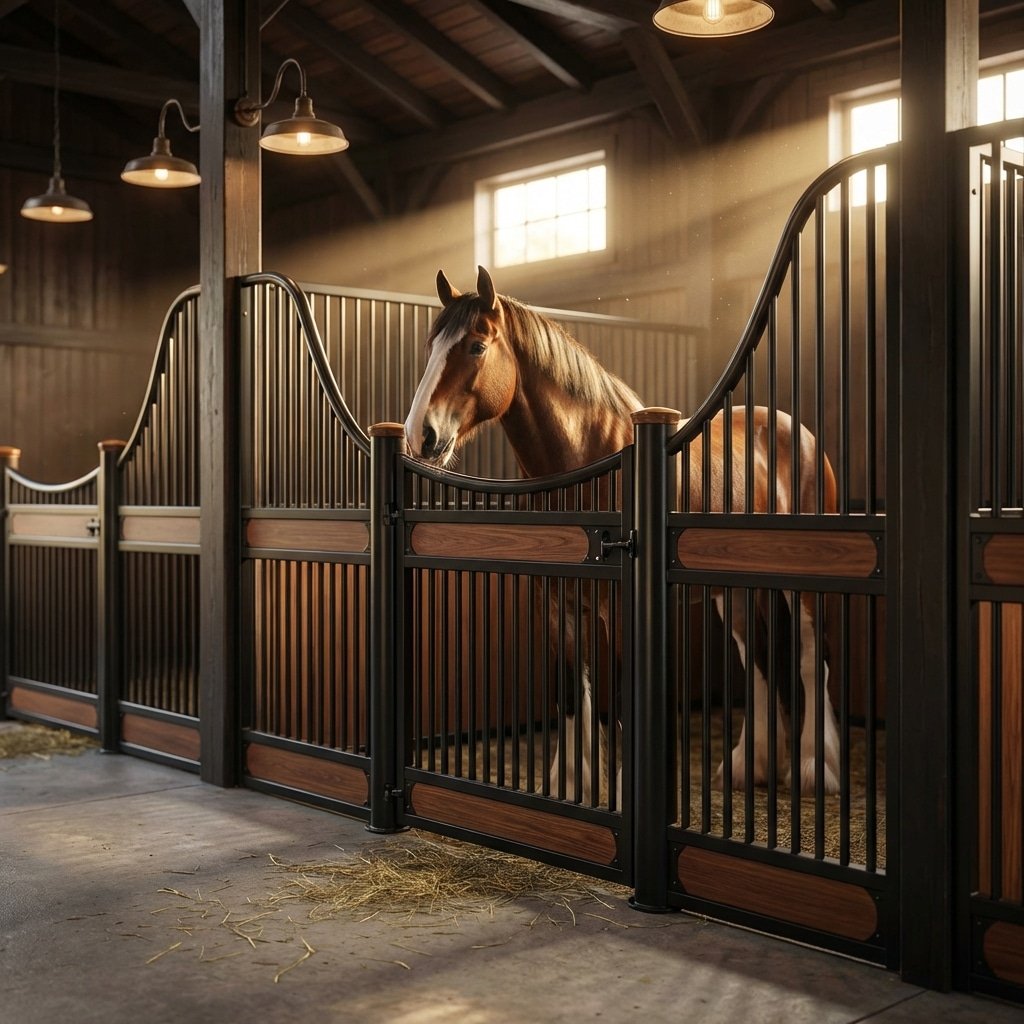
Draft Horse Stalls: Why 14-Gauge Stall Panels Are Mandatory
Housing draft horses in standard agricultural fencing creates an immediate liability risk for breeders and facility managers. When a 2,400lb animal leans against typical 1.6mm tubing, the structural failure often results in catastrophic injury and expensive veterinary...
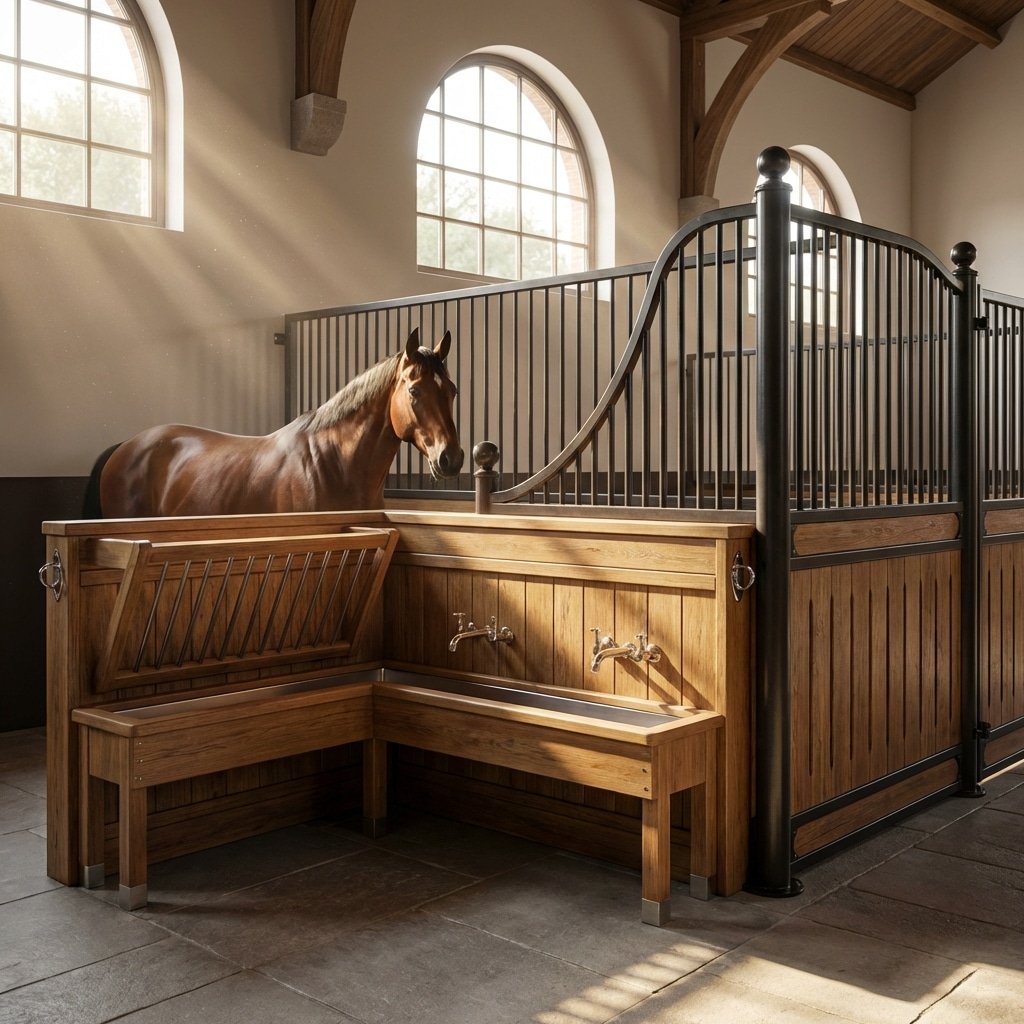
Corner Feeders vs Flat Wall Feeders in Horse Stalls
Premium Modular Stables Built For Decades Maximize facility ROI with hot-dipped galvanized steel frameworks proven to resist rust for 20 years. Reduce labor costs with modular designs that install 30% faster than standard units. Request Wholesale Pricing...
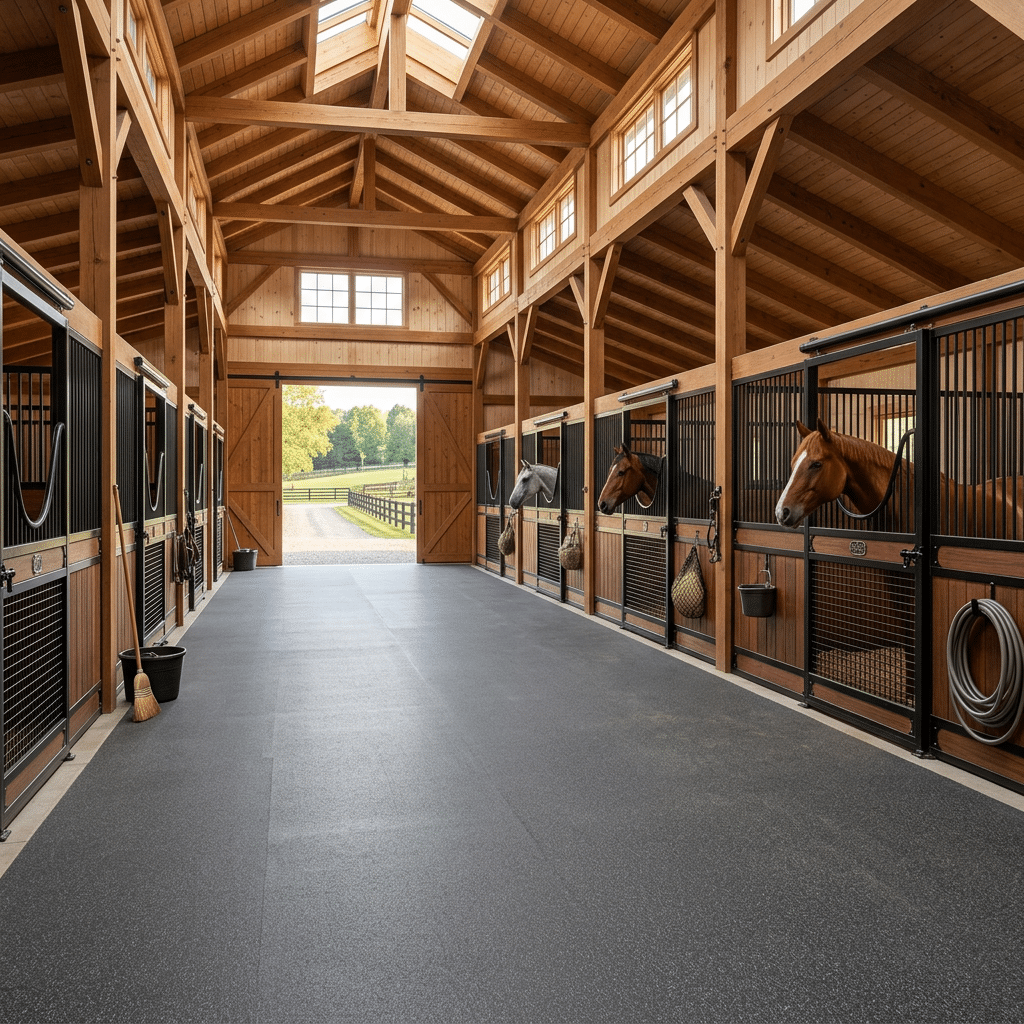
How to Design Efficient Small Horse Stables: 5 Floor Plans for 2026
Choosing the right small horse stable floor plans is a critical decision that dictates long-term animal health and operational costs. A flawed layout that neglects core airflow principles leads to chronic respiratory disease, trapping ammonia and pathogens at stall...
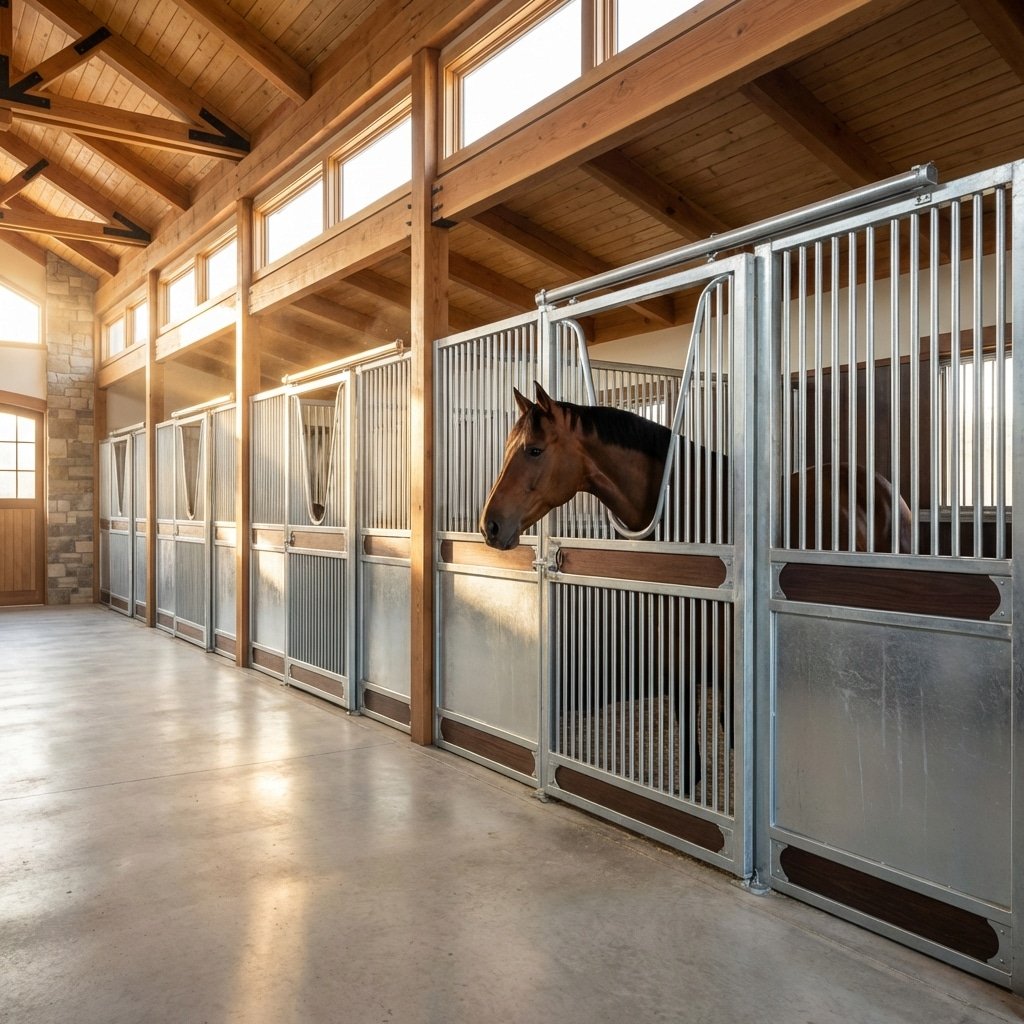
La flota multiespecie: Alquiler cruzado de establos para exposiciones de alpacas y ganado
Cross-Renting temporary stabling inventory is the only viable strategy to eliminate seasonal asset depreciation. Restricting your rental fleet to single-species equine events leaves capital sitting idle during lucrative cattle or alpaca shows. Expanding into...
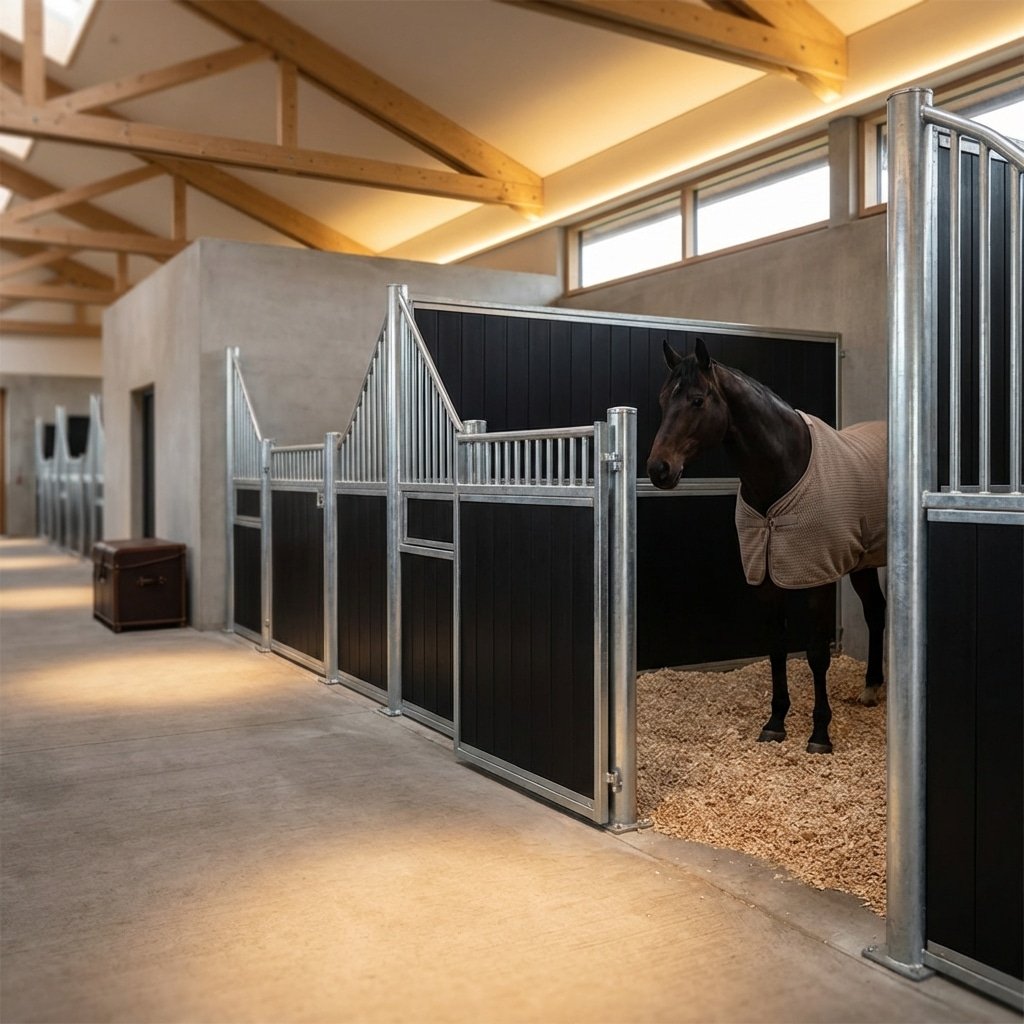
Solid Horse Stall Dividers: Stopping Fence-Line Aggression
Aggressive horses are a facility liability that transforms standard stall partitions into sources of costly veterinary claims. When boarding barns rely on open-bar designs, they invite fence-line battles that damage infrastructure and erode profit margins through...
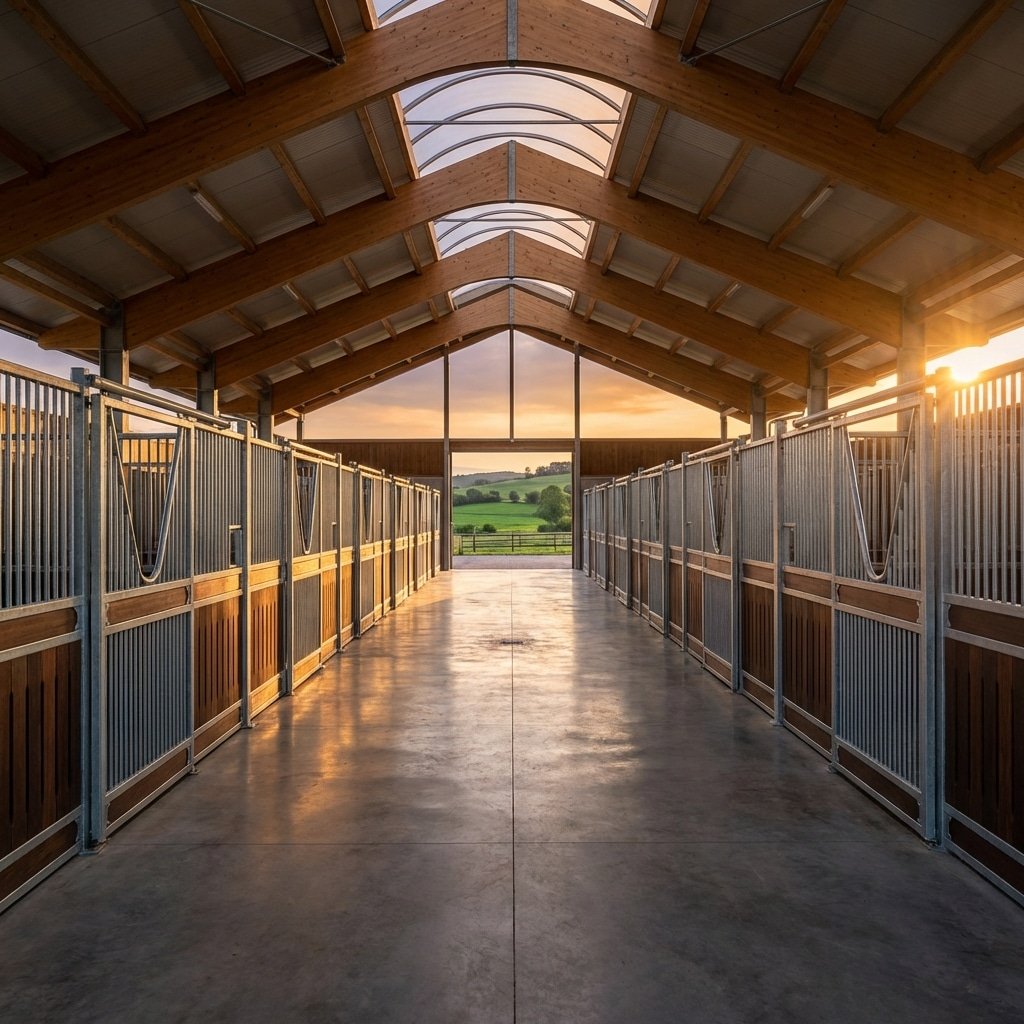
Contratación B2B: Financiación y amortización de una flota de 500 puestos de alquiler
Fleet Financing for high-volume rental inventories is a precise balance of capital preservation and asset longevity. Securing funding for a 500-stall deployment fails if the underlying asset depreciates faster than the loan term due to corrosion or structural failure....
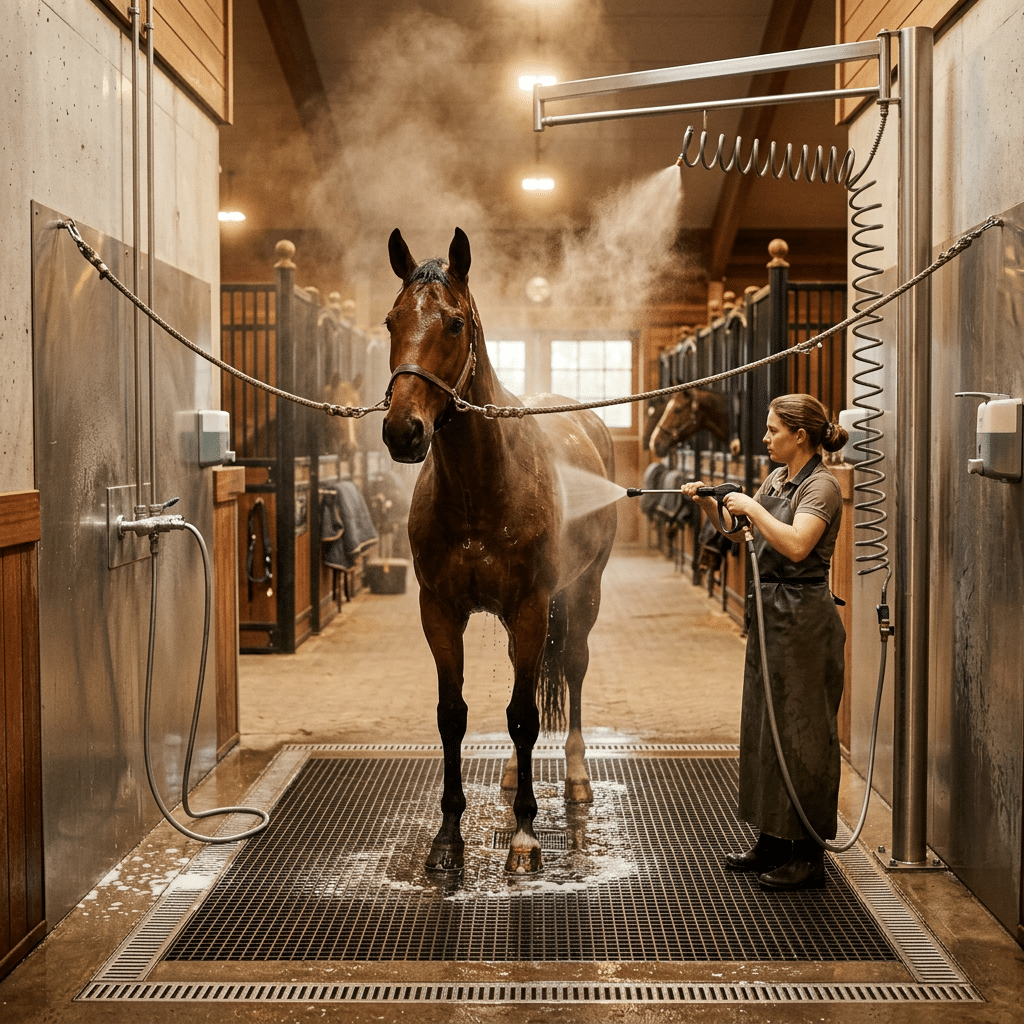
Los mejores kits de boxes para caballos de 2026: análisis de un constructor
Sourcing the right horse stall kits is essential to prevent costly client callbacks from premature rust and structural damage. Kits using inferior, pre-galvanized steel often fail in high-ammonia barn conditions, forcing expensive repairs that destroy a...
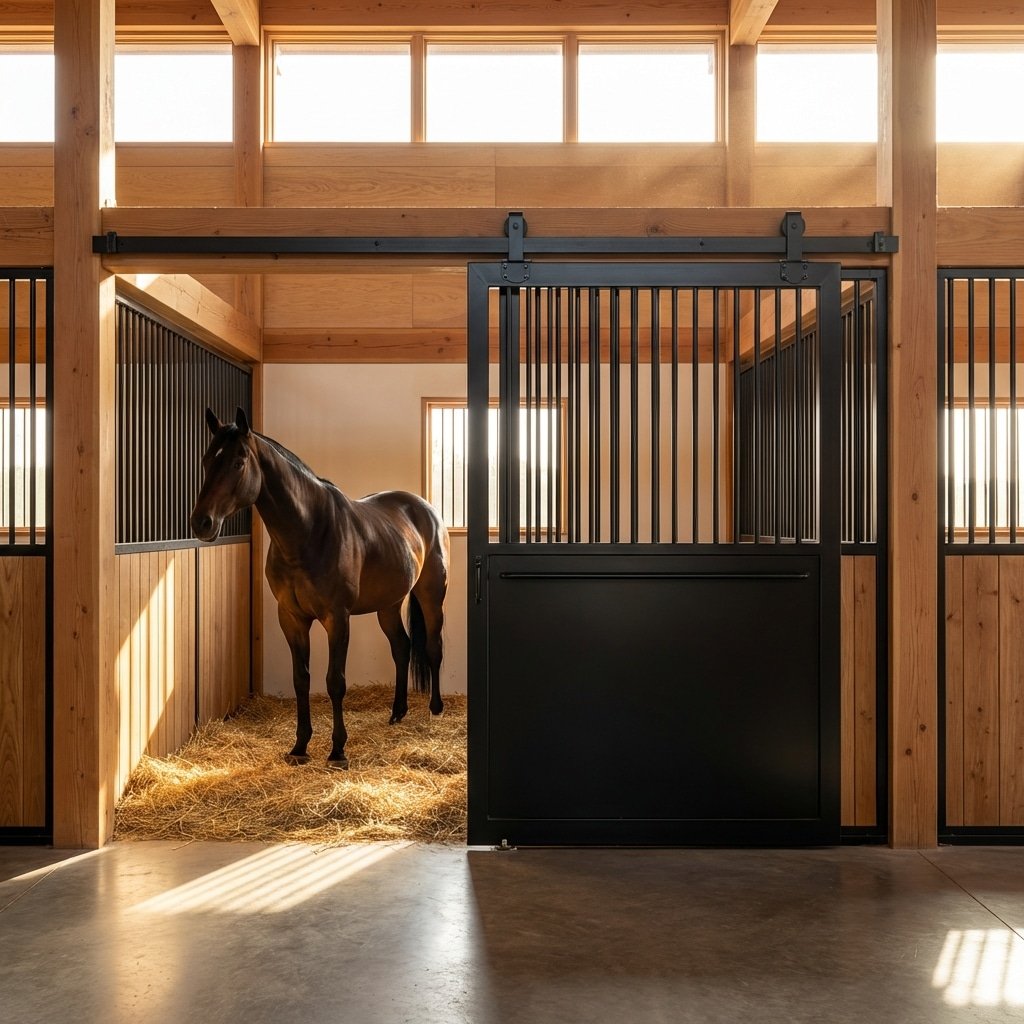
Por qué las puertas correderas para establos NUNCA deben tener un riel en el suelo
Floor Tracks Rust inevitably when exposed to the ammonia-rich slurry found in active horse stables. Installing bottom U-channels creates a drainage failure point that accelerates corrosion and seizes door mechanisms. For contractors, this design error guarantees...
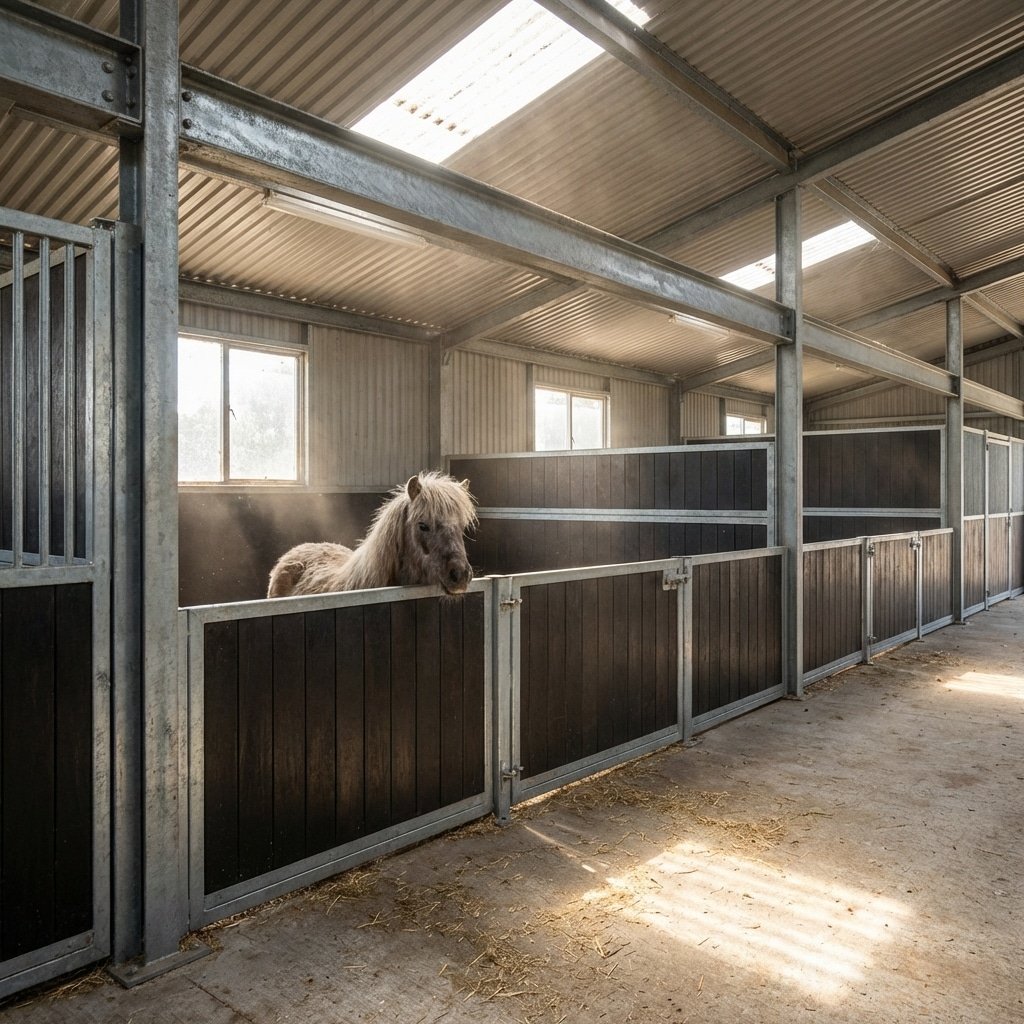
Caballerizas de altura personalizada: Bajar la parte delantera del establo para razas pequeñas
Stabling Miniature Horses in standard equine infrastructure creates an immediate liability for commercial breeders and facility managers. Standard 3-inch grill spacing often traps small hooves, while high solid walls block sightlines, triggering stress-induced vices...
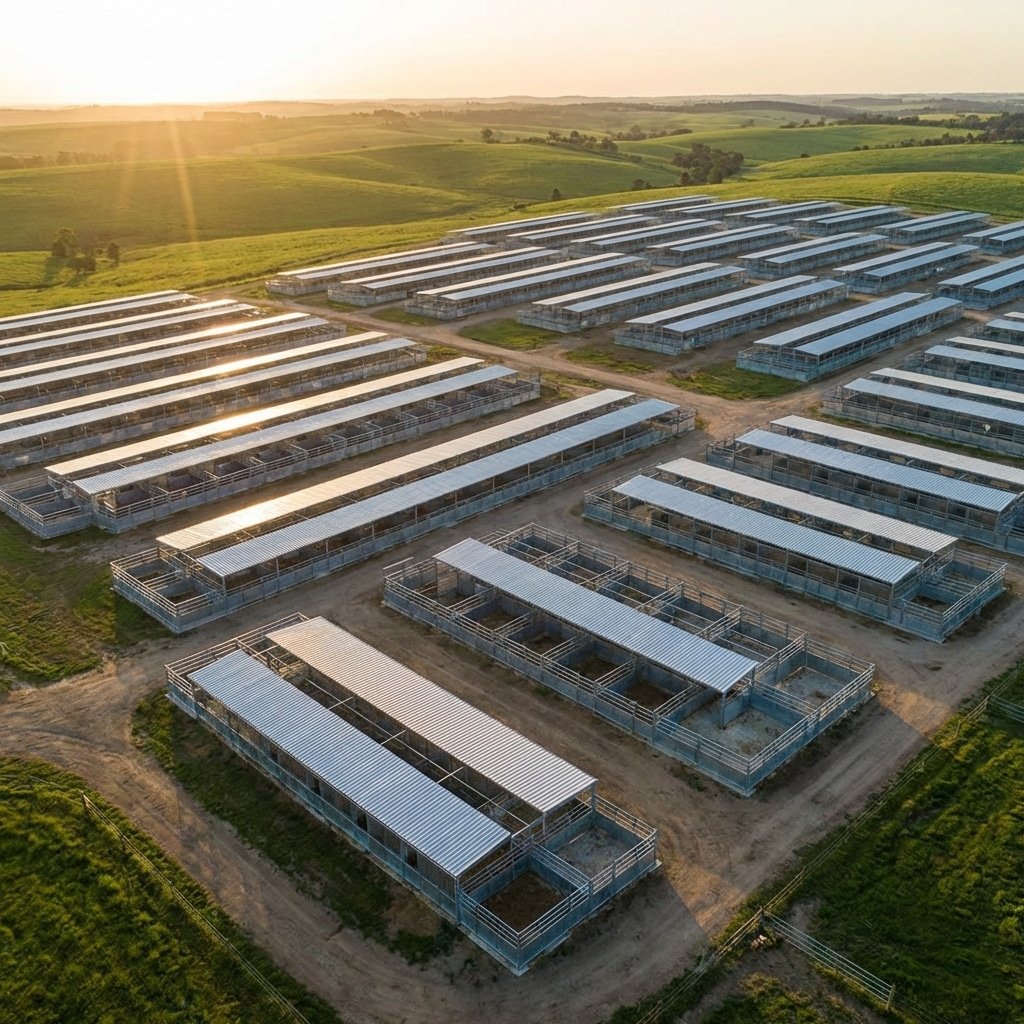
Contratación B2B: Financiación y amortización de una flota de 500 puestos de alquiler
Fleet financing for a 500-stall rental inventory determines whether your deployment is a scalable asset or a rusting liability. Lenders increasingly scrutinize asset durability, meaning standard painted frames often fail to meet the depreciation schedules required for...
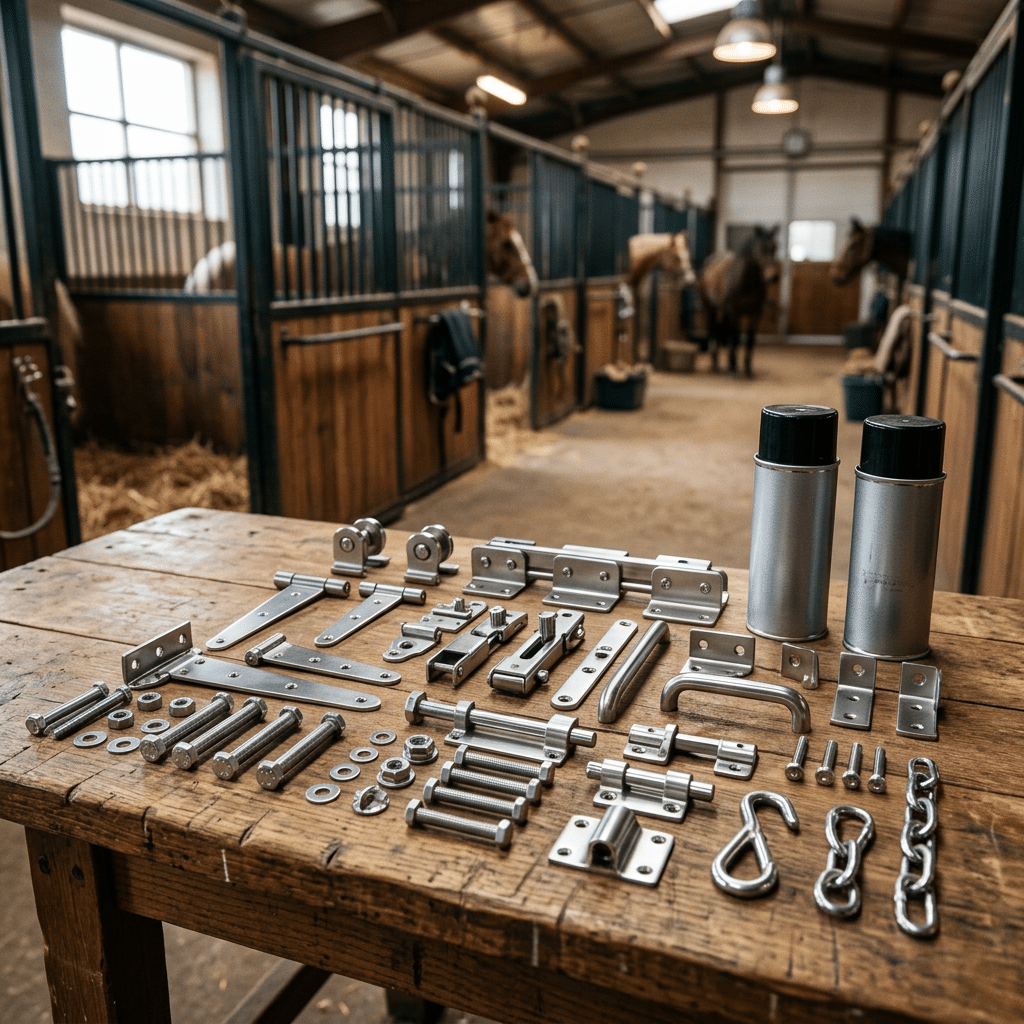
Boxes portátiles frente a establos permanentes: ¿Cuál dará mejor rendimiento en 2026?
Sourcing the right portable horse stalls is a critical ROI calculation where the initial unit price often hides the true cost. Most systems suffer from two major profit drains: inefficient logistics that limit container loads to just 15 sets and premature rust that...
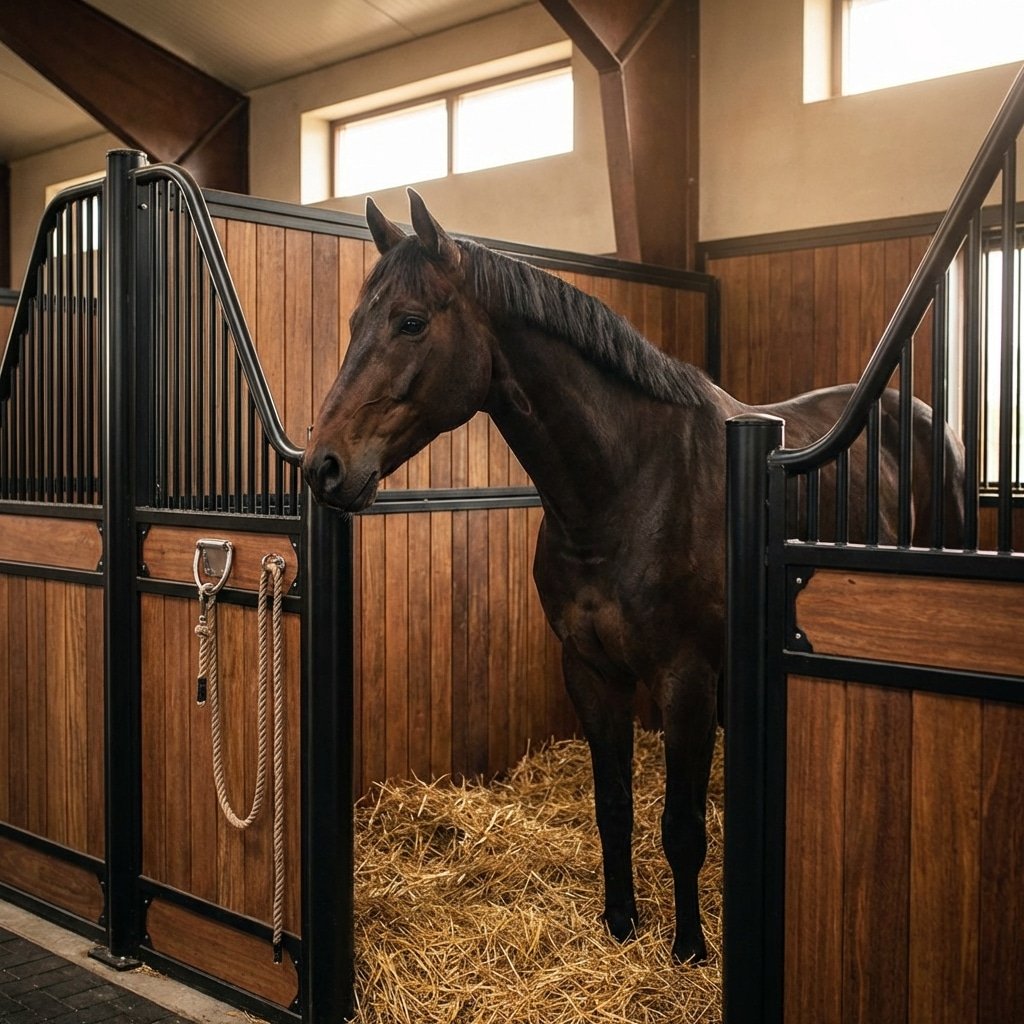
Tying Horses Inside the Stall: Safe Heights for D-Rings
Improperly positioned Inside Tie Rings are a leading cause of avoidable mechanical injury in high-traffic equine facilities. Placing hardware below the chest line creates a slack trap that risks career-ending tendon damage and significant veterinary liability. This...
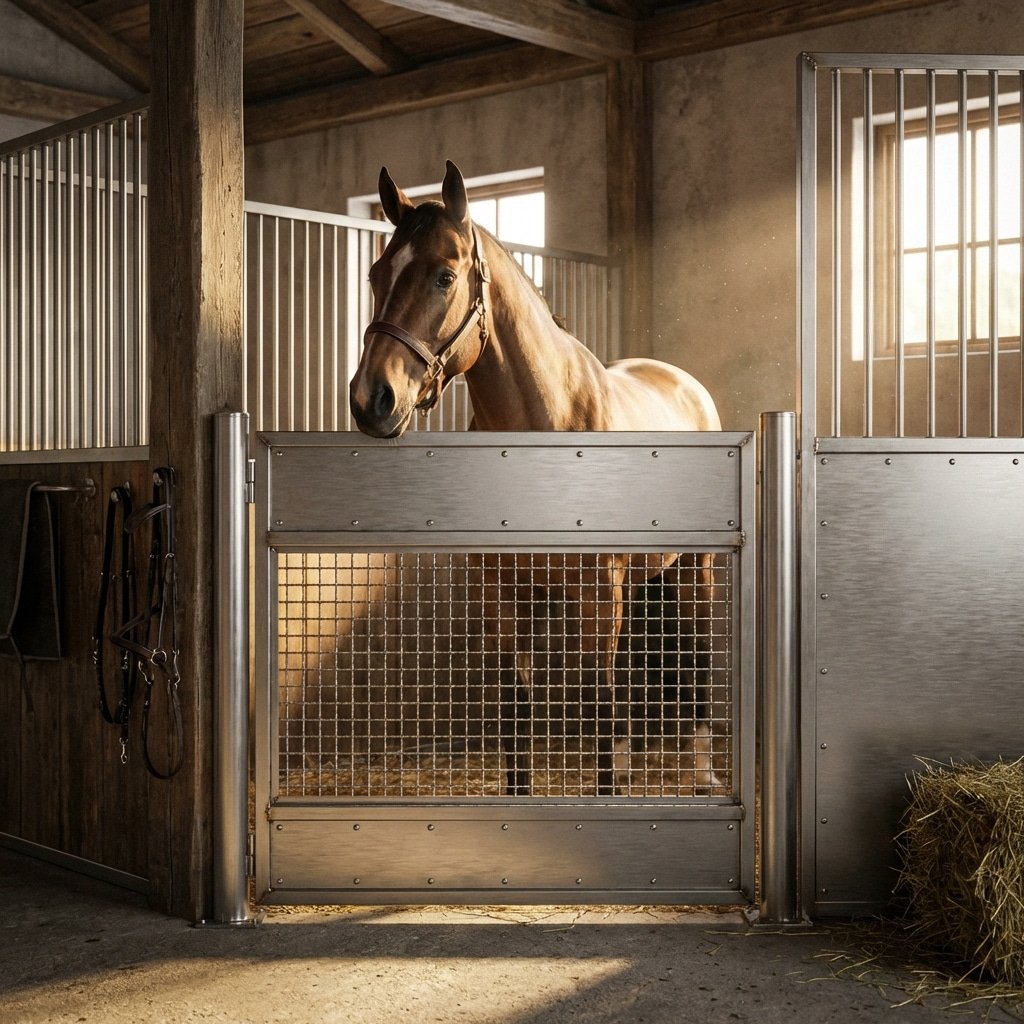
Half-Mesh Horse Stall Panels: Curing the Anxious Weaver
Managing destructive Weaving Habits is a structural challenge that exposes the weakness in standard stable engineering. Continuous lateral swaying fatigues generic welds and timber walls, leading to costly facility repairs and compromised animal safety. This guide...
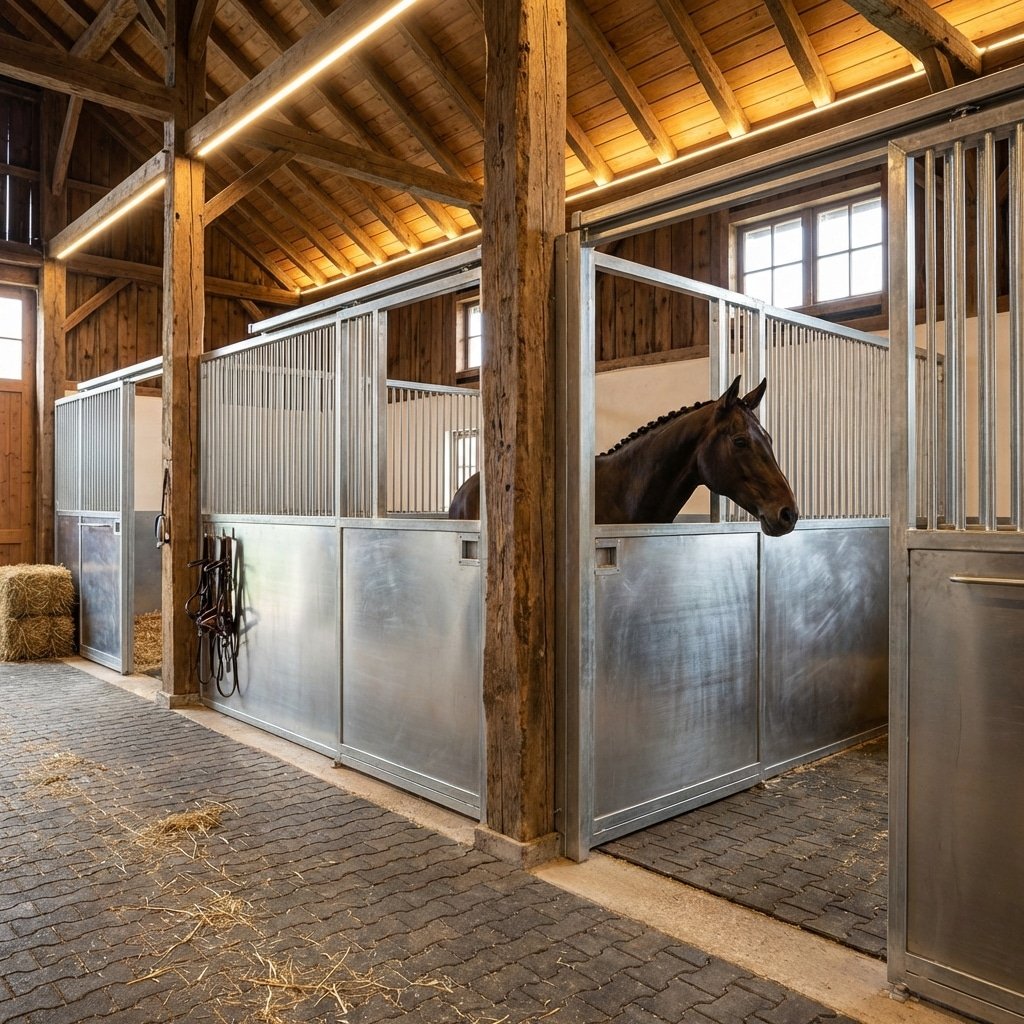
Installing Horse Stall Panels Around Existing Barn Pillars
Pillar wrapping techniques distinguish successful barn renovations from structural liabilities. Cutting a load-bearing 6×6 post to fit a standard stall front voids insurance policies and destroys the building’s vertical load path. This error shifts weight to trusses...
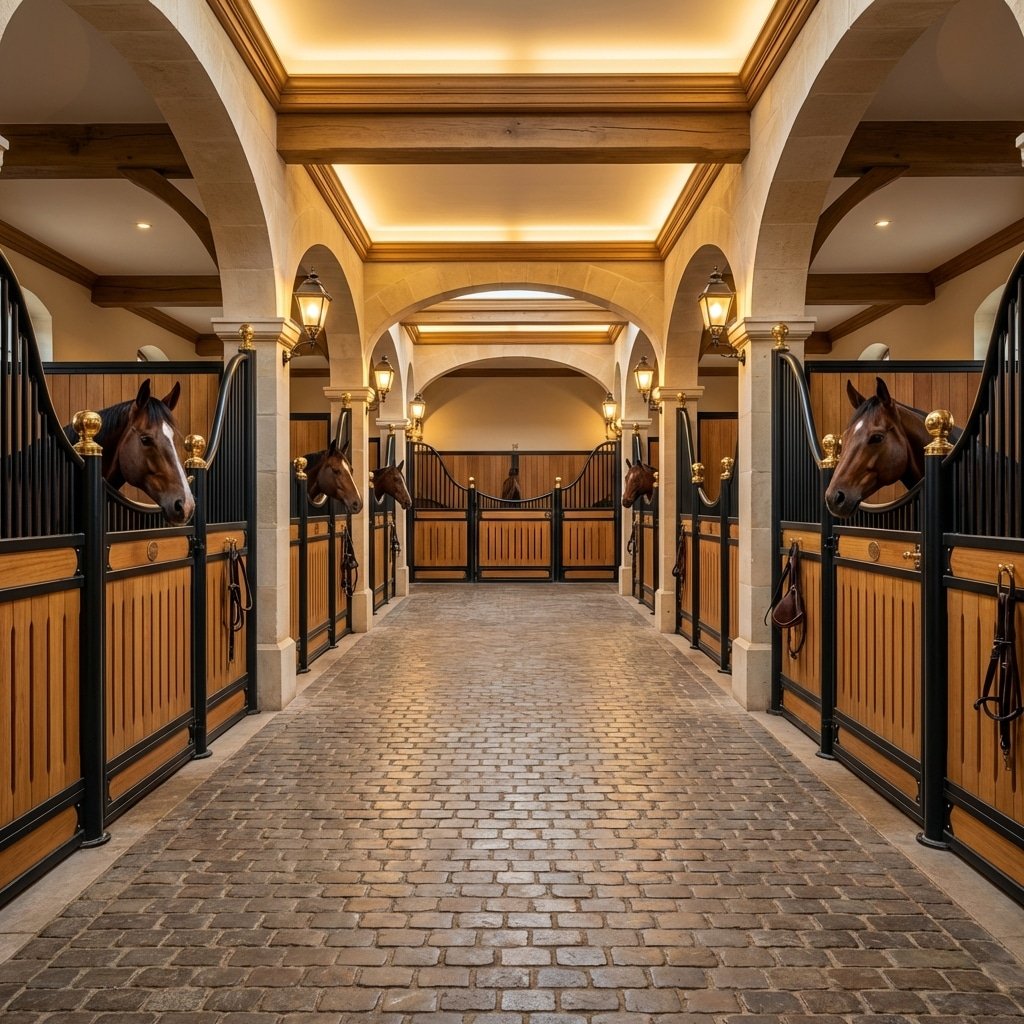
French Equestrian Elegance: Bamboo Horse Stall Fronts vs. Oak
Sourcing equestrian infrastructure for France requires balancing the aesthetic legacy of the Ancien Régime with modern industrial longevity. Relying on traditional oak or standard painted steel invites rapid warping and corrosion, costing estate managers significantly...
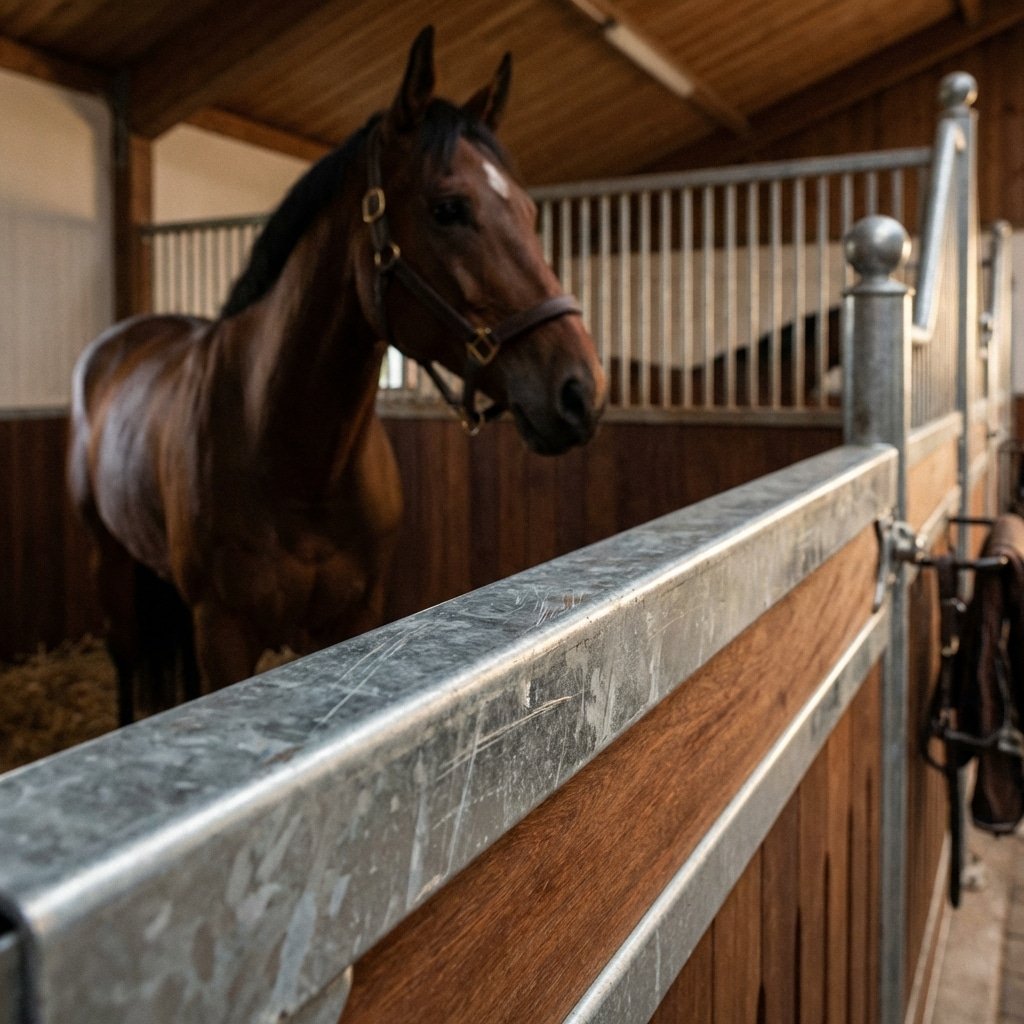
U-Channel Horse Stall Caps: Stopping Wood Chewing Instantly
Uncontrolled cribbing & chewing destroys stable infrastructure and exposes horses to fatal impaction colic. Relying on topical pastes creates a dangerous maintenance gap, as saliva and rain wash away deterrents long before the behavior stops. Without physical...
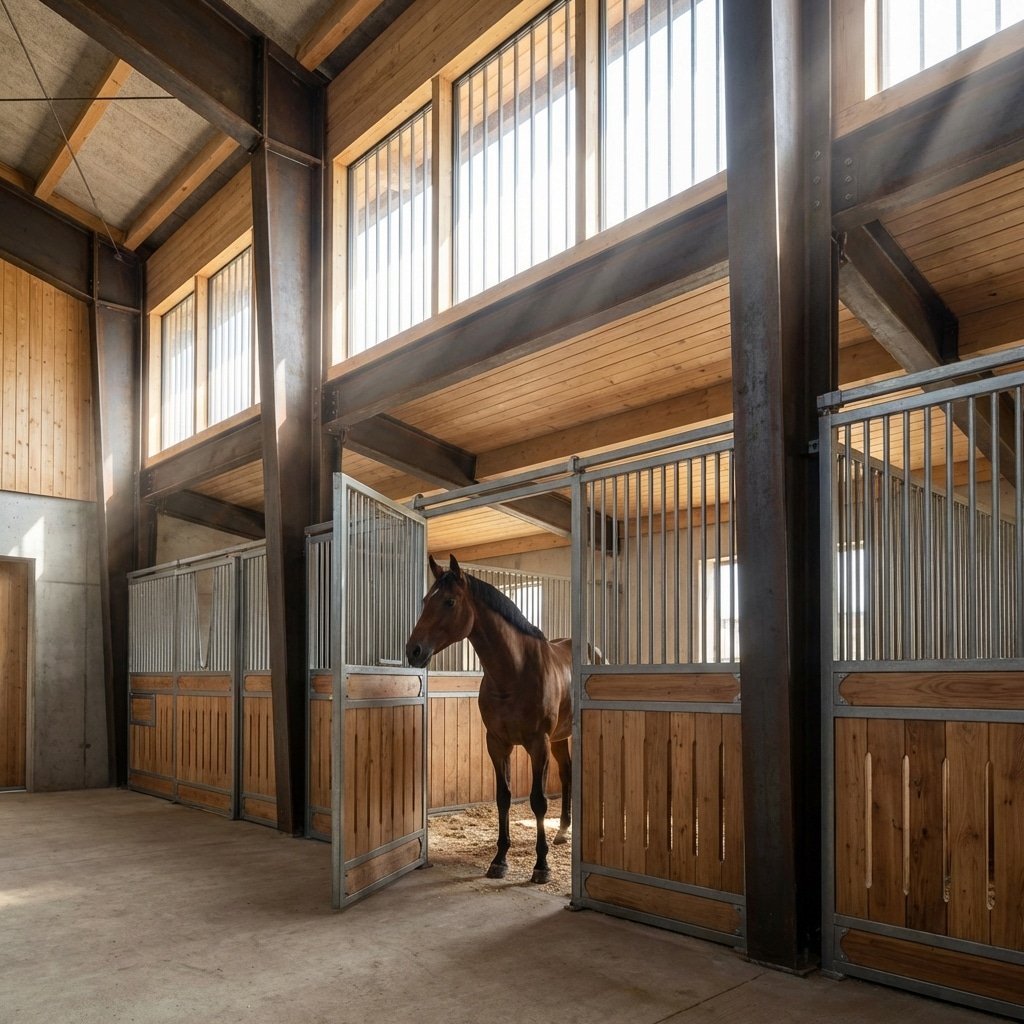
Are Stall Guards (Webbing) Safe to Use as Stable Doors?
Determining if stall webbing safe configurations exist is critical for barn operators balancing summer ventilation with liability. Fabric guards lack the rigidity of steel, often causing squeeze-under accidents that result in severe veterinary costs. We contrast...
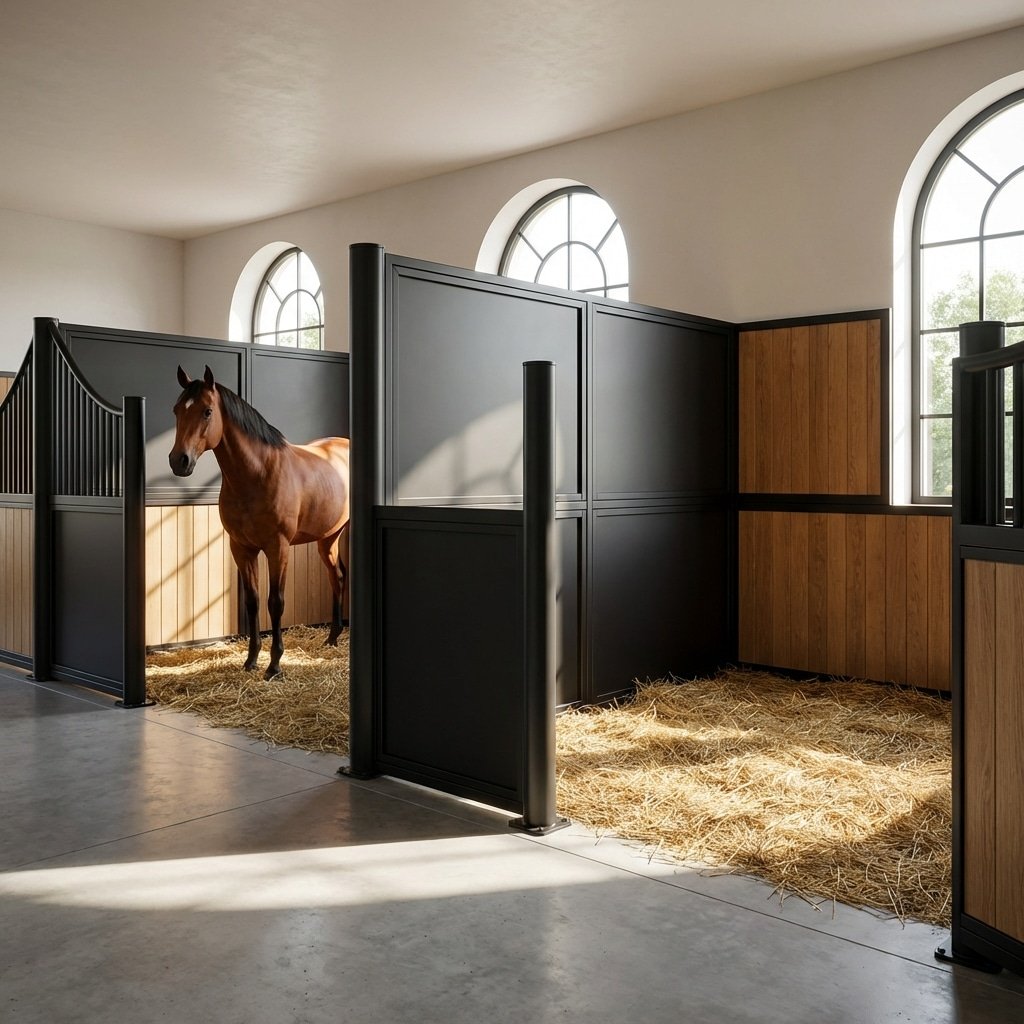
Removable Horse Stall Partitions: Building a 12×24 Foaling Box
Designing compliant Foaling Stalls is a critical defense against high-value livestock injury and veterinary liability. Standard 3.6m boxes maximize boarding capacity but often fail to provide the anti-casting space required for a safe delivery, forcing facility...
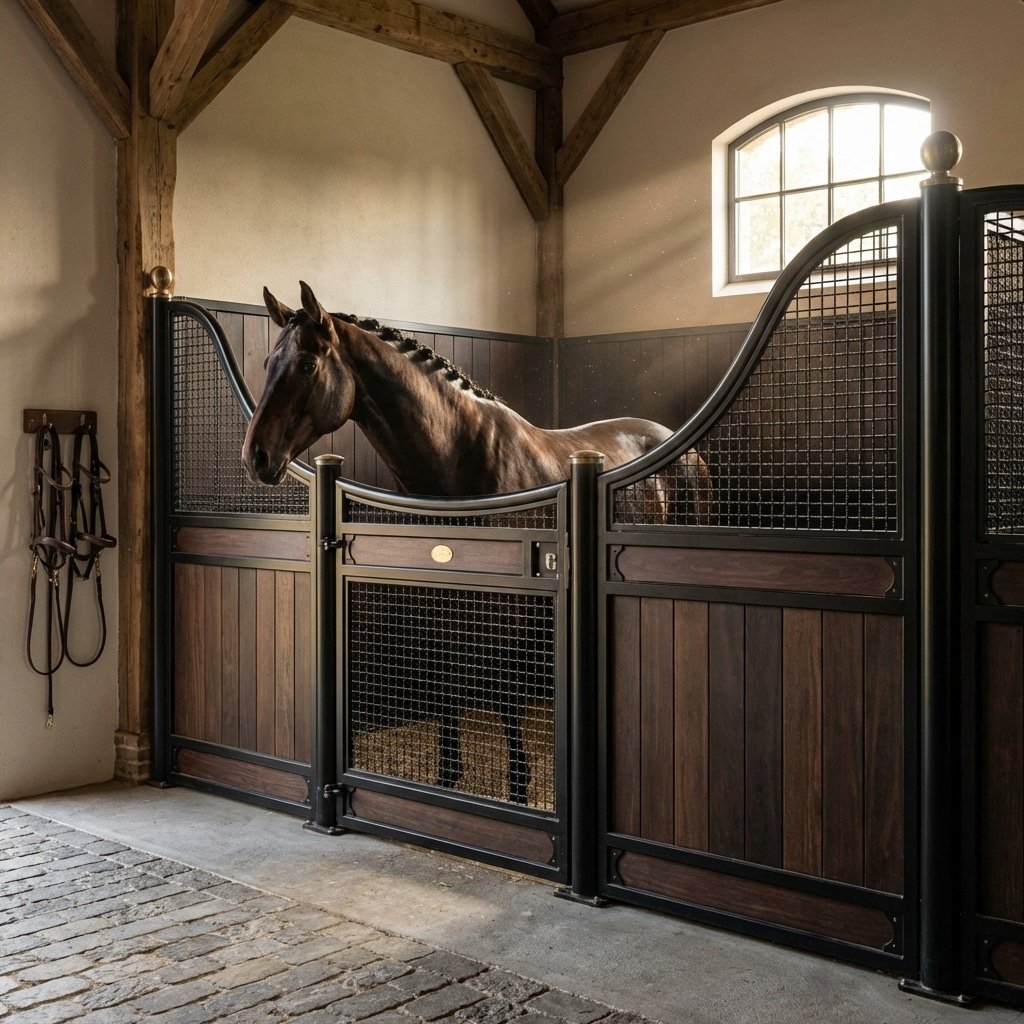
German Horse Stalls: Heavy-Duty Mesh Dividers for Warmbloods
Supplying elite stables in Germany demands strict adherence to safety protocols for heavy Warmbloods. Standard Q235B steel often yields under the 1,400lb impact force of a Holsteiner, leading to catastrophic structural failure and expensive liability claims. This...
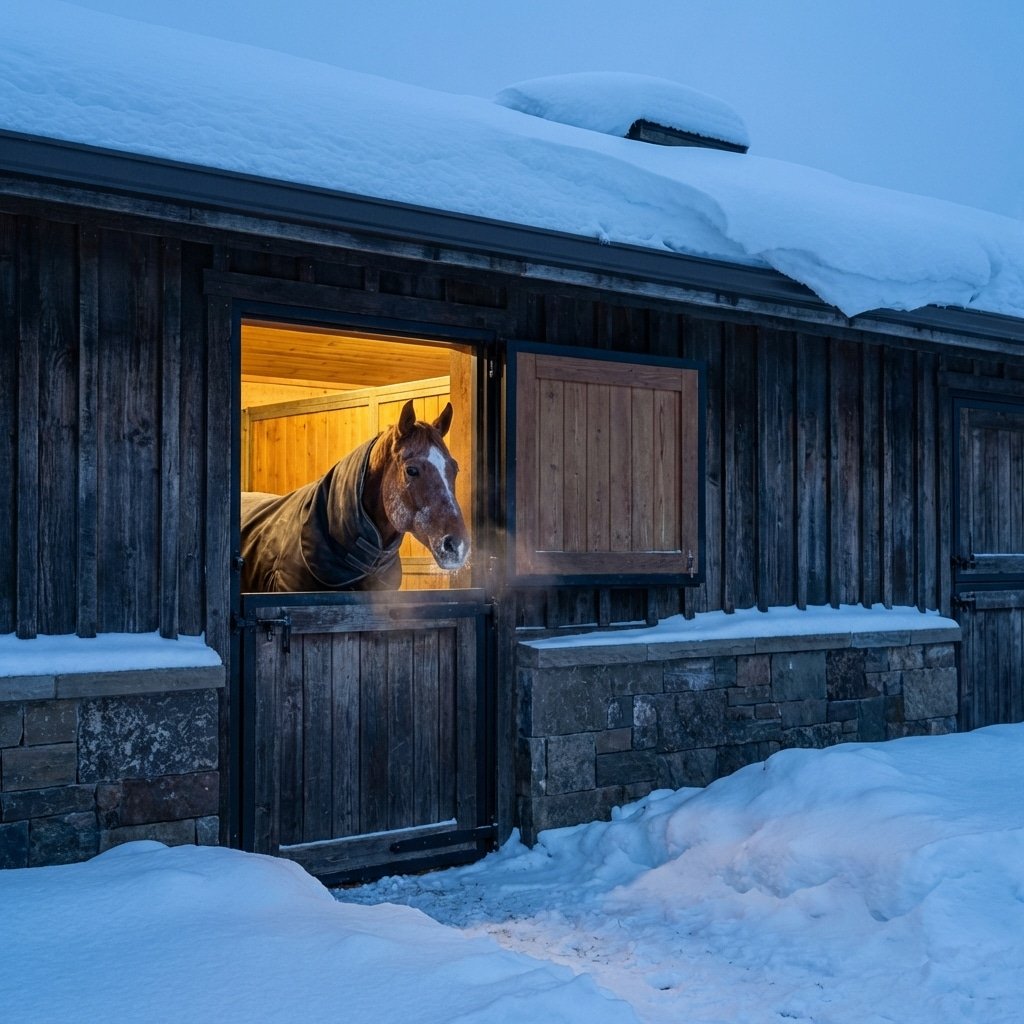
Draft-Free Horse Stables: Solid Panels for Senior Equine Joints
Managing arthritic horses in winter demands more than extra bedding; it requires structural engineering that eliminates cold drafts at the ground level. Standard stable partitions with large bottom gaps create thermal tunnels that accelerate joint stiffness and...
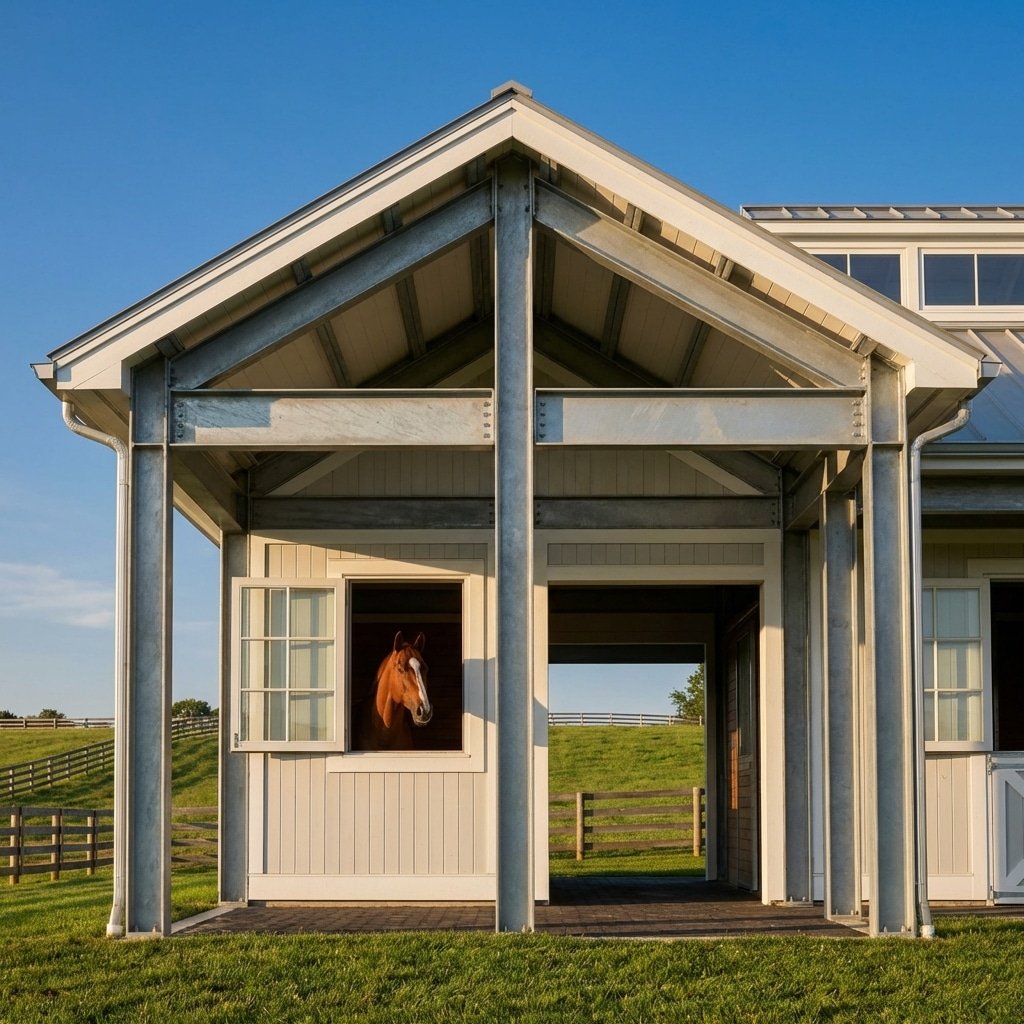
Los 5 principales proveedores de establos de caballos en Alibaba en 2026 (y a quién evitar)
Strategic Alibaba Sourcing for horse stables separates profitable distributors from those buried in warranty claims. Most listings are brokers masquerading as manufacturers, charging a hidden 20-40% markup for pre-galvanized tubing that rusts rapidly. Relying on these...
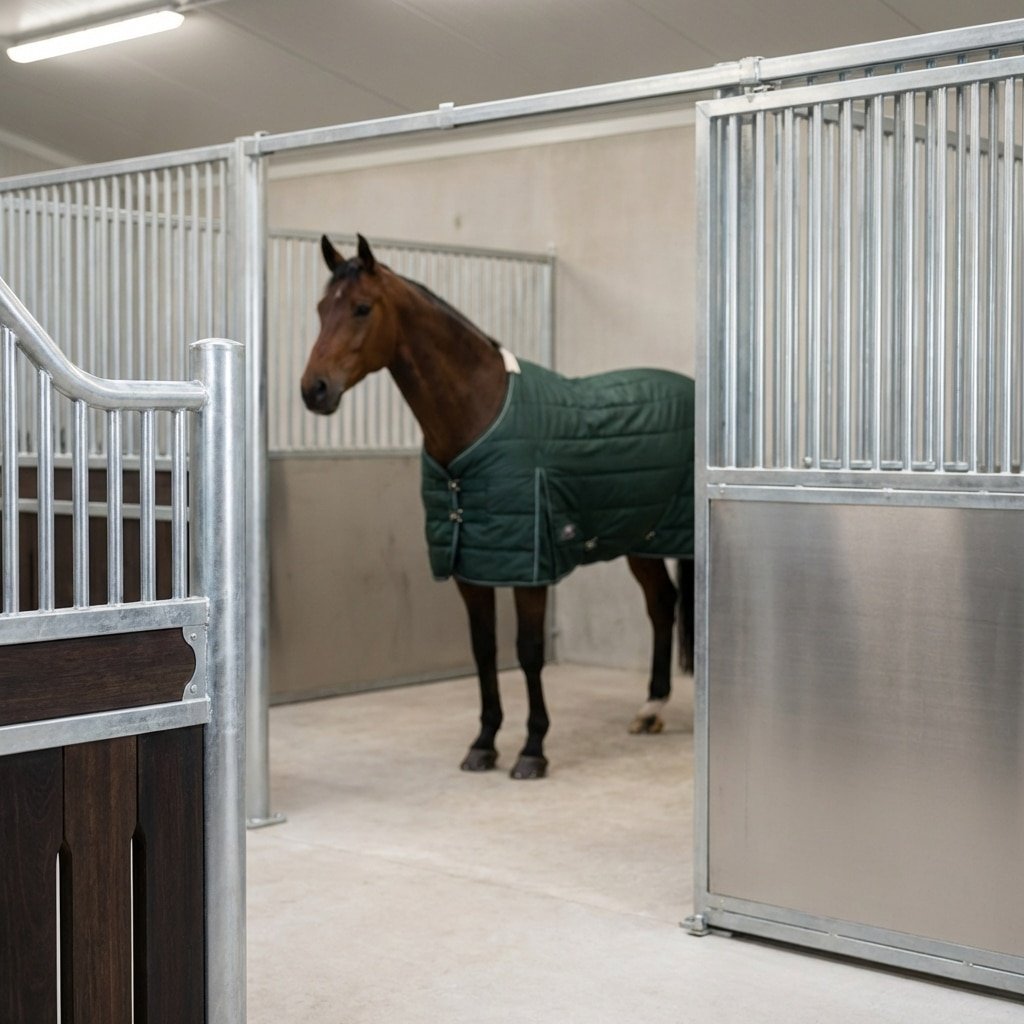
Where to Mount Blanket Bars to Stop Horses Chewing Them
Blanket chewing decimates winter turnout budgets, yet facility managers often misdiagnose this expensive destruction as simple boredom. In many cases, standard stable fronts act as abrasive shredders due to microscopic weld burrs and unsafe mounting elevations within...
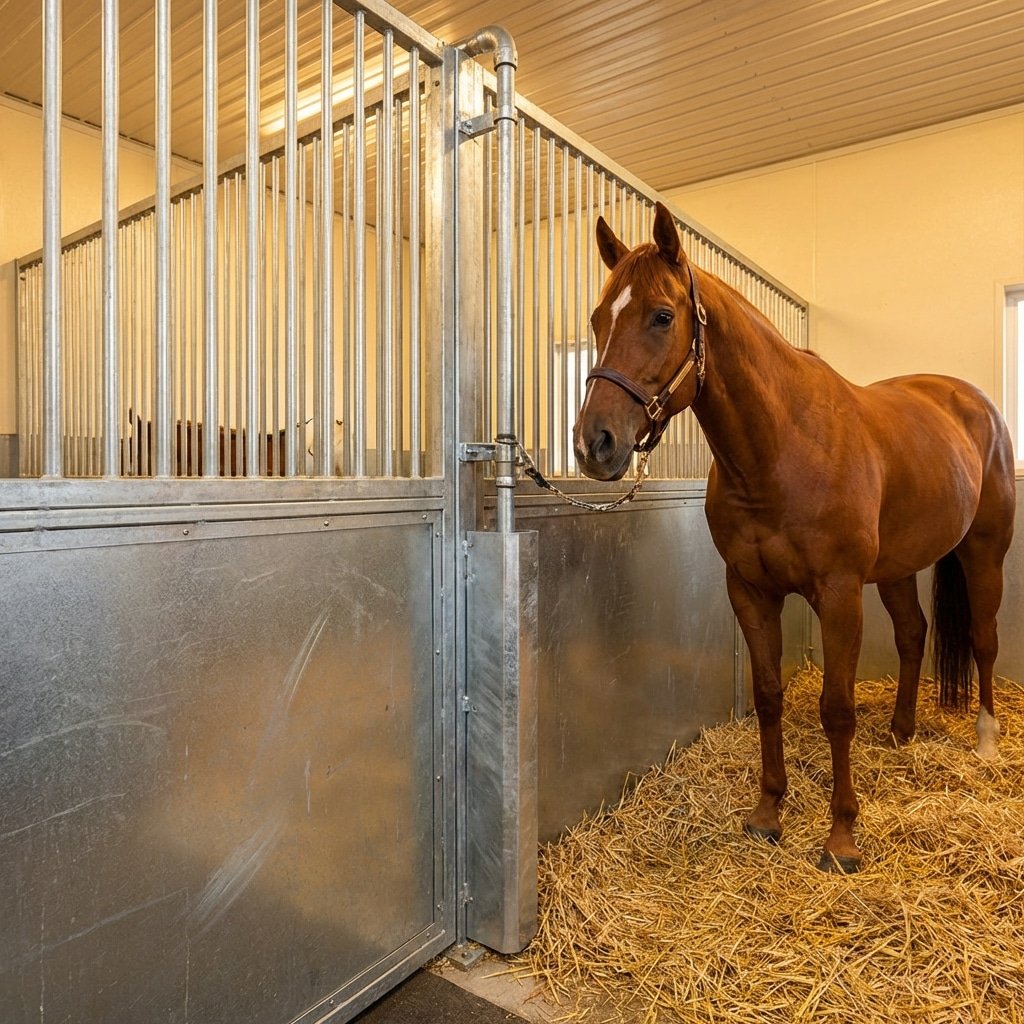
Protecting Auto-Waterer PVC Pipes from Bored Horses
Waterer Pipe Guards act as the critical defense against the inevitable structural failure of exposed PVC in equine facilities. Relying on standard plumbing schedules without armor invites catastrophic flooding events that destroy bedding inventory and compromise...
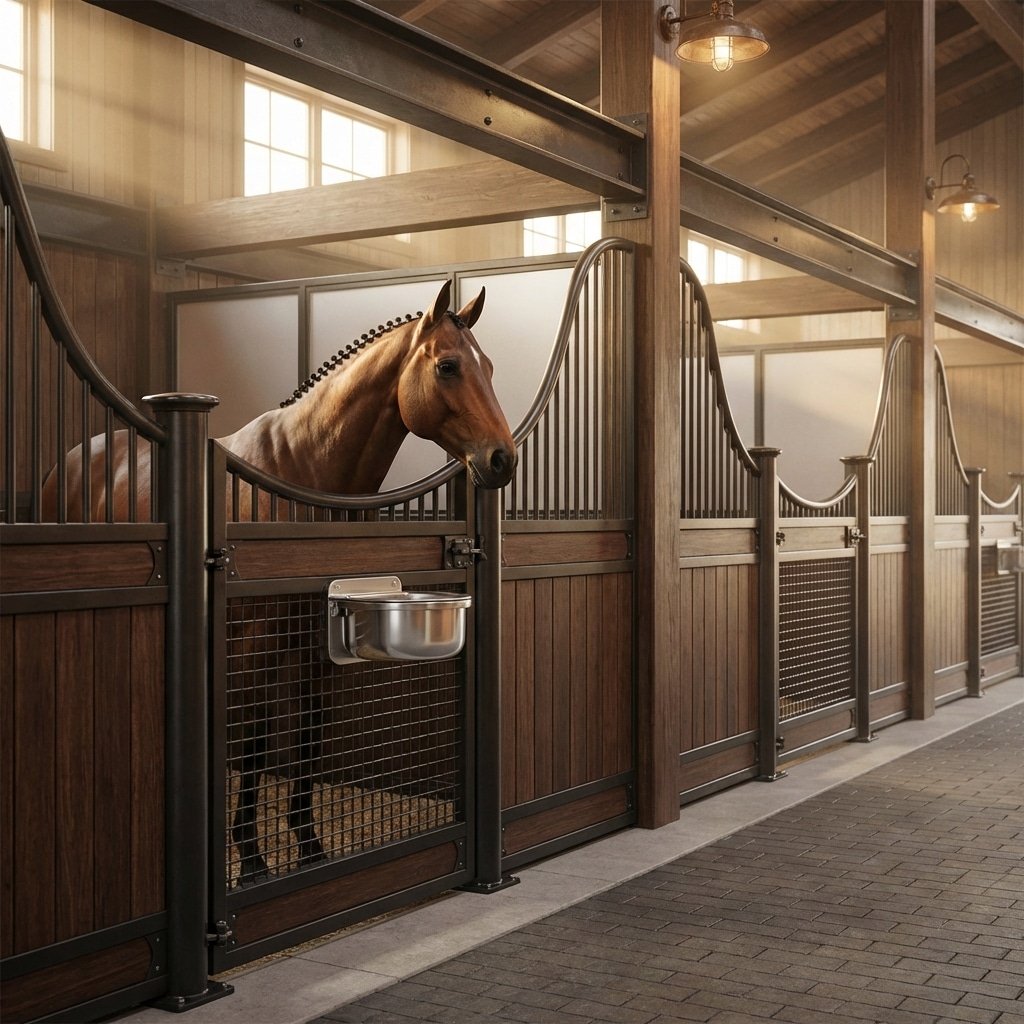
Swivel Feeders for Horse Stalls: Safe Feeding from the Aisle
Feeding aggression creates the single highest liability risk for commercial stable operators and boarding facilities. While behavior modification takes time, inadequate infrastructure that forces handlers into the stall invites immediate injury lawsuits and costly...
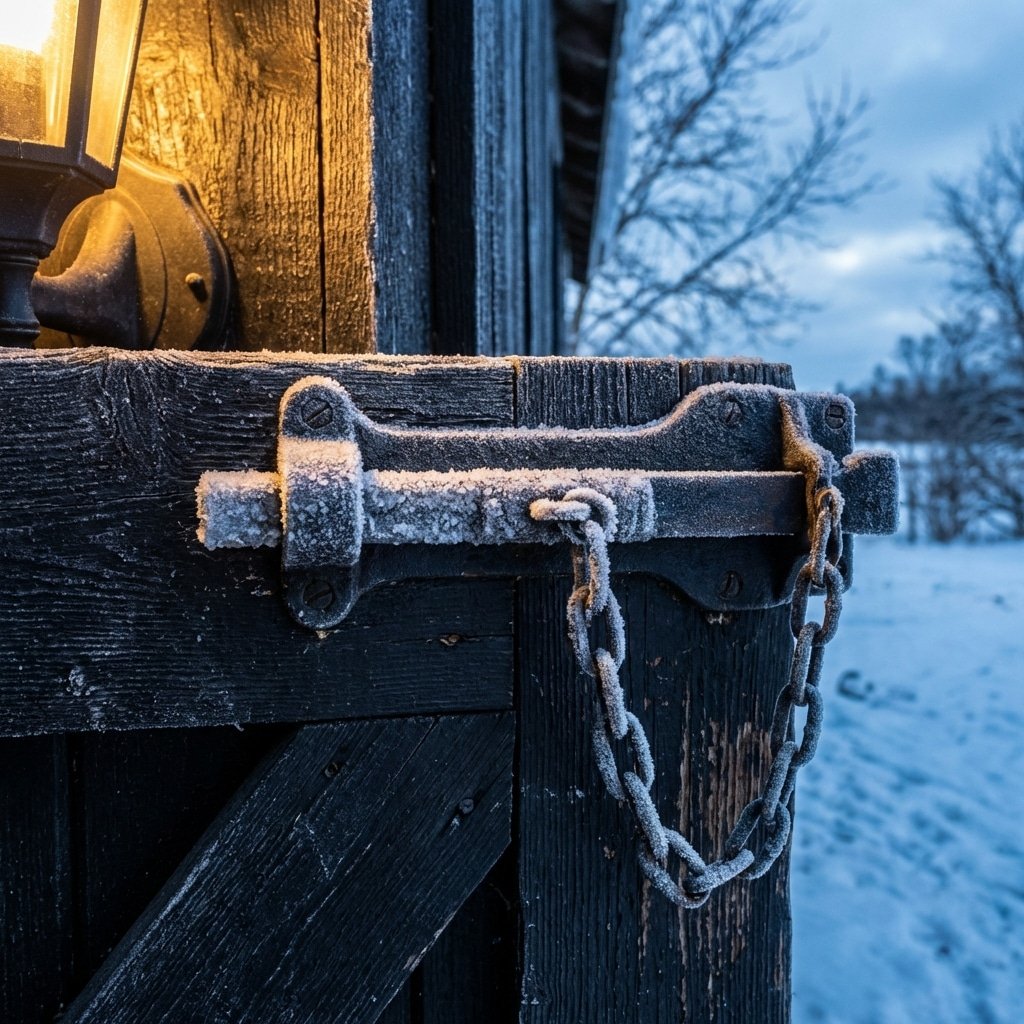
Graphite vs Oil: Lubricating Horse Stall Latches in Winter
Latch Freezing is a structural liability that compromises safety standards and increases maintenance overhead for professional equestrian facilities. Relying on generic hardware often leads to brittle fractures during forced entry, while improper lubrication with oil...
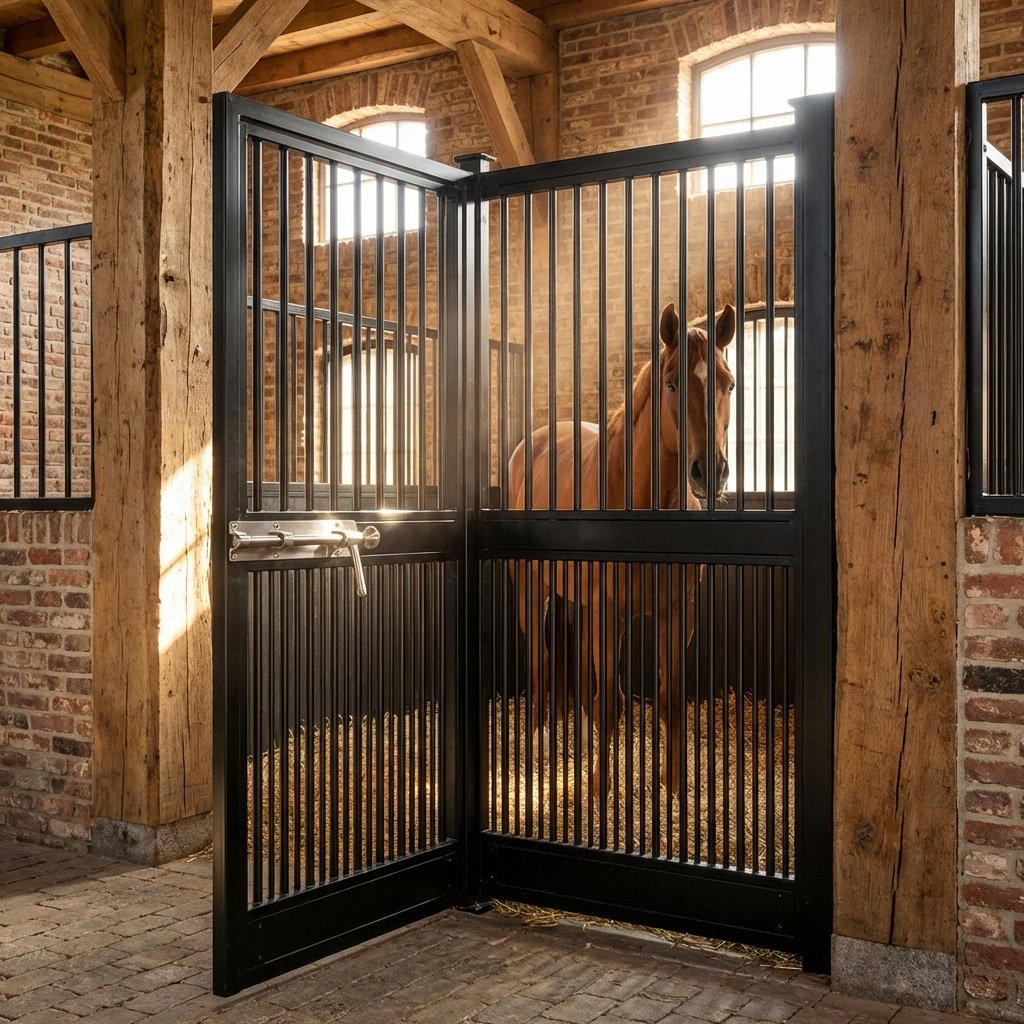
Double End Snaps vs Plunger Latches on Horse Stall Doors
Evaluating Double End Snaps vs Plunger mechanisms is a calculation of long-term liability against immediate savings. While zinc snaps offer a cheap, tool-free fix, their reliance on brittle diecast alloys creates a continuous replacement cycle that drains labor...
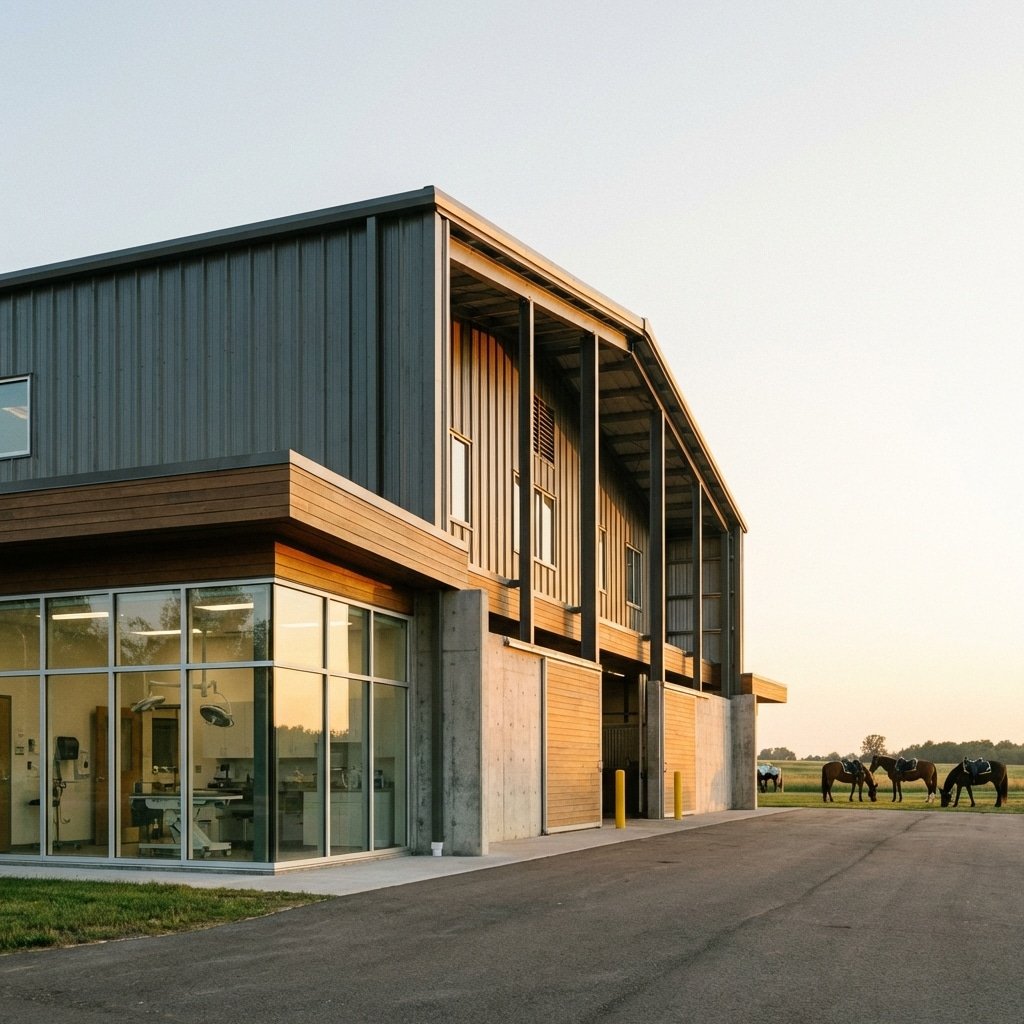
Top 5 Heavy-Duty Stable Manufacturers for Mounted Police Units
Procuring infrastructure for Mounted Police Units demands engineering that withstands the sheer force of 1,900 lb draft crosses. Standard equestrian stables frequently fail under this stress, exposing departments to costly facility downtime and career-ending injuries...
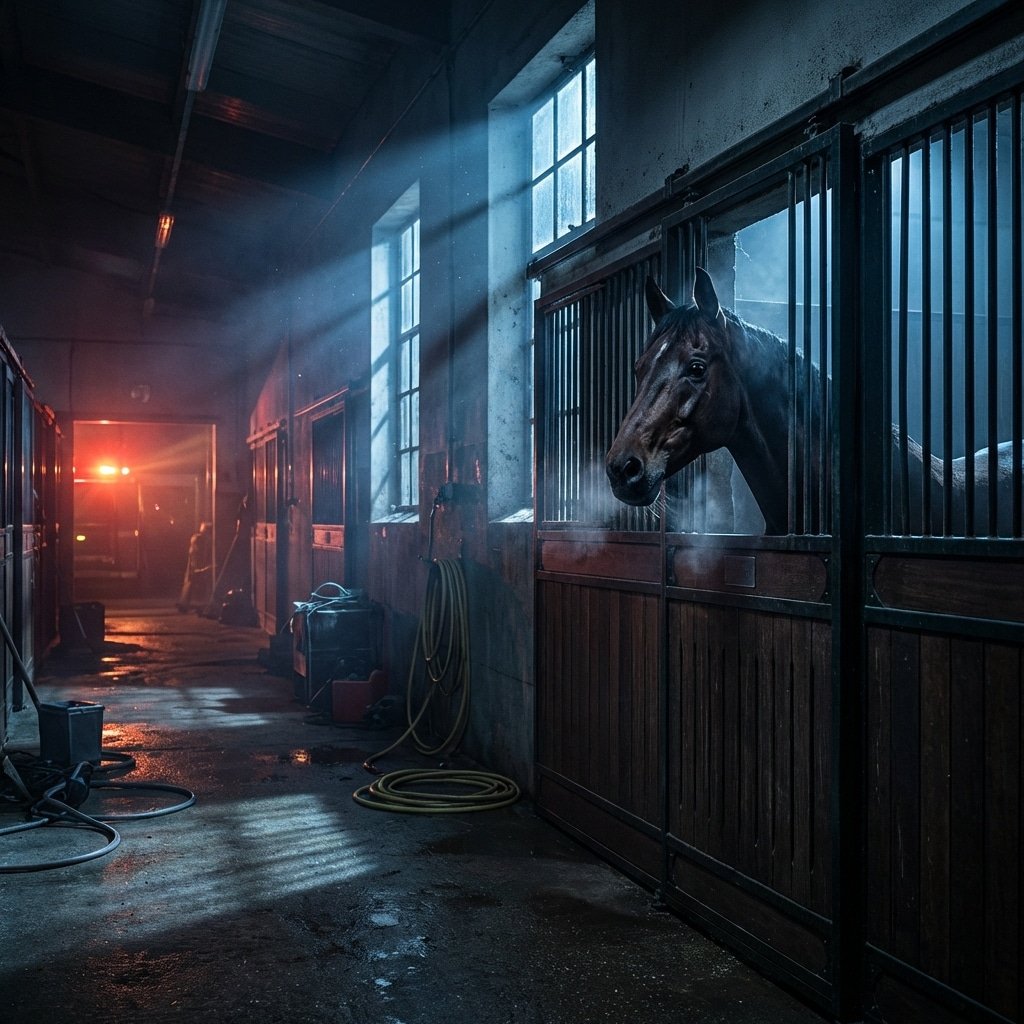
Emergency Horse Stall Repair: What to do at 2 AM When a Board Breaks
Stocking the right Emergency Boards determines if a midnight stall failure ends in a quick fix or a career-ending veterinary injury. Standard pine lumber shatters under 500kg kick impacts, creating jagged projectiles that cause deep septic lacerations and expensive...
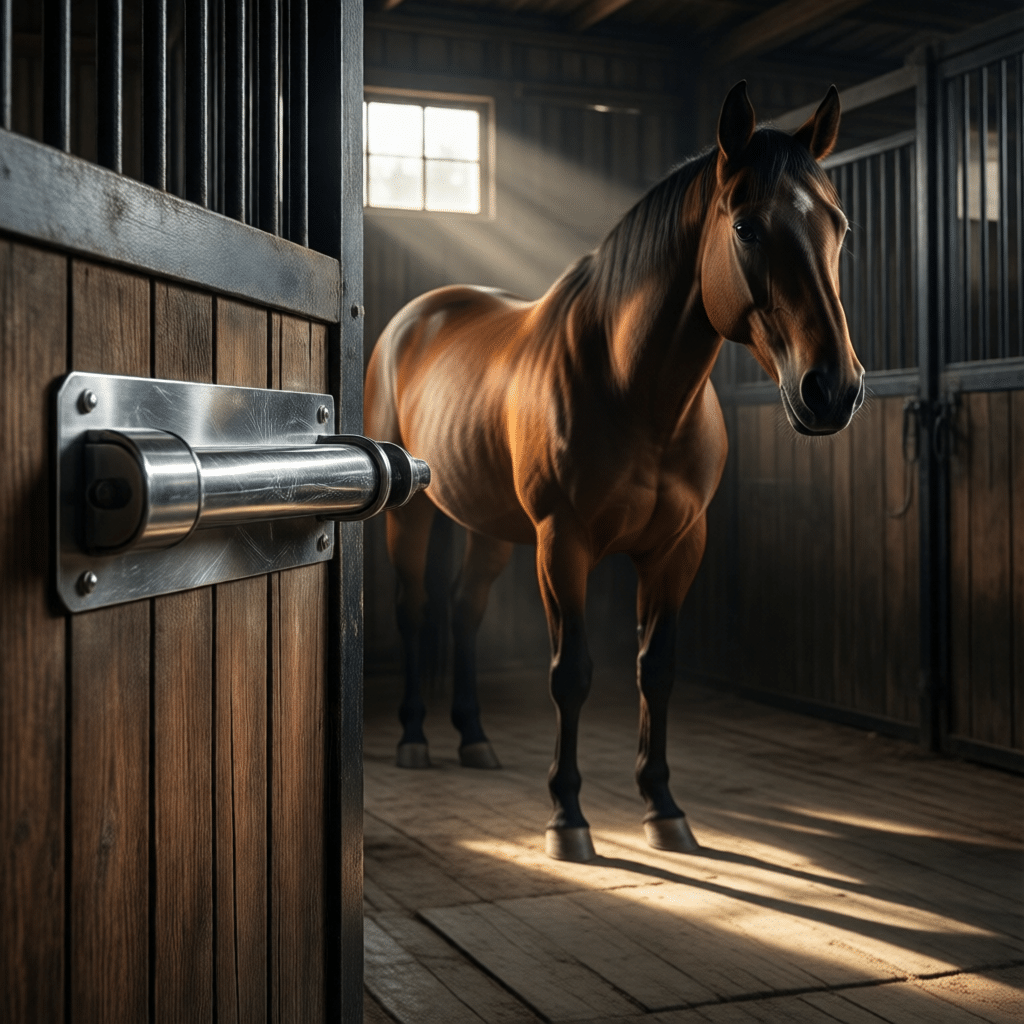
Plunger Latches for Horse Stalls: Defeating the Equine Escape Artist
Smart Escapers expose the critical liability hidden within standard agricultural hardware. Relying on simple gravity latches for dexterous horses invites veterinary costs and property damage that far exceed the price of engineered security. Facility managers cannot...
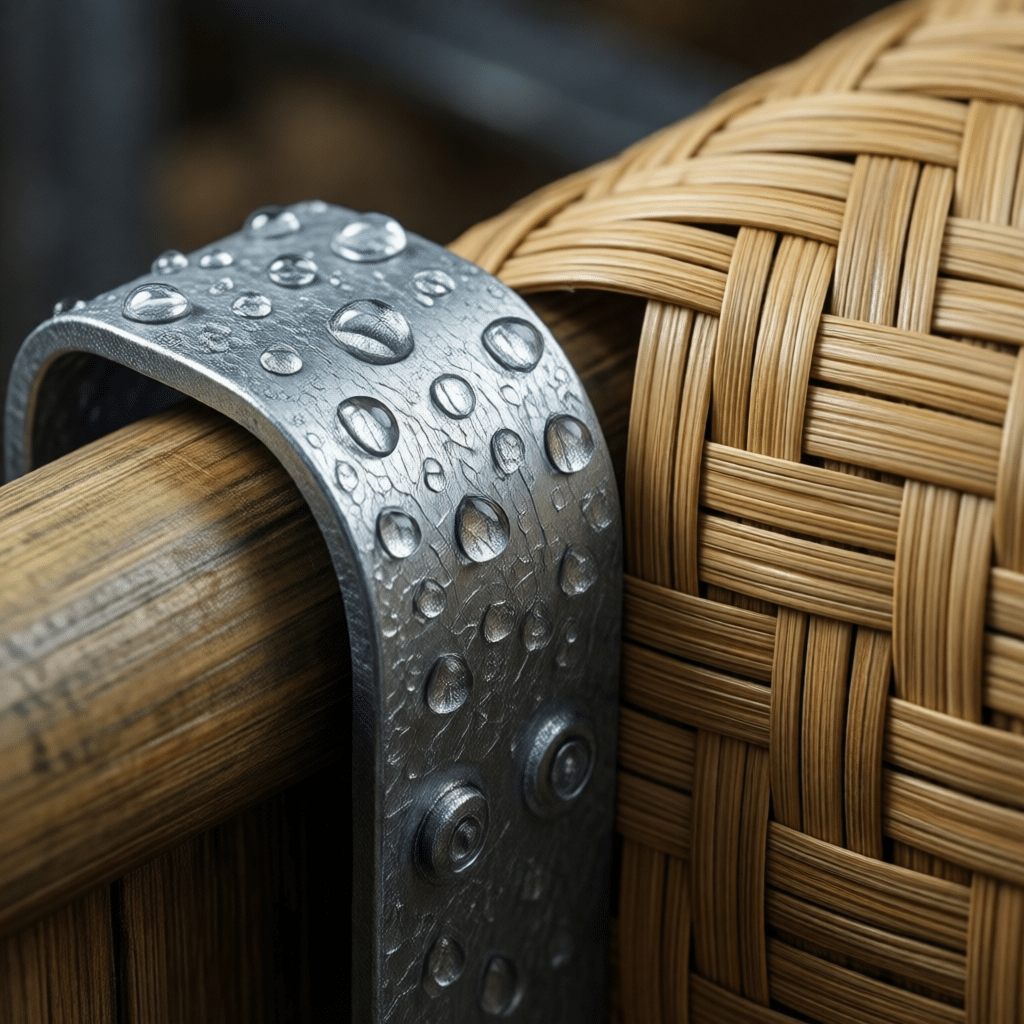
How to Stop a Horse from Cribbing & Chewing Stall Boards
To effectively stop wood chewing, you must engineer the problem out of the stall itself. Relying on temporary fixes like sprays or softwoods leads directly to property damage and the risk of colic from ingested splinters. For stable builders and distributors, this...
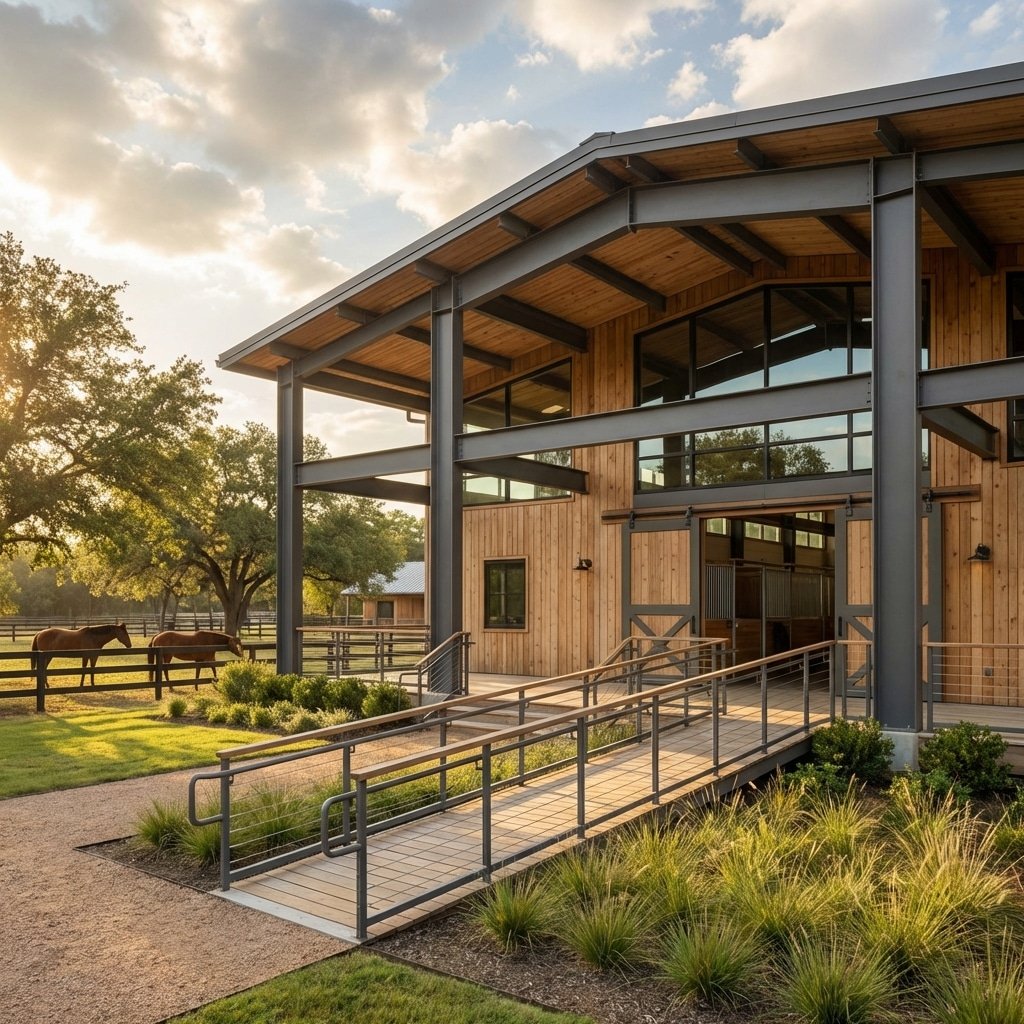
Los mejores proveedores de material para centros de equitación terapéutica y centros adaptados a la ADA
Developing a therapeutic riding facility demands precise architectural compliance to prevent catastrophic liability claims. Standard stable systems frequently fail ADA safety audits, resulting in expensive retrofitting costs that drain non-profit budgets. Ignoring...
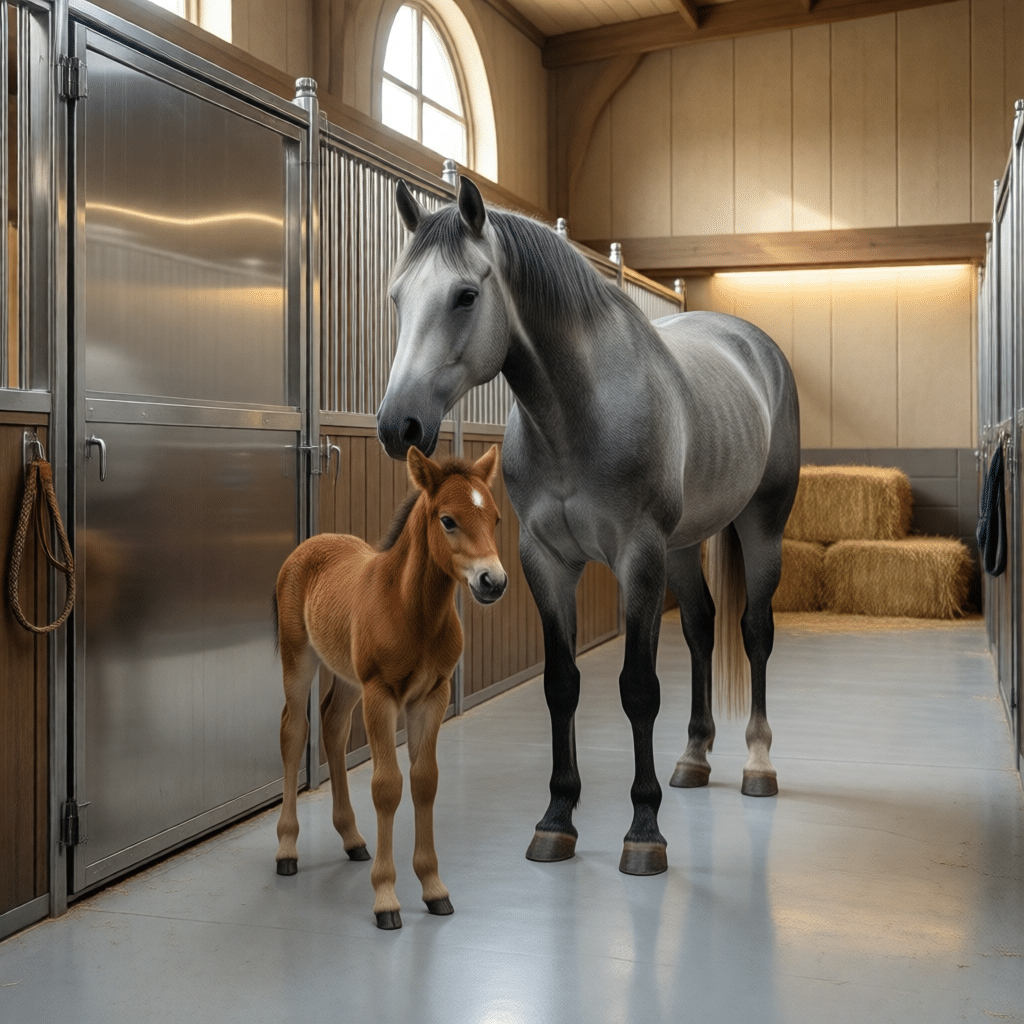
Are Sliding Horse Stall Doors Safe for Newborn Foals?
Specifying Foal Safe Sliding mechanisms is the only way to mitigate the liability of high-value injury claims in professional breeding facilities. While standard single-bolt guides save initial capital, they often create a pendulum effect that traps hooves, risking...
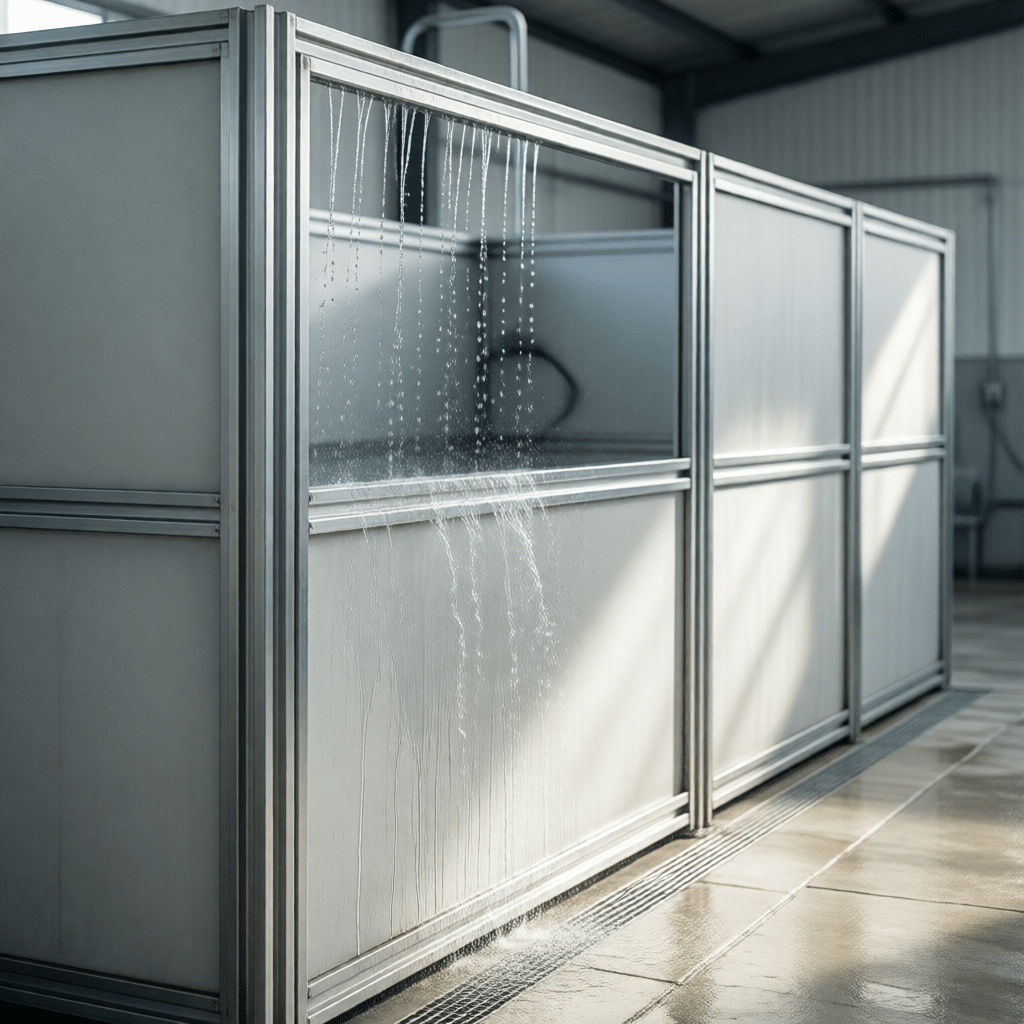
Waterproof Horse Stalls: HDPE Panels for Ultimate Wash Bays
Wash Bay Rot compromises structural integrity faster than any other facility maintenance issue, turning profitable boarding operations into liabilities. Traditional timber and porous composites absorb biological runoff, creating internal bacterial reservoirs that...
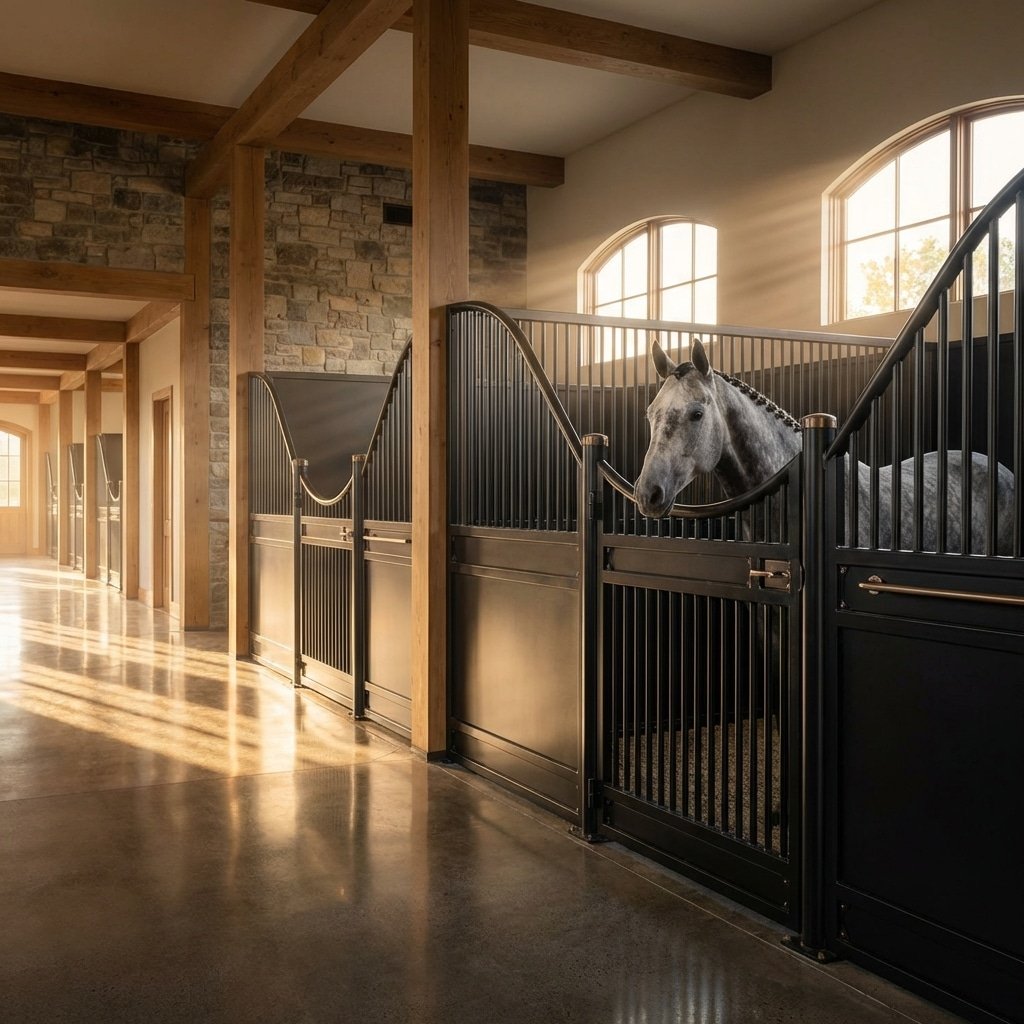
Hinged Water Doors for Horse Stalls: Easy Access for Barn Chores
Installing dedicated Waterer Doors eliminates the labor drain of manual bucket filling and the liability of entering stalls daily. Facility managers often overlook this structural detail, yet reliance on main aisle doors for water access spikes operational time and...
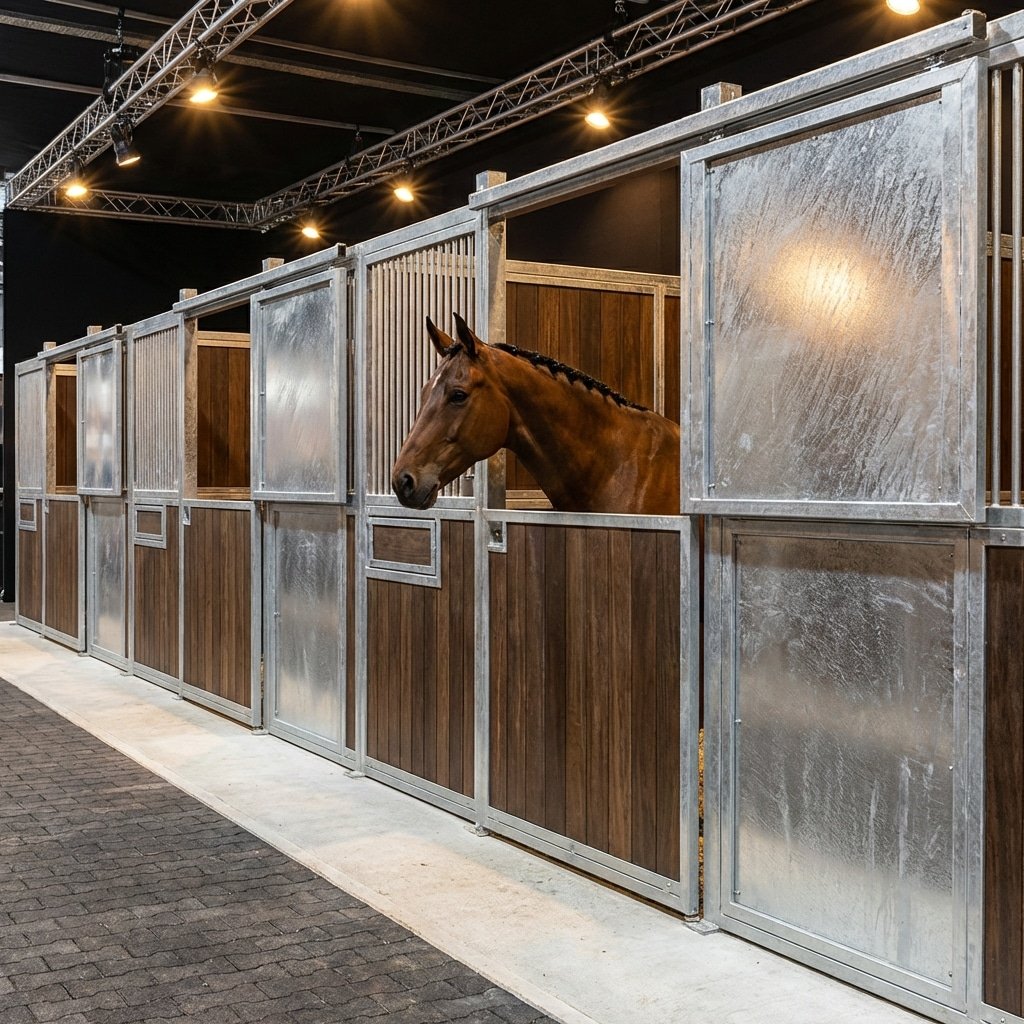
Spoga Horse vs. Feria de Cantón: La compra de establos en las ferias mundiales
Hot-dip galvanized steel frame (20-year rust protection) validation defines Trade Show Sourcing strategies for Spoga Horse and the Canton Fair. Importing stables that fail ASTM B117 salt spray tests destroys distributor reputation faster than shipping delays. Locating...
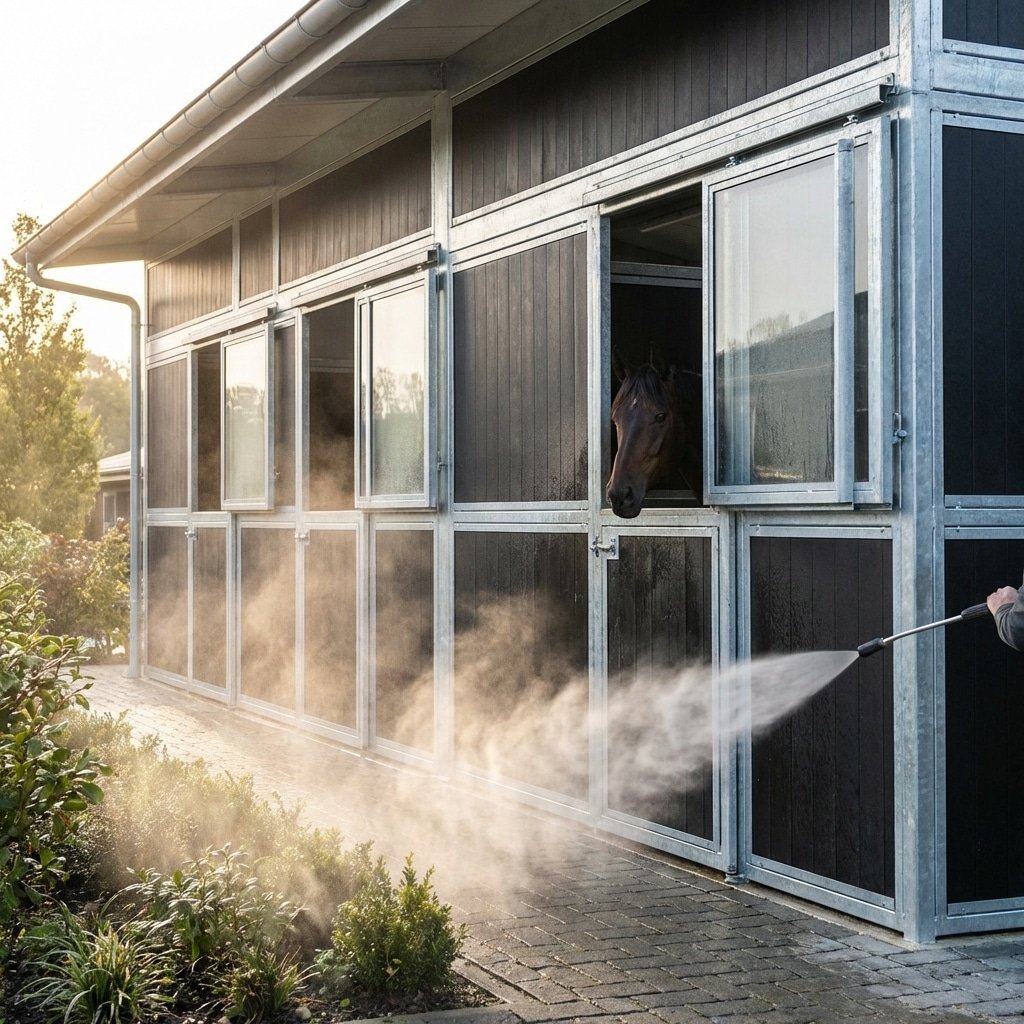
Hot-Dip Galvanized Horse Stables: Surviving Bleach and Power Washing
Pressure washing frequently creates a conflict between biosecurity standards and asset preservation in equine facilities. While high-pressure sodium hypochlorite solutions eliminate respiratory pathogens, they simultaneously saturate wood fibers and strip weak zinc...
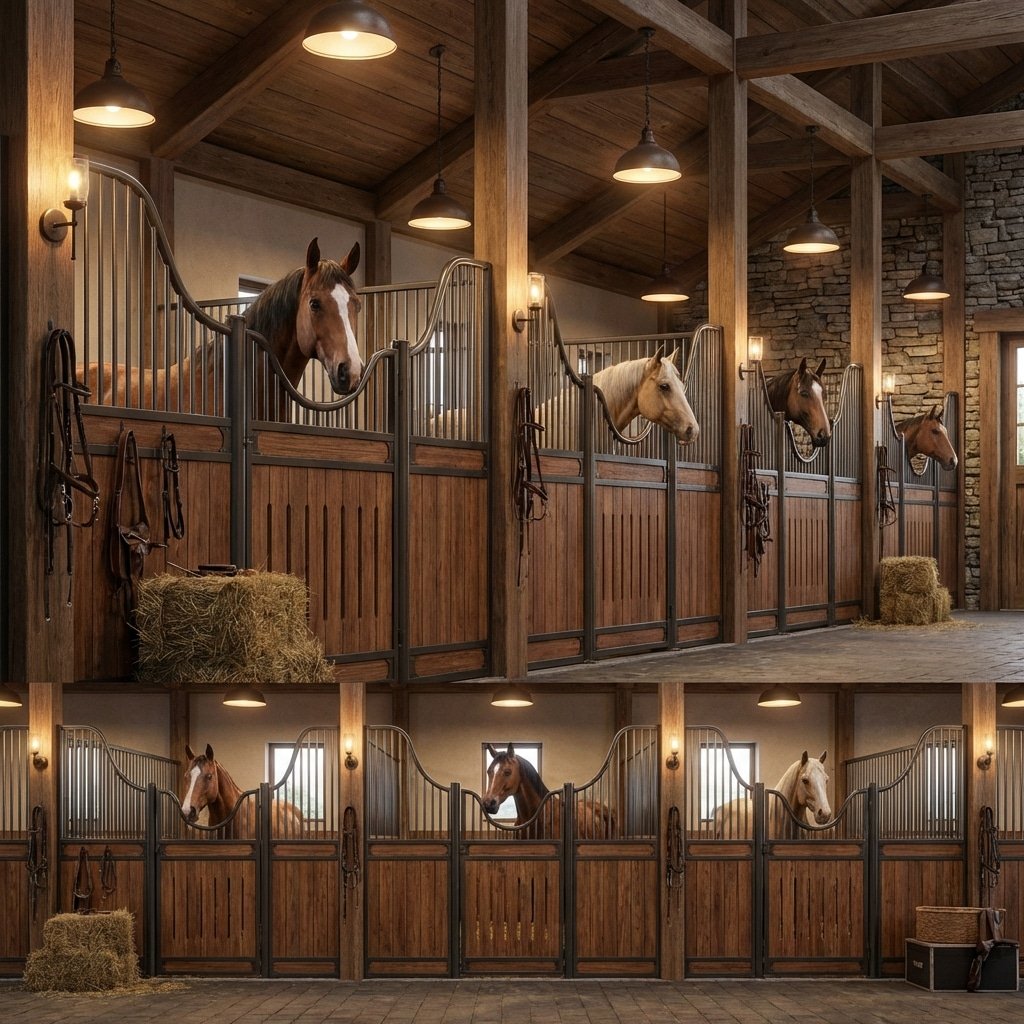
Tabiques de media pared frente a tabiques de pared completa: Enfermedad vs Flujo de aire
Wall height dictates pathogen control. Standard 4-foot dividers create nose-to-nose transmission vectors. This undermines biosecurity. Commercial barns require impermeable barriers. One sick horse becomes a facility-wide liability without them. A professional Horse...

Base Plates for Horse Stalls: Stopping Urine Rust at the Floor
Base Plate Rust is the silent killer of stall structural integrity and the leading cause of premature replacement costs. While standard powder-coated steel looks pristine on installation day, the bottom six inches face a constant chemical attack from equine urine and...
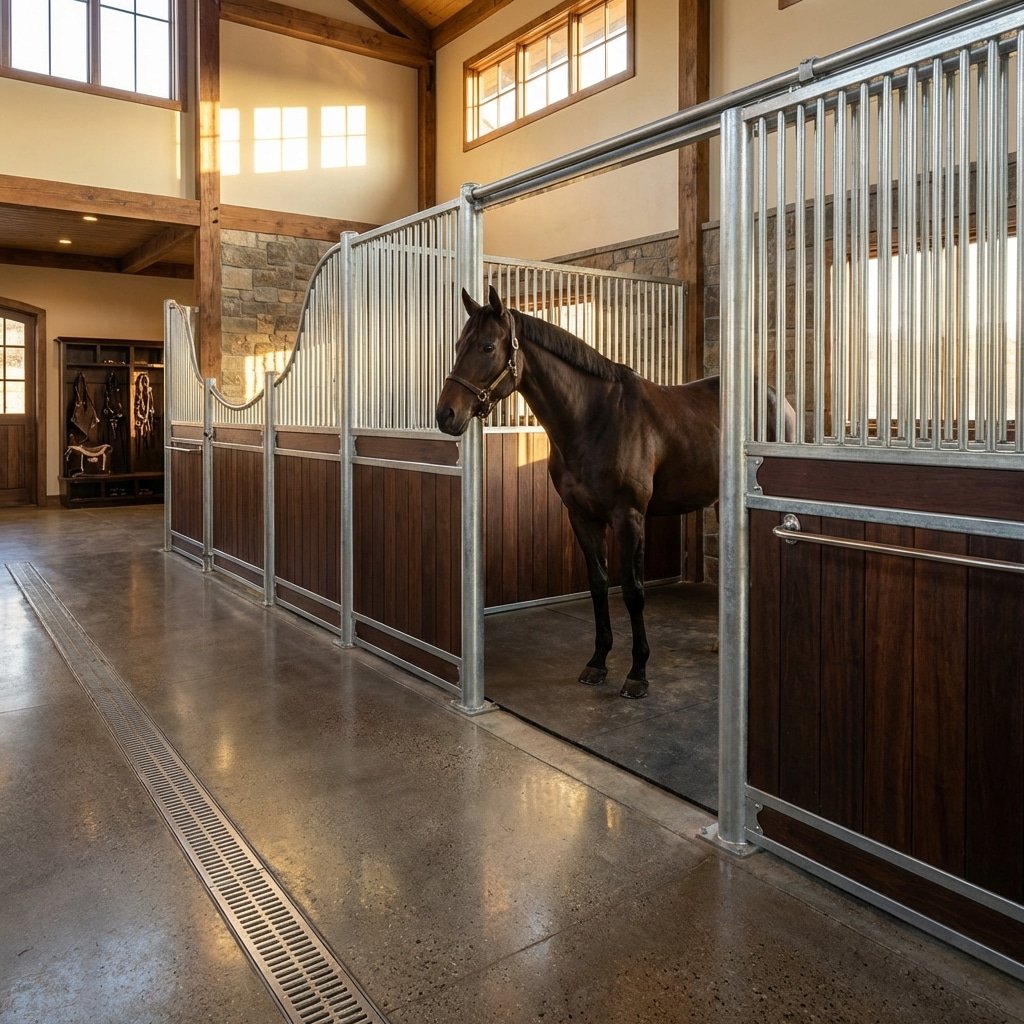
Where Does the Urine Go? Managing Sloped Floor Runoff in Stalls
Mismanaging sloped runoff during a concrete pour guarantees stagnant urine and accelerated ammonia corrosion. While flat floors are easier to finish, they trap moisture against the stall front, causing standard steel frames to rot at the anchor points within three...
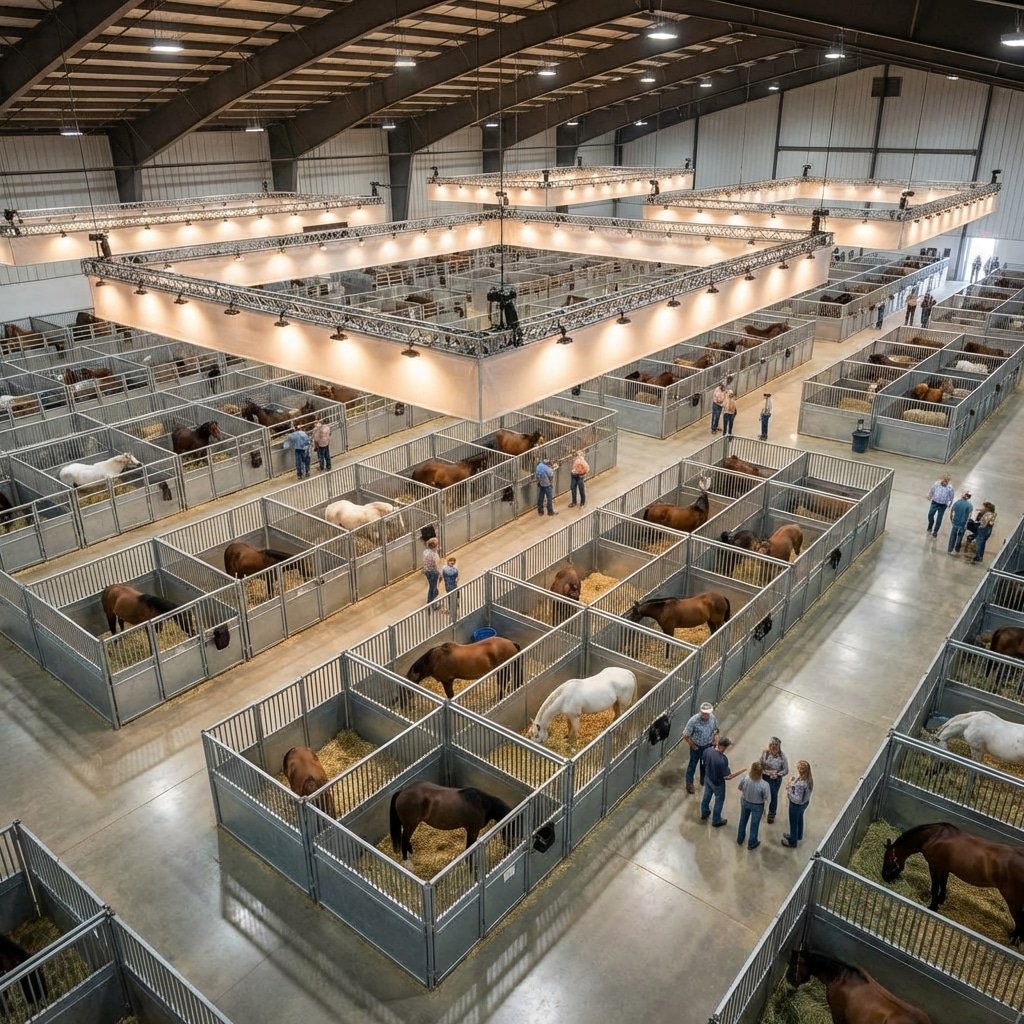
Principales fabricantes de estabulación a granel para ferias estatales y centros de exposiciones
State Fairgrounds utilizing rental infrastructure bleed operational budgets through recurring third-party margins and volatile logistics fees. Relying on temporary agencies for bulk stabling exposes agricultural centers to supply chain bottlenecks that threaten event...

Rubber Mats vs Horse Stall Panels: How to Install the Flooring Gap
Proper Mat Integration determines whether your facility lasts decades or requires expensive retrofitting within months. Placing heavy steel frames on compressible rubber creates a soft joint that inevitably loosens hardware and compromises structural safety. This...
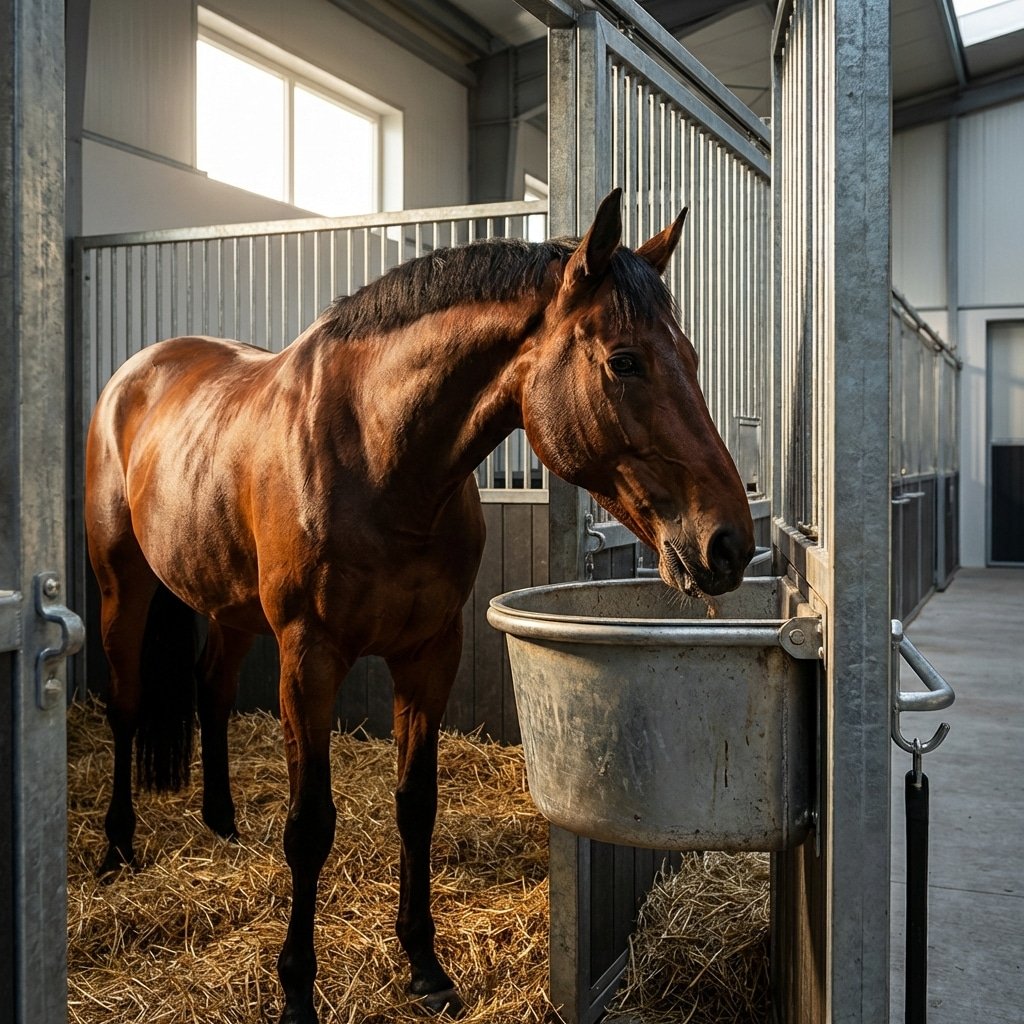
Stop Horses Cribbing on Feed Tubs: Aluminum vs Plastic
Feed Tub Cribbing rapidly degrades standard plastic infrastructure and transforms feeding equipment into a significant safety liability. When anxious horses bite down on generic polyethylene, the material frequently shatters, creating sharp shards that cause internal...

Principales fabricantes de establos bioseguros para centros de importación de equinos
Border Quarantine facilities operate on thin margins where biosecurity failure leads to immediate operational shutdowns. Standard timber stabling acts as a biological sponge for pathogens, making it impossible to pass rigorous USDA or EU sanitary audits due to...
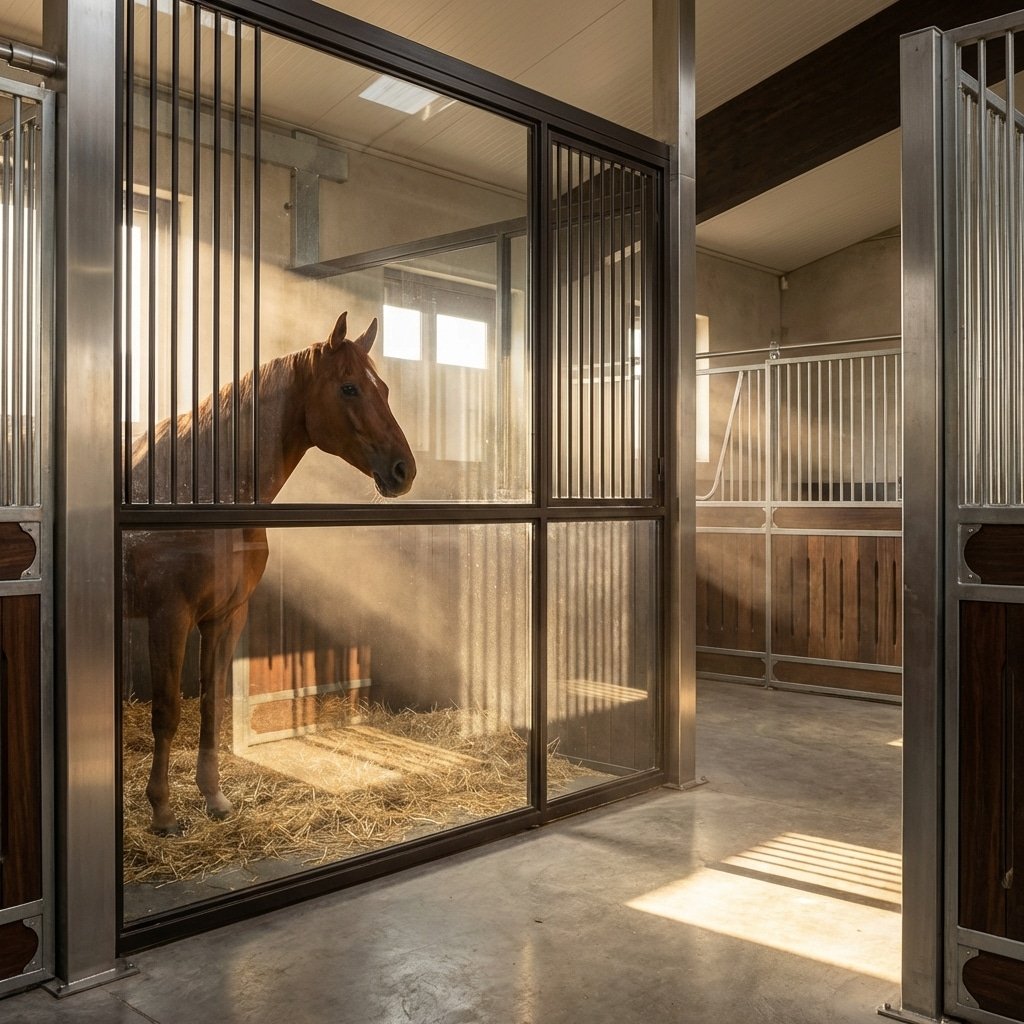
Tempered Glass Windows for Horse Stalls: Bringing Light Indoors
Adding Light to an indoor facility is a strategic operational investment, but it creates immediate liability if executed with standard glazing. While natural illumination reduces equine cortisol and stable vices, installing unshielded annealed glass introduces a...
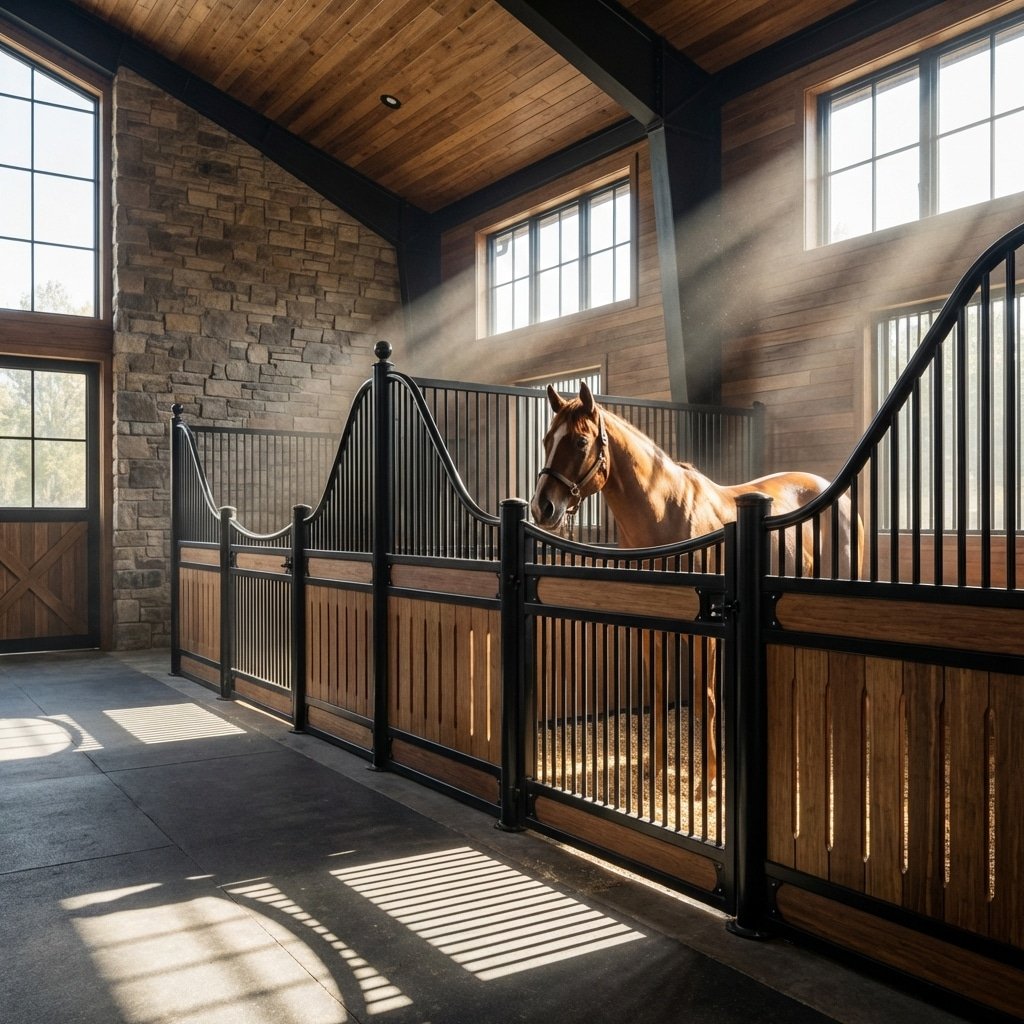
How Heavy is a Modular Horse Stall Panel? (Manual Lifting Guide)
Calculating the safe Panel Weight Lift for a horse stall is a matter of physics rather than convenience. A 12ft front must exceed 200lbs to absorb the kinetic energy of a kick, yet many builders compromise safety for easier handling. Installing lightweight aluminum or...

Rat-Proofing Your Barn: Steel Base Plates for Horse Stables
Rodent damage accelerates structural decay and introduces severe injury liabilities in timber-lined equine facilities. While softwoods offer initial cost savings, they fail to resist the gnawing mechanics of common pests, leading to compromised containment walls and...

Extra-Wide Sliding Horse Stall Doors for Tractor Mucking
Proper tractor clearance distinguishes a profitable commercial facility from a maintenance nightmare. Relying on standard 4-foot stall doors creates a geometric conflict with skid steer buckets, leading to inevitable frame collisions and jammed sliding mechanisms....
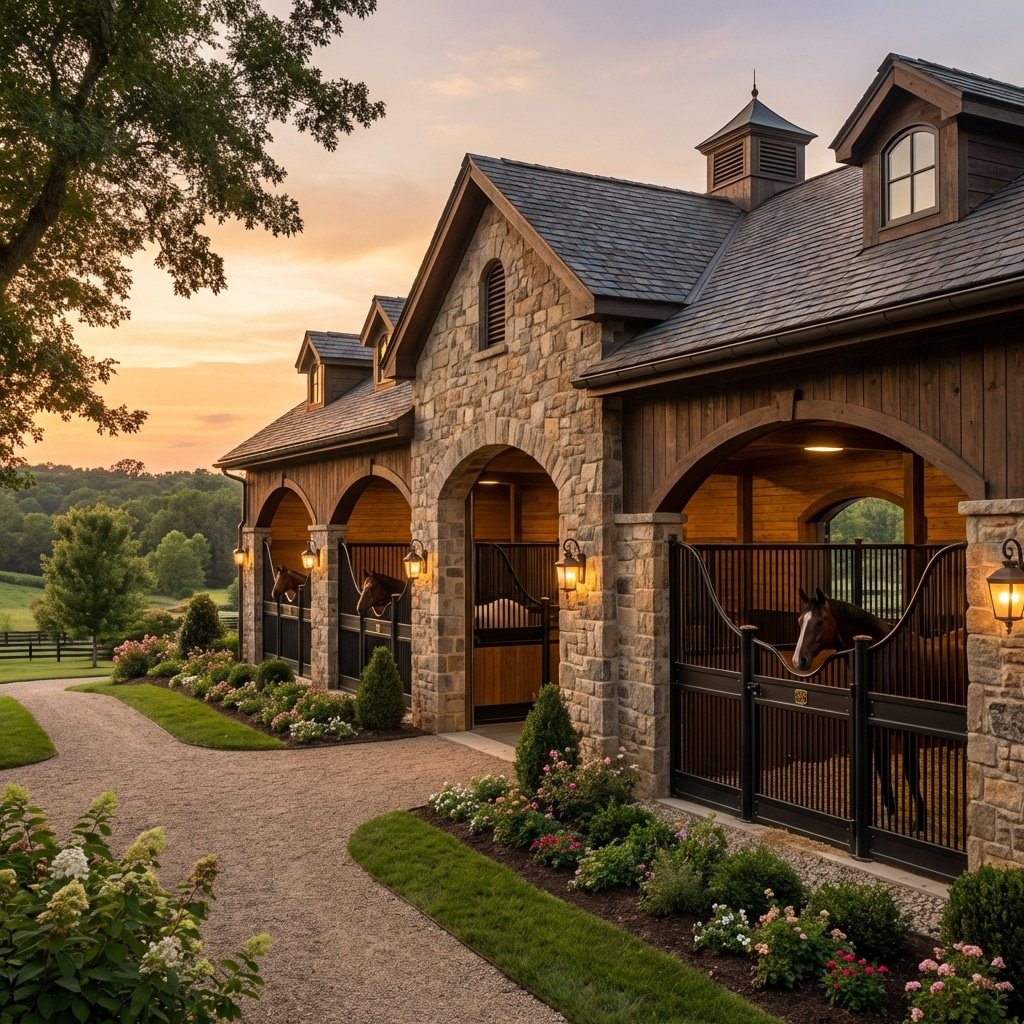
Los mejores constructores de establos de lujo para centros ecuestres y spas de 5 estrellas
Sourcing authentic Luxury Resort Stables determines whether a venue commands premium rates or faces liability claims from high-net-worth guests. Generic agricultural designs often fail the aesthetic scrutiny of the 5-star market and lack the "Kick-Proof" safety...

Smooth Horse Stall Walls: Preventing Tail Rubbing and Splinters
Persistent tail rubbing destroys show-quality aesthetics and accelerates stable wall degradation. While parasites often trigger the itch, the financial damage compounds when horses target abrasive, rough-cut timber that splinters under pressure. Relying on standard...

Feed Windows vs Swivel Feeders on Horse Stall Fronts
Adopting specific Aisle Feeding Hacks is the fastest method to cut chore time and remove the liability of stall-entry protocols. Operations that require staff to open doors for every feed cycle face compounded labor costs and higher injury rates from direct...
 Spanish
  English
  French
  Arabic
  German