

Blog
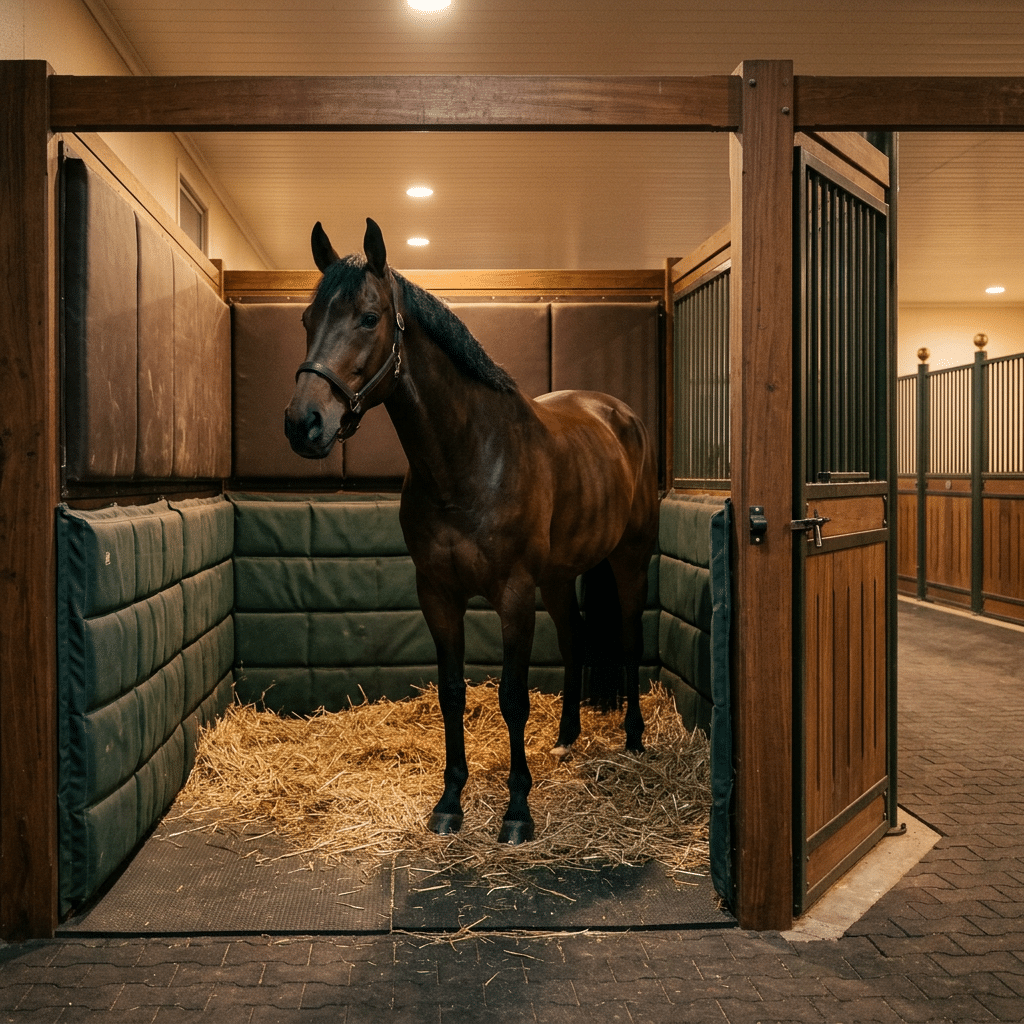
Les meilleures usines durables et stables pour la conformité ESG des entreprises
Sourcing ESG-compliant green factories for equestrian projects is the only defense against tightening carbon mandates and rising Scope 3 emission penalties. While traditional timber offers lower upfront costs, it creates a severe regeneration mismatch that exposes...
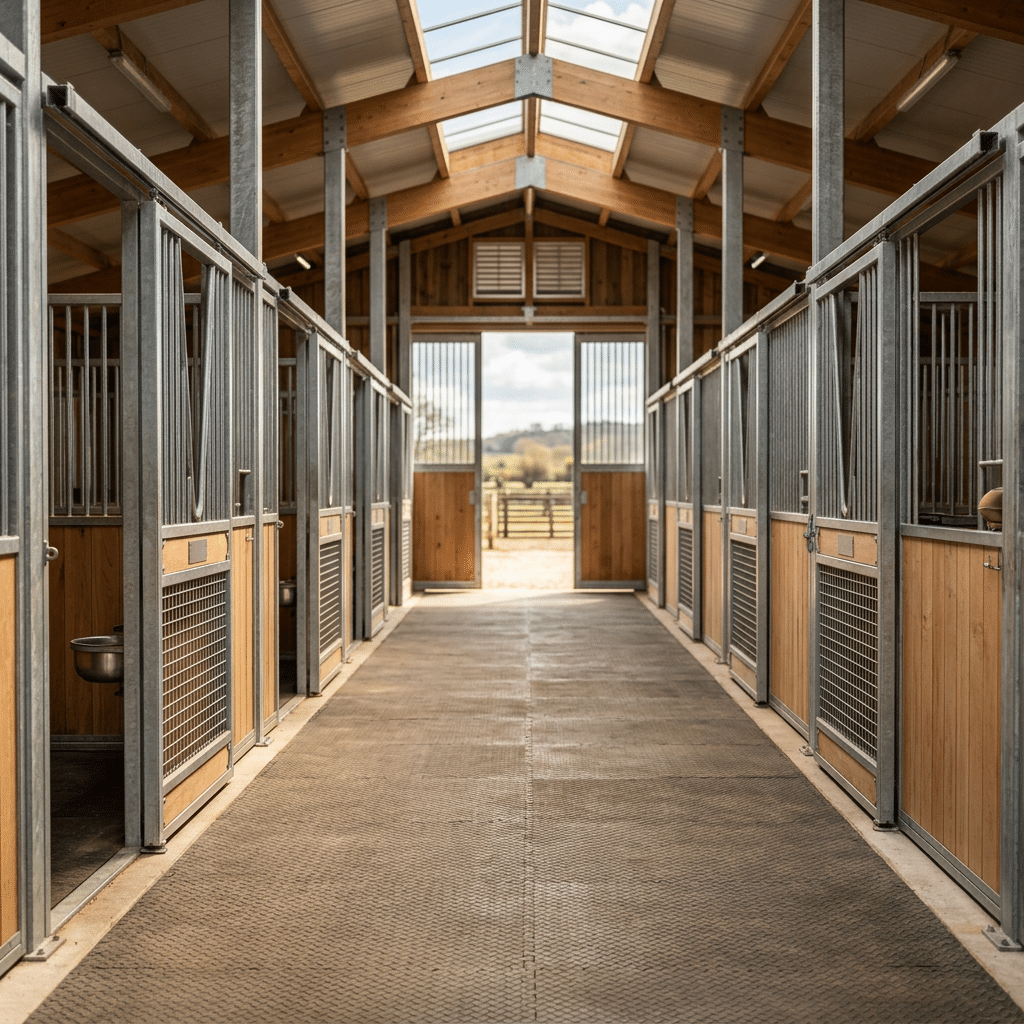
Portable Horse Stables in Australia: Why HDPE Panels Beat Wood in 40°C Heat
Deploying portable horse stables in Australia without specific UV engineering guarantees structural failure within two summers. While local timber options seem cost-effective initially, the inevitable warping and termite damage destroy profit margins through rapid...
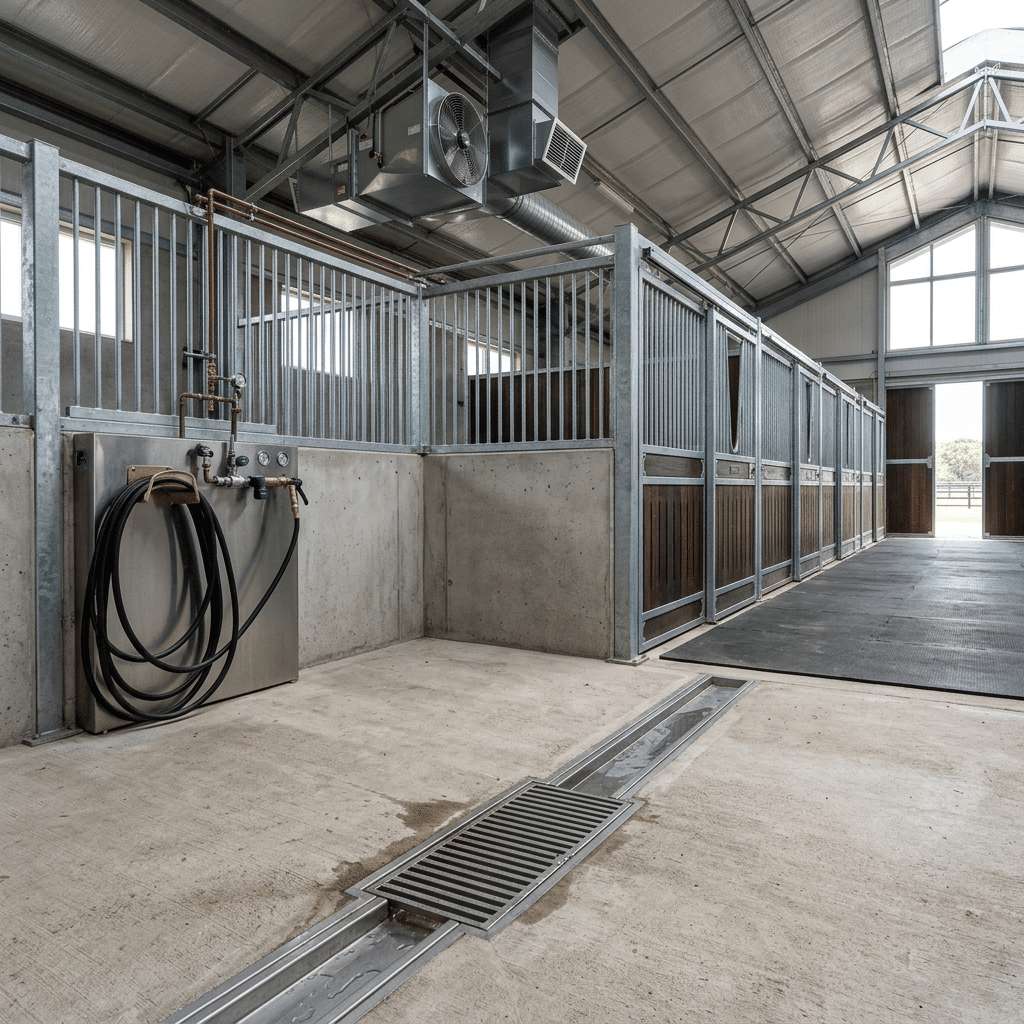
French Drains in Horse Stables: Integrating Sub-Floor Drainage
Improperly designed Sub-Floor Drains turn concrete foundations into bacterial reservoirs that accelerate steel corrosion. While standard concrete appears solid, it acts as a rigid sponge for urea, creating an ammonia cycle that compromises structural integrity and...
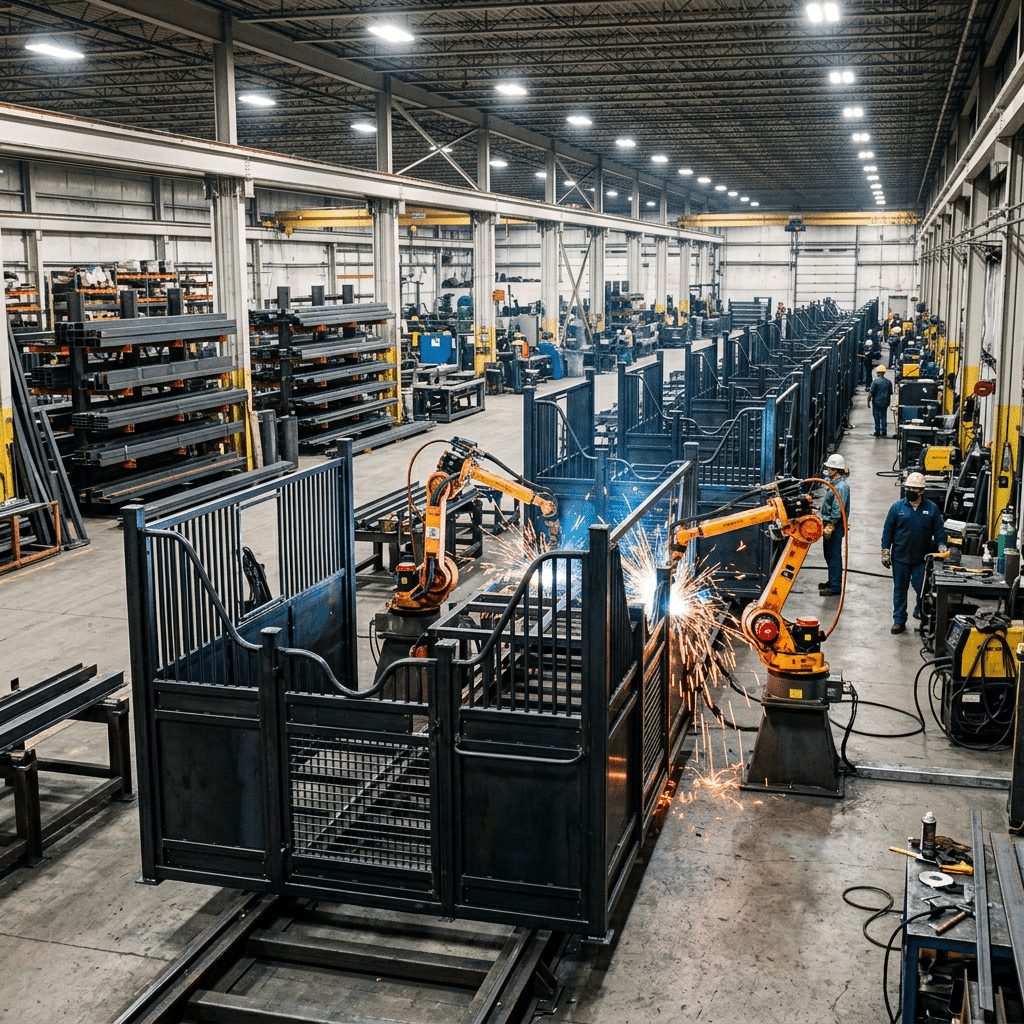
Polo Club Barn Layouts: Managing High-Volume “String” Turnarounds
Polo Club Stabling infrastructure directly impacts the profitability of high-volume string management. Poorly designed wood facilities inevitably succumb to moisture and impact damage, forcing owners into a cycle of costly repairs that drains operational budgets. We...
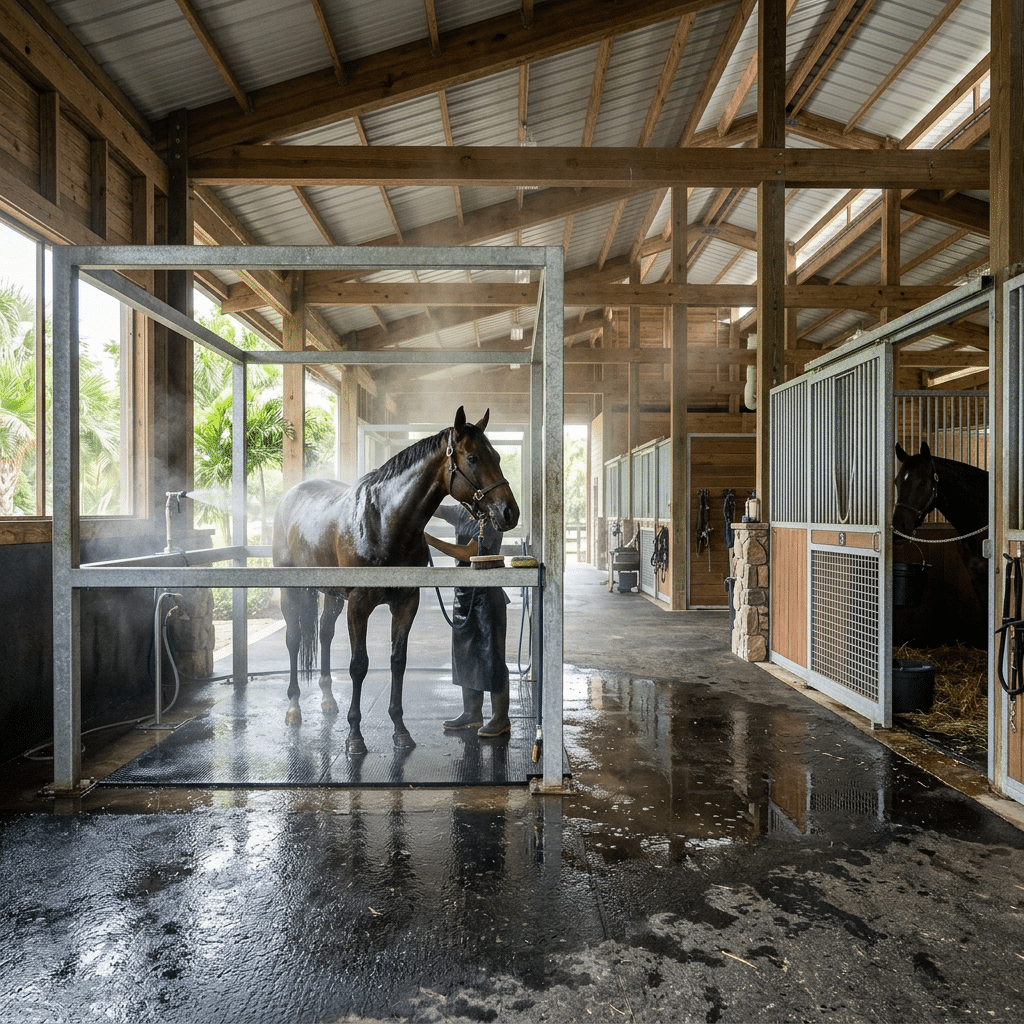
Plywood vs Tongue and Groove Bamboo for Horse Stall Panels
Factory-Direct Stables Built for 20-Year Durability Equip your facility with hot-dipped galvanized steel stables engineered to withstand rust and 120km/h winds. Our modular designs cut installation time by 30% while meeting strict BHS and ISO safety standards. View...
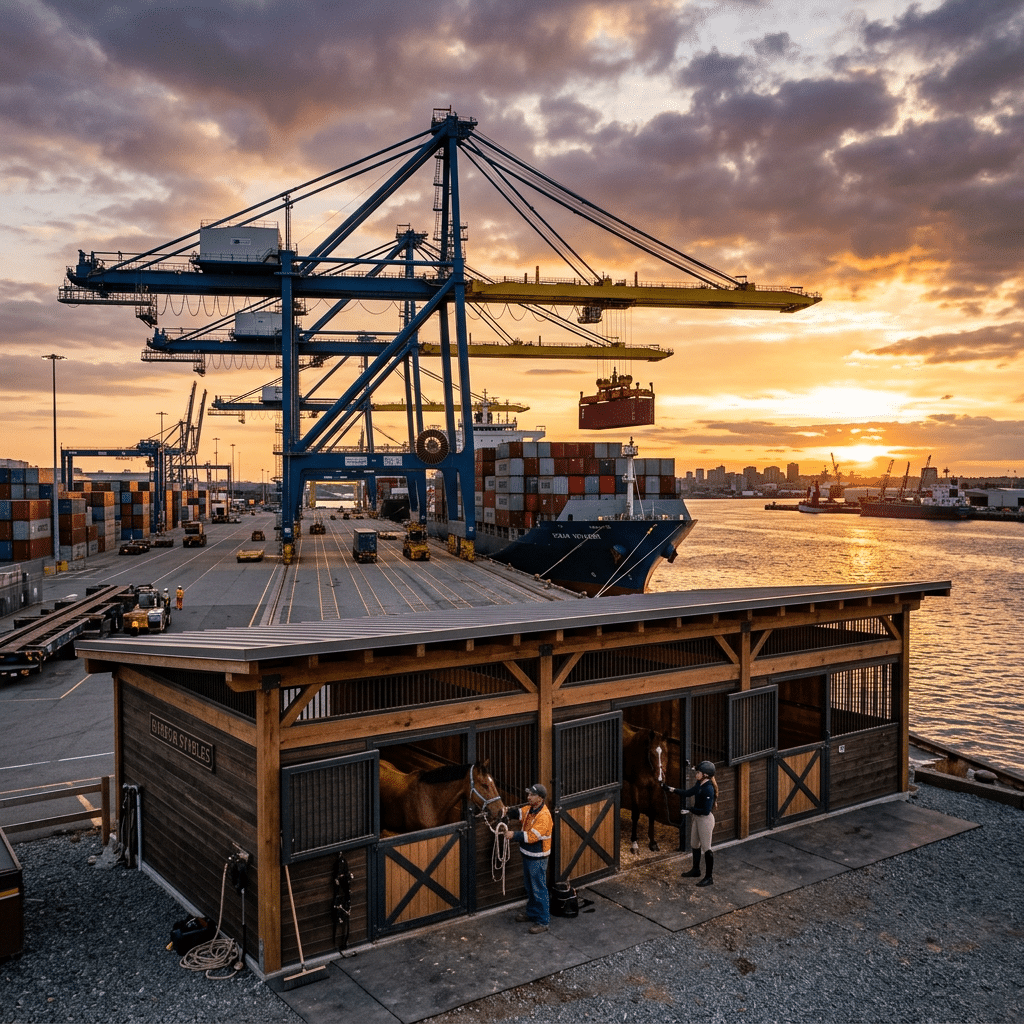
The Commercial Breeding Farm: Teasing Stalls and Foaling Suites
Operating successful Commercial Stud Farms demands infrastructure that eliminates injury risks while minimizing long-term maintenance cycles. Installing inadequate stalling systems made from softwood or light-gauge pre-galvanized steel invites catastrophic failure,...
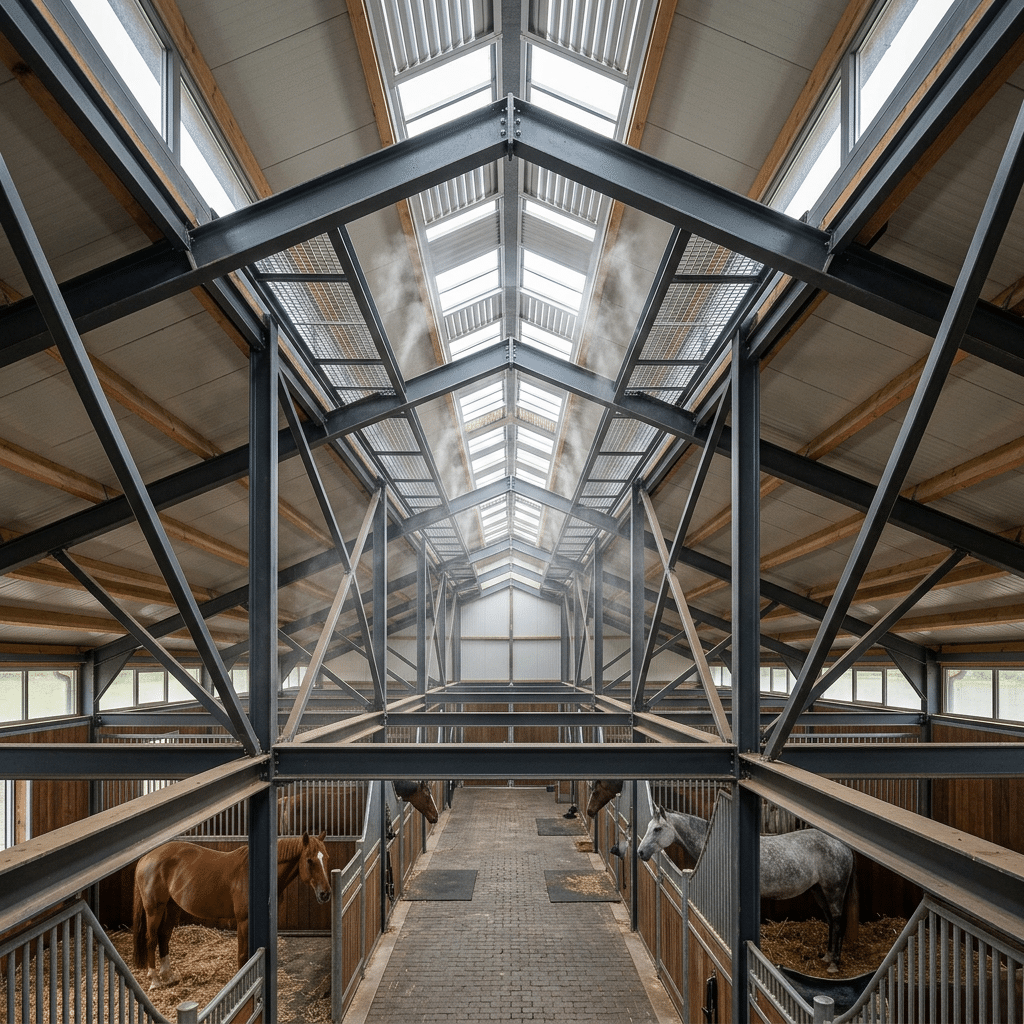
Panneaux imperméables pour boxes à chevaux : résister aux fortes précipitations de la Nouvelle-Zélande
Sourcing horse stalls for New Zealand demands materials that survive 149% of normal rainfall without corroding. Standard pre-galvanized frames often fail the salt spray test within months, turning paddock infrastructure into a liability of rust and rot. This analysis...
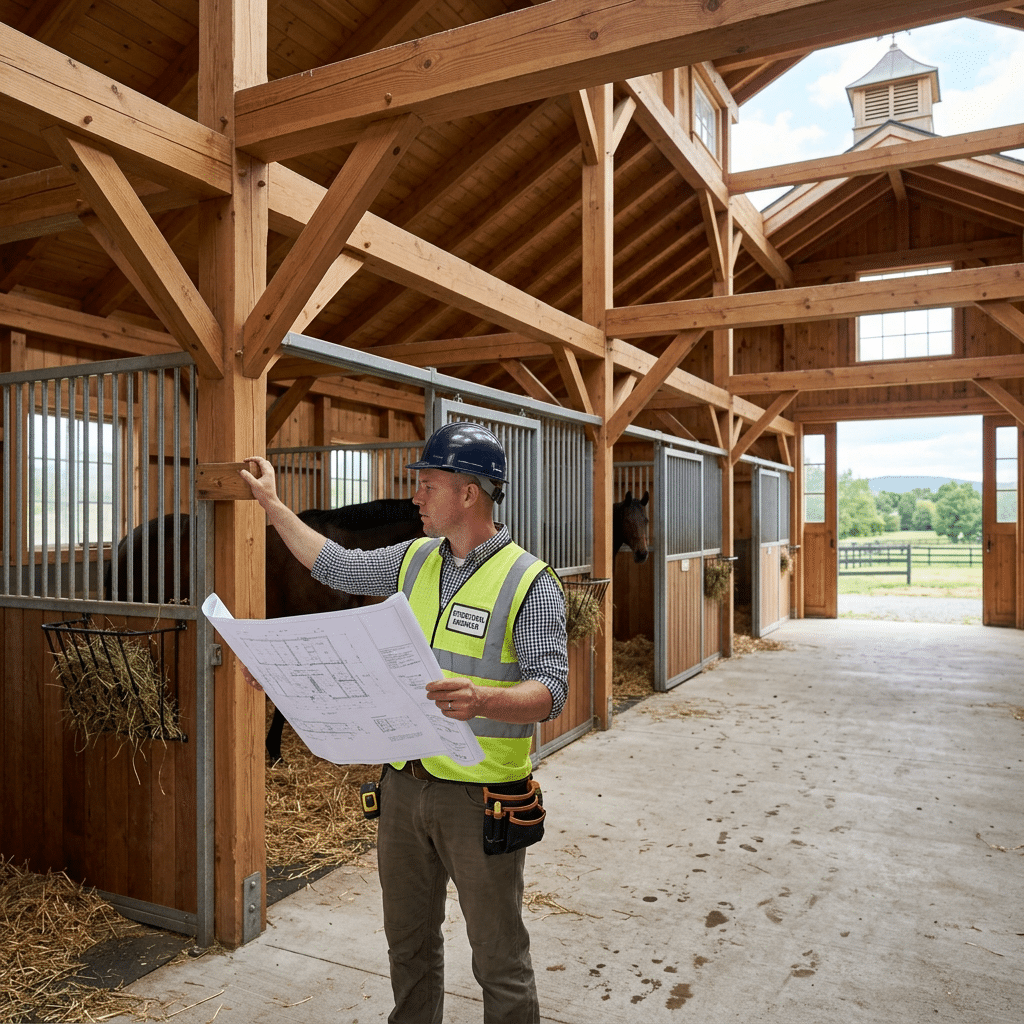
Lag Screws vs Through-Bolting: Securing Horse Stall Flanges
Selecting the right Fastener Types defines the difference between a lifetime installation and a high-liability failure. While standard lag screws reduce initial labor costs, they rely on wood friction that inevitably degrades when subjected to the kinetic energy of a...
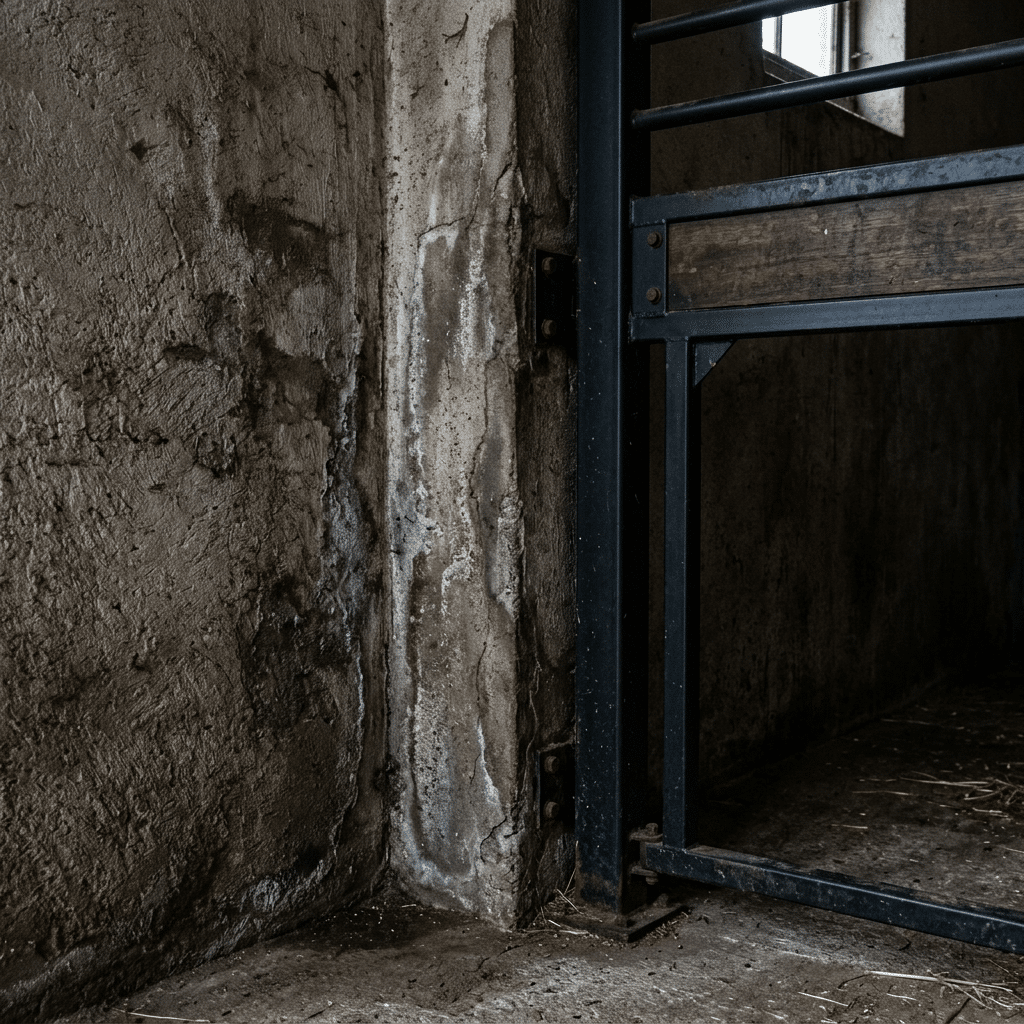
The Commercial Breeding Farm: Teasing Stalls and Foaling Suites
Commercial Stud Farms operate on strict schedules where infrastructure failure directly impacts asset value. Relying on traditional timber or painted steel invites rapid depreciation through rot and rust, forcing costly renovation cycles that disrupt breeding seasons....
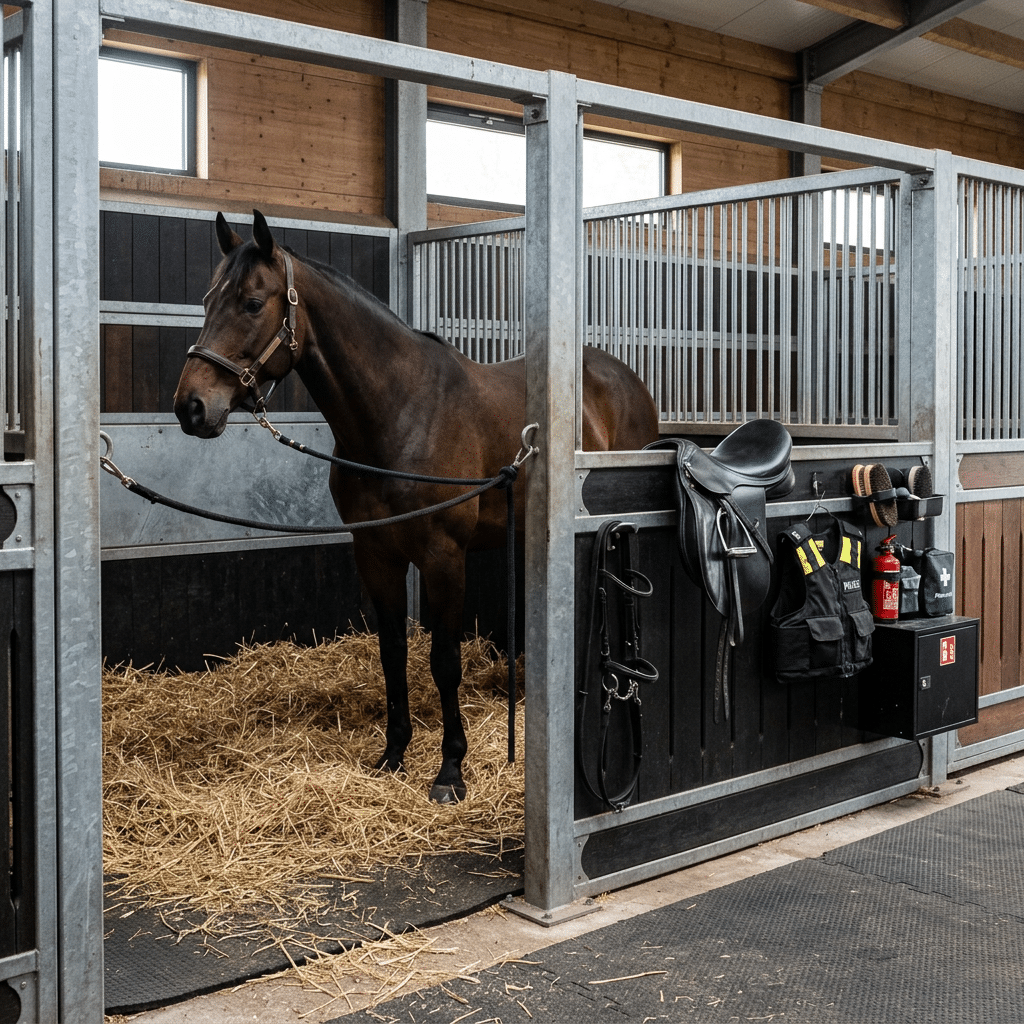
Modular Horse Stall Kits in the USA: Why 14-Gauge Steel is the Standard
Sourcing modular horse stall kits in the USA requires strict scrutiny to avoid the flood of lightweight 16-gauge systems that compromise safety for lower shipping rates. While thinner profiles might save on upfront freight, they often buckle under the strike of a...
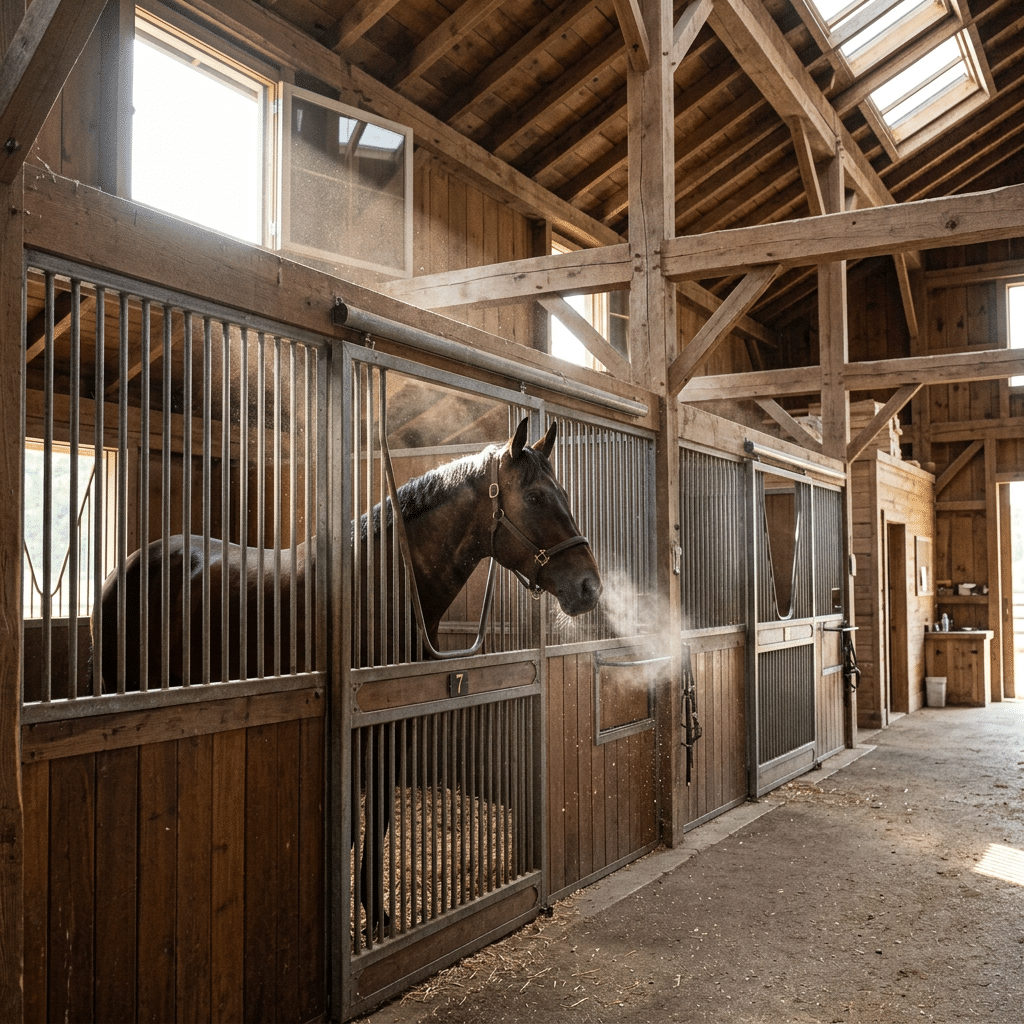
Equestrian Auction Houses: Temporary Stabling for High-Volume Turnover
Auction Houses managing high-volume turnover cannot afford the liability risks associated with splintering timber stalls. While temporary setups often prioritize low upfront costs, failing to secure million-dollar bloodstock against injury or infection destroys buyer...
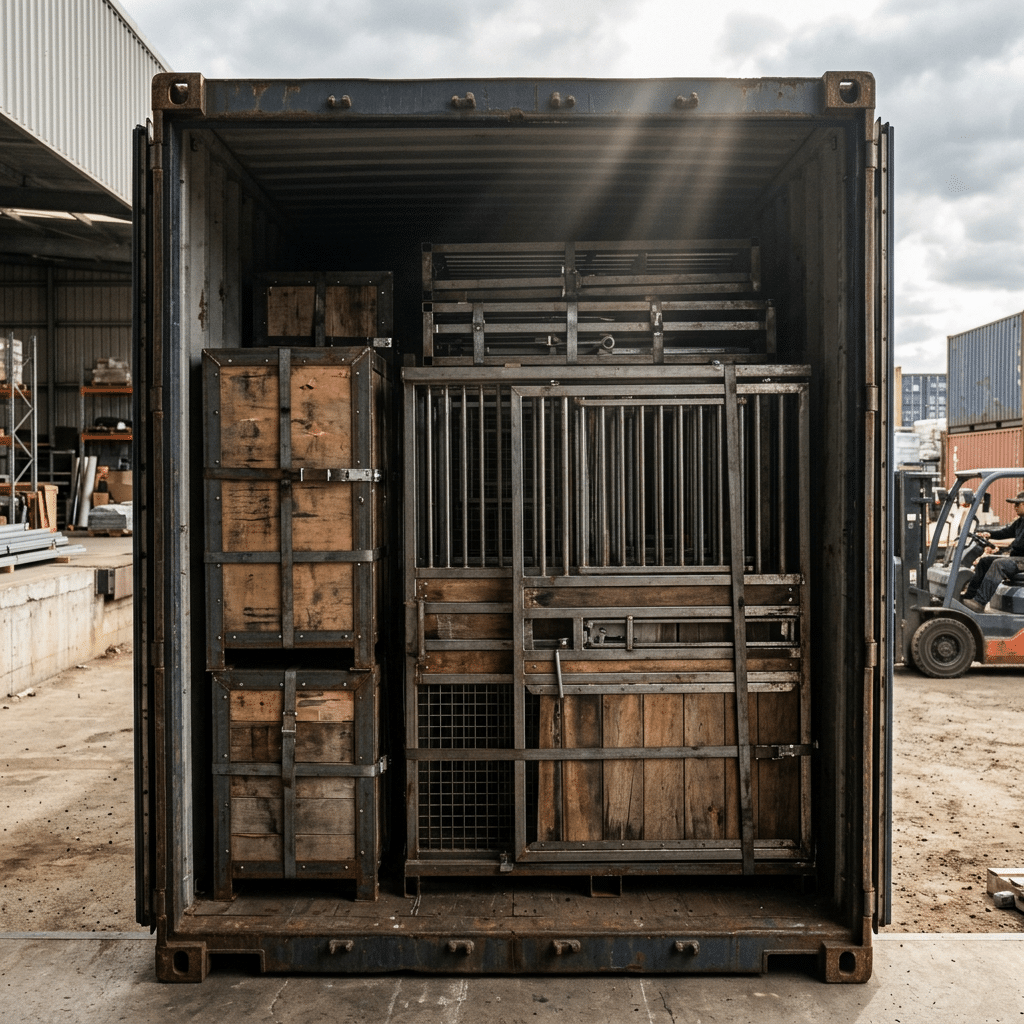
Wash Bay Organization: Mounting Hose Booms to HDG Steel Posts
Improperly mounted Wash Booms create a false sense of security that often ends in structural failure. While keeping hoses off the floor reduces trip hazards, attaching high-torque equipment to standard pine posts guarantees stripped fasteners and collapsed fixtures....
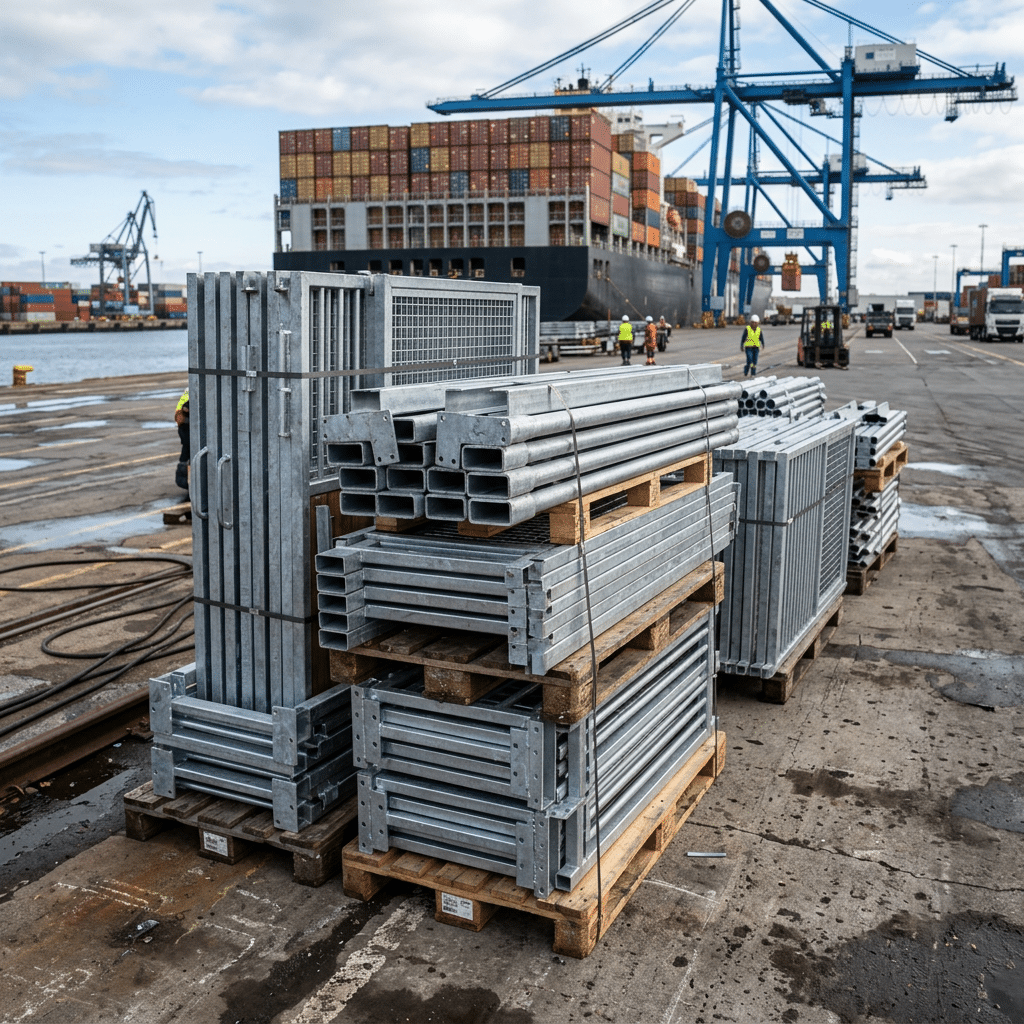
UK Horse Stables: Choosing Sliding Stall Fronts for BHS Compliance
Precision-Engineered Stables With 20-Year Durability Maximize facility value with hot-dipped galvanized steel frames designed to resist rust for over two decades. Our modular, compliance-ready systems reduce installation time by 30% for faster operational readiness....
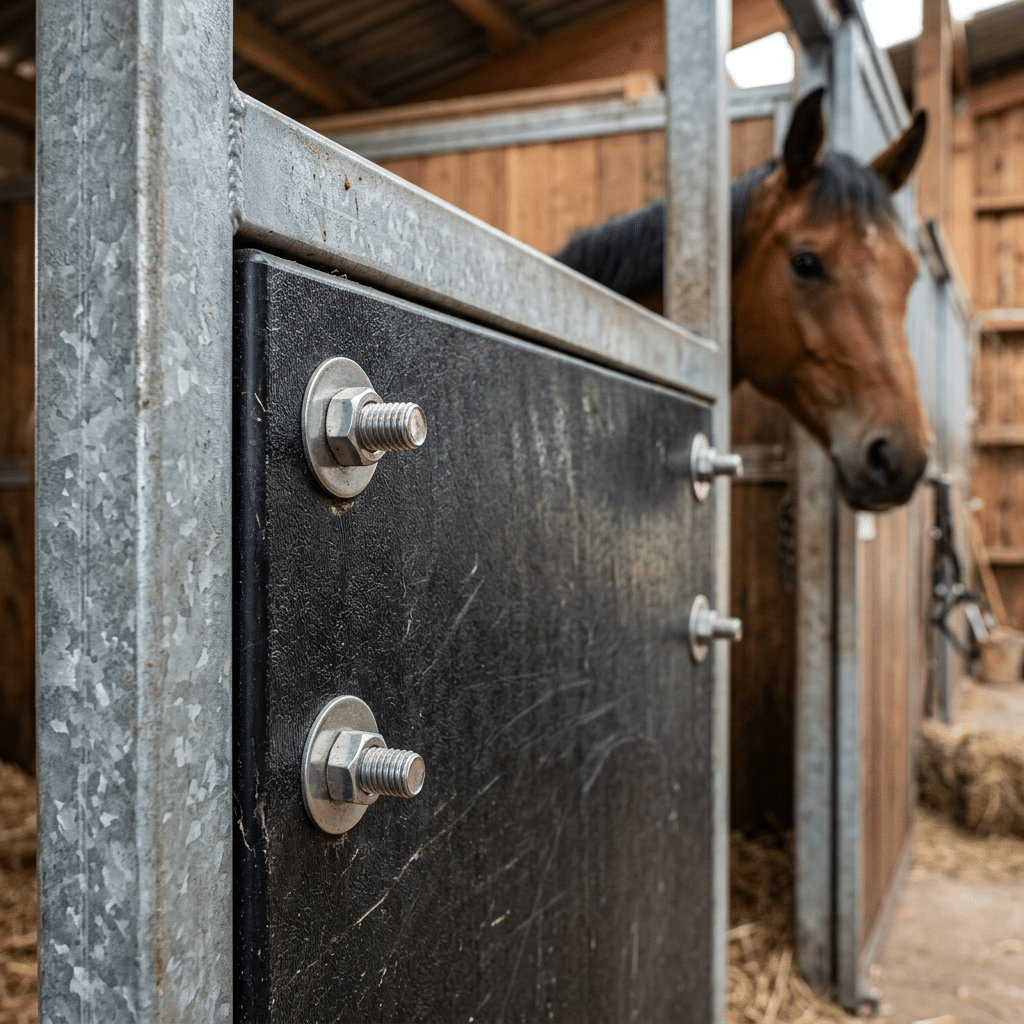
Equestrian Auction Houses: Temporary Stabling for High-Volume Turnover
Auction Houses require infrastructure that withstands rapid turnover without compromising biosecurity or asset value. Relying on traditional welded frames creates a logistical bottleneck, often capping container efficiency at just 12 units and driving up freight costs...
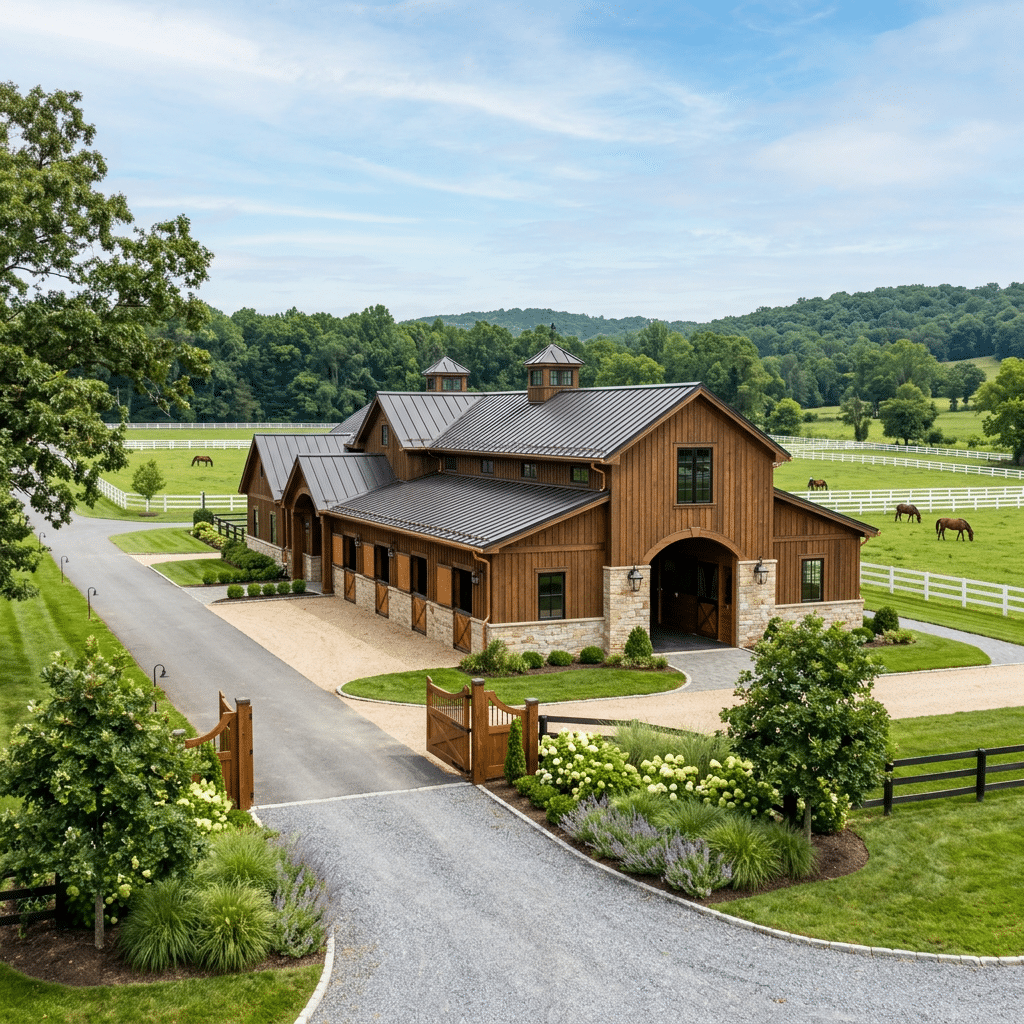
Anti-Cast Strips in Horse Stalls: Preventing Wall Trapping
Anti-cast strips function as a critical insurance policy against the lethal mechanics of wall entrapment in high-value equine facilities. When a thoroughbred becomes cast, the absence of traction hardware turns a minor stumble into a career-ending fracture. For...
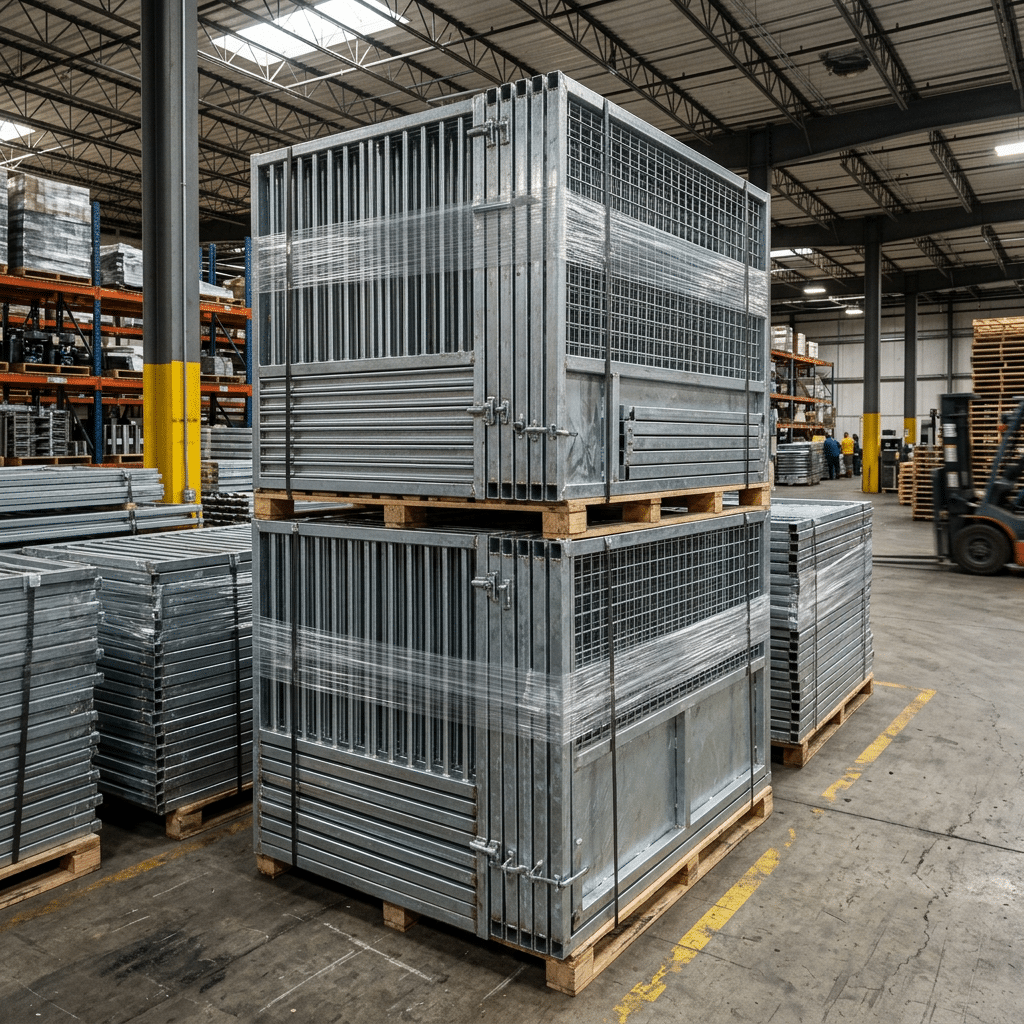
University Equine Hospitals: Hoist-Compatible Frameworks & Observation Grills
Designing a Vet University Hosp. now demands strict adherence to mandatory carbon budgets and circular economy lifecycles. Architects and government planners relying on traditional welded assemblies risk immediate tender disqualification due to inefficient Scope 3...
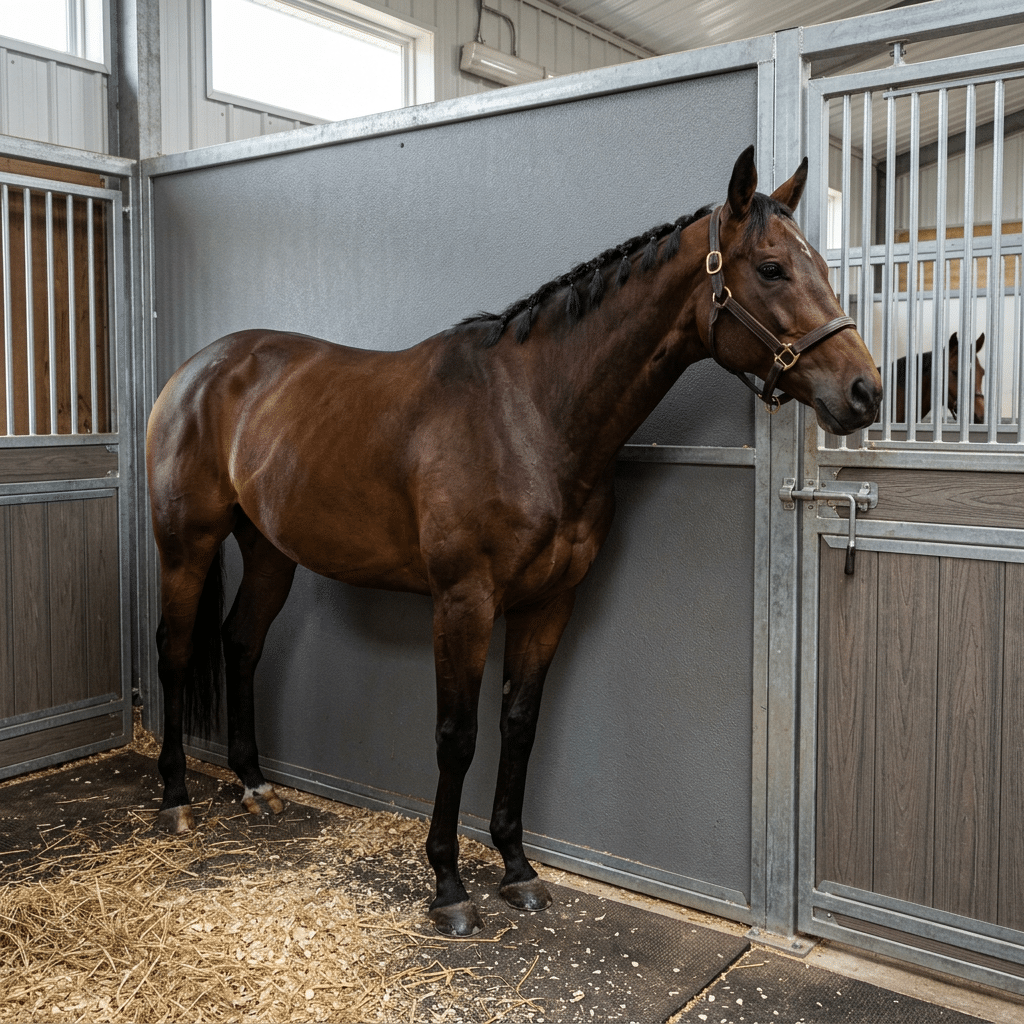
Stalles pour chevaux allemands : Séparateurs à mailles robustes pour Warmbloods
Exporting heavy-duty stabling to Germany demands engineering that withstands the kinetic impact of 17-hand Warmbloods. Standard 2.2m partitions frequently fail under the stress of these high-performance athletes, leading to catastrophic injury liability and costly...
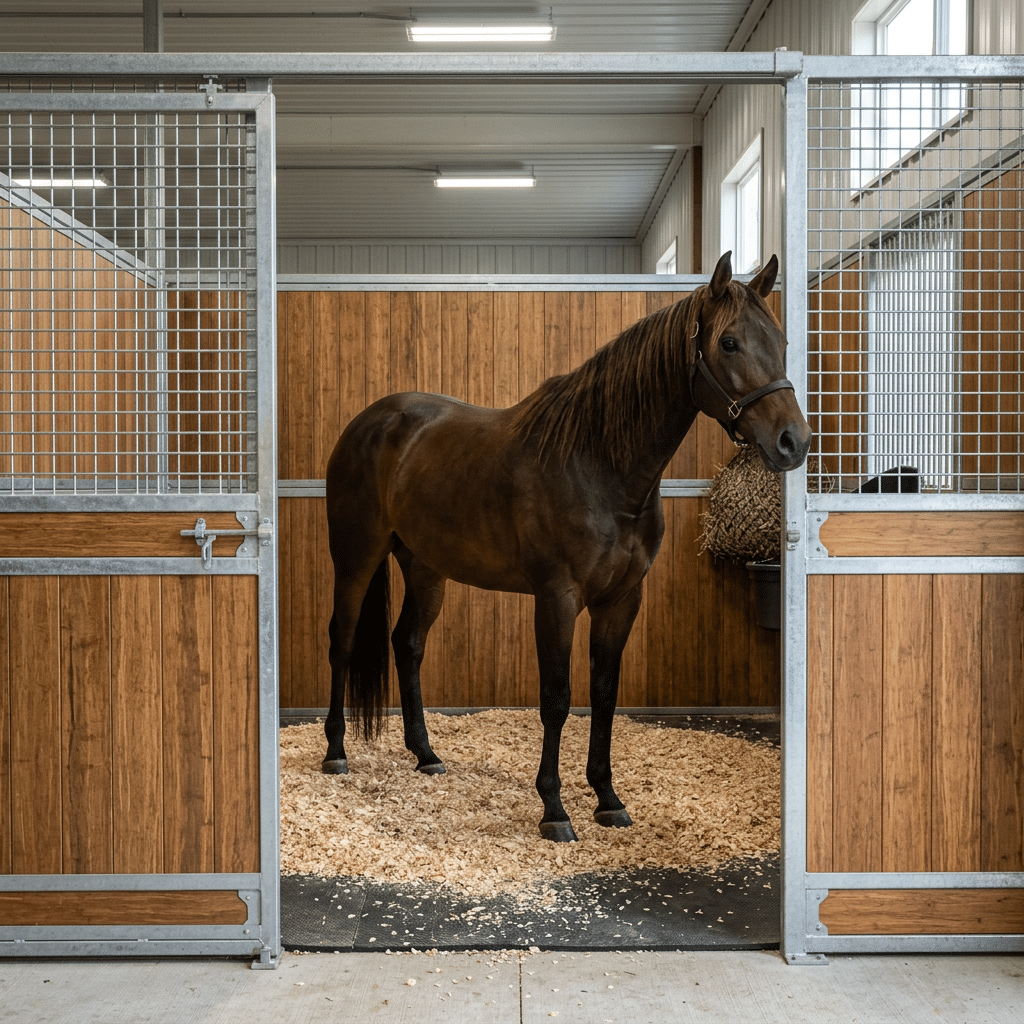
University Equine Hospitals: Hoist-Compatible Frameworks & Observation Grills
Sourcing infrastructure for a Vet University Hospital project now demands strict adherence to the 2026 ESG mandates for embodied carbon. While generic stabling offers lower initial capital expenditure, it fails Whole Life Carbon assessments due to rapid corrosion and...
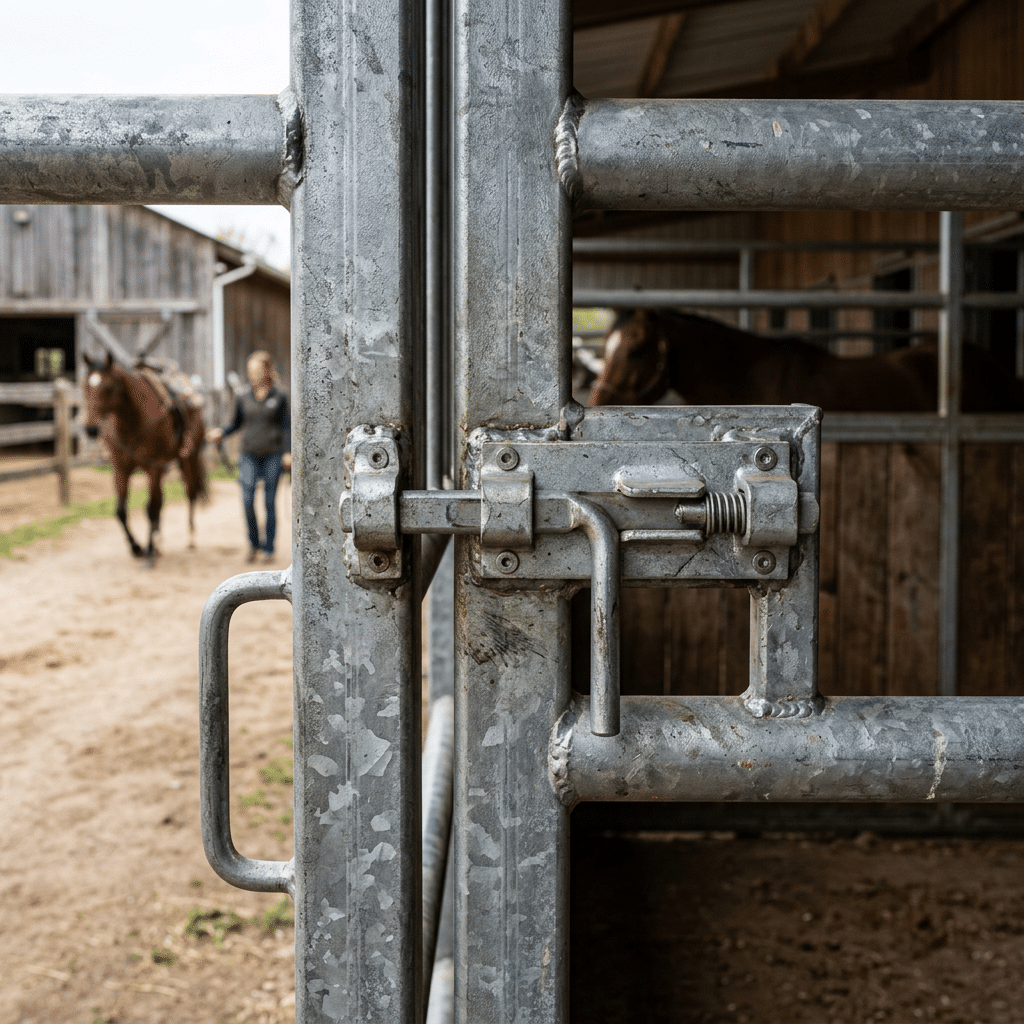
Barn Aisle Flooring Transitions: Concrete to Rubber Pavers
Neglected Aisle Thresholds create immediate liability risks for commercial equine facilities. Installing 45mm rubber pavers over existing concrete without a recessed transition forms a dangerous vertical lip that trips handlers and obstructs feed carts. This...
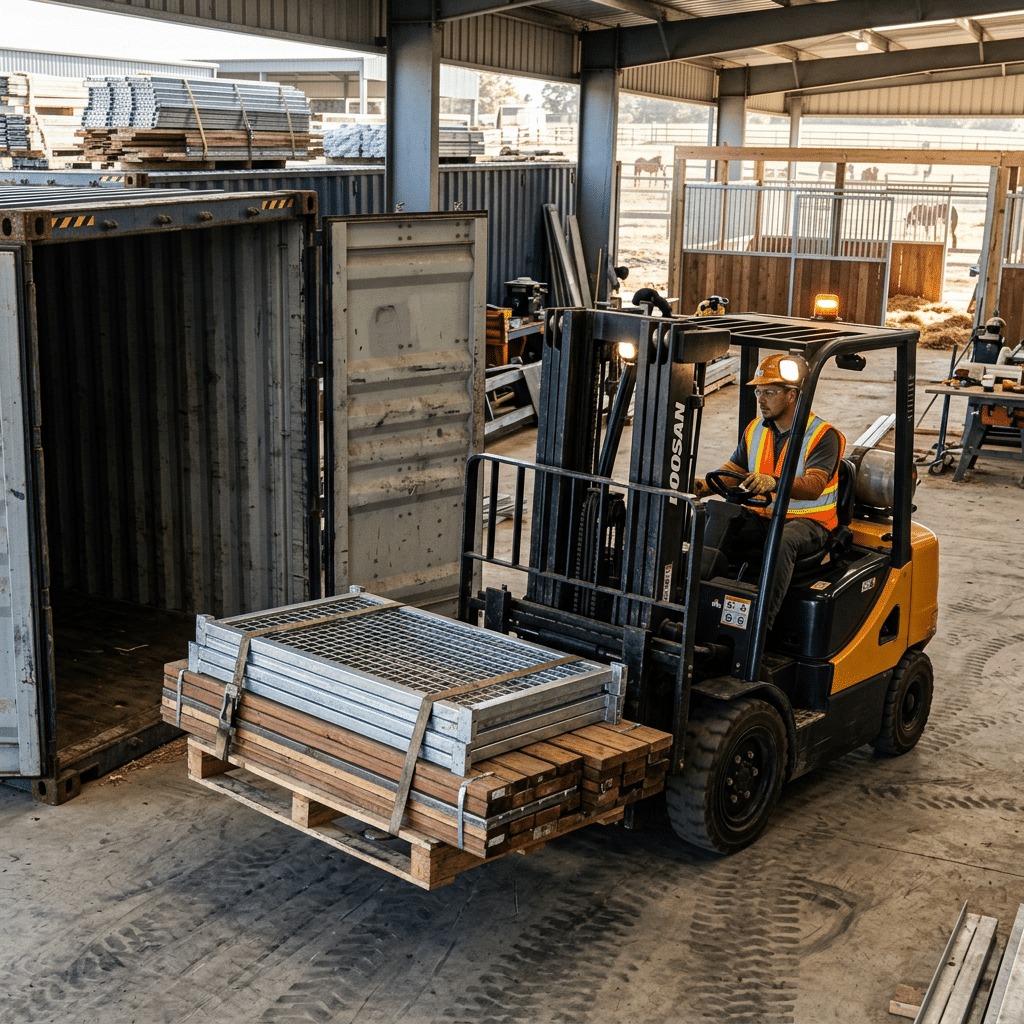
French Equestrian Elegance: Bamboo Horse Stall Fronts vs. Oak
Equestrian design in France demands architectural grandeur, yet traditional oak infills often warp in damp stable environments. Relying on native timber for luxury stalls creates a maintenance liability where high moisture content causes rot and structural failure...
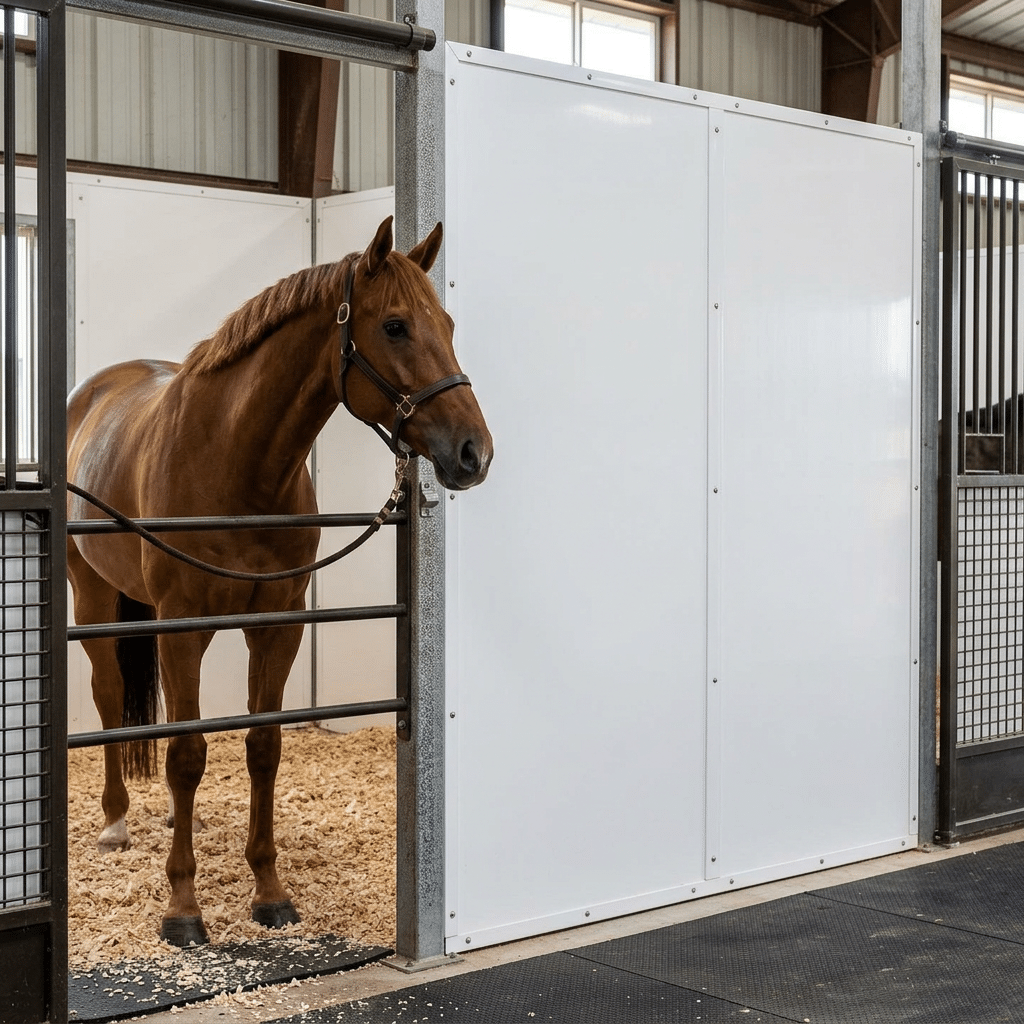
Global Equine Transport Hubs: Designing Layover Stables for Airports
Transport Hubs handling equine cargo face a unique operational risk: biosecurity failure during layover. While timber offers a traditional aesthetic, its porosity traps pathogens, leading to quarantine breaches and massive liability claims. Efficient operations demand...
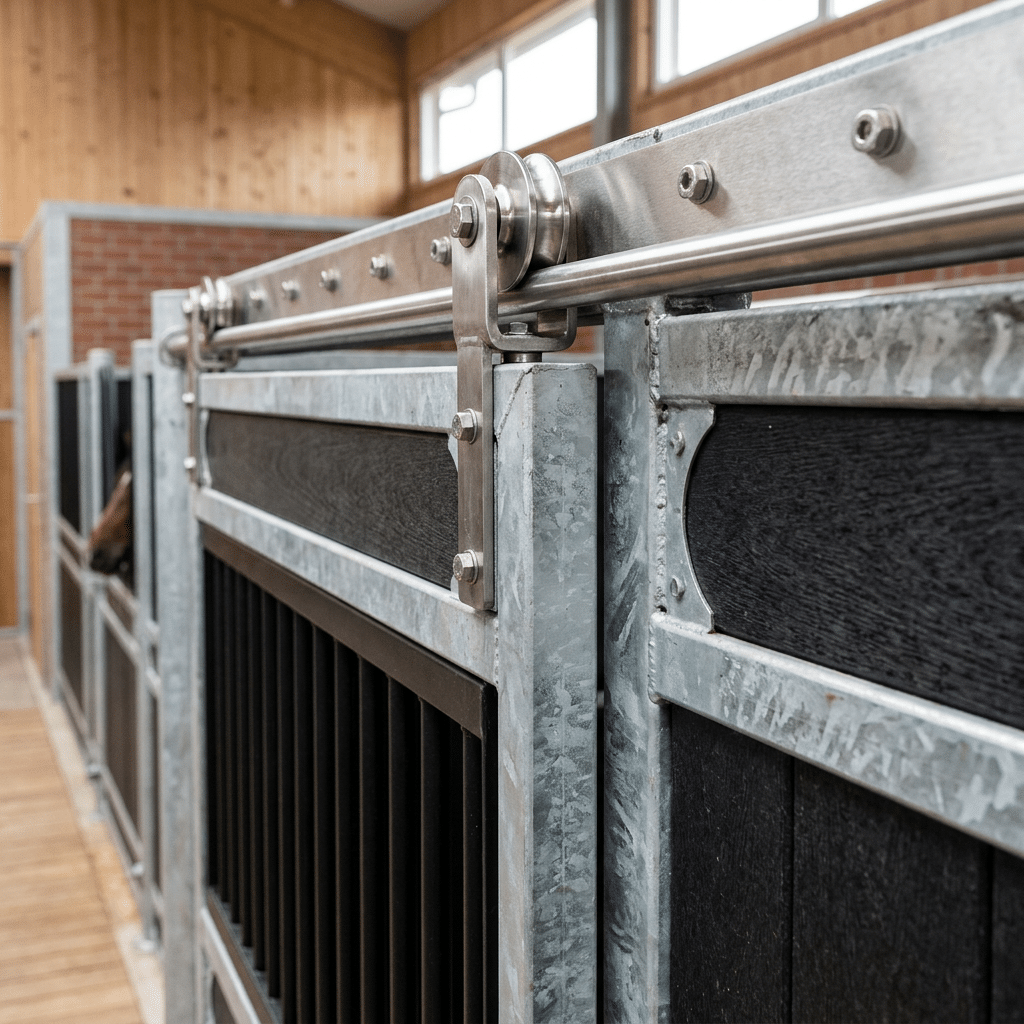
Round Track vs Box Track for Sliding Horse Stall Doors
Selecting the correct Round vs Box Track system determines whether your facility faces years of smooth operation or constant derailment liabilities. While tubular systems excel at shedding corrosive dust, they often fail under the dynamic impact of a 450kg...
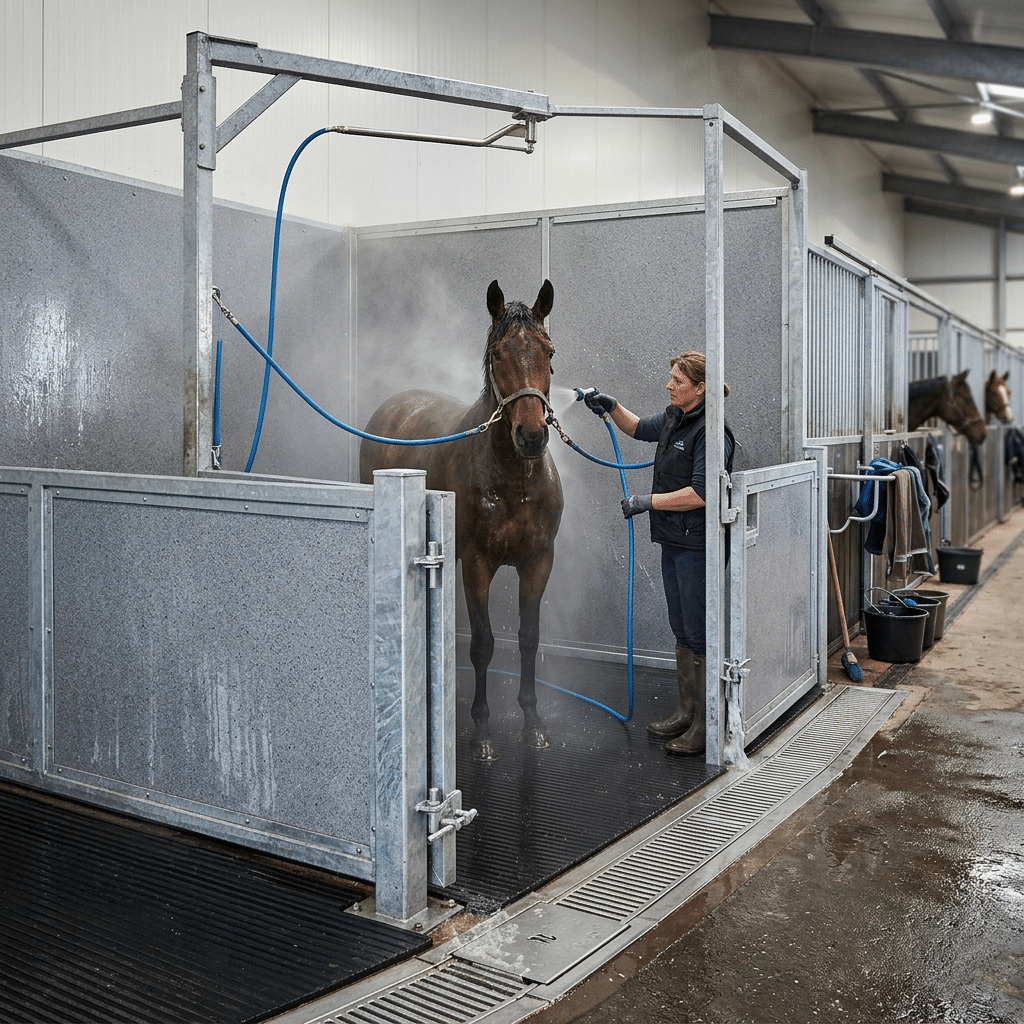
Global Equine Transport Hubs: Designing Layover Stables for Airports
Equine Transport Hubs face a unique infrastructure challenge where material failure halts global logistics chains. Specifying standard agricultural grade steel for these high-traffic zones creates an immediate liability, as rapid corrosion and physical damage force...
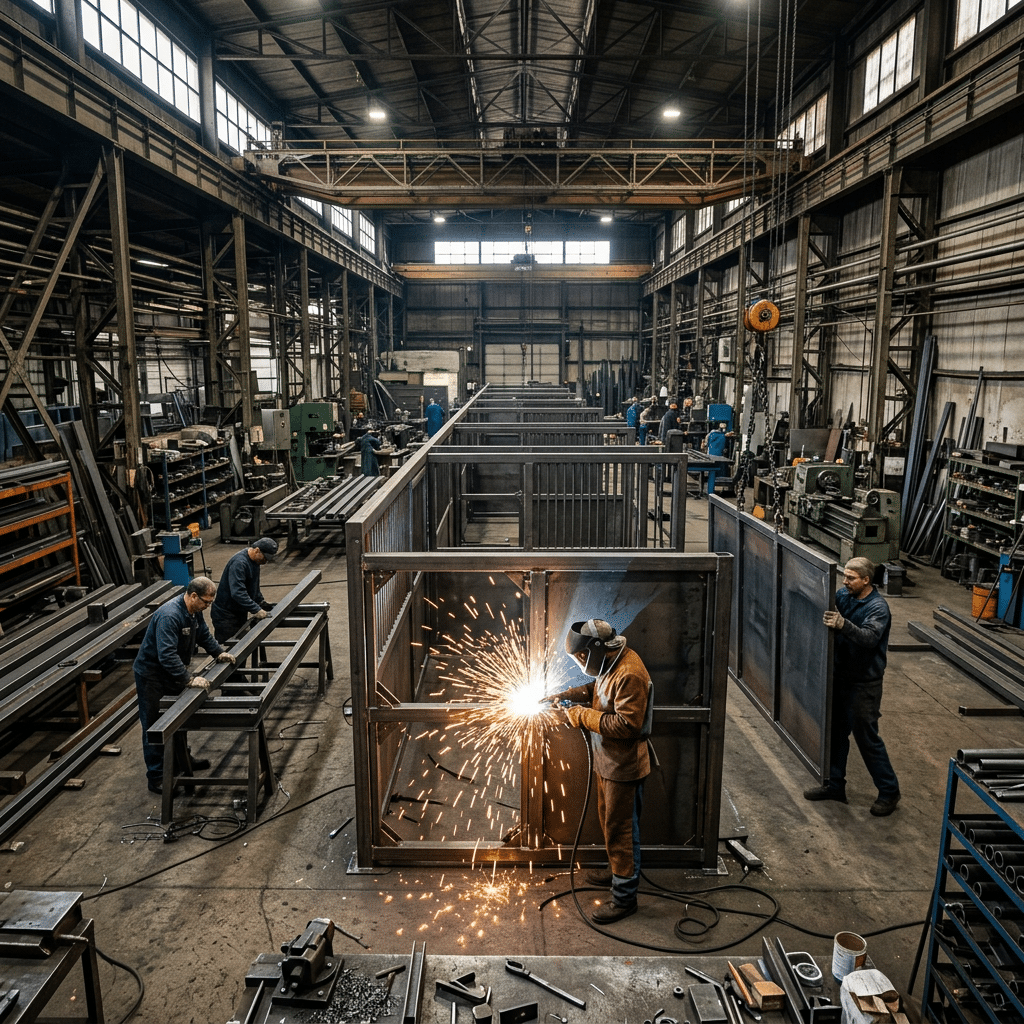
Les étés espagnols : Kits de box ventilés autoportants pour chevaux
Heat stress management in Spain determines the operational viability of any equestrian facility during the intense summer months. Relying on enclosed masonry or poorly ventilated wood structures creates a physiological furnace that jeopardizes high-value horses and...
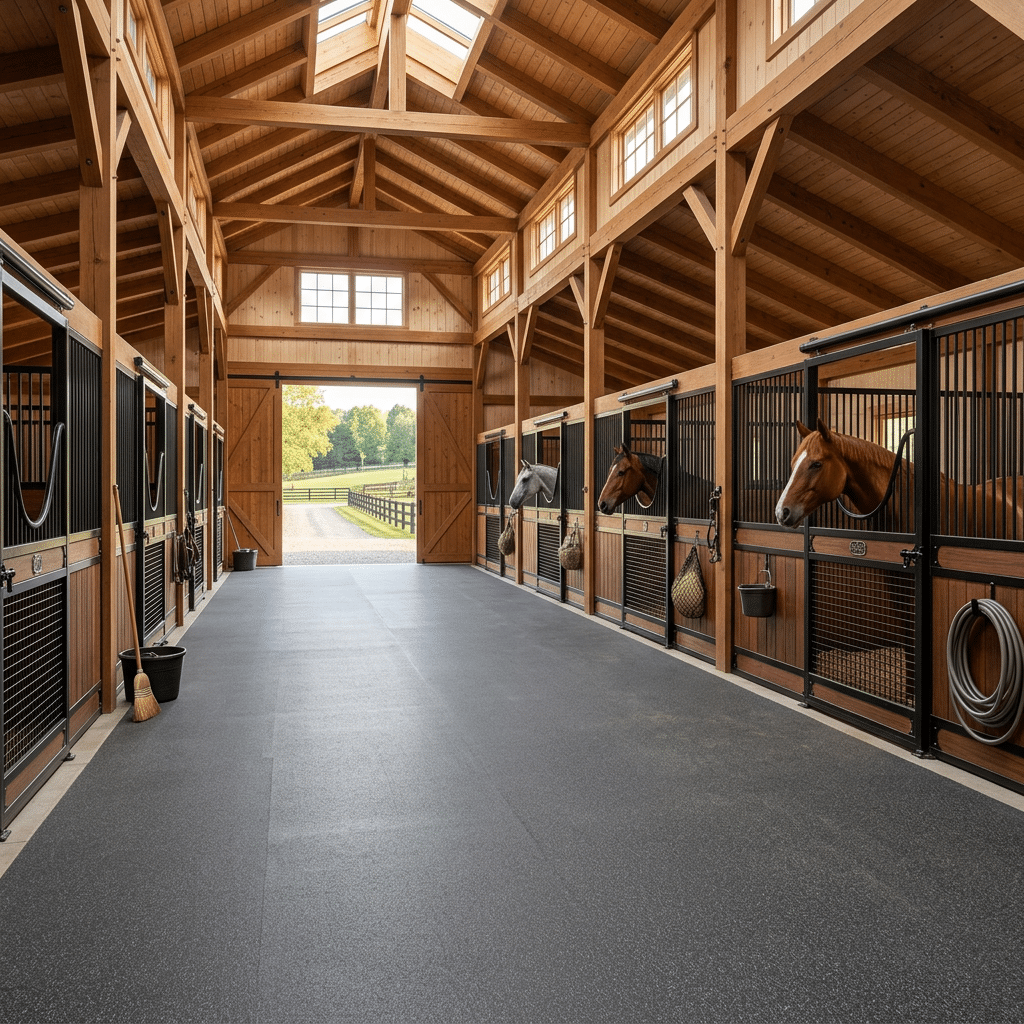
High-Performance Base Camps: Stabling for Olympic Dressage & Showjumping
Olympic Training infrastructure demands more than aesthetics; it requires absolute risk mitigation for equine assets valued in the millions. Standard agricultural stabling often fails under the dynamic stress of elite warmbloods, creating injury liabilities that...
Stall Guard Installation: Heavy-Duty D-Rings on Steel Frames
Stall Guard D-Rings must be integrated during fabrication to prevent catastrophic pull-out failures. Retrofitting screw-in eyes into 2.0mm RHS tubing compromises the steel wall integrity and strips internal threads under dynamic equine impact. This mechanical weakness...
High-Performance Base Camps: Stabling for Olympic Dressage & Showjumping
Olympic Training facilities demand infrastructure that balances elite performance with strict asset protection. Syndicates and investors face significant financial exposure when inferior stabling compromises the safety of high-value horses or fails to meet emerging...
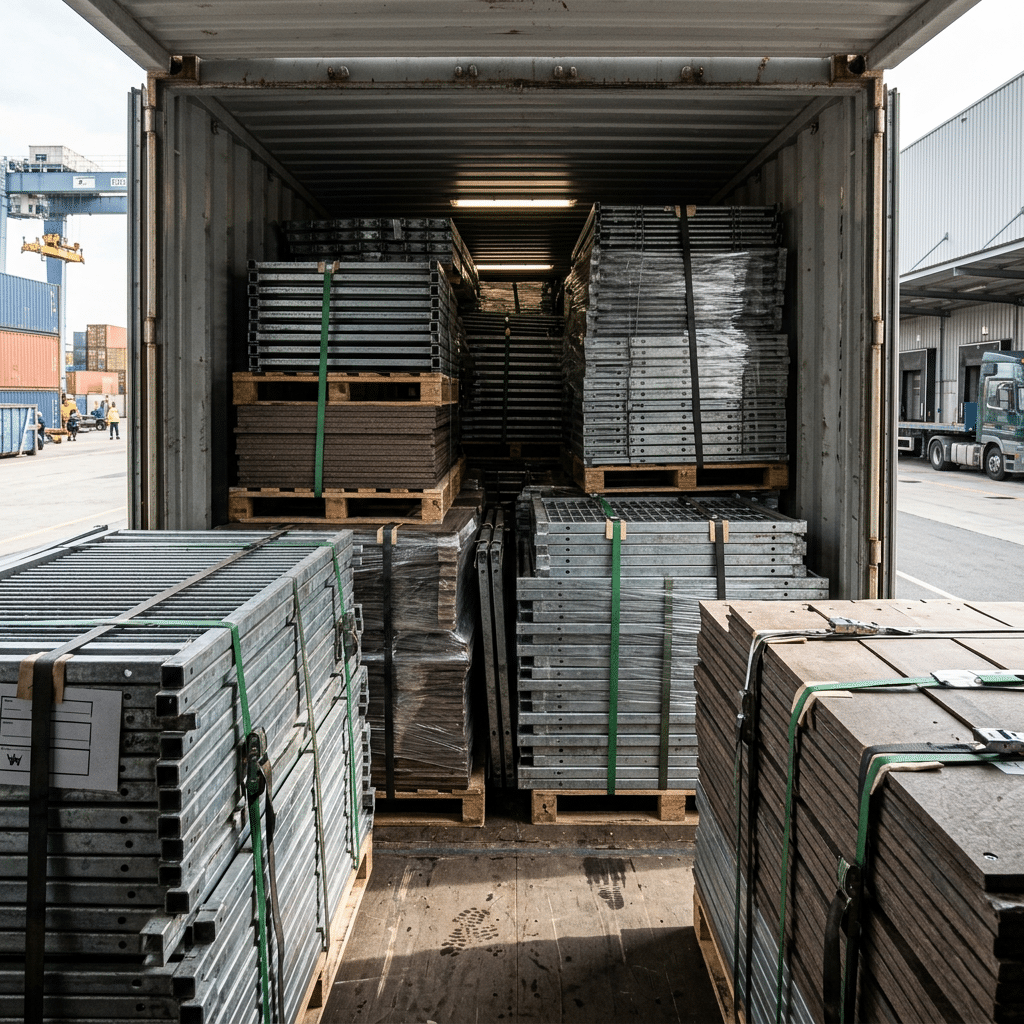
Hivers danois : portes et fenêtres d'écuries sans courants d'air
Equipping facilities in Denmark demands structural steel capable of withstanding the ductile-to-brittle transition found in sub-zero climates. Standard mild steel often fractures under equine impact during a hard freeze, turning a budget renovation into a significant...
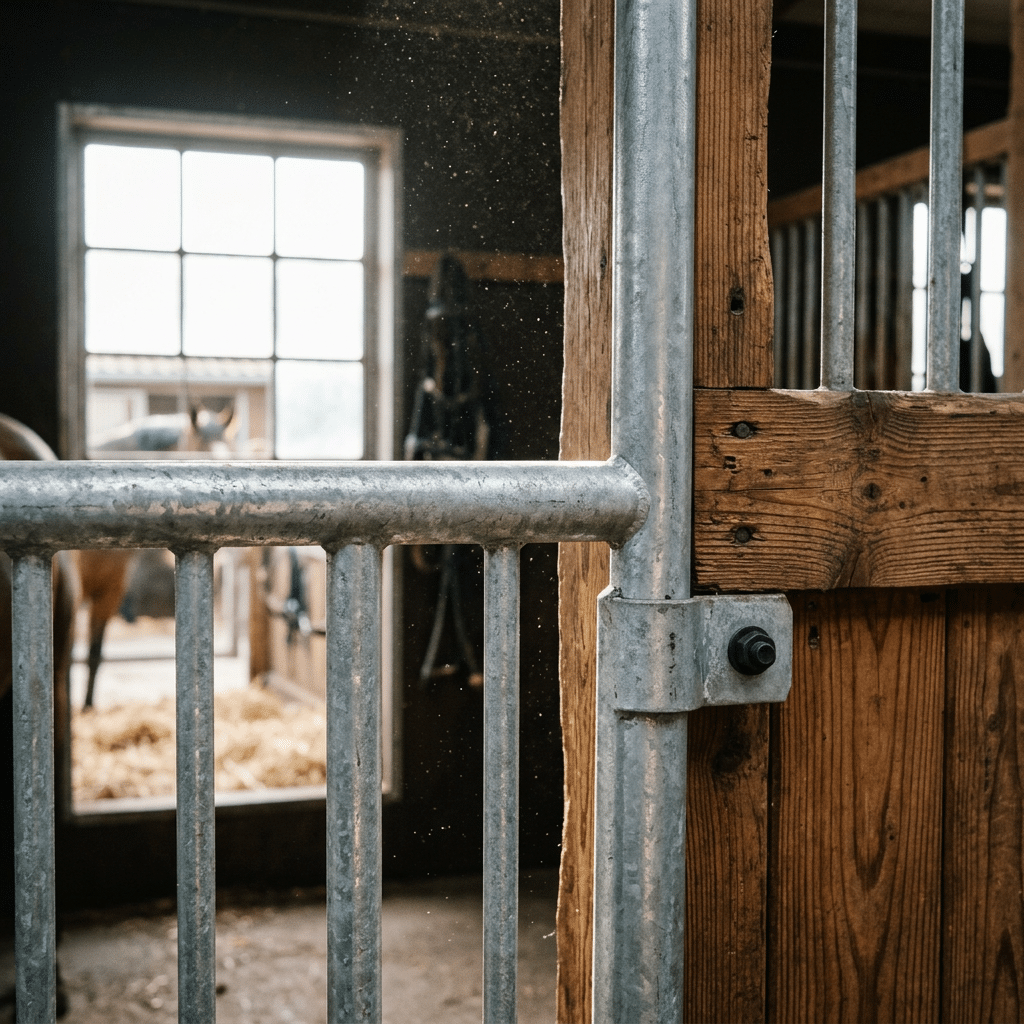
Ridge Vents and Open Stall Grills: The Barn Cooling Formula
Optimizing Roof Vents & Grills is the only structural defense against the thermodynamics of a steel barn in the southern heat. Without a calculated intake and exhaust strategy, heat accumulates in the roof peak while ammonia stagnates at the floor level. This...
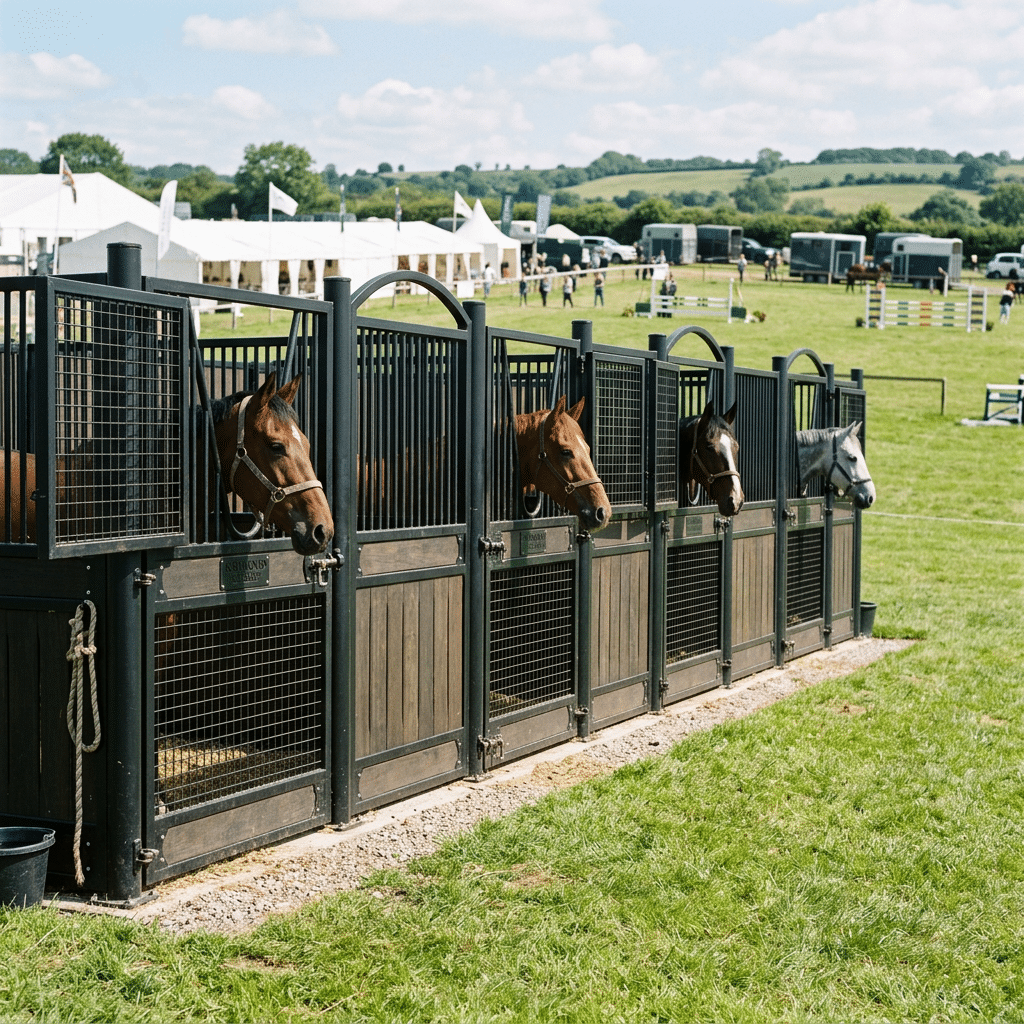
Conception d'étables pour l'hippothérapie : Conformité à l'ADA et sécurité des cavaliers
Designing compliant Hippotherapy Centers is a capital-intensive challenge where failing ADA or safety audits creates immediate liability. Standard equestrian structures often lack the zero-threshold access and impact resistance required for adaptive riding programs,...
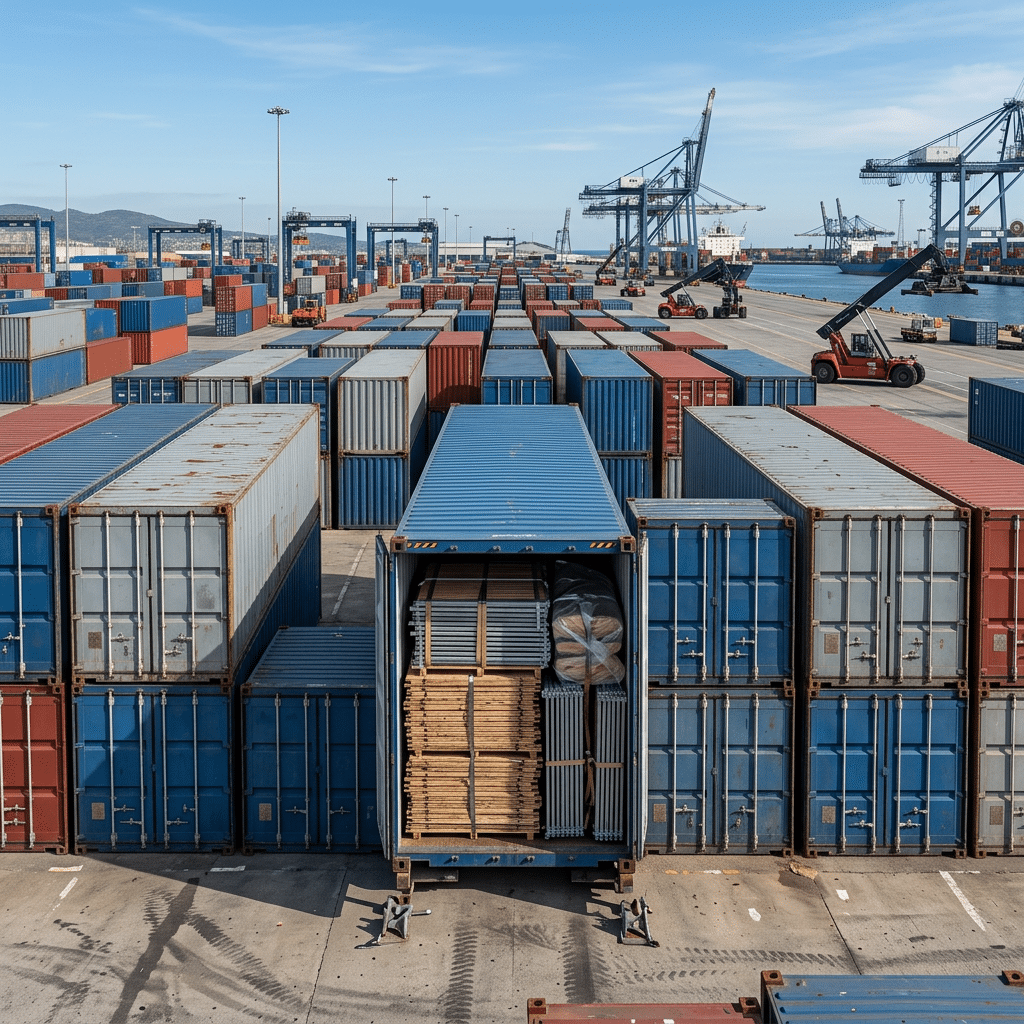
Conception d'étables pour l'hippothérapie : Conformité à l'ADA et sécurité des cavaliers
Designing compliant Hippotherapy Centers demands infrastructure that exceeds standard agricultural codes to mitigate strict liability risks. Relying on traditional porous timber creates hygiene hazards and structural vulnerabilities that drive up insurance premiums...
Polish Winters: Heavy-Duty Horse Stall Panels with Swing Doors
Sourcing stable equipment for Poland demands infrastructure capable of withstanding the brutal freeze-thaw cycles of Central Europe. Standard sliding door systems often fail when ground tracks freeze solid, turning a functional barn into a maintenance nightmare. While...
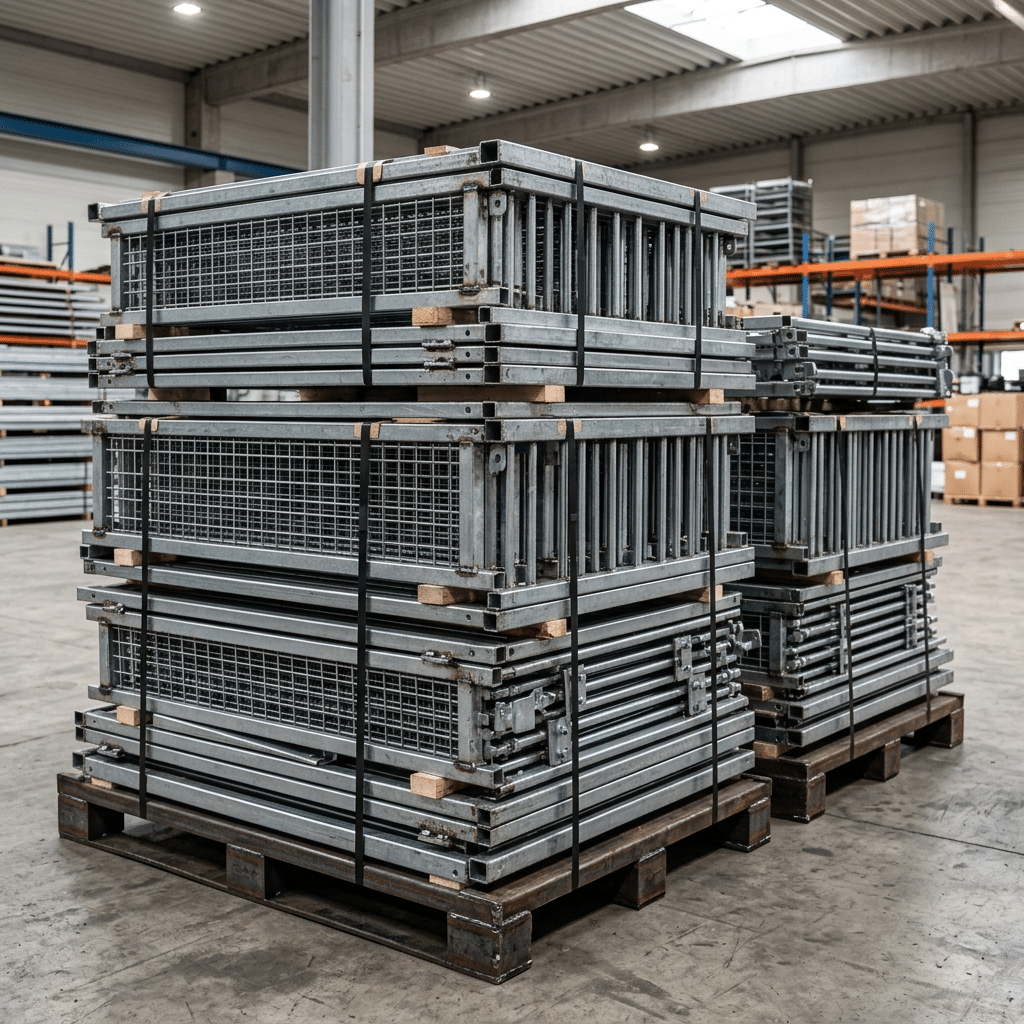
Is Galvanized Steel Safe for Horses to Chew? The Zinc Myth
The Zinc Toxicity Myth often misleads facility managers into choosing chemically treated timber, increasing both maintenance liability and veterinary risks. While novices fear the metallurgical bond of galvanized steel, the documented danger lies in the splintering of...
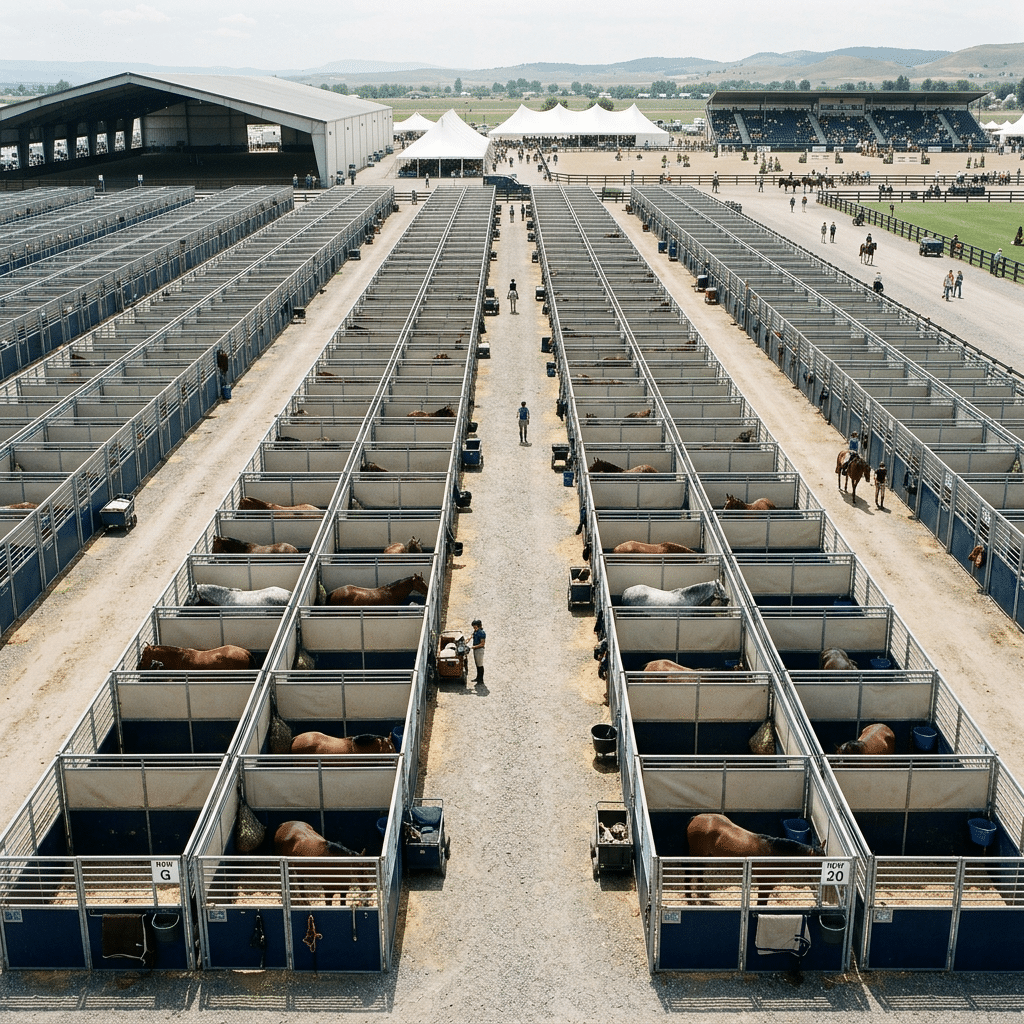
Architecture du sanctuaire : Des stabulations de grande capacité pour un budget non lucratif
Draft Horse Rescue operations face a unique capital challenge: housing heavy breeds without exhausting donor funds on maintenance. Standard wood stalls frequently shatter under the impact of 2,000-pound animals, creating a perpetual repair loop that drains 501(c)(3)...
Importation de stalles pour chevaux : Comment les kits de stabulation à plat permettent d'économiser du fret 60%
Global Export strategies for horse stalls often collapse under the weight of logistical inefficiency. Importing traditional fully welded frames forces distributors to pay for shipping air, limiting a 40HQ container to just 12 units and decimating potential profit...
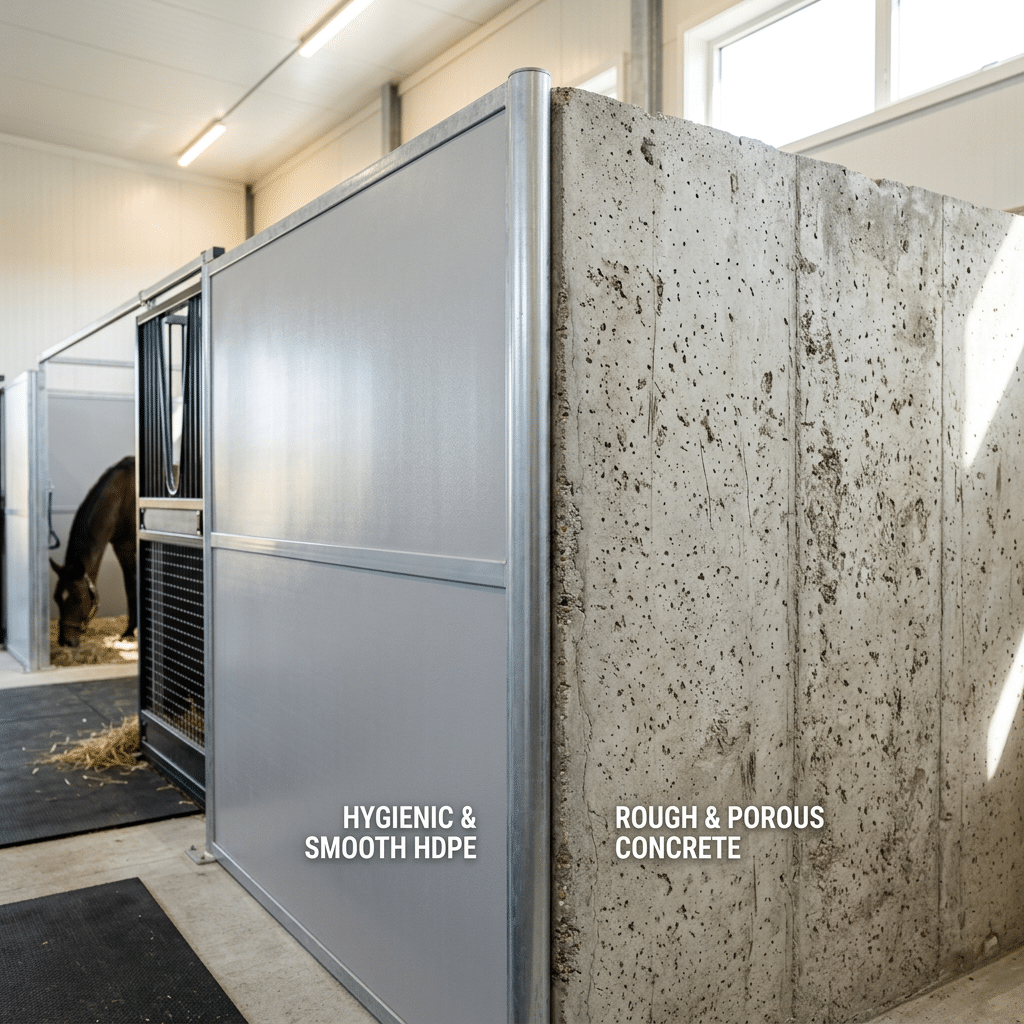
Horse Stall Sizing for 17-Hand Warmbloods and Drafts
Draft Custom Sizing is the only reliable defense against the liability of cast horses in professional warmblood facilities. Standard 12-foot stalls physically trap rolling draft breeds, turning a routine movement into a lethal panic event that destroys partition walls...
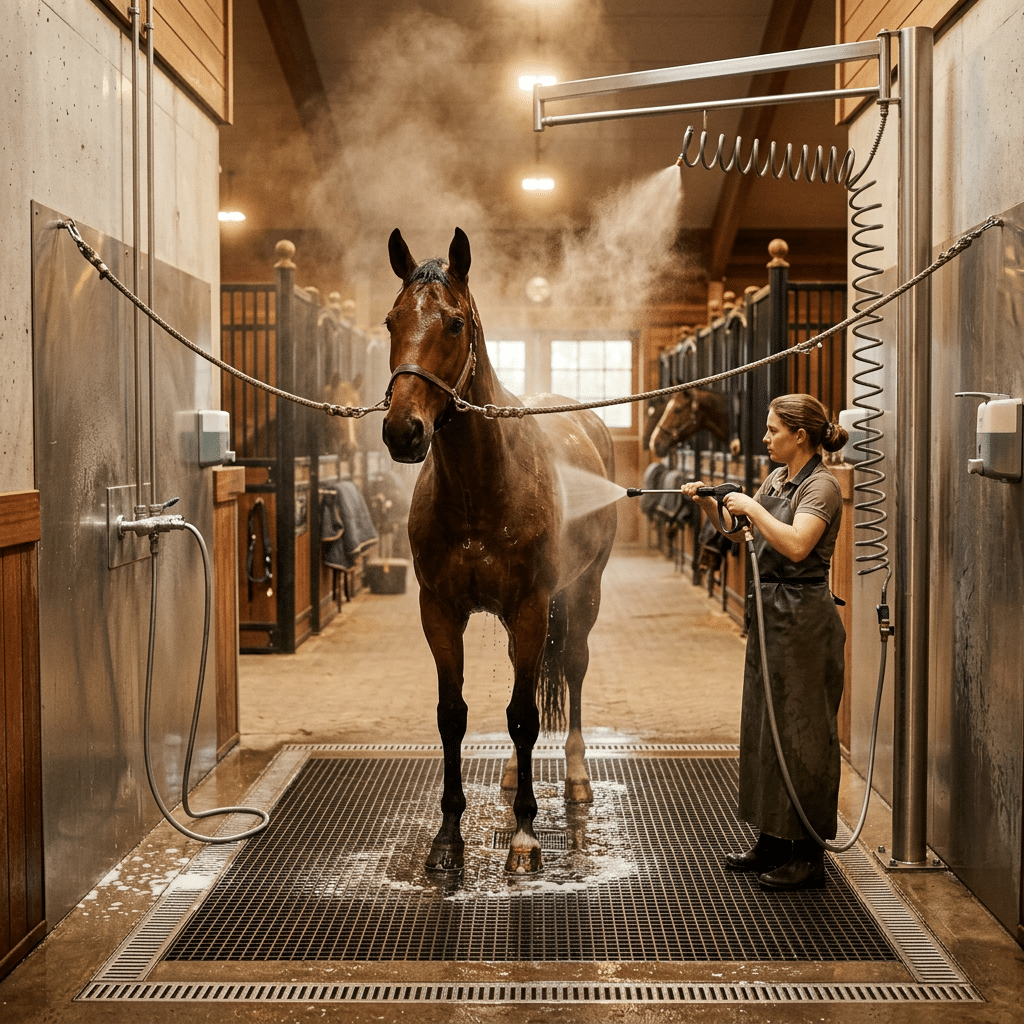
Architecture du sanctuaire : Des stabulations de grande capacité pour un budget non lucratif
Expanding a Draft Horse Rescue facility demands heavy-duty infrastructure that balances immediate capacity with long-term solvency. Relying on standard timber or residential-grade steel for these heavy breeds inevitably leads to structural failure and wasted donor...
Stabulation institutionnelle : Spécifications blindées pour les équidés de la police et de l'armée
Police/Military HQ stabling projects demand infrastructure that survives abuse, not just weather. While traditional timber specifications fit the aesthetic, they fail the total cost of ownership test when 1,200-pound tactical equines begin cribbing or kicking. Relying...
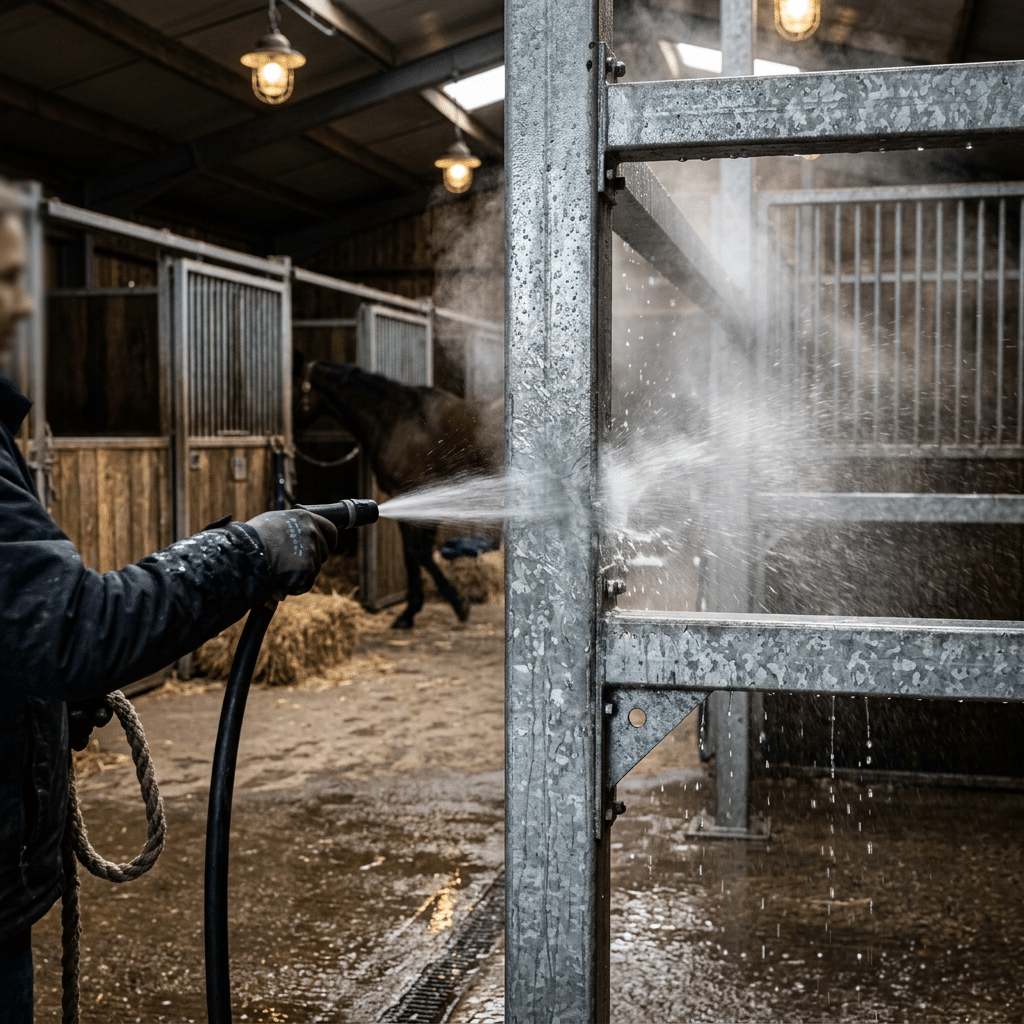
Anchoring Free-Standing Horse Stalls Without Concrete
Deploying Earth Augers allows tenants to secure structural assets without triggering costly land restoration clauses. Poured concrete foundations often violate lease agreements, forcing agricultural renters to forfeit their deposit or fund expensive soil remediation...
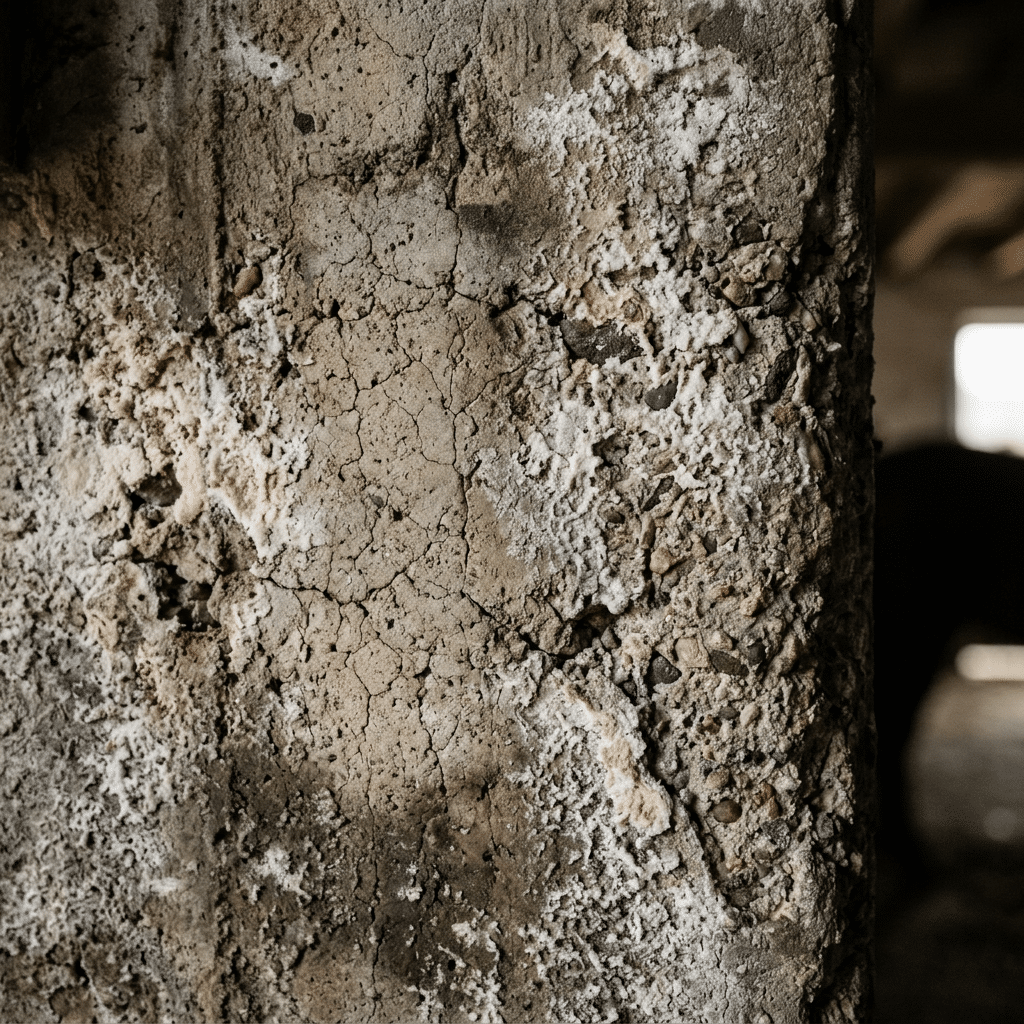
Portable Horse Stables in Australia: Why HDPE Panels Beat Wood in 40°C Heat
Deploying timber stables across Australia creates a massive maintenance liability for facility managers. In 40°C heat, standard softwood splits and invites termite infestation, turning a capital asset into a recurring expense. Neglecting material science here leads to...
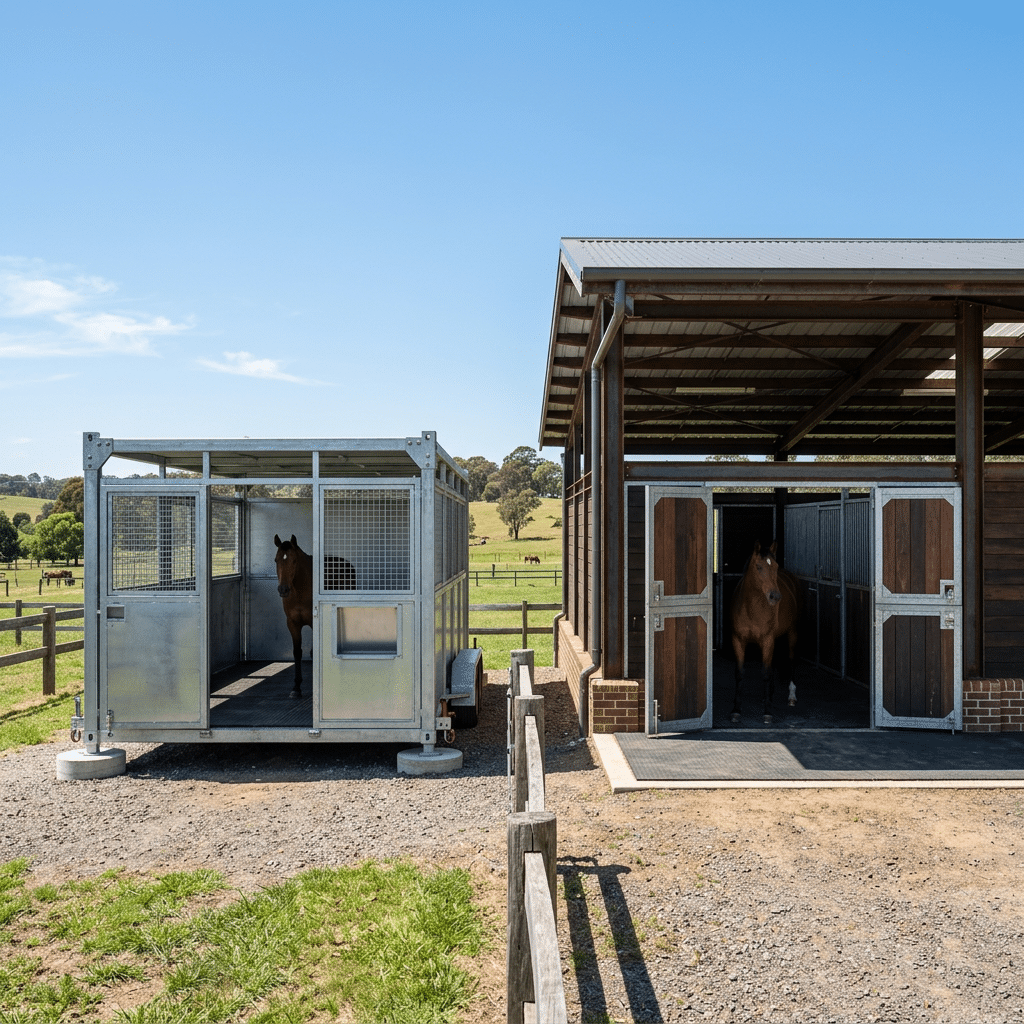
Stabulation institutionnelle : Spécifications blindées pour les équidés de la police et de l'armée
Designing a functional Police/Military HQ for mounted units demands infrastructure that survives high-stress impact, not just weather. Relying on standard residential timber for these high-traffic facilities guarantees early structural failure and aggressive repair...
Le retour sur investissement de la possession d'un parc d'écuries portables par rapport à la location pour des événements
Maximizing Rental Fleet ROI requires shifting capital from sunk leasing costs to appreciating asset ownership. While renting solves immediate capacity issues, it drains operational budgets without building long-term equity or residual value for fairground boards and...
Rust Converters vs Hot-Dip Galvanizing in Equestrian Barns
Rust Converters often appear as a budget-friendly solution for aging equestrian facilities, yet they consistently fail against the aggressive ammonium carbamate found in active stables. Applying topical tannic acid treatments to structural steel provides only a...
Panneaux imperméables pour boxes à chevaux : résister aux fortes précipitations de la Nouvelle-Zélande
Sourcing horse stalls for New Zealand demands rigorous engineering to survive the country’s aggressive rainfall and humidity. Standard pine timber acts like a sponge in these wet climates, leading to rapid structural rot and costly annual maintenance cycles that...
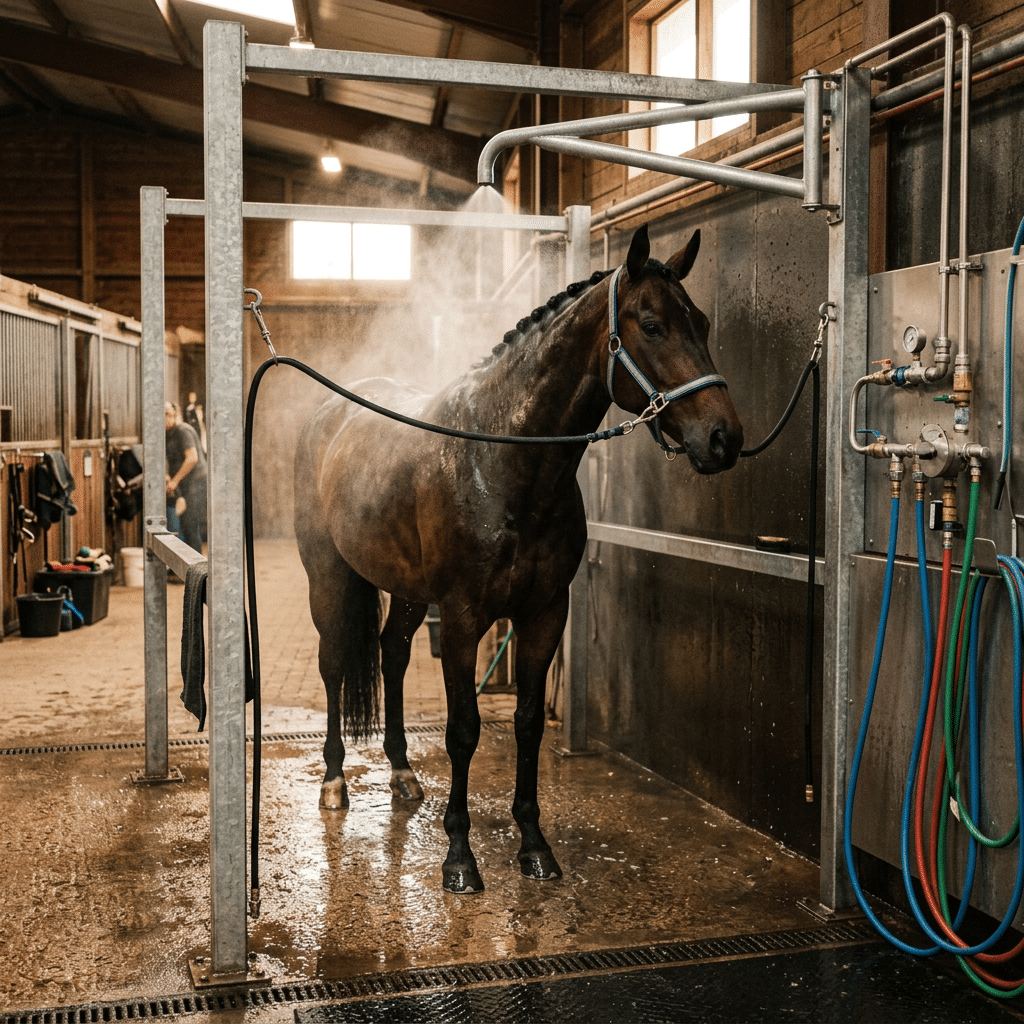
Le retour sur investissement de la possession d'un parc d'écuries portables par rapport à la location pour des événements
Maximizing Rental Fleet ROI is the only way for event organizers to stop bleeding capital on temporary infrastructure. While renting portable stables offers short-term flexibility, the cumulative cost of recurring leases often surpasses the price of ownership within...
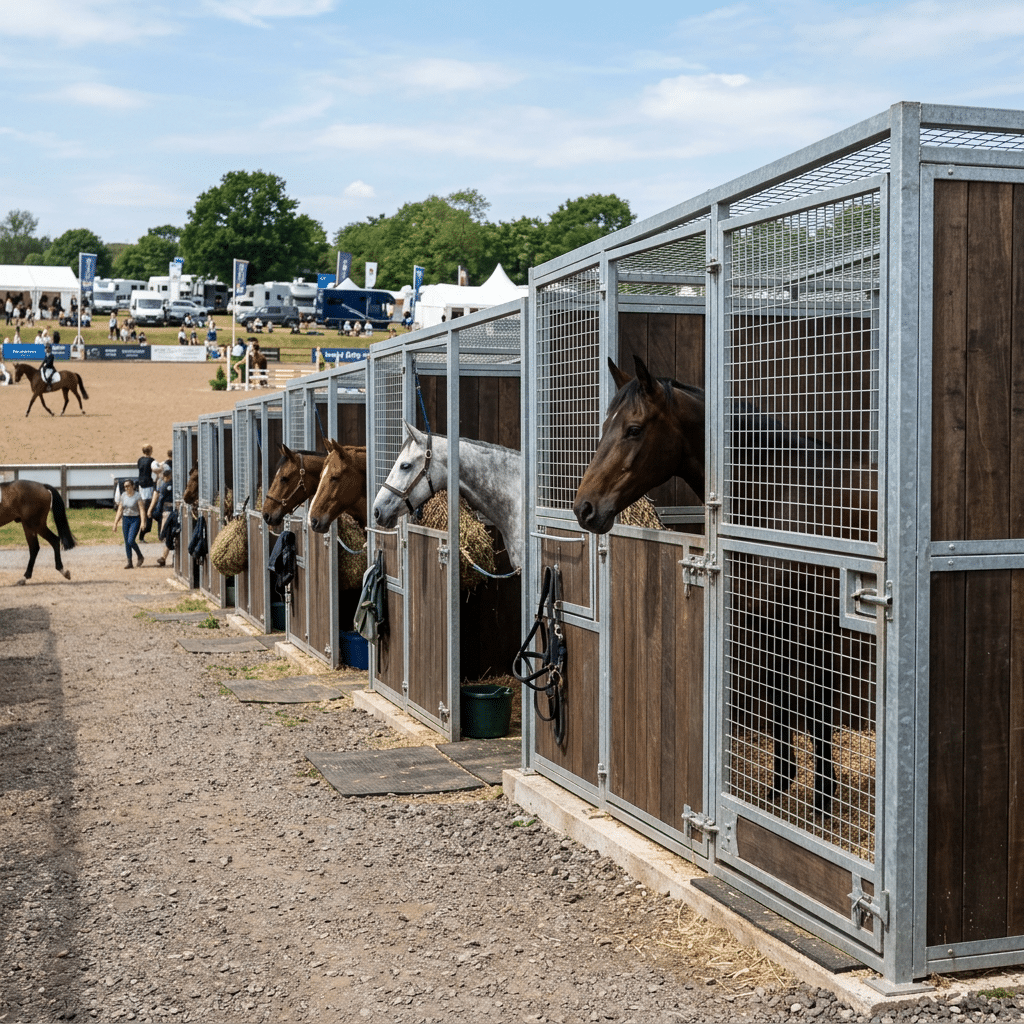
Hanging Water Buckets: The Perfect Height for Horse Stalls
Improper Bucket Heights in stall design introduce preventable veterinary liabilities that drain financial resources. Relying on arbitrary hanging methods turns a hydration source into a drowning trap for foals or a colic risk for adults, significantly increasing...
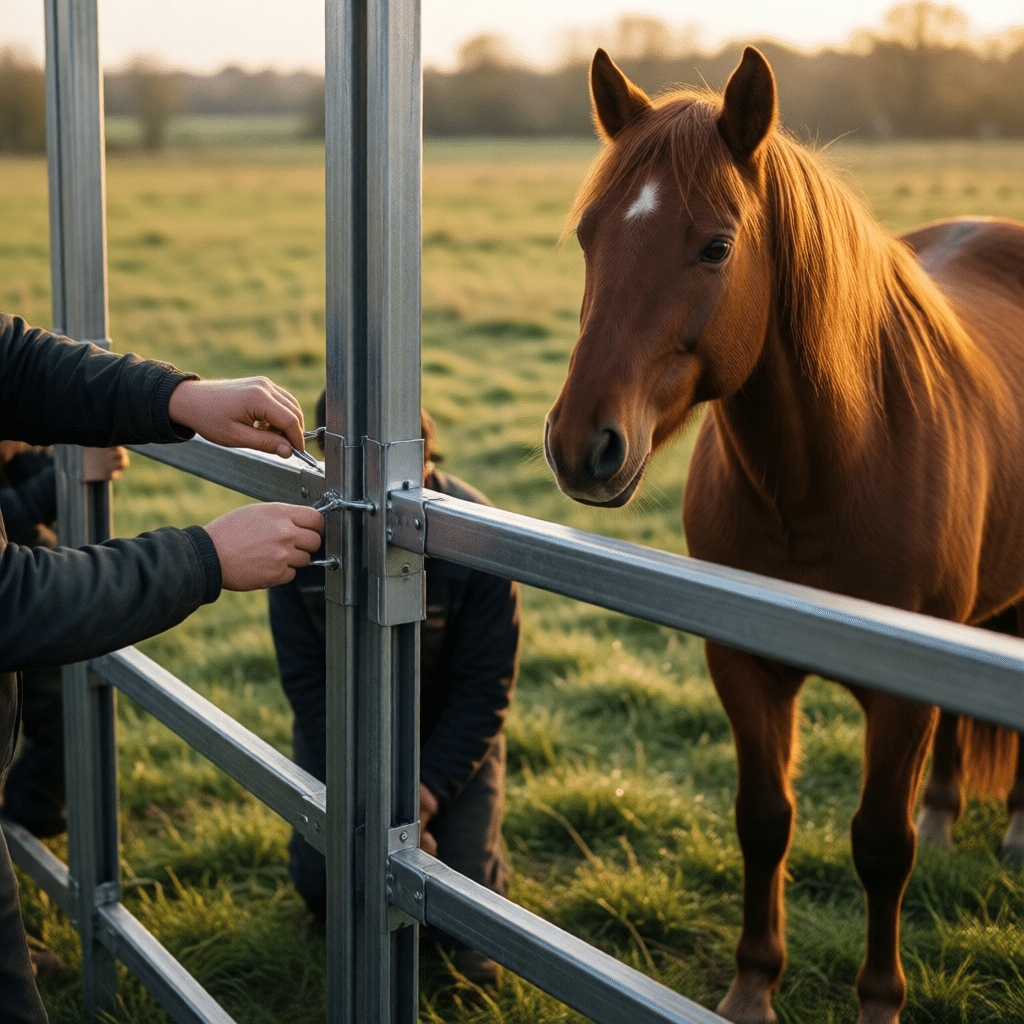
Drop-Pin vs. Bolted Portable Stalls: Shaving Days Off Assembly Time
Rapid Assembly (Pin-System) protocols determine whether an event setup takes three days or three hours. For labor contractors managing tight payrolls, relying on bolt-heavy designs creates a bottleneck that erodes profit margins through excessive overtime and...
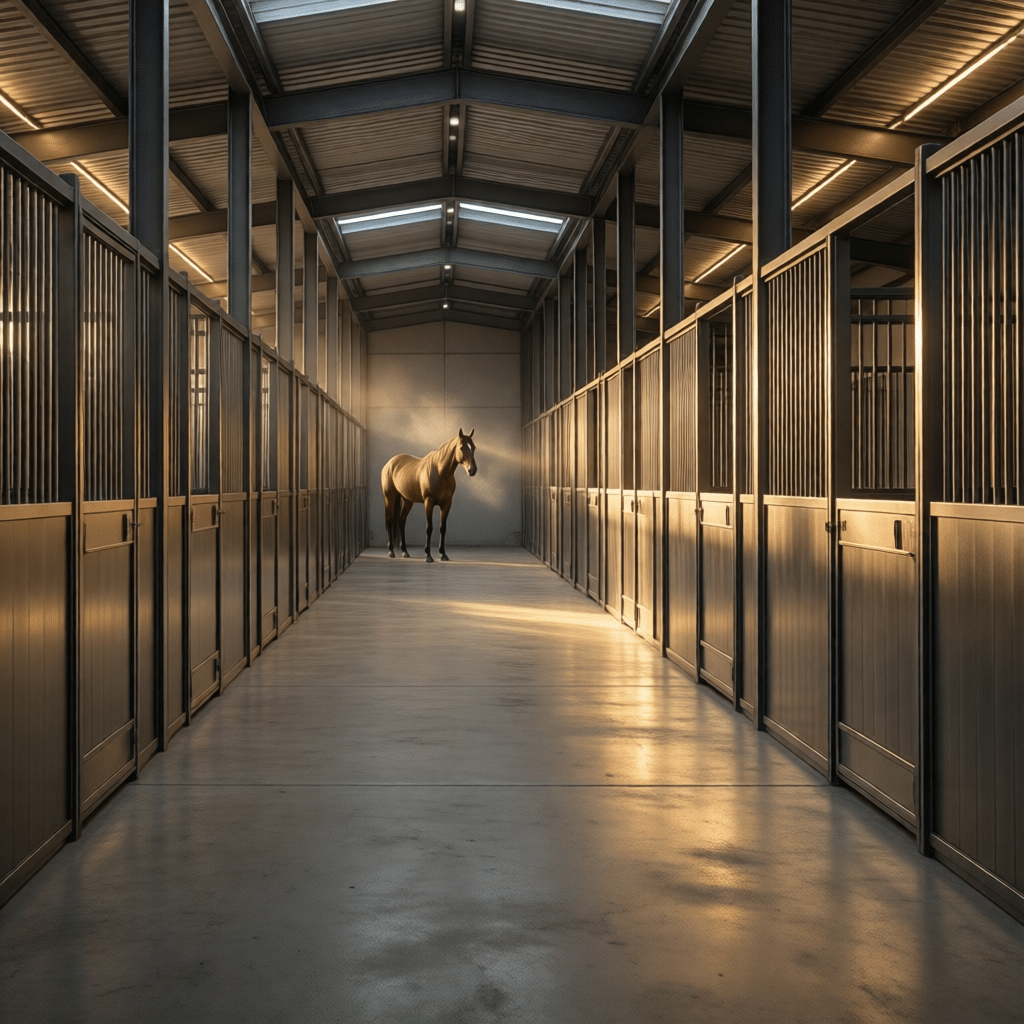
Modular Horse Stall Kits in the USA: Why 14-Gauge Steel is the Standard
Sourcing modular horse stall kits for the USA market is a strict calculation of liability versus upfront cost. Many retail options utilize lighter 18-gauge steel to lower freight expenses, but this compromises the structural integrity required to safely contain a...
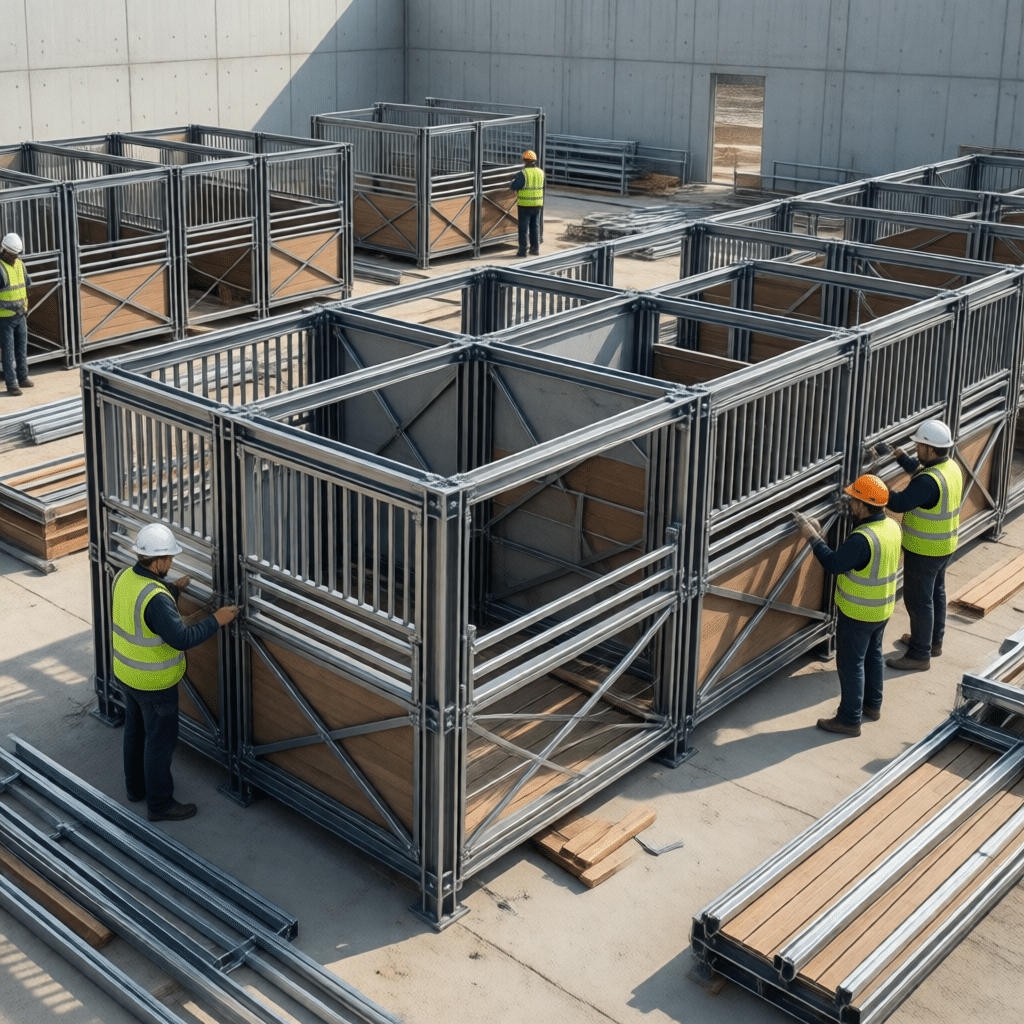
Drop-Pin vs. Bolted Portable Stalls: Shaving Days Off Assembly Time
Rapid Assembly (Pin-System) designs determine if your event setup finishes under budget or drowns in overtime wages. Contractors often default to bolted connections to save on material costs, only to lose those margins when crew hours triple during installation. This...
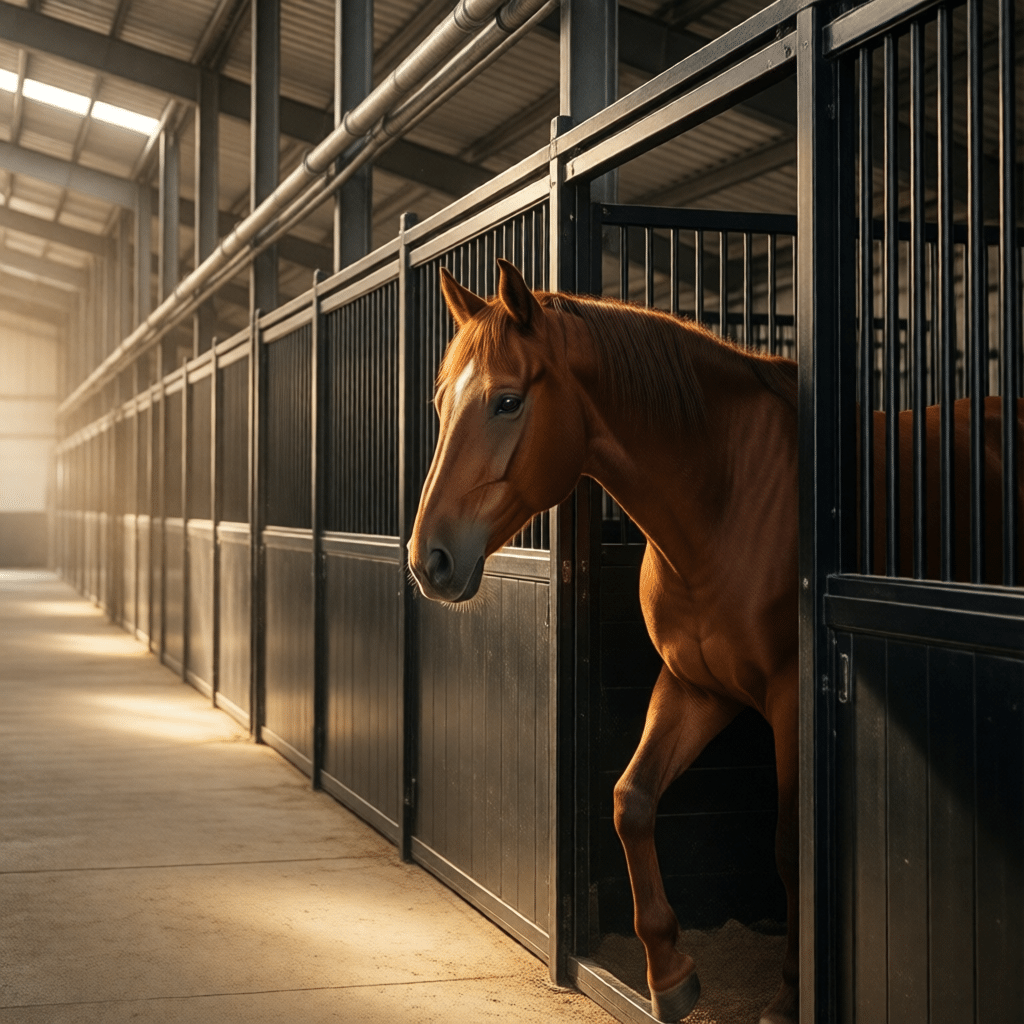
Horse Barn Lighting: Running Electrical Conduit on Steel Frames
Proper Lighting Conduit installation on steel frames differentiates a code-compliant facility from a fire hazard. Exposed cabling in agricultural environments invites rodent damage, creating a liability loop that destroys builder reputation and threatens livestock...
 French
  English
  Spanish
  Arabic
  German