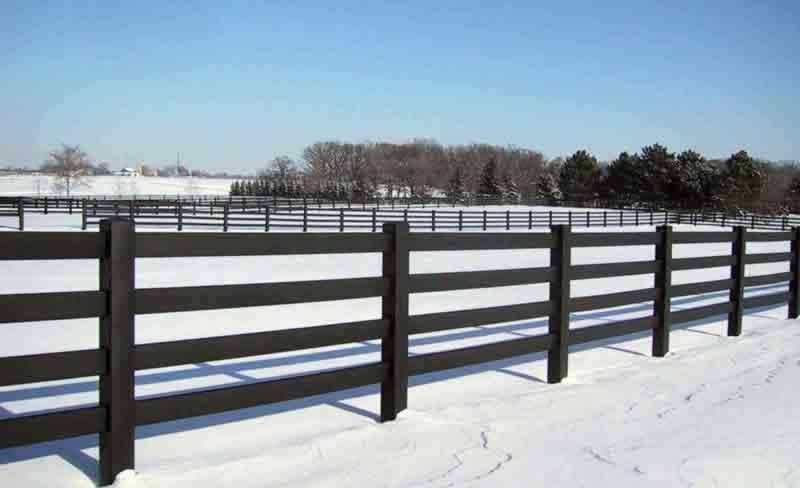
Frost heaved fence posts are rarely the fault of the steel. The lift happens in the ground below them. As a freezing front moves down through soil in a cold spell, water collects at its edge and turns to ice, and anything standing in that zone — a post, an anchor...
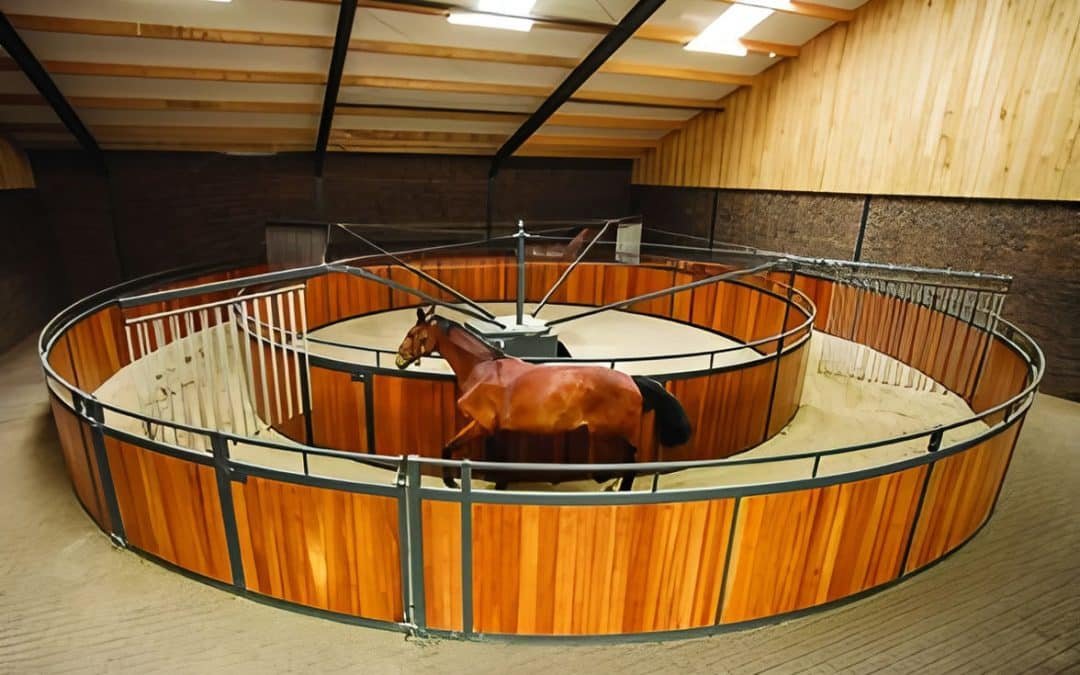
A German training yard ordering FEI compliant training equipment is buying two things at once — the hardware that arrives on the pallet, and the paper that says what that hardware is. The machine can be inspected in an afternoon. The paper trail is where most sourcing...
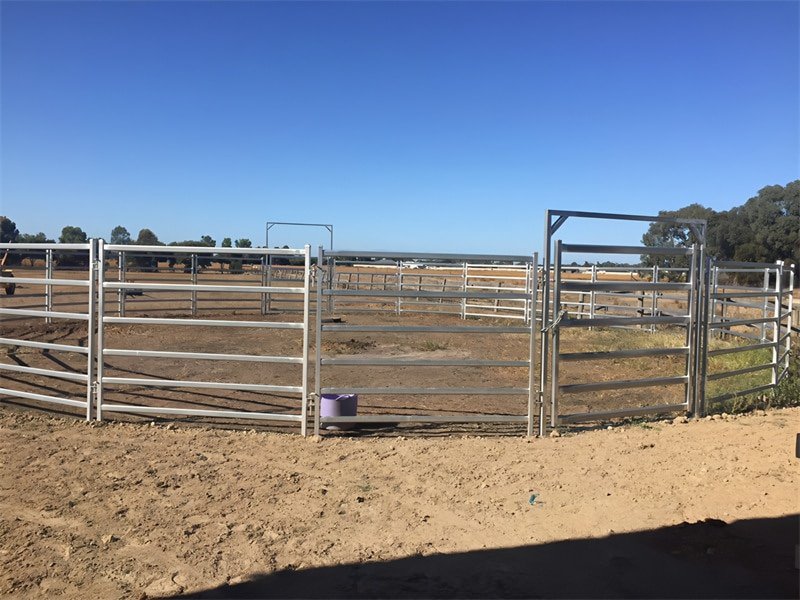
Paddock fencing New Zealand-wide is one product asked to do three different jobs: sun and rain on the coating, wind pressing the panel face, and standing water at the ground line. A run that looks fine in a flat, hedged home yard can already be leaning on an exposed...
Rain is not the hard part of UK equestrian fencing. Most fence types shrug off a wet week. The hard part is what twelve months of damp soil, freeze-thaw in the cold snap and hoof pressure do at the ground line — where the post meets the mud, where the coating sits in...
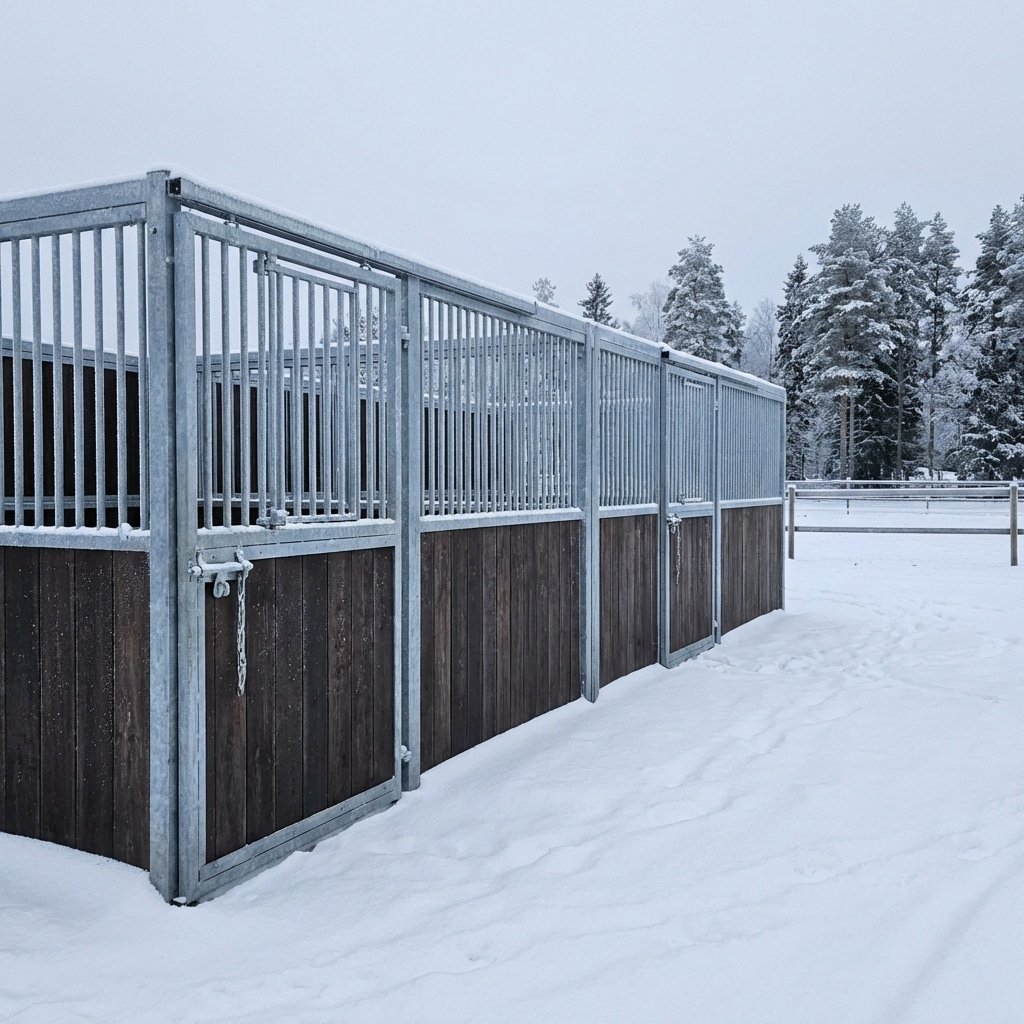
A stable that stands for season after season in Denmark or northern Germany will not do it by luck. Cold itself rarely breaks a structure; what works on it is the freeze-thaw cycle — water in the ground freezing, expanding, lifting the soil a little, then thawing and...
Planning horse stables Australia projects around a 40°C design temperature is not a materials problem—it is a sequencing problem. Buyers who specify UV-stable materials, plan shade and orientation, and organize the airflow path as one connected brief get a yard that...




 Spanish
 English
 French
 Arabic
 German