by Frank | Jan 31, 2026 | Blog
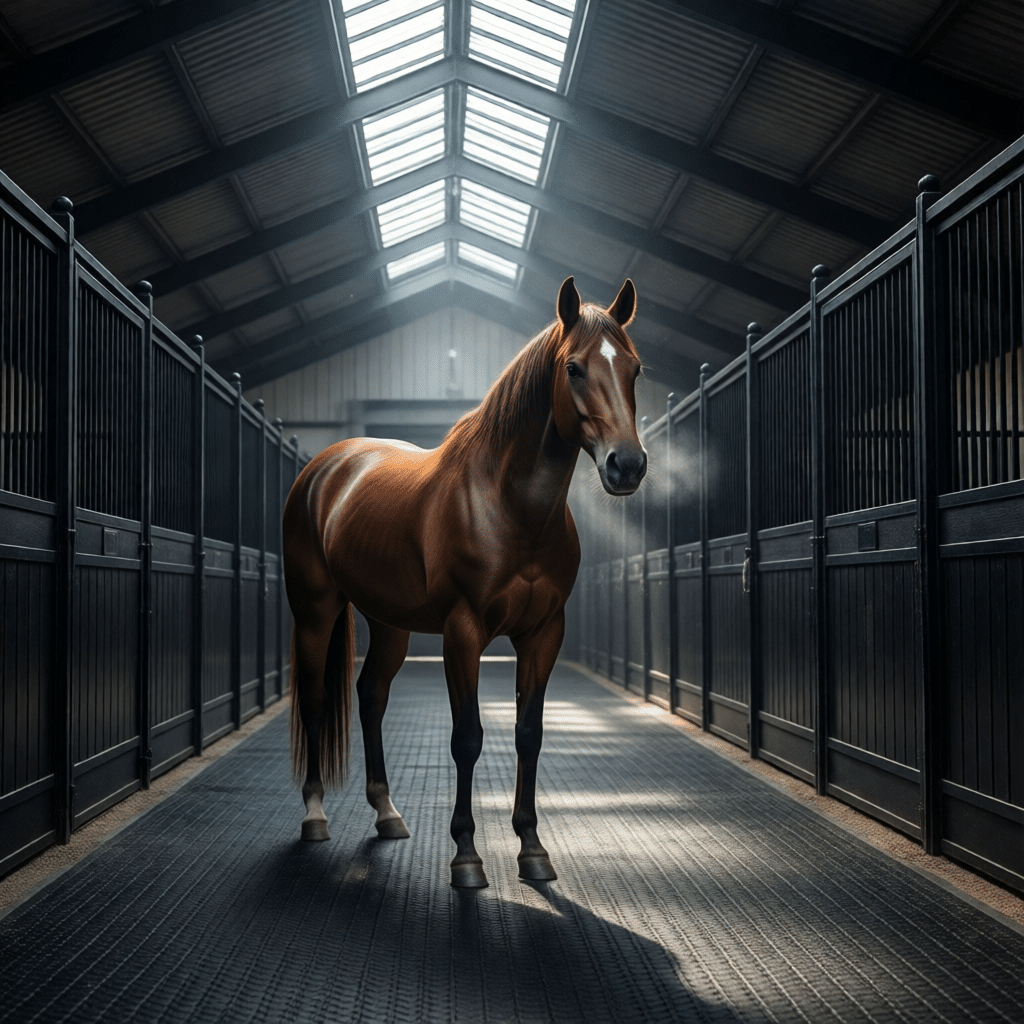
Proper Stall Mats Alignment dictates the safety of your entire stable facility. Ignoring the specific thickness of your rubber flooring before drilling anchor bolts destroys the critical Cast-Proof safety zone, creating dangerous pinch points that trap hooves and...

by Frank | Jan 31, 2026 | Blog
Selecting reliable Horse Walker Suppliers distinguishes a profitable facility from a liability nightmare. While budget options exist, sourcing under-specified equipment often leads to structural failure and costly equine injuries that destroy professional...

by Frank | Jan 31, 2026 | Blog
Anchoring Portables is the critical variable that prevents a temporary equine asset from becoming a significant liability. Relying on gravity alone leaves livestock vulnerable to shifting structures, where a single wind event or animal impact can result in...
by Frank | Jan 30, 2026 | Blog
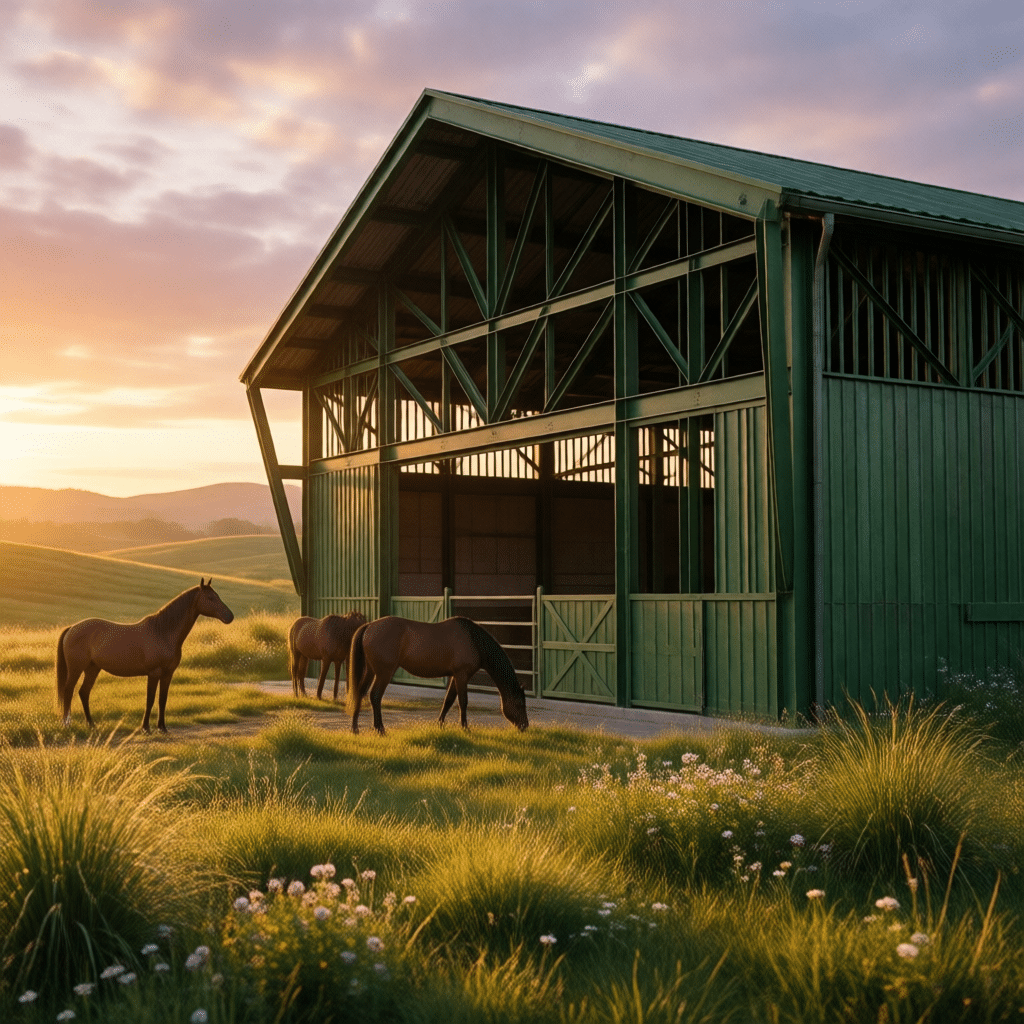
Securing ESG / Green Factories for equestrian developments is no longer optional; it is a strict regulatory safeguard against embodied carbon penalties. Developers utilizing traditional treated timber or inefficient welded logistics risk inflated freight costs and...
by Frank | Jan 30, 2026 | Blog
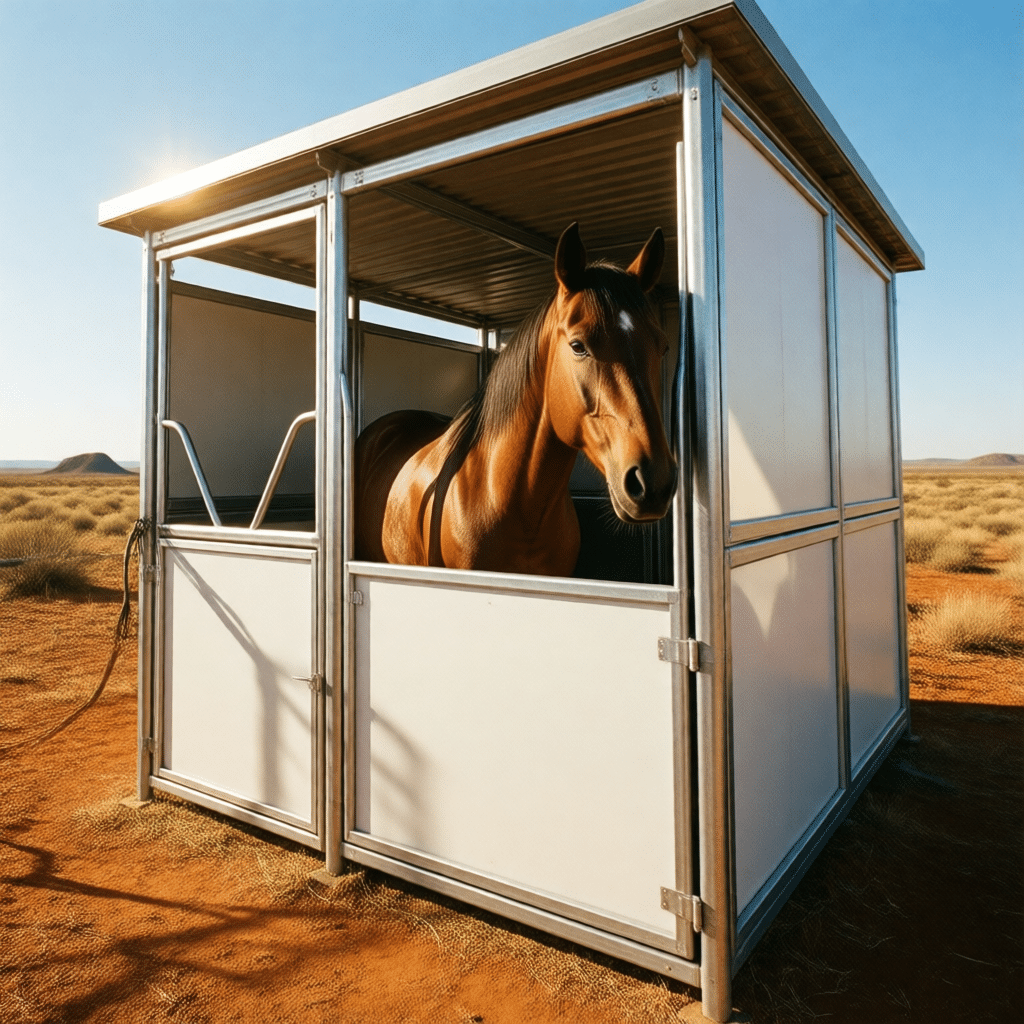
Deploying portable horse stables across Australia demands materials that survive 40°C heat spikes and aggressive termite populations. Standard timber often fails within two seasons due to thermal shock splitting, forcing distributors into a cycle of warranty claims...
by Frank | Jan 30, 2026 | Blog
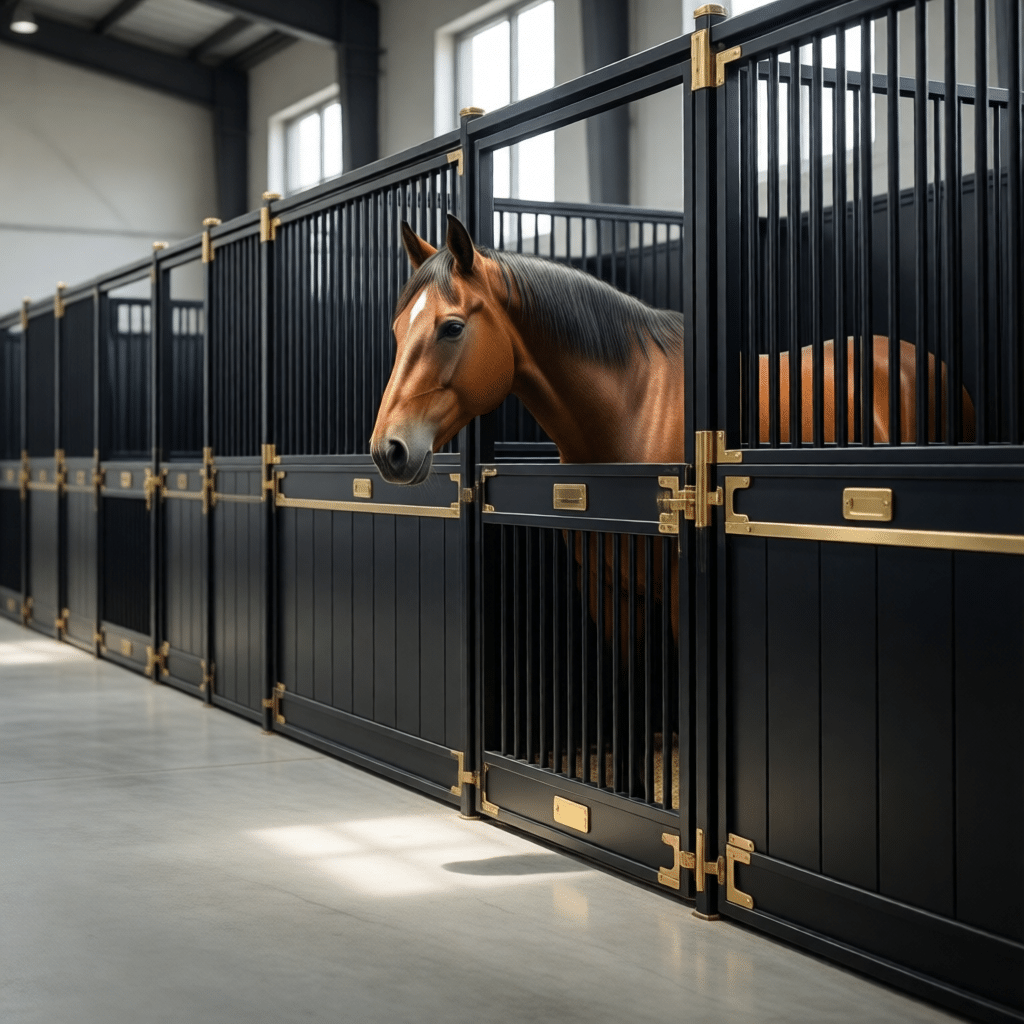
Sourcing high-grade Multi-Way Connectors is the primary safeguard against structural instability in expanding equestrian facilities. While generic drop-pin systems suffice for temporary events, they fail to provide the rigidity needed for permanent barns, often...


 English
  Spanish
  French
  Arabic
  German