
by Frank | Feb 2, 2026 | Blog
Defective Wash Bay Partitions generate immediate operational losses through bedding spoilage and rapid infrastructure corrosion. Standard open grills or wood infills fail to contain high-pressure overspray, turning adjacent aisles into slipping hazards while trapping...
by Frank | Feb 2, 2026 | Blog
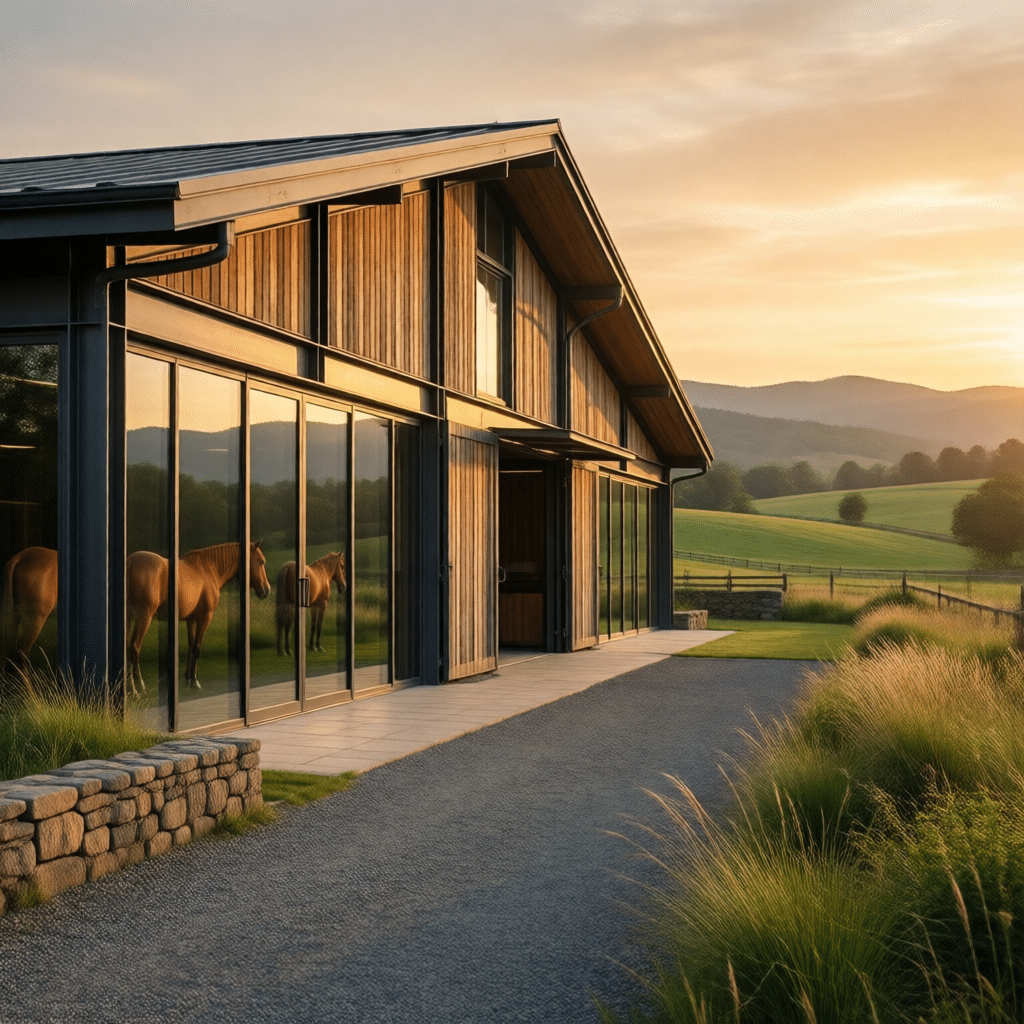
Sourcing Luxury Resort Stables requires balancing architectural elegance with industrial-grade liability management. While bespoke local welding offers design flexibility, it frequently lacks the ISO 1461 galvanization necessary to prevent rapid corrosion in humid spa...

by Frank | Feb 2, 2026 | Blog
Precision-Engineered Stables Built For Extreme Climates Maximize ROI with hot-dipped galvanized steel frames guaranteed to resist rust for 20 years. Our modular designs cut installation time by 30%, ensuring rapid deployment for your facility. View Global Stable...

by Frank | Feb 1, 2026 | Blog
Specifying Drop-Down Feed Doors drives operational efficiency by separating feeding workflows from direct animal handling. While standard stall fronts reduce initial manufacturing costs, they force staff to open main doors for every feeding cycle, significantly...

by Frank | Feb 1, 2026 | Blog
Engineered For Extremes: 20-Year Rust-Proof Durability Minimize maintenance costs with hot-dipped galvanized steel frames designed to withstand 120km/h winds. Our modular systems reduce installation time by 30%, maximizing your facility’s operational efficiency....
by Frank | Feb 1, 2026 | Blog
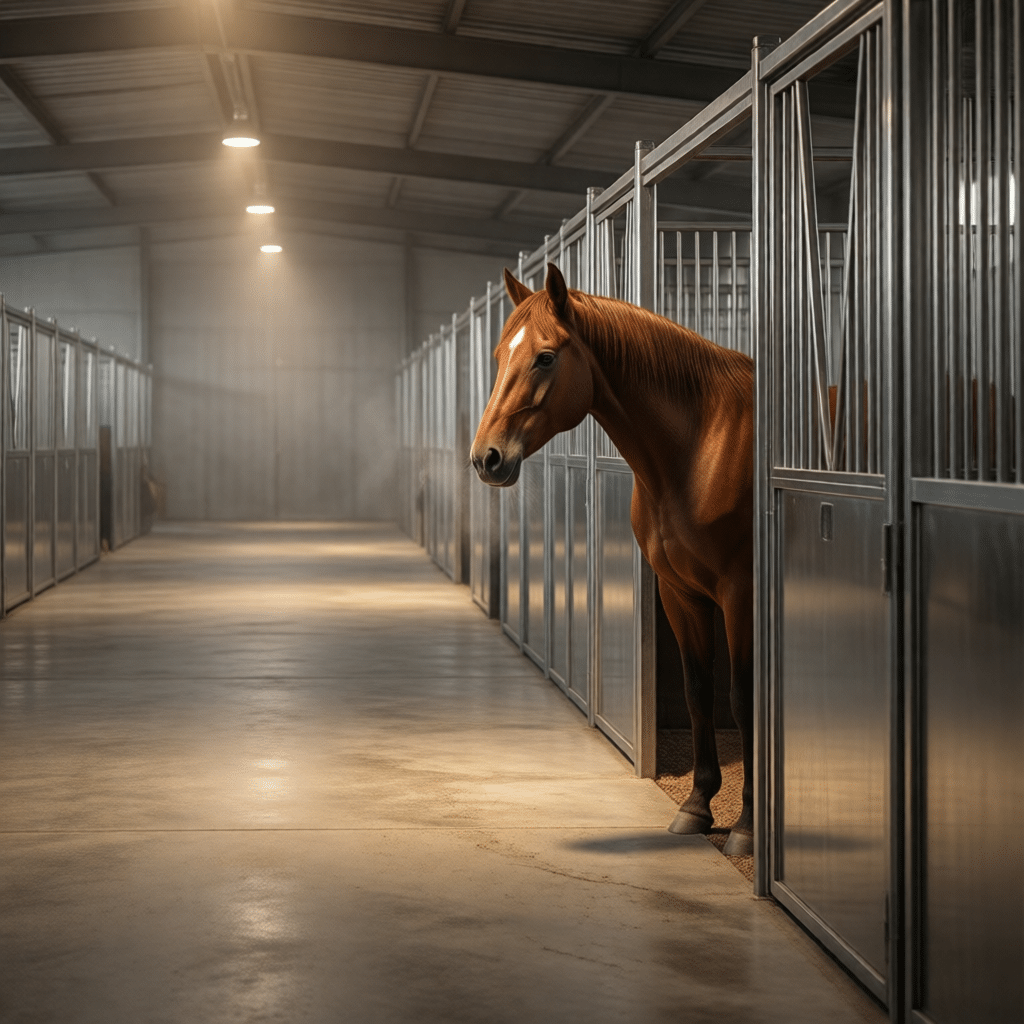
Sourcing effective Multi-Species Modular stabling is the critical defense against injury liability in mixed-livestock operations. While standard fixed horse stalls appear cost-effective, their wide 3-inch bar spacing creates lethal entrapment risks for alpacas and...
 English
  Spanish
  French
  Arabic
  German