by Frank | Feb 4, 2026 | Blog
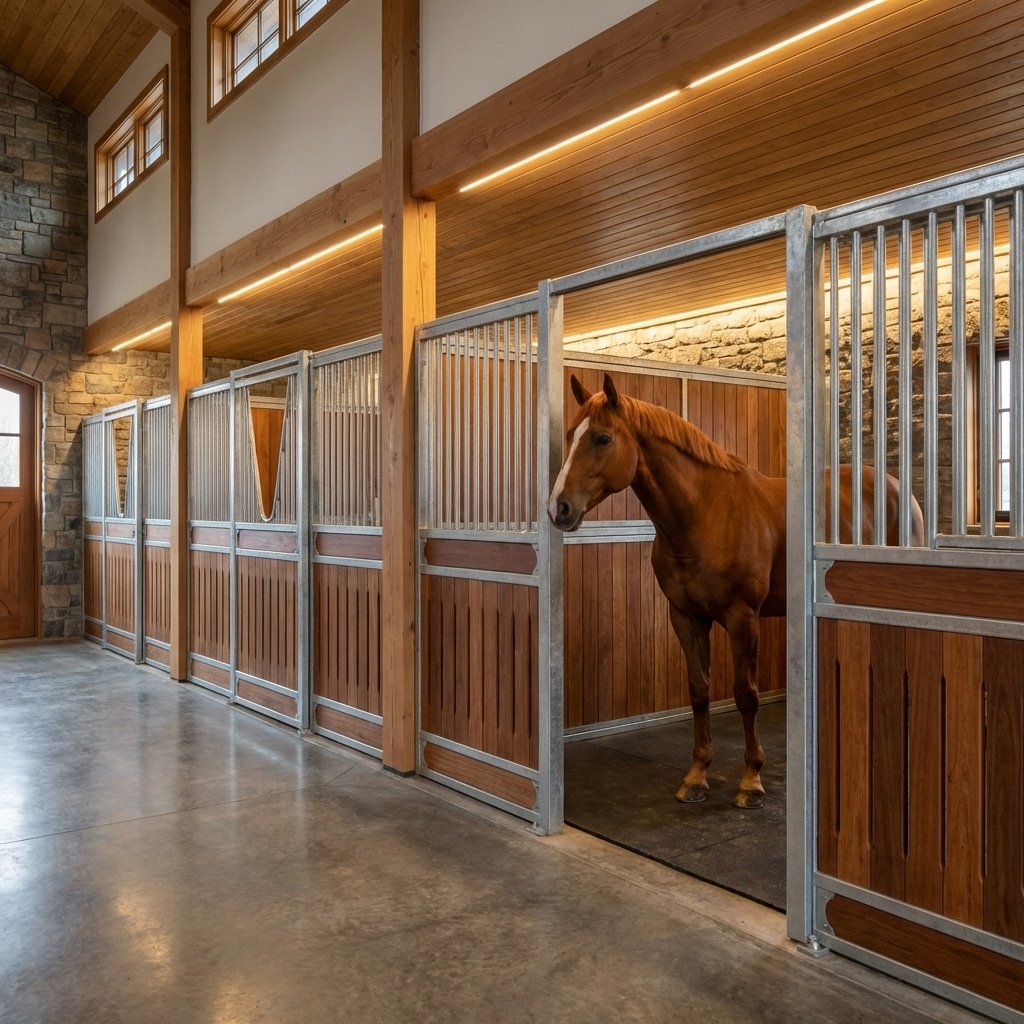
Strategic Trade Show Sourcing is the primary lever for slashing landed costs in the commercial stable market. Navigating the choice between Spoga Horse and the Canton Fair determines whether you access direct OEM pricing or get trapped by re-sellers protecting their...

by Frank | Feb 4, 2026 | Blog
Standard 48-inch stall doors are a liability for Pregnant Mares approaching their final trimester. As abdominal distension increases spatial requirements, narrow openings create a mechanical hazard that risks placental detachment and costly foal loss during routine...

by Frank | Feb 4, 2026 | Blog
State Fairgrounds jeopardize their bottom line by relying on rental stabling that drains operating budgets without building equity. Relying on temporary leases creates sunk costs, while owning hot-dip galvanized infrastructure converts that expense into a capital...
by Frank | Feb 3, 2026 | Blog
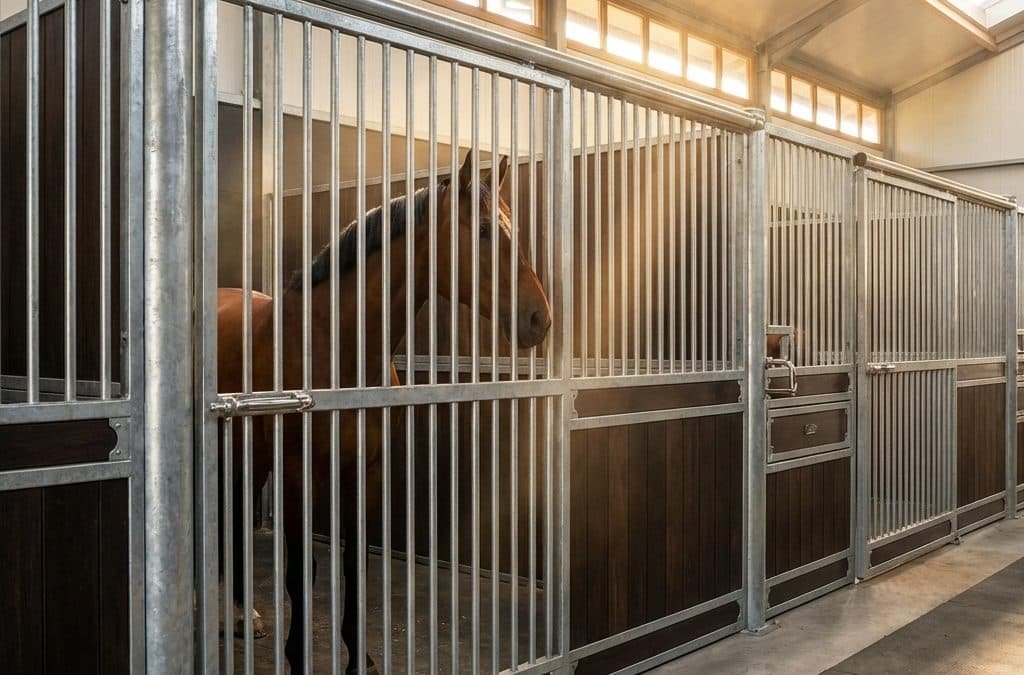
Eliminating the Teeth Chipping Coating hazard is the primary safety challenge when housing aggressive cribbers. Standard powder coats rely on weak mechanical adhesion that shatters under bite force, turning cosmetic finishes into ingestion risks while exposing the...
by Frank | Feb 3, 2026 | Blog
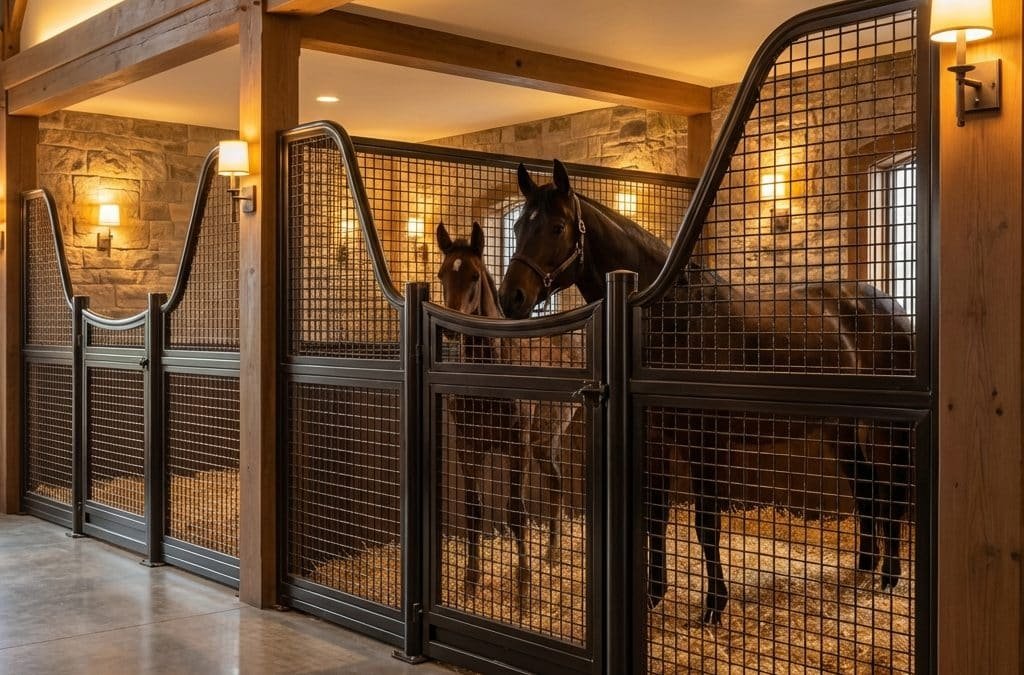
Weaning foals triggers a doubling of cortisol levels and frantic escape behaviors that expose facilities to catastrophic limb injuries. Standard containment often fails during this volatile transition, turning a routine process into a significant liability for...
by Frank | Feb 3, 2026 | Blog
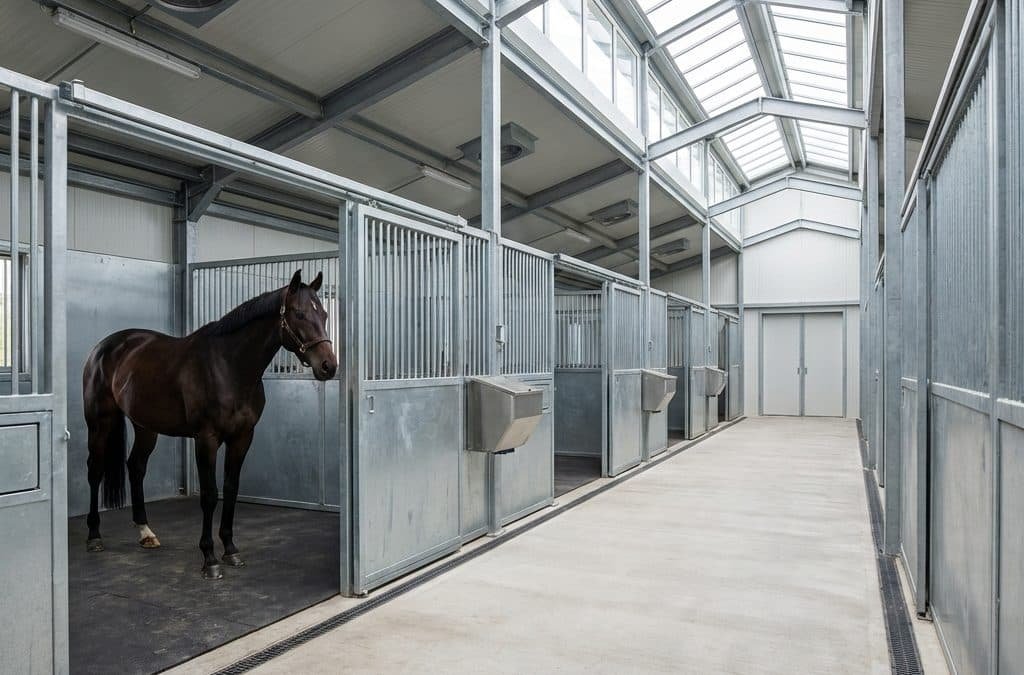
Effective Border Quarantine infrastructure serves as the only firewall against devastating economic and biological losses. Relying on standard timber or pre-galvanized steel invites containment breaches, as these porous materials harbor pathogens like EHV-1 and fail...


 English
  Spanish
  French
  Arabic
  German