by Frank | Jan 29, 2026 | Blog
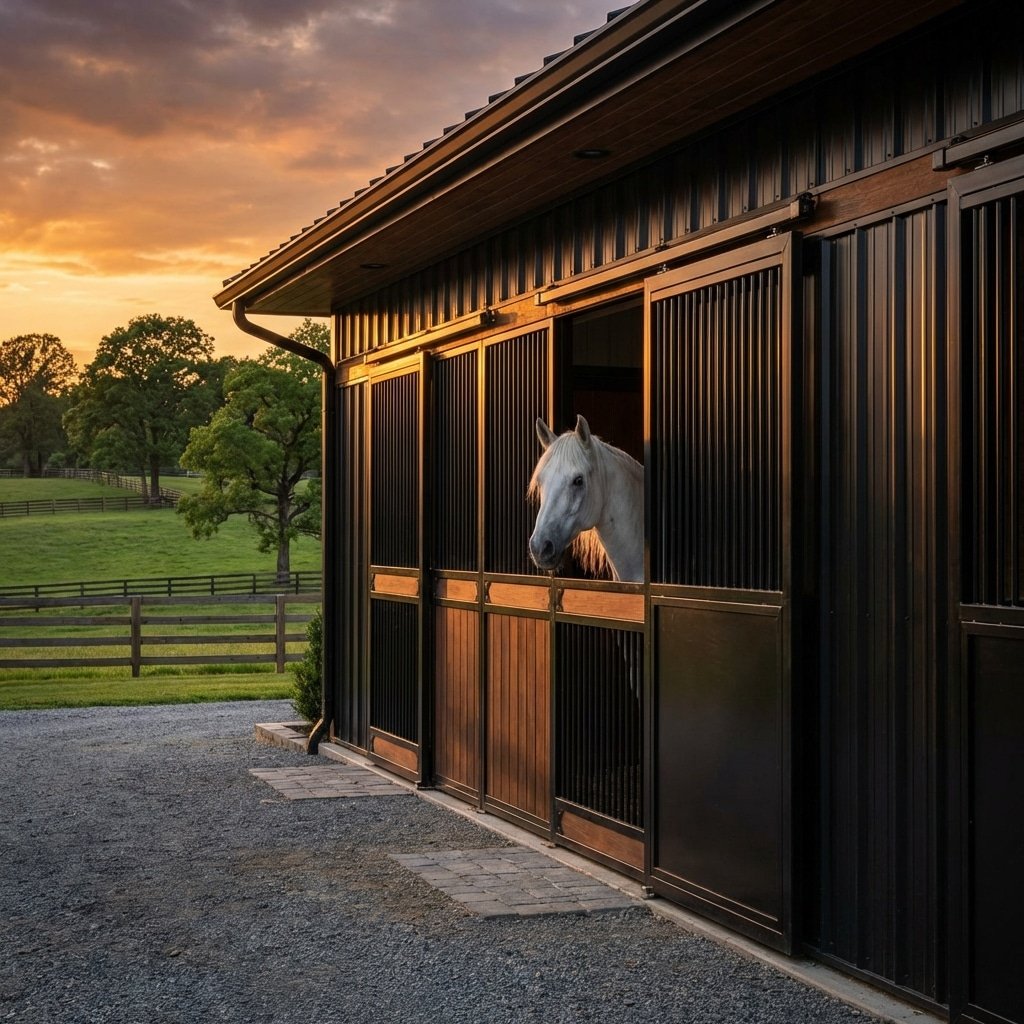
Strategic Alibaba Sourcing for horse stables determines whether you secure a lasting asset or inherit a rusting liability. Purchasing “pre-galvanized” units often leads to immediate weld corrosion, forcing distributors to absorb expensive warranty claims...
by Frank | Jan 29, 2026 | Blog
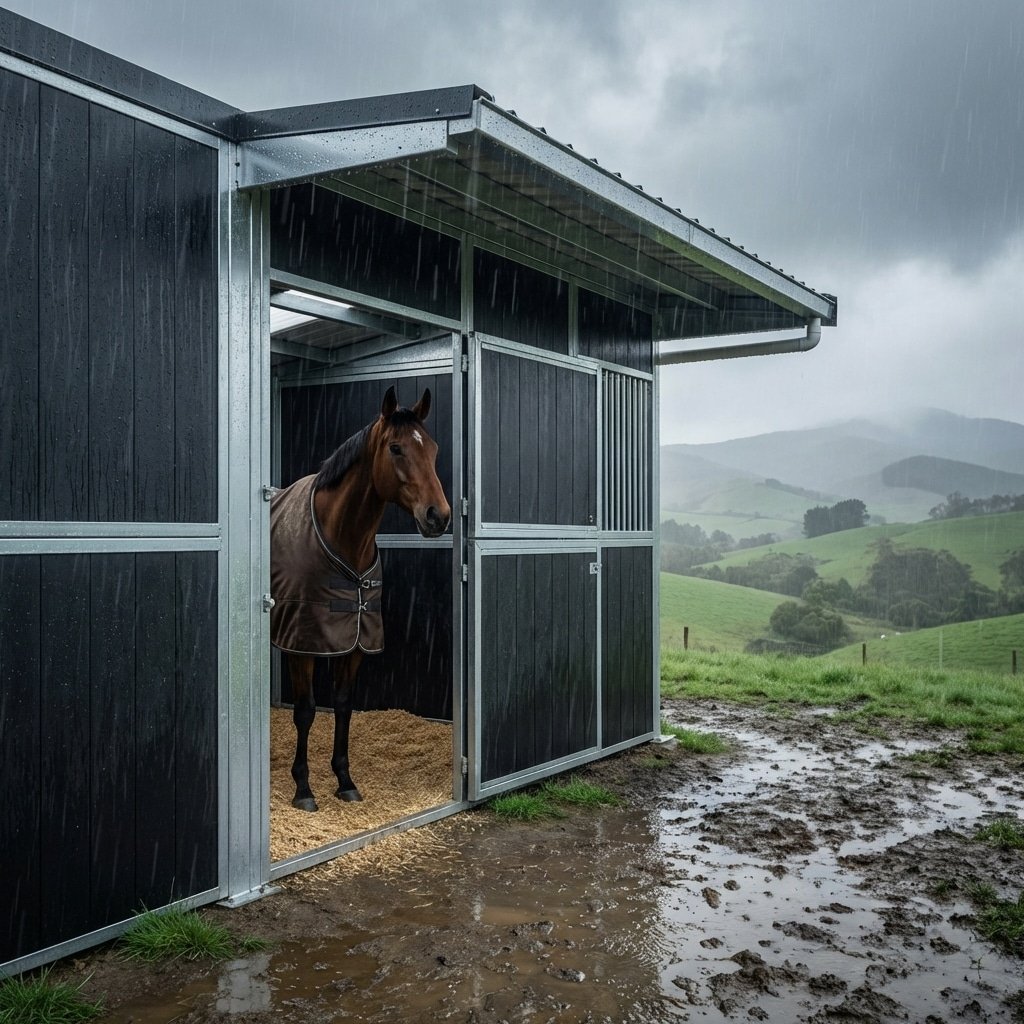
Securing equestrian infrastructure in New Zealand requires navigating aggressive rainfall patterns that destroy standard timber rapidly. Relying on traditional pine or pre-galvanized steel invites structural failure within five years, turning initial savings into a...
by Frank | Jan 29, 2026 | Blog
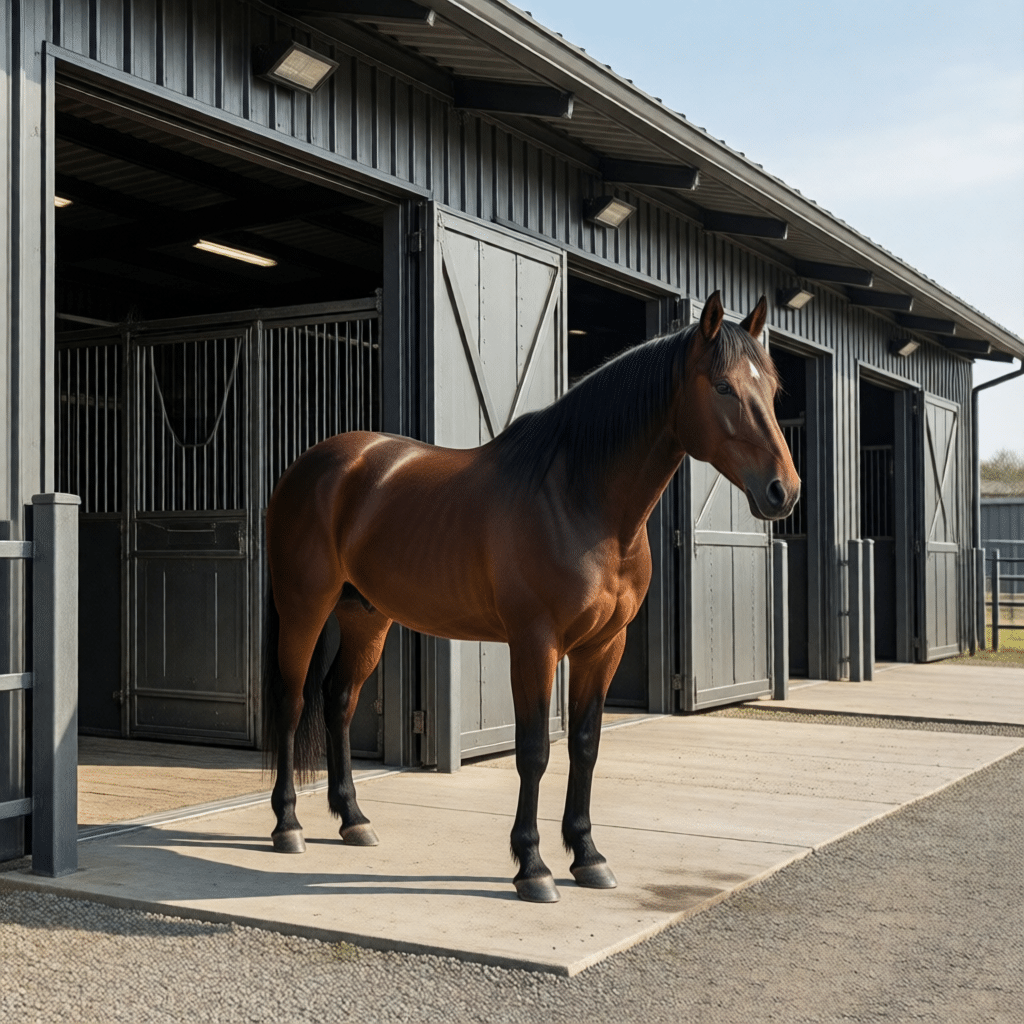
Procuring infrastructure for Mounted Police Units is a critical exercise in risk mitigation and public liability reduction. Standard agricultural stables often buckle under the dynamic impact of large draft crosses, leading to catastrophic injuries and expensive...

by Frank | Jan 28, 2026 | Blog
Sourcing compliant stabling for UK projects demands strict adherence to British Horse Society welfare mandates, particularly in narrow heritage barns. Installing standard hinged doors in these restricted spaces creates immediate liability risks and operational...
by Frank | Jan 28, 2026 | Blog
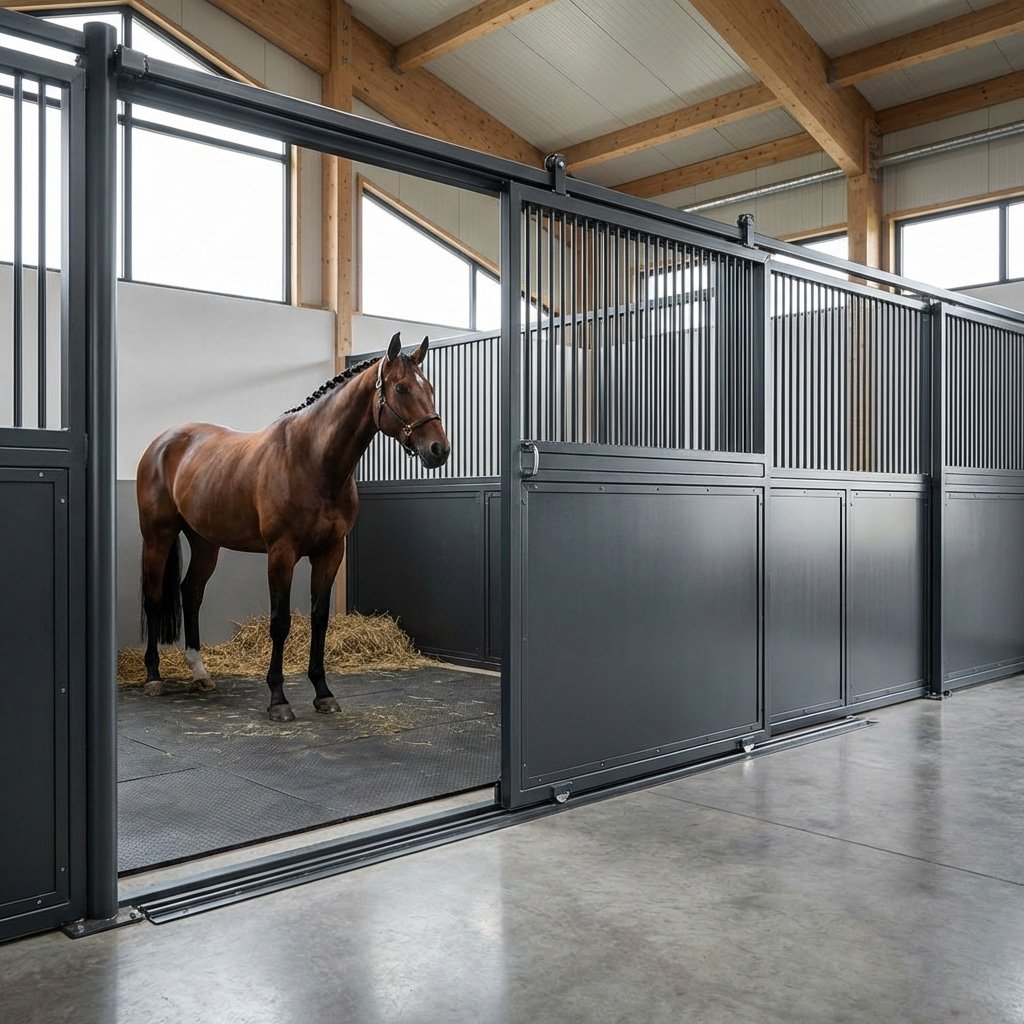
Bottom Stay Rollers are the critical mechanical constraint preventing the dangerous pendulum effect in sliding stall systems. Failing to secure the door at floor level transforms a heavy Q235B steel frame into a swinging lever that twists overhead tracks and creates...

by Frank | Jan 28, 2026 | Blog
Sourcing modular horse stall kits in the USA often exposes builders to the hidden risks of under-spec 16-gauge tubing. Installing these lighter frames invites catastrophic kick-through failures within the first two years, turning a profitable contract into a...


 English
  Spanish
  French
  Arabic
  German