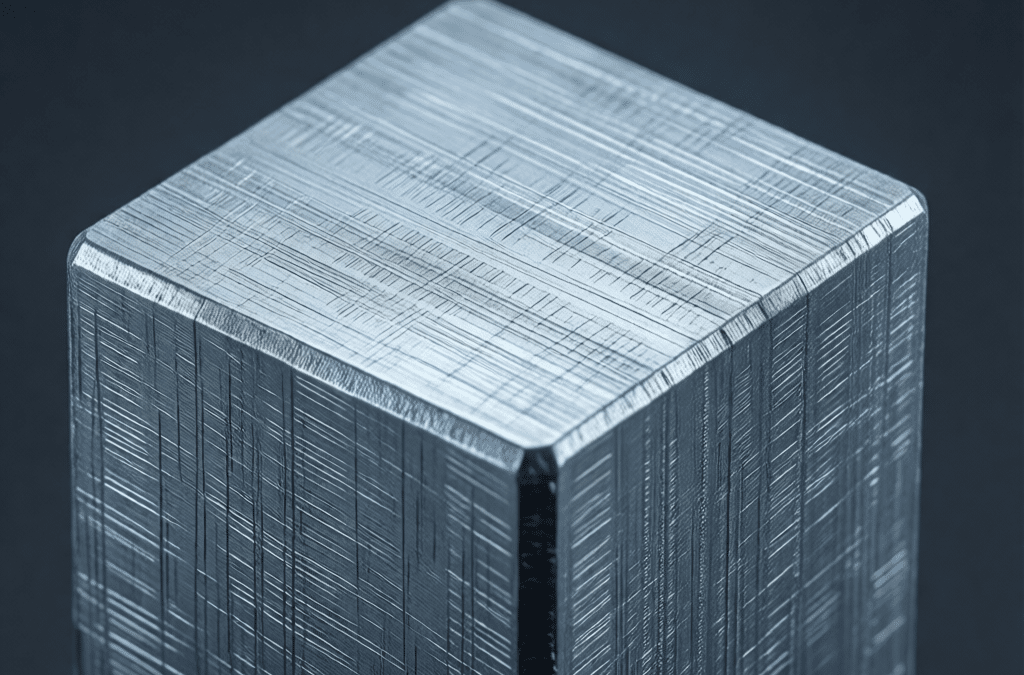
by Frank | May 16, 2026 | Blog
Sourcing proper Stallion Stables requires looking past unregulated “heavy duty” marketing to prevent catastrophic failures. Stalls built with inadequate steel gauge create significant liability risks from animal injury and expensive structural...
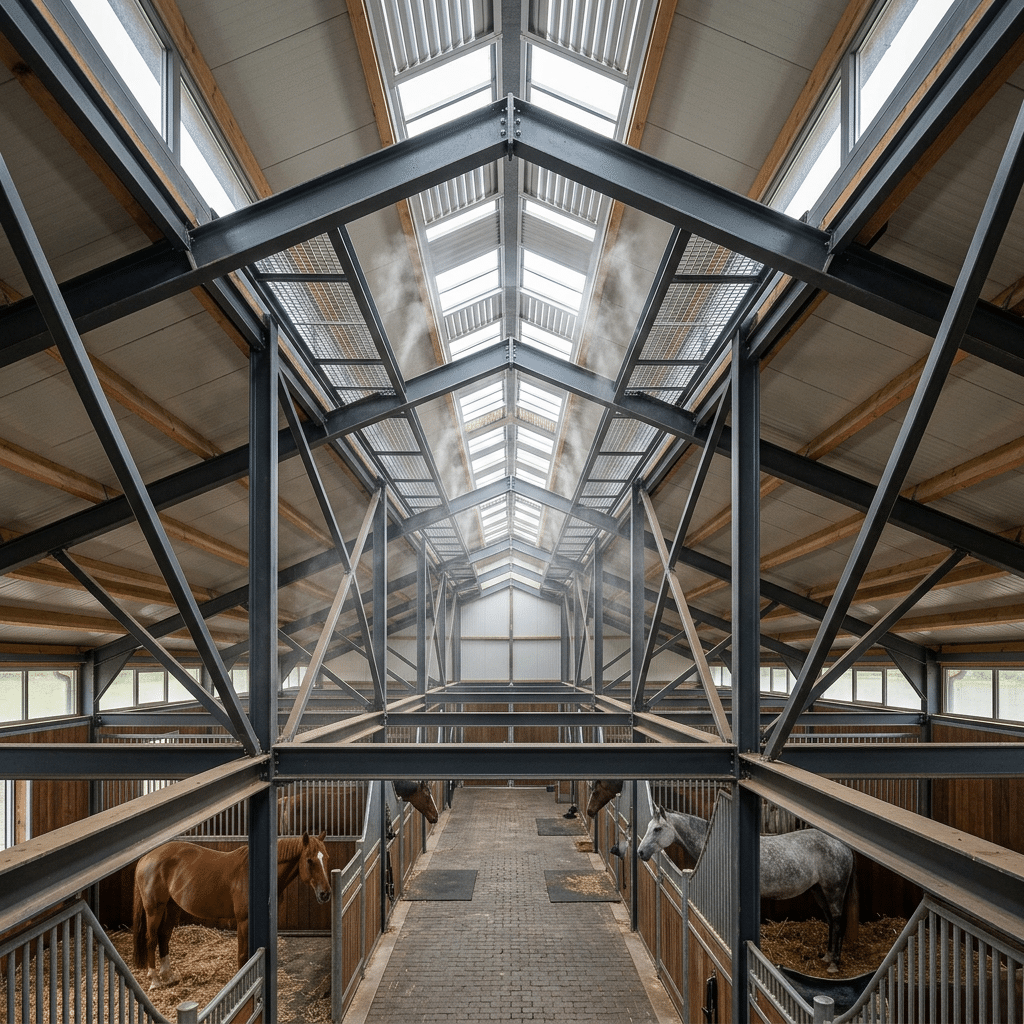
by Frank | May 16, 2026 | Blog
Sourcing true Waterproof Vet Stalls is the primary defense against biosecurity failures and premature structural rot. Specifying porous materials creates unacceptable patient safety risks, exposing clinical facilities to costly liability and reputational damage from...
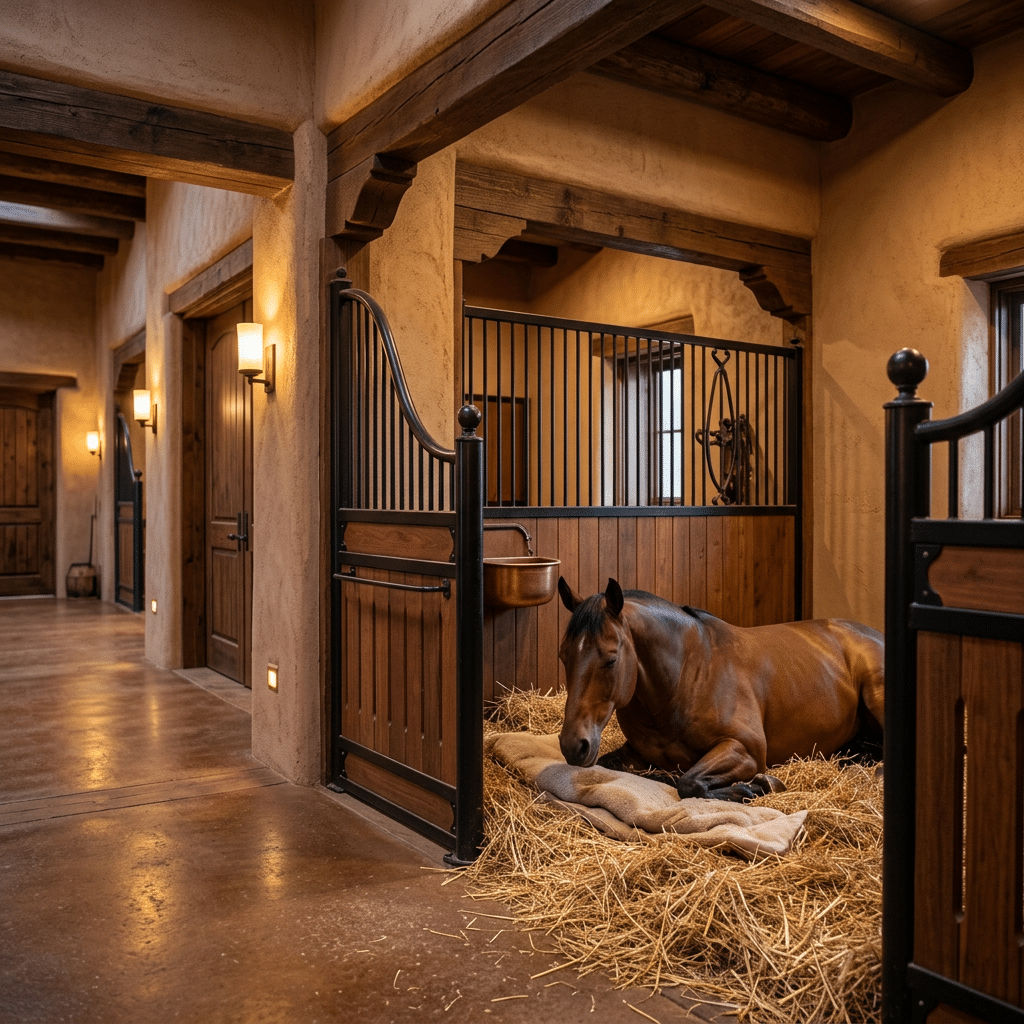
by Frank | May 16, 2026 | Blog
Finding reliable Bamboo Stable Suppliers is critical to avoiding project failures tied to inferior materials. Specifying low-density bamboo that fails durability tests leads to costly warranty claims and damages professional reputations, especially on projects...
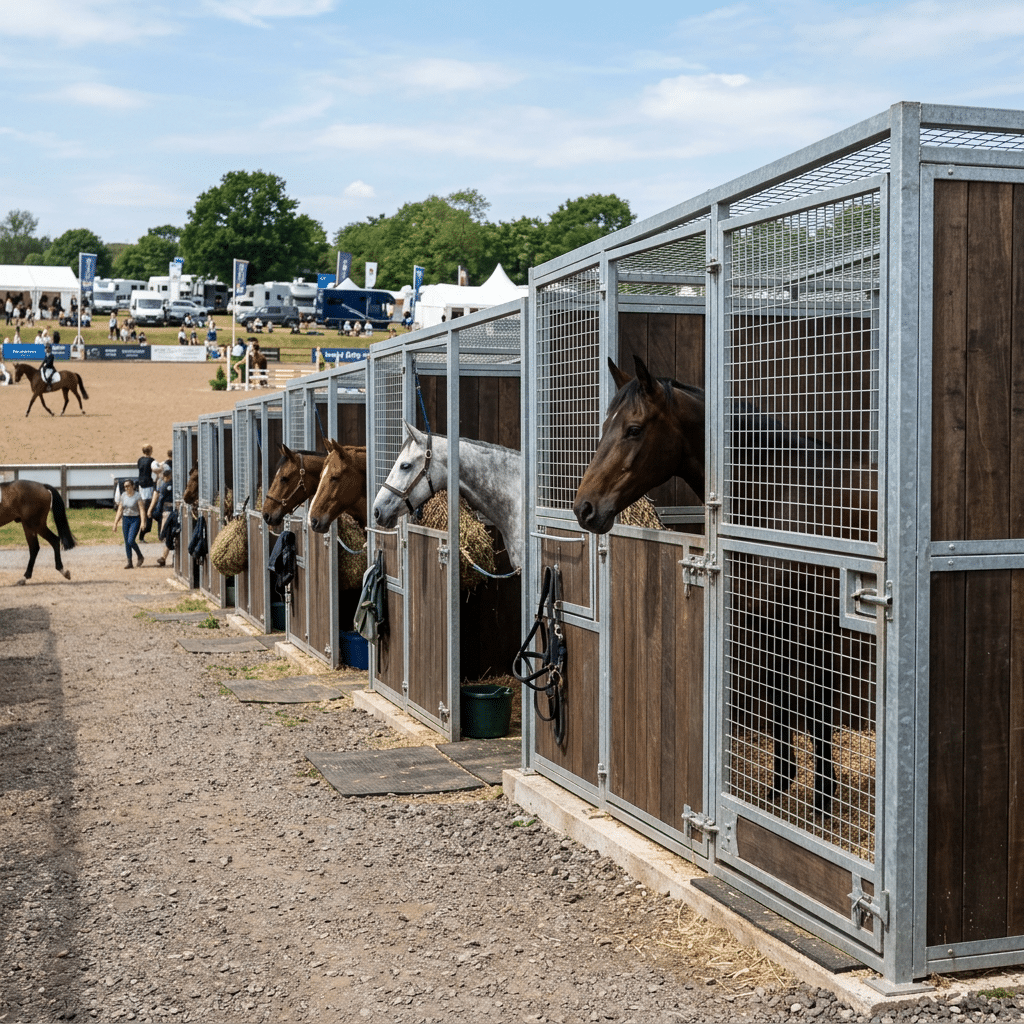
by Frank | May 15, 2026 | Blog
Sourcing true Hot-Dip Galvanized stables is a critical defense against the warranty claims that follow pre-galvanized product failures. Cheaper alternatives that weld pre-coated tubes burn off protection at every joint, hiding the inevitable rust points under a thin...
by Frank | May 15, 2026 | Blog
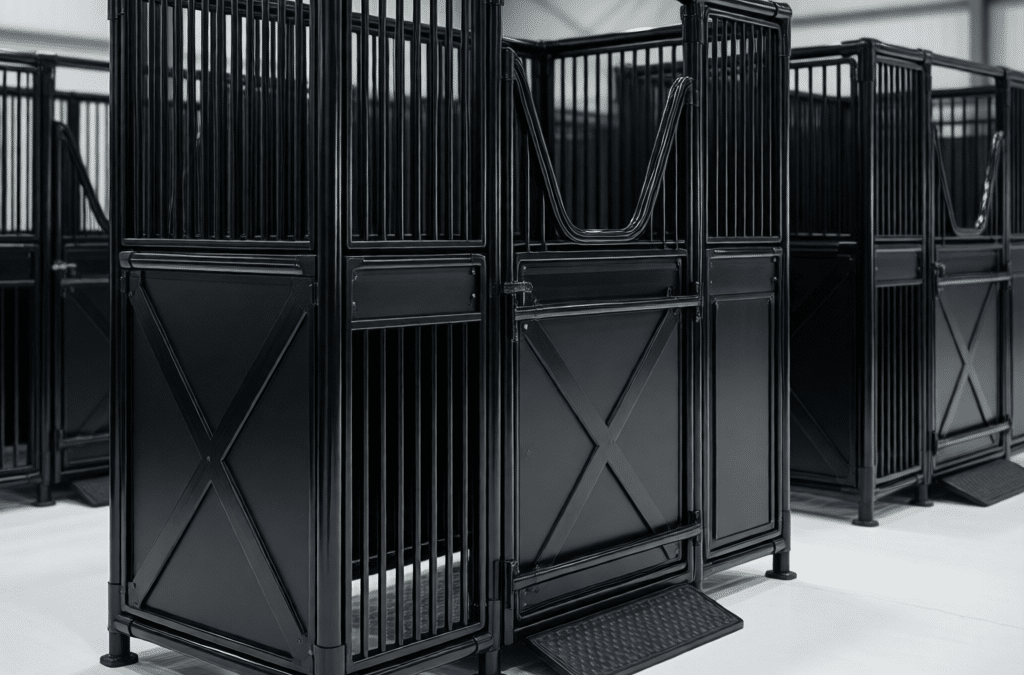
Finding a true White-Label (B2B) partner is the primary defense against the two biggest threats to distributor profit: logistics costs and warranty claims. Sourcing fully-welded stables can inflate freight expenses by over 60%, while inferior galvanization inevitably...
by Frank | May 15, 2026 | Blog
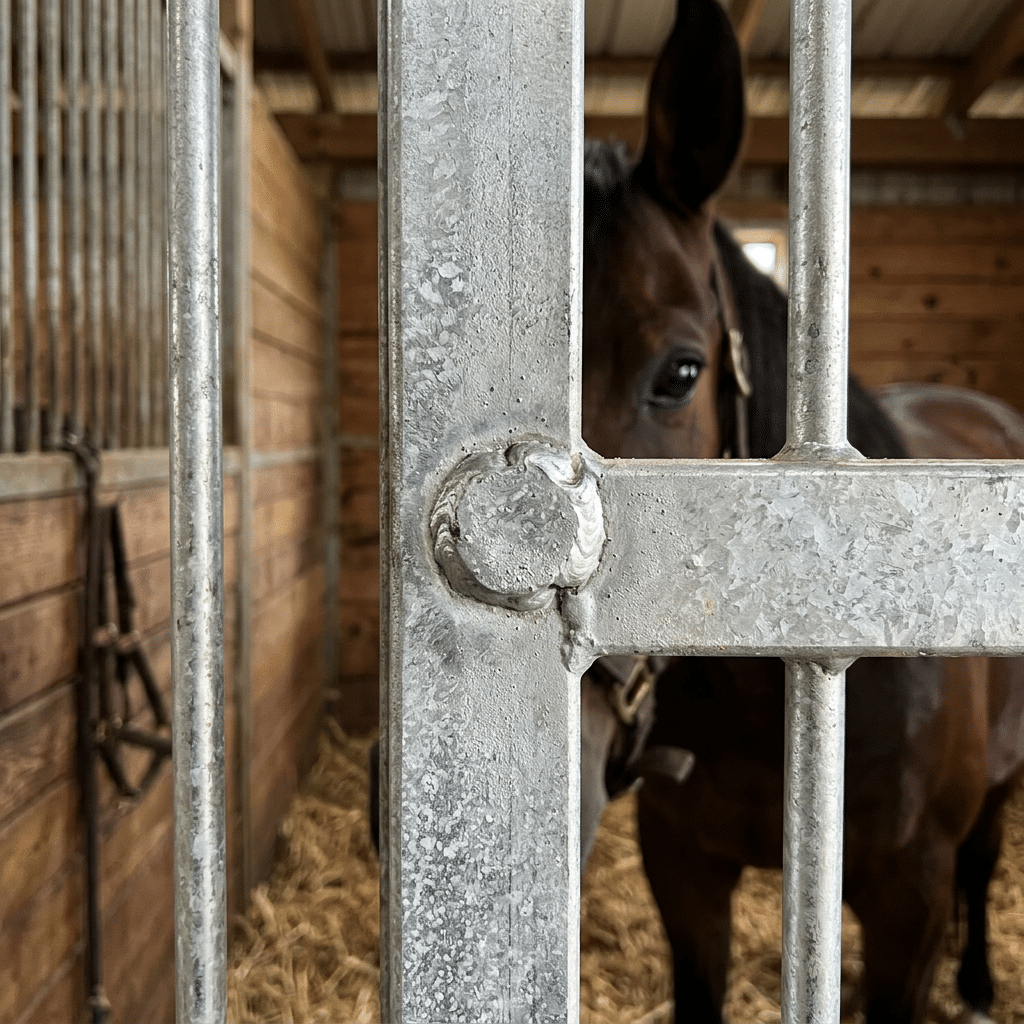
Sourcing luxury “Royal” stalls without the high European price tag is a direct challenge to distributor profit margins. Many alternatives fail by cutting corners on corrosion protection, leading to peeling finishes and costly warranty claims that damage...


 English
  Spanish
  French
  Arabic
  German