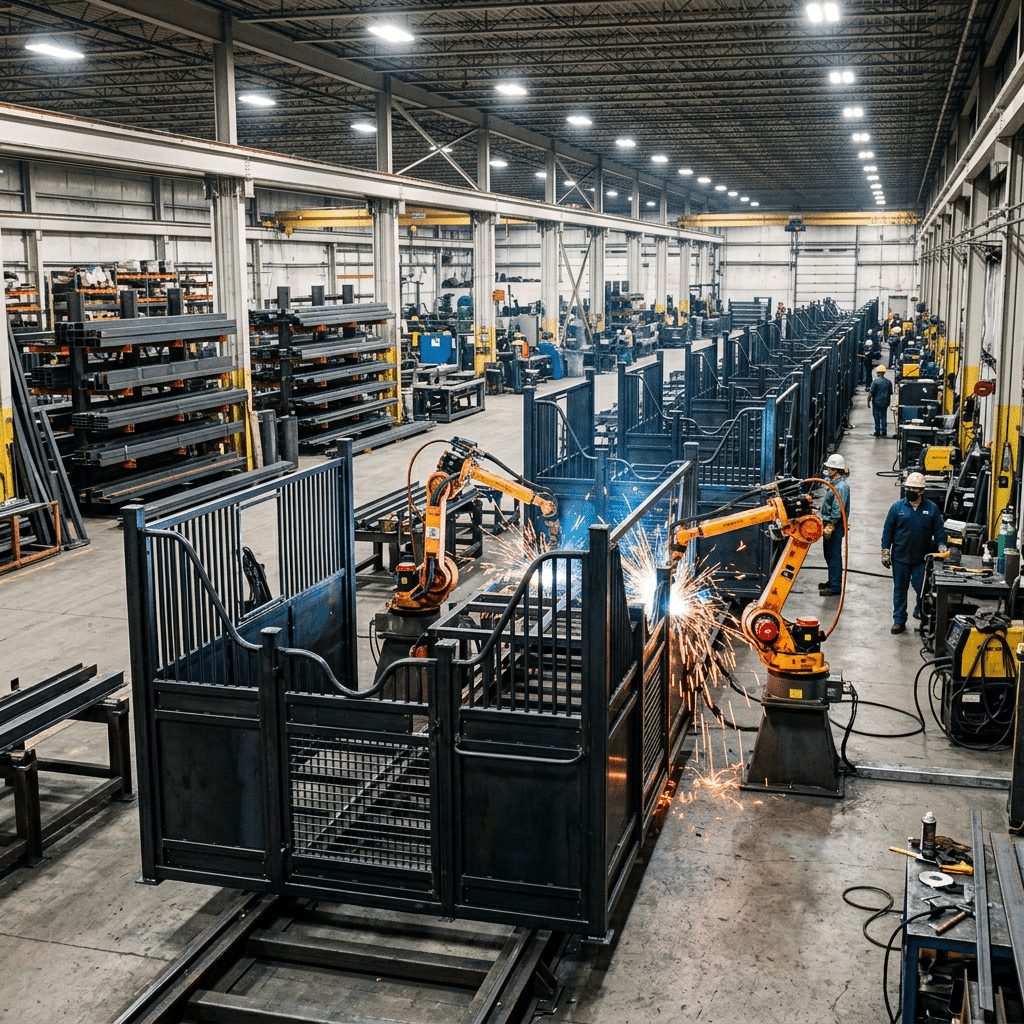
by Frank | May 14, 2026 | Blog
Sourcing from the right Rubber Mat Providers is critical to avoid freight costs that destroy distributor margins. Shipping dense mats as a standalone product is a major financial risk, with volatile maritime rates and hidden surcharges often adding over 60% to the...
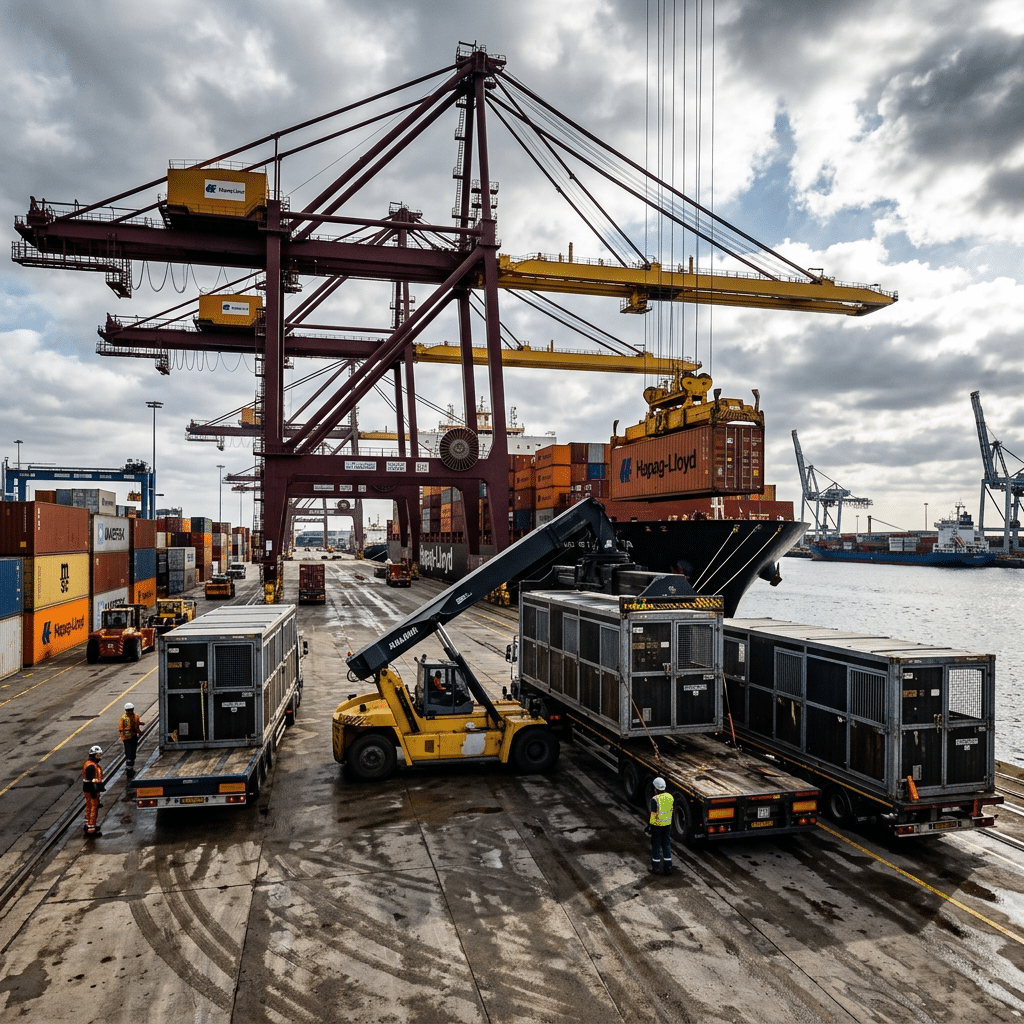
by Frank | May 14, 2026 | Blog
Stable latches are a critical failure point that directly impacts both liability and operational safety. Choosing a simple gravity latch over a secure plunger system might seem cost-effective, but it exposes a facility to risks ranging from animal injury claims to...
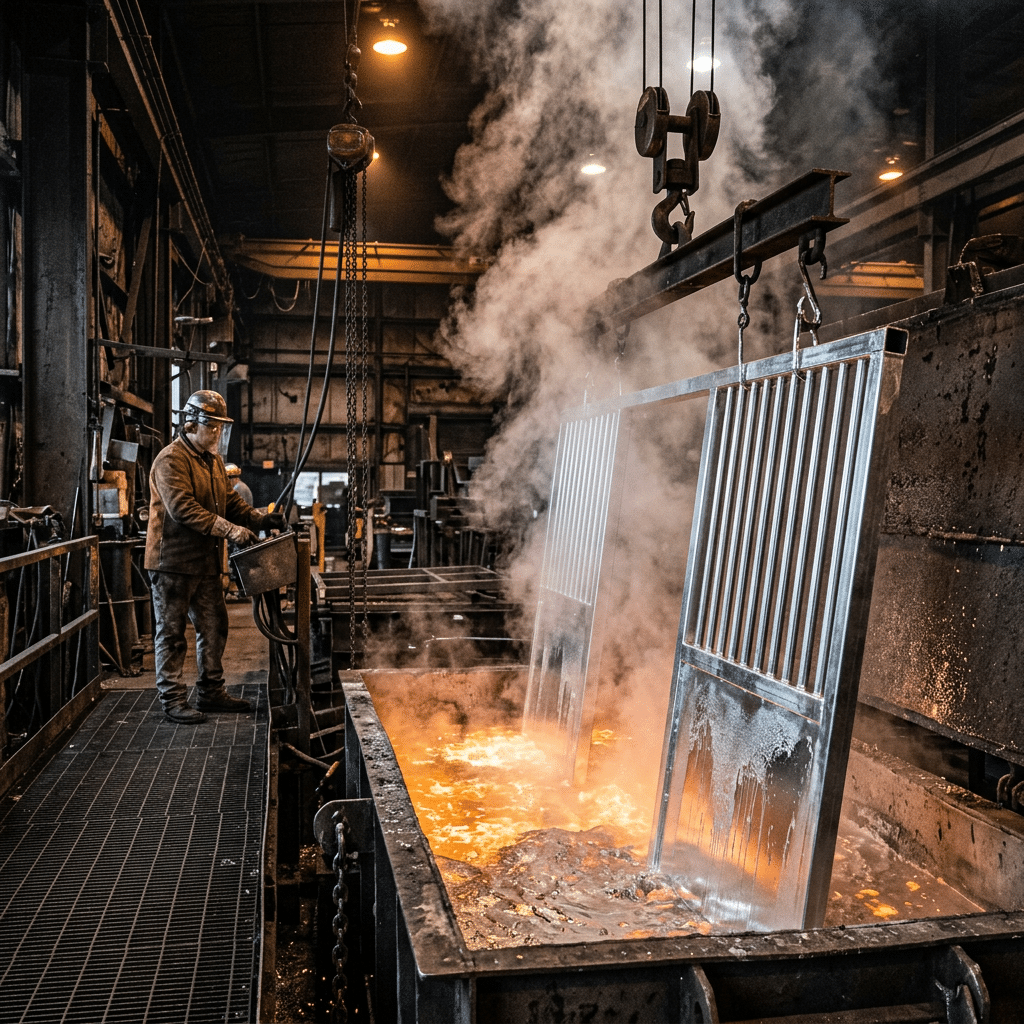
by Frank | May 14, 2026 | Blog
A disease outbreak triggers aggressive disinfection protocols that often destroy the barn itself. Chemical agents degrade porous wood and corrode unprotected steel, forcing expensive replacements and creating a constant biosecurity risk. This cycle of damage...
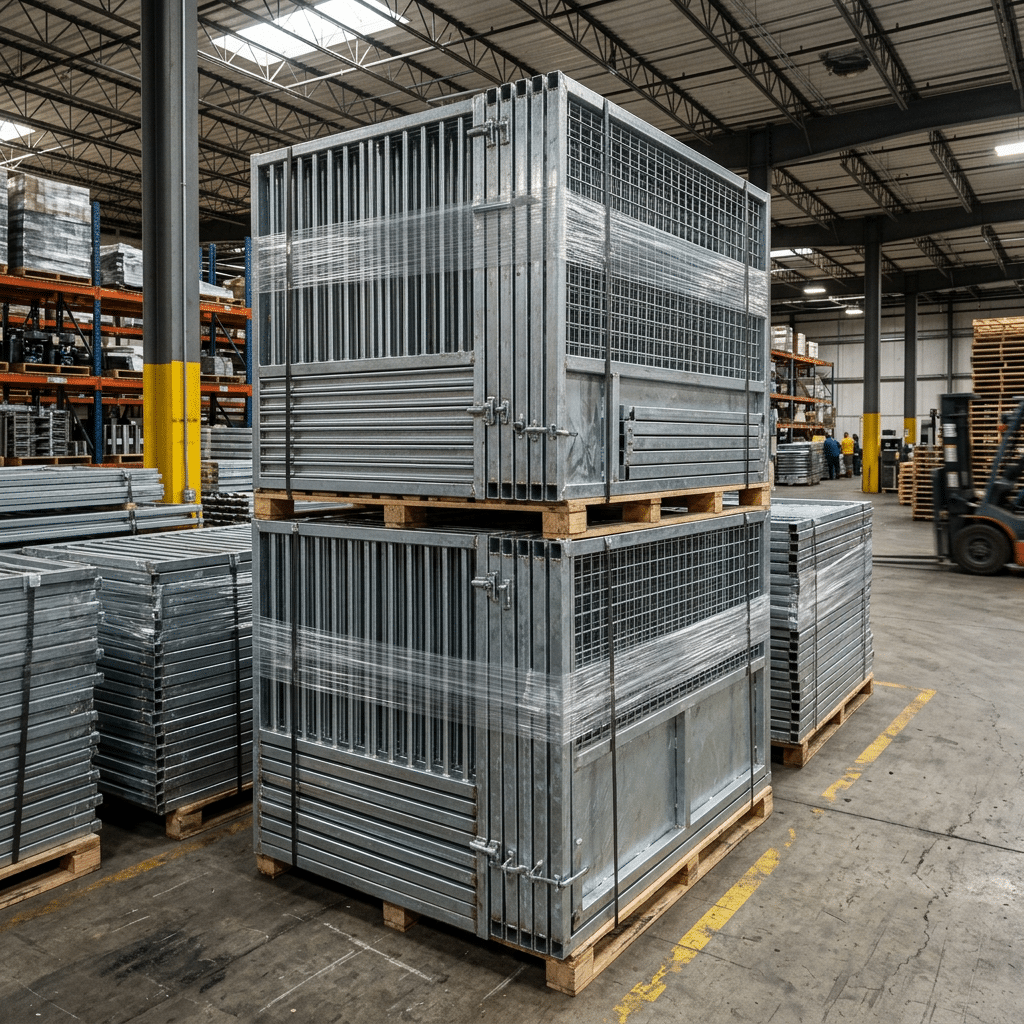
by Frank | May 13, 2026 | Blog
A documented maintenance schedule is the only operational defense against preventable structural failures in an equestrian facility. Small oversights, such as ignoring bolt relaxation or track debris, accumulate over time, leading to expensive emergency repairs and...
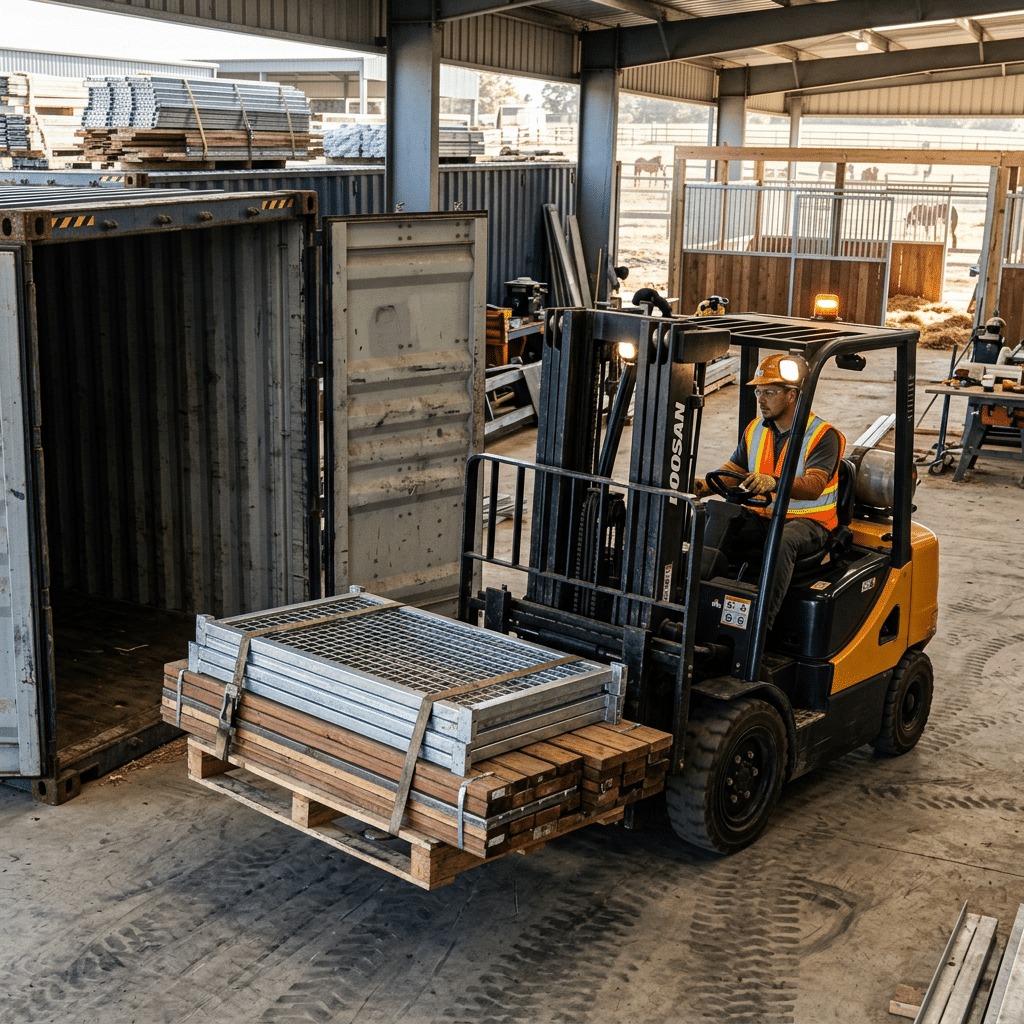
by Frank | May 13, 2026 | Blog
Selecting the correct door tracks is the primary defense against operational failure in equestrian facilities. Standard tubular tracks are a known liability, jamming with hay and debris. This leads directly to high maintenance costs and animal safety risks, eroding...
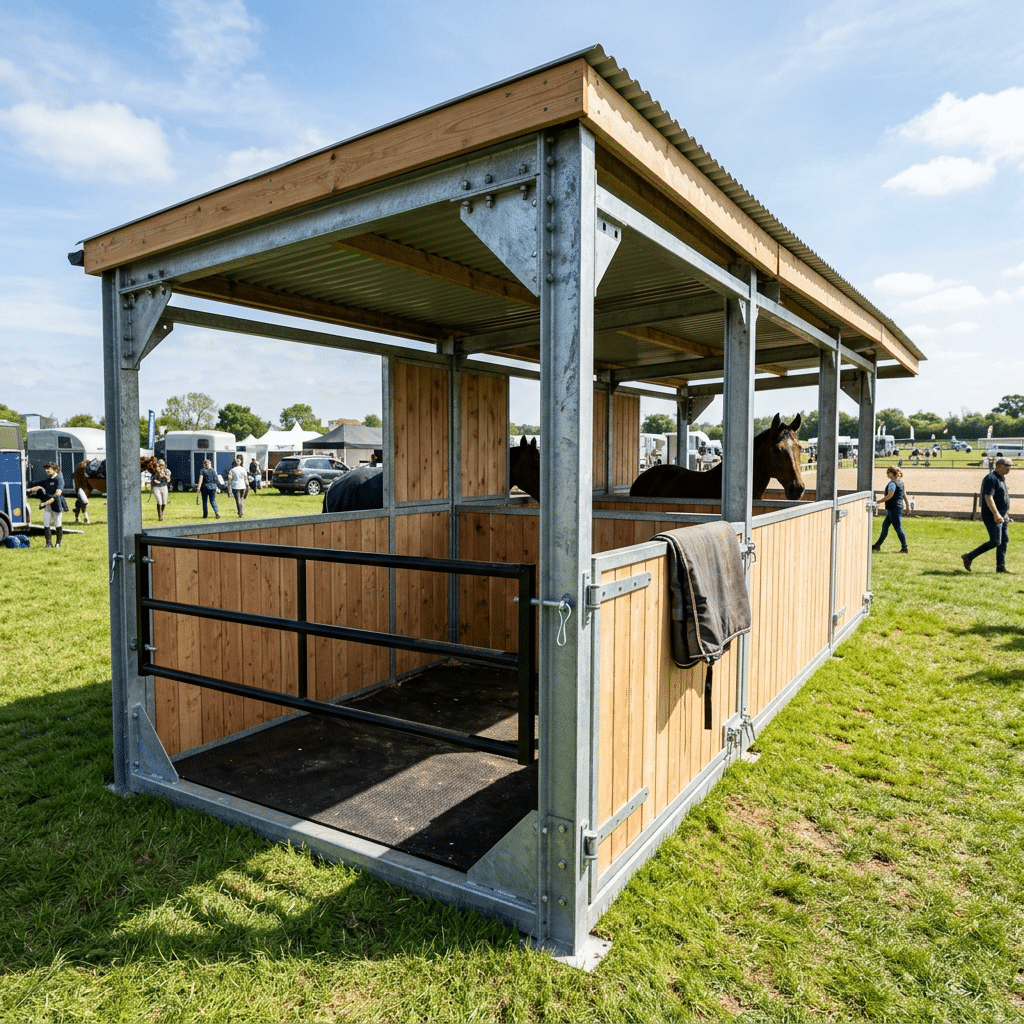
by Frank | May 13, 2026 | Blog
Board replacement in a fully welded stable frame is a costly, destructive process. It requires cutting the structural steel, which voids the factory’s rust protection and creates hours of labor for a repair that permanently weakens the asset and invites...


 English
  Spanish
  French
  Arabic
  German