


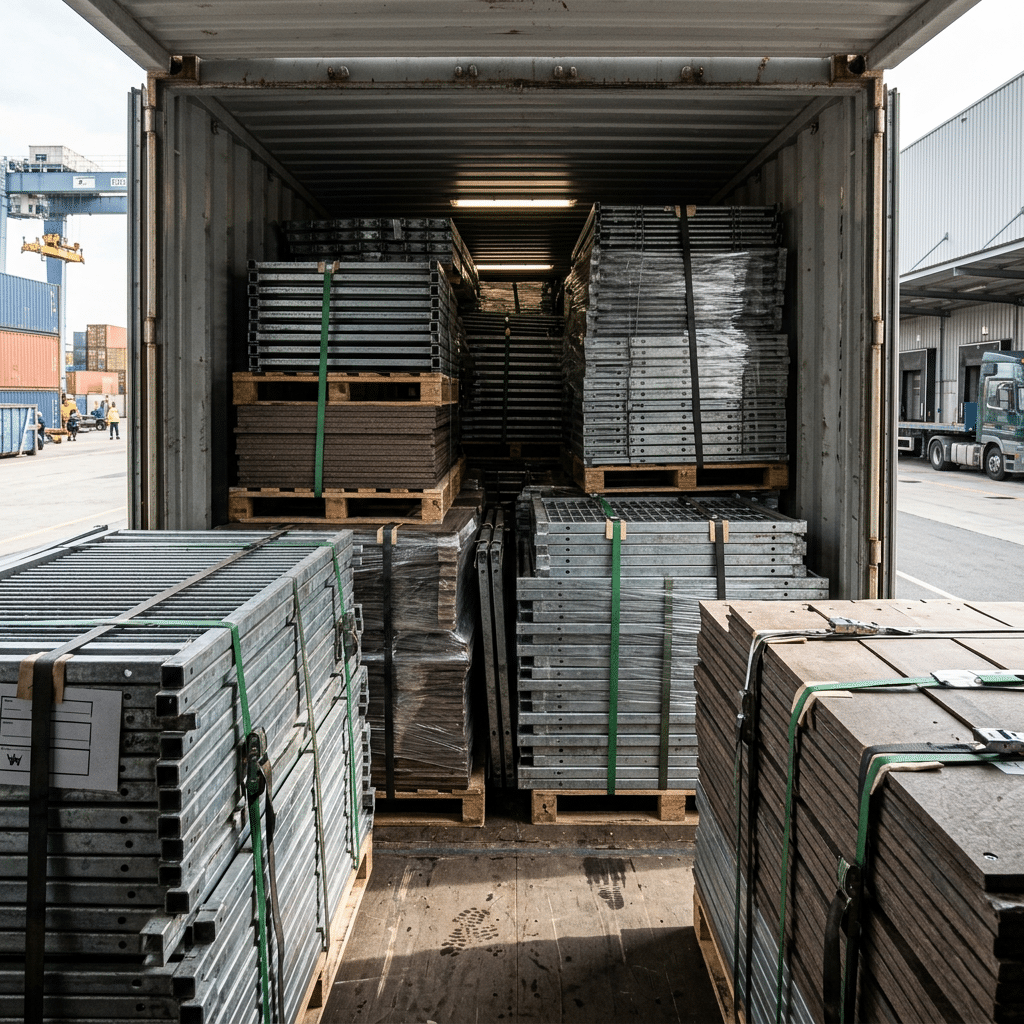
The unit price on a horse stable quotation is the smallest number in the deal. The numbers that decide whether a project works are the ones around it: the minimum order quantity, the volume tier your order actually falls into, and how the discount ladder scales between them. For wholesale horse stables — farm fit-outs, training center builds, dealer container programs — the full span of the volume ladder, 5 to 15%, can move the largest line item in the project budget.
This guide explains how the MOQ and tiered pricing structure works at this manufacturer, what a 10-unit order genuinely unlocks, and how to structure a larger program so the pricing, production slot and shipping all land on the same schedule. The framework applies across the nine markets this factory serves — Australia, New Zealand, the US, the UK, Germany, France, Denmark, Spain and Poland — with regional delivery nuances worth planning around.
Key Takeaways
- The entry points: MOQ is 10 stable sets or 50 fence panels — the floor of the pricing ladder, not a special deal.
- Tiered discounts run 5-15%: volume orders unlock progressively better pricing as quantity rises.
- The 20-set threshold matters most: crossing it adds a dedicated regional account manager for customization and logistics coordination.
- Production scales: CNC machining and automated 360° welding support monthly output above 500 sets — volume does not queue behind retail orders.
- Delivery is tiered too: 4-6 weeks global standard, with 1-2 week expedited options from the Sydney and Warsaw regional warehouses.
How the MOQ and Discount Ladder Works
The structure is simple, which is why it rewards being worked deliberately. Entry to the wholesale price list starts at 10 stable sets or 50 fence panels. From that floor, pricing improves through volume tiers — a ladder spanning 5% to 15% as order size increases. The discount applies to the product lines in the order, which matters for mixed programs: a dealer combining stables, doors, fence panels and training equipment in one container program prices each line inside the same order volume, rather than three small orders each sitting at the bottom of the ladder.
The mechanism to understand is that tiers reward commitment, not conversation. A factory holding CNC machining capacity and automated 360° welding lines — monthly output above 500 sets across its lines — prices a confirmed 30-set program differently from a 10-set trial with an option on 20 more, because the first is a production plan and the second is a forecast. Buyers who can commit to the program number get the tier that matches it; buyers who genuinely cannot should order the smaller number cleanly rather than inflate a projection they will trim later, because revisions cost both sides goodwill and schedule.
What a 10-Unit Order Actually Unlocks
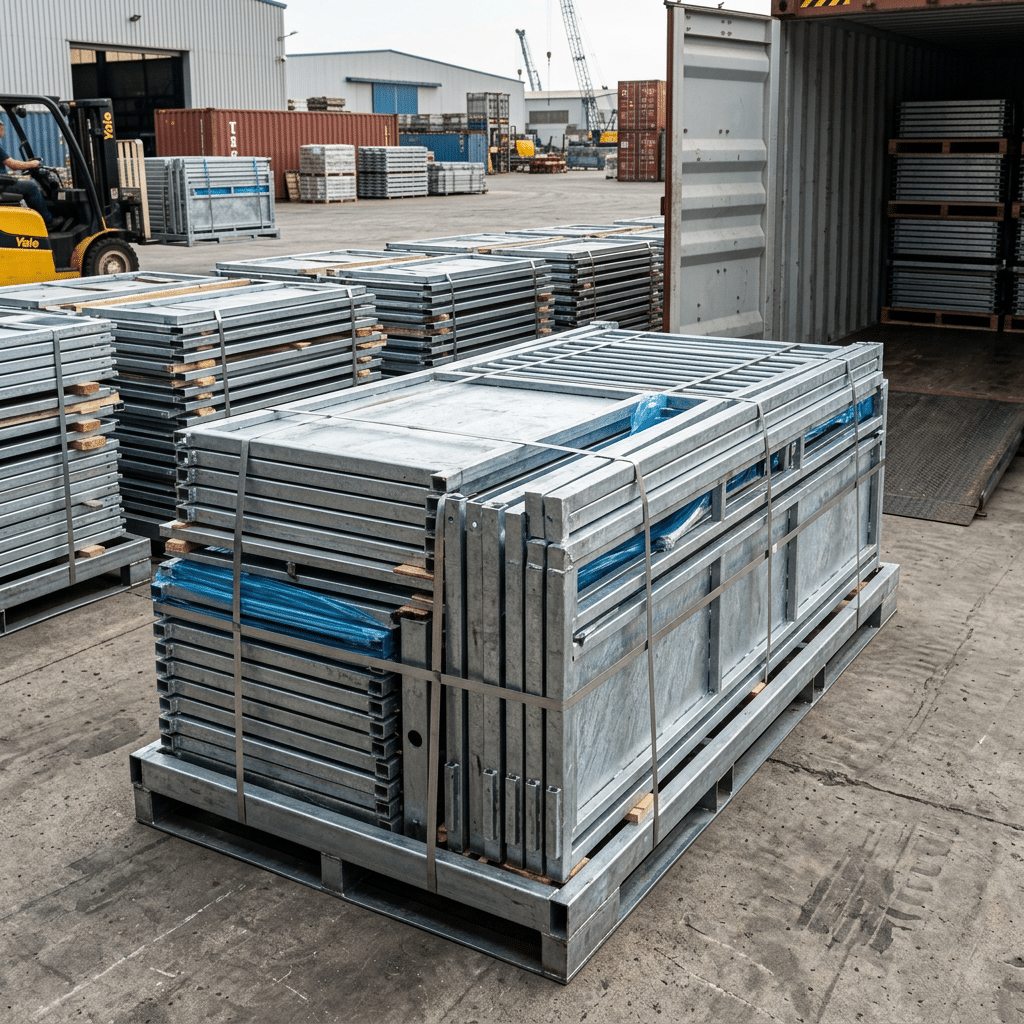
The 10-set threshold is more than a price gate — it is where the service tier changes. Orders of 20 stable sets or more come with a dedicated regional account manager handling both customization and logistics coordination as a virtual consulting service; the 10-unit order sits at the entry of the service curve, with the standard customization options of the product line — dimension adjustments and lining choices across bamboo, HDPE and pine — available on the same manufacturing basis as any larger order.
What the entry order buys in product terms: the same manufacturing standard as any larger order — hot-dip galvanized steel frames specified for 20-year anti-rust performance, CNC-cut and automatically welded components, quality assurance under ISO 9001 and CE certification with compliance frameworks covering BHS (UK), ASPCA (US) and EU Directive 98/58/EC depending on destination. There is no “export grade versus domestic grade” fork in this factory’s process; the tier ladder prices volume, not quality. That is the question to ask any supplier quoting you an MOQ: does the entry order get the same steel, the same coating and the same welding line as the big orders — or a quietly cheaper build?
Structuring a Larger Program: Consolidate or Split?
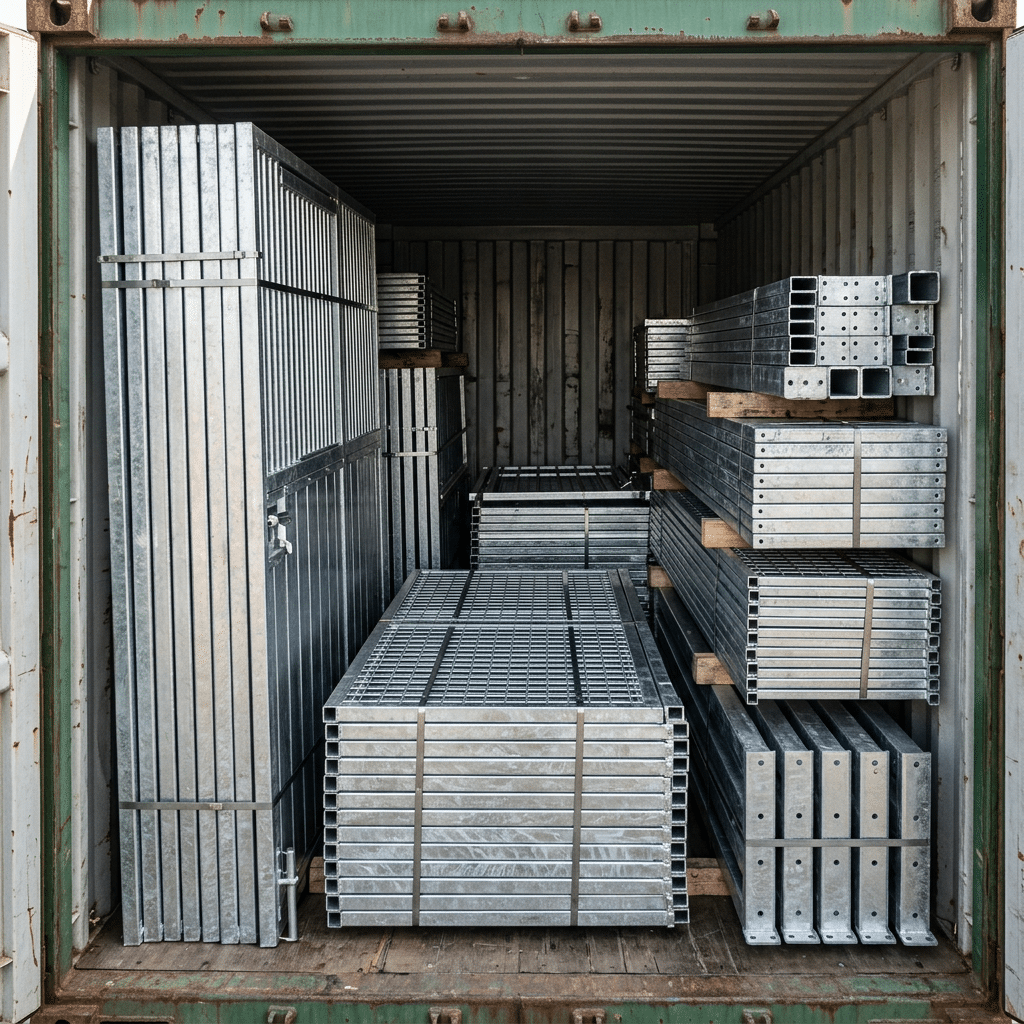
Once your program exceeds a container or two, the structural decision is whether to consolidate everything into one order or split by phase. Consolidation climbs the tier ladder once and maximizes the discount; splitting matches deliveries to project phases and spreads cash flow. The honest answer is that most phased projects still win by consolidating the order and negotiating the delivery schedule separately — phased shipping can be arranged with the factory so the order consolidates for tier pricing while deliveries match your phases.
Three practices make the bigger program run cleanly. First, lock the customization decisions before the volume agreement — dimensional changes after production starts are the expensive kind of change, while the same decisions made during quotation are free. Second, ask for the production and shipping calendar in writing as part of the order confirmation, so the tier discount is not quietly funded by a schedule slip. Third, for programs at 20 sets and above, use the dedicated account manager as the single channel for both engineering and logistics — split communication lines are where mixed orders drift into mismatches. The negotiation-side tactics — anchoring, quoting across suppliers, structuring the deposit — are covered in our MOQ negotiation guide for equestrian businesses.
| Order Profile | What Applies | Plan Around |
|---|---|---|
| Entry wholesale (10 sets / 50 panels) | Wholesale price list, full customization program | Self-managed logistics beyond standard terms |
| Volume program (tier ladder) | 5-15% tiered discount as order size rises | Commit to the program number, not a projection |
| 20 sets and above | Dedicated regional account manager | Single communication channel for engineering + logistics |
Delivery Tiers and Regional Warehouses
Standard global delivery from the factory runs 4-6 weeks, which is the number a program schedule should be built around — not the best-case transit time, but the confirmed production slot plus shipping. The regional warehouses change the arithmetic for two markets: Sydney serves the Australian and New Zealand region, and Warsaw serves Europe, and qualifying orders can be expedited to 1-2 weeks where stock and destination align. For a phased program, that regional speed is the lever that lets you consolidate the order for tier pricing while negotiating delivery timing that matches your phases.
The delivery conversation belongs in the pricing conversation, because a discount that arrives with a slipped schedule is not a discount. Ask for the production slot confirmation, the shipping mode, and the regional warehouse options in the same quotation cycle as the tier price — and for destination markets with specific requirements, the compliance documentation (ISO 9001, CE, plus the market frameworks above) should ship with the goods, not chase them. Buyers planning multi-market programs can also explore the customization program for market-specific configurations, and our earlier component comparison guide shows how the options ladder works at the component level.
Frequently Asked Questions
What is the MOQ for wholesale horse stables?
10 stable sets, or 50 fence panels for fencing programs. That entry threshold opens the wholesale price list with the full customization program — the same manufacturing standard as any larger order.
How much discount do 10-unit orders unlock?
The tiered discount ladder spans 5-15% as volume rises, with the 10-set order sitting at the entry of the curve. Commit to the program number you can actually take — tiers reward confirmed volume, and orders of 20 sets or more add a dedicated account manager.
How long does wholesale delivery take?
Standard global delivery is 4-6 weeks from order confirmation. The Sydney and Warsaw regional warehouses can expedite qualifying orders to 1-2 weeks where stock and destination align.
Should I split a large program into separate orders?
Usually no — consolidating one order climbs the tier ladder once, and phased shipping can be negotiated with the factory so deliveries match your schedule. Split only when cash flow genuinely requires it, and price the difference consciously.
Conclusion
Wholesale pricing for horse stables is a ladder: entry at 10 sets or 50 panels, discounts of 5-15% as volume rises, a service tier change at 20 sets, and delivery options that flex from 4-6 weeks standard to 1-2 weeks regionally. The buyers who do best on it are the ones who commit to their real program number, lock customization before production, and negotiate the schedule in the same breath as the price.
Map your program volume against the tiers, then request the quotation at that number. Start with the stable systems range, and pair the pricing conversation with the MOQ negotiation guide for the tactics around it.

 English
  Spanish
  French
  Arabic
  German
0 Comments