


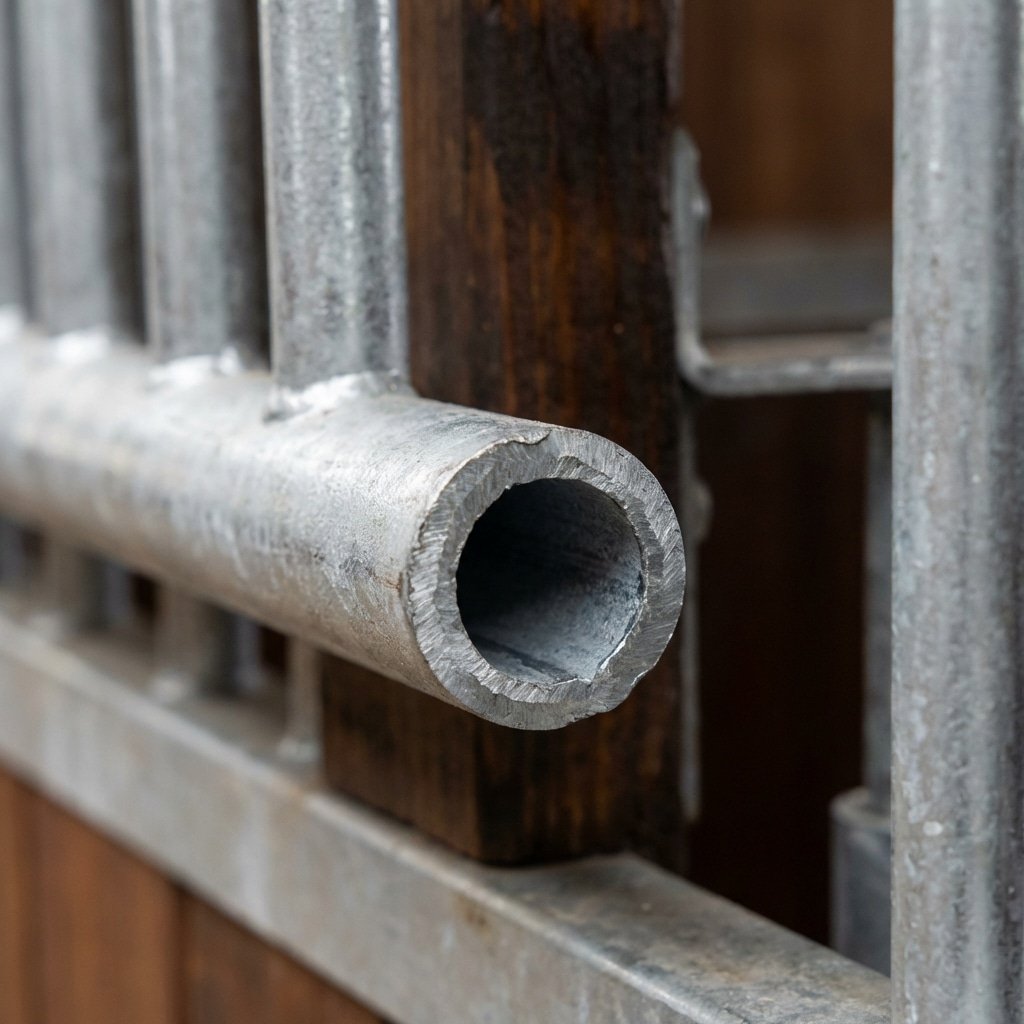
Commercial equestrian developers often fall into the steel gauge scam jumps trap by trusting generic gauge numbers rather than verifying actual wall thickness. As a manufacturer in Anping, China, it is observed that buyers request ‘heavy-duty’ FEI-compliant jumps and receive thin-walled tubes that bend under the first impact. The ‘gauge’ label is frequently a marketing illusion—suppliers mix MSG (Manufacture’s Standard Gauge) with BWG (British Wire Gauge) to hide walls that are up to 0.5mm thinner than promised. This ambiguity allows suppliers to slash material costs without immediate visual detection, creating a hidden liability for the venue.
The financial impact of cheap steel is immediate and severe. Pre-galvanized steel, often marketed as rust-proof, corrodes rapidly in high-humidity environments like the UK or New Zealand within three years due to zinc depletion. Hot-dip galvanization provides a 20-year rust resistance that pre-galvanized options simply cannot match. DB Stable uses CNC-verified wall thickness and automated 360° welding to guarantee load-bearing capacity, ensuring your jumps absorb 1000+ lbs of impact without micro-fractures. Always demand the exact millimeter specification in your purchase order to protect your CAPEX.
Why Steel Gauge Marketing Fails Buyers
The ‘gauge’ number is a marketing trap; actual wall thickness in millimeters is the only metric that ensures structural integrity.
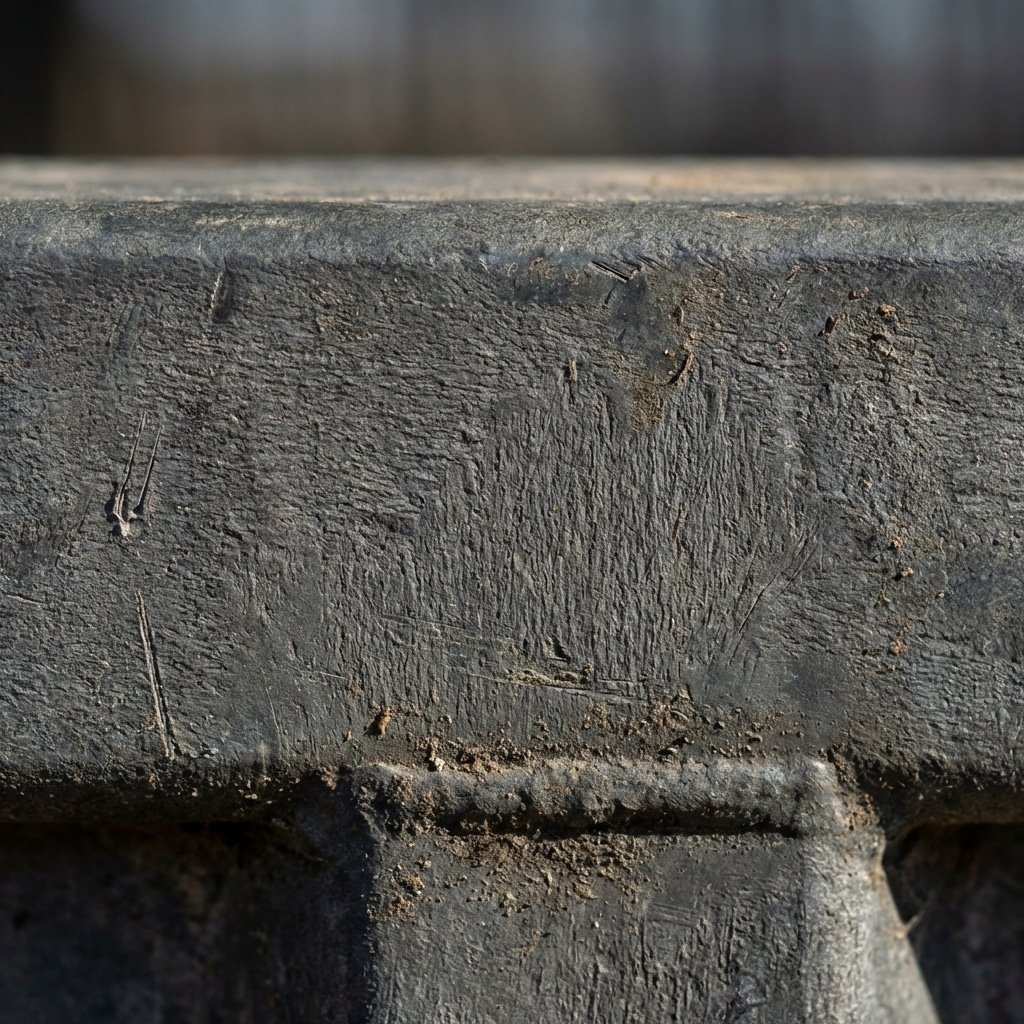
The ‘Steel Gauge Scam’ in show jumps relies on archaic, inconsistent numbering systems that allow suppliers to hide thin-walled tubing behind heavy-duty marketing. In the equestrian infrastructure sector, a jump labeled as ‘8 gauge’ in one region might be significantly thinner than an ‘8 gauge’ in another due to conflicting manufacturing standards.
- The Gauge Ambiguity: Suppliers frequently mix MSG (Manufacture’s Standard Gauge) with BWG (British Wire Gauge). This discrepancy can hide wall thickness differences of up to 0.5mm, allowing buyers to unknowingly purchase thin-walled steel that cannot withstand high-impact collisions.
- Structural Liability: For event venues, thin-walled jumps present a massive safety hazard. Manual welding on these thin tubes creates micro-fractures under stress, leading to sudden structural collapse during competition—a catastrophic failure for any commercial developer.
- The Corrosion Blind Spot: Cheap pre-galvanized steel looks identical to premium hot-dip galvanized steel initially. However, in high-humidity environments like the UK, Australia, or New Zealand, pre-galvanized zinc depletes within 3 years, causing rapid rust and structural weakening.
To eliminate this risk, you must demand specific millimeter measurements rather than accepting vague gauge numbers. DB Stable utilizes CNC-verified wall thickness and automated 360° welding to guarantee load-bearing capacity, ensuring your FEI-compliant jumps survive the rigors of professional competition without the hidden costs of premature replacement.
Real Cost Breakdown of Jump Steel Specs
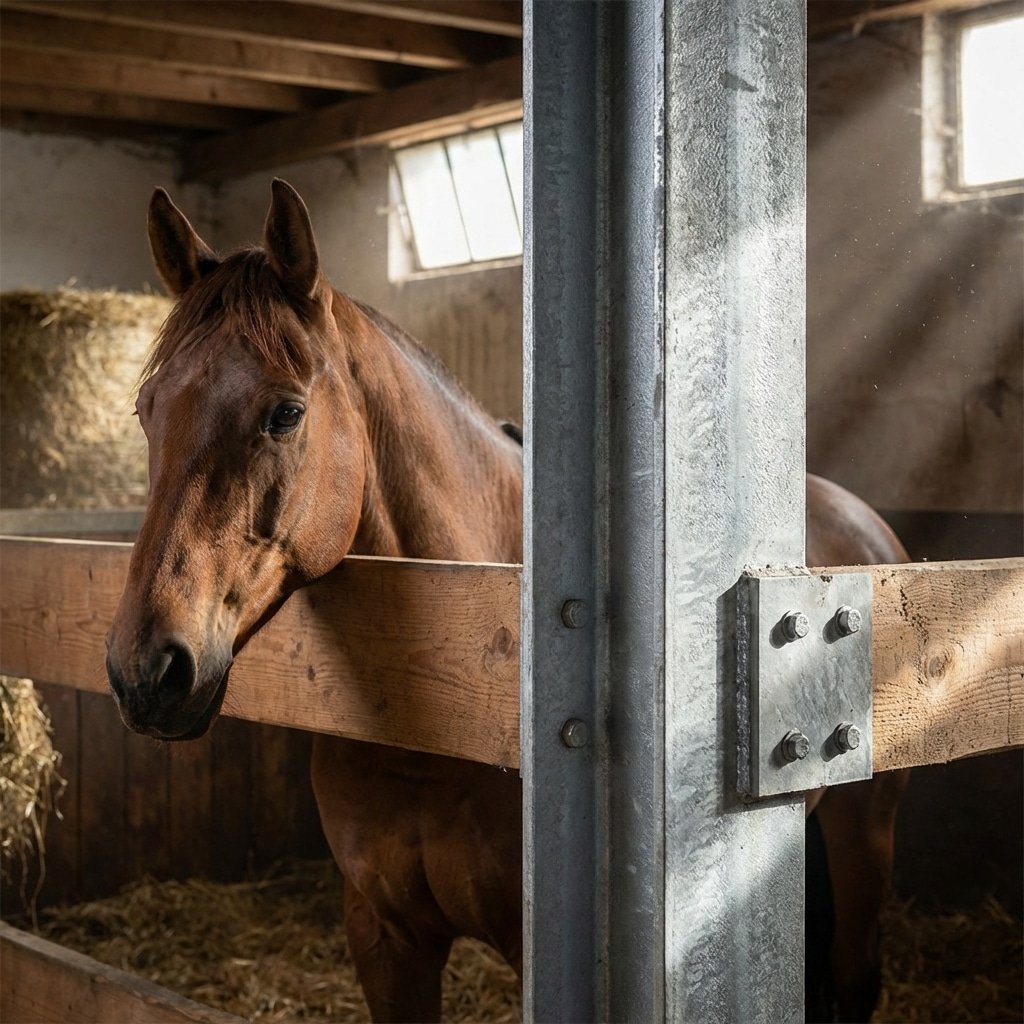
Pre-galvanized steel corrodes rapidly in humid climates, while hot-dip galvanization resists corrosion for 20+ years.
The financial impact of cheap steel is catastrophic for commercial venues. Pre-galvanized steel, often marketed as ‘rust-proof,’ corrodes rapidly in high-humidity environments like the UK or New Zealand. This leads to structural collapse and complete venue downtime within three years.
Hot-dip galvanization adds a protective zinc layer that resists corrosion for over 20 years. While initial costs may be 10-15% higher, the total cost of ownership drops significantly due to reduced maintenance and replacement cycles. This protects your CAPEX and ensures long-term ROI.
- Pre-Galvanized Steel: Initial cost is low, but zinc depletion occurs quickly in humid climates. Lifespan is limited to 3-5 years before structural integrity fails.
- Hot-Dip Galvanized Steel: Provides a 20-year rust-resistant barrier. Higher upfront investment eliminates replacement costs and ensures compliance with FEI safety standards.
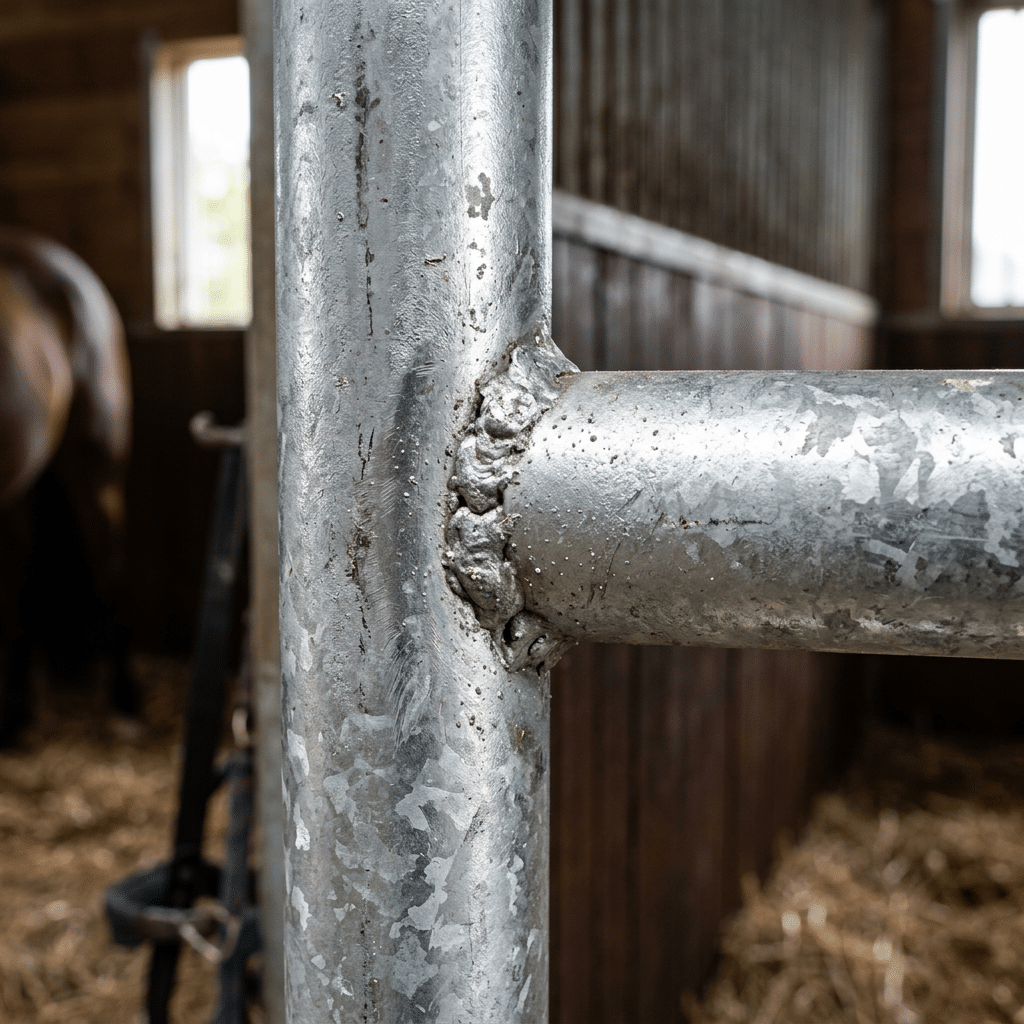
- Welding Integrity: Automated 360° welding prevents micro-fractures found in manual welding. This is critical for jumps absorbing 1000+ lbs of impact without failure.
| Merkmal | Spezifikation | Advantage |
|---|---|---|
| Galvanization Type | Feuerverzinkt | 20-year rust resistance; prevents structural failure in humid climates |
| Wanddicke | Verified 2.0mm – 2.5mm | Eliminates ‘Gauge Scam’; ensures FEI compliance and impact safety |
| Welding Integrity | Automated 360° Welding | Prevents micro-fractures; handles 1000+ lbs of dynamic impact |
| Lifespan Cost | 20+ Years vs 3-5 Years | Reduces total cost of ownership by 60% compared to pre-galvanized alternatives |
| Compliance Standard | ISO 9001 & CE Certified | Meets BHS (UK), ASPCA (USA), and EU Directive 98/58/EC requirements |
Show Jumps vs. Alternatives: Sourcing Tradeoffs
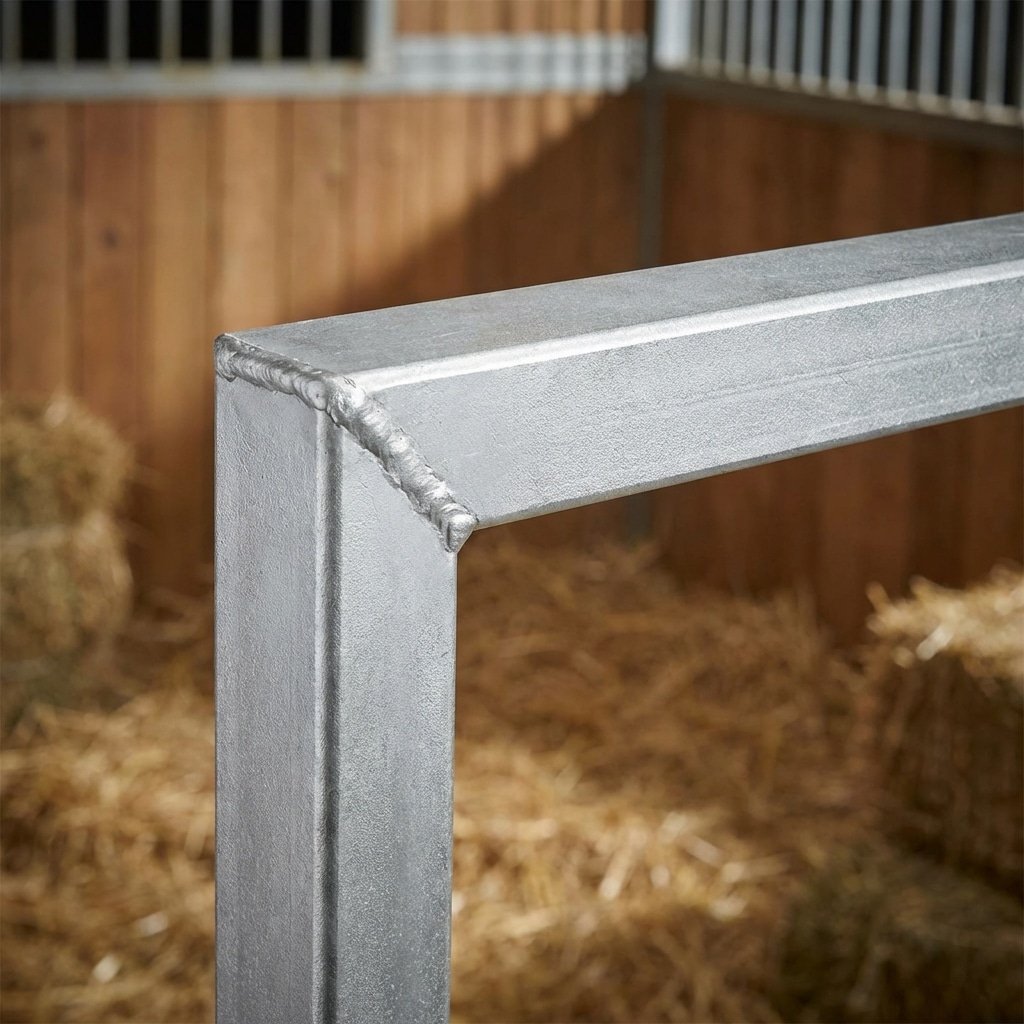
Local fabricators often lack CNC precision for consistent wall thickness, risking structural failure.
When sourcing show jumps, the most critical tradeoff is manufacturing precision versus geographic proximity. Local fabricators frequently rely on manual welding and standard bending techniques, which introduce microscopic inconsistencies in steel wall thickness. These variations are invisible to the naked eye but catastrophic under the 1,000+ lbs of impact force generated by a horse strike.
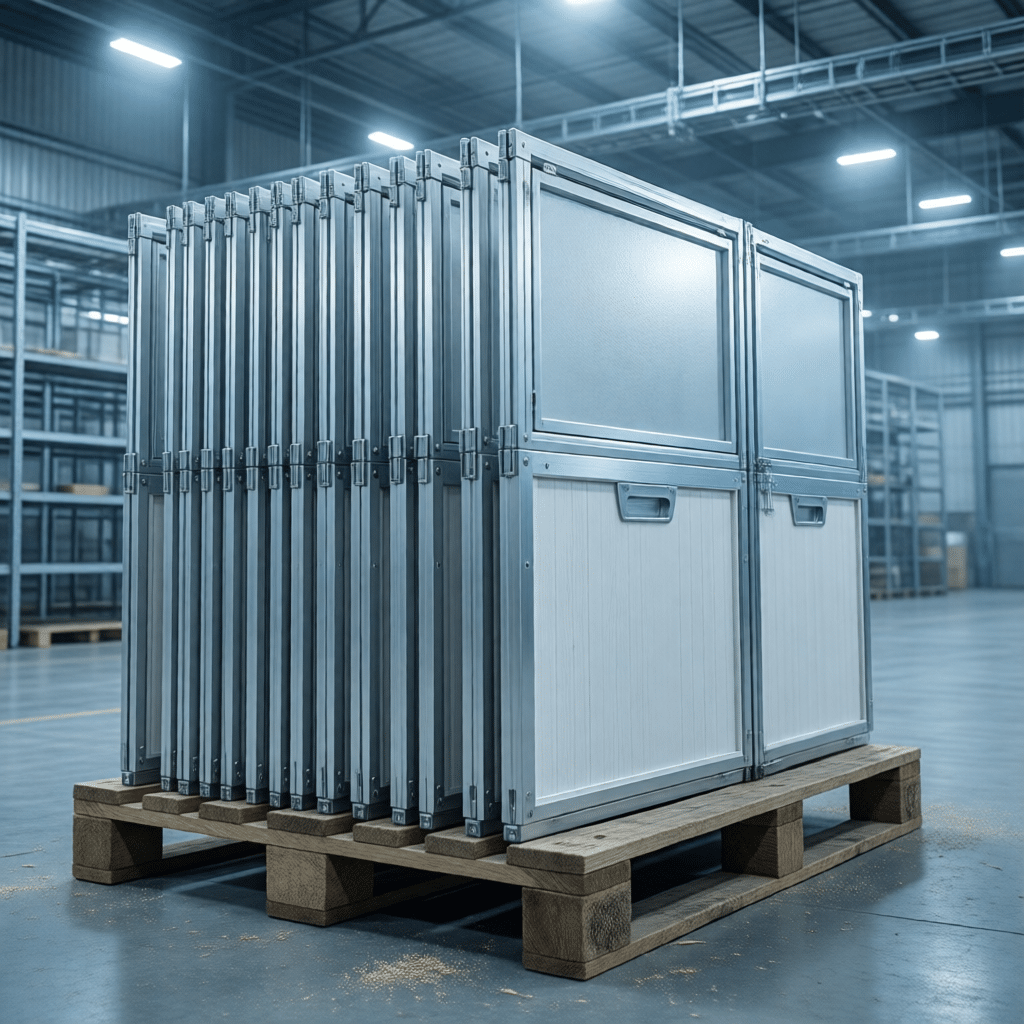
Importieren von specialized jumps from established industrial hubs like Anping, China, provides access to automated 360° welding and strict ISO 9001 quality controls. This automation ensures that every joint and vertical maintains uniform structural integrity, eliminating the weak points that cause premature fatigue and cracking in locally sourced alternatives.
To avoid the “hideous steel gauge scam,” buyers must demand millimeter-specific specifications rather than relying on vague gauge numbers. Manufacturers often exploit the difference between MSG (Manufacture’s Standard Gauge) and BWG (British Wire Gauge), which can vary by up to 0.5mm. DB Stable discloses exact wall thickness in millimeters, guaranteeing that the jumps meet rigorous FEI structural integrity standards without the risk of hidden material shortcuts.
While local suppliers may appear cheaper upfront, their prices often include significant markups for inferior engineering and higher replacement rates. By opting for bulk imports of hot-dip galvanized jumps with verified wall thickness, developers secure a 20-year lifespan compared to the 3-5 year failure rate of pre-galvanized local alternatives. This shift reduces total cost of ownership and eliminates the safety liabilities associated with substandard infrastructure.
- Precision Manufacturing: Automated 360° welding ensures consistent wall thickness and impact resistance across all units.
- Specification Transparency: Demand exact mm measurements to bypass the MSG vs. BWG gauge confusion used by competitors.
- Cost Efficiency: Bulk imports bypass local markups while delivering superior longevity and FEI compliance.
How to Source Jumps Without Structural Risk
Verify wall thickness in millimeters, not gauge numbers, to prevent structural failure.
The “gauge” system is a deliberate trap used by low-cost suppliers to obscure thin-walled tubing. A jump labeled “8 gauge” in one market may be significantly thinner than the same label in another. This ambiguity allows manufacturers to slash material costs while maintaining the illusion of heavy-duty construction.
To eliminate this risk, you must demand third-party material certifications that specify actual wall thickness in millimeters. Industry standards for high-impact show jumps require a minimum of 2.0mm for poles and 2.5mm for verticals. Without this specific metric, you are gambling with horse safety and facility insurance.
Visual inspection is insufficient because pre-galvanized steel looks identical to hot-dip galvanized steel upon arrival. However, pre-galvanized finishes fail within 3-5 years in humid climates due to rapid zinc depletion. Always conduct random wall-thickness checks upon arrival using digital calipers to verify the manufacturer’s claims against the actual delivered product.
- Verification Protocol: Request millimeter-specific wall thickness data in the contract, not vague gauge numbers.
- Inspection Standard: Utilize DB Stable’s dedicated regional account managers for orders over 20 units to oversee quality control.
- Strukturelle Integrität: Ensure automated 360° welding is used to prevent micro-fractures that lead to sudden collapse under impact.
Schlussfolgerung
The “steel gauge scam” is a deliberate marketing tactic that hides thin-walled tubing behind vague numerical labels, creating a severe safety risk for high-impact show jumps. Relying on these ambiguous standards invites structural failure and premature corrosion, whereas verifying actual wall thickness in millimeters guarantees FEI compliance and long-term structural integrity. DB Stable eliminates this ambiguity by disclosing exact mm specifications and utilizing CNC-verified hot-dip galvanized steel, ensuring your venue infrastructure withstands heavy loads without the hidden costs of replacement.
Häufig gestellte Fragen
Does gauge matter for jumper cables?
Gauge is a misleading metric that hides actual wall thickness, making it unreliable for verifying structural integrity. You must specify exact wall thickness in millimeters to ensure the jumps meet FEI safety. Specify exact wall thickness in millimeters to ensure FEI compliance.
Does jumper cable quality matter?
Quality determines long-term safety and total cost of ownership, as cheap steel corrodes rapidly in humid climates. Hot-dip galvanized steel provides a 20-year lifespan, whereas pre-galvanized alternatives often fail within three to five. Choose hot-dip galvanized steel for long-term durability and safety.
Is 16 feet good for jumper cables?
The provided research does not contain specific dimensional data for jumper cable lengths. You should verify that any selected jump dimensions strictly adhere to current FEI standards for your specific competition level. Verify jump dimensions against current FEI competition standards.
Are 8 gauge jumper cables good?
Relying on an 8-gauge rating is risky because gauge systems are inconsistent and often mask thin walls. You must request CNC-verified wall thickness measurements to guarantee the structural load-bearing capacity required for professional. Request CNC-verified wall thickness to guarantee structural load capacity.
What is the best gauge for jumper cables?
There is no universal best gauge because the numbering system is archaic and easily manipulated by suppliers. The only reliable standard is specifying a minimum wall thickness in millimeters to ensure consistent quality. Specify minimum wall thickness in millimeters for consistent quality.


 German
  English
  Spanish
  French
  Arabic
0 Kommentare