


What’s Included in a Hardware Kit?
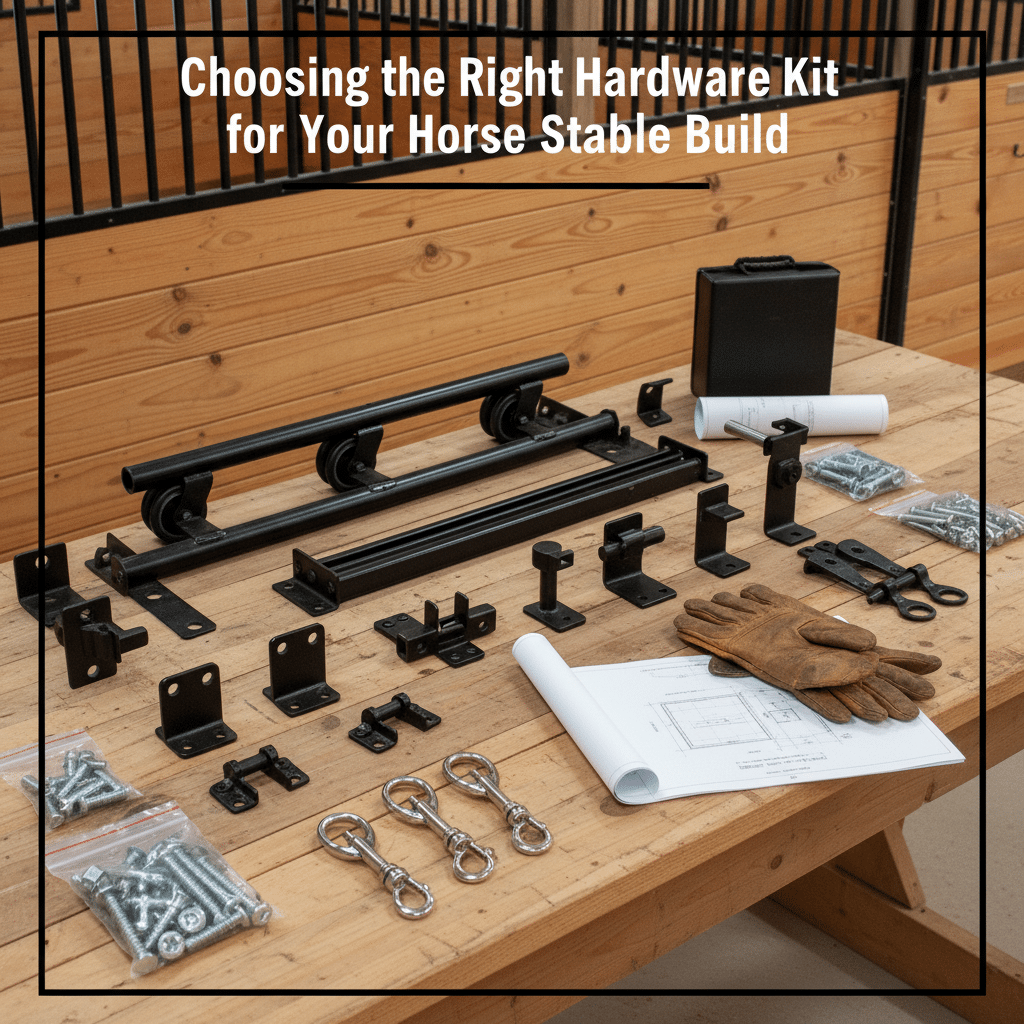
When ordering a horse stable hardware kit, knowing exactly what’s included prevents mid-project delays and ensures the final build meets safety and durability targets. For B2B buyers and professional installers, the kit’s content directly impacts installation speed, ongoing تكاليف الصيانة, and adaptability across stall configurations. Align components with your barn layout and horse handling procedures before placing the order.
Core Components of the Kit
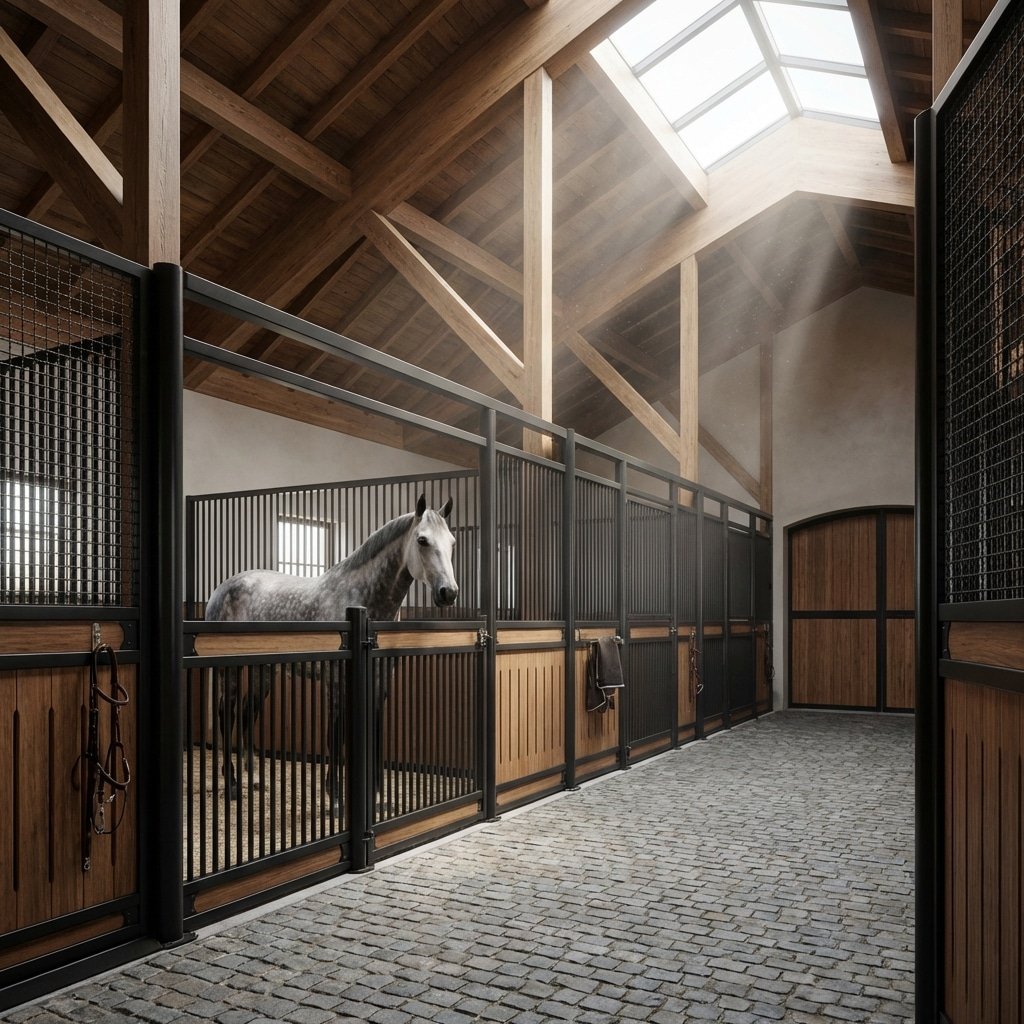
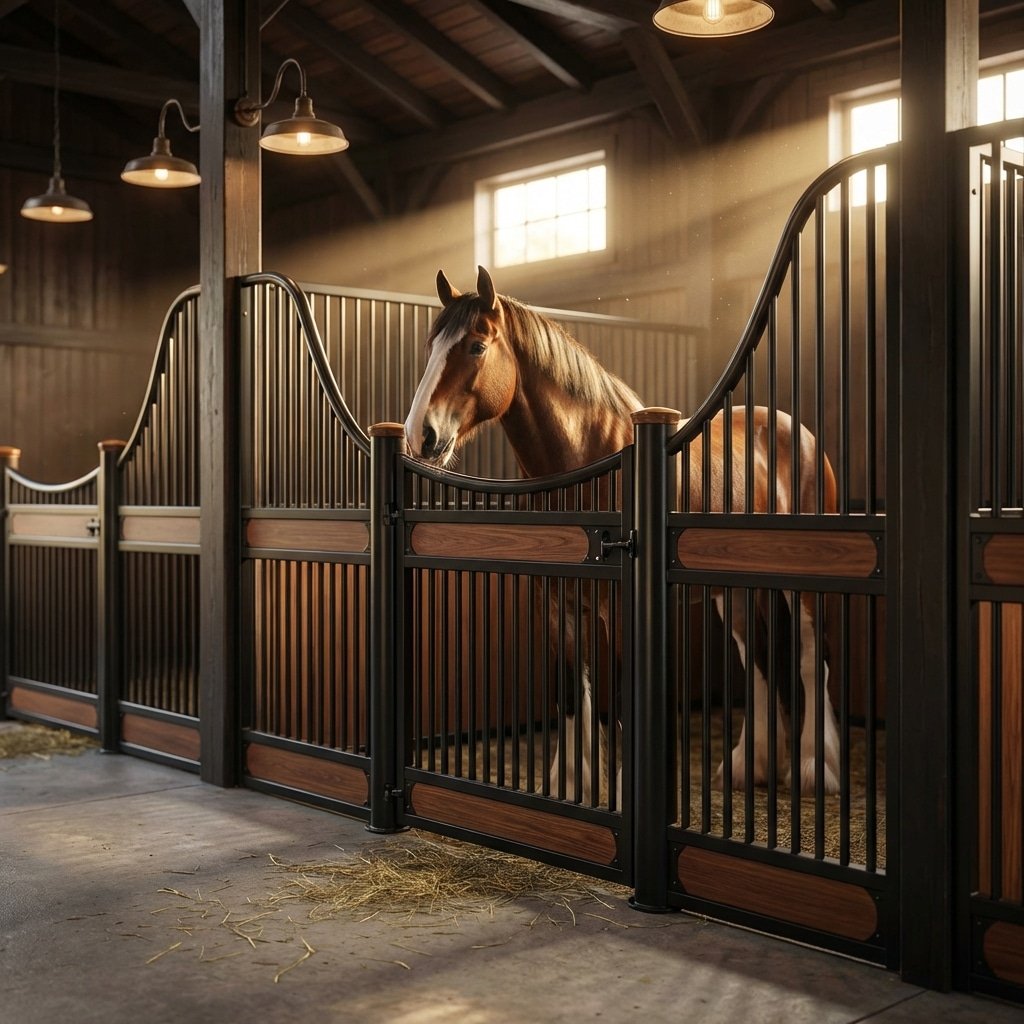
Expect heavy-duty steel stall doors in sliding or hinged designs and ensure they fit your operational routines—sliding doors save space in tight aisles, hinged doors allow a faster, wider exit during emergencies. Grill sections support airflow and visibility, which reduces stress and respiratory issues; barns without them often face condensation problems and poor ventilation. Mounting hardware, including tracks, guides, latches, hinges, and brackets engineered for equine use, determines long-term door stability and safety. Always verify load ratings and corrosion resistance to avoid sticking mechanisms or dangerous gaps.
Additional Panels and Accessories
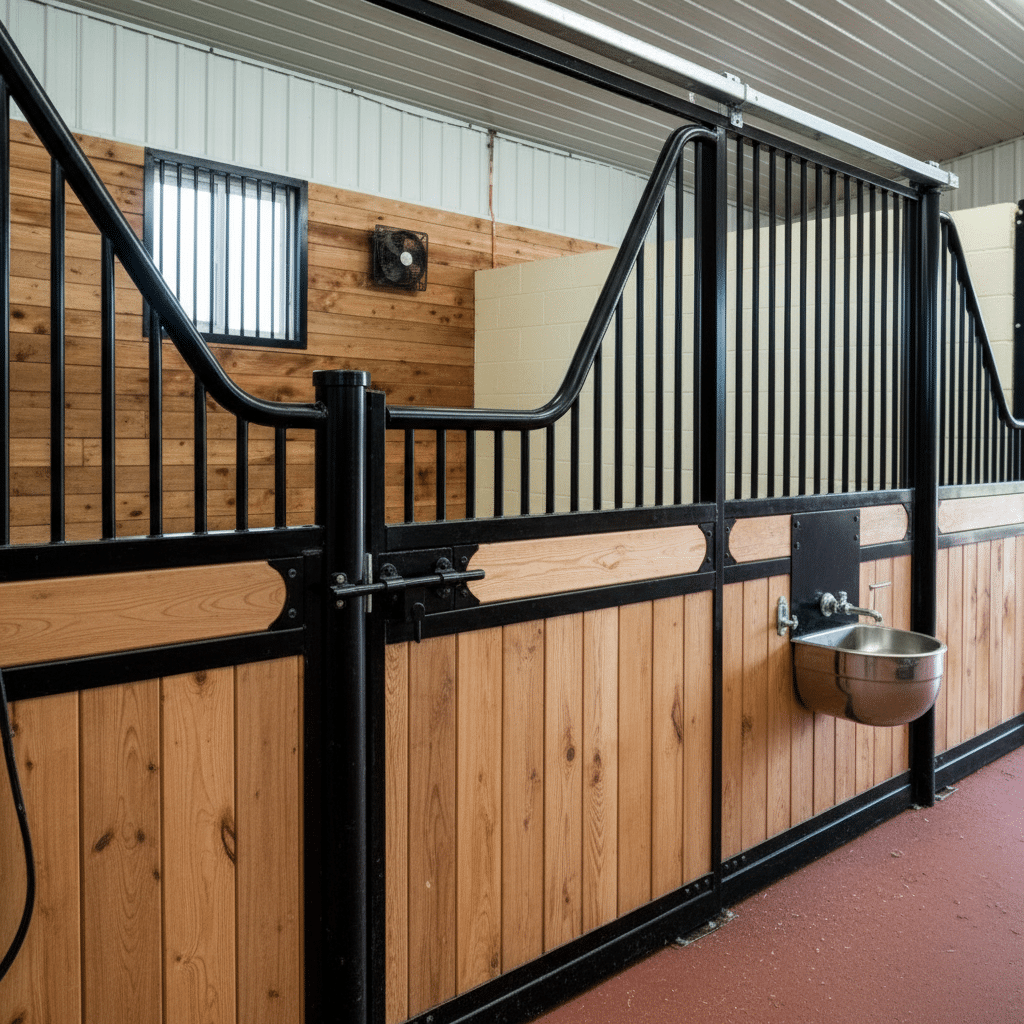
Modular wall panels and window grills offer layout flexibility without extensive fabrication, lowering retrofitting costs and making reconfiguration faster during expansion or horse rotation. Accessories like feed doors, fan mounts, and bucket hangers let handlers serve feed and water without entering stalls, reducing labor time and minimizing handling risk. Door style and grill spacing options allow customization—tight spacing suits foals or horses that push through gaps; wider spacing benefits calm adult horses. Match hardware to animal behavior to reduce damage and injury.
Material Quality and Safety Features
High-performance kits use galvanized or powder-coated steel for maximum rust and corrosion resistance; galvanization is ideal for high-humidity barns, while powder coating adds chip protection. Anti-crib designs with chew-resistant edges extend hardware life and protect ingestion-prone horses. Clear, step-by-step assembly instructions and all required fasteners should be standard—missing parts or vague guidance lead to misalignment, delays, and compromised safety. Vendors that provide precise documentation help you avoid errors, shorten installation time, and protect both horses and staff.
Selecting Hardware for Durability
Choosing robust, well-specified hardware directly extends the service life and safeguards the safety of إسطبل خيول installations. For procurement teams, investing in proven materials and designs reduces downtime from failed components and controls تكاليف دورة الحياة. Prioritize products tested in demanding stable conditions and confirm specifications before purchase to prevent expensive maintenance cycles.
Material Selection for Harsh Stable Environments
Use heavy-duty metals such as الصلب المجلفن بالغمس الساخن and high-grade stainless steel, which resist rust, impact, and deformation under daily equine use. In coastal Australian deployments, inferior coatings often fail within months, while premium galvanization provides years of structural integrity. Adding powder coating over galvanized steel delivers a second protective layer against moisture and ammonia from waste, maintaining hardware performance and appearance even in high humidity or poor ventilation.
Design and Construction Features for Durability and Safety
Specify hinges, latches, fasteners, and track systems that are solidly welded, free from sharp edges, and engineered to prevent tampering or accidental opening by horses. Weak welds or exposed edges elevate accident risk and can injure both animals and handlers. Ergonomically designed hardware that operates with minimal effort streamlines feeding and cleaning, reduces operator strain, and lowers the chance of leaving doors unsecured.
Additional Durability and Maintenance Considerations
Opt for modular construction so damaged sections can be replaced without dismantling the entire system, enabling efficient expansion or repair. Crib-proof hardware prevents chewing damage common in bored horses, safeguarding long-term performance. Strong warranty coverage, ideally lifetime, signals manufacturer confidence and aids in managing overhead. While premium, low-maintenance hardware involves higher initial spend, it pays back through fewer repairs and minimized operational disruption.
Sourcing and Specification Verification
Always request complete material and coating specifications. For galvanizing, ask for standards like ASTM A-123 to verify coating thickness and process quality—providing objective proof of corrosion resistance. Confirm warranty terms and assess whether designs align with your stable’s exact safety and durability requirements; this alignment prevents accidents and avoids premature replacement costs.

Installation & Usage Guide
In our experience supplying horse stables to Australia and New Zealand since 2013, optimal performance and longevity come from a disciplined sequence of preparation, assembly, and ongoing maintenance. The following steps, based on proven field practice, help builders and procurement teams save time, avoid costly errors, and ensure safety for horses and staff.
Preparing for Installation
Unpack the hardware kit and verify every part against the delivery list—missing components can cause multi-week delays if replacements must be shipped internationally. Clear and level the build site, removing any waste or obstructions. Measure the footprint precisely to prevent misfits when panels and connectors are installed. Use treated lumber for bottom boards; in high-moisture locations, untreated timber can degrade within a few seasons, risking structural integrity.
Assembly Process
Install واجهة المماطلة frames first, locking grillwork into U-channels to secure lumber. Fit the doors next—choose hinged or sliding designs and match them to correct hardware systems. Always follow supplier specifications to avoid damage and warranty loss. Equip the team with essential tools: tape measure, cordless drill or impact driver, socket set, rubber mallet, step ladder, and saw. Pre-drill pilot holes before fastening to prevent splitting and ensure connectors seat flush for maximum rigidity.
Best Practices for Safety and Durability
Confirm measurements twice, factoring in site variations like slopes or irregular walls. Misalignment stresses frames and can open safety gaps. Install all connector types—two-way, three-way, four-way, or adjustable mounts—with even pressure to maintain load capacity. Use only manufacturer-approved fasteners at specified points; substitutions or changes in placement compromise performance and may void warranties, particularly for galvanized components engineered for precise load distribution.
Usage and Maintenance Guidelines
Inspect connectors, bolts, hinges, and tracks regularly. Even hot-dip galvanized hardware can loosen under heavy use or temperature swings—tighten fixings as needed. Replace worn or damaged components without delay; failed latches or bent grills can trigger escapes or injuries. Keep sliding door tracks clear of debris and lubricated to maintain smooth, reliable movement.
Common Installation Challenges and Solutions
Account for lumber size variations by adjusting cuts and layouts so panels and connectors align without force. Plan frame runs to keep swing paths and sliding tracks unobstructed, avoiding costly disassembly later. Precise measurements at every stage prevent cumulative errors in multi-stall builds—an extra few minutes with the tape measure can save hours of rework.
إسطبلات خيول متينة مصممة لكل الأجواء
Explore DB Stable’s thoughtfully engineered horse stables that combine strength, safety, and comfort. Designed to meet global standards and adapt to extreme weather, our modular solutions offer easy installation and long-lasting reliability for your منشأة الفروسية.
Brands & Buying Options
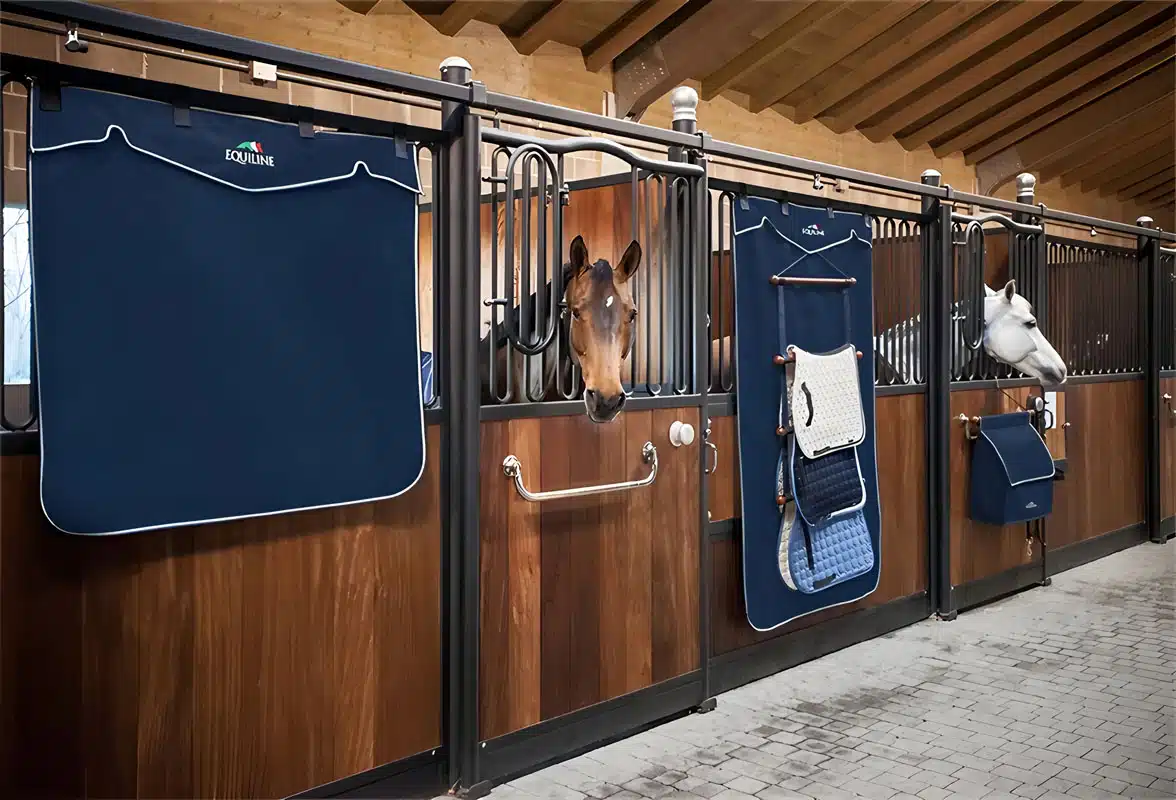
Selecting a stable hardware kit partner directly impacts a barn’s efficiency, safety, and upkeep over time. For procurement teams, knowing which manufacturers excel and the criteria that matter most will reduce risk, control spend, and ensure consistent performance. Below, we profile trusted suppliers and outline practical factors to guide purchasing decisions.

Leading Manufacturers and Their Strengths
Behlen County Farm and Ranch Equipment delivers hot-dip galvanized stall hardware with strong rust resistance and fast installation. Modular connector systems allow adjustments to stall layouts, ideal for future expansions or reconfigurations, helping contractors meet evolving client demands without costly retrofits.
Triton Barn Systems offers heavy-duty, hot-dip galvanized horse stalls backed by a 25-year warranty. Modular designs and maintenance-free track systems cut installation and upkeep time for large operations—critical for training centers or boarding facilities where downtime is expensive.
Classic Equine Equipment provides fully welded, customizable stall kits for professional builders and skilled DIY installers. Integrated safety features and options for sliding or hinged doors support barn flow and space constraints, ensuring animal safety while fitting diverse architectural styles.
American Stalls produces luxury, tailored horse stalls and equipment for private barns and major venues. Premium materials and innovative design suit projects where aesthetics matter as much as durability. Close client collaboration shortens timelines and secures alignment with brand image.
J&E Grill Manufacturing of Pennsylvania handcrafts أبواب الحظيرة and hardware to order. Decades of experience enable bespoke solutions for unique layouts or heritage properties, giving full control over dimensions and finishes for high-visibility installations.
RW Hardware, with over 140 years in production, backs heavy-duty doors with a 10-year warranty. Direct consultations ensure fittings match stall design and usage demands, and long-term support keeps hardware secure and functional under heavy use.
Key Considerations When Choosing Hardware Kits
Begin with warranty terms—extended coverage signals manufacturer confidence and protects your investment. Prioritize multi-year or decades-long warranties, especially for galvanized steel components. Material quality is non-negotiable; hot-dip galvanized steel resists rust in humid or outdoor barns, reducing replacement frequency. Avoid uncoated metals in environments exposed to moisture or ammonia from bedding.
Customization capabilities are essential for varying stall dimensions or complex layouts; confirm the supplier can tailor components and configure door styles to fit workflow. Ease of installation affects timelines and labor costs; straightforward assembly supports sites without specialized crews and accelerates commissioning. Finally, secure suppliers with robust after-sales support, including maintenance guidance, replacement parts, and technical troubleshooting to keep stables safe and fully operational over years of service.
Common Mistakes
الاختيار stable hardware without considering performance over time can drain budgets and compromise safety. Buyers focusing solely on upfront price often overlook material durability, installation quality, and maintenance plans—costs that accumulate quickly. In high-use facilities, avoiding these missteps safeguards margins and protects horses.
Choosing Inadequate Hardware Materials
Aluminum or household-grade fittings deform and corrode under stable conditions, leading to hazards and frequent replacements. Galvanized or powder-coated steel withstands kicks, moisture, and waste, ensuring a longer service life and lower total cost of ownership.
Neglecting Safety Features
Sharp edges, exposed fixings, or easy-to-open latches invite injuries and escapes. Specify hardware with rounded edges, concealed screws, and livestock-resistant locks to reduce incidents and streamline handling.
Improper Installation and Layout
Poorly positioned doors disrupt traffic and injure staff or horses. Mount feeders at correct heights, firmly anchor partitions, and design layouts that speed workflow while minimizing accident risk.

Overlooking Maintenance and Longevity
Ignoring loose bolts or early corrosion leads to structural failures. Select finishes that resist waste and moisture, and use inspection routines to preserve integrity and manage replacement costs.
Failing to Consider Environmental and Ventilation Needs
Hardware that blocks airflow or traps moisture creates unhealthy climates. Components with adjustable openings or insulation maintain stable conditions, improving horse welfare and feed efficiency.
Poor Organization and Overcrowding
Scattered hardware and tools slow operations and raise injury risk. Establish dedicated storage near work zones to accelerate tasks and keep aisles clear.
Lack of Adaptability in Hardware Planning
Rigid systems make future expansion or reconfiguration costly. Modular gates, panels, and connectors support scaling and layout changes without replacement orders.
FAQs About Hardware Kits
Below are answers to frequent questions from stable builders and buyers, with practical guidance to inform purchasing and installation decisions for horse stable hardware kits.
What is the safest type of stall door latch?
Select a latch engineered to prevent accidental openings while remaining quick for handlers to operate. Slide bolts with a lock or spring-loaded latches make it far harder for horses to tamper with them. Galvanized الإنشاءات الفولاذية resists rust and maintains security for years without adding to daily handling time.
Should I choose galvanized or stainless steel hardware?
Hot-dip galvanized steel offers strong corrosion resistance at a competitive price and often lasts 10 years in standard conditions. Stainless steel provides superior rust resistance but at higher cost. For most stables, galvanized hardware achieves the optimal balance of durability and budget, while stainless is best for sites facing constant moisture or marine climates.
What are the essential hardware pieces needed for a stall?
Core components include door latches, heavy-duty hinges, connector pins, cleeks, and door stays to secure positions. Structural frames typically use hot-dip galvanized tubes with HDPE boards for impact and UV resistance. Adding swivel feeders and proper roof fittings enhances safety, streamlines feeding, and improves weather protection.
Where can I buy high-quality stable hardware kits?
Buy directly from manufacturers such as DB Stable to secure proven materials like hot-dip galvanized steel and UV-resistant HDPE boards. Prioritize suppliers with consistent customer references and extensive portable stable production experience. Regional providers can shorten delivery times and simplify after-sales support, helping keep projects on schedule.
What is a ‘door stay’ or ‘hold back’?
These devices keep stall doors open to prevent sudden closures, protecting horses and handlers during movement. Some integrate with swivel feeders, while others are purely mechanical. Choosing a durable model reduces hinge wear and minimizes accidents during loading or cleaning.
Practical Takeaways for Selecting Stable Hardware Kits
For a safe, durable horse stable, select a hardware kit built from proven materials like hot-dip galvanized or powder-coated steel, combined with equine-safe designs. Align door styles, grill spacing, and modular panels with your horses’ routines, and use solid welds, rounded edges, and tamper-resistant latches to prevent injuries while maintaining efficiency.
Confirm specifications, warranties, and after-sales support before purchase, and follow the manufacturer’s fastener and layout guidelines to ensure lasting performance. Prioritize flexibility—modular systems, adjustable fittings, and crib-proof features reduce future expansion costs and protect your investment. The right kit secures your stable’s functionality, safety, and profitability for years.

 Arabic
  English
  Spanish
  French
  German
0 تعليق