


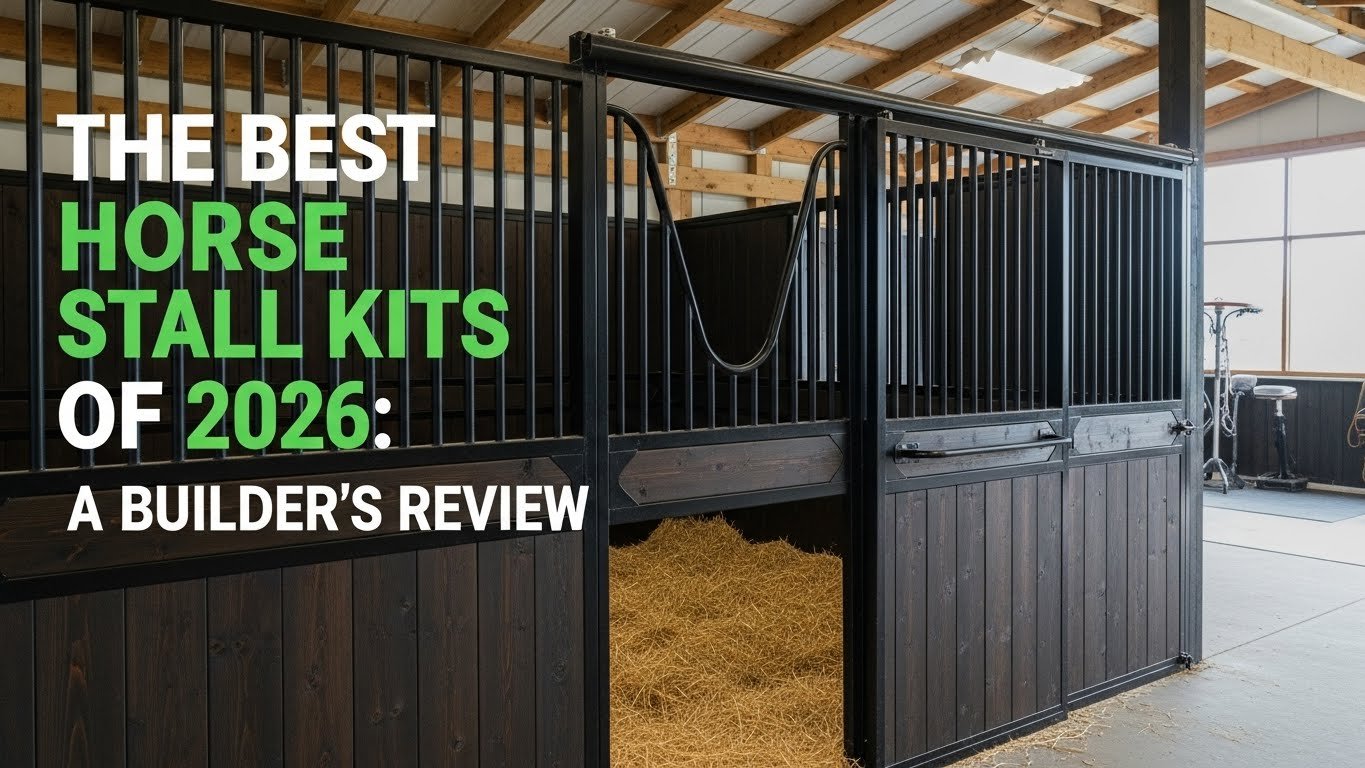
Sourcing reliable horse stall kits is a defense against project callbacks. Opting for the lowest unit price often results in premature rust or structural failures from improper steel grades, directly eroding a builder’s profit margin and reputation.
This analysis benchmarks kits against the ISO 1461 galvanization standard. We evaluate factors like Q345B steel for cold-climate durability and how flat-pack designs affect landed cost, identifying the specifications that protect your bottom line.
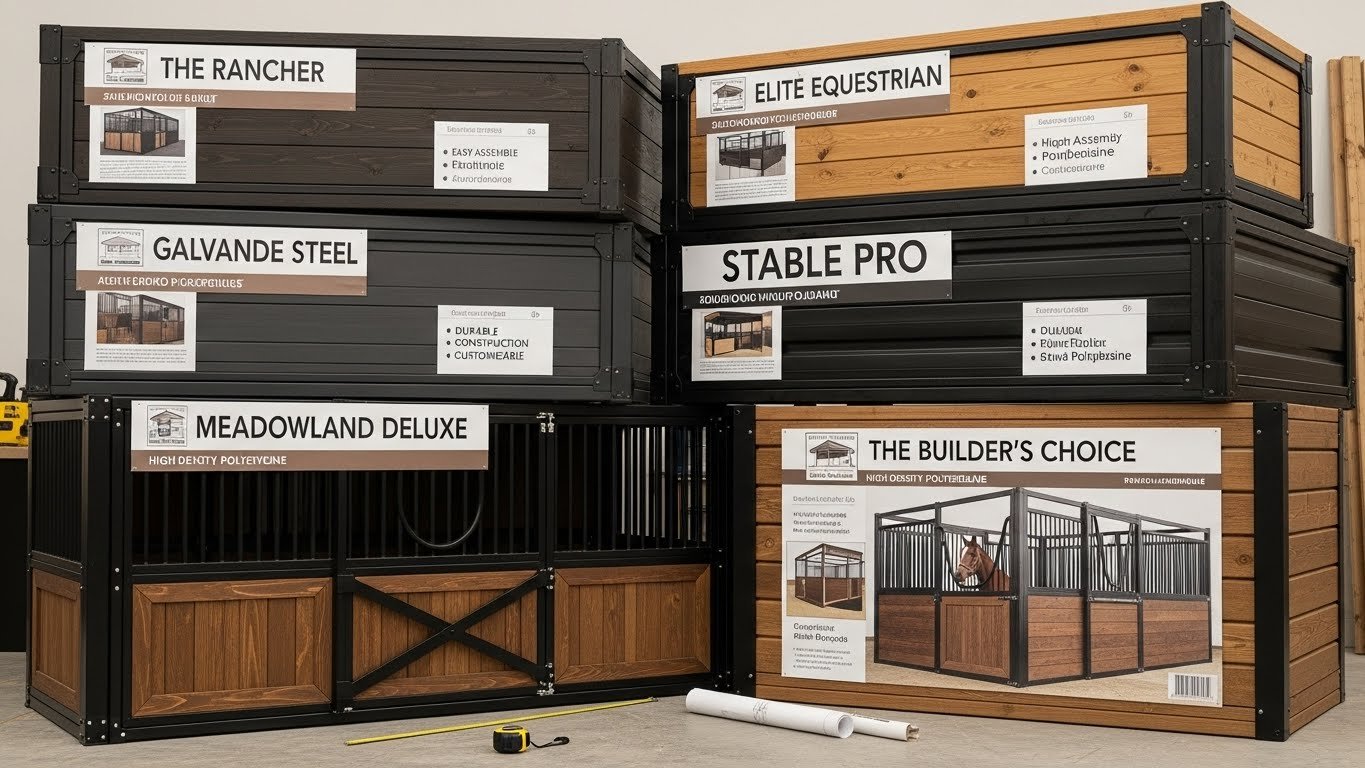
Which Stall Kits Offer the Best Value? (At a Glance)
Value isn’t about the lowest price. It’s matching the right steel grade, infill, and features to a specific use—from basic farm stalls to professional training centers.
| Kit Series | Ideal Application | Frame & Infill | Key Differentiator |
|---|---|---|---|
| Economy Series | Farms, rental stables, quarantine units | Q235B Steel (Hot-Dip Galvanized) + HDPE | Zero-maintenance and maximum durability for high-turnover use. |
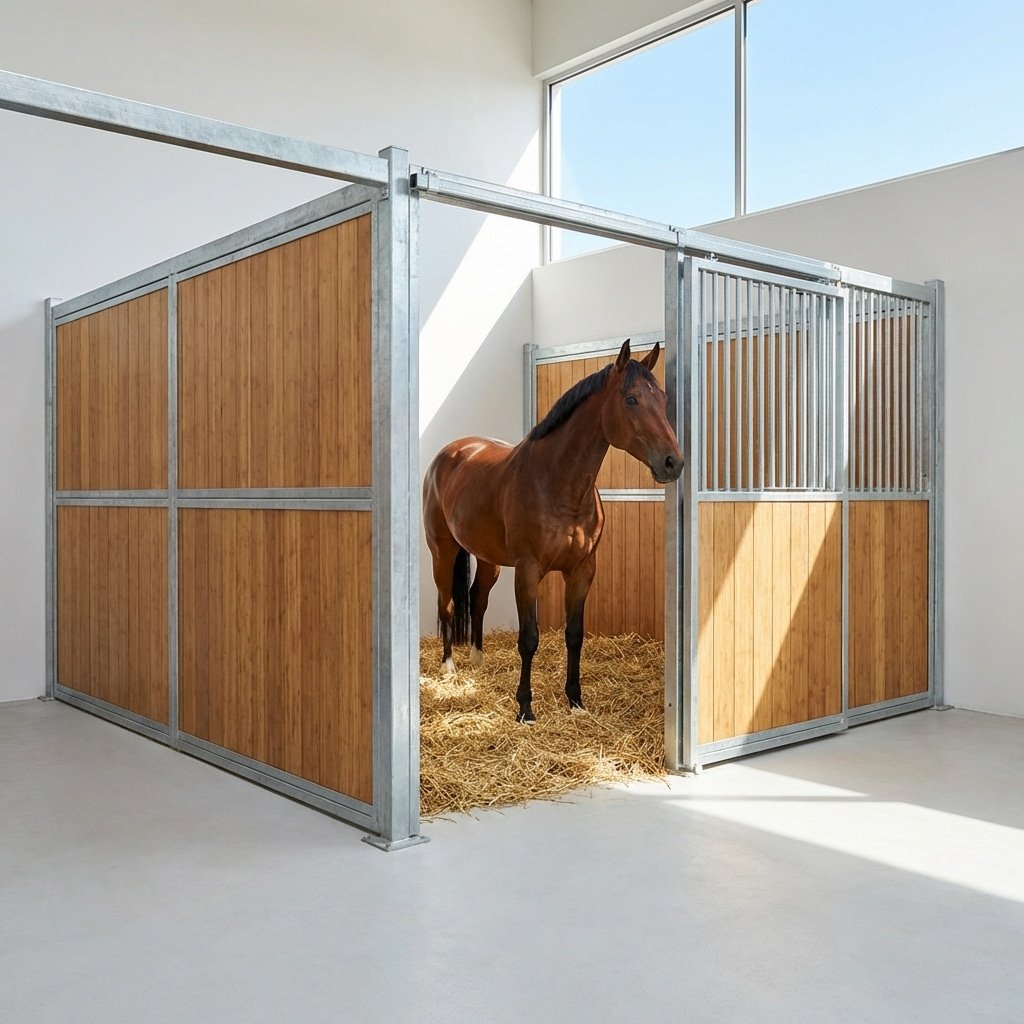
| Professional Series | Riding schools, equestrian clubs, training centers | Q345B Steel (Hot-Dip Galvanized) + High-Density Bamboo | Upgraded steel for cold climates and premium features like swivel feeders. |
| Royal Series | Private estates, premier stud farms | Powder Coat over Galvanized Steel + 40mm Thick Board | Custom aesthetics, dual-layer corrosion protection, and luxury hardware. |
The best value depends entirely on the project’s requirements. For a distributor, offering these distinct tiers allows you to capture different segments of the market. The Economy Series provides a baseline of safety and longevity with its hot-dip galvanized frame and impact-absorbing HDPE infill, targeting clients who need functional, “kick-proof” stalls without cosmetic extras.
The Professional Series steps up the material specification to Q345B steel, which offers better low-temperature toughness—a critical feature for facilities in colder climates. Paired with high-density bamboo, it provides a balance of performance and aesthetics for commercial operations. The Royal Series is for bespoke projects where appearance and custom features, like brass finials and dual-layer coating, are the primary drivers.
Why Does Steel Grade Matter for Your Kit?
Steel grade dictates a stall’s strength and impact resistance. Premium Q345B steel prevents dangerous brittle fractures in cold climates, unlike the common Q235B standard.
Structural Integrity and Animal Safety
The grade of steel in a stall frame determines its ability to handle powerful kicks without bending, warping, or failing at the welds. Using a lower-grade steel creates a serious risk in cold weather. The material can become brittle and fracture under impact, leaving sharp, dangerous edges inside the stall.
The Q345B Advantage in Cold Climates
Most stall systems use Q235B steel, the equivalent of ASTM A36, which functions well enough in moderate climates. For regions with harsh winters, we specify Q345B low-alloy steel. This grade offers significantly better low-temperature impact toughness. It’s engineered to prevent brittle fractures from kicks during freezing temperatures, ensuring the structure remains safe all year.
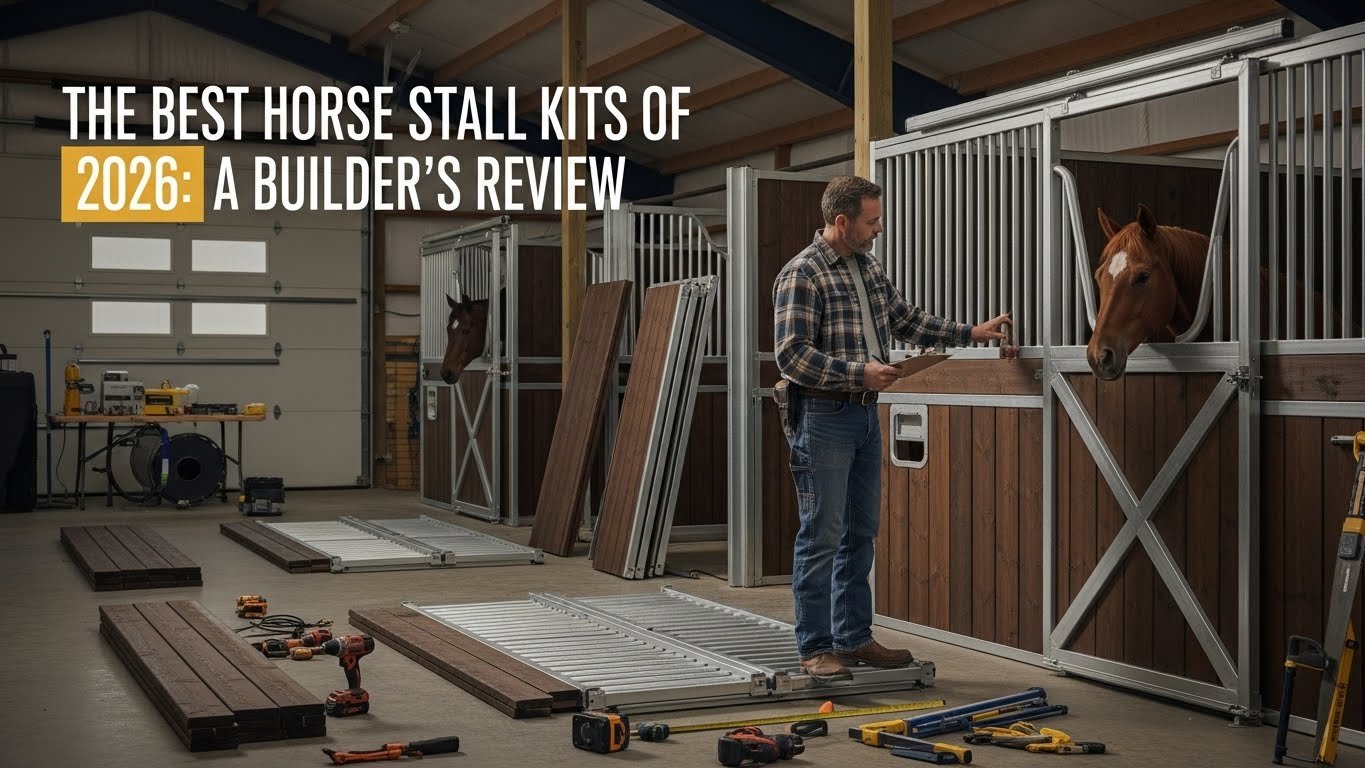
Is the DB Professional Series Worth the Investment?
The Professional Series costs more upfront but pays for itself through superior materials, reduced maintenance, and enhanced safety in high-traffic equestrian facilities.
| Feature | Economy Series | Professional Series |
|---|---|---|
| Target Facility | Farms, Rental & Quarantine Stables | Riding Schools, Training Centers |
| Steel Grade | Q235B Structural Steel | Q345B High-Strength Steel |
| Infill Material | HDPE (High-Density Polyethylene) | High-Density Bamboo (>3000 lbf Janka) |
| Primary Value | Lower Initial Cost | Lifetime Durability & Safety |
Comparing Initial Cost vs. Lifetime Value
For facilities like training centers and equestrian clubs, the purchase decision is about the total cost of ownership, not just the initial price. A cheaper stall that needs constant repairs or replacement parts becomes expensive quickly. The Professional Series is engineered for high-traffic environments where stalls endure daily use and abuse. The higher upfront investment is offset by significantly lower maintenance costs and the unquantifiable value of animal safety over the product’s lifespan.
Key Upgrades: Q345 Steel and High-Density Bamboo
The long-term value comes directly from specific material upgrades that solve common failure points in standard stalls.
- Q345B Steel Frame: The primary advantage is its superior low-temperature impact toughness. This prevents brittle fractures from horse kicks, especially in cold climates where standard steel can become vulnerable.
- High-Density Bamboo Infill: With a Janka Hardness rating over 3000 lbf, this material is three times harder than Oak. It’s highly resistant to damage from chewing and kicking, and its density prevents moisture absorption that leads to mold and rot.
These two material choices create a kick-proof, low-maintenance solution built for the real-world demands of a professional equestrian operation.
Globally Compliant Stables, Built to Last.
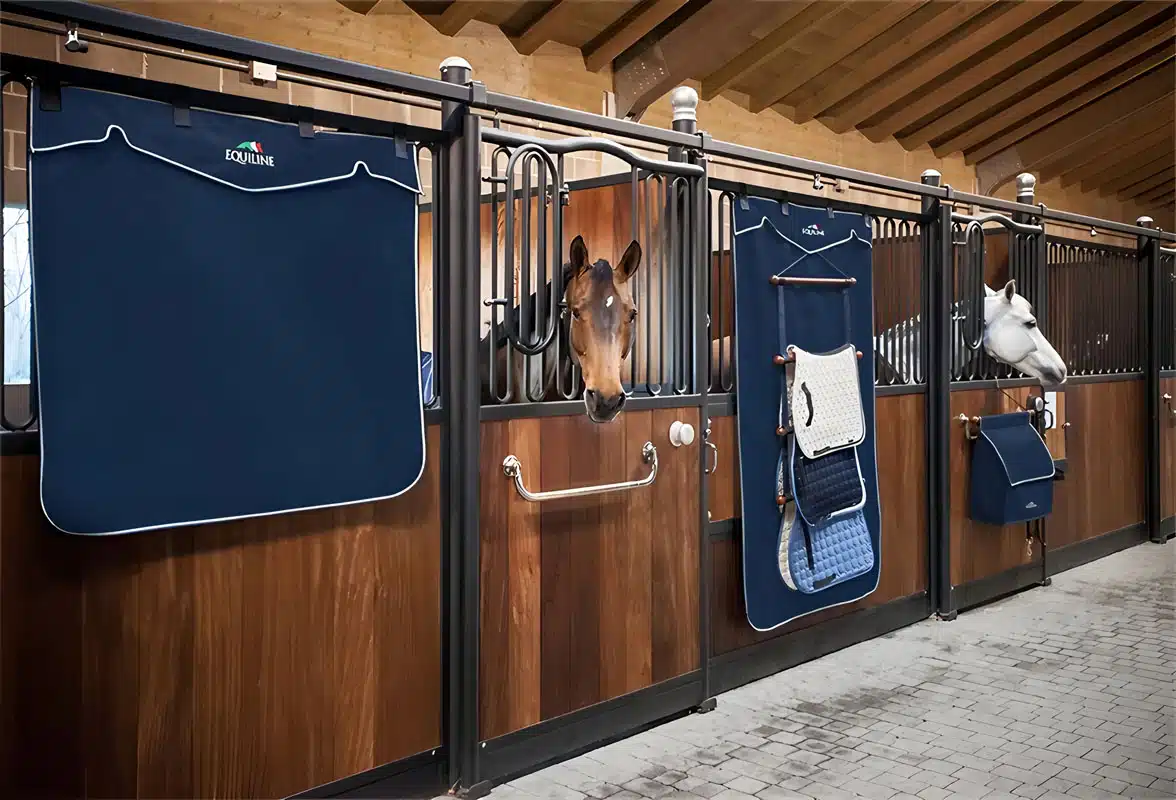
How Fast Can You Actually Install These Kits?
A kit takes 10+ man-hours versus two for a welded stall. This trade-off cuts shipping costs by over 60%, letting you fit 30-45 sets per container.
The Labor vs. Logistics Trade-Off
Let’s be direct. A fully welded stall panel goes up in about two hours. A kit is going to take a crew 10+ man-hours to assemble. The difference is a calculated trade-off between on-site labor and your logistics budget. You can only fit 12-15 bulky, welded sets into a 40HQ container, which makes freight costs astronomical.
Our flat-pack system allows 30-45 sets in that same container. This isn’t a small saving; it’s a strategic move that protects your entire profit margin from being eaten by shipping fees.
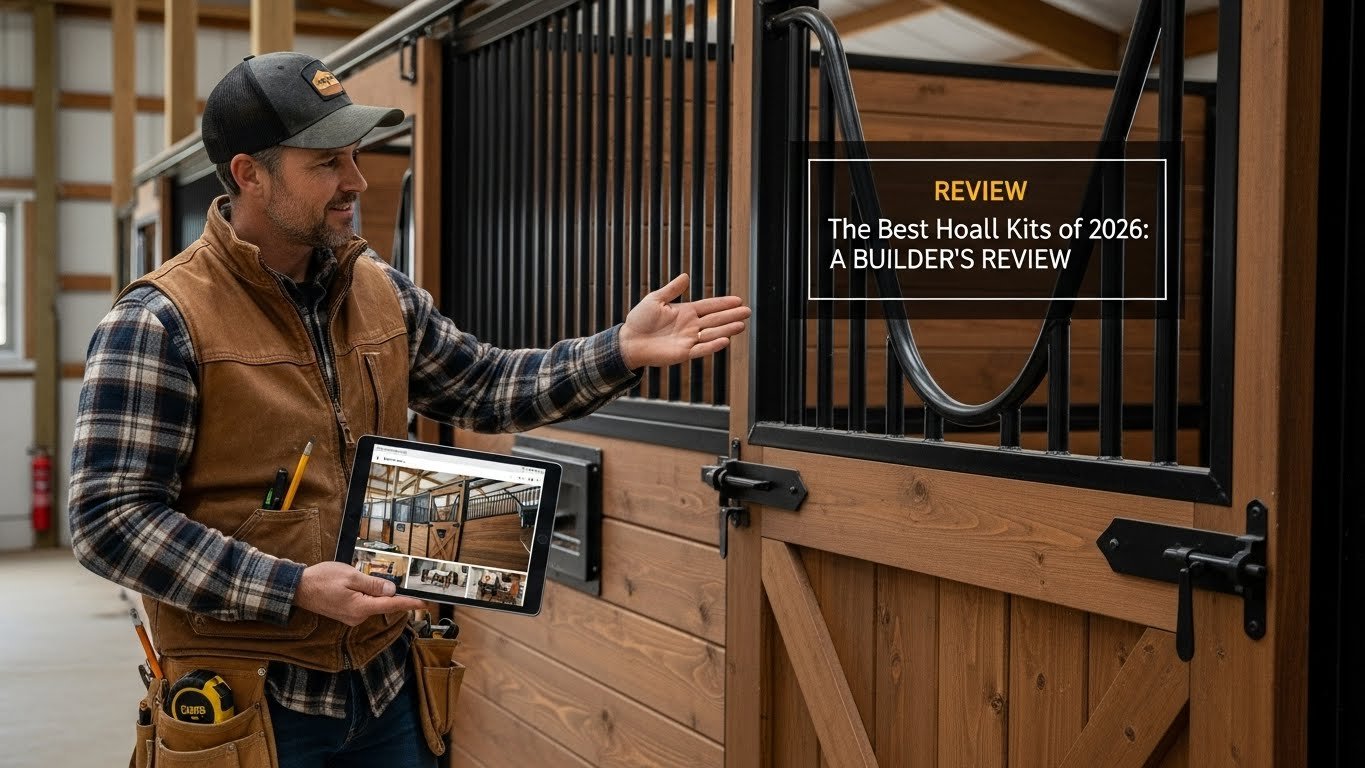
Streamlining Assembly with an All-Inclusive System
That 10-hour assembly figure is only feasible if the system is engineered to go together smoothly. We designed our kits to eliminate common on-site problems. Everything arrives on a steel pallet. The HDPE or Bamboo infill planks are pre-cut, so your crew isn’t wasting time at a saw station.
Each kit includes a complete hardware pack with all necessary 304 Stainless Steel anchor bolts, connectors, and screws. Nothing is missing. The panels are designed to bolt together securely and predictably, making the on-site work as straightforward as possible for builders.
What is the Final Verdict for Builders?
The best stall kit isn’t the cheapest upfront. It’s the one that protects project margins with efficient shipping and eliminates costly callbacks through certified materials.
A Verdict on Profitability and Reliability
Builders must look at the total project cost, not just the unit price. This includes shipping, installation labor, and the financial risk of future client callbacks for rust or structural failure. True reliability comes from using certified materials. This means Q235B or Q345B structural steel and a full Hot-Dip Galvanization process conforming to ISO 1461, which prevents rust and guarantees the frame’s integrity for years.
How Flat-Pack Design Protects Project Margins
Logistics can destroy a project’s profitability. A Steel Pallet Flat-Pack system is designed for “Profit Protection.” This design lets a builder load 30-45 stall sets into a single 40HQ container. A competitor shipping fully-welded sets can only fit 12-15. This shipping efficiency drastically lowers the landed cost per unit, protecting the bottom line for distributors and large-scale builders before the project even begins.
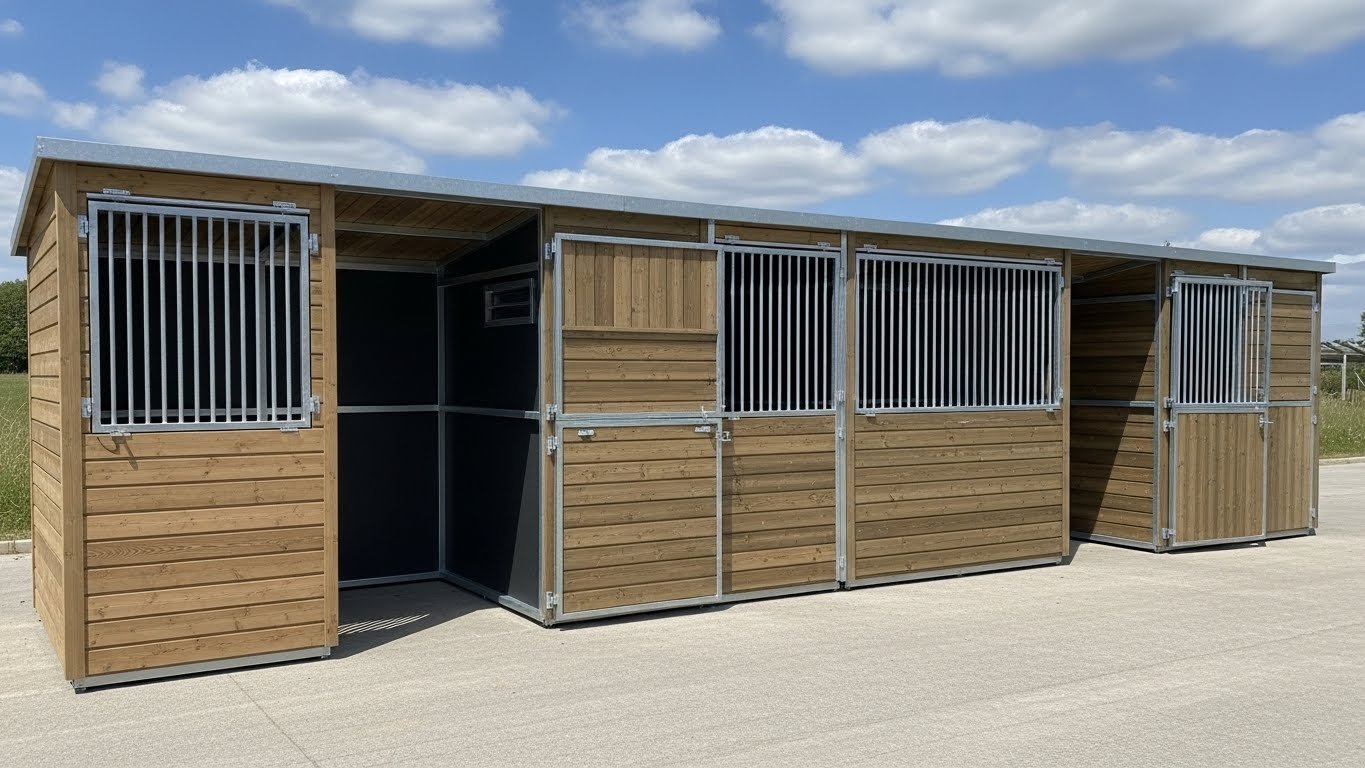
Final Thoughts
While generic kits might lower the initial quote, specifying Q345B steel and an ISO 1461 galvanizing process is the only way to safeguard your reputation against callbacks. This isn’t just a stall; it’s a structural asset that protects your client’s investment and your brand. Offering certified materials is how you build a reliable business.
Don’t guess on structural integrity—verify it for yourself. Request our engineering specs or a small trial order to see the weld quality and ISO-certified galvanization firsthand. Contact our team to get a quote that protects your project margin.
Frequently Asked Questions
Can I buy just the metal frames without the infill boards?
Yes. As an OEM/ODM manufacturer, we support frame-only orders for our B2B partners. This allows distributors to source infill like local timber, which can reduce overall shipping weight and offer market-specific customization.
What makes your galvanization process different?
We exclusively use ‘Hot-Dip Galvanization After Fabrication.’ The entire steel panel is fully welded first and then dipped in molten zinc, ensuring complete coverage, including the welds. This process meets ISO 1461 standards and provides a protective zinc coating over 70 microns thick, offering superior rust protection compared to products made from pre-galvanized tubes.
How does your flat-pack system benefit distributors?
Our flat-pack design is engineered to protect our clients’ profit margins. By packing components securely on steel pallets, we can load 30-45 stable sets into a single 40HQ container. This is more than double the capacity of traditionally shipped welded stalls, significantly cutting sea freight costs for our partners.
What steel is best for cold climates?
For regions with harsh winters, we recommend our Q345B steel option. It offers superior low-temperature impact toughness, preventing the steel from becoming brittle and fracturing from horse kicks in freezing weather. Our standard Q235B steel is suitable for most other environments.

 English
  Spanish
  French
  Arabic
  German
0 Comments