



What Are Horse Stable Kits?
For equine facility managers and procurement teams, horse stable kits offer a practical balance between full custom builds and fixed welded stables, enabling cost control and scalability. These prefabricated systems combine engineered precision with rapid on-site assembly, making them ideal for facility upgrades or expansion. When comparing suppliers, prioritise component quality, assembly efficiency, and adaptability for future operational needs.
Definition and Core Components of Horse Stable Kits
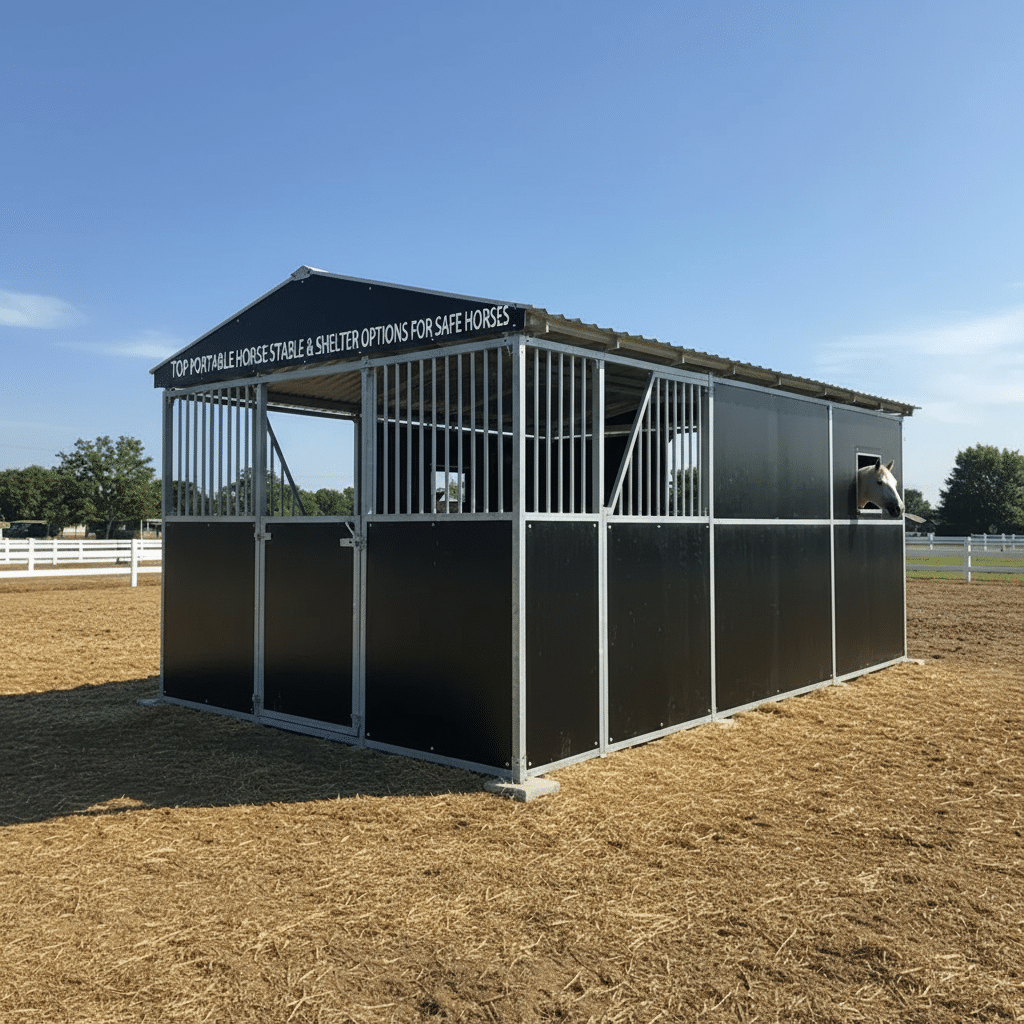
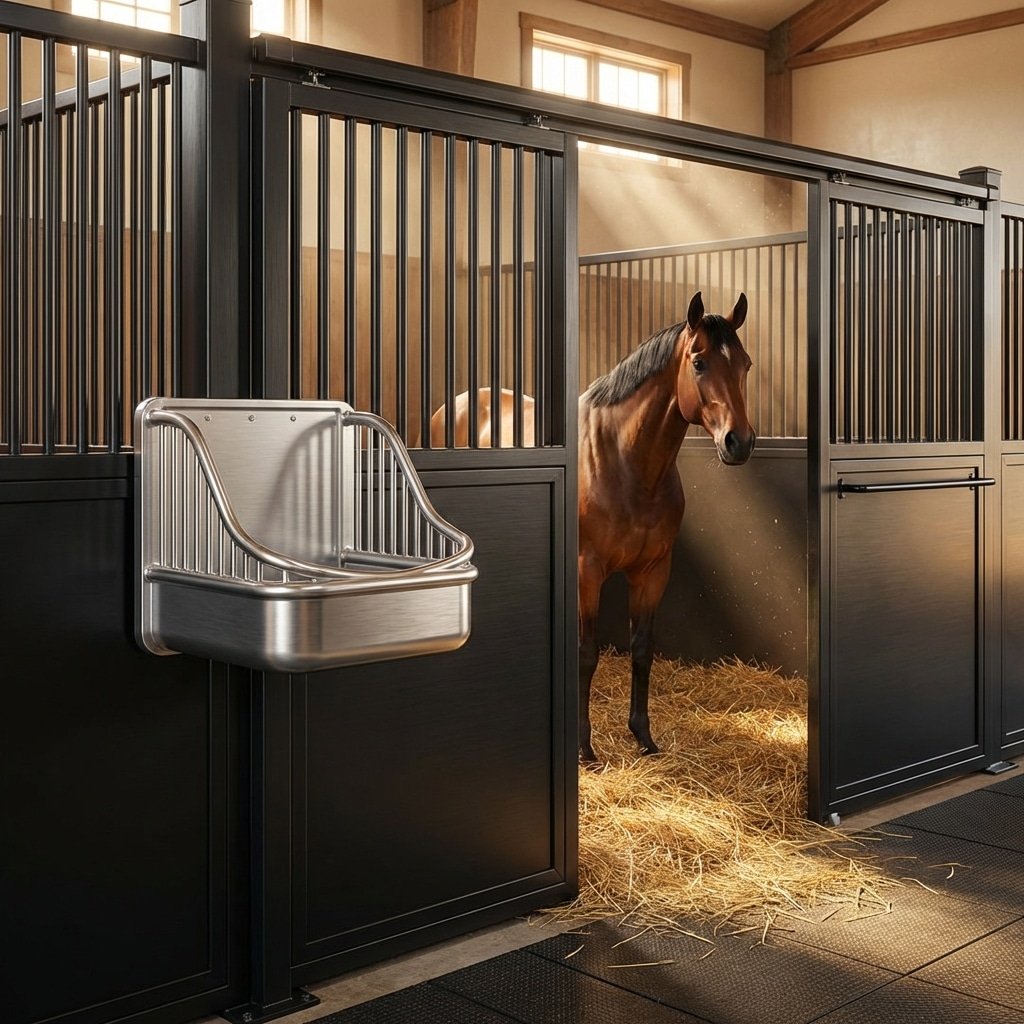
Horse stable kits are prefabricated modular systems designed for efficient assembly at your site, eliminating lengthy fabrication lead times and simplifying transport. A complete kit typically includes grillwork—steel bars or ventilated windows—for airflow and visibility, U-channels for tongue-and-groove lumber walls, and wall stiffeners for added strength. Stall doors come pre-fitted with hinges, latches, and runners. Many integrate galvanized steel panels with plywood or mesh infills for durability and ventilation. Optional features such as tack rooms, wash bays, roofing systems, gutters, and cladding enable alignment with specific operational and regional requirements.
Advantages of Kit-Based Stables Compared to Custom or Welded Stables
Modular kits reduce project costs by standardizing panels and connectors, avoiding one-off fabrication premiums. This efficiency improves margins for boarding operations or breeders adding capacity. Scalability is immediate—modules can be added or replaced without dismantling structures. Short assembly timelines cut labour costs and accelerate operational readiness, keeping revenue streams intact. The engineered balance of safety, durability, and layout flexibility safeguards horse welfare while supporting business agility.
Assembly Process and Buyer Considerations
Assembly starts with connecting modular steel frames, securing wall panels in U-channels, then installing grillwork and doors. Optional add-ons attach once the base is complete. Kit selection should align with available on-site skills—basic DIY competence with metal- and woodworking tools is essential. Prefabrication limits cutting and welding requirements, enabling experienced contractors or trained staff to complete builds quickly, minimising disruption and overhead compared to ground-up construction.
Customization and Scalability for Growing Equine Operations
Kits can be specified with extra stalls, alternative doors, distinct roofing profiles, or enhanced ventilation to suit operational goals. Facilities planning phased growth benefit from predictable, budget-friendly expansion. Additions such as wash bays, tack rooms, or climate-control systems integrate seamlessly into existing frameworks without major structural changes, ensuring investment remains aligned with revenue objectives from boutique training yards to large-scale boarding businesses.
Kit Types & Materials
Select horse stable kits with a clear view of how design and materials will perform under your climate, workload, and budget over time. Kit format and material choice directly affect installation speed, service life, and maintenance overhead. Below is a practical breakdown of kit types, material options, flooring solutions, and buying considerations to support confident procurement decisions.
Common Kit Types
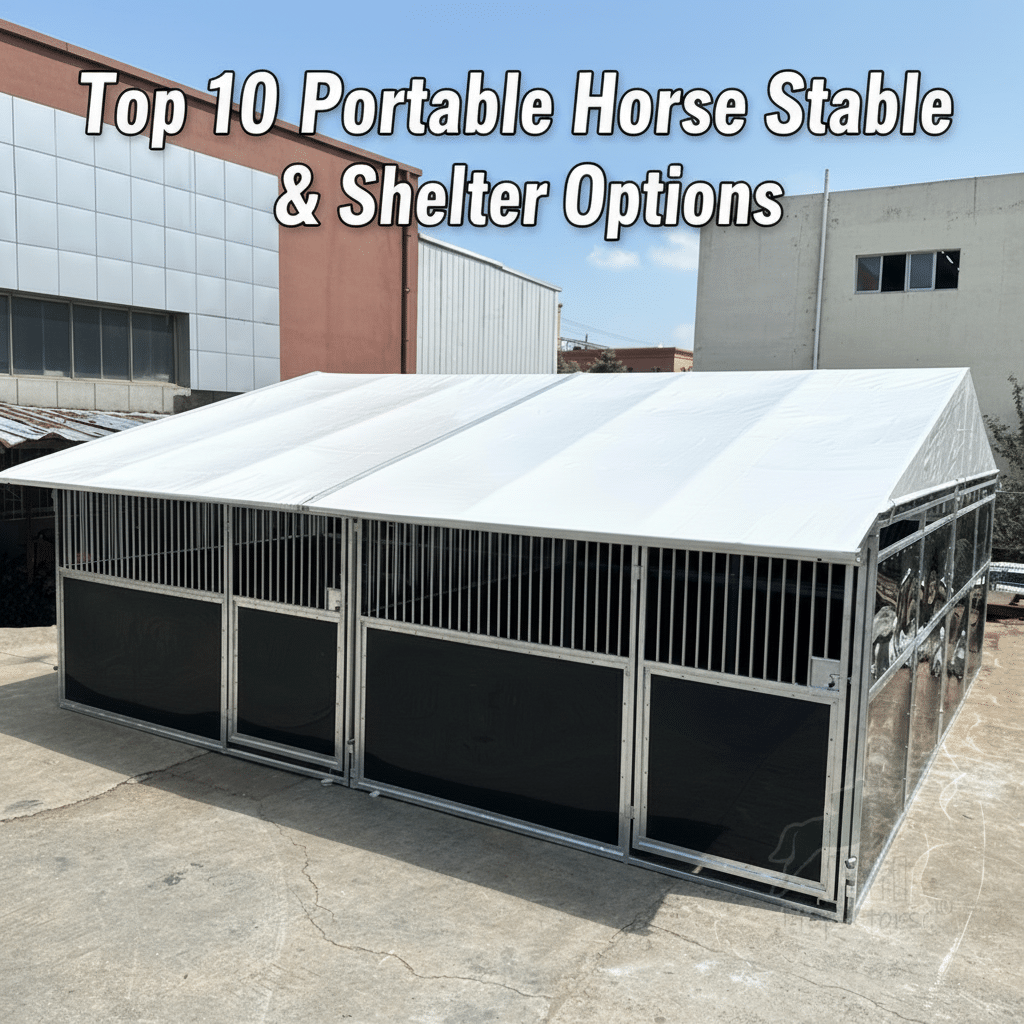
Modular stall kits use pre-cut panels and hardware, enabling on-site adjustments to dimensions or layouts without custom fabrication—ideal for operations expecting herd changes or varied breed requirements. Pre-fabricated barn kits arrive as complete packages with framing, roofing, siding, and optional spaces like tack rooms or wash stalls, cutting build time and minimizing supplier coordination. Run-in shed kits provide open-sided shelter for pastures, with easy assembly and relocation to match seasonal grazing patterns while controlling structural spend.
Key Materials Used
Machine-graded lumber offers high load capacity and natural insulation, suiting cooler climates but requiring scheduled upkeep to prevent rot and pests. G-90 galvanized steel resists corrosion in coastal or high-moisture locations and demands minimal maintenance, making it strong for frames and outer walls under heavy use. Composite materials and engineered panels are increasingly selected for stall fronts, doors, and flooring due to their moisture resistance, fast cleaning, and predictable service life—lowering ownership costs and improving hygiene.
Flooring and Bedding Options
Flooring options include concrete, asphalt, compacted road base, and rubber mats. Rubber mats deliver cushioning and slip resistance for high-traffic stalls but push initial costs higher. Concrete and asphalt give durable, cleanable surfaces yet can cause leg strain without mats. Bedding—from straw and wood shavings to pellets—affects absorbency, dust, and comfort. Align bedding choice with flooring to balance muck-out efficiency and horse welfare.
Factors for B2B Buyers to Consider
Define whether the kit serves as temporary shelter or a permanent structure before purchase. Match materials to local climate conditions, as humidity and temperature swings impact performance. Evaluate both upfront price and long-term maintenance cycles to identify true cost. Confirm customization potential, warranty, and supplier support, and prioritize strong after-sales service with modular upgrade paths to protect the asset over its lifespan.
Pros & Cons of Pre-Built Kits
Pre-built horse stable kits can cut build times and reduce site management complexity, but they impose design and specification limits that must be weighed against operational priorities. For B2B procurement, these kits streamline delivery and labor, yet knowing exactly where convenience ends—and where compromises on layout or durability begin—keeps investments aligned with long-term objectives.
Ease of Assembly and Skill Requirements
Engineered components and clear instructions allow teams with limited carpentry expertise to complete installations without specialist contractors. This trims labor scheduling issues and accelerates deployment. In supplying portable stables to Australia and New Zealand, straightforward assembly has enabled facilities to be set up even in remote areas, keeping horses sheltered on time and projects on deadline.
Customization and Flexibility Limitations
Most suppliers offer only fixed size and layout ranges, so uncommon specs demand compromise. Modular panels allow limited changes—adding stalls or adjusting partitions—but rarely meet niche requirements. Decide early if standard dimensions suit your breeds and workflow; if custom tack rooms, specialized ventilation, or non-standard stall widths are essential, kit convenience may be eclipsed by these constraints.
Cost Analysis and Long-Term Value
Kits often carry higher upfront prices than raw materials due to built-in labor and fabrication costs, but time savings and reduced delays can offset the premium. Analyse the full lifecycle—maintenance intervals, energy efficiency, and expansion potential—to determine net value. If growth is planned, confirm the supplier’s system supports adding modules without major rework.
Durability and Maintenance Considerations
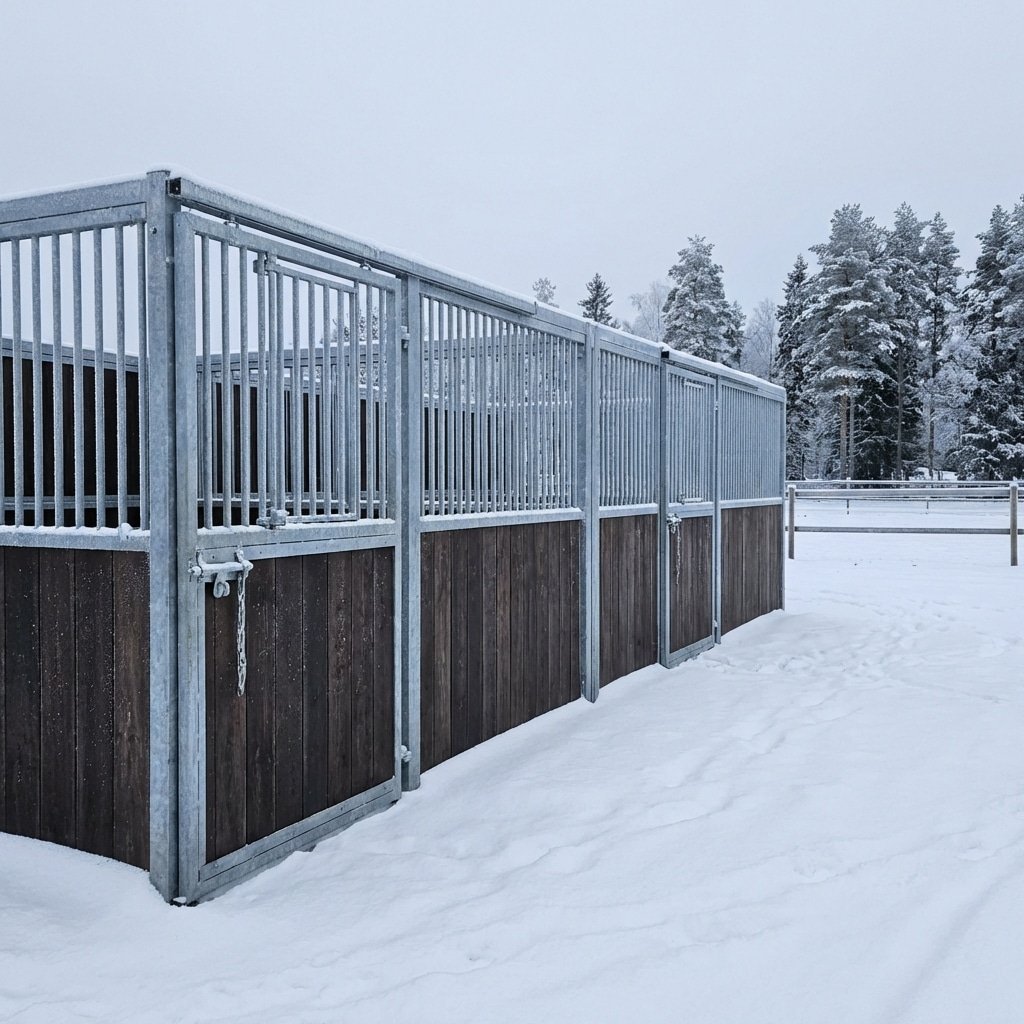
Galvanized steel frames and weather-resistant panels offer protection from rust, pests, and rot, reducing upkeep versus untreated timber. Strength varies by brand; lighter gauge steel or thin boards shorten service life. Metals like hot-dip galvanized steel, used in DB Stable’s products, can exceed 10 years with minimal maintenance, while timber typically demands more frequent treatment and inspection to uphold safety standards.
Durable Horse Stables Built for Every Climate
DB Stable delivers customizable equestrian buildings designed to provide safety, comfort, and long-lasting performance—from scorching Australian summers to freezing European winters. Explore stables crafted with precision materials and global standards to meet your regional needs.

Best Horse Stable Kits in the Market
Finding reliable and affordable manufacturers is key for you looking to balance cost, quality, and timely delivery. The following manufacturers offer strong production capabilities, diverse designs, and proven experience in serving global equine facility projects.
| Manufacturer | Key Offer & B2B Value |
|---|---|
| DB Stable | China-based factory producing portable horse stable kits since 2013, targeting Australia and New Zealand. Durable hot-dip galvanized steel frames and UV-resistant HDPE panels provide long service life. Offers flexible configurations from single to quadruple units, with sliding or swing doors, and competitive pricing aimed at cost-focused buyers. |
| New Holland Supply | Pennsylvania maker of custom pole barn kits in styles from basic Shed Row to upscale Center Aisle and luxury designs. Serves all budget levels with flexible sizing and tailored features, though high-end options require more capital. Strong fit for buyers seeking personalized solutions for varied equine housing needs. |
| Maverick Steel Buildings | Southeast USA supplier specializing in prefabricated steel horse barns with engineered fire and rot resistance. Kits are straightforward to assemble and allow customization within steel designs. Limited appeal for buyers wanting wood or alternative materials, with geographic focus that suits regional projects best. |
| Horizon Structures | US-based provider of modular and prebuilt barns including shed row and run-in sheds, plus functional add-ons like tack and wash rooms. Quick setups with options for expansion make them attractive for growing facilities. Some styles demand more site preparation and may need footers for installation. |
| American Stalls | Offers budget-friendly horse stall kits with welded panels for DIY assembly. Flexible configurations help buyers match layout to needs, but they require assembly know-how and have fewer fully pre-welded solutions than certain competitors. |
| ShineHope Equine | China manufacturer of portable steel stables with strong Q235 frames offering fire resistance. Layouts can be tailored, including back-to-back or face-to-face. Competitive pricing suits export buyers, though Western markets need to factor in shipping logistics and compliance requirements. |
| Price Buildings | US supplier of metal horse barns built for longevity and low upkeep. Sizes are customizable for different operations. Suits buyers prioritizing durability and practicality but may not appeal to those after traditional wood aesthetics or luxury finishes. |
| Fisher Barns | Produces modular and portable barns with designs allowing future expansion and easy relocation. Provides strong buyer support during selection. Higher upfront costs than basic kits, but delivers flexibility for operations expecting growth. |
Assembly & Setup Guide
Efficient assembly is more than speed — it safeguards structural integrity over years of service. For B2B buyers managing multiple installations, each step impacts labor costs, timelines, and site safety. Drawing on extensive field experience with portable horse stable kits, implement a sequenced plan from day one using the correct tools to avoid costly delays and rework.

Preparation and Tools Needed
Verify all components against the packing list before unwrapping or positioning. Missing parts can stall projects. Clear and level the site, removing debris for a stable foundation. Position all required tools — tape measure, cordless drill or impact driver, socket set, rubber mallet, step ladder, and saw — in a central location to keep crews productive without interruption.
Core Assembly Steps
Connect shade posts or stall panels with supplied clamps, ensuring correct alignment to prevent rework. Secure each joint fully to maintain frame strength. Install trusses, frame pieces, and roof supports, checking for square alignment to avoid structural stress. When fitting roofing panels such as tin sheets, use overlapping joins and weather-rated screws to prevent leaks. Complete by assembling stall fronts and doors, adding tracks, trolleys, and recessed latches at heights that balance animal safety with handler efficiency.
Adding Wood Panels and Modularity
Install treated lumber boards into lower panels and dividers, drilling pilot holes to reduce splitting. These boards absorb daily impact, extending replacement cycles. Use modular connectors — 2-way, 3-way, 4-way, and adjustable wall mounts — to configure stalls for specific layouts. This flexibility allows cost-effective reconfiguration as herd sizes change.
Final Stability and Troubleshooting
Anchor corner posts into the ground by pounding or concreting for lasting stability. Adjust dimensions to site conditions instead of forcing fits, which weakens joints. Tighten all fasteners methodically and verify the frame is square before finishing. This prevents uneven loads that shorten door and roofing lifespan.
Best Practices for B2B Buyers
Select kits with clear, detailed instructions to reduce crew training time. Opt for modular panel designs to enable on-site customization without fabrication costs. Choose stables with durable, corrosion-resistant hardware to accelerate assembly and cut maintenance over time, protecting long-term operating budgets.
FAQs About Horse Stable Kits
These answers address key questions from horse owners and professional buyers evaluating pre-fabricated stable kits. Each draws on field experience to support confident purchasing decisions and efficient assembly.
Are horse stable kits easy for one person to assemble?
Most kits use prefabricated panels and frames designed for straightforward assembly without complex fabrication. One person with basic tools and adequate strength can handle smaller builds, but larger projects require assistance for tasks like lifting roof sections or aligning heavy gates. Request illustrated manuals or videos from the supplier to streamline installation and prevent rework.
What tools are typically needed for a kit build?
Expect to use screwdrivers, wrenches, hammers, and a drill to speed fastening. Heavy frames or roof sheets call for a lifting aid or extra hands. Some manufacturers specify proprietary fittings or pins, so confirm tool requirements before starting to avoid assembly delays.
How durable are kit stables compared to custom builds?
Quality kits use hardened materials such as hot-dip galvanized steel frames and UV-protected HDPE boards, built to withstand harsh weather. While custom builds allow tailored reinforcement or design features, premium kits can deliver similar longevity if installed on a solid foundation and maintained regularly. Many owners report years of reliable performance with minimal upkeep.
Can I customize a stable kit (e.g., add a tack room)?
Many kit systems offer modular panels for different stall counts, door styles, or roof options. Adding a tack room usually requires extra panels or aftermarket retrofits. Confirm with the manufacturer whether expansion modules or specific modifications are supported to avoid fitment issues.
What is the average price range for a 2-stall kit?
Pricing varies with frame material, wall type, and options like feeders or shelters. In markets such as Australia and New Zealand, some manufacturers target the lower end with durable, high-value kits. Factor in transport, duties, and accessories up front to maintain budget control.
Final Recommendations for Selecting Your Kit
Selecting the right horse stable kit requires aligning durability, adaptability, and assembly efficiency with your facility’s growth and maintenance strategy. Opt for modular systems built from galvanized steel or treated lumber to accelerate installation and cut lifetime upkeep costs. Factor in local climate resilience, stall layout flexibility, and the skill levels available on site to ensure the kit delivers safety and operational efficiency.
For expanding operations, choose kits with modular expansion capability and strong supplier support to streamline future upgrades, and match optional features such as tack rooms or ventilation systems to your daily workflow to avoid costly retrofits. Investing in a robust, well-supported kit now provides dependable housing for your horses and shields your budget from preventable repairs, establishing a solid operational foundation for years ahead.

 English
  Spanish
  French
  Arabic
  German
0 Comments