

Blog
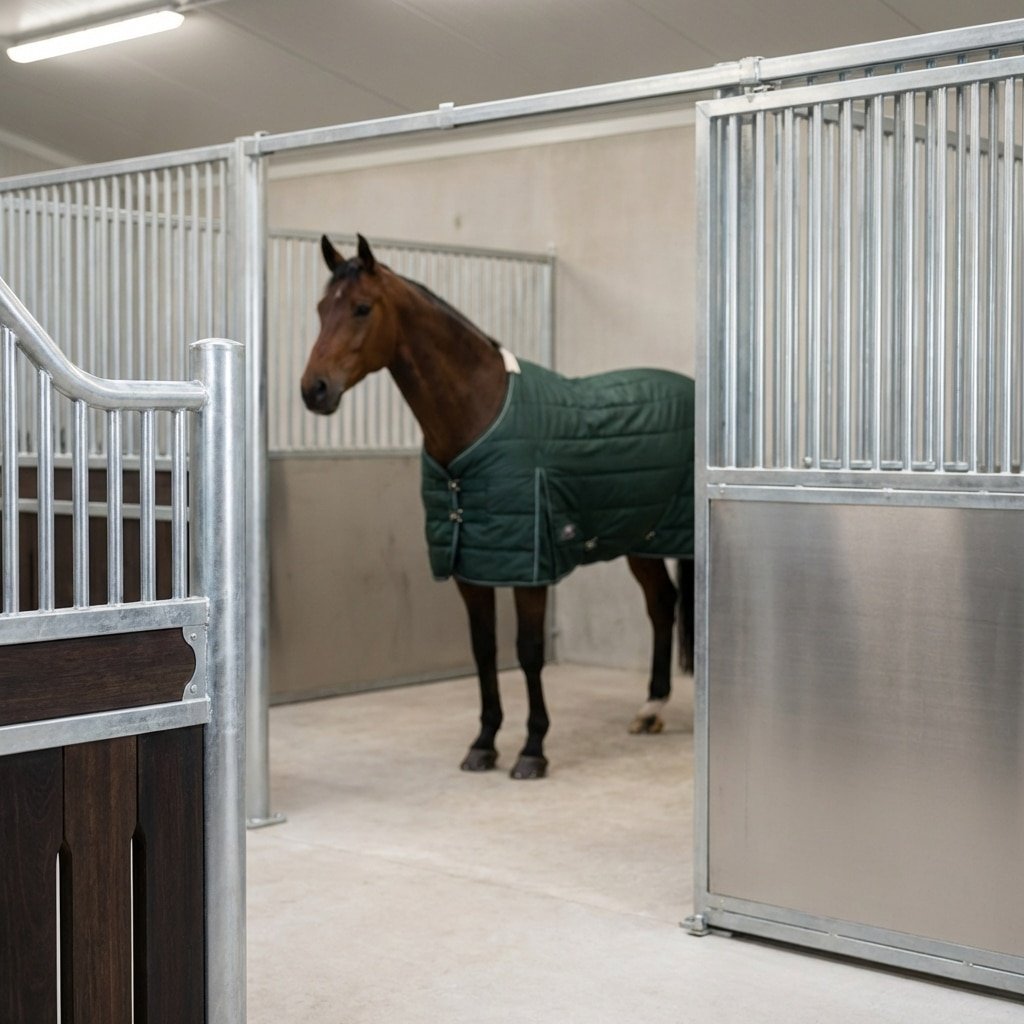
Where to Mount Blanket Bars to Stop Horses Chewing Them
Blanket chewing decimates winter turnout budgets, yet facility managers often misdiagnose this expensive destruction as simple boredom. In many cases, standard stable fronts act as abrasive shredders due to microscopic weld burrs and unsafe mounting elevations within...
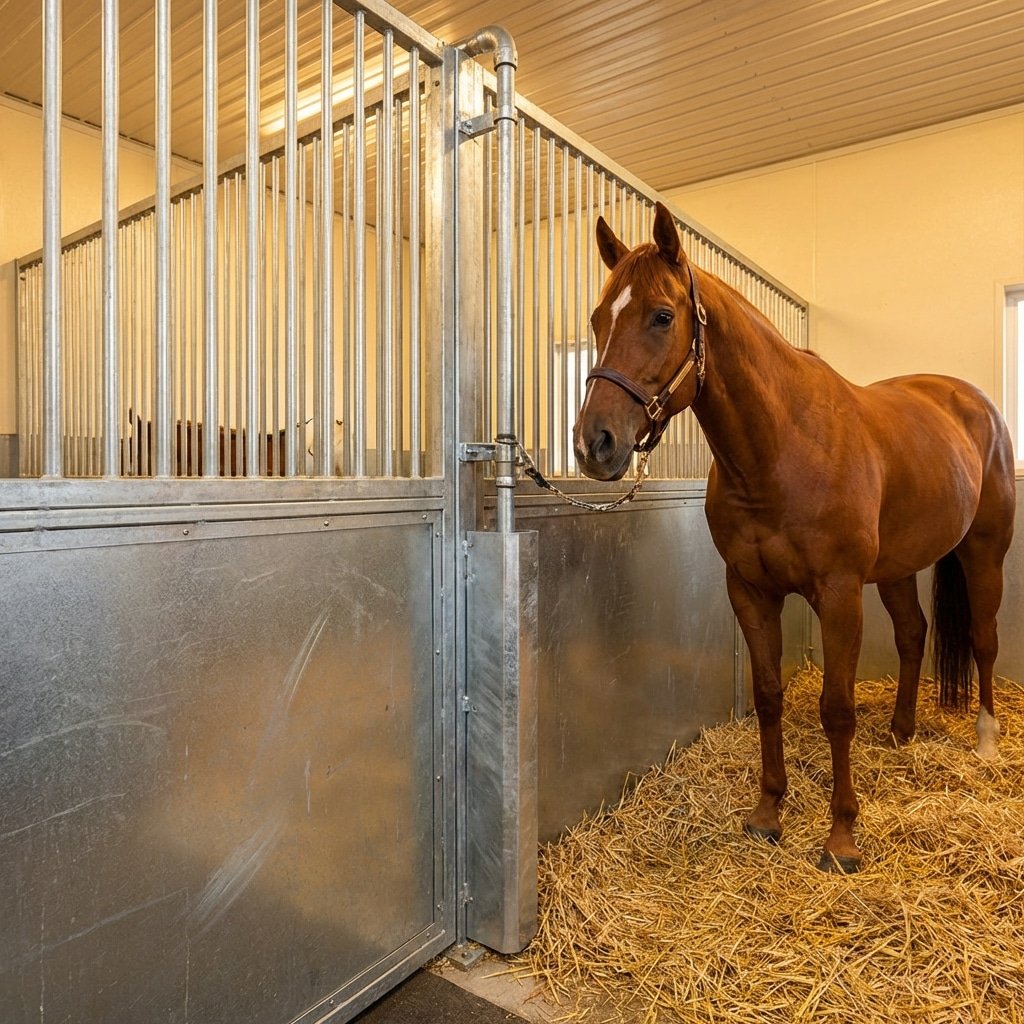
Protecting Auto-Waterer PVC Pipes from Bored Horses
Waterer Pipe Guards act as the critical defense against the inevitable structural failure of exposed PVC in equine facilities. Relying on standard plumbing schedules without armor invites catastrophic flooding events that destroy bedding inventory and compromise...
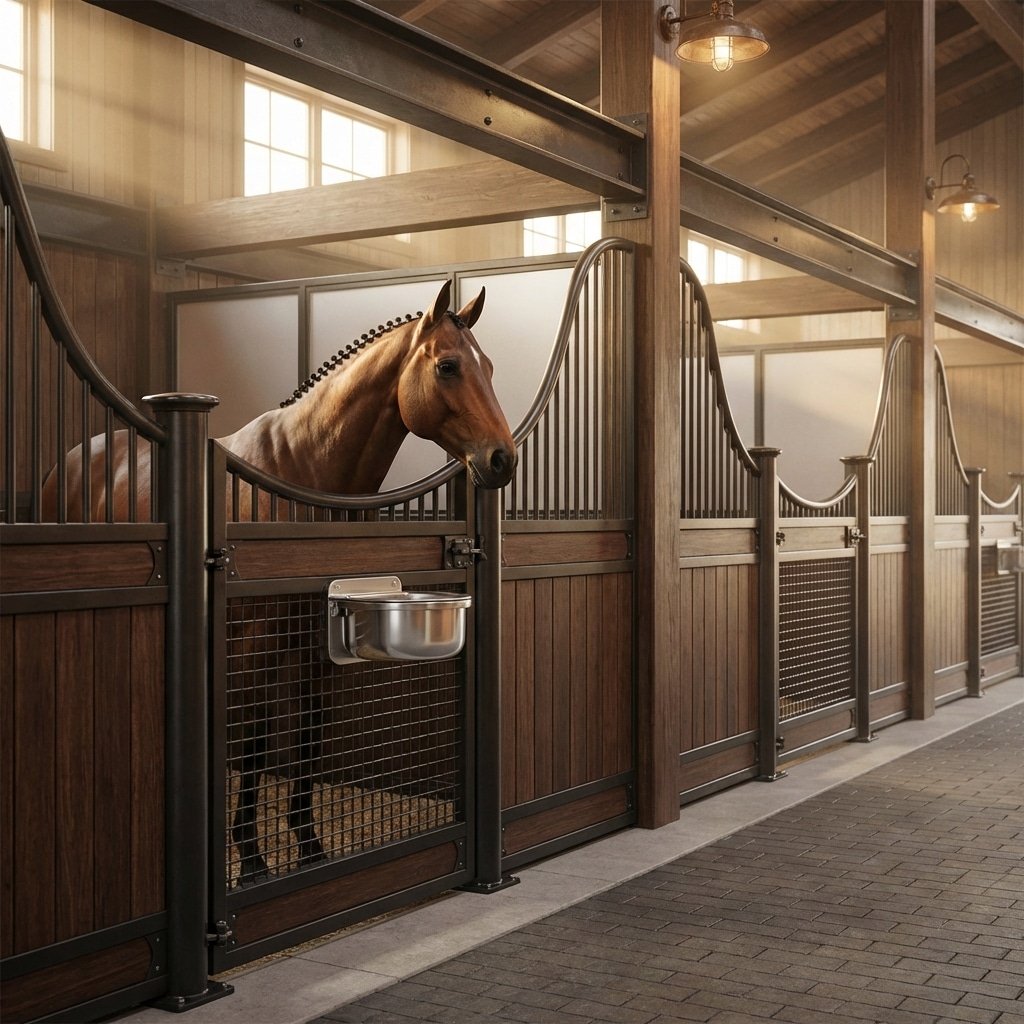
Mangeoires pivotantes pour boxes à chevaux : une alimentation en toute sécurité depuis l'allée
Feeding aggression creates the single highest liability risk for commercial stable operators and boarding facilities. While behavior modification takes time, inadequate infrastructure that forces handlers into the stall invites immediate injury lawsuits and costly...
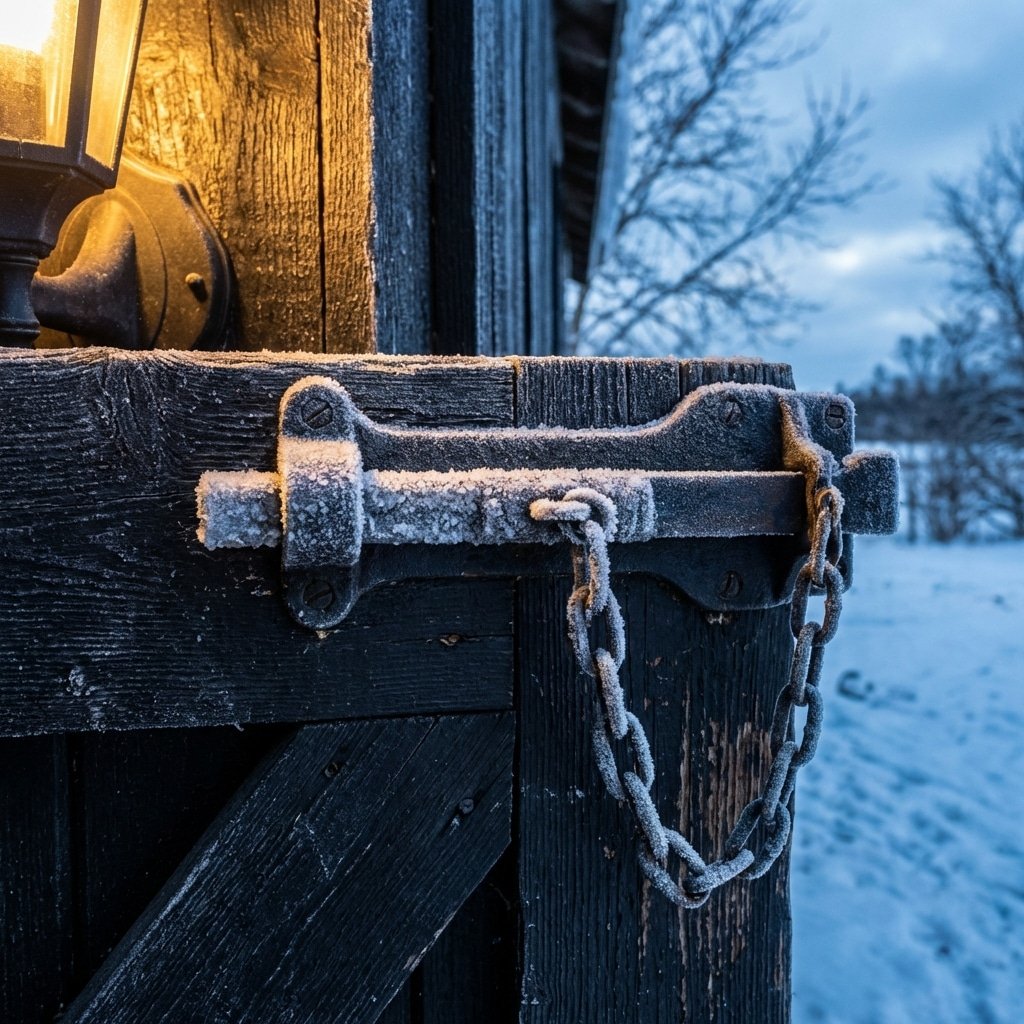
Graphite vs Oil: Lubricating Horse Stall Latches in Winter
Latch Freezing is a structural liability that compromises safety standards and increases maintenance overhead for professional equestrian facilities. Relying on generic hardware often leads to brittle fractures during forced entry, while improper lubrication with oil...
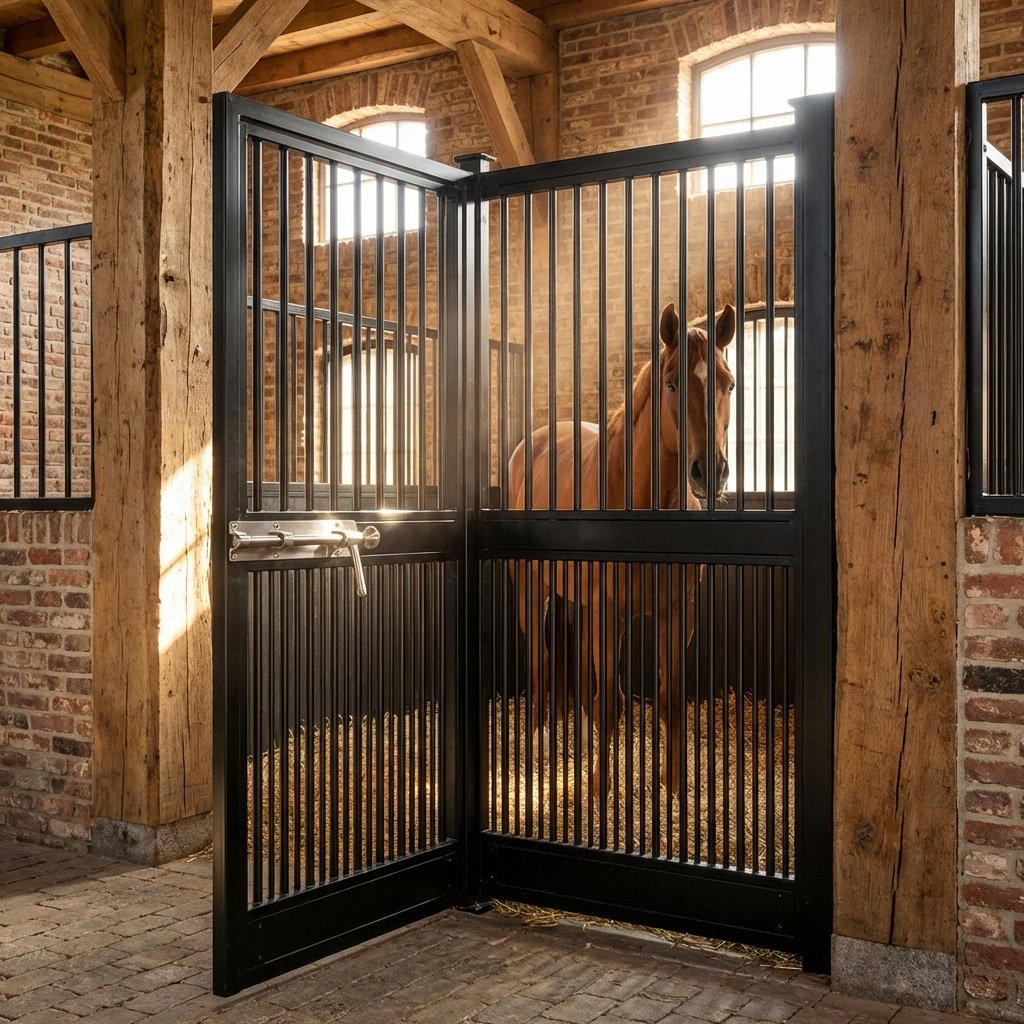
Double End Snaps vs Plunger Latches on Horse Stall Doors
Evaluating Double End Snaps vs Plunger mechanisms is a calculation of long-term liability against immediate savings. While zinc snaps offer a cheap, tool-free fix, their reliance on brittle diecast alloys creates a continuous replacement cycle that drains labor...
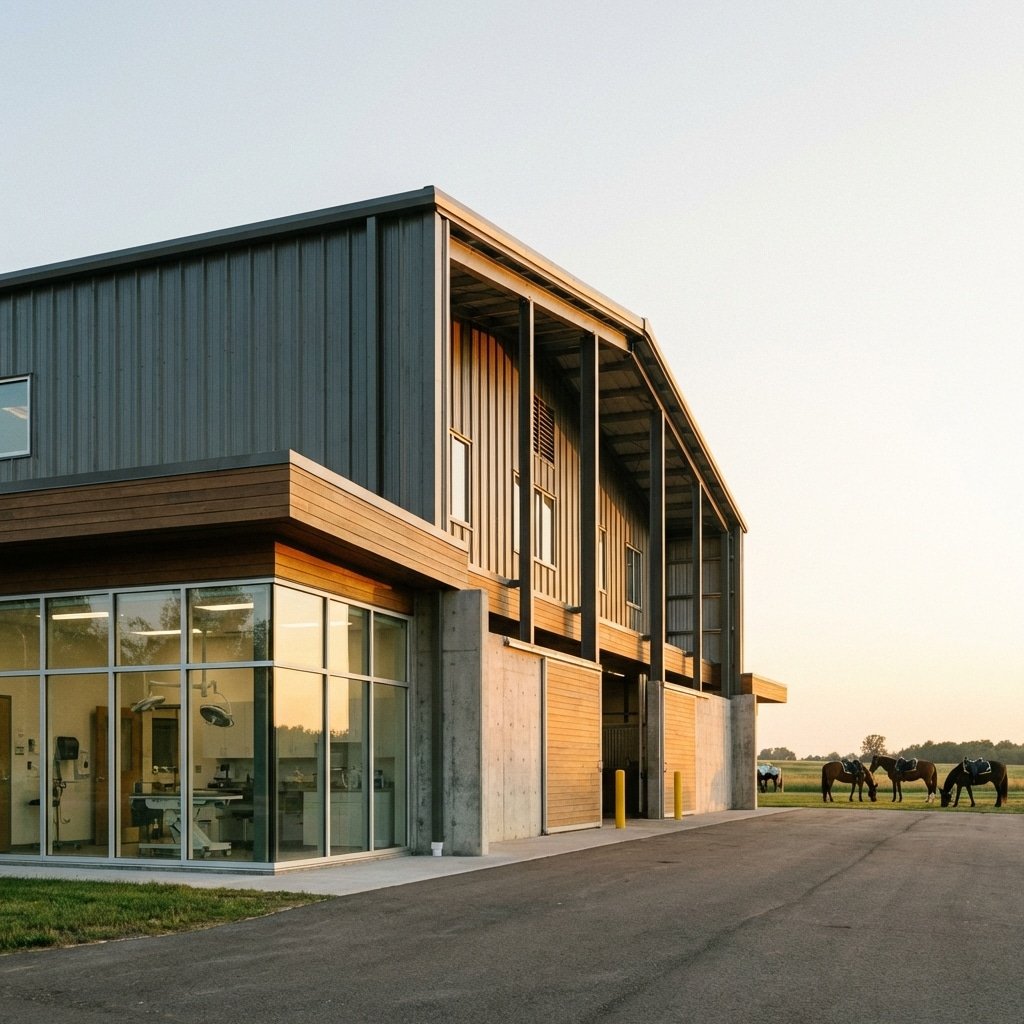
Les 5 meilleurs fabricants d'écuries robustes pour les unités de police montée
Procuring infrastructure for Mounted Police Units demands engineering that withstands the sheer force of 1,900 lb draft crosses. Standard equestrian stables frequently fail under this stress, exposing departments to costly facility downtime and career-ending injuries...
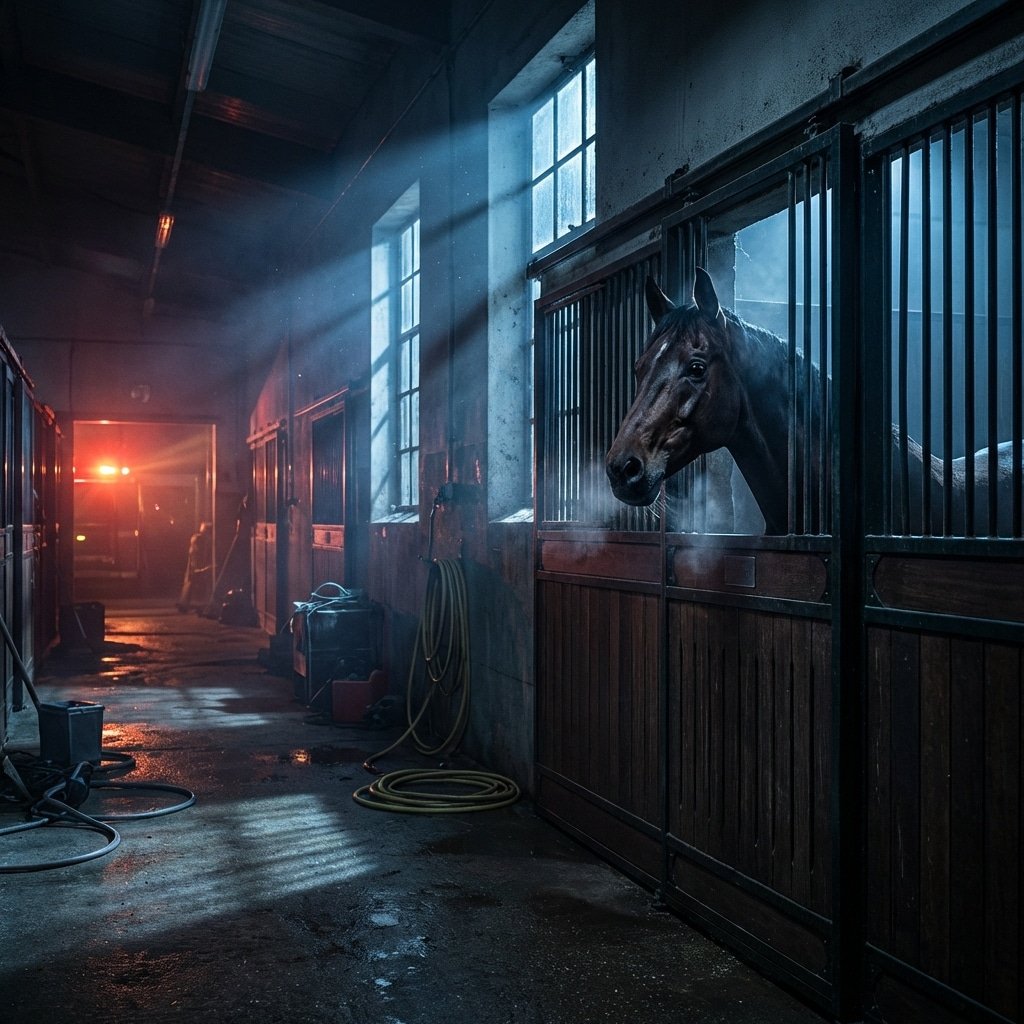
Emergency Horse Stall Repair: What to do at 2 AM When a Board Breaks
Stocking the right Emergency Boards determines if a midnight stall failure ends in a quick fix or a career-ending veterinary injury. Standard pine lumber shatters under 500kg kick impacts, creating jagged projectiles that cause deep septic lacerations and expensive...
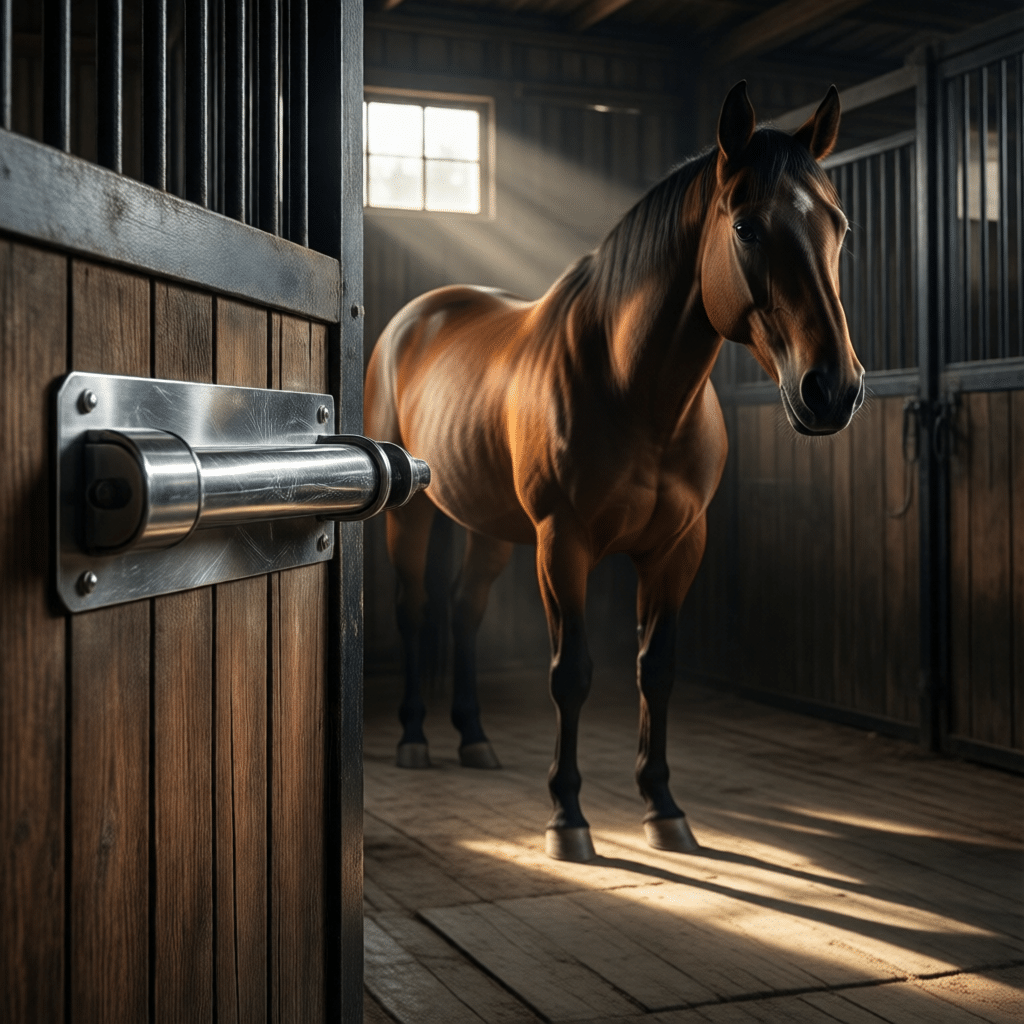
Plunger Latches for Horse Stalls: Defeating the Equine Escape Artist
Smart Escapers expose the critical liability hidden within standard agricultural hardware. Relying on simple gravity latches for dexterous horses invites veterinary costs and property damage that far exceed the price of engineered security. Facility managers cannot...
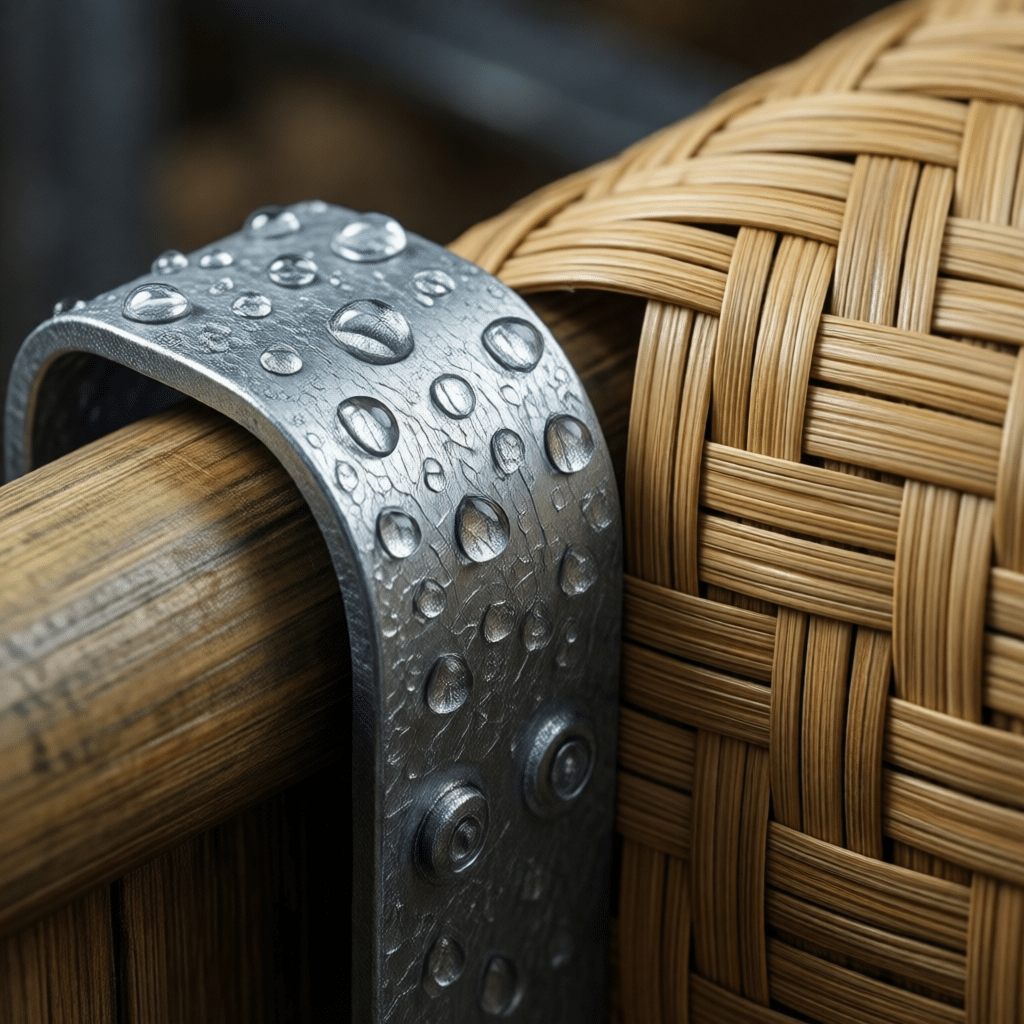
How to Stop a Horse from Cribbing & Chewing Stall Boards
To effectively stop wood chewing, you must engineer the problem out of the stall itself. Relying on temporary fixes like sprays or softwoods leads directly to property damage and the risk of colic from ingested splinters. For stable builders and distributors, this...
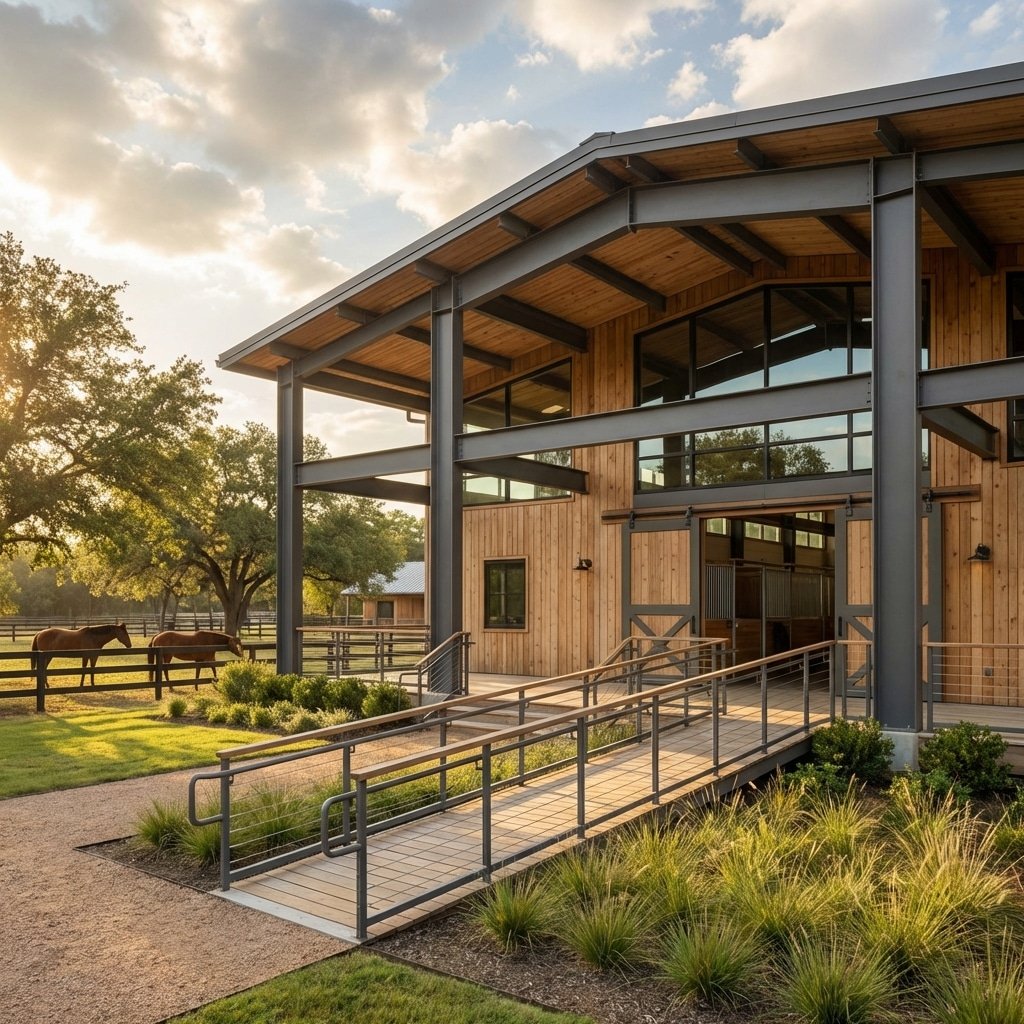
Les meilleurs fournisseurs d'équipements pour centres d'équitation thérapeutique et centres conformes à l'ADA
Developing a therapeutic riding facility demands precise architectural compliance to prevent catastrophic liability claims. Standard stable systems frequently fail ADA safety audits, resulting in expensive retrofitting costs that drain non-profit budgets. Ignoring...
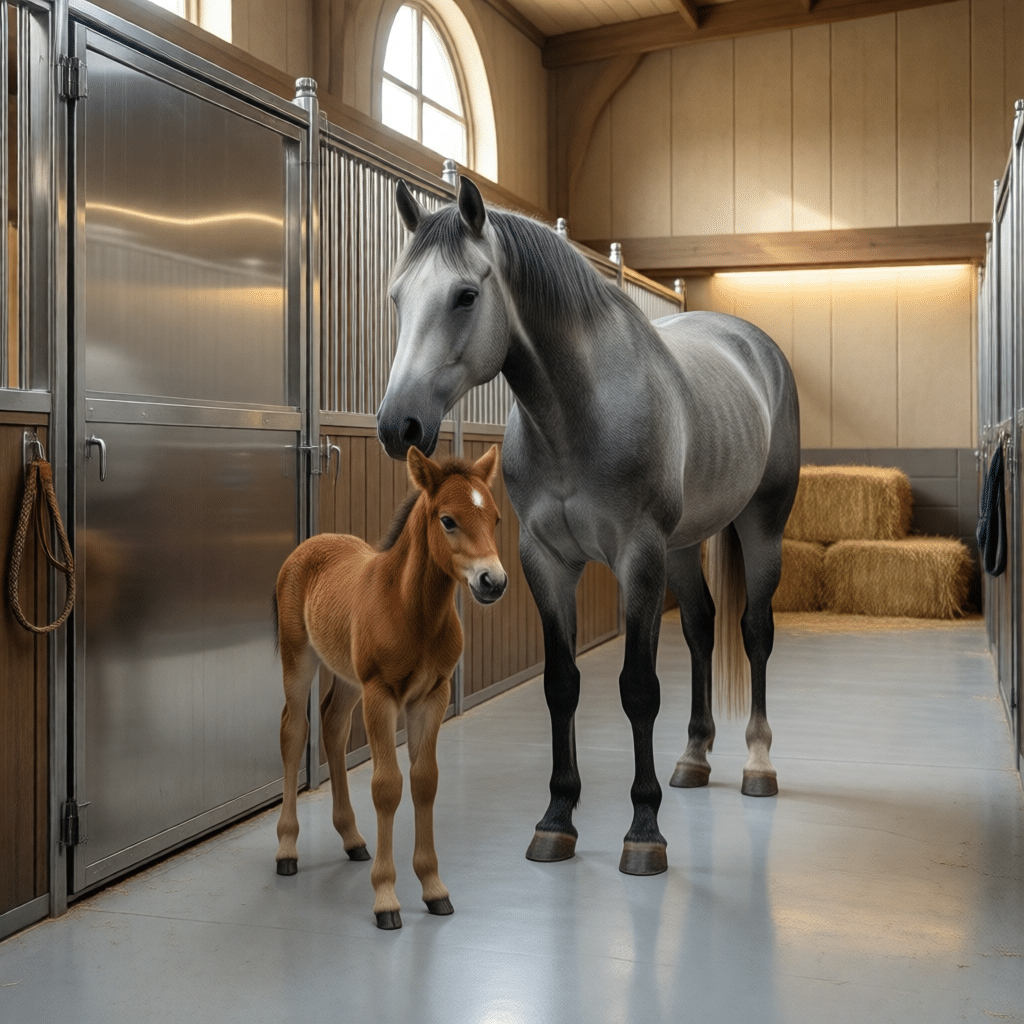
Are Sliding Horse Stall Doors Safe for Newborn Foals?
Specifying Foal Safe Sliding mechanisms is the only way to mitigate the liability of high-value injury claims in professional breeding facilities. While standard single-bolt guides save initial capital, they often create a pendulum effect that traps hooves, risking...
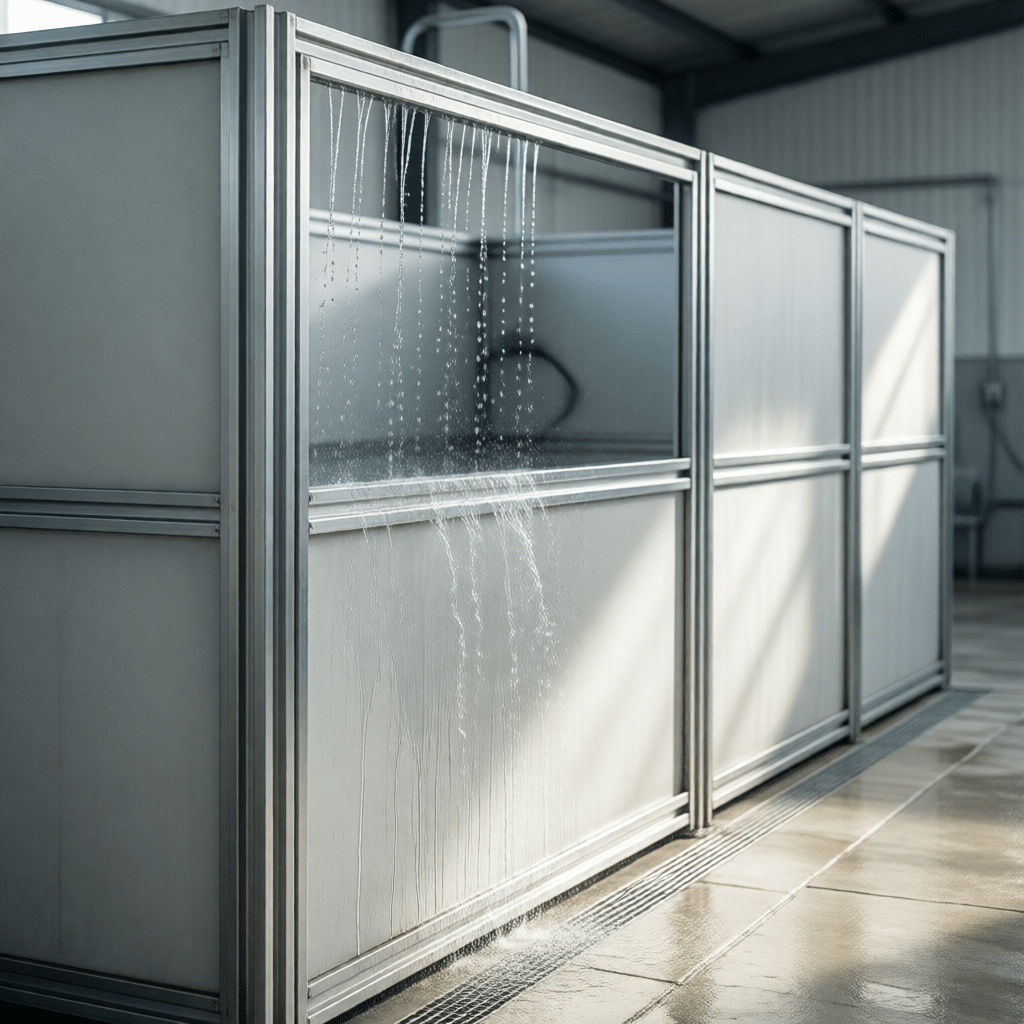
Waterproof Horse Stalls: HDPE Panels for Ultimate Wash Bays
Wash Bay Rot compromises structural integrity faster than any other facility maintenance issue, turning profitable boarding operations into liabilities. Traditional timber and porous composites absorb biological runoff, creating internal bacterial reservoirs that...
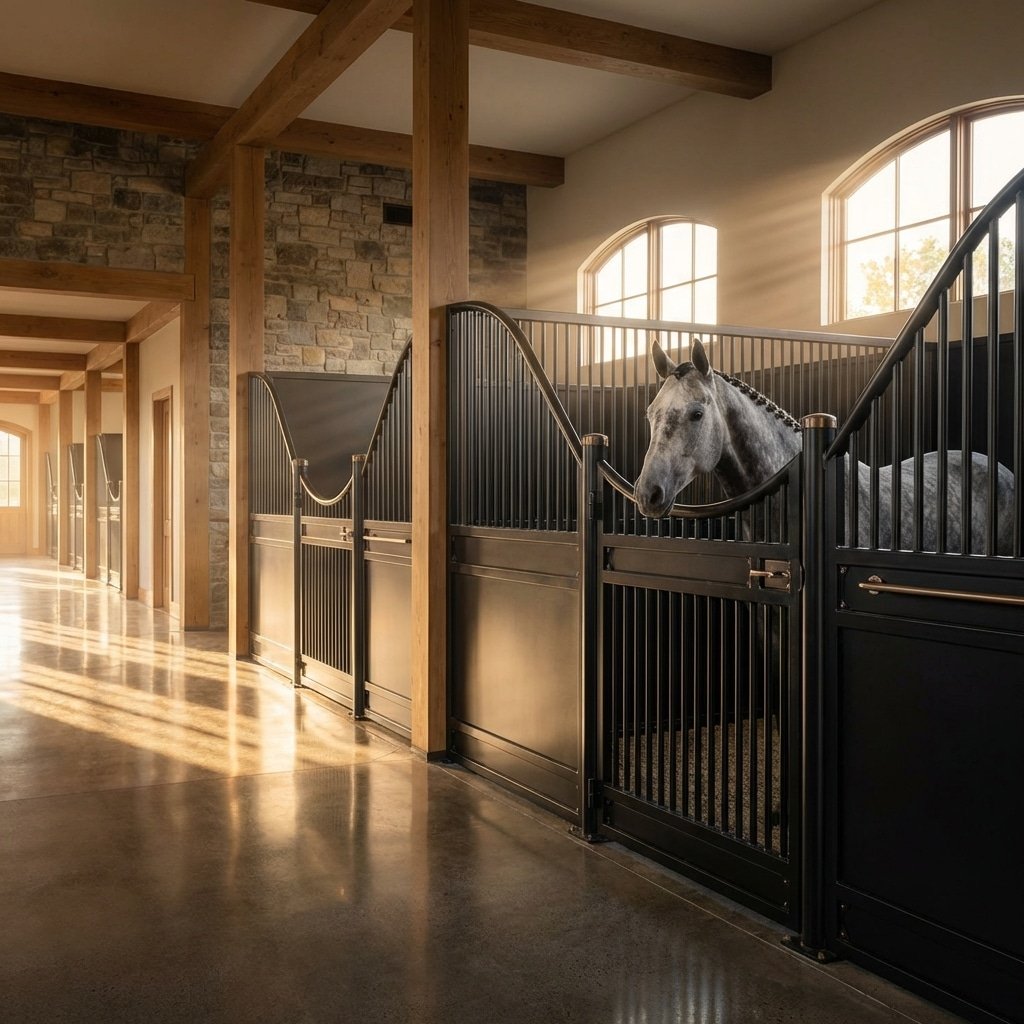
Hinged Water Doors for Horse Stalls: Easy Access for Barn Chores
Installing dedicated Waterer Doors eliminates the labor drain of manual bucket filling and the liability of entering stalls daily. Facility managers often overlook this structural detail, yet reliance on main aisle doors for water access spikes operational time and...
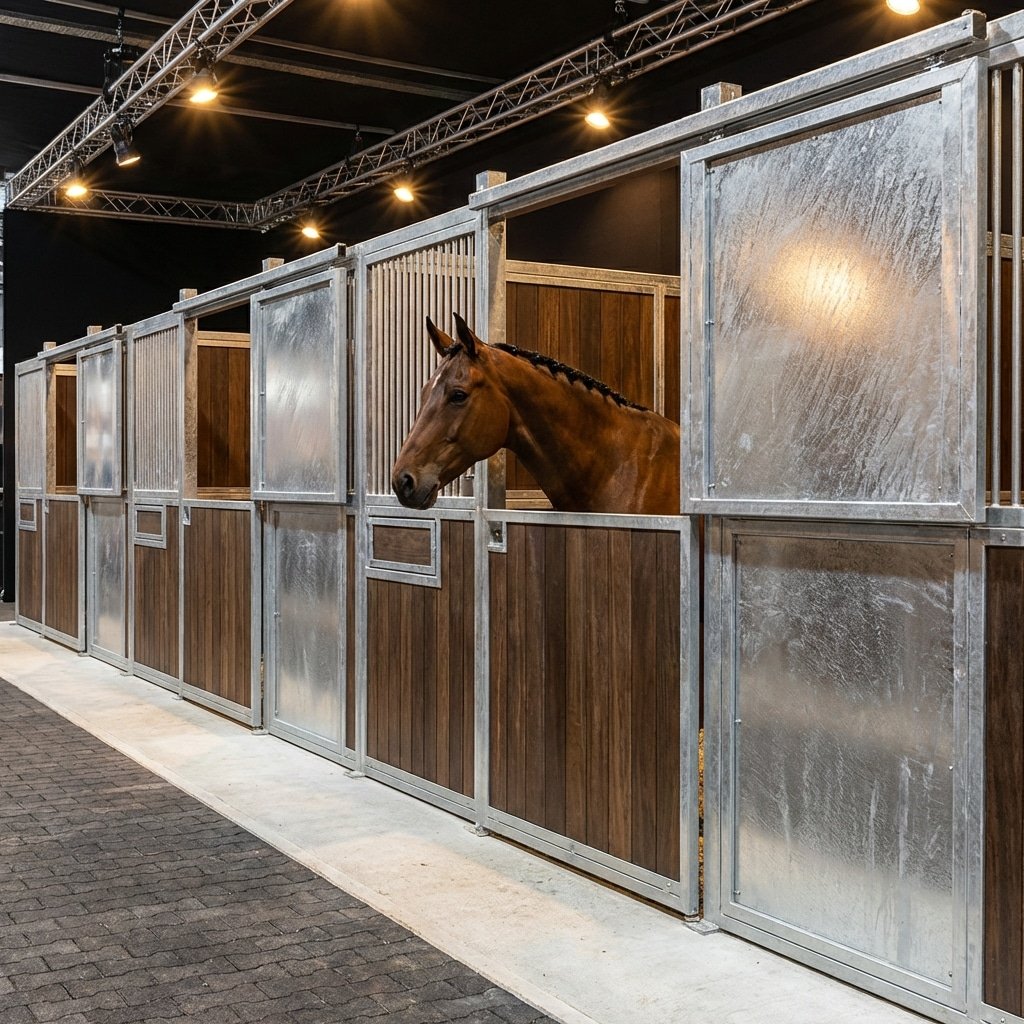
Spoga Horse contre la Foire de Canton : à la recherche de fournisseurs lors des salons professionnels internationaux
Hot-dip galvanized steel frame (20-year rust protection) validation defines Trade Show Sourcing strategies for Spoga Horse and the Canton Fair. Importing stables that fail ASTM B117 salt spray tests destroys distributor reputation faster than shipping delays. Locating...
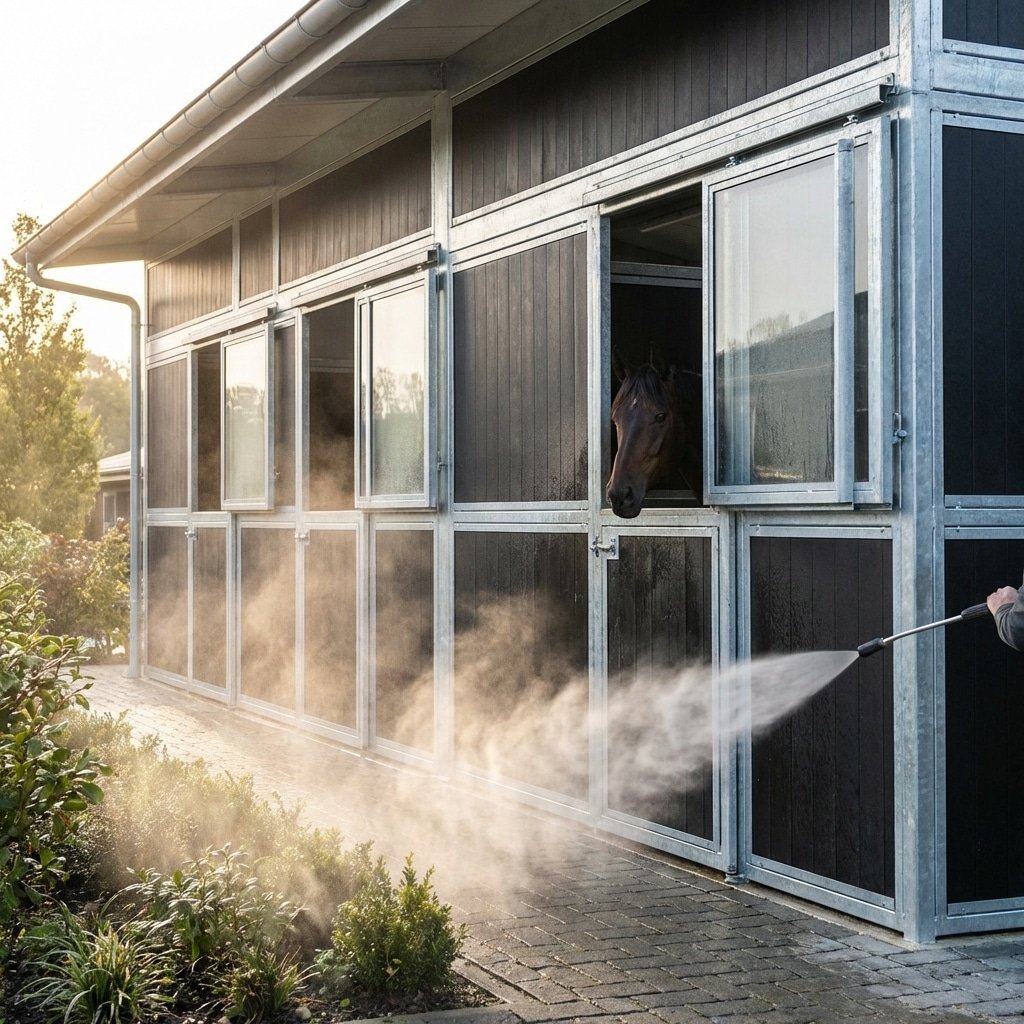
Hot-Dip Galvanized Horse Stables: Surviving Bleach and Power Washing
Pressure washing frequently creates a conflict between biosecurity standards and asset preservation in equine facilities. While high-pressure sodium hypochlorite solutions eliminate respiratory pathogens, they simultaneously saturate wood fibers and strip weak zinc...
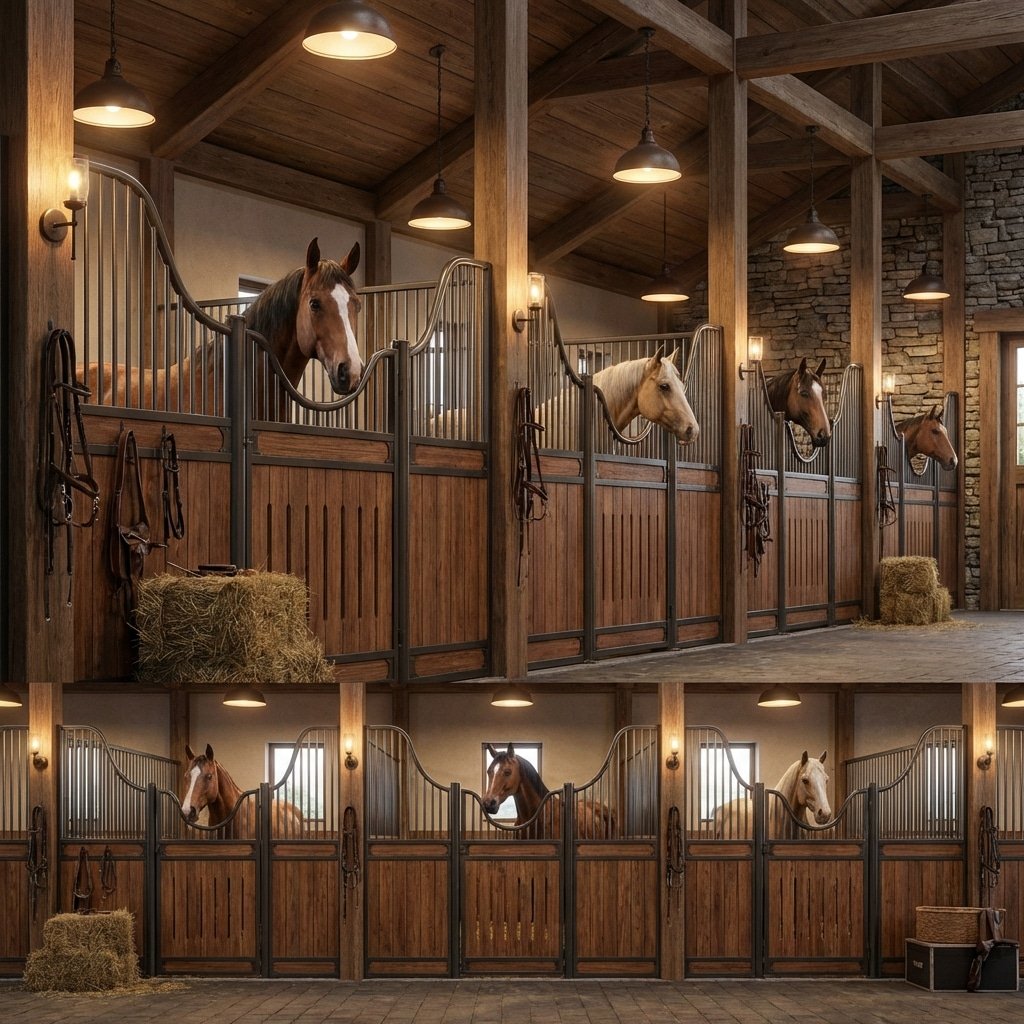
Cloisons de box à mi-hauteur ou à hauteur pleine : risques sanitaires ou circulation de l'air ?
Wall height dictates pathogen control. Standard 4-foot dividers create nose-to-nose transmission vectors. This undermines biosecurity. Commercial barns require impermeable barriers. One sick horse becomes a facility-wide liability without them. A professional Horse...

Plaques de base pour boxes à chevaux : empêcher la rouille causée par l'urine d'atteindre le sol
Base Plate Rust is the silent killer of stall structural integrity and the leading cause of premature replacement costs. While standard powder-coated steel looks pristine on installation day, the bottom six inches face a constant chemical attack from equine urine and...
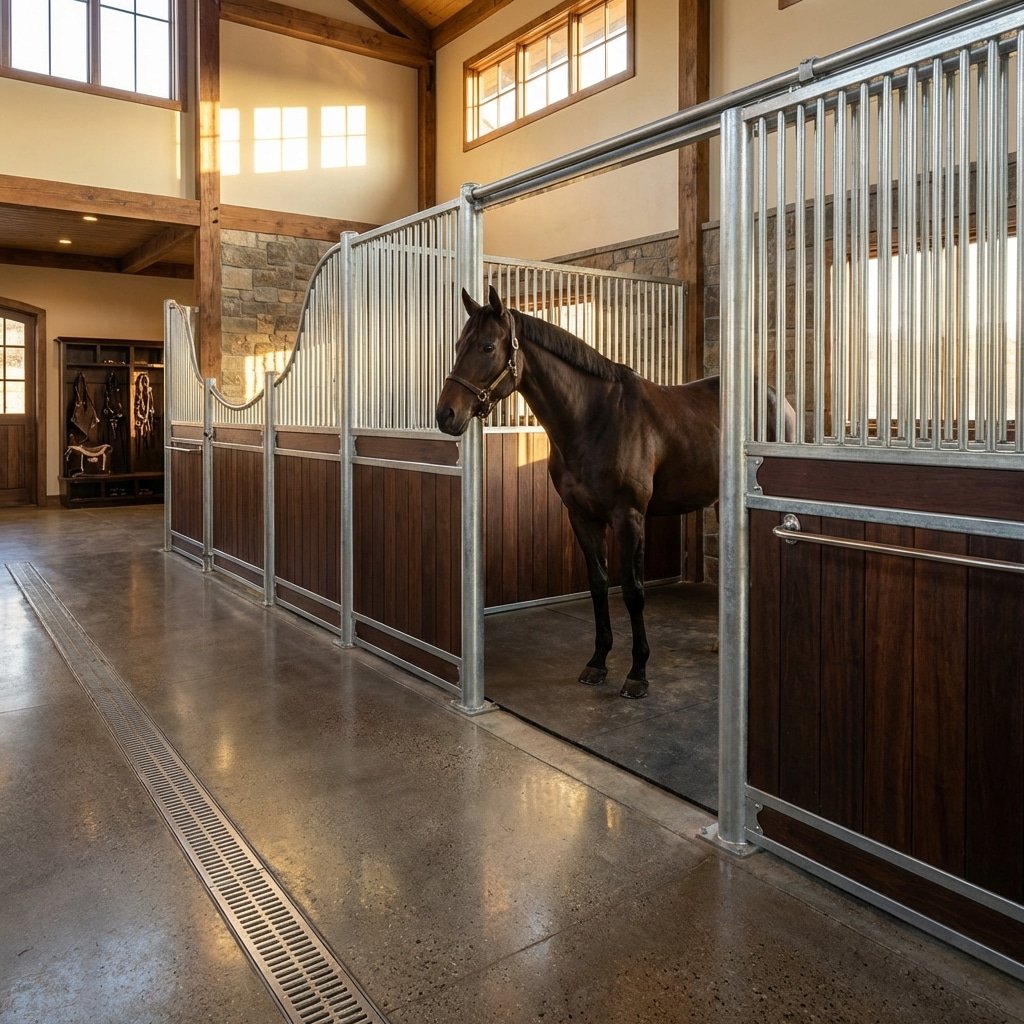
Where Does the Urine Go? Managing Sloped Floor Runoff in Stalls
Mismanaging sloped runoff during a concrete pour guarantees stagnant urine and accelerated ammonia corrosion. While flat floors are easier to finish, they trap moisture against the stall front, causing standard steel frames to rot at the anchor points within three...
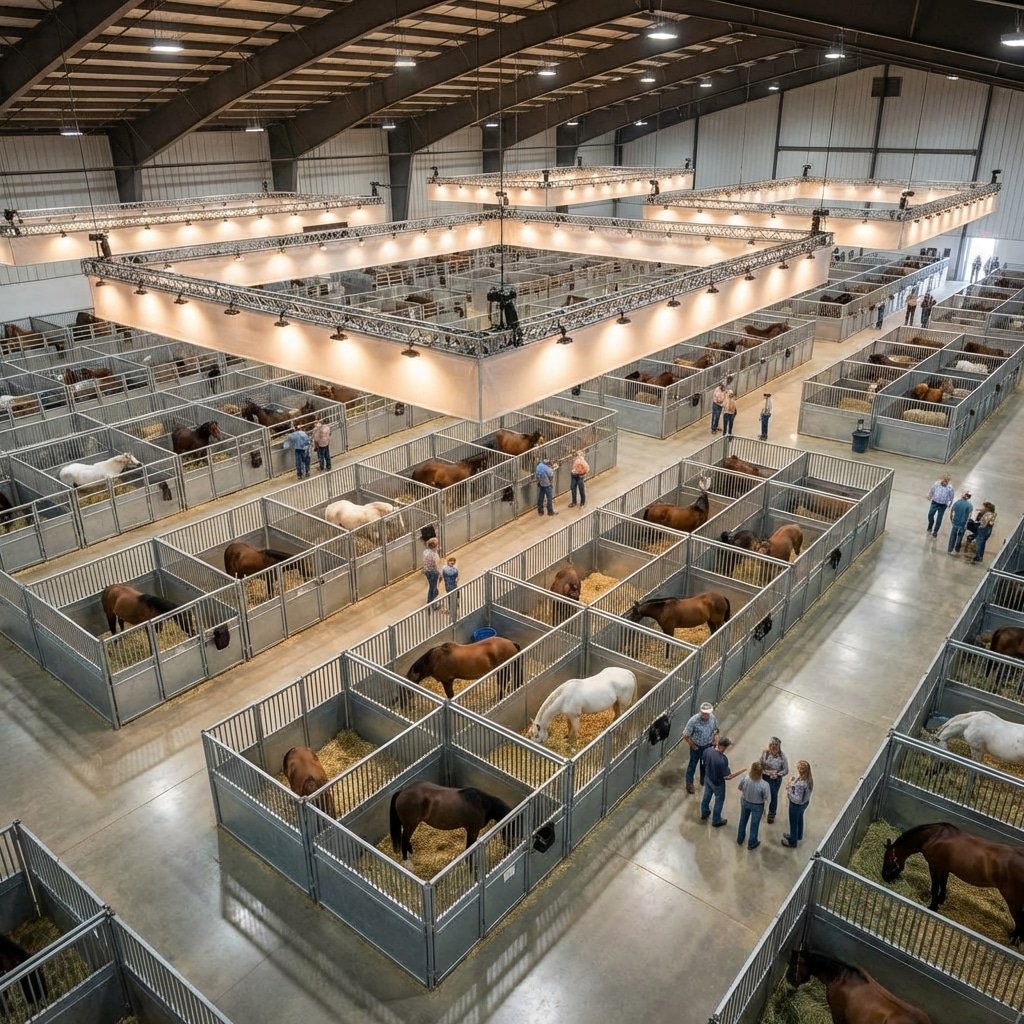
Principaux fabricants de stabulation en vrac pour les foires d'État et les centres d'exposition
State Fairgrounds utilizing rental infrastructure bleed operational budgets through recurring third-party margins and volatile logistics fees. Relying on temporary agencies for bulk stabling exposes agricultural centers to supply chain bottlenecks that threaten event...

Rubber Mats vs Horse Stall Panels: How to Install the Flooring Gap
Proper Mat Integration determines whether your facility lasts decades or requires expensive retrofitting within months. Placing heavy steel frames on compressible rubber creates a soft joint that inevitably loosens hardware and compromises structural safety. This...
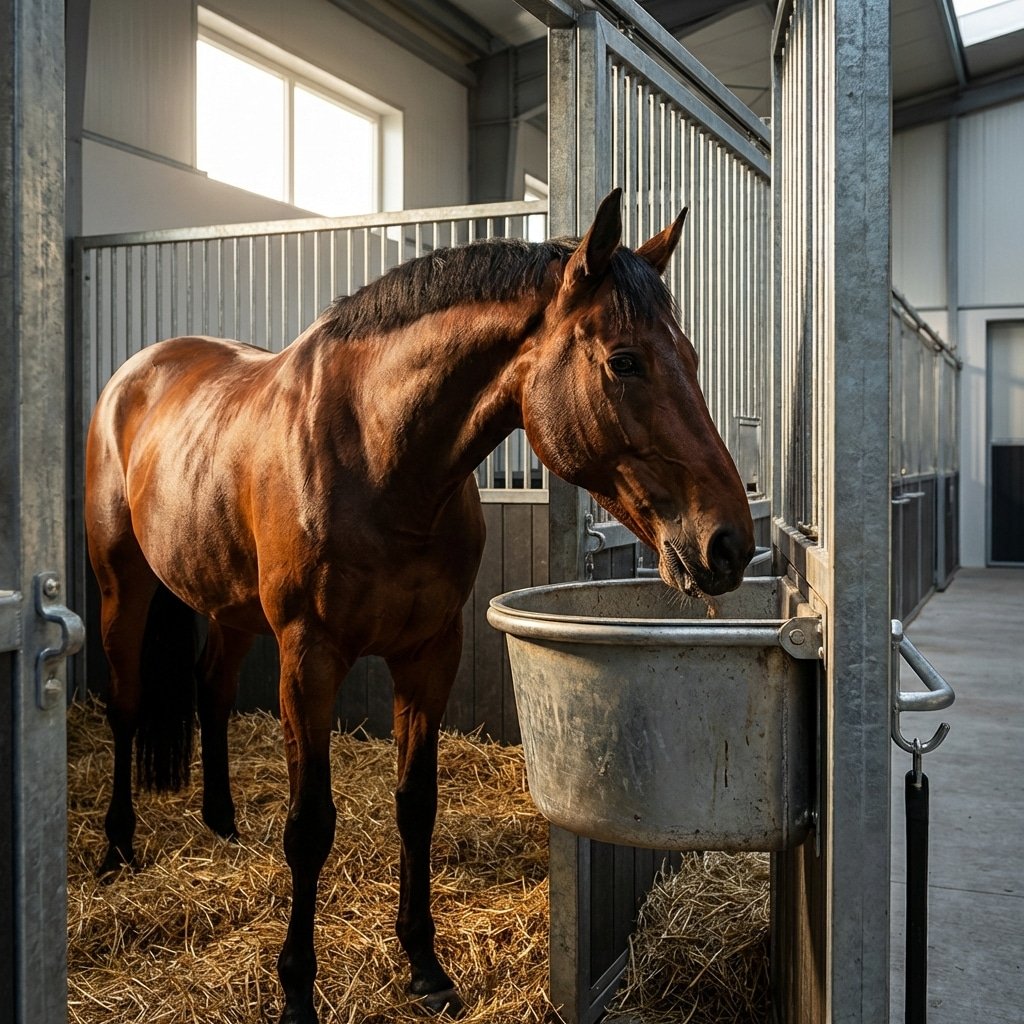
Stop Horses Cribbing on Feed Tubs: Aluminum vs Plastic
Feed Tub Cribbing rapidly degrades standard plastic infrastructure and transforms feeding equipment into a significant safety liability. When anxious horses bite down on generic polyethylene, the material frequently shatters, creating sharp shards that cause internal...

Principaux fabricants de stalles biosécurisées pour les centres d'importation de produits équins
Border Quarantine facilities operate on thin margins where biosecurity failure leads to immediate operational shutdowns. Standard timber stabling acts as a biological sponge for pathogens, making it impossible to pass rigorous USDA or EU sanitary audits due to...
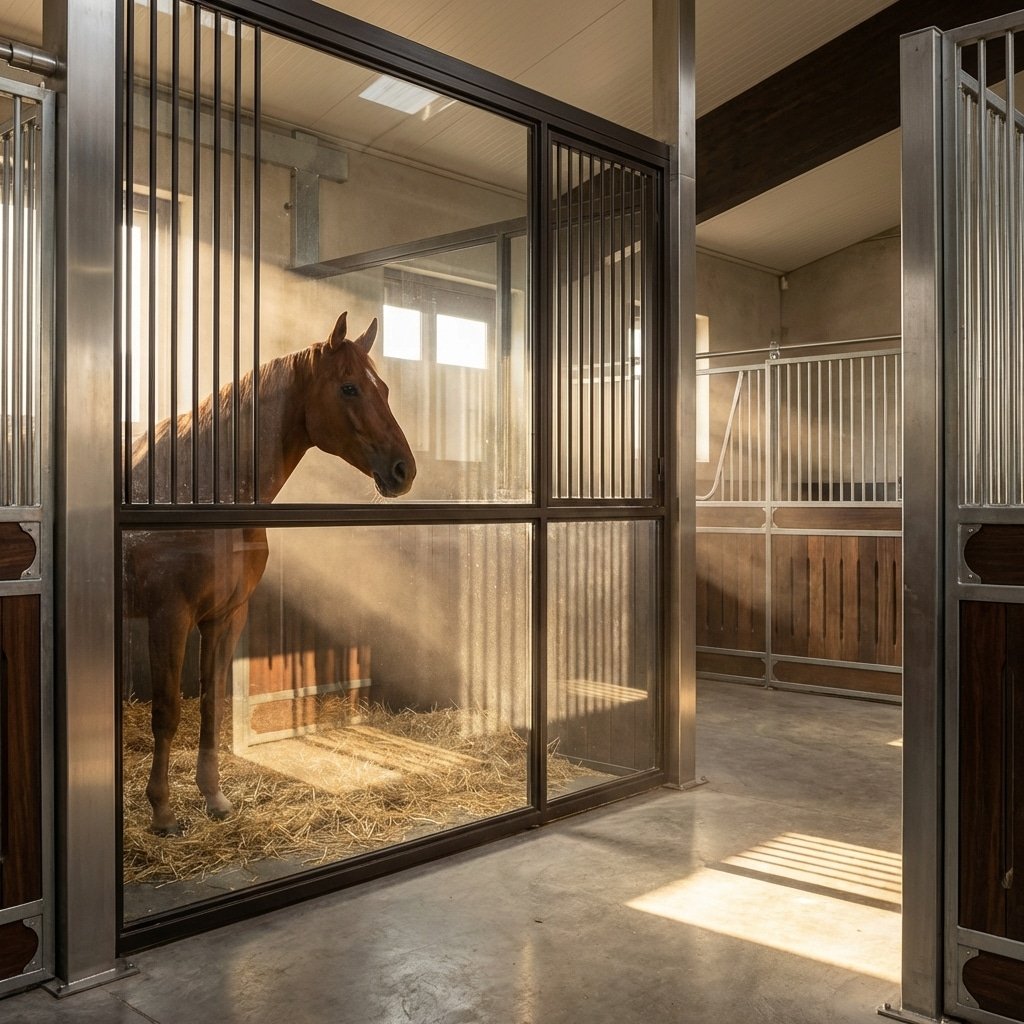
Tempered Glass Windows for Horse Stalls: Bringing Light Indoors
Adding Light to an indoor facility is a strategic operational investment, but it creates immediate liability if executed with standard glazing. While natural illumination reduces equine cortisol and stable vices, installing unshielded annealed glass introduces a...
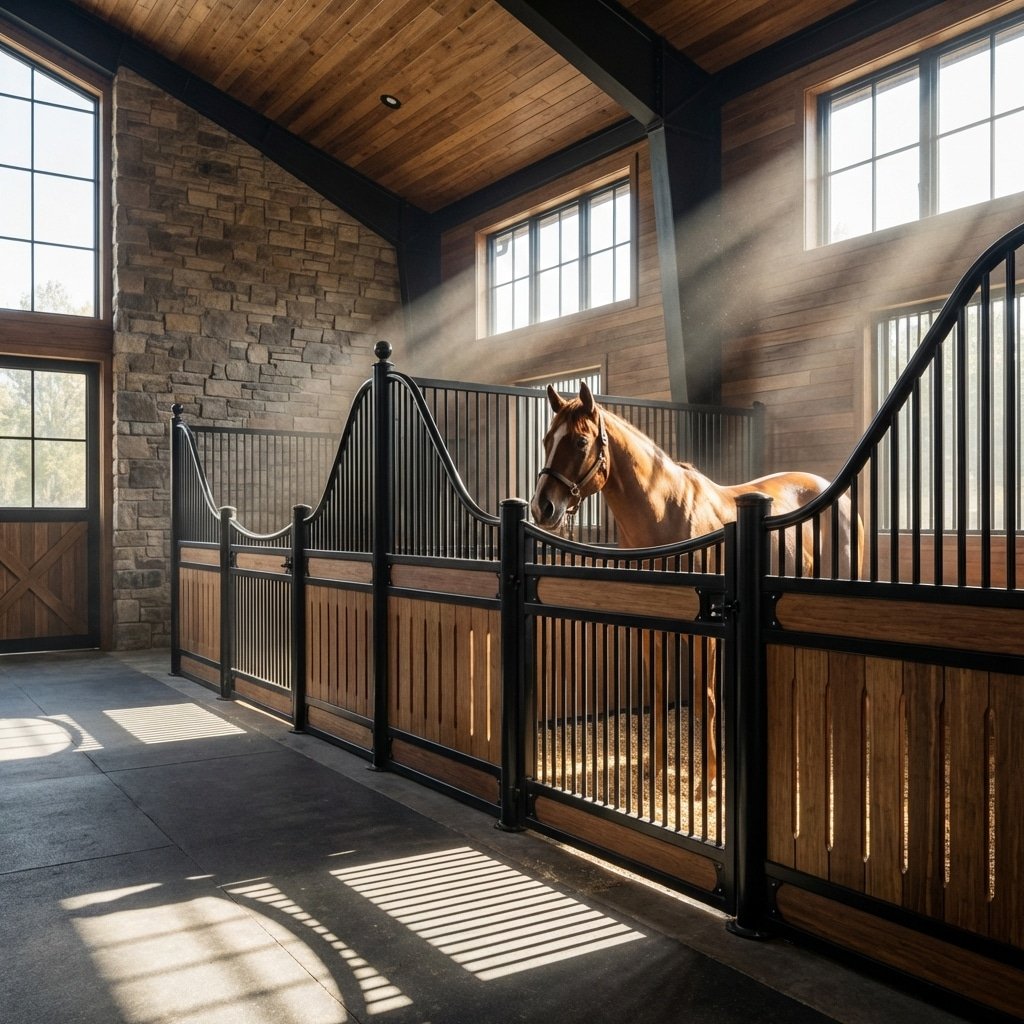
Quel est le poids d'un panneau modulaire pour box à cheval ? (Guide de levage manuel)
Calculating the safe Panel Weight Lift for a horse stall is a matter of physics rather than convenience. A 12ft front must exceed 200lbs to absorb the kinetic energy of a kick, yet many builders compromise safety for easier handling. Installing lightweight aluminum or...

Rat-Proofing Your Barn: Steel Base Plates for Horse Stables
Rodent damage accelerates structural decay and introduces severe injury liabilities in timber-lined equine facilities. While softwoods offer initial cost savings, they fail to resist the gnawing mechanics of common pests, leading to compromised containment walls and...

Extra-Wide Sliding Horse Stall Doors for Tractor Mucking
Proper tractor clearance distinguishes a profitable commercial facility from a maintenance nightmare. Relying on standard 4-foot stall doors creates a geometric conflict with skid steer buckets, leading to inevitable frame collisions and jammed sliding mechanisms....
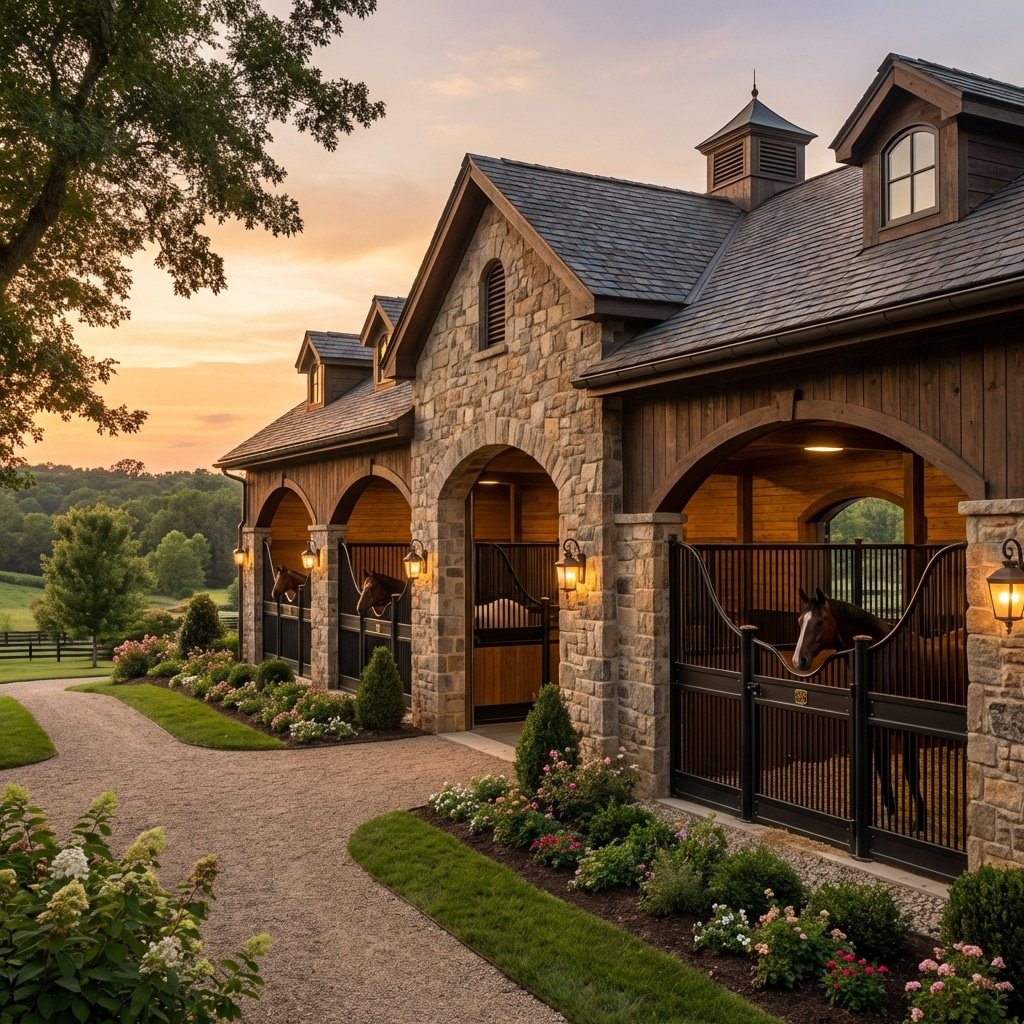
Top Luxury Stable Builders for 5-Star Equestrian Resorts & Spas
Sourcing authentic Luxury Resort Stables determines whether a venue commands premium rates or faces liability claims from high-net-worth guests. Generic agricultural designs often fail the aesthetic scrutiny of the 5-star market and lack the "Kick-Proof" safety...

Smooth Horse Stall Walls: Preventing Tail Rubbing and Splinters
Persistent tail rubbing destroys show-quality aesthetics and accelerates stable wall degradation. While parasites often trigger the itch, the financial damage compounds when horses target abrasive, rough-cut timber that splinters under pressure. Relying on standard...

Feed Windows vs Swivel Feeders on Horse Stall Fronts
Adopting specific Aisle Feeding Hacks is the fastest method to cut chore time and remove the liability of stall-entry protocols. Operations that require staff to open doors for every feed cycle face compounded labor costs and higher injury rates from direct...
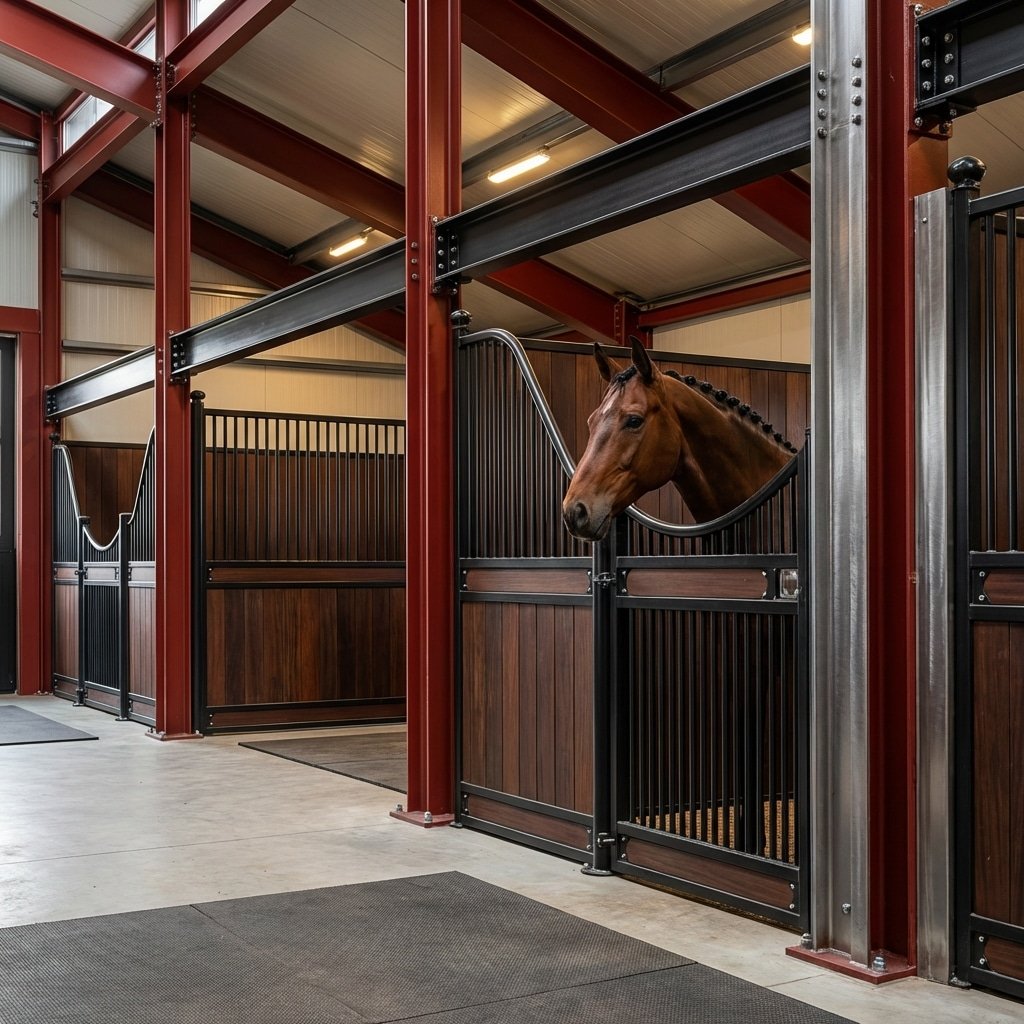
Attaching Horse Stalls to Steel I-Beams (Red Iron Buildings)
Integrating horse stalls into Red Iron Barns demands specific attachment protocols to prevent structural fatigue. While clear-span steel offers superior floor plan flexibility, standard lag bolts fail against the density of I-beam columns. This incompatibility often...
Tools Needed to Assemble Modular Horse Stable Kits
Selecting the correct DIY Assembly Tools determines whether your modular barn lasts decades or rusts within seasons. While standard power drills suffice for softwood, they inevitably fail against the 14-gauge Q345B High Strength Steel used in professional equestrian...

Converting Shipping Containers into Modular Horse Stables
Building Container Barns requires navigating the strict 8-foot width limit that renders standard equestrian equipment obsolete. Attempting to retrofit stock stall fronts into these 2.34m spaces forces on-site cutting, destroying the protective zinc seal. This...
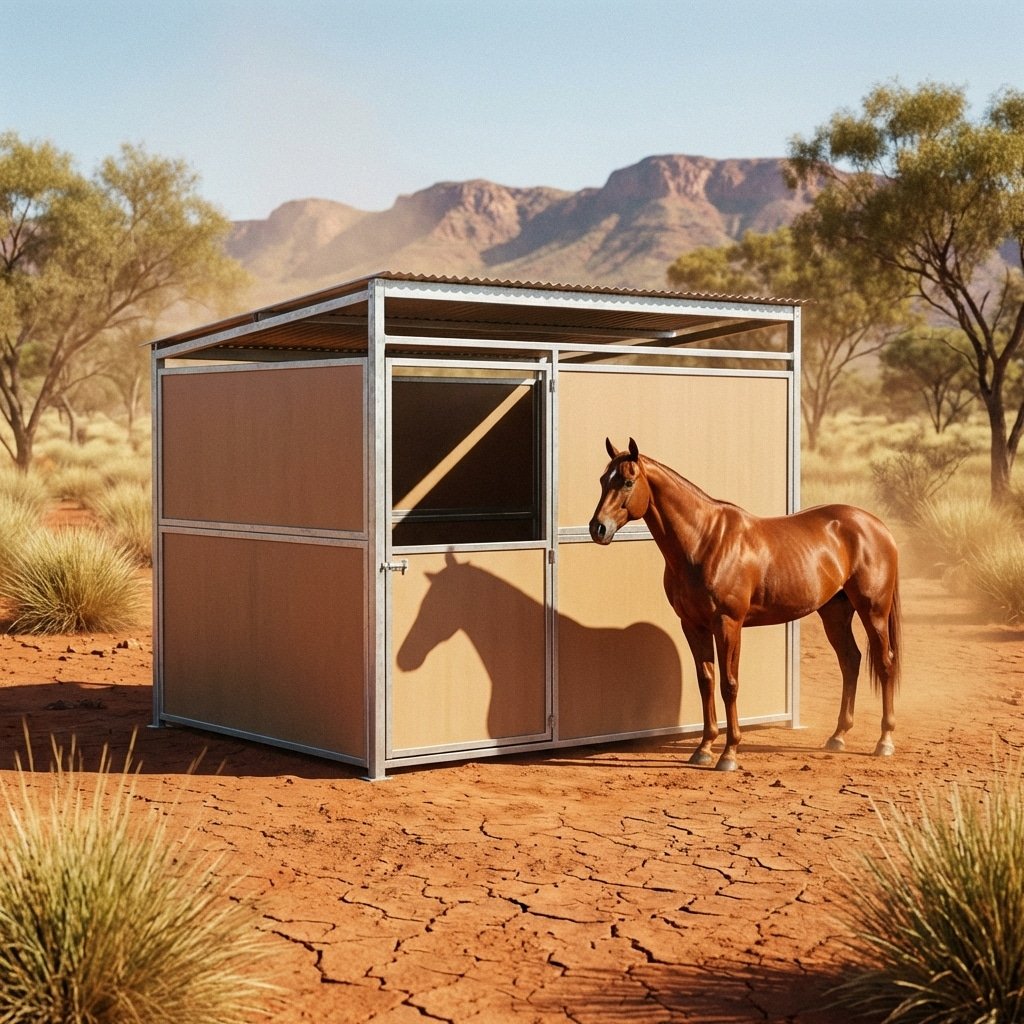
Portable Horse Stables in Australia: Why HDPE Panels Beat Wood in 40°C Heat
Deploying portable horse stables in Australia demands materials that withstand 40°C heat and aggressive subterranean termites. Standard timber splits under these conditions, forcing facility managers to absorb high replacement costs and safety liabilities within...
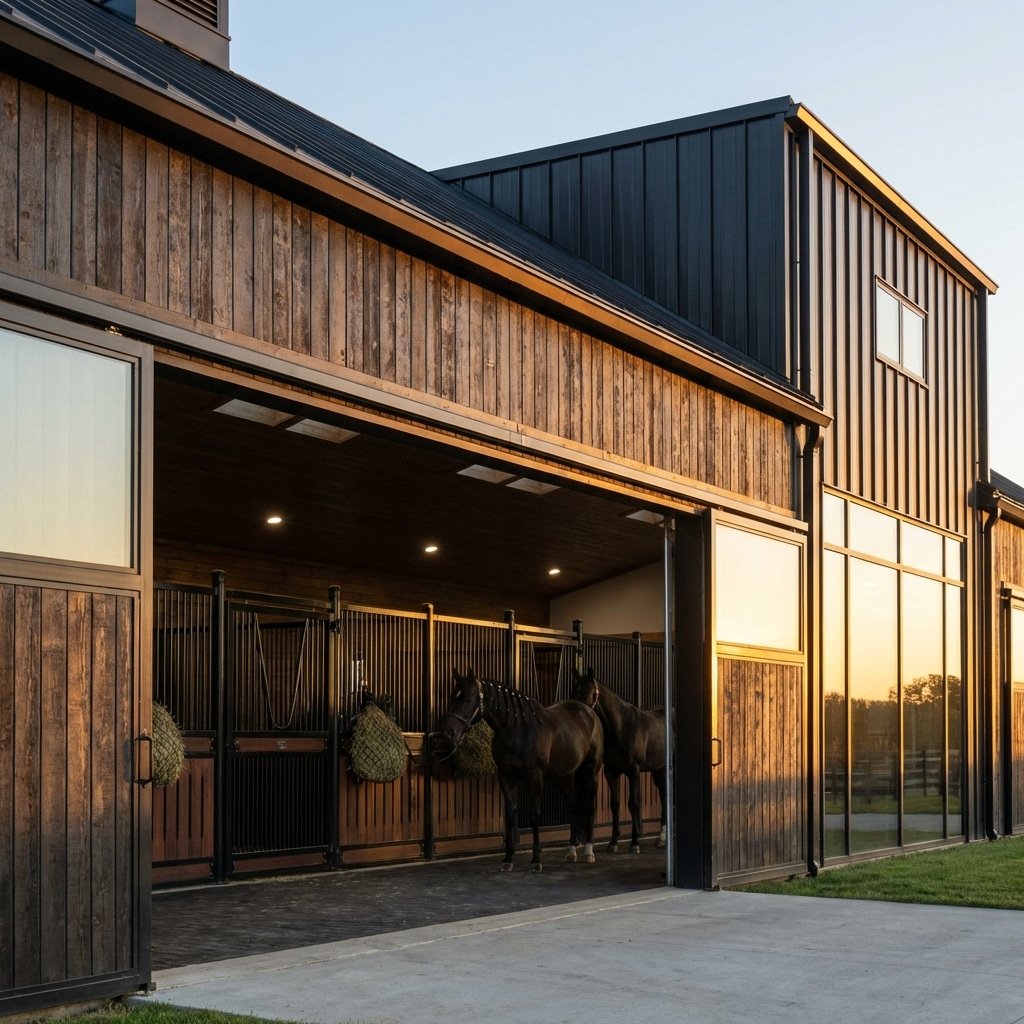
Top 5 Horse Stable Suppliers on Alibaba in 2026 (And Who to Avoid)
Alibaba Sourcing for horse stables is often a trap of trading companies disguised as factories, where hidden broker commissions erode your procurement margins by up to 40%. While pre-galvanized offers appear cheap, they frequently conceal inferior 1.5mm tubing that...

Waterproof Horse Stall Panels: Surviving Auto-Waterer Leaks
Managing Auto-Waterer Floods requires more than just a sump pump; it demands infrastructure that survives submersion. When a float valve jams, standard pine or plywood stall fronts absorb moisture immediately, leading to irreversible warping and dangerous mold growth....
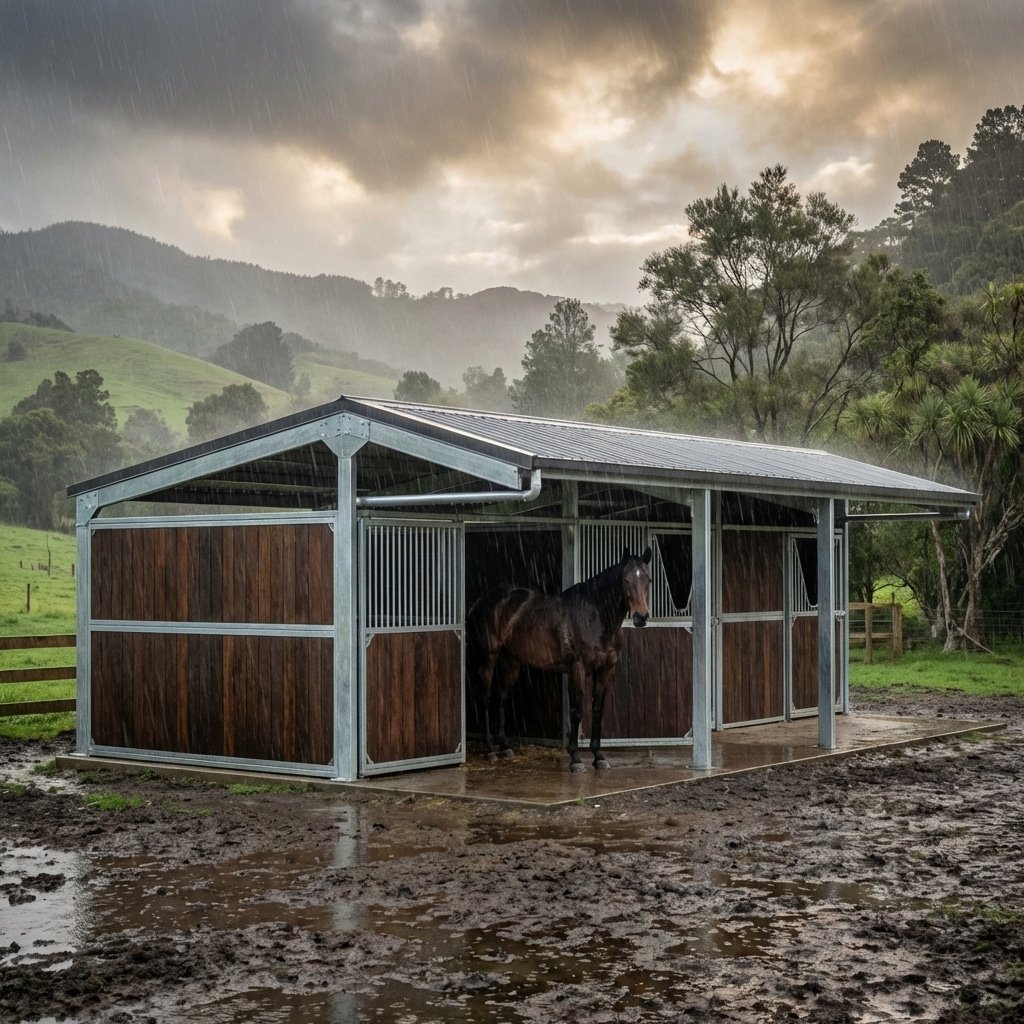
Panneaux imperméables pour boxes à chevaux : résister aux fortes précipitations de la Nouvelle-Zélande
Constructing stables in New Zealand requires specific defense against the acidic mud poultices that dissolve standard steel finishes. Relying on traditional timber or pre-galvanized tubes accelerates depreciation through rot and red rust, often forcing facility...

Les 5 meilleurs fabricants d'écuries robustes pour les unités de police montée
Sourcing infrastructure for Mounted Police Units is a liability management exercise. Standard equestrian stables frequently fail under the impact force of 1,900-pound draft crosses, resulting in severe injuries and immediate asset depreciation. Procurement officers...
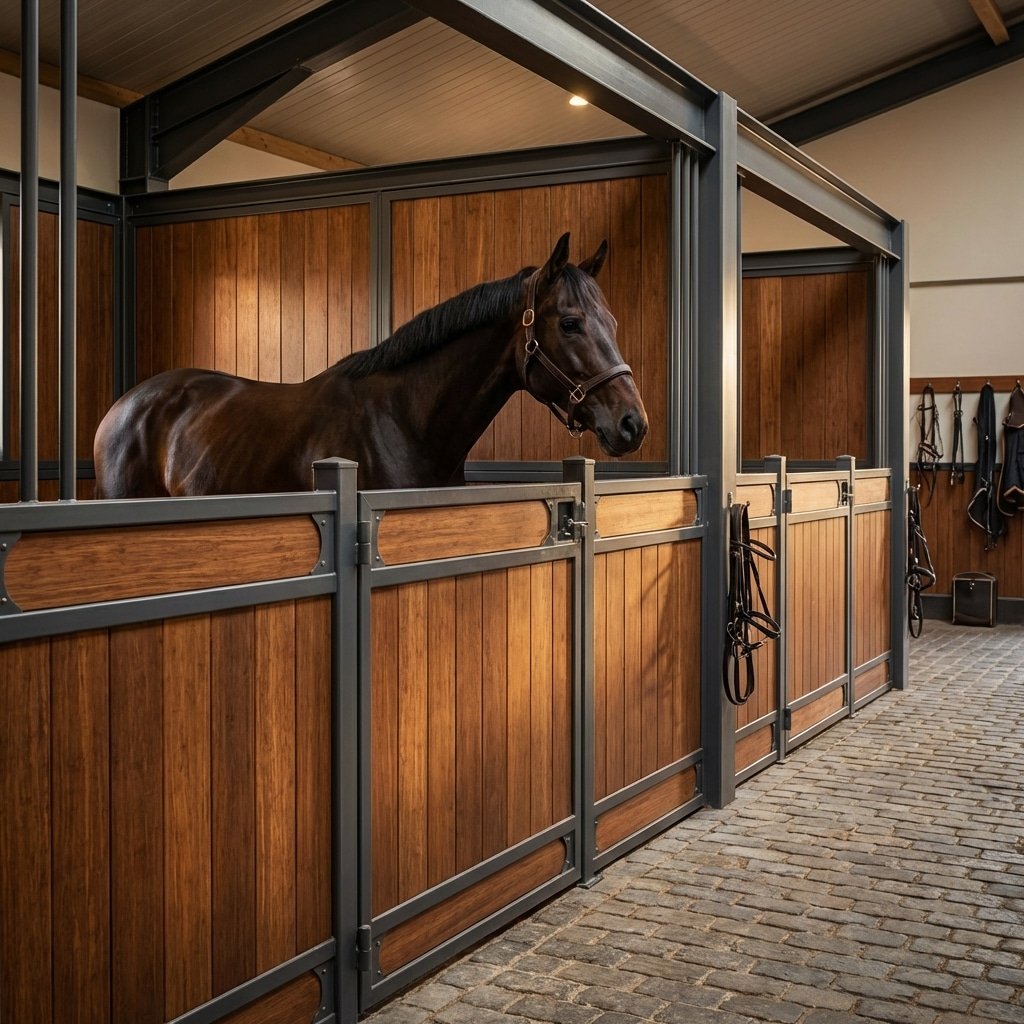
Floor-to-Ceiling Solid Horse Stables for Aggressive Stallions
Deploying engineered Stallion Walls is the only defense against the kinetic energy of a rearing 600kg animal. Standard 7-foot partitions create a dangerous fulcrum point, often leading to catastrophic leg fractures and six-figure thoroughbred losses.We engineer...
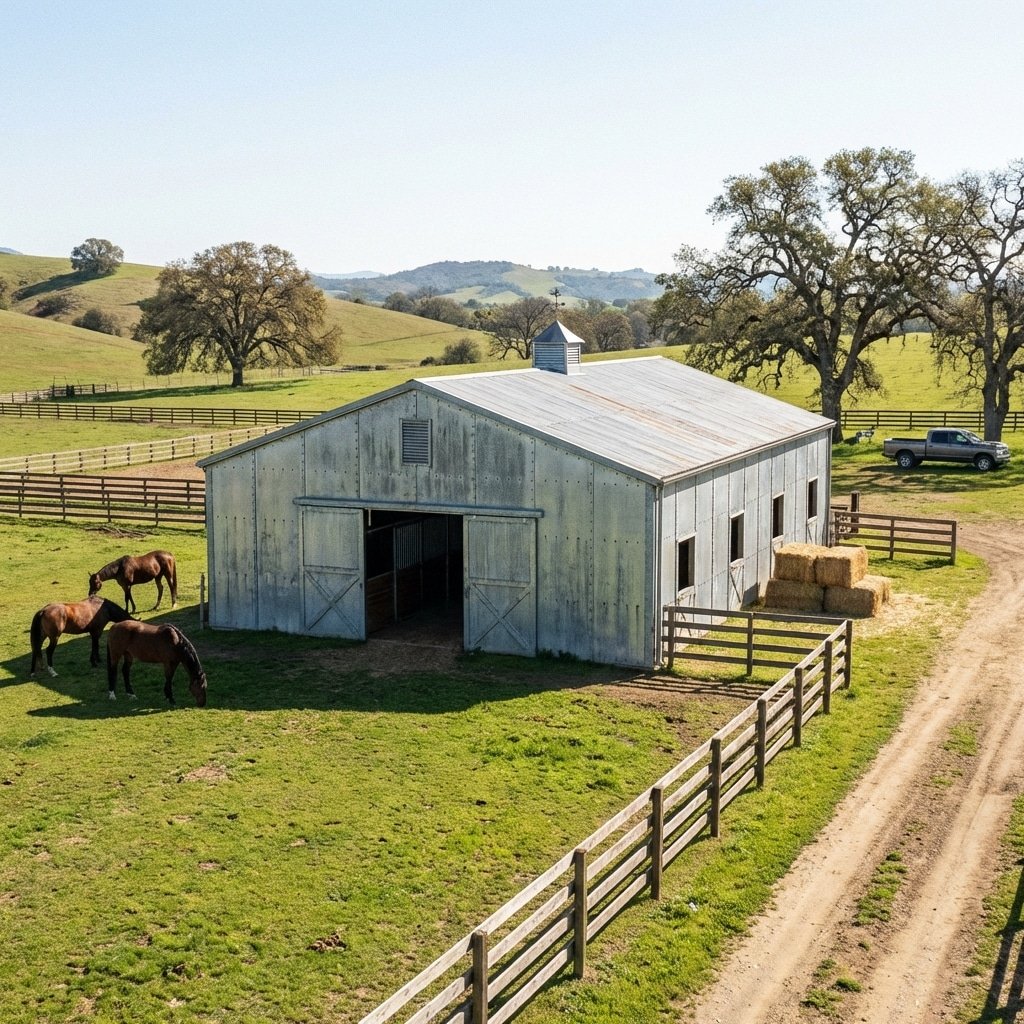
Modular Horse Stall Kits in the USA: Why 14-Gauge Steel is the Standard
Sourcing modular horse stalls for the USA market requires navigating a landscape cluttered with under-spec lightweight tubing. While economy 18-gauge kits offer attractive retail price points, they represent a significant liability risk for facility owners and...
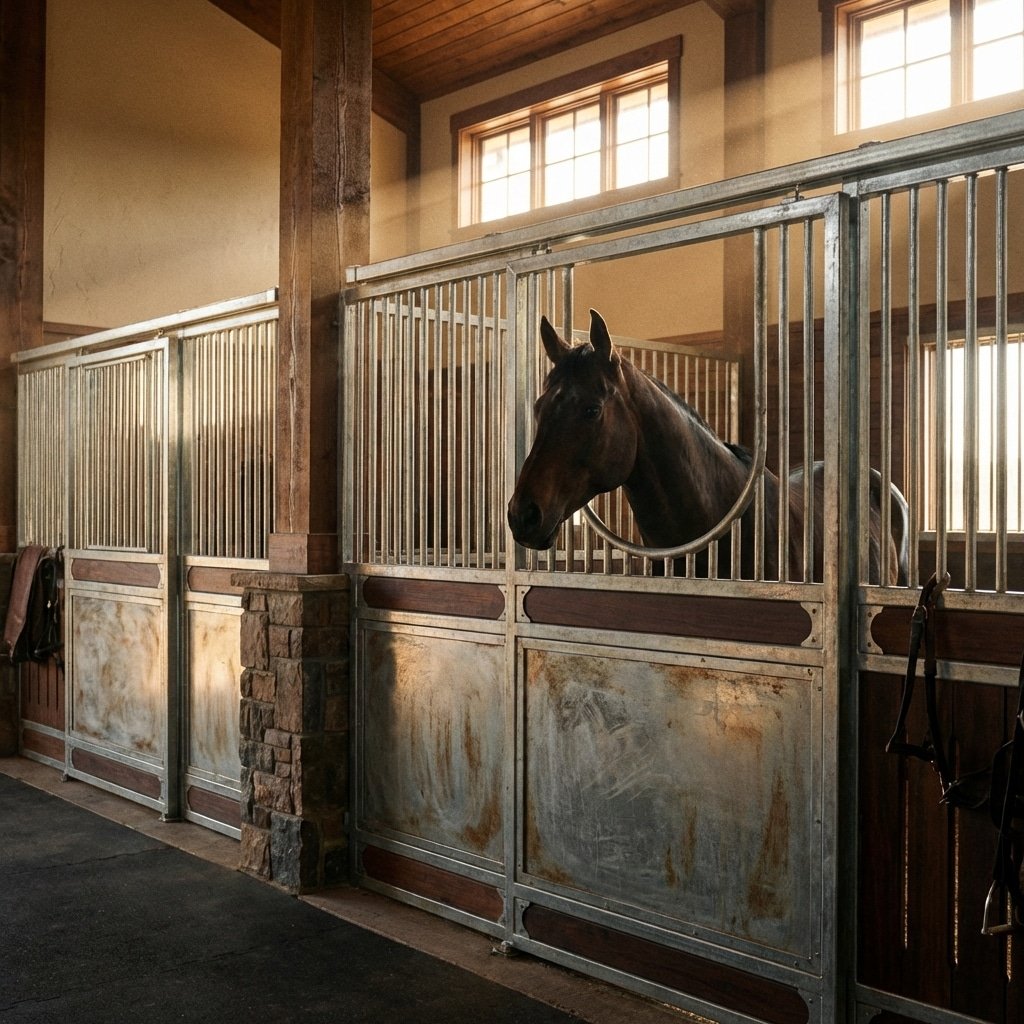
Vertical U-Channels: Stopping Cribbing on Sliding Horse Stall Doors
Door Edge Cribbing rapidly degrades facility infrastructure and creates a recurring maintenance liability. When horses anchor their incisors on exposed timber, the resulting 29.4kg of force warps track systems and shreds softer materials, transforming a cosmetic issue...
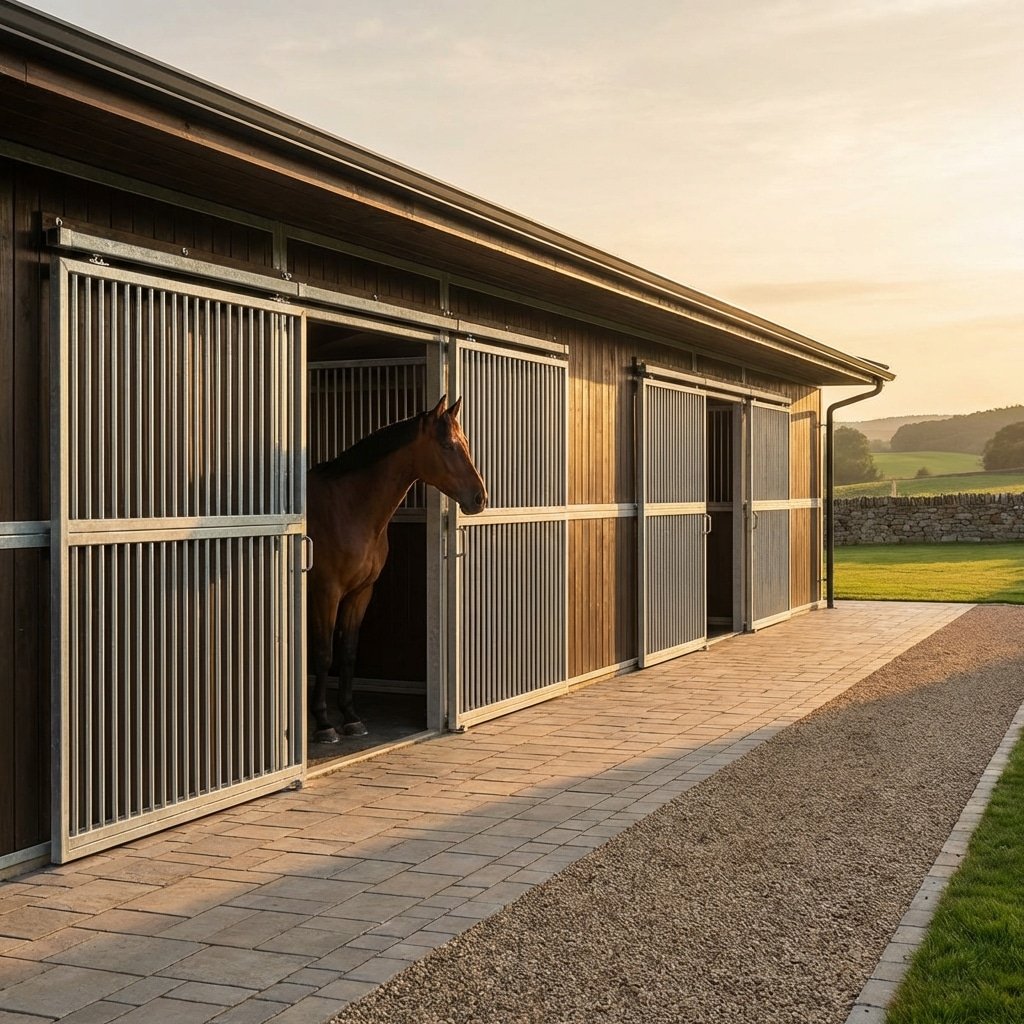
UK Horse Stables: Choosing Sliding Stall Fronts for BHS Compliance
Sourcing compliance-ready horse stables for the UK market demands strict adherence to British Horse Society welfare guidelines. Traditional hinged doors often fail in narrow heritage barns, creating dangerous obstruction hazards that increase operator liability and...
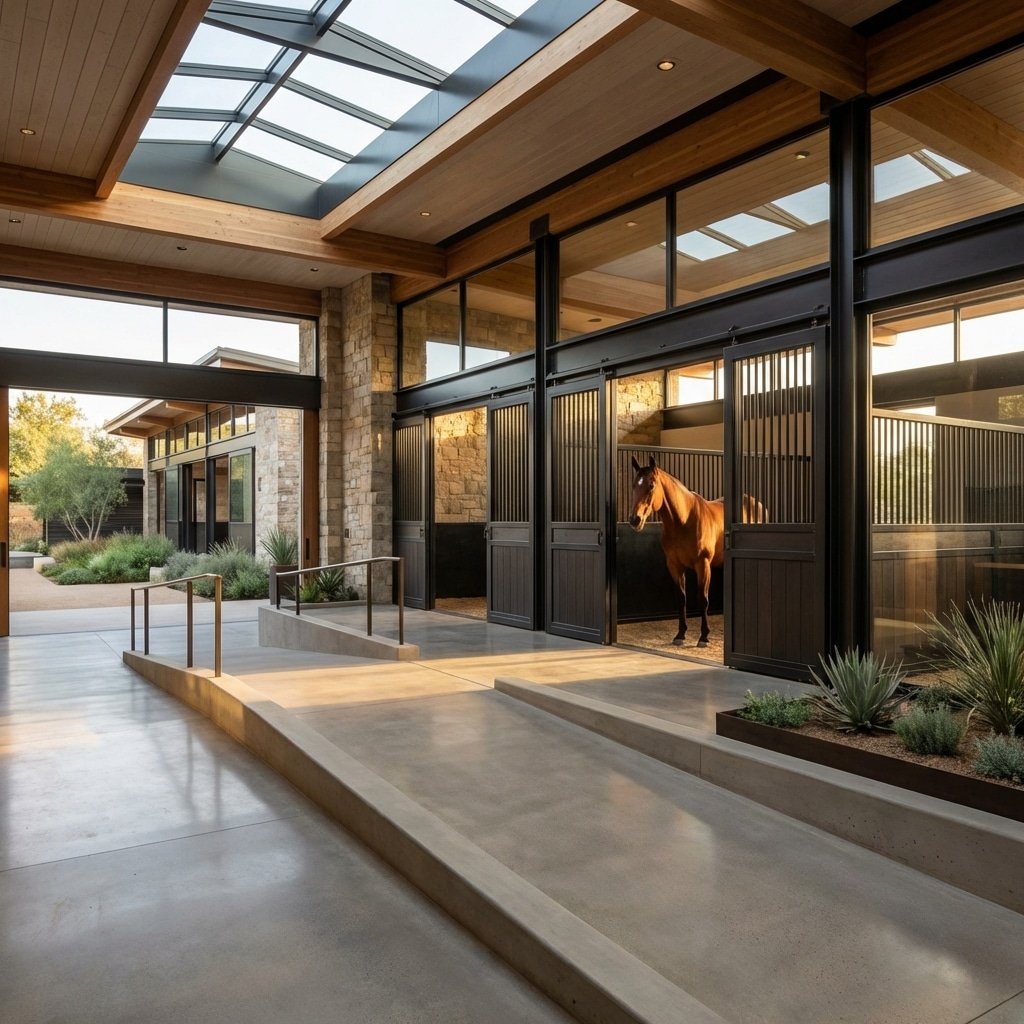
Les meilleurs fournisseurs d'équipements pour centres d'équitation thérapeutique et centres conformes à l'ADA
Therapeutic Riding facility design demands engineering that exceeds standard agricultural specifications to mitigate liability risks. Installing generic stable fronts often results in accessibility bottlenecks and increased injury claims from catching mobility devices...

Installing Modular Horse Stalls Over Wash Bay Trench Drains
Integrating Trench Drains into commercial wash bays often forces builders to choose between drainage efficiency and structural integrity. Installing solid-base stall fronts directly over these channels creates a dam effect that traps corrosive ammonia and accelerates...
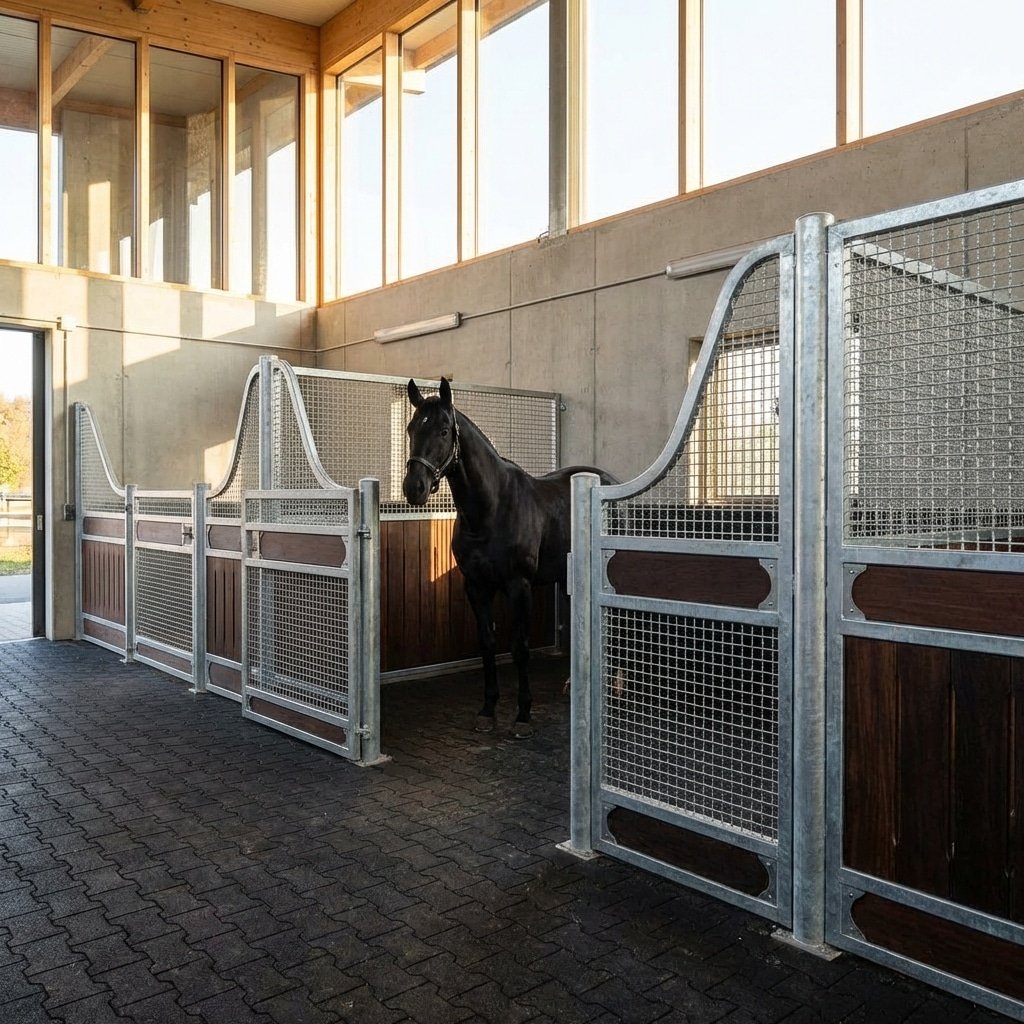
Stalles pour chevaux allemands : Séparateurs à mailles robustes pour Warmbloods
Equipping facilities in Germany for large Warmbloods requires engineering that exceeds standard 2.2m limitations. Athletic breeds like Hannoverians generate massive kinetic force, making standard Q235B steel a significant liability for professional yards where injury...
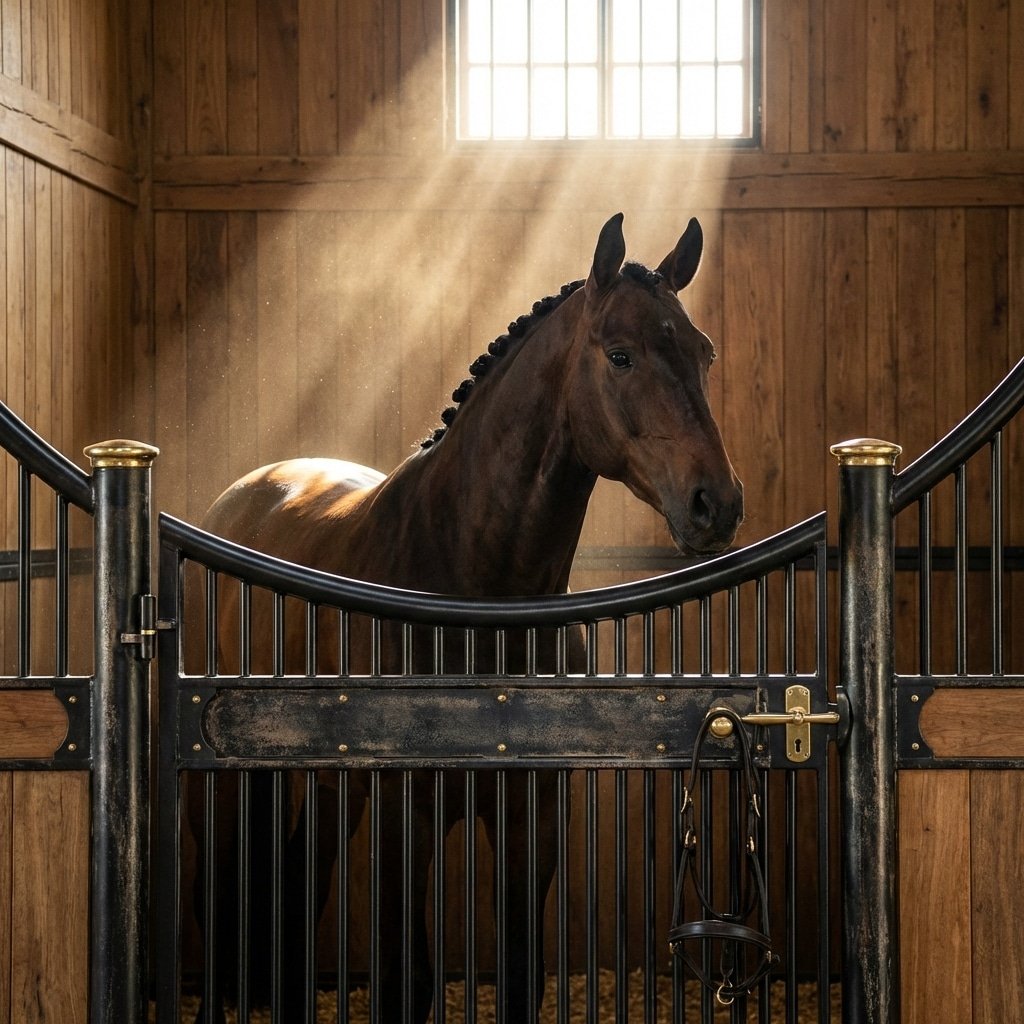
Can a Horse Bend a 1-Inch Steel Tube in a Horse Stall Grill?
Calculating tube bending force is the only reliable method to predict if a stall front will survive a direct hoof strike or collapse into a liability claim. While standard 16-gauge tubing offers lower upfront costs, it lacks the mass to withstand point-impact, often...

Spoga Horse contre la Foire de Canton : à la recherche de fournisseurs lors des salons professionnels internationaux
Strategic Trade Show Sourcing is the decisive factor for procurement teams balancing strict budget cuts against rising raw material costs. While Spoga Horse defines the aesthetic standard for modern stables, the Canton Fair remains the engine for scalable B2B...
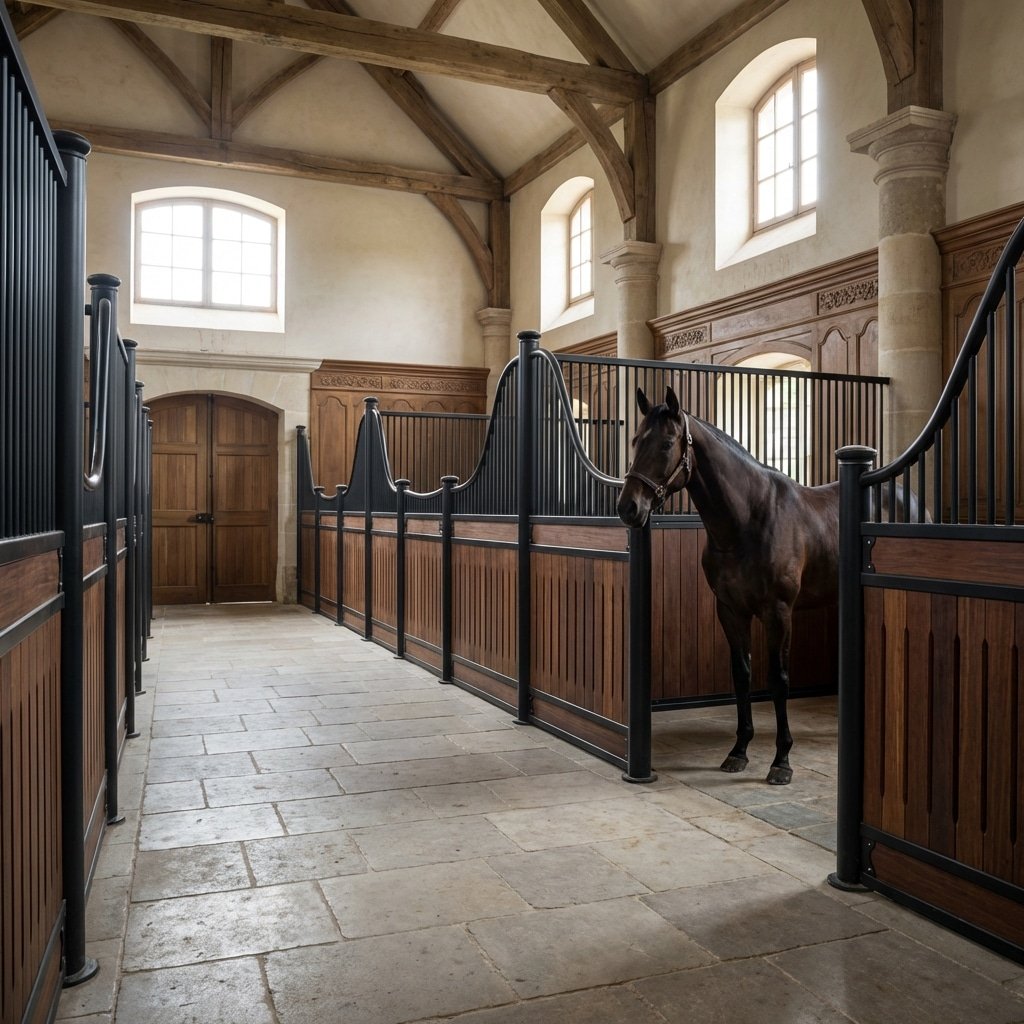
French Equestrian Elegance: Bamboo Horse Stall Fronts vs. Oak
Sourcing equestrian infrastructure for France demands a rigorous balance between Renaissance aesthetics and structural longevity. Relying on traditional oak in damp climates often results in warped joinery and costly maintenance cycles that undermine the value of a...
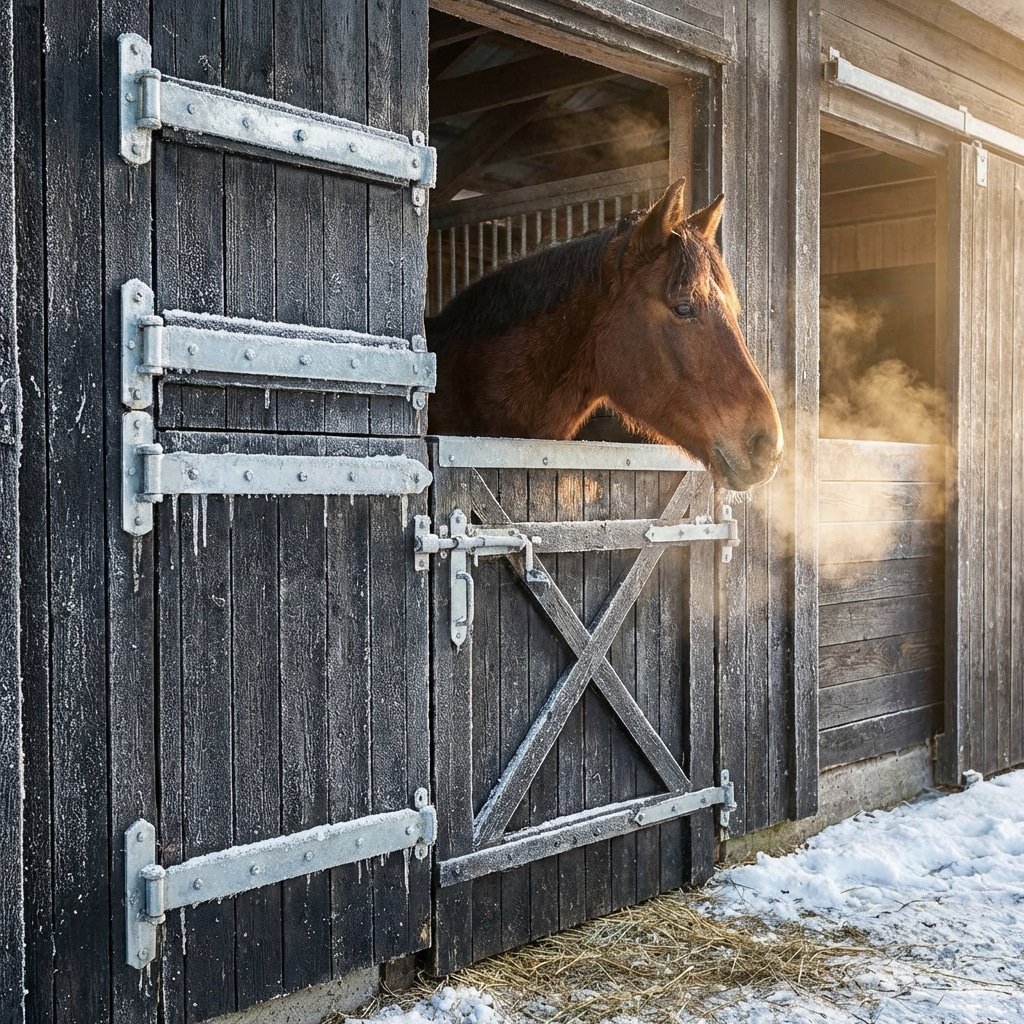
Preventing Squeaky, Frozen Hinges on Horse Stable Doors
Hinge freezing is a preventable mechanical failure that spikes facility maintenance costs during northern winters. When condensation enters standard welded knuckles, it creates an ice wedge that seizes the door, often requiring invasive grinding to release. Relying on...
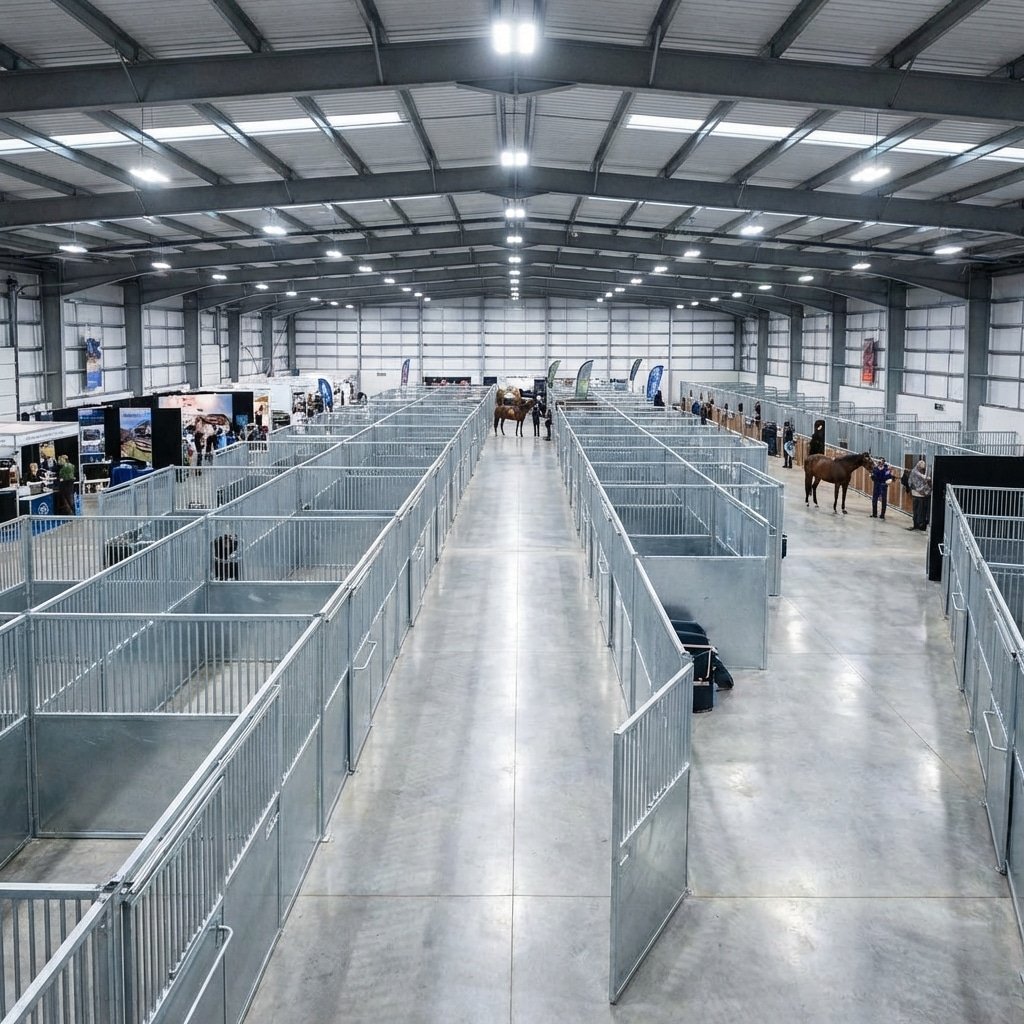
Principaux fabricants de stabulation en vrac pour les foires d'État et les centres d'exposition
Modern State Fairgrounds lose substantial margin by treating stabling infrastructure as a recurring rental expense rather than a capital asset. Reliance on third-party rental contracts drains budgets through compounding setup labor and logistics markups that often...
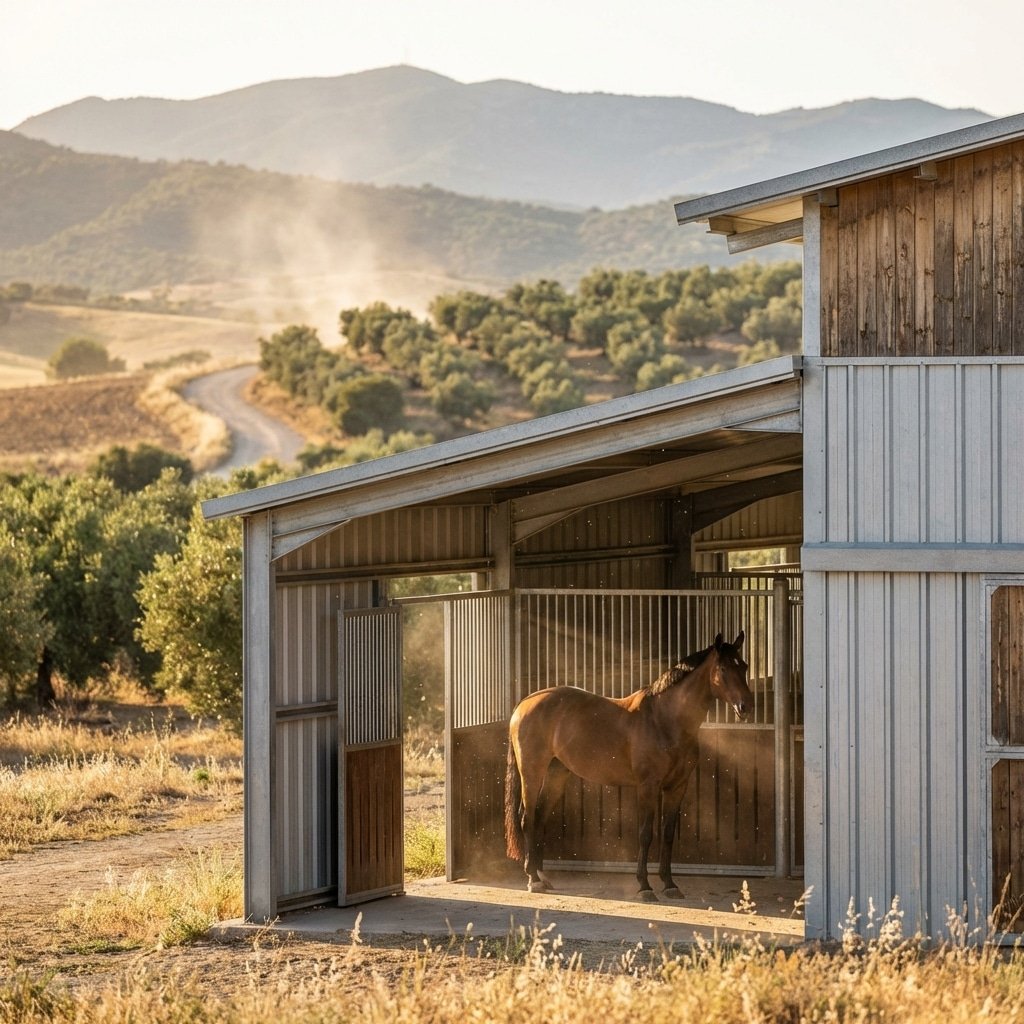
Les étés espagnols : Kits de box ventilés autoportants pour chevaux
Equine operations in Spain face aggressive thermal challenges where standard stabling often leads to costly heat stress incidents. Relying on enclosed masonry structures increases veterinary overhead and dehydration risks compared to open-air designs that prioritize...
 French
  English
  Spanish
  Arabic
  German