


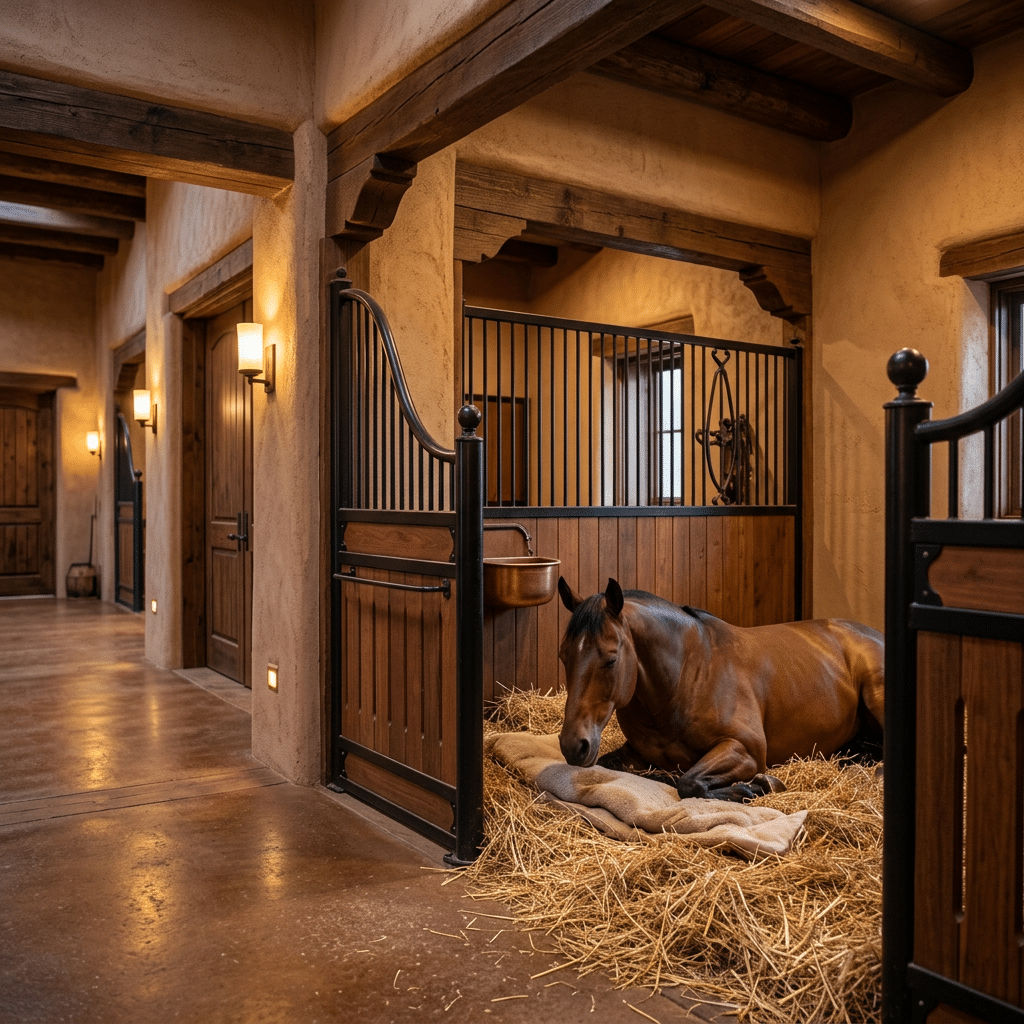
Sub-Zero Brittleness is a critical risk for stable operators in arctic climates. A horse kick can cause standard Q235 steel frames to fracture without warning, leading to catastrophic failure and severe animal injury. This failure isn’t a simple repair cost; it’s a direct threat to high-value livestock and operational safety.
This analysis directly compares material performance under impact. We test Q235B structural steel against Q345B high-alloy steel, the specification for superior low-temperature impact toughness. The data shows which material prevents brittle fractures and ensures the kick-proof integrity required for harsh winter conditions.
El auge de la gobernanza ambiental y social en la construcción
By 2026, ESG in construction shifts from voluntary efforts to mandatory compliance. It now demands verifiable data on whole-life carbon, supply chain emissions, and certified standards.
The Shift to Mandatory Reporting and Supply Chain Transparency
ESG is no longer a “nice-to-have” section in an annual report. For construction projects, it’s becoming a hard requirement with real financial consequences. The focus has moved beyond a building’s operational energy use to a complete whole-life carbon assessment. This means accounting for Scope 3 emissions—the carbon footprint of every material and process in the entire supply chain, from raw material extraction to transport and fabrication.
Investor and regulatory pressure is forcing this change. Reporting is standardizing around frameworks like TCFD (Task Force on Climate-related Financial Disclosures). Companies that can’t provide audited, verifiable data using these standards will face higher costs of capital and risk being excluded from major projects. Vague sustainability claims are out; proof of delivery is in.
Verifiable Standards: The Role of ISO 1461 Galvanization
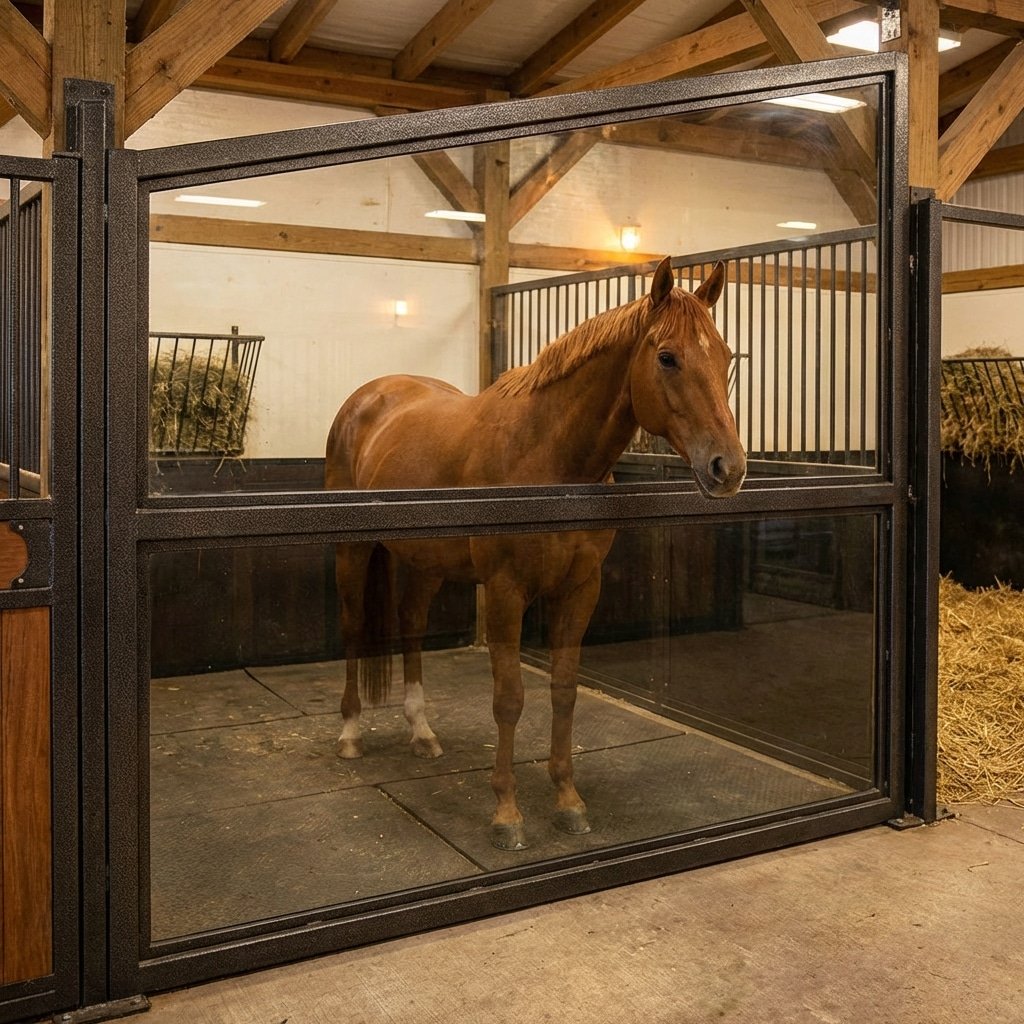
This demand for proof makes auditable manufacturing standards incredibly valuable. ESG compliance needs tangible, third-party-verified data, not just corporate promises. A clear example is specifying steel components that conform to BS EN ISO 1461 for galvanización en caliente. This isn’t just about rust protection; it’s a verifiable ESG credential.
Adhering to ISO 1461 guarantees a specific zinc coating thickness—typically averaging over 70 microns on structural tubing. This thick, bonded coating dramatically extends the product’s service life, minimizing the need for costly and carbon-intensive replacements. By preventing premature failure and reducing waste, this single, verifiable standard directly contributes to a lower whole-life carbon footprint for the entire structure.
Alejarse de la madera antigua (roble/pino)
Old-growth timber costs more and raises ecological concerns. Modern materials like high-density bamboo and HDPE provide better durability, rot resistance, and sustainability for today’s horse stables.
The Sustainabi
lity and Cost Problem with Traditional Wood
The market for traditional old-growth timber is tightening. These woods are now scarce, and the cost to find and salvage reclaimed beams is high. This price pressure is pushing barn builders to find practical alternatives.
Beyond cost, there’s the ecological reality. Hardwoods like oak take decades to mature, making them unsustainable for large-scale use. The slow growth cycle can’t keep up with demand without significant environmental impact, a major red flag for any project with ESG goals.
Even new-growth lumber isn’t a direct replacement. Modern, faster-growing pine lacks the density and resilience of its old-growth predecessors. In the damp, high-impact environment of a horse stable, it just doesn’t perform, leading to rot and earlier replacement.
Modern Infill Solutions: High-Density Bamboo and HDPE
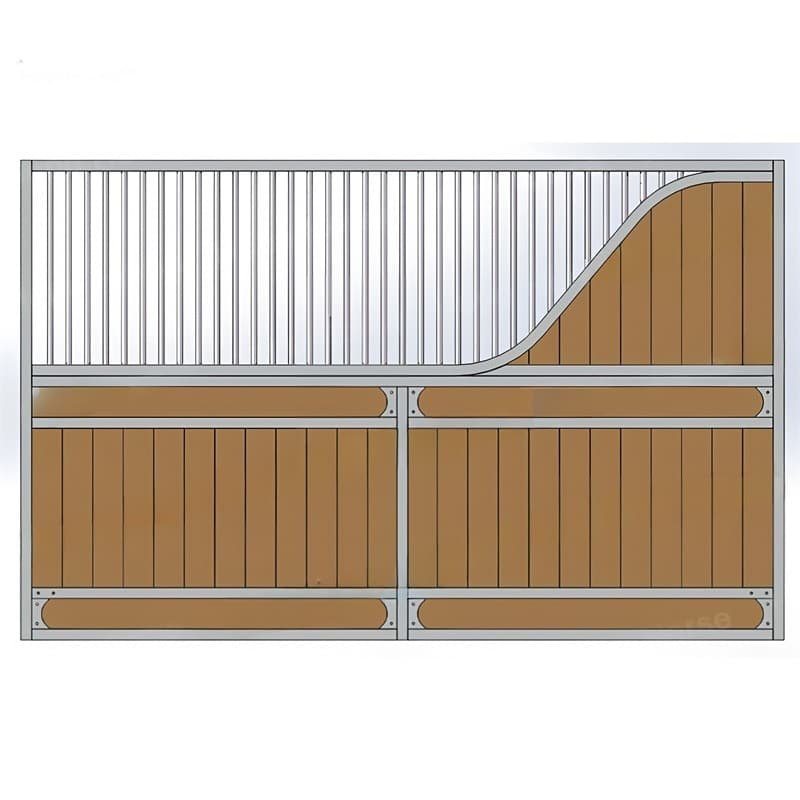
The problems with traditional wood forced the industry to innovate. We moved to two primary infill materials that directly solve for durability, safety, and sustainability.
- Bambú de alta densidad: This isn’t decorative bamboo. It’s a strand-woven material that is three times harder than oak. Its density makes it naturally resistant to mold, rot, and moisture absorption, a critical feature for any stable.
- UV-Stabilized HDPE: High-Density Polyethylene offers a true zero-maintenance solution. It won’t crack, fade, or rot. It also absorbs impact from kicks, making it a safe, quiet, and kick-proof option that lasts indefinitely without any upkeep.
Custom Horse Stables for Any Climate
Las mejores fábricas adoptan materiales sostenibles
Top factories now integrate renewable energy and circular economy principles. Digital monitoring and zero-waste goals are the new standards for industrial sustainability and climate resilience.
The shift from voluntary ESG goals to mandatory compliance is pushing manufacturers to adopt sustainable practices. The most forward-thinking factories are not just meeting minimum standards. They are redesigning operations around renewable energy, advanced digital monitoring, and circular economy principles to reduce environmental impact.
| Factory | Ubicación | Key Sustainability Features |
|---|---|---|
| Siemens Electronics Works Chengdu (SEWC) | China | WEF Sustainability Lighthouse; achieved a 24% energy reduction per unit, a 48% waste reduction, and a 3,000-tonne annual CO₂ reduction since 2019 using digital twins and AI. |
| Nestlé Surčin | Serbia | Operates on a zero waste to landfill principle, where all waste is either recycled or recovered for other uses. |
| Procter & Gamble Taicang | China | Runs on 100% renewable electricity, uses advanced water management like rainwater harvesting, and sends zero manufacturing waste to landfill. |
| Lego Factory | Vietnam | Scheduled to run on 100% clean energy by 2026, powered by 12,400 rooftop solar panels and a large-scale battery storage system. |
| Schneider Electric | Spain | The Barcelona facility achieved zero CO₂ status with an integrated microgrid that includes solar power, battery storage, and EV charging. |
| IKEA Zbąszynek | Poland | Part of IKEA’s initiative where 408 factories and suppliers switched to 100% renewable electricity by 2023, targeting net-zero by 2050. |
| Tesla Gigafactory | China | Focuses on minimizing waste and maximizing energy efficiency in the production of electric vehicles through advanced manufacturing processes. |
These facilities show a clear pattern. The focus is on integrating renewable energy sources, achieving zero-waste-to-landfill status, and using digital tools for carbon tracking. These aren’t small investments. They represent a fundamental commitment to resource efficiency that is becoming the new baseline for competitive manufacturing.
Bambú tejido en hebras: Un sumidero de carbono de alto rendimiento
Strand-woven bamboo rapidly absorbs atmospheric CO2, then locks it into extremely dense planks used for stables, storing the carbon for the product’s long lifespan.
Efficient Sequestration During Growth
Bamboo is a carbon-capture powerhouse. It sequesters an estimated 35.7 tons of carbon per hectare annually, significantly outperforming traditional hardwoods. The plant’s rapid maturation cycle allows for sustainable harvesting, which in turn promotes new growth and continuous carbon absorption from the atmosphere.
Long-Term Storage in High-Density Planks
The captured carbon isn’t a temporary benefit. Our strand-weaving process creates planks with a density of 1,080–1,200 kg/m³, physically locking that carbon into a solid, heavy material. With a Janka Hardness exceeding 3000 lbf, these 28mm to 38mm thick planks provide decades of service life in tough stable environments. This durability ensures the carbon remains stored instea
d of being released back into the atmosphere.
Acero Q235B: La estructura reciclable 100%
Q235B structural steel is 100% recyclable without losing quality. This provides a long-lasting stable frame that can be fully repurposed, eliminating future landfill waste.
The Circular Lifecycle of Structural Steel
Unlike many other materials, steel can be melted down and reformed into new, high-quality products an infinite number of times without degrading its structural properties. This closed-loop process reduces the need for raw ore mining and significantly lowers the energy consumed when producing new steel.
Q235B: A Foundation of Strength and Sustainability
Our standard stable frames are constructed from Q235B structural steel, a material known for its reliability and strength, equivalent to ASTM A36. By building with a fully recyclable material, the stable’s framework offers both robust performance for equine safety and a responsible end-of-life solution.
Preguntas frecuentes
How do I build an ESG compliant equestrian center?
Building an ESG compliant equestrian center involves a structured approach across environmental, social, and governance pillars. Key actions include using renewable energy like solar panels, implementing water harvesting systems, reducing CO2 emissions, ensuring employee welfare, and establishing transparent governance. Prioritizing horse welfare is a foundational component of any ESG strategy in the equestrian industry.
Is bamboo a sustainable infill material for horse stables?
Yes, bamboo is an exceptionally sustainable material for stable infills. It grows much faster than traditional timber, sequesters significant amounts of carbon, and is potentially carbon-negative. Engineered bamboo is extremely durable, with a tensile strength greater than wood and a strength-to-weight ratio exceeding steel, making it a strong, eco-friendly choice.
Which is more environmentally friendly: a steel or a wood barn?
Over their entire lifecycle, steel barns are generally more environmentally friendly than wood. Steel is 100% recyclable without losing strength, while treated wood often ends up in landfills. Steel structures are also more durable, resisting rot, pests, and fire, which gives them a longer lifespan and reduces the need for replacement and repairs.
Are there official green certifications specifically for horse stables?
Currently, there are no established ‘green certifications’ specifically branded for horse stables. While general facility management certifications exist, they do not focus on environmental credentials. The trend is towards adopting sustainable practices like effective water management and renewable energy as part of responsible equine facility operation.
What are some key features of an eco-friendly horse stable?
Eco-friendly stables often incorporate features like solar panels for renewable energy, rainwater collection systems for water management, and designs that maximize natural light and ventilation. The choice of materials is also critical, with a trend towards using sustainable options like mass timber, recycled steel, and rapidly renewable resources like bamboo.
Reflexiones finales
Generic steel saves on the initial invoice, but that cost reappears with the first winter kick that shatters a frame. For your market, specifying Q345B low-temp steel and verifiable ISO 1461 galvanizing is non-negotiable. It’s the only way to protect your reputation and deliver the safety your clients expect.
The specifications prove compliance; the physical product proves quality. Request our dealer catalog and material samples to feel the difference in density and finish. Our team is ready to help you configure a trial order or discuss OEM specifications.

 Spanish
  English
  French
  Arabic
  German
0 comentarios