


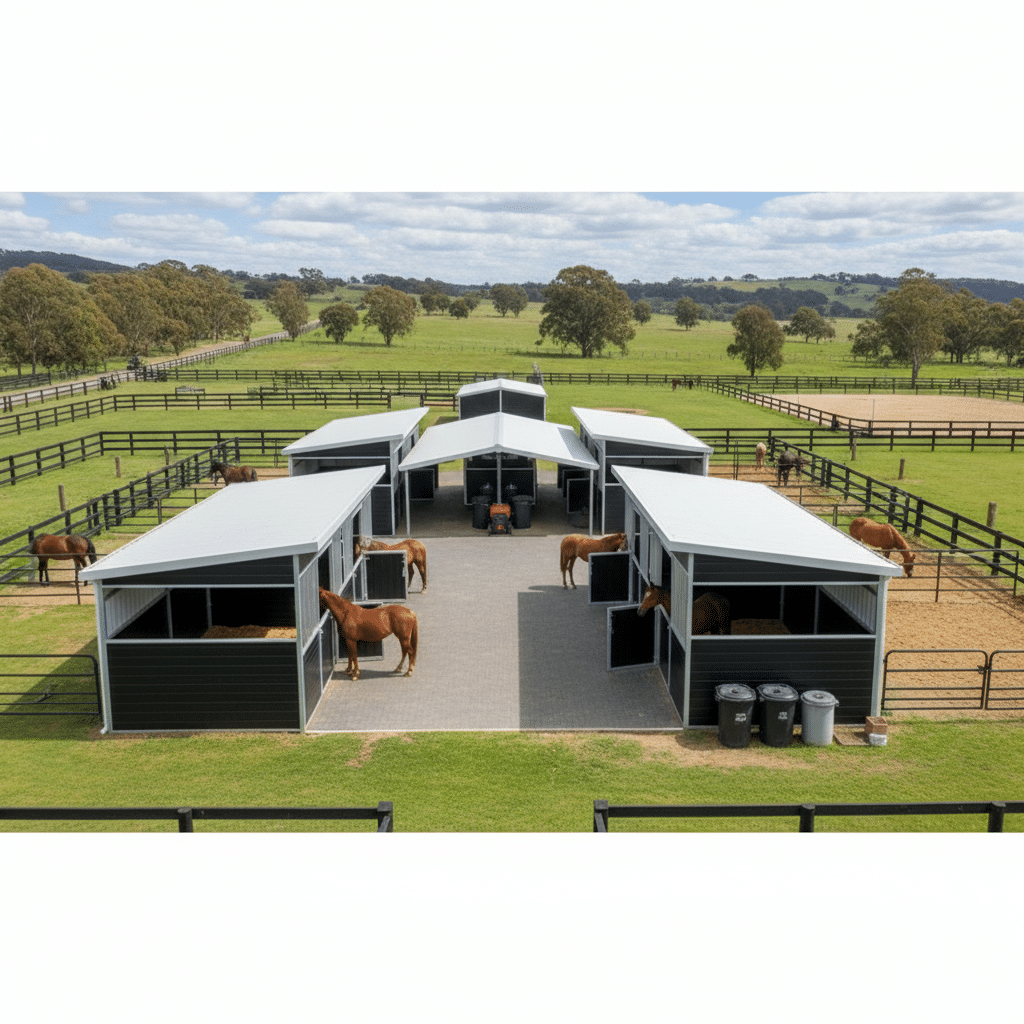
diy horse stable kits australia is the first checkpoint buyers should lock before they approve a supplier, budget, or production slot. You’ve just unloaded a flat‑pack DIY horse stable kit onto your Australian property. The instructions look simple enough, but in three years the frame could be rusting through if you picked the wrong galvanizing. That’s the gap between a weekend project and a recurring maintenance headache. Most buyers don’t realize that ‘hot‑dip galvanized’ isn’t a marketing line—it’s a measurable thickness threshold, and Australian UV and coastal salt will expose the cheap stuff fast.
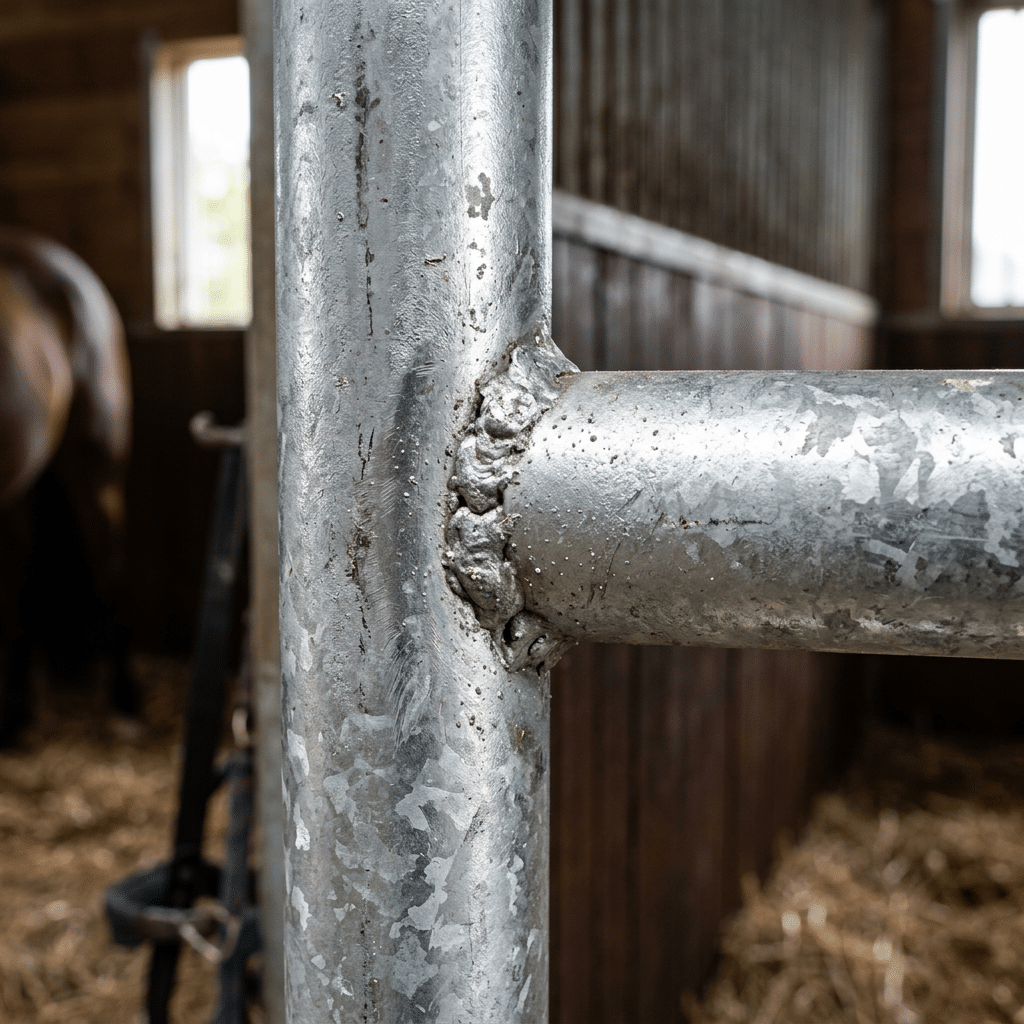
Let’s cut through the hype. Pre‑galvanized steel (under 20µm of zinc) starts to pit after two summers in Queensland’s coastal breeze. DB Stable’s kits use hot‑dip galvanizing per ISO 1461 with a minimum 85µm layer—that’s a 20‑year rust warranty, not a 3‑year gamble. And if you’re comparing welded frames from brands like Guerilla Steel, ask yourself: can you swap a damaged panel without cutting the whole structure? A bolted modular design lets you replace or reconfigure without a grinder. That’s the kind of real‑world flexibility that saves days of labour when you scale from four stables to twenty.
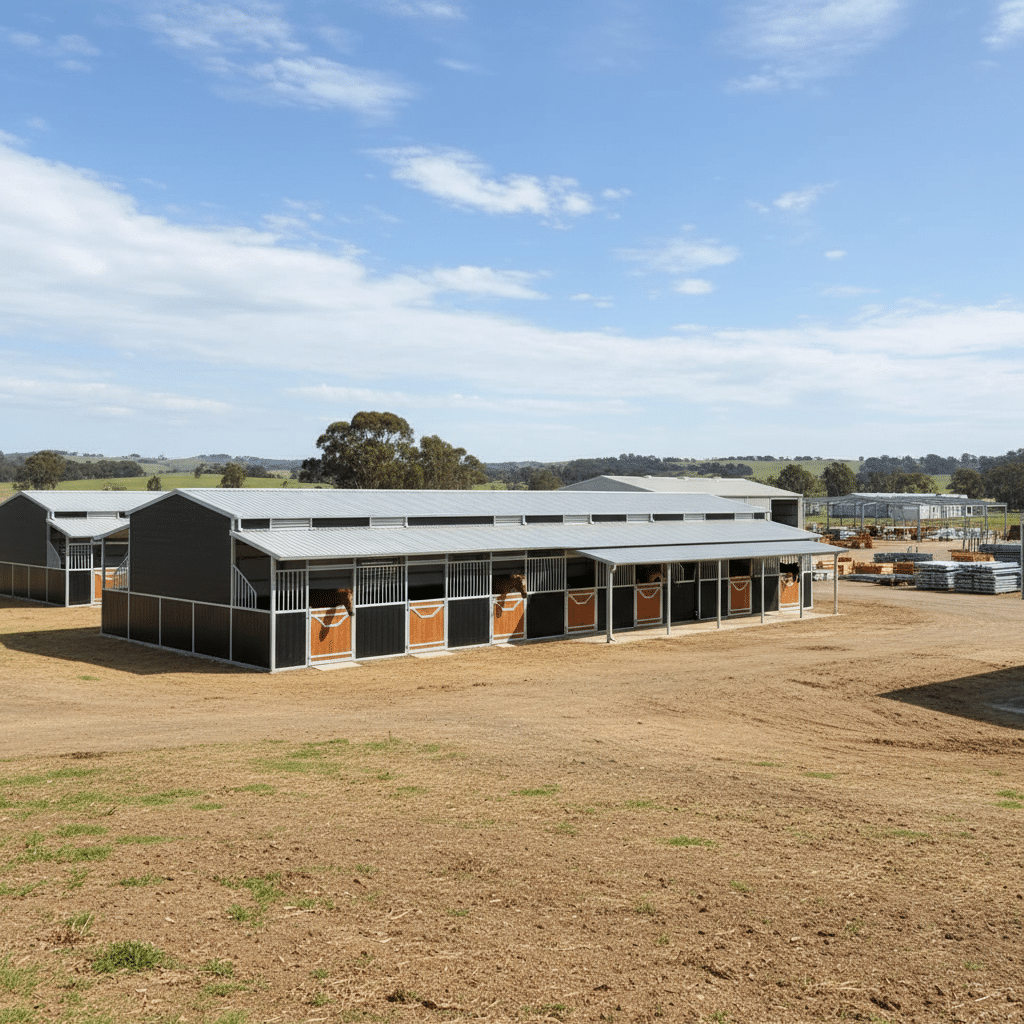
Why Australian Climate Destroys Cheap Stable Kits
UV index 30+ in summer kills pre-galvanized steel in under 3 years.
Australian UV index hits 30+ in summer — that’s enough to break down non-UV-stabilised PVC coatings within two years. The same radiation accelerates zinc corrosion on pre-galvanized steel. Cheap kits (<20µm zinc) start rusting by year three, especially in coastal humidity.
Hot-dip galvanizing per ISO 1461 deposits a zinc layer of 85µm or thicker. That’s the only coating that stands up to Australian conditions — 20+ years of rust resistance. Every DB Stable frame is hot-dip galvanized, and we provide test certificates with every bulk shipment.
- Infills that survive: Termites and high humidity destroy ply and pine within a few years. DB Stable uses bamboo (density >600 kg/m³, UV-stabilized for 15 years) or HDPE panels. Both are termite-proof and won’t delaminate under 40°C heat.
- Steel gauge scam: Many Asian suppliers advertise 1.5mm wall thickness but ship 1.2mm. DB Stable uses 2.0mm hot-dipped steel for all framing. We include a gauge certificate with every order so your inspector can verify on arrival.
- Bolted vs welded: Guerilla Steel sells welded frames that can’t be adapted. If a panel corrodes or bends in transport, you replace the whole frame. DB Stable’s CNC-cut bolt-together design allows swapping individual panels — critical for coastal facilities where corrosion hits unevenly.
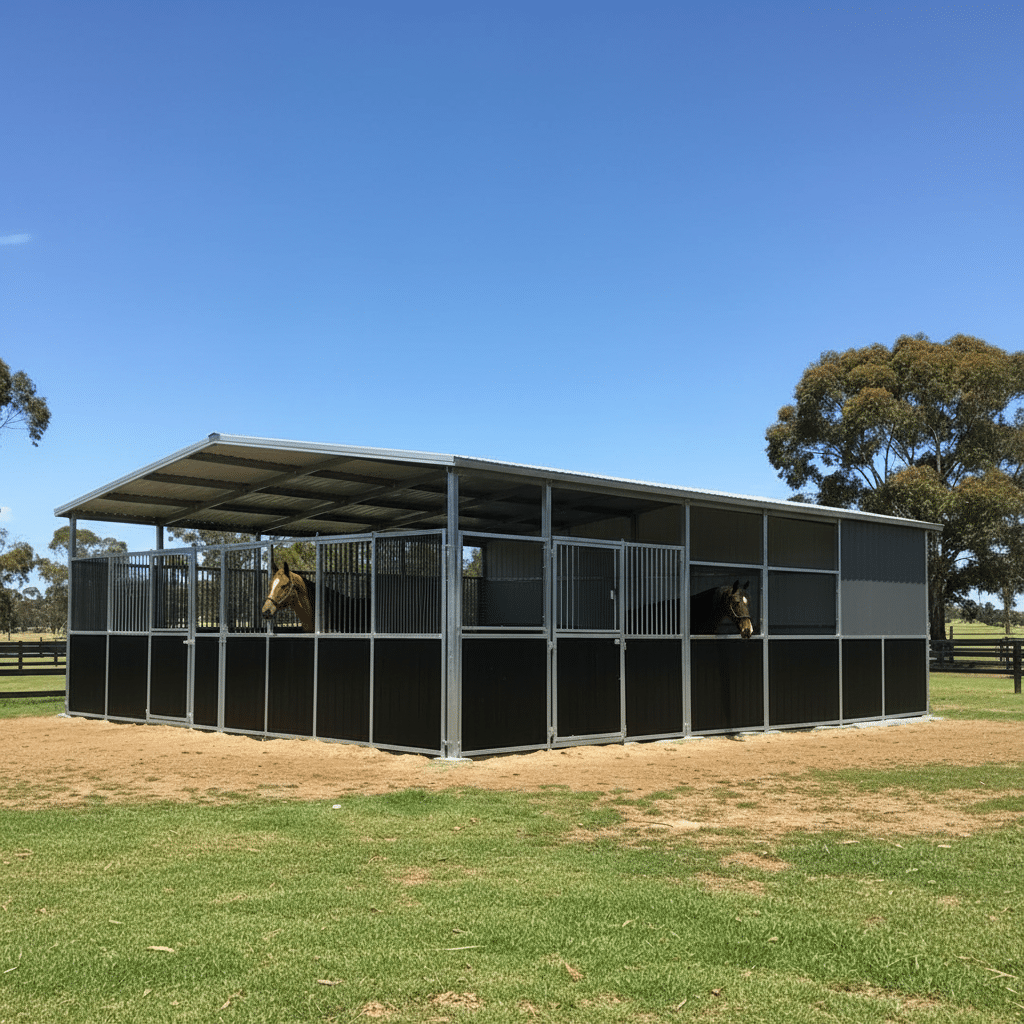
5 Common DIY Assembly Mistakes – and Their Costs
Five assembly errors cost 4–8 hours per stall.
The five mistakes below account for roughly 80% of field complaints observed from Australian DIY stable kit installations. Each has a measurable cost in time or money. The fixes are straightforward if you follow the factory specs.
- Skipping the compacted gravel base: Panels sink unevenly, doors bind, and alignment shifts. Re‑leveling later costs $200–$500 per stall. Requirement: a 100‑mm compacted gravel pad with ≤0.5° slope. DB Stable includes a shim kit (5/10/15 mm) to correct minor deviations, but it cannot fix a missing base.
- Overtightening anchor bolts: Cracks bracket flanges and strips threads. DB Stable tests show the maximum safe torque is 40 Nm. Use a torque wrench, not an impact driver. Undertightening (<30 Nm) allows movement; overtightening (>50 Nm) cracks the galvanized coating.
- Misaligning panel clips: Forcing misaligned clips bends the connectors and creates gaps. DB Stable stamps pre‑marked alignment marks on each panel (CNC tolerance ±1 mm). Align marks within 2 mm before tightening. If marks are off, verify panel orientation — the holes are symmetrical only on matching pairs.
- Overtightening webbing (bamboo infill): Bamboo fibres fracture under compression. Leave 5 mm slack in the webbing straps. DB Stable bamboo infill (density >600 kg/m³) retains structural integrity with that gap. Tensioning flush causes hairline cracks within 6 months in Australian heat.
- Assembling in wind: Panels (40–60 kg each) act as sails. A gust can flip a wall panel, bending the hot‑dip galvanized frame. Assemble indoors or use temporary guy lines anchored to ground stakes. If caught by wind, total wasted labour is 4–8 hours per stall because disassembly and re‑alignment are required.
All five mistakes are preventable with the included DB Stable assembly guide, which specifies torque, alignment procedure, and recommended wind limits. The guide also references the 0.5° slope limit for gravel pads — a detail most competitor kits omit.
| Error | Descripción | Consecuencia | Cost to Fix | Preventive Measure |
|---|---|---|---|---|
| Skipping compacted gravel base | Placing stable kit on unprepared ground without a level, compacted gravel base. | Panels sink unevenly, doors bind, structural misalignment. | $200–$500 re-leveling | Excavate 150mm, add compacted gravel base, ensure slope < 0.5° |
| Overtightening anchor bolts | Applying torque beyond specification (40 Nm max) when securing bolts. | Cracks brackets, weakens frame joints, premature failure. | Replacement brackets ~$80–$150 | Use torque wrench set to 40 Nm; never exceed |
| Misaligning panel clips | Failing to use pre‑marked alignment marks when joining panels. | Gaps between panels, water ingress, unstable walls. | Disassembly and reassembly 2–3 hrs | Align marks before tightening; DB Stable CNC holes guarantee ±1mm fit |
| Overtightening webbing (bamboo infill) | Pulling bamboo infill webbing too tight during installation. | Fiber fracture, cracking, reduced termite‑resistance lifespan. | Replace infill panel ~$100 | Leave 5mm slack in webbing; bamboo density >600 kg/m³ handles movement |
| Assembling in high wind | Building panels in gusty conditions without temporary tie‑downs. | Panels act as sails, can fall over causing injury or damage. | Damaged panels $150–$300; safety risk | Assemble indoors or use temporary guy lines; avoid wind >20 km/h |
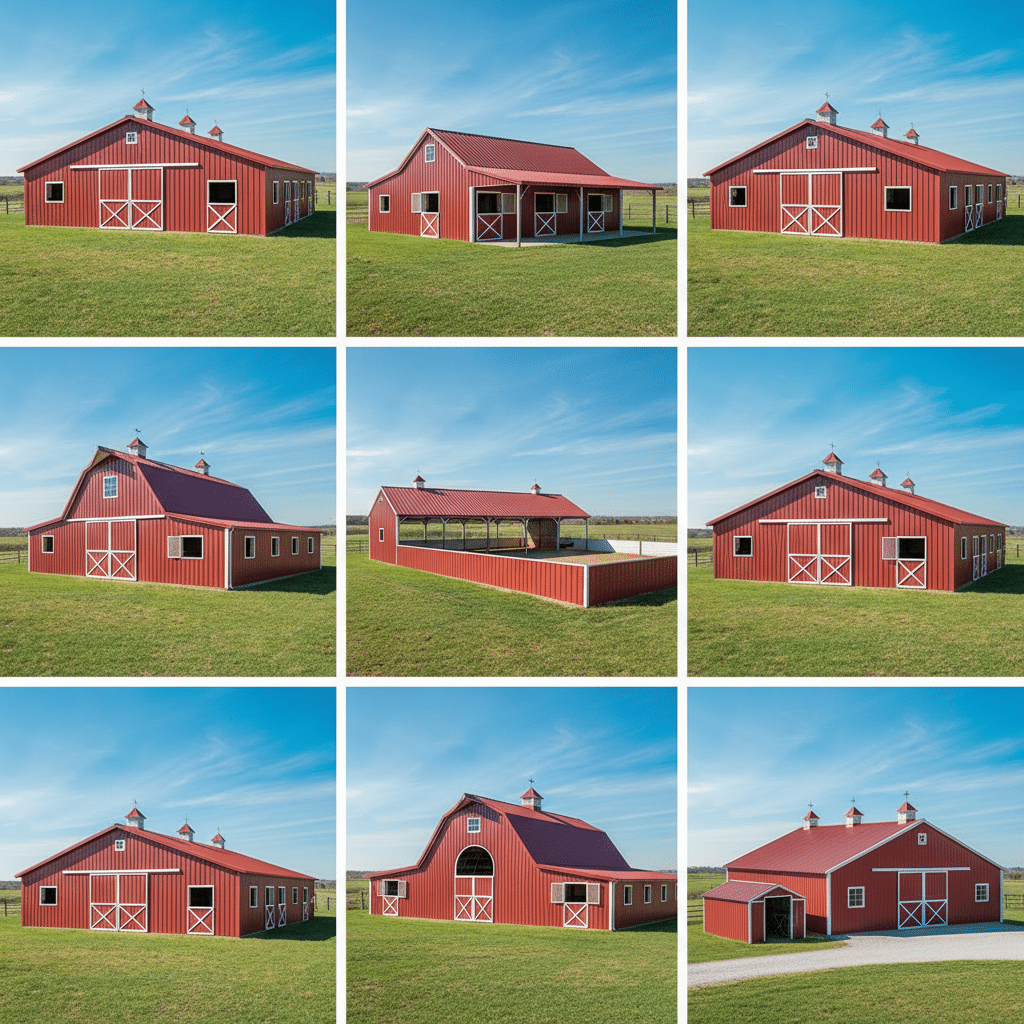
Guerilla Steel vs. DB Stable: What’s Really Inside Your Kit?
Welded frames lock you into one layout.
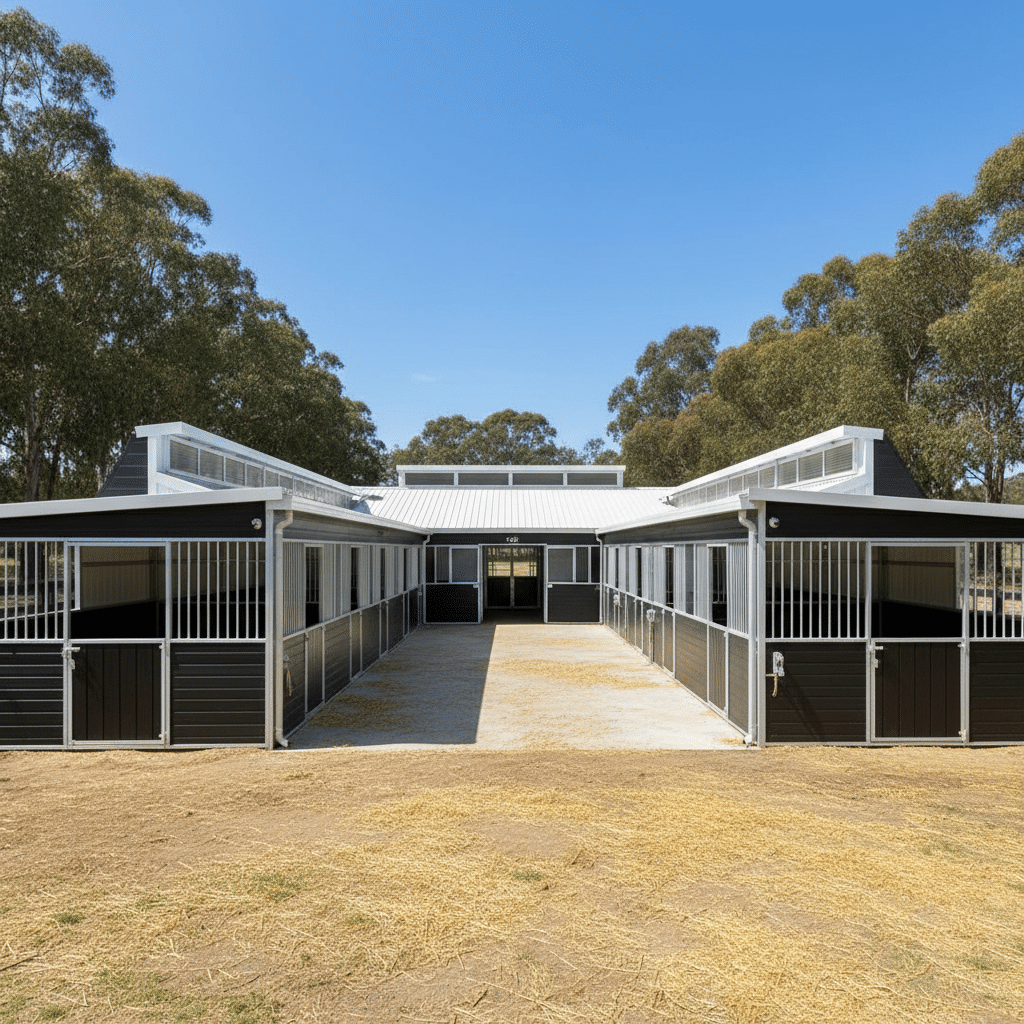
Guerilla Steel markets their welded frames as a strength—2.4m tall, Monoclad roofing, ply+mesh panels, ‘build in a day’ with two people. The problem: once welded, you cannot swap a panel if it damages or if you want to reconfigure. Plywood swells in Australian humidity, and the welded frame prevents easy replacement. DB Stable takes a different approach: CNC-cut, hot-dip galvanized steel panels (2.0mm wall thickness, ISO 1461 compliant) bolted together. The bamboo infill (density >600 kg/m³) is UV-stabilized and termite-resistant, rated for 15 years. Assembly takes 4–6 hours with two people—comparable time—but the materials are built for the long haul. Every kit includes a printed assembly guide specific to Australian building codes and a shim set (5, 10, 15mm) to handle uneven ground.
- Frame Construction: Guerilla Steel: welded steel, 2.4m tall. DB Stable: modular bolt-together, CNC-cut hot-dip galvanized steel (2.0mm).
- Material de relleno: Guerilla Steel: plywood + mesh (swells in humidity). DB Stable: bamboo (>600 kg/m³) or HDPE – UV-stabilized, termite-resistant.
- Galvanization: Guerilla Steel: pre-galvanized (<20µm) – fails in 3 years. DB Stable: hot-dip galvanized (85µm+) – 20-year rust resistance per ISO 1461.
- Assembly Time: Both claim 4–6 hours with two people. DB Stable includes labeled parts, torque chart (40 Nm max), and anchor template.
- Reconfigurability: Guerilla Steel: welded – cannot be dismantled. DB Stable: bolted – panels can be swapped, expanded, or relocated.
- Site Support: Guerilla Steel: none mentioned. DB Stable: printed assembly guide (AUS codes), shim set, and regional Sydney hub support.
How DB Stable Kits Prevent These Failures
Every DB Stable kit ships with traceable ISO 1461 test reports.
- CNC tolerance checked before packing: All panel holes are cut on a CNC press with a ±1mm positional tolerance. If a hole is off by more than 1mm, the panel is rejected during factory QC. This means every bolt aligns during assembly without filing or forcing.
- Hot‑dip galvanising test certificate per ISO 1461: Every steel component gets a batch certificate showing zinc thickness ≥85µm. Pre‑galvanised steel (used by many cheaper kits) carries only <20µm and fails within 3 years in Australian coastal air. We refuse to skip this test.
- Bamboo infill density guaranteed >600 kg/m³: Our bamboo panels are factory‑tested for density and termite resistance. At 600 kg/m³ they stop termites and won’t soften under Australian UV for 15 years. No particleboard, no PVC wrap that bubbles in summer.
- Shim kit included for ground slope correction: Every kit contains 5mm, 10mm, and 15mm stainless shims. If the prepared pad has a slope under 0.5°, shims bring the base frame perfectly horizontal. This prevents door binding and panel stress on uneven ground.
- Labelled parts, torque chart, and anchor template: All fasteners are bagged and labelled per panel number. A printed torque chart specifies 40 Nm for every structural bolt. An anchor bolt placement template is included so you drill holes exactly where the base brackets sit. No guesswork, no stripped threads.
- Coastal rust protection verified to 20 years: The hot‑dip galvanising (85µm+) on every DB Stable frame delivers 20‑year rust resistance – even in salt‑rich coastal zones like Perth or Sydney beaches. Pre‑galvanised frames (<20µm) show rust within 36 months. We provide the lab data per shipment.
Conclusión
A DIY stable kit only performs as well as its installation and the steel inside it. Skipping the compacted gravel base or overtightening bolts to 40 Nm costs you time and money. Choosing pre-galvanized steel over hot-dip galvanized (ISO 1461, 85µm+) guarantees rust within three years under Australian UV – a $1,500+ per stall mistake over a decade.
Review the Soluciones para Australia page to compare kit specifications, check the hot-dip galvanizing certificates, and see the bamboo infill density data. That page shows exactly what you get before you place a bulk order.
Preguntas frecuentes
What is the cheapest way to build a horse stable?
The cheapest upfront option is a flat-pack kit using pre-galvanized steel, but that rusts in under 3 years under Australian UV. Hot-dip galvanized frames cost more initially yet save $1,500+ per stall over a. Invest in hot-dip galvanized for real long-term value.
Which way should a horse shelter face in Australia?
The provided material does not specify shelter orientation, but in Australian conditions a north-east facing opening is common to maximise winter sun and block summer heat. Local climate and prevailing. Consult local livestock guidelines or a regional account manager for your site.
What is the best size stable for a horse?
The best stable size depends on the horse’s breed and use, but most professional kits offer adjustable widths from 10×10 to 14×14 feet. DB Stable’s designs allow custom sizing, so match the. Pick a size that allows comfortable lying down and turning.
Can I assemble a DIY stable kit alone?
It is not recommended, as panel weight and wind loading make single-person assembly risky and prone to alignment errors. Plan for at least two people to avoid 4–8 hours of extra. Enlist a helper and work on a calm day or indoors.
How long does delivery take for kits to Australia?
Standard global delivery is 4–6 weeks, but expedited shipping from DB Stable’s Sydney regional hub cuts that to 1–2 weeks. Most bulk orders (10+ stables) qualify for the faster option. Confirm stock availability with your account manager for expedited delivery.

 Spanish
  English
  French
  Arabic
  German
0 comentarios