



Los establos para caballos en cuarentena no son negociables, ya que un solo fallo de bioseguridad puede desencadenar un brote en toda la instalación. Los establos construidos con materiales porosos o ventilación deficiente no cumplen los protocolos de desinfección, lo que provoca paradas operativas, la pérdida de la certificación y una responsabilidad financiera catastrófica.
Este análisis compara las principales características de los puestos con los requisitos empíricos de bioseguridad. Evaluamos el rendimiento de desinfección del HDPE no poroso, la integridad estructural del galvanizado por inmersión en caliente marcos de acero, y la dinámica del flujo de aire de la ventilación por efecto chimenea para definir un verdadero sistema listo para la cuarentena.
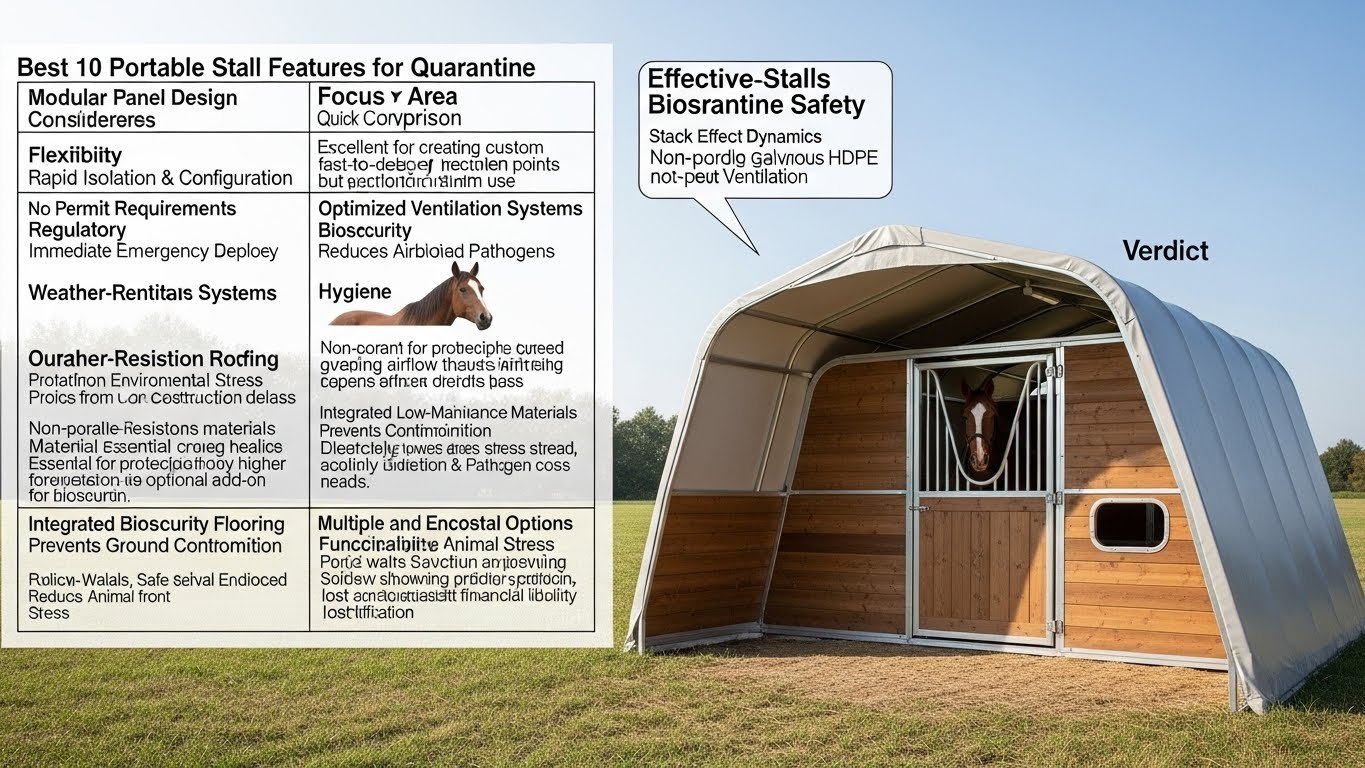
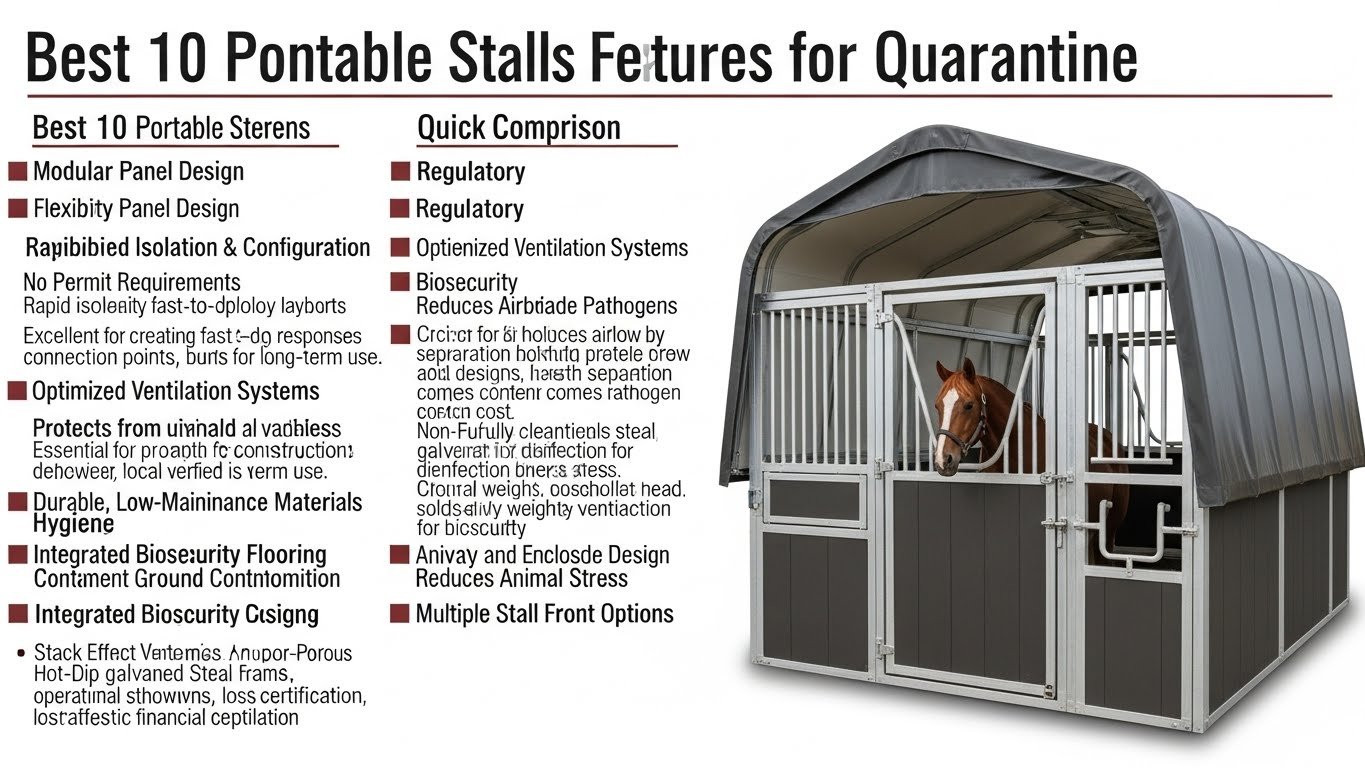
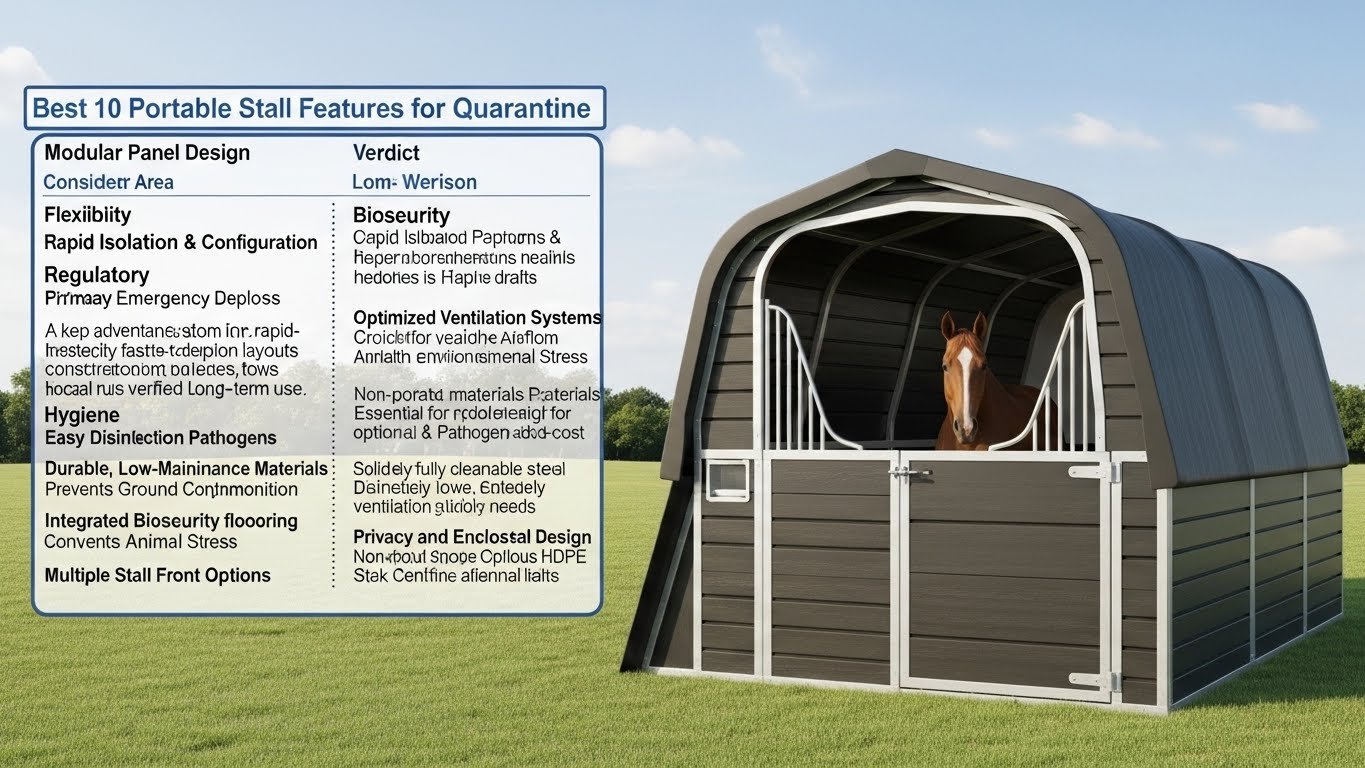
Las 10 mejores casetas portátiles para cuarentena
Comparación rápida
| Consideración | Área de interés | Beneficio principal | Veredicto |
|---|---|---|---|
| Diseño modular de paneles | Flexibilidad | Aislamiento y configuración rápidos | Excelente para crear diseños personalizados y rápidos de desplegar, pero la integridad de los puntos de conexión es fundamental para la contención. |
| Sin requisitos de permiso | Normativa | Despliegue de emergencia inmediato | Una ventaja clave para una respuesta rápida, evitando retrasos en la construcción. Sin embargo, deben verificarse las normas locales para su uso a largo plazo. |
| Sistemas de ventilación optimizados | Bioseguridad | Reduce los patógenos transportados por el aire | Crucial para la salud de los animales al equilibrar el flujo de aire con la separación, aunque un mal diseño puede crear corrientes de aire estresantes. |
| Cubiertas resistentes a la intemperie | Protección | Protege del estrés ambiental | Esencial para proteger a los animales vulnerables y ayudar a su recuperación, pero a menudo es un complemento opcional que aumenta el coste. |
| Materiales duraderos y de bajo mantenimiento | Higiene | Fácil desinfección y control de patógenos | No poroso materiales como el acero galvanizado son vitales para la desinfección, lo que justifica su mayor coste inicial para la bioseguridad. |
| Pisos de bioseguridad integrados | Contención | Evita la contaminación del suelo | Crea un entorno totalmente limpiable y contenido, pero añade un peso y una complejidad considerables a la portabilidad del sistema. |
| Privacidad y diseño cerrado | Bienestar animal | Reduce el estrés de los animales | Reduce eficazmente el estrés de los animales y limita la propagación de patógenos, pero las paredes sólidas deben equilibrarse cuidadosamente con las necesidades de ventilación. |
| Múltiples opciones de frontal de cabina | Funcionalidad | Permite una manipulación segura de los animales | Mejora la seguridad de los manipuladores al permitir cuidados con una exposición mínima, aunque los mecanismos más complejos pueden ser más costosos. |
| Configuraciones ampliables | Adaptabilidad | Se adapta al tamaño del brote | Una solución rentable y flexible que crece con las necesidades, pero las instalaciones más grandes requieren una planificación cuidadosa del emplazamiento. |
| Montaje y desmontaje rápidos | Logística | Despliegue y desinfección rápidos | Ideal para una respuesta de emergencia y una desinfección eficaz entre usos. El montaje seguro es rápido pero normalmente requiere dos personas. |
Recomendación superior
Diseño modular de paneles
El veredicto: Las situaciones de cuarentena suelen requerir el aislamiento rápido de animales individuales o grupos pequeños. Los sistemas modulares utilizan paneles que permiten una configuración inmediata y configuraciones sin retrasos en la construcción.
Lo bueno
- Permite diseños personalizados para cualquier espacio
- Permite configuración rápida con una mano de obra mínima
⚠️ Lo malo
- Los puntos de conexión deben ser robustos para garantizar la seguridad y la contención de los animales.
Característica principal
Sin requisitos de permiso
El veredicto: Los brotes de enfermedades y las emergencias de bioseguridad exigen una capacidad de cuarentena inmediata. Al estar clasificadas como estructuras temporales, normalmente pueden desplegarse al instante sin esperar a las autorizaciones de construcción.
Lo bueno
- Evita los retrasos habituales en la construcción
- Permite una respuesta rápida en situaciones críticas
⚠️ Lo malo
- En caso de instalaciones de larga duración o semipermanentes, debe comprobarse la normativa local.
Característica principal
Sistemas de ventilación optimizados
El veredicto: Un flujo de aire adecuado es fundamental para reducir la concentración de patógenos en el aire. Los mejores sistemas utilizan tabiques de malla para ventilación combinados con secciones inferiores sólidas para evitar el contacto directo entre animales.
Lo bueno
- Mejora la salud respiratoria
- Equilibra el flujo de aire con la separación física
⚠️ Lo malo
- Mal ventilación diseñada pueden crear corrientes de aire, estresando a los animales enfermos.
Característica principal
Cubiertas resistentes a la intemperie
El veredicto: Los animales en cuarentena son más vulnerables a los elementos. Integrado o los kits de techo opcionales proporcionan un refugio esencial del sol y la lluvia, lo que ayuda a prevenir complicaciones secundarias y favorece la recuperación.
Lo bueno
- Protege a los caballos vulnerables del sol y la lluvia
- Contribuye a un recuperación estable medio ambiente
⚠️ Lo malo
- El tejado suele ser un añadido opcional que aumenta el coste total.
Característica principal
Materiales duraderos y de bajo mantenimiento
El veredicto: Las instalaciones de cuarentena requieren un tratamiento frecuente y riguroso. limpieza. Materiales como la inmersión en caliente acero galvanizado y HDPE no poroso son cruciales, ya que resisten la oxidación y no absorben la humedad, lo que impide que se alojen agentes patógenos.
Lo bueno
- Las superficies no porosas son fáciles de desinfectar
- El acero galvanizado evita la corrosión de los limpiadores agresivos
⚠️ Lo malo
Característica principal
Pisos de bioseguridad integrados
El veredicto: Los animales enfermos desprenden agentes patógenos que pueden contaminar el suelo. Portátil alfombras de goma u otros suelos crean una superficie contenida y no porosa que evita la contaminación del suelo y simplifica la descontaminación.
Lo bueno
- Crea un entorno totalmente contenido y limpiable
- Mejora el confort y proporciona una superficie antideslizante
⚠️ Lo malo
- Añade peso y complejidad significativos a la configuración portátil.
Característica principal
Privacidad y diseño cerrado
El veredicto: La separación visual es clave para minimizar el estrés de los caballos en cuarentena, lo que favorece su respuesta inmunitaria. Las paredes sólidas o las vallas de privacidad reducen la ansiedad y evitan el contacto nariz con nariz, limitando el riesgo de transmisión directa.
Lo bueno
- Reduce los niveles de cortisol en animales estresados
- Actúa como barrera física contra la propagación de patógenos
⚠️ Lo malo
- Las paredes sólidas deben equilibrarse con elementos de ventilación adecuados.
Característica principal
Múltiples opciones de frontal de cabina
El veredicto: Los cuidadores deben proporcionar cuidados sin comprometer la bioseguridad. Características como las puertas divididas (puertas holandesas) o las ventanas de alimentación permiten alimentar, abrevar y observar de forma segura sin entrar completamente en el recinto. puesto.
Lo bueno
- Permite alimentar y regar con una exposición mínima
- Mejora la seguridad tanto del caballo como del cuidador
⚠️ Lo malo
- Los mecanismos de puerta más complejos pueden ser más caros y requerir más mantenimiento.
Característica principal
Configuraciones ampliables
El veredicto: Los incidentes de enfermedad varían en alcance. Un sistema escalable permite ampliación de las instalaciones desde una única caseta de aislamiento hasta una fila completa o varias unidades, para dar cabida desde un caso positivo hasta un brote a gran escala.
Lo bueno
- Rentable para necesidades variables
- Crece con las necesidades del centro
⚠️ Lo malo
- Las configuraciones más grandes requieren una planificación cuidadosa del emplazamiento para garantizar la estabilidad y el drenaje.
Característica principal
Montaje y desmontaje rápidos
El veredicto: La rapidez de respuesta es fundamental en la gestión de las enfermedades contagiosas. Los sistemas diseñados para un montaje rápido reducen la ventana de exposición inicial, mientras que el desmontaje rápido permite una desinfección exhaustiva entre periodos de cuarentena.
Lo bueno
- Los diseños atornillados requieren herramientas mínimas
- La ausencia de anclajes permanentes acelera la instalación
⚠️ Lo malo
- Seguro y eficaz El montaje suele requerir al menos dos personas.
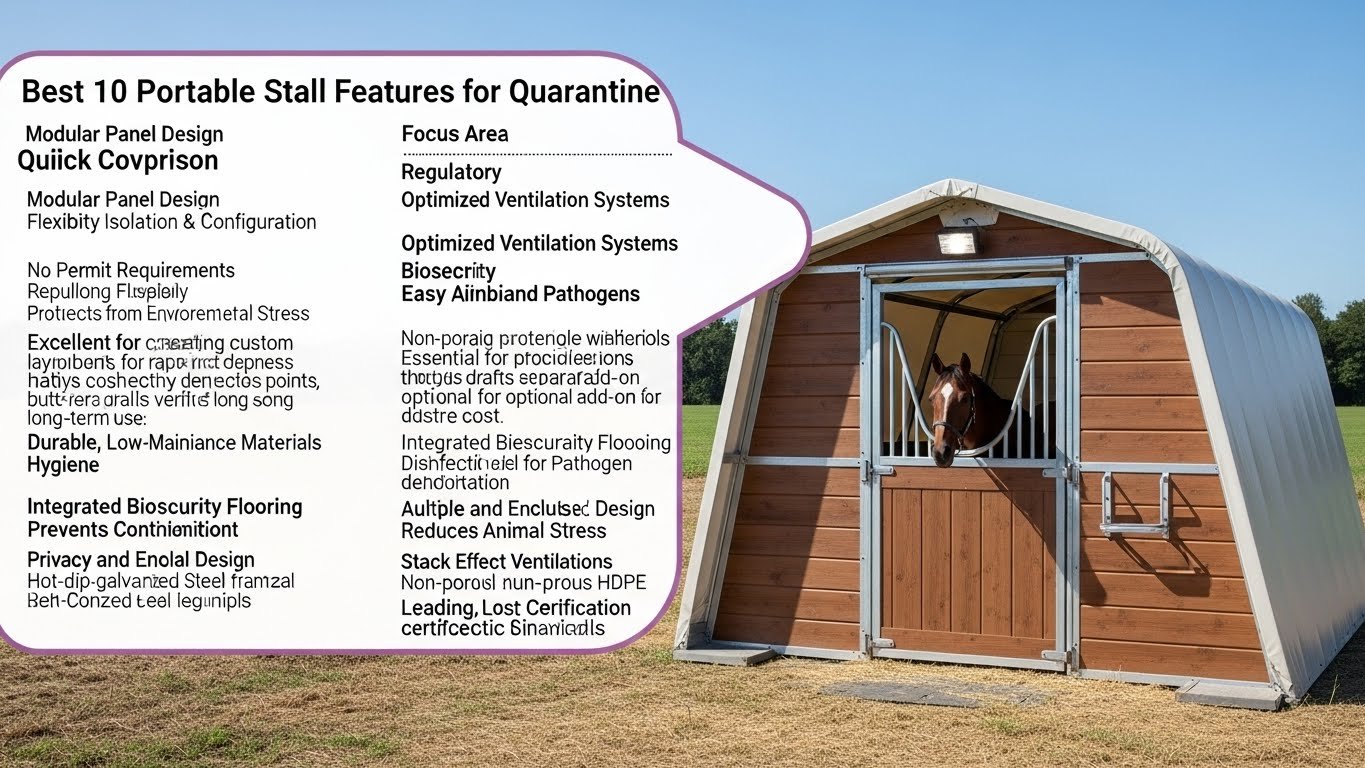
¿Por qué el HDPE es el estándar de oro para la cuarentena?
Para las unidades de cuarentena y aislamiento, el HDPE destaca como el material superior. Su superficie no porosa bloquea completamente las bacterias y simplifica la desinfección, un requisito fundamental para la bioseguridad. También ofrece una garantía a prueba de patadas al absorber con seguridad los impactos de animales estresados, y su calidad de nulo mantenimiento garantiza la disponibilidad a largo plazo sin costes adicionales.
Superficie no porosa para una desinfección superior
Nuestro Relleno de HDPE ofrece una superficie sólida y no porosa que impide la absorción de bacterias, virus y humedad. Esto hace que sea excepcionalmente fácil de limpiar y muy resistente a los desinfectantes agresivos que requieren los protocolos de bioseguridad. A diferencia de las superficies porosas materiales como la madera, Nuestros paneles de polietileno de alta densidad no albergan moho, lo que crea un entorno estéril crucial para la cuarentena.
Resistencia a los impactos y seguridad de los animales
Nuestras planchas de polietileno de alta densidad están diseñadas para absorber impactos significativos, proporcionando una “garantía a prueba de patadas” contra daños causados por caballos estresados o agitados. El material no es tóxico y no se astilla ni agrieta como la madera, eliminando el riesgo de lesiones. Esta durabilidad garantiza que la integridad estructural de la unidad de aislamiento permanezca segura cuando más importa.
Mantenimiento cero para una bioseguridad a largo plazo
Una de las mayores ventajas operativas de nuestro HDPE es su calidad de “mantenimiento cero”. No requiere pintura, sellado ni protección contra la intemperie, lo que reduce drásticamente los costes de mantenimiento a largo plazo. costes de mantenimiento y mano de obra para sus clientes. Utilizamos polietileno de alta densidad estabilizado a los rayos UV para evitar que se degrade o se vuelva quebradizo con la luz solar, lo que garantiza que las casetas estén siempre listas para su uso inmediato en cuarentena con un tiempo de inactividad mínimo.
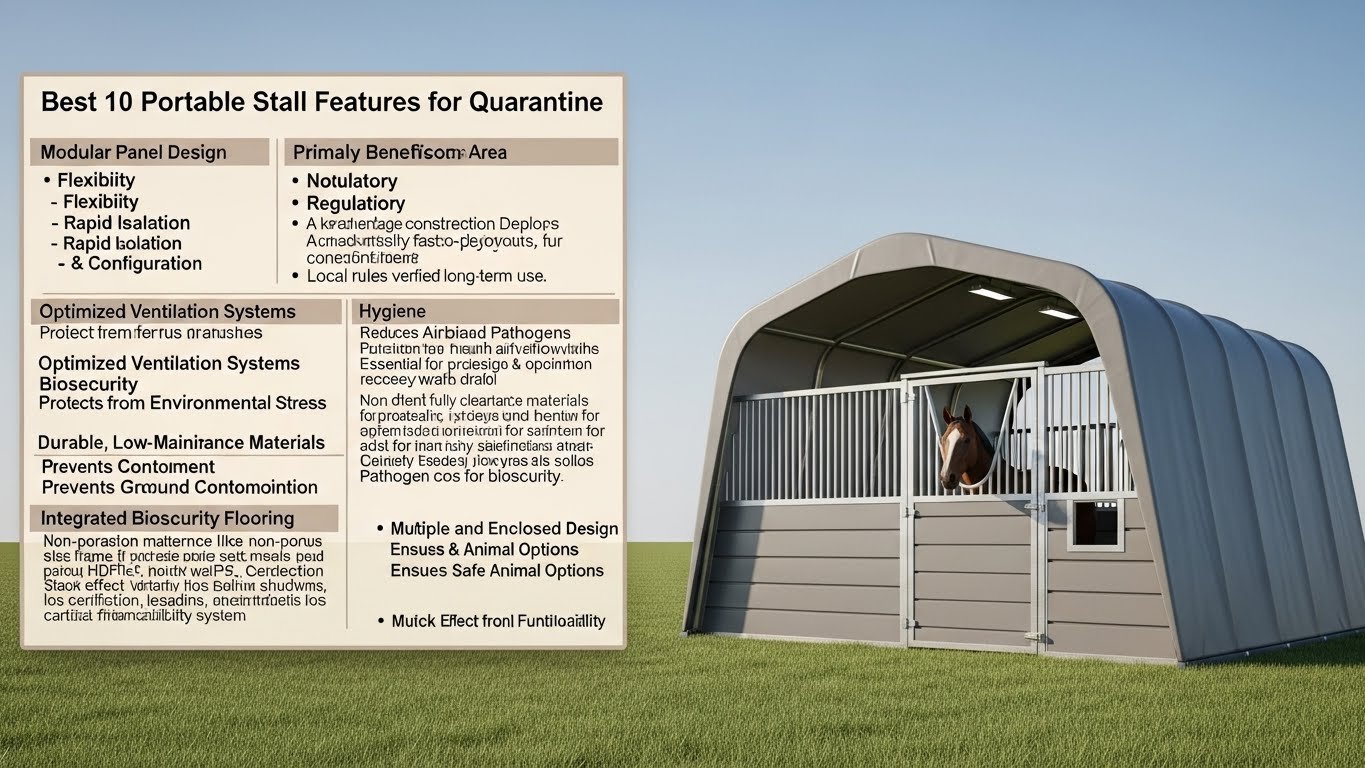
¿Por qué es crítico el “efecto pila” para el aislamiento?
Nuestro Los diseños estables utilizan la “Ventilación por efecto chimenea”.” para garantizar un intercambio de aire constante y pasivo en los compartimentos de aislamiento. Este proceso natural utiliza las diferencias térmicas para aspirar aire fresco desde abajo y expulsar el aire caliente y contaminado -incluida la humedad y los patógenos transmitidos por el aire- a través de los orificios de ventilación superiores. Se trata de una característica técnica esencial para mantener un alto nivel de higiene. calidad del aire y prevenir la contaminación cruzada en entornos de cuarentena.
El efecto chimenea crea una barrera natural contra el aire
El efecto chimenea funciona según un principio sencillo basado en las diferencias térmicas y de presión. El calor corporal de un caballo calienta el aire circundante, haciéndolo menos denso. Este aire caliente y contaminado asciende de forma natural. A medida que se desplaza hacia arriba, crea una diferencia de presión que atrae activamente aire fresco y más frío hacia el interior de la caseta a través de las aberturas inferiores. Esto crea una circulación de aire continua y pasiva que elimina el aire cargado de patógenos, prevención de la contaminación cruzada entre puestos.
Principales ventajas para los entornos de cuarentena
Para cualquier instalación de cuarentena, las ventajas son significativas. Este flujo de aire constante reduce la concentración de patógenos en el aire al expulsar constantemente el aire contaminado en lugar de dejarlo recircular. También controla la humedad, el calor, el polvo y el amoníaco, evitando la acumulación que puede comprometer la salud respiratoria de un animal vulnerable. El sistema mantiene altos la calidad del aire y repone el oxígeno sin recurrir a la ventilación mecánica, creando un entorno más seguro y saludable.
Principios de diseño para maximizar el flujo de aire
Para aprovechar adecuadamente la ventilación natural, todo el diseño de instalaciones deben funcionar como un sistema. Los compartimentos necesitan aleros permanentes o aberturas inferiores para permitir la entrada constante de aire fresco, y un ventilación de cumbrera en la cúspide del tejado es esencial para proporcionar un punto de salida al aire caliente ascendente. Nuestros frontales y tabiques estables están diseñados con secciones de rejilla abiertas para garantizar que este flujo de aire vertical no se vea obstruido, maximizando la eficiencia del efecto chimenea.
Establos duraderos y conformes Enviados a todo el mundo
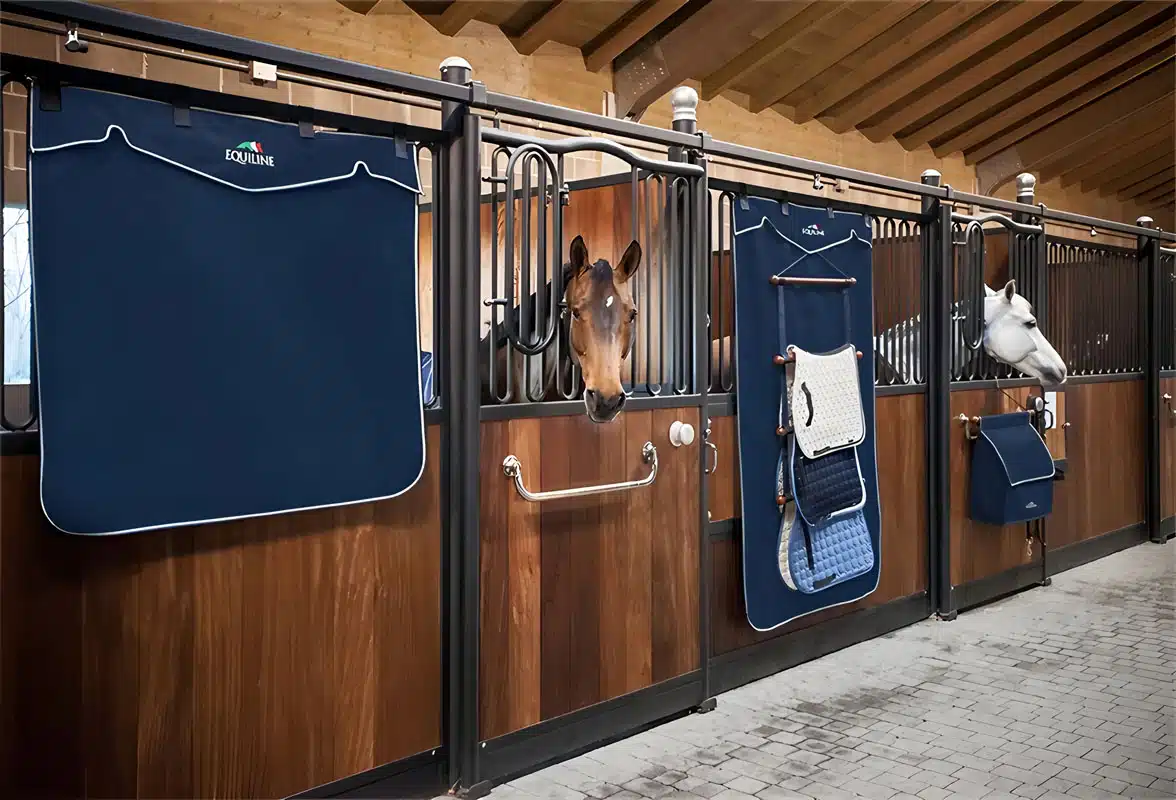
¿Se puede desinfectar eficazmente el bambú o la madera?
Aunque la madera común puede limpiarse, su porosidad natural permite que las bacterias se alojen en lo más profundo de las fibras, lo que dificulta una verdadera desinfección. Nuestro tejido de filamentos de alta densidad Bambú lo supera. Diseñada para ser excepcionalmente densa y resistente al moho, su superficie no porosa impide la penetración de contaminantes, lo que facilita enormemente la desinfección y el mantenimiento de una higiene superior.
Técnicas habituales de limpieza y desinfección
Para las superficies de madera tradicionales, se pueden utilizar varios métodos de limpieza general. Las opciones no químicas, como una solución de vinagre blanco y limón, 3% peróxido de hidrógeno o un suave fregado con bicarbonato de sodio, son eficaces para la desinfección rutinaria. Los elementos naturales, como la luz solar directa o el vapor suave, también pueden ayudar a eliminar las bacterias de la superficie sin dañar el material. Para las manchas difíciles, puede utilizarse con moderación una solución de lejía muy diluida, pero debe ser el último recurso para evitar debilitar las fibras de madera.
El reto de la porosidad en los materiales tradicionales
El principal problema de la madera y el bambú convencionales es su naturaleza porosa. El uso diario crea pequeños cortes y arañazos en la superficie, que se convierten en vías por las que la humedad y las bacterias penetran profundamente en el material. Esto hace casi imposible una desinfección completa. Los contaminantes pueden esconderse entre las fibras, creando un reto higiénico persistente, especialmente en entornos donde la limpieza es fundamental para la salud de los animales.
Por qué nuestro bambú de alta densidad es más fácil de mantener
Abordamos este problema de higiene directamente con nuestro Bambú tejido relleno. Este material está diseñado para ser mucho menos poroso que cualquier producto de madera convencional. Con una dureza Janka de más de 3000 lbf, es increíblemente denso y duradero. Su estructura es inherentemente resistente al moho y a la putrefacción, evitando la absorción profunda de humedad y otros contaminantes. Esto crea una superficie dura y resistente que es fácil de limpiar eficazmente, cumpliendo las estrictas normas de higiene exigidas en el sector profesional. instalaciones ecuestres.
¿Son estos establos a prueba de escapes para caballos estresados?
Sí, nuestros establos están diseñados para ser altamente seguros combinando una construcción física robusta con elementos de diseño que reducen el estrés psicológico del caballo. Nos centramos tanto en evitar las fugas físicas mediante materiales resistentes y herrajes a prueba de manipulaciones, como en minimizar las causas fundamentales de los intentos de fuga, como el aislamiento y el aburrimiento.
Un caballo estresado o aburrido puede ser un decidido artista de la fuga. La verdadera seguridad va más allá de una puerta sólida. Implica un enfoque holístico que aborde tanto las barreras físicas como los factores ambientales que contribuyen a la sensación de calma y seguridad del caballo. Construimos nuestros sistemas teniendo en cuenta estos dos aspectos críticos.
Seguridad física y diseño de hardware
La primera capa de seguridad es la fuerza bruta y el diseño inteligente. Nuestro Los bastidores se construyen con acero Q345B de alta resistencia a la tracción y relleno de polietileno de alta densidad (HDPE) que absorbe los impactos, ofreciendo una garantía a prueba de patadas contra la fuerza de un animal en apuros. Puerta pestillos están diseñadas para ser a prueba de manipulaciones, lo que impide que los caballos astutos puedan manipularlas para abrirlas. Todos los establos tienen un diseño a prueba de yesos, con huecos mínimos en la parte inferior para garantizar que un caballo que ruede no pueda atascarse una pata, lo que evita lesiones provocadas por el pánico y daños en la estructura.
Reducir el estrés mediante el diseño medioambiental
Un caballo tranquilo es un caballo seguro. Diseñamos nuestros establos para reducir el estrés psicológico del confinamiento. Los frentes de rejilla abiertos permiten a los caballos ver a sus vecinos y comunicarse con ellos, lo que satisface sus instintos naturales de manada y combate la ansiedad del aislamiento. Este diseño abierto también favorece la ventilación por “efecto chimenea”, que introduce continuamente aire fresco en el establo y expulsa el aire viciado, mejorando el confort general y la salud respiratoria. Un entorno bien ventilado y socialmente conectado minimiza significativamente el aburrimiento y la motivación para escapar.
Reflexiones finales
Aunque las casetas más baratas parecen económicas, fallan en los dos puntos no negociables para la cuarentena: la desinfección y la contención. Nuestro HDPE no poroso y Galvanizado en caliente (ISO 1461) garantizan una barrera estéril a prueba de patadas. Esta ingeniería protege a sus clientes de fallos de bioseguridad y asegura su reputación profesional.
Compruebe usted mismo nuestra ingeniería. Recomendamos un pequeño pedido de prueba para comprobar la durabilidad del material y la eficacia de nuestro sistema de palets planos de acero. Póngase en contacto con nuestro equipo para configurar sus conjuntos de prueba y calcular el ahorro en transporte.
Preguntas frecuentes
¿Puedo utilizar lejía en los paneles de HDPE?
Sí. Nuestros paneles de relleno de polietileno de alta densidad estabilizado con UV están diseñados para ofrecer una resistencia química superior, lo que los hace ideales para protocolos de bioseguridad estrictos. Puede utilizar con seguridad soluciones de lejía diluida estándar para la desinfección sin dañar el material. Esta superficie no porosa evita la absorción de patógenos, garantizando un entorno verdaderamente limpio y sin mantenimiento para la cuarentena y el uso diario.
¿Los tabiques son macizos o enrejados?
Ofrecemos tabique enrejado y macizo para adaptarse a las distintas necesidades de las instalaciones. Para obtener la máxima bioseguridad en unidades de cuarentena o aislamiento, recomendamos nuestras particiones totalmente sólidas que utilizan ya sea alta densidad relleno de bambú o HDPE sin mantenimiento. Para la estabulación general, nuestros diseños cuentan con parrillas de techo abierto que favorecen la “ventilación por efecto chimenea” al tiempo que mantienen la seguridad.
¿Pueden verse los caballos en cuarentena?
Los protocolos de cuarentena eficaces exigen evitar todo contacto, por lo que los caballos no deben verse ni tocarse. Nuestra sistemas estables cumplen esta norma con tabiques sólidos de altura completa. El uso de nuestros rellenos de HDPE o bambú de alta densidad crea una barrera física y visual completa, esencial para evitar la propagación de patógenos y garantizar la bioseguridad.
¿Es el hueco lo suficientemente pequeño para los potros?
Absolutamente. La seguridad es fundamental para nuestra ingeniería. Nuestros establos presentan un “diseño a prueba de yeso” con un hueco inferior mínimo (aproximadamente 50 mm) para evitar que la pata del caballo quede atrapada al rodar. Todas las secciones enrejadas están construidas con un espacio entre barras demasiado estrecho para que pase la pezuña de un potro, cumpliendo así las normas más estrictas de bienestar animal y seguridad. normas de seguridad.
¿Ofrecen ‘Tableros Sniffer’ sólidos?
Aunque el término “tabique” es muy común, nosotros ofrecemos una solución más robusta e integrada con nuestros tabiques sólidos de altura completa. Estos paneles sirven para el mismo propósito -evitar el contacto nariz con nariz- pero están diseñadas como un componente estructural básico del establo. Esto garantiza la máxima durabilidad y bioseguridad, creando una barrera completa superior a la de una tabla adicional.
¿Con qué rapidez se pueden desplazar los puestos?
Nuestro sistemas estables están diseñados para instalación y traslado. Como llegan en formato “Steel Pallet Flat-Pack”, un pequeño equipo puede montar o desmontar los paneles rápidamente. Este diseño modular le ofrece la flexibilidad necesaria para establecer zonas de cuarentena temporales o reconfigurar la disposición de su establo a medida que cambien sus necesidades operativas, sin necesidad de construcciones permanentes.
¿Puedo utilizar lejía en los paneles de HDPE?
Sí, pero con condiciones específicas. Nuestro HDPE es resistente a concentraciones estándar de lejía (hasta 16,5%) a temperatura ambiente. Su tolerancia disminuye a temperaturas más altas, y no recomendamos utilizar concentraciones superiores a 16,5%. Para los establos de cuarentena que requieren desinfección con lejía doméstica estándar, nuestros paneles de HDPE son una opción adecuada y segura.
¿Los tabiques son macizos o enrejados?
Fabricamos ambas opciones para satisfacer las distintas necesidades de las instalaciones. Para aplicaciones de cuarentena o veterinarias, los tabiques sólidos y totalmente privados son el estándar para evitar el contacto directo y garantizar la bioseguridad. Los tabiques con rejilla son más adecuados para las instalaciones generales de pupilaje, donde la buena ventilación y la socialización de los caballos son prioritarias.
¿Pueden verse los caballos en cuarentena?
No, se diseñan protocolos de cuarentena adecuados impedir todo contacto visual y físico para detener la transmisión de enfermedades. Los establos deben tener paredes sólidas para bloquear las líneas de visión y evitar el contacto nariz con nariz. Una distancia física significativa entre los animales en cuarentena y la población general es también una parte clave del protocolo.
¿Es el hueco lo suficientemente pequeño para los potros?
Desde luego, el tamaño seguro de los huecos es un detalle crítico de ingeniería. En las rejas de los establos, el espacio entre barrotes no debe exceder de 50 mm (1,5 a 2 pulgadas), lo que se ajusta a nuestras normas de ‘diseño a prueba de molde’. Los huecos en las paredes o puertas de los establos deben ser lo suficientemente pequeños como para que no quepa una mano a través de ellos, ya que las aberturas de 3 pulgadas o más suponen un riesgo significativo de que una pierna quede atrapada.
¿Ofrecen ‘Tableros Sniffer’ sólidos?
Sí, diseñamos e integramos paneles macizos, a menudo denominados ‘paneles olfateadores’, como elemento esencial de bioseguridad. Estos paneles sólidos están diseñados para evitar el contacto nariz con nariz, los hocicos y los mordiscos entre caballos en establos adyacentes. Se trata de un componente crítico para los sistemas de estabulación de cuarentena y aislamiento eficaces, y lo incorporamos a nuestros diseños de mamparas en función de los requisitos del proyecto.
¿Con qué rapidez se puede sacar a un caballo de una caseta de cuarentena?
Un caballo debe completar un periodo de cuarentena obligatorio antes de poder ser trasladado a la población general. Este periodo suele oscilar entre 7 y 30 días, dependiendo de la salud del caballo y de su nivel de riesgo. Una norma común es de 21 días. El caballo sólo puede ser liberado una vez transcurrido este periodo y no haya mostrado signos clínicos de enfermedad.

 Spanish
  English
  French
  Arabic
  German
0 comentarios