by Frank | Jan 27, 2026 | Sourcing Guides
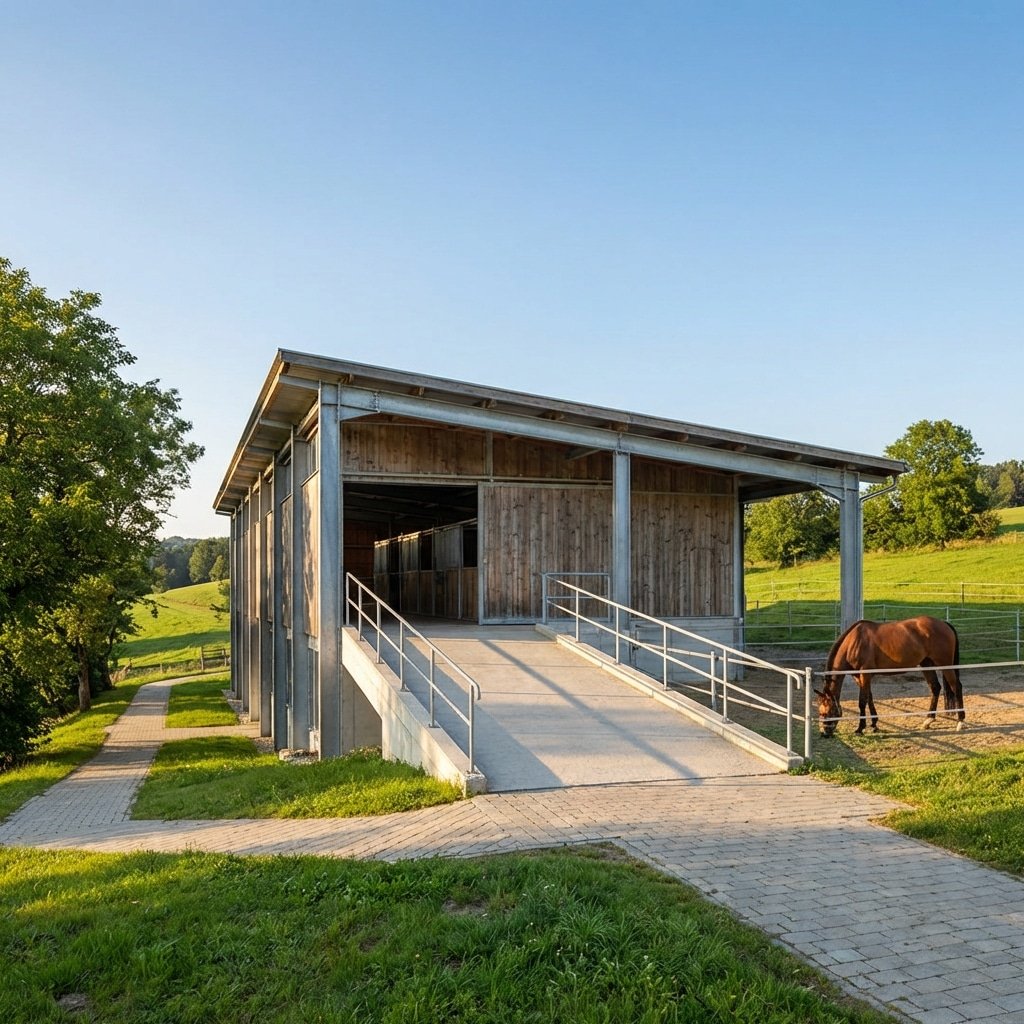
Constructing a Therapeutic Riding facility requires exceeding standard safety codes to prevent catastrophic liability claims. While basic agricultural stables save upfront capital, they often lack the zero-threshold clearance and impact resistance necessary for...
by Frank | Jan 25, 2026 | Sourcing Guides
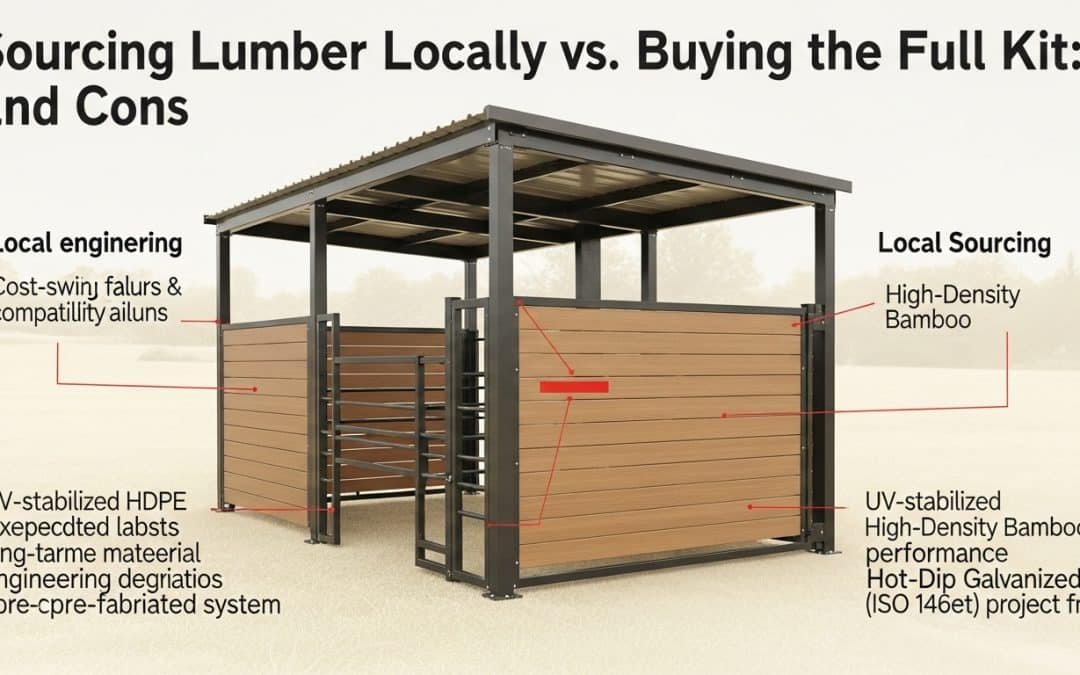
Sourcing stall kit lumber separately from the steel frame appears to be a cost-saving measure, but it often creates compatibility failures and project delays. This sourcing mistake can erase profit margins through unexpected labor costs and long-term material...
by Frank | Jan 25, 2026 | Sourcing Guides
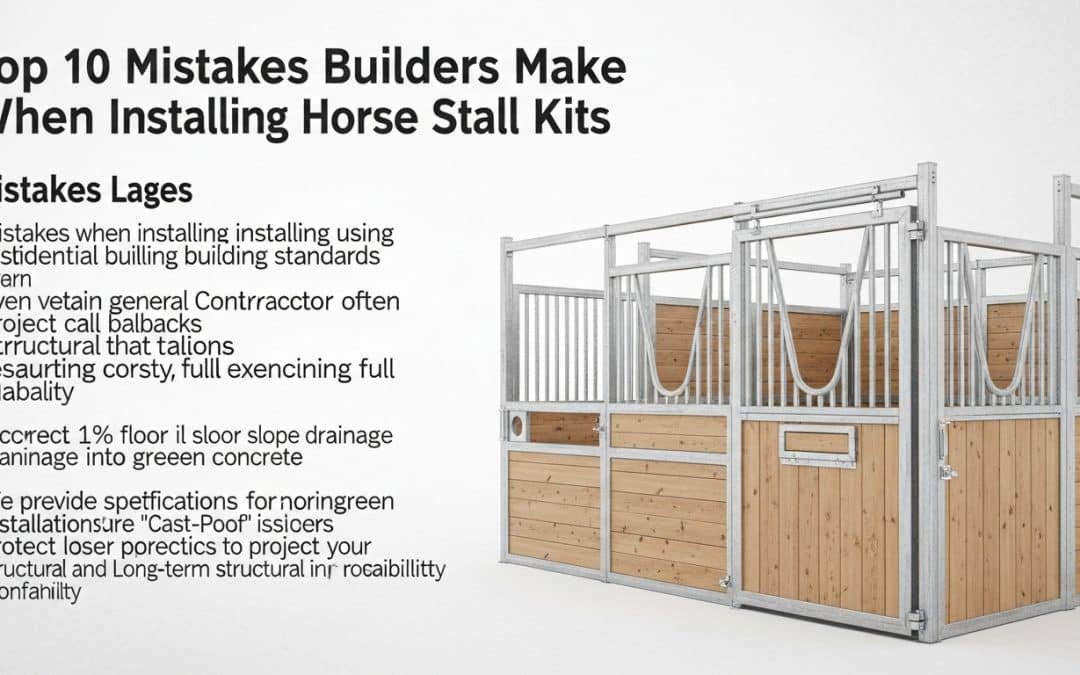
Mistakes when installing horse stalls using residential building standards lead directly to project callbacks and liability. Even veteran general contractors often underestimate the engineering demands of an equine environment, resulting in structural failures that...
by Frank | Jan 25, 2026 | Sourcing Guides
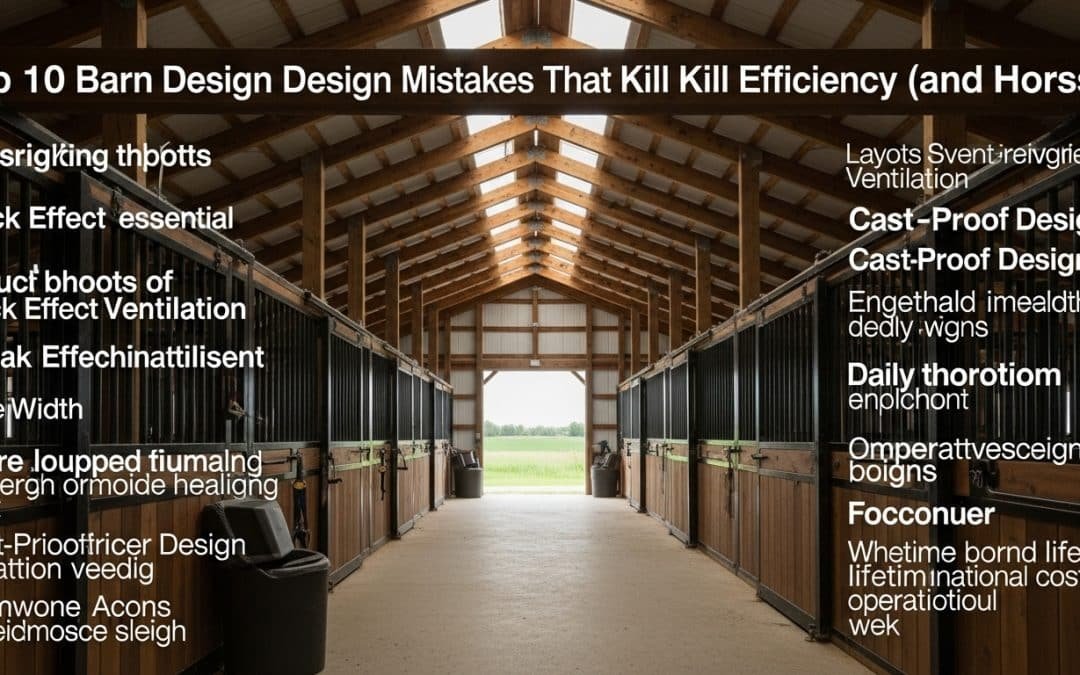
The most common horse barn design mistakes create functional failures that lead to catastrophic financial loss. Overlooking critical engineering details like ventilation, material durability, or aisle width results in chronic animal health issues and operational...
by Frank | Jan 2, 2026 | Sourcing Guides
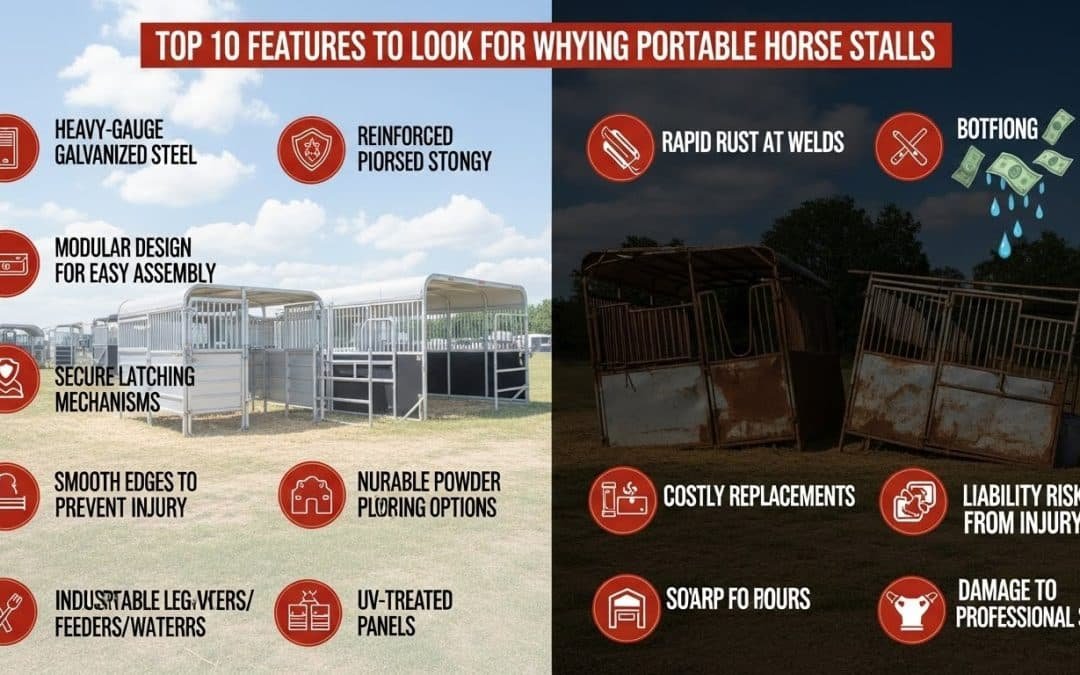
When you buy portable horse stalls, your procurement decision directly impacts long-term operational costs and liability risks. Opting for cheaper systems built with thin, pre-galvanized steel invites rapid rust at the welds, structural failure, and costly...
by Frank | Jan 1, 2026 | Sourcing Guides
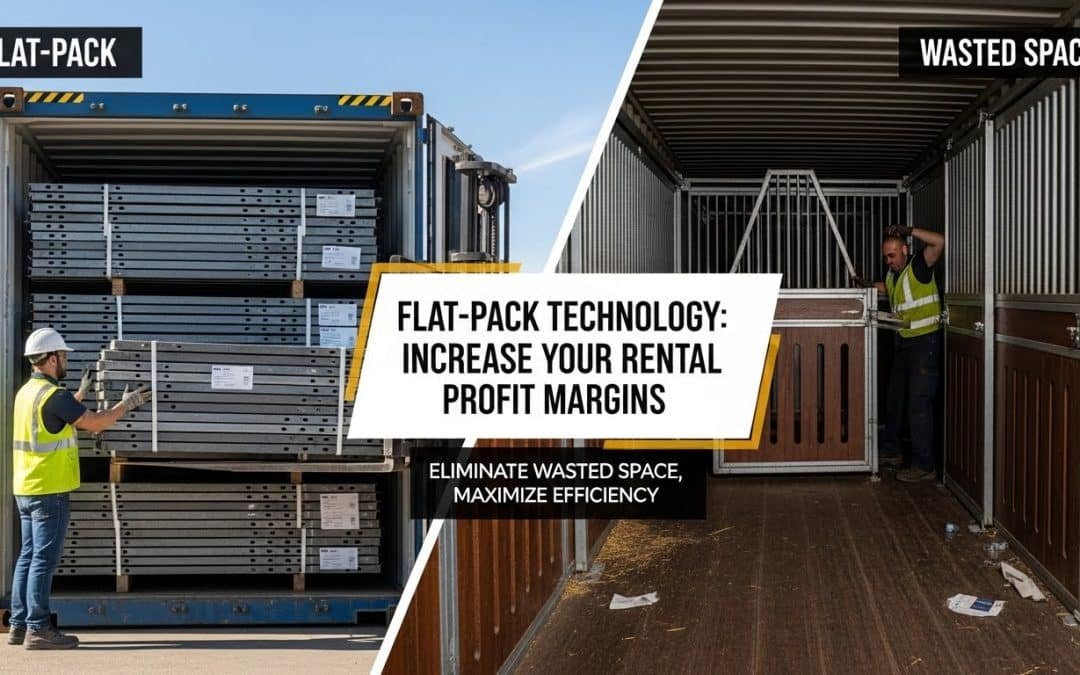
Effective flat-pack logistics for shipping horse stalls is the primary defense against disappearing profit margins. Fully-welded stalls waste over 60% of container space, converting your capital into sunk freight costs before a single unit is rented or sold. This...


 English
  Spanish
  French
  Arabic
  German