
by Frank | Feb 10, 2026 | Blog
Immediate Touch-Up & Care during installation determines whether your steel infrastructure survives the ammonia-rich stable environment. While hot-dip galvanization offers self-healing properties, ignoring deep gouges caused by forklift offloading creates...

by Frank | Feb 10, 2026 | Blog
Sourcing from validated ESG / Green Factories is the only safeguard against disqualification from high-value government tenders. While traditional timber sourcing exposes developers to deforestation liabilities and carbon taxes, aligning with circular steel...
by Frank | Feb 10, 2026 | Blog
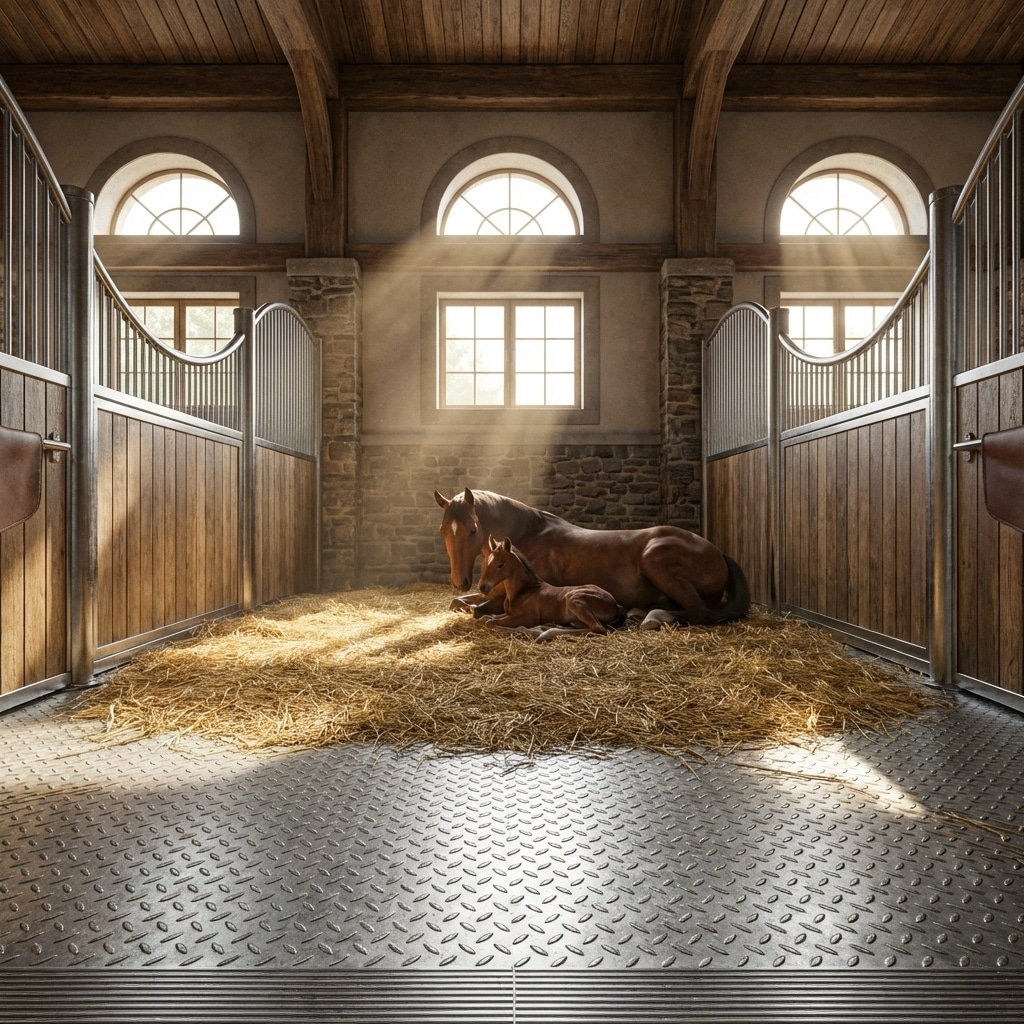
Foal Urine Rot destroys standard painted steel foaling boxes in less than three breeding seasons. Neonatal foals excrete high-ammonia urine that acts as a solvent, penetrating micro-cracks in paint and corroding base plates from the inside out. For stud managers, this...

by Frank | Feb 9, 2026 | Blog
Specifying industrial-grade Draft Door Tracks is the only defense against the structural failure of standard tubular hardware. When a 100kg warmblood door hangs on a typical 1.6mm open C-profile, the steel flares and the rollers eventually derail. This mechanical...
by Frank | Feb 9, 2026 | Blog
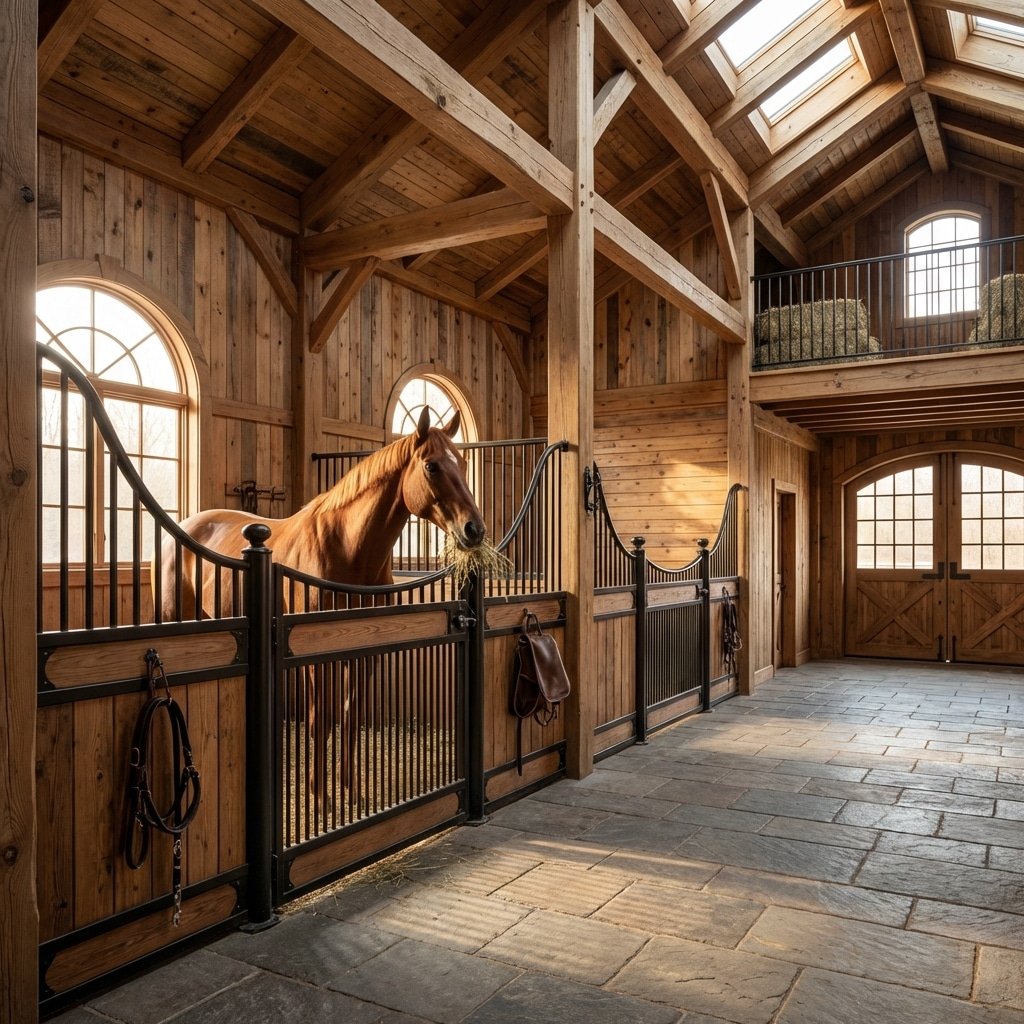
Precision-Engineered Stables With 20-Year Durability Equip your facility with hot-dipped galvanized steel stables designed to resist rust for 20 years in extreme climates. Our modular bolt-on system reduces installation time by 30%, delivering faster project...

by Frank | Feb 9, 2026 | Blog
Implementing precise Miniature Adjustments to standard stall fronts is the only defense against the “bunker effect” and fatal entrapment liabilities. Placing a 34-inch animal in a facility designed for warmbloods creates immediate visual isolation and...
 English
  Spanish
  French
  Arabic
  German