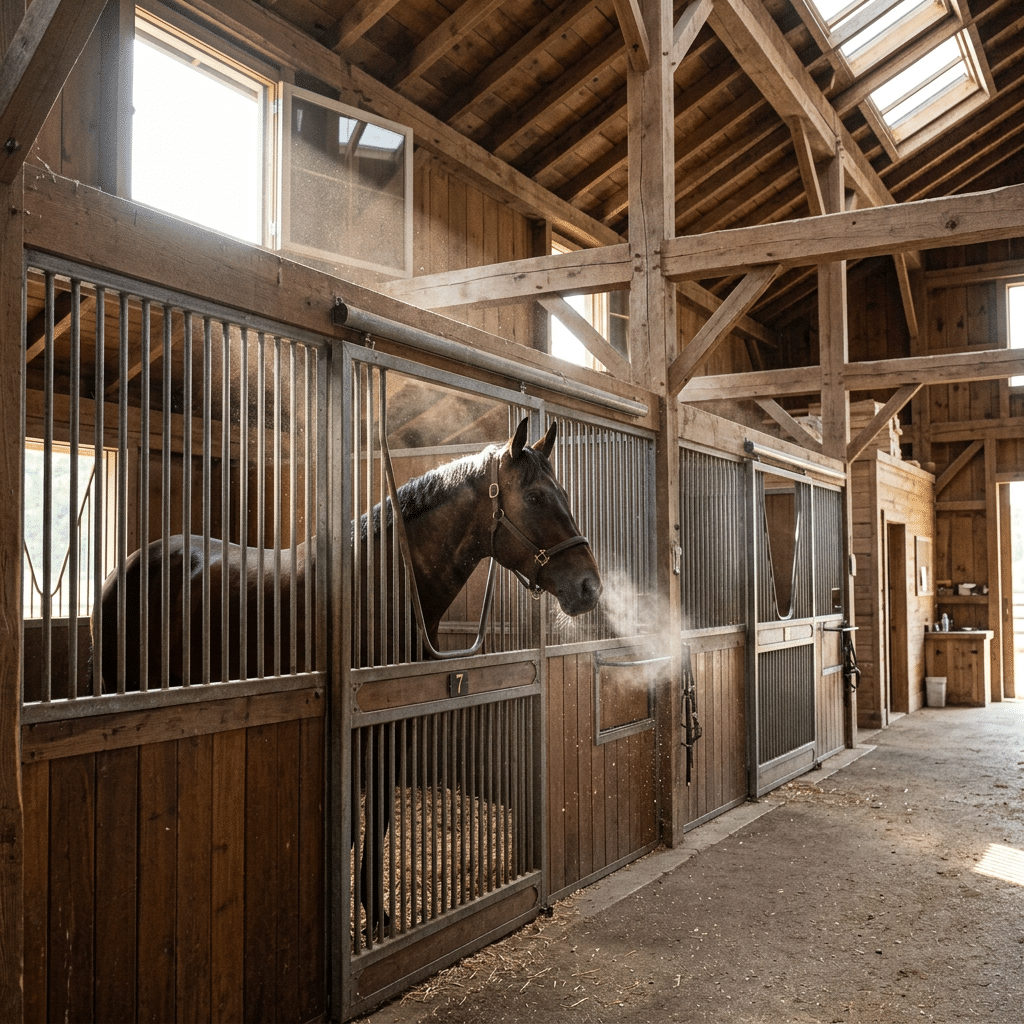
by Frank | Mar 9, 2026 | Blog
Choosing renovation horse stall fronts is a critical decision that often hides a larger financial risk. Simply replacing panels on a barn with compromised support posts or an unsafe layout is a wasted investment that fails to address the core structural and safety...
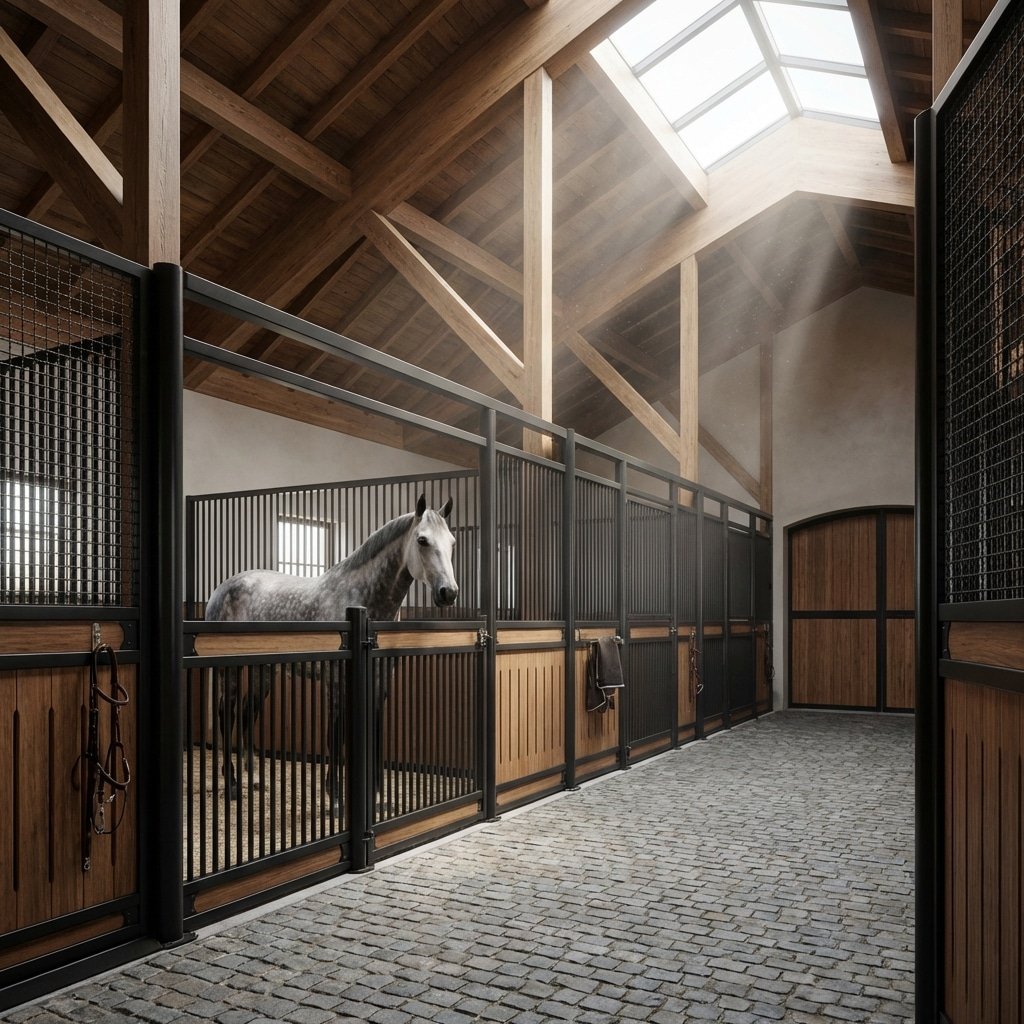
by Frank | Mar 9, 2026 | Blog
Ceiling jumping prevention is the primary safety metric for facilities housing high-energy warmbloods. When designers leave a 2-foot gap above a standard 2.2-meter panel, they create a mechanical trap that can sever tendons or crush vertebrae during a rear. This...
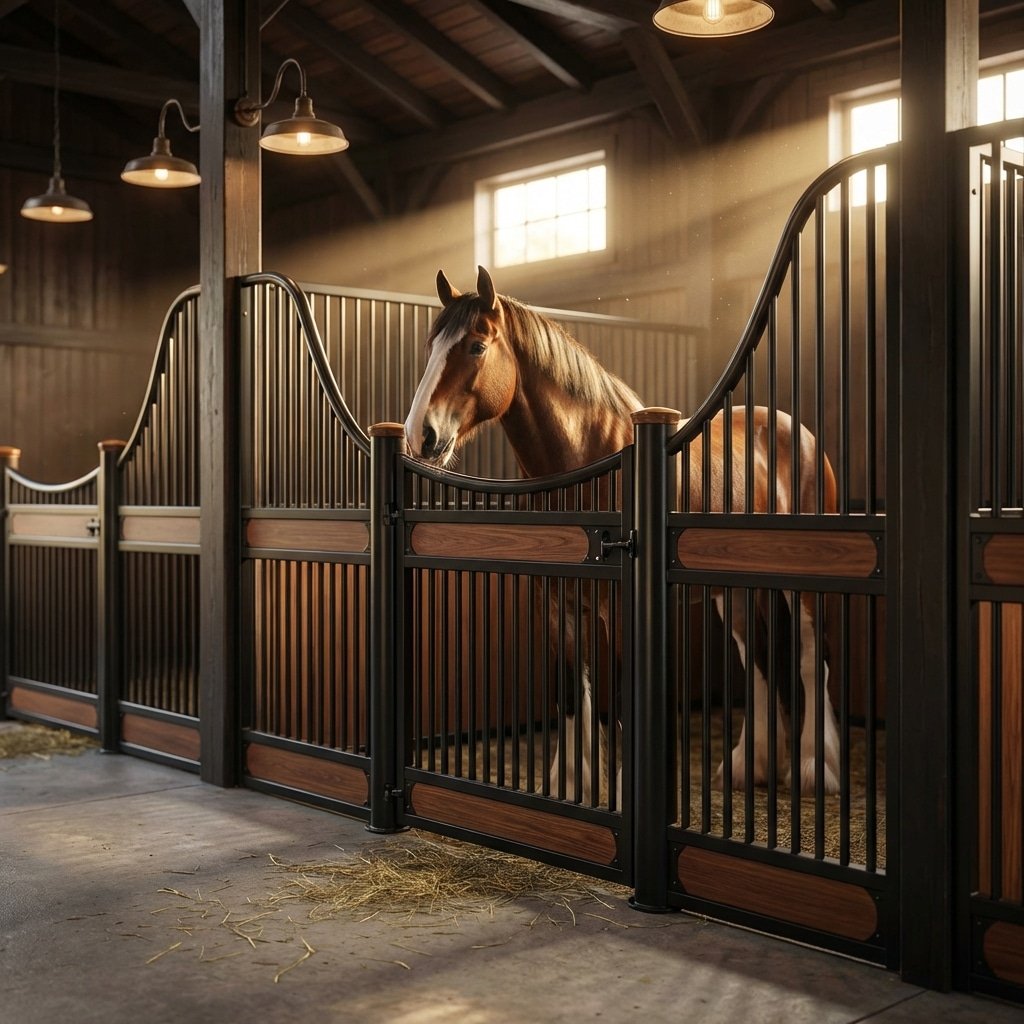
by Frank | Mar 9, 2026 | Blog
Housing draft horses in standard agricultural fencing creates an immediate liability risk for breeders and facility managers. When a 2,400lb animal leans against typical 1.6mm tubing, the structural failure often results in catastrophic injury and expensive veterinary...
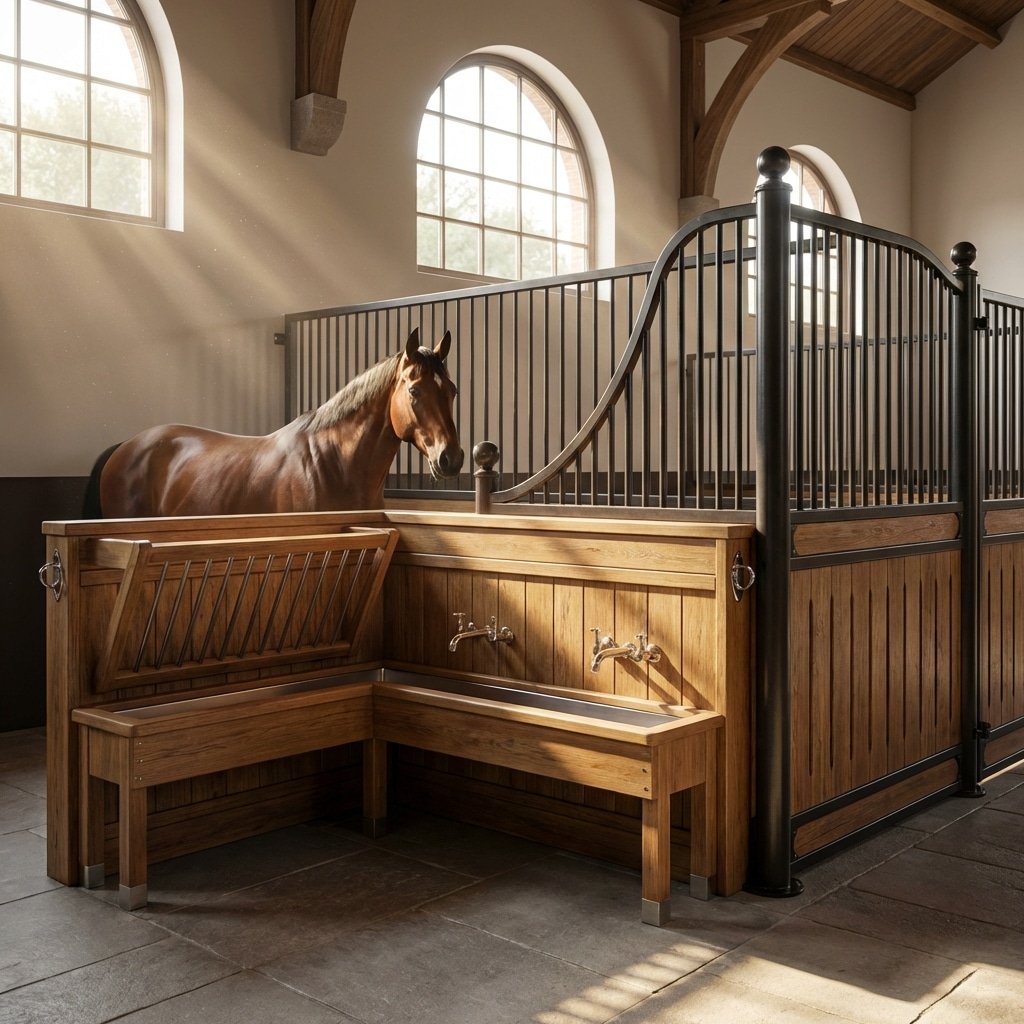
by Frank | Mar 9, 2026 | Blog
Premium Modular Stables Built For Decades Maximize facility ROI with hot-dipped galvanized steel frameworks proven to resist rust for 20 years. Reduce labor costs with modular designs that install 30% faster than standard units. Request Wholesale Pricing...
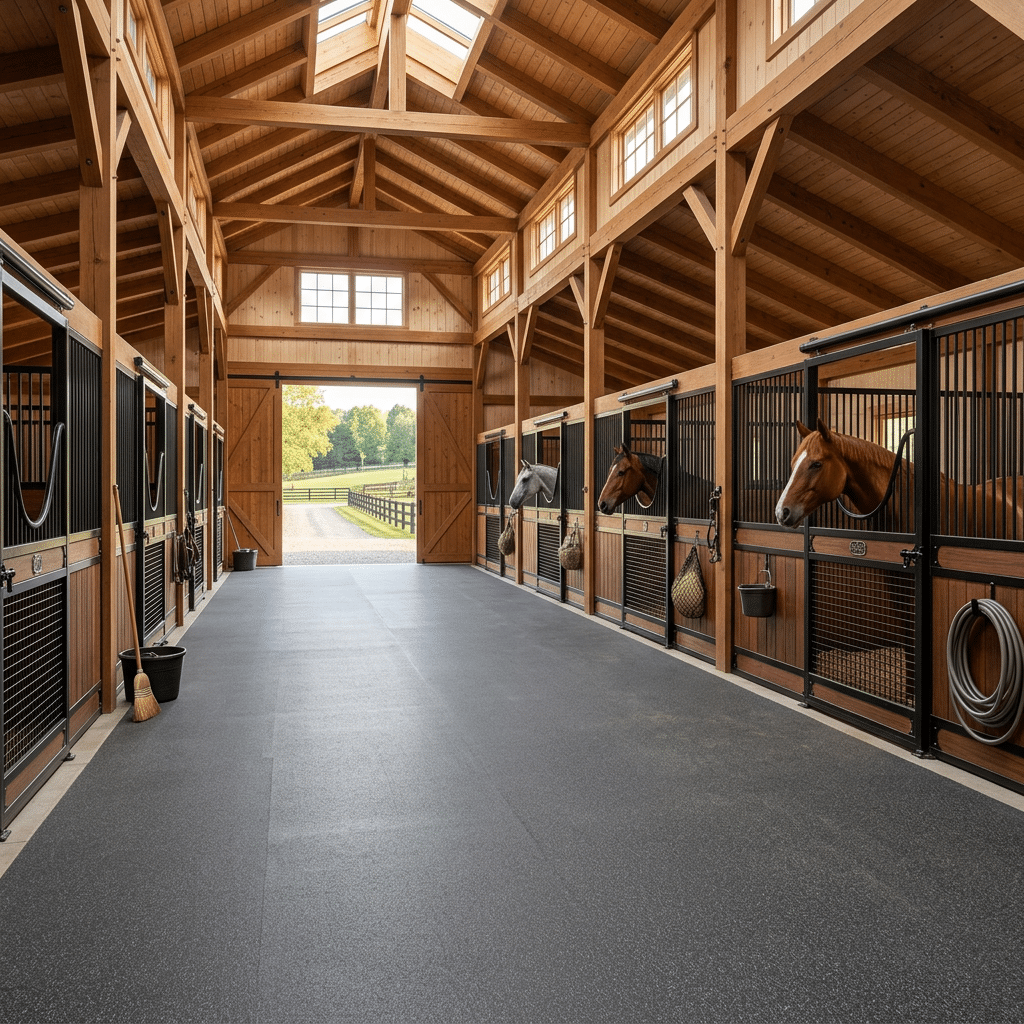
by Frank | Mar 8, 2026 | Blog
Choosing the right small horse stable floor plans is a critical decision that dictates long-term animal health and operational costs. A flawed layout that neglects core airflow principles leads to chronic respiratory disease, trapping ammonia and pathogens at stall...
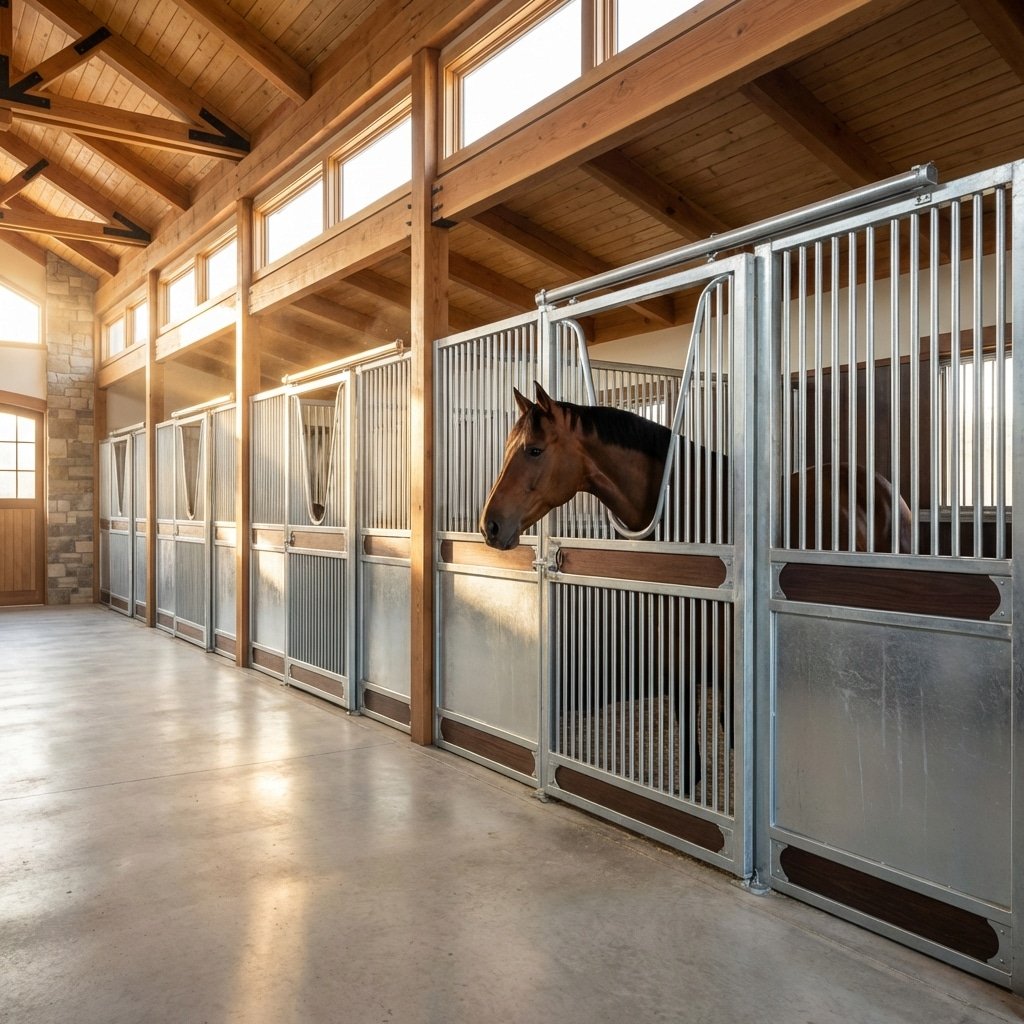
by Frank | Mar 8, 2026 | Blog
Cross-Renting temporary stabling inventory is the only viable strategy to eliminate seasonal asset depreciation. Restricting your rental fleet to single-species equine events leaves capital sitting idle during lucrative cattle or alpaca shows. Expanding into...


 English
  Spanish
  French
  Arabic
  German