Die Entscheidung für die Renovierung von Pferdeboxen ist eine kritische Entscheidung, hinter der sich oft ein größeres finanzielles Risiko verbirgt. Das einfache Ersetzen der Paneele eines Stalls mit gefährdeten Stützpfeilern oder einer unsicheren Konstruktion ist eine vergeudete Investition, die die wichtigsten strukturellen und sicherheitstechnischen Probleme nicht berücksichtigt...
Die Verhinderung von Deckensprüngen ist der wichtigste Sicherheitsmaßstab für Einrichtungen, in denen hochenergetische Warmblüter untergebracht sind. Wenn die Konstrukteure eine 2-Fuß-Lücke über einer standardmäßigen 2,2-Meter-Platte lassen, schaffen sie eine mechanische Falle, die bei einem Aufprall Sehnen durchtrennen oder Wirbel zerquetschen kann. Diese...
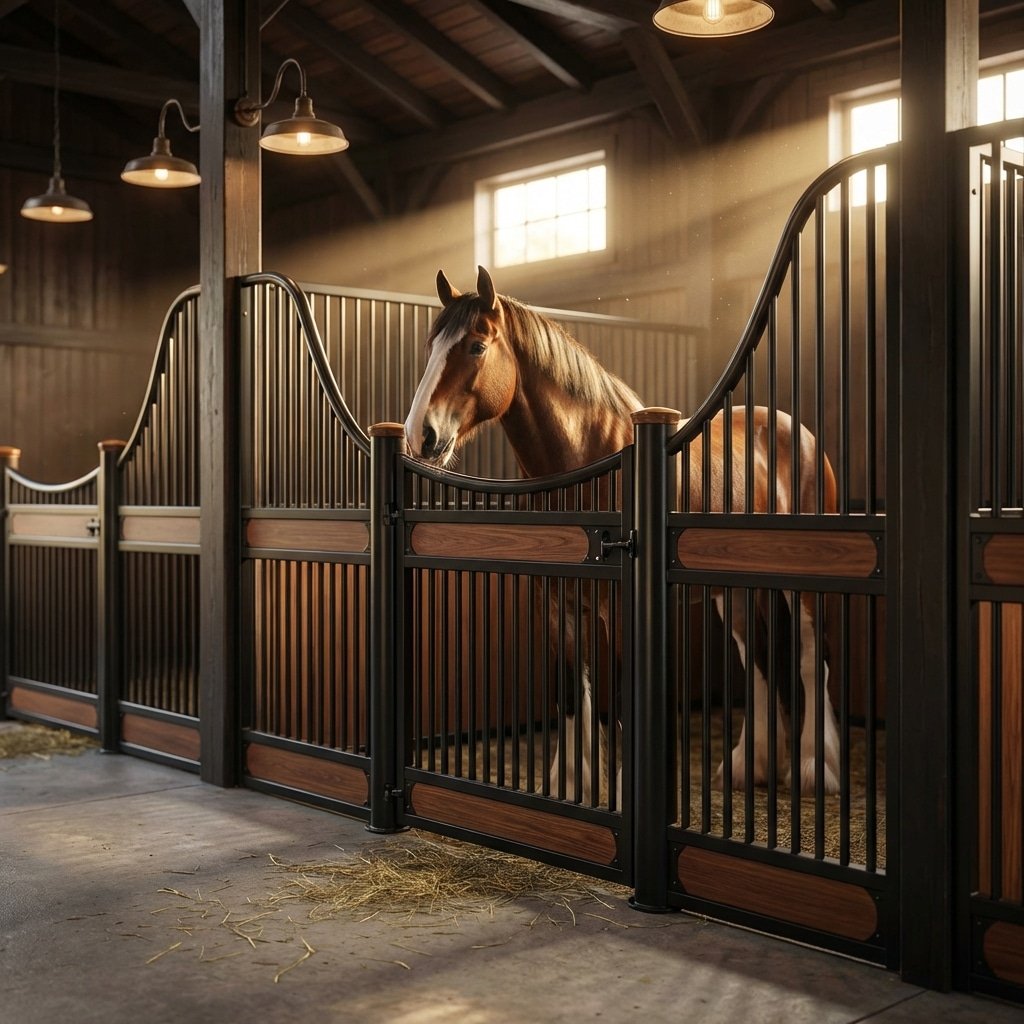
Die Unterbringung von Zugpferden in landwirtschaftlichen Standardzäunen stellt für Züchter und Betriebsleiter ein unmittelbares Haftungsrisiko dar. Wenn sich ein 2.400 Pfund schweres Tier gegen ein typisches 1,6-mm-Rohr lehnt, führt das strukturelle Versagen oft zu katastrophalen Verletzungen und teuren Tierarztkosten...
Hochwertige modulare Ställe, gebaut für Jahrzehnte Maximieren Sie die Rendite Ihrer Anlage mit feuerverzinkten Stahlrahmen, die nachweislich 20 Jahre lang rostfrei sind. Reduzieren Sie die Arbeitskosten mit modularen Designs, die 30% schneller installieren als Standardeinheiten. Großhandelspreise anfordern...
Die Wahl der richtigen Stallgrundrisse für Kleinpferde ist eine wichtige Entscheidung, die sich auf die langfristige Gesundheit der Tiere und die Betriebskosten auswirkt. Ein mangelhafter Grundriss, der die wichtigsten Prinzipien der Luftzirkulation vernachlässigt, führt zu chronischen Atemwegserkrankungen, Ammoniak und Krankheitserregern in den Boxen...
Das Cross-Renting von temporärem Stallinventar ist die einzige praktikable Strategie, um die saisonale Abschreibung von Anlagen zu vermeiden. Wenn Sie Ihre Mietflotte auf Veranstaltungen für einzelne Tierarten beschränken, bleibt das Kapital bei lukrativen Rinder- oder Alpakashows ungenutzt. Die Ausweitung auf...



 German
  English
  Spanish
  French
  Arabic