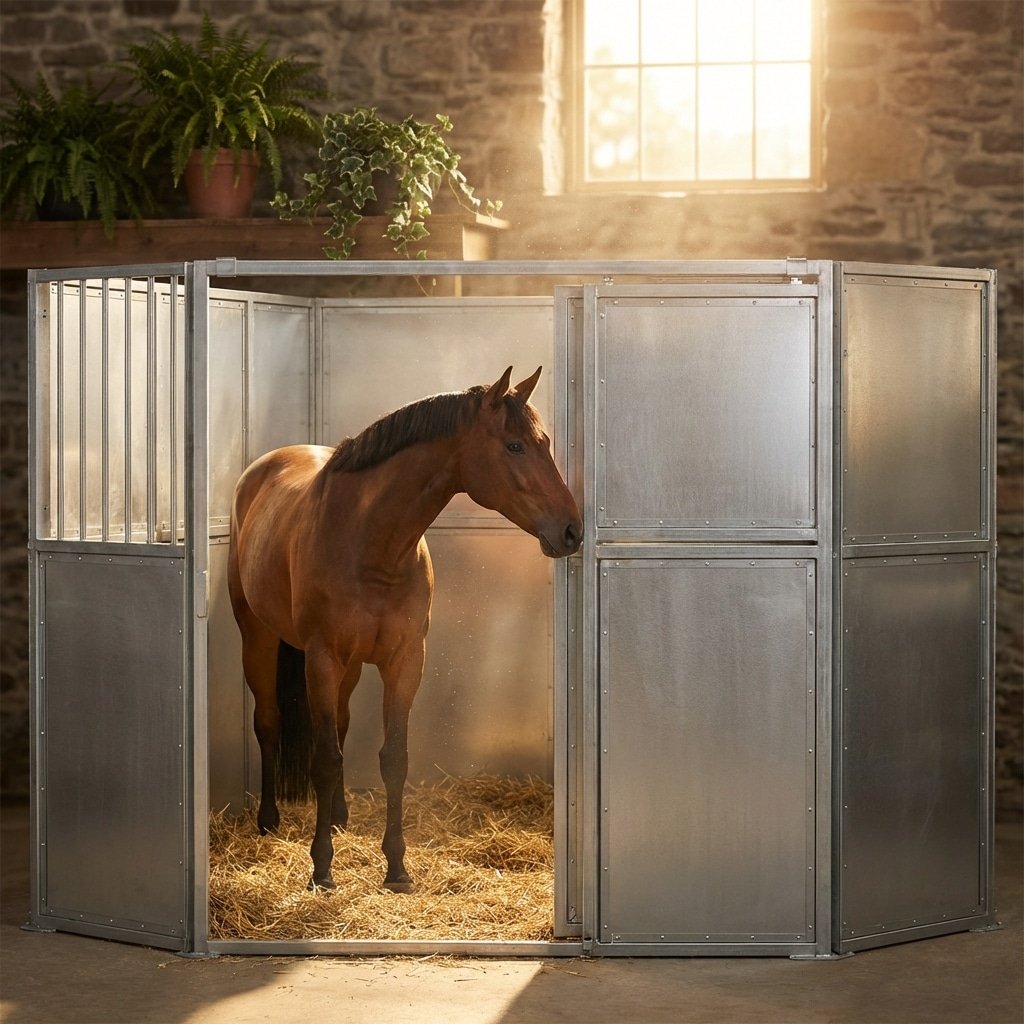
by Frank | Mar 15, 2026 | Blog
Stressed Horse Safety relies on the structural integrity of containment systems during high-pressure events. Thin 18-gauge tubing frequently shears under impact, transforming a minor spook into a catastrophic insurance liability for venue organizers. This analysis...
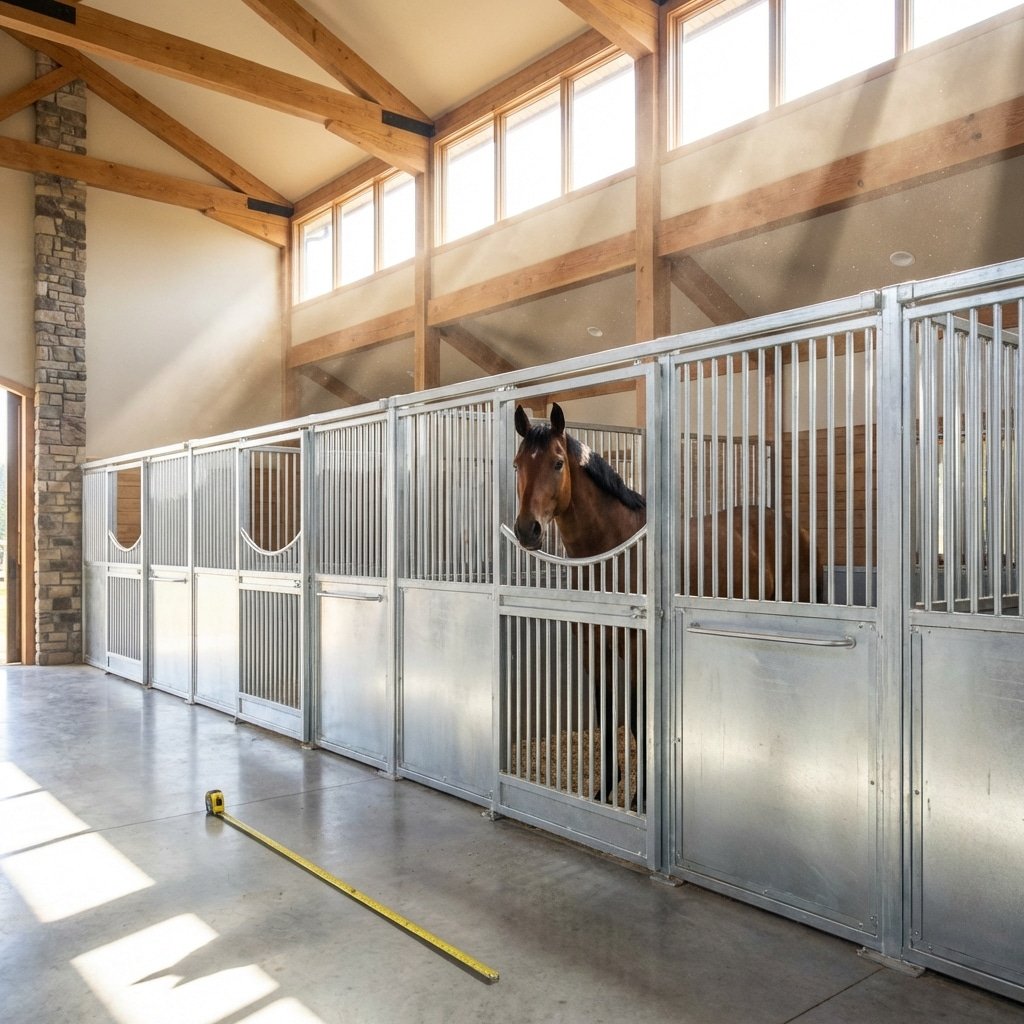
by Frank | Mar 15, 2026 | Blog
Measuring fails are the primary cause of budget overruns in DIY barn projects. Because hot-dip galvanized steel cannot be trimmed on-site without destroying its rust protection, a tight fit is actually a manufacturing error. This protocol outlines the Center-to-Center...
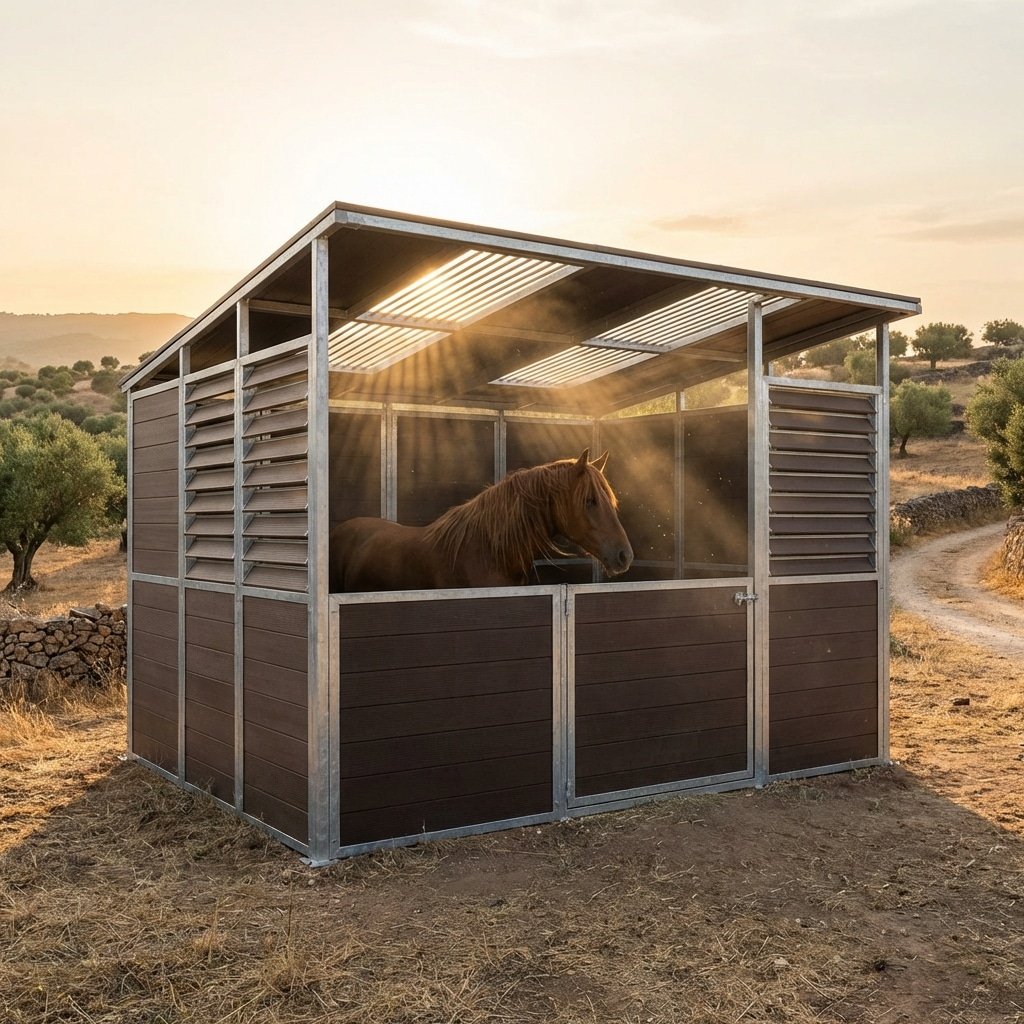
by Frank | Mar 15, 2026 | Blog
Constructing safe equine facilities in Spain demands infrastructure capable of neutralizing 40°C heat loads. Standard timber stables often turn into heat traps, leading to severe veterinary liabilities and rapid material degradation under intense UV exposure. We...
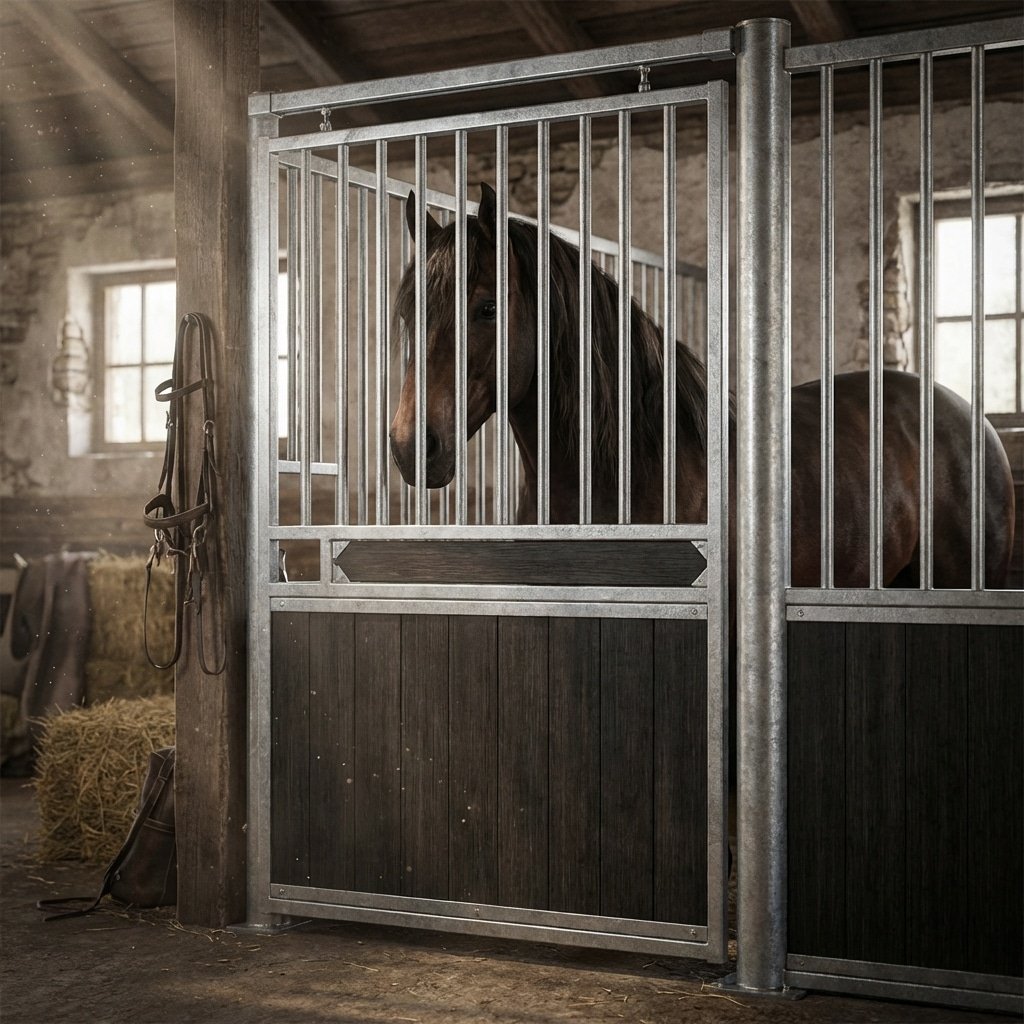
by Frank | Mar 14, 2026 | Blog
Stressed Horse Safety is the primary variable defining your facility’s liability exposure and insurance premiums. When a 500kg animal panics within a temporary event stall, standard 16-gauge tubing frequently buckles while softwood infills shatter into dangerous...
by Frank | Mar 14, 2026 | Blog
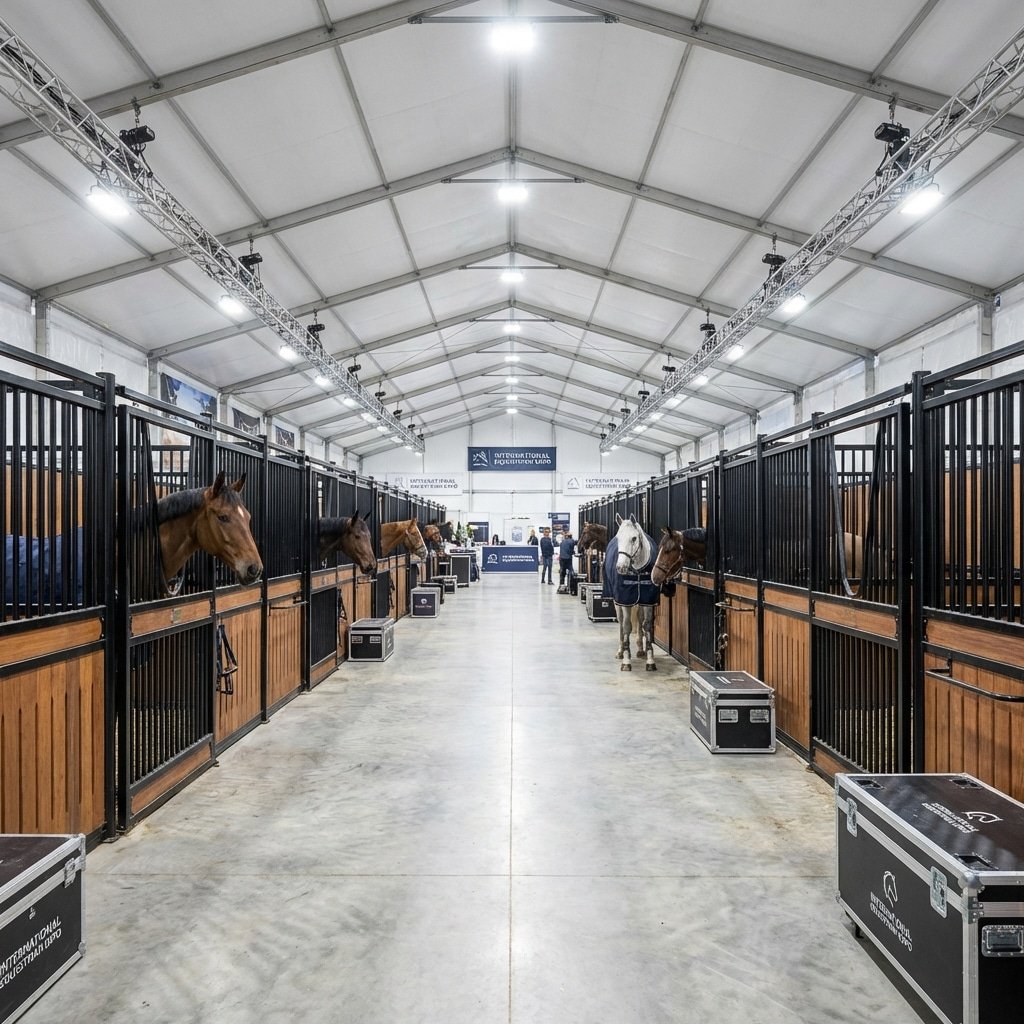
Efficient Tent Integration defines the margin between a profitable expo and a logistical disaster. Relying on incompatible, fully welded stabling units forces crews into excessive overtime and drives up transport costs due to wasted container space. This analysis...
by Frank | Mar 14, 2026 | Blog
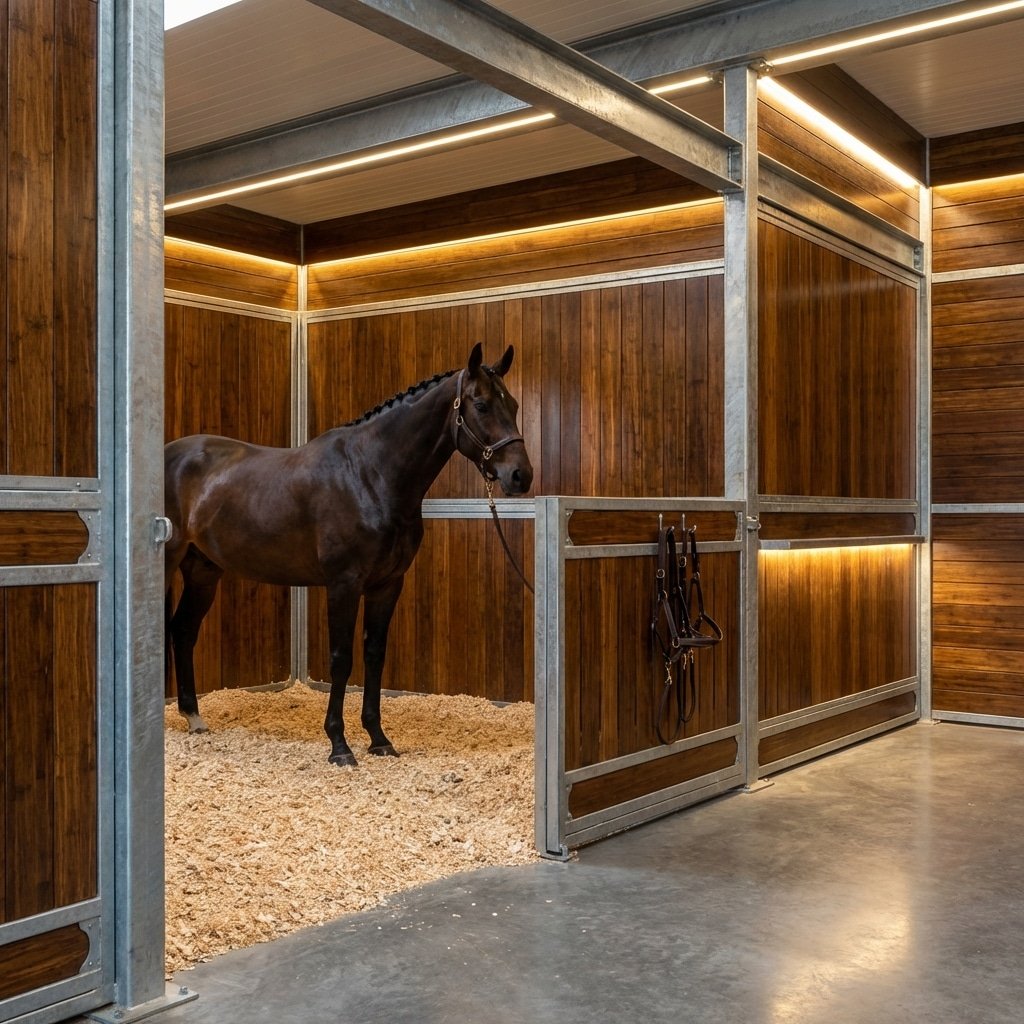
Comparing OSB vs Bamboo for horse stalls reveals a critical safety distinction that directly impacts your long-term maintenance budget. While OSB offers a lower upfront cost, it fails rapidly in high-ammonia environments due to the ‘sponge effect,’ causing...


 English
  Spanish
  French
  Arabic
  German