by Frank | Mar 17, 2026 | Blog
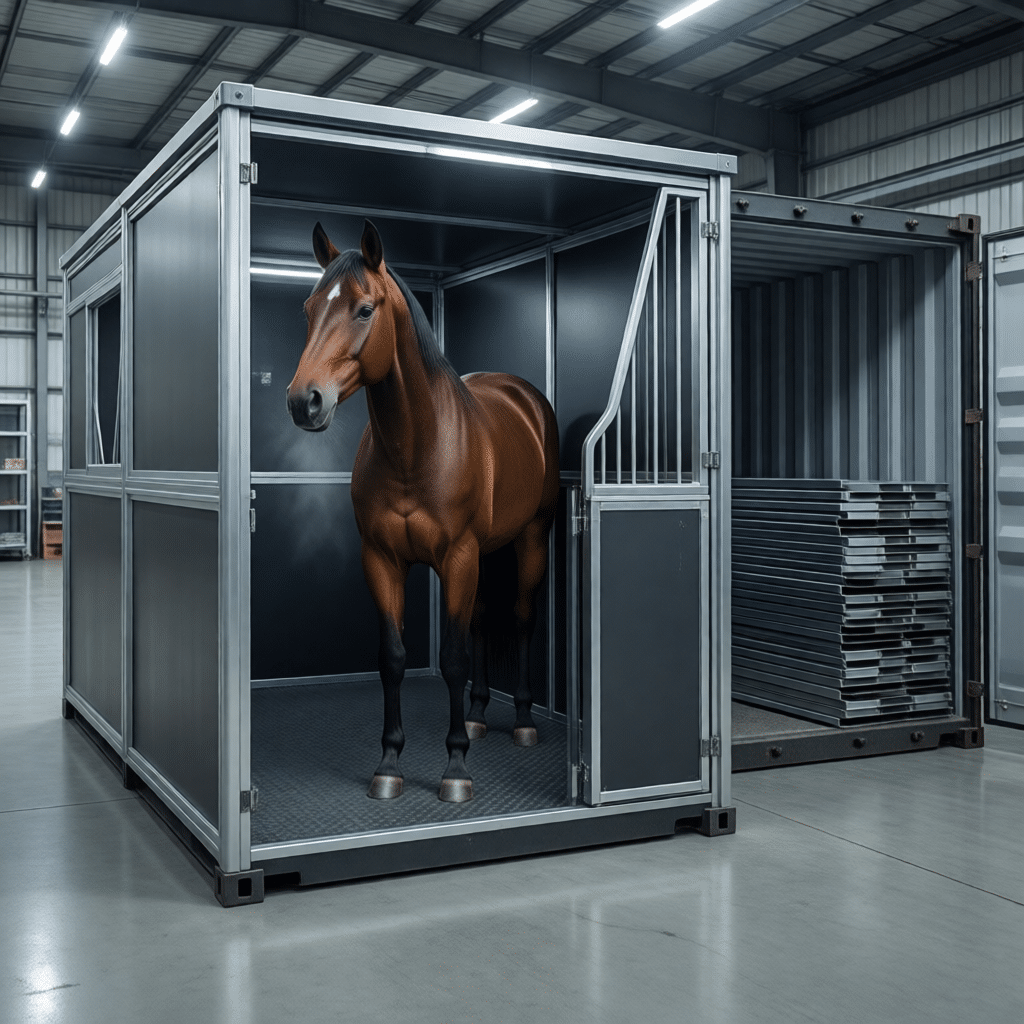
Touring Show Logistics demand absolute efficiency when moving 200 stalls between international venues. Every cubic meter of unused space in a container represents lost profit for event organizers. Traditional fully welded stalls cap loads at just 12 sets per 40HQ...
by Frank | Mar 17, 2026 | Blog
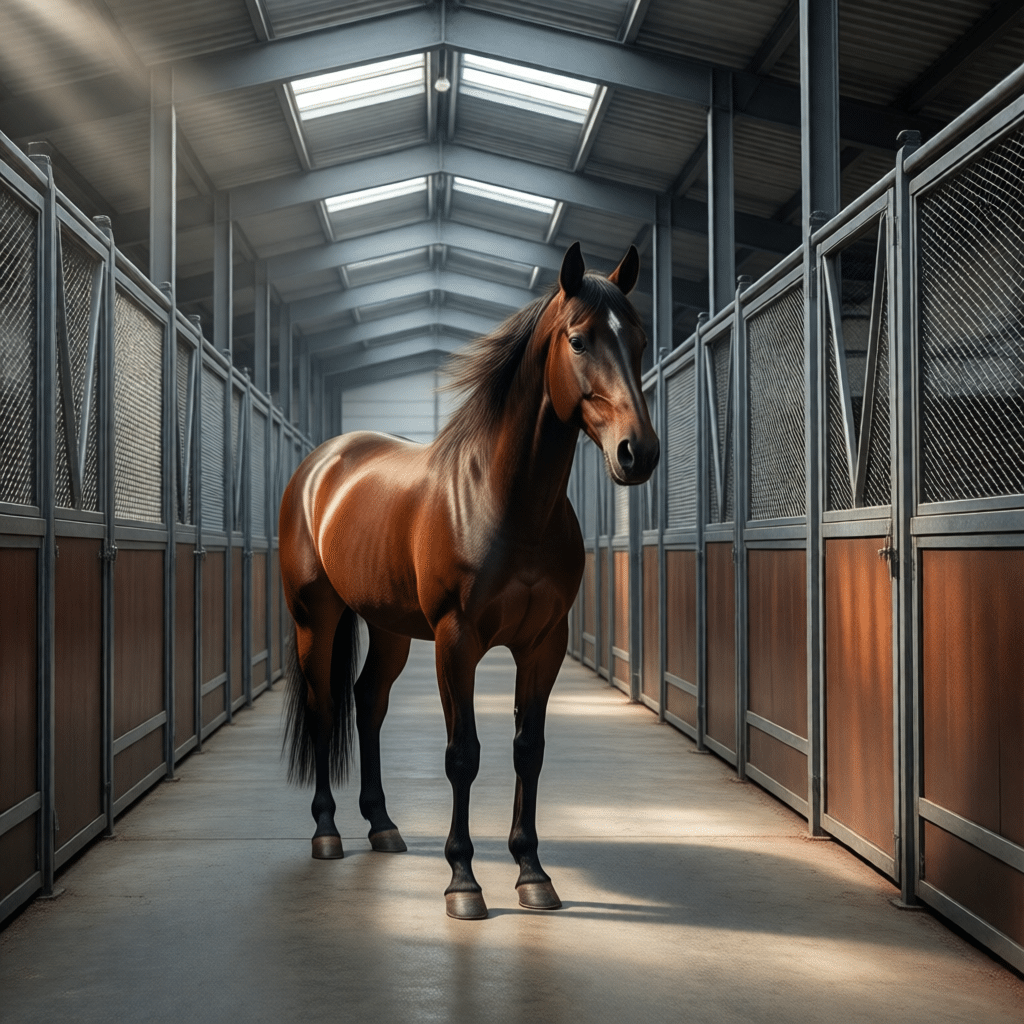
Housing Warmbloods in Germany demands infrastructure that exceeds standard safety specifications to prevent catastrophic injury liability. Standard 2.2m boxes often fail to contain the kinetic energy of a 17-hand Holsteiner, turning minor behavioral outbursts into...
by Frank | Mar 17, 2026 | Blog
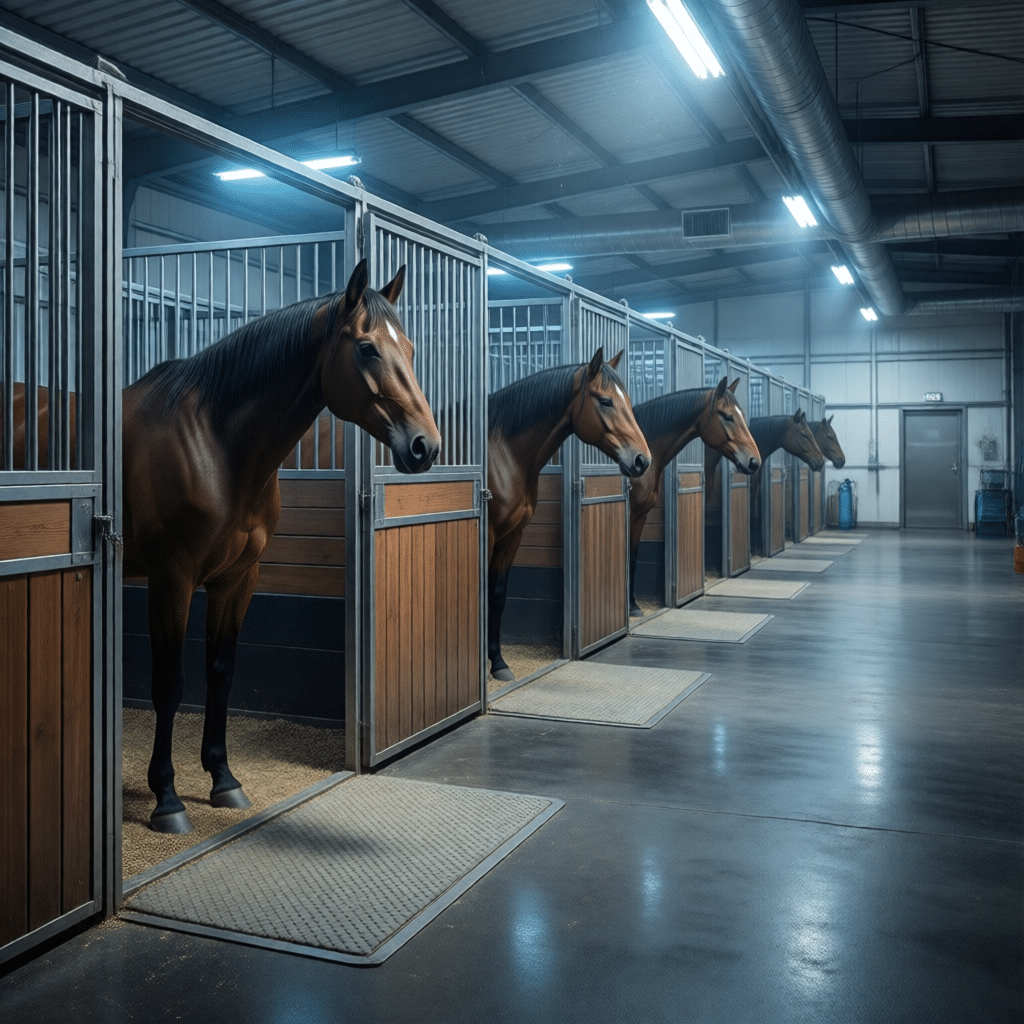
Show Biosecurity compliance is the critical operational safeguard for event organizers facing the catastrophic liability of equine disease outbreaks. Relying on traditional plywood stabling creates a porous breeding ground for pathogens that defies effective...
by Frank | Mar 16, 2026 | Blog
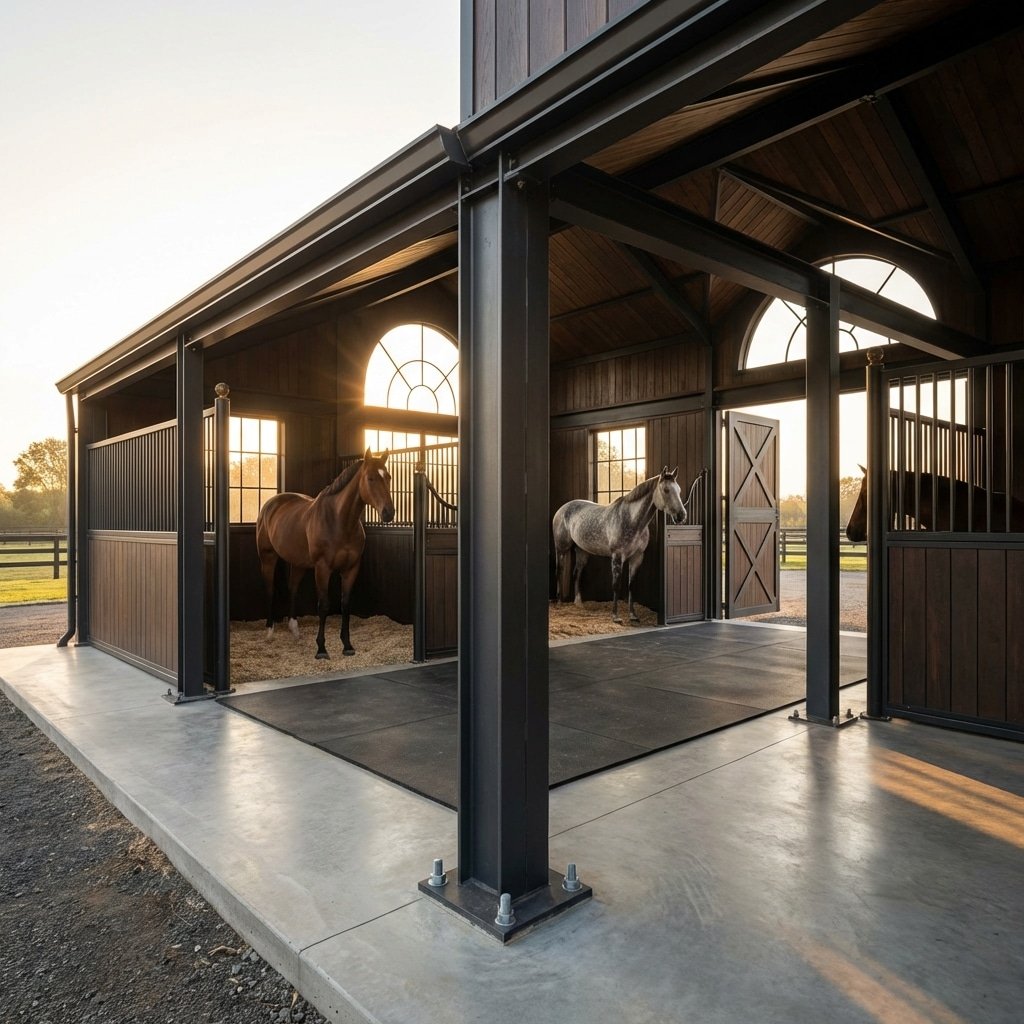
Building Permits represent the single largest variable in farm development timelines, often freezing capital in undefined regulatory queues. When local jurisdictions classify a barn as a permanent real estate improvement, developers face commercial-grade zoning...
by Frank | Mar 16, 2026 | Blog
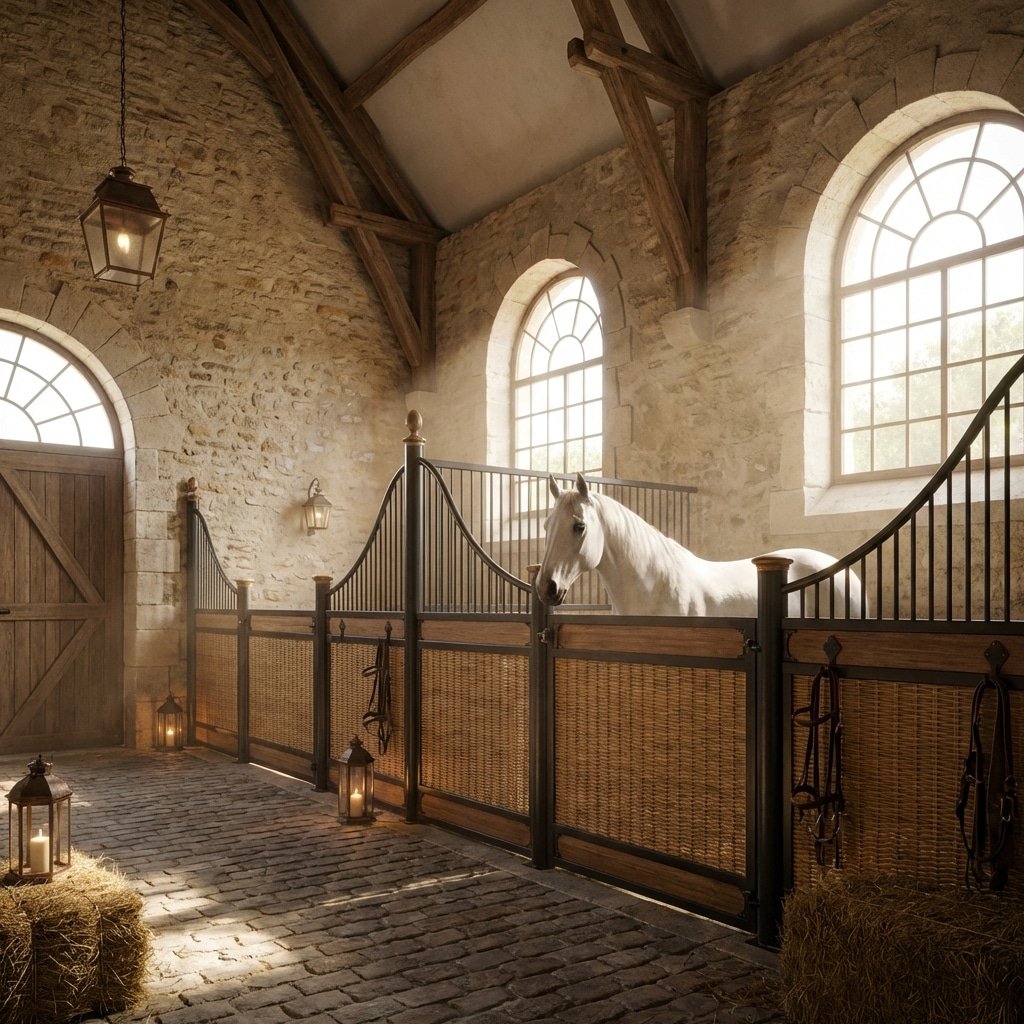
Renovating a historic chateau in France often presents a conflict between aesthetic tradition and material longevity. While native oak is the cultural standard, its high hygroscopicity leads to warping in damp stone stables, resulting in seized doors and costly...
by Frank | Mar 16, 2026 | Blog
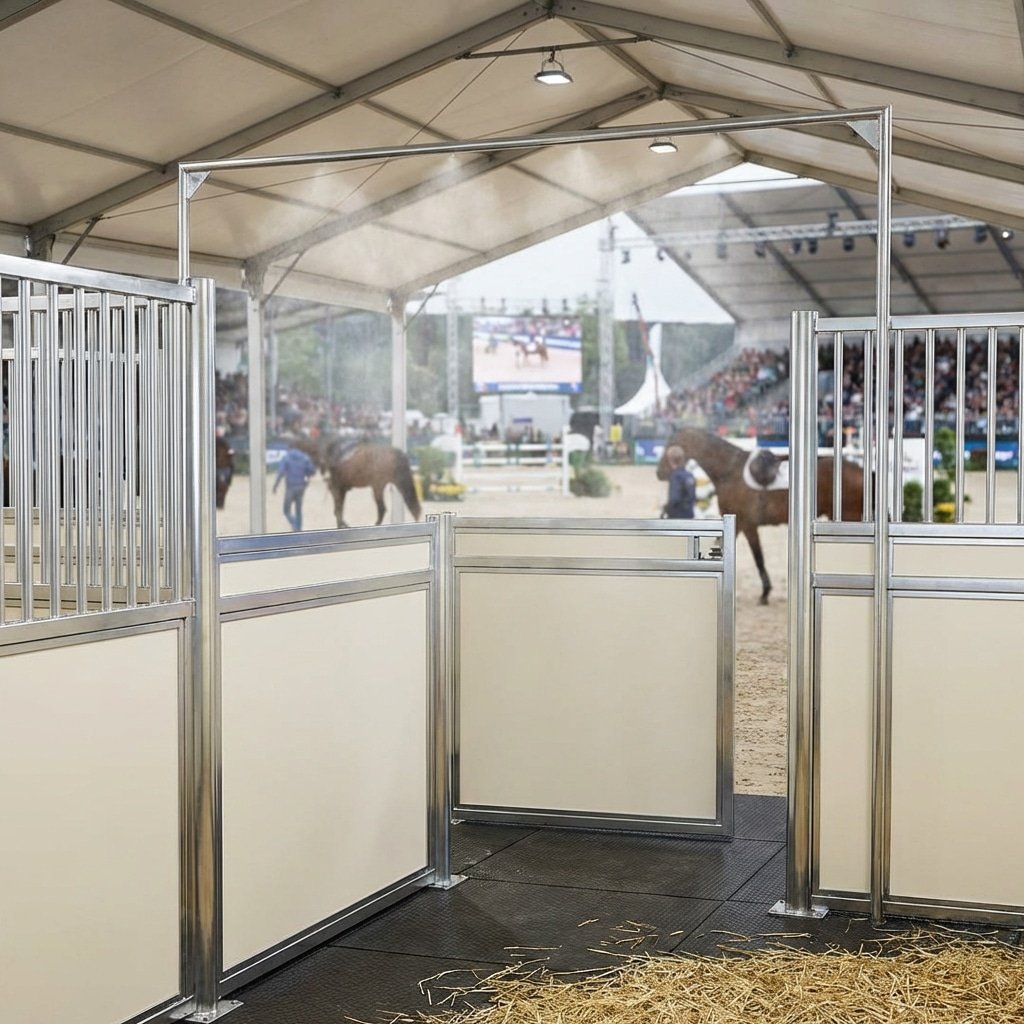
Maintaining rigorous Show Biosecurity is the only defense against the catastrophic liability of a contagious outbreak at mega-events. Porous timber stalls act as pathogen sponges, resisting sterilization and forcing managers into a costly cycle of bleaching and...


 English
  Spanish
  French
  Arabic
  German