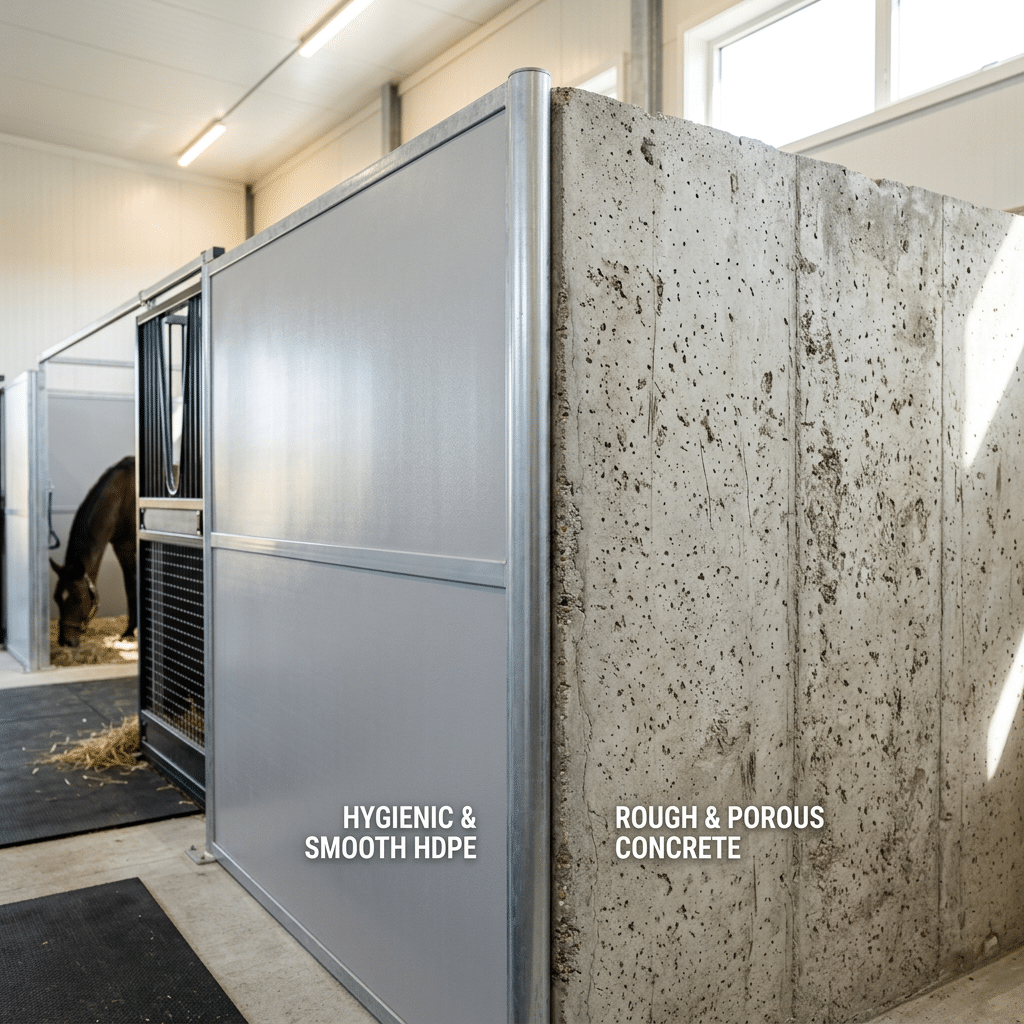
by Frank | Mar 23, 2026 | Blog
Draft Custom Sizing is the only reliable defense against the liability of cast horses in professional warmblood facilities. Standard 12-foot stalls physically trap rolling draft breeds, turning a routine movement into a lethal panic event that destroys partition walls...
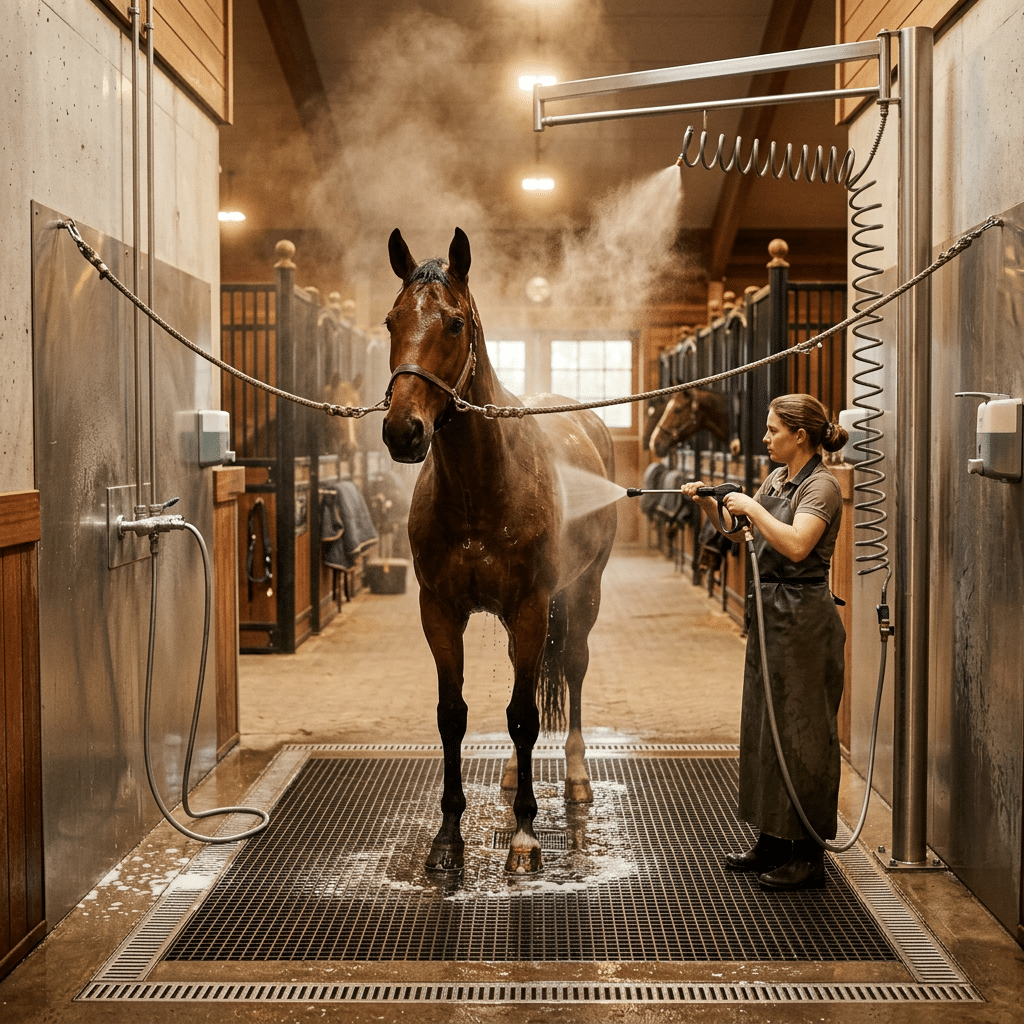
by Frank | Mar 23, 2026 | Blog
Expanding a Draft Horse Rescue facility demands heavy-duty infrastructure that balances immediate capacity with long-term solvency. Relying on standard timber or residential-grade steel for these heavy breeds inevitably leads to structural failure and wasted donor...
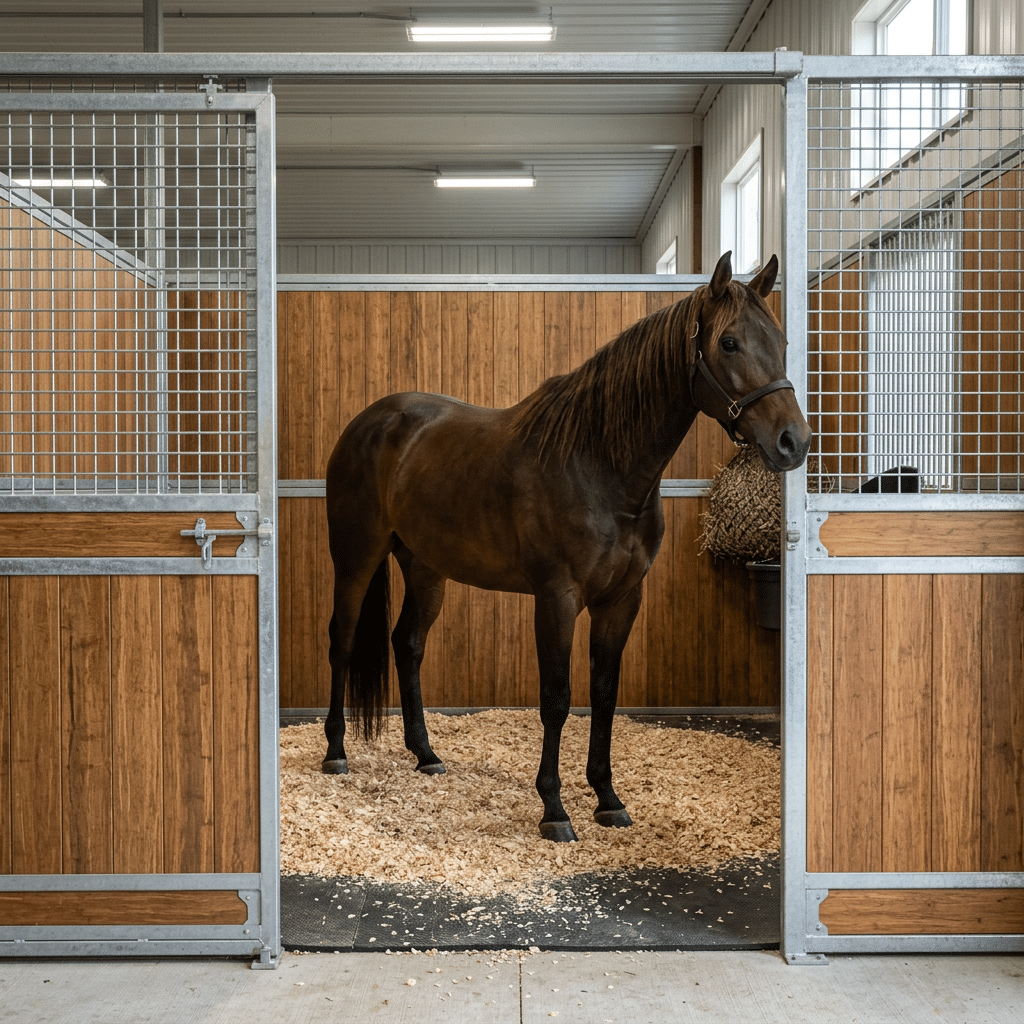
by Frank | Mar 23, 2026 | Blog
Police/Military HQ stabling projects demand infrastructure that survives abuse, not just weather. While traditional timber specifications fit the aesthetic, they fail the total cost of ownership test when 1,200-pound tactical equines begin cribbing or kicking. Relying...
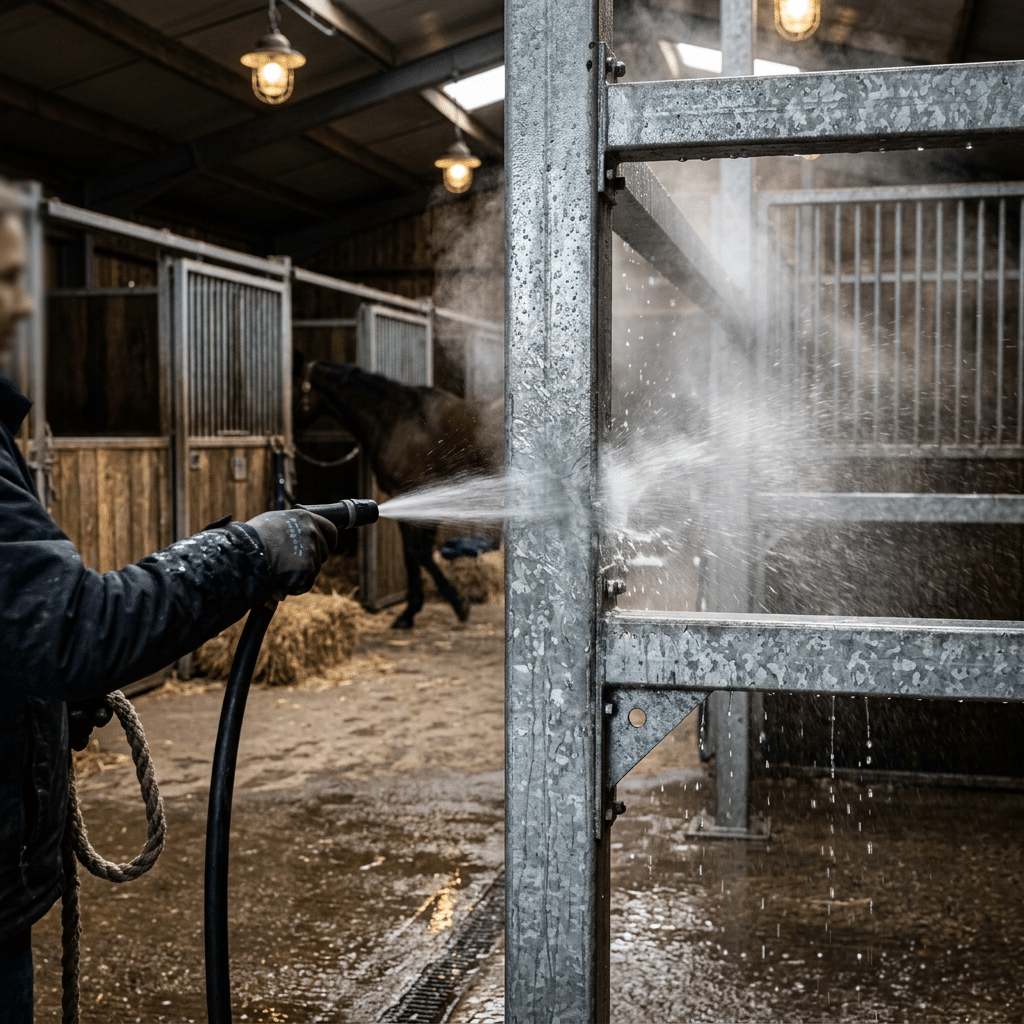
by Frank | Mar 22, 2026 | Blog
Deploying Earth Augers allows tenants to secure structural assets without triggering costly land restoration clauses. Poured concrete foundations often violate lease agreements, forcing agricultural renters to forfeit their deposit or fund expensive soil remediation...
by Frank | Mar 22, 2026 | Blog
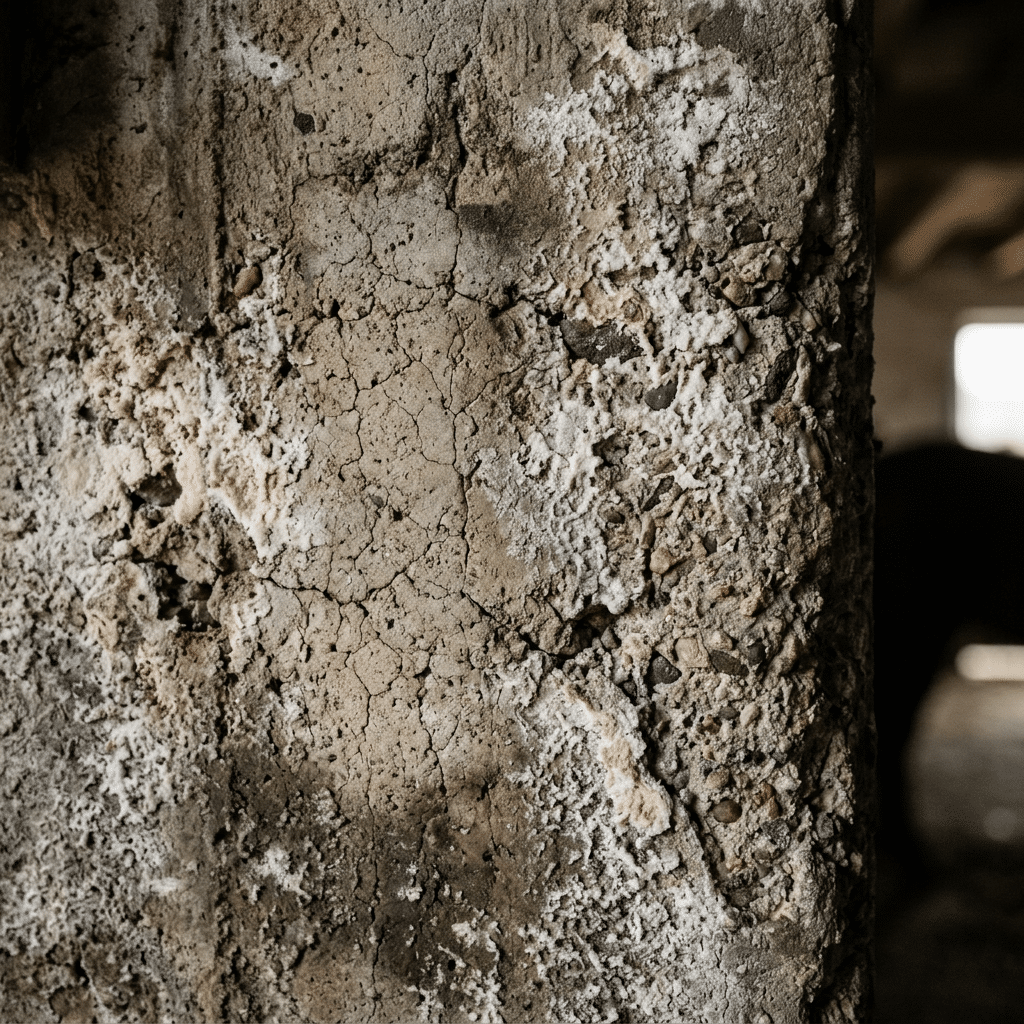
Deploying timber stables across Australia creates a massive maintenance liability for facility managers. In 40°C heat, standard softwood splits and invites termite infestation, turning a capital asset into a recurring expense. Neglecting material science here leads to...
by Frank | Mar 22, 2026 | Blog
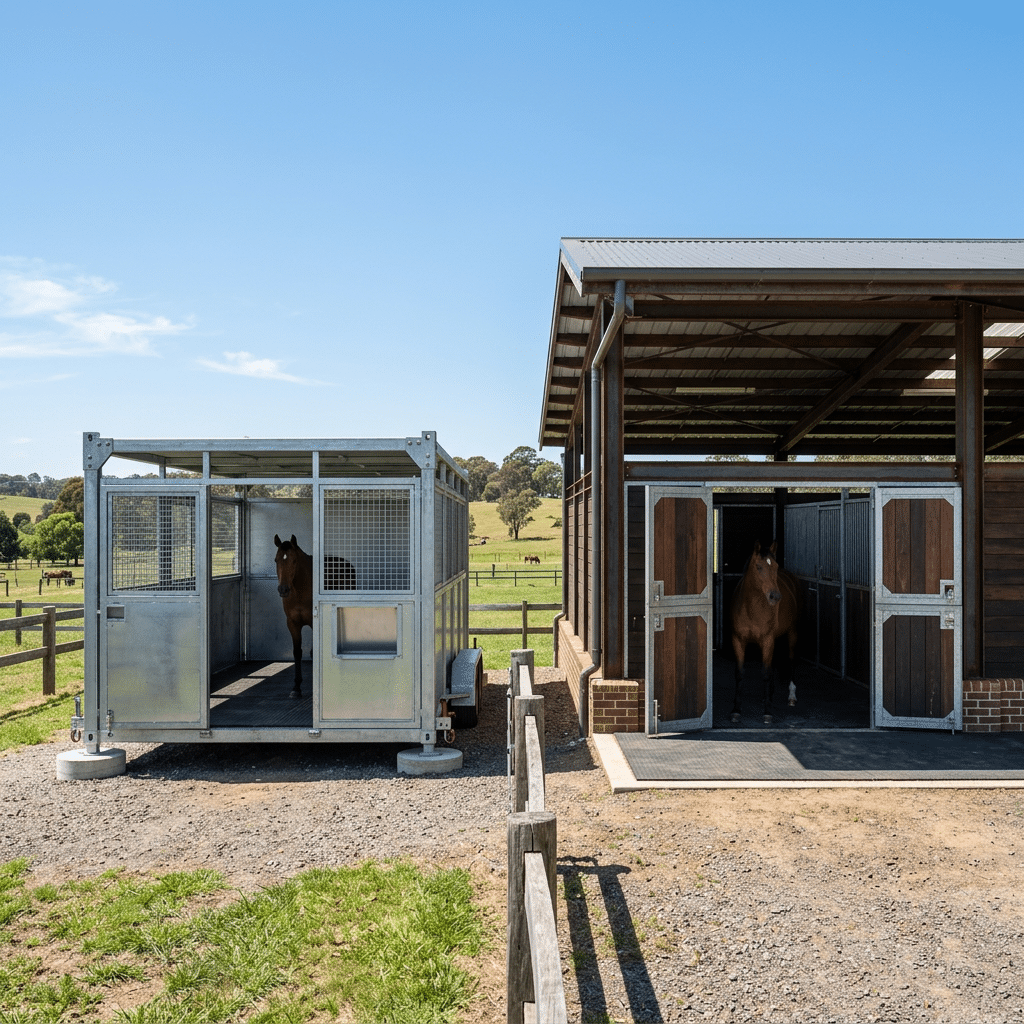
Designing a functional Police/Military HQ for mounted units demands infrastructure that survives high-stress impact, not just weather. Relying on standard residential timber for these high-traffic facilities guarantees early structural failure and aggressive repair...


 English
  Spanish
  French
  Arabic
  German