by Frank | Mar 25, 2026 | Blog
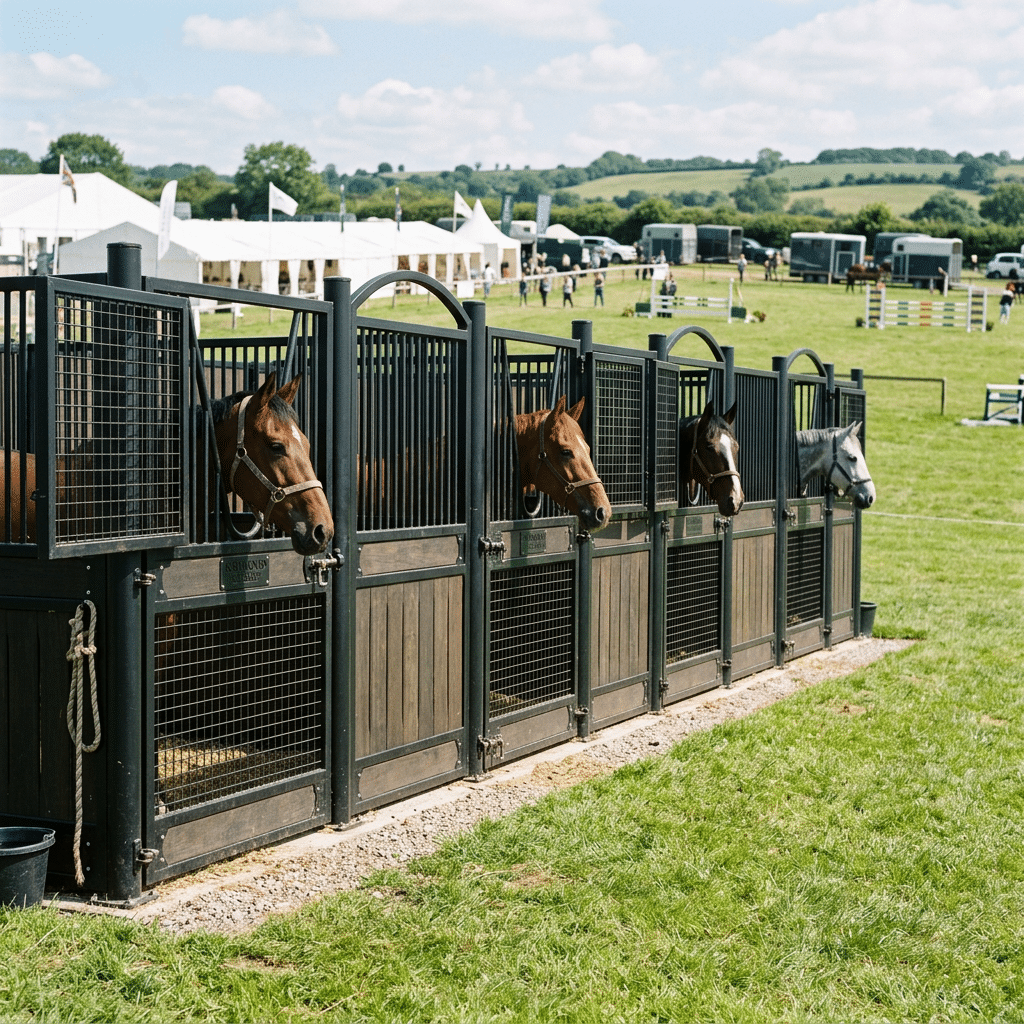
Designing compliant Hippotherapy Centers is a capital-intensive challenge where failing ADA or safety audits creates immediate liability. Standard equestrian structures often lack the zero-threshold access and impact resistance required for adaptive riding programs,...
by Frank | Mar 25, 2026 | Blog
Designing compliant Hippotherapy Centers demands infrastructure that exceeds standard agricultural codes to mitigate strict liability risks. Relying on traditional porous timber creates hygiene hazards and structural vulnerabilities that drive up insurance premiums...
by Frank | Mar 25, 2026 | Blog
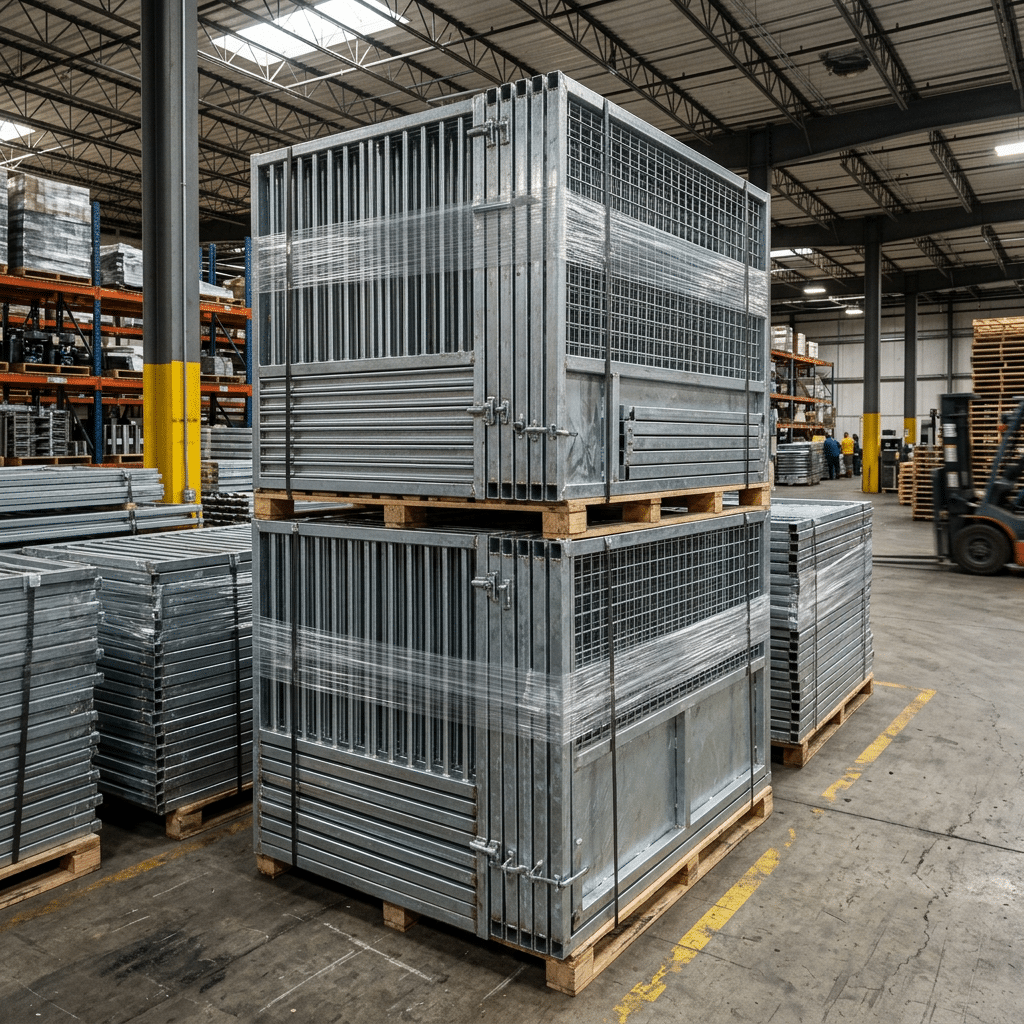
Sourcing stable equipment for Poland demands infrastructure capable of withstanding the brutal freeze-thaw cycles of Central Europe. Standard sliding door systems often fail when ground tracks freeze solid, turning a functional barn into a maintenance nightmare. While...
by Frank | Mar 24, 2026 | Blog
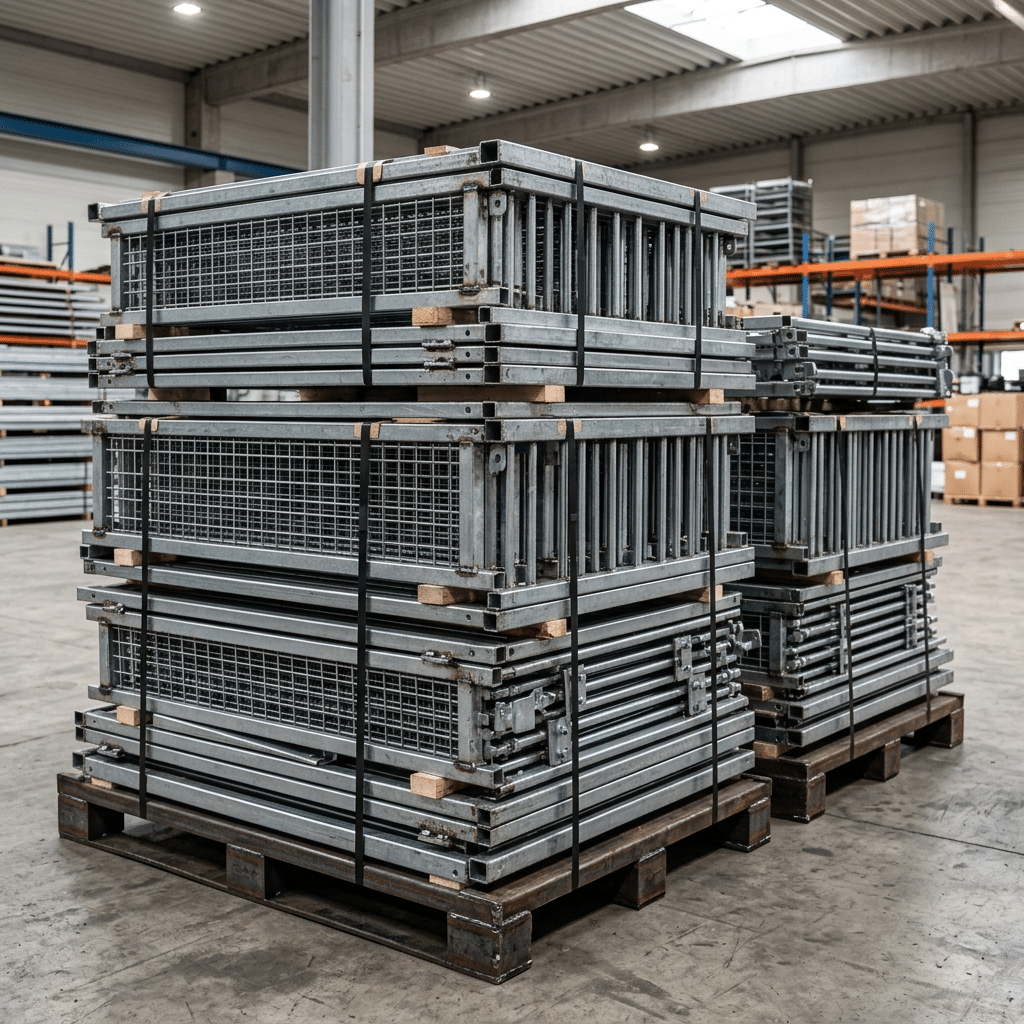
The Zinc Toxicity Myth often misleads facility managers into choosing chemically treated timber, increasing both maintenance liability and veterinary risks. While novices fear the metallurgical bond of galvanized steel, the documented danger lies in the splintering of...
by Frank | Mar 24, 2026 | Blog
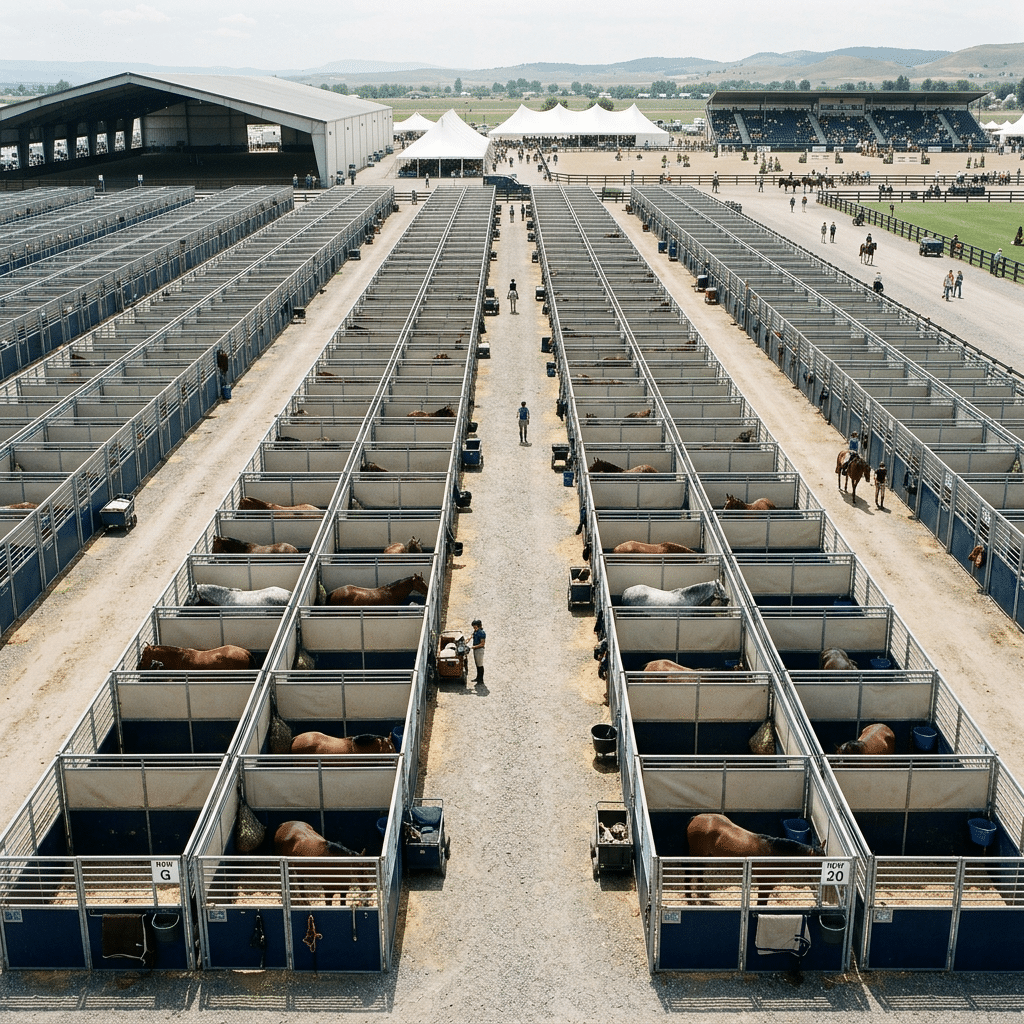
Draft Horse Rescue operations face a unique capital challenge: housing heavy breeds without exhausting donor funds on maintenance. Standard wood stalls frequently shatter under the impact of 2,000-pound animals, creating a perpetual repair loop that drains 501(c)(3)...
by Frank | Mar 24, 2026 | Blog
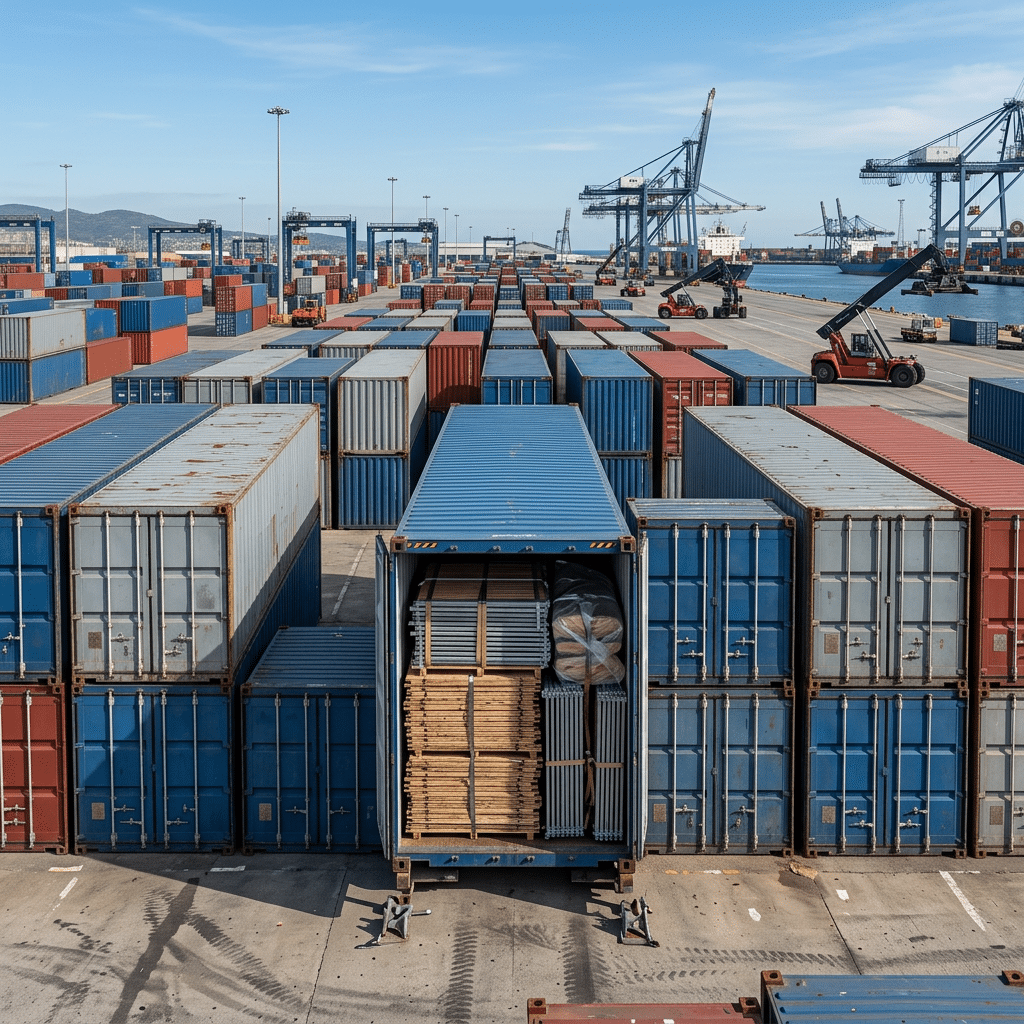
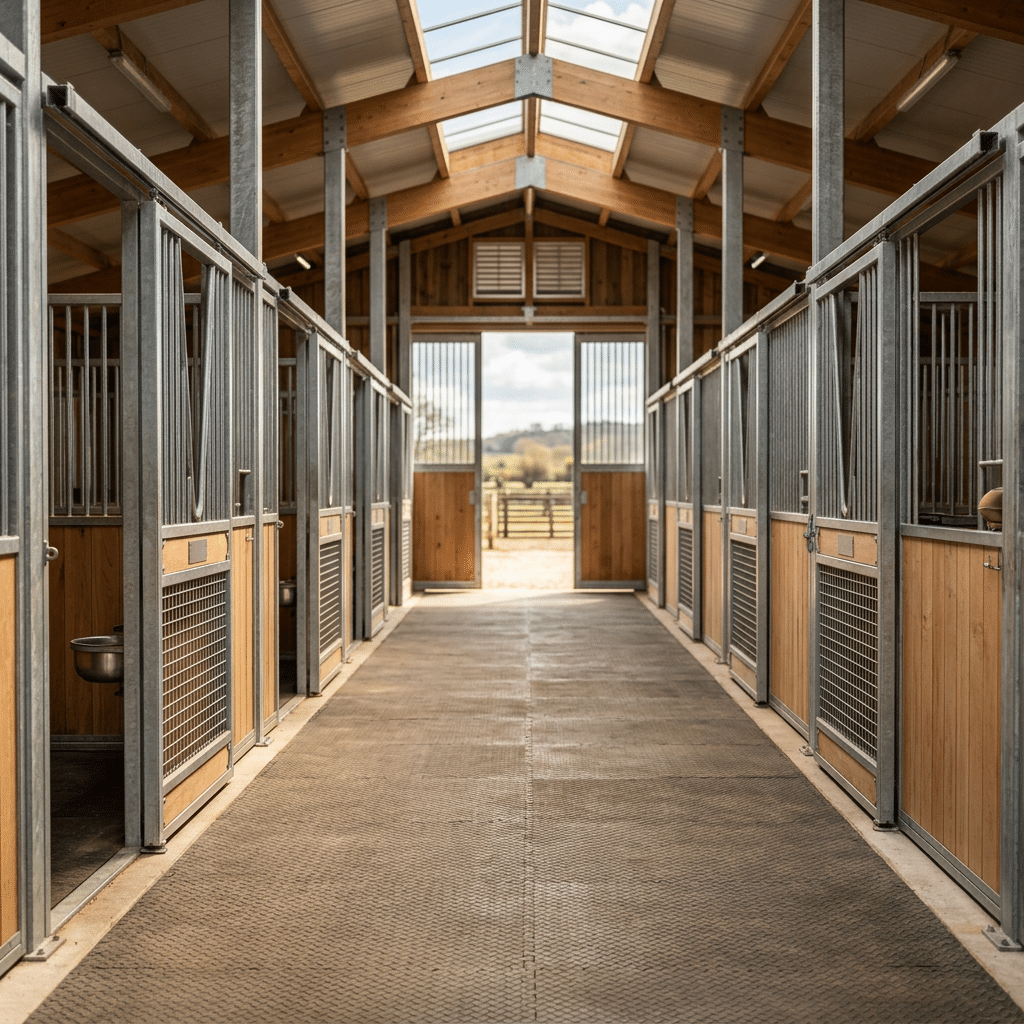
Global Export strategies for horse stalls often collapse under the weight of logistical inefficiency. Importing traditional fully welded frames forces distributors to pay for shipping air, limiting a 40HQ container to just 12 units and decimating potential profit...
 English
  Spanish
  French
  Arabic
  German