by Frank | Mar 29, 2026 | Blog
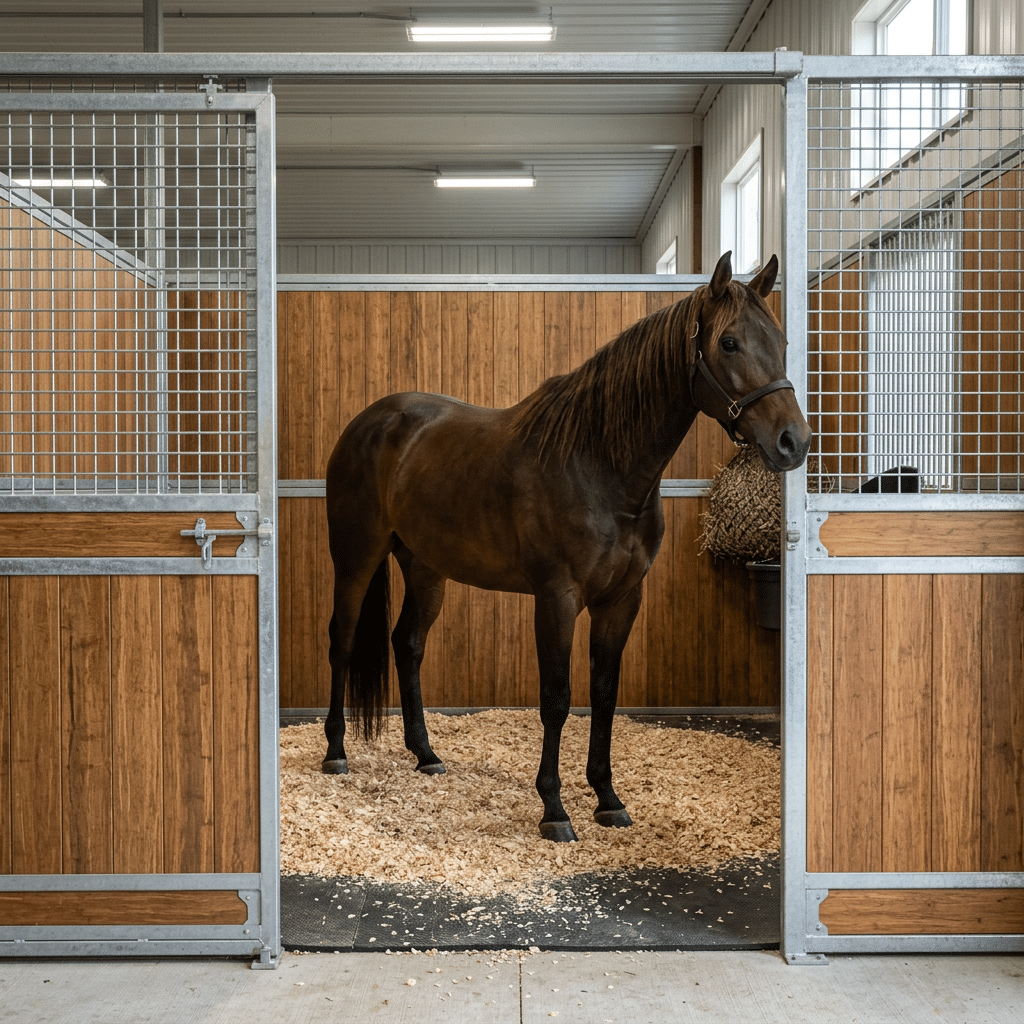
Sourcing infrastructure for a Vet University Hospital project now demands strict adherence to the 2026 ESG mandates for embodied carbon. While generic stabling offers lower initial capital expenditure, it fails Whole Life Carbon assessments due to rapid corrosion and...
by Frank | Mar 29, 2026 | Blog
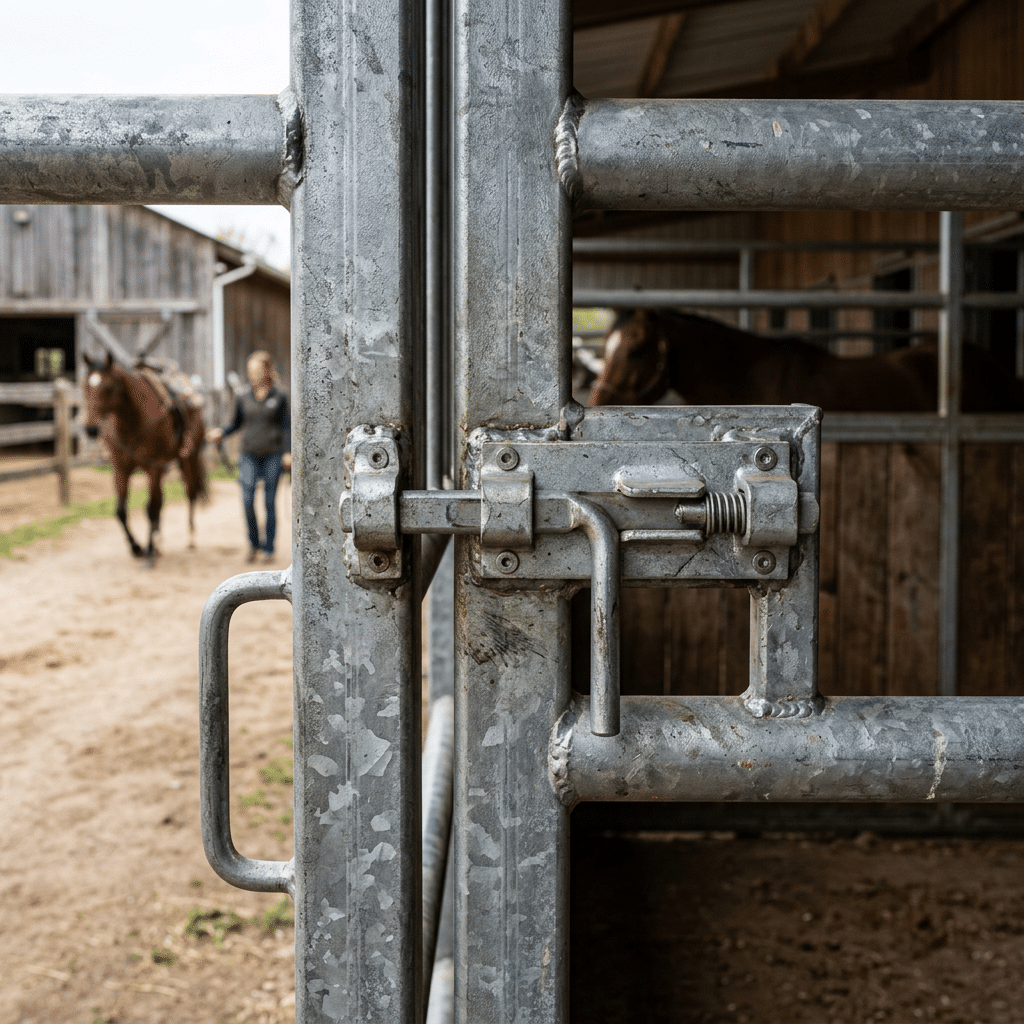
Neglected Aisle Thresholds create immediate liability risks for commercial equine facilities. Installing 45mm rubber pavers over existing concrete without a recessed transition forms a dangerous vertical lip that trips handlers and obstructs feed carts. This...
by Frank | Mar 29, 2026 | Blog
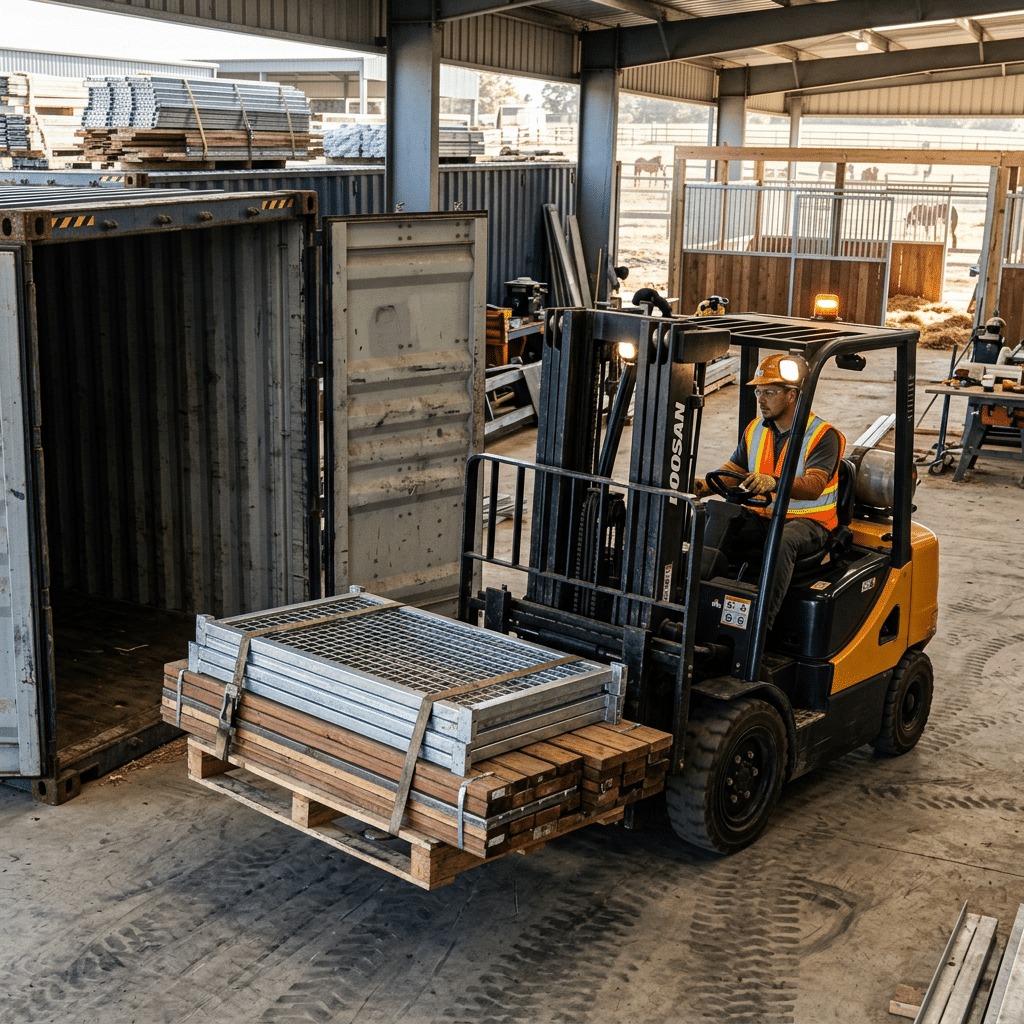
Equestrian design in France demands architectural grandeur, yet traditional oak infills often warp in damp stable environments. Relying on native timber for luxury stalls creates a maintenance liability where high moisture content causes rot and structural failure...
by Frank | Mar 28, 2026 | Blog
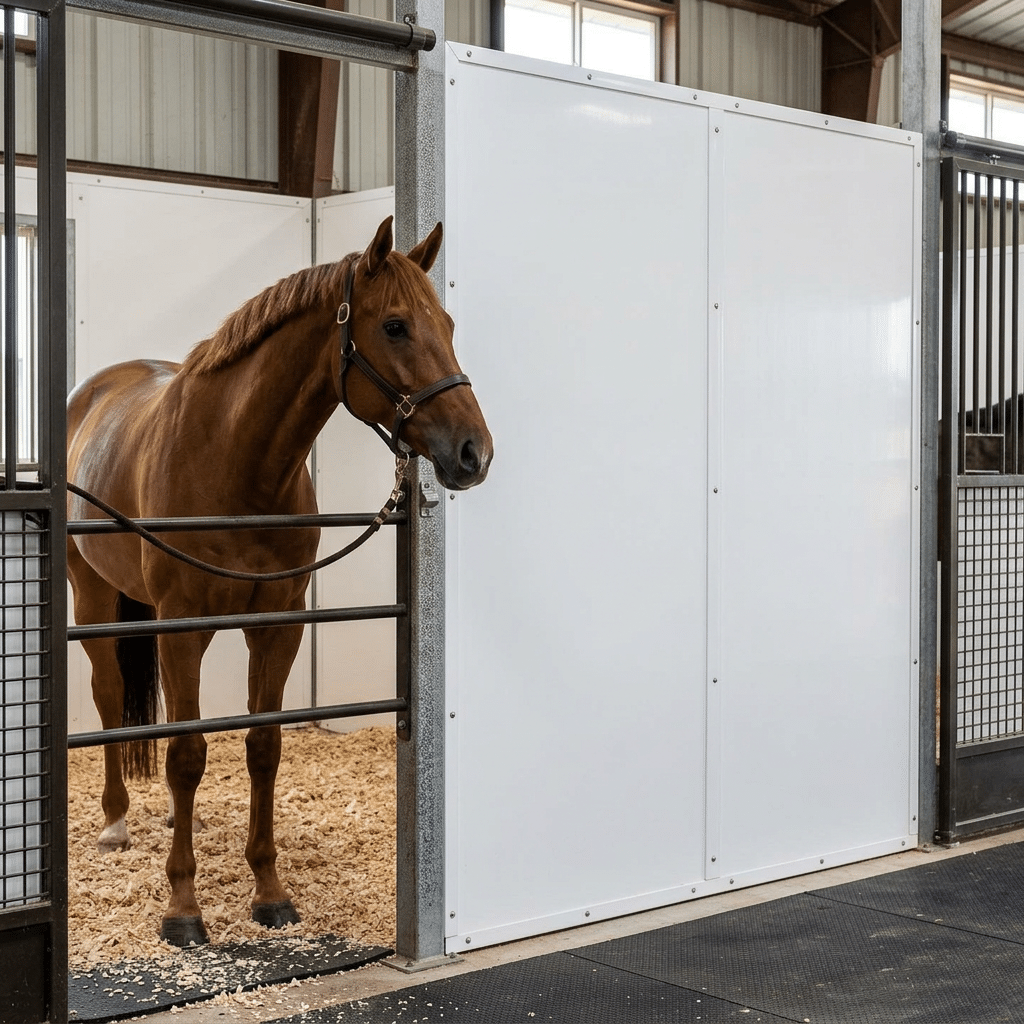
Transport Hubs handling equine cargo face a unique operational risk: biosecurity failure during layover. While timber offers a traditional aesthetic, its porosity traps pathogens, leading to quarantine breaches and massive liability claims. Efficient operations demand...
by Frank | Mar 28, 2026 | Blog
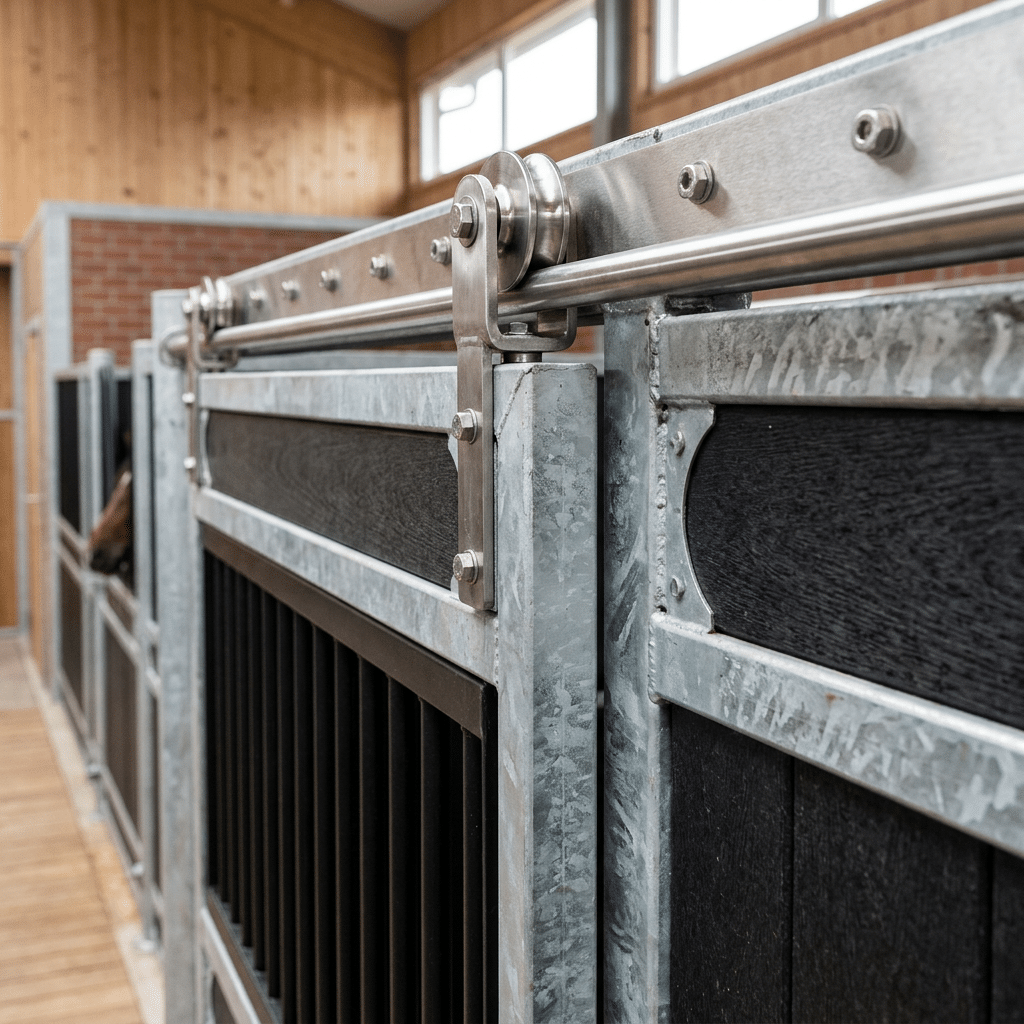
Selecting the correct Round vs Box Track system determines whether your facility faces years of smooth operation or constant derailment liabilities. While tubular systems excel at shedding corrosive dust, they often fail under the dynamic impact of a 450kg...
by Frank | Mar 28, 2026 | Blog
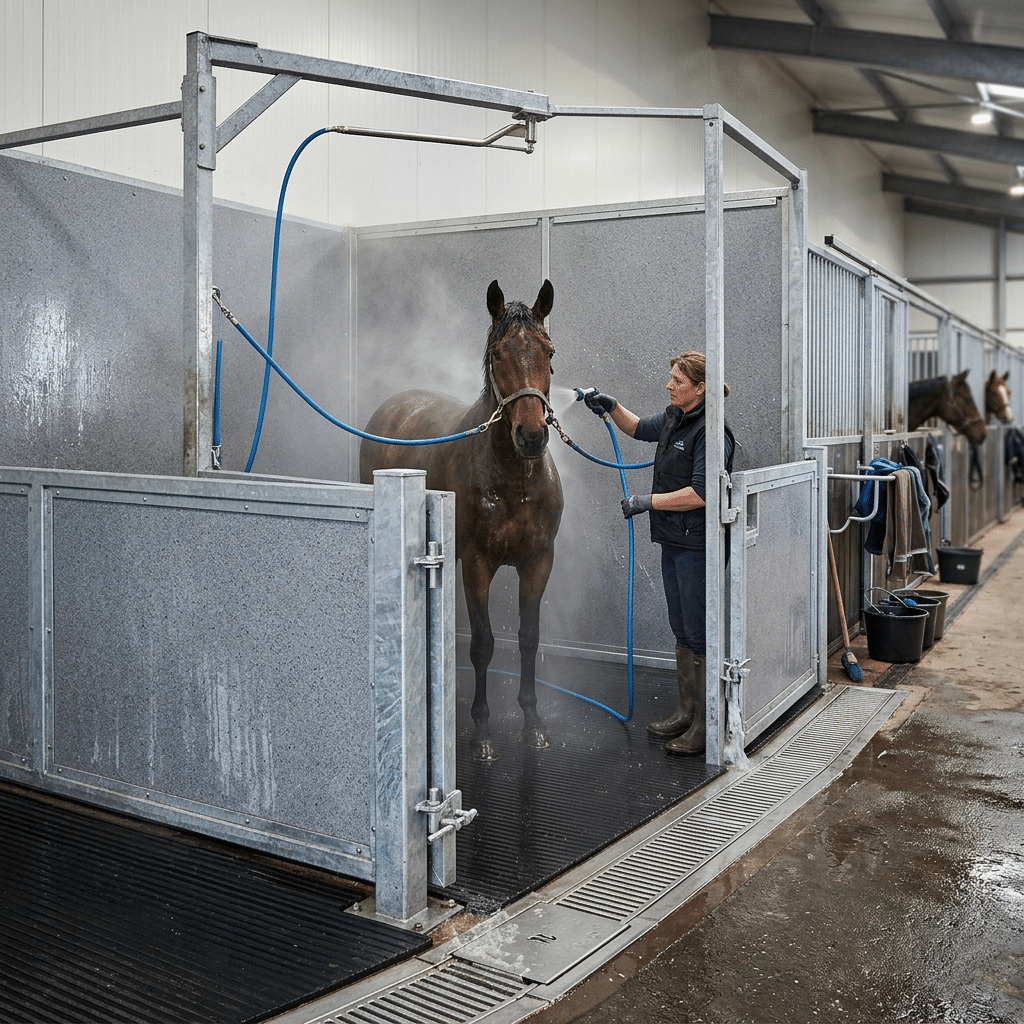
Equine Transport Hubs face a unique infrastructure challenge where material failure halts global logistics chains. Specifying standard agricultural grade steel for these high-traffic zones creates an immediate liability, as rapid corrosion and physical damage force...


 English
  Spanish
  French
  Arabic
  German