by Frank | Mar 31, 2026 | Blog
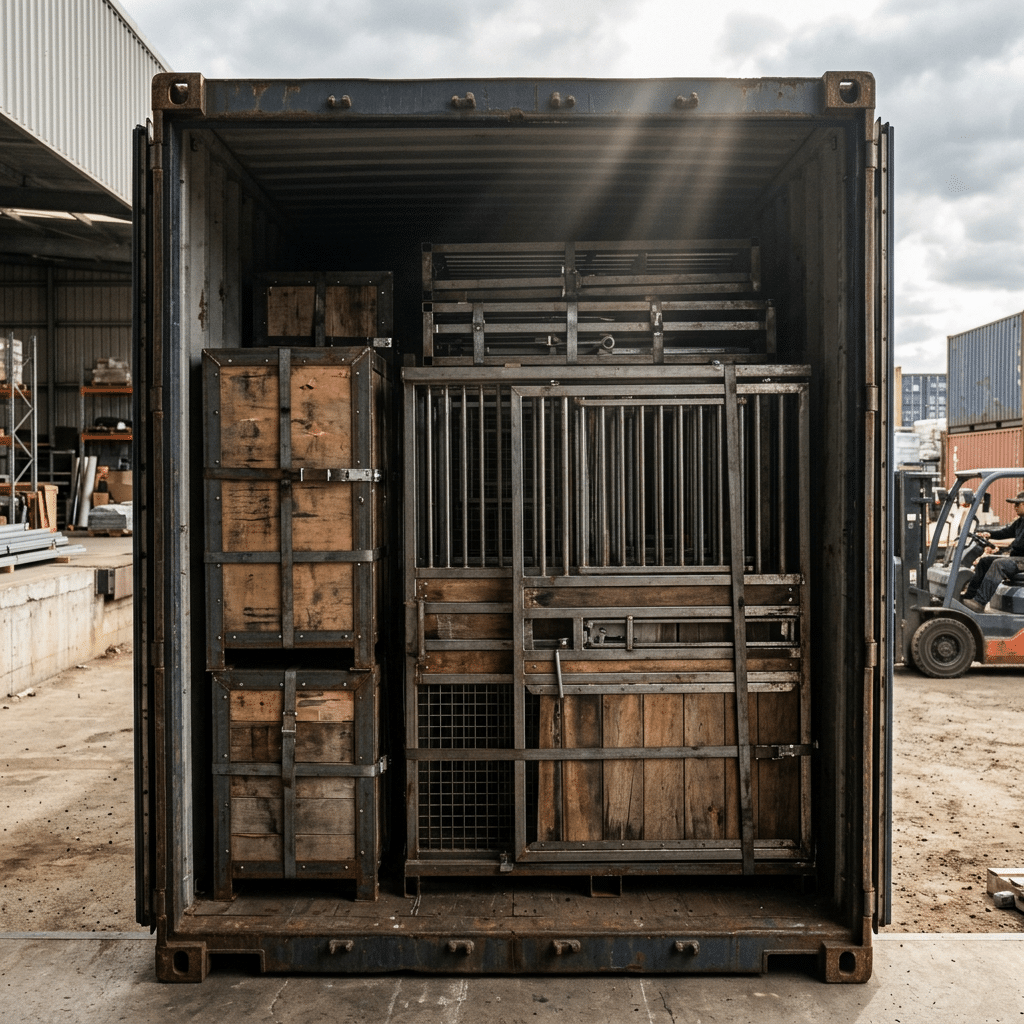
Improperly mounted Wash Booms create a false sense of security that often ends in structural failure. While keeping hoses off the floor reduces trip hazards, attaching high-torque equipment to standard pine posts guarantees stripped fasteners and collapsed fixtures....
by Frank | Mar 31, 2026 | Blog
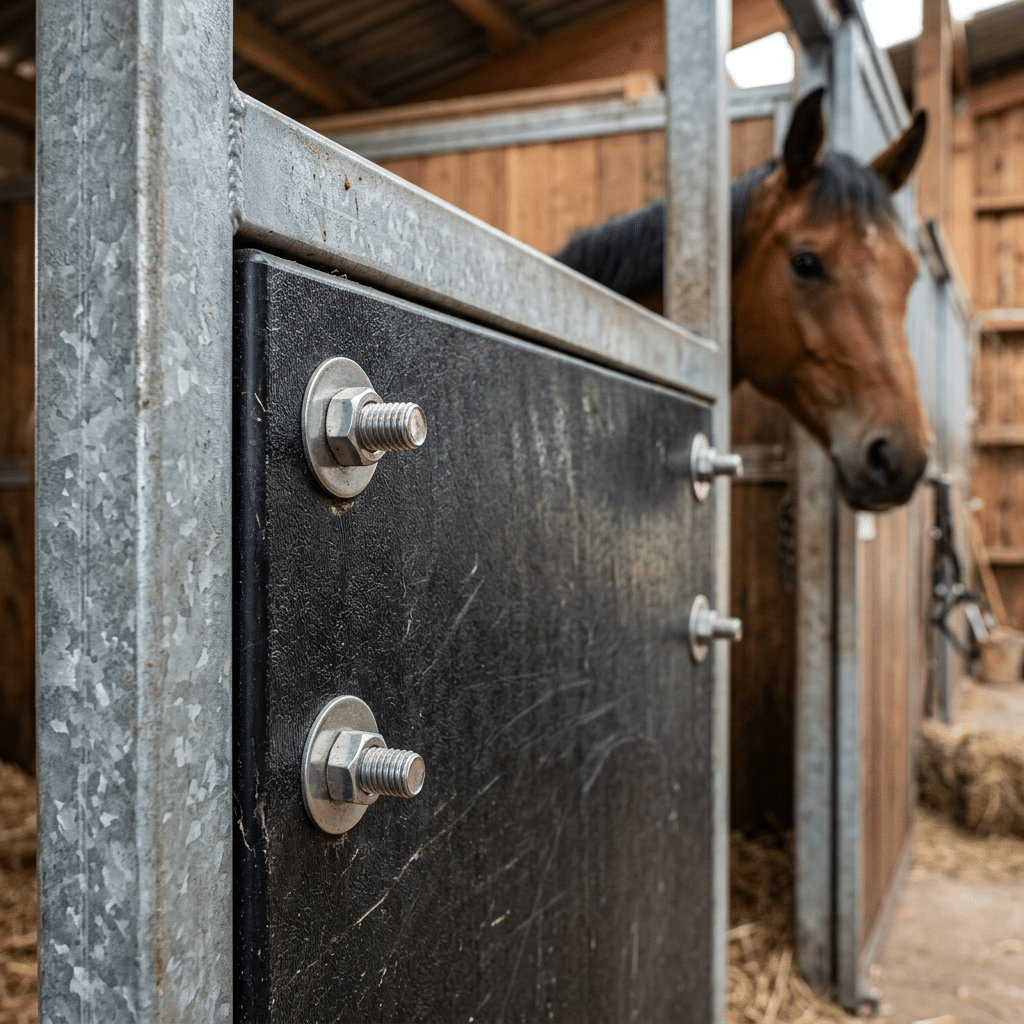
Precision-Engineered Stables With 20-Year Durability Maximize facility value with hot-dipped galvanized steel frames designed to resist rust for over two decades. Our modular, compliance-ready systems reduce installation time by 30% for faster operational readiness....
by Frank | Mar 31, 2026 | Blog
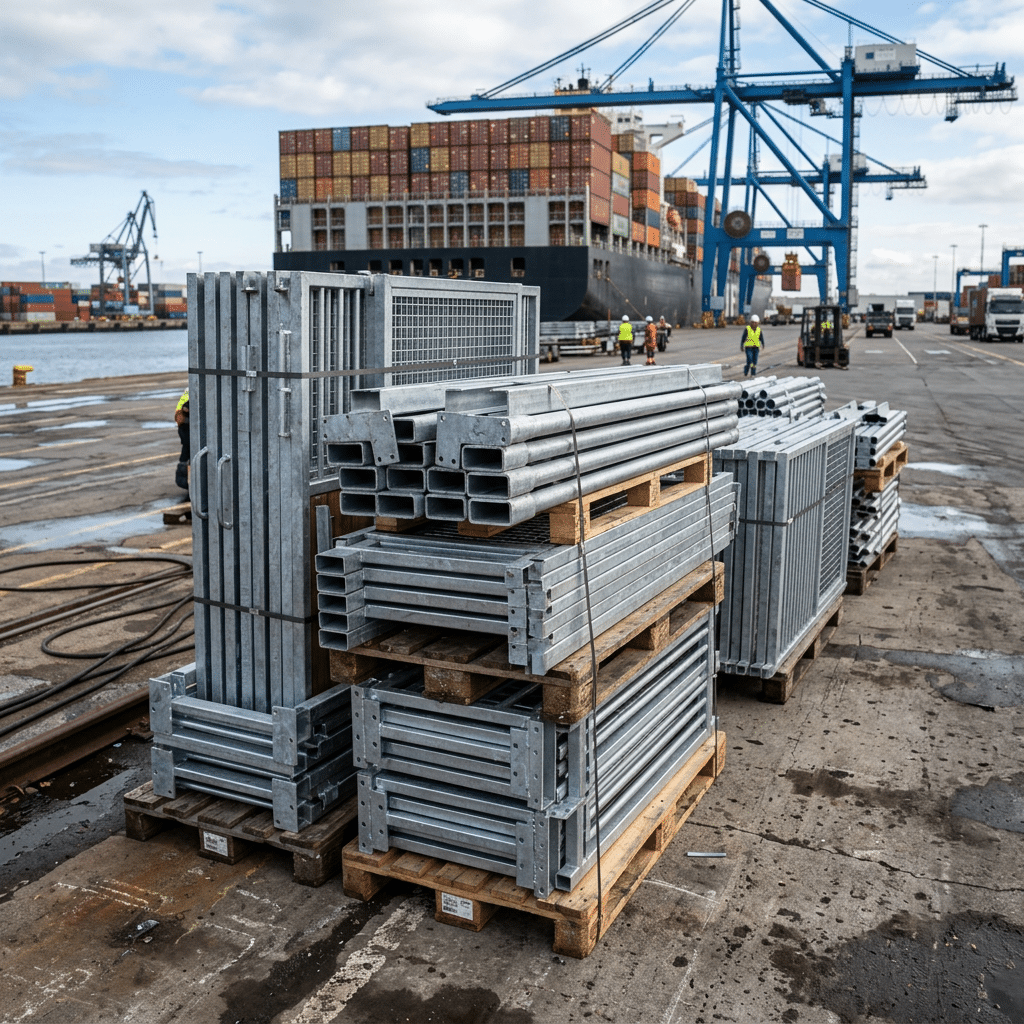
Auction Houses require infrastructure that withstands rapid turnover without compromising biosecurity or asset value. Relying on traditional welded frames creates a logistical bottleneck, often capping container efficiency at just 12 units and driving up freight costs...
by Frank | Mar 30, 2026 | Blog
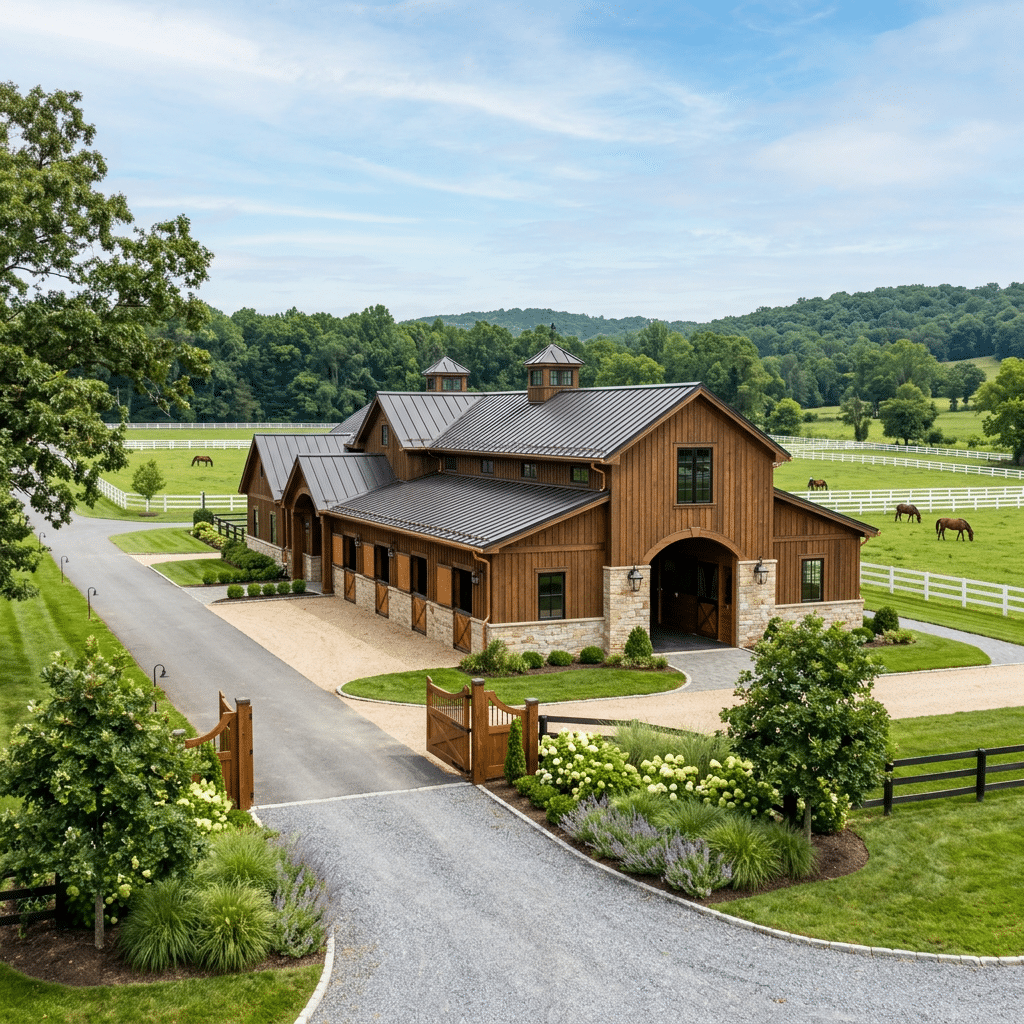
Anti-cast strips function as a critical insurance policy against the lethal mechanics of wall entrapment in high-value equine facilities. When a thoroughbred becomes cast, the absence of traction hardware turns a minor stumble into a career-ending fracture. For...
by Frank | Mar 30, 2026 | Blog
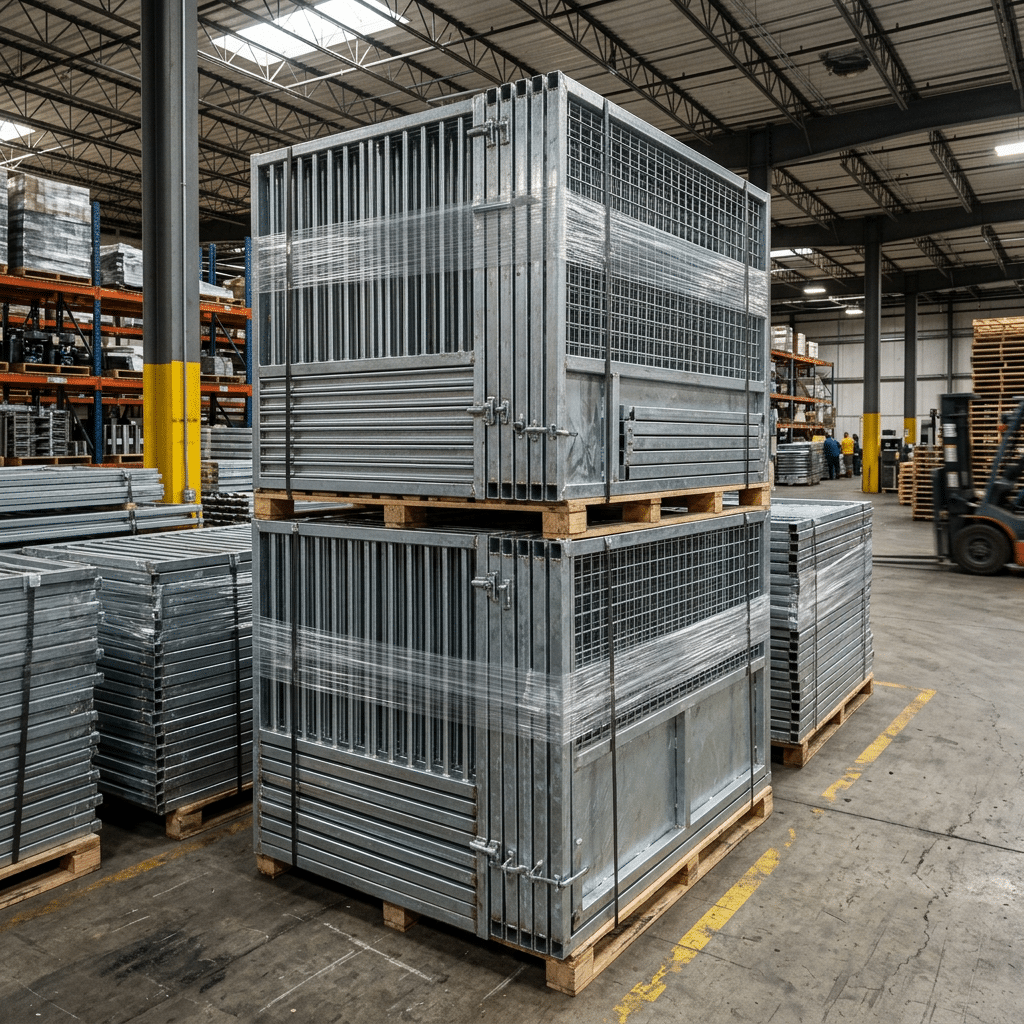
Designing a Vet University Hosp. now demands strict adherence to mandatory carbon budgets and circular economy lifecycles. Architects and government planners relying on traditional welded assemblies risk immediate tender disqualification due to inefficient Scope 3...
by Frank | Mar 30, 2026 | Blog
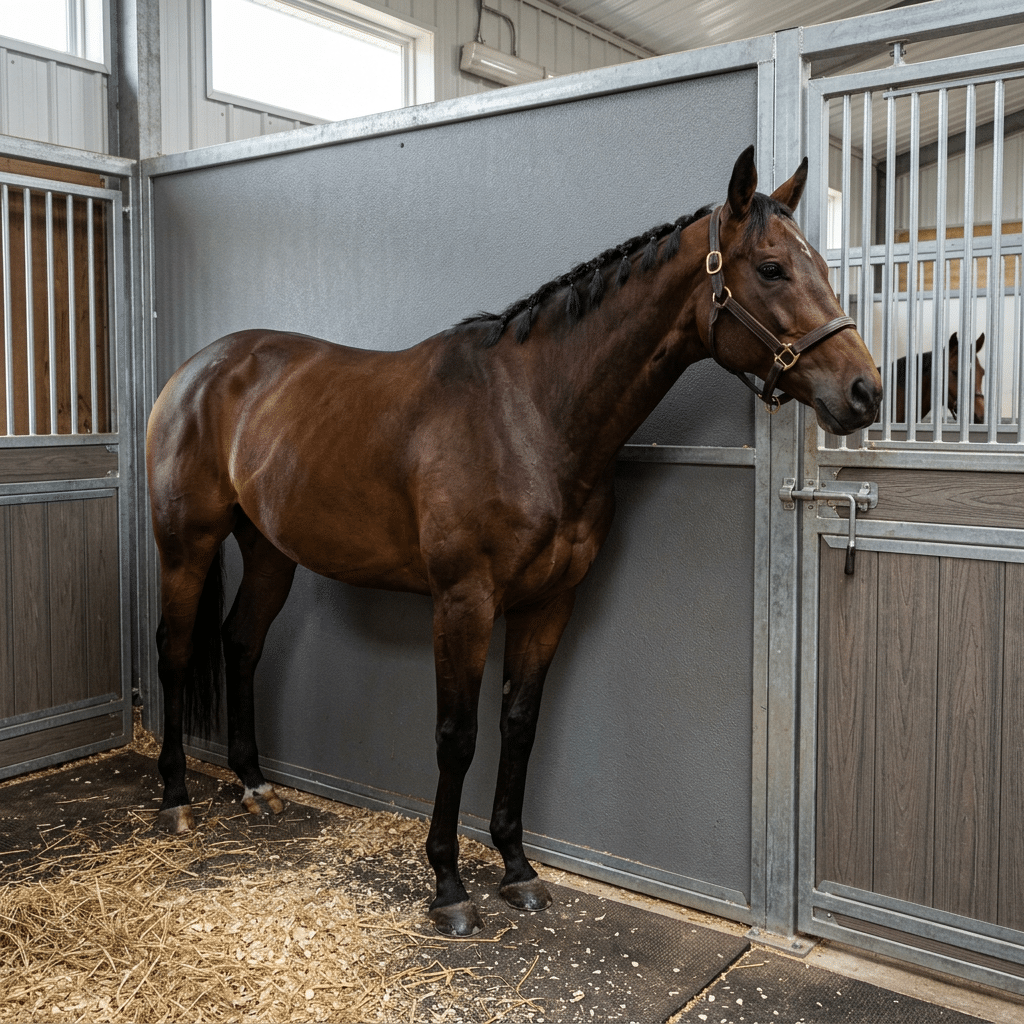
Exporting heavy-duty stabling to Germany demands engineering that withstands the kinetic impact of 17-hand Warmbloods. Standard 2.2m partitions frequently fail under the stress of these high-performance athletes, leading to catastrophic injury liability and costly...


 English
  Spanish
  French
  Arabic
  German