by Frank | Apr 26, 2026 | Blog
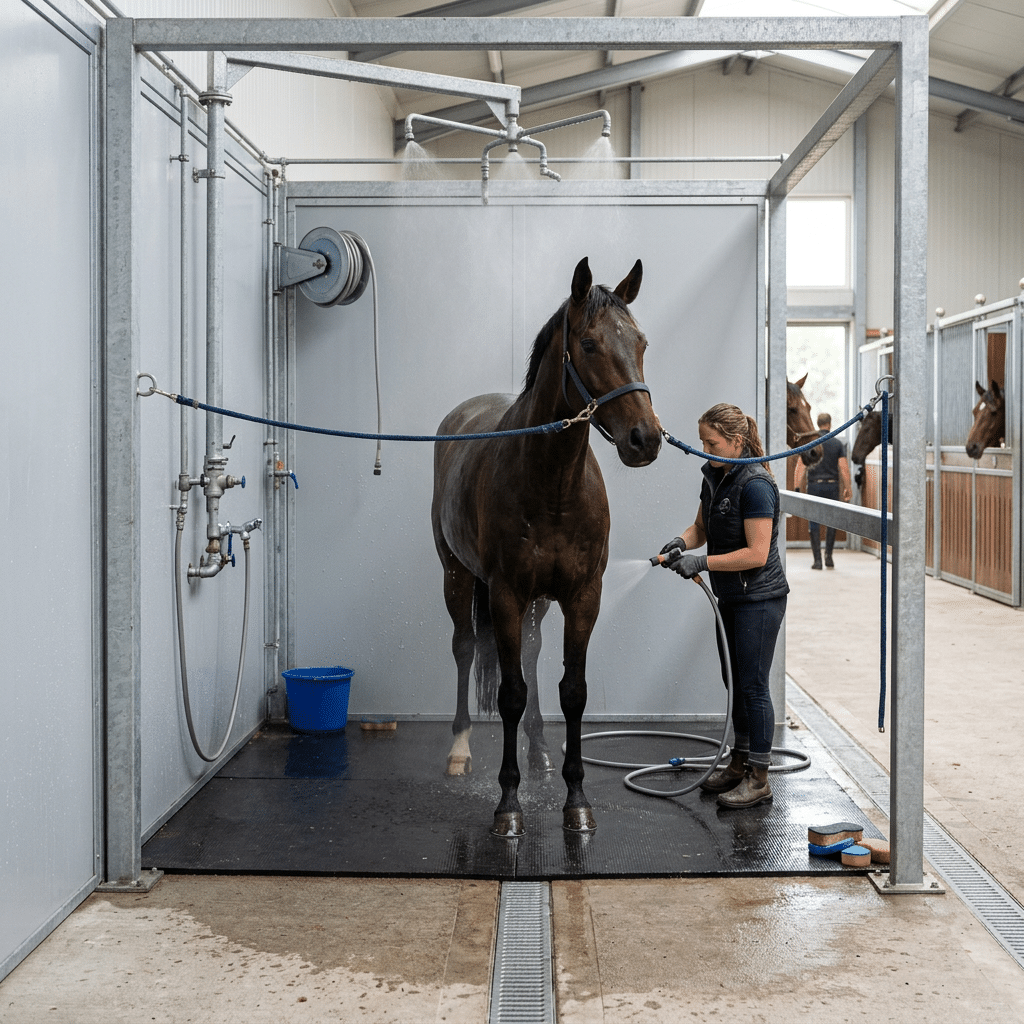
Phased construction is a critical capital strategy for equestrian facilities, but it fails when future stable additions don’t match the original build. Relying on inconsistent suppliers often leads to mismatched panel dimensions and galvanization quality,...
by Frank | Apr 26, 2026 | Blog
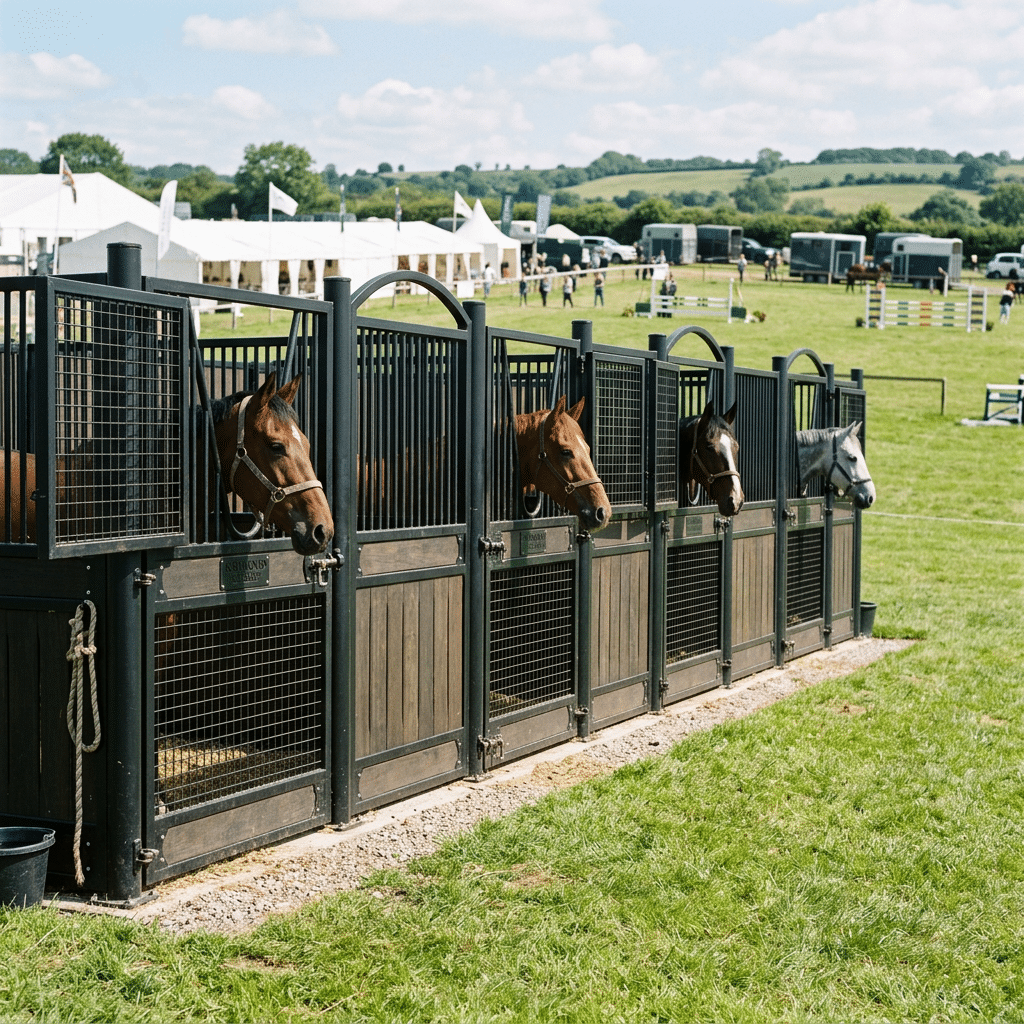
State Fairgrounds that rely on rental stabling contracts inadvertently create a permanent drain on event budgets. This cycle of dead money strips venues of residual asset value, while the inconsistent safety standards of aging rental inventory significantly increase...
by Frank | Apr 26, 2026 | Blog
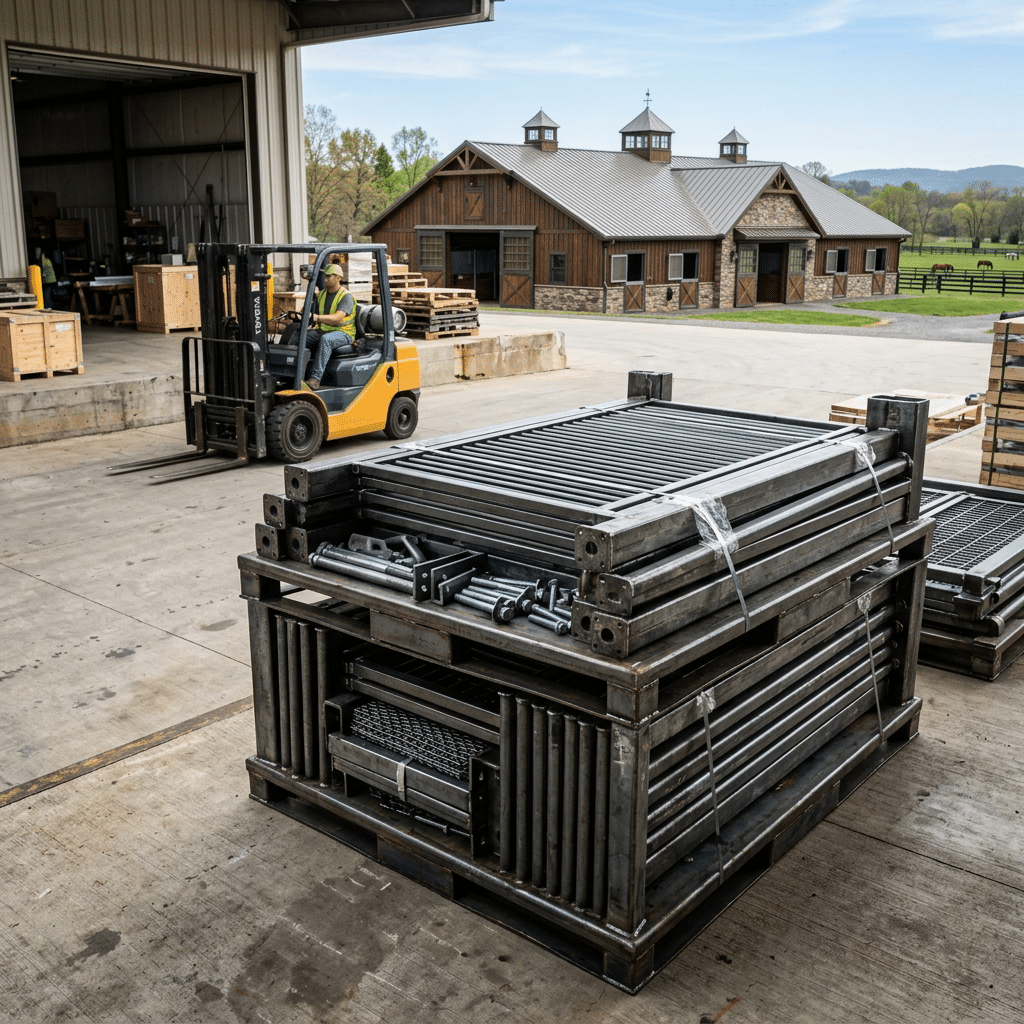
Site cleanup is a critical liability hidden within horse stable installation costs. Traditional crated kits scatter stray nails, wood splinters, and plastic wrap across the property, creating immediate hazards for animals and forcing unplanned labor expenses to meet...
by Frank | Apr 25, 2026 | Blog
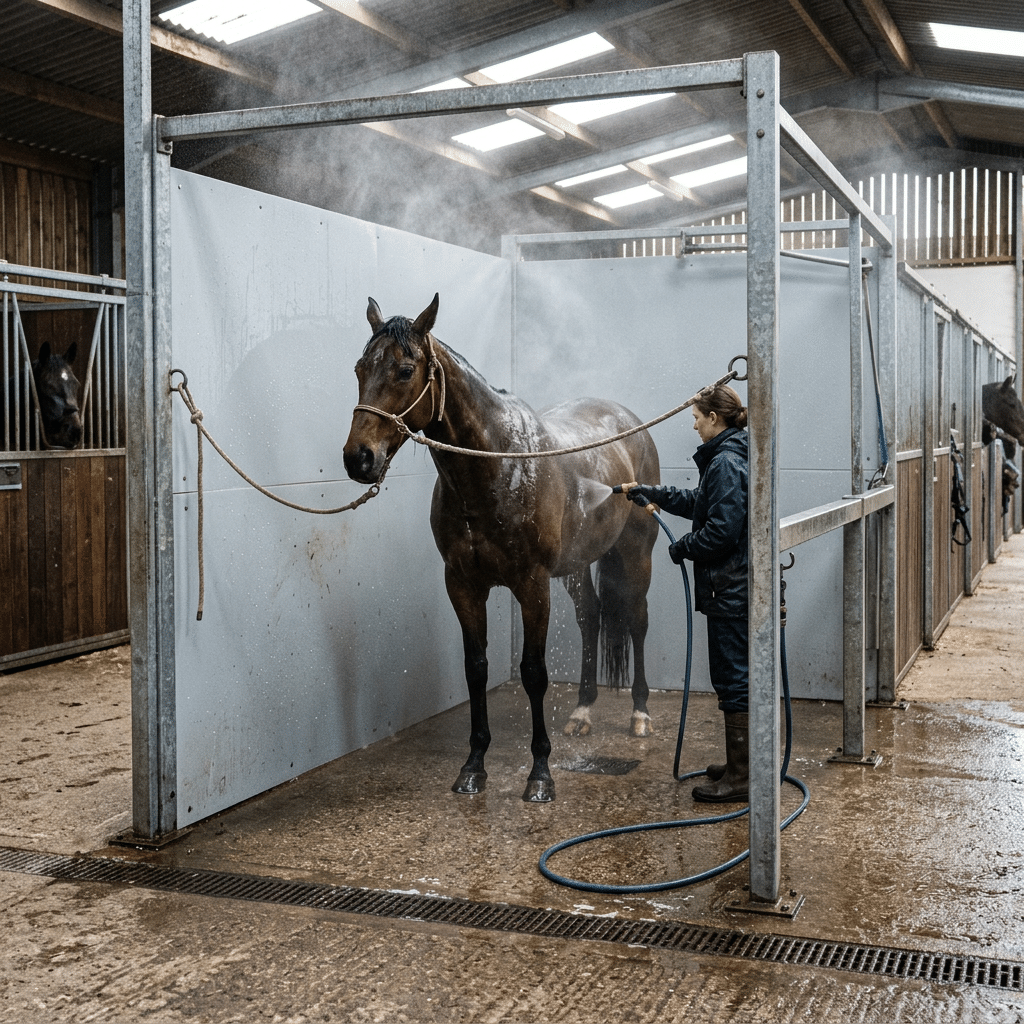
Effective Border Quarantine infrastructure fails the moment porous materials enter the facility. Relying on standard timber or painted steel invites immediate rejection from USDA inspectors, turning minor biosecurity gaps into costly repatriation liabilities. We...
by Frank | Apr 25, 2026 | Blog
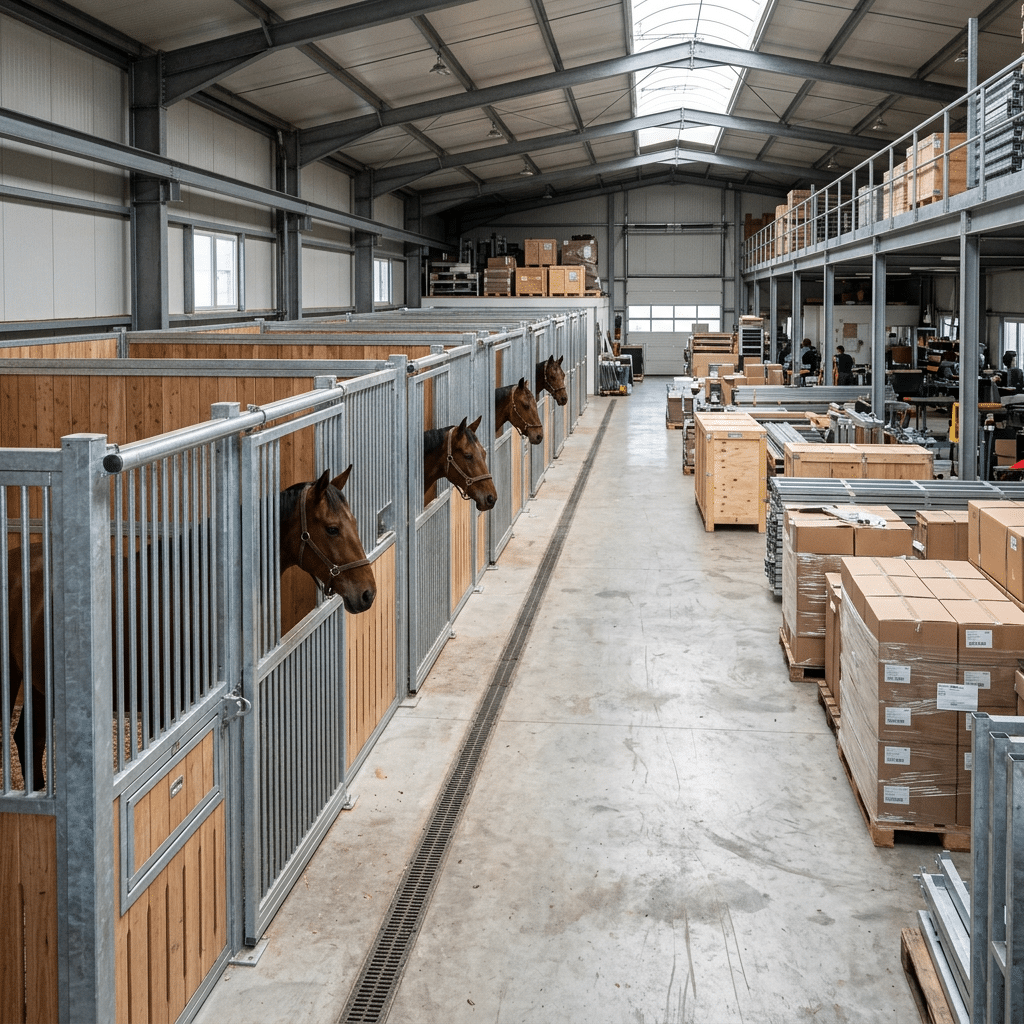
Sourcing Luxury Resort Stables is a high-stakes balance between architectural impact and long-term asset protection. Relying on standard agricultural specifications often results in rapid finish degradation, forcing developers into costly renovation cycles just...
by Frank | Apr 25, 2026 | Blog
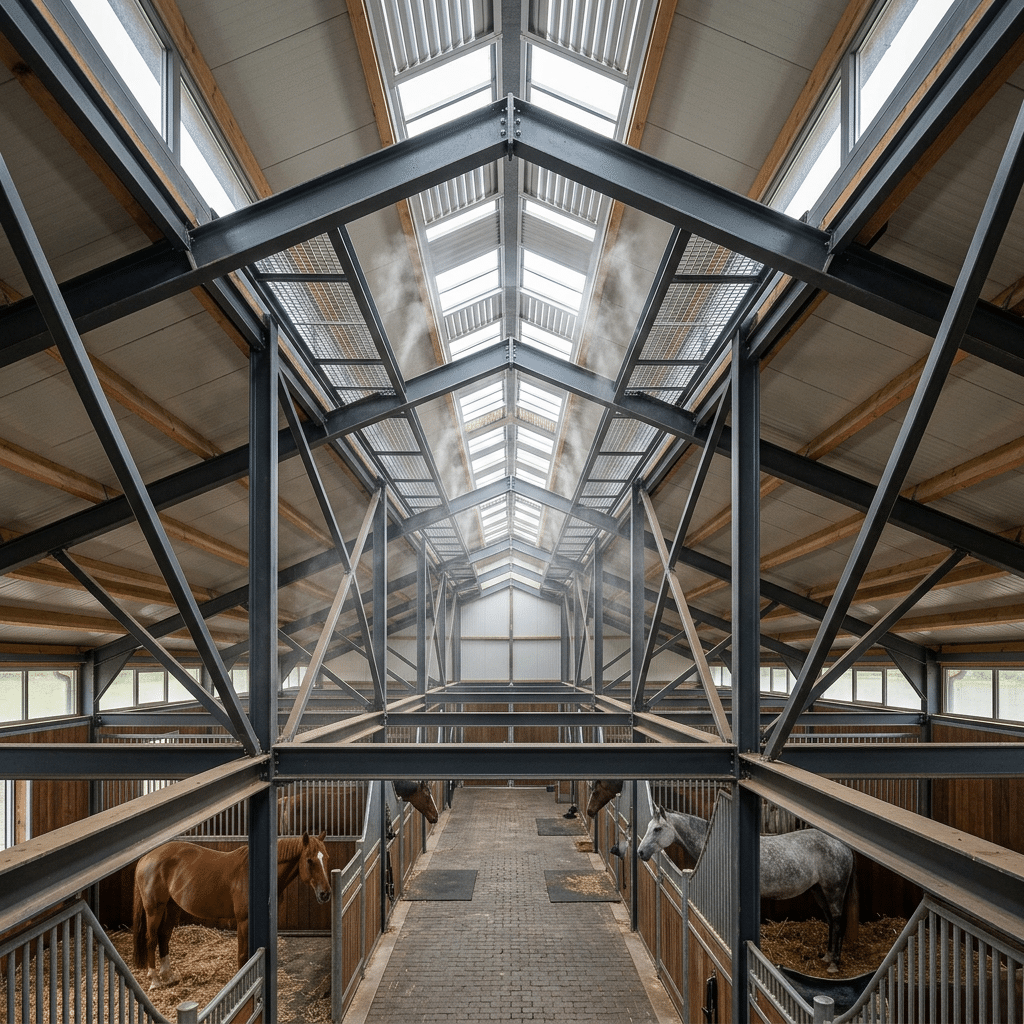
Deploying a Multi-Species Modular system is the only scalable way to house horses alongside goats or alpacas without risking entrapment lawsuits. Standard equine intervals trap smaller heads and hooves, turning a versatile barn into a liability nightmare that destroys...


 English
  Spanish
  French
  Arabic
  German