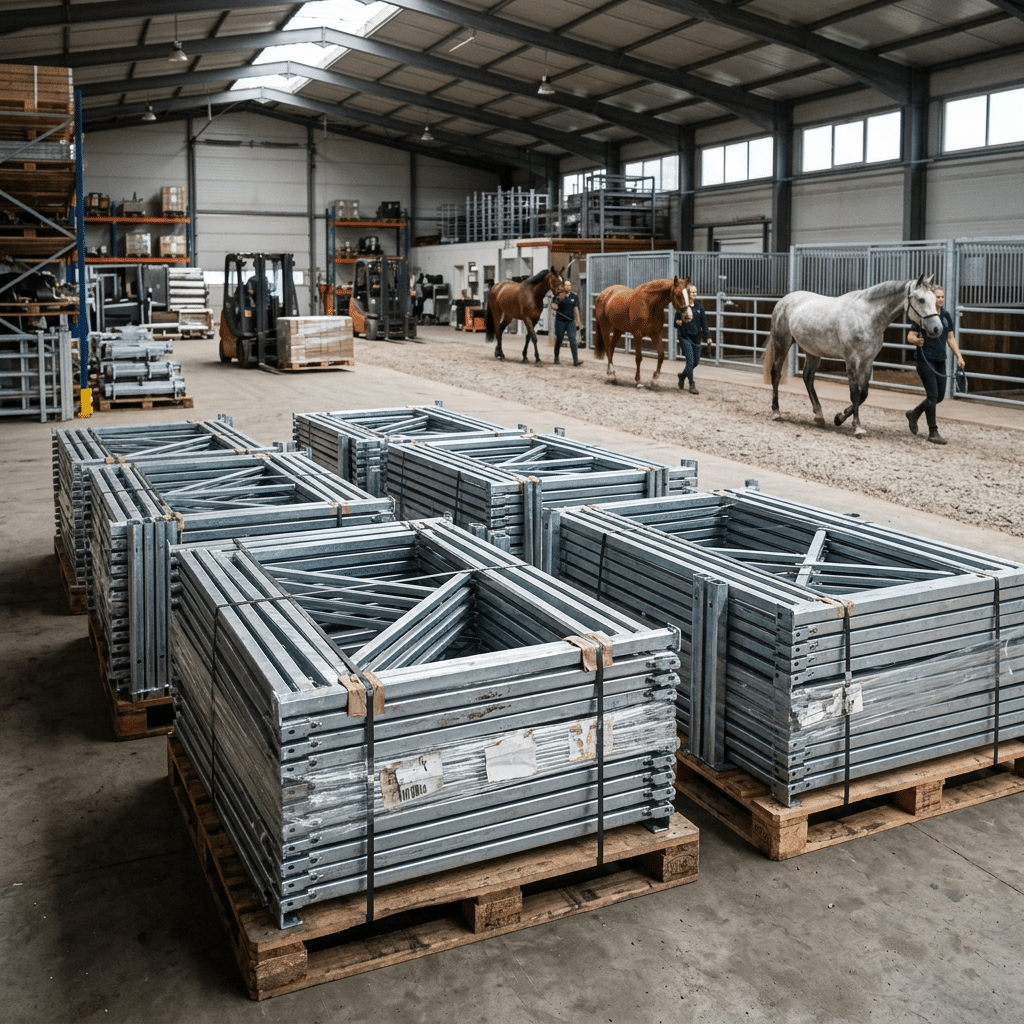
by Frank | May 22, 2026 | Blog
Managing anti-dumping duties remains the primary challenge when importing steel horse stables, where a simple customs error can destroy profitability. A misclassification can subject a shipment to punitive tariffs under Section 232, instantly erasing margins and...
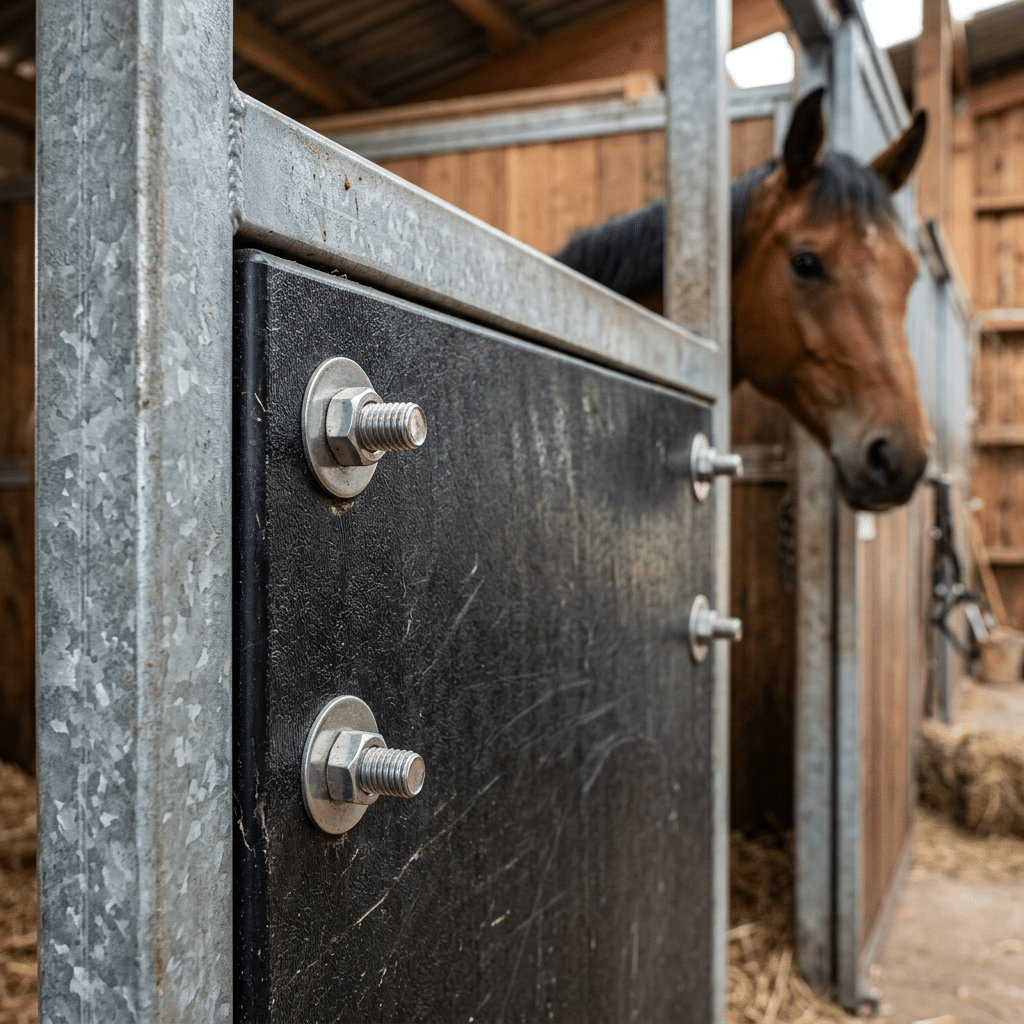
by Frank | May 22, 2026 | Blog
Your liability insurance premiums directly reflect your facility’s documented risk profile. A single horse injury resulting from a weak stall partition can trigger a negligence lawsuit with six-figure penalties, making proof of reasonable care your only...
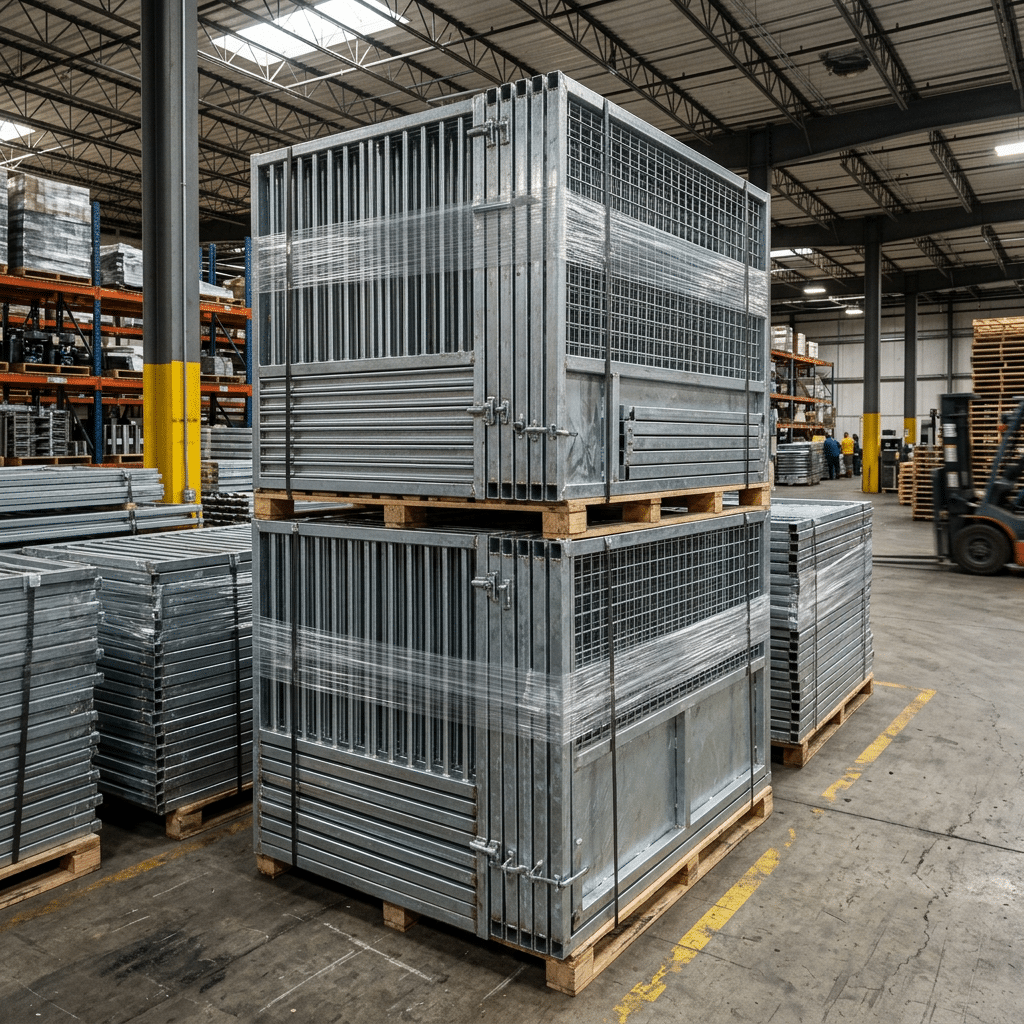
by Frank | May 22, 2026 | Blog
Non-compliant packaging remains a leading driver of expenses for steel product importers. When shippers rely on standard wood crates, they expose themselves to quarantine delays and fumigation fees alongside the significant risk of structural failure under weight....
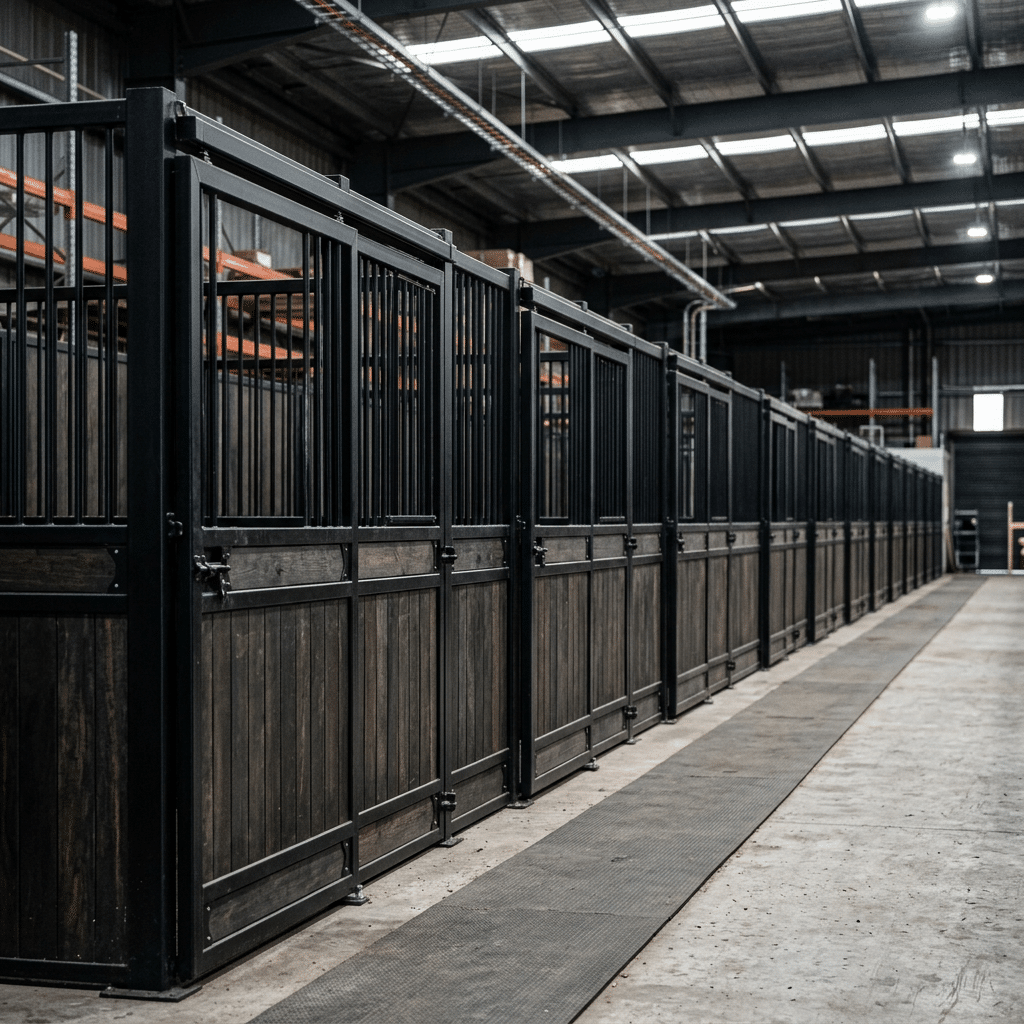
by Frank | May 21, 2026 | Blog
Commercial insurance premiums for equestrian facilities are driven by two primary risks: catastrophic fire spread and high-cost veterinary claims. A barn built with traditional combustible materials is automatically classified as a high-risk asset, leading to...
by Frank | May 21, 2026 | Blog
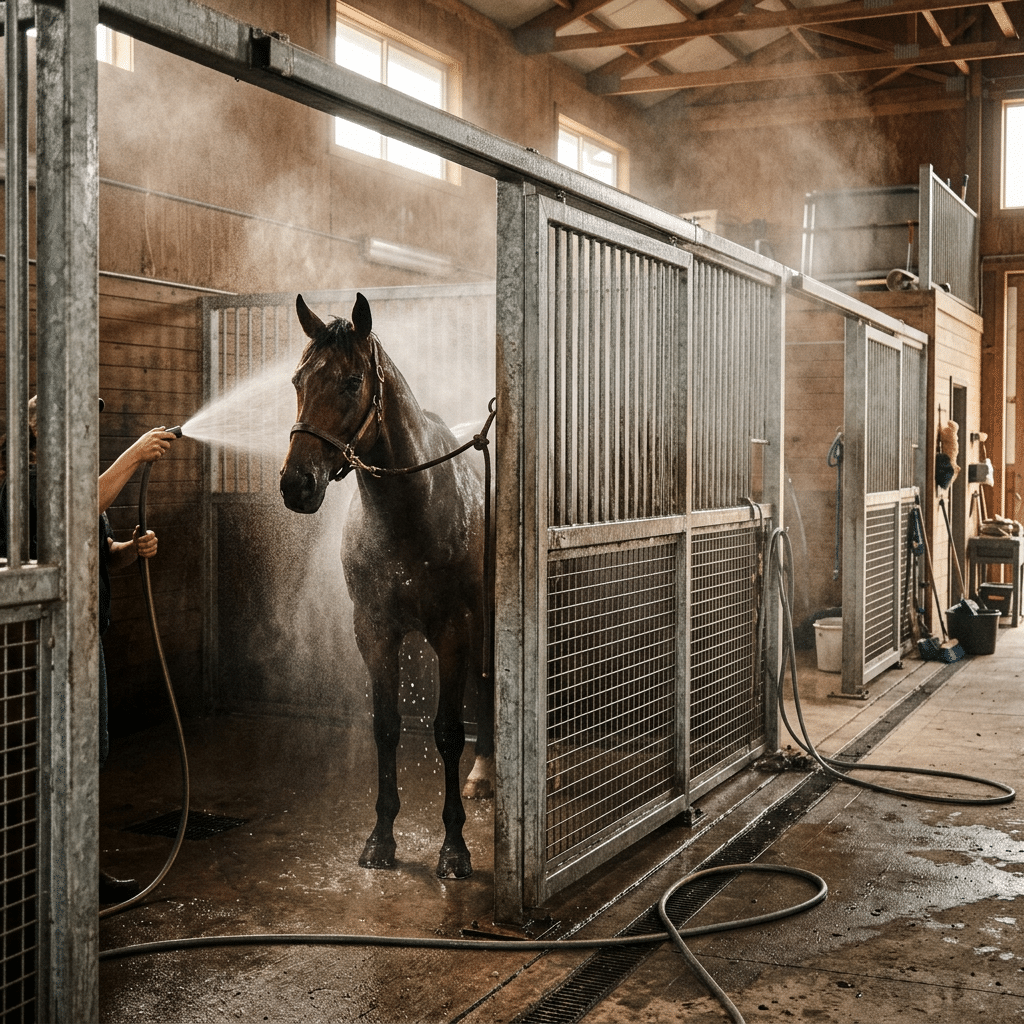
The persistent ammonia smell in horse stalls is a direct indicator of urine absorption into porous flooring and walls. This trapped moisture not only fuels bacteria but also causes structural rot and corrosion, leading to costly repairs and compromising the long-term...
by Frank | May 21, 2026 | Blog
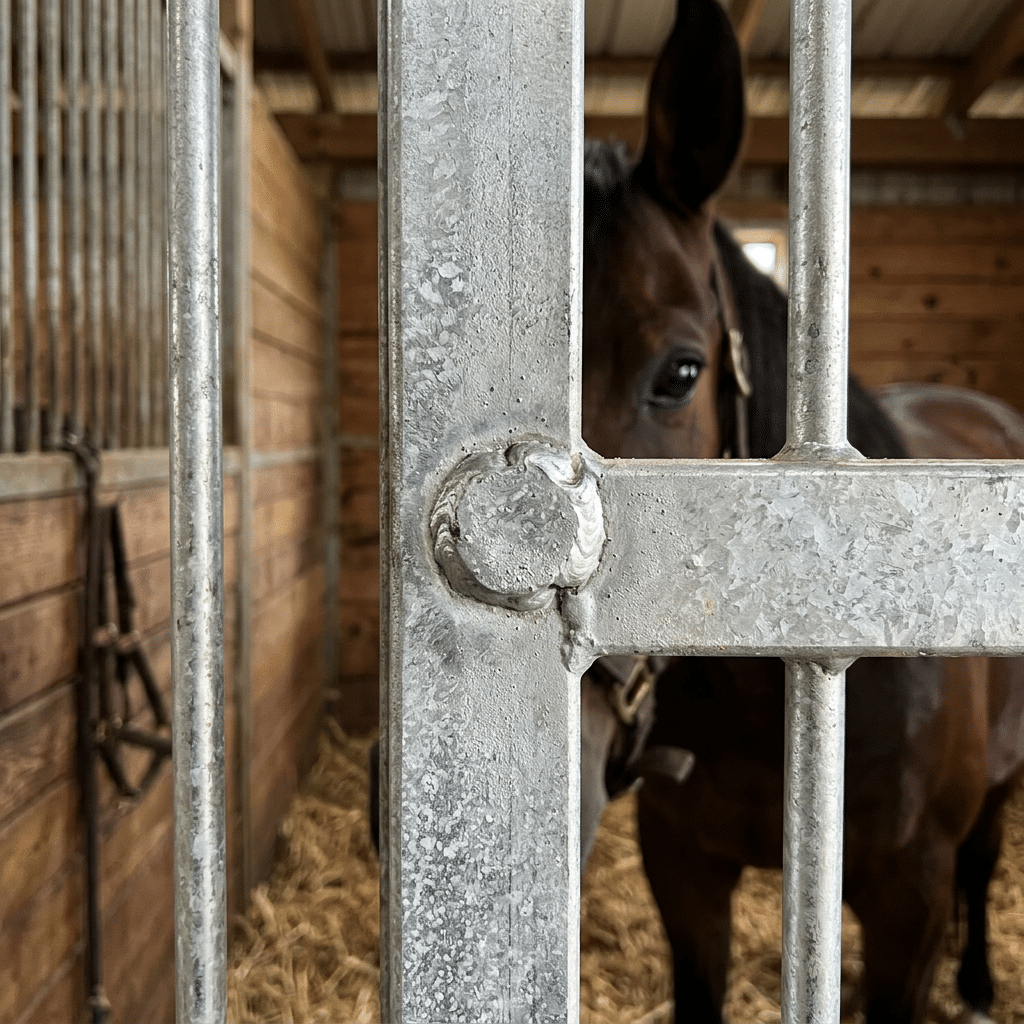
Accurate asset valuation for equestrian properties depends on separating fixed liabilities from movable assets. A permanent timber barn is a sunk cost, with appraisers consistently devaluing structures due to wood rot—a risk that directly lowers a farm’s market...


 English
  Spanish
  French
  Arabic
  German