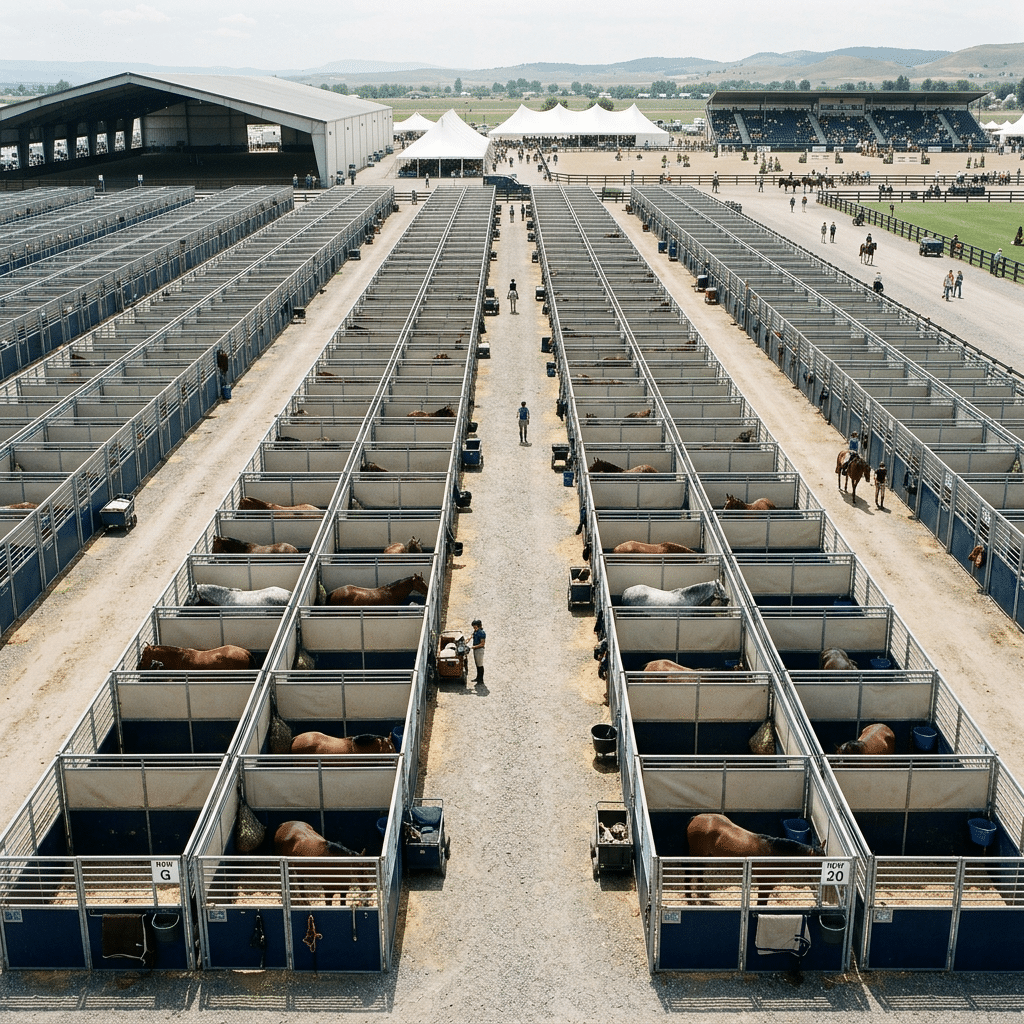
by Frank | May 30, 2026 | Blog
Luxury club aesthetics are the primary driver of premium boarding rates, yet sourcing based on appearance alone leads to premature finish failure. When a powder coat peels or steel shows rust, it not only forces costly repairs but also undermines the perception of...
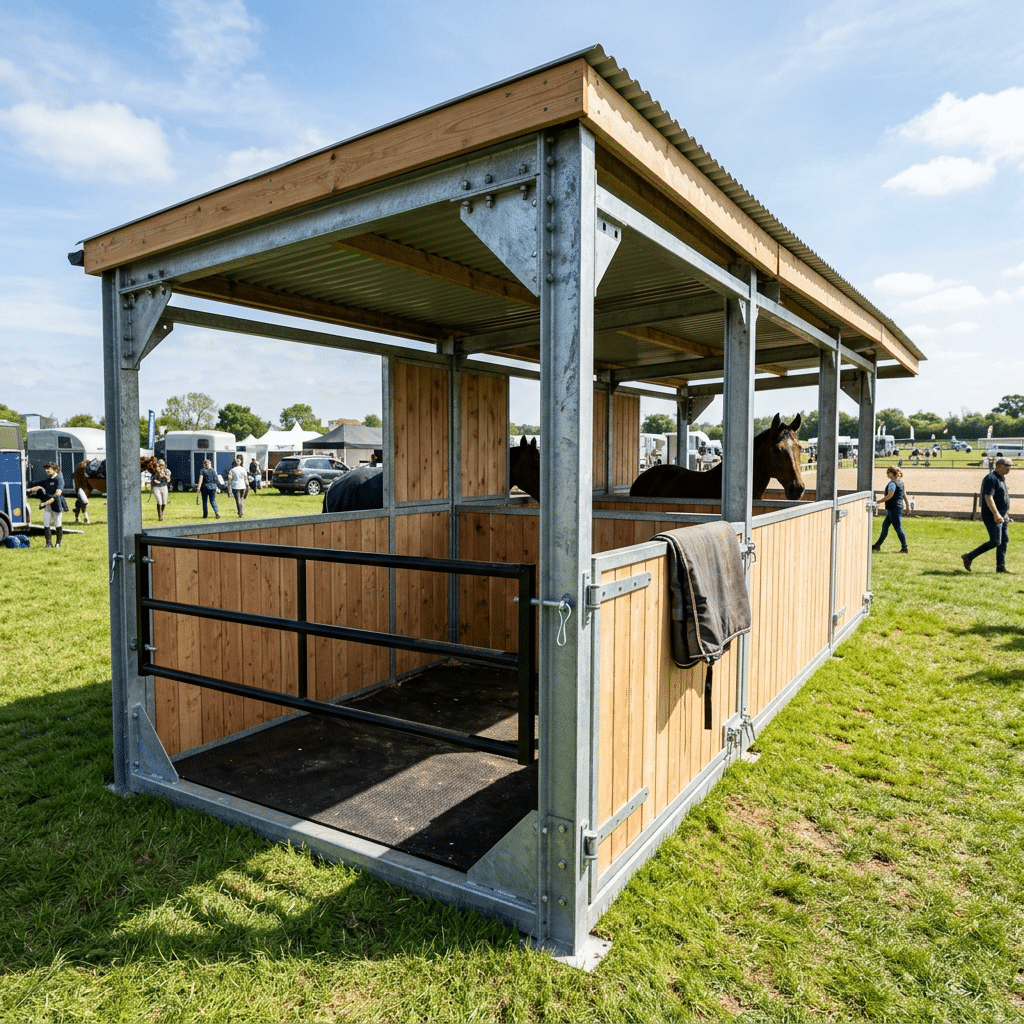
by Frank | May 30, 2026 | Blog
An eco-friendly/green barn specification is a direct investment in lowering total cost of ownership and securing certifications. Conventional timber designs lock owners into a cycle of costly maintenance and chemical treatments, while architects risk projects failing...
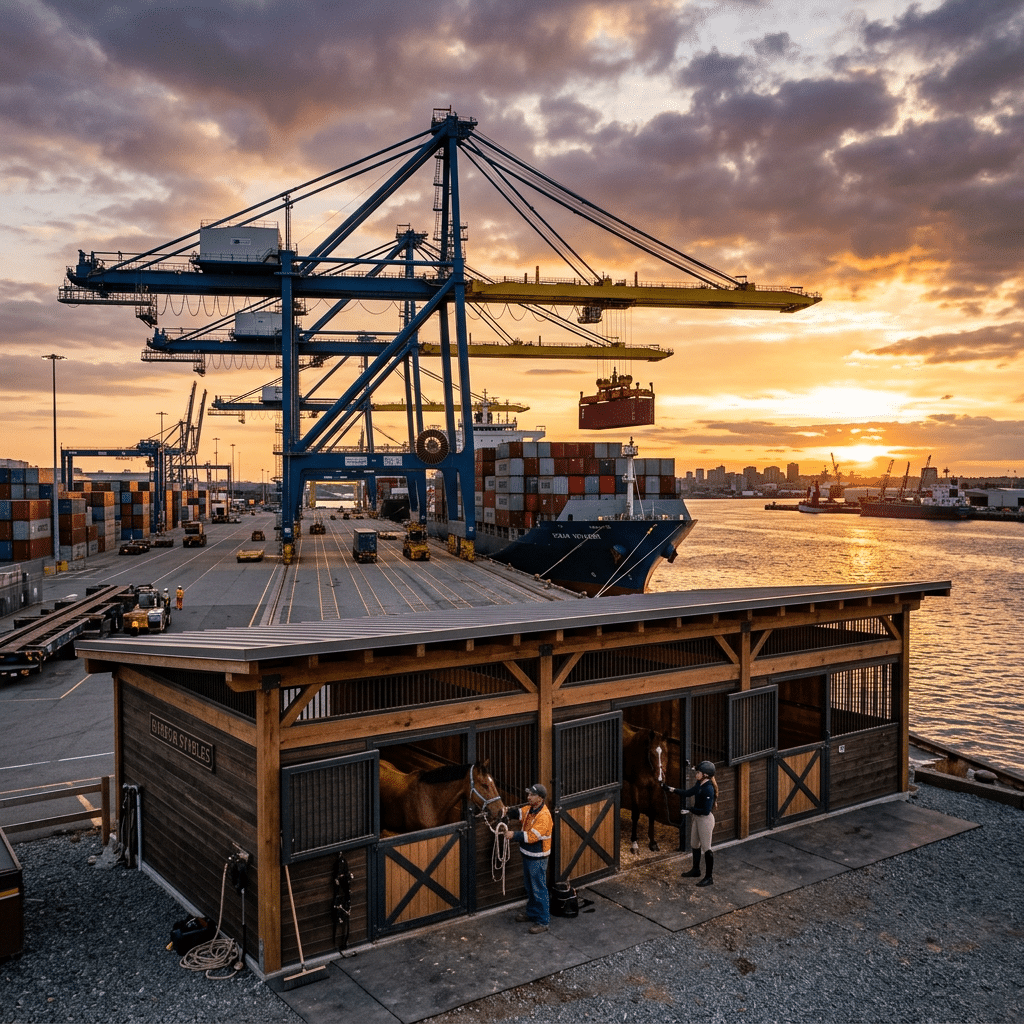
by Frank | May 30, 2026 | Blog
Proper Wash Rack Engineering is the primary defense against structural rot and safety liabilities. A miscalculation in drainage or materials isn’t a minor shortcut; it is a direct cause of flooded aisles, premature corrosion, and expensive repairs that...
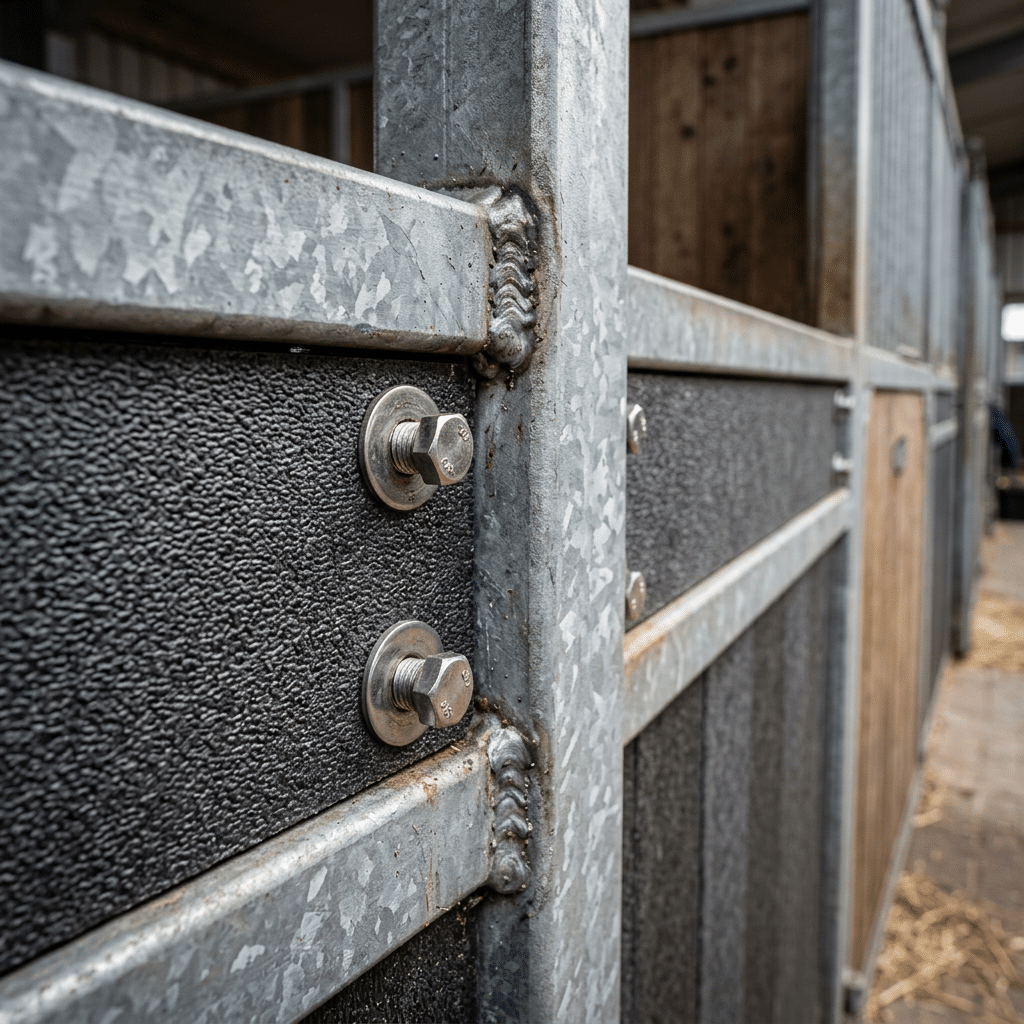
by Frank | May 29, 2026 | Blog
Commercial Boarding profitability is decided by design choices that either lock you into low-margin volume or unlock premium rates. The wrong structural decisions, from inefficient layouts to high-maintenance materials, directly erode your operational budget and limit...
by Frank | May 29, 2026 | Blog
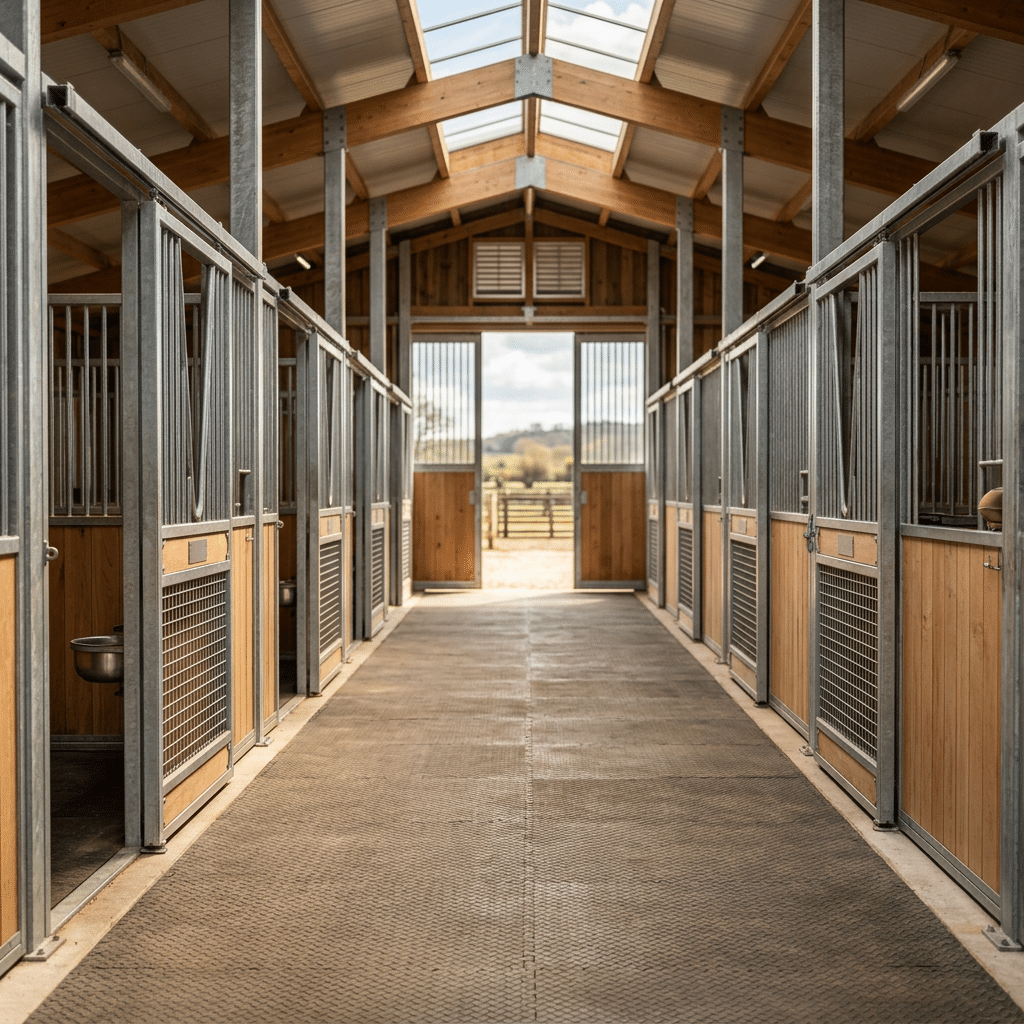
An effective Natural Light Strategy is an engineering decision that prevents costly structural failure, not just a way to brighten a dark barn. Poor planning leads to UV degradation of materials, causing brittleness and cracking that results in expensive repairs and...
by Frank | May 29, 2026 | Blog
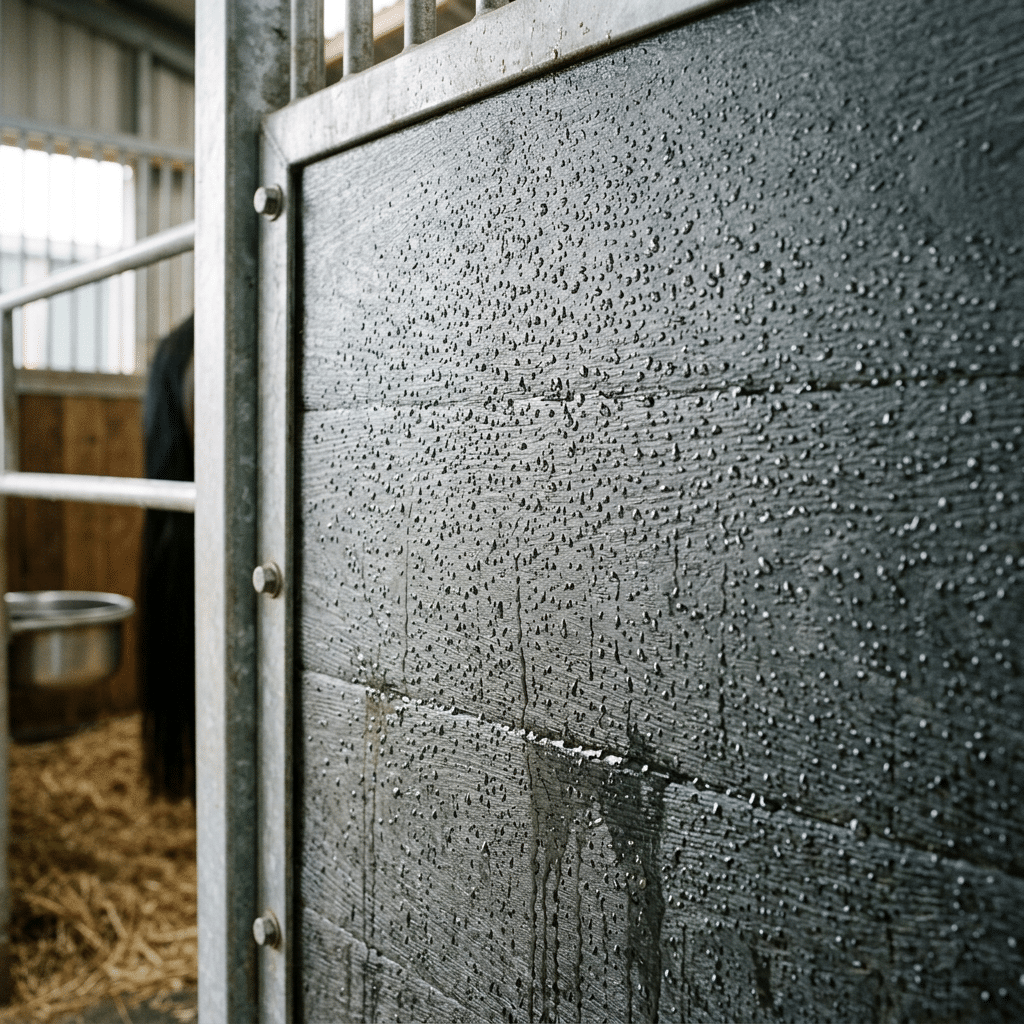
Specifying Draft Horse Stables without engineering for the dynamic loads of a 2000lb animal creates a direct financial liability. Standard stalls often fail under the impact of a powerful kick, resulting in costly structural repairs and the even greater expense of a...


 English
  Spanish
  French
  Arabic
  German